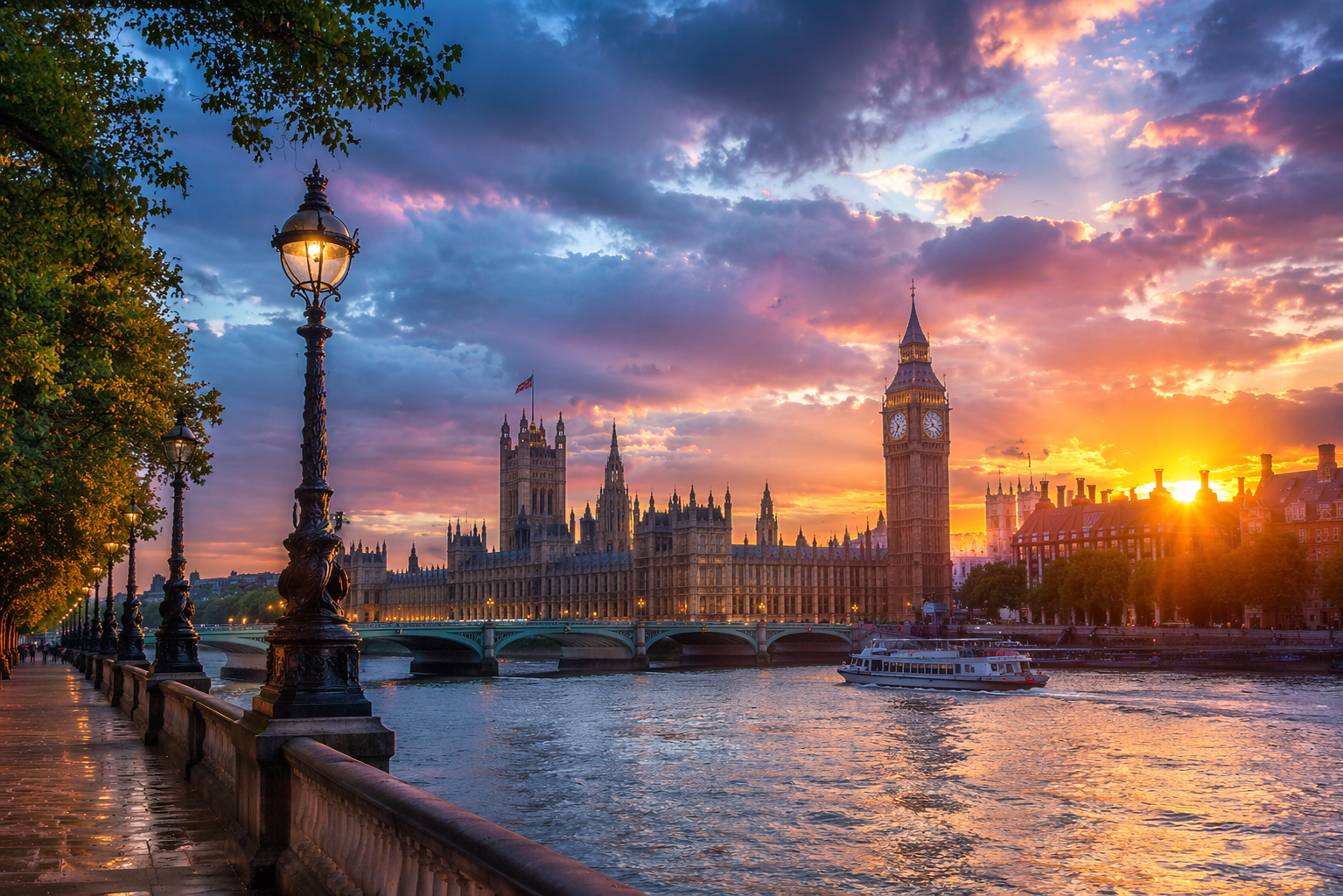
London is one of the few cities in the world that can satisfy almost any kind of traveller. You can spend the morning in a museum with a world-class collection, the afternoon walking through royal parks and historic streets, and the evening at a theatre, cocktail bar, concert hall, or neighbourhood restaurant.
The challenge is not whether London has enough to do. The challenge is avoiding bad planning. The city becomes much easier once you accept that a good London trip is about choosing the right areas, keeping days geographically coherent, and mixing a few high-value priorities with plenty of walking, food, and flexible time.
London at a Glance
Quick planning summary
- Best forCulture, history, museums, food, theatre, multi-style city breaks
- Minimum stay2 to 3 days, ideally longer
- Best way to exploreTube, buses, and walking
- Best seasonSpring and early autumn
- Book aheadMajor attractions, theatre, headline exhibitions, popular dining
Who London Is Best For
London suits first-time UK visitors, museum-heavy travellers, theatre lovers, families who want flexibility, and repeat visitors who are happy to build a trip around neighbourhood mood rather than only the headline icons.
That range is part of what makes the city so valuable. The key is not trying to do every version of London at once. Choose the districts and experiences that match the trip, then let the rest wait for another visit.
Why London Needs Structure
London is large enough that poor planning wastes time fast. That is why this guide focuses on trip shape rather than endless lists. Grouping each day by area usually matters more than cramming in more attractions.
The city is also unusually flexible. A first-time trip can lean into Westminster, the South Bank, and classic museums. A repeat trip can focus on neighbourhoods, markets, galleries, and food. That range is what makes London so valuable, but only if you plan around it.
Best Areas to Explore
Westminster and St James's
Choose this area if you want classic London landmarks close together. Buckingham Palace, Westminster Abbey, Big Ben, St James's Park, Horse Guards, and the Thames are all within easy reach.
Covent Garden and the West End
One of the best all-round bases for a short city break. You are close to theatres, restaurants, shopping, and easy Underground links.
South Bank and London Bridge
Ideal if you want a mix of views, food, culture, and river walks. Borough Market, Tate Modern, and Tower Bridge all fit this side of London well.
Kensington and South Kensington
Best for museums, elegant streets, and a slightly calmer version of central London.
What to Prioritise
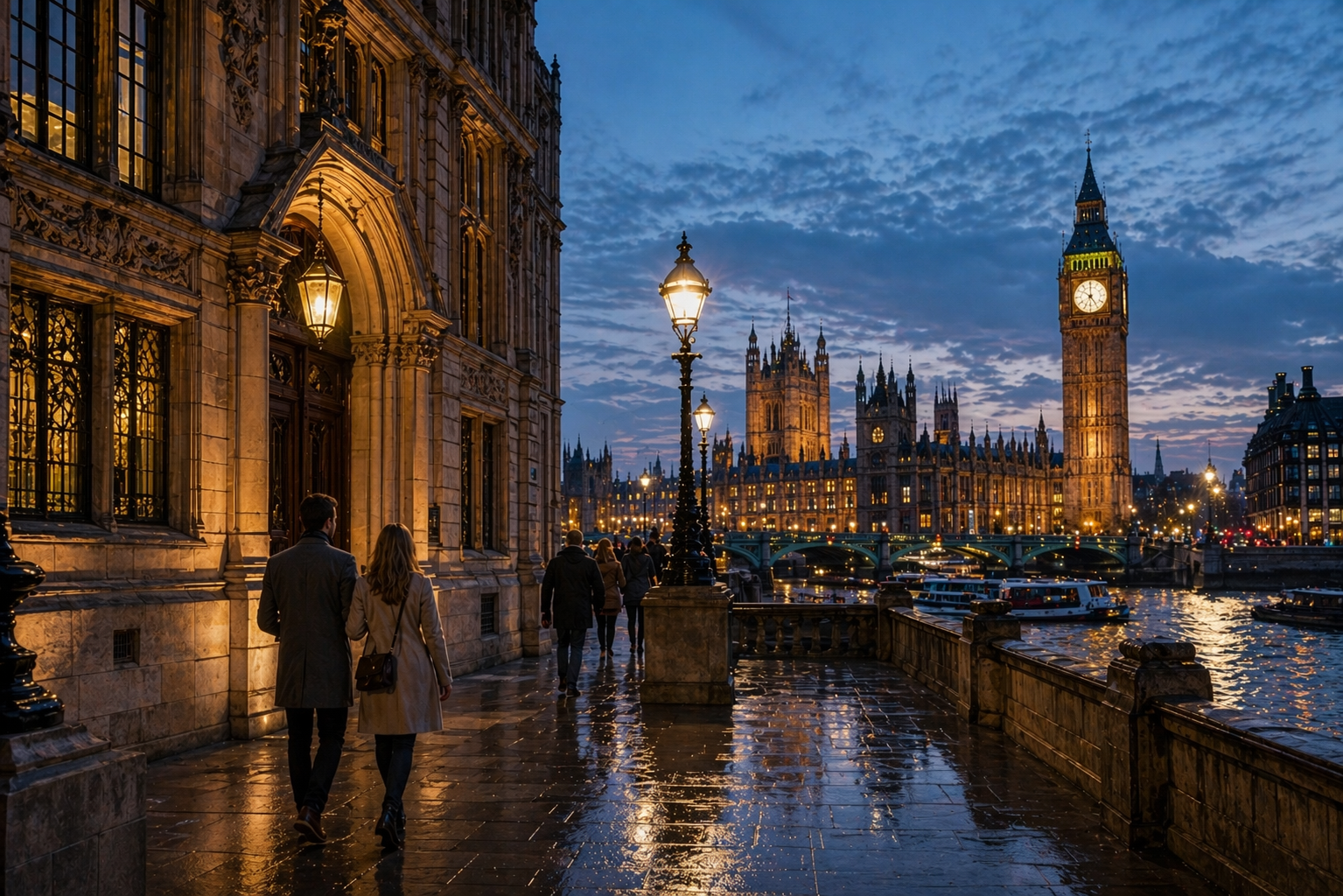
London is much easier when you reserve your main timed attractions in advance and then keep the rest of the day more flexible.
Check Tickets
The museum offer is one of London's biggest strengths. Build at least one calm museum block into the trip rather than treating culture as filler.
Browse London Attractions
Theatre, music, food, or a well-chosen neighbourhood dinner often turns London from a checklist city into a better short break.
See London ExperiencesWhere to Stay
For a first trip, staying central is usually worth the extra cost because it saves time and reduces friction. Covent Garden, South Bank, Bloomsbury, and parts of Kensington are all strong all-round bases.
If you already know London a little, you can stay further out on a good transport line and still have an excellent trip. The key is the connection, not just the price.
How Long to Stay
Two days gives you a solid introduction if you stay central and keep each day geographically coherent.
Three days is the more satisfying minimum if you want landmarks, a museum, a food-led evening, and one slower neighbourhood or park block.
Best Type of London Trip
The strongest London trip is usually a two- or three-night central stay with each day grouped by area. Treat it as a city of districts and contrasts rather than as a single giant checklist.
That approach works whether the trip is about famous icons, museums, theatre, food, or one more local-feeling repeat visit. London gets better when you choose a version of it, not all of it.

Compare London Hotels
Staying in the right area matters more than chasing the cheapest edge-of-city option. Compare central bases first, then plan each day by neighbourhood.
Compare London HotelsWhen Flights Matter
If London is the arrival city for a wider UK trip, or you are comparing Heathrow, Gatwick, Stansted, City, and Luton, sort the airport and route layer first before you decide the district.

Compare London Airports Before You Choose the District
Heathrow, Gatwick, Stansted, City, and Luton can all shift the hotel logic. Settle the arrival route first, then refine the central base.
Compare FlightsIf you want a more compact but equally atmospheric alternative, Edinburgh is the closest contrast. If you want a calmer elegant short break instead, Bath is the stronger switch.
Frequently Asked Questions
Is London worth only two days?
Yes, but you need to plan by area and avoid trying to cover opposite sides of the city in the same block.
What should first-time visitors prioritise?
A mix of Westminster, a museum district, and one strong evening plan usually produces the best first version.
Is London good for families?
Yes. Parks, museums, flexible transport, and a huge variety of family-friendly options make it very adaptable.