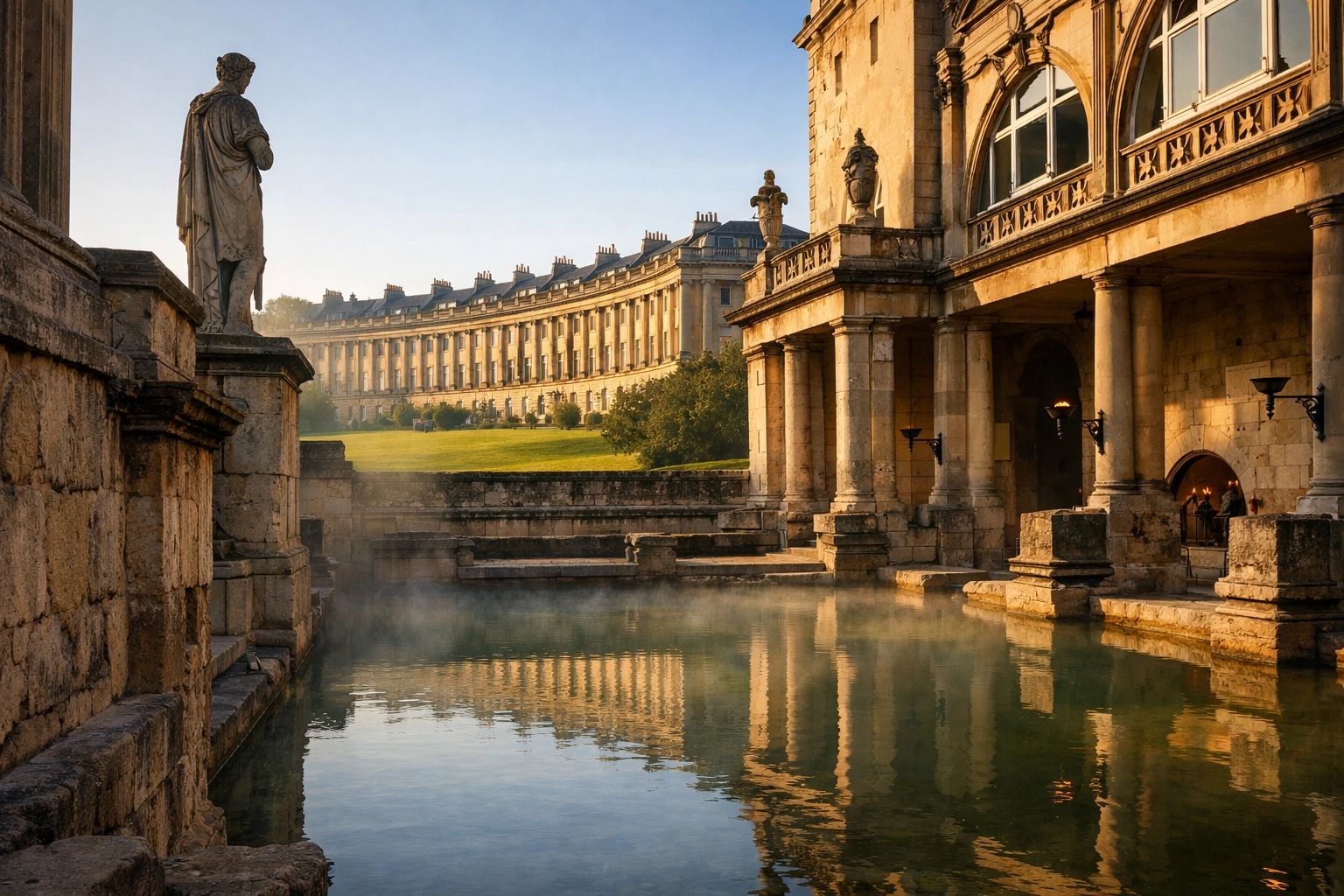
Bath is one of the easiest premium short breaks in England: compact, beautiful, walkable, and full of architecture that feels distinct from almost anywhere else in the country.
The city works best when you treat it as a place to enjoy slowly rather than conquer. Prioritise the Roman and Georgian core, leave space for a proper meal or spa block, and resist the temptation to overfill the day with minor extras.
Bath at a Glance
Quick planning summary
- Best forArchitecture, spa weekends, elegant short breaks, walkable historic streets
- Minimum stayOne full day, ideally one to two nights
- Best way to exploreOn foot, with a central hotel base
- Book aheadRoman Baths, popular spa sessions, and Saturday dinner slots
- Strongest trip shapeHistoric core first, then slower food, shopping, or spa time
Who Bath Is Best For
Bath is best for couples, design lovers, first-time premium short breaks, and travellers who want a city that feels elegant without needing a long list of big-ticket attractions.
It suits visitors who enjoy architecture, slower food-led pacing, and a walkable centre where the atmosphere does a lot of the work.
Why Bath Works Best Slowly
Bath does not need a huge checklist to feel worthwhile. Much of its appeal comes from how coherent the city is: the stone terraces, crescents, hills, and short walking distances make even ordinary movement through the centre feel part of the experience.
That is why Bath is stronger as a calm overnight break than as a rushed tick-box day. The city feels at its best early in the morning, around golden hour, and after the busiest day-trip crowds start to thin.
Best Areas to Explore
Around the Abbey and Roman Baths
This is the historic heart of Bath and the obvious starting point for a first visit. It is where the city feels most recognisable and where the main landmark density is highest.
Royal Crescent, The Circus, and the Georgian grid
This is the area that gives Bath much of its visual identity. Even if you do not enter a single attraction, walking these streets is part of the point of coming here.
Walcot Street and the quieter edges of the centre
If you want Bath to feel less polished and more lived-in, spend a little time outside the most obvious core. Independent shops, smaller cafes, and a slower pace help balance the city.
What to Prioritise
The city's headline attraction is worth doing properly. Book ahead in busy periods and give it enough time rather than trying to rush straight through.
Check Tickets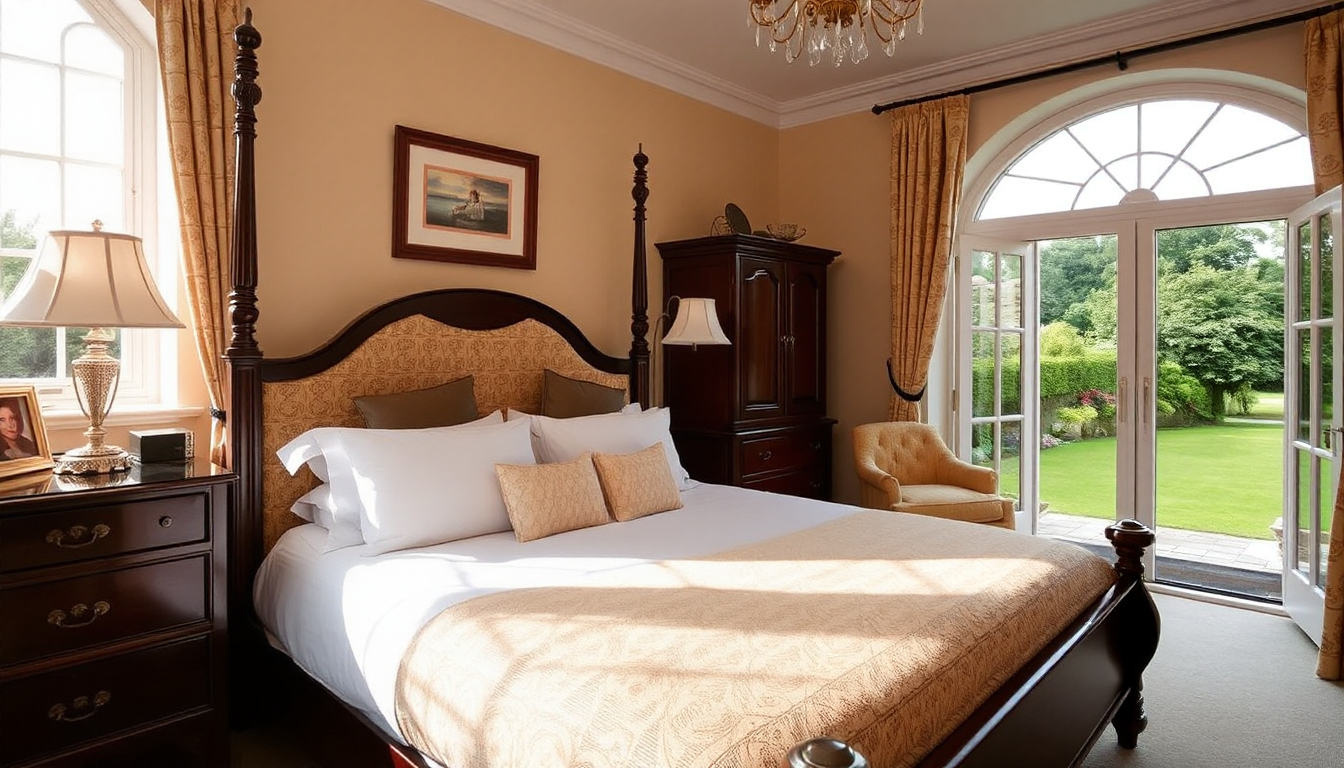
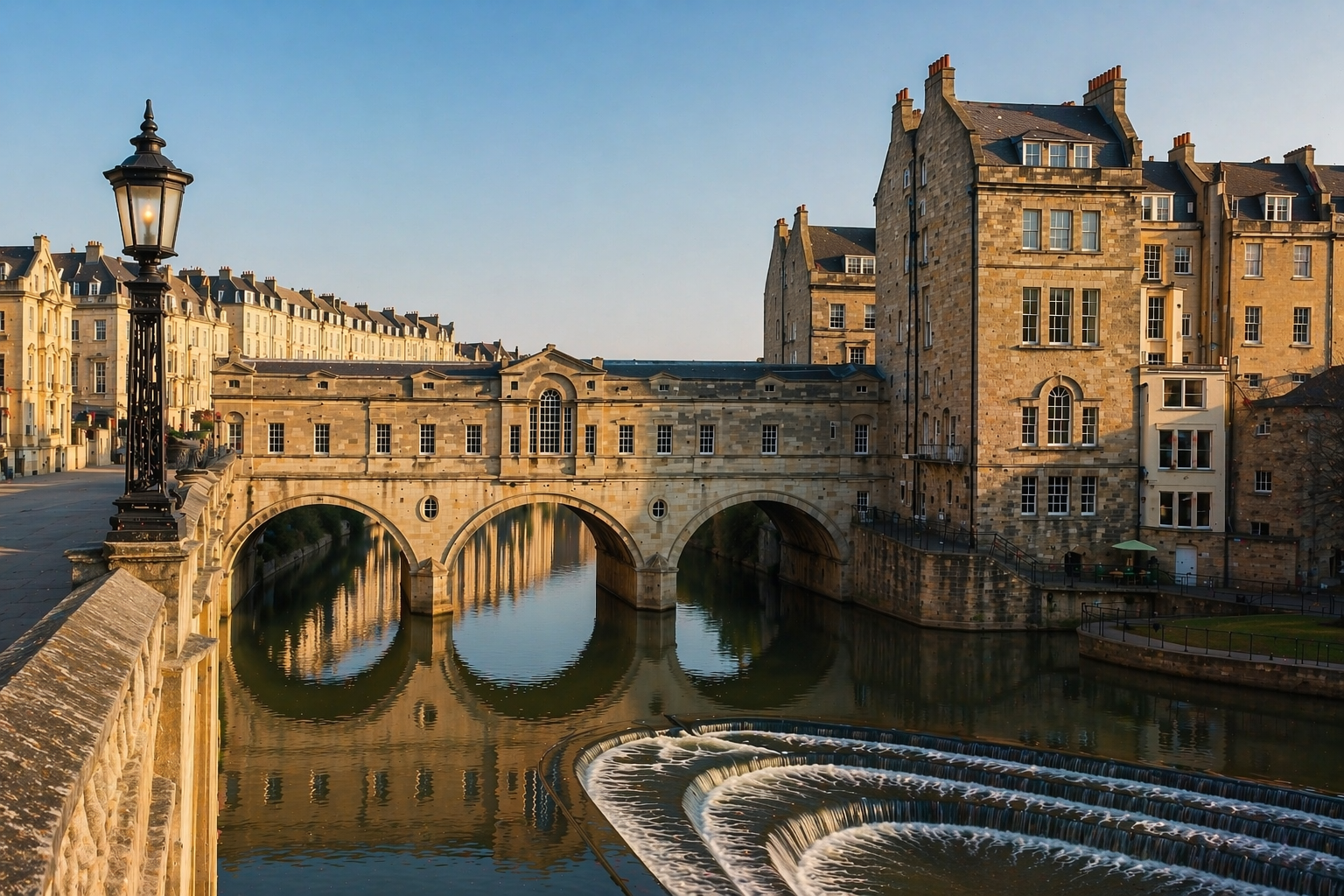
The architecture is one of Bath's real selling points. Walking slowly through the city is not filler here; it is part of the main experience.
See Bath Tickets
Bath rewards visitors who stay overnight and build one calm, indulgent block into the trip. A spa session, a long lunch, or a quieter evening is often what makes the city feel worthwhile rather than merely photogenic.
Browse Bath ExperiencesWhere to Stay
The centre is compact, so staying close to the historic core is worth it. It keeps the trip smooth and lets you enjoy Bath early in the morning or later in the evening when it feels quieter.
For most visitors, a central base is more valuable than chasing a slightly cheaper room further out. In Bath, location affects how elegant and relaxed the whole break feels.
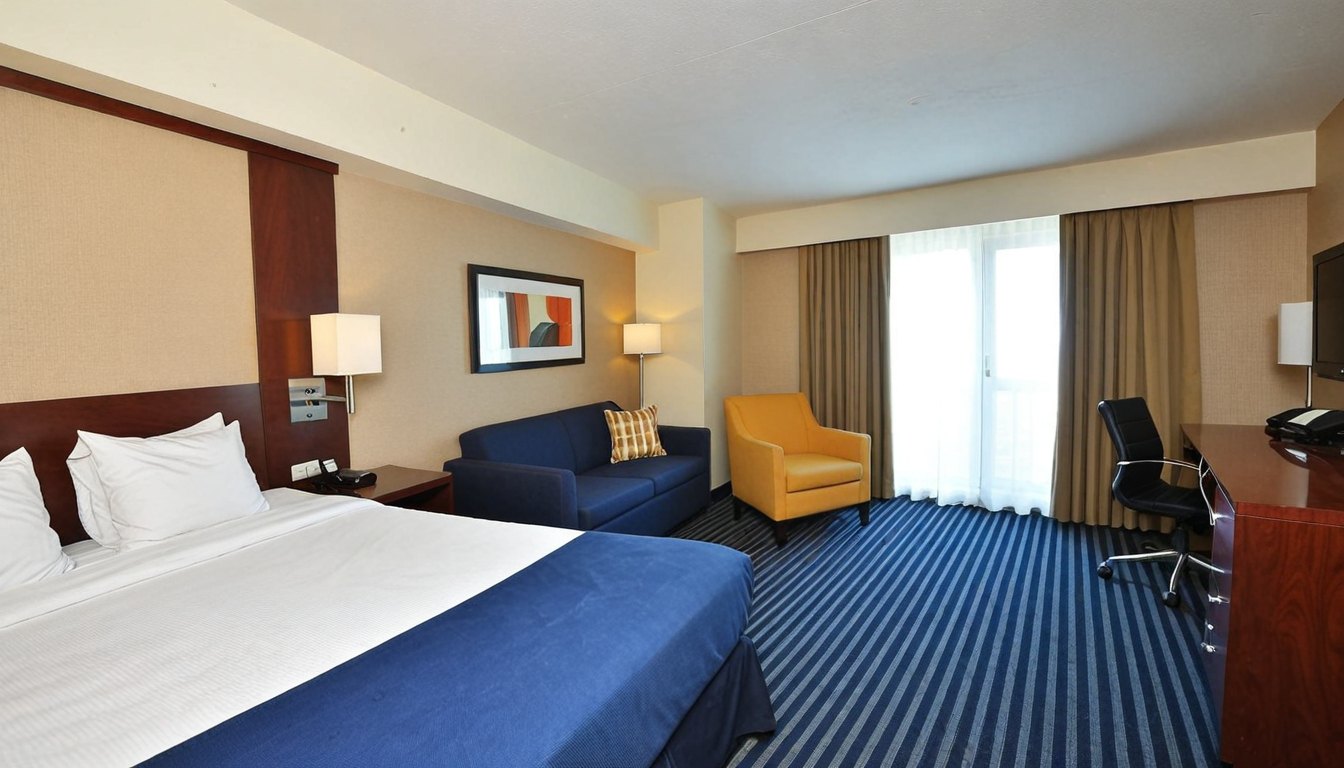
Compare Bath Stays
Bath works best when you stay centrally and keep the city almost entirely walkable.
Compare Bath HotelsHow Long to Stay
One full day can cover the essentials, especially if you prioritise the Roman Baths and a strong walking route through the Georgian centre.
One or two nights is the better version. That gives you time for the city in different light, a better meal, and a more measured pace that suits Bath far more naturally.
Best Type of Trip
Bath is strongest as a one- or two-night heritage-and-stay break. The city rewards visitors who build the trip around one headline sight, one elegant walk, and enough time for a slower meal or spa-style pause.
It is a weaker destination for speed-running landmarks and a much better destination for travellers who want the whole weekend to feel polished.
Simple 2-Day Outline
Day 1: Roman Baths, Abbey area, central lunch, then a Georgian walking loop through The Circus and Royal Crescent.
Day 2: Slow breakfast, spa or shopping block, a quieter street wander, and a relaxed lunch before departure.
When Flights Matter
If Bath is part of a wider UK trip or you are comparing arrival options through Bristol or London, sort the route first, then come back to the hotel base once the arrival is settled.

Compare Routes Before You Choose the Base
Bristol and London-area arrivals can change the shape of a Bath trip quickly, so settle the route first when the arrival point is still open.
Compare FlightsIf you want the slower overnight version rather than a fast city tick-off, Read Guide.
If you are comparing compact heritage breaks, York is the more medieval alternative, while Bristol gives you a looser and more contemporary southwest weekend.
Frequently Asked Questions
Is Bath worth staying overnight?
Yes. A day trip can cover the highlights, but Bath is more enjoyable as an overnight break because the city feels calmer and more elegant when you are not rushing.
How many days do you need?
One full day is enough for the essentials, while two days gives you time for food, slower walking, and a more relaxed pace.
What part of Bath is best for first-time visitors?
Staying close to the historic centre is usually the best first choice because it keeps the Roman Baths, Abbey, Georgian streets, and food options within easy walking distance.