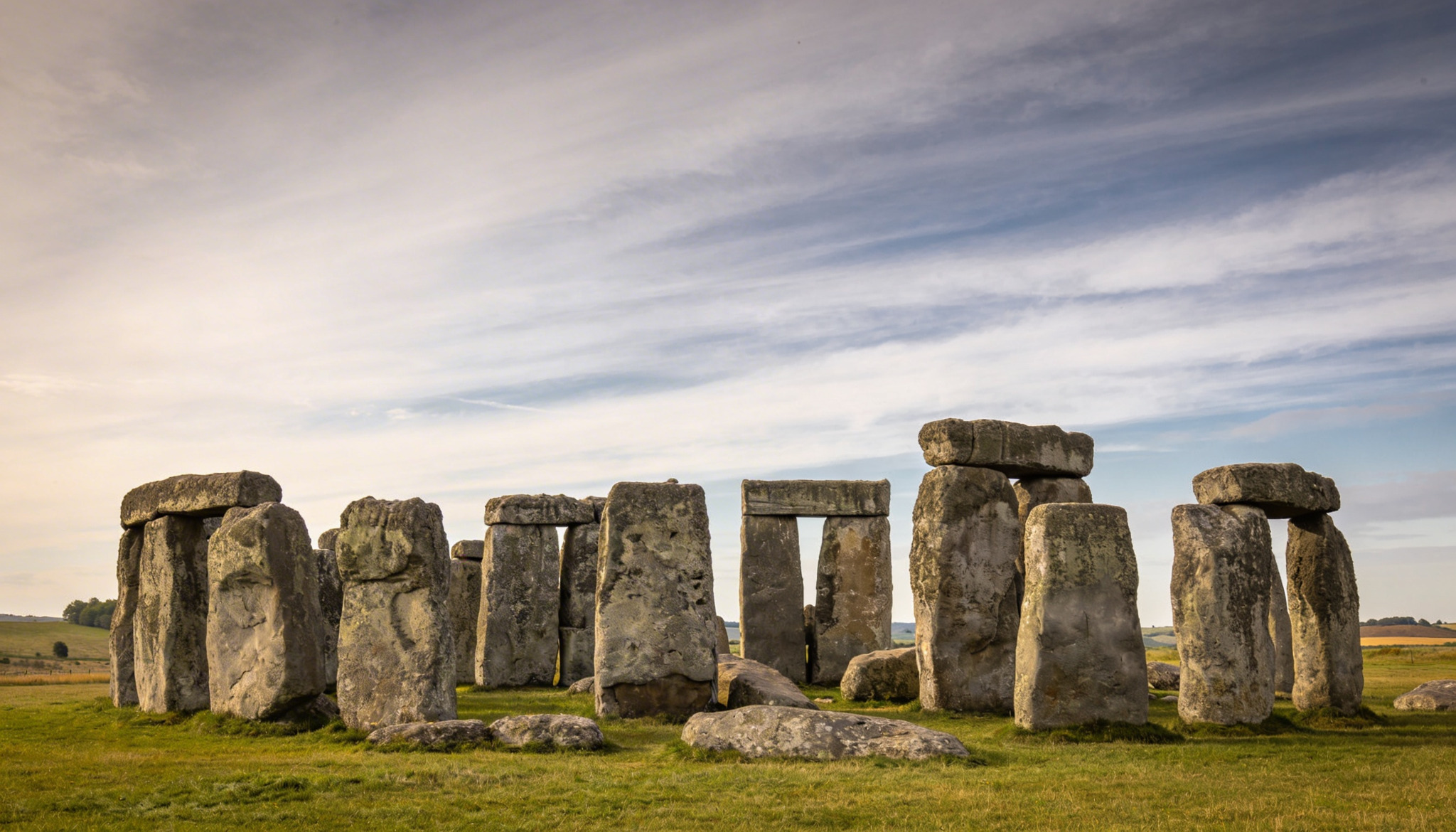
Stonehenge Day Trip Guide
Stonehenge is worth doing when the day is built around the monument properly. It suits travellers who want one high-value heritage stop, a clear Wiltshire route, and enough time for the setting to matter rather than just ticking off the stones.
The mistake with Stonehenge is not usually choosing the wrong monument. It is building the wrong kind of day around it. The visit lands best when expectations are realistic, the arrival is clean, and the rest of the route does not compete too hard for attention.
That usually means one of two things: either make Stonehenge the clear anchor of a focused heritage day, or pair it with one nearby stop that adds contrast without turning the trip into a rushed list. Once you try to make it carry too many equal-priority stops, the whole day starts to feel thinner.
Stonehenge at a Glance
Quick planning summary
- Best forFirst-time heritage visitors, history-led travellers, classic Wiltshire day trips, and visitors who want one iconic stop done properly
- Minimum time on siteRoughly two to three hours once arrival, orientation, and monument time are included
- Works best asA focused day out or a Wiltshire heritage route with one secondary stop
- Book aheadYes, especially on weekends, school-holiday dates, and any day where timing matters
- Strongest pairingSalisbury for the cleanest contrast, or Avebury for a broader prehistoric landscape day
- Overnight worth it?Only if Stonehenge is part of a fuller Wiltshire or wider southwest break
Who This Day Out Is Best For
Stonehenge is best for travellers who want one high-recognition heritage stop, do not mind building the day around a timed visit, and appreciate landscape as much as monument. It also works well for first-time UK visitors who want an iconic site without needing a complicated multi-day plan.
It is less convincing for travellers who want a packed attraction day with lots of different headline moments. Stonehenge is about focus, atmosphere, and context. If the itinerary needs constant variety, a different day out can feel fuller for the effort.
Why Stonehenge Works and When It Can Feel Underwhelming
Stonehenge works because the monument is recognisable, the setting is open enough to let it breathe, and the site still carries a sense of weight that most visitors feel quite quickly once they arrive. It is one of the rare attractions that does not need theatrical exaggeration to justify itself.
It can feel underwhelming when people expect a huge all-day complex, arrive with the day already overstuffed, or treat the visit like a quick roadside photo stop. The stronger mindset is to treat Stonehenge as a contained but meaningful heritage experience and let one secondary stop do the rest of the work if you want a fuller day.
How to Shape the Day Properly
Stonehenge on its own
This is the cleanest version if the stones are the real reason for the detour. It suits travellers already moving through southern England, visitors with limited time, or anyone who wants a half-day heritage block without overcomplicating the route.
Stonehenge and Salisbury
This is the strongest first-time combination for many visitors. Stonehenge gives you the headline site; Salisbury gives the day urban texture, architectural depth, and a much clearer sense of contrast than stacking another monument of similar scale.
Stonehenge and Avebury
This is better for travellers who want the day to lean further into prehistoric landscape and do not mind a route that feels slightly less obvious. It is usually stronger for visitors who already know they care about the setting and wider story, not only the headline monument.
What to Prioritise
Stonehenge is exactly the kind of site where advance booking improves the whole day. Fix the entry window first, then build the route around it instead of leaving the day vulnerable to queueing or guesswork.
Check Stonehenge TicketsThe day gets better when you allow time for arrival, orientation, and the landscape around the monument rather than trying to compress everything into a quick stop-and-go visit.
Browse Heritage TicketsMost Stonehenge days work better with one complementary stop rather than several equal-priority add-ons. Salisbury is the easiest classic pairing; a broader Wiltshire countryside stop can also work well if you want a slower day.
See More Days OutArrival, Driving, and Timing Guidance
If you are driving, the day should be built around the entry time rather than the other way around. Allow for the full arrival flow, including time before you are actually standing with the monument in view, and do not pretend that a tightly stacked schedule will somehow feel relaxed once you are on the road.
Stonehenge is also one of those sites where the surrounding logistics matter almost as much as the monument itself. Most visitors should assume the visit takes longer than the stones alone might suggest, especially once parking, visitor facilities, the movement across the site, and any same-day onward stop are factored in.
How Long to Allow
For Stonehenge alone, allow at least a half day once travel time and arrival flow are included. On site, most visitors will want roughly two to three hours to keep the visit from feeling hurried.
If you are pairing it with Salisbury, Avebury, or a broader Wiltshire route, treat it as a full day. That is usually the difference between a day that feels measured and a day that feels as though it spent all of its time catching up with itself.
What to Pair It With Nearby
Salisbury is the clearest first pairing because it gives the day a different register: urban fabric, cathedral scale, and a proper lunch stop rather than a second monument that asks for the same sort of attention.
Avebury is stronger if you want the route to stay landscape-led and prehistoric in mood. A quieter Wiltshire village stop or countryside lunch can also work well when the goal is not to maximise checklists but to let the day breathe.
Does Stonehenge Deserve an Overnight Stay?
On its own, usually not. Stonehenge is more often a strong day out than a destination that needs a dedicated night purely for itself.
An overnight stay starts making sense when the trip expands into Salisbury, a broader Wiltshire heritage route, or a slower southwest break where Stonehenge is one stop within a more elegant itinerary. If you want that softer overnight version, Bath Weekend is the cleaner internal contrast. If you want another major heritage anchor instead, Windsor Castle is the stronger royal counterpart.

Frequently Asked Questions
Is Stonehenge worth doing as a day trip?
Yes, especially if the day is built around a clear entry time and one sensible route. It is less convincing when treated as a rushed add-on squeezed between too many other stops.
How much time do you need at Stonehenge?
Most visitors should allow roughly two to three hours on site once the full arrival flow is included, and a half day overall if Stonehenge is the main purpose of the outing.
Should Stonehenge be paired with Salisbury or Avebury?
Salisbury is the easiest classic pairing because it adds a very different kind of stop. Avebury is better if you want the day to stay more landscape-led and prehistoric in mood.
Do you need to book Stonehenge in advance?
Usually yes. It is one of the clearest attractions where timed entry helps the visit feel smoother, especially on weekends and busier travel dates.
Is Stonehenge good for children?
Yes, as long as the day stays simple and expectations are realistic. It works better as one clear anchor attraction than as part of a long, overloaded sightseeing schedule.
Should you stay overnight near Stonehenge?
Usually only if the visit is part of a broader Wiltshire or southwest route. For most travellers, Stonehenge is better treated as a strong day out rather than a one-site overnight destination.