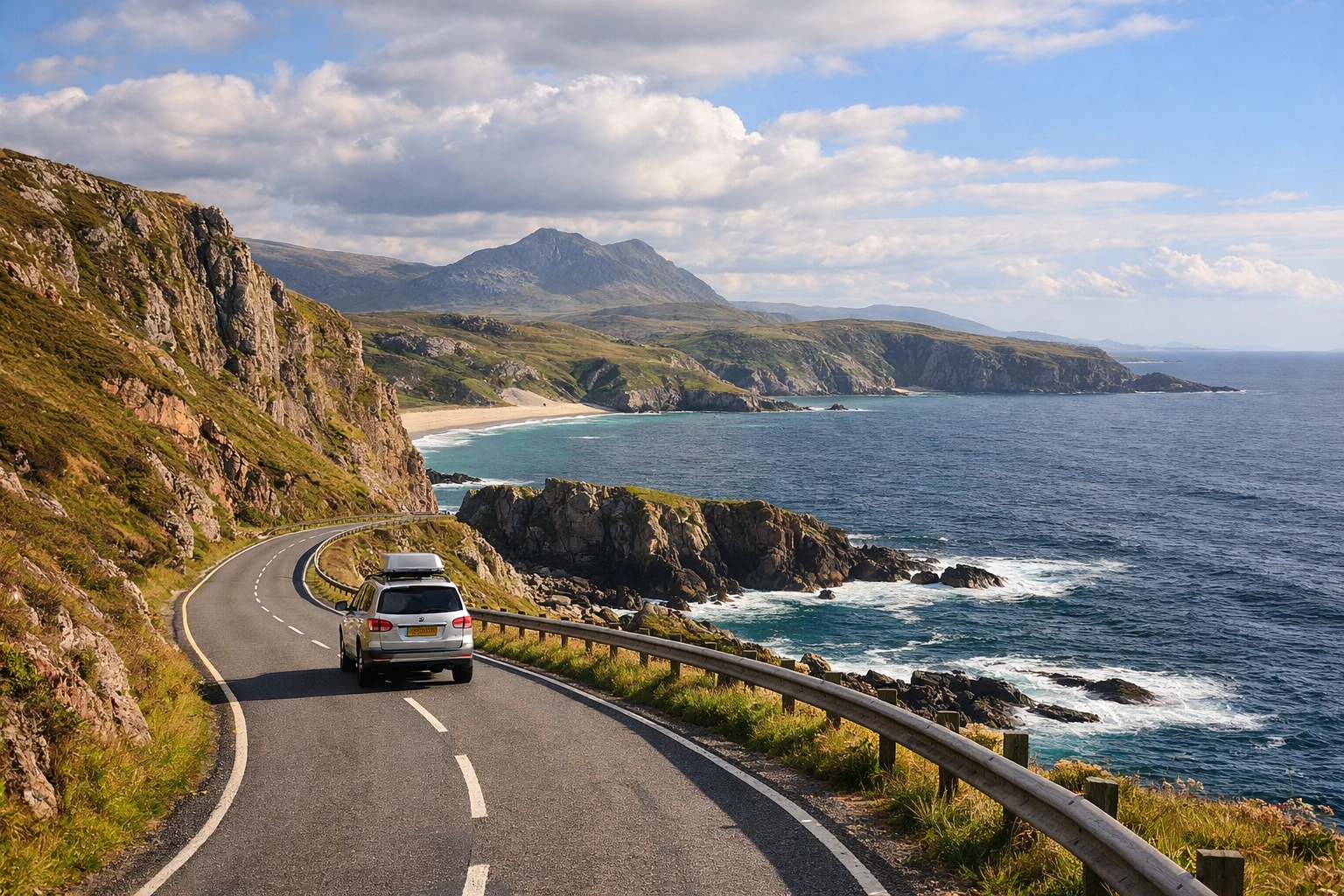
Emergency kit is rarely exciting, but it is often the gear that feels smartest in hindsight. A few compact items make remote roads and poor weather much easier to handle calmly.
This guide is about affordable-loss planning: low-cost items that reduce inconvenience, stress, and avoidable risk if the day turns slower than expected.
A torch, warm layer, small first-aid kit, and basic battery backup cover far more real scenarios than a giant novelty kit.
See Route ExampleEmergency gear buried under luggage is much less useful. Pack it where it can be found quickly in rain, dark, or stress.
See the Gear HubWhere you stop each night affects how much backup kit you need, especially on remote or weather-sensitive routes.
Compare UK Stays
Compare UK Stays for Safer Route Planning
When the route is weather-sensitive or remote, the right overnight stop reduces a lot of avoidable risk. Solve the stay first, then keep the safety kit proportionate.
Compare UK StaysFrequently Asked Questions
What belongs in a simple UK road-trip safety kit?
A torch, warm layer, first-aid basics, phone charging backup, and a few weather-related extras usually cover the essentials.
Do you need a huge emergency kit?
No. Compact, relevant items you can actually reach are usually more useful than bulky add-ons.