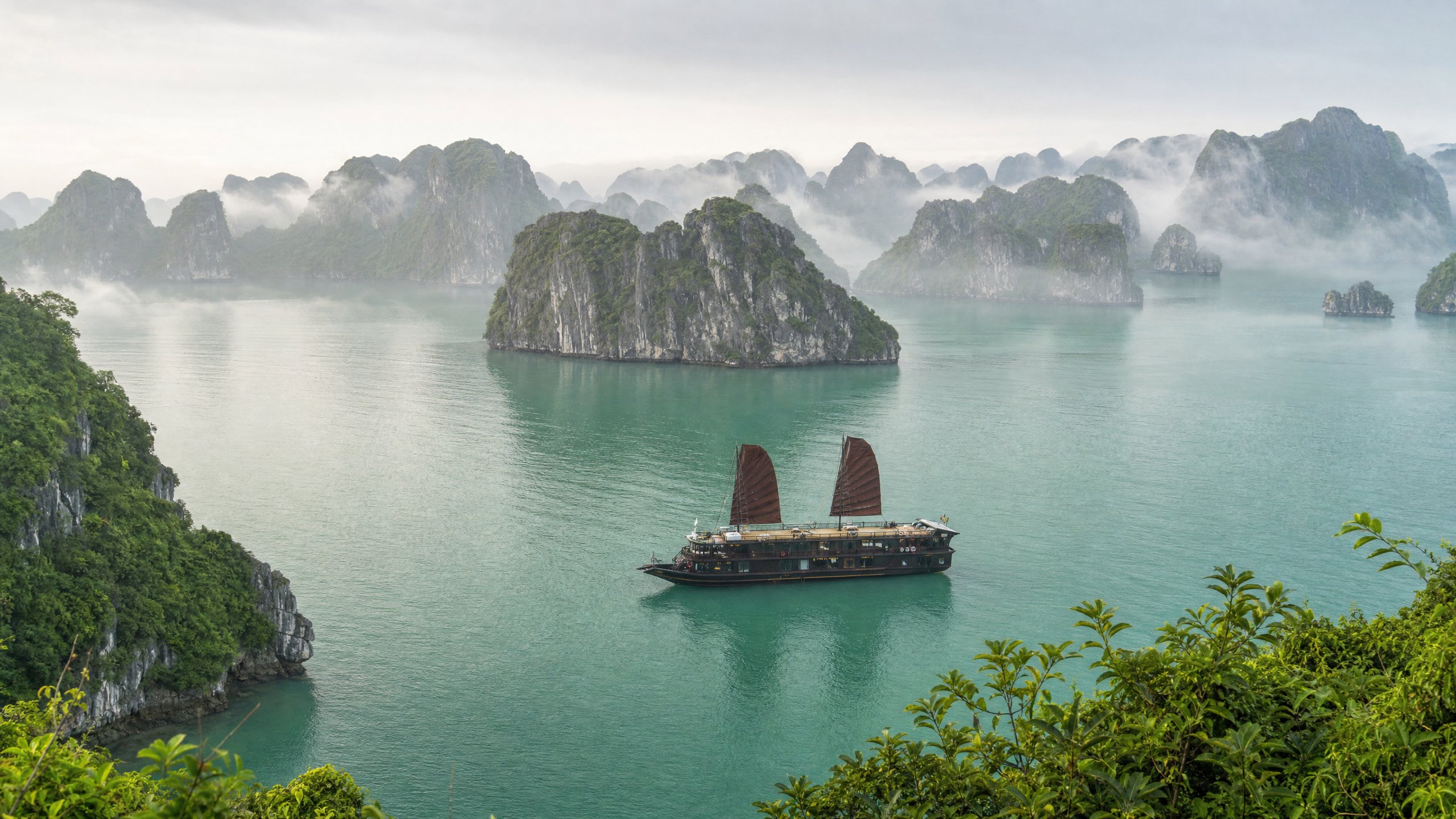
Vietnam Travel, Structured Around North-South Routes and Food Cities
Plan Vietnam through Hanoi, Ho Chi Minh City, Hoi An, Da Nang, Hue, Ha Long Bay, Mekong routes, food streets, hotels, flights, trains and regional pacing.
Start Planning VietnamVietnam Travel Guide: Routes, Stay Bases, Culture and Experiences
Trip shape: Treat Vietnam as a sequence of useful travel anchors, not as one flat country page. Start with Hanoi, Ho Chi Minh City, Hoi An and Hue, then test every extra stop against Ha Long Bay, Ninh Binh and Sapa, Mekong Delta and First Vietnam Trip: does it make the trip richer, or only longer?
Best for: Ha Long Bay, Ninh Binh and Sapa, Mekong Delta and First Vietnam Trip give Vietnam its deeper travel layer. Some visitors need one main city and one day trip; others should slow down, split the journey and give the strongest region its own nights.
Planning rule: Start with arrival logic, season and the first overnight point, then add the experiences that genuinely deserve advance planning. Museums, landmarks, guided tours, food walks, local neighbourhoods and coastal or countryside days should be grouped by geography and timing.
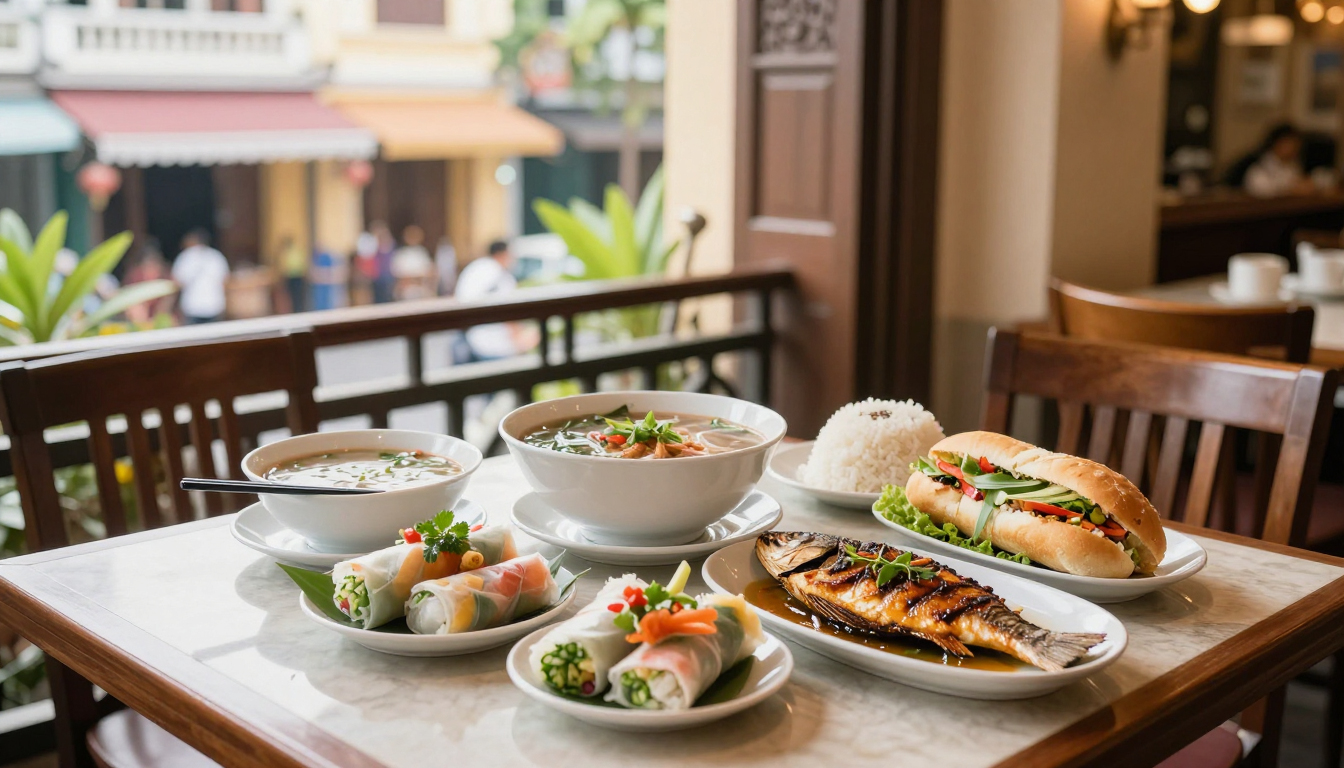
Route logic: pho, bun cha, banh mi, cao lau, imperial dishes and seafood vary strongly by region. Coffee shops, wet markets and street stalls are central to daily travel rhythm. Keep food close to the chosen hotel area where possible: the best meals often come from market streets, harbour areas, old-town restaurants and neighbourhoods already inside the day’s route.

Hanoi: old quarter, lakes and northern Vietnam base
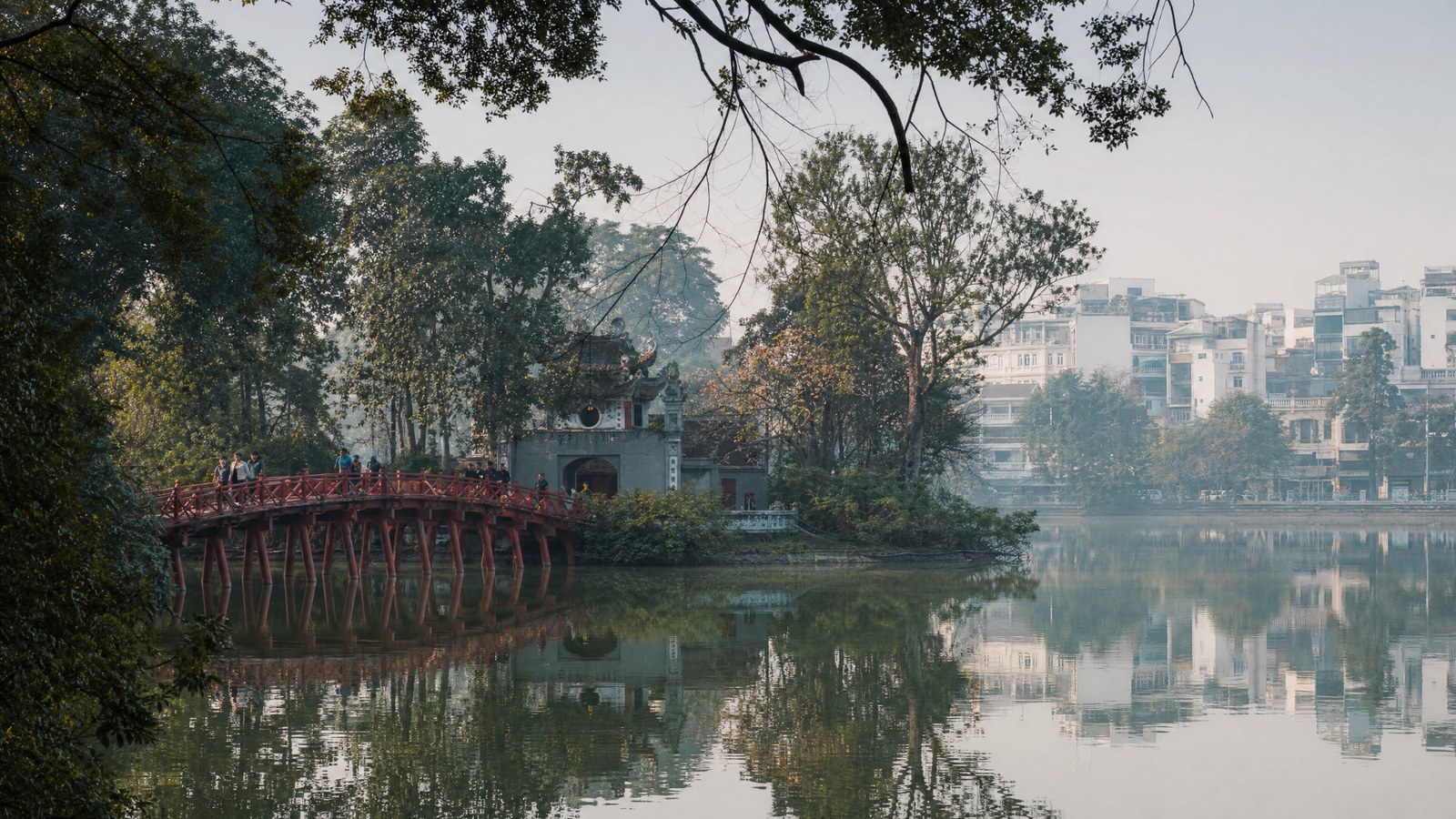
Best for: Hanoi works better as a lived-in stop than as a fast photo pin, with old quarter, lakes and northern Vietnam base shaping the day. Hanoi is the best northern base for Vietnam, with old-quarter food, lakes, museums, temples and access to Ha Long Bay or mountain extensions. It gives first-time travellers cultural context, slower cafe time and a practical launch point before moving into northern landscapes.
Historic landmarks: Old Quarter, Hoan Kiem Lake, Temple of Literature, Vietnam Museum of Ethnology, Vietnam National Fine Arts Museum and Hoa Lo Prison Relic should shape the sightseeing plan. Explore by area and stay alert around traffic. Use it for early morning or evening walks.
Museums and attractions: Choose the hotel area around Old Quarter, French Quarter and West Lake. Pick the district that makes arrival, evening movement and the first full day easier.
Hotels and stay areas: Hanoi also needs a food layer. Build meals around pho, bun cha, cha ca, egg coffee, banh cuon, nem, Old Quarter and French Quarter so the visitor has a reason to slow down between museums, viewpoints and transfers.
Food and restaurants: Ha Long Bay and Ninh Binh can extend the stay when there is enough time. The classic landscape extension from Hanoi. A countryside and karst route that works as a day or overnight trip.
Plan this part of the trip

Ho Chi Minh City: southern city energy, markets and modern Vietnam
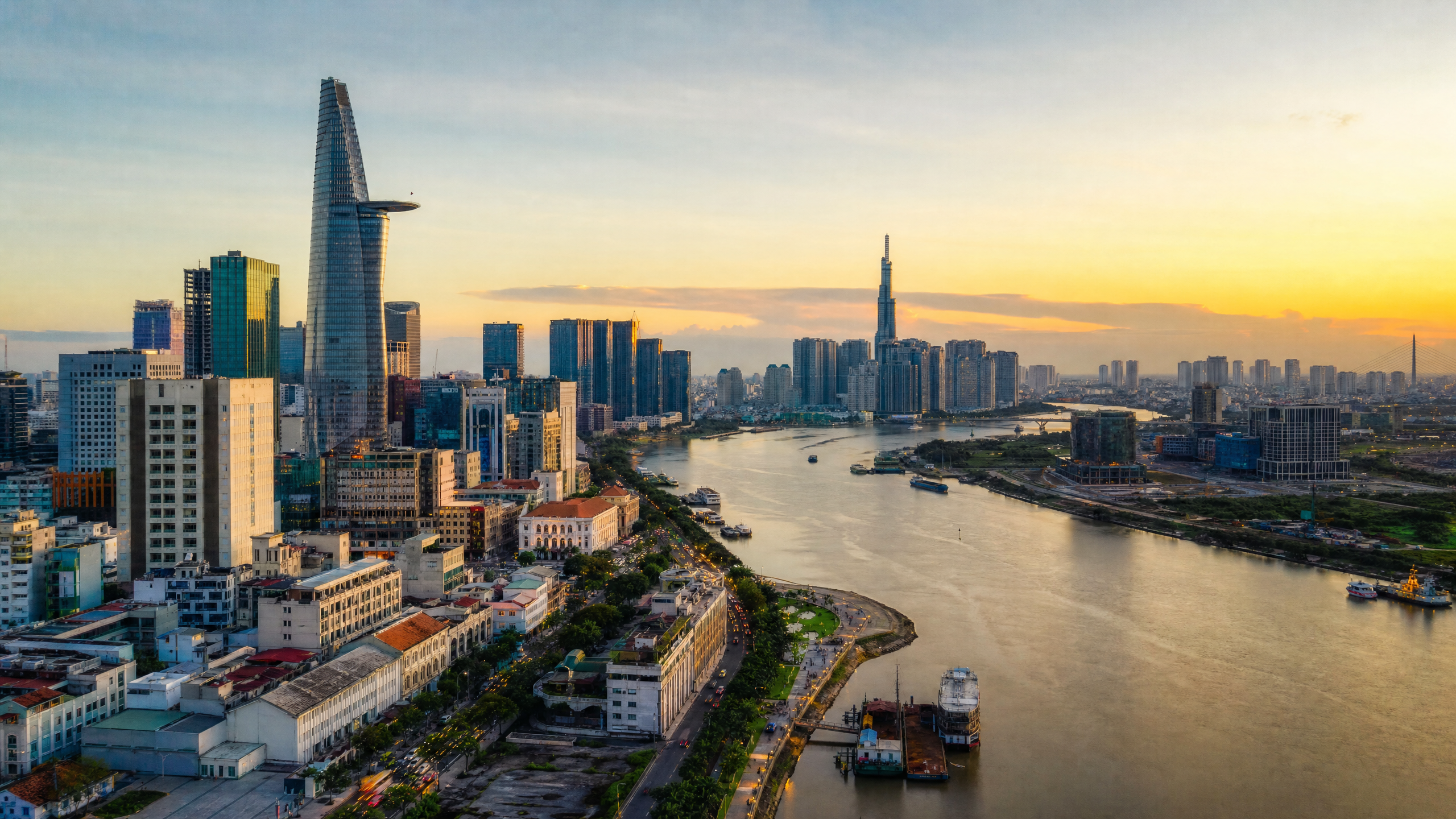
Best for: Ho Chi Minh City deserves a proper place in the Vietnam plan, especially when the trip needs southern city energy, markets and modern Vietnam. Ho Chi Minh City is Vietnam's busiest southern base, with markets, museums, cafes, rooftop views, food streets and access to the Mekong Delta or Cu Chi routes. It works best when history sites, district food walks and river extensions are planned as separate days.
Historic landmarks: War Remnants Museum, Ben Thanh Market, Notre-Dame Cathedral and Central Post Office Area, Nguyen Hue Walking Street, Ho Chi Minh City Museum and Fine Arts Museum should shape the sightseeing plan. Allow time afterwards because the visit can be heavy. Expect bargaining and busy aisles.
Museums and attractions: Choose the hotel area around District 1, District 3 and Thao Dien. Pick the district that makes arrival, evening movement and the first full day easier.
Hotels and stay areas: Ho Chi Minh City also needs a food layer. Build meals around banh mi, com tam, hu tieu, goi cuon, Vietnamese coffee, banh xeo, District 1 and District 3 so the visitor has a reason to slow down between museums, viewpoints and transfers.
Food and restaurants: Mekong Delta and Cu Chi Tunnels can extend the stay when there is enough time. A southern river and market extension that works better with time. A history-focused day route requiring thoughtful context.

Hoi An: lantern old town, food and central coast stays
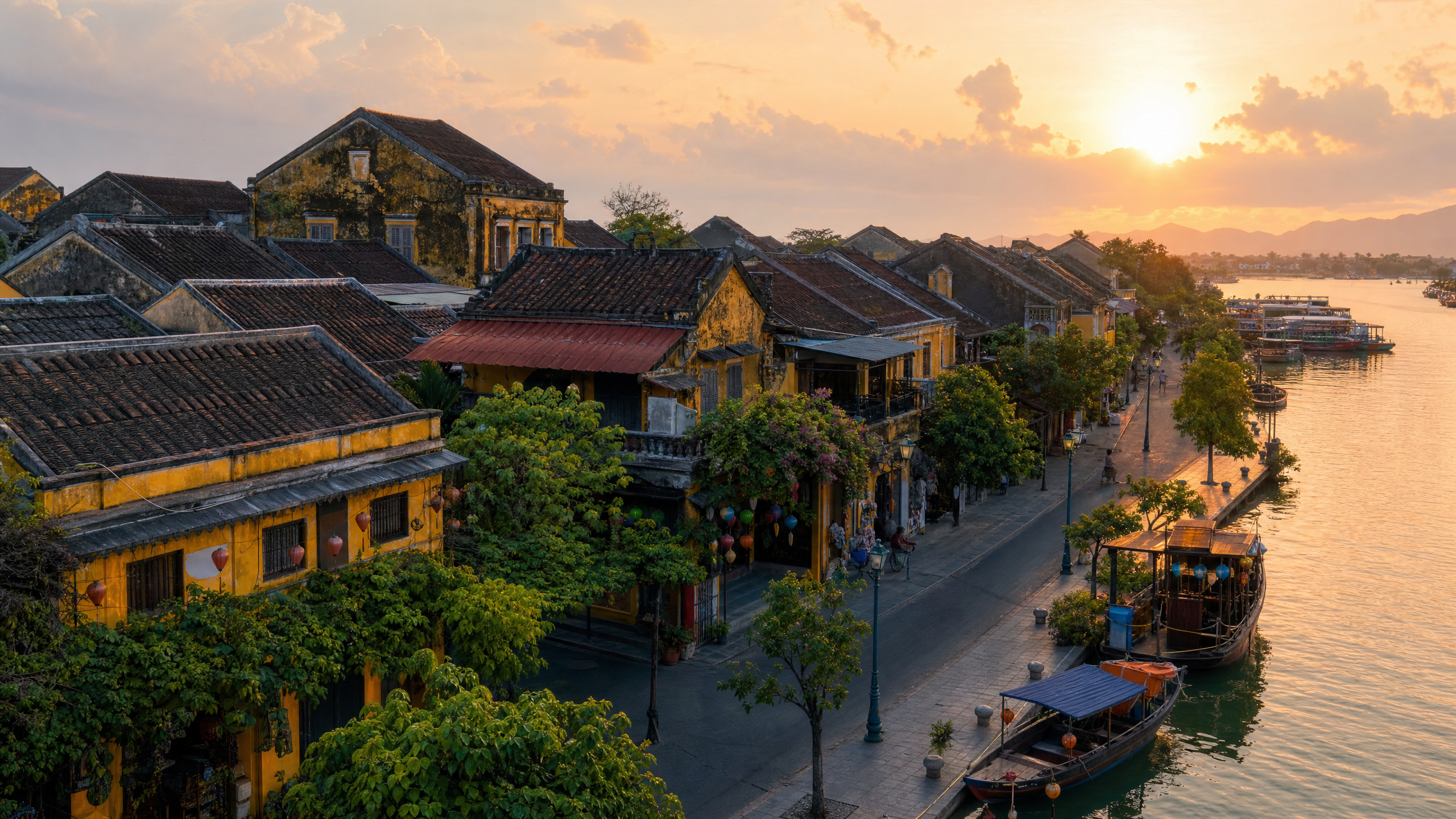
Best for: Use Hoi An when the Vietnam route needs lantern old town, food and central coast stays. Hoi An is Vietnam's easiest slow-town stay, with lantern streets, cooking classes, tailoring, Riverside walks, beaches and access from Da Nang. It rewards travellers who slow down for markets, old houses, beach afternoons and food rather than treating it as a photo stop.
Historic landmarks: Hoi An Ancient Town, Japanese Covered Bridge Area, Tra Que Vegetable Village, An Bang Beach, Museum of Trade Ceramics and Fujian Assembly Hall should shape the sightseeing plan. Buy the old-town ticket where required and pace visits slowly. Treat it as part of the broader heritage walk.
Museums and attractions: Choose the hotel area around Old Town Edge, An Bang Beach and Rice Field Areas. Pick the district that makes arrival, evening movement and the first full day easier.
Hotels and stay areas: Hoi An also needs a food layer. Build meals around cao lau, white rose dumplings, mi Quang, banh mi, fresh herbs, Vietnamese coffee, Old Town and Riverside so the visitor has a reason to slow down between museums, viewpoints and transfers.
Food and restaurants: Da Nang and My Son Sanctuary can extend the stay when there is enough time. The practical airport and beach-city link. A temple-site day route that needs heat-aware timing.

Hue: imperial city, tombs and central Vietnam history
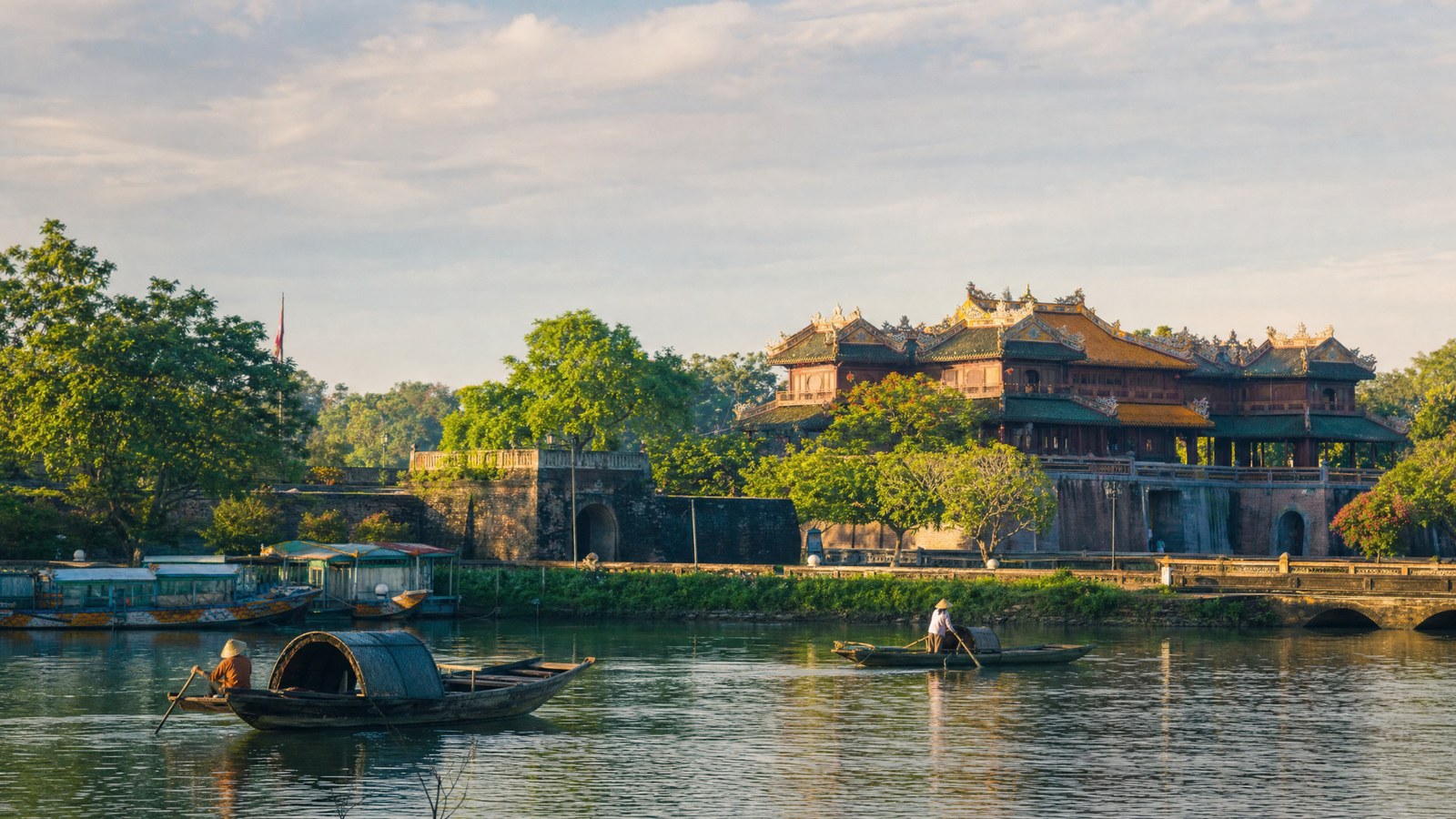
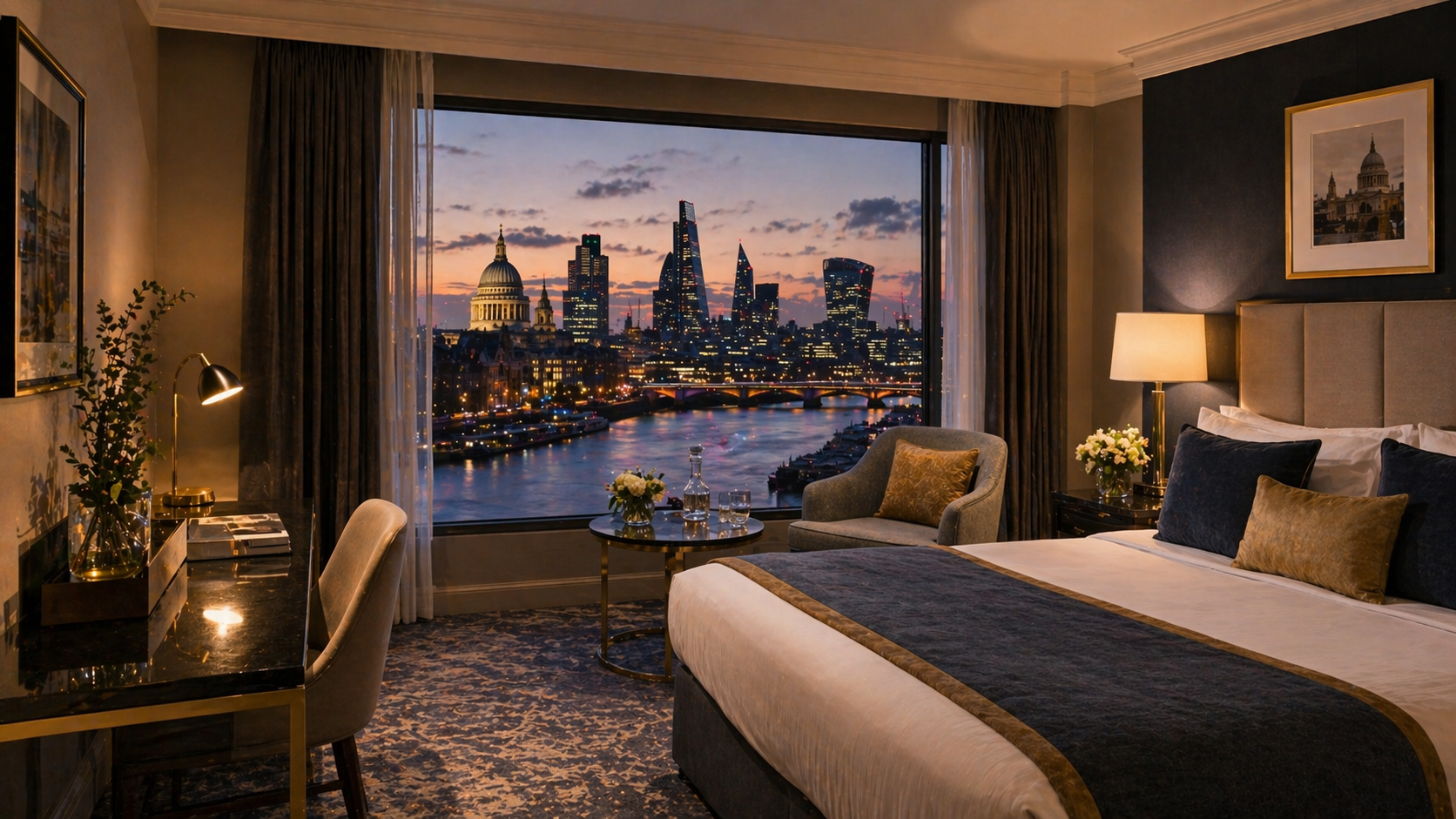
Best for: For Hue, the first decision is pace: give the city enough room to show its imperial city, tombs and central Vietnam history. Hue adds Vietnam's imperial history and central-region food, with citadel walls, royal tombs, pagodas and river routes that deserve a slower day. It is the cultural counterweight to beach-focused central Vietnam, especially for travellers who want context before Hoi An or Da Nang.
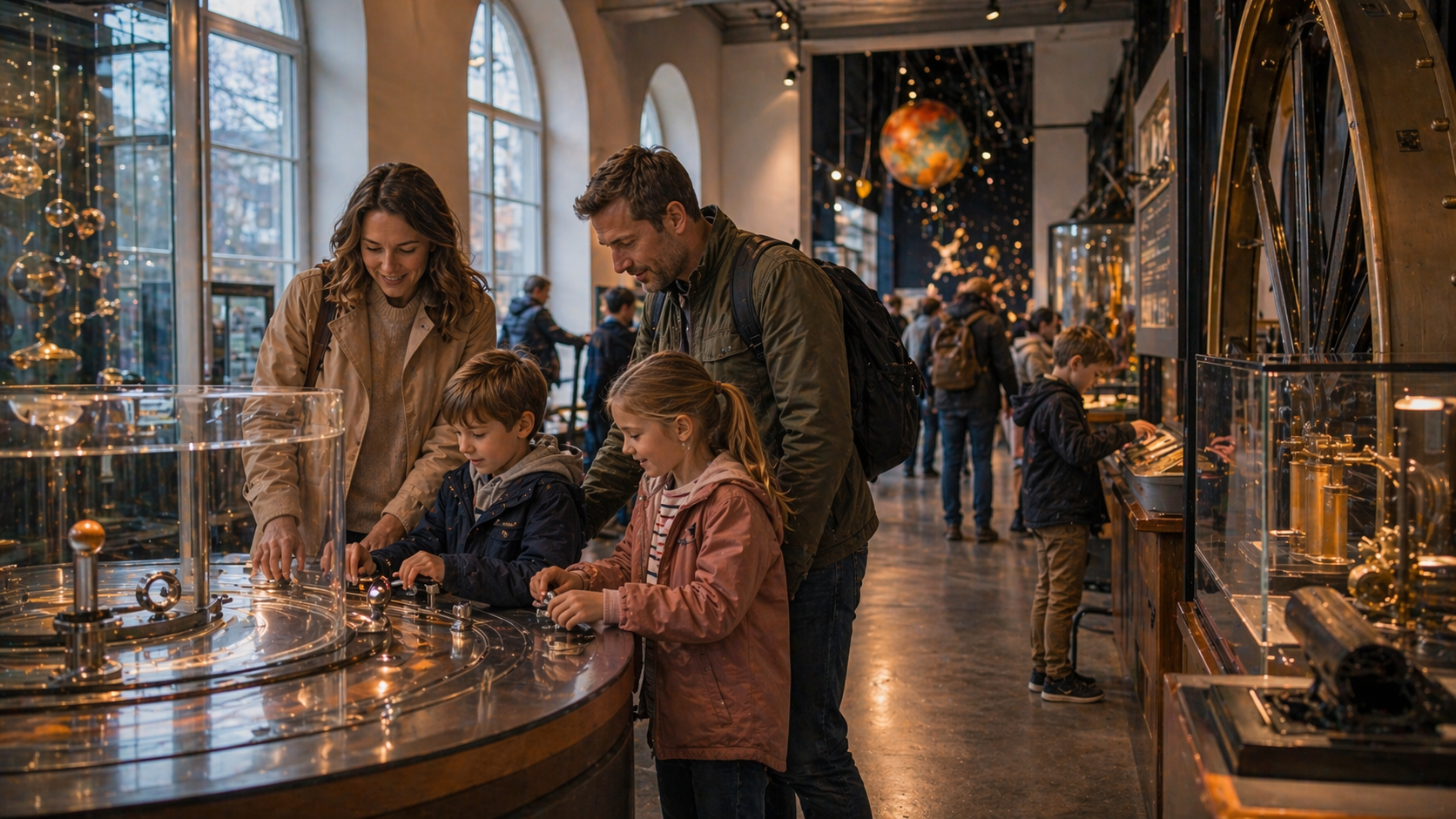
Historic landmarks: Imperial City, Thien Mu Pagoda, Tomb of Minh Mang, Tomb of Khai Dinh, Hue Museum of Royal Antiquities and Garden Houses should shape the sightseeing plan. Start early and allow more time than a quick walk. Pair with the Perfume River or tomb route.
Museums and attractions: Choose the hotel area around South Bank Hotel Area and Citadel Edge. Pick the district that makes arrival, evening movement and the first full day easier.
Hotels and stay areas: Hue also needs a food layer. Build meals around bun bo Hue, banh beo, banh khoai, com hen, nem lui, che Hue, Citadel Area and Perfume River South Bank so the visitor has a reason to slow down between museums, viewpoints and transfers.
Food and restaurants: Da Nang via Hai Van Pass and Hoi An can extend the stay when there is enough time. A scenic transfer route if time and weather allow. The natural central Vietnam pairing after Hue.
Plan this part of the trip
Da Nang: beach city, airport base and central Vietnam connector
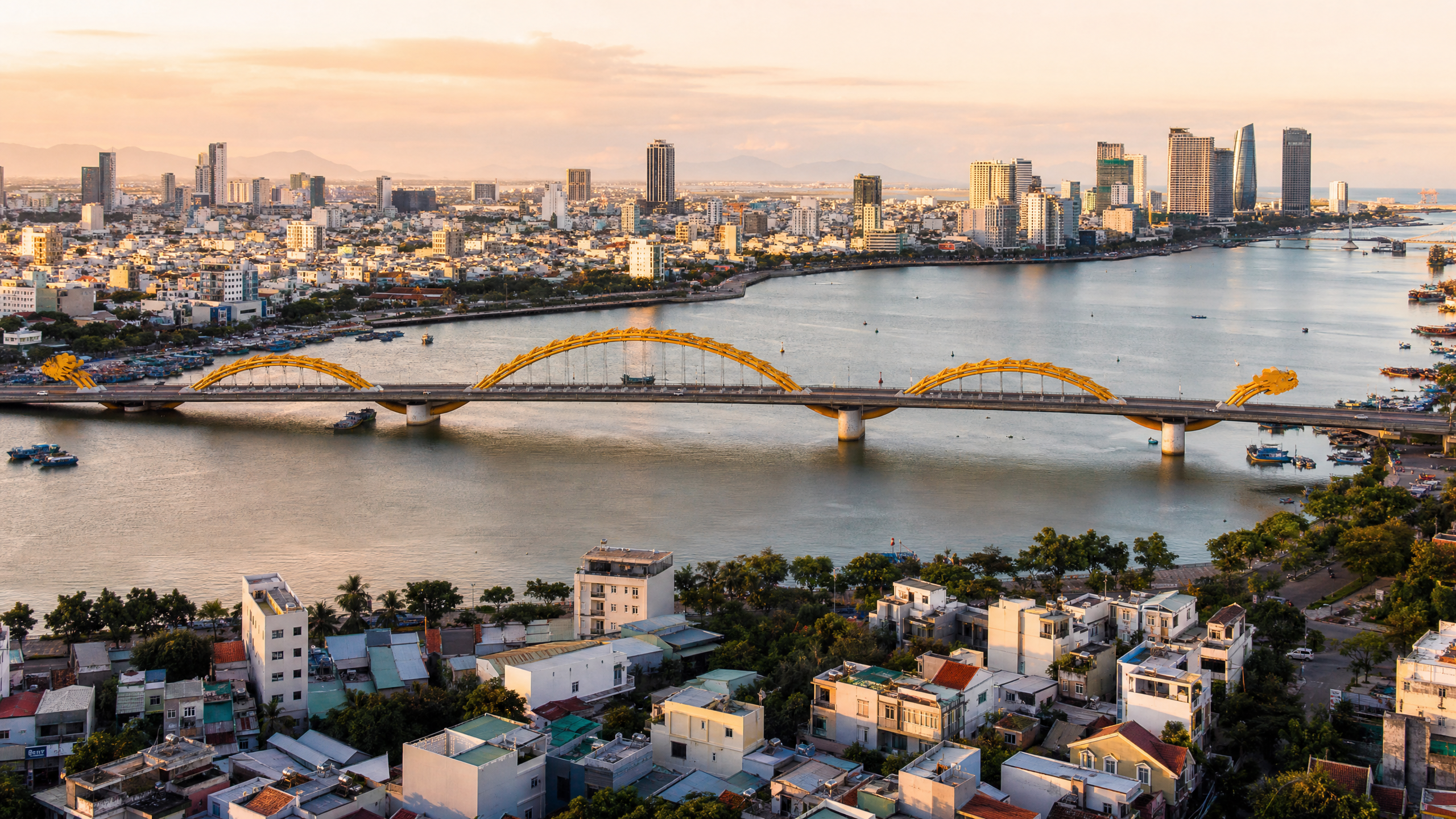
Best for: Use Da Nang when the Vietnam route needs beach city, airport base and central Vietnam connector. Da Nang is the practical central Vietnam connector, combining airport access, beach hotels, food, bridges and day routes to Hoi An, Hue and the Marble Mountains. It suits families and first-timers who want a coastal base without giving up easy heritage and museum access.
Historic landmarks: My Khe Beach, Marble Mountains, Dragon Bridge and Han River, Son Tra Peninsula, Museum of Cham Sculpture and Linh Ung Pagoda should shape the sightseeing plan. Choose this area when easy beach access matters. Go early because heat and steps matter.
Museums and attractions: Choose the hotel area around My Khe Beach, Han River Centre and An Thuong Area. Pick the district that makes arrival, evening movement and the first full day easier.
Hotels and stay areas: Da Nang also needs a food layer. Build meals around mi Quang, banh xeo, seafood hotpot, bun cha ca, nem lui, Vietnamese coffee, My Khe Beach and Han River Area so the visitor has a reason to slow down between museums, viewpoints and transfers.
Food and restaurants: Hoi An and Hue and Hai Van Pass can extend the stay when there is enough time. The easiest heritage town route from Da Nang. A scenic central Vietnam transfer or day route.

Ha Long Bay: limestone bay, cruises and northern landscape planning
Best for: The value of Ha Long Bay is not only the headline sights; it gives the itinerary limestone bay, cruises and northern landscape planning and a clearer local rhythm. Ha Long Bay is northern Vietnam’s headline landscape route, but the experience depends heavily on cruise choice, weather, transfer time and whether Lan Ha or Bai Tu Long alternatives fit better.
Historic landmarks: Overnight Bay Cruise, Lan Ha Bay Routes, Cat Ba Island, Cave and Kayak Stops, Quang Ninh Museum and Cat Ba Island Communities should shape the sightseeing plan. Choose operators carefully and check route, cabin and safety details. Compare routes rather than booking by bay name alone.
Museums and attractions: Choose the hotel area around Overnight Cruise, Cat Ba Island and Ha Long City. Pick the district that makes arrival, evening movement and the first full day easier.
Hotels and stay areas: Ha Long Bay also needs a food layer. Build meals around fresh seafood, squid cakes, grilled fish, spring rolls, tropical fruit, Cruise Dining, Cat Ba Town and Ha Long City so the visitor has a reason to slow down between museums, viewpoints and transfers.
Food and restaurants: Hanoi and Ninh Binh can extend the stay when there is enough time. The main arrival and departure base. A land-based karst landscape pairing for longer northern trips.

Food, Culture and Route Ideas for Vietnam
Food route: pho, bun cha, banh mi, cao lau, imperial dishes and seafood vary strongly by region. Coffee shops, wet markets and street stalls are central to daily travel rhythm. Pagodas, war-history sites and imperial monuments require calm pacing and respect. This is where food, culture and route planning should work together.
Food, wine and restaurants: Build meals around pho, bun cha, cha ca, egg coffee, banh cuon, nem and banh mi and keep them close to Old Quarter, French Quarter, West Lake, District 1 and District 3.
Popular experiences: Use Hanoi or Ho Chi Minh City as the entry point, then add central Vietnam or Ha Long Bay rather than trying to cover everything. Da Nang, Hoi An and Hue work well together when beaches, food and history need a compact shape. Keep the route disciplined: one clear hotel area, one strong regional layer and one food or culture experience will usually feel better than trying to touch every possible stop.
Planning rule: Use bookings in a clean order: choose the hotel area first, then add attraction tickets, food tours, guided days and local experiences where they make the journey easier, richer and more realistic.