Uruguay Travel, Structured Around Montevideo, Coast and Slow Routes
Plan Uruguay through Montevideo, Punta del Este, Colonia del Sacramento, beach towns, wine routes, food, ferries, hotels and calm regional stays.
Start Planning UruguayUruguay Travel Guide: Routes, Stay Bases, Culture and Experiences
Trip shape: The best way into Uruguay is to choose the rhythm before choosing the extras. Keep Montevideo, Colonia del Sacramento, Punta del Este and José Ignacio close to the arrival logic, then decide whether Montevideo, Colonia and Atlantic coast, Food and Heritage Routes, Nature and Viewpoints and First Uruguay Route should be the second layer or a separate journey.
Best for: Montevideo, Colonia and Atlantic coast, Food and Heritage Routes, Nature and Viewpoints and First Uruguay Route give Uruguay its deeper travel layer. Some visitors need one main city and one day trip; others should slow down, split the journey and give the strongest region its own nights.
Planning rule: Start with arrival logic, season and the first overnight point, then add the experiences that genuinely deserve advance planning. Museums, landmarks, guided tours, food walks, local neighbourhoods and coastal or countryside days should be grouped by geography and timing.
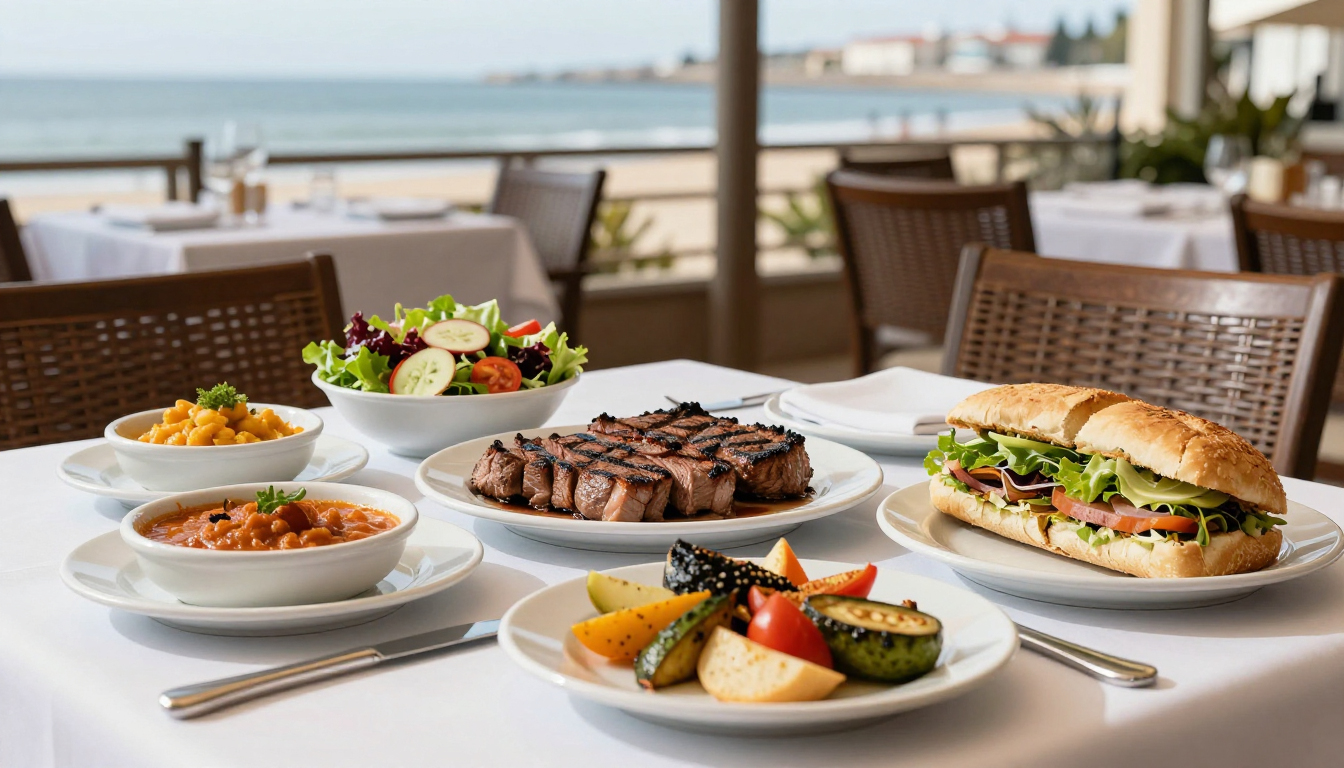
Route logic: Grilled meats, mate, tannat wine and market meals are central to Uruguayan culture. Beach towns change character strongly in summer and quiet periods. Keep food close to the chosen hotel area where possible: the best meals often come from market streets, harbour areas, old-town restaurants and neighbourhoods already inside the day’s route.

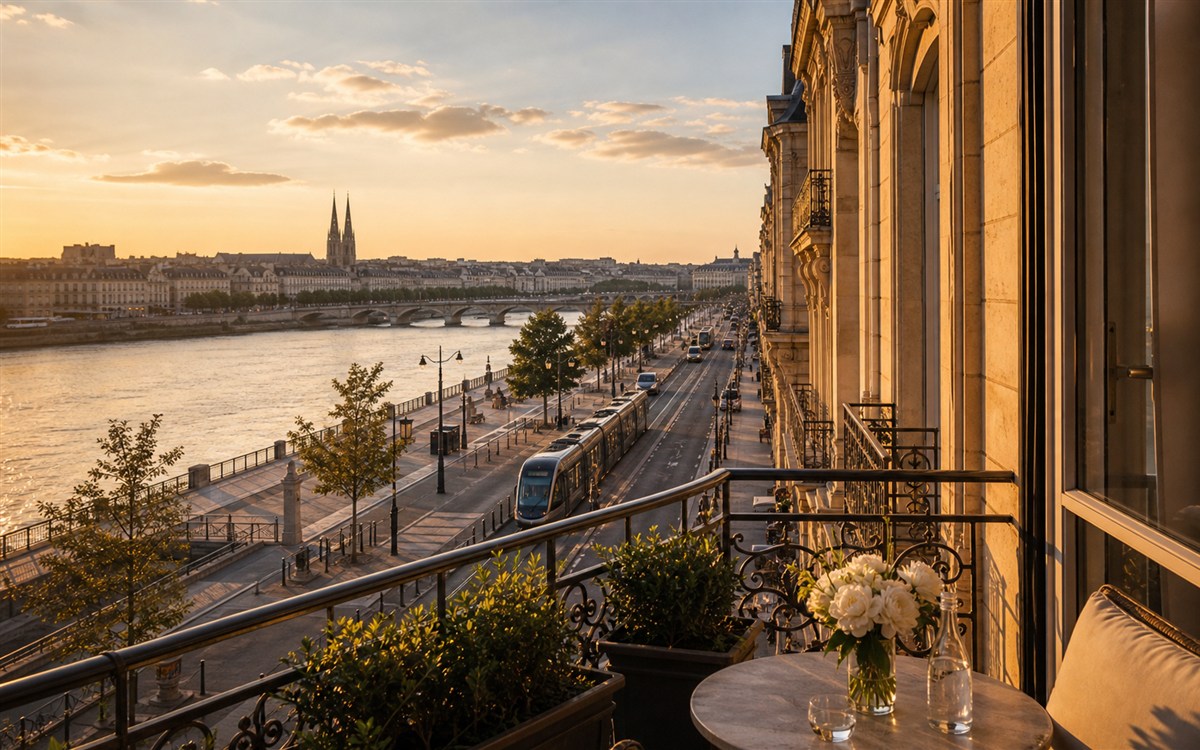
Montevideo: capital culture, rambla walks and food markets
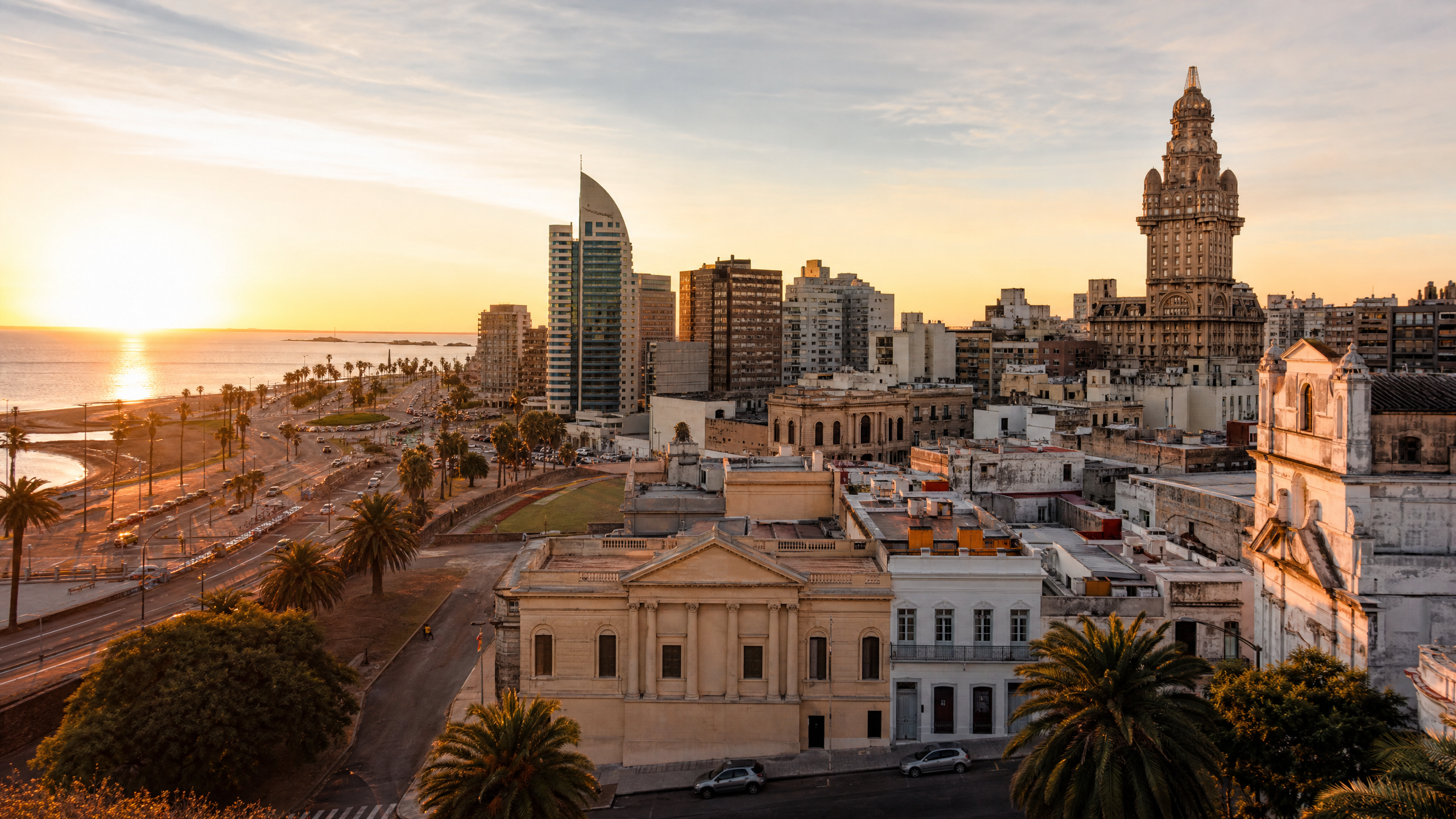
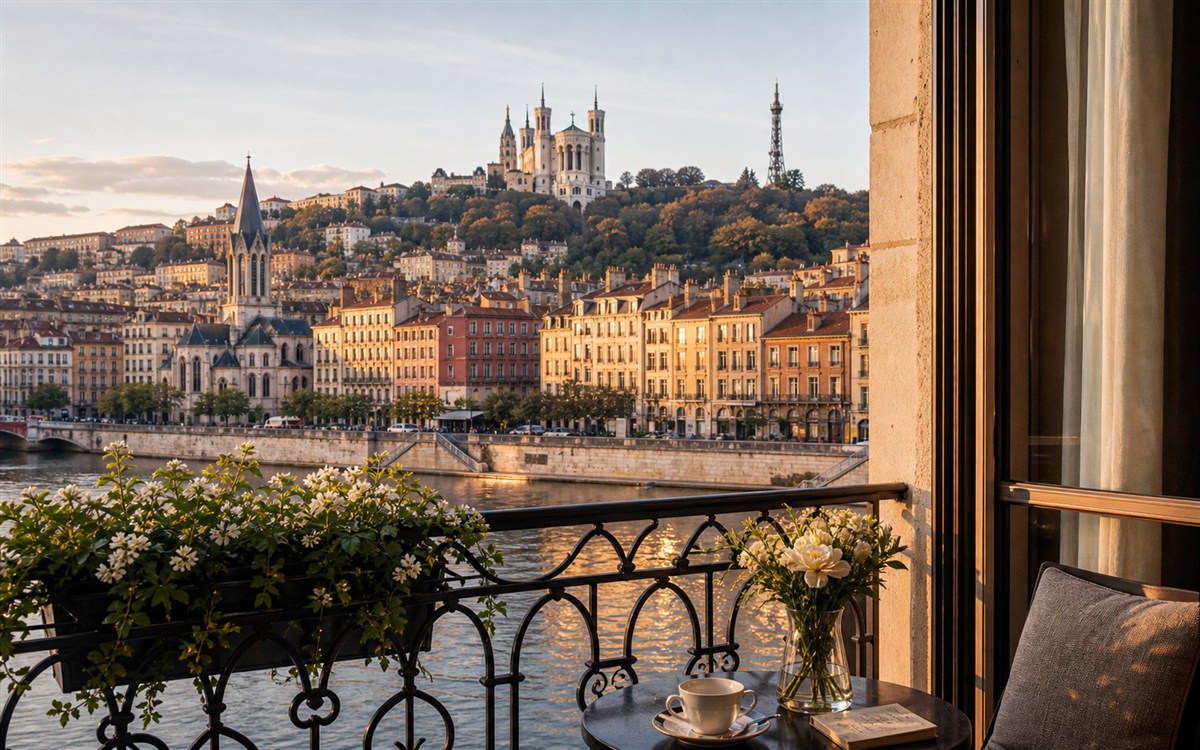
Best for: Use Montevideo when the Uruguay route needs capital culture, rambla walks and food markets. Montevideo is Uruguay's main cultural base, with riverside walks, markets, museums, neighbourhood dining and an easy rhythm that suits a slower city break. It is strongest when the rambla, old city and food markets are treated as relaxed daily anchors.
Historic landmarks: Rambla de Montevideo, Ciudad Vieja, Mercado del Puerto, Teatro Solís, Museo Andes 1972 and Museo Nacional de Artes Visuales should shape the sightseeing plan. Use it for walking, cycling and sunset pacing. Visit by day and plan evening dining separately.
Museums and attractions: Choose the hotel area around Pocitos, Ciudad Vieja and Punta Carretas. Pick the district that makes arrival, evening movement and the first full day easier.
Hotels and stay areas: Montevideo also needs a food layer. Build meals around asado, chivito, tannat wine, mate, dulce de leche, Ciudad Vieja, Pocitos and Punta Carretas and Cordón and Parque Rodó so the visitor has a reason to slow down between museums, viewpoints and transfers.
Food and restaurants: Colonia del Sacramento and Punta del Este can extend the stay when there is enough time. A compact historic ferry-linked extension. The main beach resort route east of the capital.
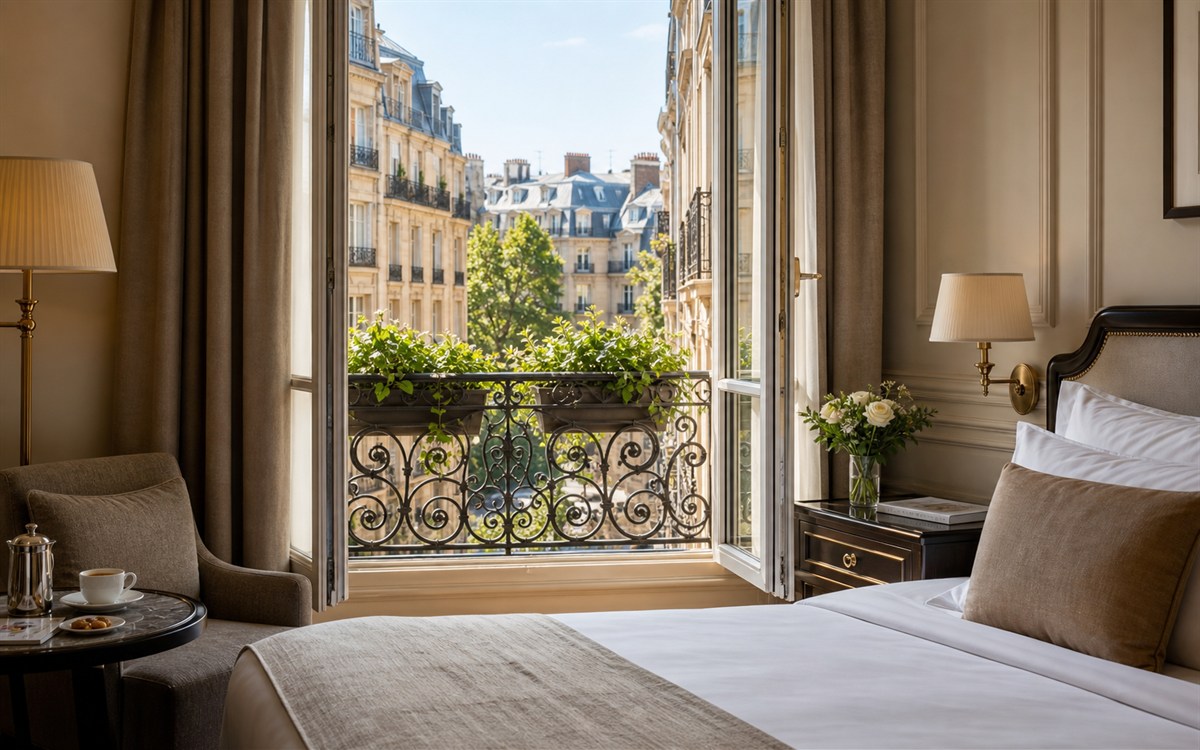
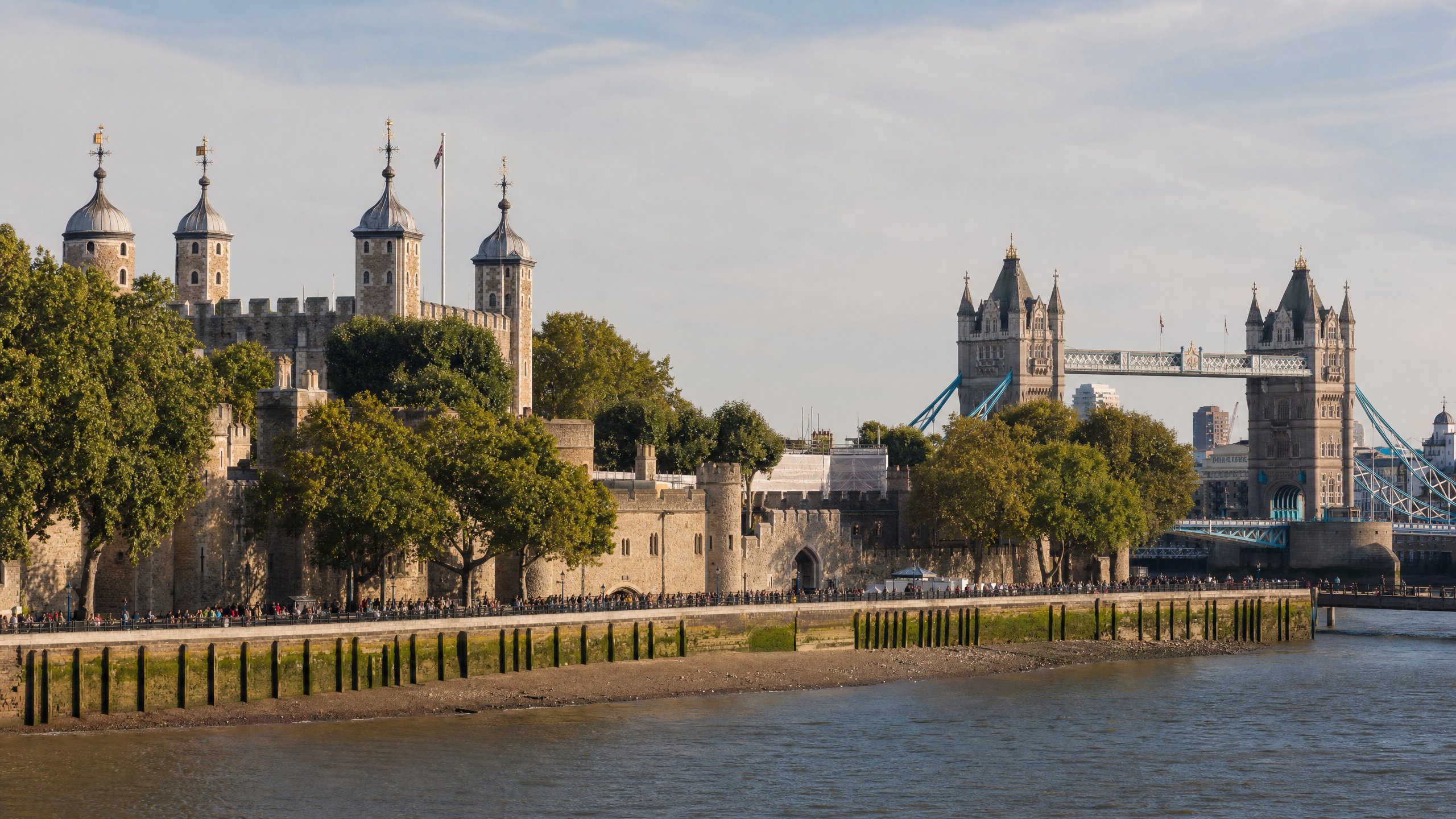

Colonia del Sacramento: cobbled old town and ferry-linked history
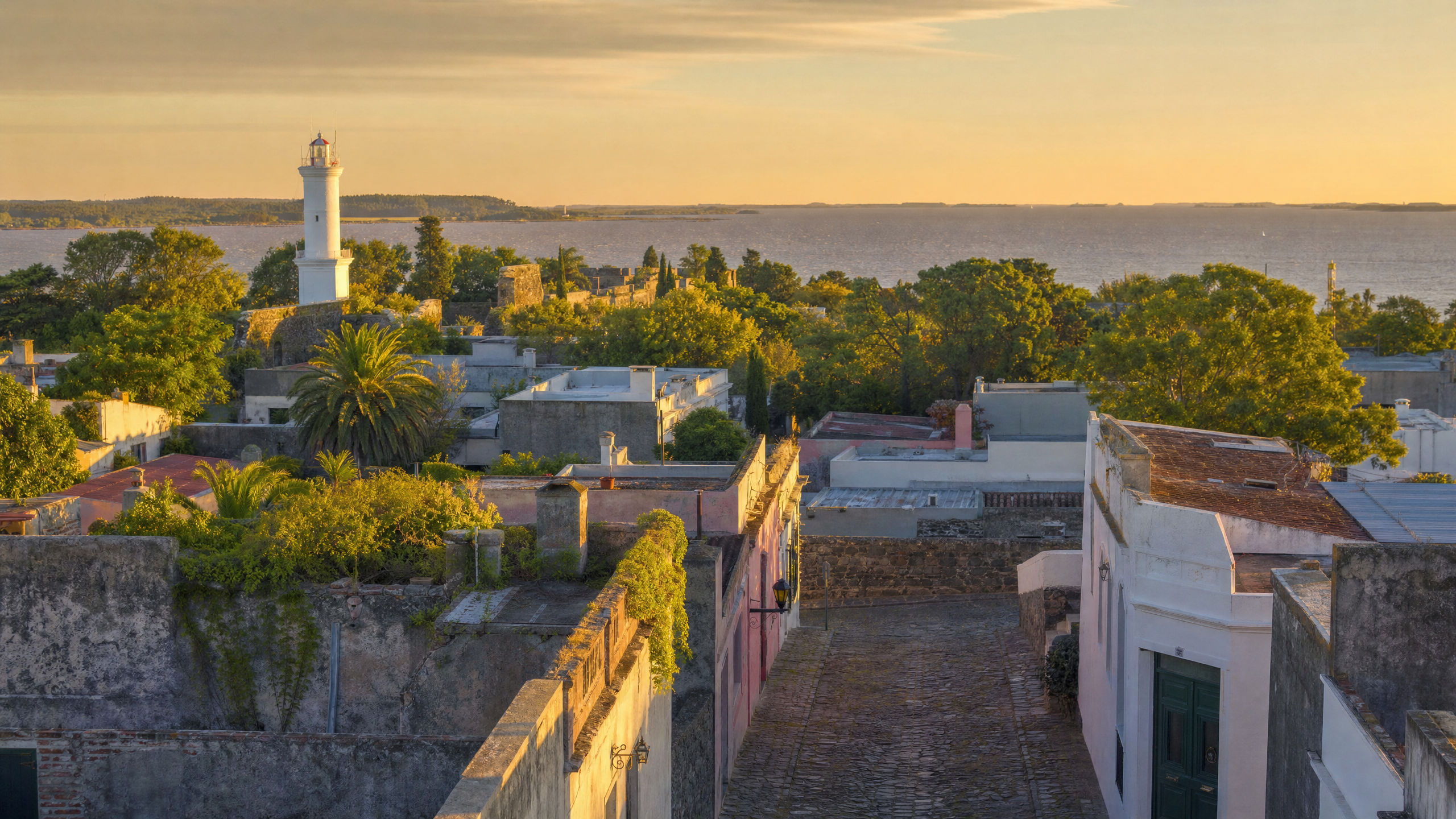
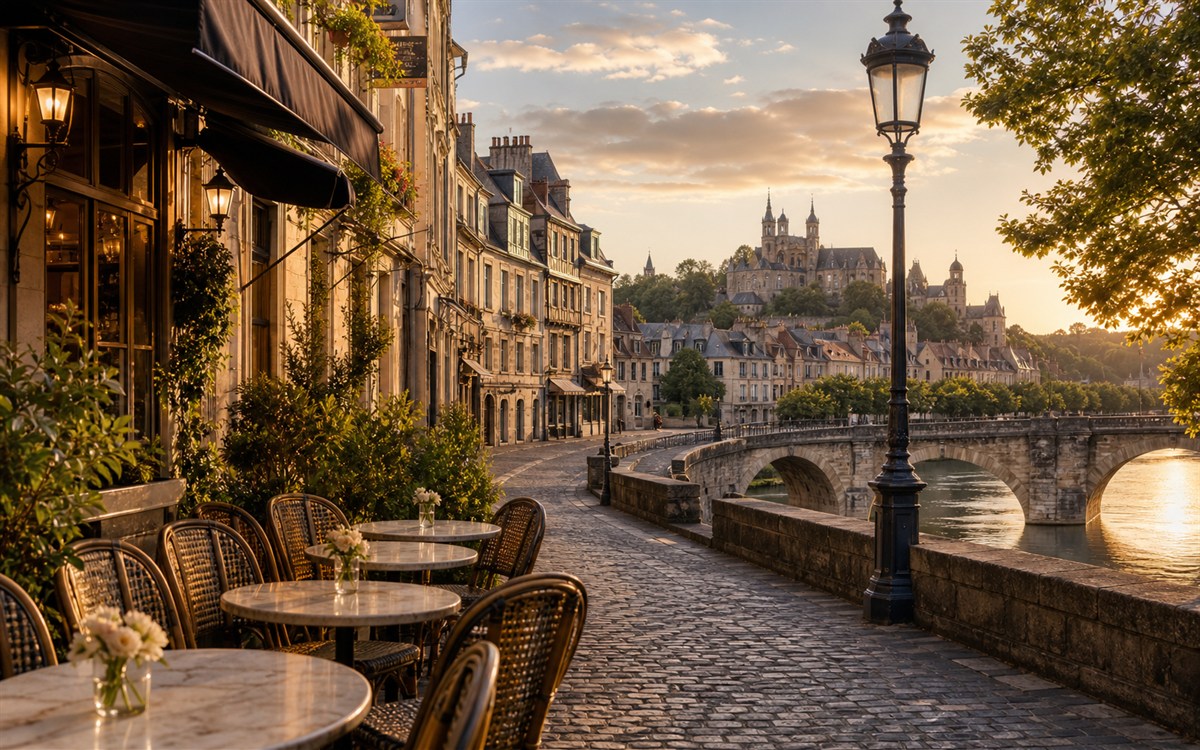
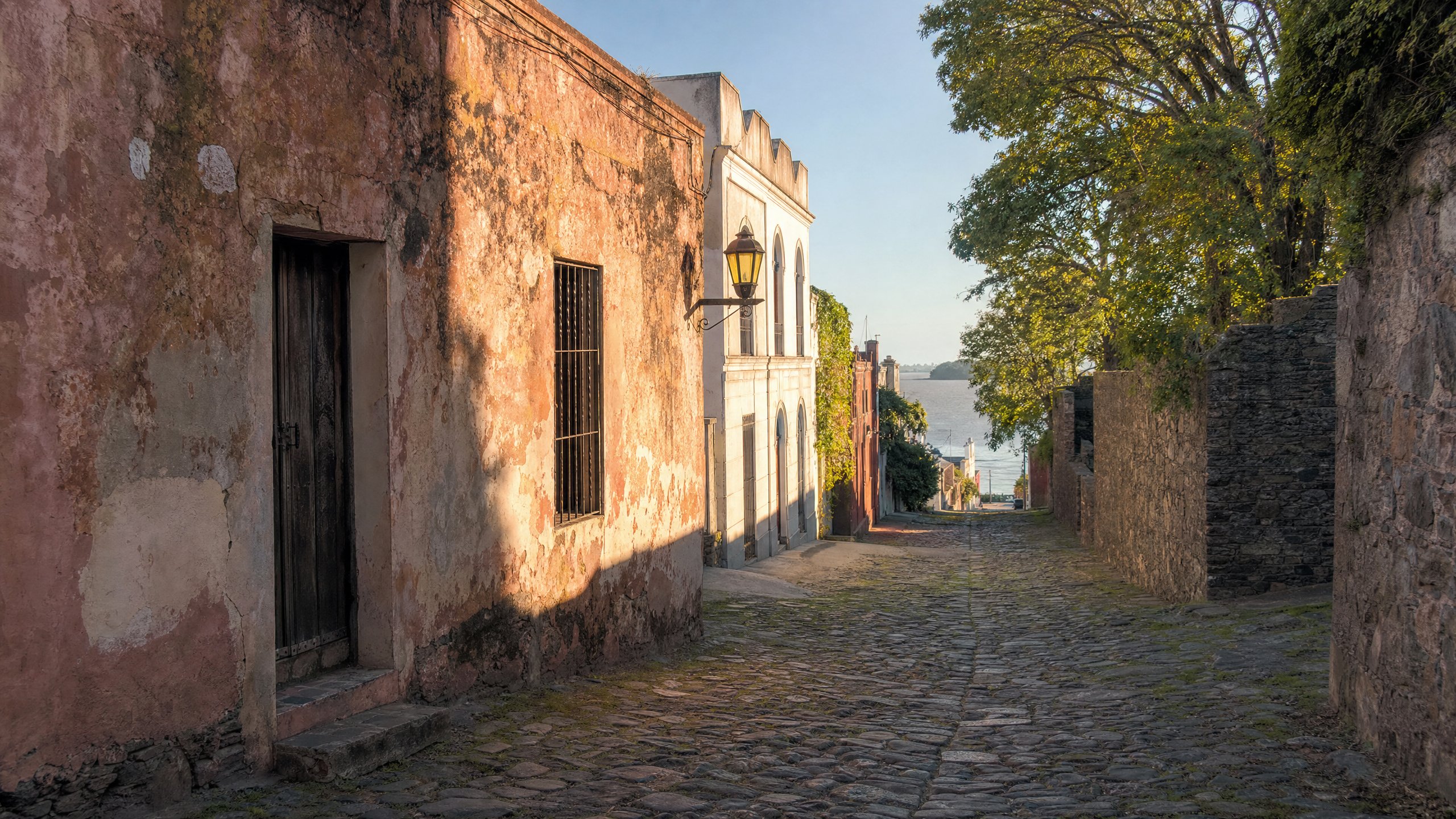
Best for: The value of Colonia del Sacramento is not only the headline sights; it gives the itinerary cobbled old town and ferry-linked history and a clearer local rhythm. Colonia del Sacramento is Uruguay's easiest historic add-on, with cobbled streets, river views and ferry links that make it a natural pairing with Montevideo or Buenos Aires. One night gives the old quarter more atmosphere than a rushed ferry turnaround.
Historic landmarks: Barrio Histórico, Colonia Lighthouse, Portón de Campo, Río de la Plata Waterfront, Portuguese Museum and Municipal Museum should shape the sightseeing plan. Walk slowly and leave time for cafes. Check access before planning a climb.
Museums and attractions: Choose the hotel area around Historic Quarter and Ferry Port Edge. Pick the district that makes arrival, evening movement and the first full day easier.
Hotels and stay areas: Colonia del Sacramento also needs a food layer. Build meals around asado, chivito, dulce de leche, tannat wine, mate, Barrio Histórico, Waterfront and Ferry Port Area so the visitor has a reason to slow down between museums, viewpoints and transfers.
Food and restaurants: Buenos Aires Ferry and Montevideo can extend the stay when there is enough time. A natural cross-river pairing. A simple road or bus extension east.

Punta del Este: beach resort, marina and summer nightlife
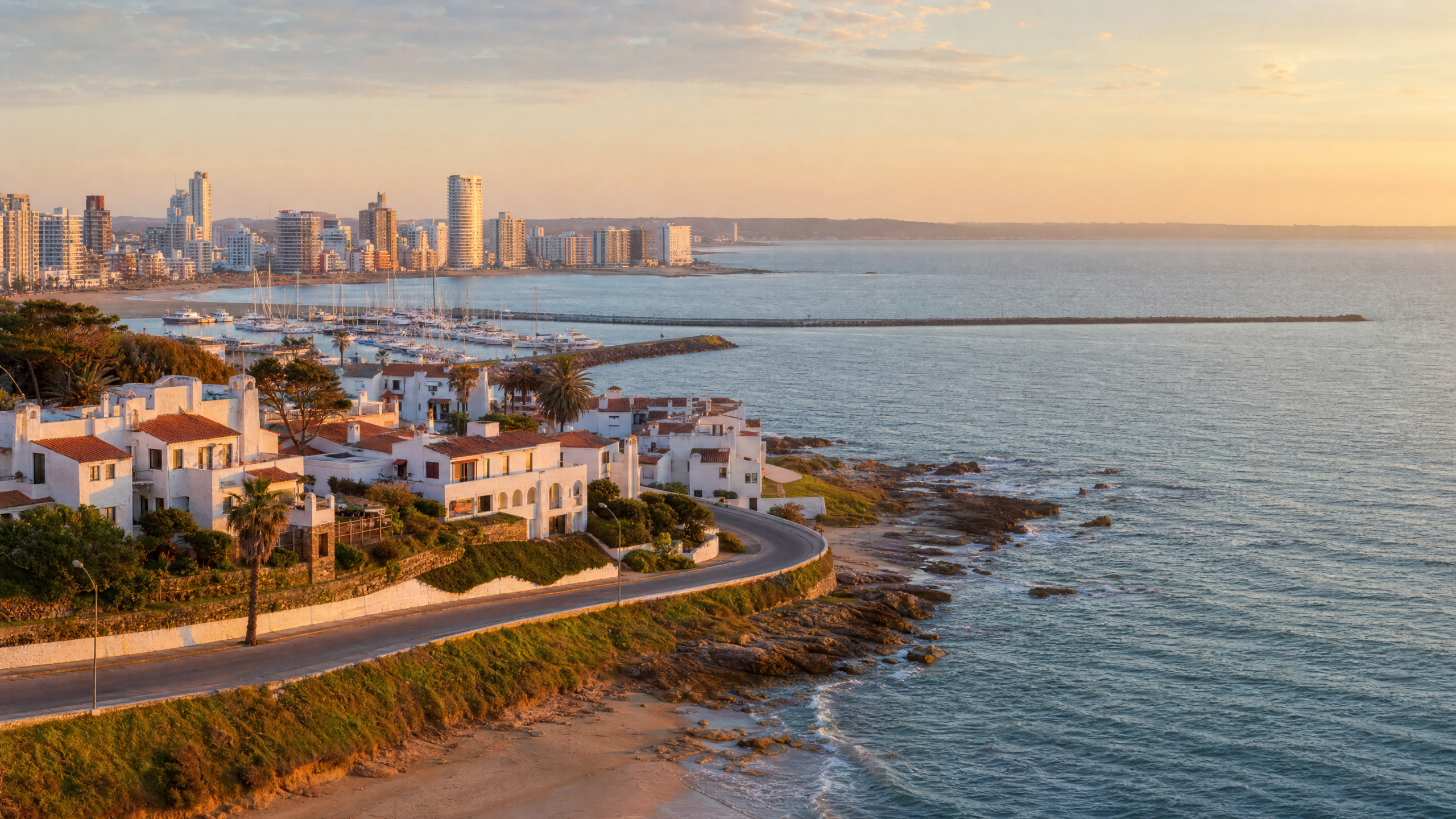
Best for: For Punta del Este, the first decision is pace: give the city enough room to show its beach resort, marina and summer nightlife. Punta del Este is Uruguay's main resort chapter, with beaches, marina walks, summer nightlife, family stays and easy access to quieter nearby coastal towns. It works best when travellers choose between family beach rhythm, nightlife and polished coastal dining before booking.
Historic landmarks: Playa Brava and La Mano, Playa Mansa, Punta del Este Marina, Casapueblo and Ralli Museum should shape the sightseeing plan. Expect stronger surf and summer crowds. Better for families and sunset walks.
Museums and attractions: Choose the hotel area around Peninsula, Mansa Side and La Barra. Pick the district that makes arrival, evening movement and the first full day easier.
Hotels and stay areas: Punta del Este also needs a food layer. Build meals around seafood, asado, chivito, tannat wine, dulce de leche ice cream, Peninsula, La Barra and Mansa Side so the visitor has a reason to slow down between museums, viewpoints and transfers.
Food and restaurants: José Ignacio and Montevideo can extend the stay when there is enough time. A quieter, more polished beach-town extension. The main capital connection west.

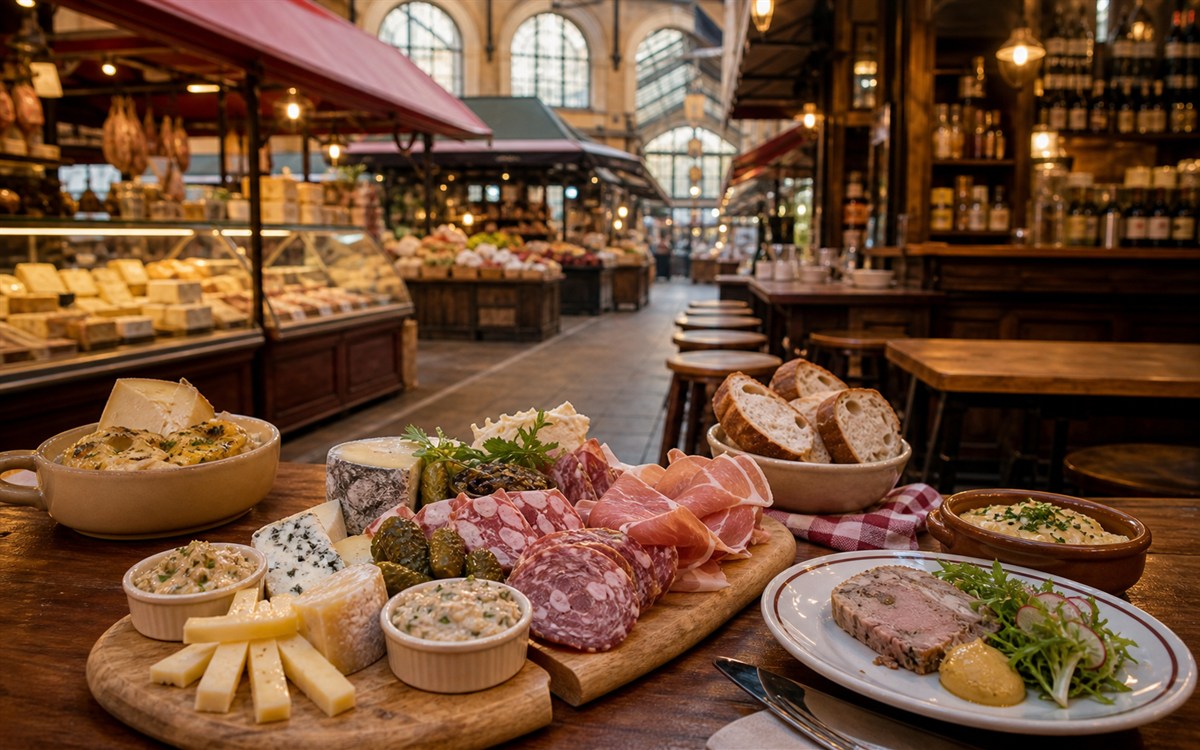
José Ignacio: polished beach village and slow coastal dining
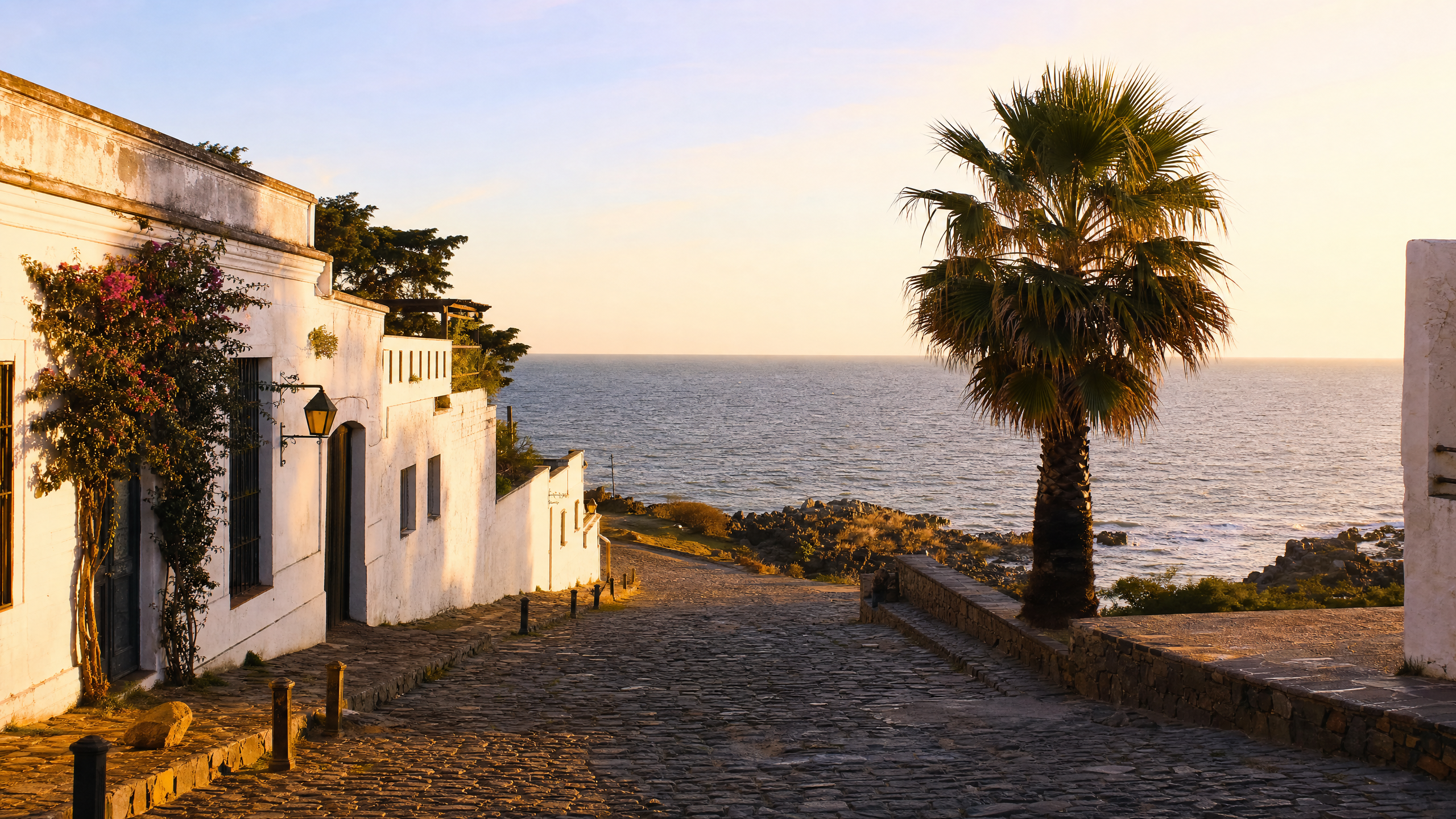
Best for: Use José Ignacio when the Uruguay route needs polished beach village and slow coastal dining. José Ignacio suits travellers who want a quieter, more design-led beach village than Punta del Este, with slow lunches, surf, dunes and understated coastal stays. It is a small place, so seasonality, restaurant bookings and transport shape the quality of the visit.
Historic landmarks: José Ignacio Lighthouse, Playa Mansa and Playa Brava, Laguna Garzón Area, Village Beach Streets, Coastal Design Culture and Lighthouse and Fishing Identity should shape the sightseeing plan. Use it for orientation around the village. Choose the side by conditions on the day.
Museums and attractions: Choose the hotel area around Village Core and Beach and Dune Areas. Pick the district that makes arrival, evening movement and the first full day easier.
Hotels and stay areas: José Ignacio also needs a food layer. Build meals around grilled fish, asado, seafood rice, tannat wine, dulce de leche desserts, Village Centre, Beachfront Areas and Laguna Garzón Route so the visitor has a reason to slow down between museums, viewpoints and transfers.
Food and restaurants: Punta del Este and Rocha Coast can extend the stay when there is enough time. The larger resort and marina contrast nearby. A quieter Atlantic continuation east.
Rocha Coast: wild beaches, lagoons and slower Atlantic villages
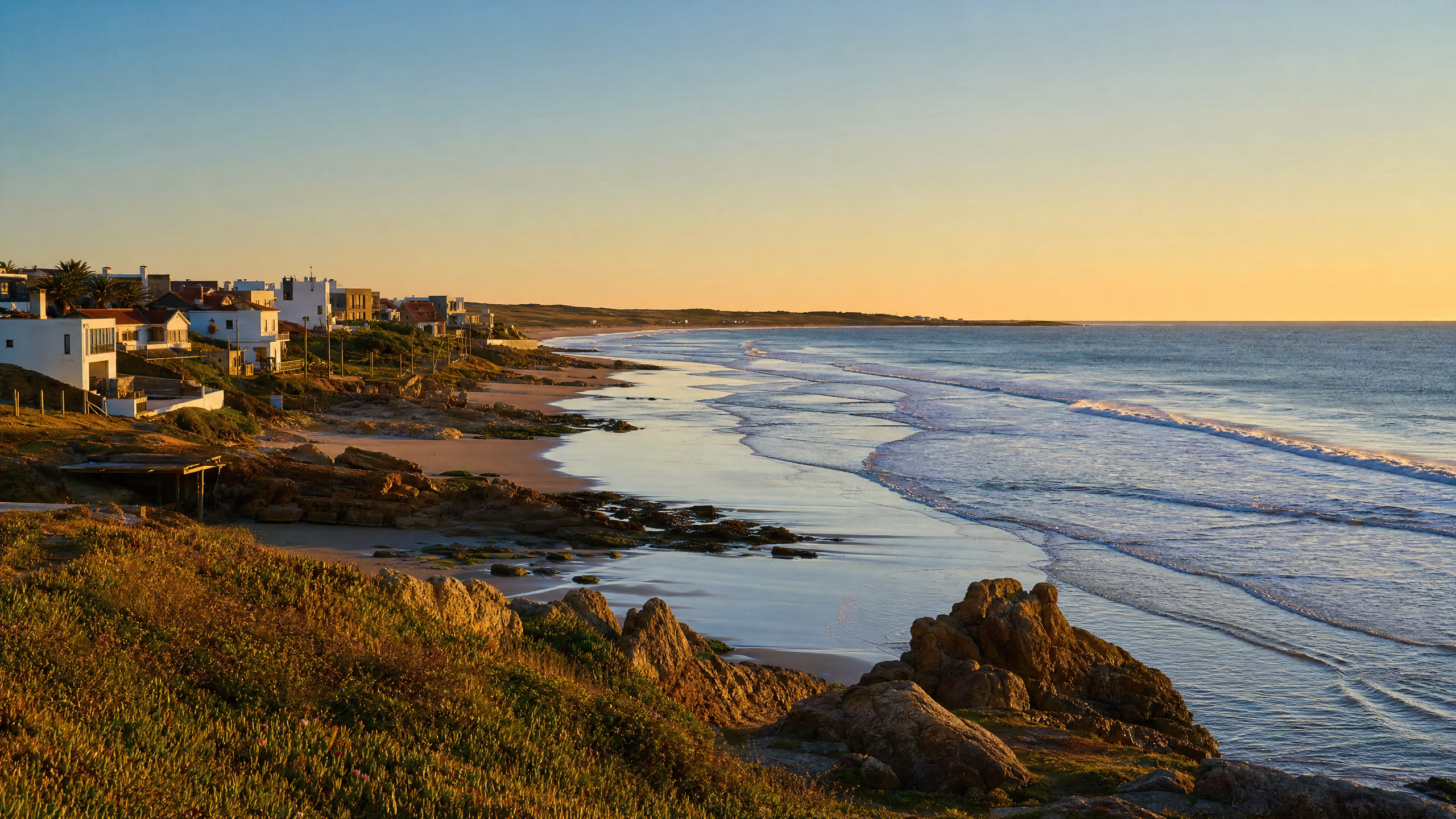
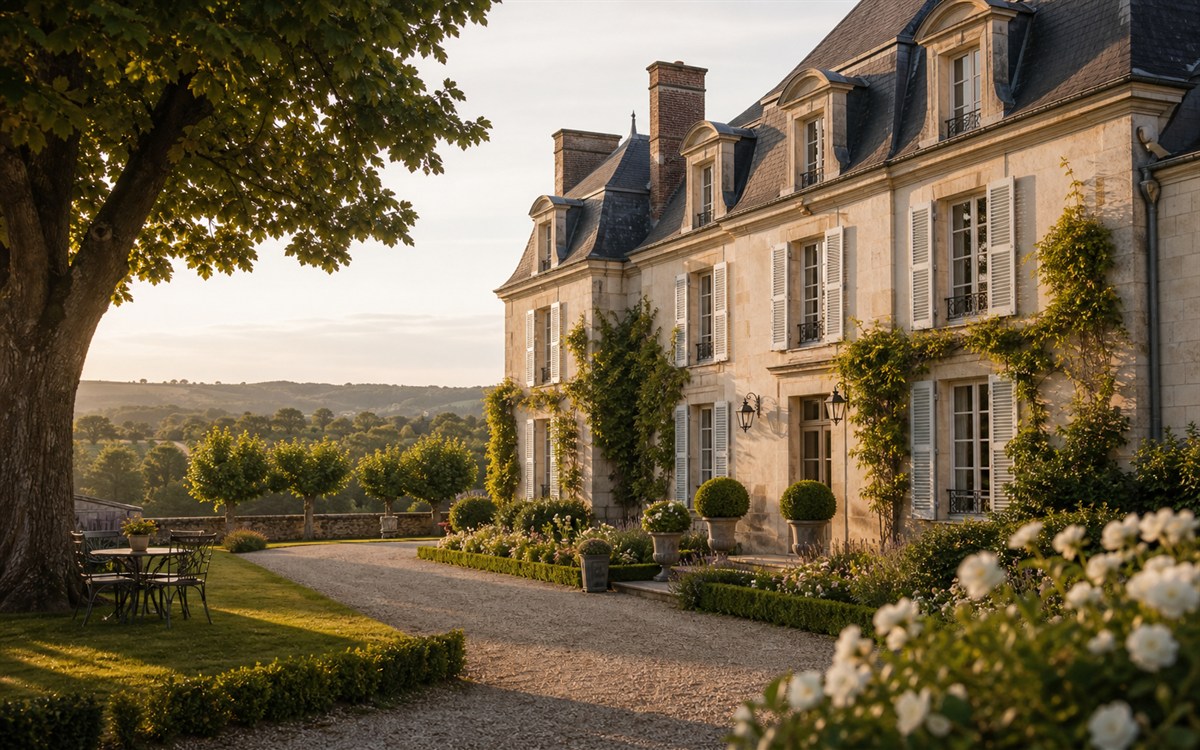
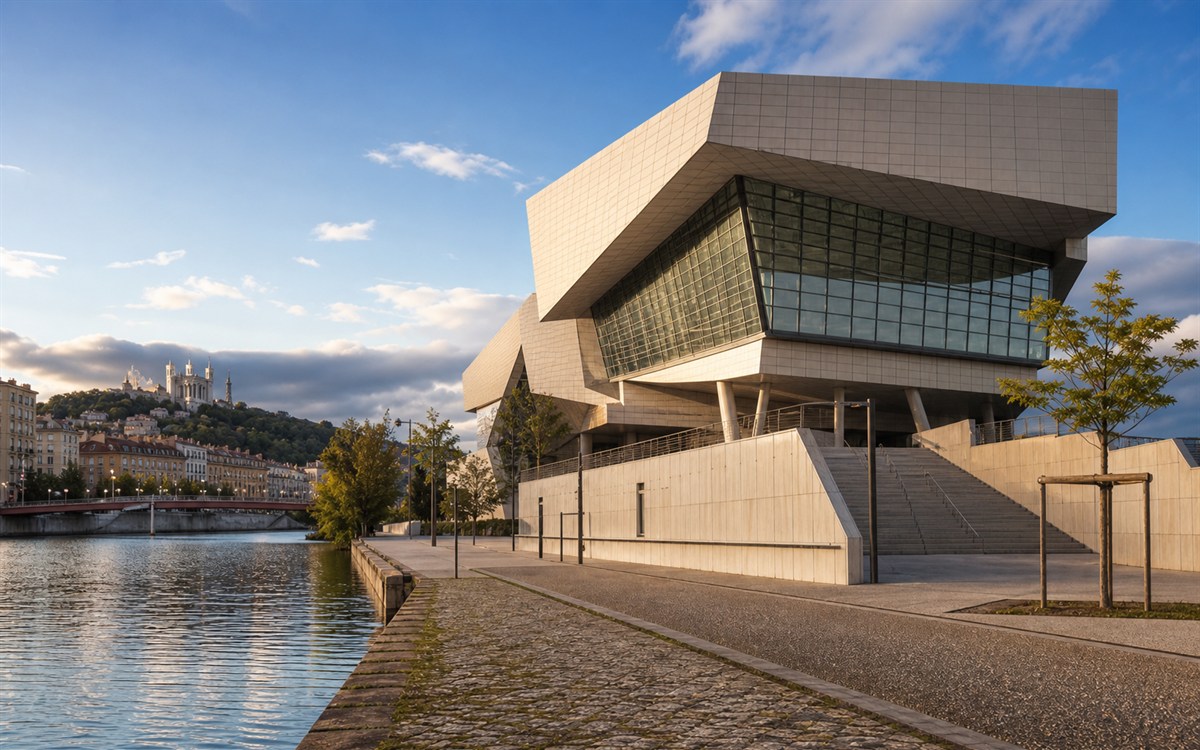
Best for: For Rocha Coast, the first decision is pace: give the city enough room to show its wild beaches, lagoons and slower Atlantic villages. The Rocha Coast is Uruguay's quieter Atlantic route, with wilder beaches, lagoons, fishing villages and a more rustic pace than Punta del Este. It suits travellers who want low-key nature, simple services and enough time to let the coast breathe.
Historic landmarks: Cabo Polonio, La Paloma, Laguna de Rocha, Punta del Diablo, Cabo Polonio Lighthouse Area and Fishing Village Culture should shape the sightseeing plan. Understand limited services before staying overnight. Useful as a practical coast base.
Museums and attractions: Choose the hotel area around La Paloma, Cabo Polonio and Punta del Diablo. Pick the district that makes arrival, evening movement and the first full day easier.
Hotels and stay areas: Rocha Coast also needs a food layer. Build meals around grilled fish, asado, chivito, mate, dulce de leche pastries, La Paloma, Cabo Polonio and Punta del Diablo so the visitor has a reason to slow down between museums, viewpoints and transfers.
Food and restaurants: José Ignacio and Brazil Border Coast can extend the stay when there is enough time. A polished coastal contrast west of Rocha. A possible regional continuation with careful route planning.

Food, Culture and Route Ideas for Uruguay
Food route: Grilled meats, mate, tannat wine and market meals are central to Uruguayan culture. Beach towns change character strongly in summer and quiet periods. Road and bus routes make a few bases manageable without domestic flights. This is where food, culture and route planning should work together.
Food, wine and restaurants: Build meals around asado, chivito, tannat wine, mate, dulce de leche, seafood and dulce de leche ice cream and keep them close to Ciudad Vieja, Pocitos and Punta Carretas, Cordón and Parque Rodó, Barrio Histórico and Waterfront.
Popular experiences: Use Montevideo, Colonia and Punta del Este for a balanced first trip. Add José Ignacio or Rocha when the aim is beaches and quieter Atlantic villages. Keep the route disciplined: one clear hotel area, one strong regional layer and one food or culture experience will usually feel better than trying to touch every possible stop.
Planning rule: Use bookings in a clean order: choose the hotel area first, then add attraction tickets, food tours, guided days and local experiences where they make the journey easier, richer and more realistic.