United States Travel, Structured Around Regions, Flights and Route Choice
Plan the United States through New York, California, Florida, national parks, the Southwest, food cities, family trips, domestic flights, hotels and regional road routes.
Start Planning United StatesUnited States Travel Guide: Routes, Stay Bases, Culture and Experiences
Trip shape: The route through United States should feel deliberate from the first booking. The practical starting point should come from New York, Los Angeles, San Francisco and Las Vegas and Grand Canyon, while California, Florida, Southwest Parks and First United States Trip should be added only when they improve the journey instead of scattering it.
Best for: California, Florida, Southwest Parks and First United States Trip give the United States its deeper travel layer. Some visitors need one main city and one day trip; others should slow down, split the journey and give the strongest region its own nights.
Planning rule: Start with arrival logic, season and the first overnight point, then add the experiences that genuinely deserve advance planning. Museums, landmarks, guided tours, food walks, local neighbourhoods and coastal or countryside days should be grouped by geography and timing.
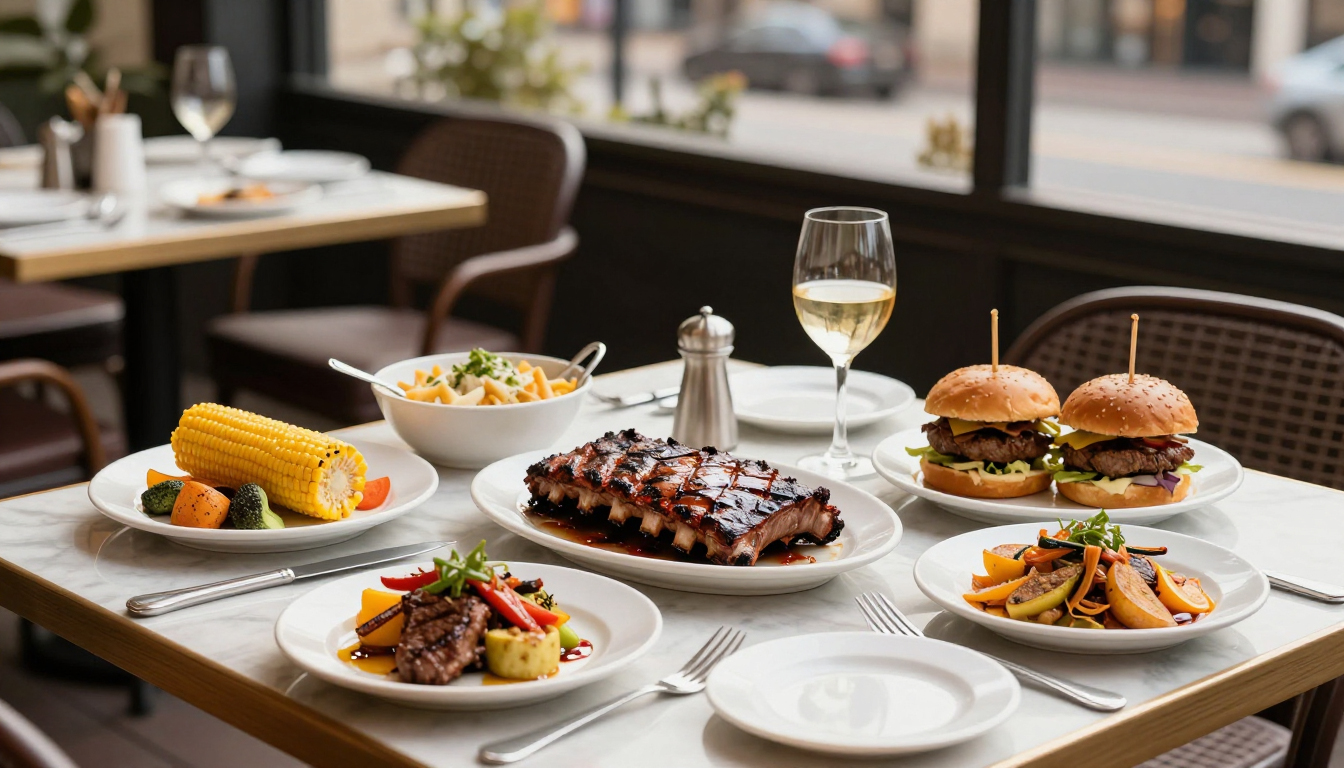
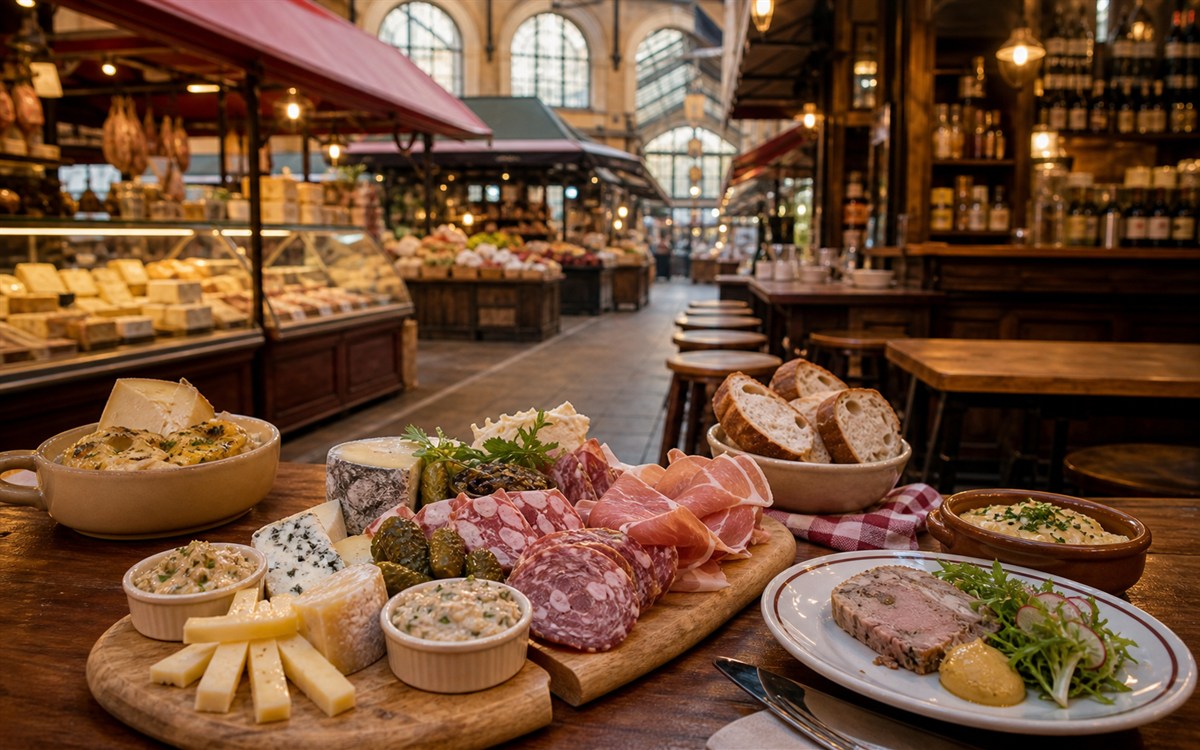
Route logic: pizza, barbecue, tacos, seafood, diners, soul food and farm-to-table cooking depend heavily on location. Game days, jazz, theatre, live music and local festivals can shape evenings. Keep food close to the chosen hotel area where possible: the best meals often come from market streets, harbour areas, old-town restaurants and neighbourhoods already inside the day’s route.

New York: museums, neighbourhoods and first US city base
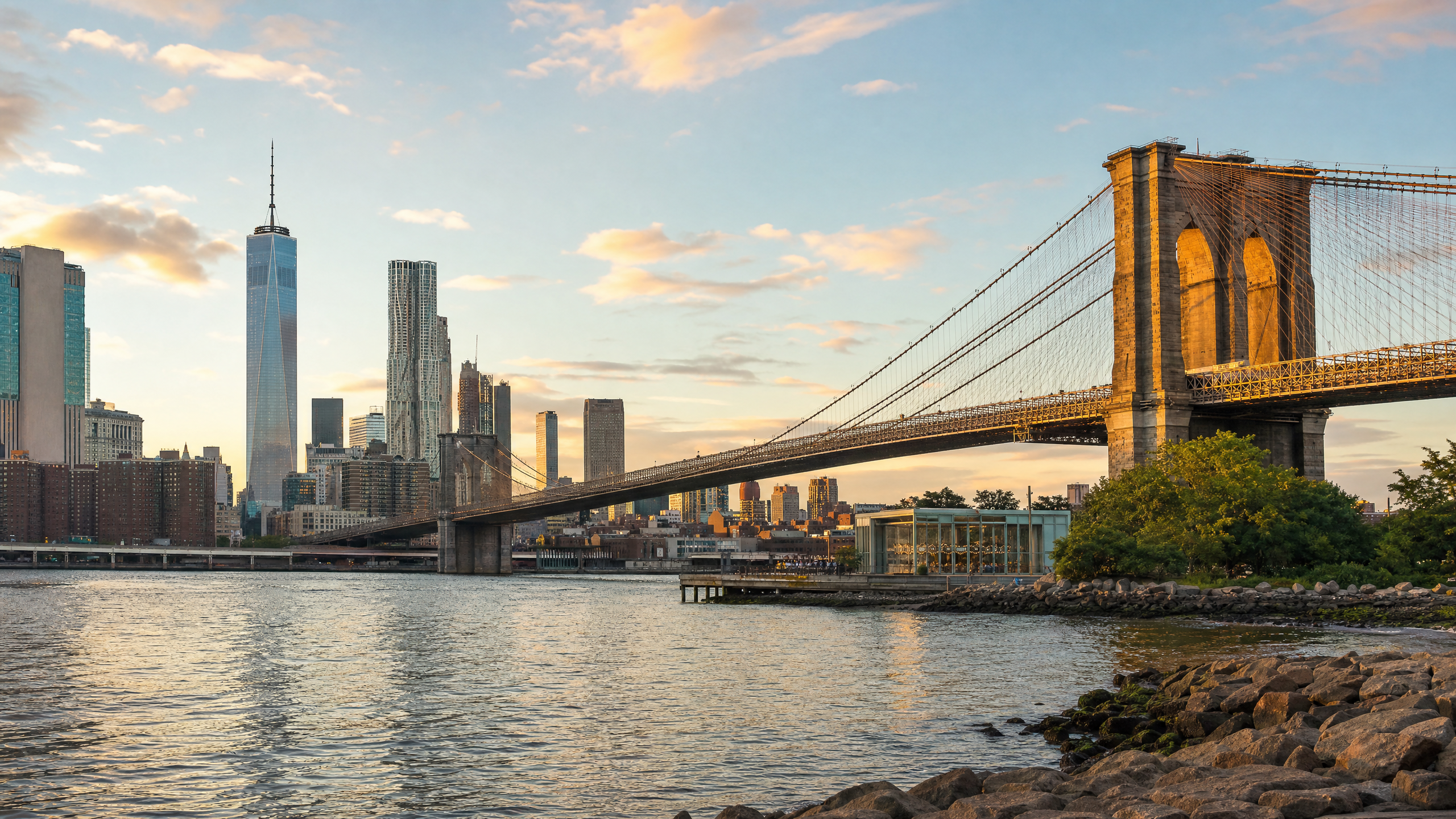
Best for: For New York, the first decision is pace: give the city enough room to show its museums, neighbourhoods and first US city base. New York is the clearest first US city for many travellers because it combines museums, skyline views, food neighbourhoods, theatre, parks and strong rail links without needing a car. It works best when days are planned by neighbourhood, with room for a slower museum block, harbour route or outer-borough meal rather than constant Midtown movement.
Historic landmarks: Central Park and Museum Mile, Statue of Liberty and Lower Manhattan, Times Square and Theatre District, Brooklyn Bridge and DUMBO, The Metropolitan Museum of Art and Museum of Modern Art should shape the sightseeing plan. Group museum visits by side of the park to avoid wasted travel time. Book ferry and security timing carefully.
Museums and attractions: Choose the hotel area around Midtown, Lower Manhattan and Upper West Side. Pick the district that makes arrival, evening movement and the first full day easier.
Hotels and stay areas: New York also needs a food layer. Build meals around pizza, bagels, pastrami sandwiches, cheesecake, hot dogs, deli breakfasts, Lower East Side and Chinatown and West Village and SoHo so the visitor has a reason to slow down between museums, viewpoints and transfers.
Food and restaurants: Washington DC or Philadelphia and Hudson Valley can extend the stay when there is enough time. Rail-linked city extensions for history and museums. A slower river and small-town extension north of the city.
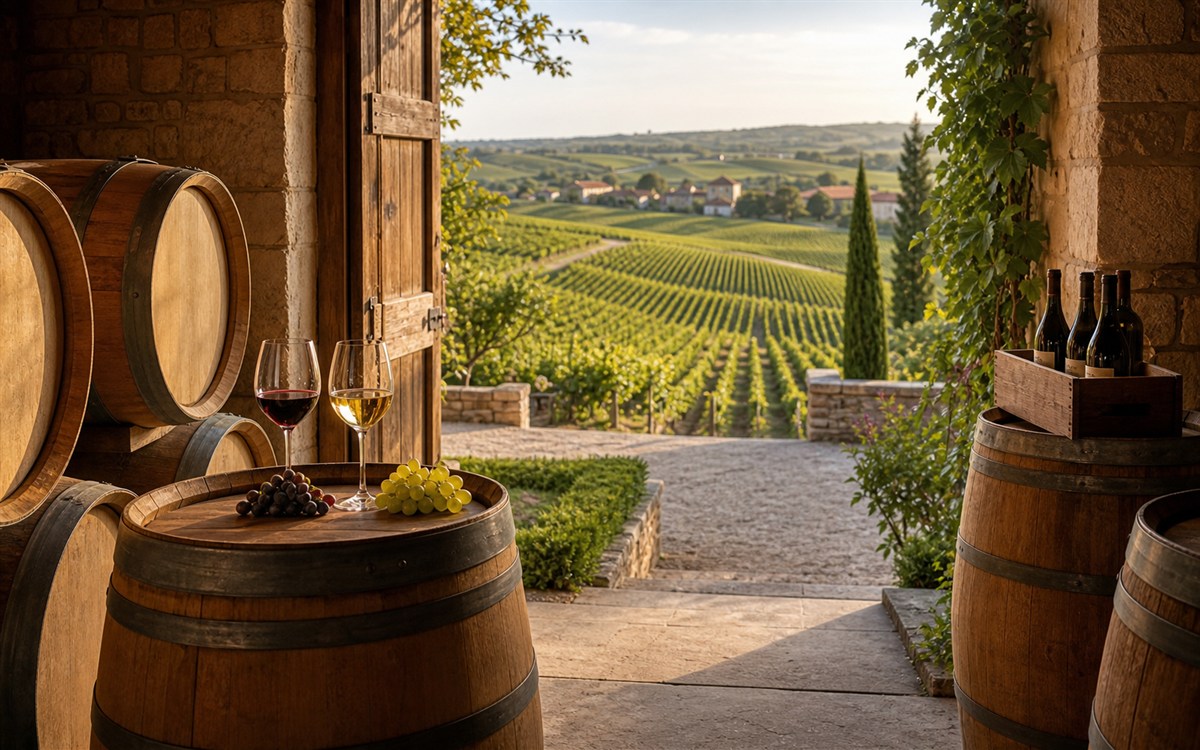
Los Angeles: film, beaches and spread-out neighbourhoods
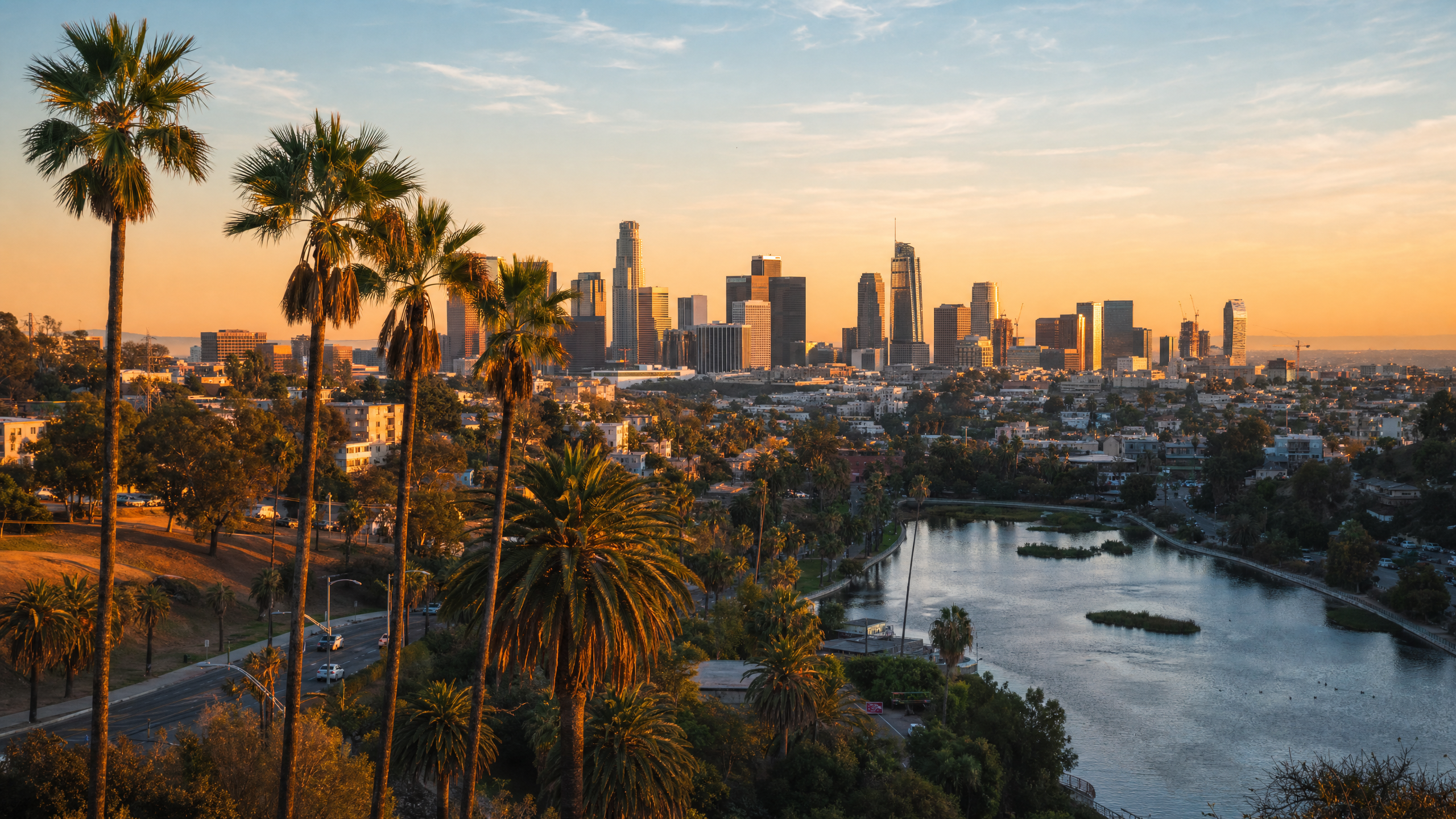
Best for: Use Los Angeles when the the United States route needs film, beaches and spread-out neighbourhoods. Los Angeles is a city of districts rather than a compact centre, so the trip works best when beaches, studios, museums, food and drives are grouped by area. A strong LA stay chooses a west-side, Hollywood, Downtown or beach focus first, then builds realistic travel time around traffic, meals and sunset plans.
Historic landmarks: Griffith Observatory and Hollywood Hills, Getty Center, Santa Monica and Venice, Hollywood Studio or Film Experience, Los Angeles County Museum of Art and The Academy Museum of Motion Pictures should shape the sightseeing plan. Go when visibility is good and expect parking or ride-share planning. Allow a half-day and check reservation or parking requirements.
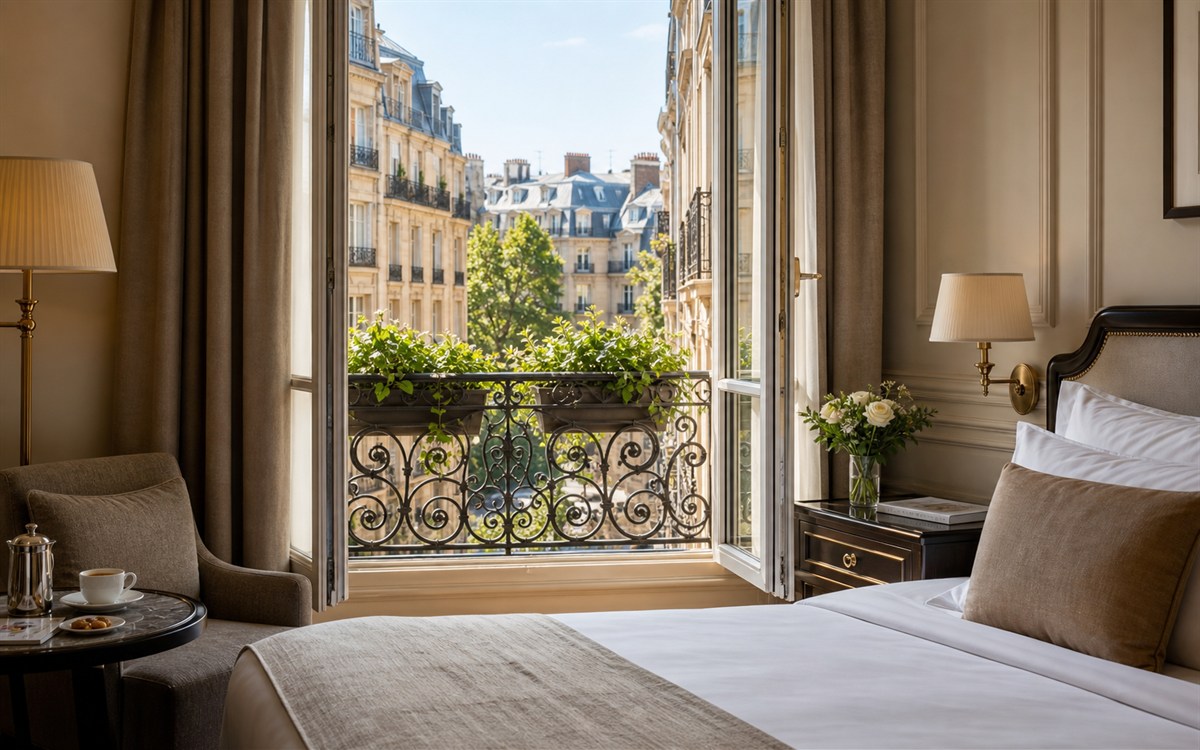
Museums and attractions: Choose the hotel area around Santa Monica, West Hollywood or Beverly Grove and Downtown LA. Pick the district that makes arrival, evening movement and the first full day easier.
Hotels and stay areas: Los Angeles also needs a food layer. Build meals around tacos, Korean barbecue, burgers, sushi, farmers market produce, donuts, Koreatown and Santa Monica and Venice so the visitor has a reason to slow down between museums, viewpoints and transfers.
Food and restaurants: Santa Barbara and Joshua Tree or Palm Springs can extend the stay when there is enough time. A coast and wine-region extension north of LA. A desert route that needs heat and driving planning.
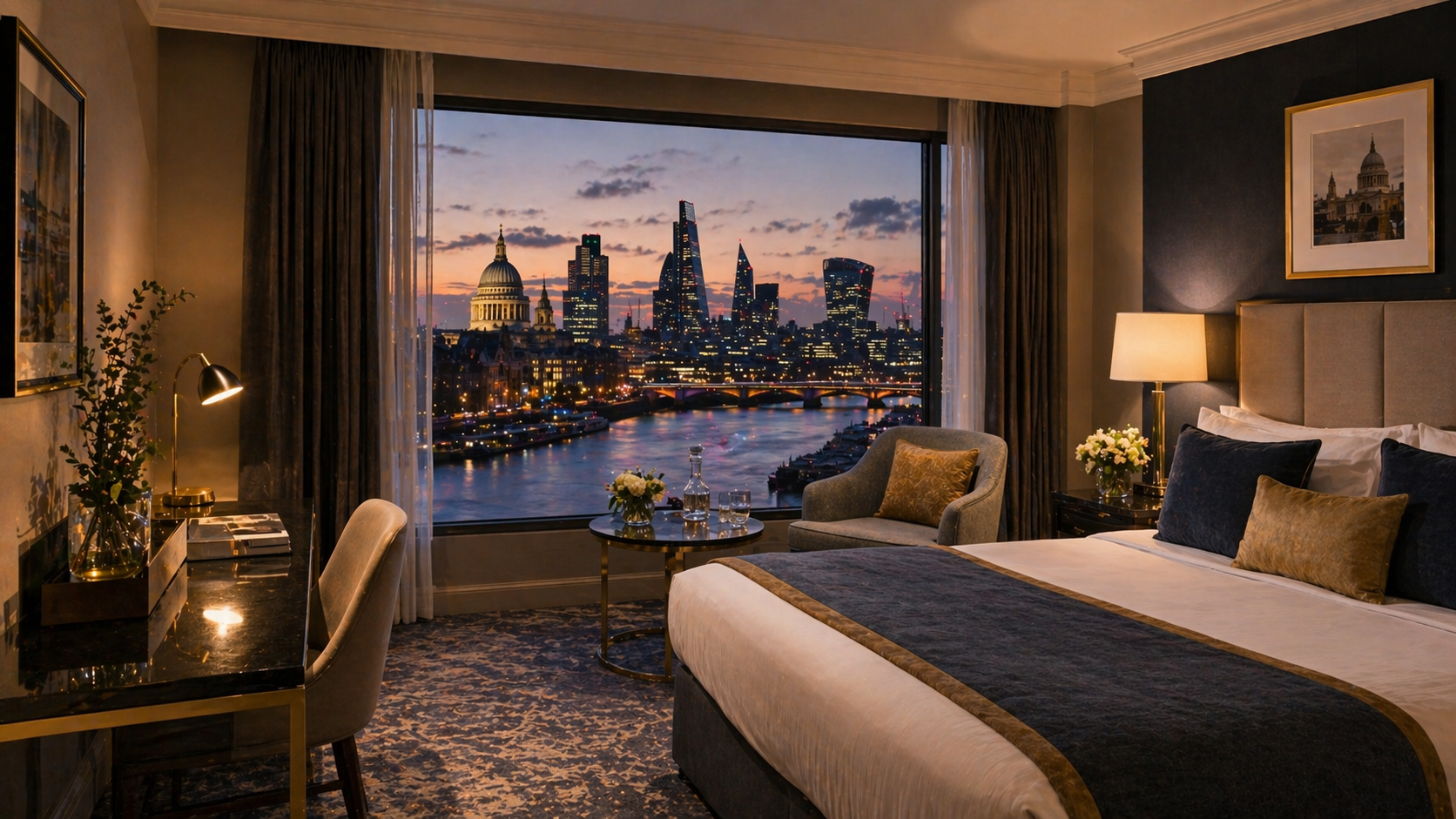

San Francisco: bay views, food and northern California routes
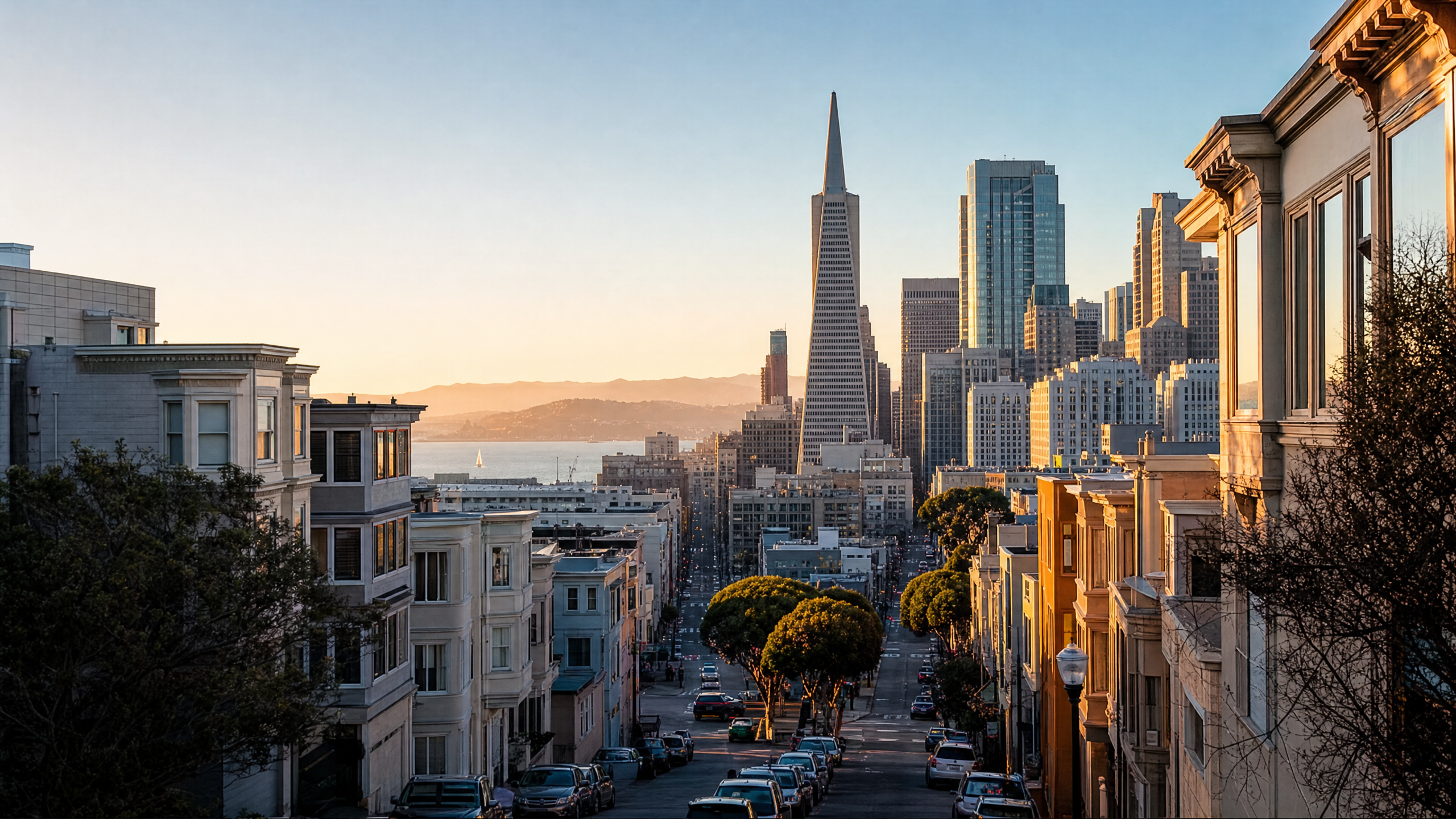
Best for: San Francisco deserves a proper place in the the United States plan, especially when the trip needs bay views, food and northern California routes. San Francisco is compact by US standards but hilly and layered, with bay views, ferries, museums, neighbourhood food and access to wine country or the Pacific coast. It rewards travellers who combine classic viewpoints with markets, parks, Chinatown, the Mission and weather-aware day routes rather than relying on one waterfront strip.
Historic landmarks: Golden Gate Bridge and Presidio, Ferry Building and Embarcadero, Alcatraz Island, Golden Gate Park, de Young Museum and SFMOMA should shape the sightseeing plan. Check fog and wind before committing to long walks. Use it for food, markets and bay orientation.
Museums and attractions: Choose the hotel area around Union Square or Downtown, Embarcadero or Nob Hill and Mission or Hayes Valley. Pick the district that makes arrival, evening movement and the first full day easier.
Hotels and stay areas: San Francisco also needs a food layer. Build meals around sourdough bread, Dungeness crab, Mission burritos, dim sum, clam chowder, coffee, Mission District and Chinatown and North Beach so the visitor has a reason to slow down between museums, viewpoints and transfers.
Food and restaurants: Napa or Sonoma and Muir Woods and Marin can extend the stay when there is enough time. A wine-country extension needing transport planning. A redwood and bay-view day route north of the city.

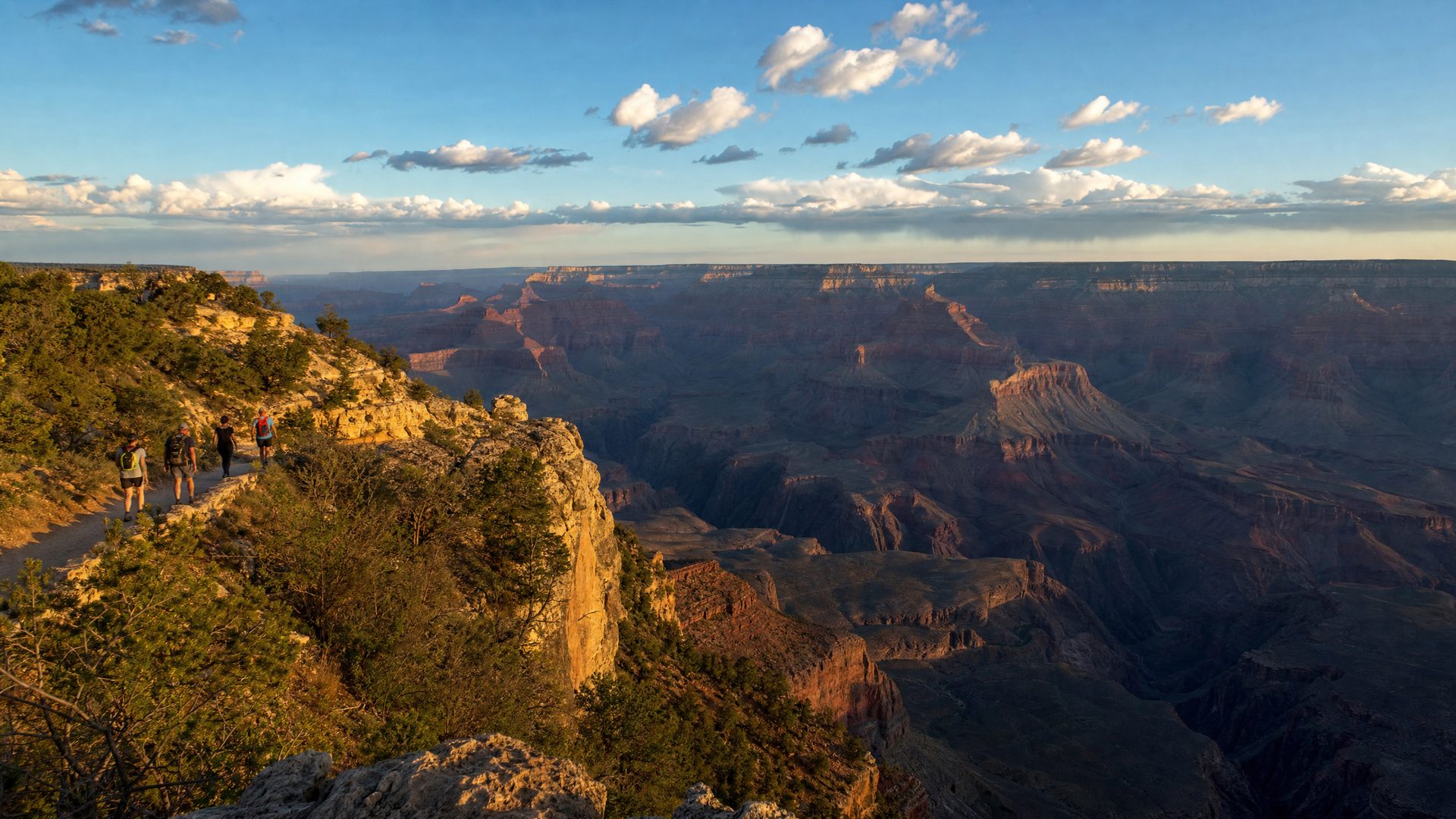
Las Vegas and Grand Canyon: desert city, shows and canyon road planning
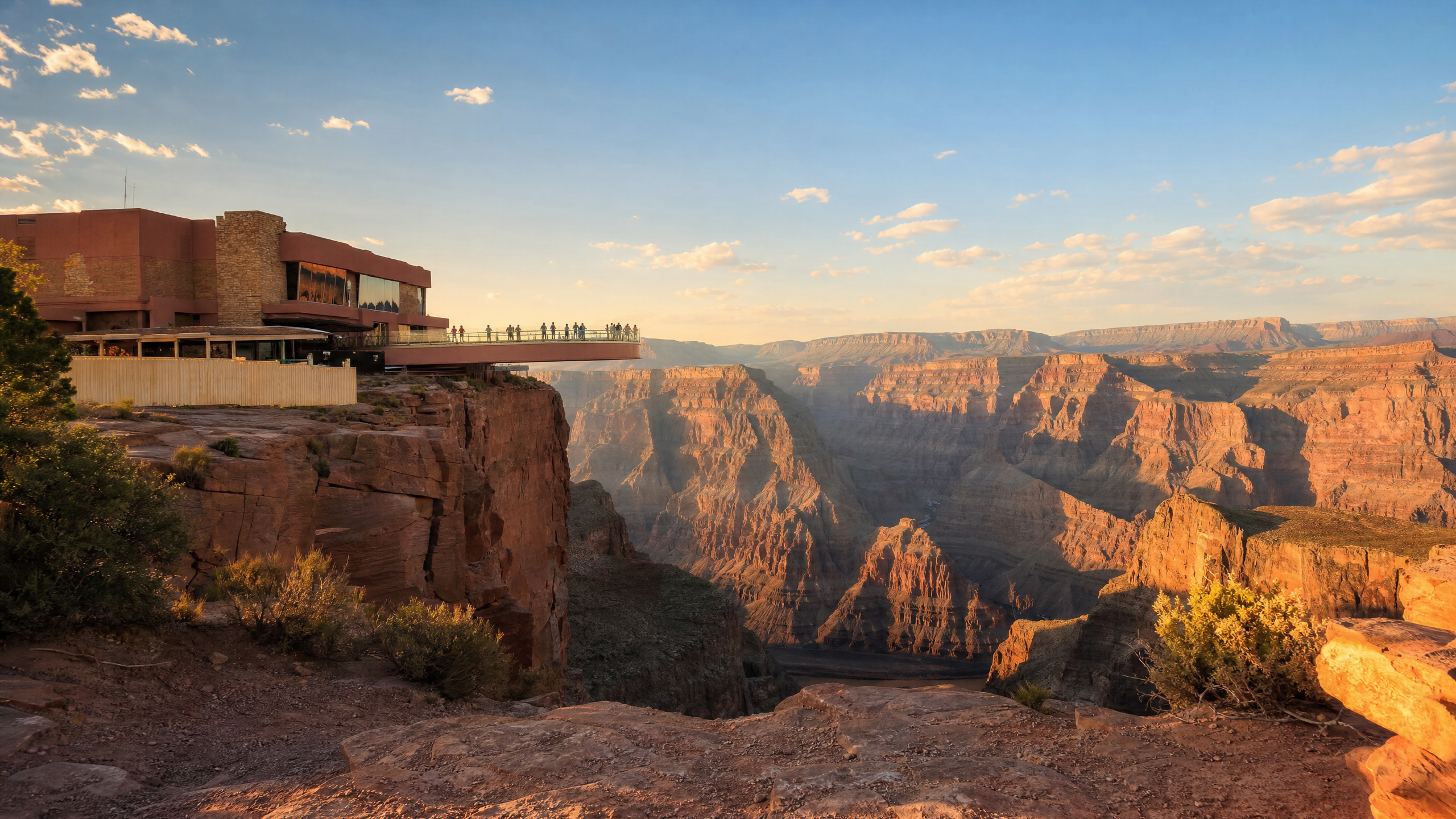
Best for: Las Vegas and Grand Canyon works better as a lived-in stop than as a fast photo pin, with desert city, shows and canyon road planning shaping the day. Las Vegas works as both an entertainment base and a desert-road gateway, but the Grand Canyon and nearby national parks need realistic driving, heat and permit planning. The strongest trips separate show nights, pool time and desert routes clearly, so long drives or canyon days are not squeezed between late evenings.
Historic landmarks: Las Vegas Strip, Downtown Las Vegas and Arts District, Grand Canyon South Rim, Red Rock Canyon, The Neon Museum and Mob Museum should shape the sightseeing plan. Choose location carefully because walking distances are longer than they look. Use it for contrast to The Strip.
Museums and attractions: Choose the hotel area around Central Strip, Downtown and Near Red Rock or Henderson. Pick the district that makes arrival, evening movement and the first full day easier.
Hotels and stay areas: Las Vegas and Grand Canyon also needs a food layer. Build meals around steakhouse meals, buffets, cocktails, tacos, dim sum, desert road snacks, The Strip and Chinatown so the visitor has a reason to slow down between museums, viewpoints and transfers.
Food and restaurants: Grand Canyon South Rim and Zion National Park can extend the stay when there is enough time. The classic canyon extension, best with an overnight for many travellers. A major Utah park route that needs permits, season and lodging planning.


Miami and Florida: beaches, Latin food and warm-weather routes
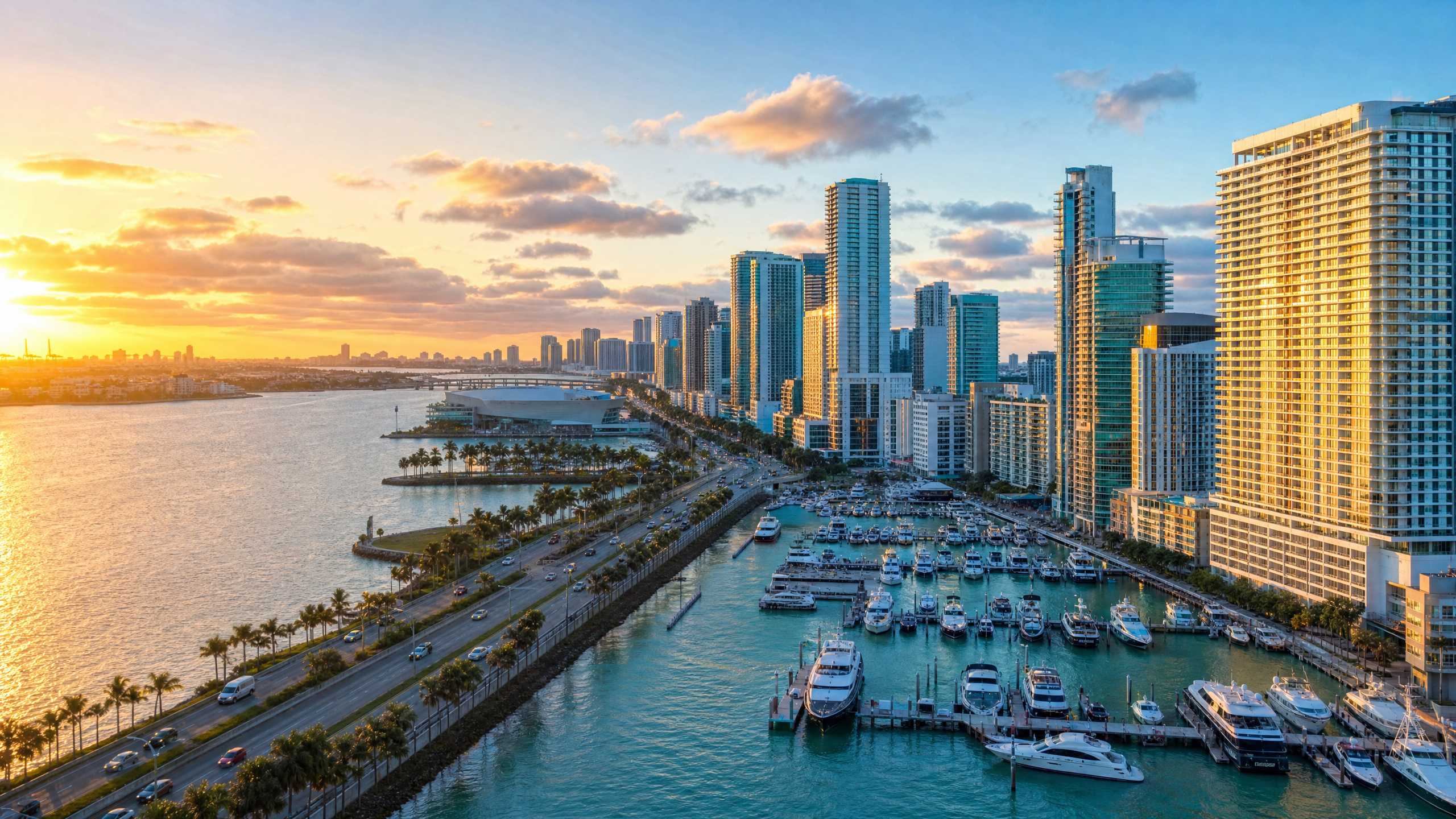
Best for: Miami and Florida deserves a proper place in the the United States plan, especially when the trip needs beaches, Latin food and warm-weather routes. Miami gives Florida a lively international base, with beaches, Art Deco streets, Latin American food, cruise links and routes toward the Keys, Everglades and family parks. It works best when travellers choose between South Beach energy, Brickell convenience and calmer neighbourhood stays before adding nature or road extensions.
Historic landmarks: South Beach and Art Deco Historic District, Wynwood Walls and Arts District, Little Havana, Everglades National Park Access, Pérez Art Museum Miami and The Bass should shape the sightseeing plan. Visit early for calmer streets and easier heat. Pair with food and short walks rather than all-day wandering.
Museums and attractions: Choose the hotel area around South Beach, Brickell or Downtown and Coral Gables or Coconut Grove. Pick the district that makes arrival, evening movement and the first full day easier.
Hotels and stay areas: Miami and Florida also needs a food layer. Build meals around Cuban sandwiches, stone crab, ceviche, empanadas, key lime pie, cafecito, Little Havana and South Beach so the visitor has a reason to slow down between museums, viewpoints and transfers.
Food and restaurants: Florida Keys and Everglades can extend the stay when there is enough time. A road route that needs time rather than a rushed out-and-back. The main nature pairing from Miami.
Food, Culture and Route Ideas for the United States
Food route: pizza, barbecue, tacos, seafood, diners, soul food and farm-to-table cooking depend heavily on location. Game days, jazz, theatre, live music and local festivals can shape evenings. Domestic flights, rental cars, traffic and national-park permits need early planning. This is where food, culture and route planning should work together.
Food, wine and restaurants: Build meals around pizza, bagels, pastrami sandwiches, cheesecake, hot dogs, deli breakfasts and tacos and keep them close to Lower East Side and Chinatown, West Village and SoHo, Queens, Koreatown and Santa Monica and Venice.
Popular experiences: Choose one coast or one region first, then add a domestic flight only when the stay length supports it. New York and Washington, California coast, or Las Vegas and Grand Canyon are more coherent shapes than a coast-to-coast rush. Keep the route disciplined: one clear hotel area, one strong regional layer and one food or culture experience will usually feel better than trying to touch every possible stop.
Planning rule: Use bookings in a clean order: choose the hotel area first, then add attraction tickets, food tours, guided days and local experiences where they make the journey easier, richer and more realistic.