Turkey Travel Guide: Istanbul, Cappadocia, Aegean Coast, Mediterranean Resorts and Heritage Routes
Turkey is strongest when the trip is built around one clear contrast: Istanbul and culture, Cappadocia and landscapes, the Aegean coast and ancient sites, or the Mediterranean coast and resort stays. Istanbul alone can carry several days with mosques, bazaars, food, ferries and neighbourhoods. Cappadocia needs flight and stay planning. Antalya, Bodrum, Izmir and the Turquoise Coast suit sea, ruins, food and premium coastal hotels. Domestic flights often make the route work better than long overland transfers.
Start Planning TurkeyCheck Current Advice Before Booking
Travel safety note: Official UK FCDO advice may warn against travel to specific regions of this country. This guide is for general planning only. Check the latest GOV.UK Foreign Travel Advice before booking or travelling.
Regional note: FCDO regional advice includes an all-travel warning for the Turkey-Syria border area. WorldFun Turkey planning should avoid restricted border regions and focus only on mainstream travel areas where current advice permits travel.
Last WorldFun FCDO review: 2026-04-26
Check GOV.UK FCDO adviceTurkey Travel Guide: Routes, Stay Bases, Culture and Experiences
Trip shape: Build Turkey from the ground up: arrival, hotel area, movement, then experiences. Use Istanbul, Cappadocia, Antalya and Izmir and Ephesus as the first anchors, then let Cappadocia, Turquoise Coast, Aegean Heritage and First Turkey Trip decide whether the trip should stay compact or open into a wider route.
Best for: Cappadocia, Turquoise Coast, Aegean Heritage and First Turkey Trip give Turkey its deeper travel layer. Some visitors need one main city and one day trip; others should slow down, split the journey and give the strongest region its own nights.
Planning rule: Start with arrival logic, season and the first overnight point, then add the experiences that genuinely deserve advance planning. Museums, landmarks, guided tours, food walks, local neighbourhoods and coastal or countryside days should be grouped by geography and timing.
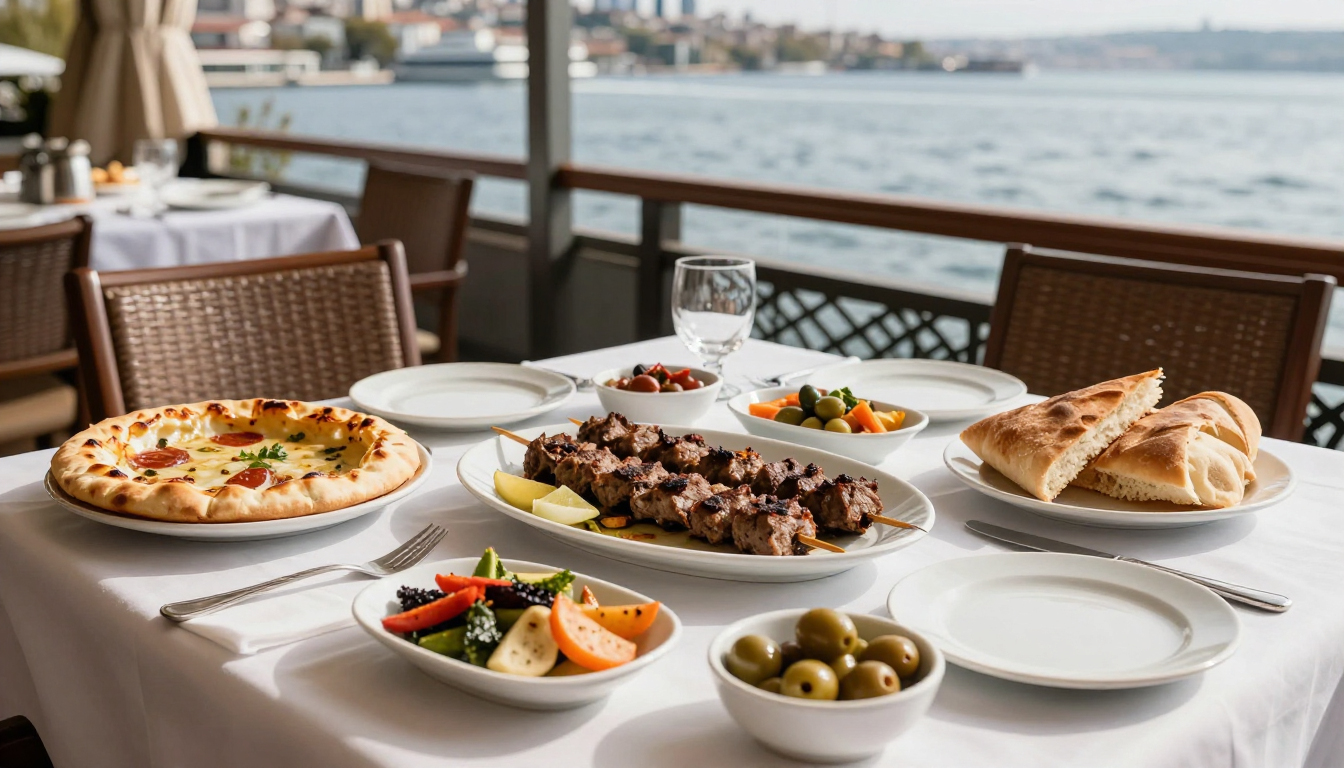
Route logic: Turkish breakfasts, tea, bakeries, markets and meze are part of the route structure. Istanbul, the Aegean, Cappadocia and the Mediterranean all have distinct food rhythms. Keep food close to the chosen hotel area where possible: the best meals often come from market streets, harbour areas, old-town restaurants and neighbourhoods already inside the day’s route.
Istanbul: mosques, markets and first-time Turkey
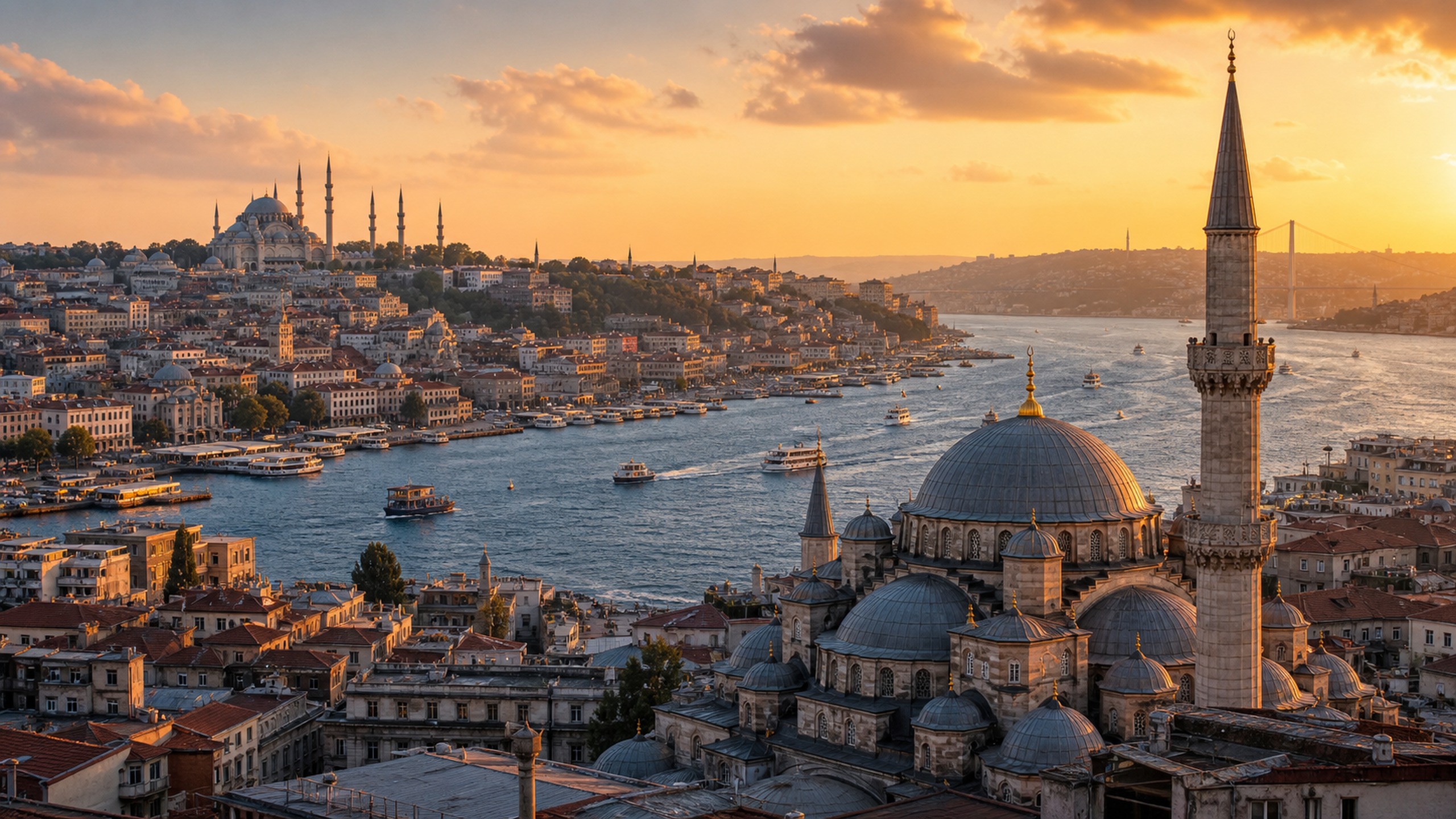
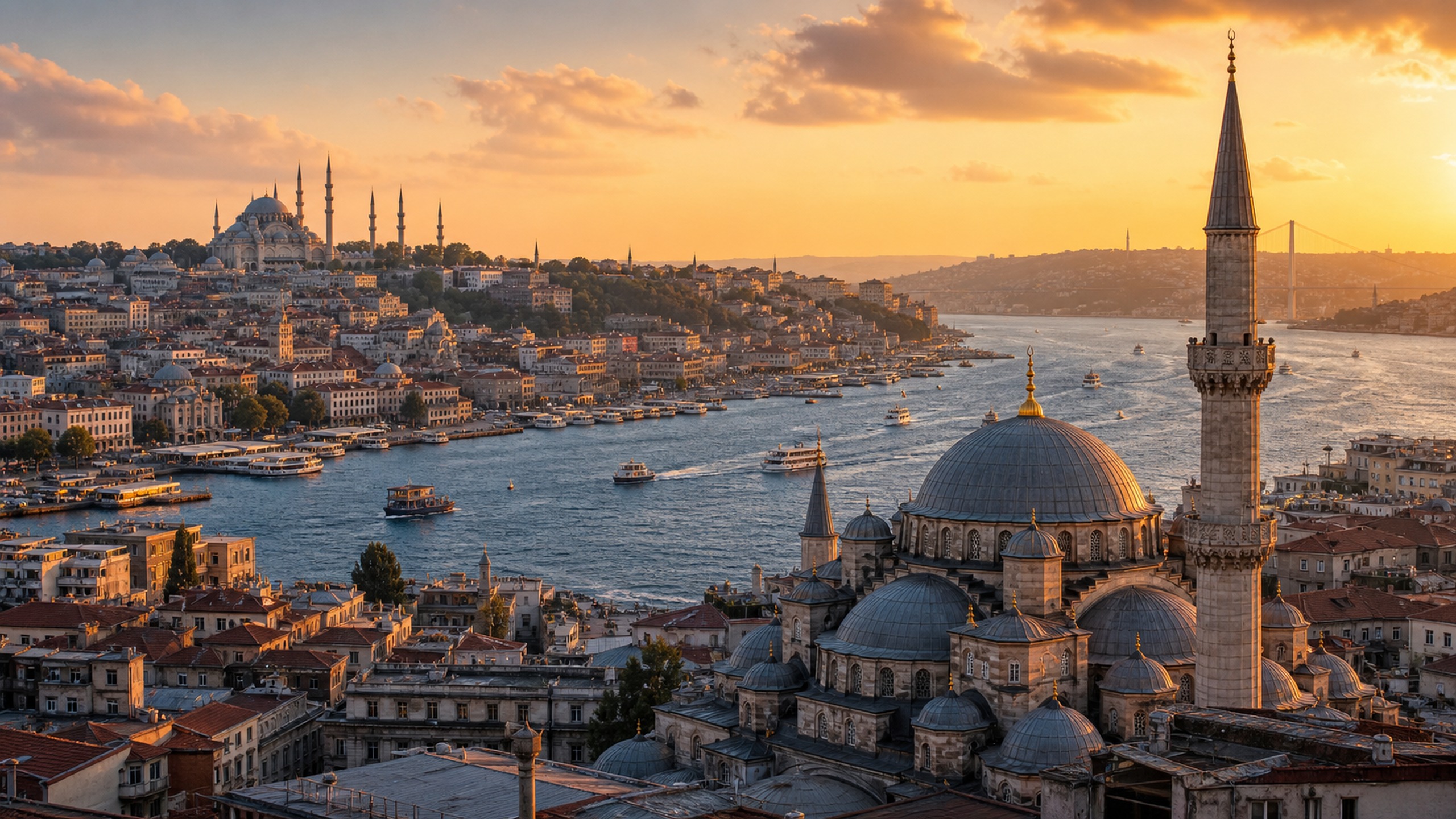
Best for: Treat Istanbul as the part of Turkey where mosques, markets and first-time Turkey becomes useful for the wider route. Istanbul is Turkey’s essential starting point, with imperial monuments, mosques, markets, ferries, food districts and deep layers of Byzantine and Ottoman history. It works best when mosque etiquette, ferry movement, museum timing and neighbourhood food routes are planned separately.
Historic landmarks: Hagia Sophia and Sultanahmet, Topkapı Palace, Grand Bazaar and Spice Bazaar, Bosphorus Ferry Route, Istanbul Archaeology Museums and Pera Museum should shape the sightseeing plan. Dress respectfully and check visiting guidance before arrival. Give it a focused half-day if interiors matter.
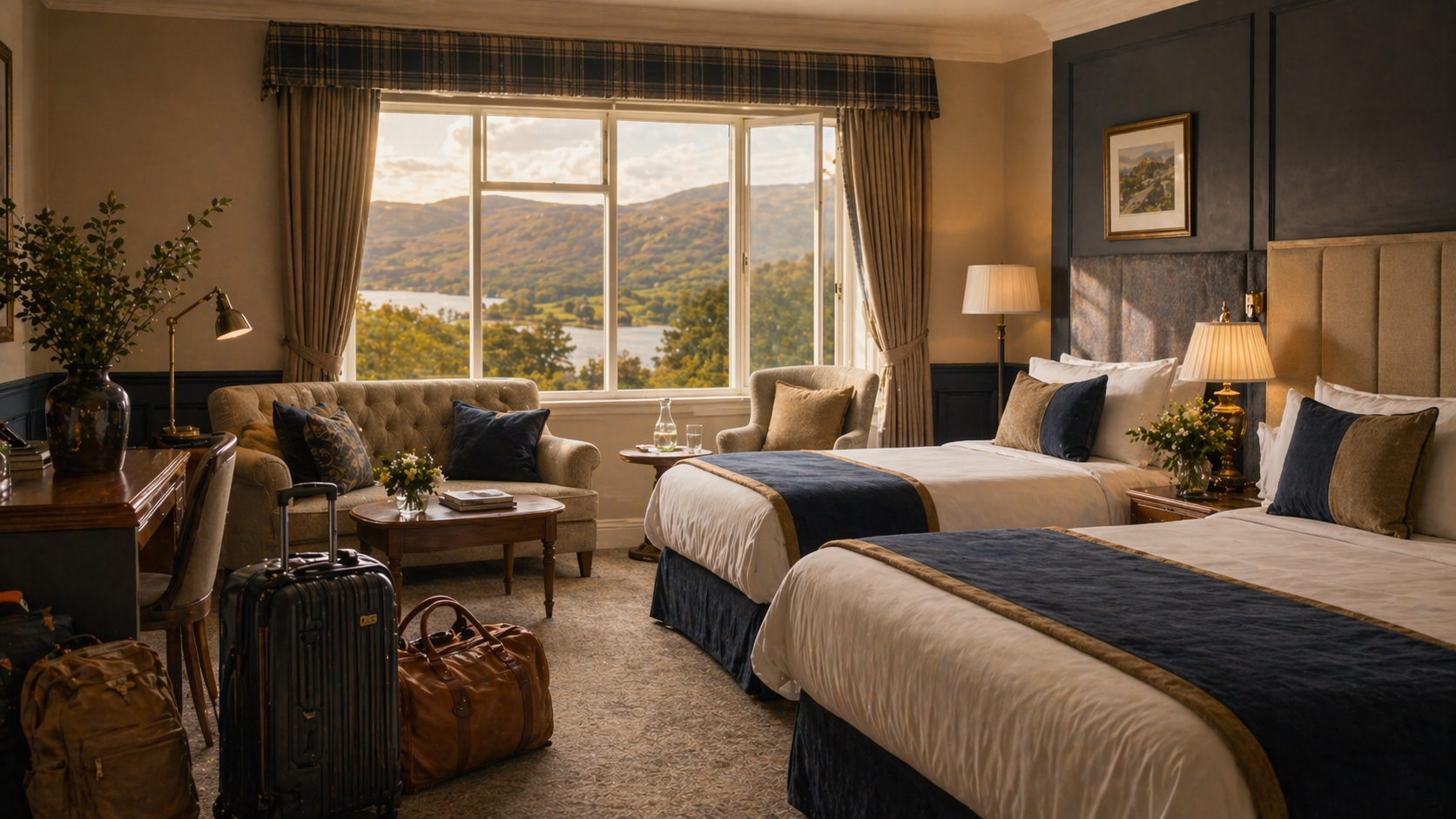
Museums and attractions: Choose the hotel area around Sultanahmet, Beyoğlu / Galata and Kadıköy. Pick the district that makes arrival, evening movement and the first full day easier.
Hotels and stay areas: Istanbul also needs a food layer. Build meals around Turkish breakfast, meze, kebabs, baklava, simit, fish sandwiches, Sultanahmet and Beyoğlu and Galata so the visitor has a reason to slow down between museums, viewpoints and transfers.
Food and restaurants: Princes’ Islands and Cappadocia or Izmir can extend the stay when there is enough time. A ferry-linked island day with a slower pace. Domestic flights make wider Turkey possible, but each region needs its own time.


Cappadocia: valleys, cave stays and weather-led landscapes
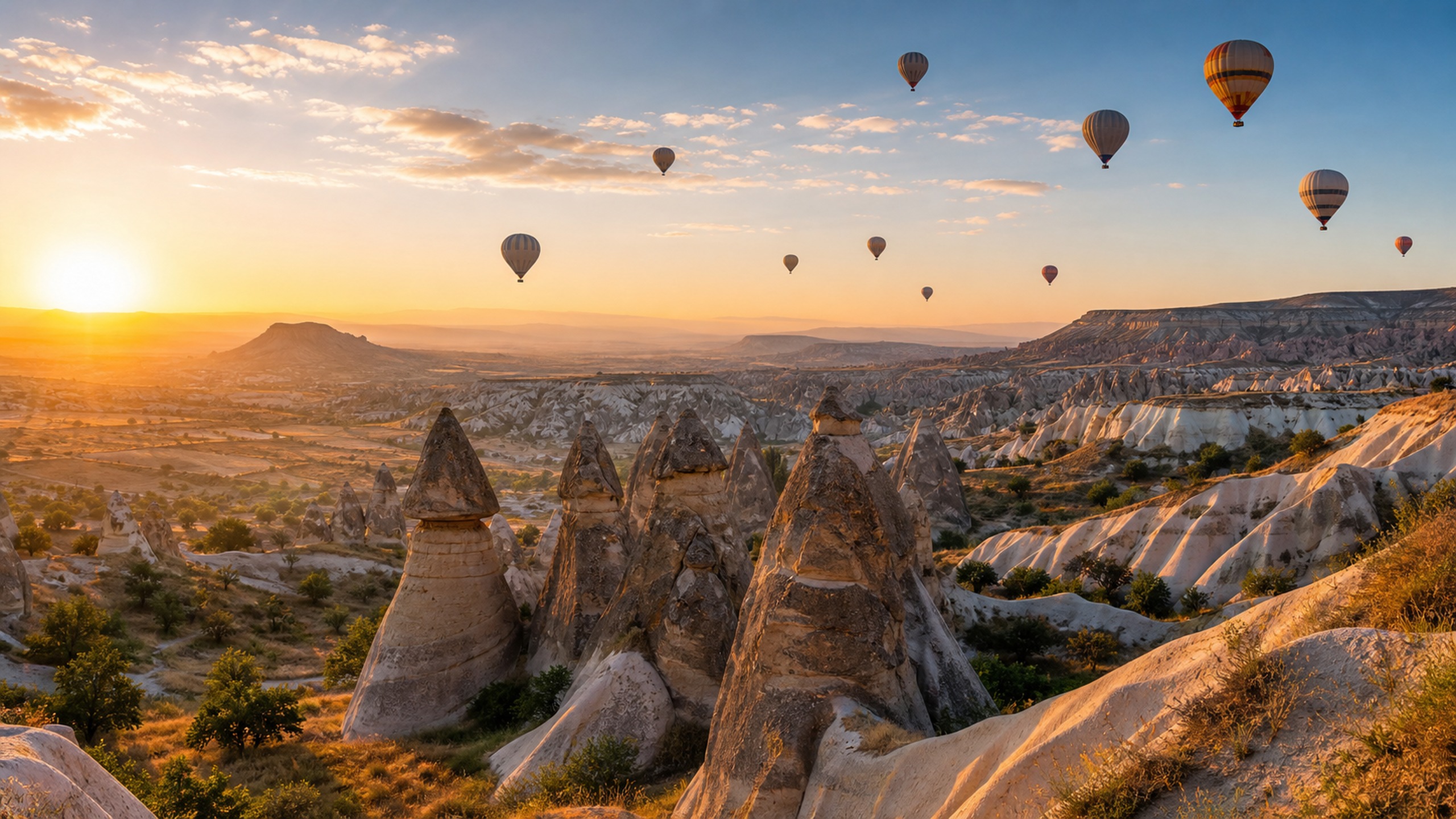
Best for: The value of Cappadocia is not only the headline sights; it gives the itinerary valleys, cave stays and weather-led landscapes and a clearer local rhythm. Cappadocia is Turkey’s most distinctive landscape region, with valleys, cave hotels, open-air museums, viewpoints and balloon flights that depend on weather. It needs weather-aware plans, reputable operators and enough nights for valleys, museums and viewpoints beyond balloon timing.
Historic landmarks: Göreme Open-Air Museum, Love, Rose and Red Valleys, Uçhisar Castle, Underground Cities, Zelve Open-Air Museum and Avanos Pottery Workshops should shape the sightseeing plan. Go early and allow time for context, not only photos. Choose routes based on fitness, heat and daylight.
Museums and attractions: Choose the hotel area around Göreme, Uçhisar and Ürgüp. Pick the district that makes arrival, evening movement and the first full day easier.
Hotels and stay areas: Cappadocia also needs a food layer. Build meals around testi kebab, Turkish breakfast, manti, local wine, pide, baklava, Göreme and Uçhisar so the visitor has a reason to slow down between museums, viewpoints and transfers.
Food and restaurants: Kayseri or Nevşehir and Konya can extend the stay when there is enough time. Airport routes that should be matched carefully to hotel transfers. A cultural extension for travellers building a wider Central Anatolia route.
Antalya: Mediterranean old town, beaches and ancient sites
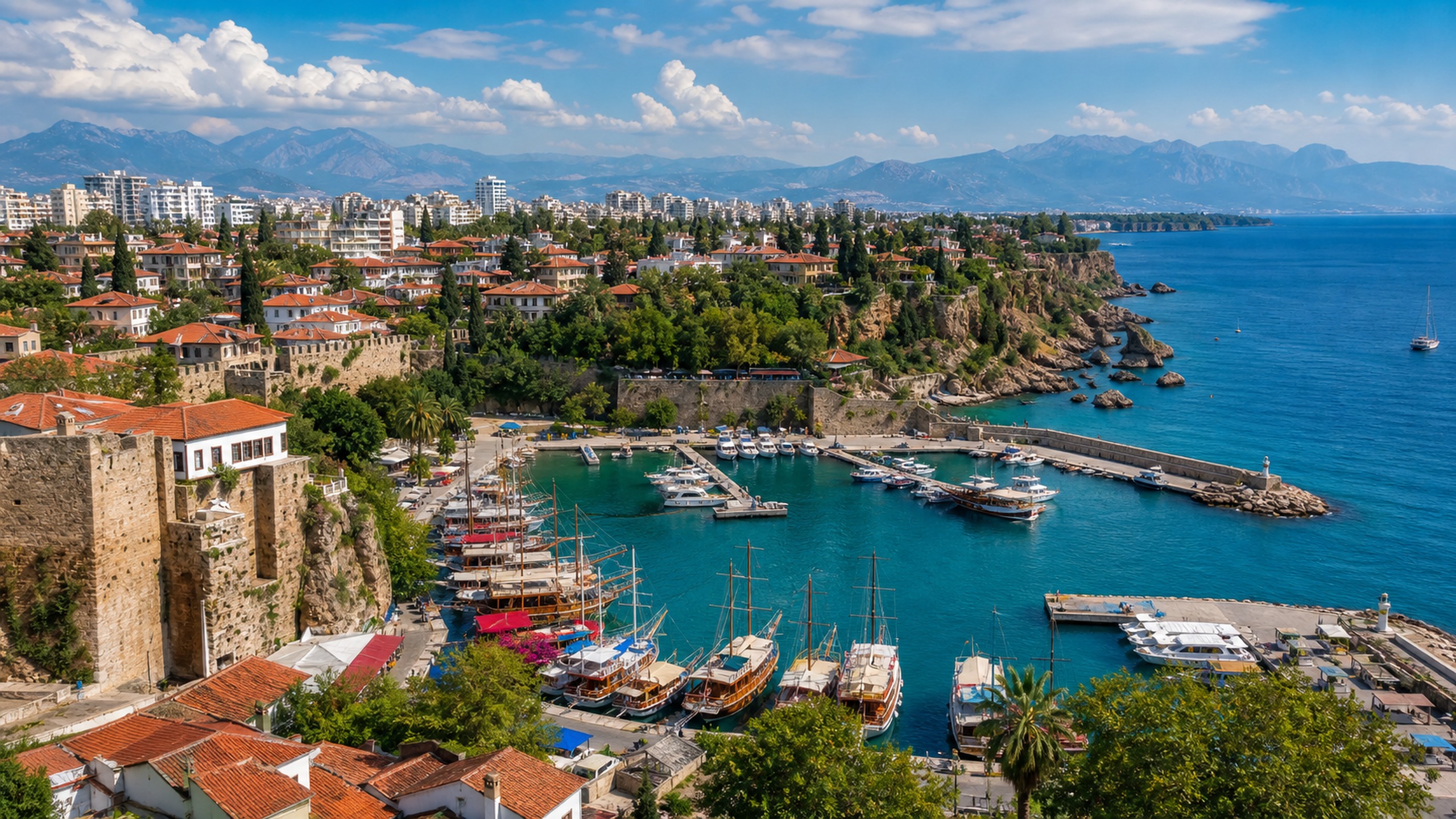
Best for: Treat Antalya as the part of Turkey where Mediterranean old town, beaches and ancient sites becomes useful for the wider route. Antalya is the practical Mediterranean base for Turkey, with an old harbour, beaches, resort areas and access to ancient sites and coastal day trips. It suits travellers who want coast and heritage together, with heat, beach bases and ancient-site transfers planned clearly.
Historic landmarks: Kaleiçi Old Town, Antalya Archaeological Museum, Konyaaltı Beach, Perge and Aspendos and Suna and İnan Kıraç Kaleiçi Museum should shape the sightseeing plan. Stay or visit early for a calmer old-town feel. Pair with ancient-site day trips for context.
Museums and attractions: Choose the hotel area around Kaleiçi, Konyaaltı and Lara. Pick the district that makes arrival, evening movement and the first full day easier.
Hotels and stay areas: Antalya also needs a food layer. Build meals around piyaz, seafood, meze, kebabs, citrus, baklava, Kaleiçi and Konyaaltı so the visitor has a reason to slow down between museums, viewpoints and transfers.
Food and restaurants: Side and Aspendos and Kaş or Olympos Coast can extend the stay when there is enough time. A strong ancient-site and coast combination east of Antalya. A scenic coastal extension that needs careful road timing.

Izmir and Ephesus: Aegean city base and ancient heritage
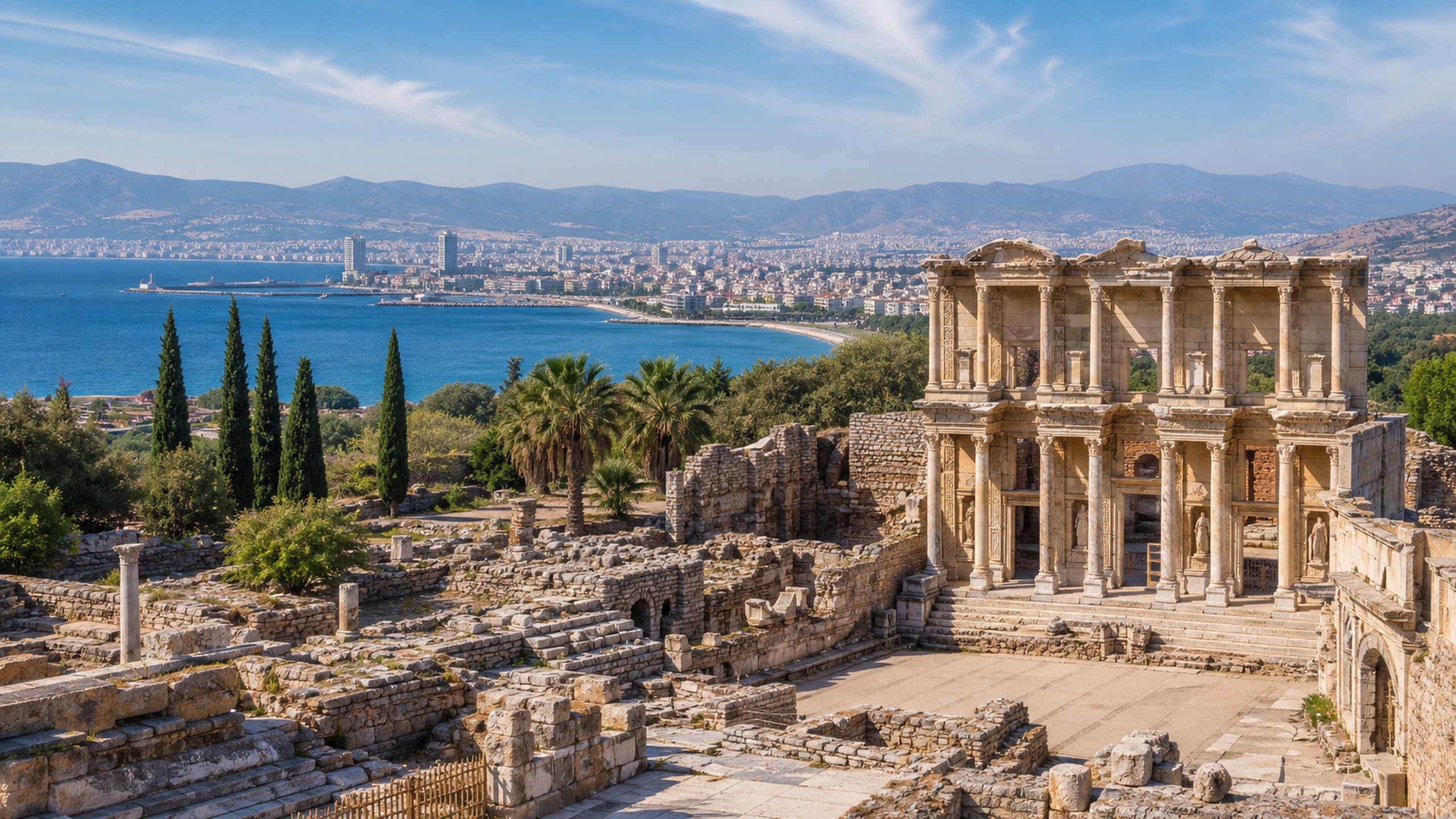
Best for: The value of Izmir and Ephesus is not only the headline sights; it gives the itinerary Aegean city base and ancient heritage and a clearer local rhythm. Izmir and Ephesus create a strong Aegean Turkey route, combining a modern seafront city, markets, nearby ancient sites, wine villages and coastal towns. It works best as an Aegean base with museum context, rail or driver planning and measured day trips.
Historic landmarks: Ephesus, Izmir Kordon Seafront, Kemeralti Bazaar, Şirince, Ephesus Archaeological Museum and Izmir History and Art Museum should shape the sightseeing plan. Start early, especially in hot months, and allow time for context. Best for evening walks and sunset.
Museums and attractions: Choose the hotel area around Alsancak / Kordon, Konak and Selçuk. Pick the district that makes arrival, evening movement and the first full day easier.
Hotels and stay areas: Izmir and Ephesus also needs a food layer. Build meals around boyoz, kumru, meze, seafood, olive oil dishes, Turkish coffee, Izmir Kordon and Alsancak and Kemeralti so the visitor has a reason to slow down between museums, viewpoints and transfers.
Food and restaurants: Çeşme and Alaçatı and Pamukkale can extend the stay when there is enough time. A coastal and windsurfing extension from Izmir. A longer inland heritage and landscape route that needs careful transfer planning.
Food, Culture and Route Ideas for Turkey
Food route: Turkish breakfasts, tea, bakeries, markets and meze are part of the route structure. Istanbul, the Aegean, Cappadocia and the Mediterranean all have distinct food rhythms. Mosques, ancient sites and cultural districts should be visited with appropriate dress, timing and context. This is where food, culture and route planning should work together.
Food, wine and restaurants: Build meals around Turkish breakfast, meze, kebabs, baklava, simit, fish sandwiches and testi kebab and keep them close to Sultanahmet, Beyoğlu and Galata, Kadıköy, Göreme and Uçhisar.
Popular experiences: Use Istanbul first, then add either Cappadocia or the Aegean coast rather than trying to cover every region. Izmir, Ephesus and Antalya can work when domestic flights or long drives are planned realistically. Keep the route disciplined: one clear hotel area, one strong regional layer and one food or culture experience will usually feel better than trying to touch every possible stop.
Planning rule: Use bookings in a clean order: choose the hotel area first, then add attraction tickets, food tours, guided days and local experiences where they make the journey easier, richer and more realistic.