Trinidad and Tobago Travel, Structured Around Island Culture, Beaches and Food Routes
Plan Trinidad and Tobago through Port of Spain, Tobago, Maracas Bay, Pigeon Point, rainforest, beaches, music culture, food, hotels, flights, ferries and island-to-island routes.
Start Planning Trinidad and TobagoTrinidad and Tobago Travel Guide: Routes, Stay Bases, Culture and Experiences
Trip shape: Start Trinidad and Tobago with the shape of the journey, not with a shopping list of sights. Use Port of Spain, Maracas Bay and North Coast, Tobago and Scarborough and Pigeon Point to make the trip practical, then use Port of Spain, Tobago beaches and island culture routes, Food and Heritage Routes, Nature, Coast and Viewpoints and Two-Island Route to give it texture, food, landscape and local rhythm.
Best for: Port of Spain, Tobago beaches and island culture routes, Food and Heritage Routes, Nature, Coast and Viewpoints and Two-Island Route give Trinidad and Tobago its deeper travel layer. Some visitors need one main city and one day trip; others should slow down, split the journey and give the strongest region its own nights.
Planning rule: Start with arrival logic, season and the first overnight point, then add the experiences that genuinely deserve advance planning. Museums, landmarks, guided tours, food walks, local neighbourhoods and coastal or countryside days should be grouped by geography and timing.
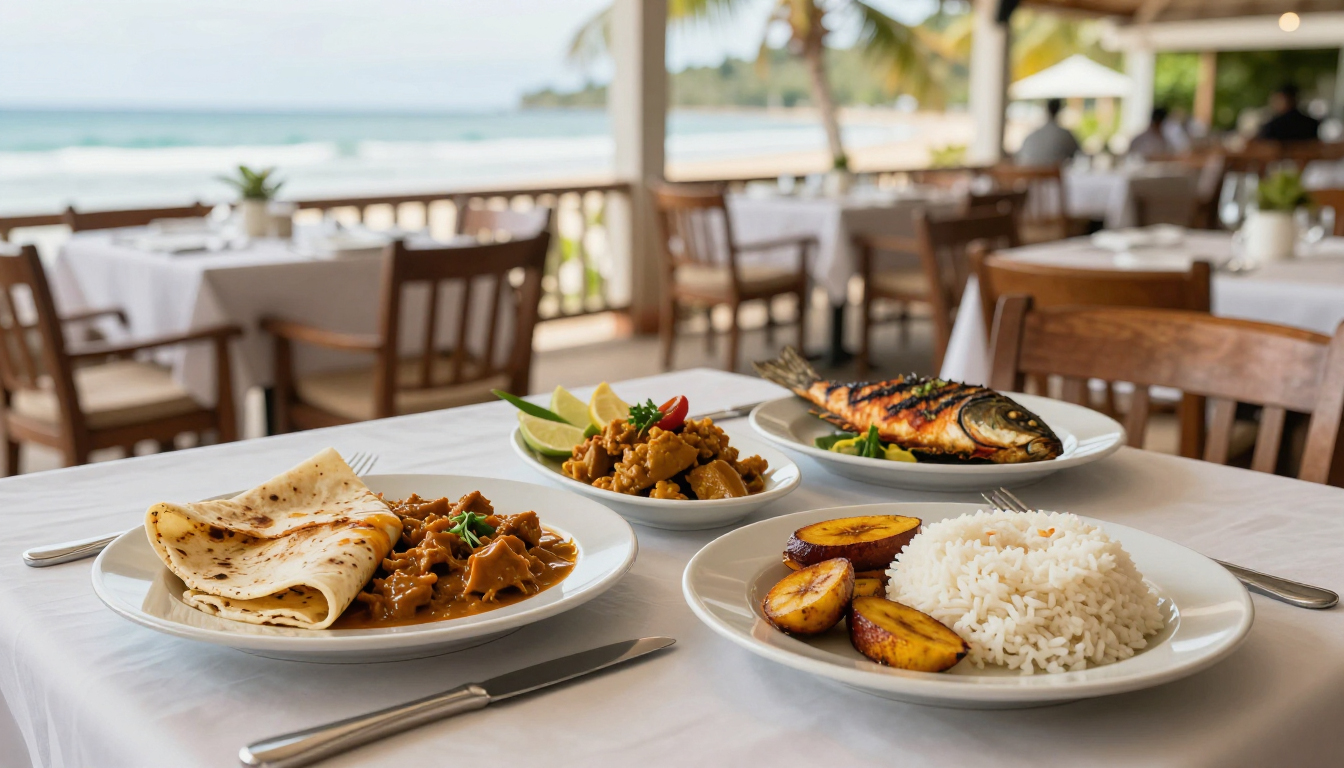
Route logic: doubles, roti, bake and shark, pelau and curry reflect Indian, African and Caribbean influences. Music, costume and parade traditions shape national identity well beyond the festival dates. Keep food close to the chosen hotel area where possible: the best meals often come from market streets, harbour areas, old-town restaurants and neighbourhoods already inside the day’s route.



Port of Spain: capital culture, food and Carnival context
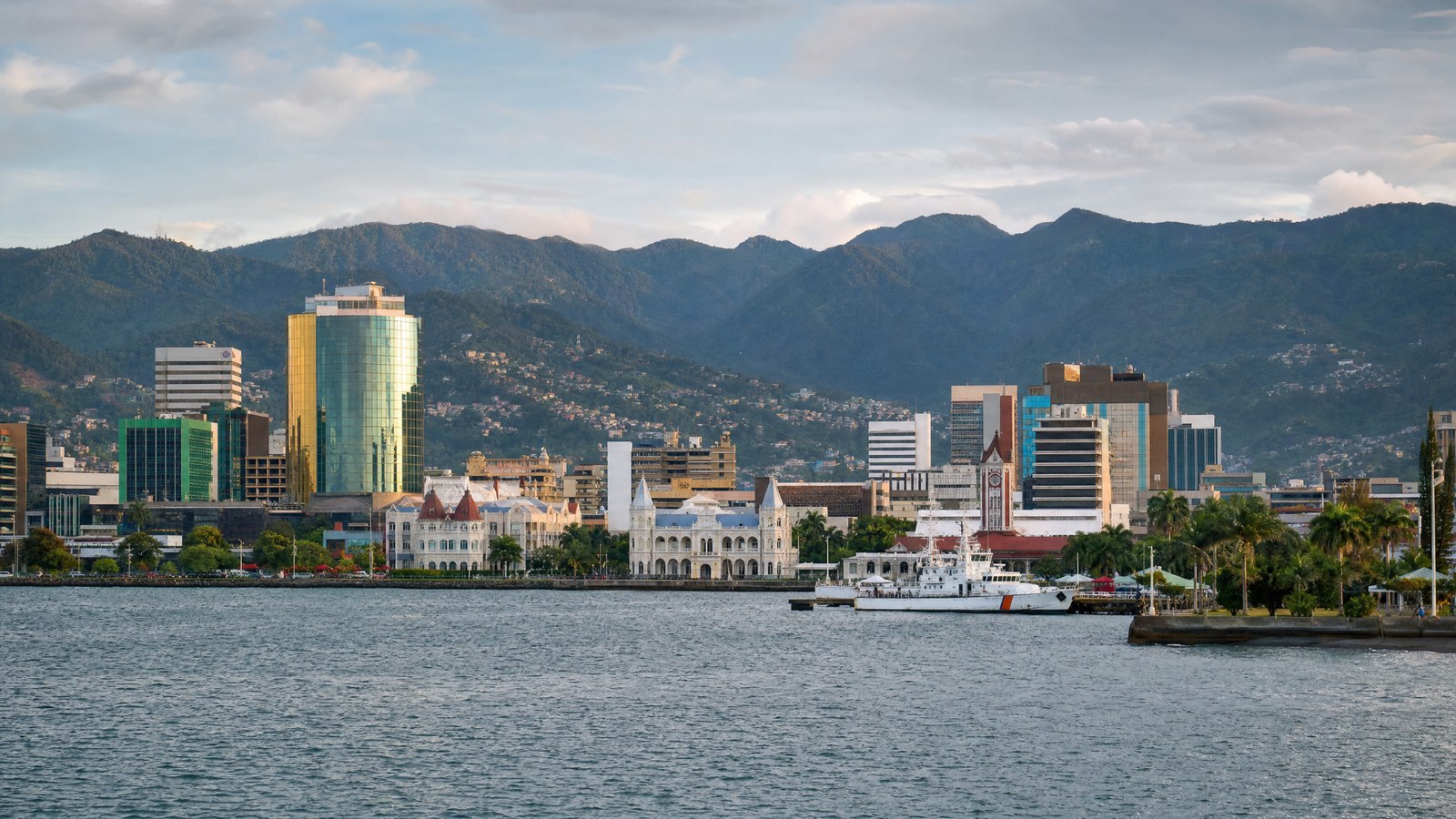
Best for: The value of Port of Spain is not only the headline sights; it gives the itinerary capital culture, food and Carnival context and a clearer local rhythm. Port of Spain is the cultural starting point for Trinidad, with food, music, museums, parks and Carnival-linked identity close to the main arrival routes. It works best as a food-and-culture base before adding north-coast beaches or Tobago transfers.
Historic landmarks: Queen’s Park Savannah, National Museum and Art Gallery, Magnificent Seven, Ariapita Avenue and Steelpan and Carnival Culture should shape the sightseeing plan. Use it as a reference point for nearby sights. Good for context early in the stay.
Museums and attractions: Choose the hotel area around Woodbrook, Savannah and St Clair and Airport Corridor. Pick the district that makes arrival, evening movement and the first full day easier.
Hotels and stay areas: Port of Spain also needs a food layer. Build meals around doubles, roti, pelau, bake and shark, callaloo, Ariapita Avenue, St James and Savannah Area so the visitor has a reason to slow down between museums, viewpoints and transfers.
Food and restaurants: Maracas Bay and North Coast and Tobago can extend the stay when there is enough time. A classic food and beach route from the capital. The beach-focused second-island pairing.


Maracas Bay and North Coast: mountain road, beach day and bake-and-shark tradition
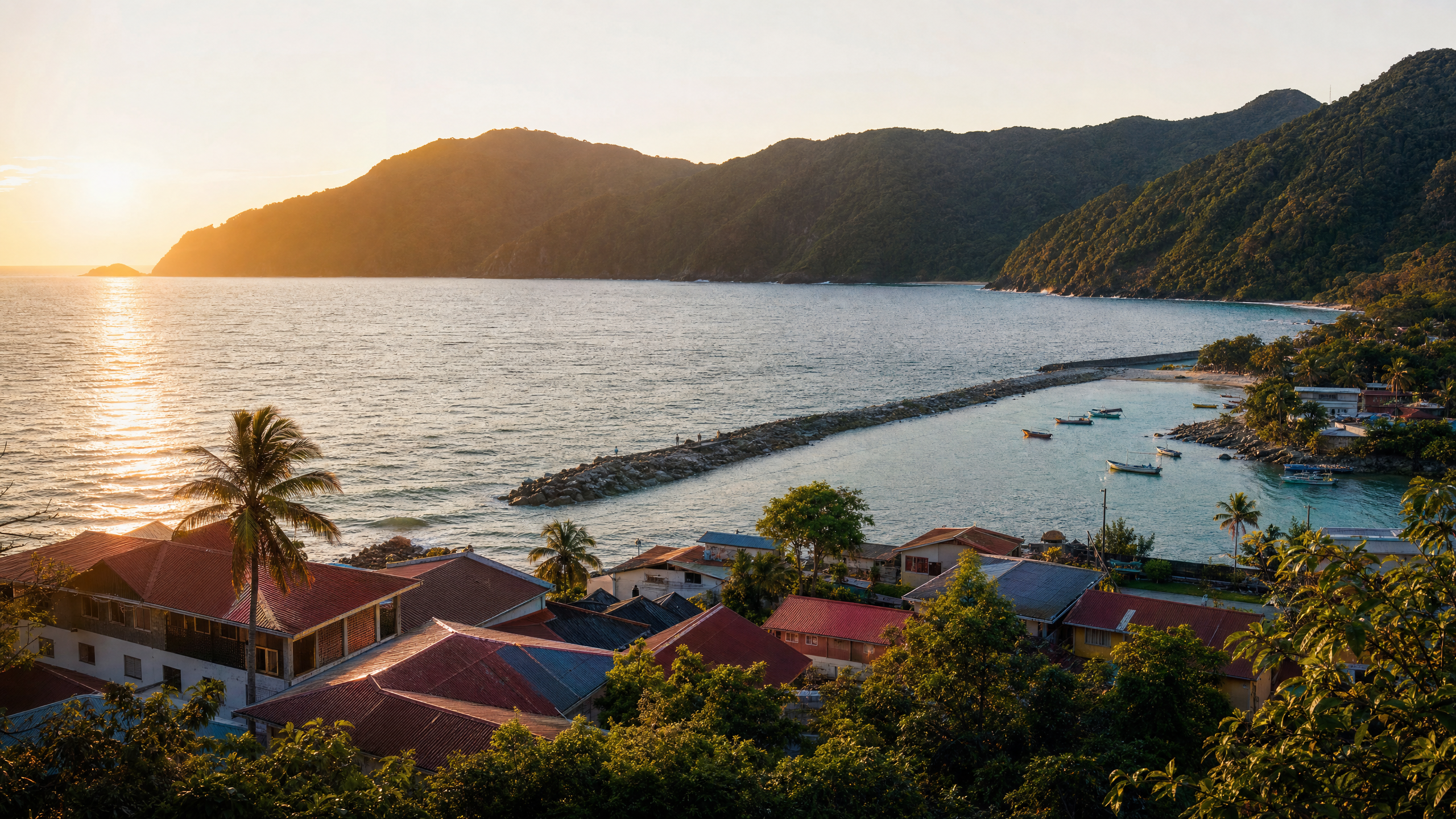
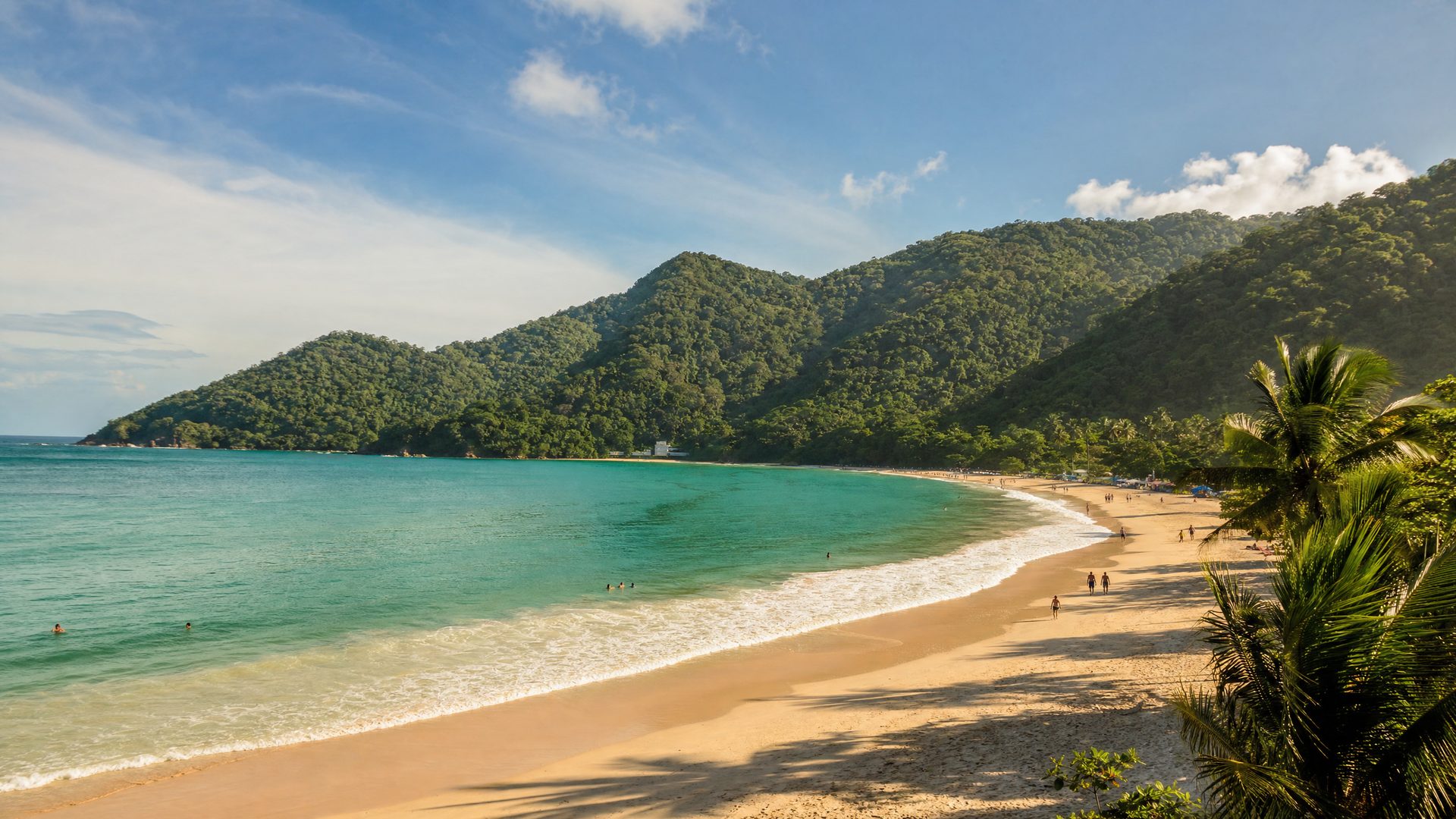
Best for: Treat Maracas Bay and North Coast as the part of Trinidad and Tobago where mountain road, beach day and bake-and-shark tradition becomes useful for the wider route. Maracas Bay gives Trinidad a classic coast day from the capital, with mountain-road views, beach time and one of the country’s best-known food traditions. The route needs planned transport, sea-condition awareness and enough time for stops rather than a rushed beach dash.
Historic landmarks: Maracas Bay, North Coast Road Viewpoints, Bake-and-Shark Stalls, Las Cuevas Area, Beach Food Tradition and North Coast Village Life should shape the sightseeing plan. Go with planned transport and watch sea conditions. Build in time for the drive.
Museums and attractions: Choose the hotel area around Port of Spain and North Coast Guesthouses. Pick the district that makes arrival, evening movement and the first full day easier.
Hotels and stay areas: Maracas Bay and North Coast also needs a food layer. Build meals around bake and shark, pepper sauce, fried fish, tamarind sauce, fresh fruit, Maracas Bay Stalls, North Coast Road Stops and Port of Spain Return so the visitor has a reason to slow down between museums, viewpoints and transfers.
Food and restaurants: Port of Spain and Caroni Bird Sanctuary can extend the stay when there is enough time. The main base for the route. A different nature experience from the capital side.



Tobago and Scarborough: slower island base, beaches and ferry/flight links
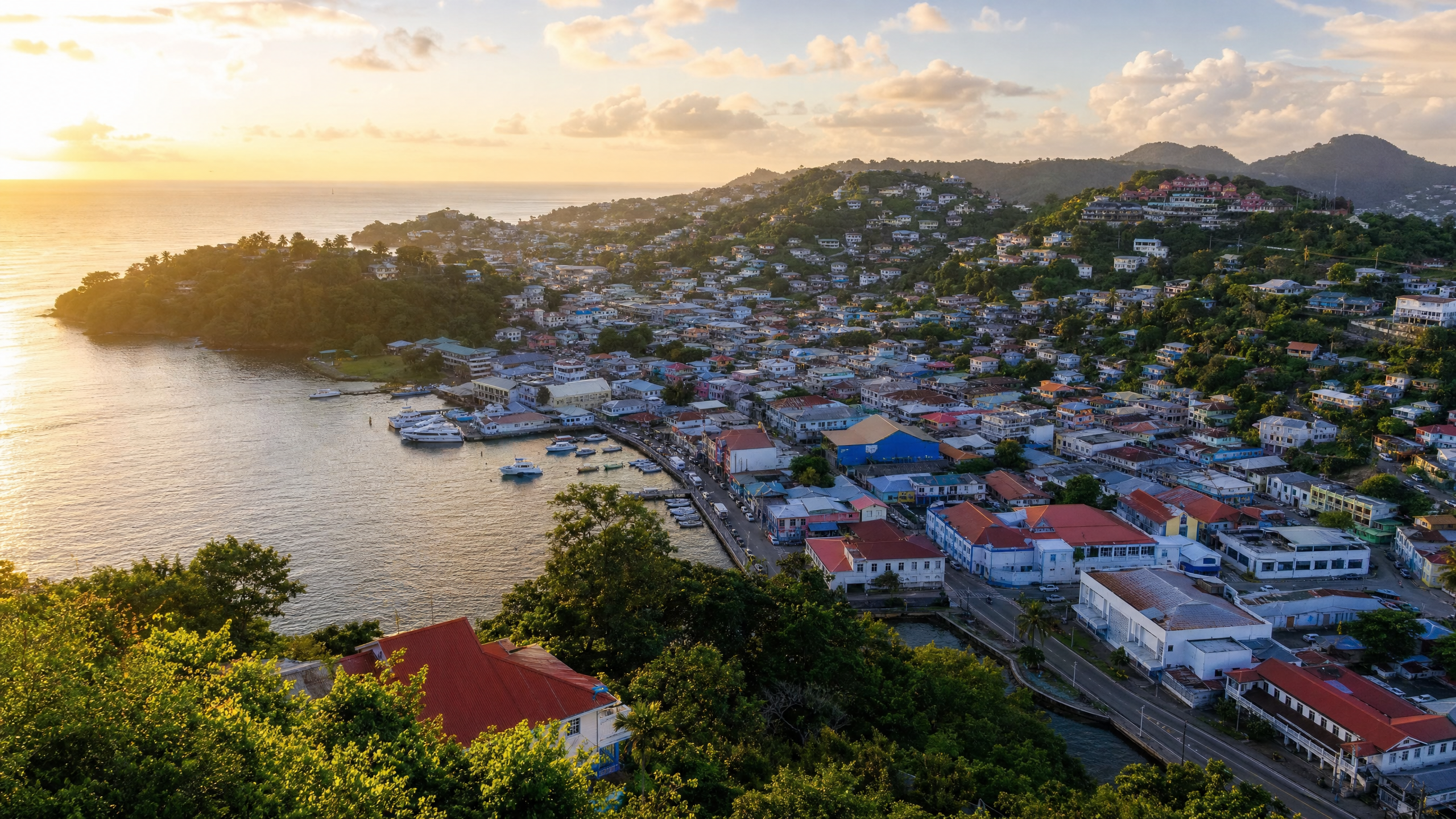
Best for: Treat Tobago and Scarborough as the part of Trinidad and Tobago where slower island base, beaches and ferry/flight links becomes useful for the wider route. Tobago is the beach-and-nature counterpoint to Trinidad, with Scarborough providing the island’s main practical centre and access to coasts, reefs and rainforest routes. It should be treated as a separate base because ferries, flights and beach districts shape the whole stay.
Historic landmarks: Scarborough Waterfront, Fort King George, Tobago Beaches, Main Ridge Forest Reserve, Fort King George Museum and Tobago Heritage Festival Culture should shape the sightseeing plan. Use it for services rather than as the whole Tobago stay. Pair with a town visit.
Museums and attractions: Choose the hotel area around Crown Point, Scarborough and Speyside or Castara. Pick the district that makes arrival, evening movement and the first full day easier.
Hotels and stay areas: Tobago and Scarborough also needs a food layer. Build meals around crab and dumpling, grilled fish, roti, callaloo, coconut bake, Scarborough, Crown Point Area and Village and Beach Areas so the visitor has a reason to slow down between museums, viewpoints and transfers.
Food and restaurants: Port of Spain and Pigeon Point can extend the stay when there is enough time. The main Trinidad connection by air or ferry. A classic Tobago beach day from Crown Point.


Pigeon Point: classic Tobago beach, reef trips and family days
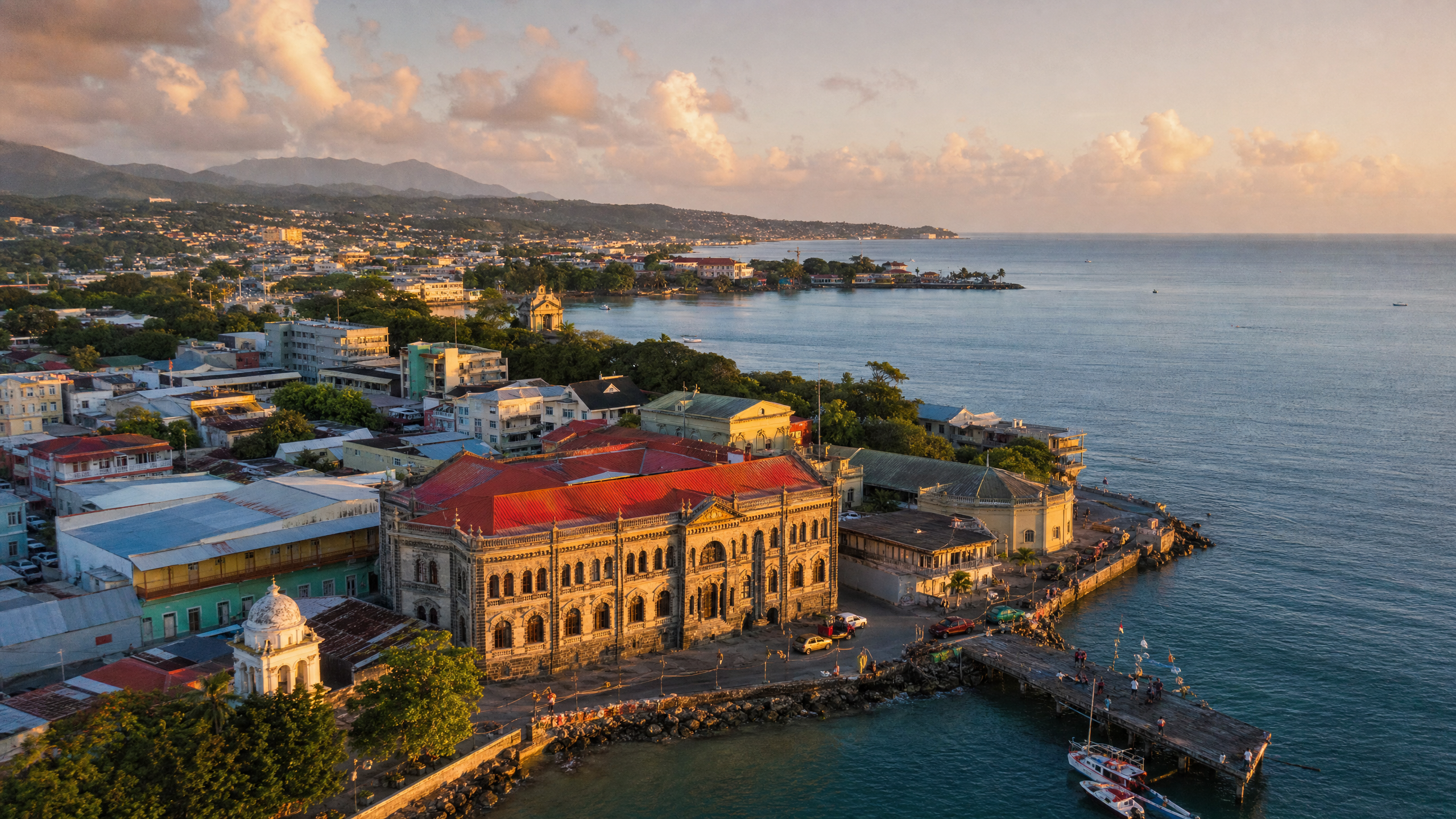
Best for: The value of Pigeon Point is not only the headline sights; it gives the itinerary classic Tobago beach, reef trips and family days and a clearer local rhythm. Pigeon Point is Tobago’s classic beach day, useful for calm water, reef excursions, family-friendly facilities and a recognisable island setting. It works best when reef trips, beach facilities and Crown Point meals are planned as one relaxed coastal day.
Historic landmarks: Pigeon Point Beach, Buccoo Reef Excursions, Nylon Pool Route, Crown Point Area, Buccoo Reef Guide Culture and Crown Point Beach Community should shape the sightseeing plan. Expect fees and a more developed beach setting. Choose operators carefully and follow reef guidance.
Museums and attractions: Choose the hotel area around Crown Point and Buccoo. Pick the district that makes arrival, evening movement and the first full day easier.
Hotels and stay areas: Pigeon Point also needs a food layer. Build meals around grilled fish, crab and dumpling, roti, coconut bake, rum punch, Crown Point, Pigeon Point Facilities and Buccoo Area so the visitor has a reason to slow down between museums, viewpoints and transfers.
Food and restaurants: Scarborough and Main Ridge Forest Reserve can extend the stay when there is enough time. The island’s main town and ferry link. A rainforest contrast to beach days.



Caroni and Rainforest Routes: birdlife, mangroves and nature days
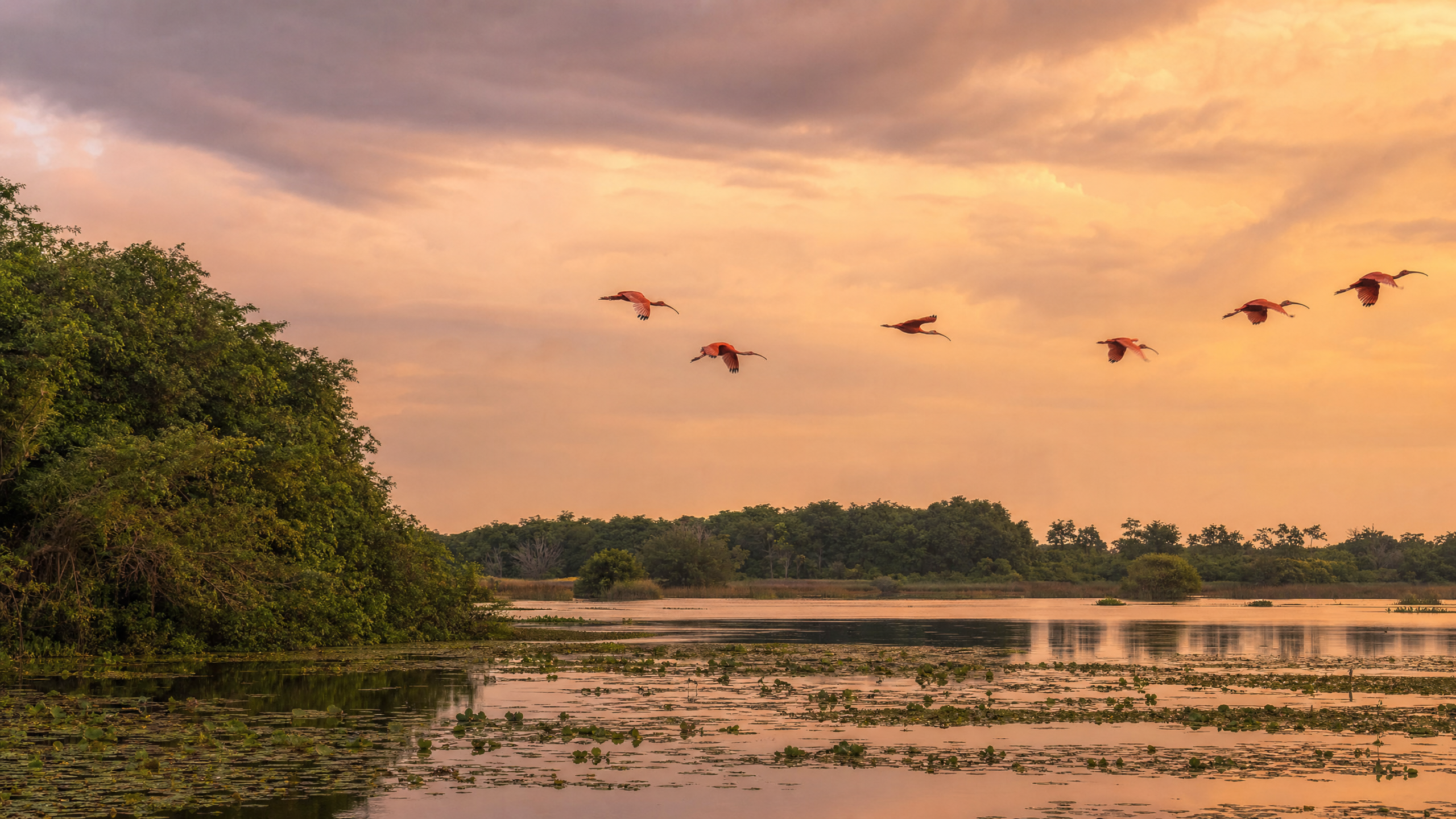
Best for: Caroni and Rainforest Routes deserves a proper place in the Trinidad and Tobago plan, especially when the trip needs birdlife, mangroves and nature days. Caroni and Rainforest Routes add a nature layer to Trinidad and Tobago, from mangrove birdlife near Port of Spain to Tobago’s protected interior forest. They reward travellers who book guides, respect weather and keep nature days separate from beach transfers.
Historic landmarks: Caroni Bird Sanctuary, Asa Wright Area and Northern Range, Main Ridge Forest Reserve, Argyle Waterfall Route, Caroni Guide Tradition and Tobago Forest Heritage should shape the sightseeing plan. Use guided boat tours and insect protection. Check current access and guide arrangements.
Museums and attractions: Choose the hotel area around Port of Spain and Crown Point or Scarborough. Pick the district that makes arrival, evening movement and the first full day easier.
Hotels and stay areas: Caroni and Rainforest Routes also needs a food layer. Build meals around roti, doubles, fresh fruit, coconut bake, pelau, Port of Spain Return, Crown Point or Scarborough and Roadside Stops so the visitor has a reason to slow down between museums, viewpoints and transfers.
Food and restaurants: Port of Spain and Tobago Beaches can extend the stay when there is enough time. The main base for Caroni and northern Trinidad routes. A natural pairing after rainforest excursions.


Food, Culture and Route Ideas for Trinidad and Tobago
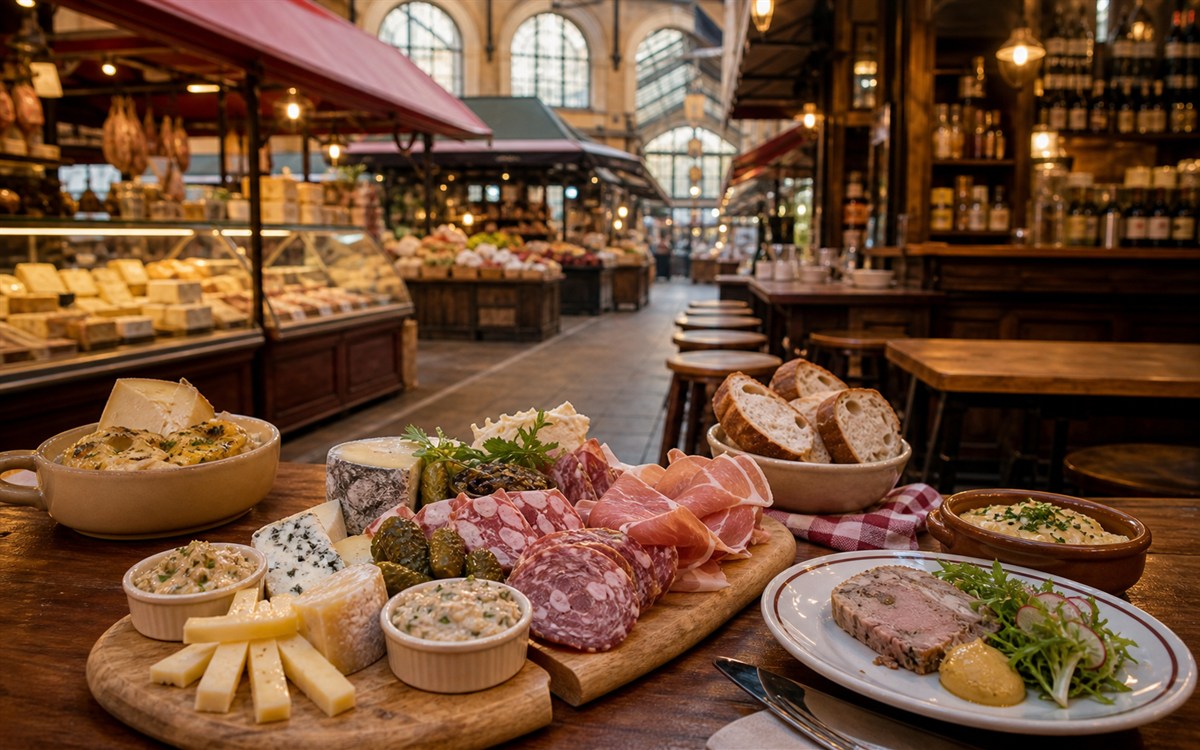
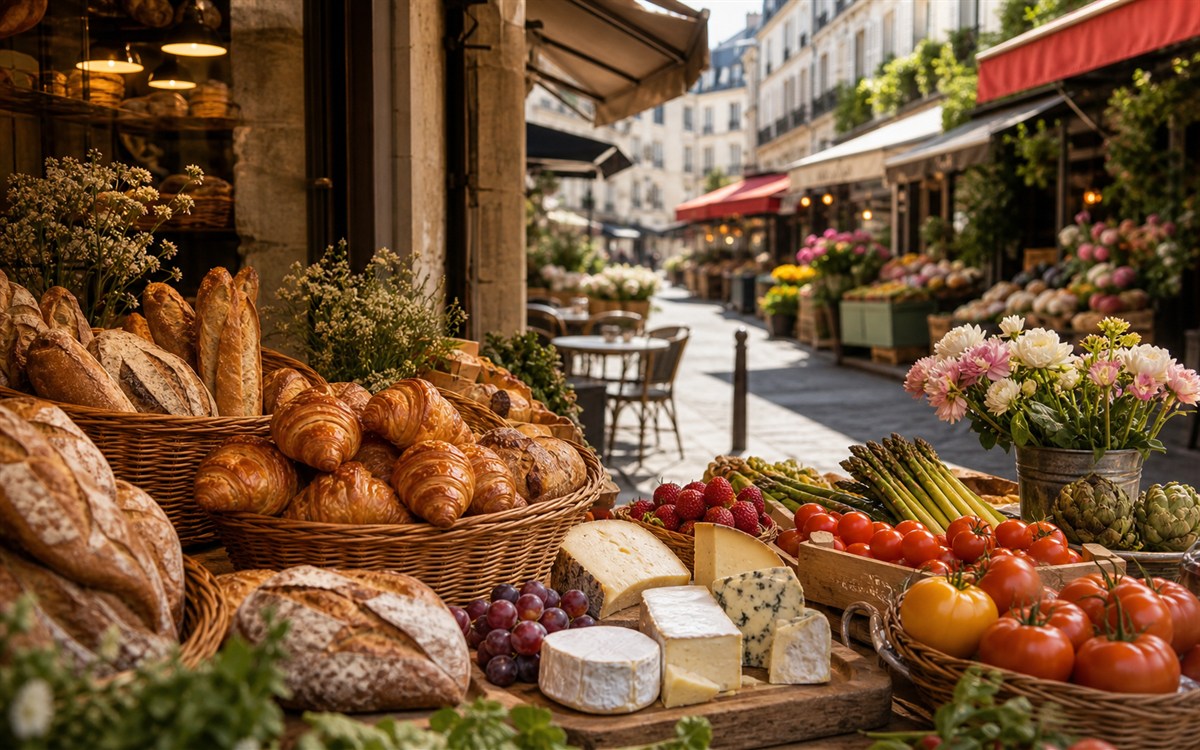
Food route: doubles, roti, bake and shark, pelau and curry reflect Indian, African and Caribbean influences. Music, costume and parade traditions shape national identity well beyond the festival dates. Flights and ferries between Trinidad and Tobago need realistic timing. This is where food, culture and route planning should work together.
Food, wine and restaurants: Build meals around doubles, roti, pelau, bake and shark, callaloo, pepper sauce and fried fish and keep them close to Ariapita Avenue, St James, Savannah Area, Maracas Bay Stalls and North Coast Road Stops.
Popular experiences: Use Trinidad for arrival, culture and food, then Tobago for slower beach time. Base around Port of Spain when music, Carnival context and food are central. Keep the route disciplined: one clear hotel area, one strong regional layer and one food or culture experience will usually feel better than trying to touch every possible stop.
Planning rule: Use bookings in a clean order: choose the hotel area first, then add attraction tickets, food tours, guided days and local experiences where they make the journey easier, richer and more realistic.