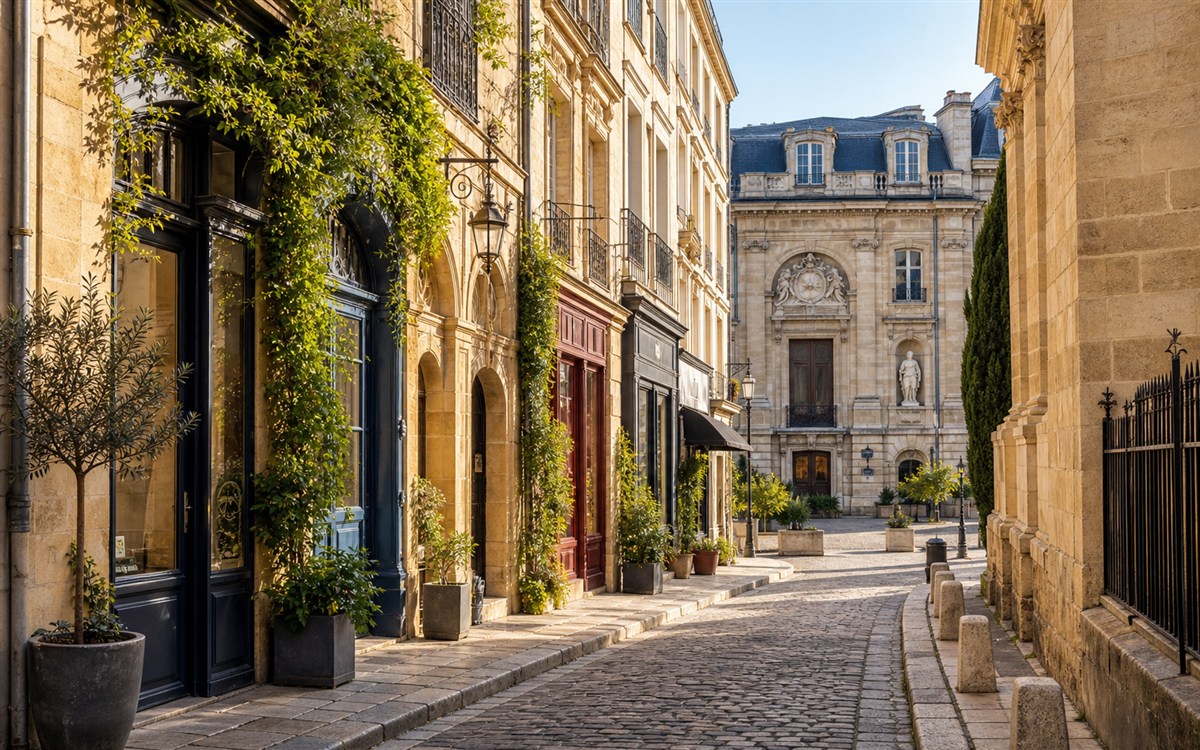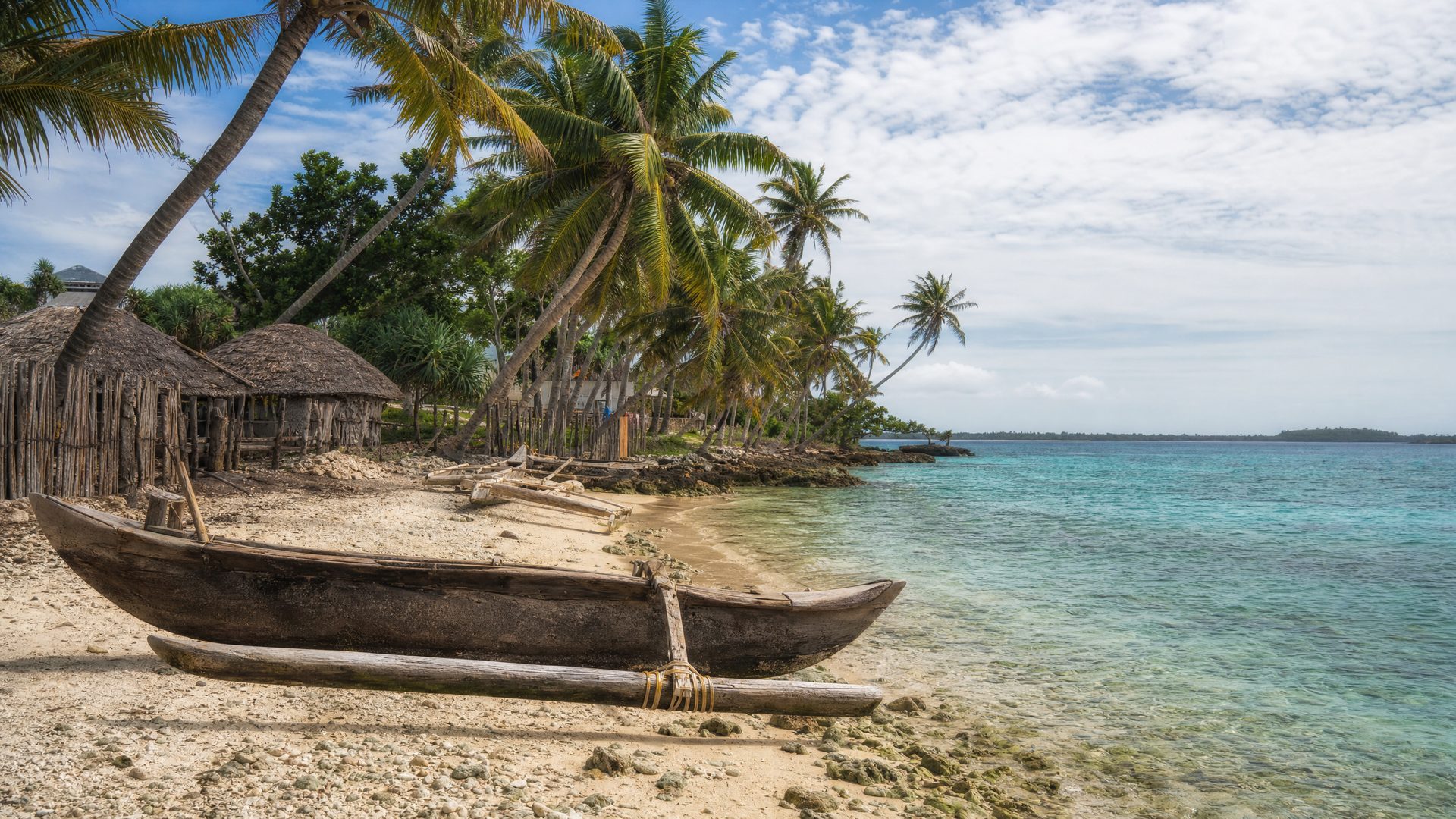
Tonga Travel, Structured Around Islands, Whales and South Pacific Routes
Plan Tonga through Tongatapu, Nuku’alofa, Vava’u, Ha’apai, beaches, whale watching, island culture, boat routes, hotels, flights and slow island planning.
Start Planning TongaTonga Travel Guide: Routes, Stay Bases, Culture and Experiences
Trip shape: Tonga needs a clear travel spine before hotels, tickets and tours start making sense. The cleanest plan connects Nuku’alofa and Tongatapu, Vava’u, Ha’apai and ’Eua with Ha'apai, Beaches and Whale Watching, South Pacific Island Routes and Tongatapu First Stay through time, transport and the kind of days the visitor actually wants.
Best for: Ha'apai, Beaches and Whale Watching, South Pacific Island Routes and Tongatapu First Stay give Tonga its deeper travel layer. Some visitors need one main city and one day trip; others should slow down, split the journey and give the strongest region its own nights.
Planning rule: Start with arrival logic, season and the first overnight point, then add the experiences that genuinely deserve advance planning. Museums, landmarks, guided tours, food walks, local neighbourhoods and coastal or countryside days should be grouped by geography and timing.
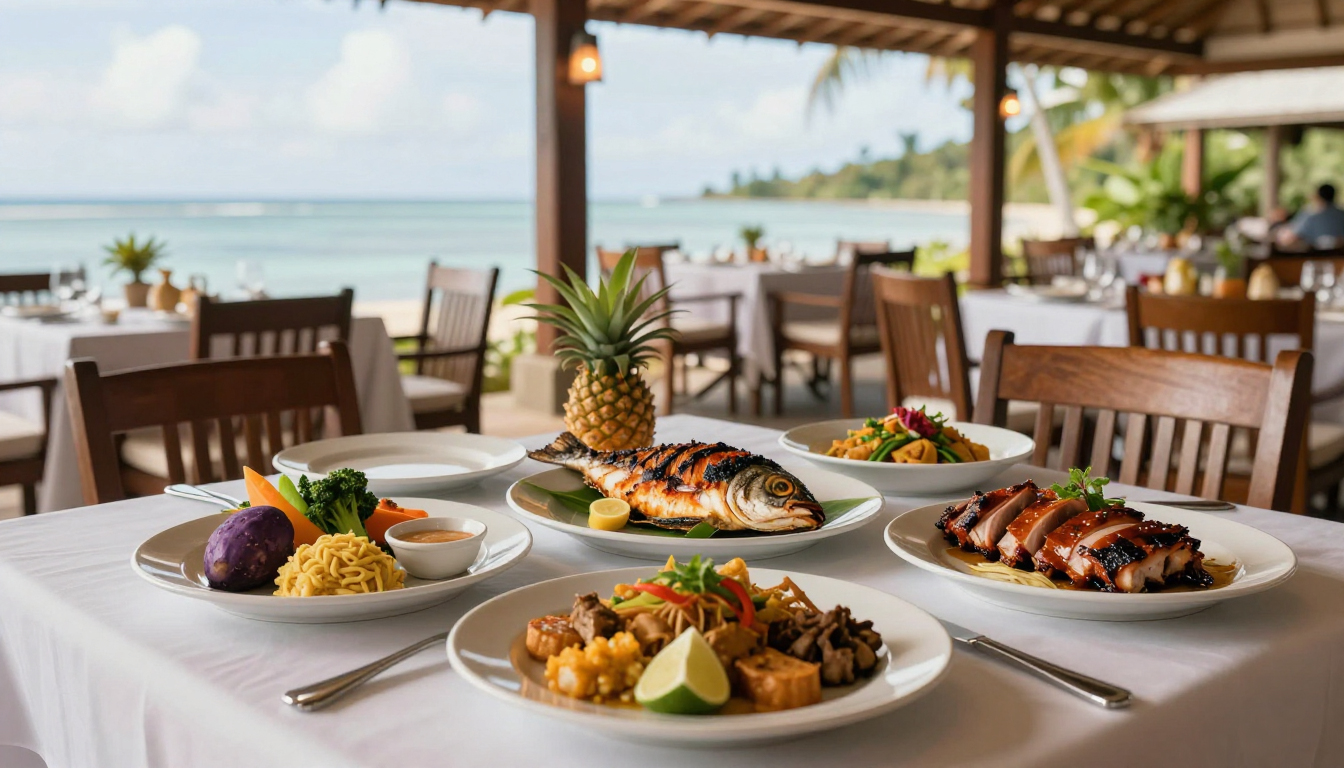
Route logic: taro, cassava, fish, coconut and feast-style meals form the food base. Sunday customs and church life affect movement and visitor expectations. Keep food close to the chosen hotel area where possible: the best meals often come from market streets, harbour areas, old-town restaurants and neighbourhoods already inside the day’s route.
Plan this part of the trip


Nuku’alofa and Tongatapu: capital base, royal history and coastal sites
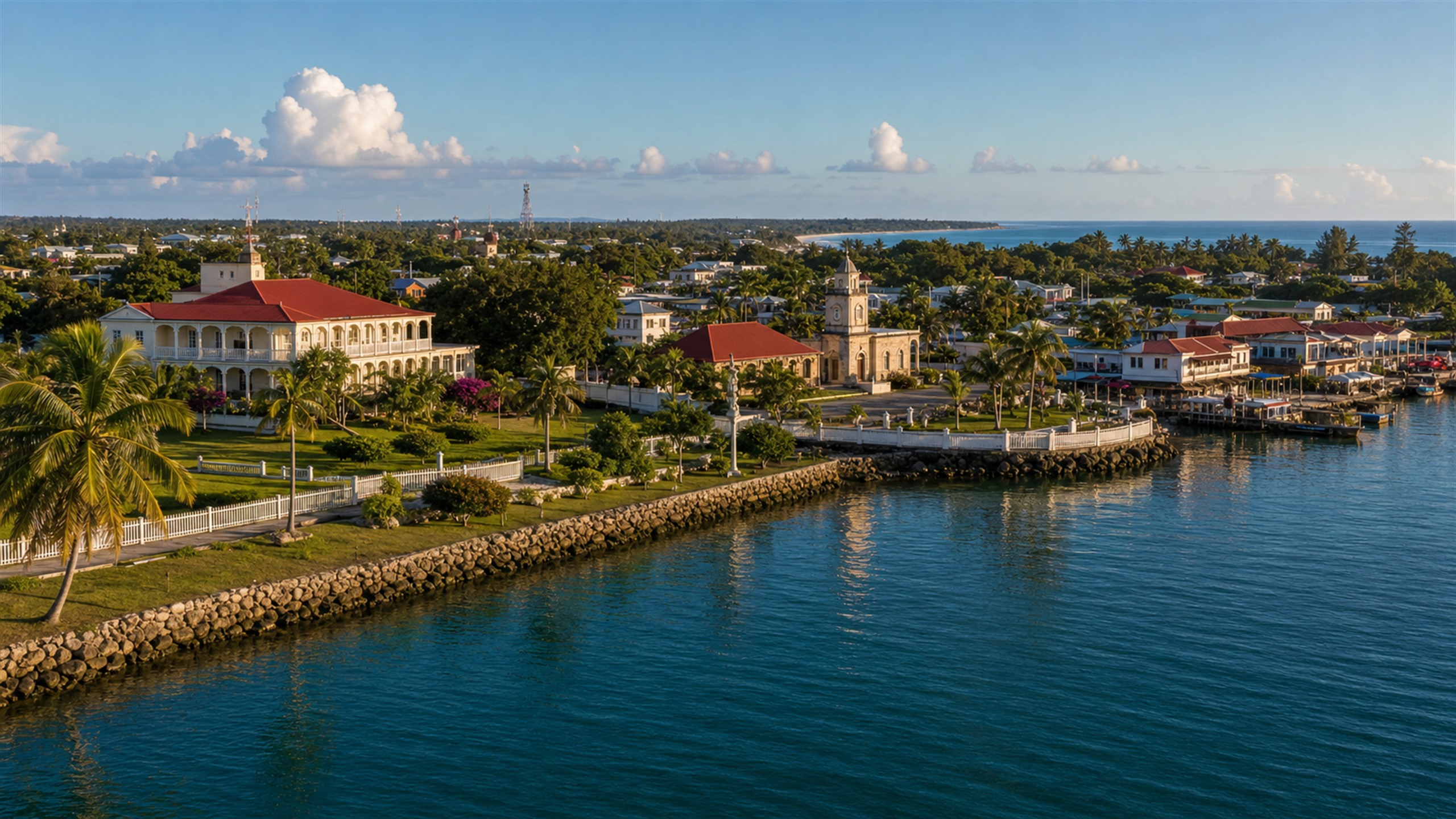
Best for: The value of Nuku’alofa and Tongatapu is not only the headline sights; it gives the itinerary capital base, royal history and coastal sites and a clearer local rhythm. Nuku’alofa and Tongatapu give Tonga its easiest first structure, with markets, royal landmarks, blowholes, coastal roads and flight links to other island groups. It works best as a cultural and logistics base before slower ocean or nature extensions.
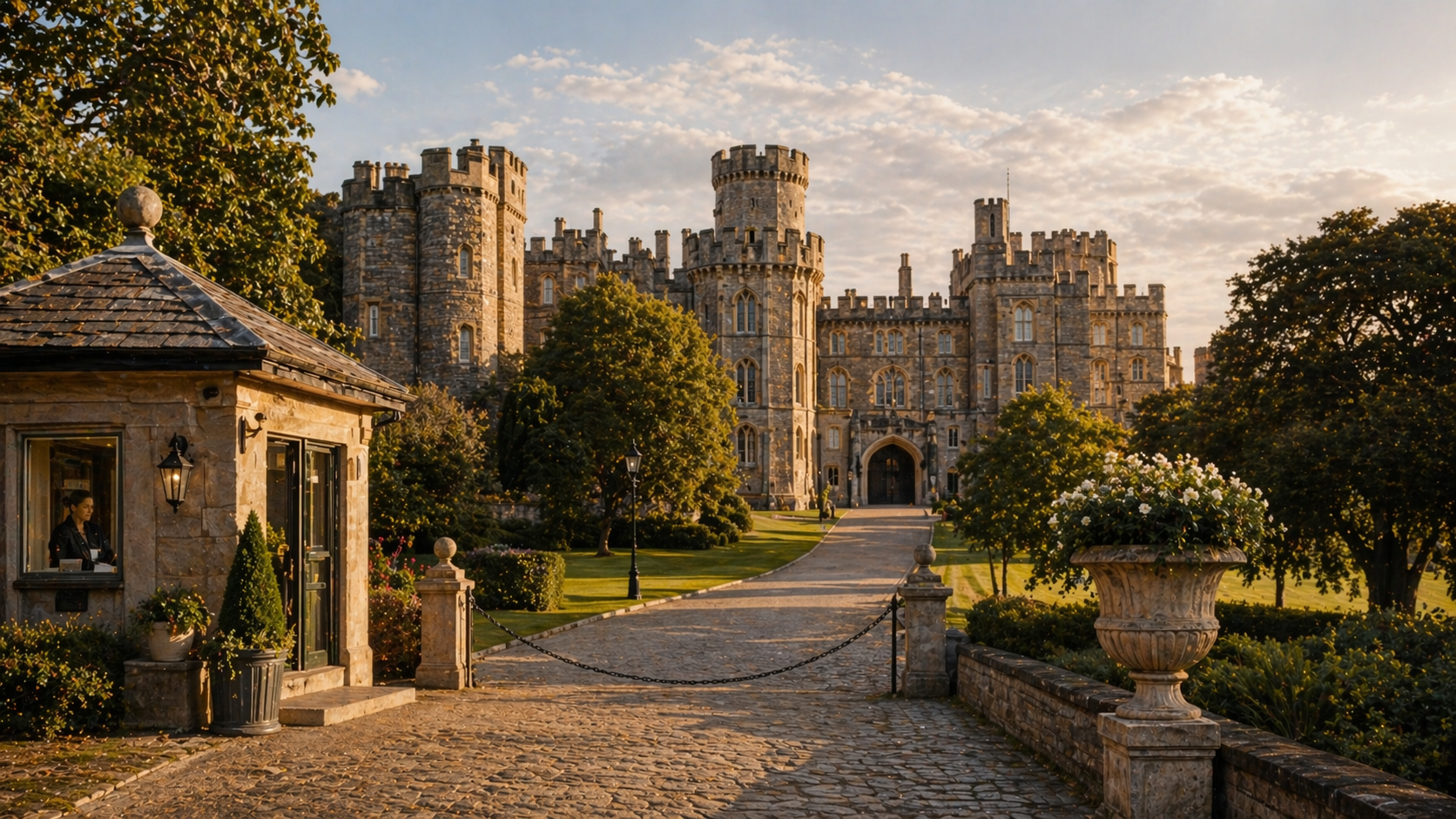
Historic landmarks: Royal Palace Area, Talamahu Market, Mapu’a Vaea Blowholes, Ha’amonga ’a Maui Trilithon, Ancient Tonga Context Sites and Church and Market Culture should shape the sightseeing plan. View respectfully from outside and pair with the waterfront. Go earlier for the most active atmosphere.
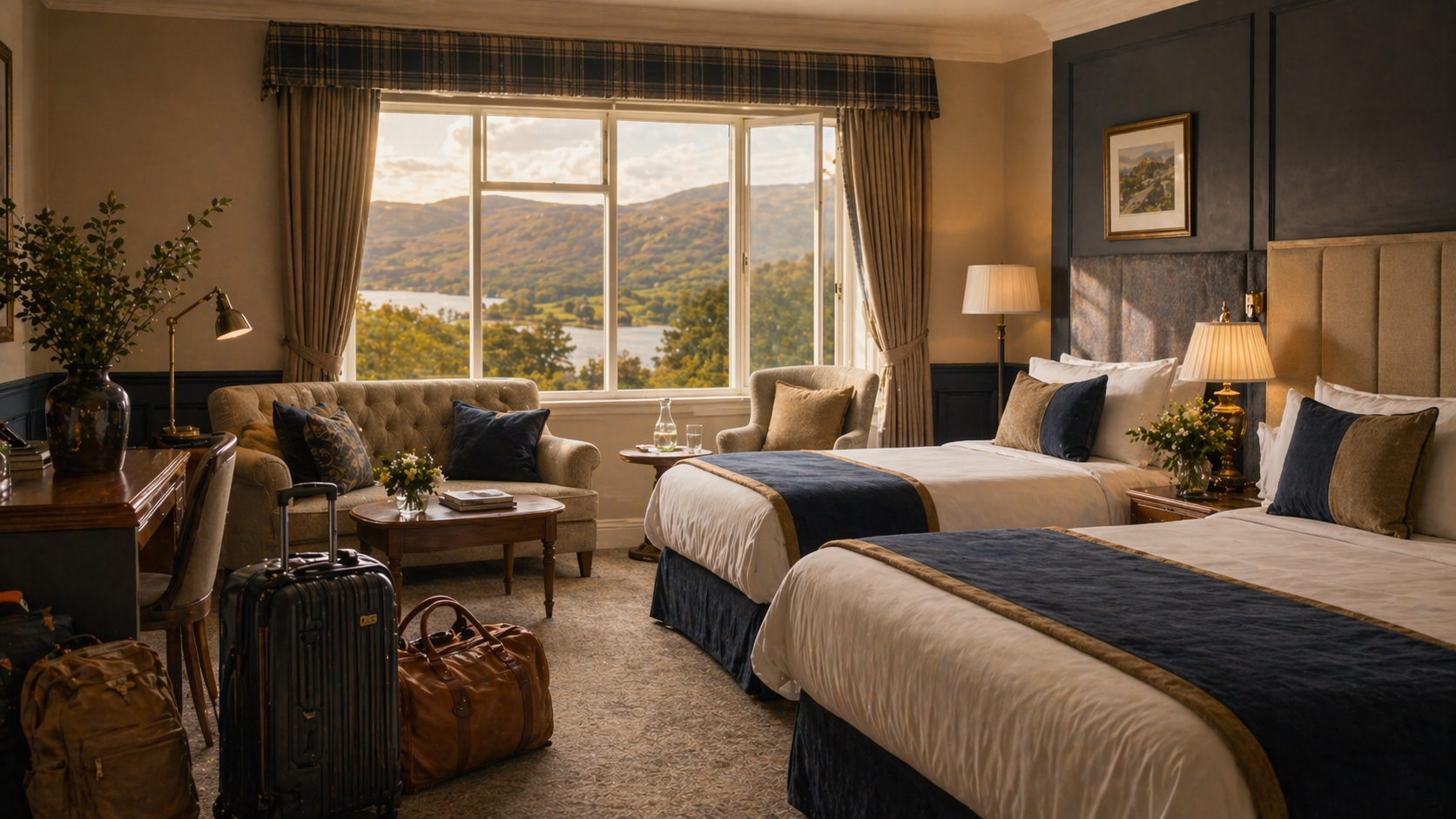
Museums and attractions: Choose the hotel area around Nuku’alofa Waterfront and Outer Tongatapu Resorts. Pick the district that makes arrival, evening movement and the first full day easier.
Hotels and stay areas: Nuku’alofa and Tongatapu also needs a food layer. Build meals around ota ika, lu pulu, taro, cassava, fresh fish, coconut, Nuku’alofa Centre and Waterfront Hotels so the visitor has a reason to slow down between museums, viewpoints and transfers.
Food and restaurants: Vava’u and ’Eua can extend the stay when there is enough time. The main ocean and sailing extension by domestic flight. A nearby nature island option with a different landscape.


Vava’u: sailing, sheltered islands and responsible whale season
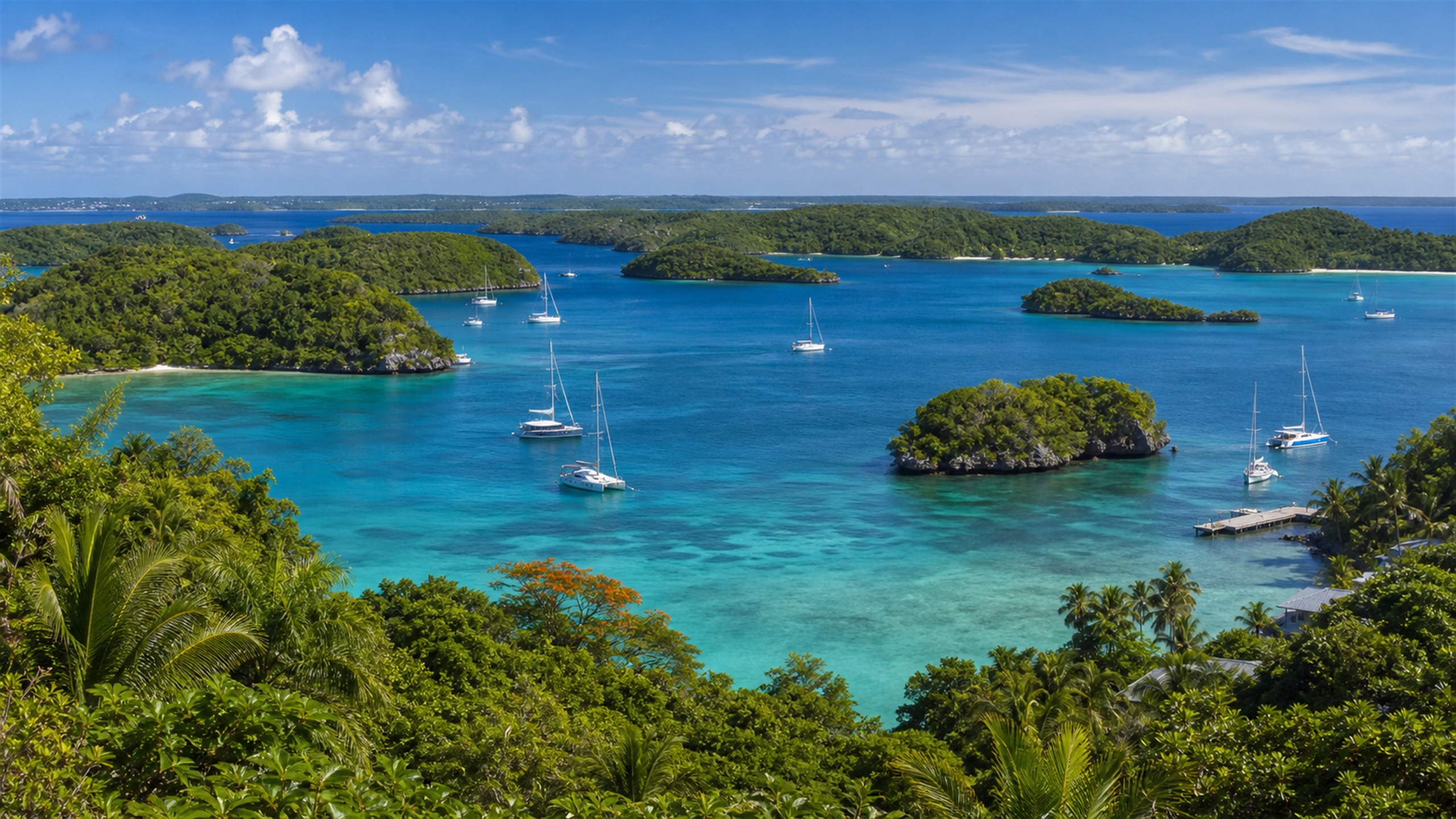
Best for: For Vava’u, the first decision is pace: give the city enough room to show its sailing, sheltered islands and responsible whale season. Vava’u is Tonga’s ocean-focused island group, known for sheltered waters, sailing routes, seasonal whale watching and a slower harbour-town rhythm. It needs weather space, responsible operators and enough nights for boat plans to breathe.
Historic landmarks: Neiafu Harbour, Island Boat Routes, Swallows Cave Area, Whale Watching Routes, Neiafu Market Context and Church and Village Visits should shape the sightseeing plan. Use it as the base for boat planning. Choose operators carefully and keep weather in mind.
Museums and attractions: Choose the hotel area around Neiafu and Outer Island Lodges. Pick the district that makes arrival, evening movement and the first full day easier.
Hotels and stay areas: Vava’u also needs a food layer. Build meals around fresh fish, ota ika, taro, cassava, coconut, tropical fruit, Neiafu Harbour and Island Lodges so the visitor has a reason to slow down between museums, viewpoints and transfers.
Food and restaurants: Tongatapu and Ha’apai can extend the stay when there is enough time. The main domestic flight link. A quieter island-chain pairing when logistics align.
Ha’apai: quiet beaches, small islands and slower stays
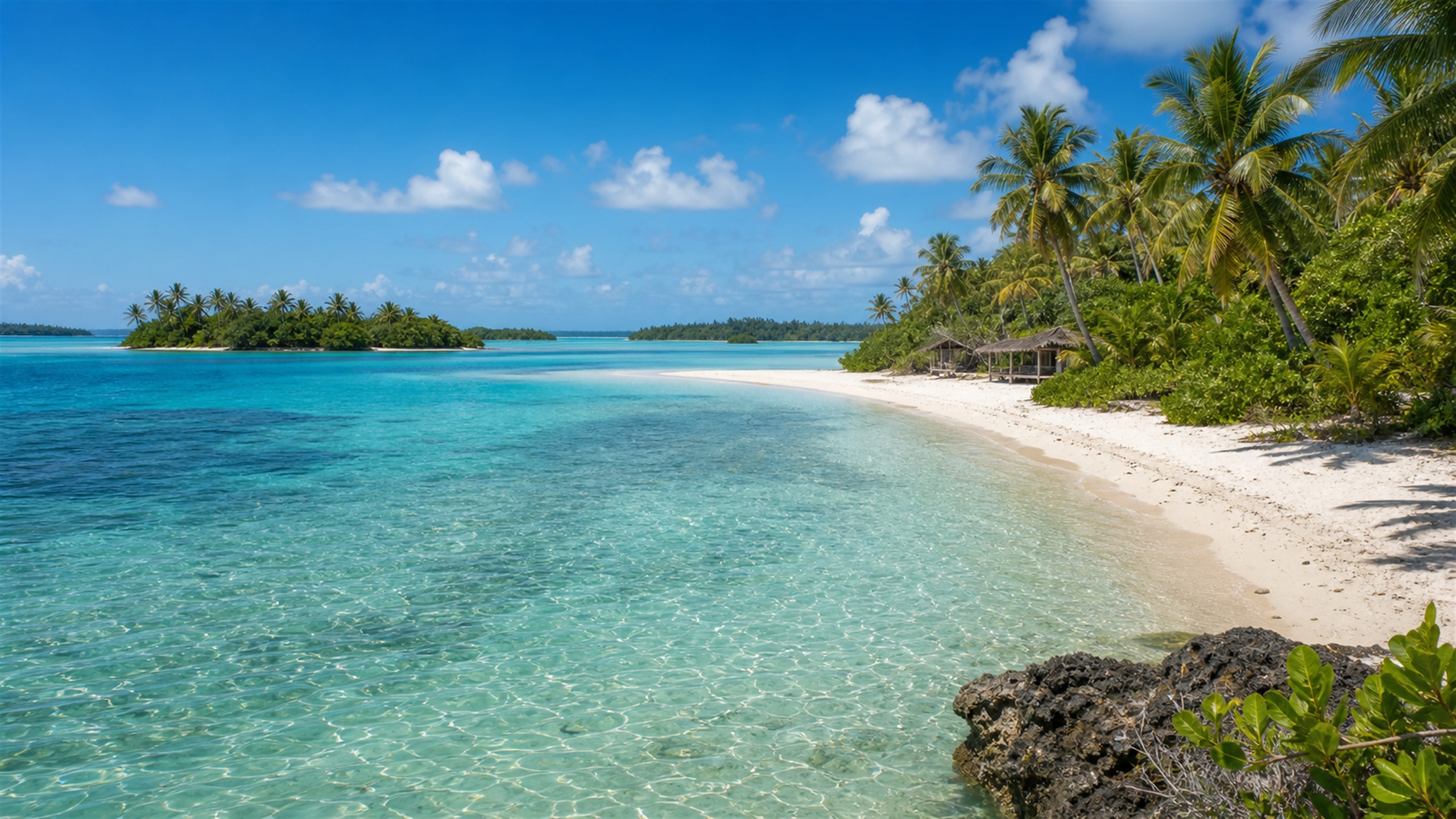
Best for: Ha’apai deserves a proper place in the Tonga plan, especially when the trip needs quiet beaches, small islands and slower stays. Ha’apai is for travellers who want a quieter Tonga stay, with simple beach bases, reef time, local villages and fewer distractions. It suits slow travel where Guesthouse Meals, Sunday rhythm and transport limits are part of the plan.
Historic landmarks: Lifuka Island, Uoleva Island, Snorkelling Reefs, Village and Church Context, Lifuka Local Context and Church and Village Areas should shape the sightseeing plan. Use it to understand the area before moving further. Check accommodation style and transfer details.
Museums and attractions: Choose the hotel area around Lifuka and Beach Lodges on Smaller Islands. Pick the district that makes arrival, evening movement and the first full day easier.
Hotels and stay areas: Ha’apai also needs a food layer. Build meals around fresh fish, taro, cassava, lu pulu, coconut, fruit, Guesthouse Meals and Lifuka Area so the visitor has a reason to slow down between museums, viewpoints and transfers.
Food and restaurants: Vava’u and Tongatapu can extend the stay when there is enough time. A possible island-group pairing with flight planning. The main arrival and onward connection.


’Eua: nearby nature island, cliffs and forest walks
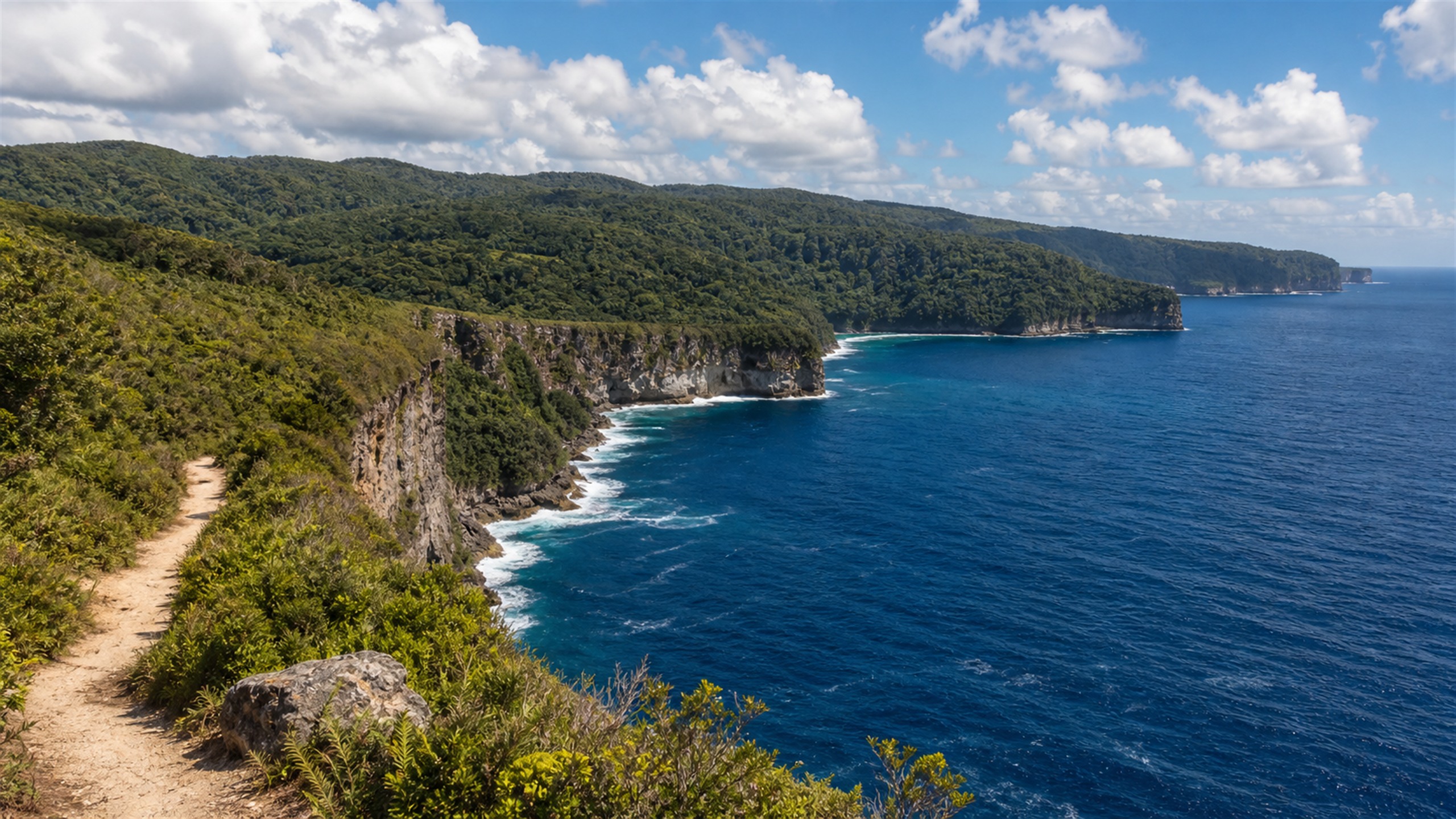
Best for: Treat ’Eua as the part of Tonga where nearby nature island, cliffs and forest walks becomes useful for the wider route. ’Eua offers a close but very different extension from Tongatapu, with cliffs, forest, viewpoints and a quieter nature-focused rhythm. It works best with local guiding, realistic ferry or flight timing and a modest walking plan.
Historic landmarks: ’Eua National Park, Cliff Viewpoints, Caves and Natural Arches, Village and Church Areas, Local Guide Interpretation and Village Heritage Context should shape the sightseeing plan. Use local guidance and choose walks by ability. Weather and road conditions matter.
Museums and attractions: Choose the hotel area around Main Village Guesthouses and Nature-Focused Lodges. Pick the district that makes arrival, evening movement and the first full day easier.
Hotels and stay areas: ’Eua also needs a food layer. Build meals around fresh fish, taro, cassava, coconut, ota ika, Guesthouses, Picnic Stops and Village Areas so the visitor has a reason to slow down between museums, viewpoints and transfers.
Food and restaurants: Tongatapu and Nuku’alofa can extend the stay when there is enough time. The main ferry or flight connection. The practical capital base before or after ’Eua.
Plan this part of the trip
Food, Culture and Route Ideas for Tonga
Food route: taro, cassava, fish, coconut and feast-style meals form the food base. Sunday customs and church life affect movement and visitor expectations. Whale and reef activities need careful operator choice and seasonal realism. This is where food, culture and route planning should work together.
Food, wine and restaurants: Build meals around ota ika, lu pulu, taro, cassava, fresh fish, coconut and tropical fruit and keep them close to Nuku’alofa Centre, Waterfront Hotels, Coastal Road Stops, Neiafu Harbour and Island Lodges.
Popular experiences: Use Nuku’alofa and Tongatapu for arrival, markets, royal history and coastal sites. Add Vava’u when sailing, whale season or sheltered islands are central. Keep the route disciplined: one clear hotel area, one strong regional layer and one food or culture experience will usually feel better than trying to touch every possible stop.
Planning rule: Use bookings in a clean order: choose the hotel area first, then add attraction tickets, food tours, guided days and local experiences where they make the journey easier, richer and more realistic.