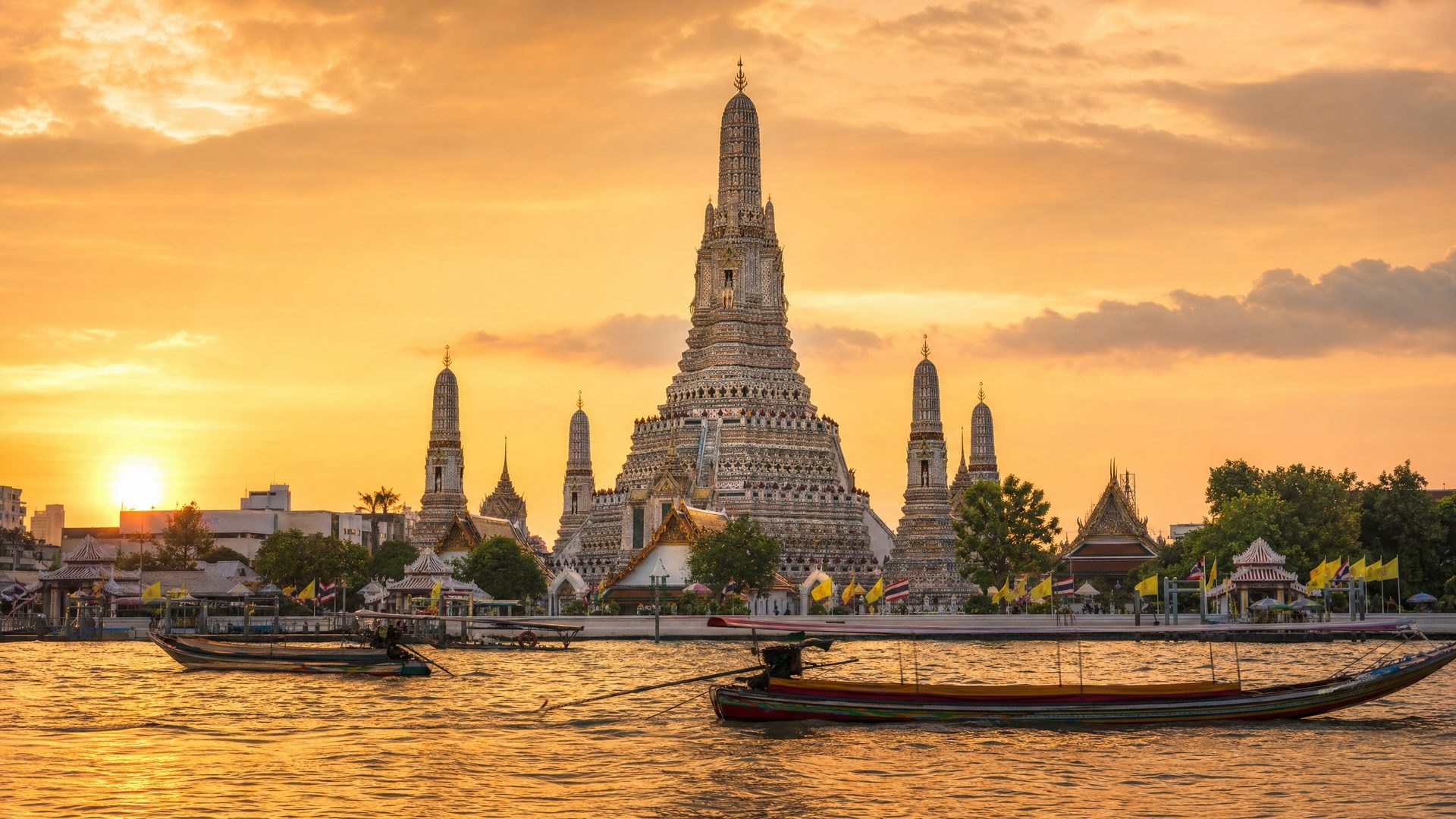
Thailand Travel, Structured Around Bangkok, Islands and Northern Culture
Plan Thailand through Bangkok, Chiang Mai, Phuket, Krabi, Koh Samui, islands, temples, beaches, food markets, hotels, flights, tours and season-aware routes.
Start Planning ThailandCheck Current Advice Before Booking
Travel safety note: Official UK FCDO advice may warn against travel to specific regions of this country. This guide is for general planning only. Check the latest GOV.UK Foreign Travel Advice before booking or travelling.
Regional note: FCDO regional advice covers parts of the Thailand-Malaysia border provinces and areas near the Cambodia land border. WorldFun Thailand planning should avoid restricted regions and focus on mainstream city, island, beach, and culture routes where current advice permits travel.
Last WorldFun FCDO review: 2026-04-26
Check GOV.UK FCDO adviceThailand Travel Guide: Routes, Stay Bases, Culture and Experiences
Trip shape: Thailand becomes easier to plan when the first question is where the trip should slow down. Start with Bangkok, Chiang Mai, Phuket and Krabi, then test every extra stop against Krabi and Islands, Koh Samui Region, Northern Thailand and First Thailand Trip: does it make the trip richer, or only longer?
Best for: Krabi and Islands, Koh Samui Region, Northern Thailand and First Thailand Trip give Thailand its deeper travel layer. Some visitors need one main city and one day trip; others should slow down, split the journey and give the strongest region its own nights.
Planning rule: Start with arrival logic, season and the first overnight point, then add the experiences that genuinely deserve advance planning. Museums, landmarks, guided tours, food walks, local neighbourhoods and coastal or countryside days should be grouped by geography and timing.
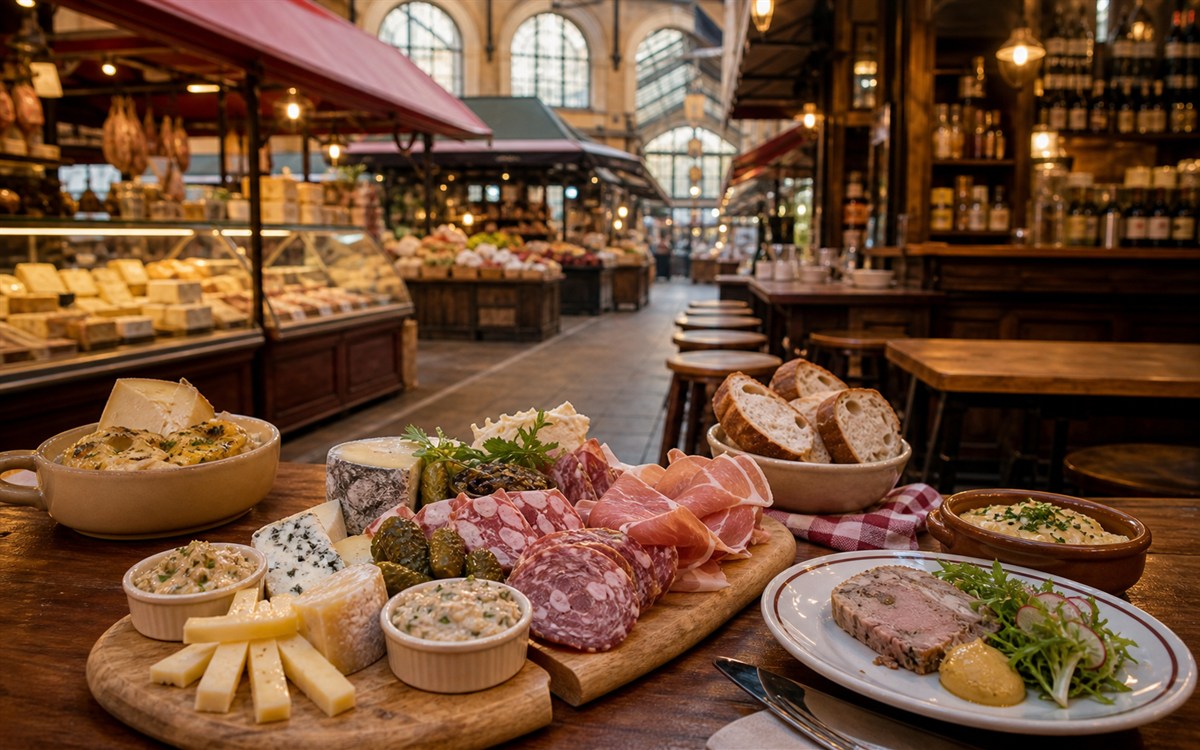
Route logic: Night markets, food courts and local stalls often shape the most practical meal planning. Dress, footwear, photography and behaviour matter at active temples, palace sites and community spaces. Keep food close to the chosen hotel area where possible: the best meals often come from market streets, harbour areas, old-town restaurants and neighbourhoods already inside the day’s route.


Bangkok: river city, temples and food planning
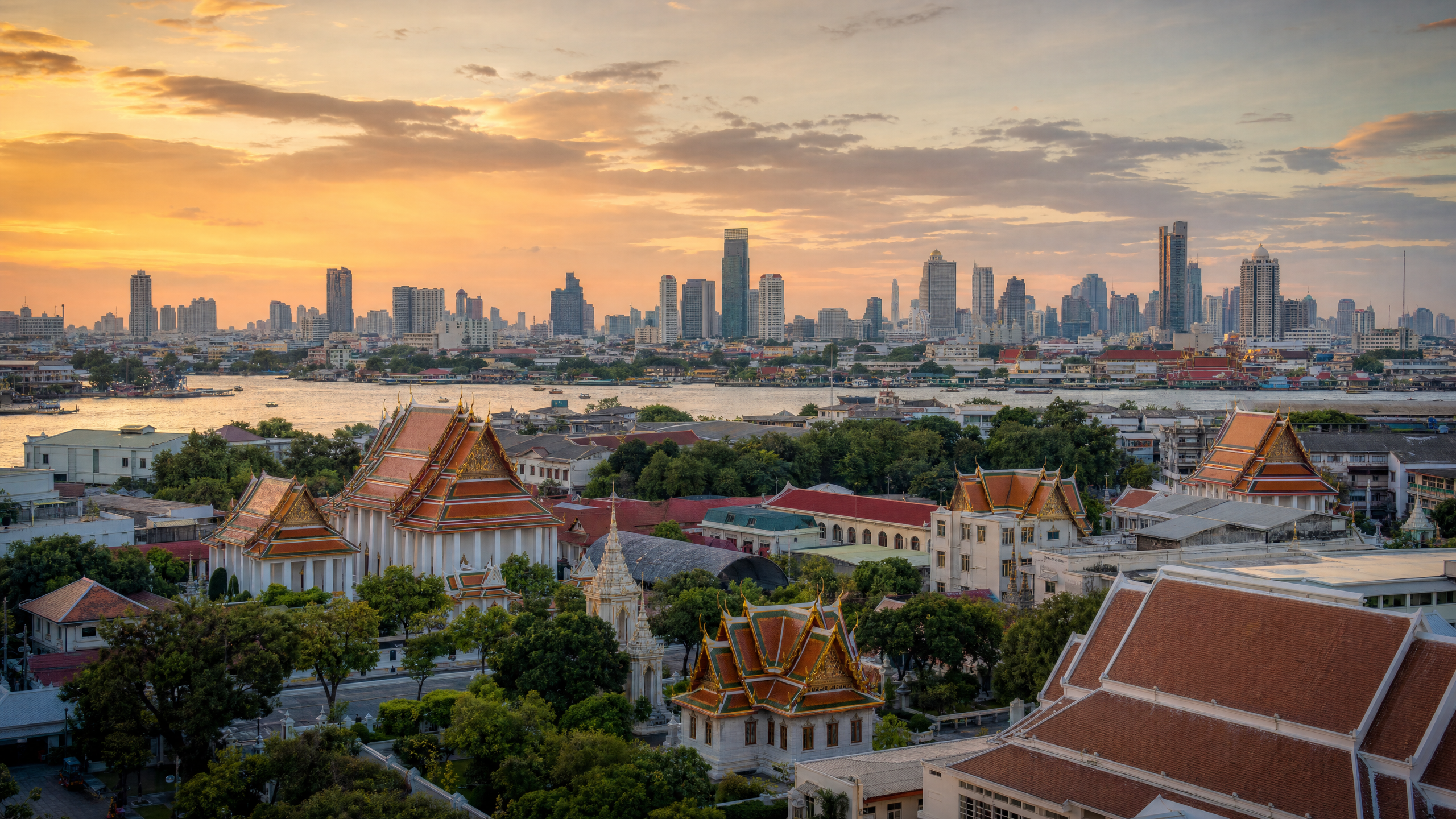
Best for: For Bangkok, the first decision is pace: give the city enough room to show its river city, temples and food planning. Bangkok is Thailand's main arrival base and deserves proper time for river movement, temple areas, markets, malls, food courts and neighbourhood evenings before heading north or to the islands. It works best when travellers plan by river, Old City, Sukhumvit or Chinatown rather than fighting traffic across the whole city.
Historic landmarks: Grand Palace and Wat Phra Kaew, Wat Pho, Chao Phraya River, Chatuchak Weekend Market, Bangkok National Museum and Jim Thompson House should shape the sightseeing plan. Dress correctly and go early because heat and crowds matter. Pair with the Grand Palace or river stops.
Museums and attractions: Choose the hotel area around Sukhumvit, Riverside and Siam. Pick the district that makes arrival, evening movement and the first full day easier.
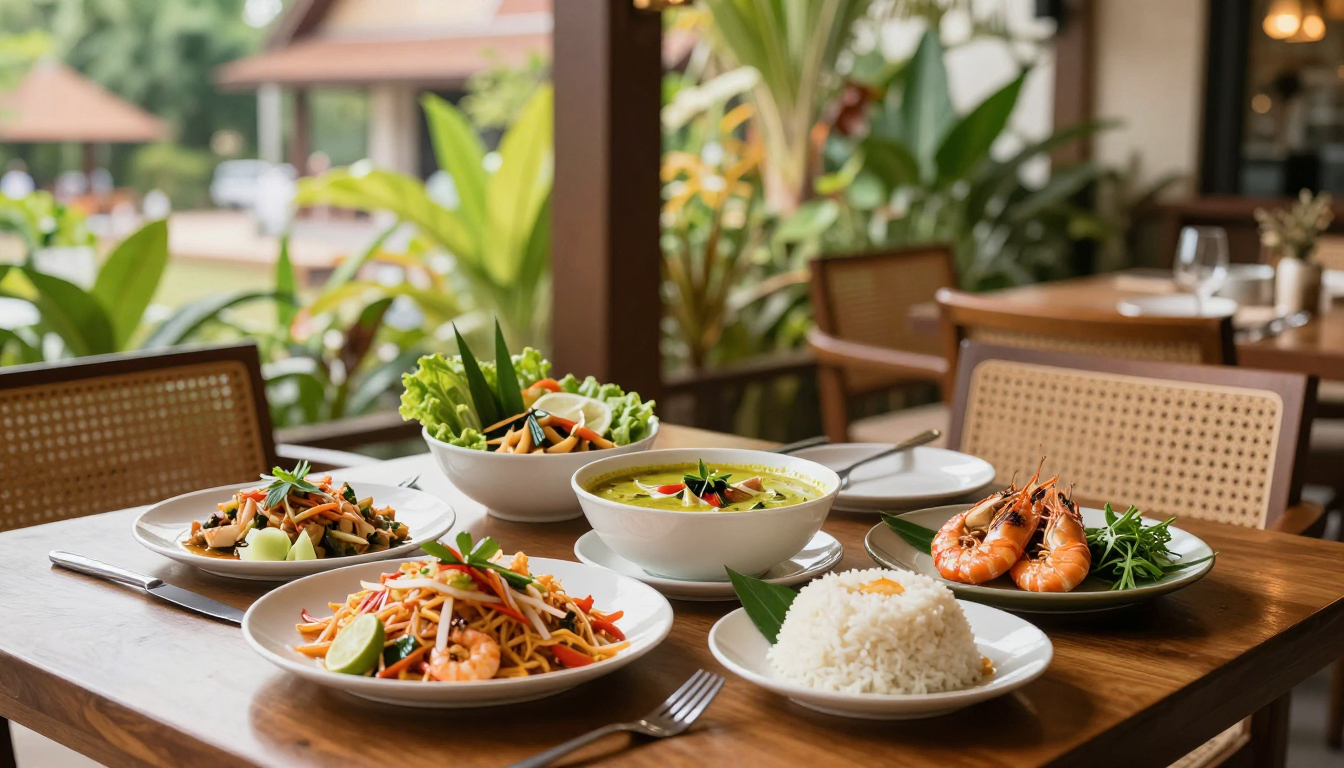
Hotels and stay areas: Bangkok also needs a food layer. Build meals around pad Thai, boat noodles, som tam, tom yum, mango sticky rice, Thai iced tea, Chinatown Yaowarat and Sukhumvit so the visitor has a reason to slow down between museums, viewpoints and transfers.
Food and restaurants: Ayutthaya and Floating Markets and Railway Market can extend the stay when there is enough time. A historic day route north of Bangkok. A popular outer-Bangkok route that needs early timing.
Chiang Mai: northern temples, markets and slower stays
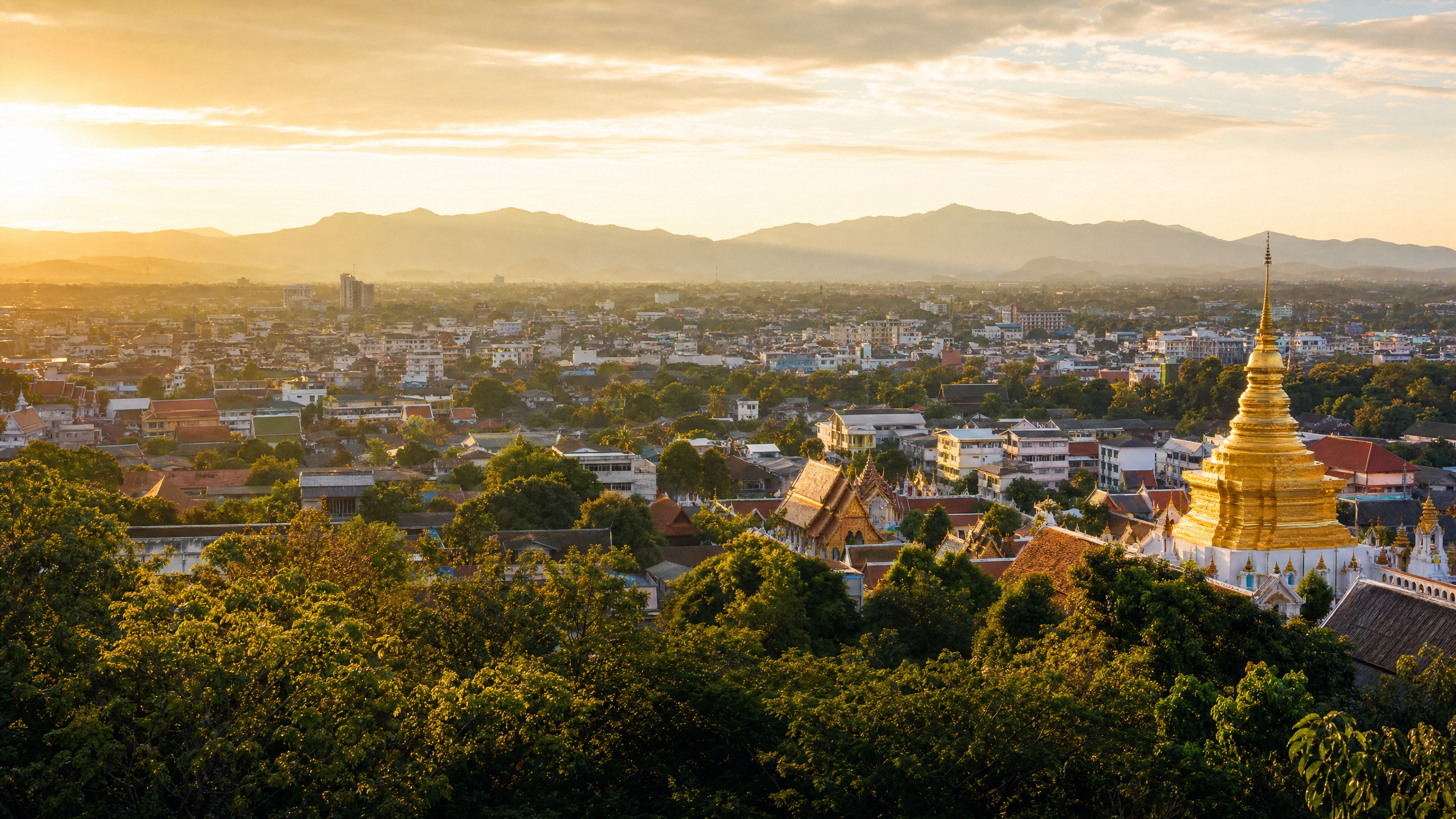
Best for: Chiang Mai works better as a lived-in stop than as a fast photo pin, with northern temples, markets and slower stays shaping the day. Chiang Mai gives Thailand a calmer northern chapter with old-city temples, markets, food, craft streets and mountain day routes that work well after Bangkok. It is best paced around market nights, Lanna context, northern dishes and carefully chosen nature or ethical wildlife experiences rather than constant day trips.
Historic landmarks: Wat Phra That Doi Suthep, Old City Temples, Night Bazaar and Weekend Walking Streets, Doi Inthanon Route, Chiang Mai City Arts and Cultural Centre and Lanna Folklife Museum should shape the sightseeing plan. Go early and combine with viewpoint time. Choose a few rather than trying to visit every temple.
Museums and attractions: Choose the hotel area around Old City, Nimman and Riverside. Pick the district that makes arrival, evening movement and the first full day easier.
Hotels and stay areas: Chiang Mai also needs a food layer. Build meals around khao soi, sai ua, nam prik noom, laap khua, sticky rice, Thai coffee, Old City and Nimman so the visitor has a reason to slow down between museums, viewpoints and transfers.
Food and restaurants: Doi Suthep and Mountain Villages and Chiang Rai can extend the stay when there is enough time. The natural short route from the city. A longer northern extension better as an overnight for many travellers.
Phuket: beaches, old town and Andaman access
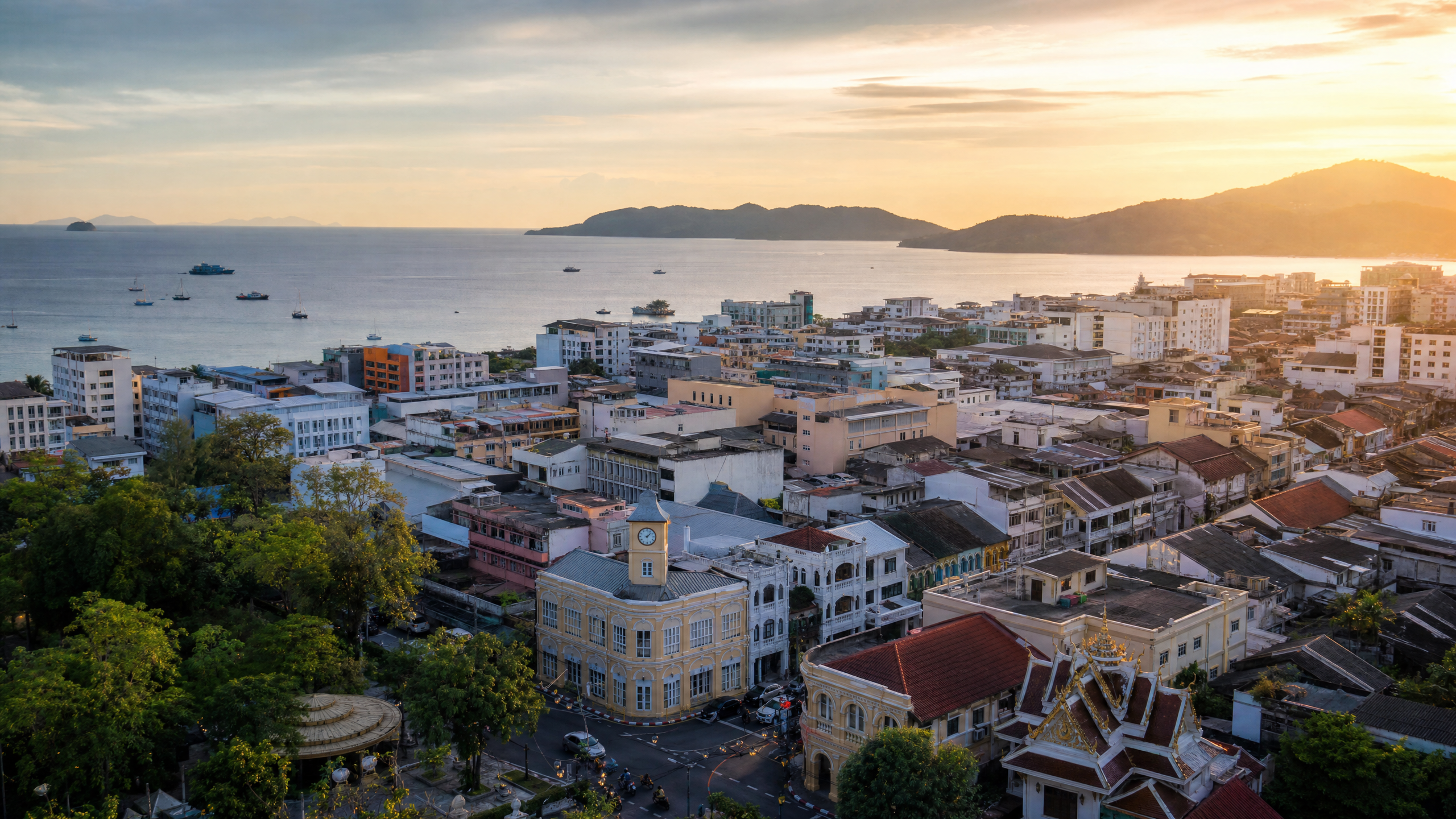
Best for: Treat Phuket as the part of Thailand where beaches, old town and Andaman access becomes useful for the wider route. Phuket is Thailand's most developed island base, useful for beach hotels, flight access, old-town food, boat trips and family-friendly planning when the right coast and season fit. The island works best when travellers choose a beach area deliberately and balance resort time with Old Town and responsible boat routes.
Historic landmarks: Phuket Old Town, Kata and Karon Beaches, Big Buddha Phuket, Phang Nga Bay Boat Route, Thai Hua Museum and Chinpracha House should shape the sightseeing plan. Use it to balance beach days with culture. Choose by atmosphere and season rather than name alone.
Museums and attractions: Choose the hotel area around Kata or Karon, Patong and Phuket Old Town. Pick the district that makes arrival, evening movement and the first full day easier.
Hotels and stay areas: Phuket also needs a food layer. Build meals around mee Hokkien, moo hong, seafood curry, roti, satay, fresh seafood, Phuket Old Town and Kata and Karon so the visitor has a reason to slow down between museums, viewpoints and transfers.
Food and restaurants: Phang Nga Bay and Khao Lak can extend the stay when there is enough time. The classic scenic boat route from Phuket. A quieter coastal extension north of the island.

Krabi: limestone coast, islands and slower beach bases
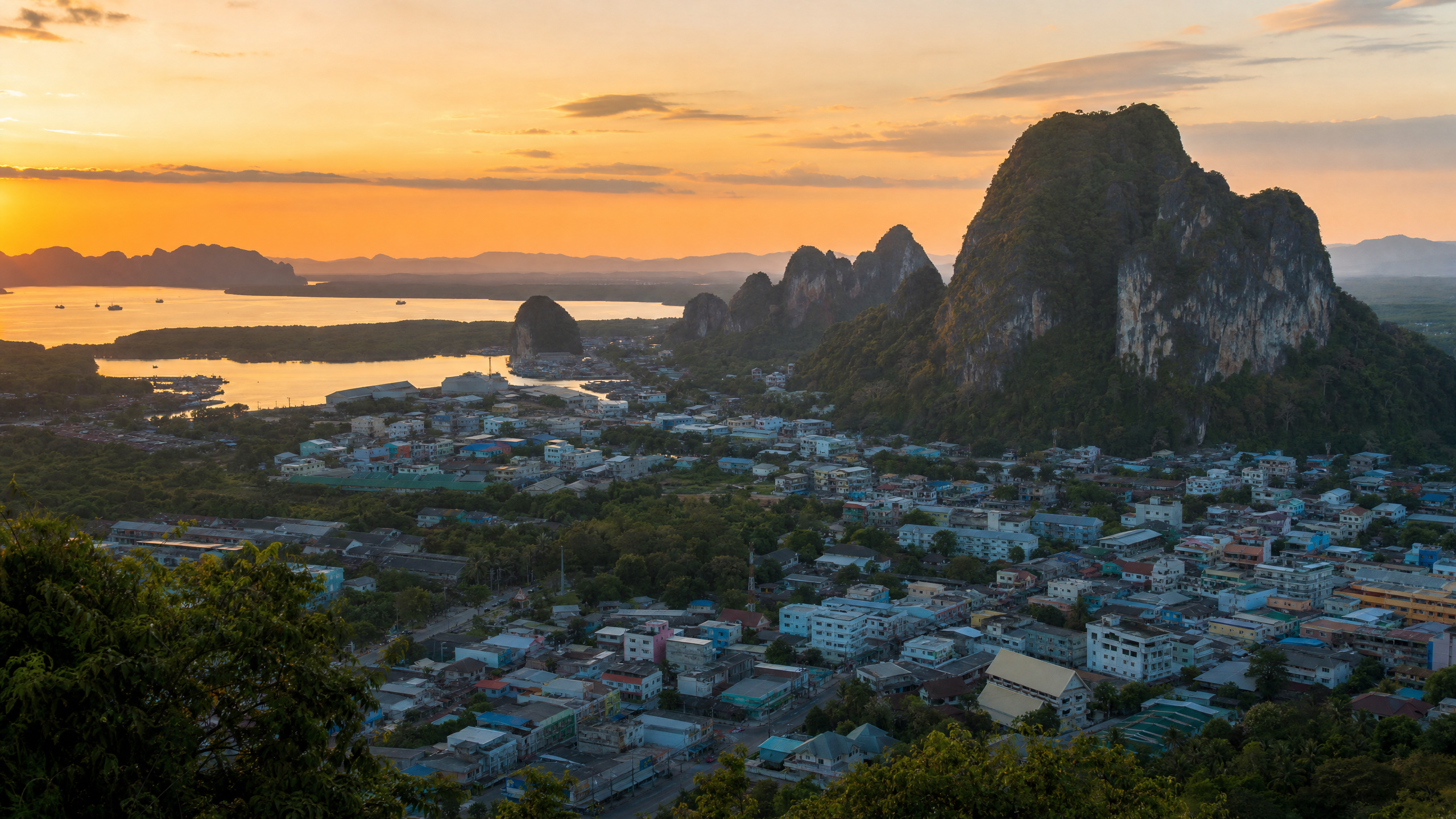
Best for: Use Krabi when the Thailand route needs limestone coast, islands and slower beach bases. Krabi is a strong Andaman coast choice for limestone cliffs, island-hopping, Railay, beach stays and a quieter feel than parts of Phuket. It rewards a slower base, with Ao Nang, Railay or Krabi Town chosen by convenience, scenery or value, and boat days kept flexible around sea conditions.
Historic landmarks: Railay Beach, Ao Nang, Hong Islands, Tiger Cave Temple, Wat Kaew Korawaram and Krabi Contemporary Art Museum Area should shape the sightseeing plan. Plan around boat access and tides. Use it if convenience matters.
Museums and attractions: Choose the hotel area around Ao Nang, Railay and Krabi Town. Pick the district that makes arrival, evening movement and the first full day easier.
Hotels and stay areas: Krabi also needs a food layer. Build meals around seafood curry, grilled fish, roti, satay, som tam, mango sticky rice, Ao Nang and Krabi Town Night Market so the visitor has a reason to slow down between museums, viewpoints and transfers.
Food and restaurants: Phi Phi Islands and Koh Lanta can extend the stay when there is enough time. A well-known boat route that should be chosen carefully for crowd levels. A slower island extension from Krabi.
Plan this part of the trip
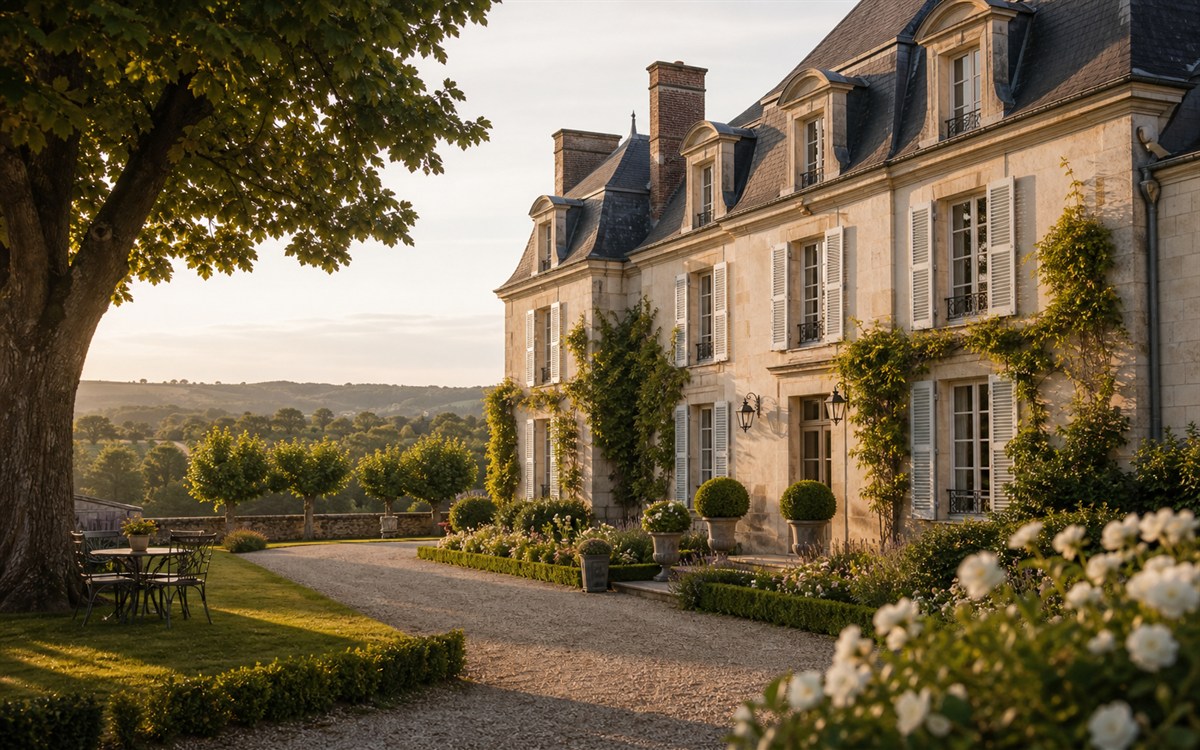

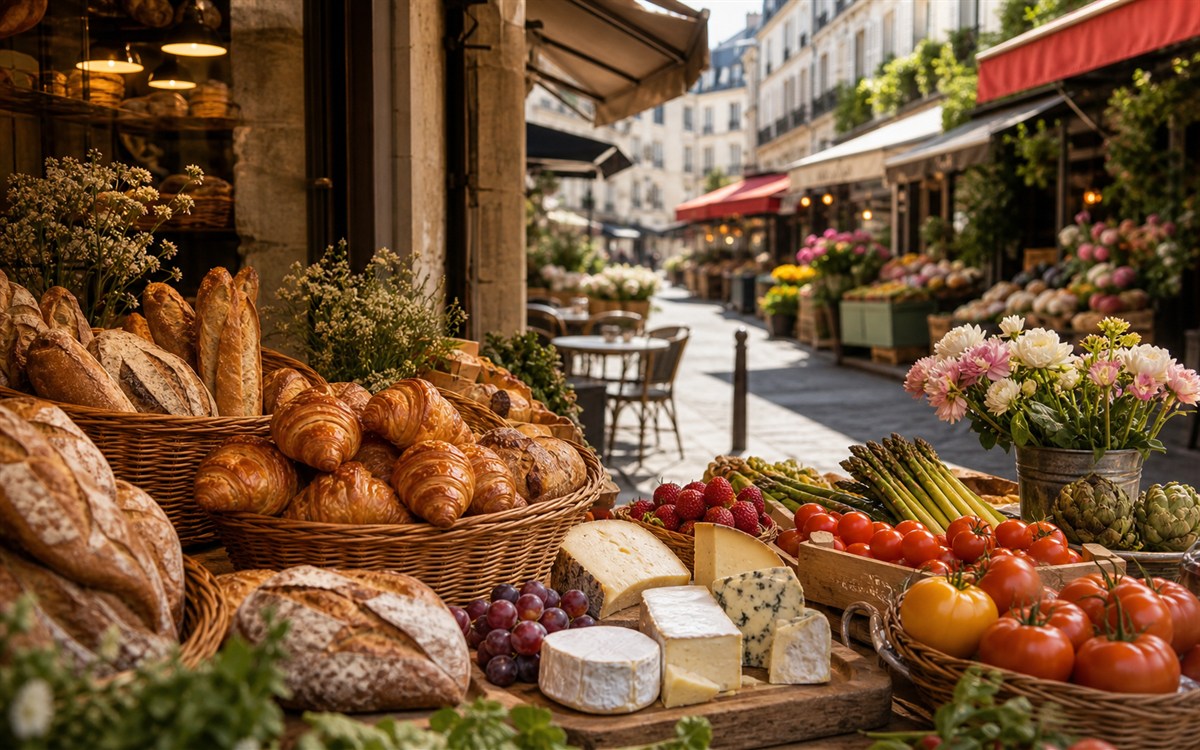

Koh Samui: Gulf island, beaches and resort pacing
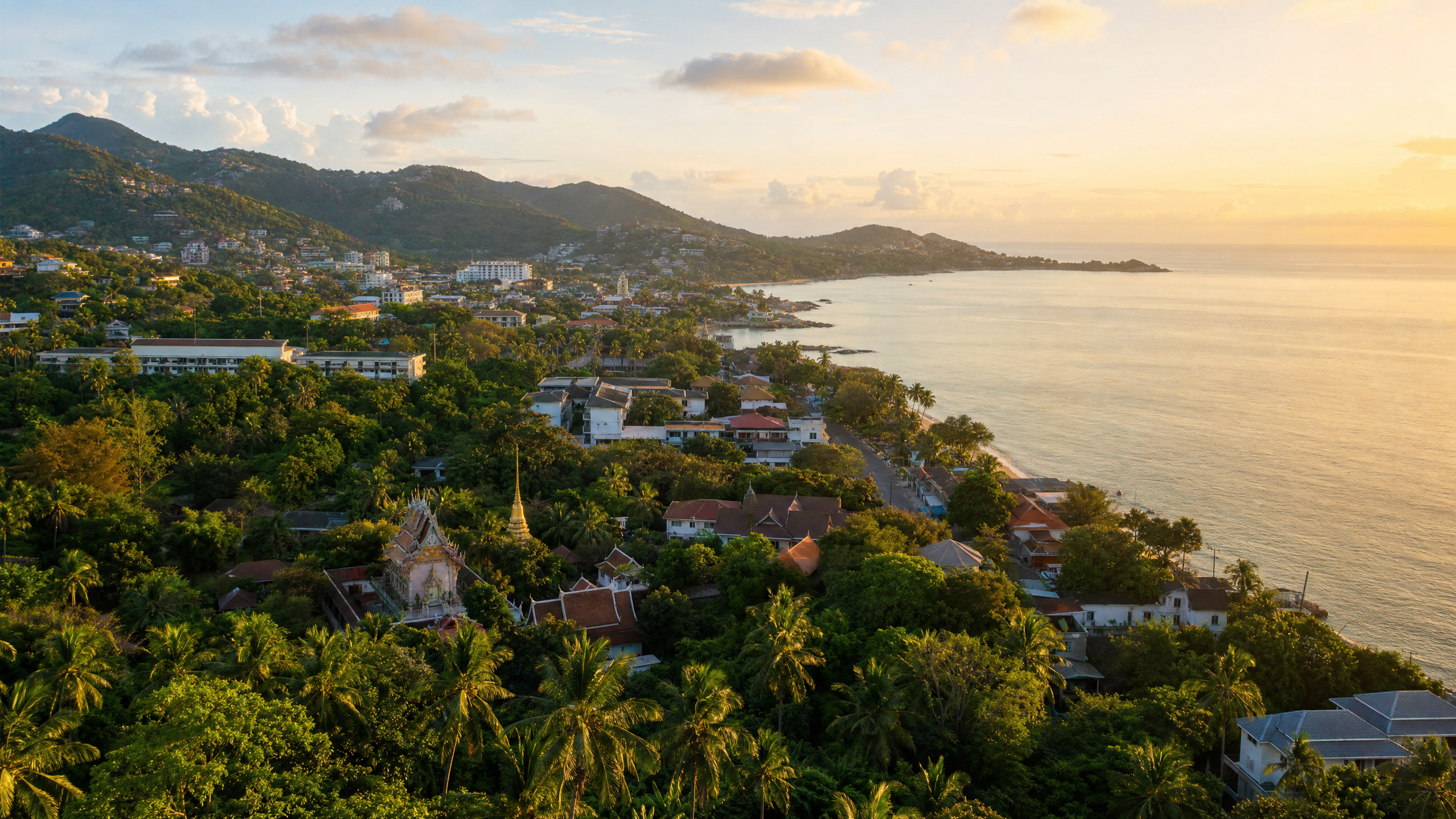
Best for: The value of Koh Samui is not only the headline sights; it gives the itinerary Gulf island, beaches and resort pacing and a clearer local rhythm. Koh Samui suits travellers who want a Gulf of Thailand island base with beaches, resorts, temples, food markets and boat access to nearby islands. It works best when the trip is built around a clear stay area such as Bophut, Chaweng or Lamai, with marine-park days kept weather-aware.
Historic landmarks: Fisherman’s Village, Bophut, Big Buddha Temple, Chaweng Beach, Ang Thong Marine Park and Wat Plai Laem should shape the sightseeing plan. Good for food and gentle night-market planning. Dress respectfully and pair with nearby viewpoints.
Museums and attractions: Choose the hotel area around Bophut, Chaweng and Lamai. Pick the district that makes arrival, evening movement and the first full day easier.
Hotels and stay areas: Koh Samui also needs a food layer. Build meals around grilled seafood, southern curry, roti, som tam, coconut desserts, Thai pancakes, Bophut Fisherman’s Village and Chaweng so the visitor has a reason to slow down between museums, viewpoints and transfers.
Food and restaurants: Ang Thong Marine Park and Koh Phangan or Koh Tao can extend the stay when there is enough time. The main scenic boat trip from Samui. Nearby island extensions chosen by ferry timing and travel style.

Food, Culture and Route Ideas for Thailand
Food route: Night markets, food courts and local stalls often shape the most practical meal planning. Dress, footwear, photography and behaviour matter at active temples, palace sites and community spaces. Northern curries, southern seafood and central Thai dishes make route choice part of the food experience. This is where food, culture and route planning should work together.
Food, wine and restaurants: Build meals around pad Thai, boat noodles, som tam, tom yum, mango sticky rice, Thai iced tea and khao soi and keep them close to Chinatown Yaowarat, Sukhumvit, Old City and River, Old City and Nimman.
Popular experiences: Use Bangkok first, add Chiang Mai if culture matters, then choose one beach region for the final chapter. Pick Phuket, Krabi or Koh Samui based on season, flight access and preferred pace. Keep the route disciplined: one clear hotel area, one strong regional layer and one food or culture experience will usually feel better than trying to touch every possible stop.
Planning rule: Use bookings in a clean order: choose the hotel area first, then add attraction tickets, food tours, guided days and local experiences where they make the journey easier, richer and more realistic.