Taiwan Travel, Structured Around Taipei, Food Streets and Island Routes
Plan Taiwan through Taipei, Tainan, Kaohsiung, Taroko and East Coast, Sun Moon Lake, hotels, flights, tours, and carefully selected travel experiences.
Start Planning TaiwanTaiwan Travel Guide: Routes, Stay Bases, Culture and Experiences
Trip shape: Build Taiwan from the ground up: arrival, hotel area, movement, then experiences. The cleanest plan connects Taipei, Tainan, Taichung and Hualien and Taroko Area with Taroko and East Coast, Sun Moon Lake, Night Markets and Rail Routes and First Taiwan Trip through time, transport and the kind of days the visitor actually wants.
Best for: Taroko and East Coast, Sun Moon Lake, Night Markets and Rail Routes and First Taiwan Trip give Taiwan its deeper travel layer. Some visitors need one main city and one day trip; others should slow down, split the journey and give the strongest region its own nights.
Planning rule: Start with arrival logic, season and the first overnight point, then add the experiences that genuinely deserve advance planning. Museums, landmarks, guided tours, food walks, local neighbourhoods and coastal or countryside days should be grouped by geography and timing.
Route logic: Snacks, queues, small portions and shared tables are part of everyday travel planning. Tea houses, incense, festivals and temple streets give city days a local rhythm. Keep food close to the chosen hotel area where possible: the best meals often come from market streets, harbour areas, old-town restaurants and neighbourhoods already inside the day’s route.

Taipei: night markets, museums and first Taiwan base
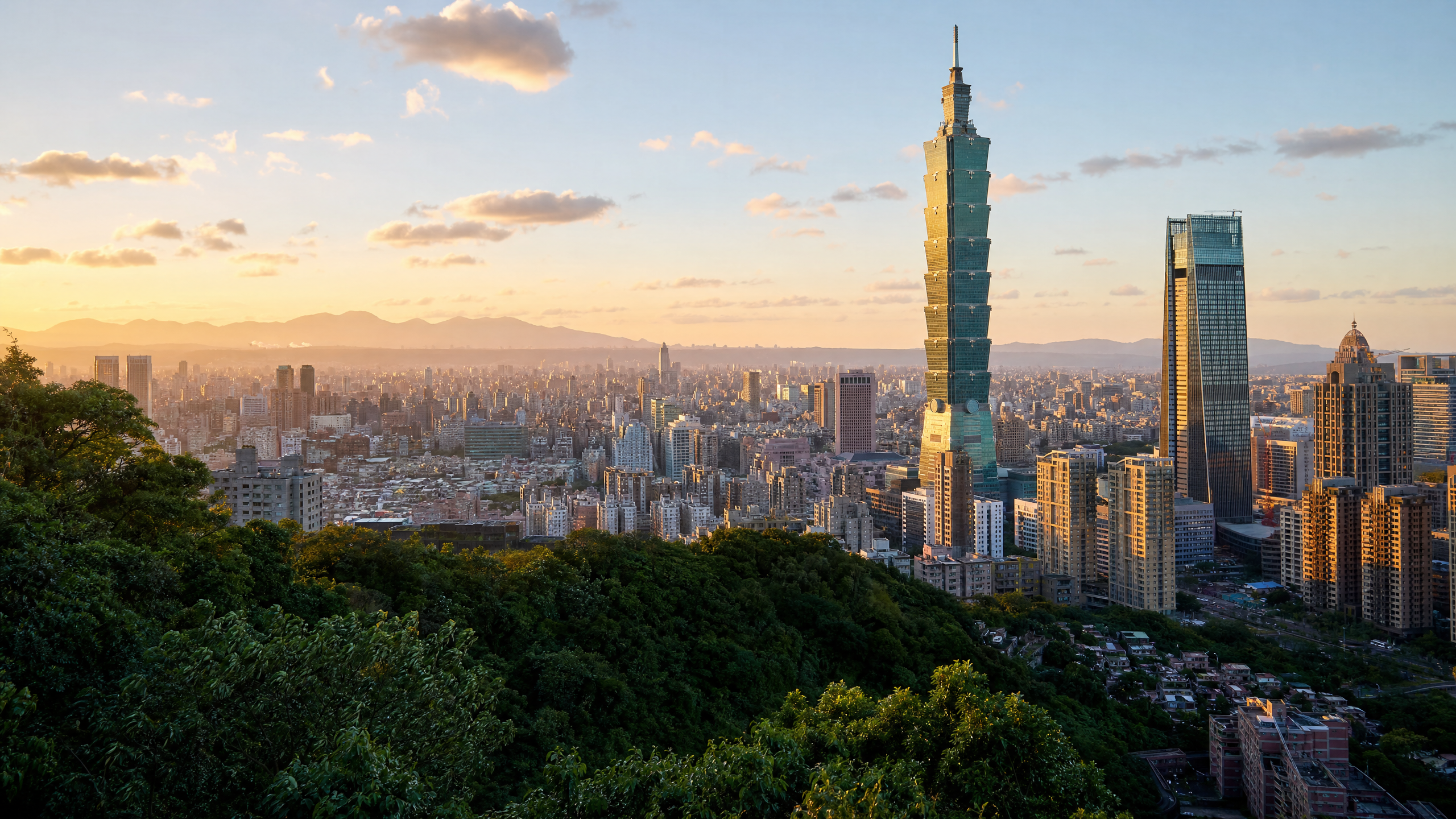
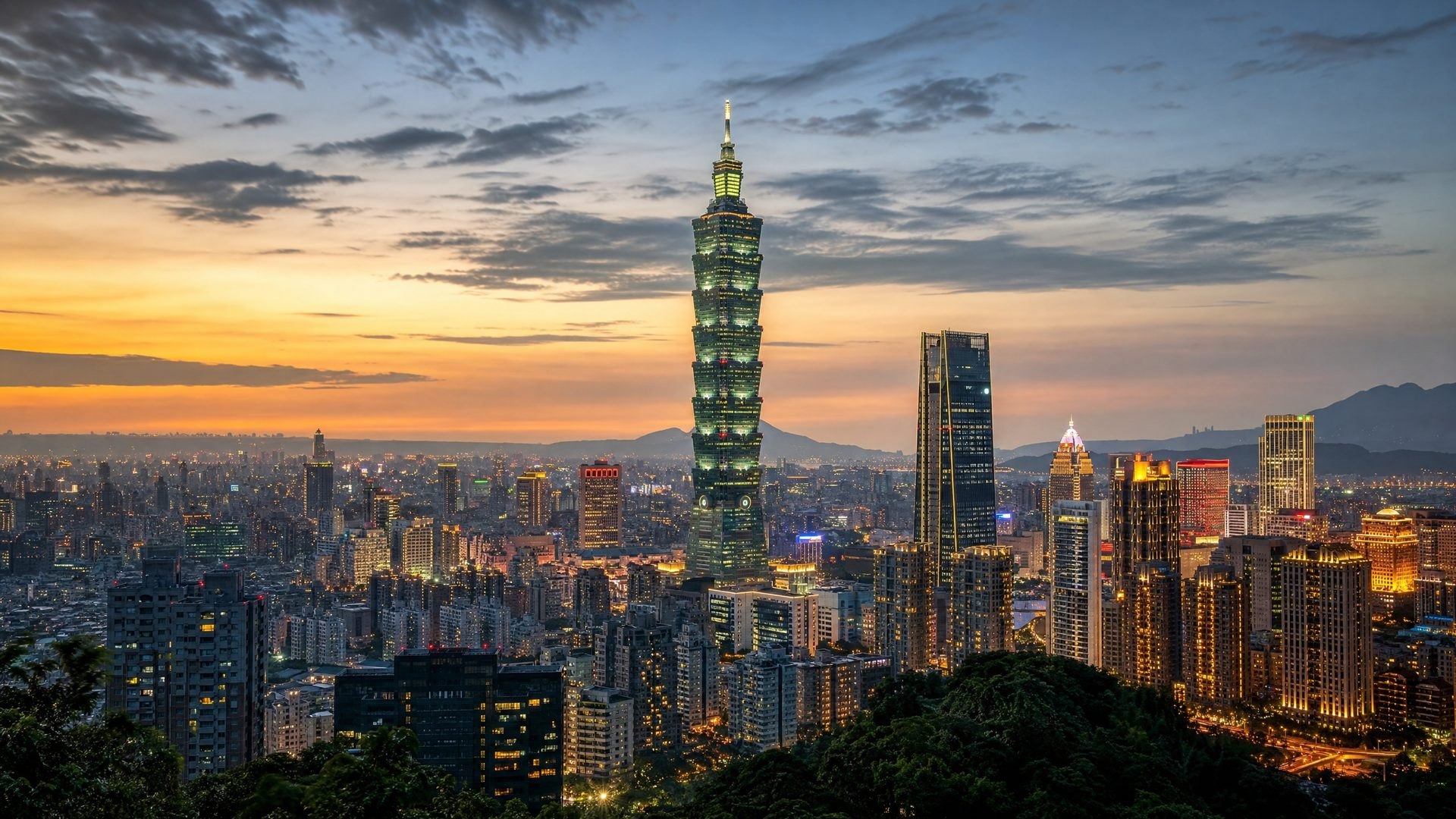
Best for: Use Taipei when the Taiwan route needs night markets, museums and first Taiwan base. Taipei is Taiwan's clearest first base, combining night markets, museums, temples, mountain-edge views, hot springs and easy rail links. It works well for first-time travellers because food districts, metro routes and day trips can be paced without changing hotels.
Historic landmarks: National Palace Museum, Longshan Temple, Taipei 101 and Xinyi, Beitou Hot Springs, Taipei Fine Arts Museum and Chiang Kai-shek Memorial Hall Area should shape the sightseeing plan. Allow a focused half-day because the collection is extensive. Visit respectfully and pair with nearby food streets.
Museums and attractions: Choose the hotel area around Taipei Main Station, Xinyi and Dadaocheng or Zhongshan. Pick the district that makes arrival, evening movement and the first full day easier.
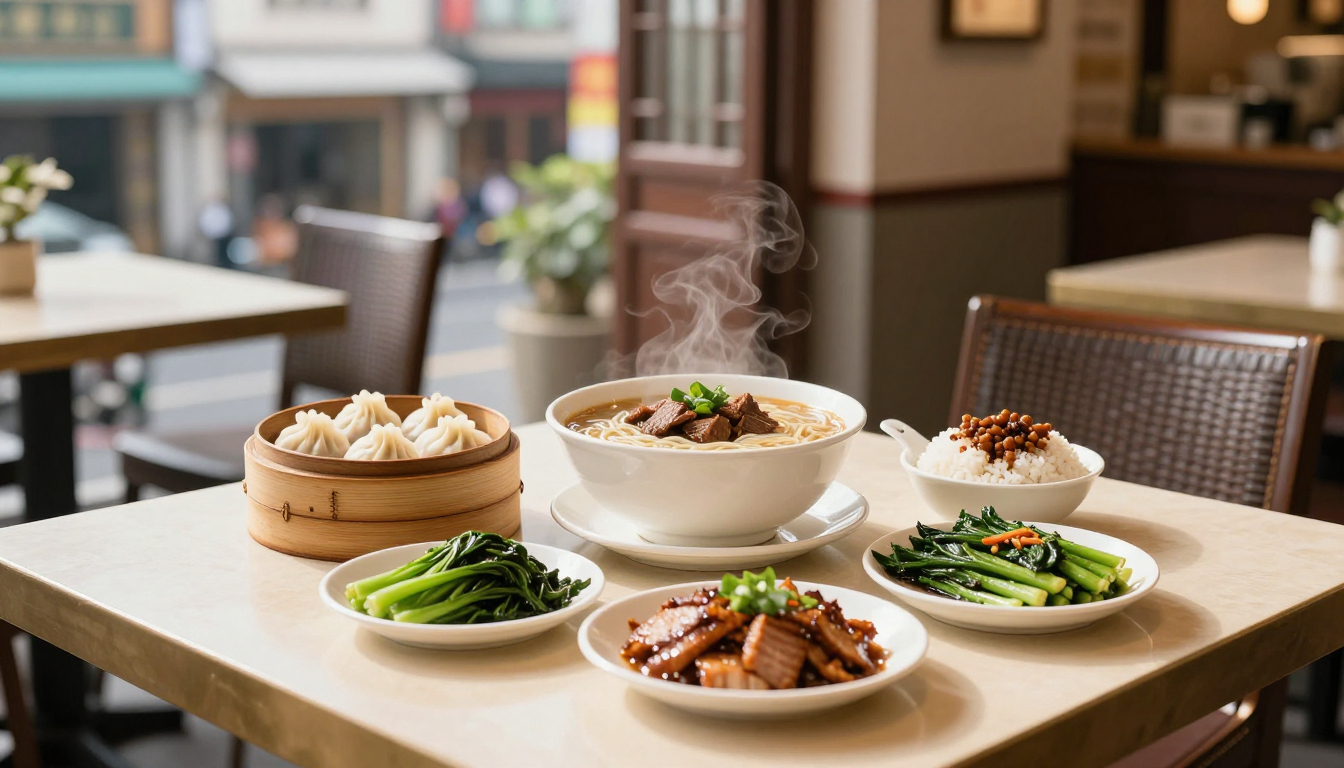
Hotels and stay areas: Taipei also needs a food layer. Build meals around beef noodle soup, xiaolongbao, gua bao, bubble tea, scallion pancakes, pineapple cake, Shilin and Raohe Night Markets and Yongkang Street so the visitor has a reason to slow down between museums, viewpoints and transfers.
Food and restaurants: Jiufen and the North Coast and Tamsui and Beitou can extend the stay when there is enough time. A popular hillside and coast route from Taipei. Easy metro-linked waterfront and hot-spring extensions.
Tainan: old capital, temples and southern food
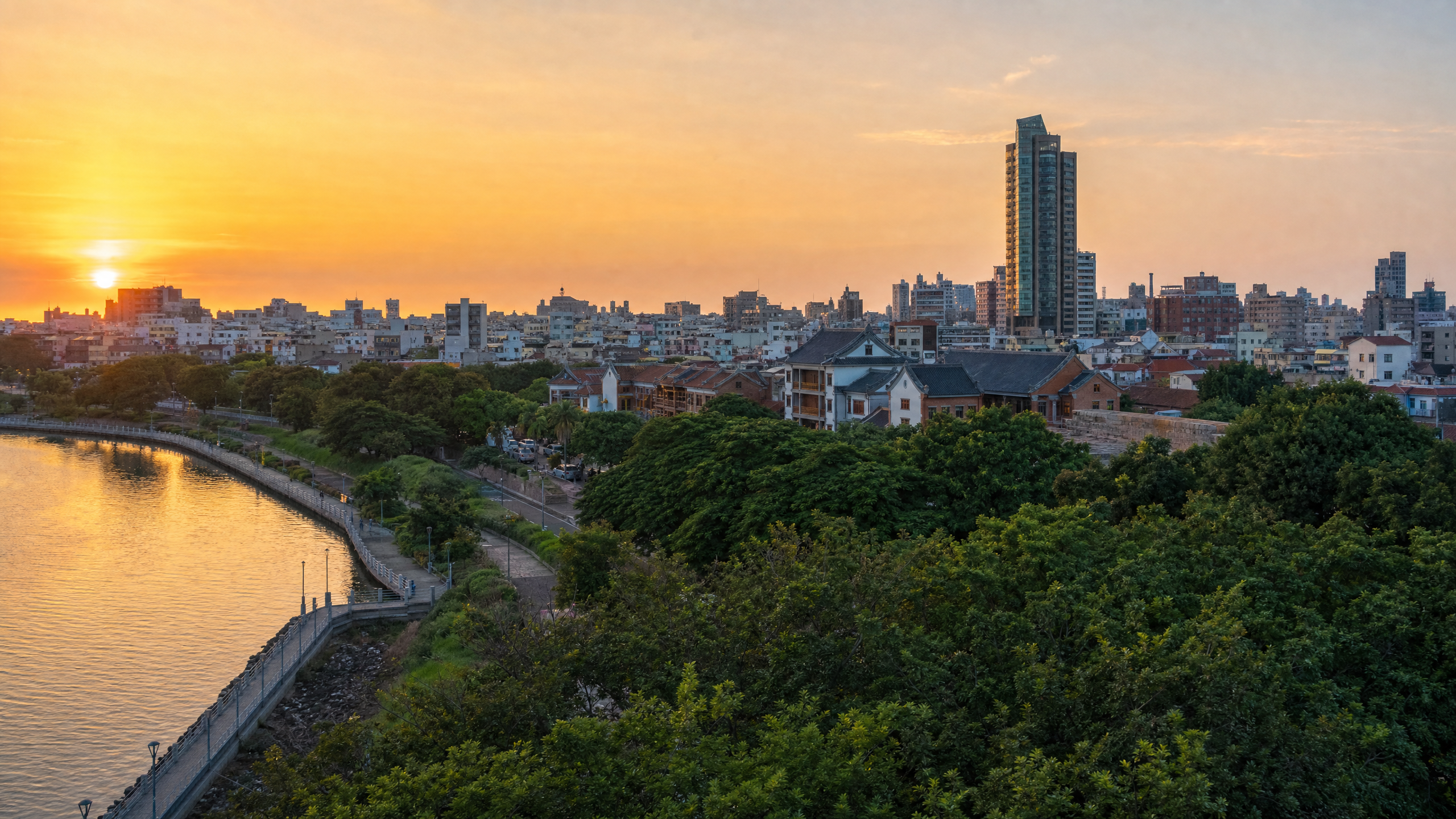
Best for: The value of Tainan is not only the headline sights; it gives the itinerary old capital, temples and southern food and a clearer local rhythm. Tainan is Taiwan's historic food city, with temples, old streets, forts, markets and a slower southern rhythm that rewards at least one overnight. It is the place to let snack stops, shrine visits and old neighbourhoods shape the itinerary.
Historic landmarks: Chihkan Tower, Anping Fort and Old Street, Confucius Temple Area, Shennong Street, National Museum of Taiwan History and Tainan Art Museum should shape the sightseeing plan. Use it as an orientation point for old-city walks. Treat Anping as a separate half-day area.
Museums and attractions: Choose the hotel area around West Central District and Anping. Pick the district that makes arrival, evening movement and the first full day easier.
Hotels and stay areas: Tainan also needs a food layer. Build meals around dan zai noodles, milkfish soup, coffin bread, shrimp rolls, beef soup, rice cakes, West Central District and Anping so the visitor has a reason to slow down between museums, viewpoints and transfers.
Food and restaurants: Kaohsiung and Alishan Foothills can extend the stay when there is enough time. The natural southern city pairing by rail. A mountain-tea extension for longer trips.

Taichung: central Taiwan, arts and day-route base
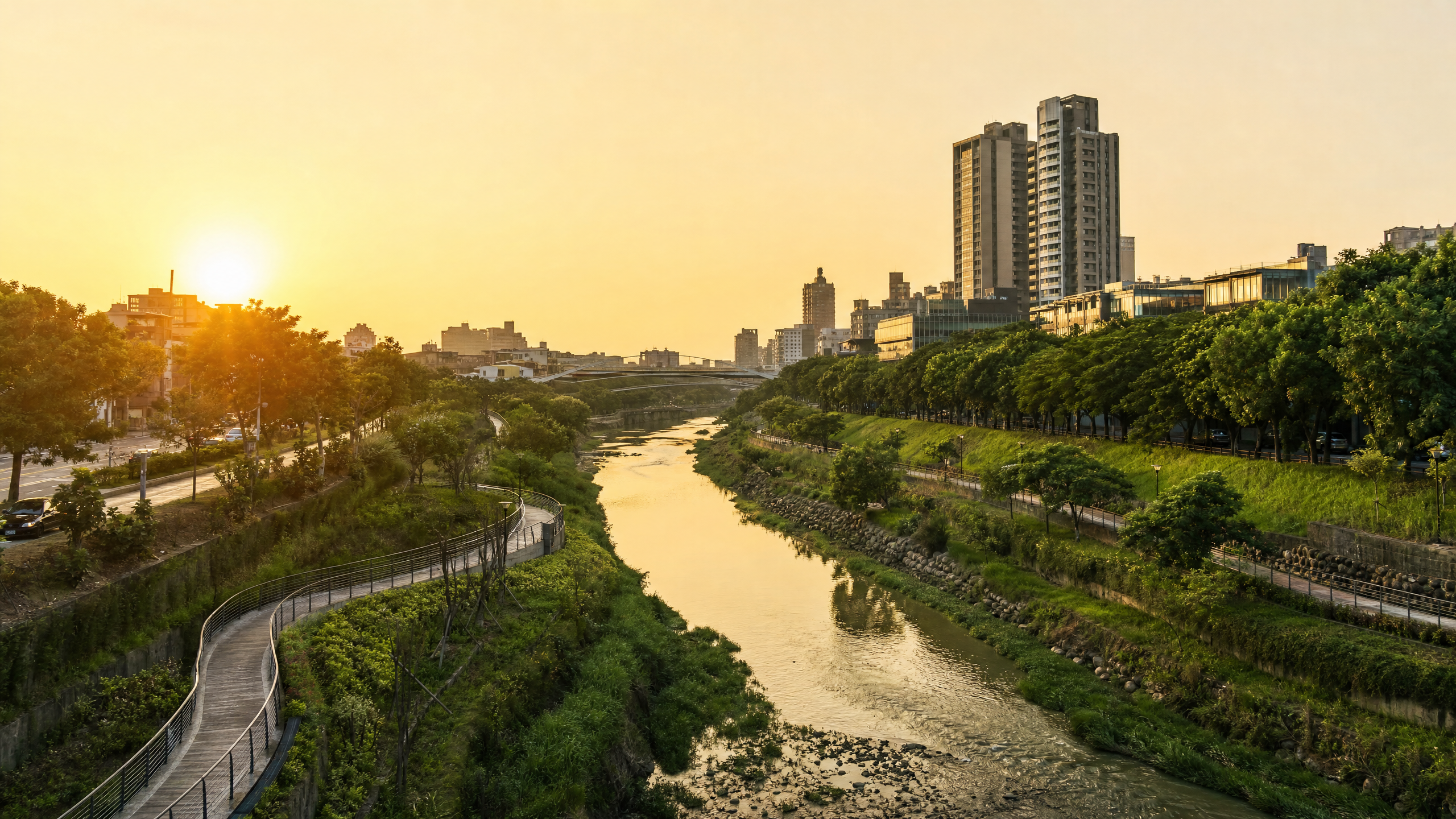
Best for: The value of Taichung is not only the headline sights; it gives the itinerary central Taiwan, arts and day-route base and a clearer local rhythm. Taichung gives central Taiwan a useful base for arts, markets, museums and routes toward Sun Moon Lake or mountain areas. It suits travellers who want a less compressed west-coast route, with cafes, creative districts and day trips balanced carefully.
Historic landmarks: National Taichung Theater, Miyahara Area, Rainbow Village Area, Fengjia Night Market, National Taiwan Museum of Fine Arts and Natural Science Museum should shape the sightseeing plan. Check event schedules if architecture or performance matters. Treat it as a food and architecture stop.
Museums and attractions: Choose the hotel area around West District, Taichung Station Area and Fengjia. Pick the district that makes arrival, evening movement and the first full day easier.
Hotels and stay areas: Taichung also needs a food layer. Build meals around bubble tea, sun cakes, hot pot, braised pork rice, fried chicken, stinky tofu, Fengjia and West District so the visitor has a reason to slow down between museums, viewpoints and transfers.
Food and restaurants: Sun Moon Lake and Lukang can extend the stay when there is enough time. A popular lake and mountain-edge route from Taichung. A heritage town extension for temple and old-street culture.
Hualien and Taroko Area: east-coast scenery with careful access planning
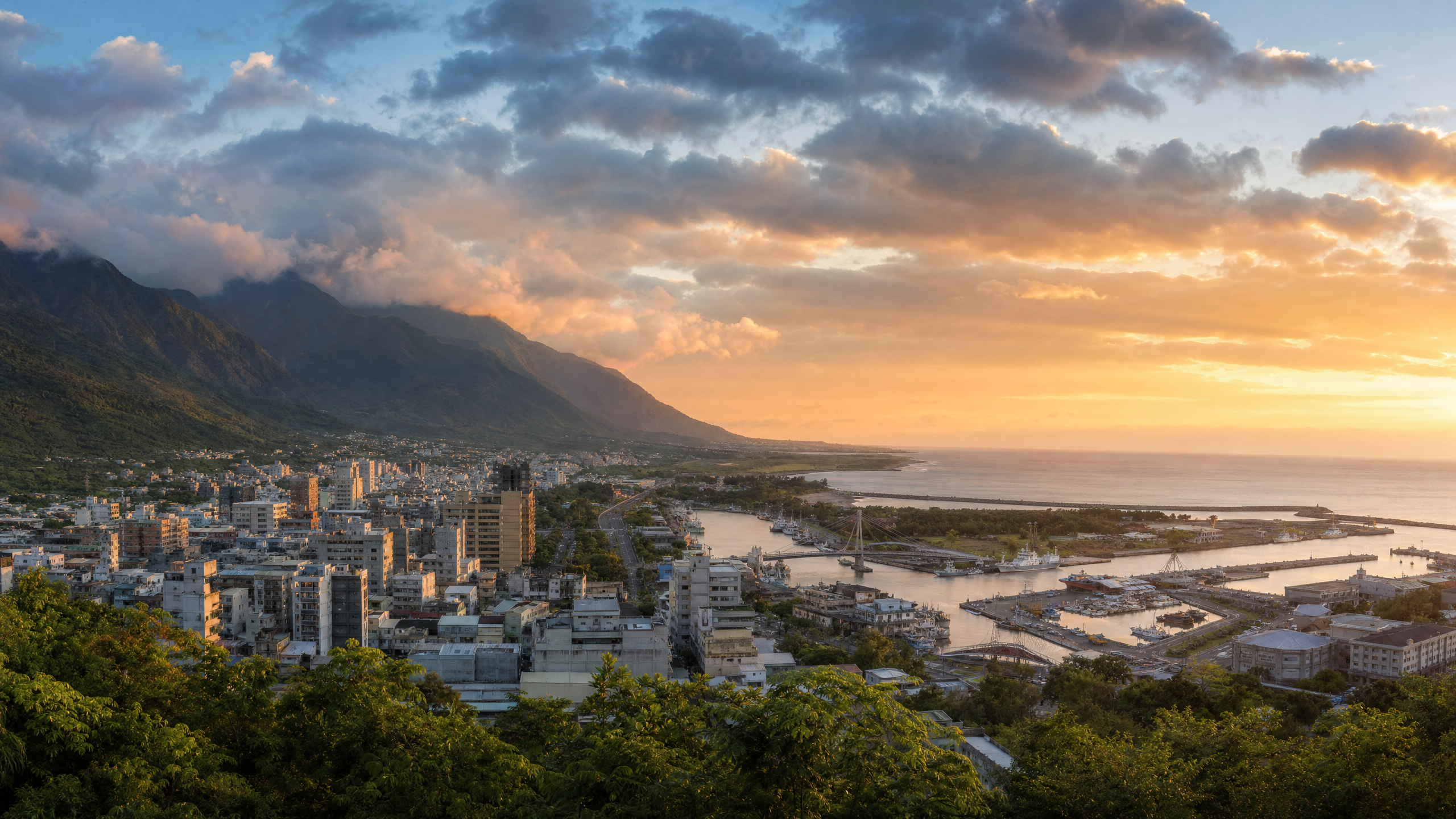
Best for: Hualien and Taroko Area works better as a lived-in stop than as a fast photo pin, with east-coast scenery with careful access planning shaping the day. Hualien can be a gateway to Taiwan's east-coast landscapes and Taroko-area scenery, but visitors should check current access, transport conditions and safety guidance before committing. It works best as a flexible nature chapter, not a fixed promise of gorge access.
Historic landmarks: Taroko Area Viewpoints, Qixingtan Beach, Hualien Dongdamen Night Market, East Coast Scenic Roads, Hualien Cultural Creative Industries Park and Pine Garden should shape the sightseeing plan. Check current closures and official guidance before planning. Enjoy views from shore and follow local safety signs.
Museums and attractions: Choose the hotel area around Hualien City Centre, Qixingtan and East Coast Lodges. Pick the district that makes arrival, evening movement and the first full day easier.
Hotels and stay areas: Hualien and Taroko Area also needs a food layer. Build meals around mochi, wontons, scallion pancakes, seafood, night-market snacks, taro sweets, Dongdamen Night Market and Hualien City Centre so the visitor has a reason to slow down between museums, viewpoints and transfers.
Food and restaurants: Taipei Rail Link and East Coast Southbound Route can extend the stay when there is enough time. The main access route, subject to schedules and conditions. A scenic extension only with careful road and weather planning.

Kaohsiung: southern harbour, art spaces and food
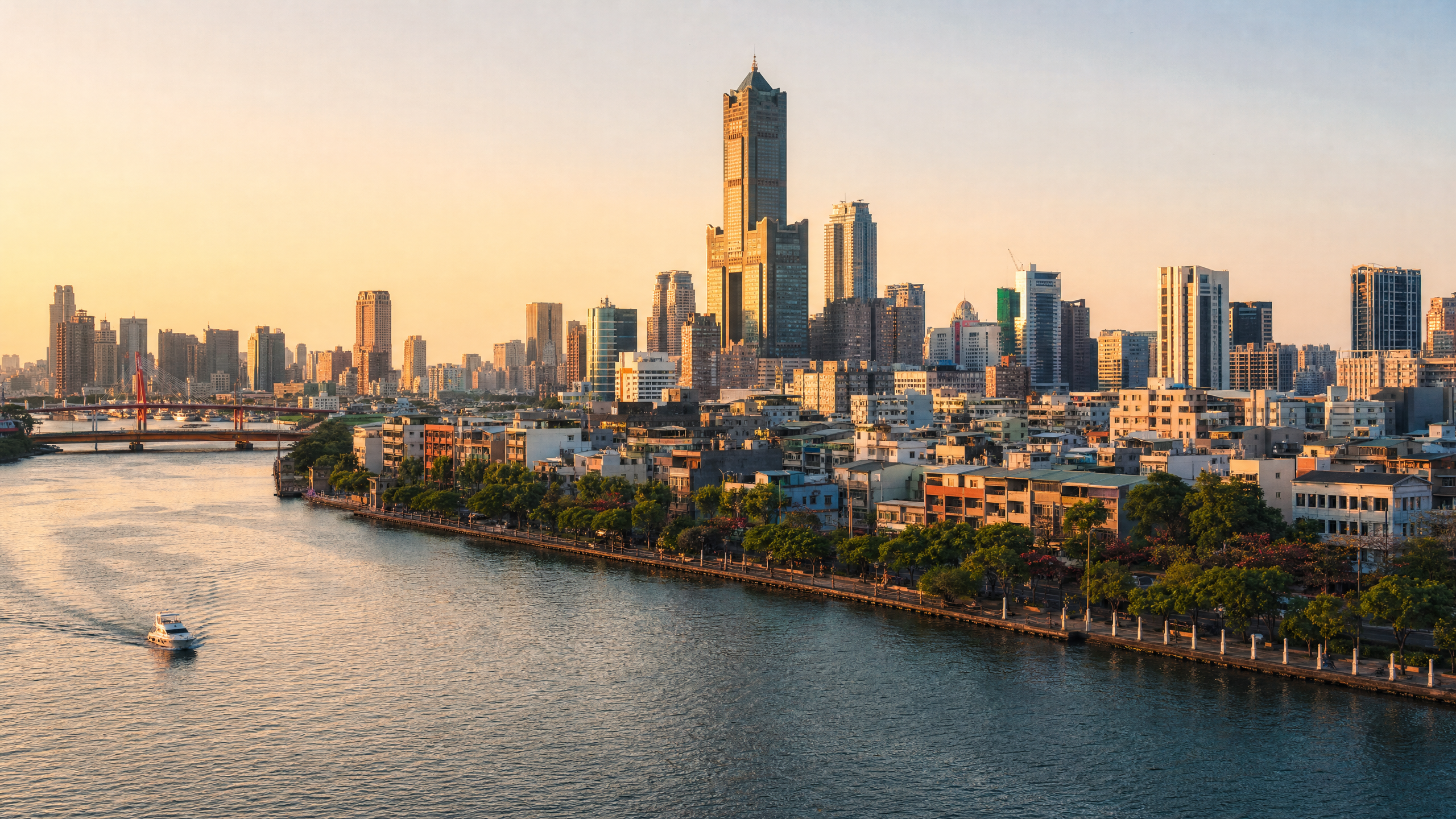
Best for: Kaohsiung works better as a lived-in stop than as a fast photo pin, with southern harbour, art spaces and food shaping the day. Kaohsiung gives Taiwan a warm southern harbour base, with waterfront art spaces, night markets, temples, ferry routes and easy links to Tainan. It adds a more open, sea-facing rhythm to the route, especially when Pier-2, Cijin and temple areas are paced separately.
Historic landmarks: Pier-2 Art Center, Lotus Pond, Cijin Island, Fo Guang Shan Buddha Museum and Kaohsiung Museum of Fine Arts should shape the sightseeing plan. Pair with harbour walks and ferry routes. Go early or late to reduce heat.
Museums and attractions: Choose the hotel area around Formosa Boulevard Area, Yancheng and Pier-2 and Zuoying. Pick the district that makes arrival, evening movement and the first full day easier.
Hotels and stay areas: Kaohsiung also needs a food layer. Build meals around seafood, beef noodles, papaya milk, stinky tofu, rice noodles, bubble tea, Liuhe and Ruifeng Night Markets and Yancheng and Pier-2 so the visitor has a reason to slow down between museums, viewpoints and transfers.
Food and restaurants: Tainan and Kenting can extend the stay when there is enough time. The natural heritage and food pairing by rail. A southern beach extension that needs extra travel time.

Food, Culture and Route Ideas for Taiwan
Food route: Snacks, queues, small portions and shared tables are part of everyday travel planning. Tea houses, incense, festivals and temple streets give city days a local rhythm. High-speed rail helps the west coast, while east-coast travel can be more sensitive to conditions. This is where food, culture and route planning should work together.
Food, wine and restaurants: Build meals around beef noodle soup, xiaolongbao, gua bao, bubble tea, scallion pancakes, pineapple cake and dan zai noodles and keep them close to Shilin and Raohe Night Markets, Yongkang Street, Dadaocheng, West Central District and Anping.
Popular experiences: Use Taipei first, then add Tainan or Kaohsiung by high-speed rail if the trip has enough nights. Pair Taipei with Tainan and Kaohsiung when temples, markets and southern food matter most. Keep the route disciplined: one clear hotel area, one strong regional layer and one food or culture experience will usually feel better than trying to touch every possible stop.
Planning rule: Use bookings in a clean order: choose the hotel area first, then add attraction tickets, food tours, guided days and local experiences where they make the journey easier, richer and more realistic.