Switzerland Travel Guide: Scenic Rail, Lakes, Alpine Bases, Zermatt and Interlaken
Switzerland is a premium travel destination where the route matters as much as the destination. Zurich, Geneva and Basel work as gateways; Lucerne gives lake-and-mountain balance; Interlaken opens the Bernese Oberland; Zermatt is built around the Matterhorn; and lake towns create slower scenic stays. Switzerland rewards fewer bases, strong rail sequencing, weather awareness and hotels chosen for views, station access or mountain movement.
Start Planning SwitzerlandSwitzerland Travel Guide: Routes, Stay Bases, Culture and Experiences
Trip shape: The route through Switzerland should feel deliberate from the first booking. Use Zürich, Lucerne, Interlaken and Jungfrau Region and Geneva and Lake Geneva as the first anchors, then let Jungfrau Region, Zermatt, Ticino and First Switzerland Trip decide whether the trip should stay compact or open into a wider route.
Best for: Jungfrau Region, Zermatt, Ticino and First Switzerland Trip give Switzerland its deeper travel layer. Some visitors need one main city and one day trip; others should slow down, split the journey and give the strongest region its own nights.
Planning rule: Start with arrival logic, season and the first overnight point, then add the experiences that genuinely deserve advance planning. Museums, landmarks, guided tours, food walks, local neighbourhoods and coastal or countryside days should be grouped by geography and timing.
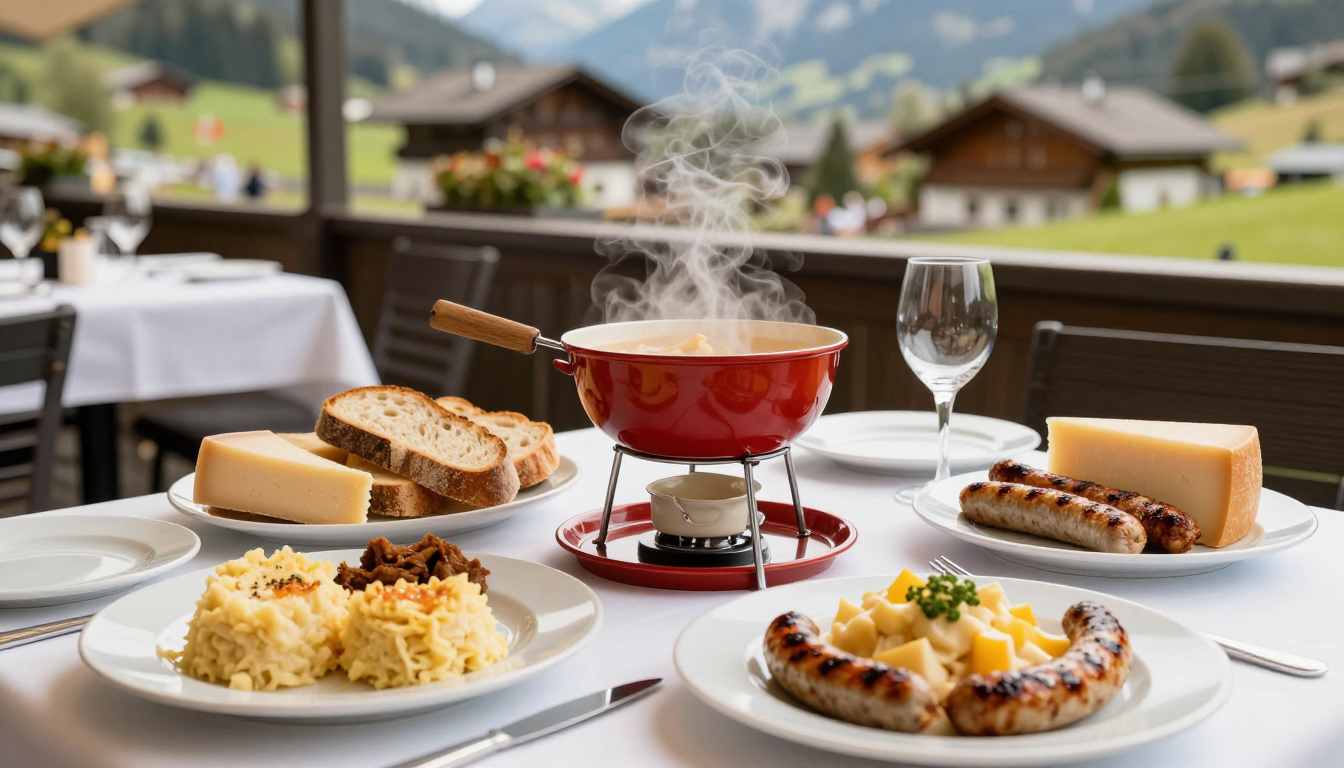
Route logic: fondue, raclette, bakeries and chocolate stops work best as part of regional pacing. Cable-car and viewpoint days should stay flexible until conditions are clear. Keep food close to the chosen hotel area where possible: the best meals often come from market streets, harbour areas, old-town restaurants and neighbourhoods already inside the day’s route.
Zürich: arrival city, lake walks and Swiss museums
Best for: Use Zürich when the Switzerland route needs arrival city, lake walks and Swiss museums. Zurich is Switzerland's easiest arrival base, with Lakefront walks, a compact Old Town, strong museums, food halls and excellent rail links. Use it for a polished start or finish where the lake, Kunsthaus, old-town lanes, Uetliberg and onward trains are planned around luggage, budget and the wider mountain route.
Historic landmarks: Lake Zürich and Old Town, Kunsthaus Zürich, Grossmünster and Limmat River, Uetliberg, Swiss National Museum and FIFA Museum should shape the sightseeing plan. Use the Lakefront as a gentle arrival route. Give it a focused museum block.
Museums and attractions: Choose the hotel area around Old Town / Niederdorf, Near Hauptbahnhof and Enge / Lake Side. Pick the district that makes arrival, evening movement and the first full day easier.
Hotels and stay areas: Zürich also needs a food layer. Build meals around Zürcher Geschnetzeltes, fondue, raclette, Swiss chocolate, birchermüesli, pastries, Old Town and Langstrasse so the visitor has a reason to slow down between museums, viewpoints and transfers.
Food and restaurants: Lucerne and Rhine Falls can extend the stay when there is enough time. A classic lake-and-mountain addition by rail. A popular day route that works well from Zürich.
Lucerne: lake, old town and classic mountain access
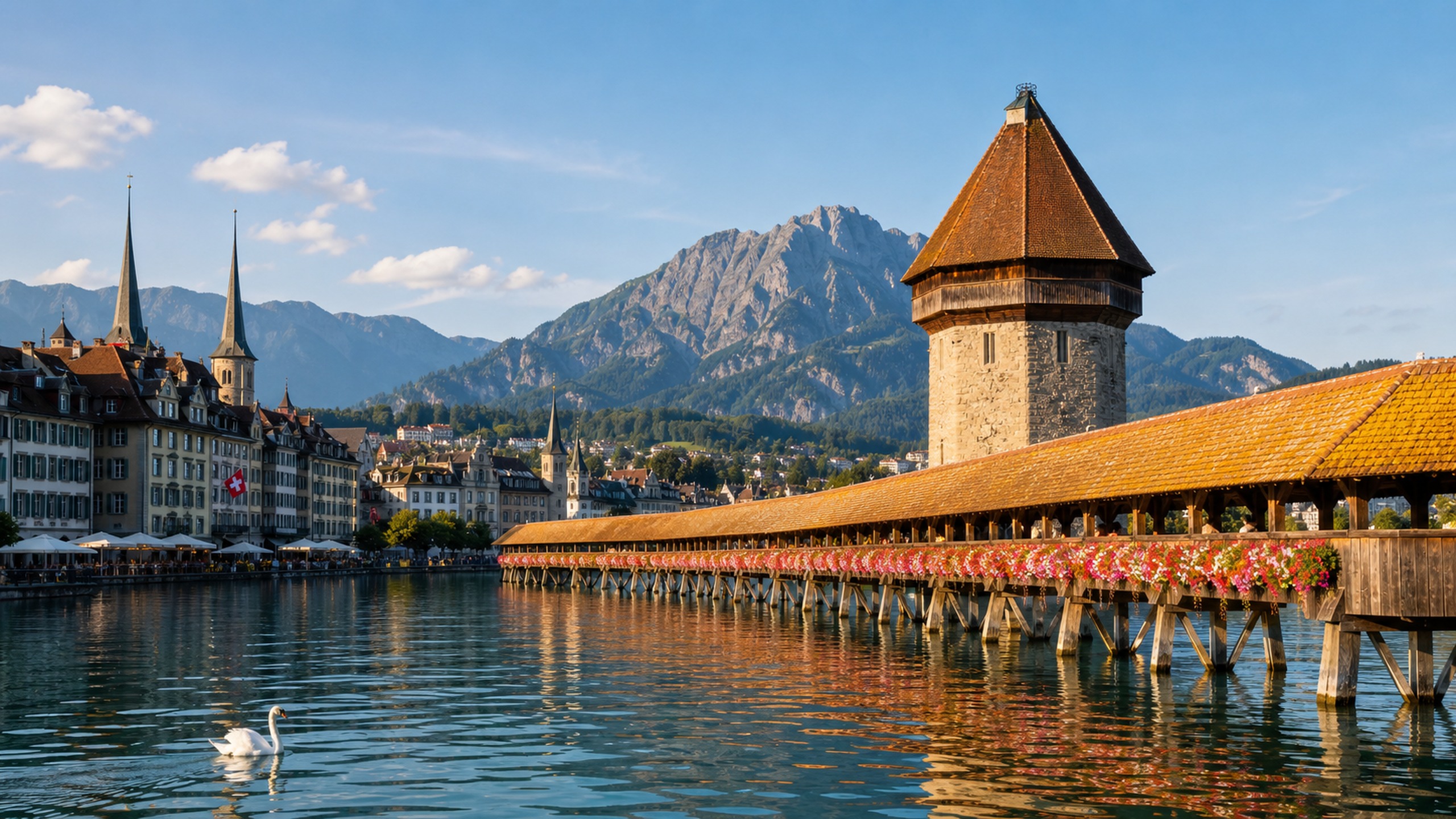
Best for: The value of Lucerne is not only the headline sights; it gives the itinerary lake, old town and classic mountain access and a clearer local rhythm. Lucerne is Switzerland's classic scenic base, combining a compact Old Town, lake cruises and access to mountains such as Pilatus and Rigi. It is strongest when travellers leave room for weather, using the Old Town, Chapel Bridge, lake boats, museums and one mountain day as a balanced first Swiss scenery stop.
Historic landmarks: Chapel Bridge and Old Town, Lake Lucerne Cruise, Mount Pilatus, Mount Rigi, Swiss Museum of Transport and Rosengart Collection should shape the sightseeing plan. Use it early or later for a calmer feel. Choose cruise length based on the rest of the day.
Museums and attractions: Choose the hotel area around Old Town, Lakefront and Station Area. Pick the district that makes arrival, evening movement and the first full day easier.
Hotels and stay areas: Lucerne also needs a food layer. Build meals around fondue, raclette, Swiss chocolate, lake fish, pastries, rösti, Old Town and Lakefront so the visitor has a reason to slow down between museums, viewpoints and transfers.
Food and restaurants: Mount Pilatus and Interlaken or Zürich can extend the stay when there is enough time. A classic mountain day with several route options. Easy rail continuations for wider Switzerland.
Interlaken and Jungfrau Region: alpine valleys, viewpoints and outdoor routes
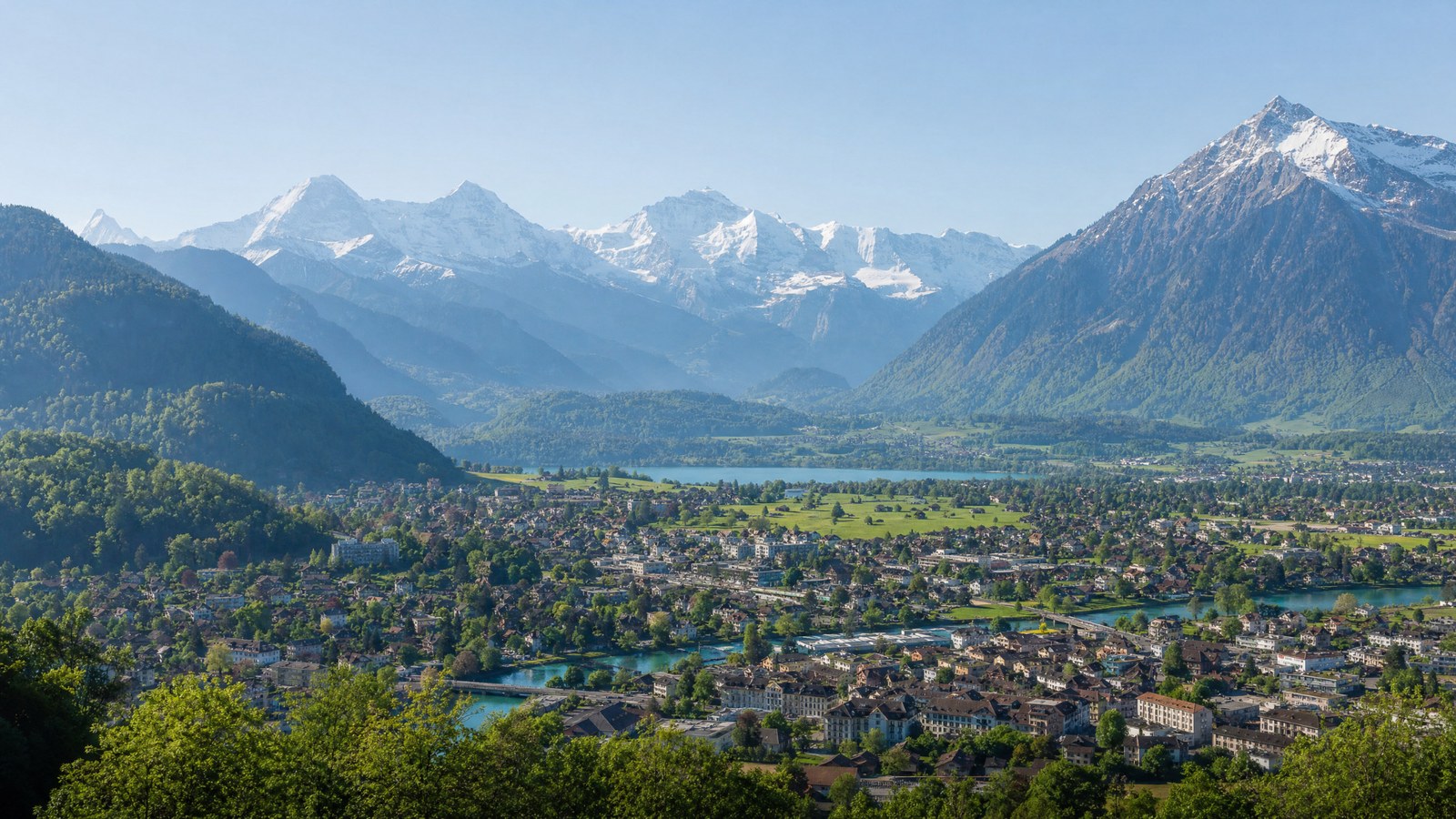
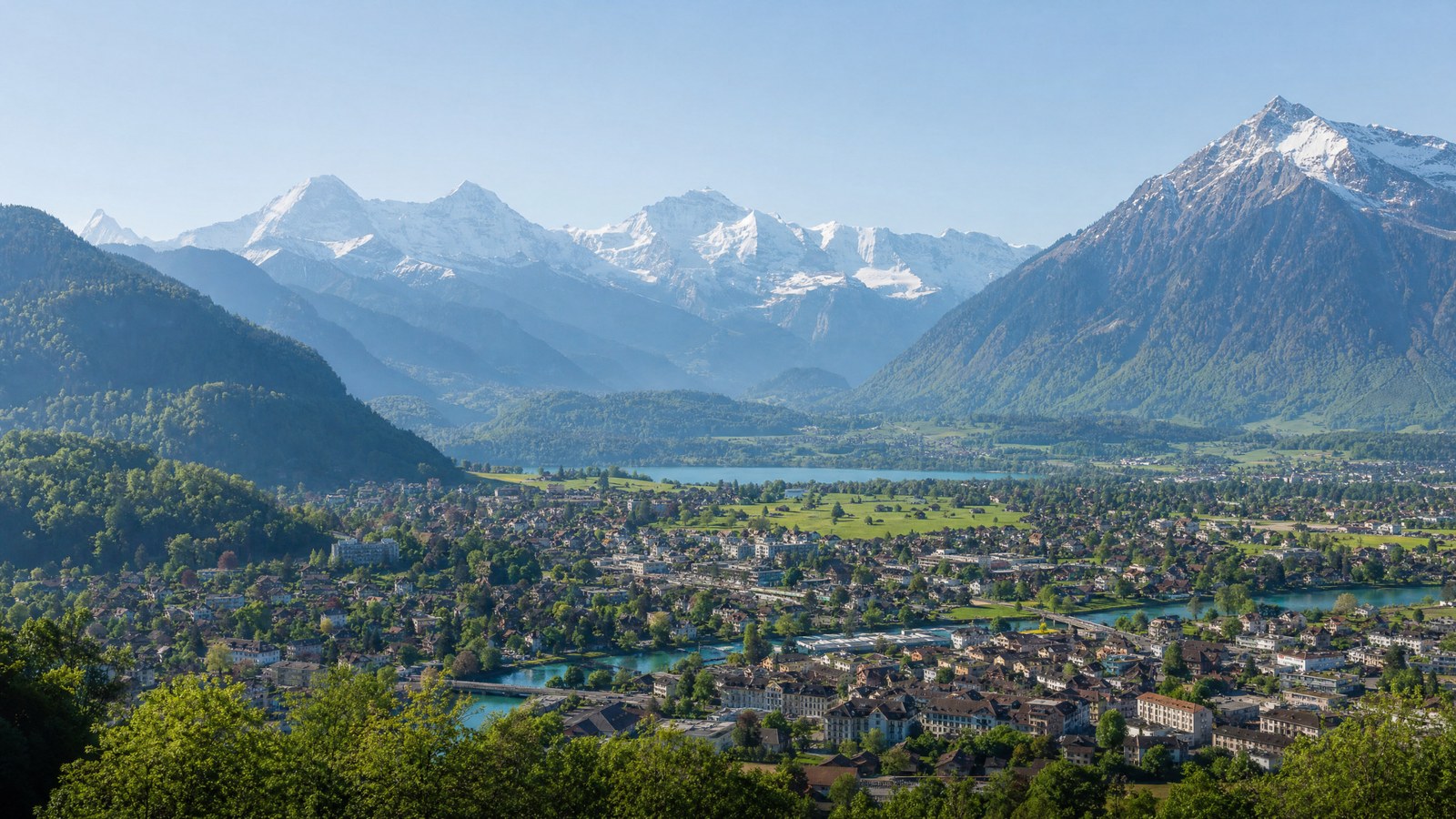
Best for: The value of Interlaken and Jungfrau Region is not only the headline sights; it gives the itinerary alpine valleys, viewpoints and outdoor routes and a clearer local rhythm. Interlaken and the Jungfrau Region are for mountain-first travel, with lakes, valleys, cable cars, railways, hiking and high viewpoints that must be planned around weather. Choose Interlaken, Lauterbrunnen or Grindelwald by the experience you want most, then keep lake, valley and high-alpine days flexible enough to avoid wasting clear weather.
Historic landmarks: Lauterbrunnen Valley, Jungfraujoch, Grindelwald First, Lake Thun and Lake Brienz, Ballenberg Open-Air Museum and Tourism and Railway Heritage Sites should shape the sightseeing plan. Use it as a base or full-day route, not a quick drive-through. Book carefully and only prioritise it when weather supports the cost.
Museums and attractions: Choose the hotel area around Interlaken, Lauterbrunnen and Grindelwald. Pick the district that makes arrival, evening movement and the first full day easier.
Hotels and stay areas: Interlaken and Jungfrau Region also needs a food layer. Build meals around fondue, raclette, rösti, Swiss chocolate, mountain cheese, lake fish, Interlaken and Lauterbrunnen so the visitor has a reason to slow down between museums, viewpoints and transfers.
Food and restaurants: Bern and Lucerne can extend the stay when there is enough time. A useful city and old-town contrast from the mountains. A classic scenic rail continuation.
Geneva and Lake Geneva: lake culture, museums and vineyard towns
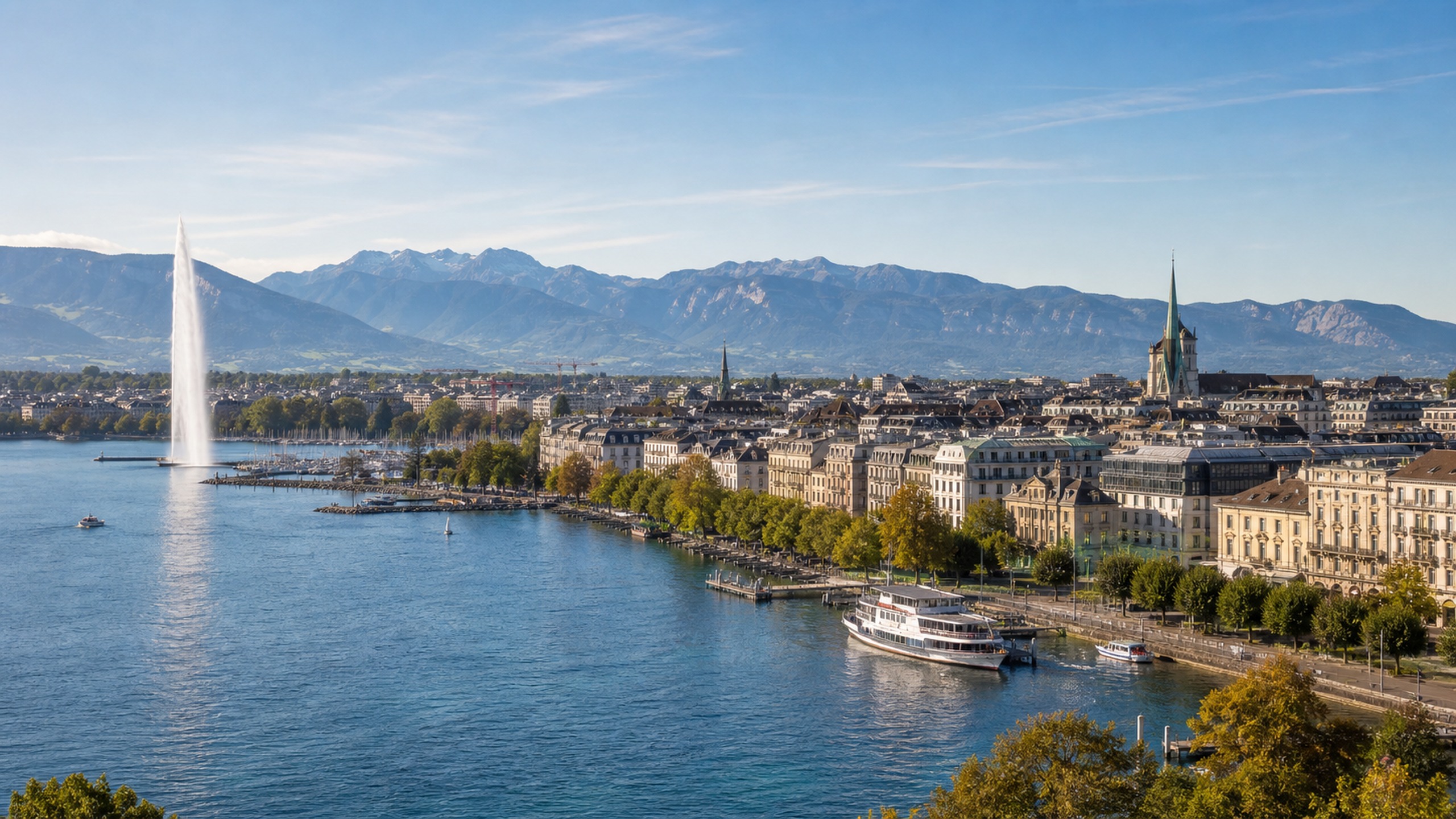
Best for: Geneva and Lake Geneva deserves a proper place in the Switzerland plan, especially when the trip needs lake culture, museums and vineyard towns. Geneva and Lake Geneva add a French-speaking Swiss layer, with international museums, Lakefront walks, Lausanne, Montreux and Lavaux Vineyards. The region works best as a slower cultural route where Geneva's museums, Lausanne's Lakefront, Chillon Castle and vineyard trains are paced separately from alpine transfers or onward France connections.
Historic landmarks: Geneva Old Town and Lakefront, International Red Cross and Red Crescent Museum, Lavaux Vineyards, Chillon Castle, Patek Philippe Museum and Olympic Museum Lausanne should shape the sightseeing plan. Use the Lakefront to pace the day. Pair with the United Nations area.
Museums and attractions: Choose the hotel area around Geneva Centre / Old Town, Lausanne and Montreux / Vevey. Pick the district that makes arrival, evening movement and the first full day easier.
Hotels and stay areas: Geneva and Lake Geneva also needs a food layer. Build meals around fondue, lake perch, Swiss chocolate, Lavaux wine, raclette, pastries, Geneva Old Town and Lausanne Ouchy so the visitor has a reason to slow down between museums, viewpoints and transfers.
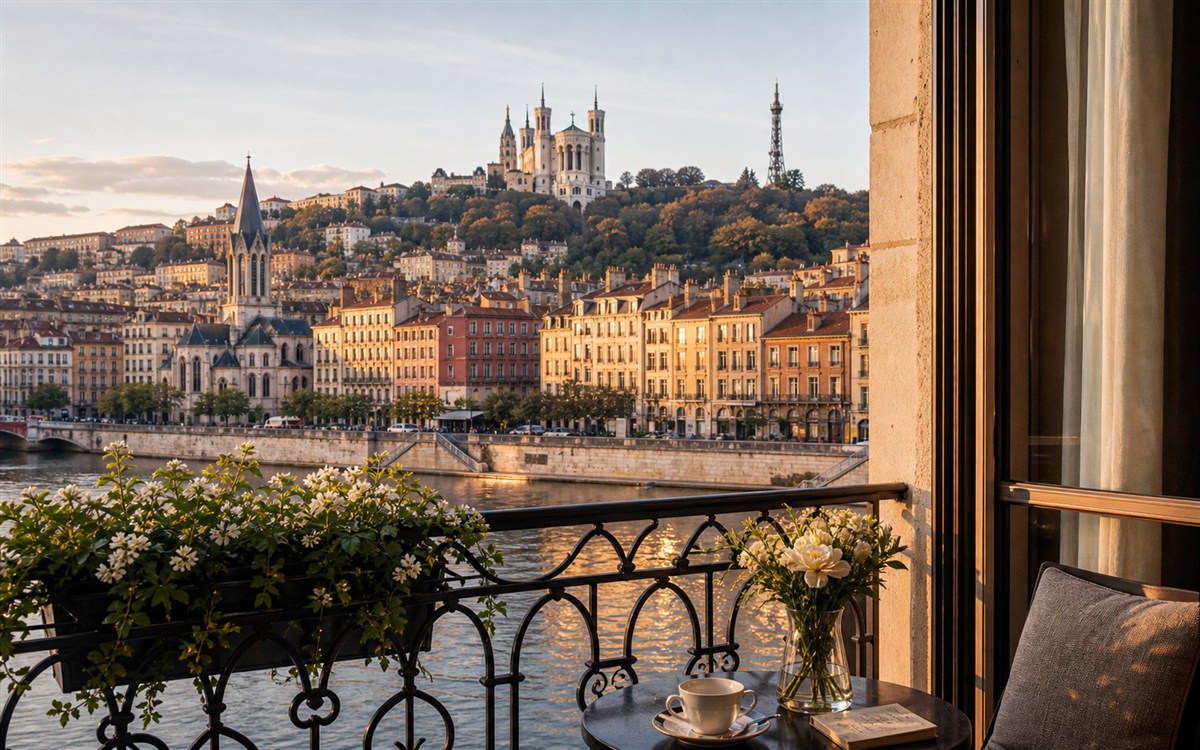
Food and restaurants: Lavaux and Montreux and French Alps or Lyon can extend the stay when there is enough time. A strong lake-and-wine route by rail. Cross-border additions can work if the route is not overloaded.
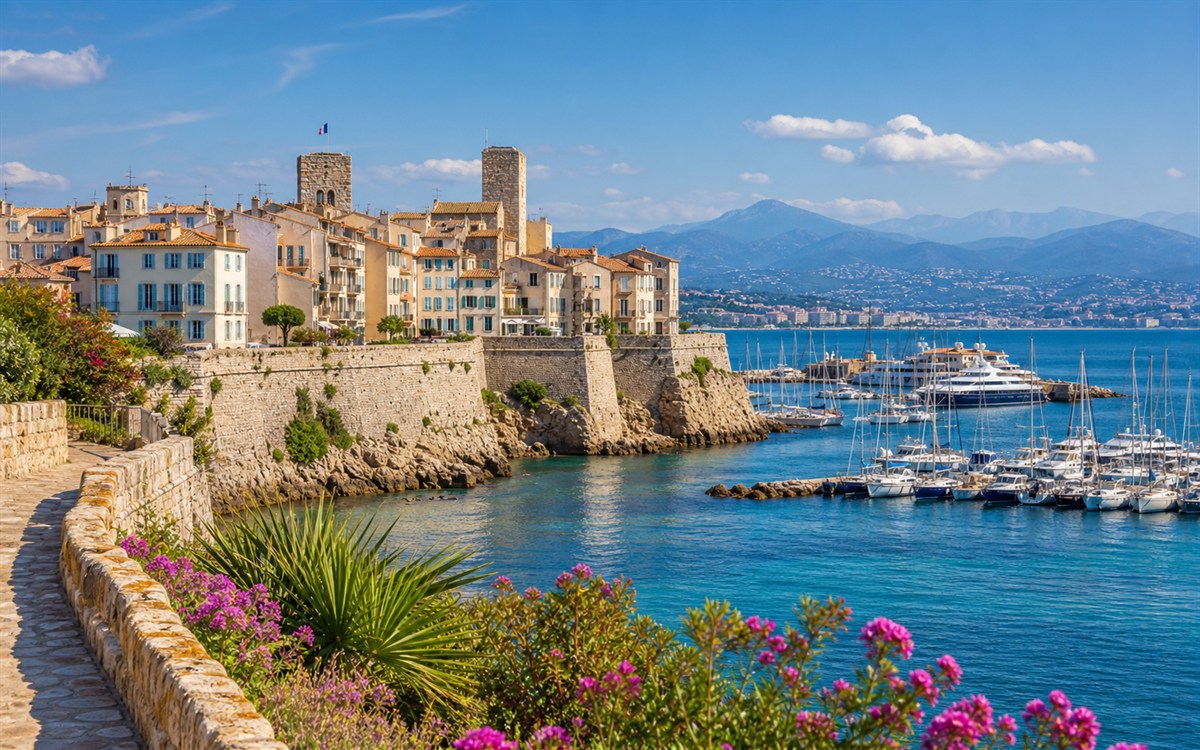
Food, Culture and Route Ideas for Switzerland
Food route: fondue, raclette, bakeries and chocolate stops work best as part of regional pacing. Cable-car and viewpoint days should stay flexible until conditions are clear. Many Swiss routes are easiest when hotels, luggage and rail passes are planned together. This is where food, culture and route planning should work together.
Food, wine and restaurants: Build meals around Zürcher Geschnetzeltes, fondue, raclette, Swiss chocolate, birchermüesli, pastries and lake fish and keep them close to Old Town, Langstrasse, Lakefront, Transport Museum Area and Interlaken.
Popular experiences: Use Zürich or Geneva for arrival, then choose one mountain region rather than trying to see every famous peak. Lucerne and the Jungfrau Region combine well when rail passes, luggage and weather are planned carefully. Keep the route disciplined: one clear hotel area, one strong regional layer and one food or culture experience will usually feel better than trying to touch every possible stop.
Planning rule: Use bookings in a clean order: choose the hotel area first, then add attraction tickets, food tours, guided days and local experiences where they make the journey easier, richer and more realistic.