Sweden Travel, Structured Around Stockholm, Coast, Design and Lapland
Plan Sweden through Stockholm, Gothenburg, Malmo, Lapland, archipelagos, lakes, design districts, rail routes, food, family stays and calm Nordic pacing.
Start Planning SwedenSweden Travel Guide: Routes, Stay Bases, Culture and Experiences
Trip shape: Read Sweden as a route first and a destination list second. The practical starting point should come from Stockholm, Gothenburg, Malmö and Skåne and Swedish Lapland, while Stockholm Archipelago, Swedish Lapland, West Coast and First Sweden Trip should be added only when they improve the journey instead of scattering it.
Best for: Stockholm Archipelago, Swedish Lapland, West Coast and First Sweden Trip give Sweden its deeper travel layer. Some visitors need one main city and one day trip; others should slow down, split the journey and give the strongest region its own nights.
Planning rule: Start with arrival logic, season and the first overnight point, then add the experiences that genuinely deserve advance planning. Museums, landmarks, guided tours, food walks, local neighbourhoods and coastal or countryside days should be grouped by geography and timing.
Route logic: coffee and pastry breaks are a daily rhythm, not just snacks. West-coast seafood, berries, cinnamon buns and market halls shape food planning. Keep food close to the chosen hotel area where possible: the best meals often come from market streets, harbour areas, old-town restaurants and neighbourhoods already inside the day’s route.

Stockholm: islands, museums and first-time Sweden
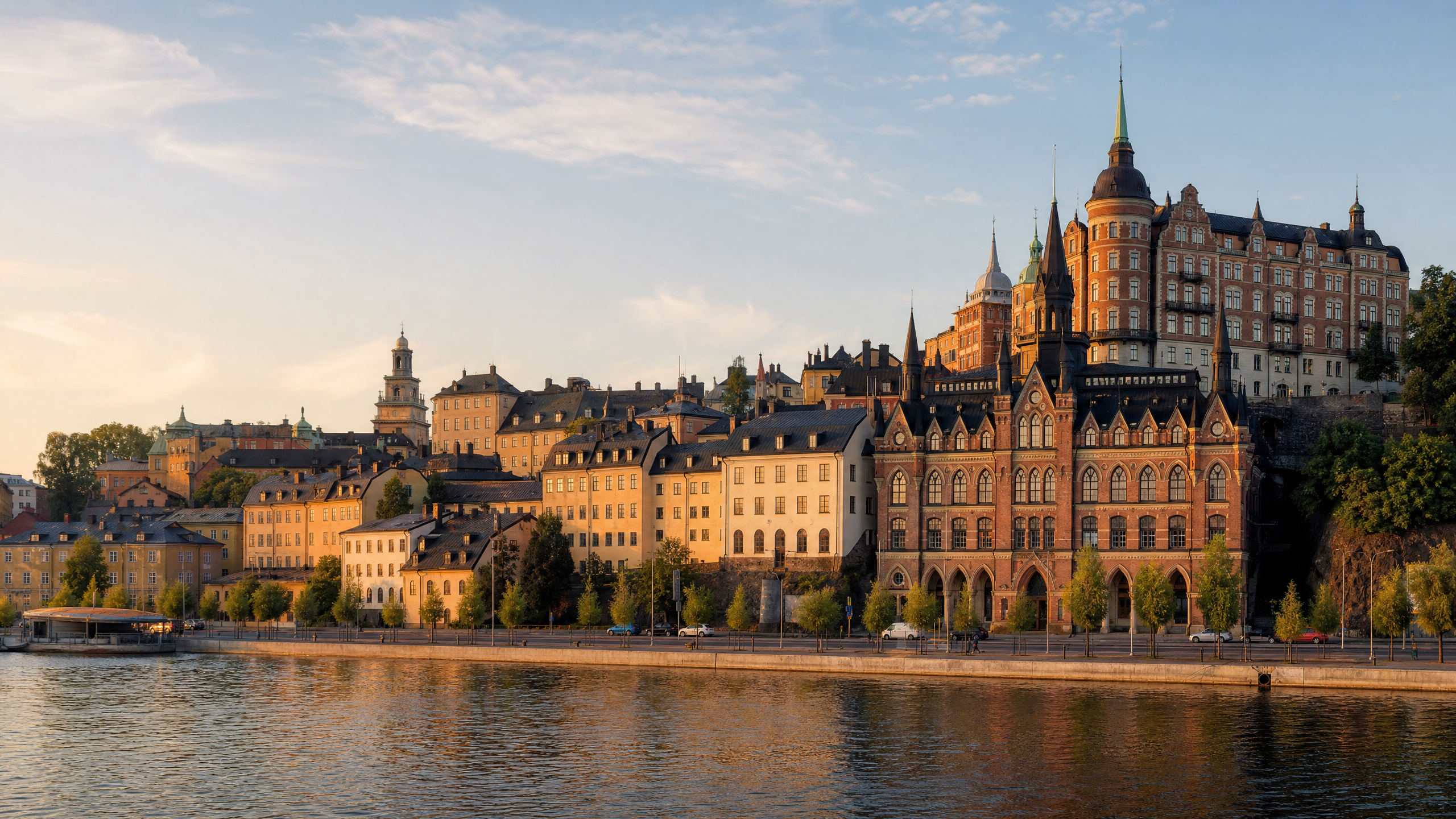
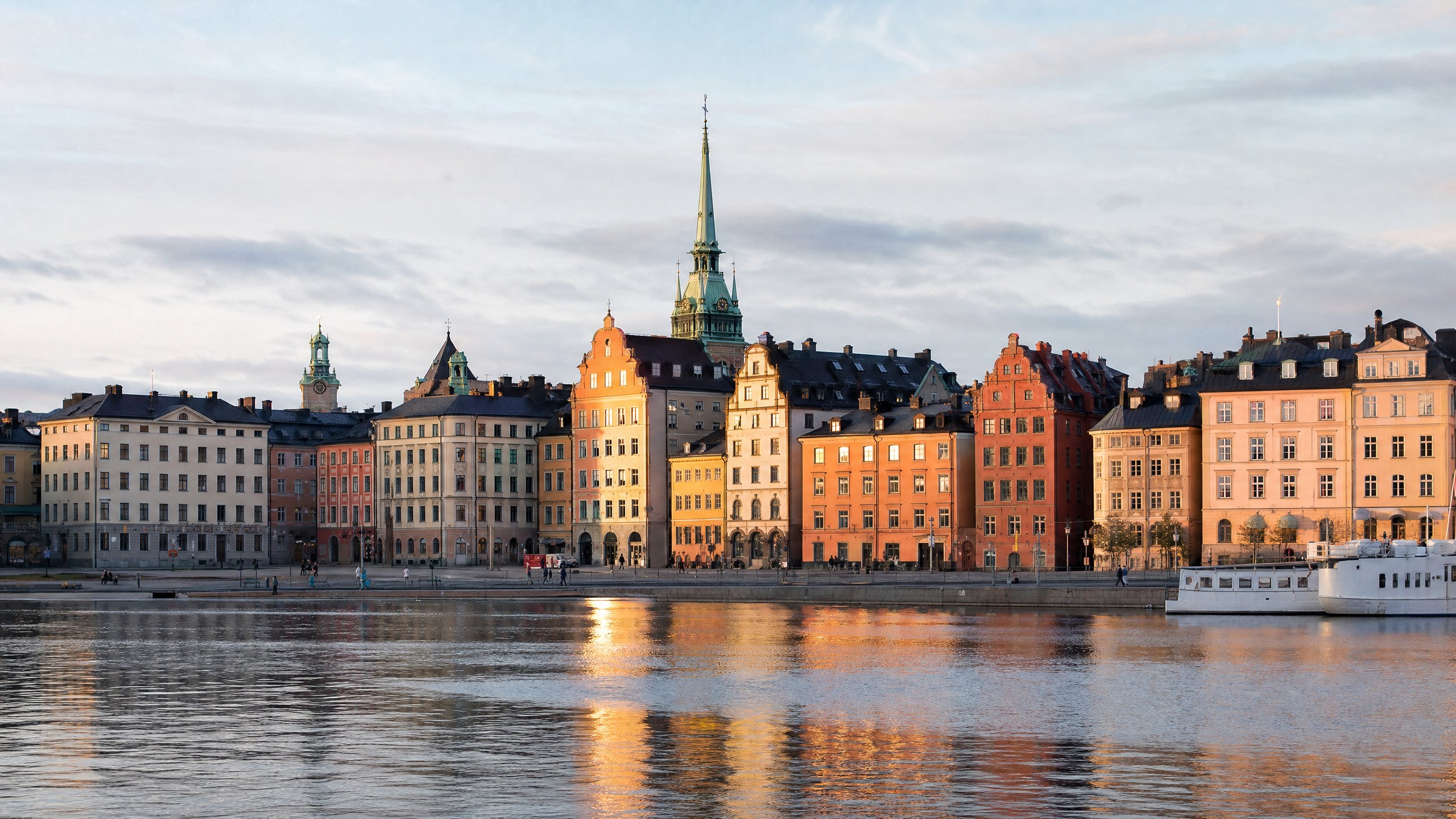
Best for: Treat Stockholm as the part of Sweden where islands, museums and first-time Sweden becomes useful for the wider route. Stockholm is the strongest first Sweden base, with island districts, royal history, design museums, ferries, food halls and easy archipelago access. It works best when visitors plan by island, pairing Gamla Stan, Djurgården museums, Södermalm food, ferries and one archipelago or palace day instead of crossing the city repeatedly.
Historic landmarks: Gamla Stan, Vasa Museum, Djurgården, Stockholm Archipelago, ABBA The Museum and Nordiska Museet should shape the sightseeing plan. Visit early or later to avoid the busiest flow. Give it focused time; it is one of Stockholm’s strongest stops.
Museums and attractions: Choose the hotel area around Norrmalm, Södermalm and Östermalm. Pick the district that makes arrival, evening movement and the first full day easier.
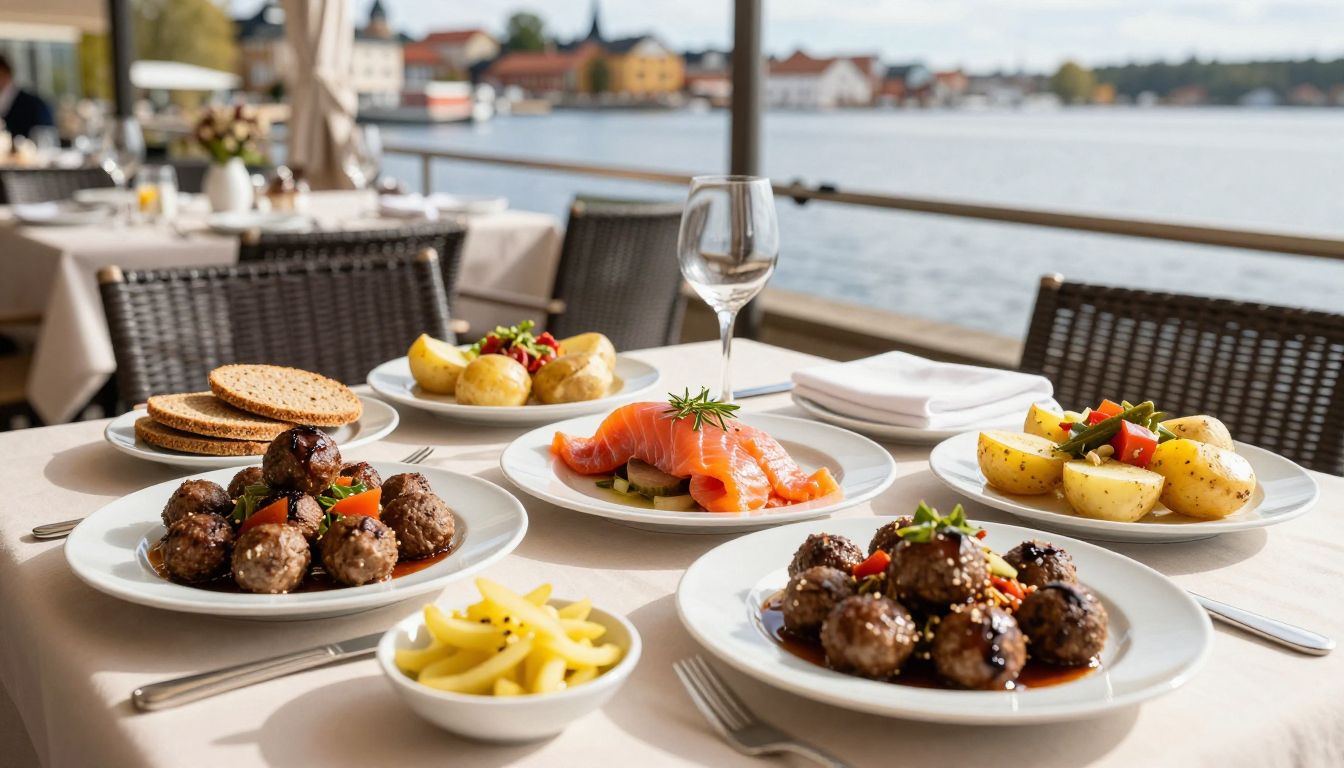
Hotels and stay areas: Stockholm also needs a food layer. Build meals around cinnamon buns, meatballs, herring, gravlax, cardamom buns, Swedish coffee, Norrmalm and Östermalm and Södermalm so the visitor has a reason to slow down between museums, viewpoints and transfers.
Food and restaurants: Drottningholm Palace and Uppsala can extend the stay when there is enough time. A royal palace day that works well by boat in season. A university and cathedral city close by rail.


Gothenburg: seafood, canals and west-coast islands
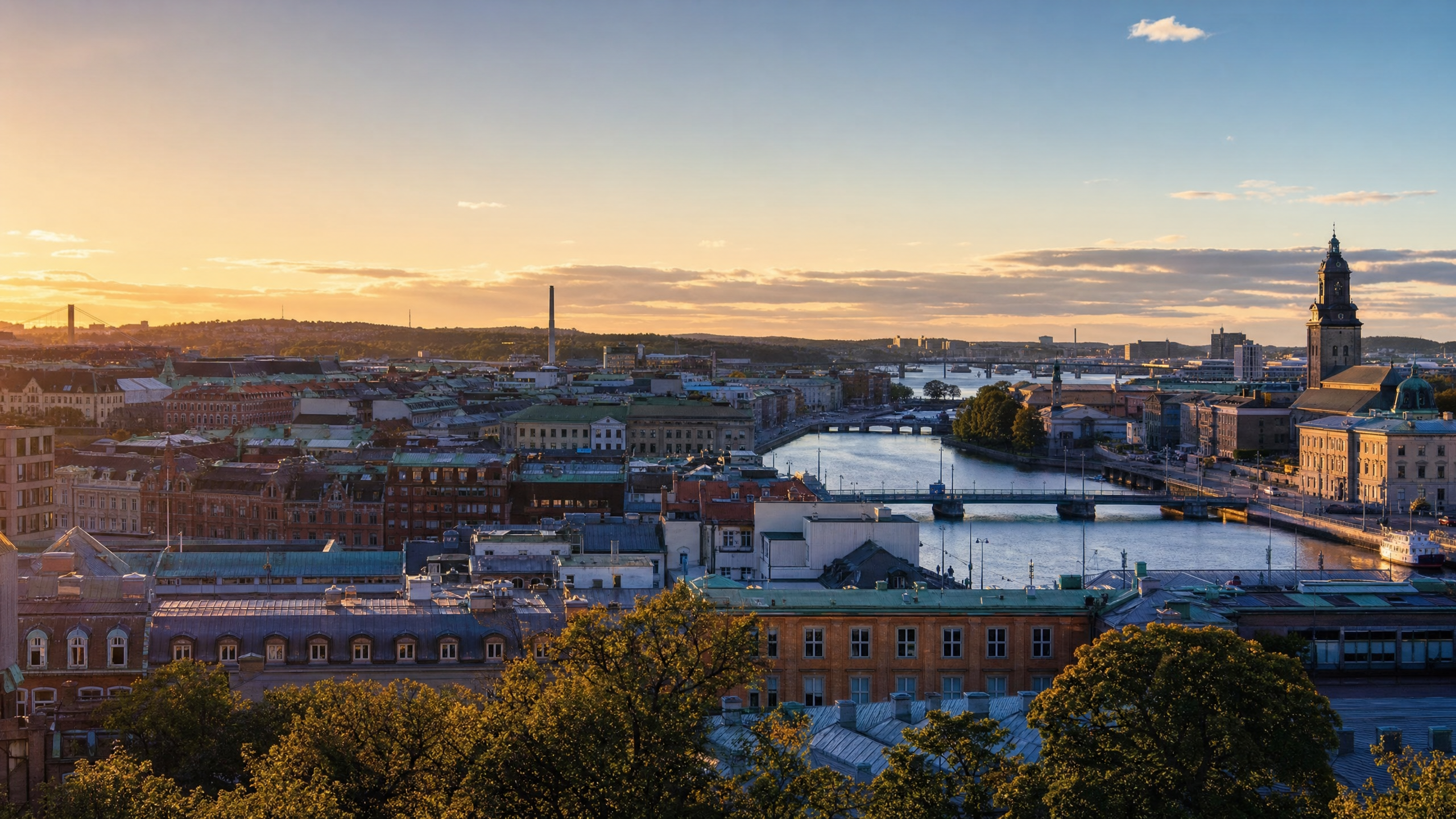
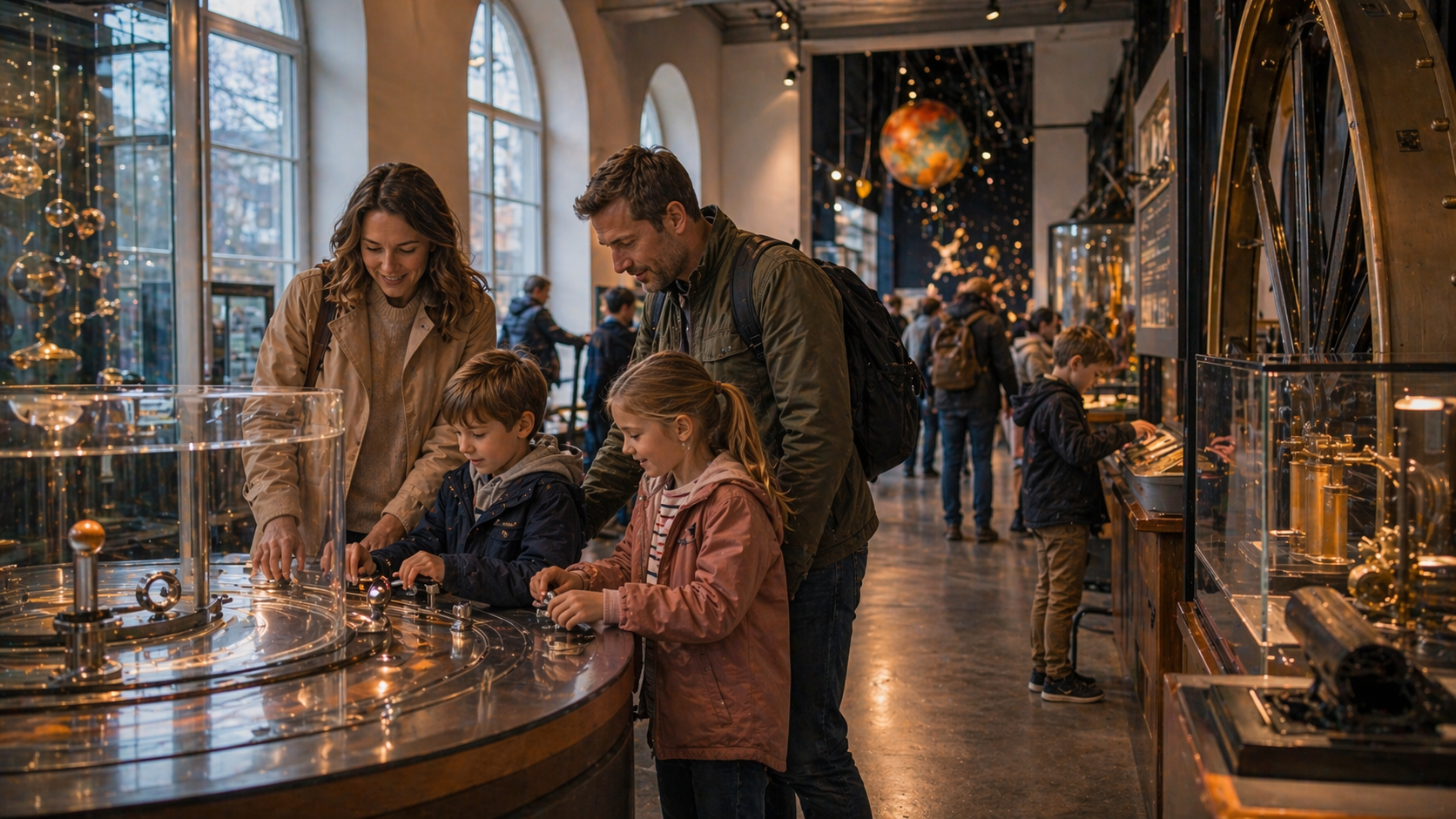
Best for: The value of Gothenburg is not only the headline sights; it gives the itinerary seafood, canals and west-coast islands and a clearer local rhythm. Gothenburg gives Sweden a relaxed west-coast base, with seafood, canals, trams, museums, gardens and easy island routes. It suits travellers who want a gentler food-and-coast break, where Haga, harbour meals, the Southern Archipelago, Liseberg or art museums are arranged around weather and ferry timing.
Historic landmarks: Haga, Feskekôrka and Harbour Area, Gothenburg Archipelago, Liseberg, Gothenburg Museum of Art and Universeum should shape the sightseeing plan. Use it for fika and a slower neighbourhood block. Check current market operations before planning a meal around it.
Museums and attractions: Choose the hotel area around Centrum / Avenyn, Haga / Linné and Harbour Edge. Pick the district that makes arrival, evening movement and the first full day easier.
Hotels and stay areas: Gothenburg also needs a food layer. Build meals around shrimp sandwiches, seafood, cinnamon buns, herring, oysters, local beer, Haga and Avenyn and Lorensberg so the visitor has a reason to slow down between museums, viewpoints and transfers.
Food and restaurants: Southern Archipelago and Marstrand can extend the stay when there is enough time. A ferry-linked island day with a calm coastal rhythm. A classic west-coast town and fortress route.
Malmö and Skåne: design, coast and Copenhagen-linked Sweden
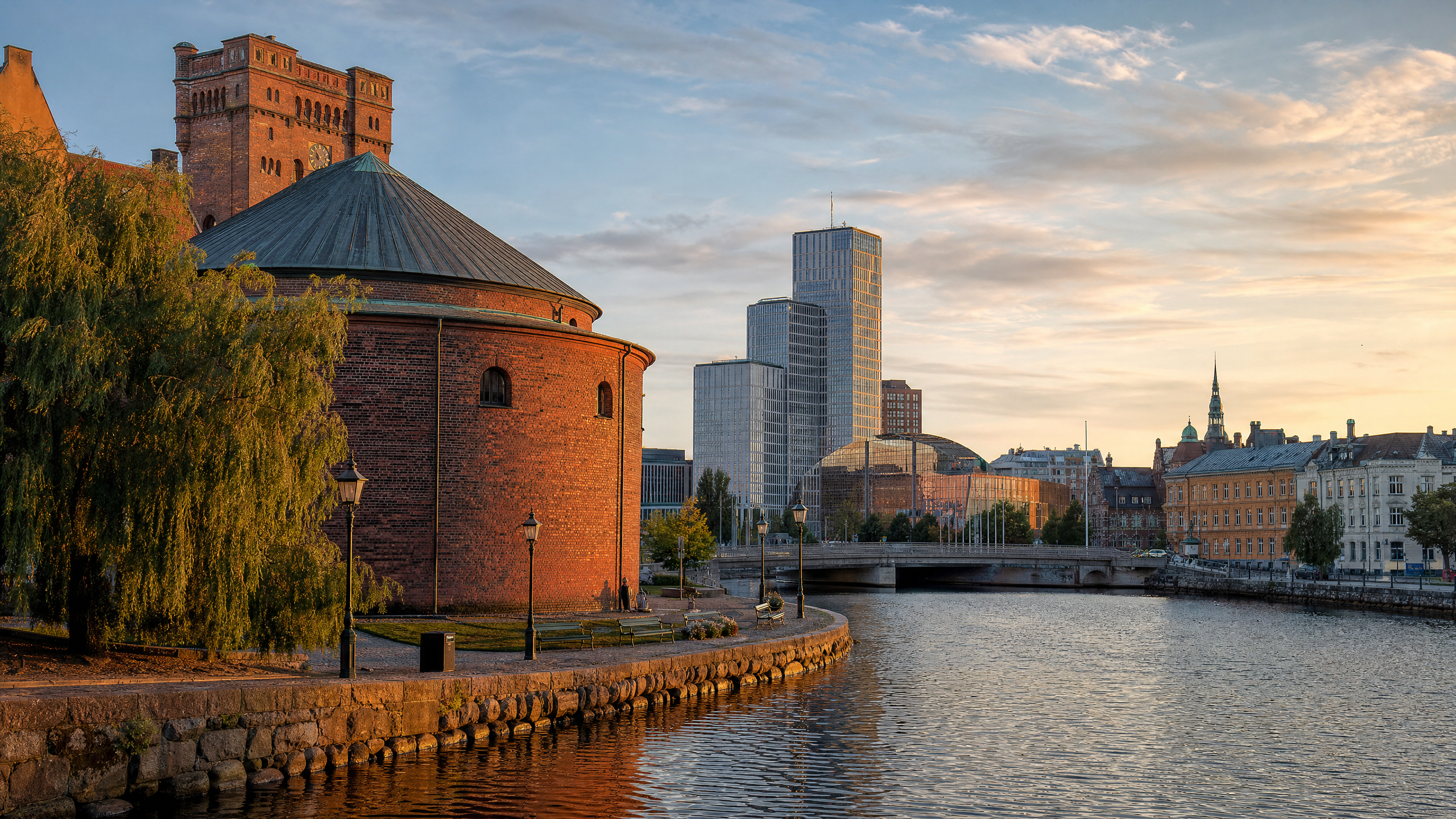
Best for: Malmö and Skåne deserves a proper place in the Sweden plan, especially when the trip needs design, coast and Copenhagen-linked Sweden. Malmö and Skåne offer a softer southern Sweden route with design, parks, food, beaches, university towns and easy Copenhagen connections. Use the region for a cross-border or slow-coast stay where Lilla Torg, Västra Hamnen, Lund, markets, rail links and Skåne produce matter more than headline sightseeing.
Historic landmarks: Malmö Old Town and Lilla Torg, Turning Torso and Västra Hamnen, Malmöhus Castle, Lund Cathedral, Moderna Museet Malmö and Malmö Museums should shape the sightseeing plan. Use it as a gentle city start. Pair with coastal walks and sunset views.
Museums and attractions: Choose the hotel area around City Centre, Västra Hamnen and Lund. Pick the district that makes arrival, evening movement and the first full day easier.
Hotels and stay areas: Malmö and Skåne also needs a food layer. Build meals around falafel, cardamom buns, Skåne produce, seafood, Swedish coffee, local beer, Lilla Torg and Möllevången so the visitor has a reason to slow down between museums, viewpoints and transfers.
Food and restaurants: Copenhagen and Ystad and Österlen can extend the stay when there is enough time. A very easy cross-border rail extension. A softer coastal and countryside route in Skåne.
Swedish Lapland: Arctic seasons, Sámi culture and wilderness routes

Best for: For Swedish Lapland, the first decision is pace: give the city enough room to show its Arctic seasons, Sámi culture and wilderness routes. Swedish Lapland is for seasonal nature trips, with Kiruna, Abisko, winter snow, summer hiking, northern lights and Sámi cultural context. It is strongest when treated as a specialist northern route, with daylight, rail or flight logistics, respectful cultural choices, warm clothing and weather buffers built into the stay from the start.
Historic landmarks: Abisko National Park, Kiruna, Icehotel in Jukkasjärvi, Aurora or Midnight Sun Routes, Ájtte Museum in Jokkmokk and Kiruna Church should shape the sightseeing plan. Season and weather should lead the plan. Use it as a practical base with cultural context.
Museums and attractions: Choose the hotel area around Kiruna, Abisko and Jukkasjärvi. Pick the district that makes arrival, evening movement and the first full day easier.
Hotels and stay areas: Swedish Lapland also needs a food layer. Build meals around reindeer, Arctic char, cloudberries, lingonberries, flatbread, coffee, Kiruna and Abisko so the visitor has a reason to slow down between museums, viewpoints and transfers.
Food and restaurants: Narvik and Norway and Luleå Archipelago can extend the stay when there is enough time. A cross-border scenic rail extension from Abisko. A coastal northern Sweden contrast with different logistics.
Food, Culture and Route Ideas for Sweden
Food route: coffee and pastry breaks are a daily rhythm, not just snacks. West-coast seafood, berries, cinnamon buns and market halls shape food planning. Ferries, forests, lakes and winter landscapes are part of the national travel identity. This is where food, culture and route planning should work together.
Food, wine and restaurants: Build meals around cinnamon buns, meatballs, herring, gravlax, cardamom buns, Swedish coffee and shrimp sandwiches and keep them close to Norrmalm and Östermalm, Södermalm, Gamla Stan, Haga and Avenyn and Lorensberg.
Popular experiences: Use Stockholm first, then add Gothenburg or Malmö if the trip has enough nights. Use Gothenburg for seafood, islands and a gentler coastal rhythm. Keep the route disciplined: one clear hotel area, one strong regional layer and one food or culture experience will usually feel better than trying to touch every possible stop.
Planning rule: Use bookings in a clean order: choose the hotel area first, then add attraction tickets, food tours, guided days and local experiences where they make the journey easier, richer and more realistic.