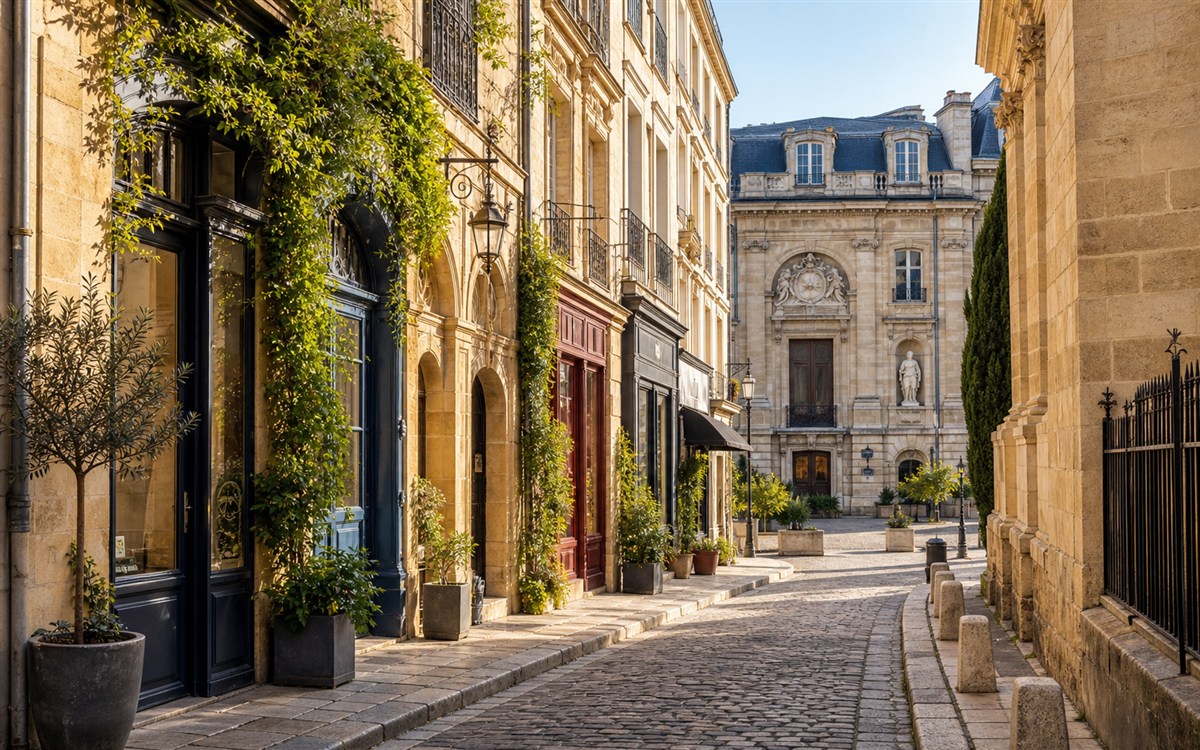
Suriname Travel, Structured Around Paramaribo, Rivers and Rainforest Routes
Plan Suriname through Paramaribo, Commewijne, river routes, rainforest lodges, plantations, food culture, wildlife, hotels, flights and guided nature stays.
Start Planning SurinameSuriname Travel Guide: Routes, Stay Bases, Culture and Experiences
Trip shape: Suriname works better when the first overnight point is chosen before the wish list grows. The cleanest plan connects Paramaribo, Commewijne, Brownsberg and Brokopondo and Bigi Pan and Nickerie with Rainforest and River Routes, Heritage Planning, Culture and Nature Routes and First Suriname Route through time, transport and the kind of days the visitor actually wants.
Best for: Rainforest and River Routes, Heritage Planning, Culture and Nature Routes and First Suriname Route give Suriname its deeper travel layer. Some visitors need one main city and one day trip; others should slow down, split the journey and give the strongest region its own nights.
Planning rule: Start with arrival logic, season and the first overnight point, then add the experiences that genuinely deserve advance planning. Museums, landmarks, guided tours, food walks, local neighbourhoods and coastal or countryside days should be grouped by geography and timing.
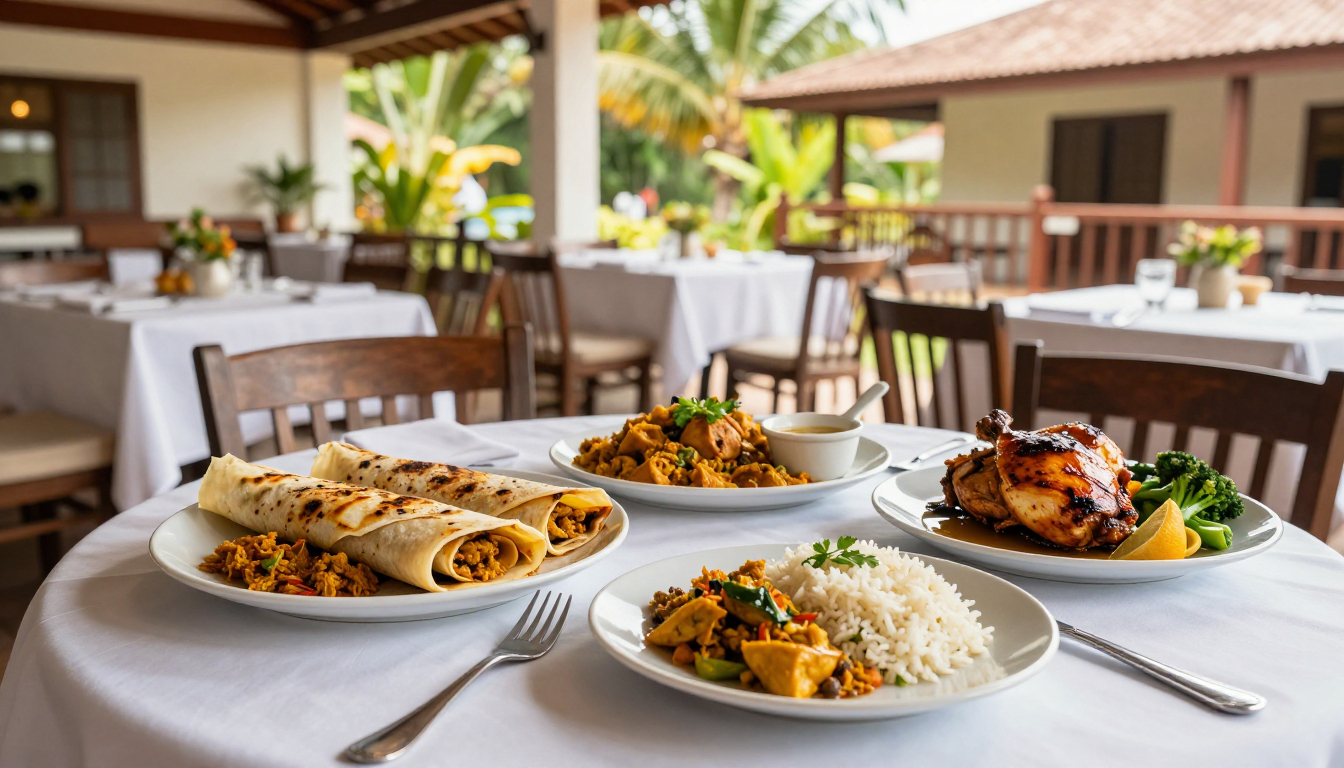
Route logic: roti, pom, saoto soup, bami, bara and river fish reflect Suriname’s diverse communities. Paramaribo’s Historic Centre and religious buildings are central to national identity. Keep food close to the chosen hotel area where possible: the best meals often come from market streets, harbour areas, old-town restaurants and neighbourhoods already inside the day’s route.
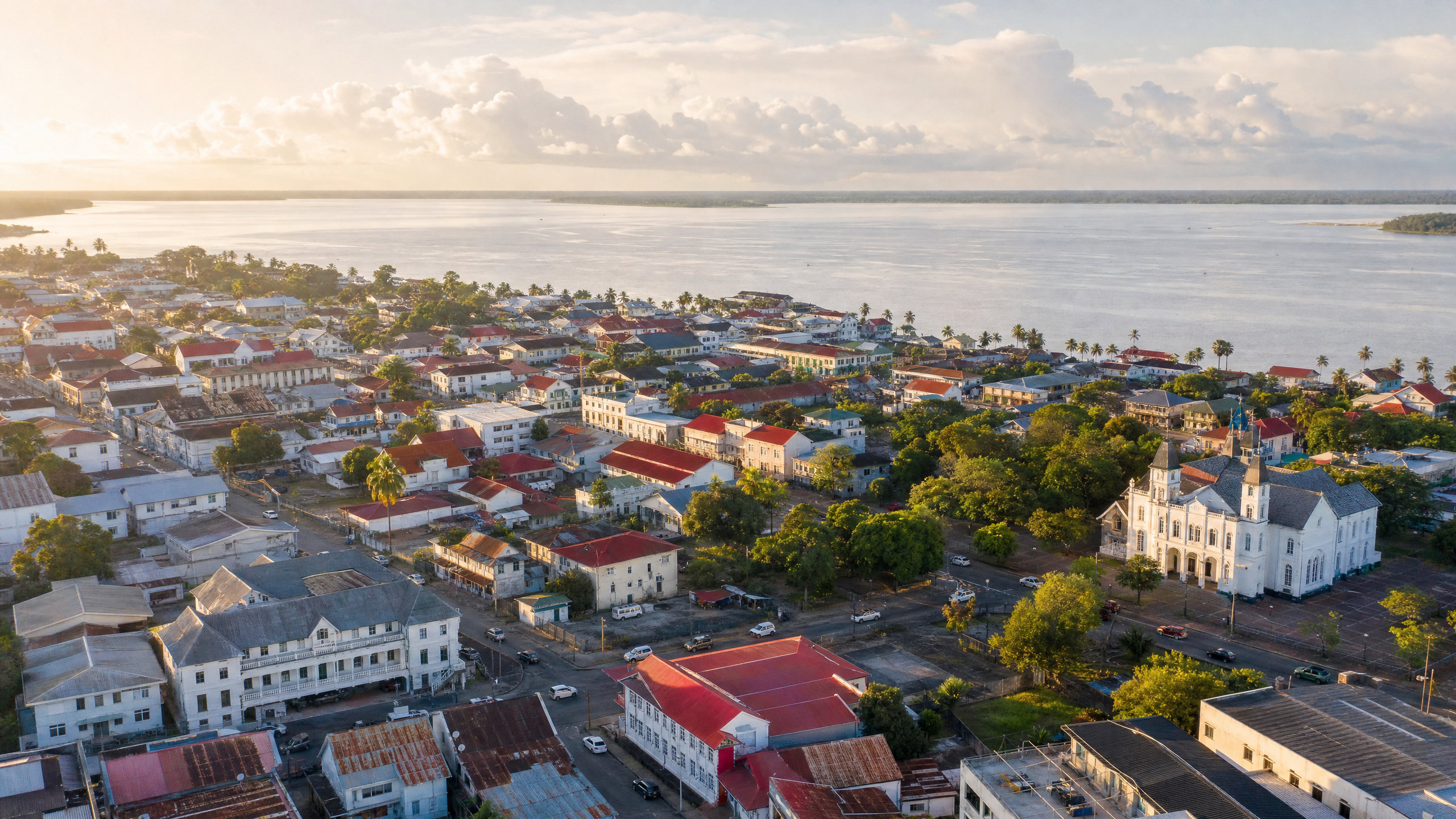
Paramaribo: wooden capital, riverfront and multicultural food
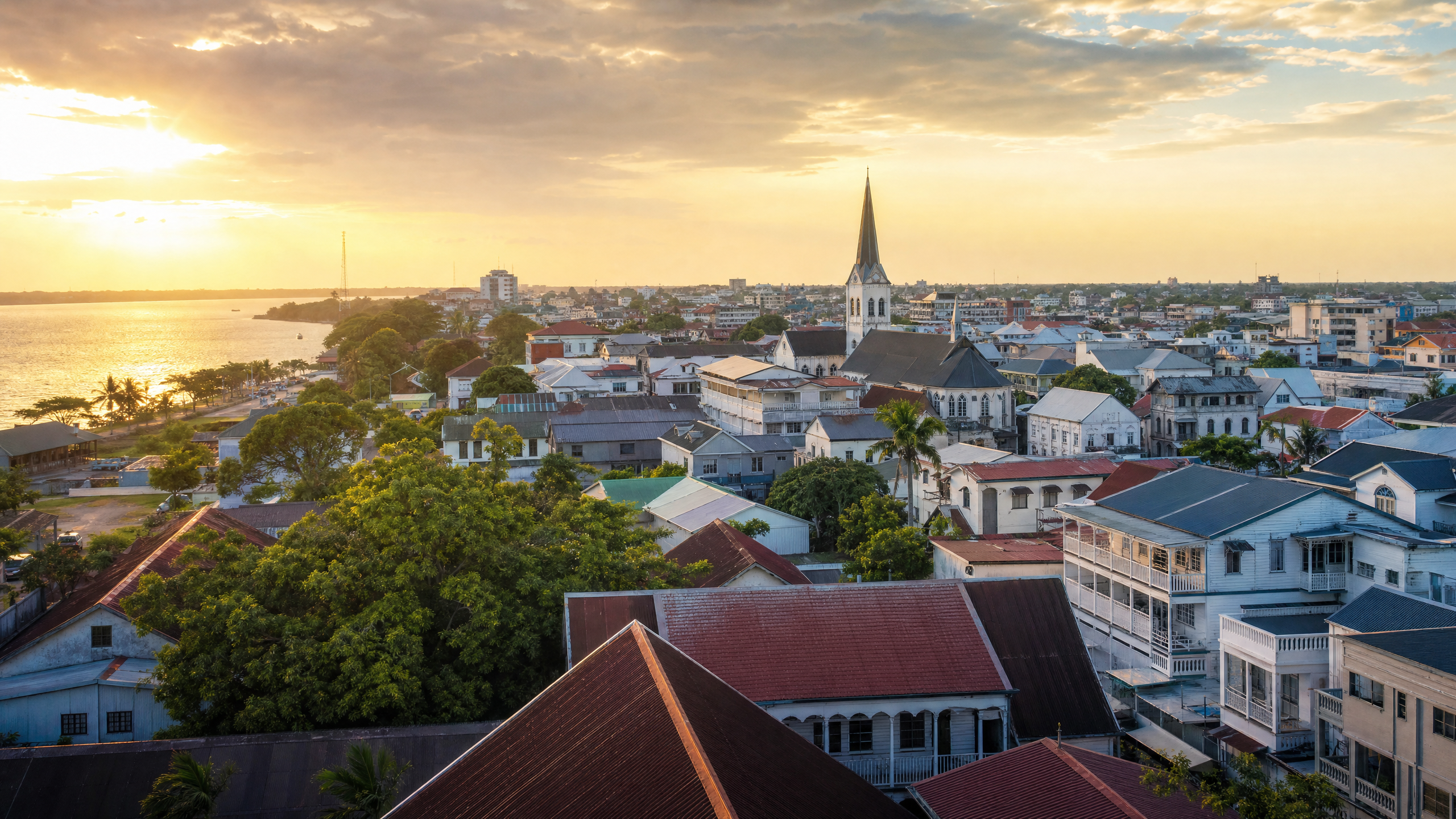
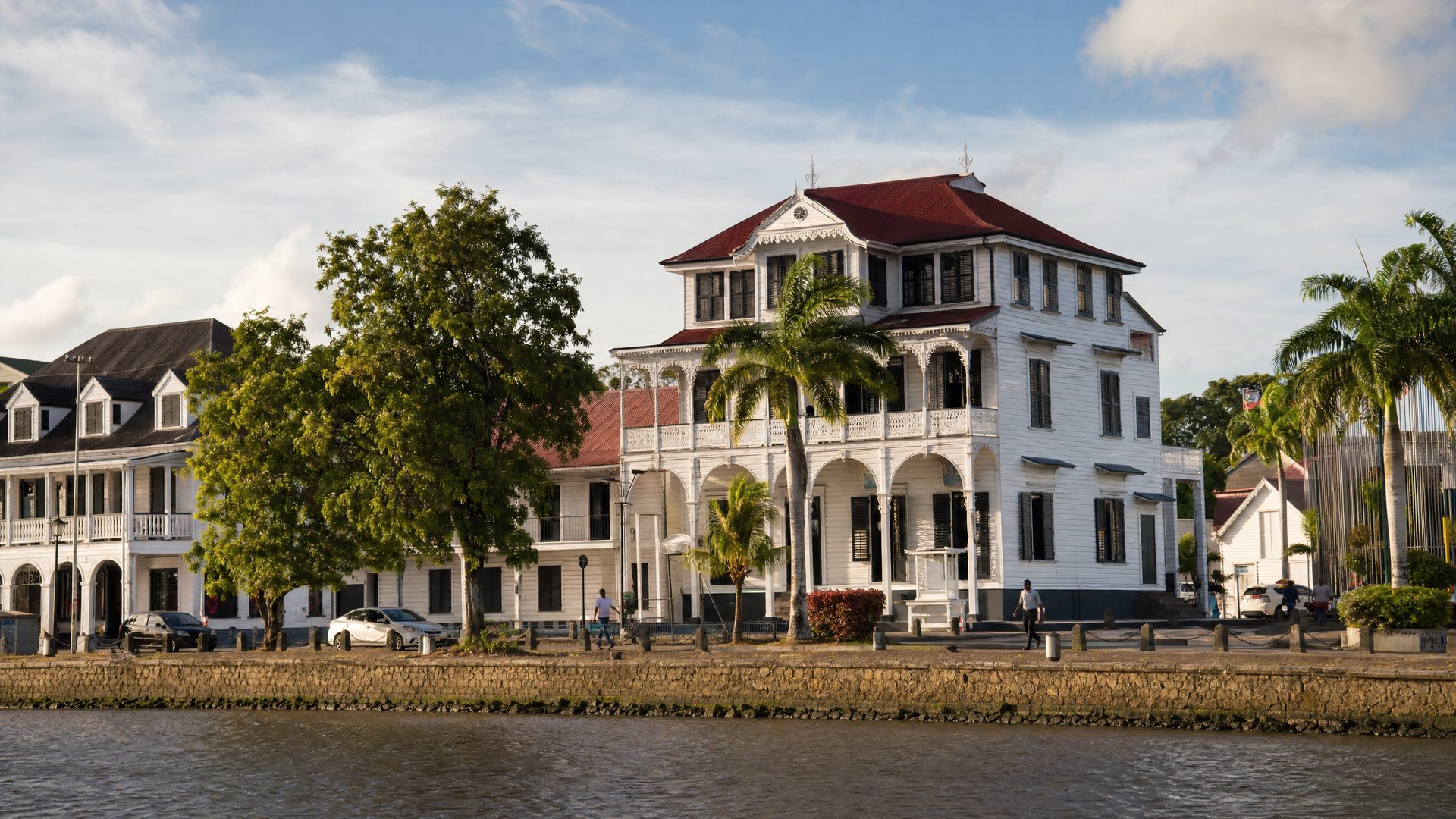
Best for: Use Paramaribo when the Suriname route needs wooden capital, riverfront and multicultural food. Paramaribo is the essential Suriname base, with wooden architecture, riverfront streets, religious landmarks, markets and one of the region’s most diverse food cultures. It rewards travellers who slow down for neighbourhood meals and history before leaving for nature routes.
Historic landmarks: Historic Inner City, Waterkant, Saint Peter and Paul Cathedral, Central Market, Fort Zeelandia and Religious Landmark Pairing should shape the sightseeing plan. Walk in cooler hours and leave time for side streets. Use it for evening orientation.
Museums and attractions: Choose the hotel area around Historic Centre and North Paramaribo. Pick the district that makes arrival, evening movement and the first full day easier.
Hotels and stay areas: Paramaribo also needs a food layer. Build meals around roti, pom, saoto soup, bara, bami, Waterkant, Central Market Area and North Paramaribo so the visitor has a reason to slow down between museums, viewpoints and transfers.
Food and restaurants: Commewijne and Brownsberg or Brokopondo can extend the stay when there is enough time. A river and plantation-context day route from the capital. A more nature-focused extension requiring planning.

Commewijne: river route, plantations and local food stops
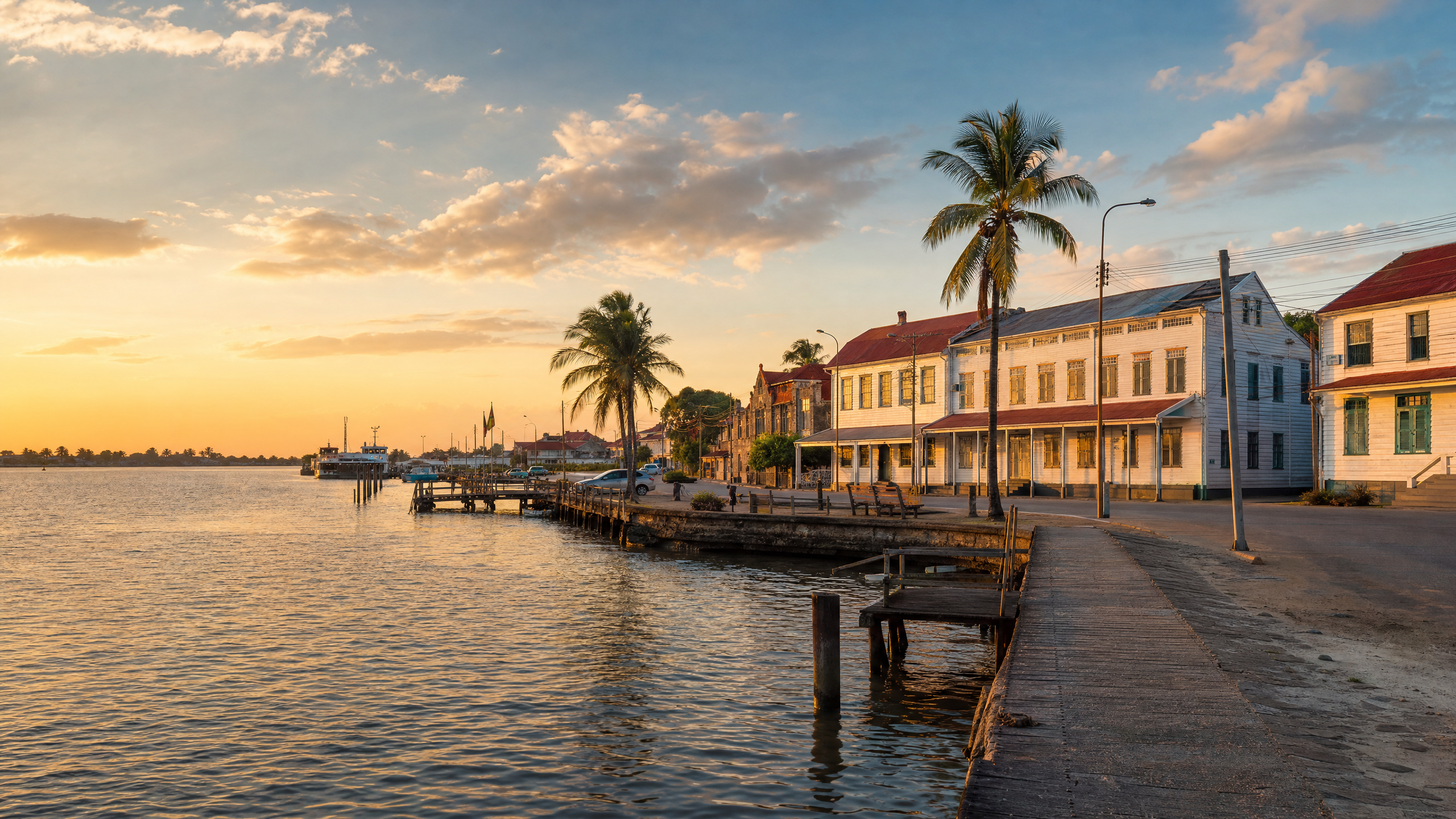
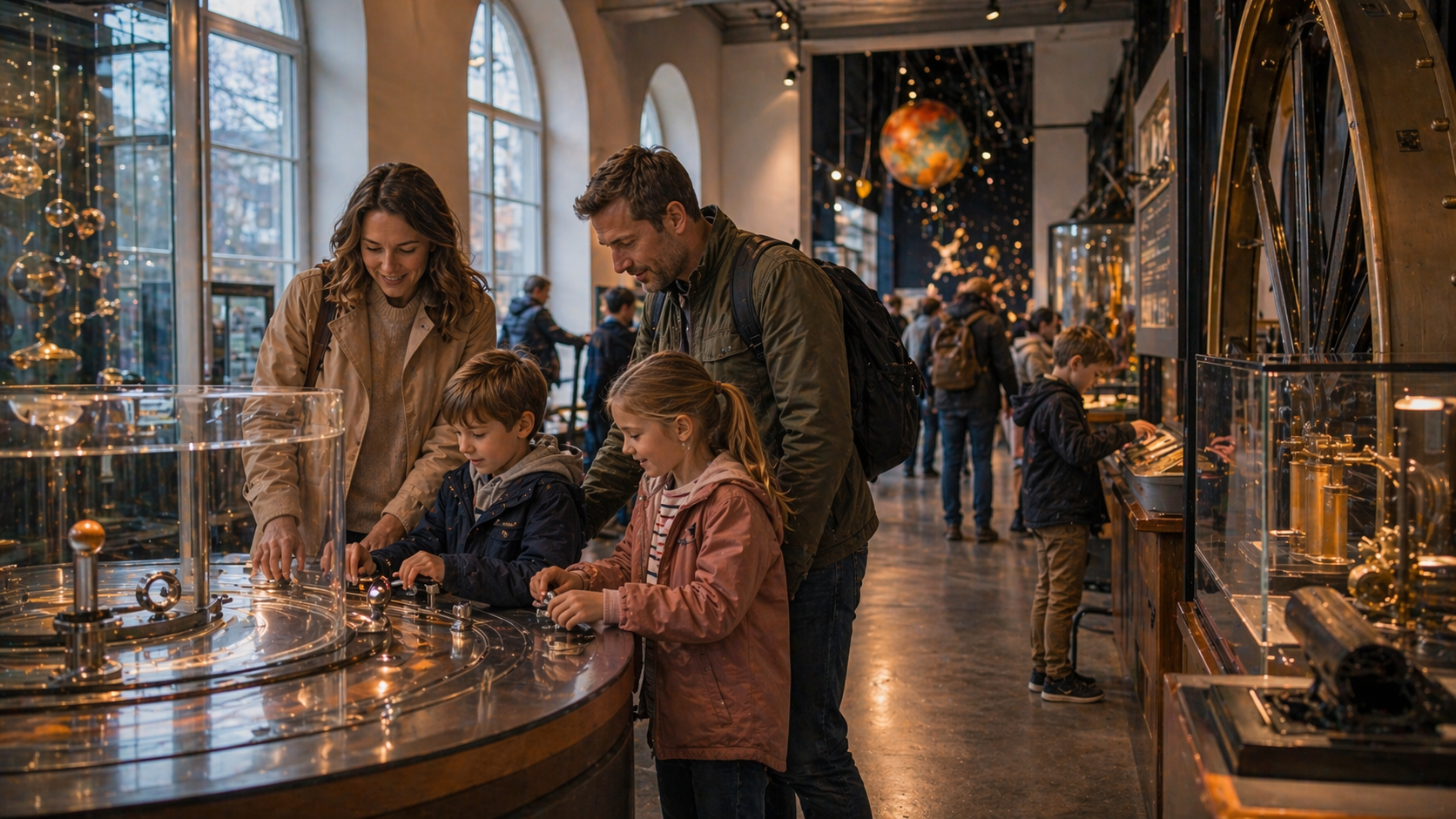
Best for: Treat Commewijne as the part of Suriname where river route, plantations and local food stops becomes useful for the wider route. Commewijne is the easiest route beyond Paramaribo, with river movement, plantation history, small settlements and food stops that add context without a major expedition. It works best as a guided or well-paced day where difficult history and local meals are given proper context.
Historic landmarks: Nieuw Amsterdam, Plantation Route Stops, Commewijne River Crossings, Local Food Stops, Fort Nieuw Amsterdam and Plantation Heritage Route should shape the sightseeing plan. Use it for historical context near the capital. Go with interpretation rather than treating sites as scenery only.
Museums and attractions: Choose the hotel area around Paramaribo Base and Commewijne Guesthouses. Pick the district that makes arrival, evening movement and the first full day easier.
Hotels and stay areas: Commewijne also needs a food layer. Build meals around saoto soup, roti, bara, river fish, Javanese snacks, Nieuw Amsterdam Area, Village Food Stops and Paramaribo Return so the visitor has a reason to slow down between museums, viewpoints and transfers.
Food and restaurants: Paramaribo and Brownsberg or Brokopondo can extend the stay when there is enough time. The essential base and return point. A deeper nature extension with more planning.
Brownsberg and Brokopondo: rainforest views, reservoir routes and guided nature
Best for: Brownsberg and Brokopondo deserves a proper place in the Suriname plan, especially when the trip needs rainforest views, reservoir routes and guided nature. Brownsberg and Brokopondo add a rainforest and reservoir chapter to Suriname, best handled with organised transport, realistic comfort expectations and weather-aware planning. They need guide support and enough time for trails rather than a casual add-on from the capital.
Historic landmarks: Brownsberg Nature Park, Brokopondo Reservoir, Waterfall Trails, Forest Viewpoints, Brokopondo Landscape History and Rainforest Guiding Culture should shape the sightseeing plan. Use guides or clear route information. Plan boat or viewpoint access carefully.
Museums and attractions: Choose the hotel area around Paramaribo Base and Nature Lodges. Pick the district that makes arrival, evening movement and the first full day easier.
Hotels and stay areas: Brownsberg and Brokopondo also needs a food layer. Build meals around rice dishes, river fish, roti, saoto, tropical fruit, Lodges and Camps, Brokopondo Settlements and Paramaribo Before or After so the visitor has a reason to slow down between museums, viewpoints and transfers.
Food and restaurants: Paramaribo and Upper Suriname River can extend the stay when there is enough time. The main logistics and recovery base. A deeper river-lodge extension with more transfer time.
Bigi Pan and Nickerie: wetlands, birdlife and western Suriname route
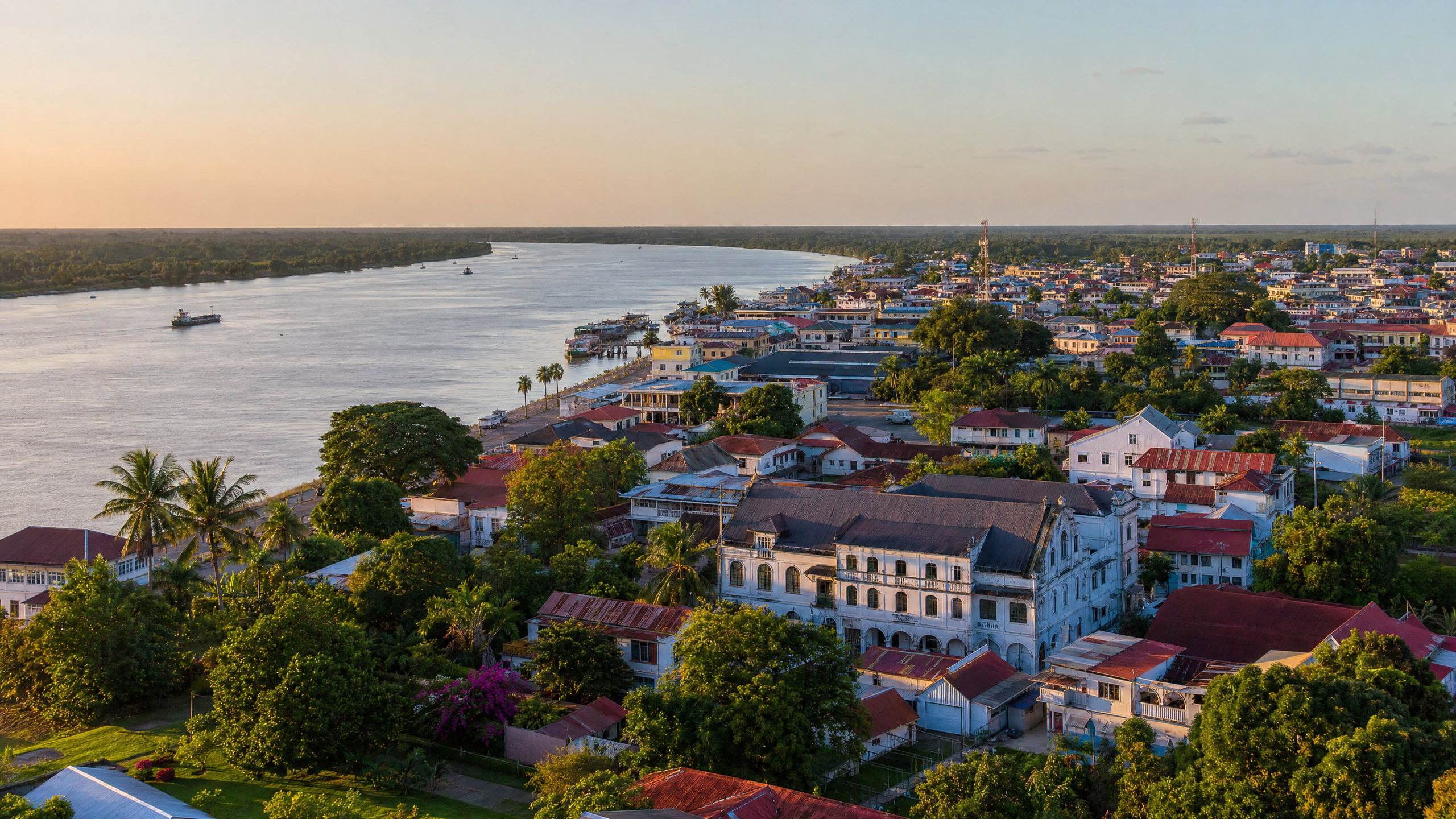
Best for: For Bigi Pan and Nickerie, the first decision is pace: give the city enough room to show its wetlands, birdlife and western Suriname route. Bigi Pan and Nickerie give Suriname a western wetland route, known for birdlife, water-based stays and a much quieter pace than Paramaribo. The route suits travellers who want birdlife and water-based stays with simple facilities and careful operator planning.
Historic landmarks: Bigi Pan Nature Area, Nickerie, Water Lodges and Boat Routes, Rice-Field Landscapes, Wetland Guiding Culture and Western Agricultural Landscape should shape the sightseeing plan. Use established local operators. Treat it as a practical base.
Museums and attractions: Choose the hotel area around Nickerie and Bigi Pan Lodges. Pick the district that makes arrival, evening movement and the first full day easier.
Hotels and stay areas: Bigi Pan and Nickerie also needs a food layer. Build meals around rice dishes, fish curry, roti, bami, fresh fruit, Nickerie Town, Wetland Lodges and Road Route Stops so the visitor has a reason to slow down between museums, viewpoints and transfers.
Food and restaurants: Paramaribo and Commewijne can extend the stay when there is enough time. The main start and return point. A gentler river route closer to the capital.
Food, Culture and Route Ideas for Suriname
Food route: roti, pom, saoto soup, bami, bara and river fish reflect Suriname’s diverse communities. Paramaribo’s Historic Centre and religious buildings are central to national identity. River, rainforest and wetland routes need reliable operators and careful timing. This is where food, culture and route planning should work together.
Food, wine and restaurants: Build meals around roti, pom, saoto soup, bara, bami, river fish and Javanese snacks and keep them close to Waterkant, Central Market Area, North Paramaribo, Nieuw Amsterdam Area and Village Food Stops.
Popular experiences: Use Paramaribo first, then add one organised nature or river route. Choose Commewijne or Upper Suriname River depending on time, comfort and transfer tolerance. Keep the route disciplined: one clear hotel area, one strong regional layer and one food or culture experience will usually feel better than trying to touch every possible stop.
Planning rule: Use bookings in a clean order: choose the hotel area first, then add attraction tickets, food tours, guided days and local experiences where they make the journey easier, richer and more realistic.