Sri Lanka Travel, Structured Around Coast, Culture and Hill Country
Plan Sri Lanka through Colombo, Galle, Kandy, Ella, Sigiriya, beaches, tea country, wildlife parks, rail journeys, hotels, tours and compact route planning.
Start Planning Sri LankaSri Lanka Travel Guide: Routes, Stay Bases, Culture and Experiences
Trip shape: A good Sri Lanka plan starts by removing noise, then adding only what fits. Start with Colombo, Galle, Kandy and Cultural Triangle, then test every extra stop against Tea Country, South Coast, Wildlife Parks and Classic Cultural Loop: does it make the trip richer, or only longer?
Best for: Tea Country, South Coast, Wildlife Parks and Classic Cultural Loop give Sri Lanka its deeper travel layer. Some visitors need one main city and one day trip; others should slow down, split the journey and give the strongest region its own nights.
Planning rule: Start with arrival logic, season and the first overnight point, then add the experiences that genuinely deserve advance planning. Museums, landmarks, guided tours, food walks, local neighbourhoods and coastal or countryside days should be grouped by geography and timing.
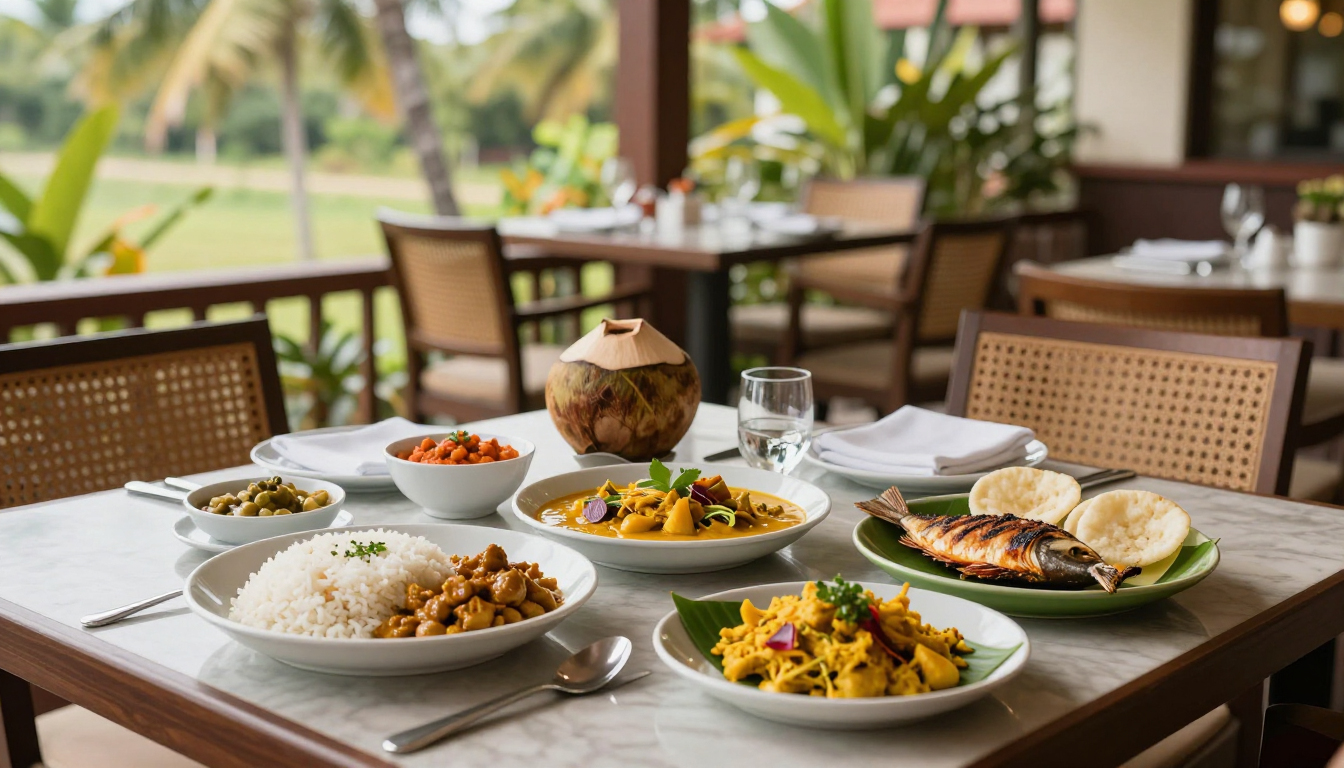
Route logic: Meals are spice-led, regional and often shaped by coastal seafood or hill-country produce. Modest clothing, shoe removal and calm behaviour are important around Buddhist sites. Keep food close to the chosen hotel area where possible: the best meals often come from market streets, harbour areas, old-town restaurants and neighbourhoods already inside the day’s route.


Colombo: arrival city, food, museums and coastal urban context
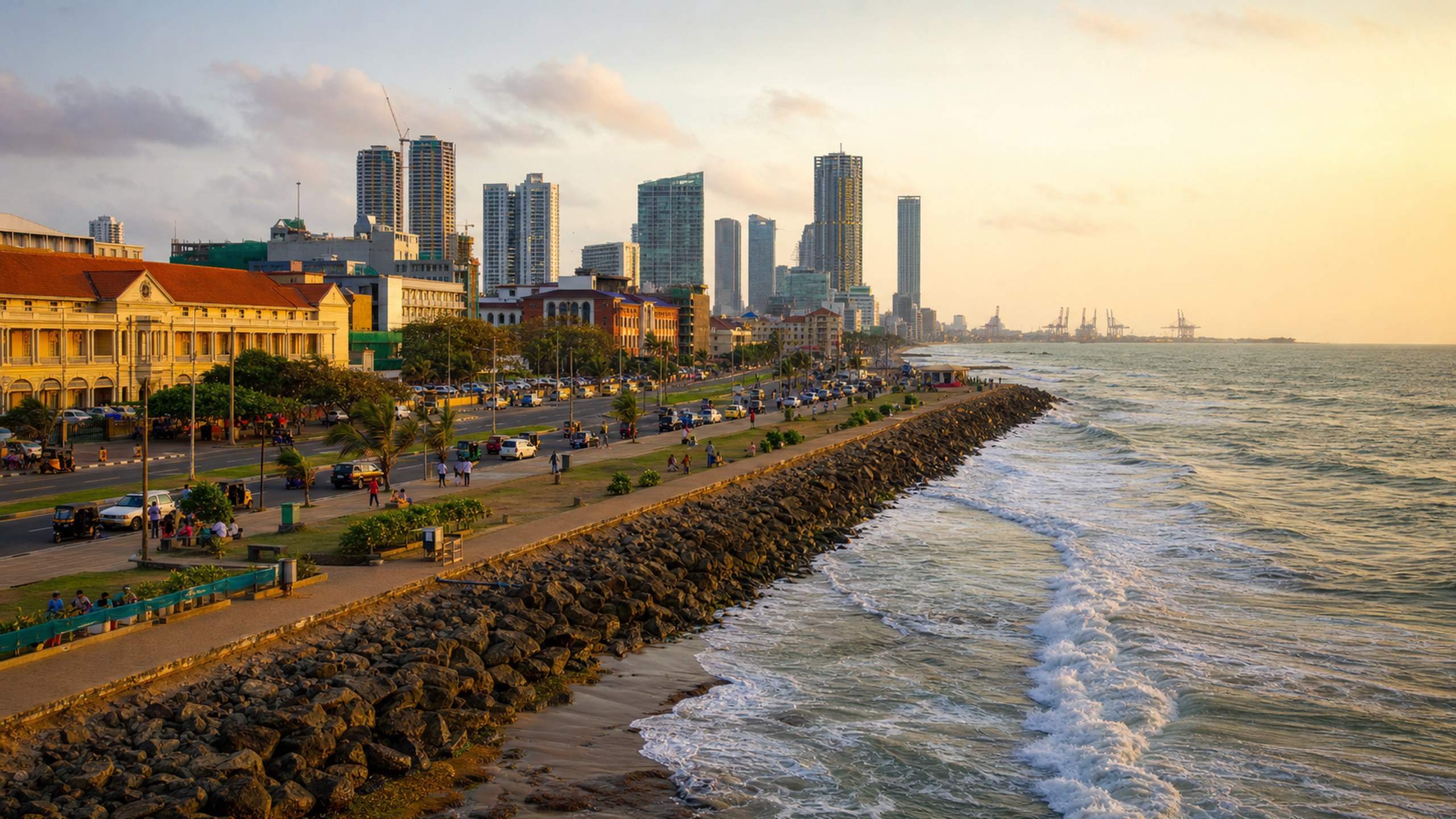
Best for: The value of Colombo is not only the headline sights; it gives the itinerary arrival city, food, museums and coastal urban context and a clearer local rhythm. Colombo is useful as an arrival base and food city, especially when travellers need a softer first night before moving to hill country, heritage sites or the coast. It gives the route museum context, market energy and seafront pacing before longer road or rail days.
Historic landmarks: Gangaramaya Temple, Galle Face Green, Pettah Market, Independence Memorial Hall, Colombo National Museum and Dutch Hospital Precinct should shape the sightseeing plan. Dress respectfully and keep the visit unhurried. Works well after arrival or before dinner.
Museums and attractions: Choose the hotel area around Fort and Galle Face, Cinnamon Gardens and Airport Area. Pick the district that makes arrival, evening movement and the first full day easier.
Hotels and stay areas: Colombo also needs a food layer. Build meals around hoppers, kottu roti, rice and curry, lamprais, seafood, watalappam, Fort and Dutch Hospital Area and Pettah so the visitor has a reason to slow down between museums, viewpoints and transfers.
Food and restaurants: Galle and Kandy can extend the stay when there is enough time. A natural coastal extension by road or rail. The main inland move toward temples and hill country.
Galle: fort streets, coastal stays and south-coast pacing
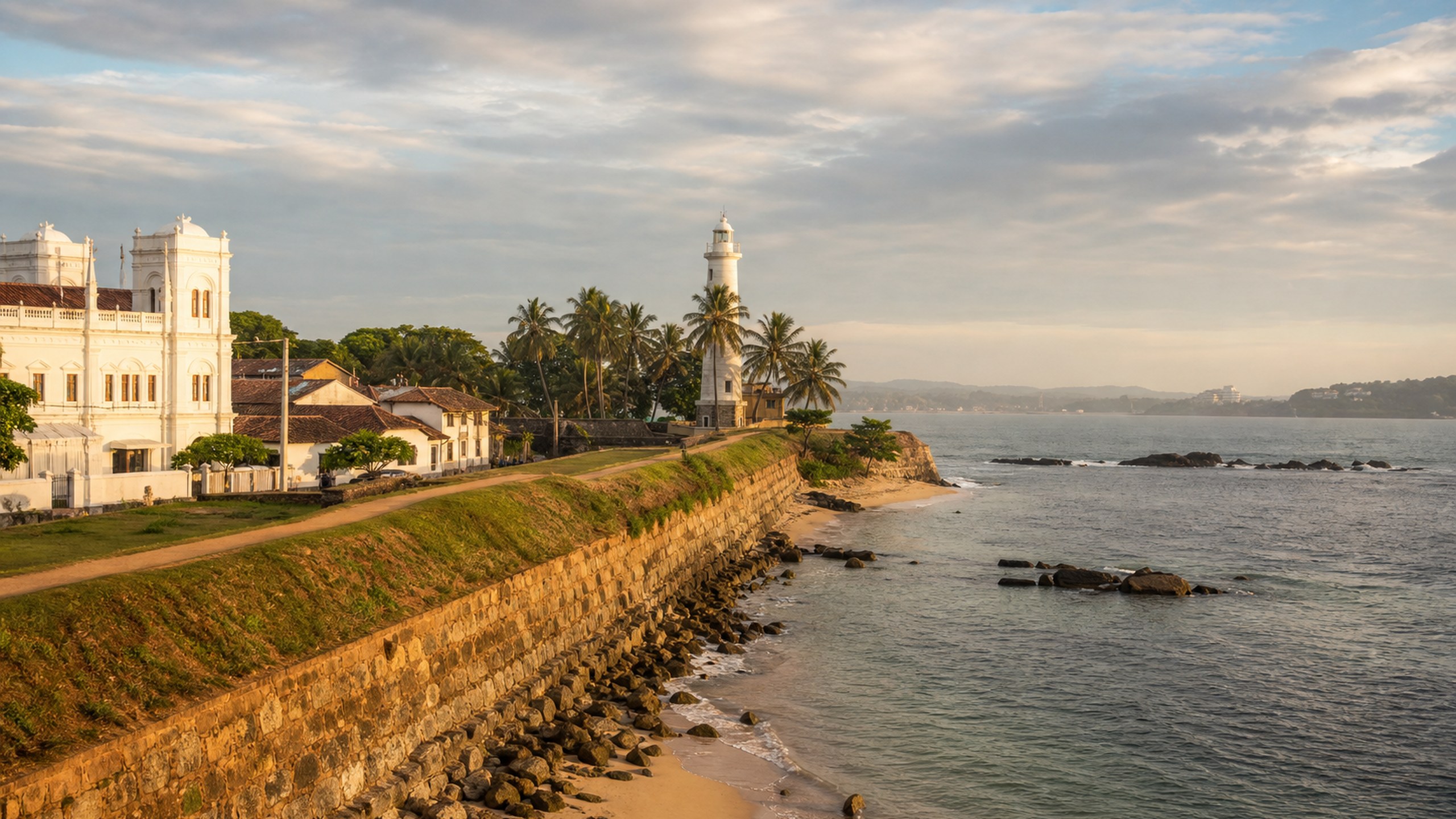
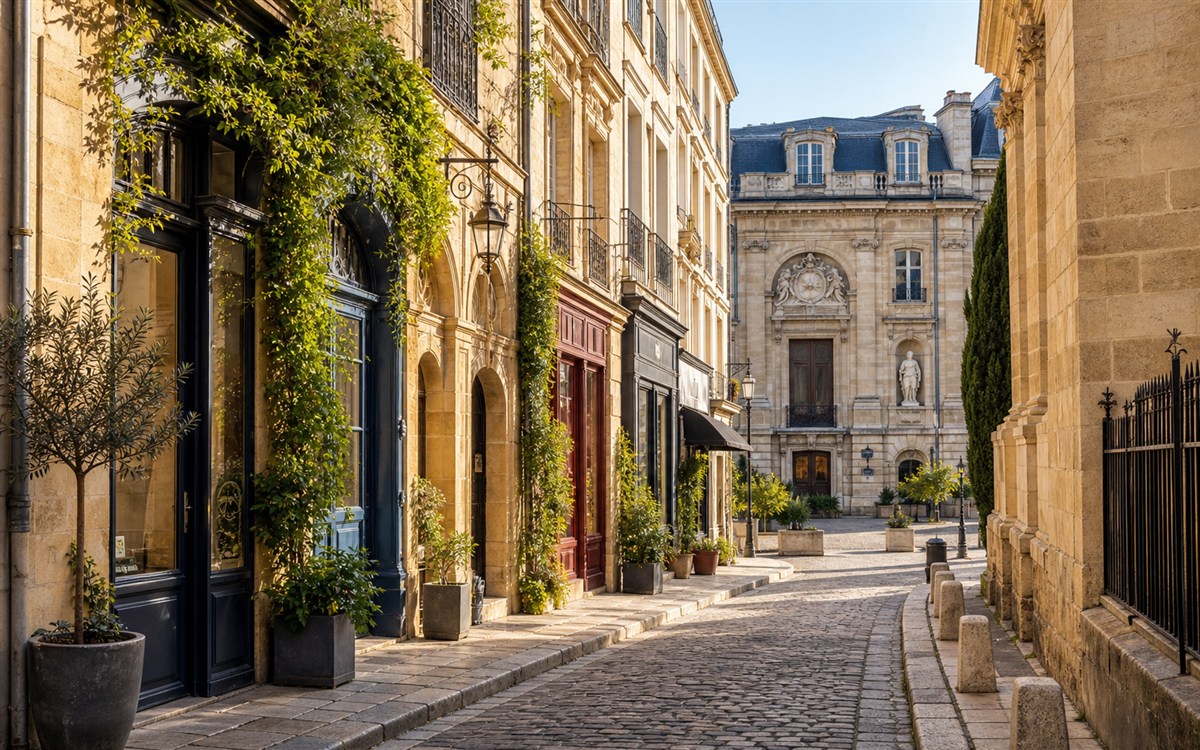
Best for: Galle works better as a lived-in stop than as a fast photo pin, with fort streets, coastal stays and south-coast pacing shaping the day. Galle works well for travellers who want heritage and coast together: walkable fort streets, sea walls, galleries, cafes and nearby beaches without losing town structure. It is strongest as a south-coast base, letting travellers combine old-town evenings with beach days nearby.
Historic landmarks: Galle Fort, Galle Lighthouse, Dutch Reformed Church, Unawatuna and Nearby Beaches, Maritime Archaeology Museum and Historical Mansion Museum Area should shape the sightseeing plan. Stay nearby or arrive early for quieter walks. Best paired with a full ramparts walk.
Museums and attractions: Choose the hotel area around Inside Galle Fort, Unawatuna or Thalpe and Weligama or Ahangama. Pick the district that makes arrival, evening movement and the first full day easier.
Hotels and stay areas: Galle also needs a food layer. Build meals around seafood curry, hoppers, kottu, coconut sambol, tropical fruit, Inside Galle Fort, Unawatuna and Ahangama and Weligama so the visitor has a reason to slow down between museums, viewpoints and transfers.
Food and restaurants: Colombo and Yala or Udawalawe Area can extend the stay when there is enough time. A practical arrival or departure city by road or rail. A wildlife extension that needs responsible timing and expectations.
Plan this part of the trip
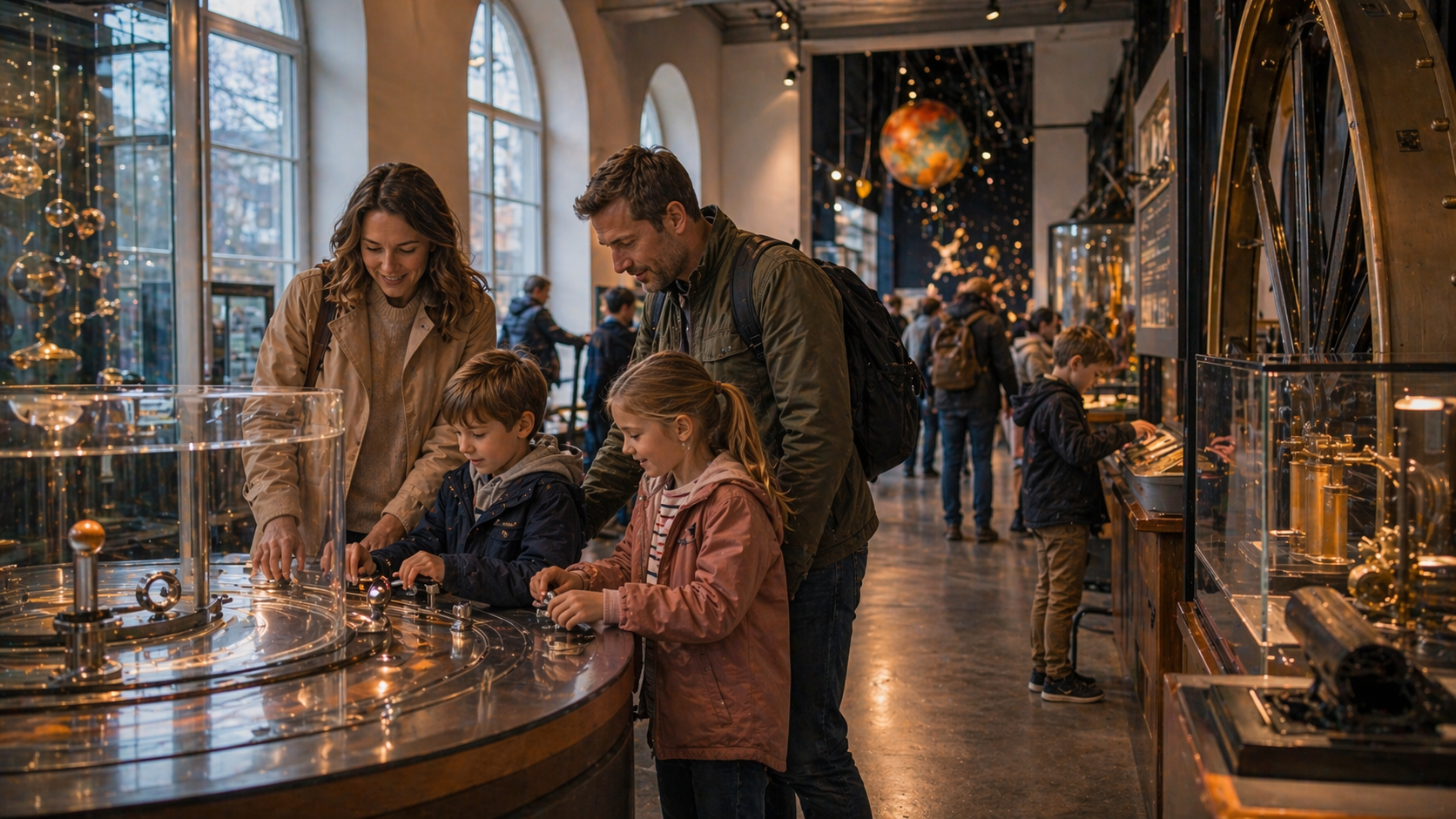
Kandy: temple city, lake walks and hill-country gateway
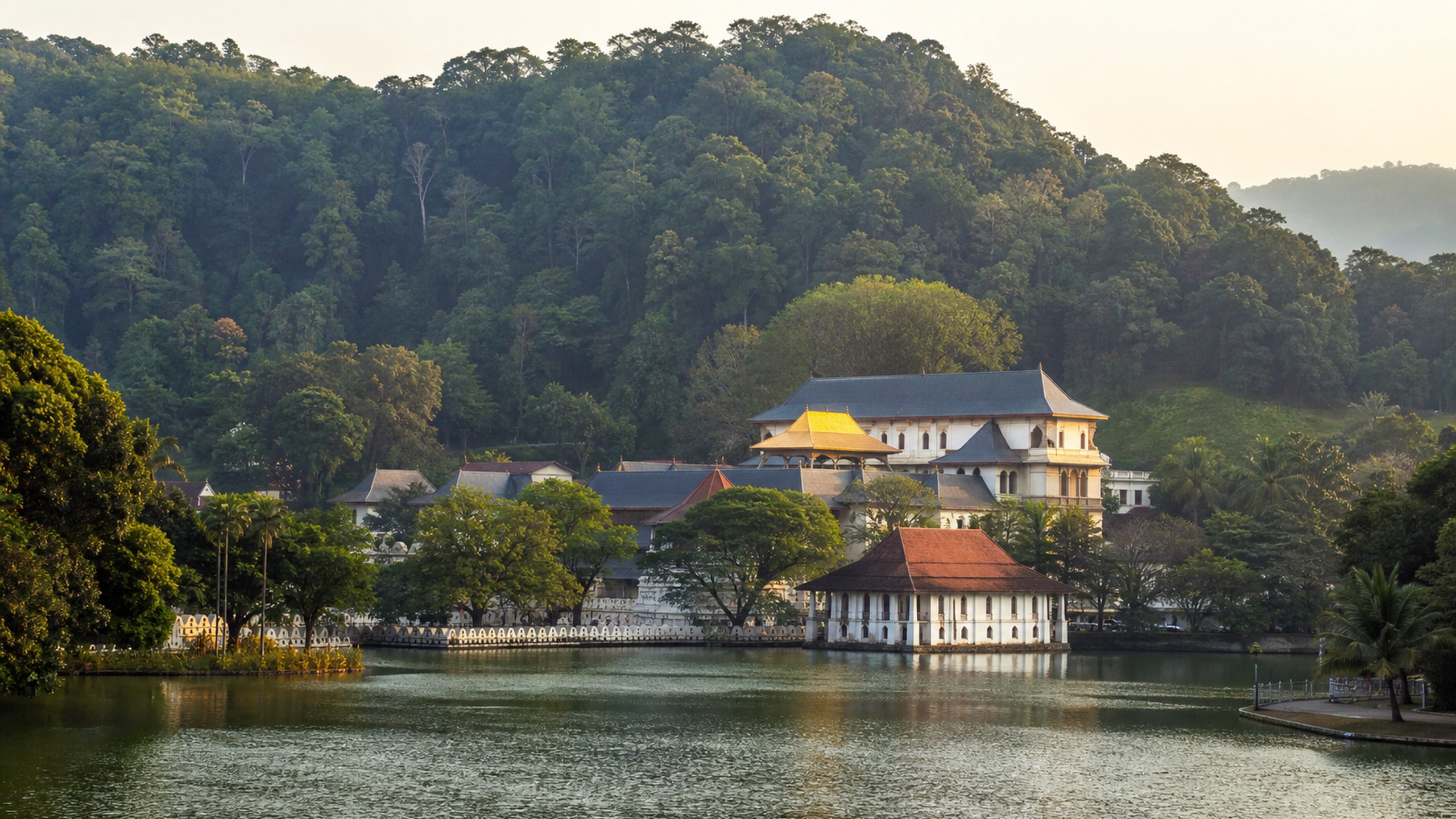
Best for: Kandy works better as a lived-in stop than as a fast photo pin, with temple city, lake walks and hill-country gateway shaping the day. Kandy helps connect Sri Lanka's cultural heart with the hill country, giving travellers a temple city, lake setting, botanical gardens and onward rail or road routes. It needs calm pacing around the Temple of the Tooth and enough buffer for hill-country transport.
Historic landmarks: Temple of the Sacred Tooth Relic, Kandy Lake, Royal Botanic Gardens, Peradeniya, Bahirawakanda Viewpoint, Kandy National Museum and Traditional Dance Performance Venues should shape the sightseeing plan. Dress modestly and allow calm time around ceremonies. Use it as a gentle break between temple and town stops.
Museums and attractions: Choose the hotel area around Kandy Lake Area and Hillside Hotels. Pick the district that makes arrival, evening movement and the first full day easier.
Hotels and stay areas: Kandy also needs a food layer. Build meals around rice and curry, string hoppers, kottu, milk tea, sweets, Lake Area, Peradeniya Road and Hill Hotels so the visitor has a reason to slow down between museums, viewpoints and transfers.
Food and restaurants: Ella and Hill Country and Cultural Triangle can extend the stay when there is enough time. A classic inland route that needs seat and timing planning. A heritage extension through Sigiriya and ancient cities.
Plan this part of the trip


Cultural Triangle: ancient cities, Sigiriya and slower heritage routes
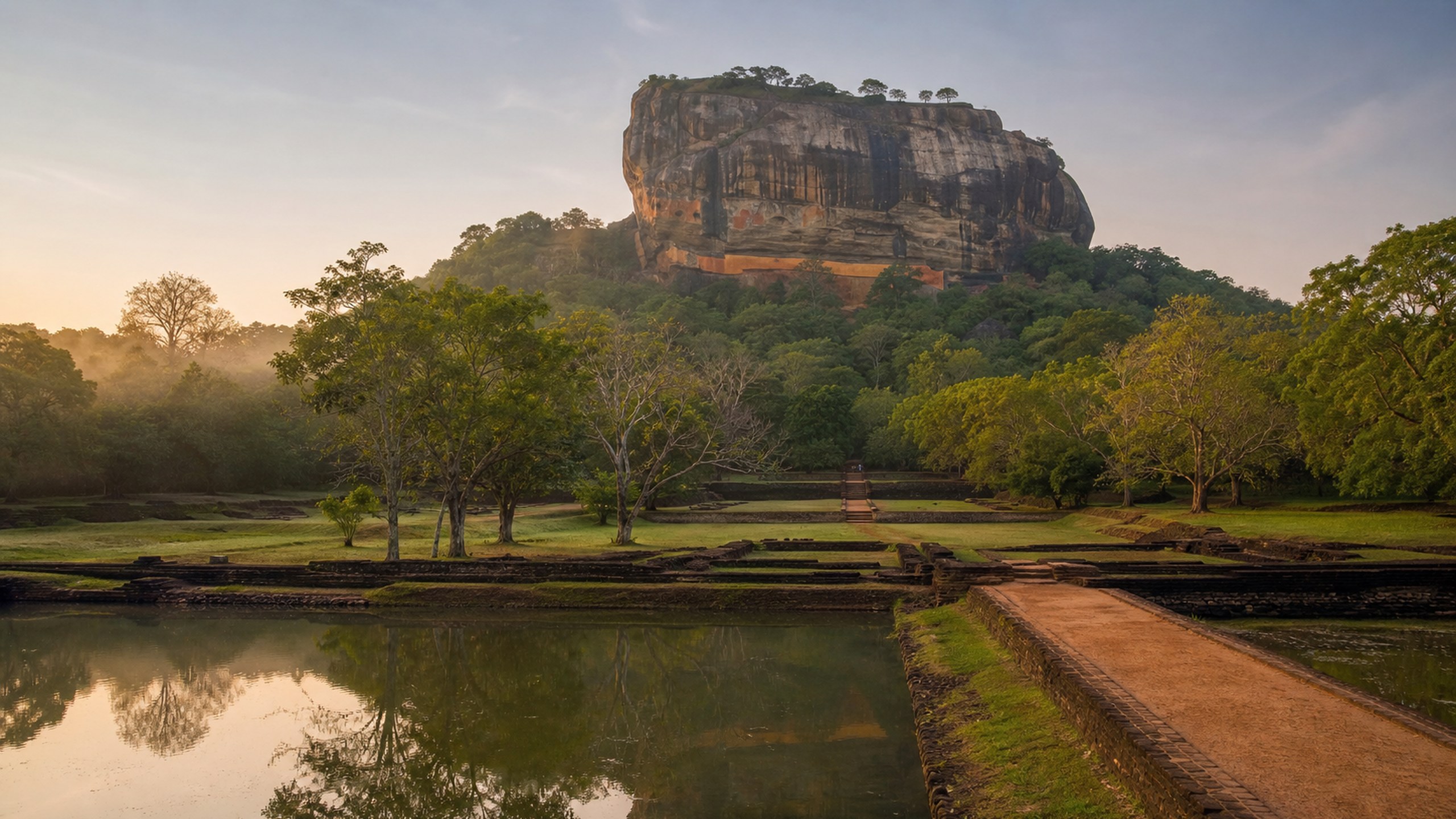
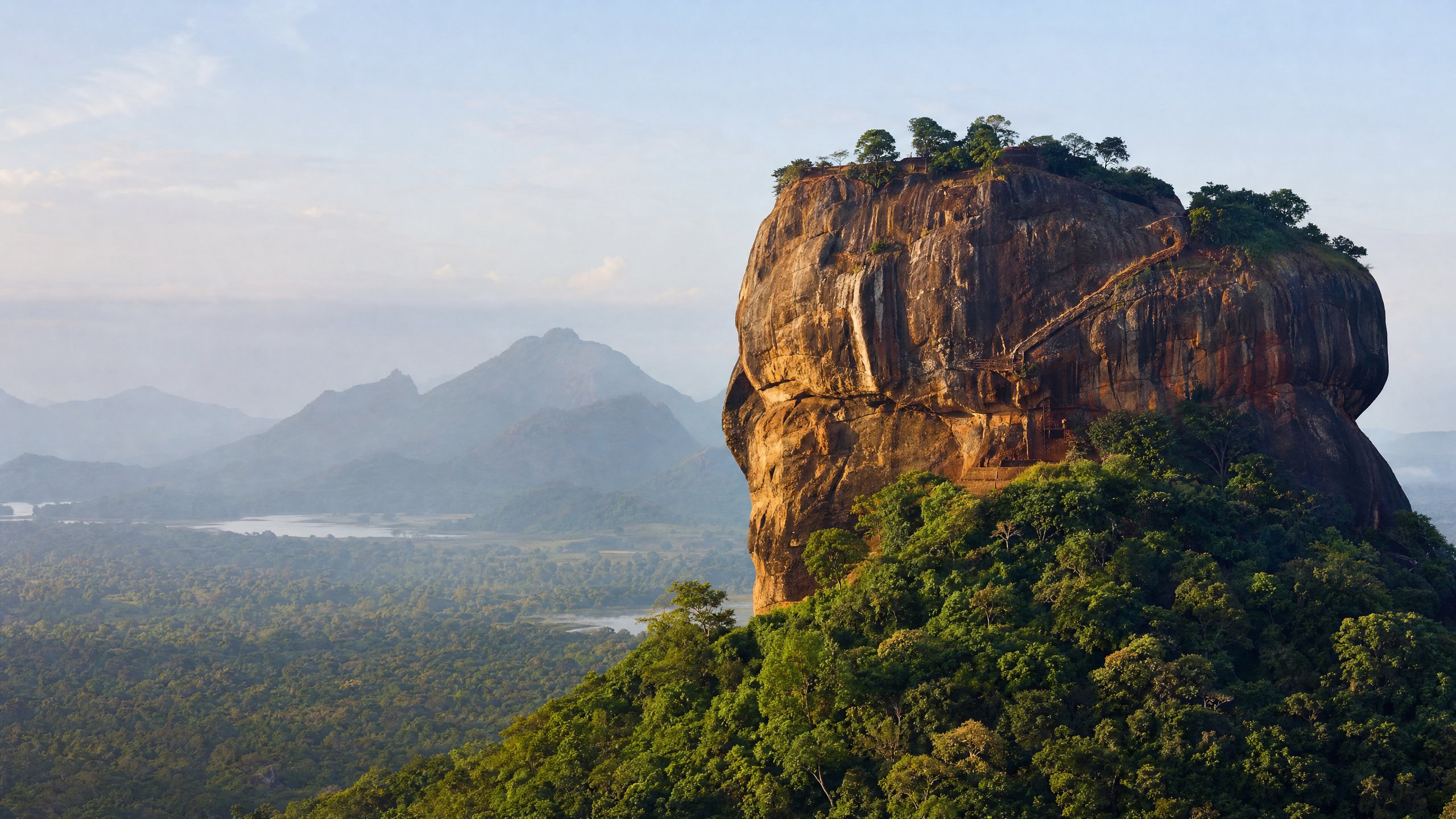
Best for: Cultural Triangle deserves a proper place in the Sri Lanka plan, especially when the trip needs ancient cities, Sigiriya and slower heritage routes. The Cultural Triangle adds depth to Sri Lanka with ancient capitals, rock fortress views, Buddhist sites and rural stays that need heat-aware timing. It is best planned as a heritage base with early starts, respectful temple visits and fewer daily hotel moves.
Historic landmarks: Sigiriya Rock Fortress, Polonnaruwa, Anuradhapura, Dambulla Cave Temple, Sigiriya Museum and Polonnaruwa Archaeological Museum should shape the sightseeing plan. Start early and consider heat and fitness. Plan shade and water because the site is spread out.
Museums and attractions: Choose the hotel area around Sigiriya or Habarana and Dambulla. Pick the district that makes arrival, evening movement and the first full day easier.
Hotels and stay areas: Cultural Triangle also needs a food layer. Build meals around rice and curry, coconut sambol, fresh fruit, hoppers, tea, Sigiriya and Habarana, Dambulla and Polonnaruwa so the visitor has a reason to slow down between museums, viewpoints and transfers.
Food and restaurants: Kandy and Trincomalee or East Coast can extend the stay when there is enough time. A natural hill-city connection before or after the heritage area. A seasonal beach extension when the coast choice fits the month.

Ella and Hill Country: tea country, viewpoints and scenic rail pacing
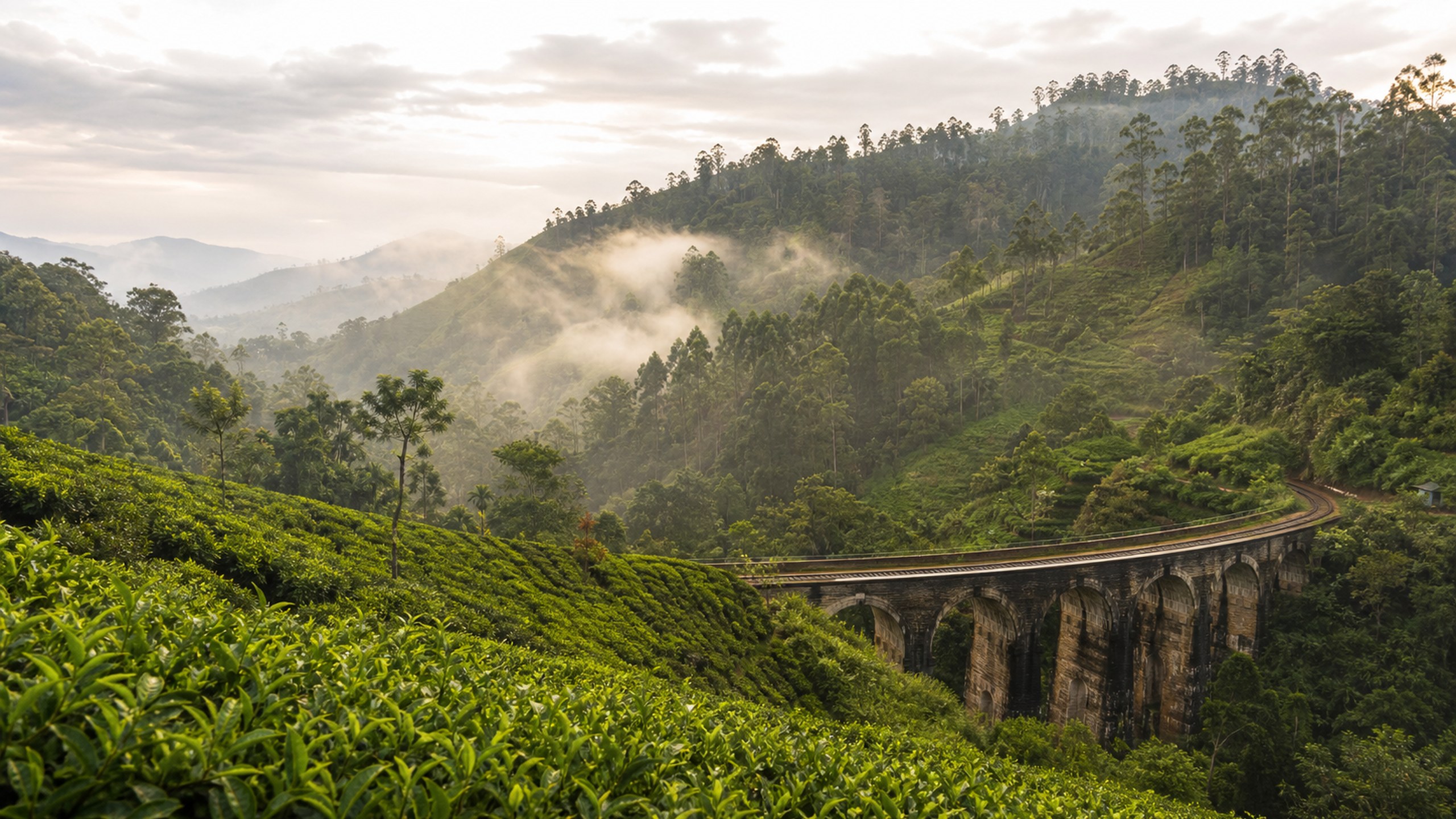
Best for: Ella and Hill Country works better as a lived-in stop than as a fast photo pin, with tea country, viewpoints and scenic rail pacing shaping the day. Ella and the hill country bring cooler air, tea estates, viewpoints, waterfalls and rail journeys, but the area is better with time than with a rushed transfer. It suits travellers who want scenic rail pacing, guesthouse meals and weather-aware walking days.
Historic landmarks: Nine Arch Bridge, Little Adam’s Peak, Tea Estate Visits, Nuwara Eliya Area, Ceylon Tea Museum, Kandy Side and Tea Factory Visits should shape the sightseeing plan. Go early or late to avoid the busiest times. Keep plans weather-aware and avoid midday heat.
Museums and attractions: Choose the hotel area around Ella, Nuwara Eliya and Haputale. Pick the district that makes arrival, evening movement and the first full day easier.
Hotels and stay areas: Ella and Hill Country also needs a food layer. Build meals around Ceylon tea, roti, rice and curry, string hoppers, fresh fruit, Ella Village, Nuwara Eliya and Haputale Area so the visitor has a reason to slow down between museums, viewpoints and transfers.
Food and restaurants: Kandy and South Coast can extend the stay when there is enough time. The classic rail-linked hill-country connection. A natural onward move, but road time should be respected.
Food, Culture and Route Ideas for Sri Lanka
Food route: Meals are spice-led, regional and often shaped by coastal seafood or hill-country produce. Modest clothing, shoe removal and calm behaviour are important around Buddhist sites. tea estates, rail journeys and cooler hill towns add a slower inland identity. This is where food, culture and route planning should work together.
Food, wine and restaurants: Build meals around hoppers, kottu roti, rice and curry, lamprais, seafood, watalappam and seafood curry and keep them close to Fort and Dutch Hospital Area, Pettah, Galle Face and Cinnamon Gardens, Inside Galle Fort and Unawatuna.
Popular experiences: Colombo, Kandy, the Cultural Triangle and Galle create a balanced first route with enough nights. Kandy, Ella and the South Coast need careful road and rail pacing. Keep the route disciplined: one clear hotel area, one strong regional layer and one food or culture experience will usually feel better than trying to touch every possible stop.
Planning rule: Use bookings in a clean order: choose the hotel area first, then add attraction tickets, food tours, guided days and local experiences where they make the journey easier, richer and more realistic.