Spain Travel Guide
Plan Spain through Madrid, Barcelona, Andalusia, Valencia, the Mediterranean coast, the Balearic Islands, the Canary Islands, food routes and regional culture.
Spain Travel Guide: Cities, Coast, Islands, Food and Culture
Trip shape: Spain works best when the traveller chooses one clear version of the country instead of trying to combine every major city, island and coastline in one rushed route. Madrid gives museums, royal landmarks, food districts and central rail connections; Barcelona combines architecture, neighbourhoods and the Mediterranean; Seville, Granada and Córdoba create the classic Andalusian route; Valencia offers a softer city-and-coast balance; the Balearic Islands are built around beach stays and island movement; and the Canary Islands work as a warmer all-year escape with their own landscapes and travel rhythm.
Best for: Spain suits city breaks, couples, families, beach holidays, food-led travel, art and architecture trips, island stays and rail-linked regional journeys. It is especially strong for travellers who want serious cultural depth during the day and restaurants, plazas, bars and evening streets that remain part of the experience after the main attractions close.
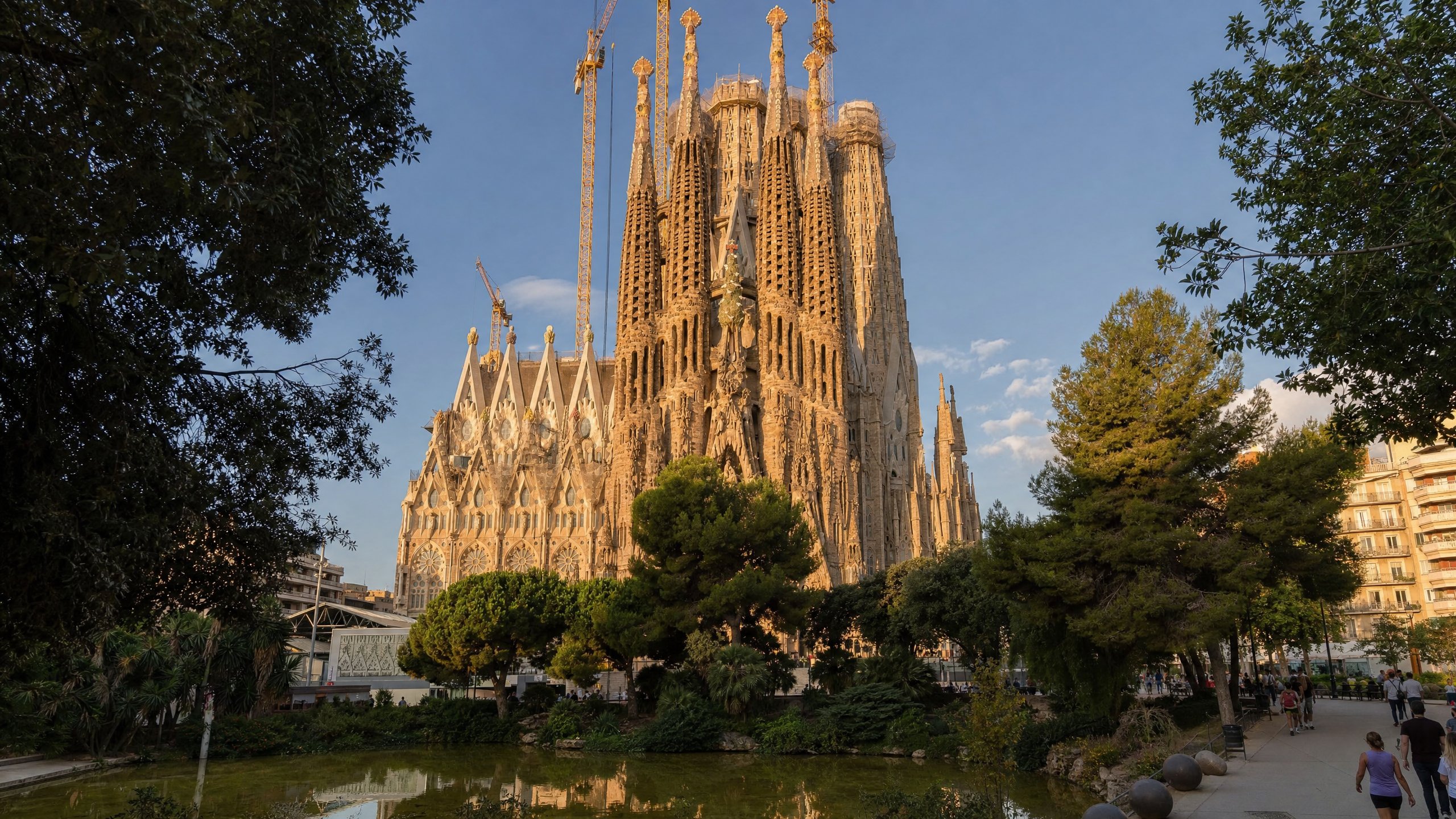
Historic landmarks: Sagrada Família, the Gothic Quarter, Royal Palace of Madrid, Plaza Mayor, Alcázar of Seville, Seville Cathedral, Alhambra, Mezquita of Córdoba, Roman remains in Mérida and Tarragona, medieval centres such as Toledo and Salamanca, and the old quarters of Valencia, Cádiz and San Sebastián give Spain several distinct historical layers. The strongest route groups these places by geography instead of treating them as isolated photo stops.
Museums and attractions: Madrid carries the Prado, Reina Sofía and Thyssen-Bornemisza; Barcelona adds Gaudí architecture, Picasso Museum, Montjuïc and major modernist sites; Bilbao brings the Guggenheim; Valencia adds the City of Arts and Sciences; Andalusia combines palaces, cathedrals, flamenco culture and historic streets; and island routes bring beaches, volcanic scenery, coastal boat trips and nature-led days.
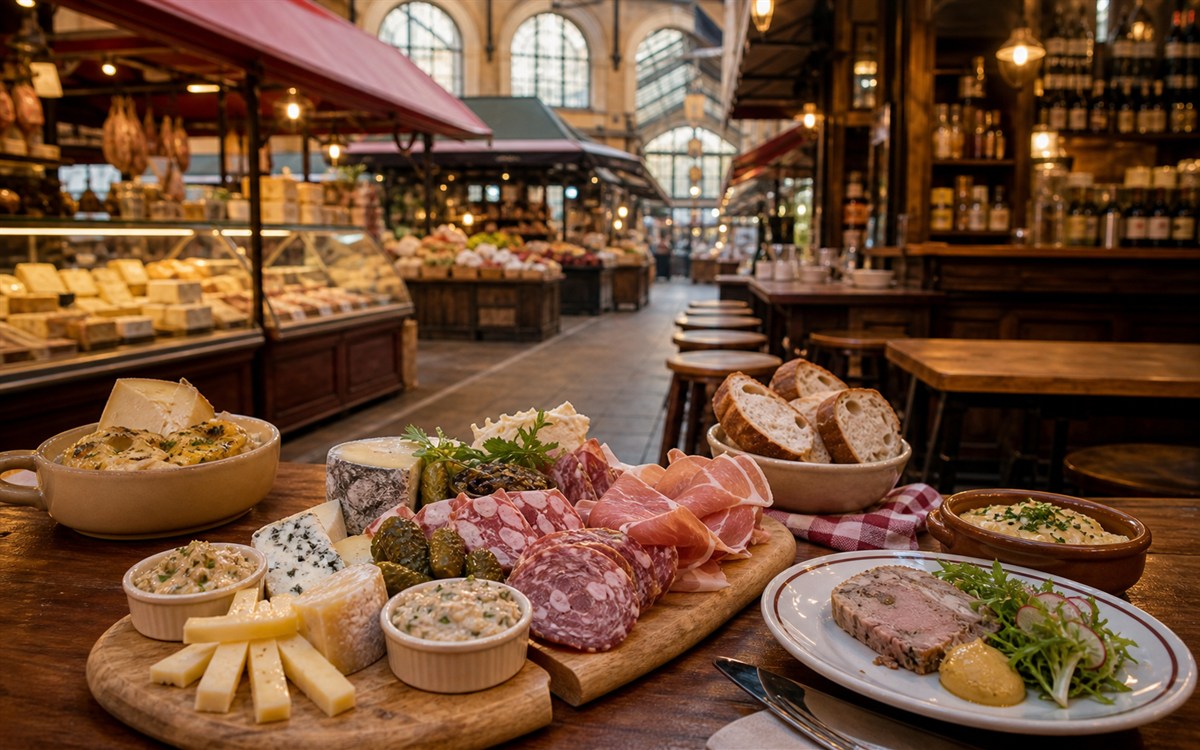
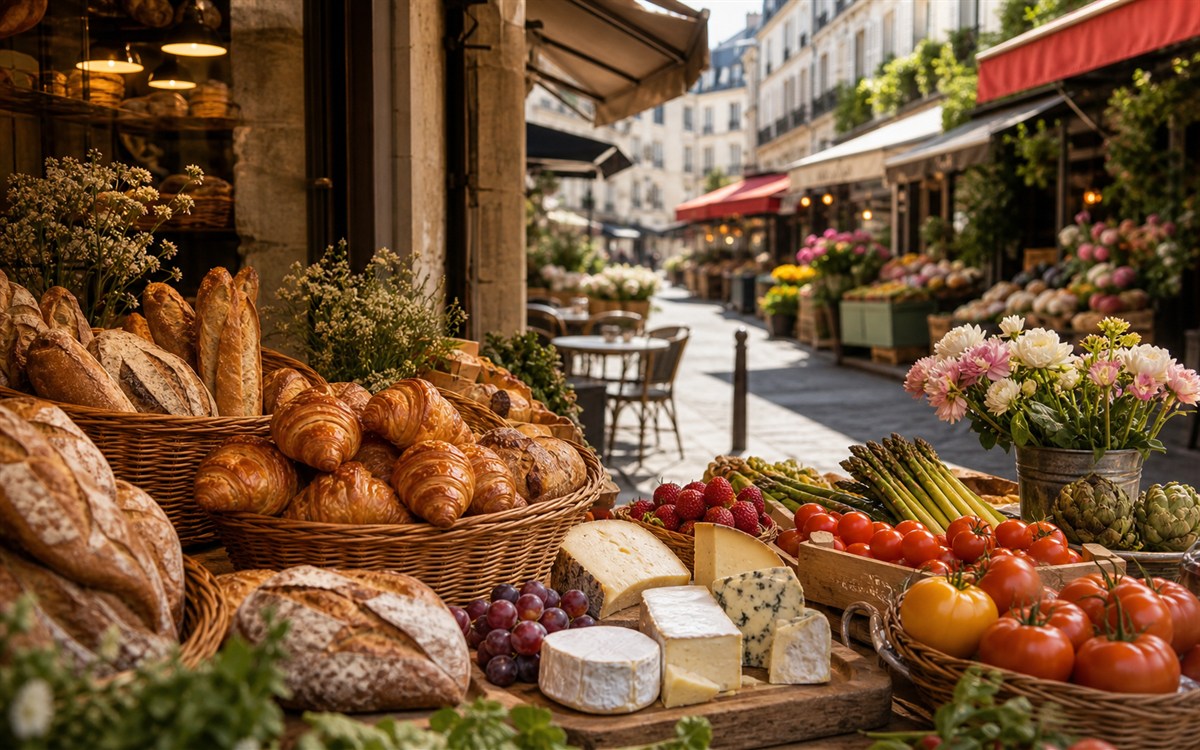
Food, wine and restaurants: Spain becomes much more memorable when food is built into the route. Madrid is ideal for markets, taverns and late dinners; Barcelona mixes Catalan cooking, seafood and neighbourhood restaurants; Valencia is the natural base for paella and rice dishes; San Sebastián and Bilbao lead the pintxos and Basque food layer; Andalusia adds tapas, sherry, seafood and courtyard dining; Galicia brings shellfish and Atlantic produce; and the islands combine local specialities with relaxed coastal meals.
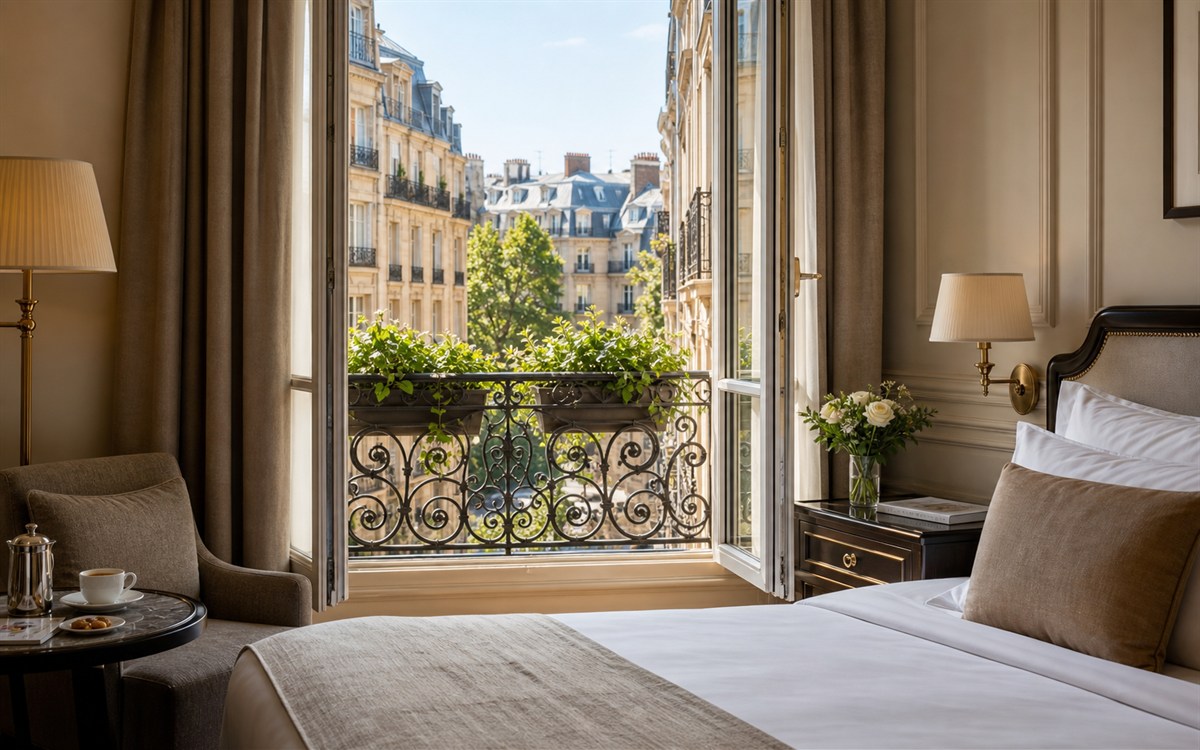
Hotels, shopping, bars and transport: stay centrally in Madrid or Barcelona when museums and evening movement matter, choose a walkable historic base in Seville or Granada, use Valencia for an easier city-and-beach combination, and treat island hotels as the core of the trip rather than a secondary booking. High-speed rail connects the major mainland cities well, but coastal drives, white villages and island exploration may require more deliberate transport planning.
Plan this part of the trip


Madrid: Museums, Royal Landmarks, Food Districts and Central Spain
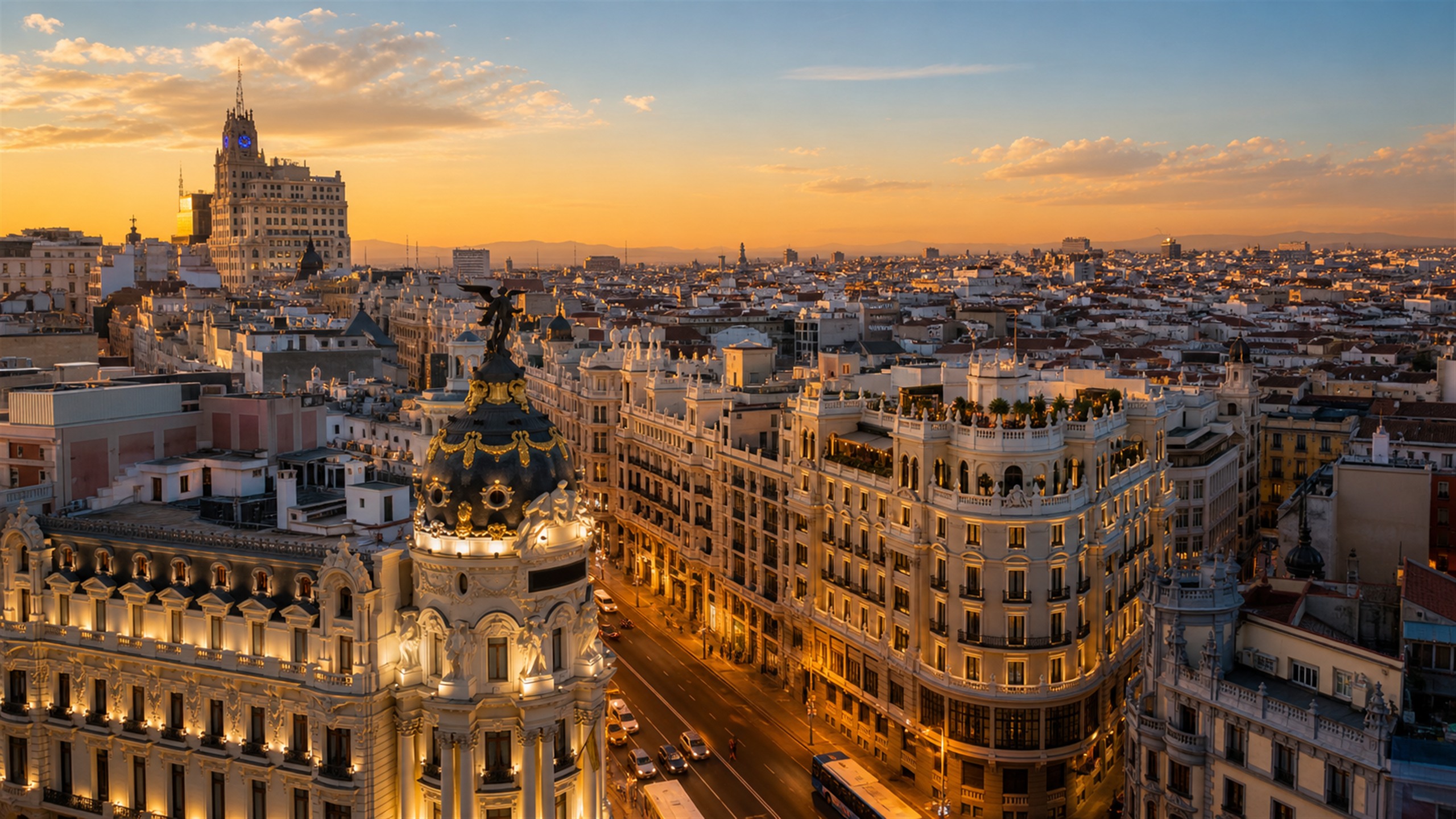
Best for: Madrid is the strongest Spanish base for travellers who want major museums, royal history, elegant streets, food markets, football, nightlife and straightforward rail access to central Spain. It suits first-time visitors, repeat city-break travellers, art-focused trips and people who prefer a large capital without a coastal holiday atmosphere.
Historic landmarks: Royal Palace, Plaza Mayor, Puerta del Sol, Almudena Cathedral, Gran Vía, Plaza de Cibeles, Puerta de Alcalá, Retiro Park and the historic streets around La Latina and Madrid de los Austrias create the classic city route. Toledo, Segovia and El Escorial can add a deeper central-Spain layer when the stay is long enough.
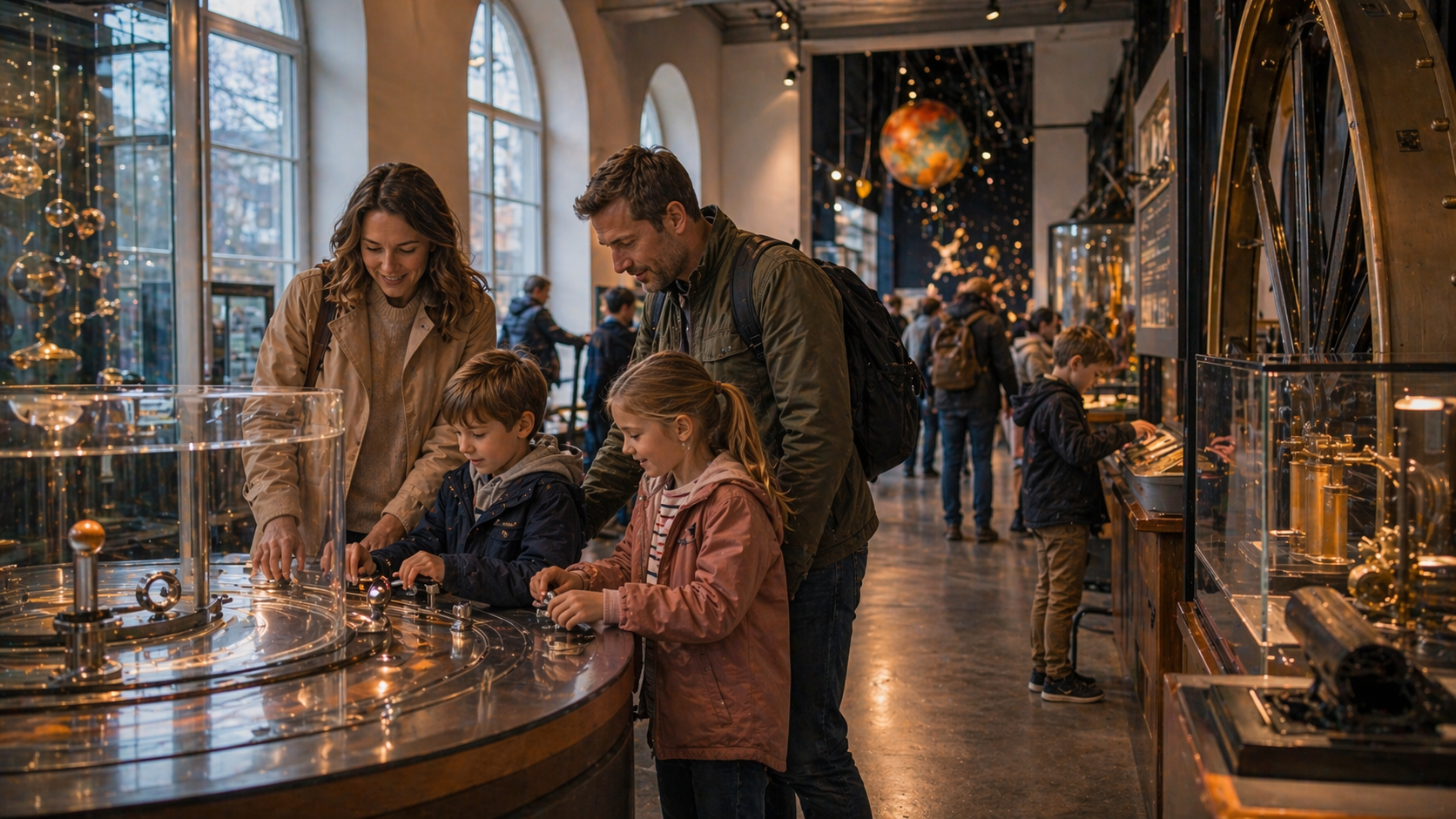
Museums and attractions: Prado Museum, Reina Sofía, Thyssen-Bornemisza, CaixaForum Madrid, Santiago Bernabéu, Retiro Park, major temporary exhibitions and guided historic walks can easily fill several days. The cleanest plan usually combines one major museum, one outdoor district and one strong evening rather than stacking several large collections into the same day.
Food and restaurants: use Mercado de San Miguel carefully as an introduction, then move into La Latina, Chamberí, Malasaña, Chueca, Lavapiés and neighbourhood taverns for a more complete food experience. Cocido madrileño, bocadillo de calamares, tapas, vermouth, modern tasting menus and late dinners all belong to the city’s rhythm.
Hotels, shopping and evenings: stay around Centro for first-time convenience, Retiro for a calmer premium base, Chueca or Malasaña for stronger evening movement, or near Atocha when rail day trips matter. Gran Vía, Salamanca district and central shopping streets can be added after the museum and neighbourhood route is clear.
Barcelona: Gaudí Architecture, Neighbourhoods and Mediterranean Days
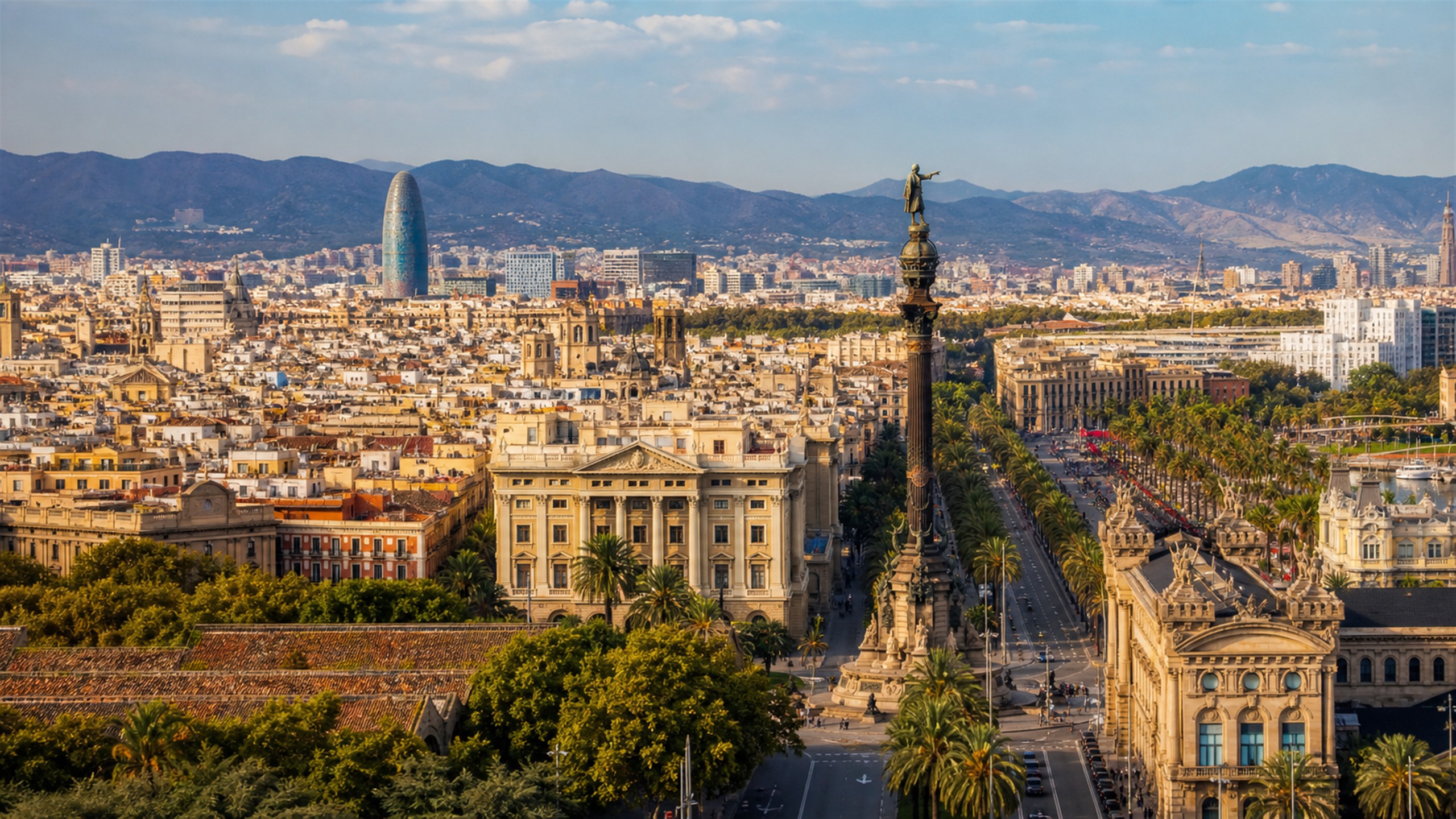
Best for: Barcelona is the easiest Spanish city for travellers who want architecture, art, food, neighbourhood life and a Mediterranean coast in one stay. It suits couples, families, design-focused trips, first-time visitors and travellers who want a city break that can soften into beach time or coastal day trips.
Historic landmarks: Sagrada Família, Park Güell, Casa Batlló, La Pedrera, Gothic Quarter, Barcelona Cathedral, Santa Maria del Mar, Montjuïc, Arc de Triomf and the old streets of El Born give the city a strong visual identity. The main mistake is trying to cross the whole city repeatedly instead of grouping Gaudí sites, old-town walks and waterfront areas into separate blocks.
Museums and attractions: Picasso Museum, Museu Nacional d’Art de Catalunya, Fundació Joan Miró, modernist interiors, Montjuïc cable car, aquarium, stadium experiences, markets and guided architecture walks can support several different trip styles. Timed tickets matter for the major Gaudí attractions, so those anchors should shape the day.
Food and restaurants: build the food layer around El Born, Gràcia, Eixample, Barceloneta, Sant Antoni and Poble-sec rather than relying only on the most crowded central streets. Catalan dishes, seafood, tapas, vermouth bars, bakeries, markets and late neighbourhood dinners are central to the Barcelona experience.
Hotels, shopping and beaches: Eixample gives the easiest all-round base, the Gothic Quarter and El Born bring atmosphere, Gràcia feels more local, and Barceloneta or Poblenou work for a stronger coast-and-city balance. Passeig de Gràcia, local design shops, beach walks and rooftop evenings should fit around the main architectural route, not compete with it.
Andalusia: Seville, Granada, Córdoba, Málaga and the White Villages
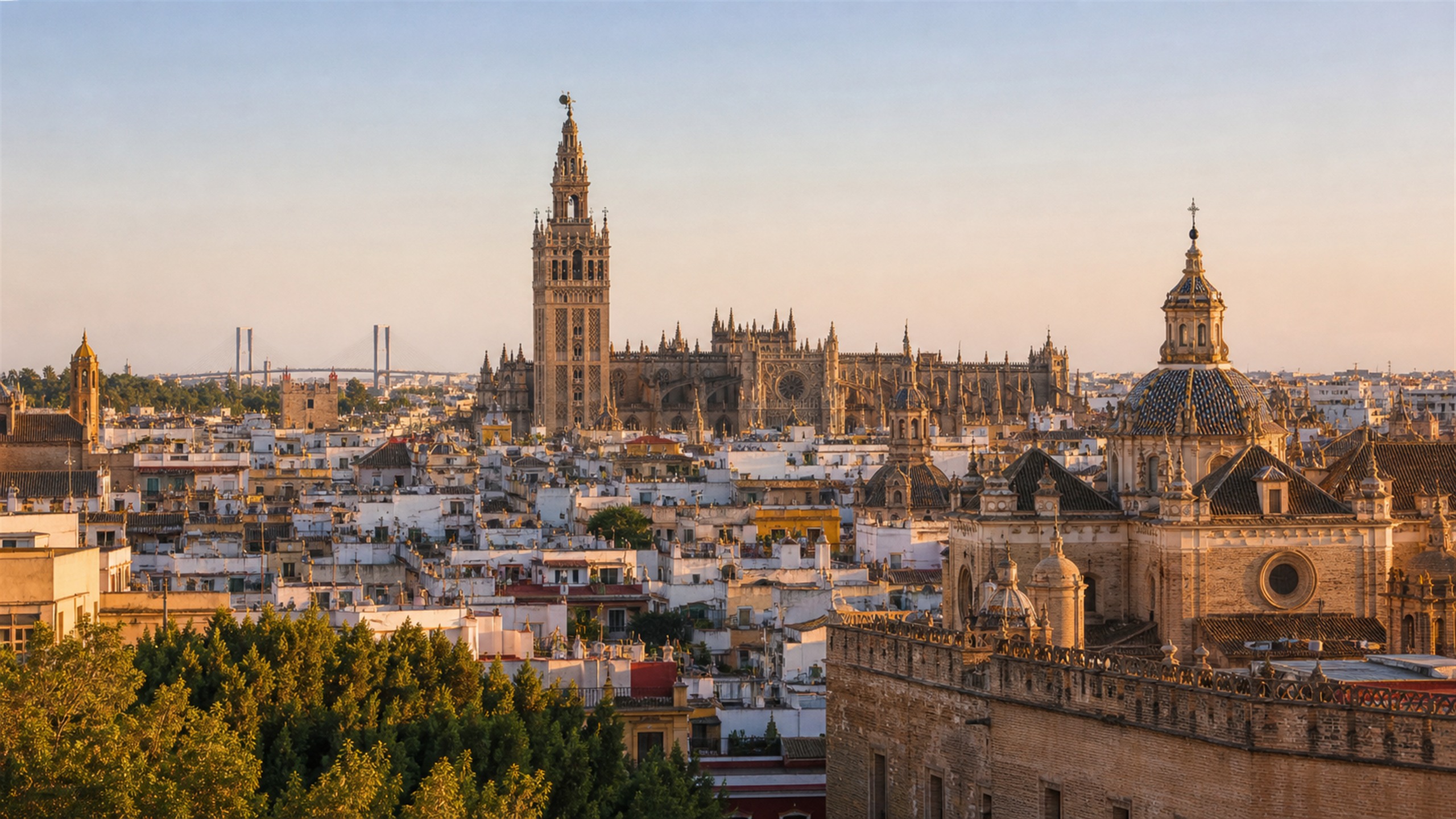
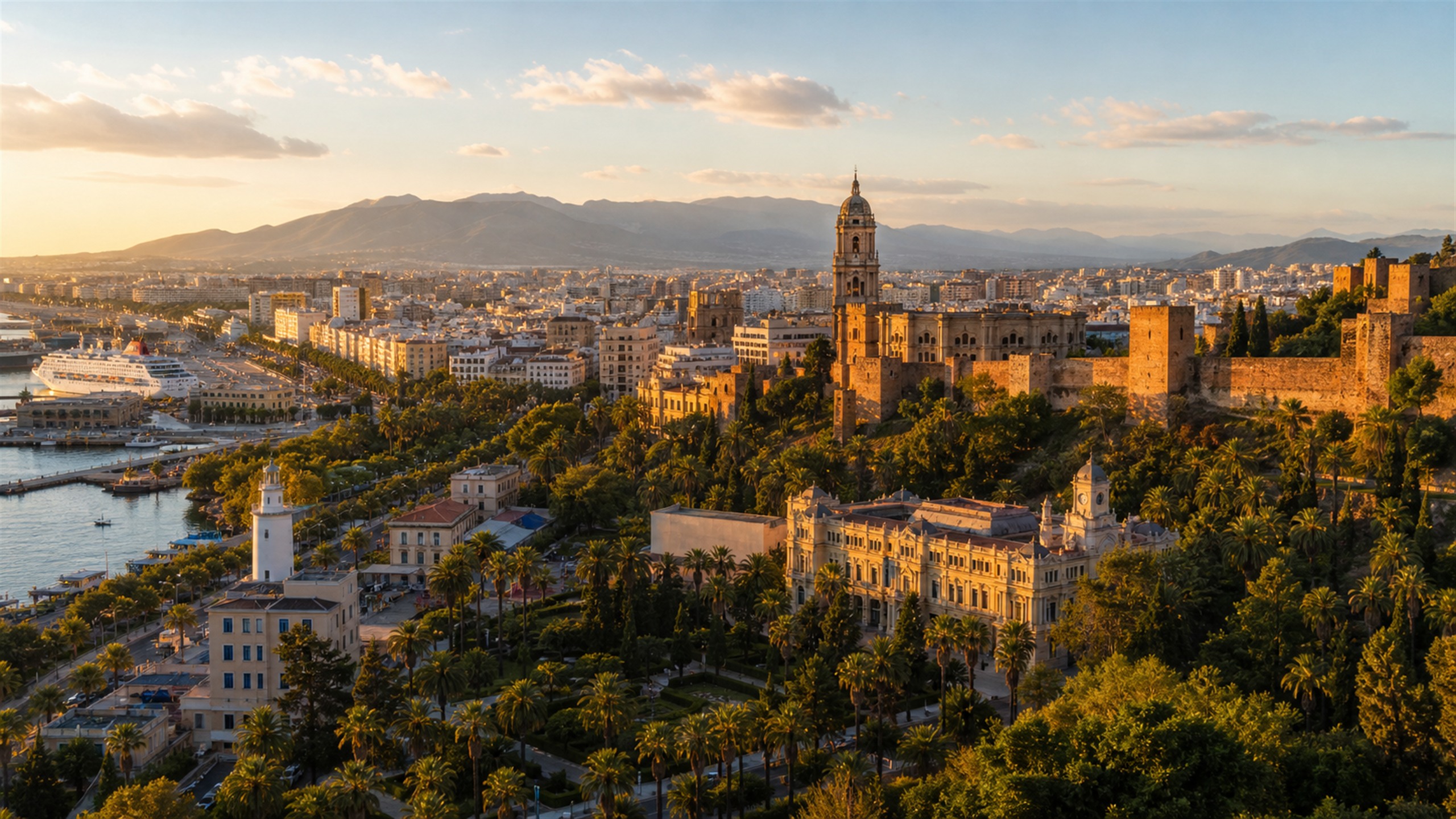
Route shape: Andalusia deserves its own trip because Seville, Granada, Córdoba, Málaga, Cádiz, Ronda and the white villages create a connected region with very different city moods. Seville works as the grand historic base, Granada revolves around the Alhambra and hillside districts, Córdoba is compact and monument-led, Málaga adds coast and museums, and Cádiz gives a slower Atlantic atmosphere.
Historic landmarks: Real Alcázar, Seville Cathedral, Plaza de España, Alhambra, Generalife, Albaicín, Mezquita-Catedral of Córdoba, Roman Bridge, Málaga Alcazaba, Cádiz old town and Ronda’s dramatic setting form the core heritage route. Timed entry is particularly important for the Alhambra and the most popular palaces.
Food, flamenco and evenings: Andalusia is ideal for tapas, sherry, seafood, jamón, salmorejo, fried fish, local markets and courtyard dining. Seville and Granada offer the strongest evening street atmosphere, Jerez adds sherry culture, Cádiz brings Atlantic seafood, and Málaga combines city restaurants with the coast.
Hotels and transport: stay near the historic centre in Seville, Granada or Córdoba when walking matters, use Málaga for a city-and-coast combination, and consider a car only when the route extends into white villages or rural areas. Summer heat changes the schedule significantly, so early sightseeing, a slower afternoon and later evenings are often the most practical rhythm.

Valencia and the Mediterranean Coast: City Life, Beaches and Rice Culture
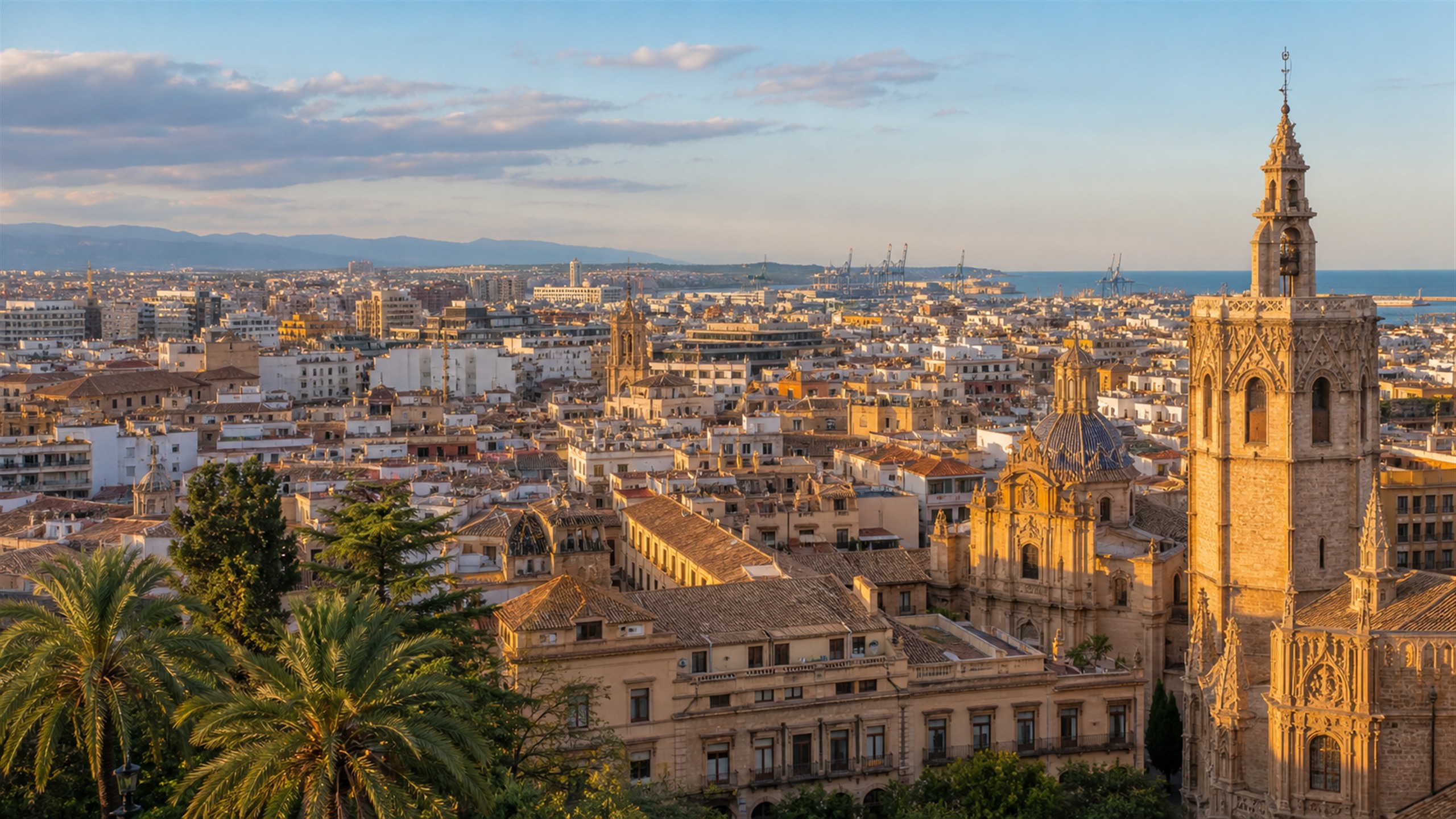
Best for: Valencia gives one of Spain’s most balanced city breaks because the historic centre, modern architecture, beaches, markets, gardens and rice culture can all fit into one practical stay. It is less intense than Madrid or Barcelona and works well for couples, families and travellers who want city substance without giving up the coast.
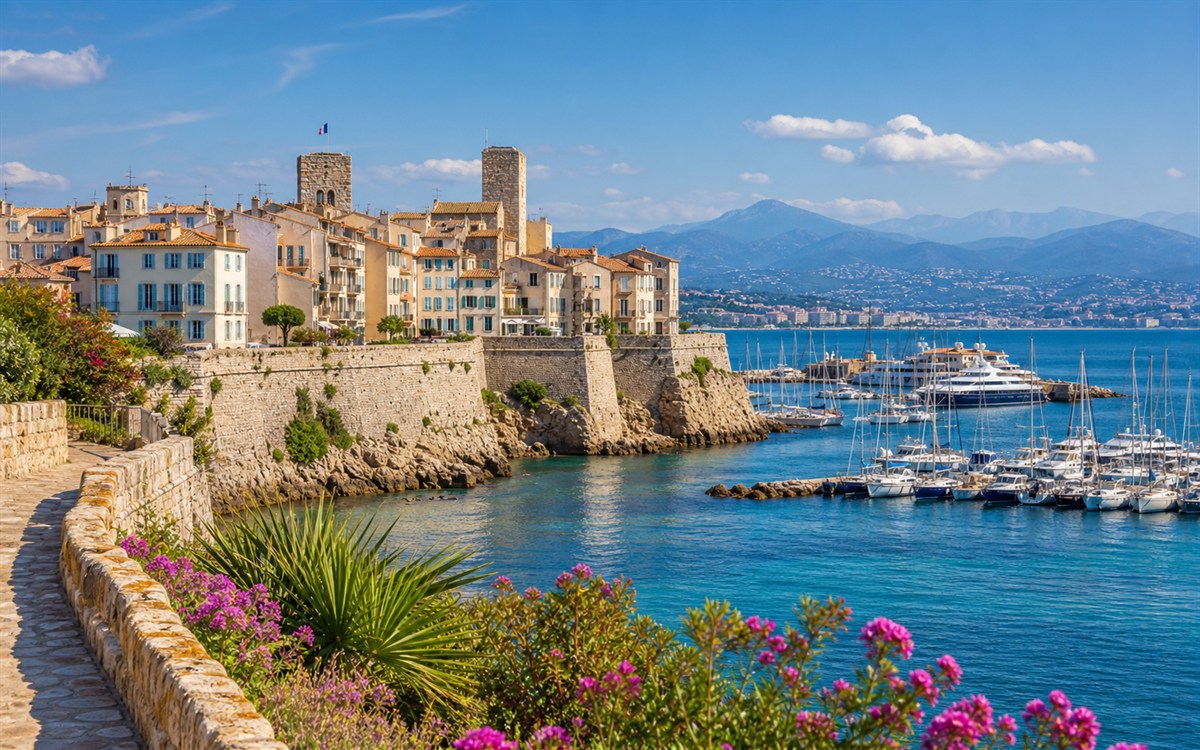
Landmarks and attractions: Valencia Cathedral, Central Market, La Lonja de la Seda, Turia Gardens, City of Arts and Sciences, Oceanogràfic, Ruzafa, Cabanyal and the beachfront create a clear two- or three-day route. Alicante and other Mediterranean coastal bases can extend the journey when the trip becomes more beach-led.
Food and restaurants: Valencia is the natural place to treat paella and other rice dishes seriously. Add market produce, horchata, seafood, tapas, Ruzafa restaurants and coastal lunches, but avoid reducing the food route to one tourist-facing dish in the busiest central area.
Hotels and movement: stay in Ciutat Vella for historic atmosphere, Ruzafa for restaurants and evenings, near the Turia for easier movement, or closer to the beach when the coast is the main priority. The city works well by walking, public transport and cycling, so a car is rarely necessary for the core visit.
Balearic and Canary Islands: Choose the Right Island Before the Hotel
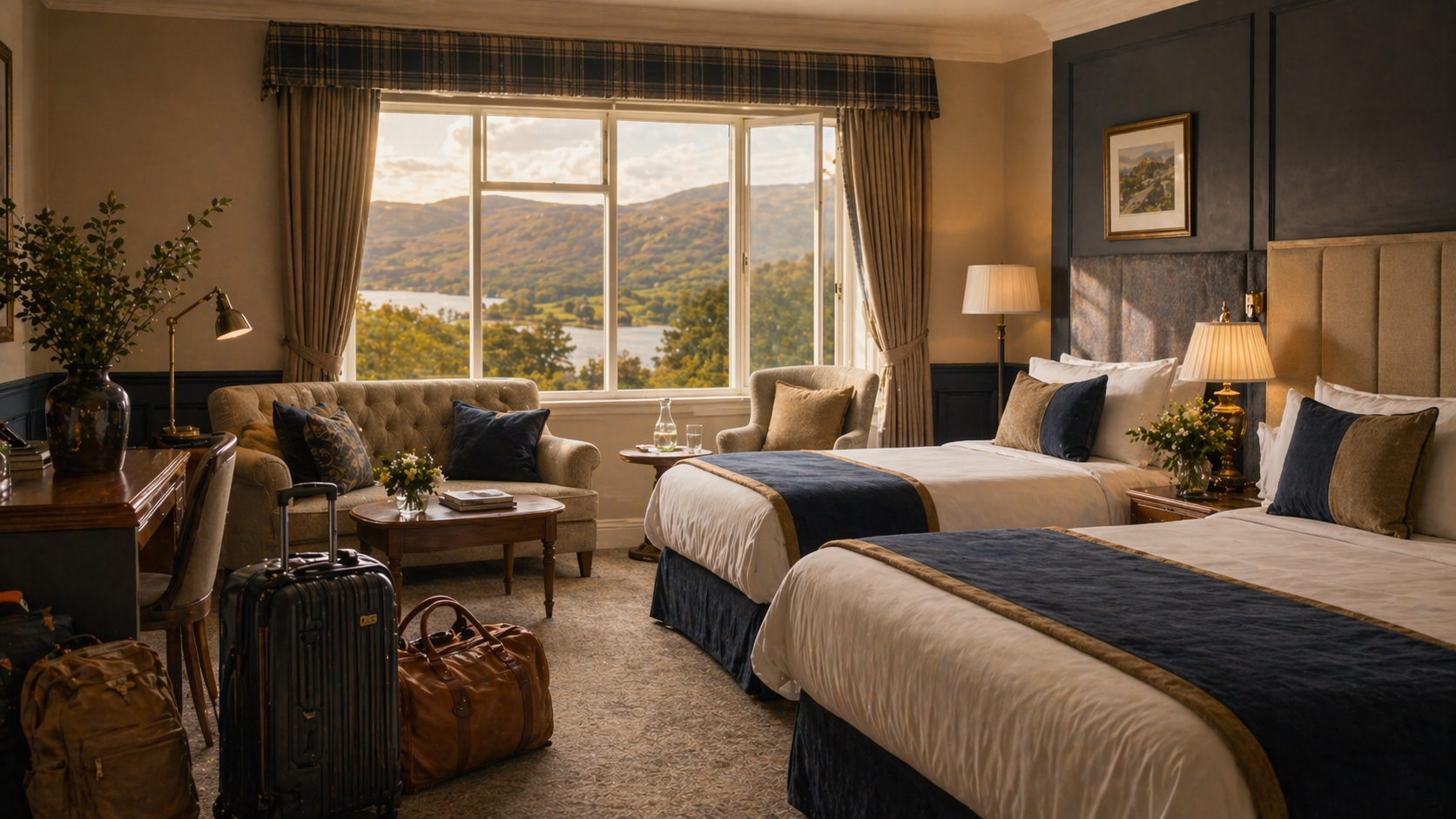
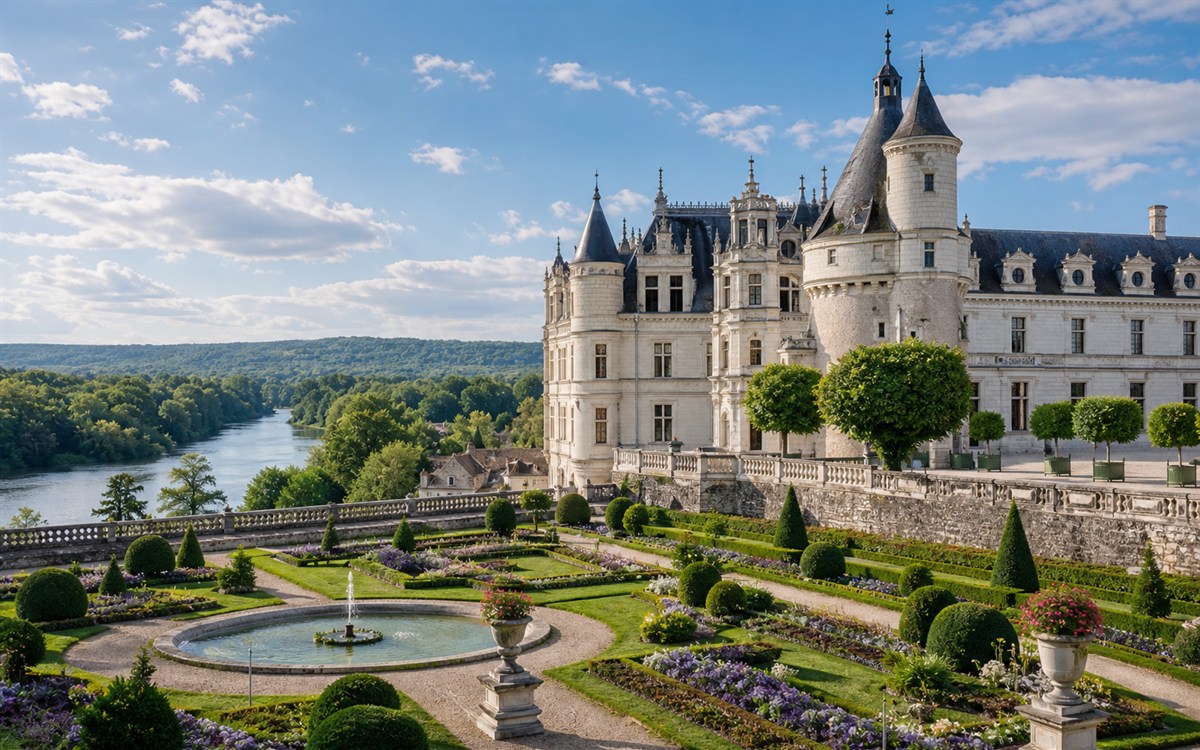
Balearic Islands: Mallorca gives the widest mix of Palma, beaches, mountain drives, villages and resort areas; Menorca is quieter and more focused on coves and slower stays; Ibiza combines nightlife with beaches, old town and more relaxed northern areas; and Formentera is best treated as a smaller, calmer island escape. The right hotel location matters more than the island name alone.
Canary Islands: Tenerife and Gran Canaria offer the broadest mix of resorts, cities and landscapes; Lanzarote is visually distinctive and works well for design, volcanic scenery and road trips; Fuerteventura is strongest for long beaches and wind-driven outdoor travel; and the smaller islands suit travellers who want nature, walking and less resort intensity.
Beaches and activities: boat trips, coastal viewpoints, snorkelling, beach clubs, family attractions, volcanic parks and mountain routes should be selected according to the island and the season. A beach holiday becomes much easier when daily movement, parking, transfers and evening access are considered before the accommodation is booked.
Planning rule: treat the islands as full destinations, not casual add-ons to a short mainland trip. Flights, ferry connections, car hire, resort position and weather patterns can shape the whole stay, so the island choice should come before the hotel comparison.
Plan this part of the trip
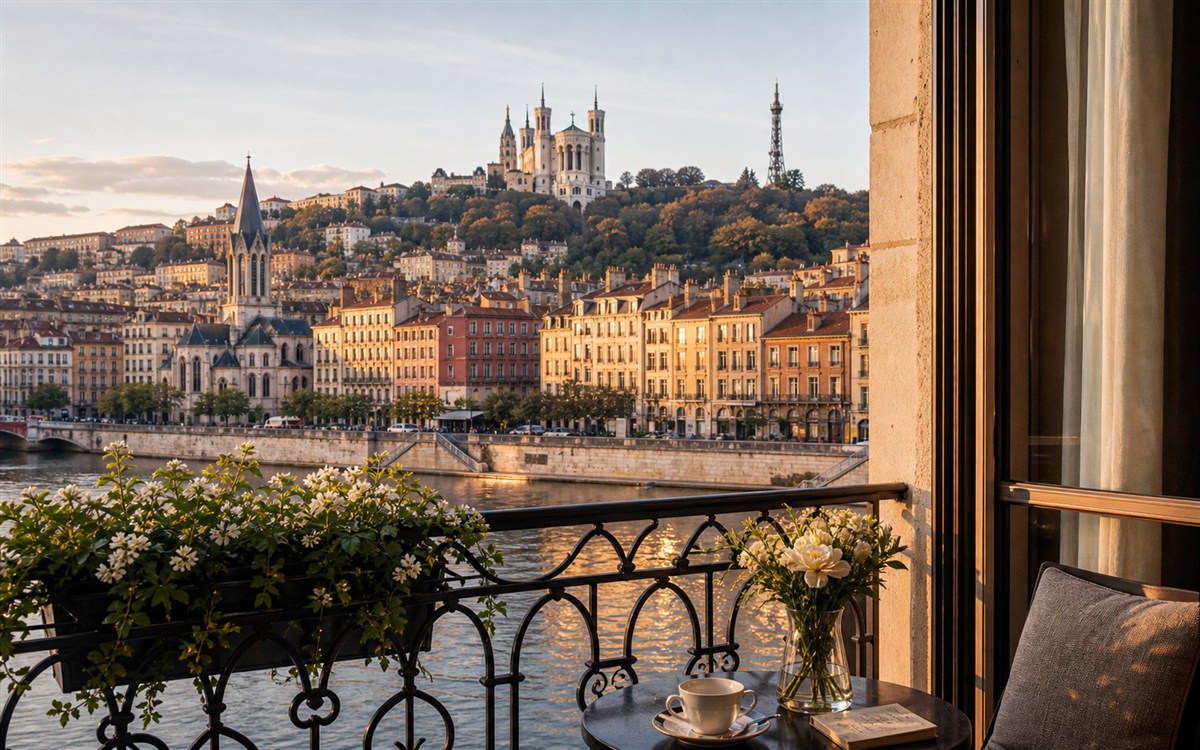
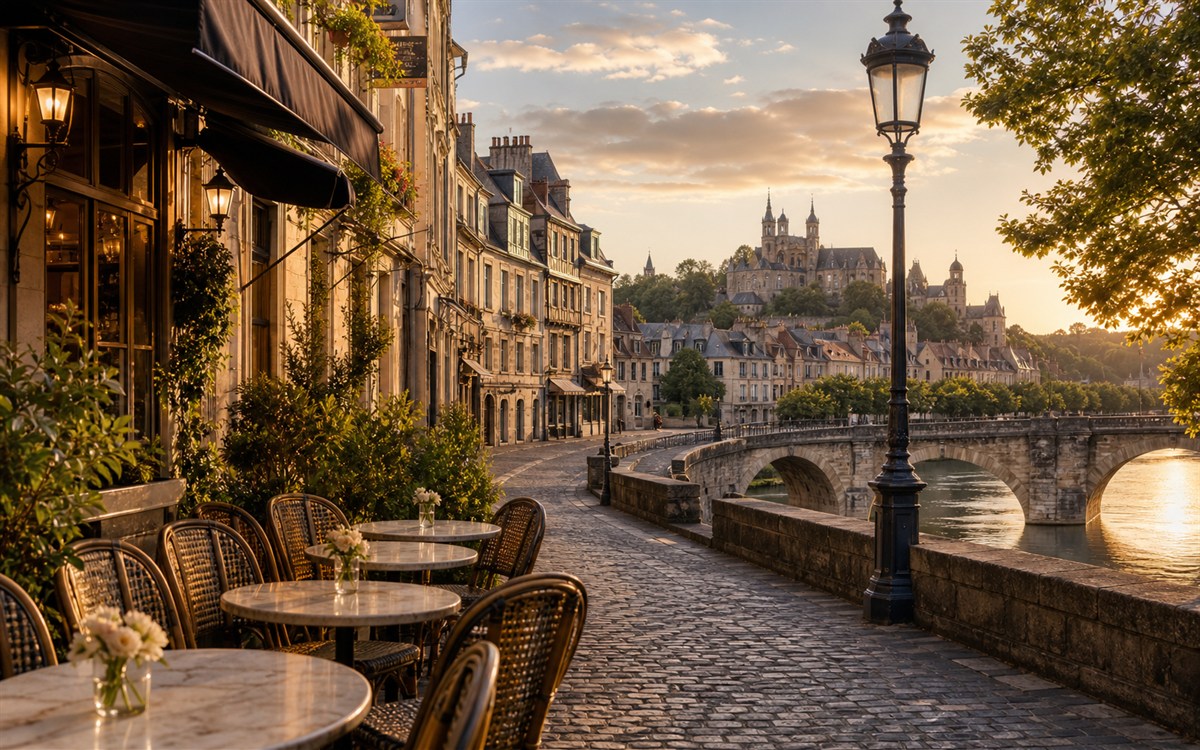
Build the Spain Journey Around Regional Character
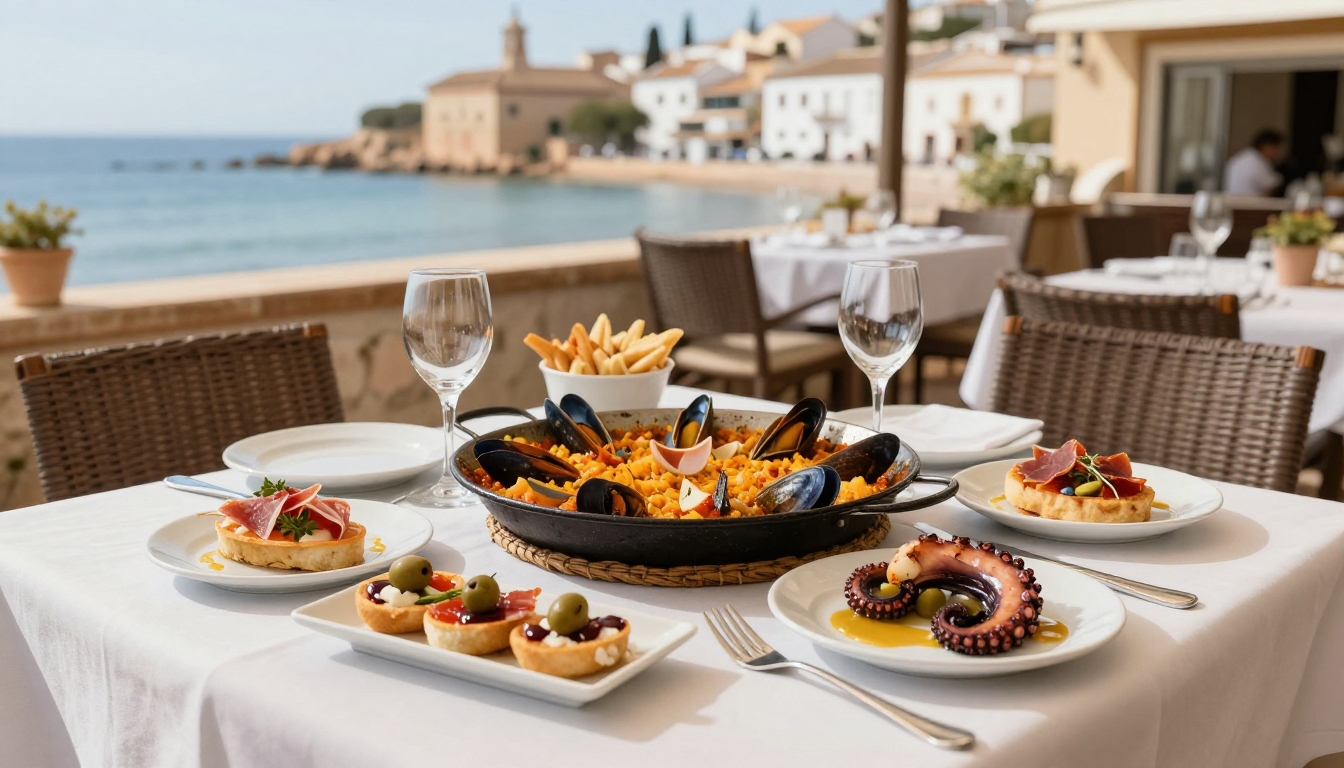
Food route: Madrid gives markets, taverns and late-night city dining; Barcelona adds Catalan cooking and seafood; Valencia leads the rice and paella layer; San Sebastián and Bilbao are ideal for pintxos and serious food trips; Galicia brings shellfish and Atlantic produce; Andalusia adds tapas, sherry and fried fish; and the islands contribute local cheeses, seafood, wines and relaxed coastal meals.
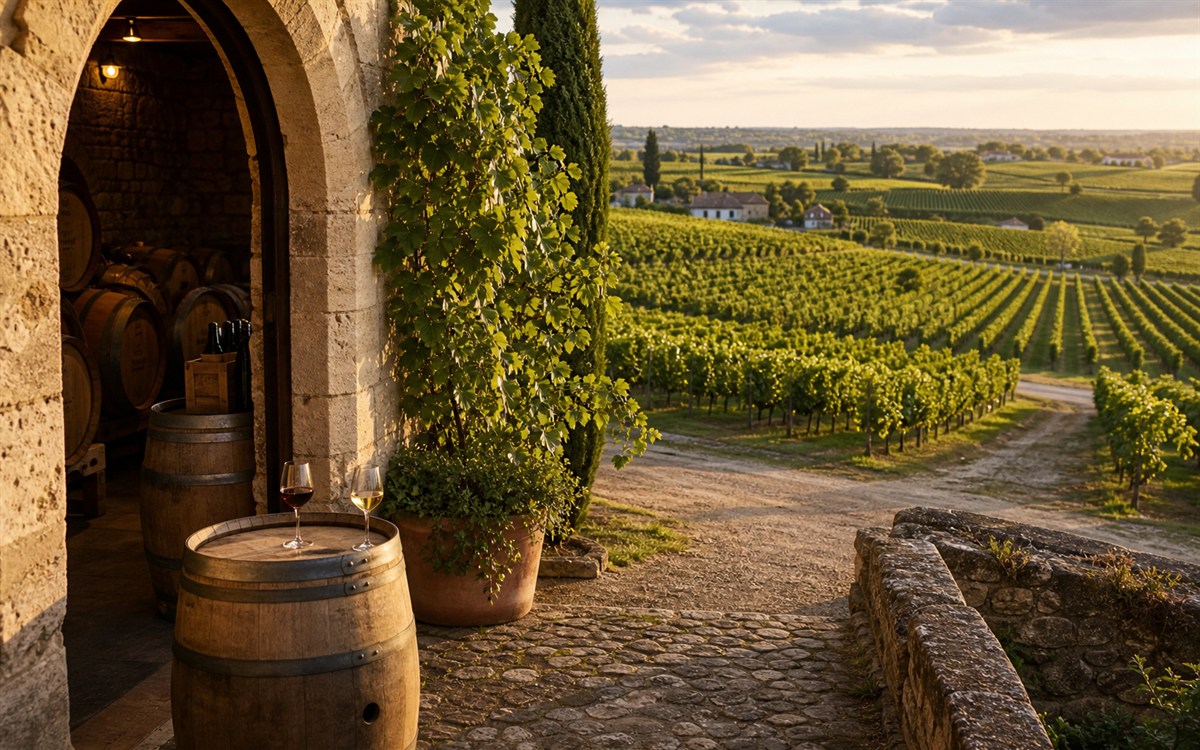
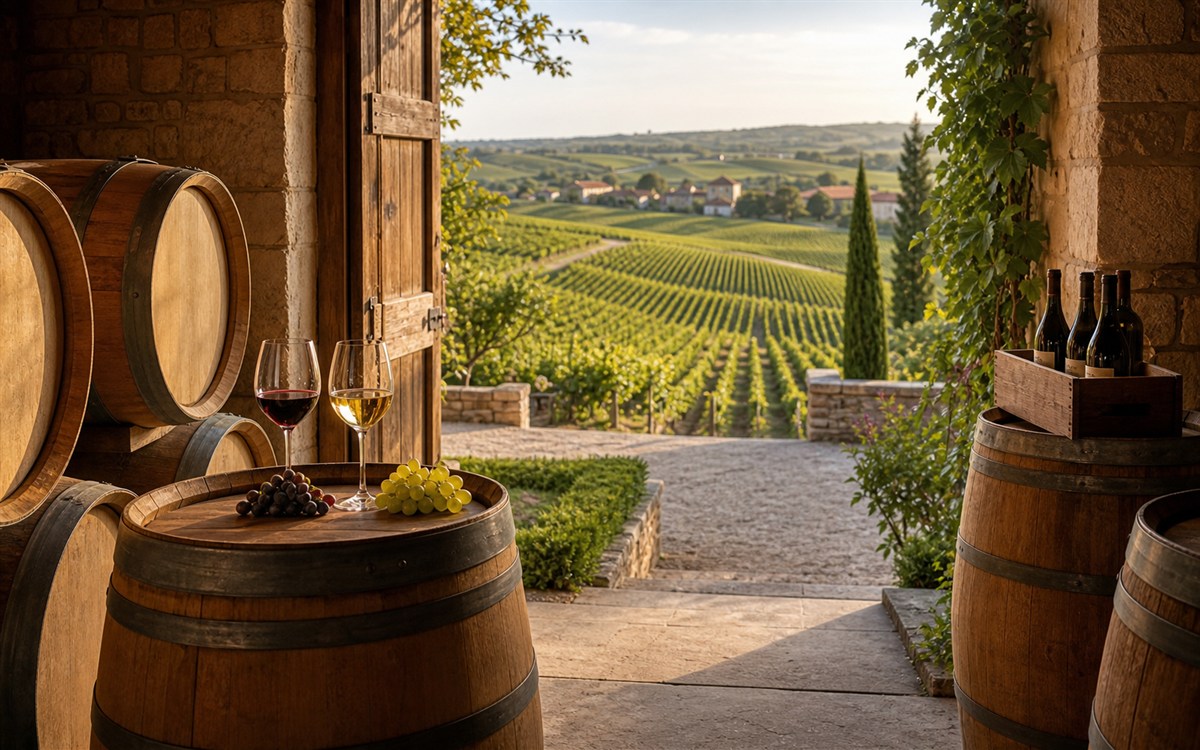
Wine route: Rioja, Ribera del Duero, Priorat, Penedès, Jerez, Rías Baixas and the vineyards of the Canary Islands all create different wine journeys. Choose one region that fits the route rather than collecting unrelated tastings across the country.
Culture route: Madrid is strongest for major art museums, Barcelona for architecture and modernism, Andalusia for palaces and layered history, Bilbao for contemporary design, Valencia for a historic-and-futuristic contrast, and smaller cities such as Toledo, Salamanca and Santiago de Compostela for concentrated heritage.
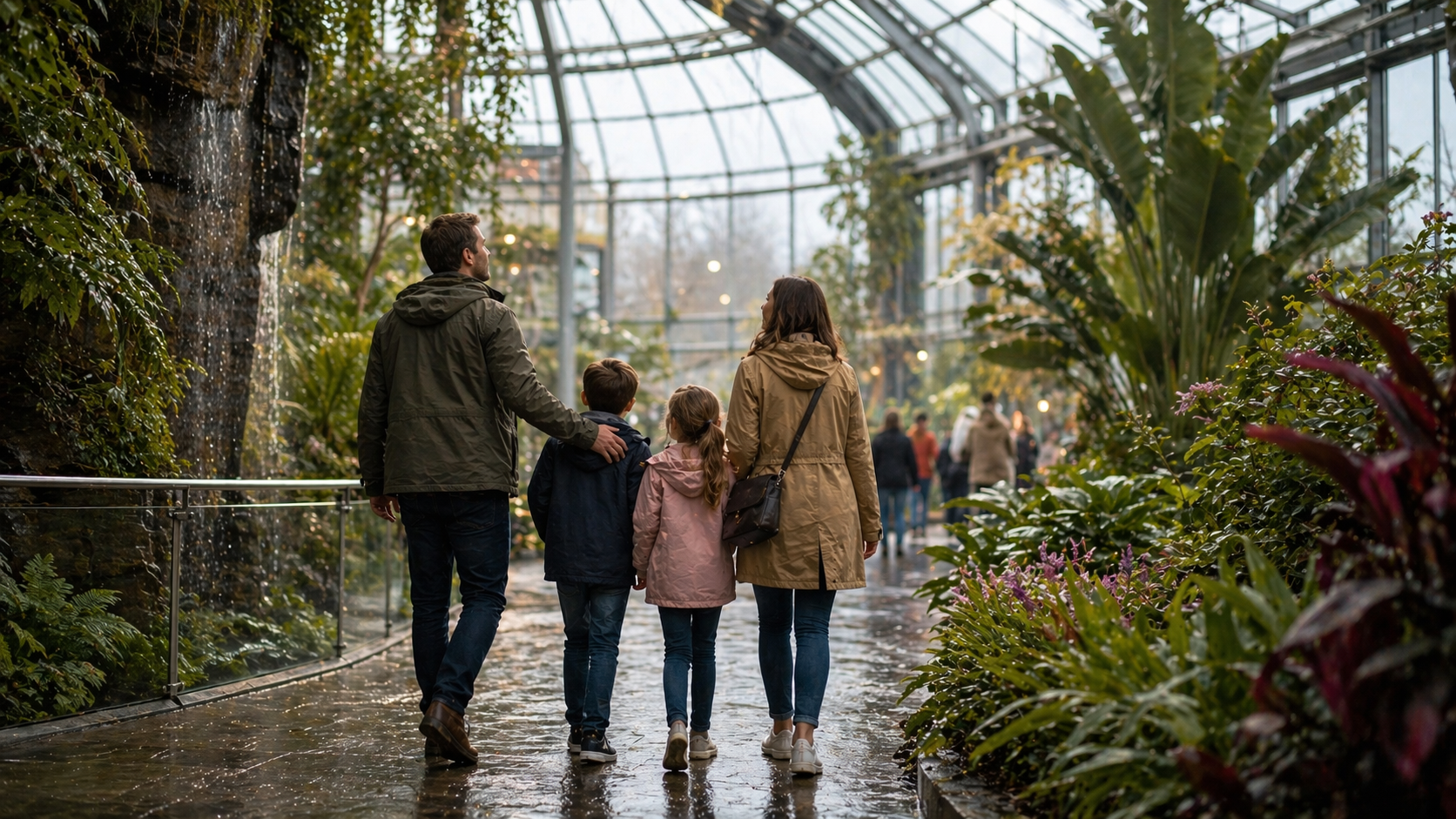
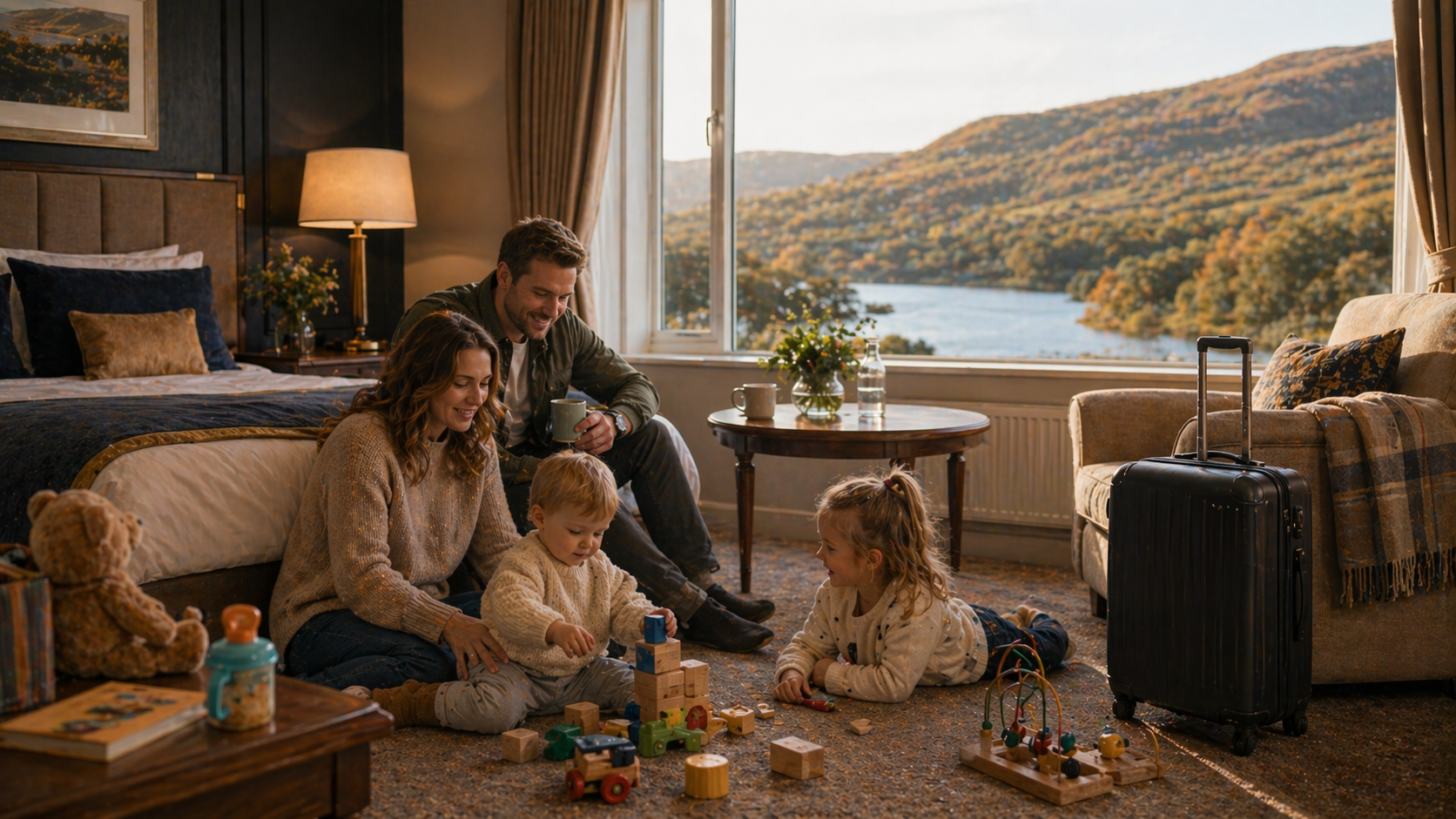
Family planning: Barcelona, Madrid, Valencia, Málaga and the larger islands offer the easiest mix of attractions, parks, beaches and weather backup. Families benefit from one major booked attraction per day, a central or resort-appropriate base, and fewer long transfers during the hottest part of the day.
Final planning rule: choose city, coast, island or regional route first; then set the hotel base and transport; then reserve the attractions that genuinely need timed entry. Spain rewards a slower evening rhythm, so leave space for food, plazas, neighbourhoods and spontaneous stops instead of filling every hour with bookings.