South Korea Travel, Structured Around Seoul, Food, Culture and Fast Rail
Plan South Korea through Seoul, Busan, Jeju, Gyeongju, temples, markets, K-culture districts, food streets, high-speed rail, hotels, flights and regional routes.
Start Planning South KoreaSouth Korea Travel Guide: Routes, Stay Bases, Culture and Experiences
Trip shape: The best way into South Korea is to choose the rhythm before choosing the extras. Start with Seoul, Busan, Jeju and Gyeongju, then test every extra stop against Gyeongju, Jeonju, Mountain Parks and First South Korea Trip: does it make the trip richer, or only longer?
Best for: Gyeongju, Jeonju, Mountain Parks and First South Korea Trip give South Korea its deeper travel layer. Some visitors need one main city and one day trip; others should slow down, split the journey and give the strongest region its own nights.
Planning rule: Start with arrival logic, season and the first overnight point, then add the experiences that genuinely deserve advance planning. Museums, landmarks, guided tours, food walks, local neighbourhoods and coastal or countryside days should be grouped by geography and timing.
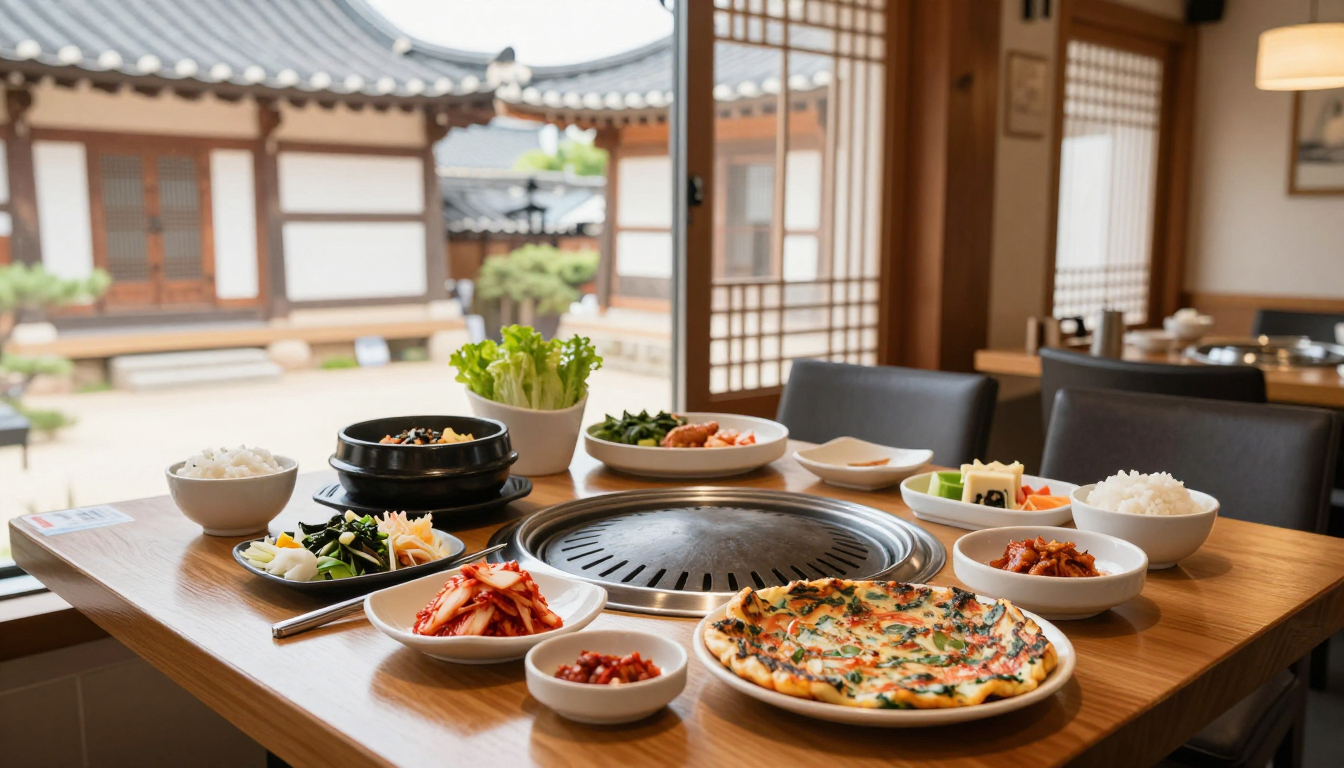
Route logic: Food markets and street snacks work well around transport and sightseeing days. Barbecue, banchan and stews are often social meals rather than quick stops. Keep food close to the chosen hotel area where possible: the best meals often come from market streets, harbour areas, old-town restaurants and neighbourhoods already inside the day’s route.
Seoul: palaces, markets and neighbourhood food
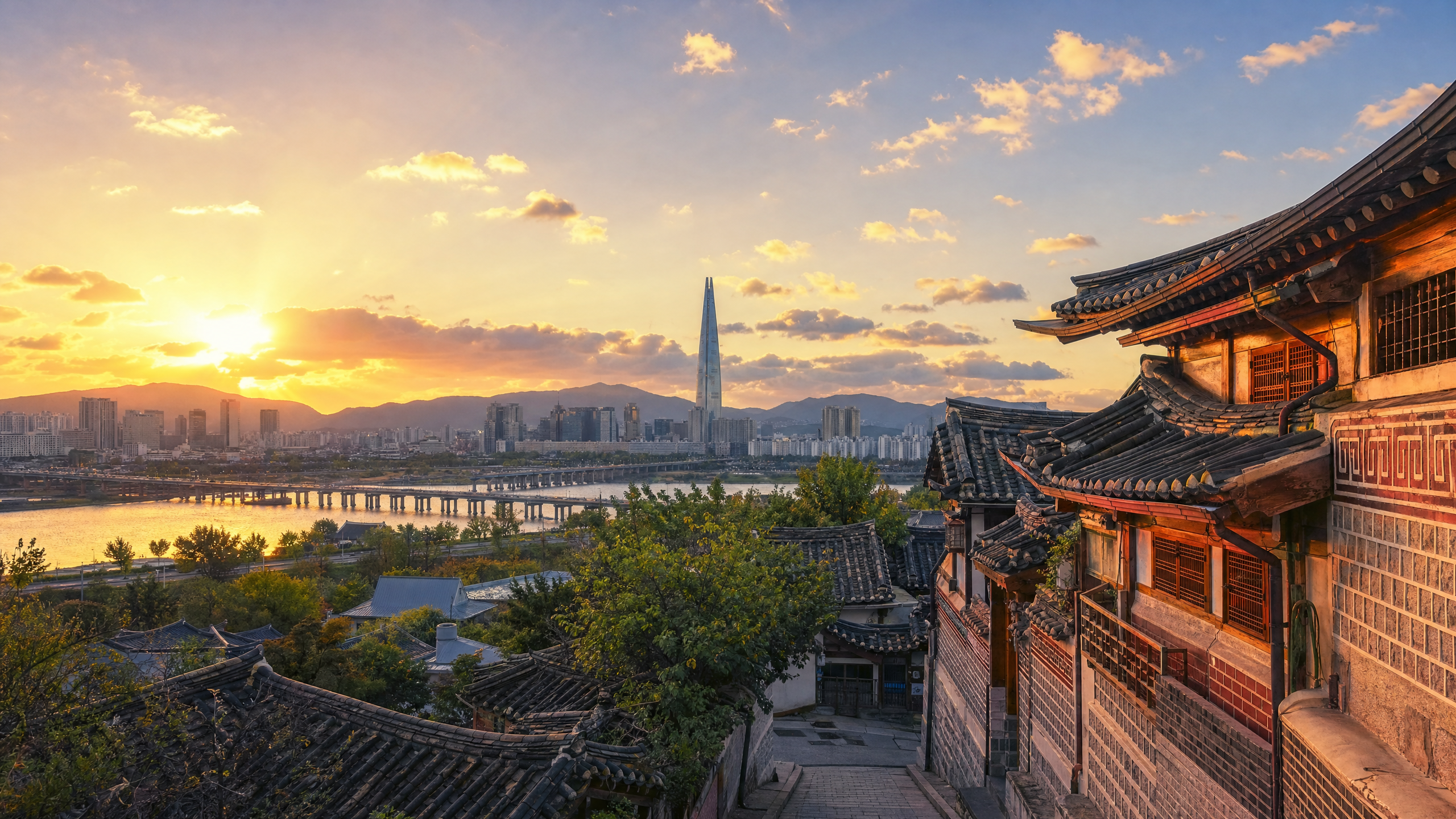
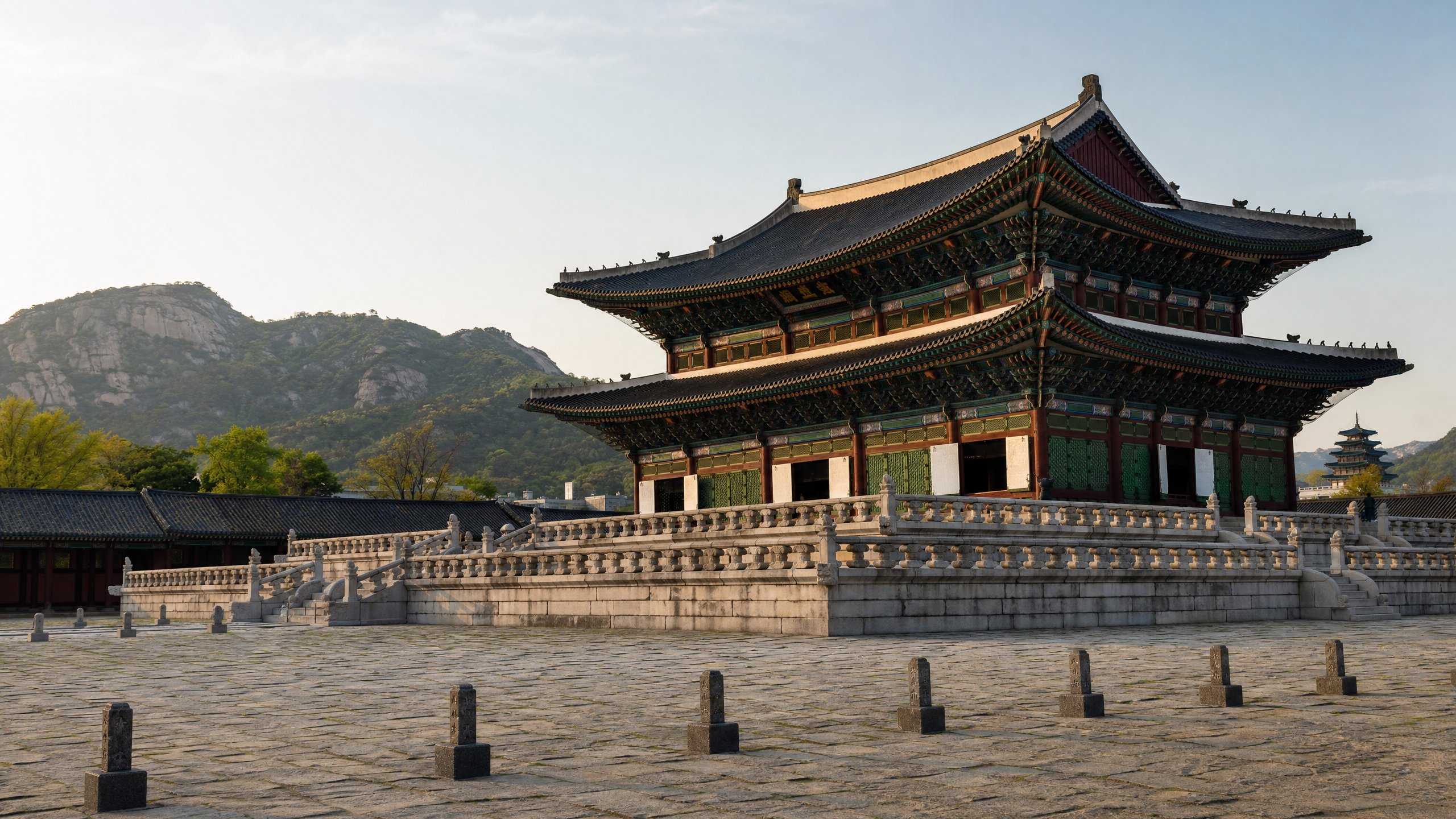
Best for: For Seoul, the first decision is pace: give the city enough room to show its palaces, markets and neighbourhood food. Seoul gives South Korea its clearest first base, with royal palaces, museums, shopping districts, food markets, mountain views and fast rail links to other regions. The city works best when palace mornings, market meals, cafe districts and shopping evenings are planned by neighbourhood rather than scattered across the metro map.
Historic landmarks: Gyeongbokgung Palace, Bukchon Hanok Village, N Seoul Tower and Namsan, Gwangjang Market, National Museum of Korea and National Folk Museum of Korea should shape the sightseeing plan. Pair it with nearby museums and Bukchon rather than rushing across the city. Visit respectfully because people live in the area.
Museums and attractions: Choose the hotel area around Myeongdong, Hongdae and Insadong or Jongno. Pick the district that makes arrival, evening movement and the first full day easier.
Hotels and stay areas: Seoul also needs a food layer. Build meals around Korean barbecue, bibimbap, tteokbokki, mandu, bingsu, kimchi jjigae, Myeongdong and Hongdae and Yeonnam so the visitor has a reason to slow down between museums, viewpoints and transfers.
Food and restaurants: Suwon and Organised Border-Area Tours can extend the stay when there is enough time. A fortress-city day route with strong rail access. Only consider regulated tours with current guidance and clear visitor rules.
Plan this part of the trip
Busan: coast, seafood and hillside villages
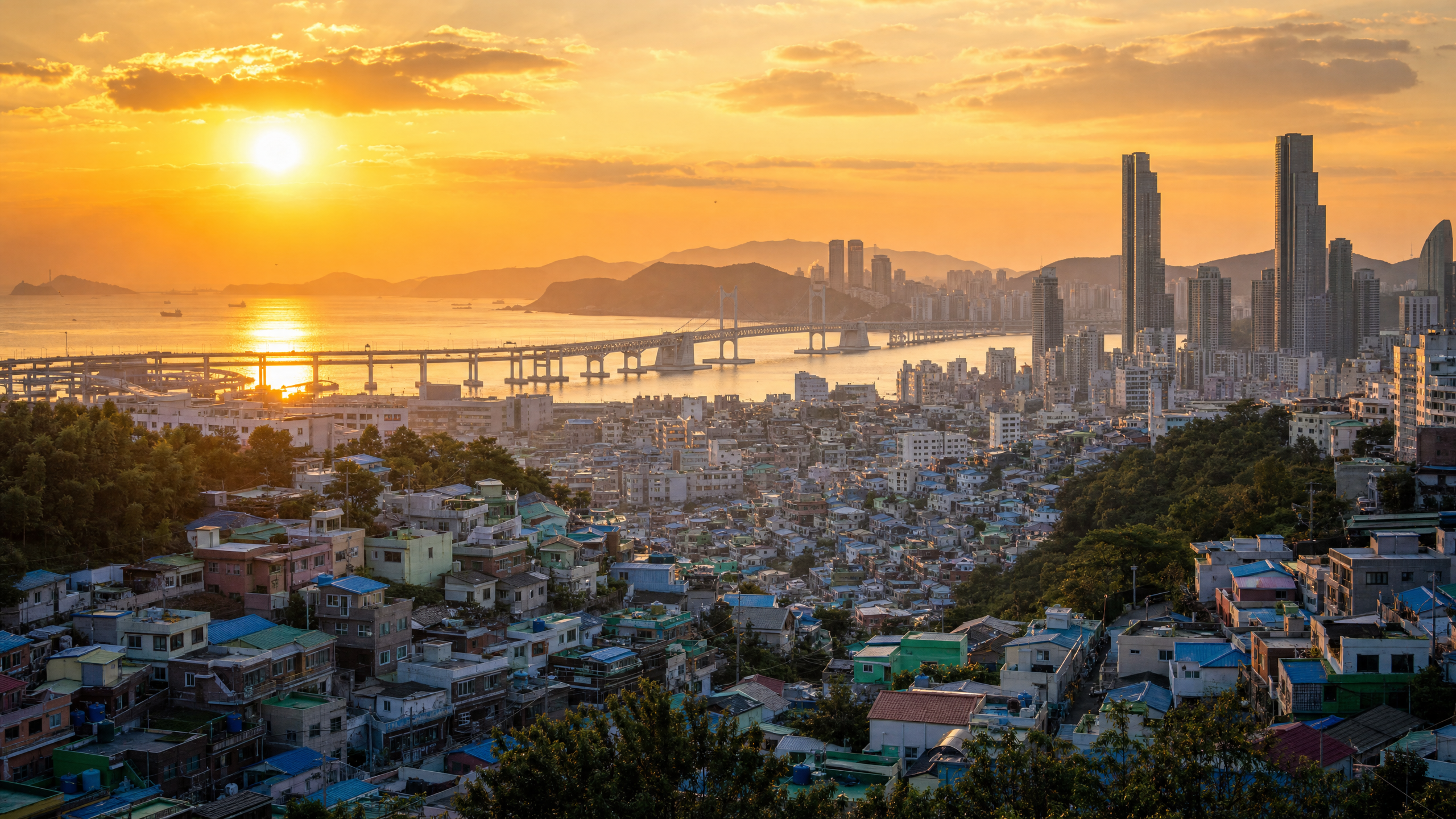
Best for: The value of Busan is not only the headline sights; it gives the itinerary coast, seafood and hillside villages and a clearer local rhythm. Busan gives South Korea a sea-facing contrast to Seoul, with beaches, seafood markets, temples by the coast, hillside neighbourhoods and a more relaxed southern pace. It deserves at least an overnight so Haeundae, Jagalchi, Gamcheon and coastal temple routes do not become a rushed rail day.
Historic landmarks: Haeundae Beach, Jagalchi Market, Gamcheon Culture Village, Haedong Yonggungsa Temple, Busan Museum of Art and Busan Modern History Museum should shape the sightseeing plan. Choose this area when beach convenience matters. Pair it with BIFF Square and Nampo-dong.
Museums and attractions: Choose the hotel area around Haeundae, Seomyeon and Nampo-dong. Pick the district that makes arrival, evening movement and the first full day easier.
Hotels and stay areas: Busan also needs a food layer. Build meals around milmyeon, dwaeji gukbap, sliced raw fish, eomuk, seed hotteok, seafood stew, Nampo-dong and Jagalchi and Haeundae so the visitor has a reason to slow down between museums, viewpoints and transfers.
Food and restaurants: Gyeongju and Tongyeong or Geoje can extend the stay when there is enough time. A heritage city reachable from Busan for a day or overnight. A southern coast extension for longer trips.
Plan this part of the trip
Jeju: island landscapes, coast and slower driving
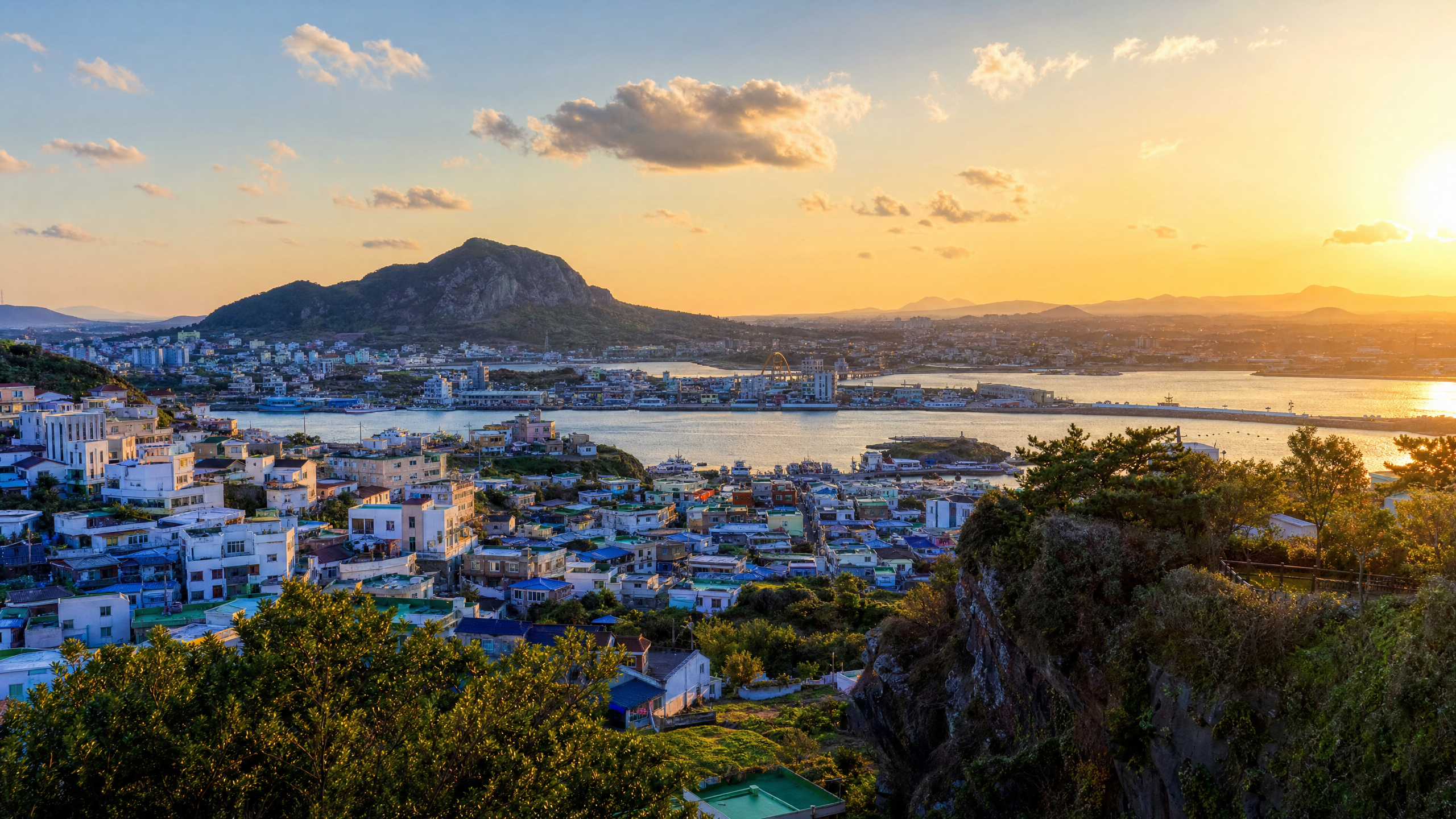
Best for: Use Jeju when the South Korea route needs island landscapes, coast and slower driving. Jeju is South Korea's island chapter, with volcanic landscapes, coastal roads, waterfalls, beaches and local food that need time and transport planning. It is most rewarding when travellers choose an east, west or south-coast focus and allow weather flexibility for Hallasan, Olle walks and boat or beach time.
Historic landmarks: Seongsan Ilchulbong, Hallasan National Park, Jeongbang and Cheonjiyeon Waterfalls, Olle Trail Sections, Jeju Stone Park and Haenyeo Museum should shape the sightseeing plan. Check weather and allow time for the east-coast route. Choose routes by fitness, season and daylight.
Museums and attractions: Choose the hotel area around Jeju City, Seogwipo and Aewol or Jungmun. Pick the district that makes arrival, evening movement and the first full day easier.
Hotels and stay areas: Jeju also needs a food layer. Build meals around black pork, abalone porridge, seafood hotpot, tangerines, hairtail fish, buckwheat noodles, Jeju City and Seogwipo so the visitor has a reason to slow down between museums, viewpoints and transfers.
Food and restaurants: Seogwipo Coast and East Jeju can extend the stay when there is enough time. The natural base for waterfalls and southern drives. A scenic route for Seongsan, villages and coastal walks.
Plan this part of the trip

Gyeongju: ancient capital, tombs and temple heritage
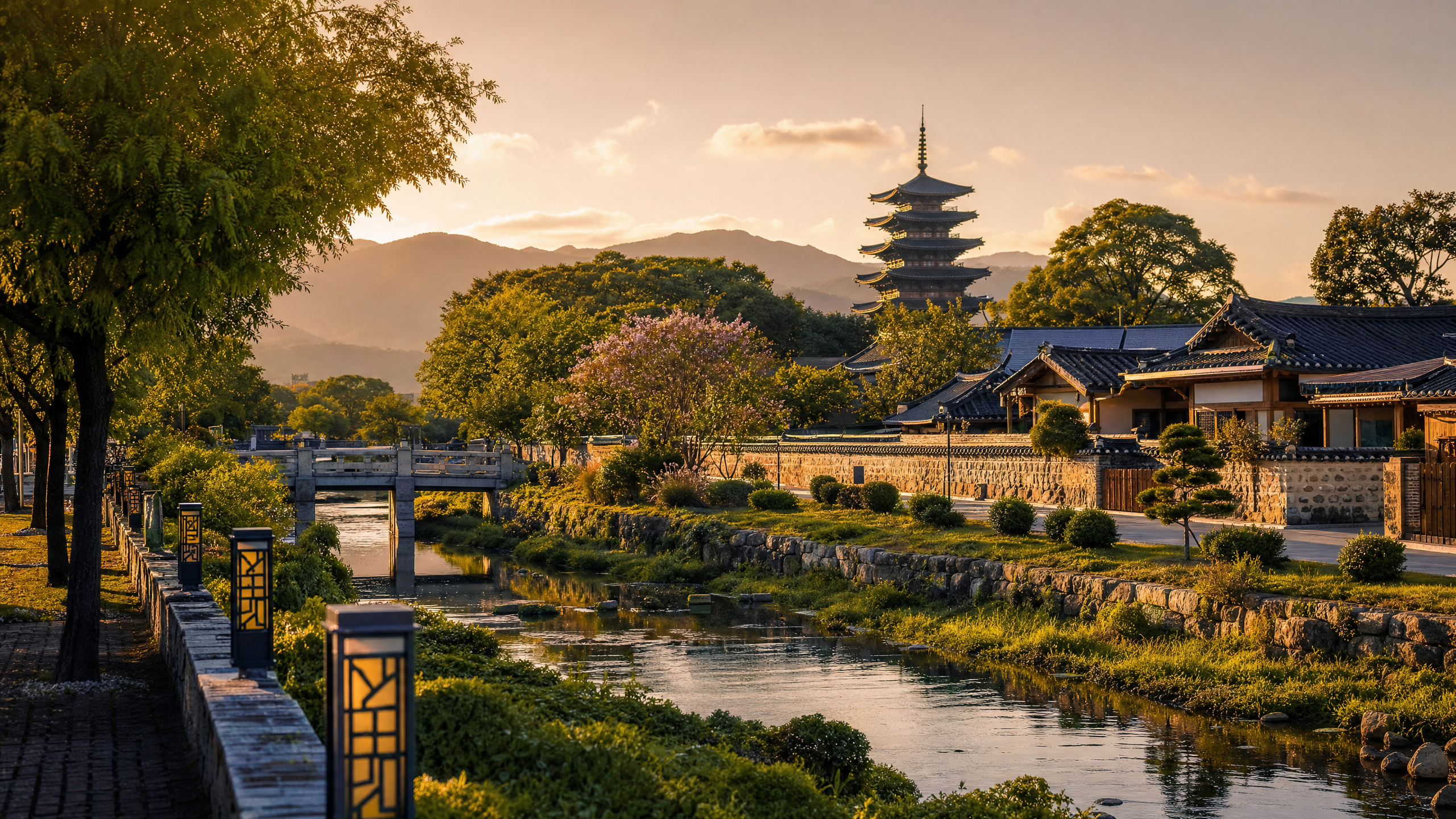
Best for: Treat Gyeongju as the part of South Korea where ancient capital, tombs and temple heritage becomes useful for the wider route. Gyeongju is South Korea's essential ancient-history stop, with royal tombs, temples, museum collections and quiet lanes that work well as an overnight from Seoul or Busan. The city rewards slower walking or cycling between Silla sites, especially when Bulguksa, Seokguram and evening pond views are paced carefully.
Historic landmarks: Daereungwon Tomb Complex, Bulguksa Temple, Donggung Palace and Wolji Pond, Cheomseongdae Observatory, Gyeongju National Museum and Seokguram Grotto should shape the sightseeing plan. Use it as the main orientation point in town. Pair with Seokguram if time and transport allow.
Museums and attractions: Choose the hotel area around Hwangnidan-gil Area, Central Gyeongju and Bomun Lake. Pick the district that makes arrival, evening movement and the first full day easier.
Hotels and stay areas: Gyeongju also needs a food layer. Build meals around ssambap, hwangnam bread, tteokgalbi, market snacks, traditional tea, Hwangnidan-gil, Central Market Area and Bomun Lake so the visitor has a reason to slow down between museums, viewpoints and transfers.
Food and restaurants: Busan and Pohang Coast can extend the stay when there is enough time. The easiest major-city pairing. A sea-facing extension for longer regional trips.
Jeonju: hanok stays, bibimbap and craft culture
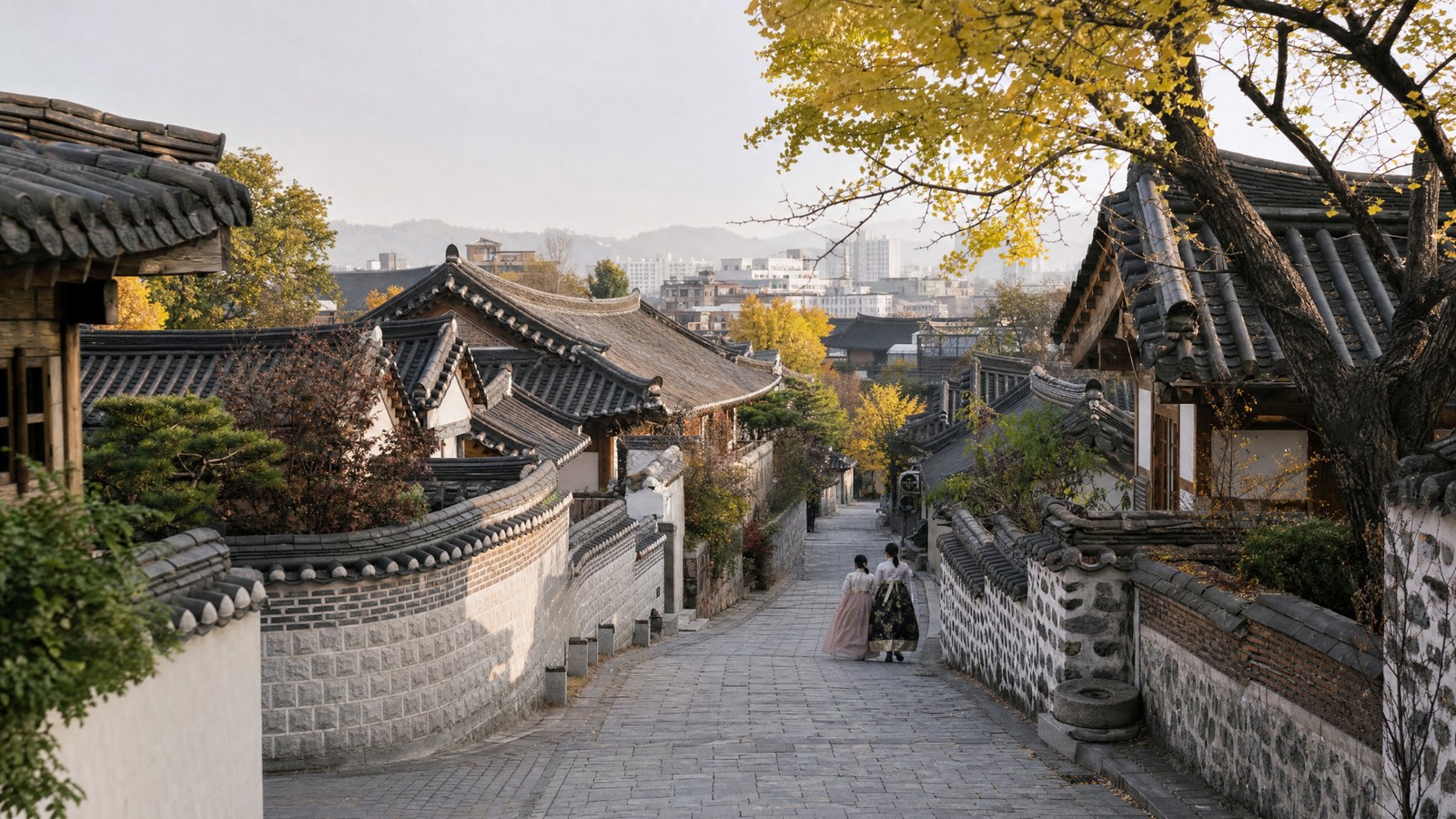
Best for: The value of Jeonju is not only the headline sights; it gives the itinerary hanok stays, bibimbap and craft culture and a clearer local rhythm. Jeonju is a food-and-heritage stop that suits travellers who want hanok lanes, crafts, tea, slower evenings and one of Korea's most famous regional dishes. It is stronger with an overnight, when bibimbap, market snacks, makgeolli meals and the Hanok Village can feel lived-in rather than performative.
Historic landmarks: Jeonju Hanok Village, Gyeonggijeon Shrine, Jeondong Cathedral, Nambu Market, Jeonju Hanji Museum and Royal Portrait Museum should shape the sightseeing plan. Stay overnight if possible for a calmer evening mood. Pair with the nearby cathedral and lanes.
Museums and attractions: Choose the hotel area around Hanok Village, Gaeksa Area and Station Side. Pick the district that makes arrival, evening movement and the first full day easier.
Hotels and stay areas: Jeonju also needs a food layer. Build meals around Jeonju bibimbap, kongnamul gukbap, makgeolli, choco pie, tteokgalbi, Hanok Village, Nambu Market and Gaeksa Area so the visitor has a reason to slow down between museums, viewpoints and transfers.
Food and restaurants: Seoul and Gwangju or Damyang can extend the stay when there is enough time. A manageable rail-linked extension from the capital. A southern culture and garden route for longer trips.

Food, Culture and Route Ideas for South Korea
Food route: Food markets and street snacks work well around transport and sightseeing days. Barbecue, banchan and stews are often social meals rather than quick stops. Palace ceremonies, temple settings, hanok stays and seasonal festivals add context to city routes. This is where food, culture and route planning should work together.
Food, wine and restaurants: Build meals around Korean barbecue, bibimbap, tteokbokki, mandu, bingsu, kimchi jjigae and milmyeon and keep them close to Myeongdong, Hongdae and Yeonnam, Insadong and Ikseon-dong, Nampo-dong and Jagalchi and Haeundae.
Popular experiences: Use Seoul as the main base, then add Busan by train or Jeju by flight if the trip has enough nights. Pair Seoul with Gyeongju and Jeonju for palaces, tombs, hanok areas and food traditions. Keep the route disciplined: one clear hotel area, one strong regional layer and one food or culture experience will usually feel better than trying to touch every possible stop.
Planning rule: Use bookings in a clean order: choose the hotel area first, then add attraction tickets, food tours, guided days and local experiences where they make the journey easier, richer and more realistic.