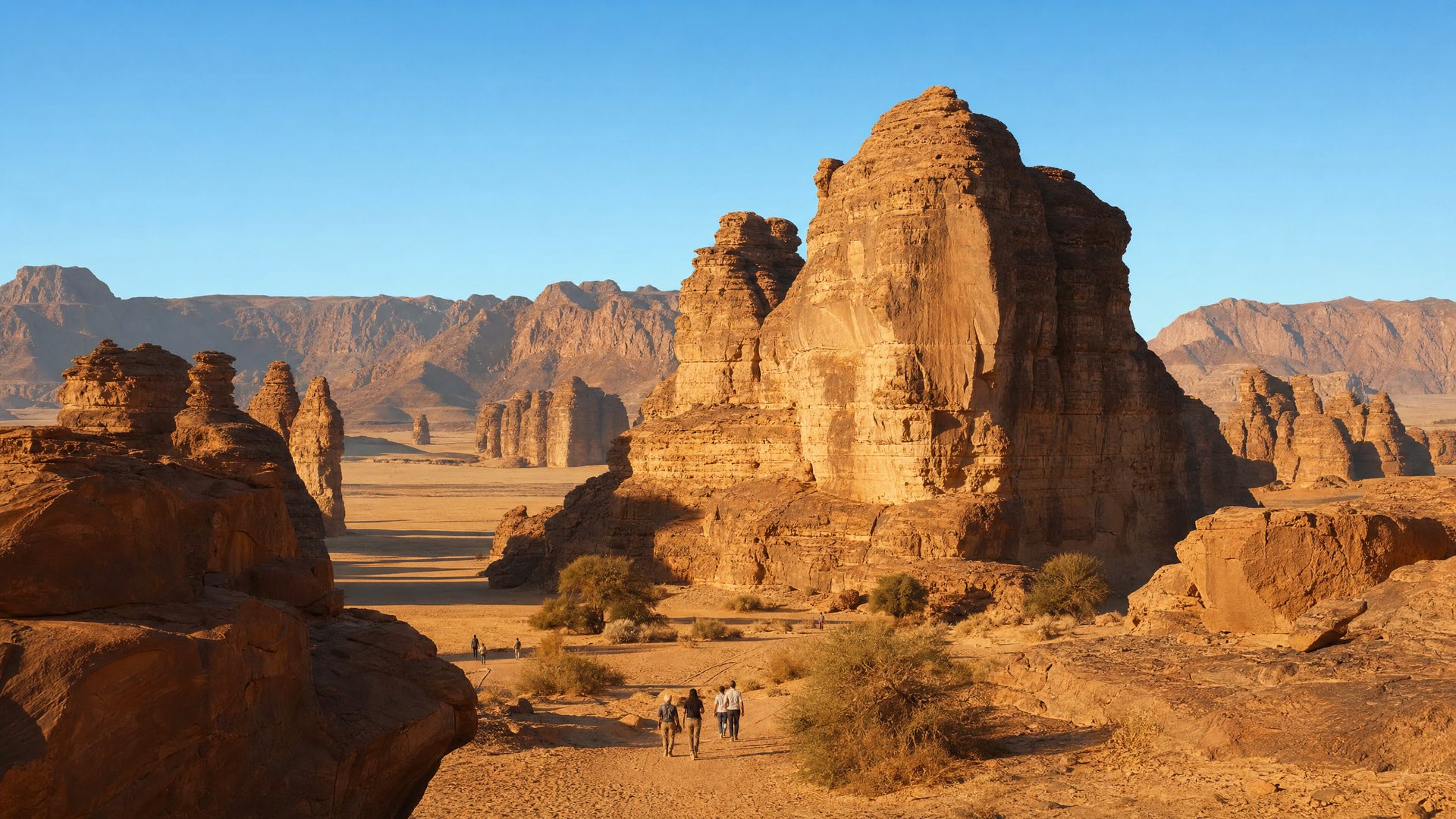
Saudi Arabia Travel, Structured Around Riyadh, Jeddah, AlUla and New Routes
Plan Saudi Arabia through Riyadh, Jeddah, AlUla, Red Sea resorts, desert landscapes, heritage sites, hotels, flights, guided tours and route-aware stays.
Start Planning Saudi ArabiaCheck Current Advice Before Booking
Travel safety note: Official UK FCDO advice may warn against travel to specific regions of this country. This guide is for general planning only. Check the latest GOV.UK Foreign Travel Advice before booking or travelling.
Regional note: FCDO regional advice covers areas near the Yemen border and named areas in Eastern Province and Riyadh Province. WorldFun Saudi Arabia planning should avoid restricted regions and keep city, heritage, and coast coverage tied to current official advice.
Last WorldFun FCDO review: 2026-04-26
Check GOV.UK FCDO adviceSaudi Arabia Travel Guide: Routes, Stay Bases, Culture and Experiences
Trip shape: Read Saudi Arabia as a route first and a destination list second. Let Riyadh, Diriyah, Jeddah and AlUla carry the easy first days, then use AlUla Region, Red Sea Coast, Diriyah and Riyadh Heritage and Riyadh and Jeddah Pairing for depth when the schedule has enough space.
Best for: AlUla Region, Red Sea Coast, Diriyah and Riyadh Heritage and Riyadh and Jeddah Pairing give Saudi Arabia its deeper travel layer. Some visitors need one main city and one day trip; others should slow down, split the journey and give the strongest region its own nights.
Planning rule: Start with arrival logic, season and the first overnight point, then add the experiences that genuinely deserve advance planning. Museums, landmarks, guided tours, food walks, local neighbourhoods and coastal or countryside days should be grouped by geography and timing.
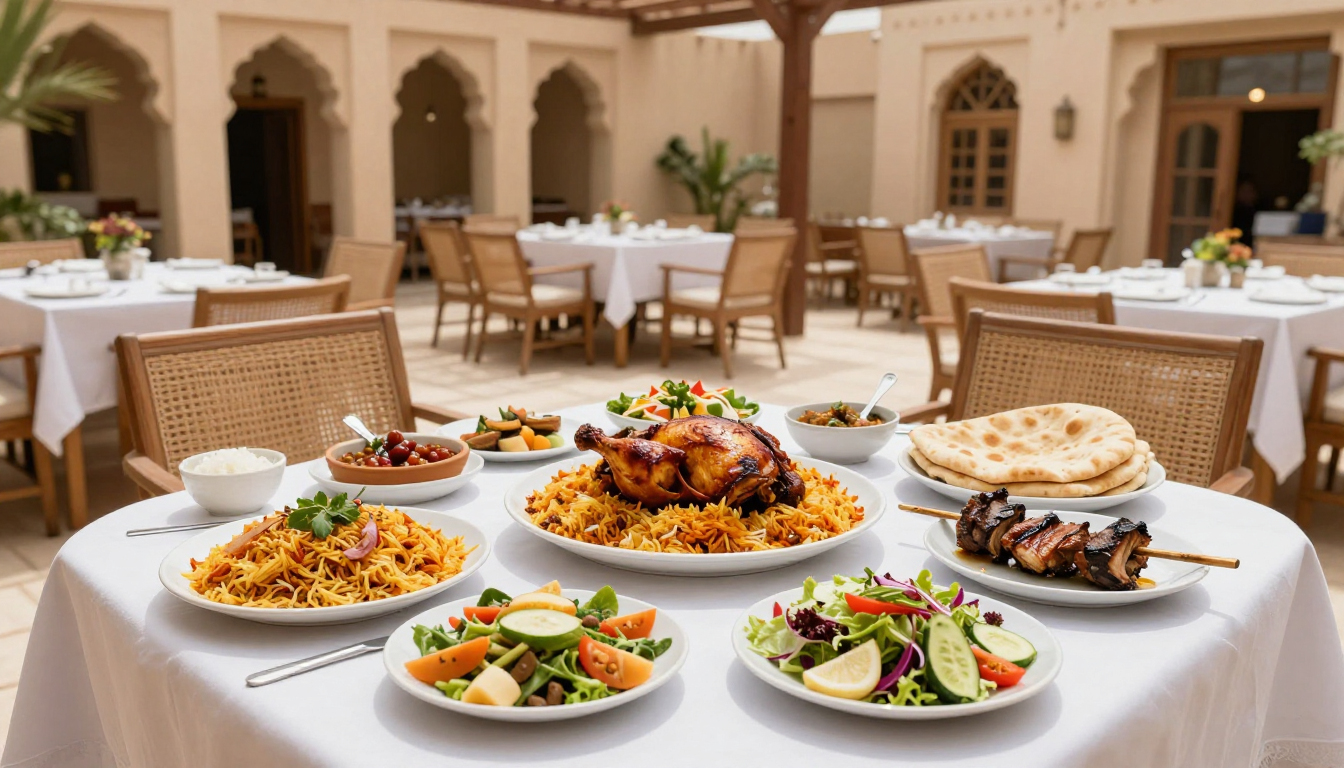
Route logic: Coffee, dates and hospitality rituals are central to many social settings. kabsa, mandi, seafood and grilled dishes shape city and coastal dining. Keep food close to the chosen hotel area where possible: the best meals often come from market streets, harbour areas, old-town restaurants and neighbourhoods already inside the day’s route.

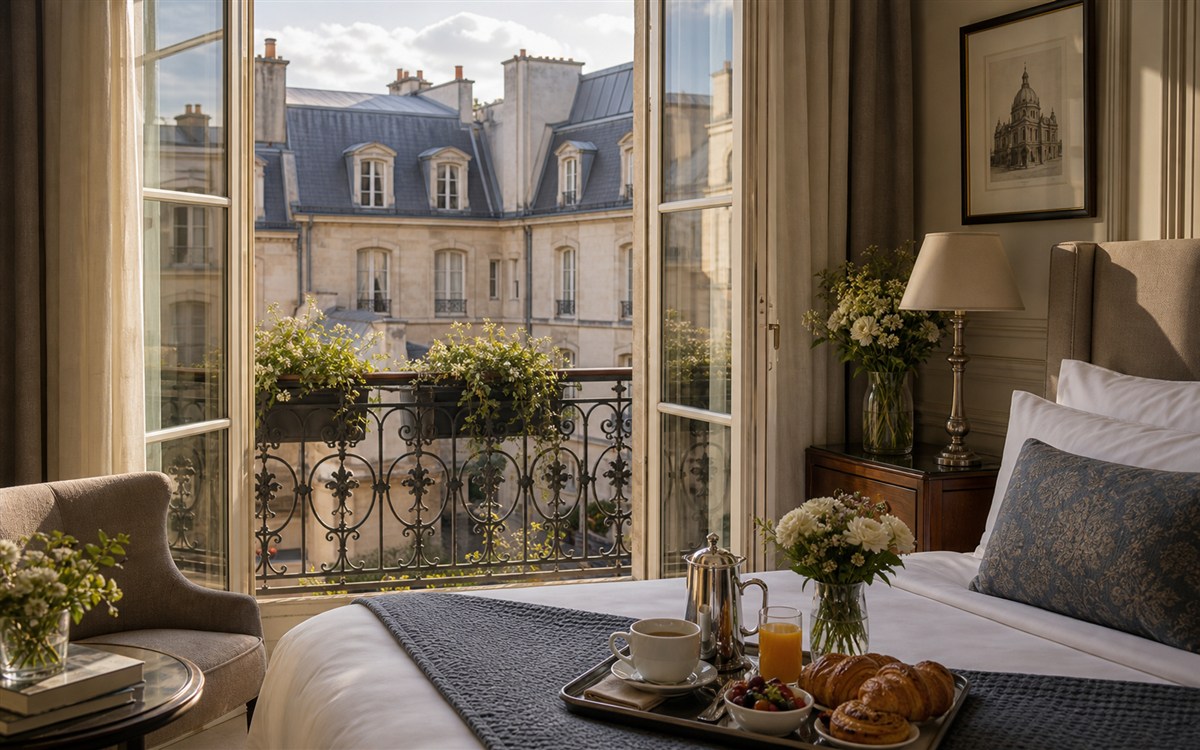
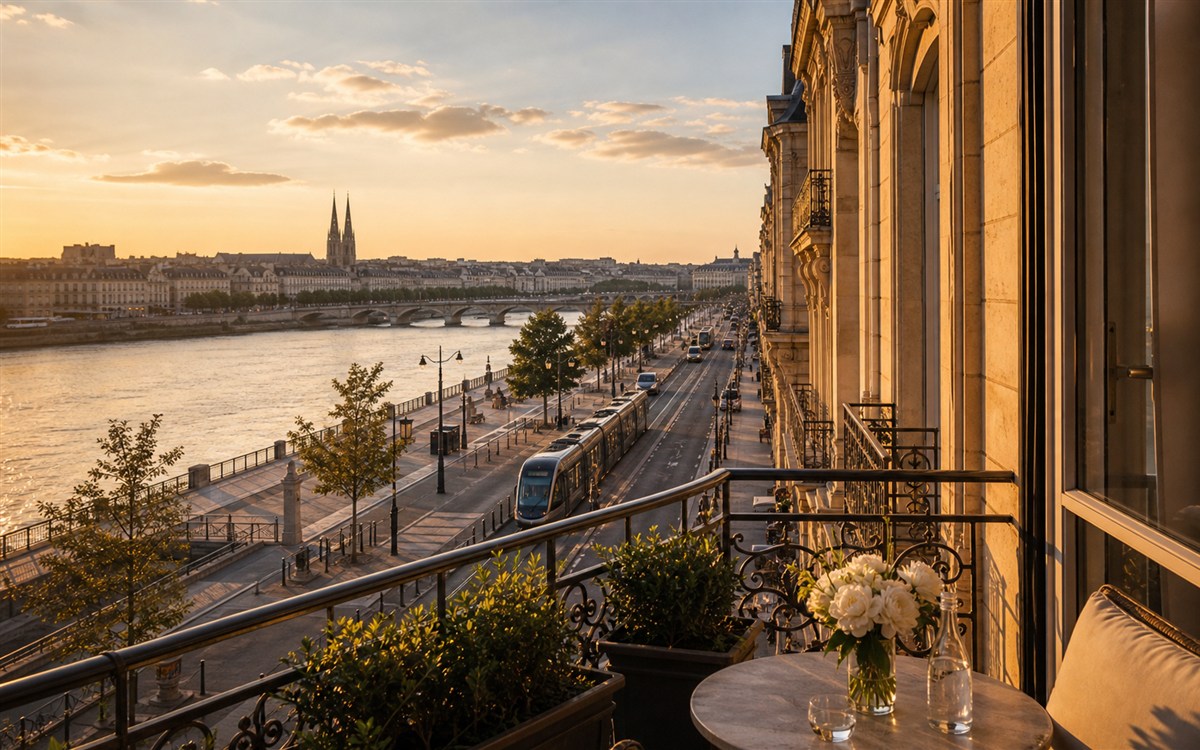
Riyadh: capital skyline, museums and modern Saudi culture
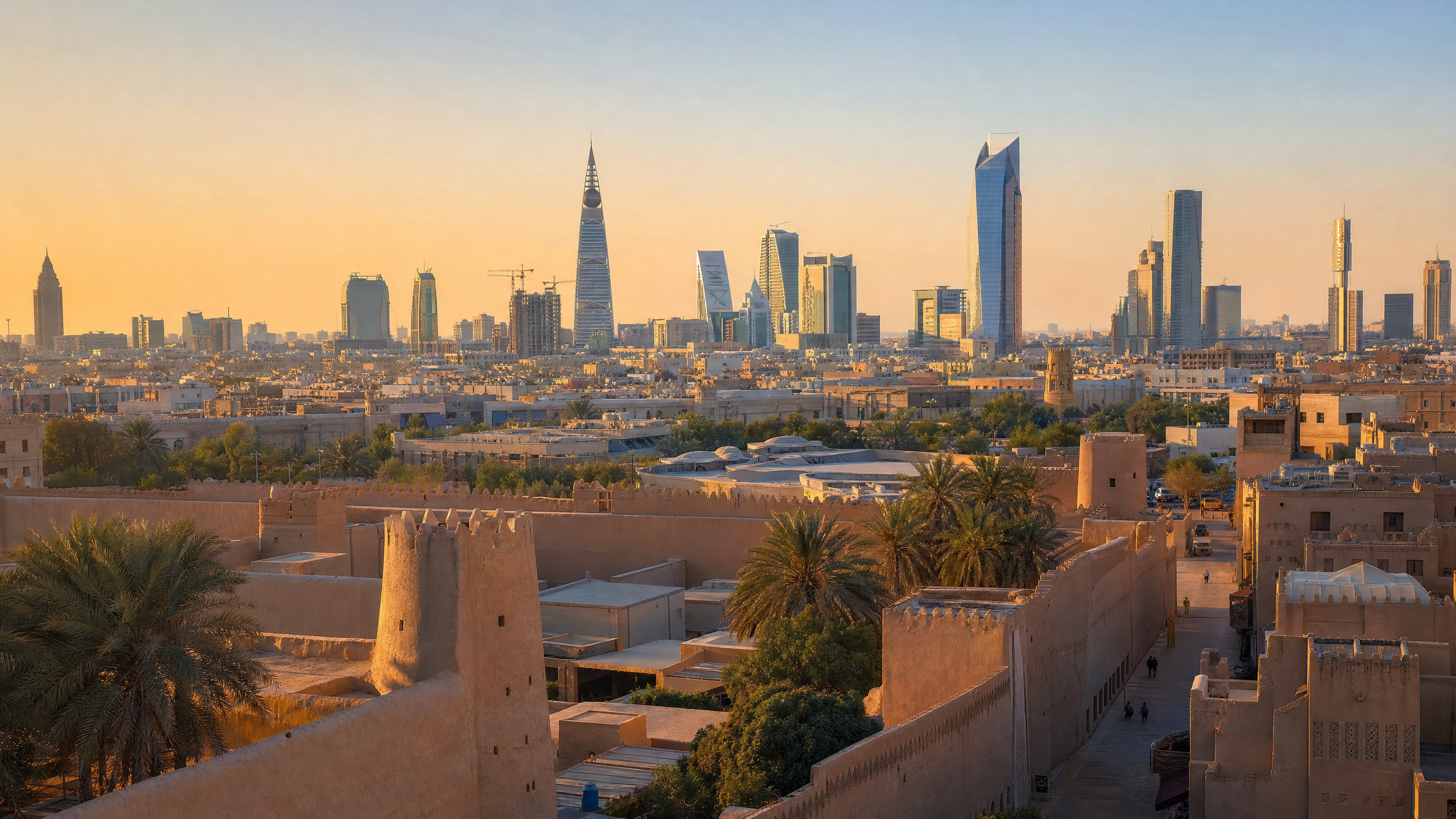
Best for: For Riyadh, the first decision is pace: give the city enough room to show its capital skyline, museums and modern Saudi culture. Riyadh is the clearest introduction to contemporary Saudi Arabia, combining museums, restored heritage areas, shopping districts, restaurants and skyline views. It works best as a structured city base with museum time, dining districts and current local guidance kept clear.
Historic landmarks: National Museum of Saudi Arabia, Kingdom Centre Sky Bridge, Al Masmak Fortress, Boulevard and Dining Districts and King Abdulaziz Historical Center should shape the sightseeing plan. Allow enough time for the wider King Abdulaziz Historical Center. Evening visits are often more comfortable.
Museums and attractions: Choose the hotel area around Olaya, King Abdullah Financial District Area and Airport Corridor. Pick the district that makes arrival, evening movement and the first full day easier.
Hotels and stay areas: Riyadh also needs a food layer. Build meals around kabsa, jareesh, dates, Saudi coffee, grilled meats, Olaya and King Fahd Road, Tahlia Street Area and Old Riyadh and Souq Areas so the visitor has a reason to slow down between museums, viewpoints and transfers.
Food and restaurants: Diriyah and AlUla can extend the stay when there is enough time. The essential heritage add-on close to the capital. A flight-based desert heritage continuation.
Diriyah: restored mudbrick heritage and capital-area culture
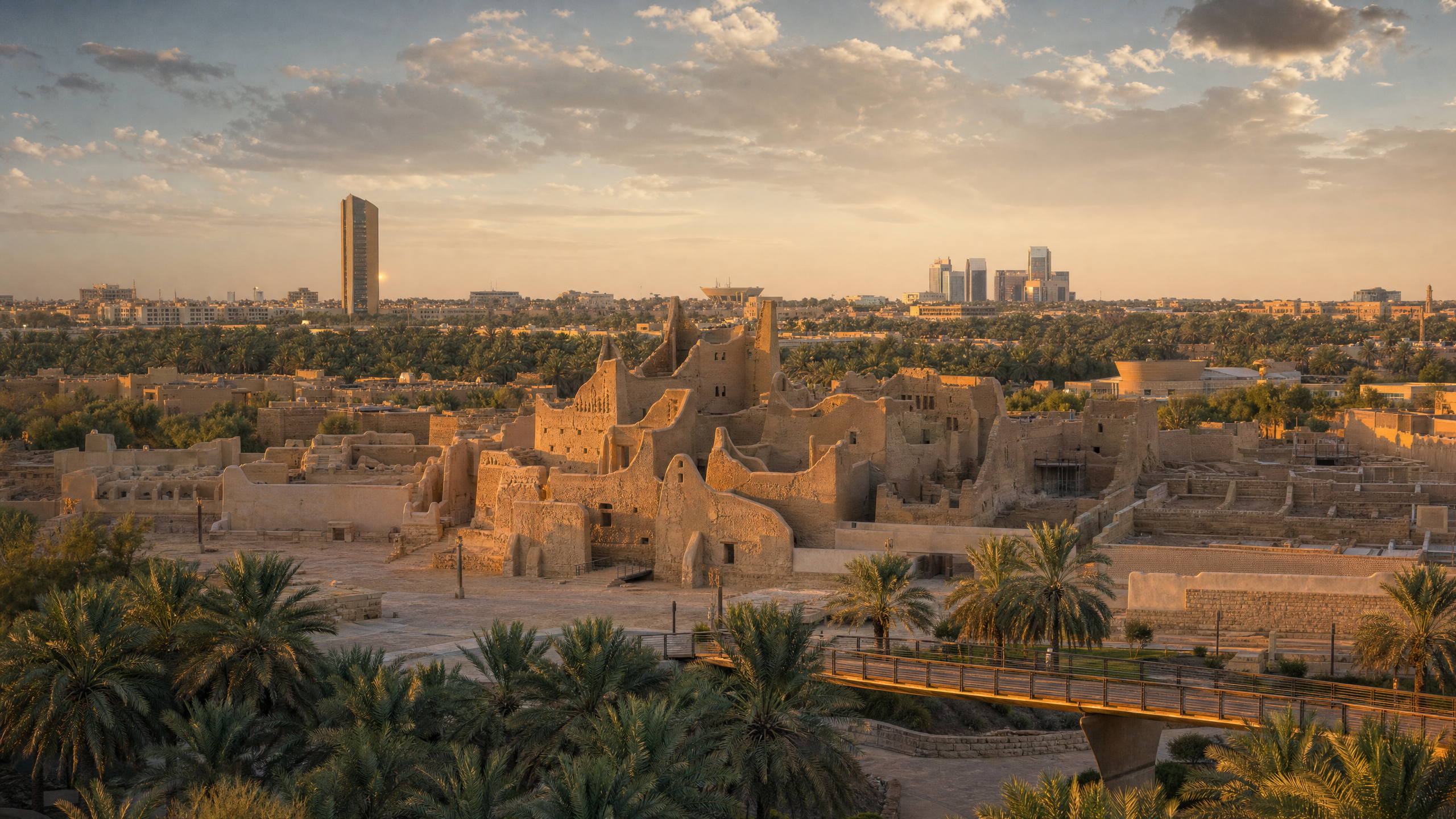
Best for: The value of Diriyah is not only the headline sights; it gives the itinerary restored mudbrick heritage and capital-area culture and a clearer local rhythm. Diriyah gives Riyadh routes a heritage counterpoint, with restored mudbrick architecture, museums, dining terraces and a slower cultural setting near the capital. It should be planned as a heritage-focused visit with timed access, respectful behaviour and heat-aware pacing.
Historic landmarks: At-Turaif District, Bujairi Terrace Area, Wadi Hanifah Edges, Heritage Interpretation Spaces, At-Turaif Interpretation Areas and Najdi Architecture Context should shape the sightseeing plan. Book or time visits according to access requirements. Evening works well when temperatures ease.
Museums and attractions: Choose the hotel area around Diriyah Area and Olaya or KAFD. Pick the district that makes arrival, evening movement and the first full day easier.
Hotels and stay areas: Diriyah also needs a food layer. Build meals around Saudi coffee, dates, kabsa, jareesh, grilled lamb, Bujairi Terrace, Diriyah Visitor Areas and Riyadh Hotel Districts so the visitor has a reason to slow down between museums, viewpoints and transfers.
Food and restaurants: Riyadh and AlUla can extend the stay when there is enough time. The natural base for museums, skyline and onward flights. A flight-based heritage and desert continuation.
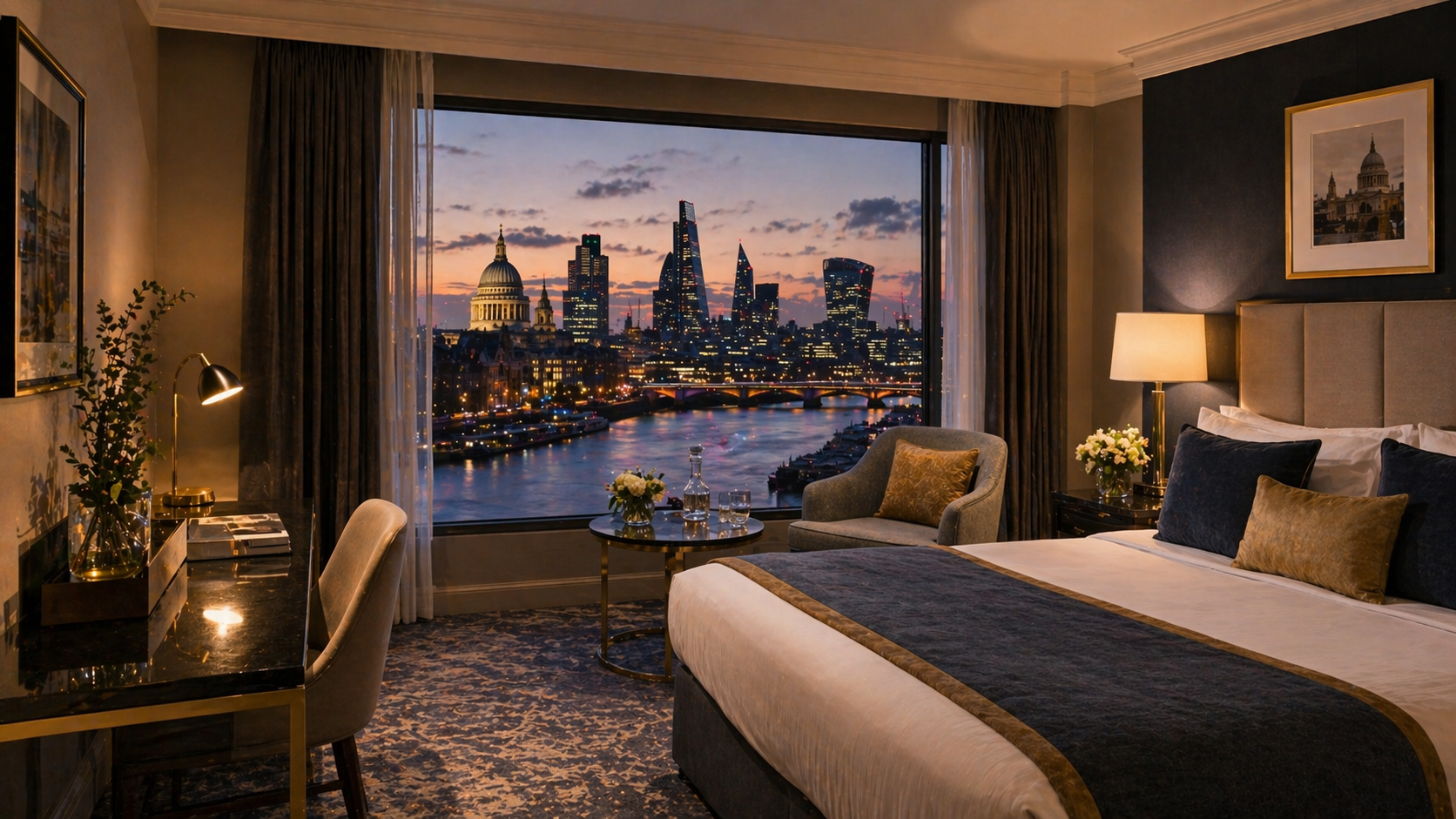

Jeddah: Red Sea city, old-town lanes and coastal dining
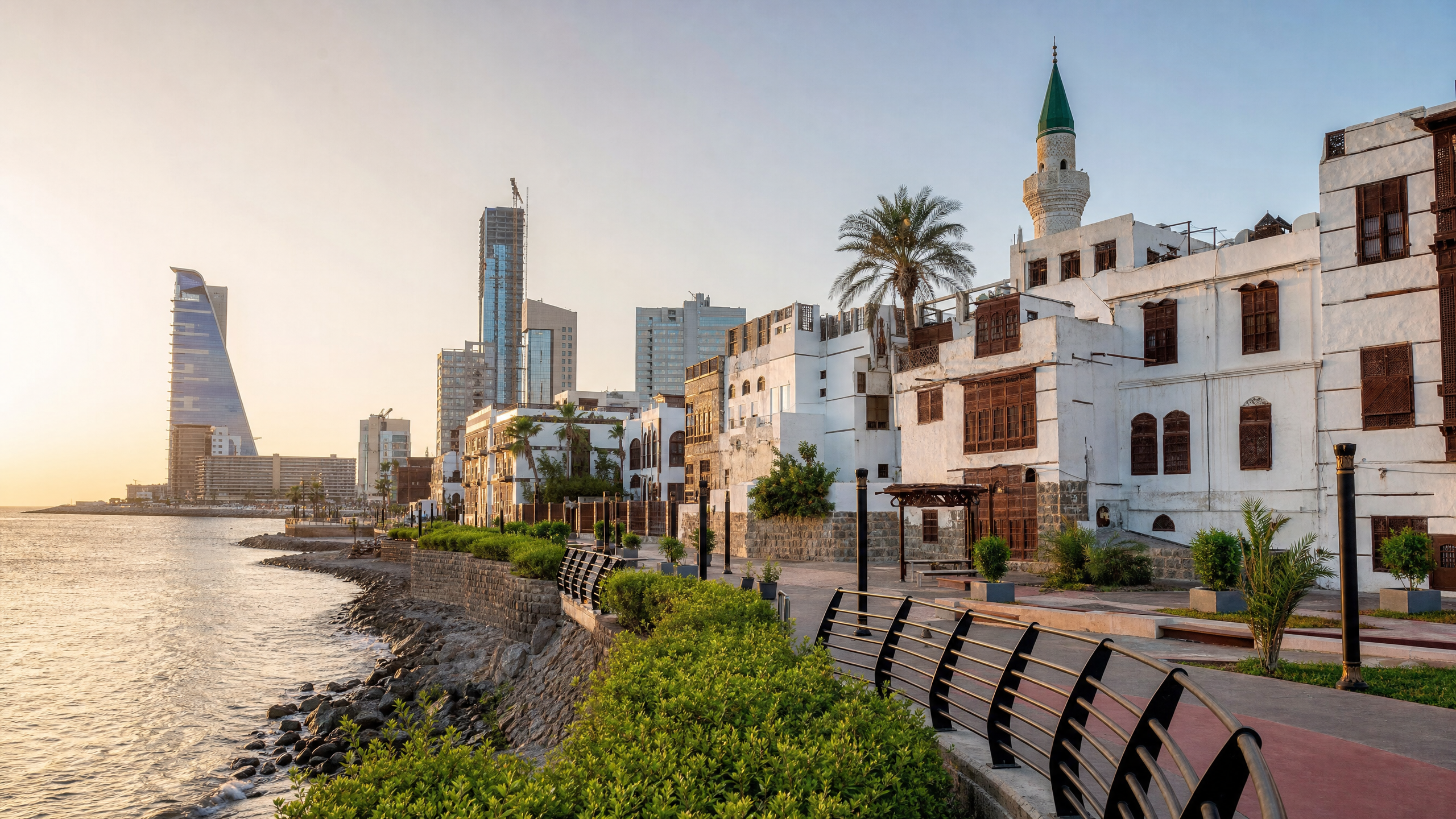
Best for: The value of Jeddah is not only the headline sights; it gives the itinerary Red Sea city, old-town lanes and coastal dining and a clearer local rhythm. Jeddah adds a Red Sea rhythm to Saudi Arabia, with historic Al-Balad, waterfront walks, seafood, art and a more coastal city pace. It suits travellers who want a coastal city base while keeping historic streets, seafood and waterfront time separate.
Historic landmarks: Al-Balad, Jeddah Corniche, Tayebat Museum, Red Sea Waterfront and Marina Areas, Al-Balad Heritage Houses and Street Art and Public Sculpture should shape the sightseeing plan. Visit with time for walking, museums and cafes. Evening is usually more comfortable.
Museums and attractions: Choose the hotel area around Corniche Area, Al-Balad Edge and North Jeddah. Pick the district that makes arrival, evening movement and the first full day easier.
Hotels and stay areas: Jeddah also needs a food layer. Build meals around sayadieh, seafood, kabsa, mutabbaq, dates, Al-Balad, Corniche and Waterfront and Prince Sultan Road Area so the visitor has a reason to slow down between museums, viewpoints and transfers.
Food and restaurants: Red Sea Coast and Riyadh can extend the stay when there is enough time. Coastal resorts and marine routes continue north or south. A flight-based city contrast with the capital.
AlUla: desert heritage, sandstone landscapes and slow lodge stays
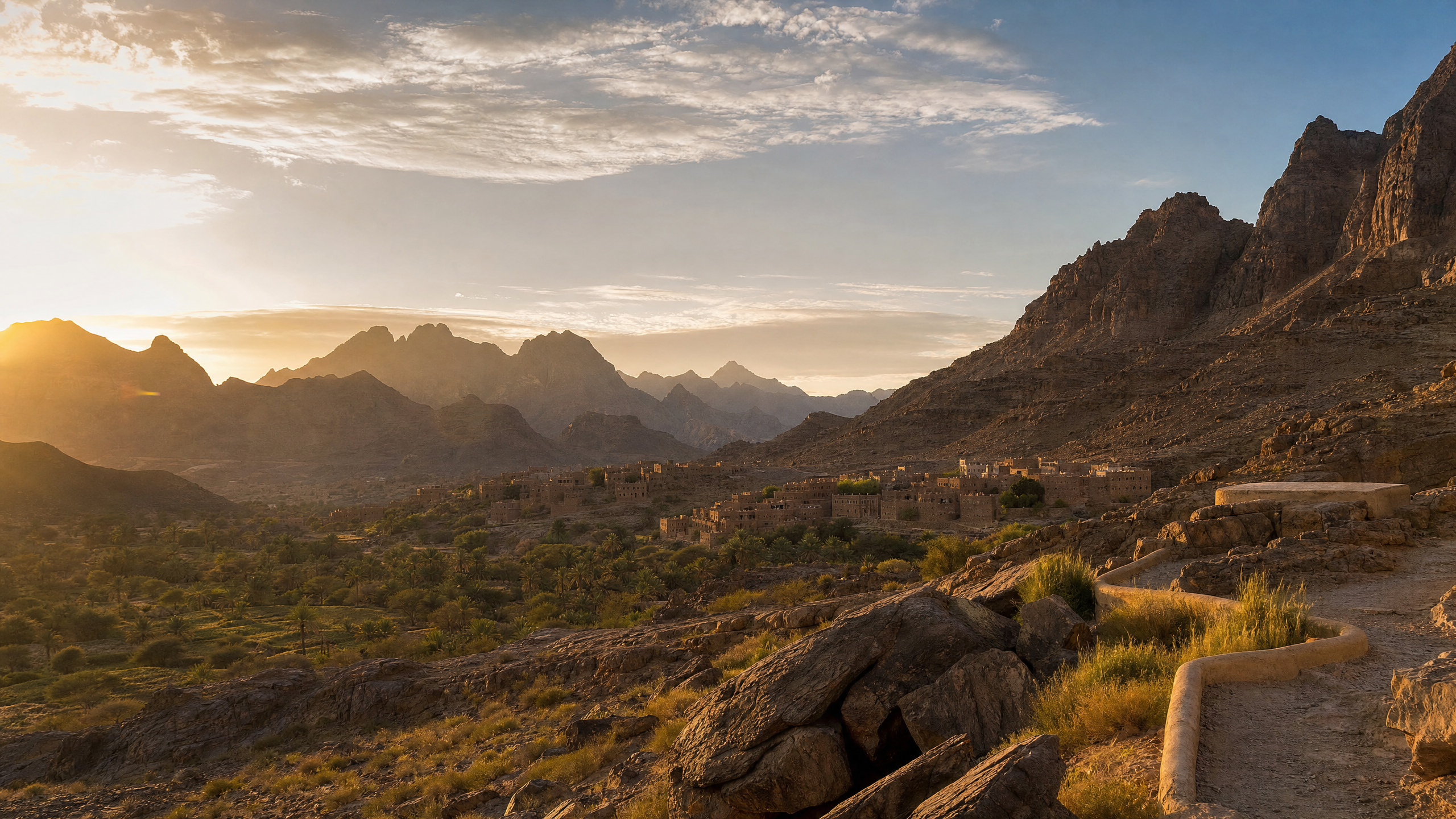
Best for: For AlUla, the first decision is pace: give the city enough room to show its desert heritage, sandstone landscapes and slow lodge stays. AlUla is Saudi Arabia’s major desert-heritage destination, combining archaeological sites, sandstone valleys, viewpoints, curated experiences and lodge-based stays. It requires planned access, reputable operators and enough nights for desert landscapes and heritage sites to be paced carefully.
Historic landmarks: Hegra, Dadan and Jabal Ikmah, Elephant Rock, AlUla Old Town and Hegra Interpretation should shape the sightseeing plan. Access is usually structured, so plan timed visits. Use guided interpretation where available.
Museums and attractions: Choose the hotel area around AlUla Resort Area, Old Town Area and Airport and Transfer Area. Pick the district that makes arrival, evening movement and the first full day easier.
Hotels and stay areas: AlUla also needs a food layer. Build meals around dates, Saudi coffee, kabsa, grilled meats, oasis produce, Resort and Lodge Restaurants, AlUla Old Town and Oasis and Viewpoint Venues so the visitor has a reason to slow down between museums, viewpoints and transfers.
Food and restaurants: Riyadh and Red Sea Coast can extend the stay when there is enough time. A common flight-based pairing with the capital. A possible contrast when routing and season support it.
Plan this part of the trip
Red Sea Coast: coastal resorts, marine life and warm-weather slowing down
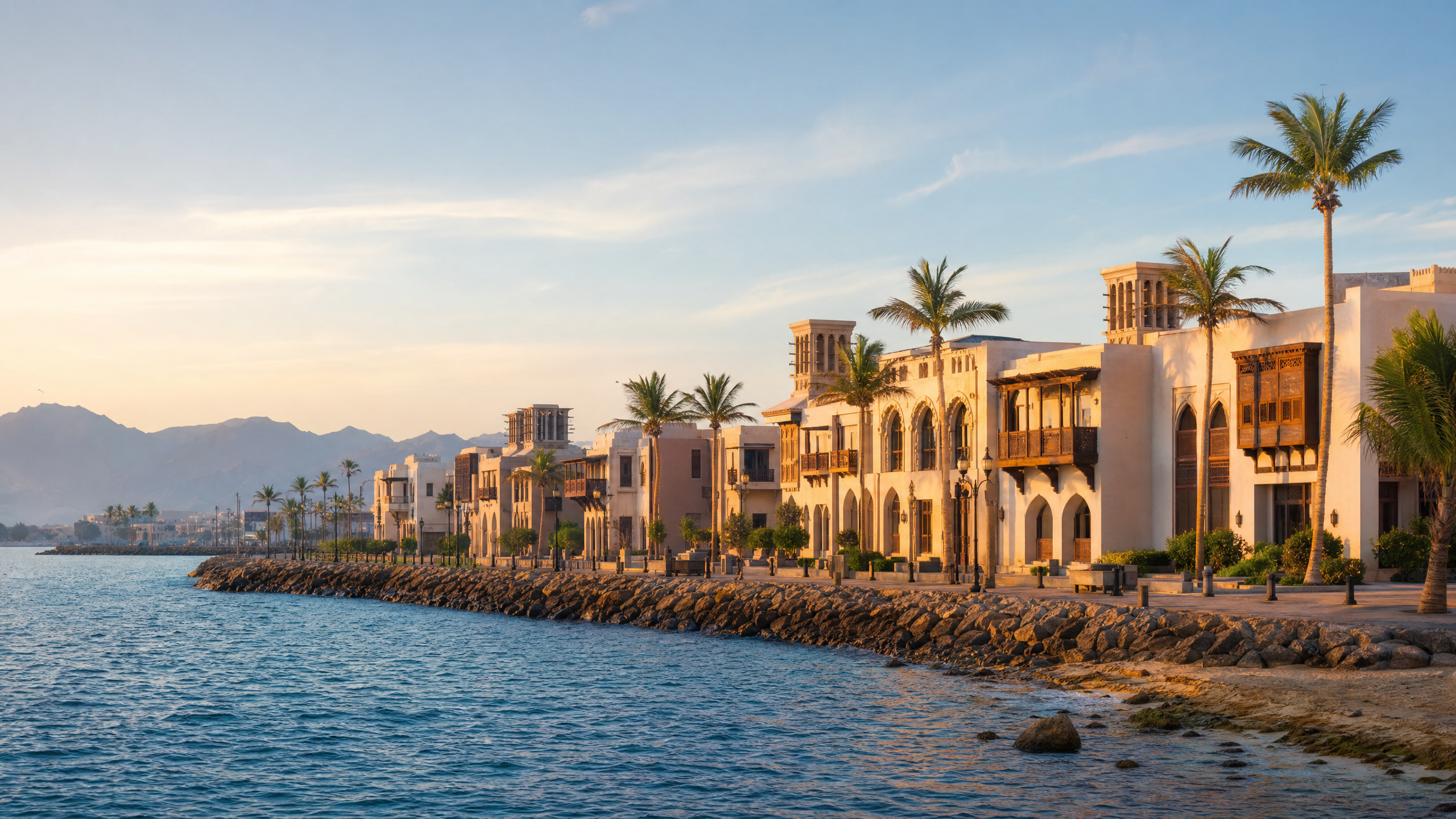
Best for: The value of Red Sea Coast is not only the headline sights; it gives the itinerary coastal resorts, marine life and warm-weather slowing down and a clearer local rhythm. The Red Sea Coast gives Saudi routes a beach and marine chapter, with resort stays, diving, snorkelling, boat days and coastal sunsets shaped by transfers and season. It works best with established resorts or operators, sea-condition checks and realistic travel time between coastal bases.
Historic landmarks: Coastal Resort Areas, Diving and Snorkelling Sites, Jeddah Waterfront Access, Island and Boat Excursions, Jeddah Coastal Culture and Marine Conservation Context should shape the sightseeing plan. Choose by airport access and activity style. Use certified operators and conditions-appropriate trips.
Museums and attractions: Choose the hotel area around Jeddah Waterfront, Resort Coast and Airport-Linked Coast. Pick the district that makes arrival, evening movement and the first full day easier.
Hotels and stay areas: Red Sea Coast also needs a food layer. Build meals around seafood, sayadieh, grilled fish, dates, Saudi coffee, Resort Restaurants, Jeddah Waterfront and Marina Areas so the visitor has a reason to slow down between museums, viewpoints and transfers.
Food and restaurants: Jeddah and AlUla can extend the stay when there is enough time. The main city and airport pairing for coastal stays. A desert-heritage contrast when routing supports it.

Food, Culture and Route Ideas for Saudi Arabia
Food route: Coffee, dates and hospitality rituals are central to many social settings. kabsa, mandi, seafood and grilled dishes shape city and coastal dining. Many districts feel livelier after sunset, especially in warmer months. This is where food, culture and route planning should work together.
Food, wine and restaurants: Build meals around kabsa, jareesh, dates, Saudi coffee, grilled meats, grilled lamb and sayadieh and keep them close to Olaya and King Fahd Road, Tahlia Street Area, Old Riyadh and Souq Areas, Bujairi Terrace and Diriyah Visitor Areas.
Popular experiences: Use domestic flights when combining the capital with the Red Sea Coast. Add Diriyah or AlUla when cultural sites and desert landscapes are the priority. Keep the route disciplined: one clear hotel area, one strong regional layer and one food or culture experience will usually feel better than trying to touch every possible stop.
Planning rule: Use bookings in a clean order: choose the hotel area first, then add attraction tickets, food tours, guided days and local experiences where they make the journey easier, richer and more realistic.