Saint Lucia Travel, Structured Around Pitons, Resorts and Nature Routes
Plan Saint Lucia through Soufriere, Castries, Rodney Bay, the Pitons, rainforest, beaches, resorts, diving, food, hotels, flights and scenic island transfers.
Start Planning Saint LuciaSaint Lucia Travel Guide: Routes, Stay Bases, Culture and Experiences
Trip shape: The best way into Saint Lucia is to choose the rhythm before choosing the extras. Use Castries, Soufrière and the Pitons, Rodney Bay and Marigot Bay to make the trip practical, then use Pitons, Soufrière and Caribbean resort routes, Food and Heritage Routes, Nature, Coast and Viewpoints and First Saint Lucia Stay to give it texture, food, landscape and local rhythm.
Best for: Pitons, Soufrière and Caribbean resort routes, Food and Heritage Routes, Nature, Coast and Viewpoints and First Saint Lucia Stay give Saint Lucia its deeper travel layer. Some visitors need one main city and one day trip; others should slow down, split the journey and give the strongest region its own nights.
Planning rule: Start with arrival logic, season and the first overnight point, then add the experiences that genuinely deserve advance planning. Museums, landmarks, guided tours, food walks, local neighbourhoods and coastal or countryside days should be grouped by geography and timing.
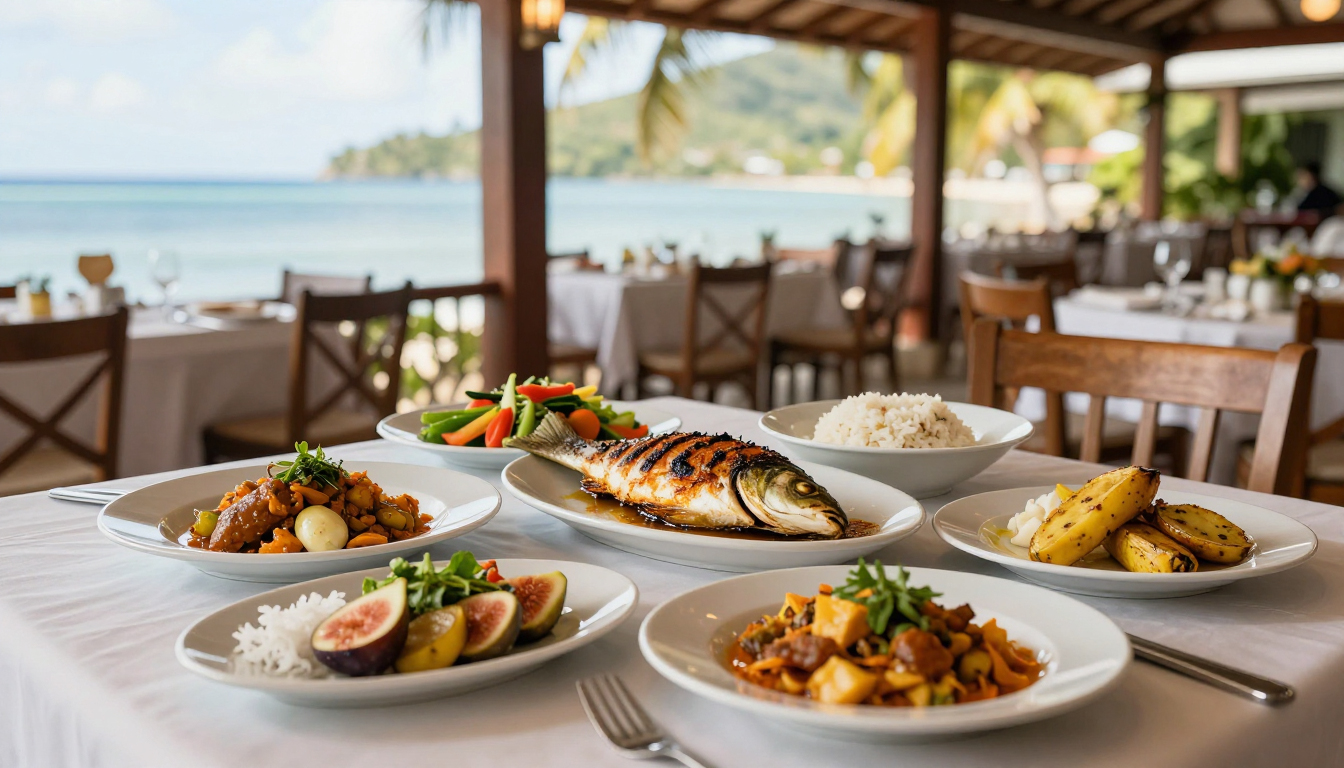
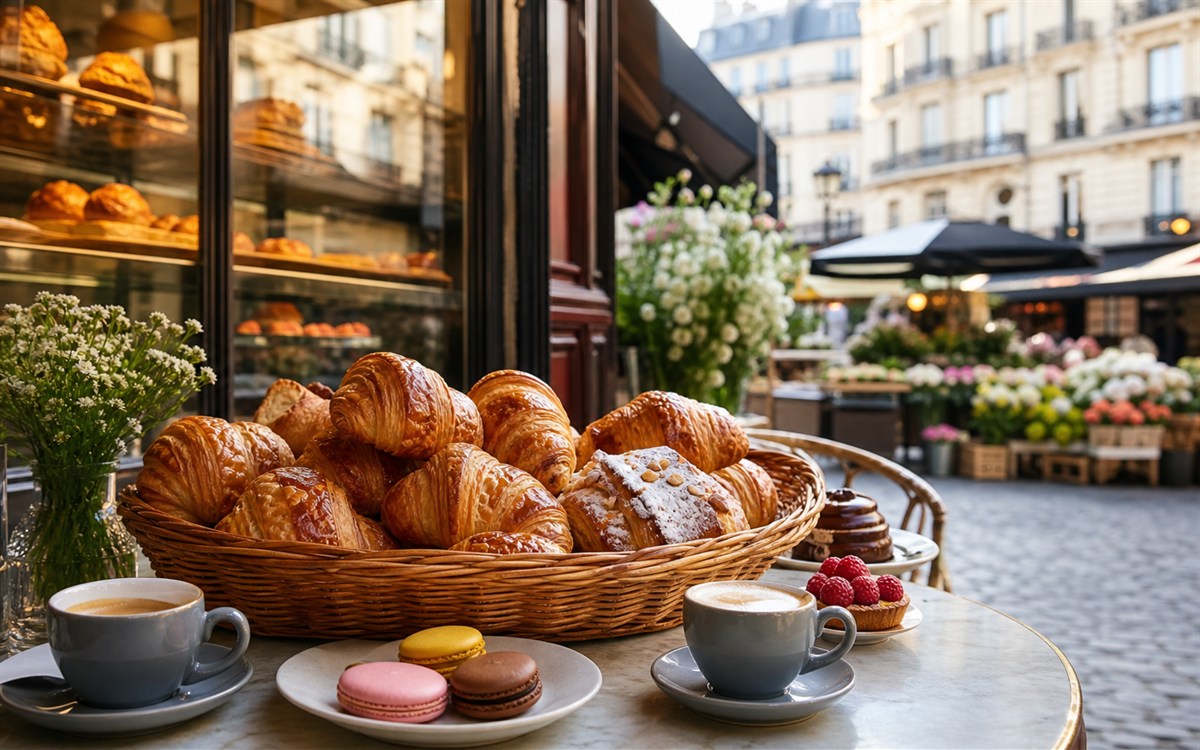
Route logic: green fig and saltfish, cocoa tea, grilled fish, plantain and bakes are key flavours. Creole language, festivals and music give the island strong cultural texture. Keep food close to the chosen hotel area where possible: the best meals often come from market streets, harbour areas, old-town restaurants and neighbourhoods already inside the day’s route.
Castries: capital market, harbour and arrival context
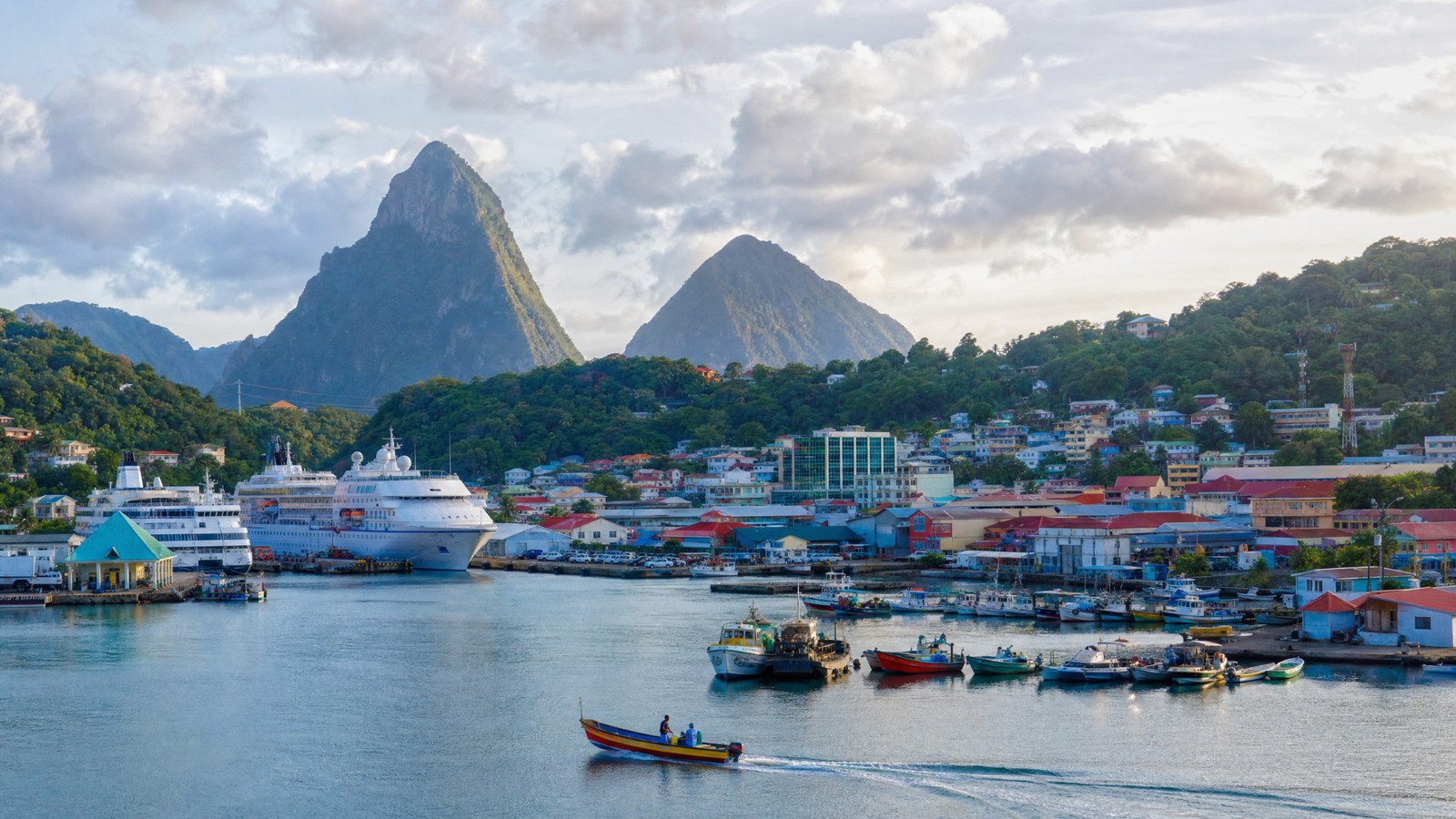
Best for: Use Castries when the Saint Lucia route needs capital market, harbour and arrival context. Castries is useful for market life, harbour context, cruise arrivals and nearby north-coast logistics, even when most visitors sleep in beach or resort areas. It works best as a daytime market-and-harbour chapter before moving back to the north coast or southwest.
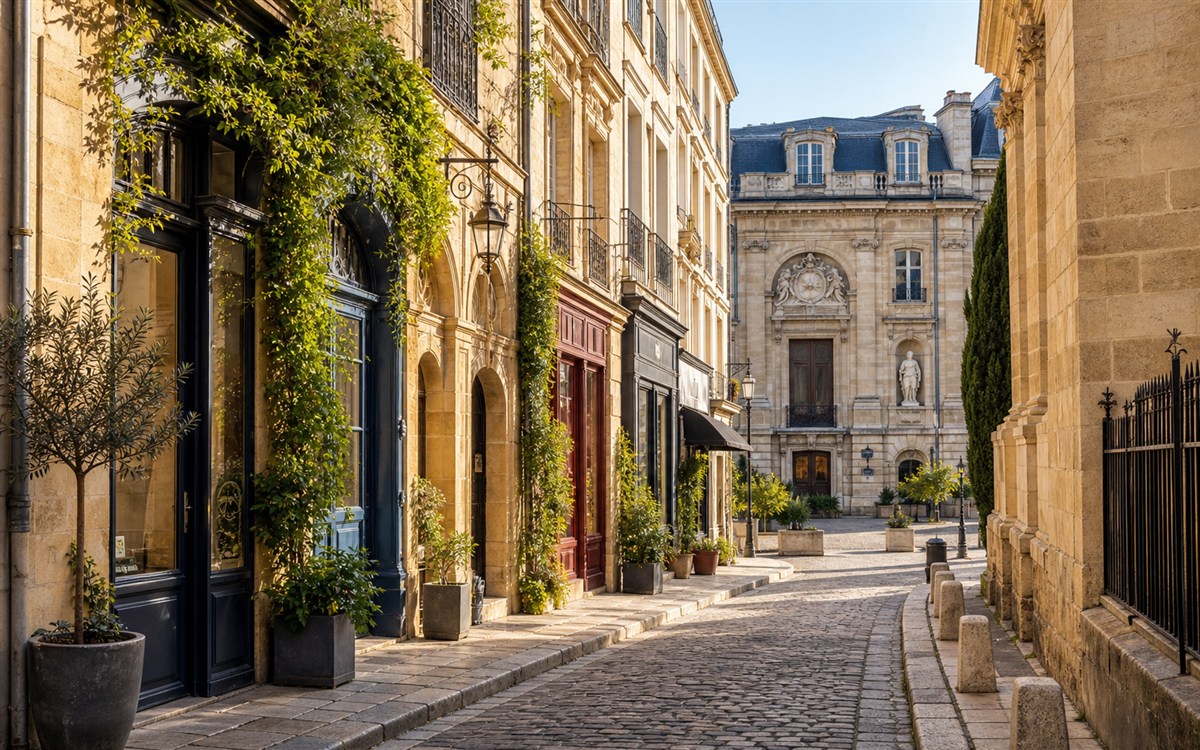
Historic landmarks: Castries Market, Cathedral Basilica of the Immaculate Conception, Derek Walcott Square and Vigie and Harbour Views should shape the sightseeing plan. Go earlier for the best atmosphere. Pair with the nearby square.
Museums and attractions: Choose the hotel area around Vigie or Castries Edge and Rodney Bay. Pick the district that makes arrival, evening movement and the first full day easier.
Hotels and stay areas: Castries also needs a food layer. Build meals around green fig and saltfish, bakes, cocoa tea, grilled fish, plantain, Market Area, Harbourfront and Vigie and North Coast Nearby so the visitor has a reason to slow down between museums, viewpoints and transfers.
Food and restaurants: Rodney Bay and Marigot Bay can extend the stay when there is enough time. The easiest north-coast leisure base. A scenic bay route south of the capital.
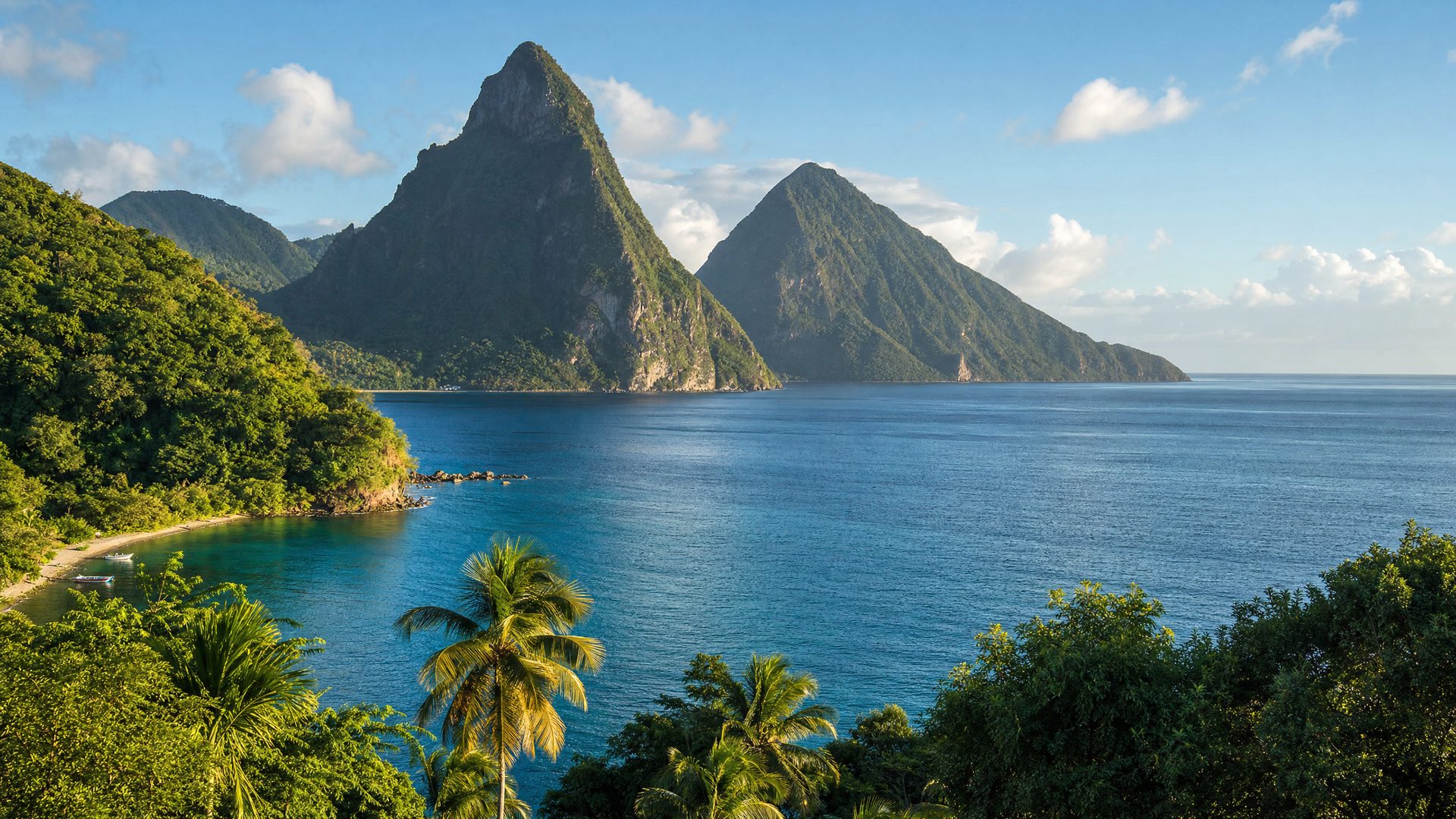
Soufrière and the Pitons: Pitons scenery, volcanic sites and slow southwest stays
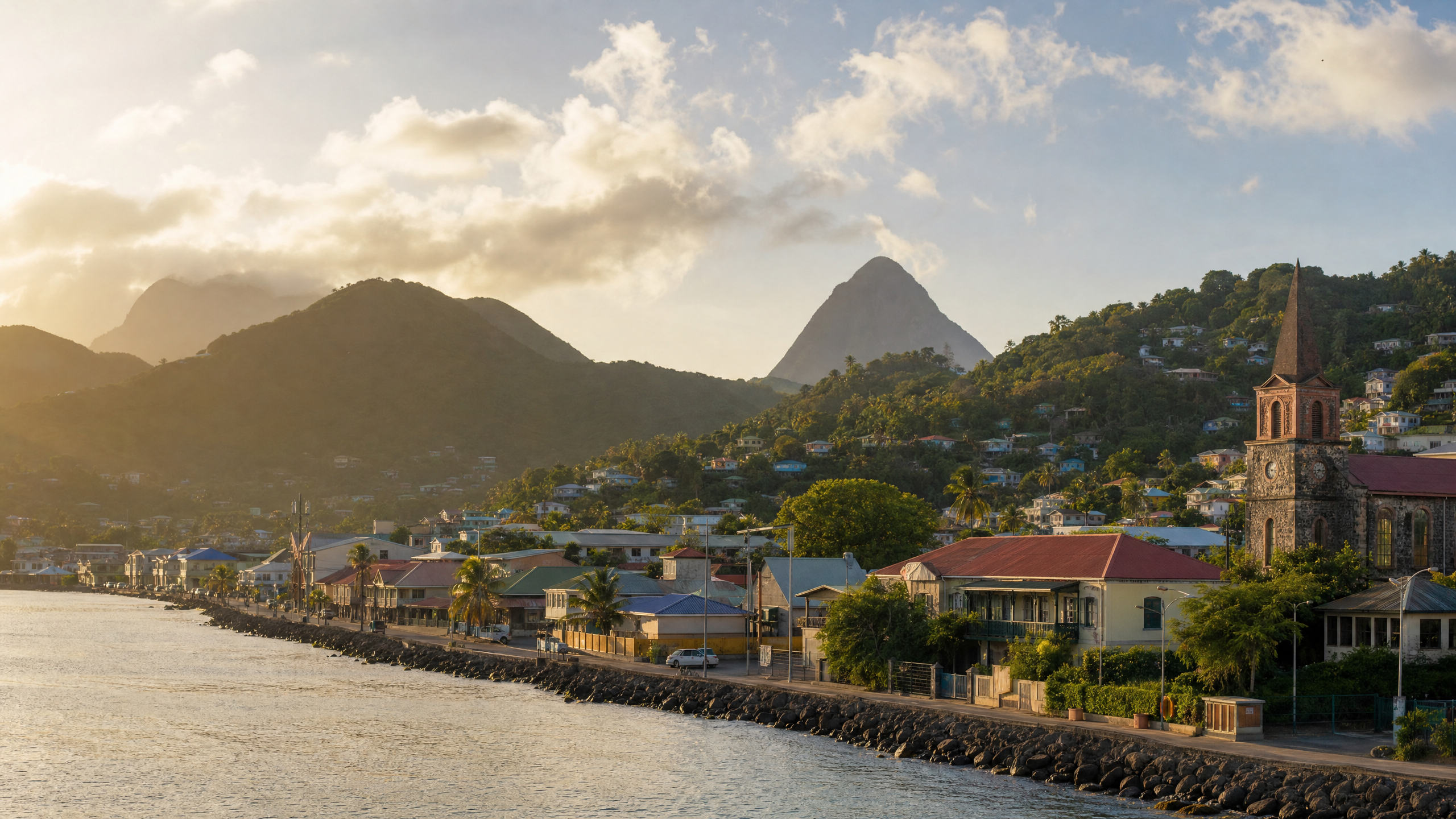
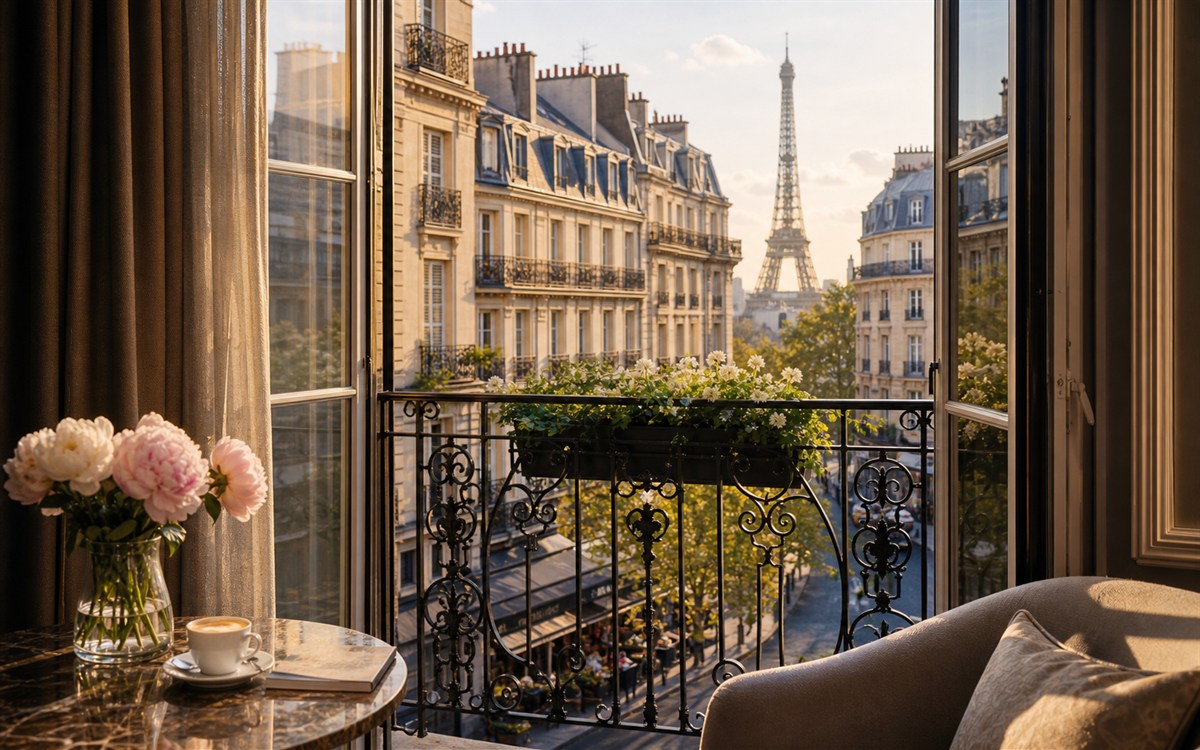
Best for: Treat Soufrière and the Pitons as the part of Saint Lucia where Pitons scenery, volcanic sites and slow southwest stays becomes useful for the wider route. Soufrière is Saint Lucia’s most scenic base, with the Pitons, hot springs, plantations, beaches and mountain roads that deserve unhurried planning. It rewards travellers who give the southwest enough time for views, heritage gardens, road transfers and beach access.
Historic landmarks: Pitons Viewpoints, Sulphur Springs and Mud Baths, Diamond Falls Botanical Gardens, Anse Chastanet Area, Soufrière Estate and Plantation Context and Diamond Falls Gardens should shape the sightseeing plan. Plan viewpoints and transfers carefully. Go early or outside peak times for a calmer visit.
Museums and attractions: Choose the hotel area around Soufrière Town Edge, Pitons and Hillside Resorts and Anse Chastanet Side. Pick the district that makes arrival, evening movement and the first full day easier.
Hotels and stay areas: Soufrière and the Pitons also needs a food layer. Build meals around green fig and saltfish, cocoa tea, grilled mahi-mahi, plantain, breadfruit, Soufrière Town, Resort Hillsides and Beach Areas so the visitor has a reason to slow down between museums, viewpoints and transfers.
Food and restaurants: Marigot Bay and Rodney Bay can extend the stay when there is enough time. A scenic bay stop between north and southwest routes. A more convenient north-coast contrast.
Rodney Bay: north-coast beach, marina and easy dining base
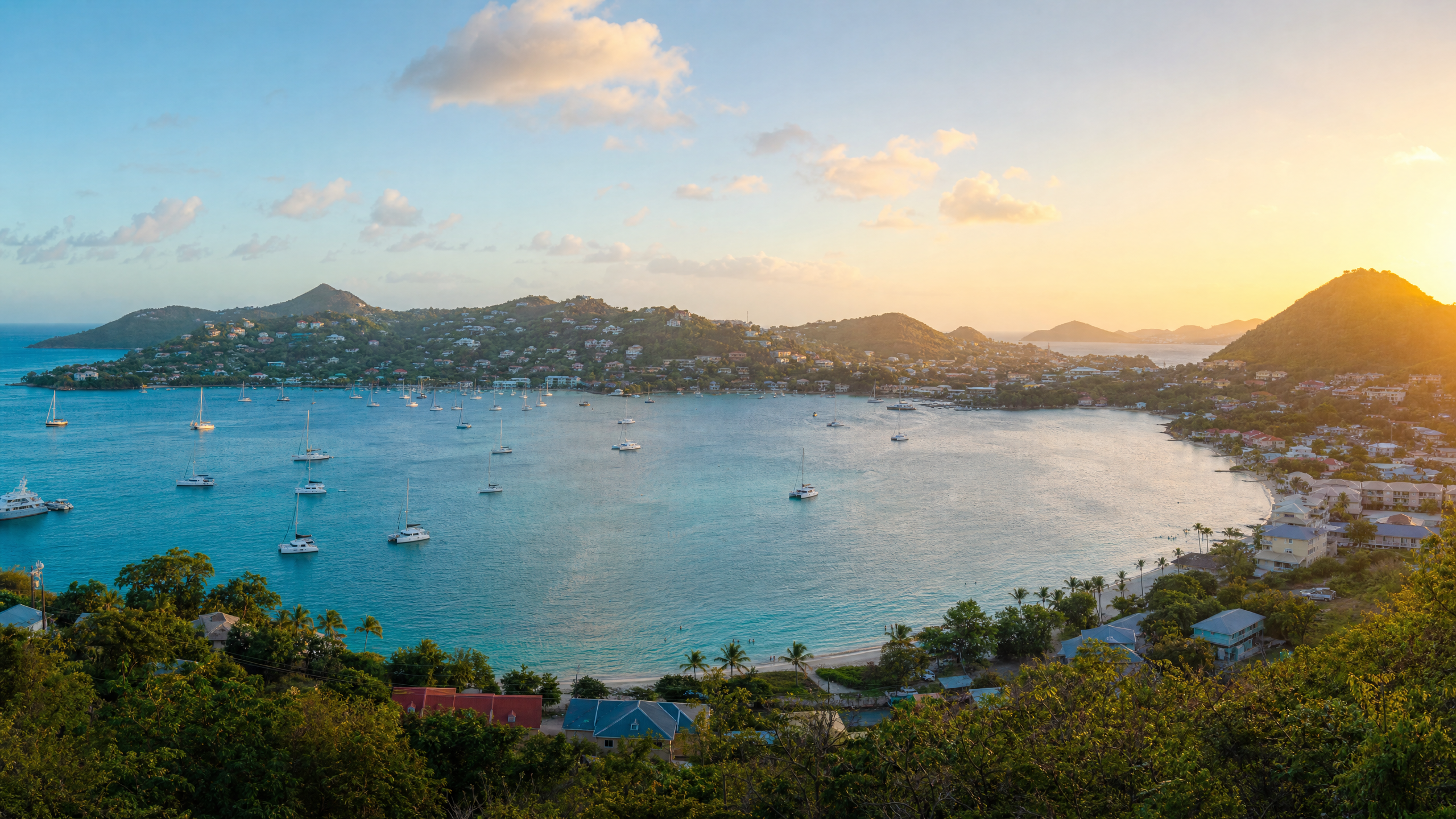
Best for: Use Rodney Bay when the Saint Lucia route needs north-coast beach, marina and easy dining base. Rodney Bay is the easiest Saint Lucia base for many travellers, with beach access, marina life, restaurants, hotels and shorter transfers around the north coast. It suits trips where simple logistics, Pigeon Island, Gros Islet and restaurant choice need to stay close.
Historic landmarks: Reduit Beach, Rodney Bay Marina, Pigeon Island National Landmark, Gros Islet Area and Gros Islet Community Culture should shape the sightseeing plan. Good for easy beach days. Useful for evening walks and sailing context.
Museums and attractions: Choose the hotel area around Reduit Beach, Marina Side and Gros Islet Edge. Pick the district that makes arrival, evening movement and the first full day easier.
Hotels and stay areas: Rodney Bay also needs a food layer. Build meals around green fig and saltfish, grilled fish, bakes, cocoa tea, roti, Rodney Bay Village, Marina Area and Gros Islet so the visitor has a reason to slow down between museums, viewpoints and transfers.
Food and restaurants: Pigeon Island and Soufrière can extend the stay when there is enough time. The easiest heritage and view route from Rodney Bay. A longer southwest day or split-stay route.
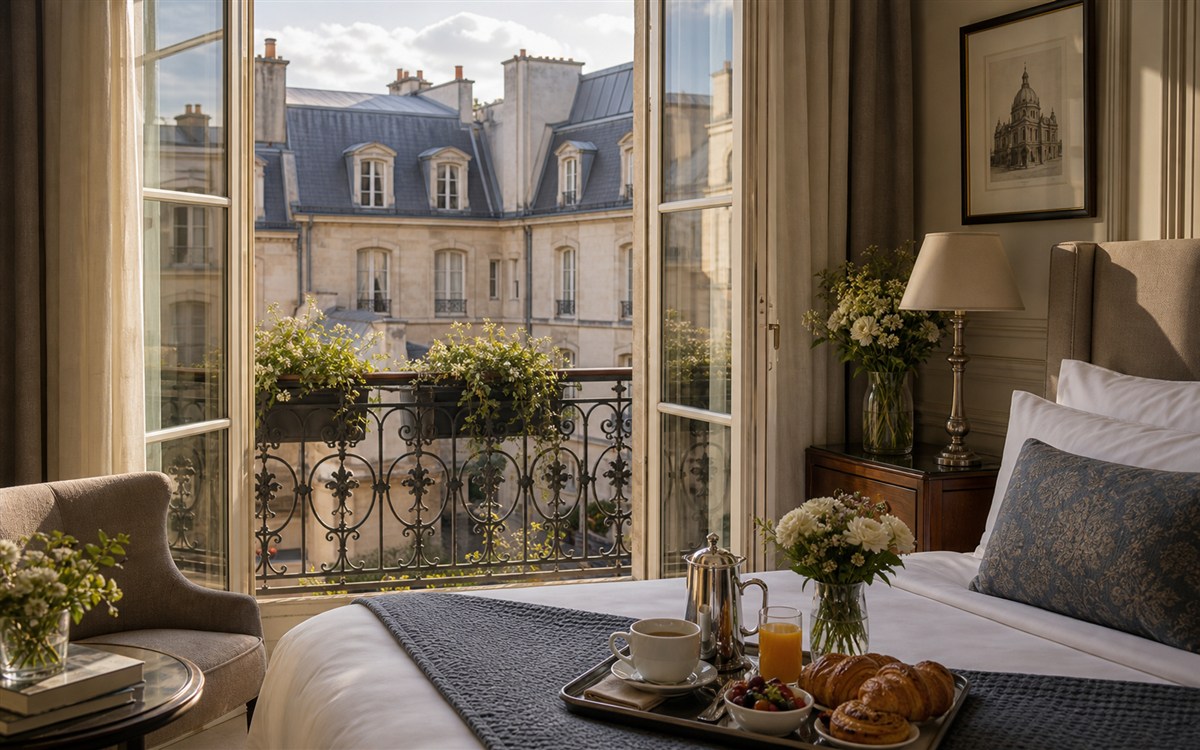
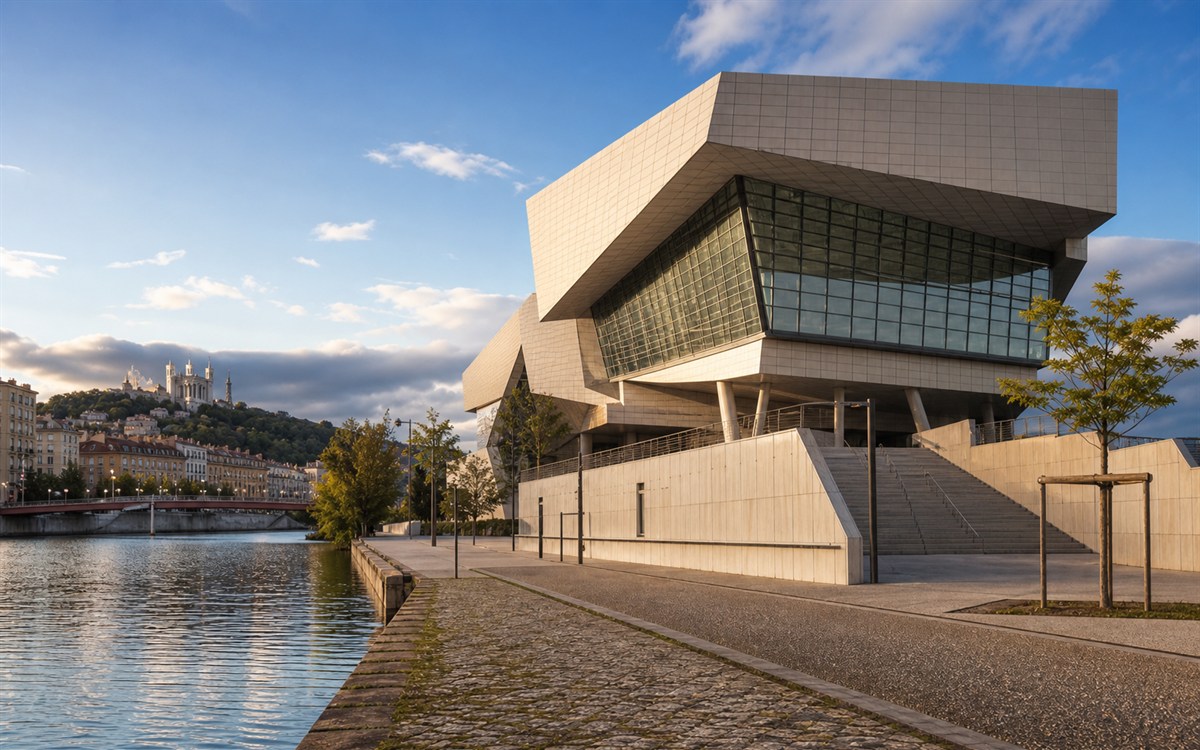
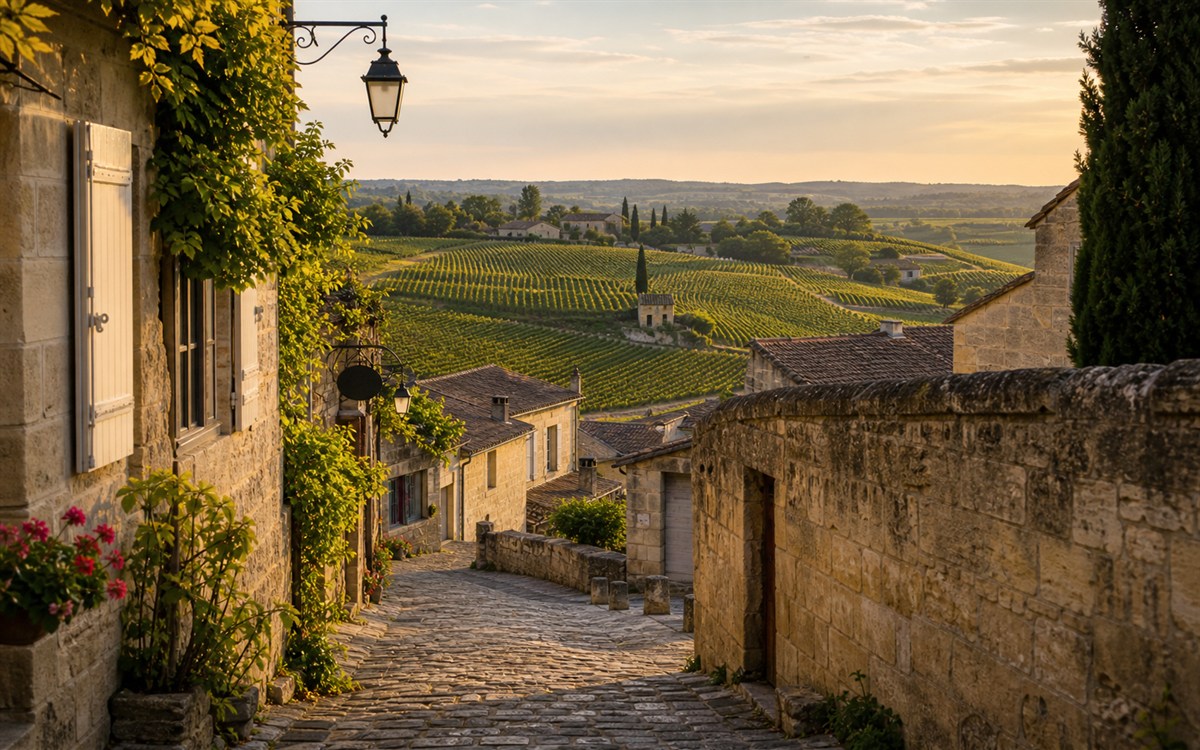
Marigot Bay: scenic bay, marina stays and slow-waterfront pacing
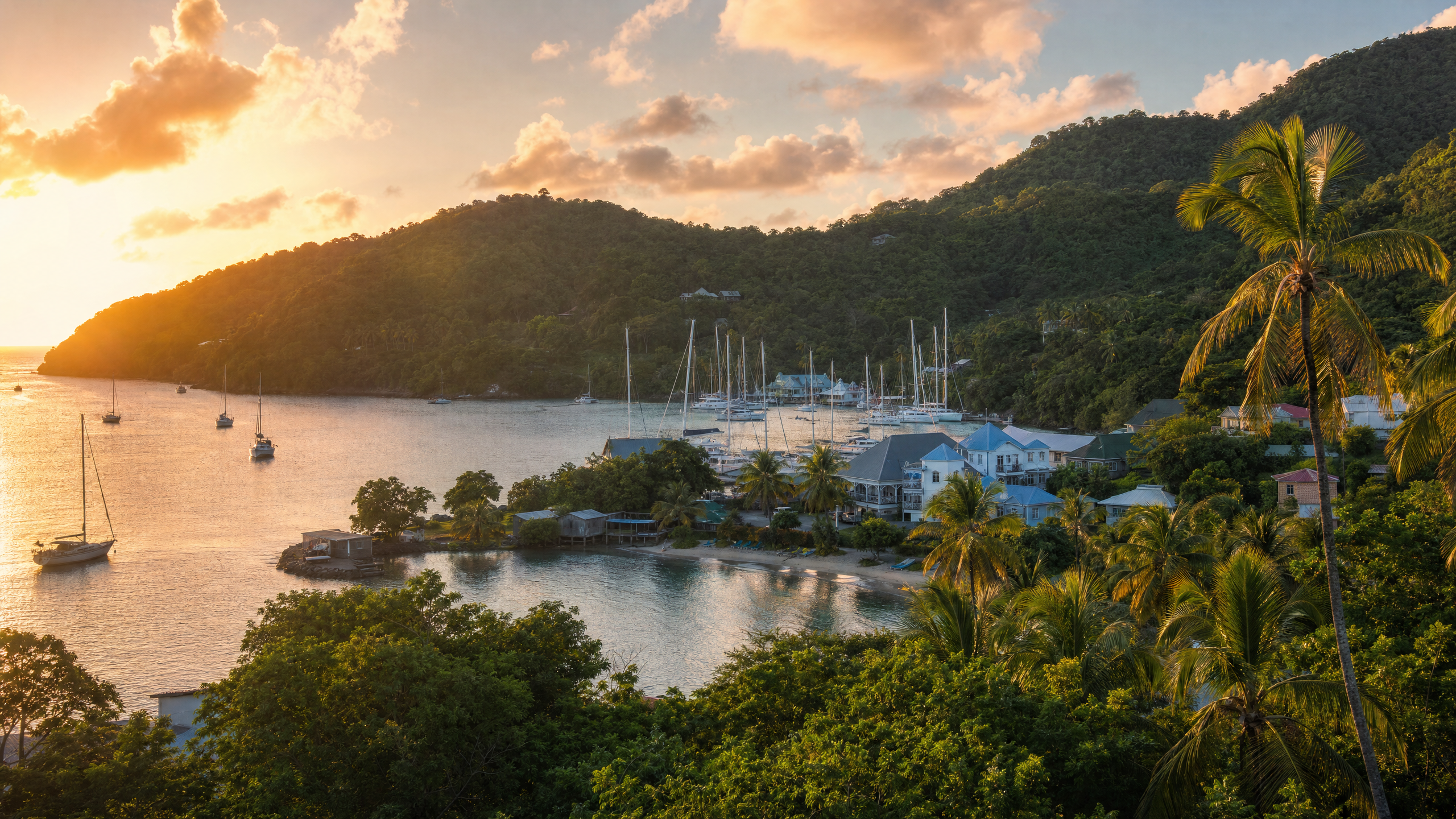
Best for: For Marigot Bay, the first decision is pace: give the city enough room to show its scenic bay, marina stays and slow-waterfront pacing. Marigot Bay is a scenic pause between north and southwest Saint Lucia, suited to travellers who want marina views, calm-water stays and a slower bay-focused base. It works best when bay views, water transfers and dinners matter more than constant touring.
Historic landmarks: Marigot Bay Viewpoints, Marina and Waterfront, Bay Ferry Crossings, Nearby Coastal Drives, Marina and Sailing Culture and Coastal Settlement Context should shape the sightseeing plan. Build in time to enjoy the setting rather than just passing through. Useful for relaxed meals.
Museums and attractions: Choose the hotel area around Marina Waterfront and Hillside Resorts. Pick the district that makes arrival, evening movement and the first full day easier.
Hotels and stay areas: Marigot Bay also needs a food layer. Build meals around grilled fish, cocoa tea, plantain, breadfruit, rum punch, Waterfront Marina, Hillside Stays and Castries or Rodney Bay Nearby so the visitor has a reason to slow down between museums, viewpoints and transfers.
Food and restaurants: Castries and Soufrière can extend the stay when there is enough time. The nearby capital and market route. The scenic southwest continuation.
Food, Culture and Route Ideas for Saint Lucia
Food route: green fig and saltfish, cocoa tea, grilled fish, plantain and bakes are key flavours. Creole language, festivals and music give the island strong cultural texture. Short distances can take longer than expected on mountain roads. This is where food, culture and route planning should work together.
Food, wine and restaurants: Build meals around green fig and saltfish, bakes, cocoa tea, grilled fish, plantain, grilled mahi-mahi and breadfruit and keep them close to Market Area, Harbourfront, Vigie and North Coast Nearby, Soufrière Town and Resort Hillsides.
Popular experiences: Choose north coast for convenience or Soufrière for scenery and slower transfers. Give the southwest at least one full day because roads are winding. Keep the route disciplined: one clear hotel area, one strong regional layer and one food or culture experience will usually feel better than trying to touch every possible stop.
Planning rule: Use bookings in a clean order: choose the hotel area first, then add attraction tickets, food tours, guided days and local experiences where they make the journey easier, richer and more realistic.