Romania Travel, Structured Around Bucharest, Transylvania and Mountain Routes
Plan Romania through Bucharest, Brasov, Sibiu, Cluj-Napoca, Transylvania, castles, Carpathian mountains, villages, hotels, rail and road-first routes.
Start Planning RomaniaRomania Travel Guide: Routes, Stay Bases, Culture and Experiences
Trip shape: The best way into Romania is to choose the rhythm before choosing the extras. The visitor should be able to see why Bucharest, Brasov and Transylvania Castles, Sibiu and Cluj-Napoca belong in the plan, and why Transylvania, Carpathian Mountains, Danube Delta and First Romania Trip deserve either a day trip or a proper overnight stay.
Best for: Transylvania, Carpathian Mountains, Danube Delta and First Romania Trip give Romania its deeper travel layer. Some visitors need one main city and one day trip; others should slow down, split the journey and give the strongest region its own nights.
Planning rule: Start with arrival logic, season and the first overnight point, then add the experiences that genuinely deserve advance planning. Museums, landmarks, guided tours, food walks, local neighbourhoods and coastal or countryside days should be grouped by geography and timing.
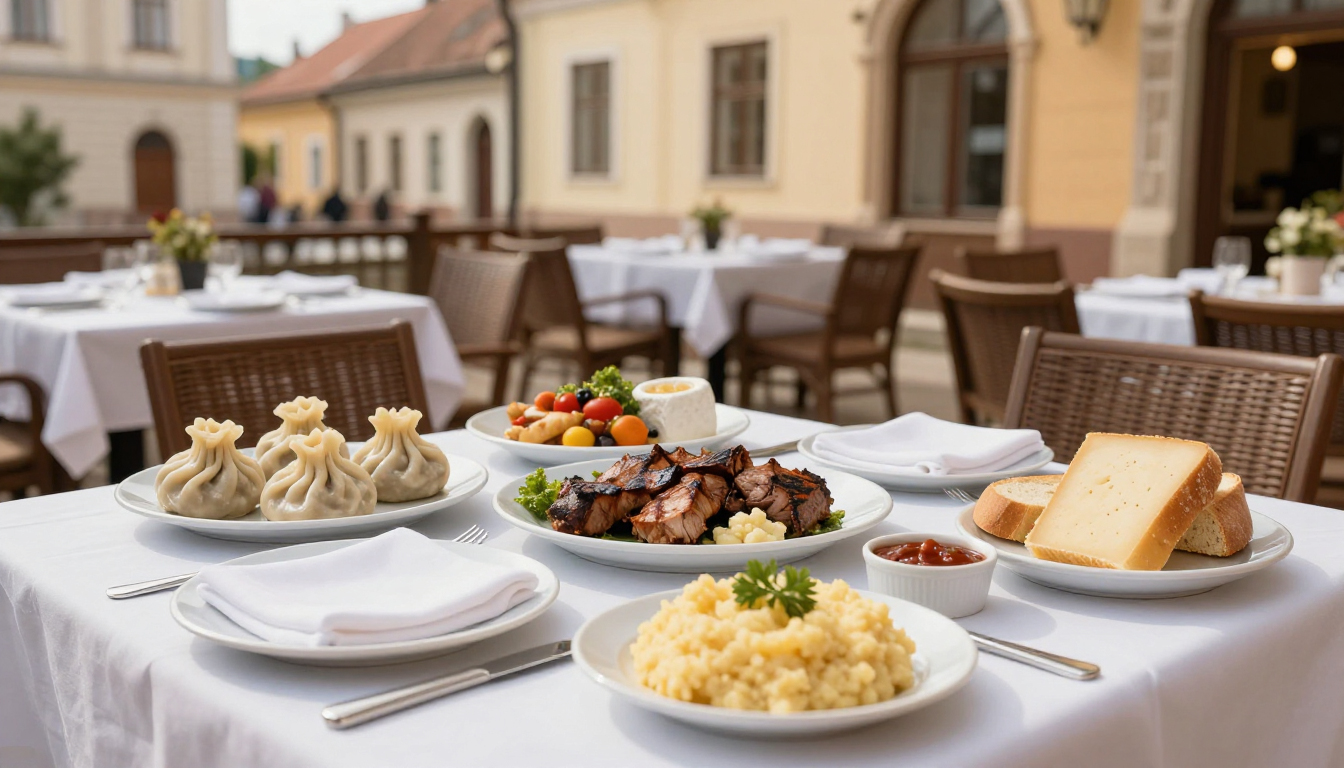
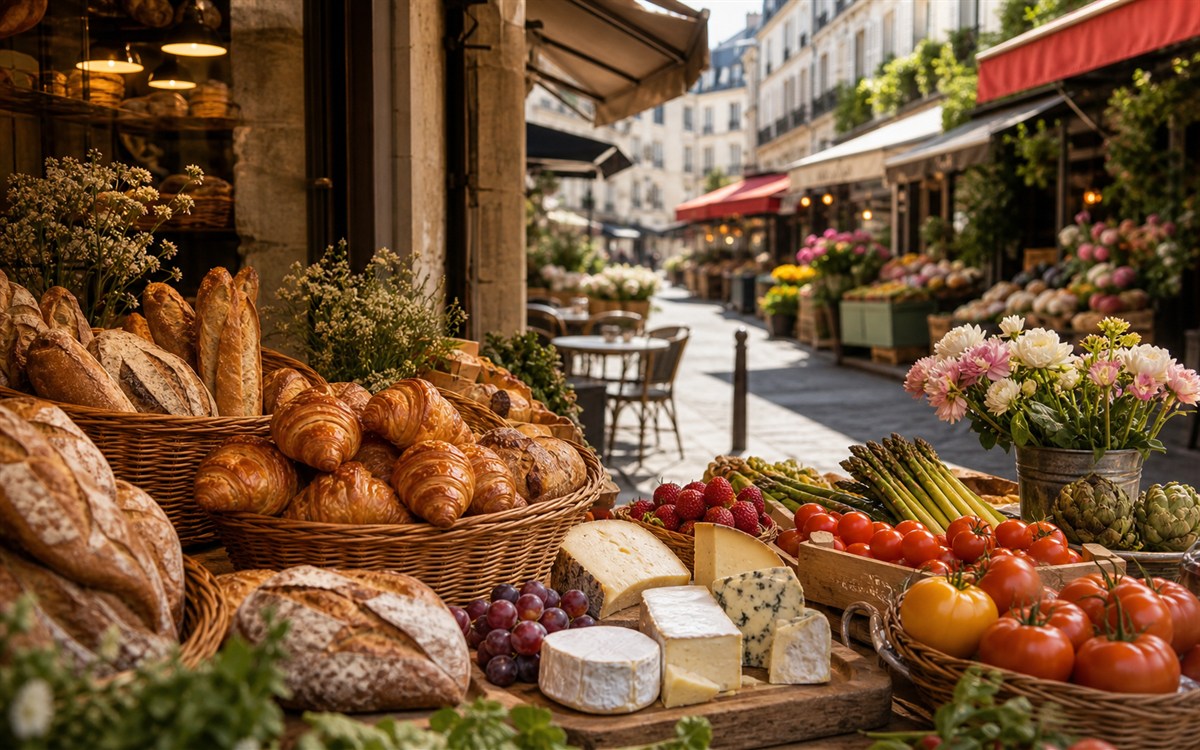
Route logic: Sour soups, grilled meats, polenta, cabbage rolls, cheeses and plum desserts make traditional meals substantial and regionally varied. Bakeries, market halls, coffee breaks and roadside snacks help break up long transfers between larger bases. Keep food close to the chosen hotel area where possible: the best meals often come from market streets, harbour areas, old-town restaurants and neighbourhoods already inside the day’s route.

Bucharest: capital arrival base, museums and old-town evenings
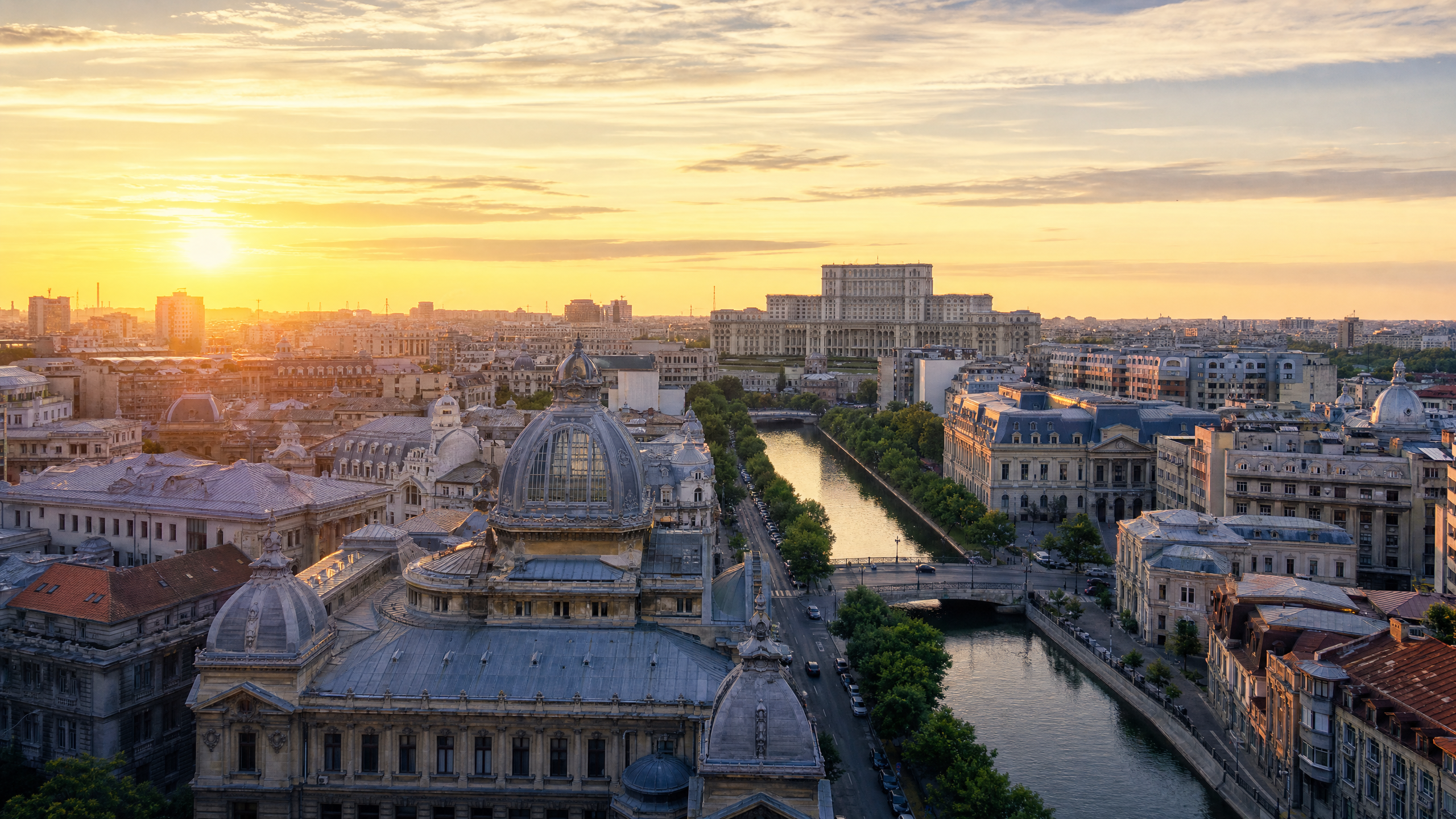
Best for: Treat Bucharest as the part of Romania where capital arrival base, museums and old-town evenings becomes useful for the wider route. Bucharest is the main arrival point for Romania and deserves more than a transit night when the route allows. Museums, parks, monumental architecture, old-town streets, concert halls and garden terraces show the contrast between grand civic plans and lived city life before travellers continue into Transylvania.
Historic landmarks: Palace of Parliament, Old Town Lipscani, Romanian Athenaeum, King Michael I Park and Village Museum, National Museum of Art of Romania and Dimitrie Gusti National Village Museum should shape the sightseeing plan. Book access in advance if touring interiors and allow time for security checks. Use it for atmosphere, but balance it with museums and parks.
Museums and attractions: Choose the hotel area around Calea Victoriei, Old Town Edge and North Bucharest. Pick the district that makes arrival, evening movement and the first full day easier.
Hotels and stay areas: Bucharest also needs a food layer. Build meals around sarmale, mici, ciorba, mamaliga, papanasi, covrigi, Old Town and Calea Victoriei so the visitor has a reason to slow down between museums, viewpoints and transfers.
Food and restaurants: Brasov and Sinaia can extend the stay when there is enough time. The natural next base for castles, mountains and Transylvania towns. A castle and mountain stop that works between Bucharest and Brasov.

Brasov and Transylvania Castles: old town, mountains and castle routes
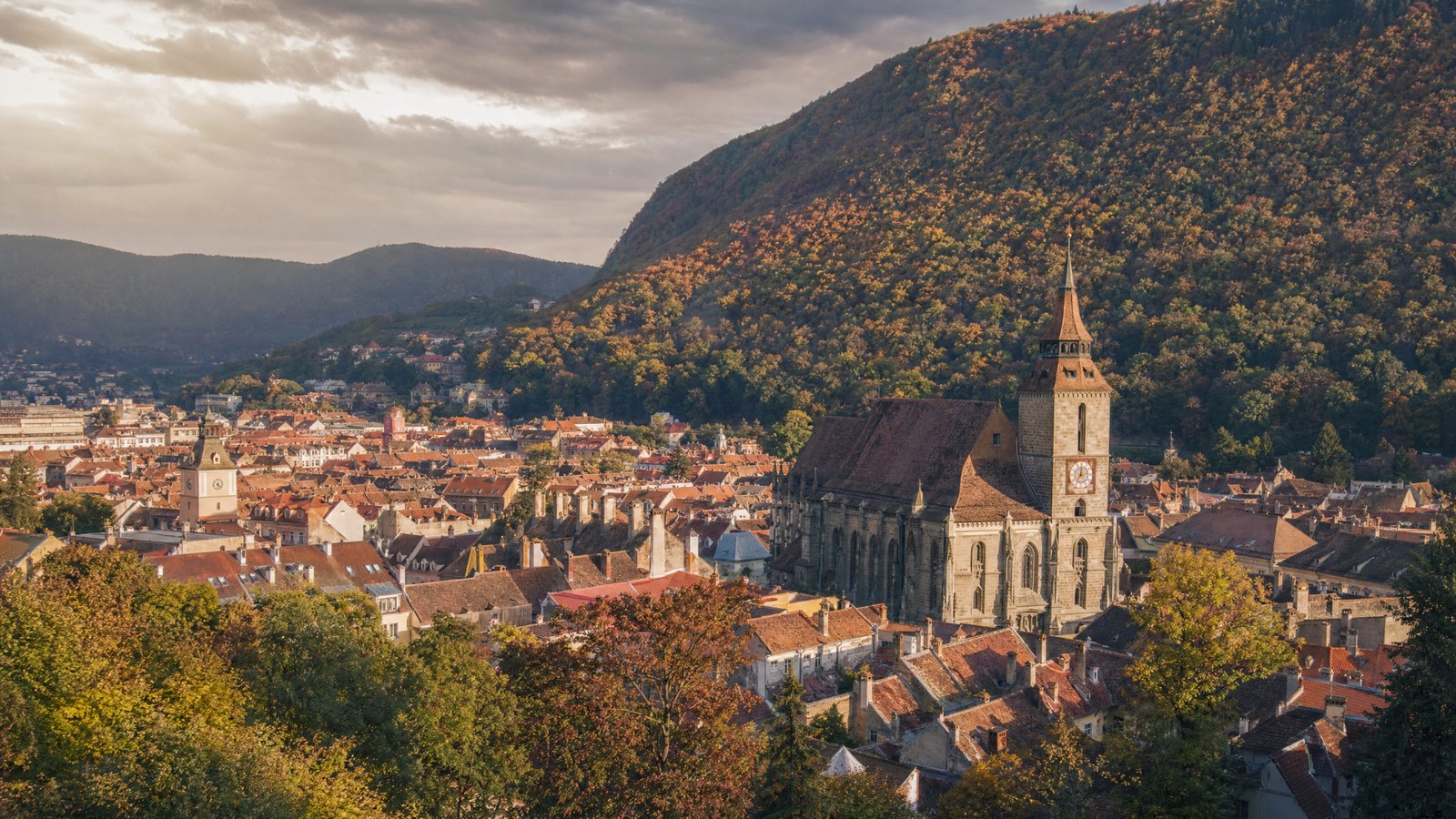
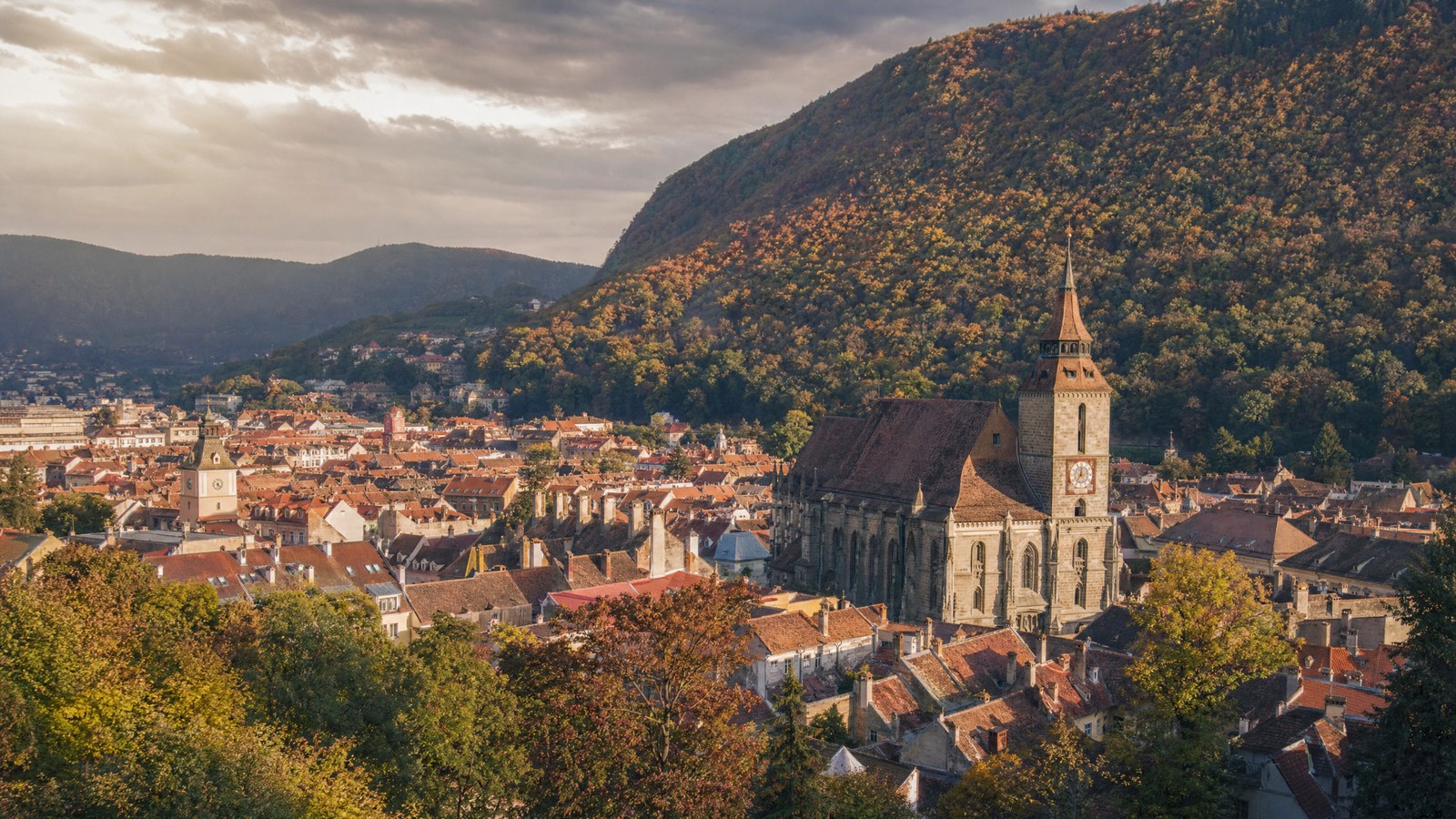
Best for: The value of Brasov and Transylvania Castles is not only the headline sights; it gives the itinerary old town, mountains and castle routes and a clearer local rhythm. Brasov is the easiest Transylvania base for a First Romania Trip because it combines a walkable Old Town with mountain scenery and practical day routes. Saxon heritage, cafe squares, Tampa viewpoints, Bran, Rasnov and Sinaia all fit naturally when travellers avoid treating the city as a rushed castle shuttle.
Historic landmarks: Council Square and Old Town, Black Church, Tampa Mountain, Bran Castle and Rasnov Route, First Romanian School Museum and Bran Castle should shape the sightseeing plan. Use it as the base for most city walks. Check opening times before planning a museum-heavy day.
Museums and attractions: Choose the hotel area around Old Town, Schei and Poiana Brasov. Pick the district that makes arrival, evening movement and the first full day easier.
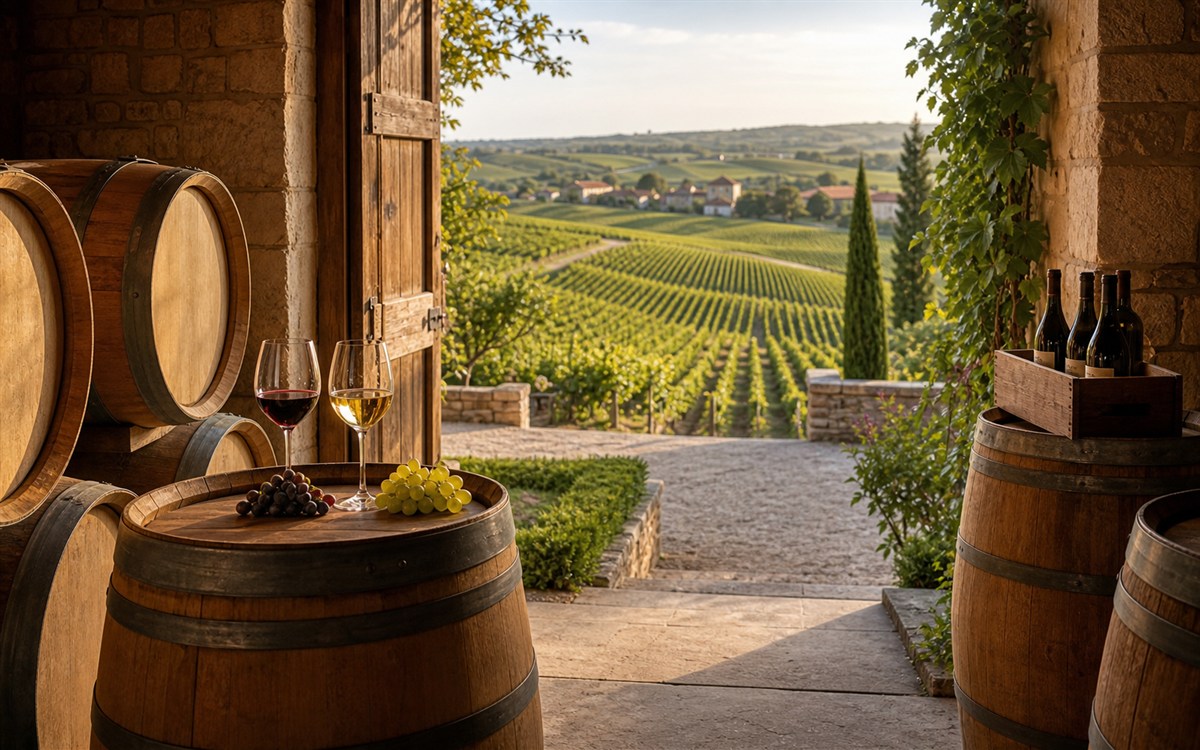
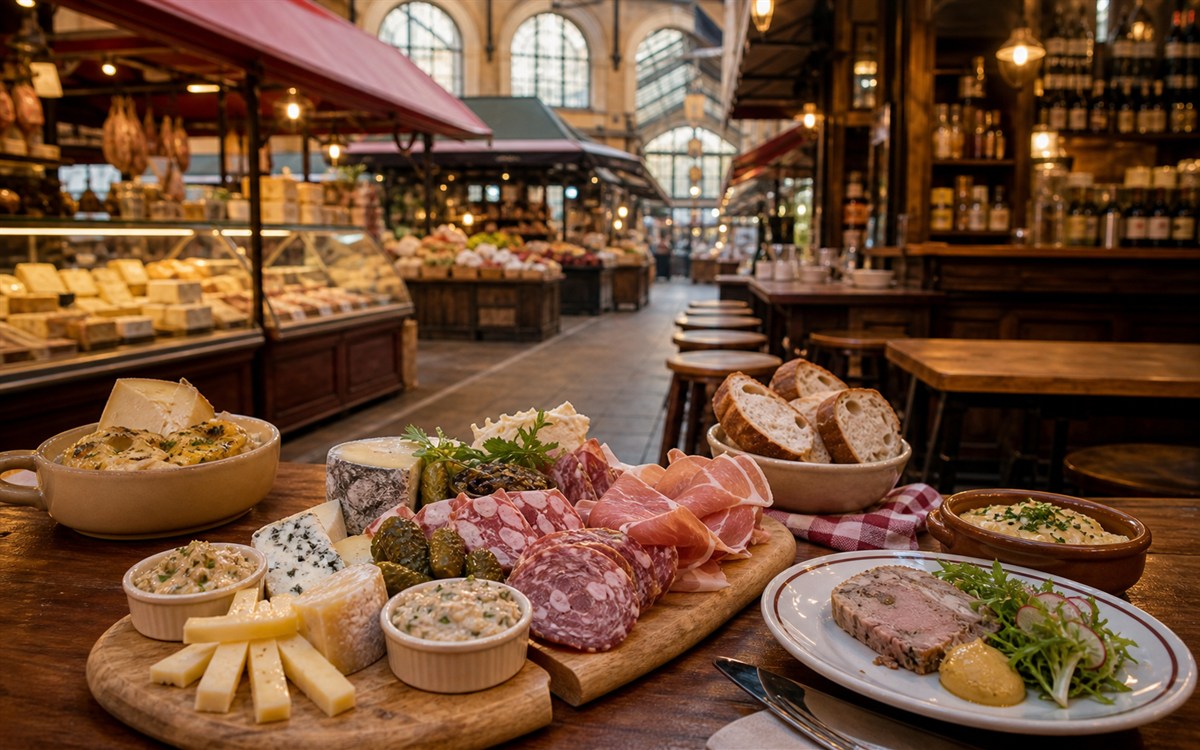
Hotels and stay areas: Brasov and Transylvania Castles also needs a food layer. Build meals around ciorba, sarmale, mici, kurtoskalacs, local cheese, plum desserts, Council Square Area and Schei District so the visitor has a reason to slow down between museums, viewpoints and transfers.
Food and restaurants: Sinaia and Peles Castle and Sibiu can extend the stay when there is enough time. A classic route between Bucharest and Brasov. The next logical Transylvania base west of Brasov.
Sibiu: Saxon squares, culture and Transylvania calm
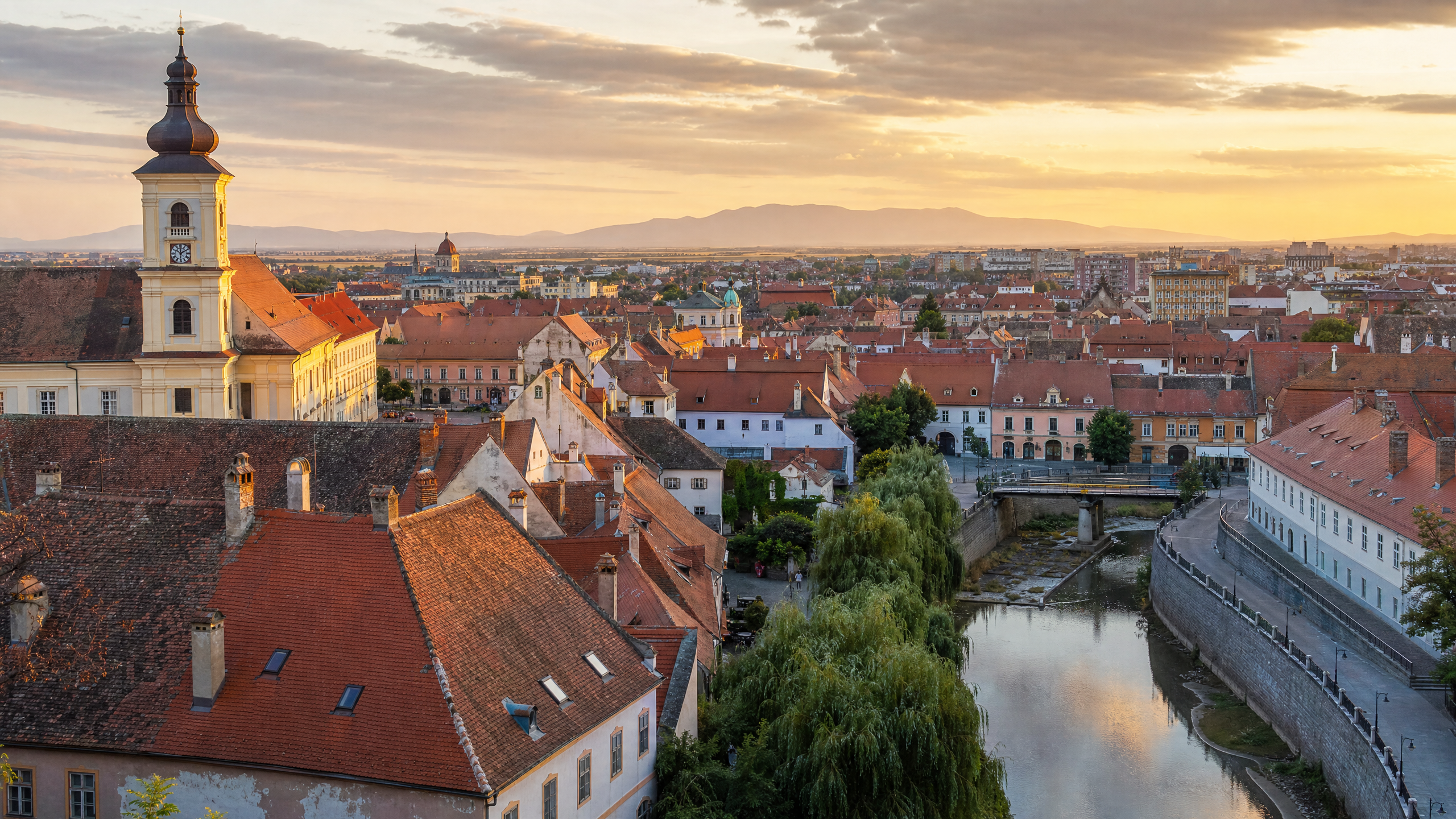
Best for: Sibiu works better as a lived-in stop than as a fast photo pin, with Saxon squares, culture and Transylvania calm shaping the day. Sibiu is a polished Transylvania base for travellers who want calmer culture after Bucharest or Brasov. Grand squares, restored houses, museums, cultural festivals, nearby villages and the ASTRA open-air museum create a refined old-town stay with enough depth for slow afternoons and village-linked routes.
Historic landmarks: Large Square and Small Square, Bridge of Lies, Brukenthal National Museum, ASTRA Museum and Lutheran Cathedral should shape the sightseeing plan. Use the squares to structure a gentle city walk. Best treated as part of a wider lane route.
Museums and attractions: Choose the hotel area around Upper Town, Lower Town and Station Side. Pick the district that makes arrival, evening movement and the first full day easier.
Hotels and stay areas: Sibiu also needs a food layer. Build meals around ciorba, mamaliga, sarmale, sausages, cheese pies, kurtoskalacs, Large Square and Lower Town so the visitor has a reason to slow down between museums, viewpoints and transfers.
Food and restaurants: Alba Iulia and Transfagarasan Road can extend the stay when there is enough time. A fortress-city day route west of Sibiu. A seasonal mountain route that needs weather and timing checks.
Plan this part of the trip
Cluj-Napoca: student city, cafes and western Transylvania base
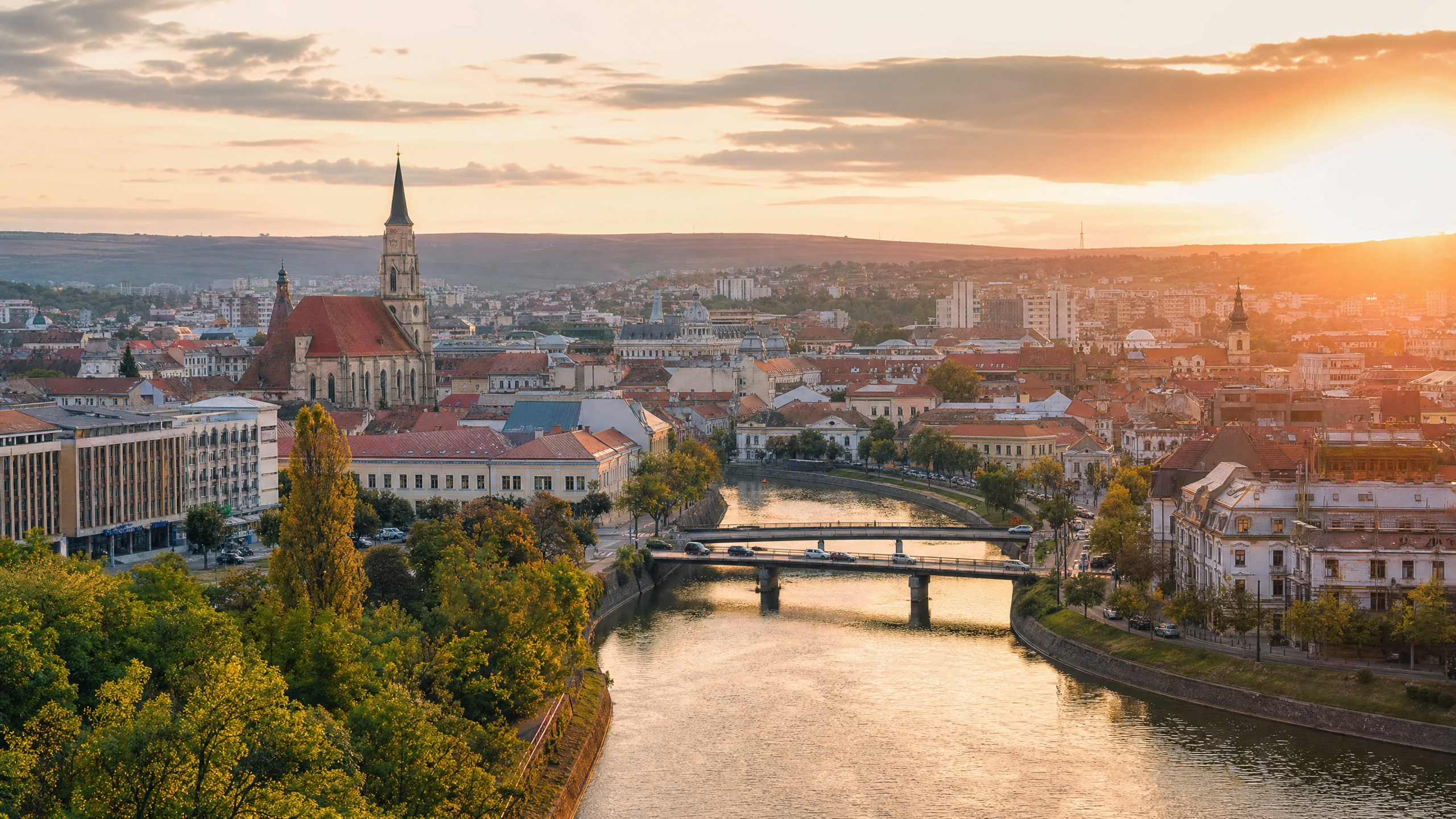
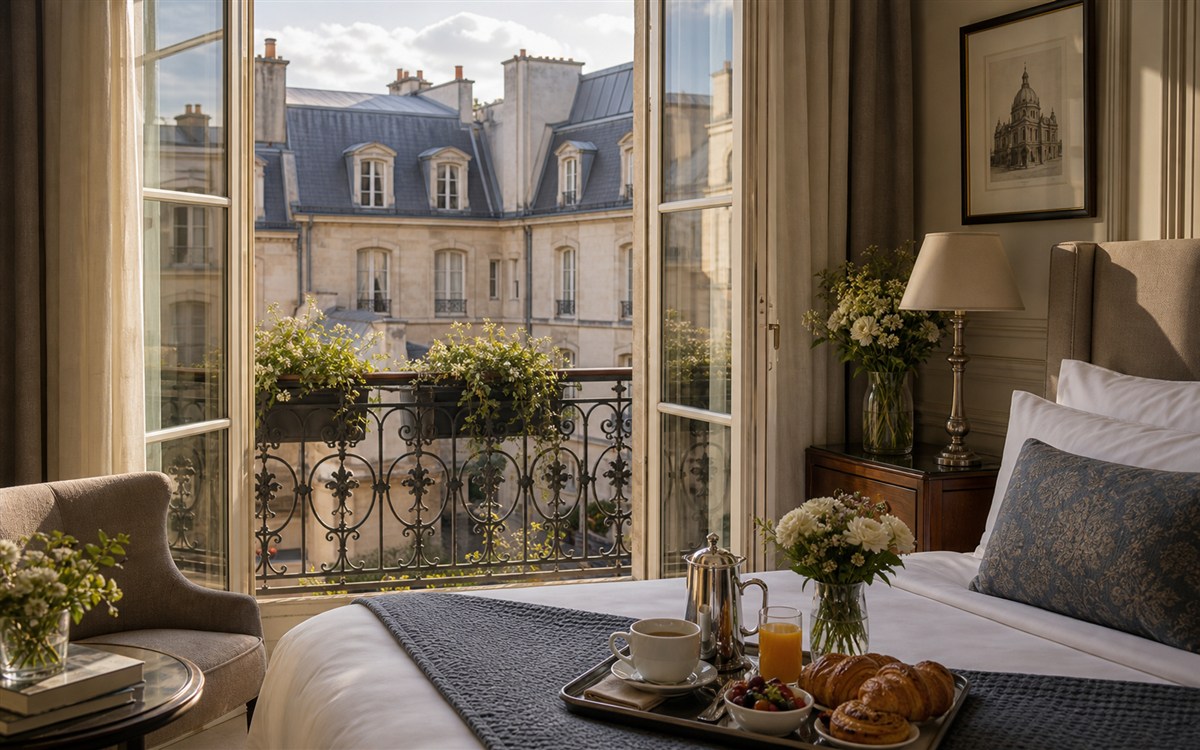
Best for: Use Cluj-Napoca when the Romania route needs student city, cafes and western Transylvania base. Cluj-Napoca gives western Transylvania a lively urban base and works best on longer Romania routes. Cafes, squares, universities, galleries, parks and evening bars give the city energy, while Turda, Apuseni landscapes and northern routes add practical reasons to stay beyond a single transfer night.
Historic landmarks: Union Square and St Michael’s Church, Central Park and Casino Building, Botanical Garden, Turda Salt Mine Route, National Museum of Transylvanian History and Cluj Art Museum should shape the sightseeing plan. Use the square before spreading into cafes and side streets. Good between museums and evening plans.
Museums and attractions: Choose the hotel area around Old Centre, Central Park Edge and Station Side. Pick the district that makes arrival, evening movement and the first full day easier.
Hotels and stay areas: Cluj-Napoca also needs a food layer. Build meals around varza a la Cluj, ciorba, mici, cheese pies, local beer, papanasi, Union Square Area and Museum Square so the visitor has a reason to slow down between museums, viewpoints and transfers.
Food and restaurants: Turda Salt Mine and Apuseni Mountains can extend the stay when there is enough time. The easiest headline day trip from Cluj. A nature extension that benefits from a car or guided route.
Food, Culture and Route Ideas for Romania
Food route: Sour soups, grilled meats, polenta, cabbage rolls, cheeses and plum desserts make traditional meals substantial and regionally varied. Bakeries, market halls, coffee breaks and roadside snacks help break up long transfers between larger bases. Folk crafts, seasonal festivals, fortified churches and rural customs are strongest outside the capital and reward slower routing. This is where food, culture and route planning should work together.
Food, wine and restaurants: Build meals around sarmale, mici, ciorba, mamaliga, papanasi, covrigi and kurtoskalacs and keep them close to Old Town, Calea Victoriei, Herastrau and Northern Areas, Council Square Area and Schei District.
Popular experiences: Start in Bucharest, then move to Brasov and Sibiu for a balanced city, castle and mountain route. Use Brasov and Sibiu as the main bases when old towns, fortified churches and scenic rail or road days matter most. Keep the route disciplined: one clear hotel area, one strong regional layer and one food or culture experience will usually feel better than trying to touch every possible stop.
Planning rule: Use bookings in a clean order: choose the hotel area first, then add attraction tickets, food tours, guided days and local experiences where they make the journey easier, richer and more realistic.