Poland Travel, Structured Around Historic Cities, Rail and Regional Depth
Plan Poland through Warsaw, Krakow, Gdansk, Wroclaw, Zakopane, castles, museums, food, rail routes, hotels, tickets and regional city-pair itineraries.
Start Planning PolandPoland Travel Guide: Routes, Stay Bases, Culture and Experiences
Trip shape: A strong Poland itinerary begins with one honest decision about pace. Let Warsaw, Kraków, Gdańsk and Wrocław carry the easy first days, then use Tatra Mountains, Masuria, Lower Silesia and First Poland Trip for depth when the schedule has enough space.
Best for: Tatra Mountains, Masuria, Lower Silesia and First Poland Trip give Poland its deeper travel layer. Some visitors need one main city and one day trip; others should slow down, split the journey and give the strongest region its own nights.
Planning rule: Start with arrival logic, season and the first overnight point, then add the experiences that genuinely deserve advance planning. Museums, landmarks, guided tours, food walks, local neighbourhoods and coastal or countryside days should be grouped by geography and timing.
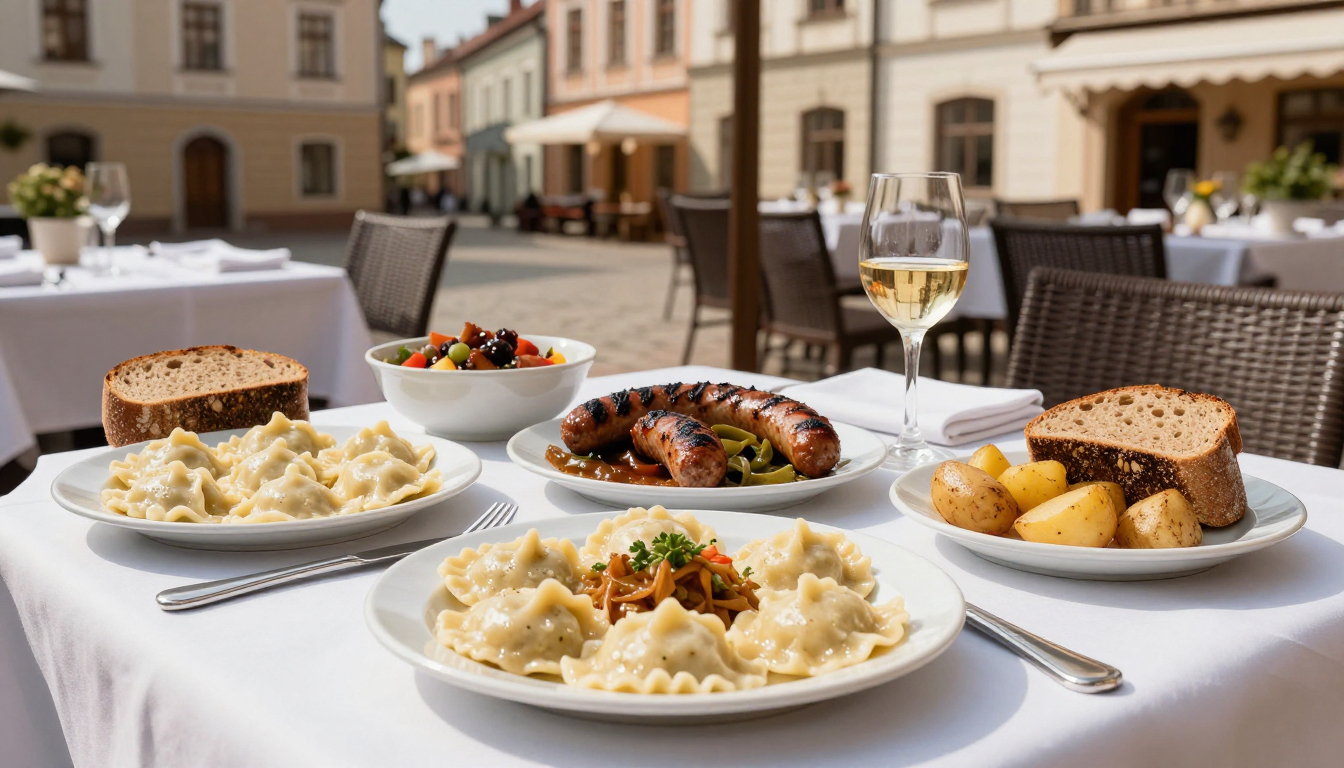
Route logic: Traditional everyday food is part of the experience and often works best at lunch. Market squares, bakeries and evening walks shape many Polish city days. Keep food close to the chosen hotel area where possible: the best meals often come from market streets, harbour areas, old-town restaurants and neighbourhoods already inside the day’s route.
Warsaw: rebuilt capital, museums and modern Poland
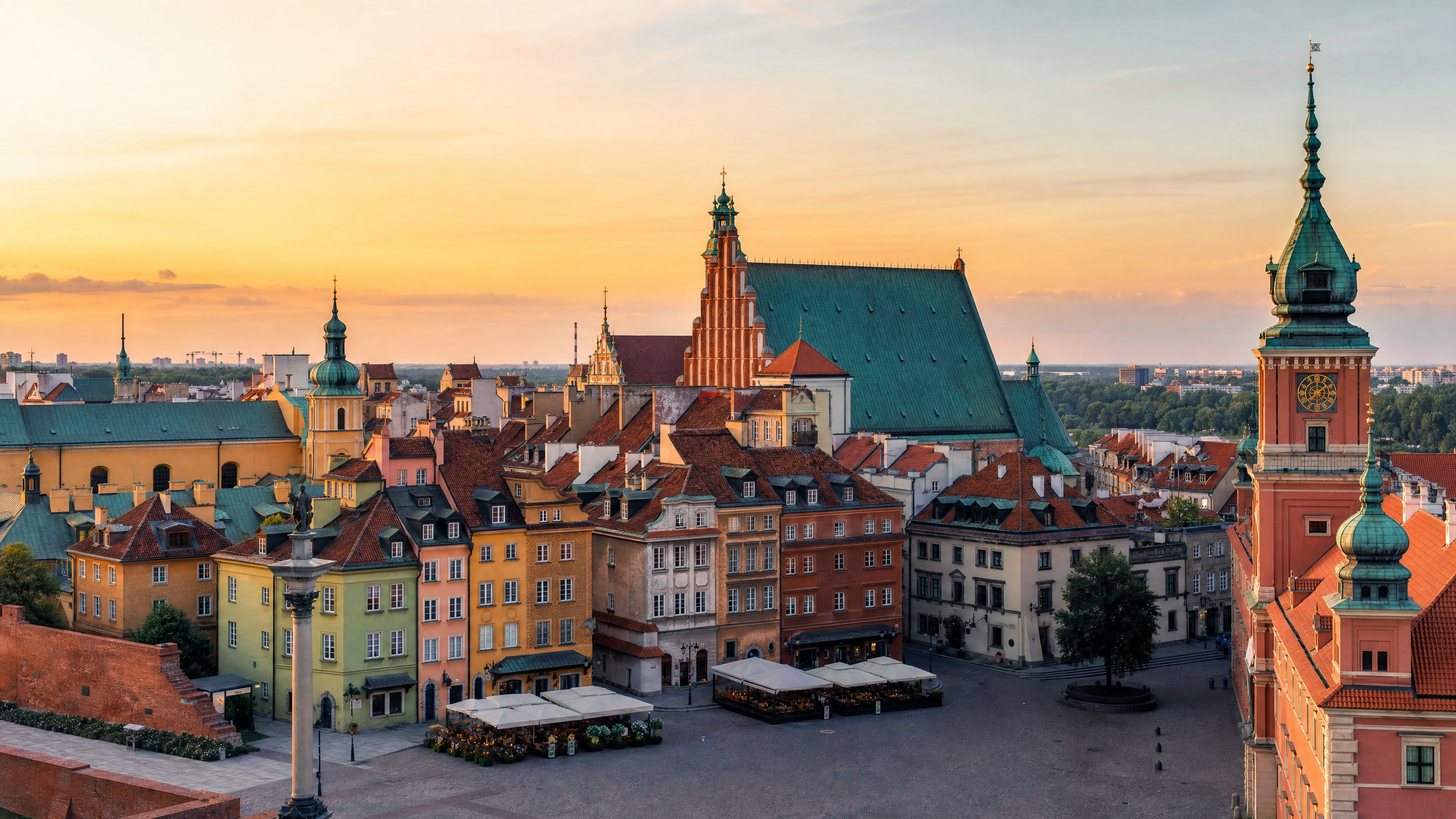
Best for: Warsaw deserves a proper place in the Poland plan, especially when the trip needs rebuilt capital, museums and modern Poland. Warsaw is Poland’s capital layer: a rebuilt Old Town, major history museums, parks, food halls, modern skyline and strong rail links. It works best when the Royal Route, POLIN, the Uprising Museum, Praga and river or park time are separated into humane days, especially when the trip includes serious historical material.
Historic landmarks: Old Town and Royal Castle, POLIN Museum, Łazienki Park, Palace of Culture and Science, Warsaw Uprising Museum and Fryderyk Chopin Museum should shape the sightseeing plan. Use it with the Royal Route rather than isolating it. Give it focused time and avoid crowding the day with too many heavy stops.
Museums and attractions: Choose the hotel area around Śródmieście, Old Town Edge and Powiśle. Pick the district that makes arrival, evening movement and the first full day easier.
Hotels and stay areas: Warsaw also needs a food layer. Build meals around pierogi, żurek, pączki, bigos, vodka, Polish cheesecake, Śródmieście and Old Town and New Town so the visitor has a reason to slow down between museums, viewpoints and transfers.
Food and restaurants: Kraków and Łódź can extend the stay when there is enough time. A strong rail-linked contrast with deeper old-town heritage. A nearby industrial and creative city extension.
Kraków: old town, Wawel and southern Poland
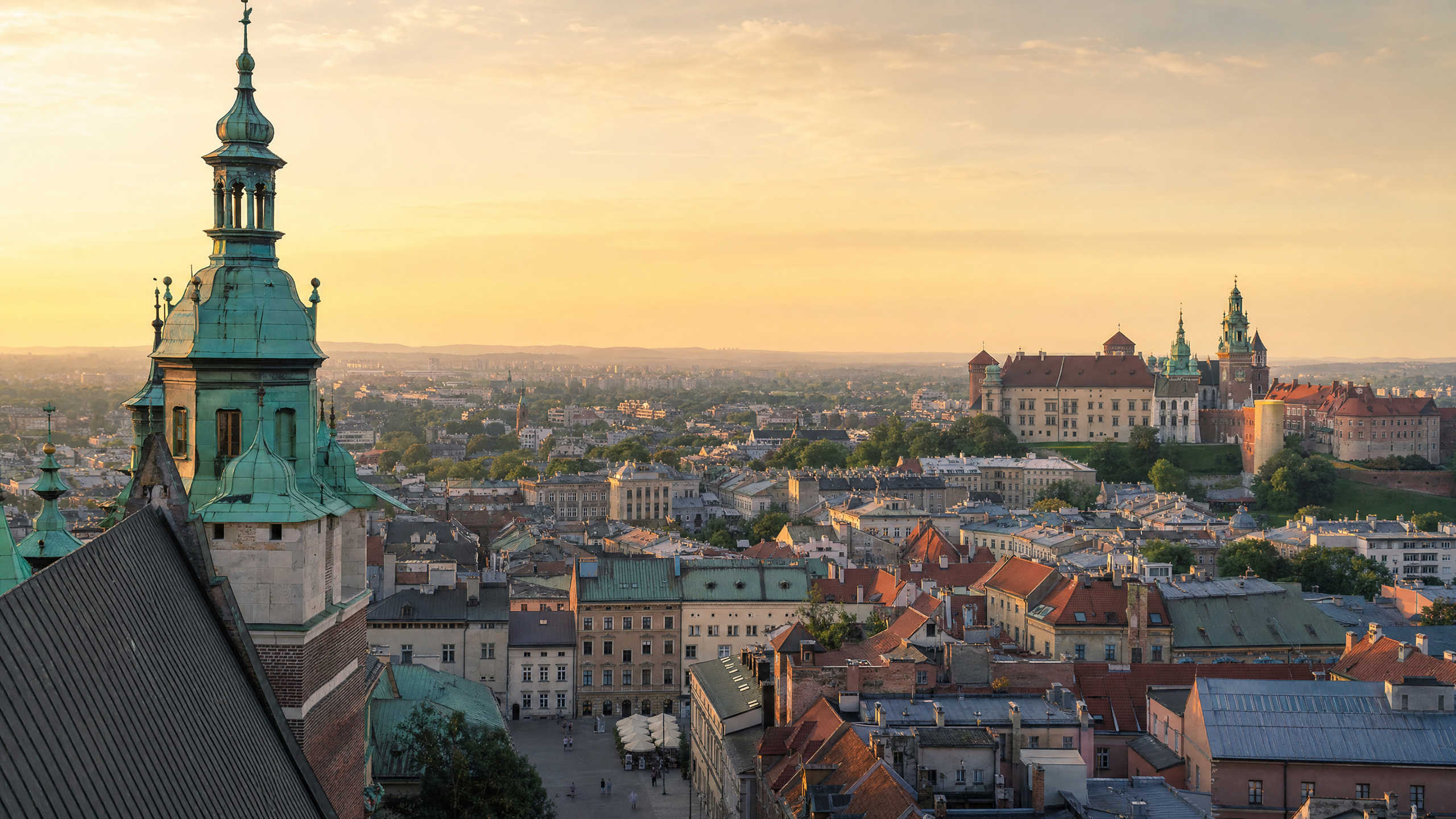
Best for: Kraków deserves a proper place in the Poland plan, especially when the trip needs old town, Wawel and southern Poland. Kraków is Poland’s classic heritage base, with a major Old Town, Wawel Castle, Kazimierz, museums, food and access to important regional sites. It suits travellers who want a rich but walkable southern base, where old-town time, Jewish heritage, food streets, museums and respectful day trips are paced with enough emotional and practical space.
Historic landmarks: Main Market Square, Wawel Castle and Cathedral, Kazimierz, Wieliczka Salt Mine, Schindler’s Factory Museum and National Museum in Kraków should shape the sightseeing plan. Use it early and late for different moods. Choose sections carefully and plan enough time.
Museums and attractions: Choose the hotel area around Old Town, Kazimierz and Podgórze. Pick the district that makes arrival, evening movement and the first full day easier.
Hotels and stay areas: Kraków also needs a food layer. Build meals around pierogi, obwarzanek, żurek, zapiekanka, Polish cheesecake, vodka, Old Town and Kazimierz so the visitor has a reason to slow down between museums, viewpoints and transfers.
Food and restaurants: Wieliczka Salt Mine and Zakopane and Tatra Mountains can extend the stay when there is enough time. A major half-day site requiring tickets and transport. A scenic mountain extension that should not be rushed.
Gdańsk: Baltic harbour, amber streets and modern history
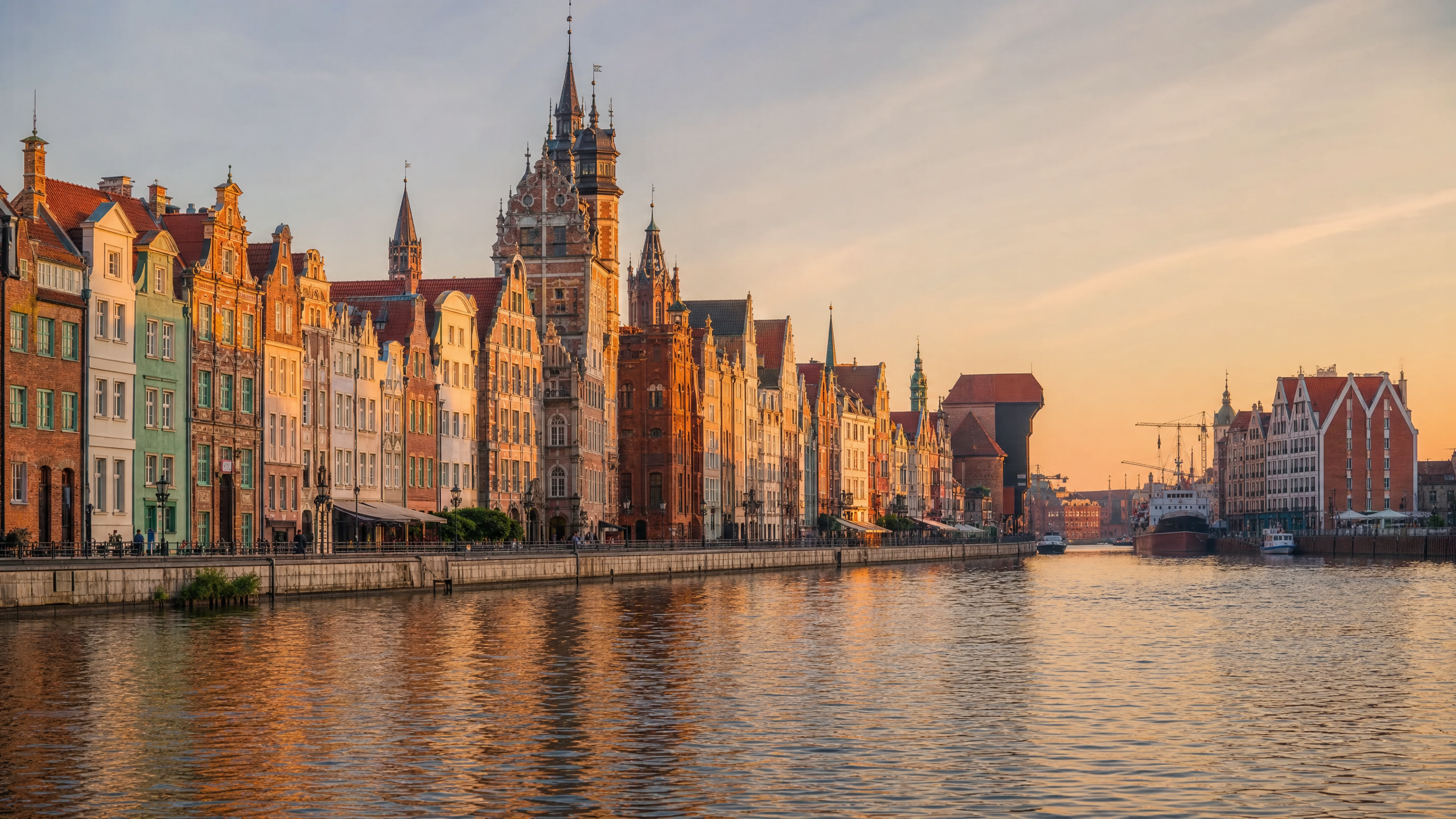
Best for: For Gdańsk, the first decision is pace: give the city enough room to show its Baltic harbour, amber streets and modern history. Gdańsk adds Poland’s Baltic layer, with a restored Old Town, port history, amber shops, shipyard heritage, beaches and nearby Sopot. It works best as a northern city-and-coast stay where Main Town, the Riverfront, Solidarity sites, the Second World War museum and a Sopot or Malbork extension are not forced into one day.
Historic landmarks: Long Market and Main Town, Museum of the Second World War, European Solidarity Centre, Motława Riverfront, Artus Court and Amber Museum should shape the sightseeing plan. Use it with side streets and Riverfront walks. Give it enough time and avoid crowding the day.
Museums and attractions: Choose the hotel area around Main Town, Riverfront and Sopot. Pick the district that makes arrival, evening movement and the first full day easier.
Hotels and stay areas: Gdańsk also needs a food layer. Build meals around pierogi, Baltic fish, herring, Goldwasser, pączki, Polish beer, Main Town and Motława Riverfront so the visitor has a reason to slow down between museums, viewpoints and transfers.
Food and restaurants: Sopot and Gdynia and Malbork Castle can extend the stay when there is enough time. A simple Tricity extension for beach, pier and harbour contrasts. A major castle day by rail from Gdańsk.
Wrocław: islands, colour and western Poland cafes
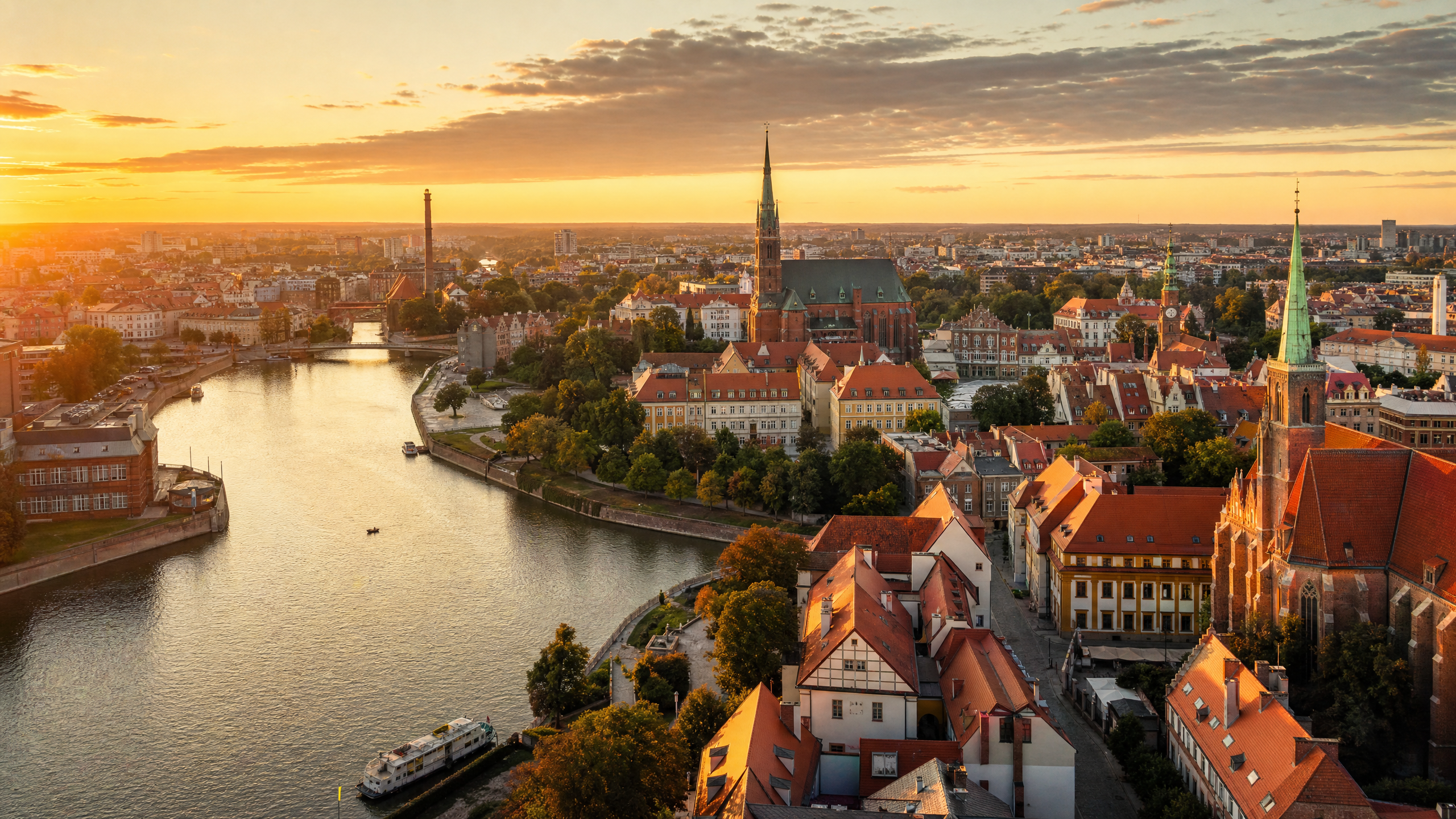
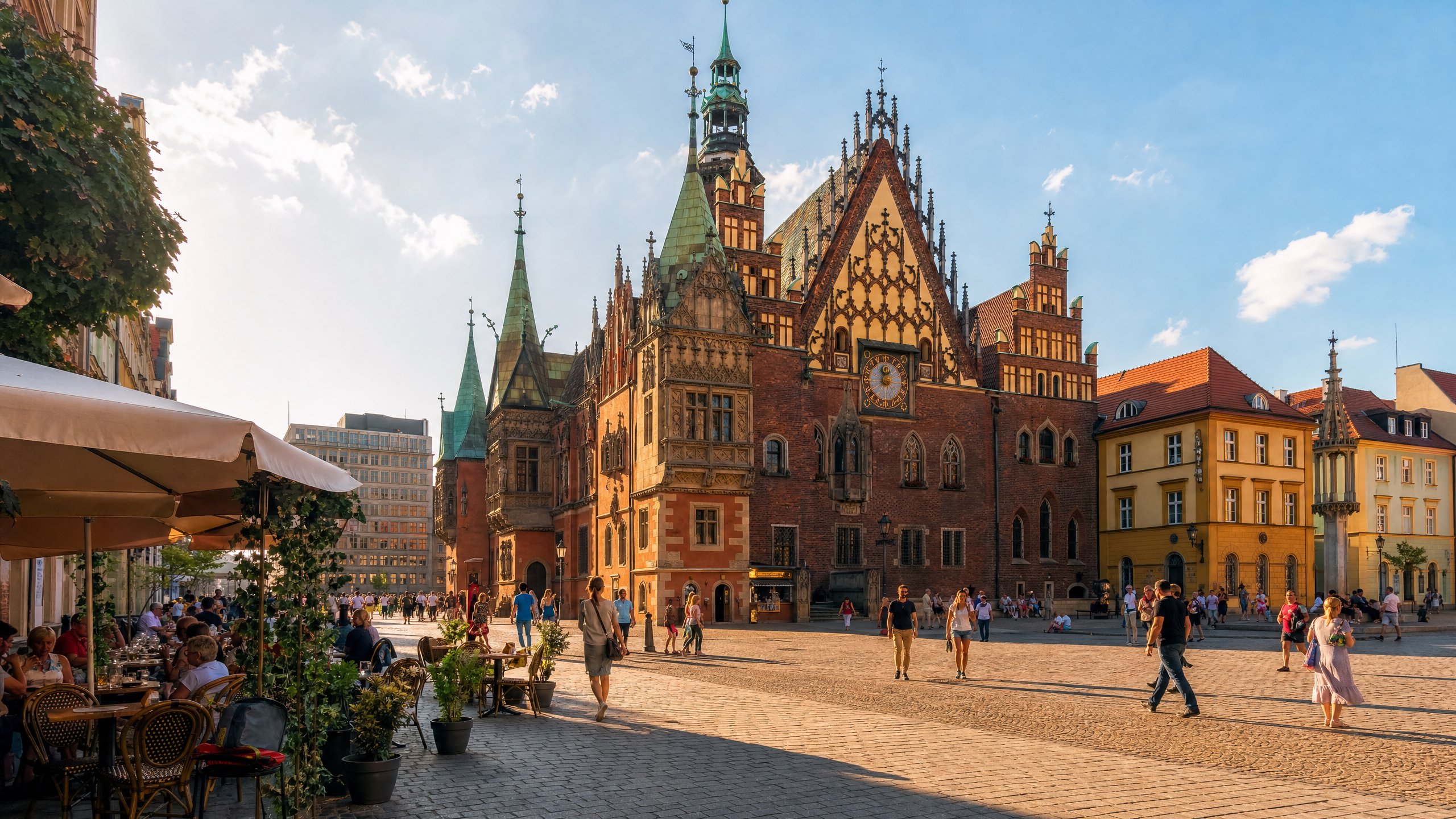
Best for: The value of Wrocław is not only the headline sights; it gives the itinerary islands, colour and western Poland cafes and a clearer local rhythm. Wrocław offers a colourful Old Town, river islands, university life, museums and a relaxed cafe rhythm in western Poland. It suits a softer second-city break where the Market Square, Ostrów Tumski, Centennial Hall, Nadodrze cafes and one castle or rail-linked extension are grouped with enough walking time between them.
Historic landmarks: Market Square, Ostrów Tumski, Centennial Hall, University of Wrocław, Panorama Racławicka and National Museum in Wrocław should shape the sightseeing plan. Use it as the centre of a walking route, not the whole day. Evening lamplight gives the area a special atmosphere.
Museums and attractions: Choose the hotel area around Market Square / Old Town, Nadodrze and River Island Edge. Pick the district that makes arrival, evening movement and the first full day easier.
Hotels and stay areas: Wrocław also needs a food layer. Build meals around pierogi, żurek, pączki, craft beer, Polish cheesecake, local sausages, Market Square and Nadodrze so the visitor has a reason to slow down between museums, viewpoints and transfers.
Food and restaurants: Książ Castle and Poznań or Kraków can extend the stay when there is enough time. A major castle day that needs transport planning. Both can connect by rail for a wider Poland route.
Food, Culture and Route Ideas for Poland
Food route: Traditional everyday food is part of the experience and often works best at lunch. Market squares, bakeries and evening walks shape many Polish city days. Major historical museums and memorials need time, care and emotional space. This is where food, culture and route planning should work together.
Food, wine and restaurants: Build meals around pierogi, żurek, pączki, bigos, vodka, Polish cheesecake and obwarzanek and keep them close to Śródmieście, Old Town and New Town, Praga, Old Town and Kazimierz.
Popular experiences: Use Kraków or Warsaw first, then add one contrasting city rather than rushing the whole country. Gdańsk, Warsaw and Kraków can link by rail when each stop has enough time. Keep the route disciplined: one clear hotel area, one strong regional layer and one food or culture experience will usually feel better than trying to touch every possible stop.
Planning rule: Use bookings in a clean order: choose the hotel area first, then add attraction tickets, food tours, guided days and local experiences where they make the journey easier, richer and more realistic.