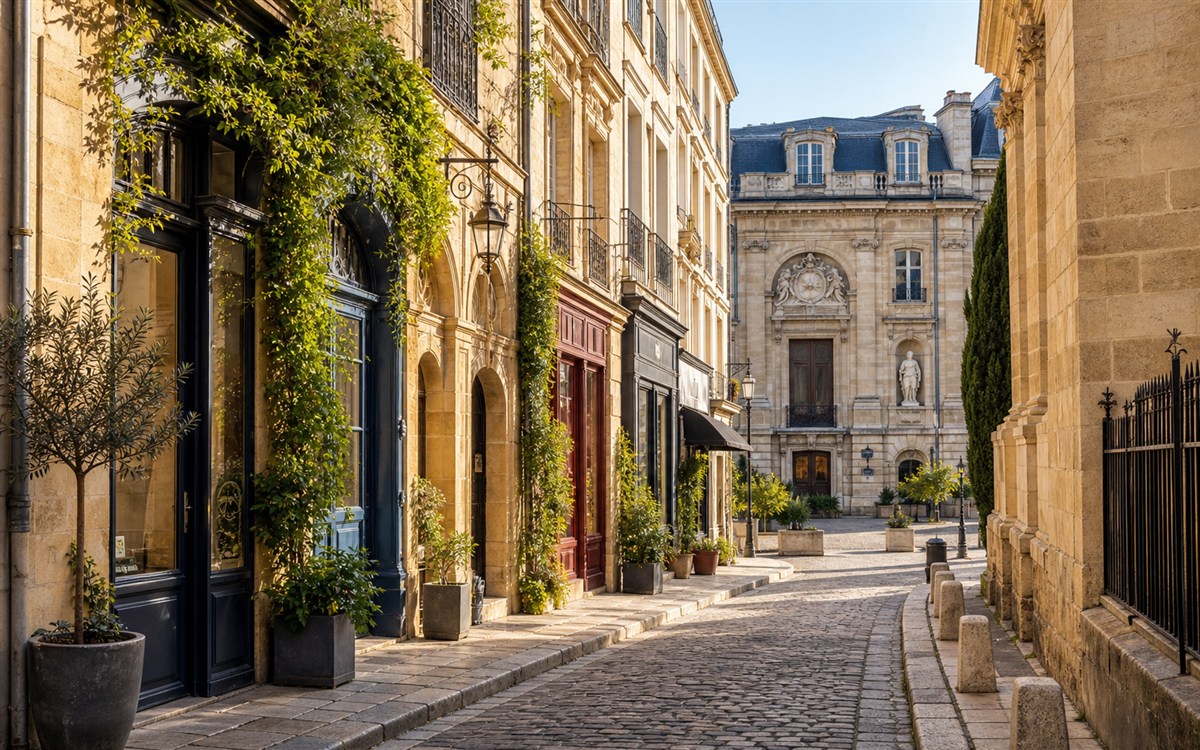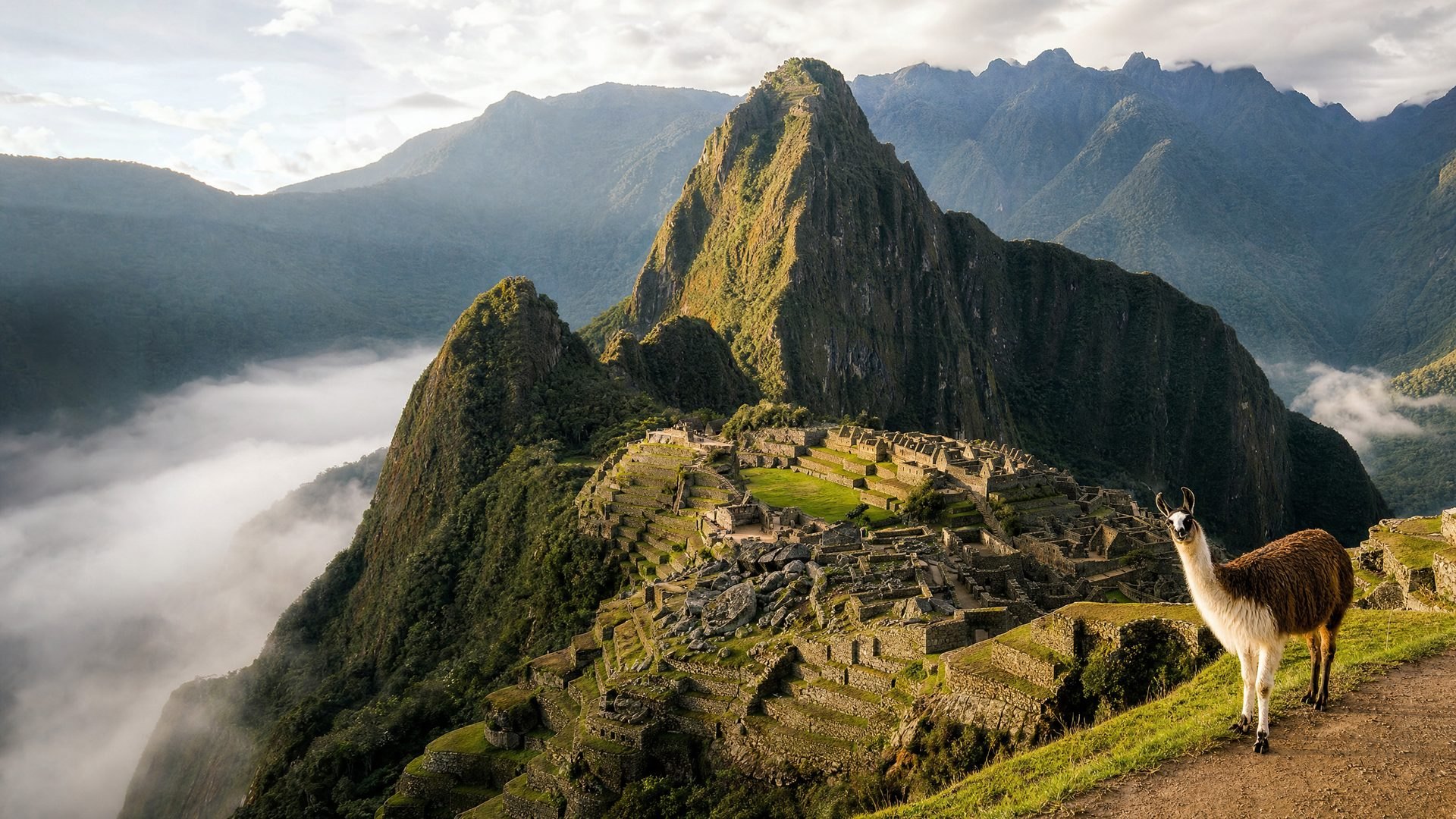
Peru country travel image for WorldFun planning
Country Travel Guide

Peru Travel, Structured Around Lima, Cusco, Andes and Amazon Routes

Plan Peru through Lima, Cusco, Machu Picchu, Sacred Valley, Arequipa, Lake Titicaca, Amazon lodges, food, hotels, flights, rail and altitude-aware routes.

Start Planning Peru
Travel Safety

Check Current Advice Before Booking

Travel safety note: Official UK FCDO advice may warn against travel to specific regions of this country. This guide is for general planning only. Check the latest GOV.UK Foreign Travel Advice before booking or travelling.

Regional note: FCDO regional advice covers areas south of the Peru-Colombia border and the VRAEM region. WorldFun Peru planning should avoid restricted regions and keep mainstream heritage, city, and Andes planning tied to current official advice.

Last WorldFun FCDO review: 2026-04-26

Check GOV.UK FCDO advice
Country Edition

Plan Peru Through Cities, Regions and Booking Order

Peru is easier to plan when Lima, Cusco, Sacred Valley and daily movement are separated before bookings are compared.

Route-First Planning

4 city and region anchors, one country page, and booking choices arranged around the trip shape.

Jump to cities and regions
WorldFun Method

How This Country Guide Works

Start with the trip shape

Decide whether the trip is city-led, heritage-led, coast-led, nature-led or built around a short route.

Choose the base before the bookings

The stay area should make daily movement easier, not force long transfers before the main sights, food areas or day trips.

Add tickets, tours and routes in the right order

Book the pieces that protect the trip first, then add optional experiences only where they improve the pacing.

Explore Peru

Cities and Regions to Plan Around

Peru rewards careful sequencing because coast, Andes and high-altitude heritage routes all ask for different pacing. Lima, Cusco, the Sacred Valley, Machu Picchu and Arequipa make the country feel richer when altitude and travel days are built into the plan.

Country Character

What Peru Is Famous For

Ancient Heritage and Andes

Inca sites, colonial cities, mountain valleys and highland communities define many first journeys.

Food-Led City Breaks

Lima, markets and regional cooking give Peru a serious culinary layer beyond the headline sights.

Altitude and Route Planning

Cusco, the Sacred Valley and Lake Titicaca need slower pacing than a sea-level city trip.

Route Order

Best Ways to Shape the Trip

First Peru Route

Use Lima first, then move to Cusco and the Sacred Valley before Machu Picchu.

Altitude-Aware Planning

Give the Andes enough time so museum days, markets and shorter routes can sit between major excursions.

South Peru Extension

Add Arequipa or Lake Titicaca only when the trip length supports longer ground transfers.

Cuisine and Local Food

What To Try And Where It Fits

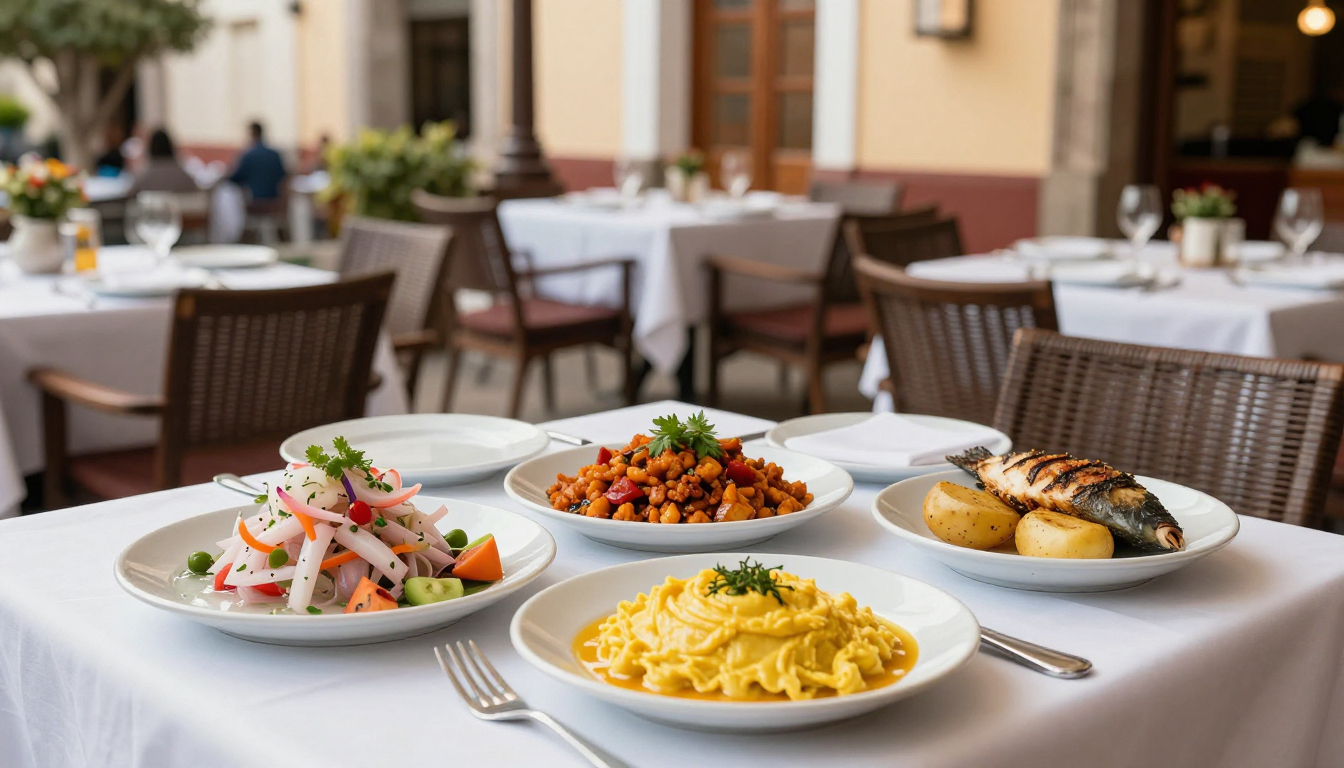
Peru is easier to plan when food is treated as part of the route: local markets, traditional restaurants, cafe streets and guided tastings can connect the old town, museum quarter, waterfront and evening stay area.

Culinary Highlights

Old town restaurants, Local markets, Traditional bakeries or cafes, Regional comfort dishes, Guided food experiences.

What To Try

A local market or food hall, A traditional bakery, cafe or casual restaurant, A regional dish connected to the destination, A guided food walk where it fits the itinerary, A relaxed dinner near the hotel base.

Trip Fit

Add meals and food experiences near the places already in the plan so the trip feels richer without adding unnecessary transfers.

Turn the country guide into a practical trip plan: flights first, then hotels, tickets, tours and food experiences in one planning flow.

Food and Traditions

Country-Level Planning Notes

Coastal and Highland Food

Ceviche, potatoes, corn, ají sauces and soups vary clearly between Lima, Cusco and Arequipa.

Markets and Textiles

Local markets, weaving traditions and community crafts are part of the country’s travel identity.

Rail, Road and Permit Timing

Train tickets, timed entries and highland transfers should be planned before arrival in peak periods.

City and Region Guide

Where to Go in Peru

Use these city and region sections as same-page planning anchors for the trip. Each one explains why it matters, what to see, where to base yourself and which booking options to compare next.

Lima planning image for local highlights, cultural context and Peru route planning
Peru

Lima - coastal food capital and first Peru landing point
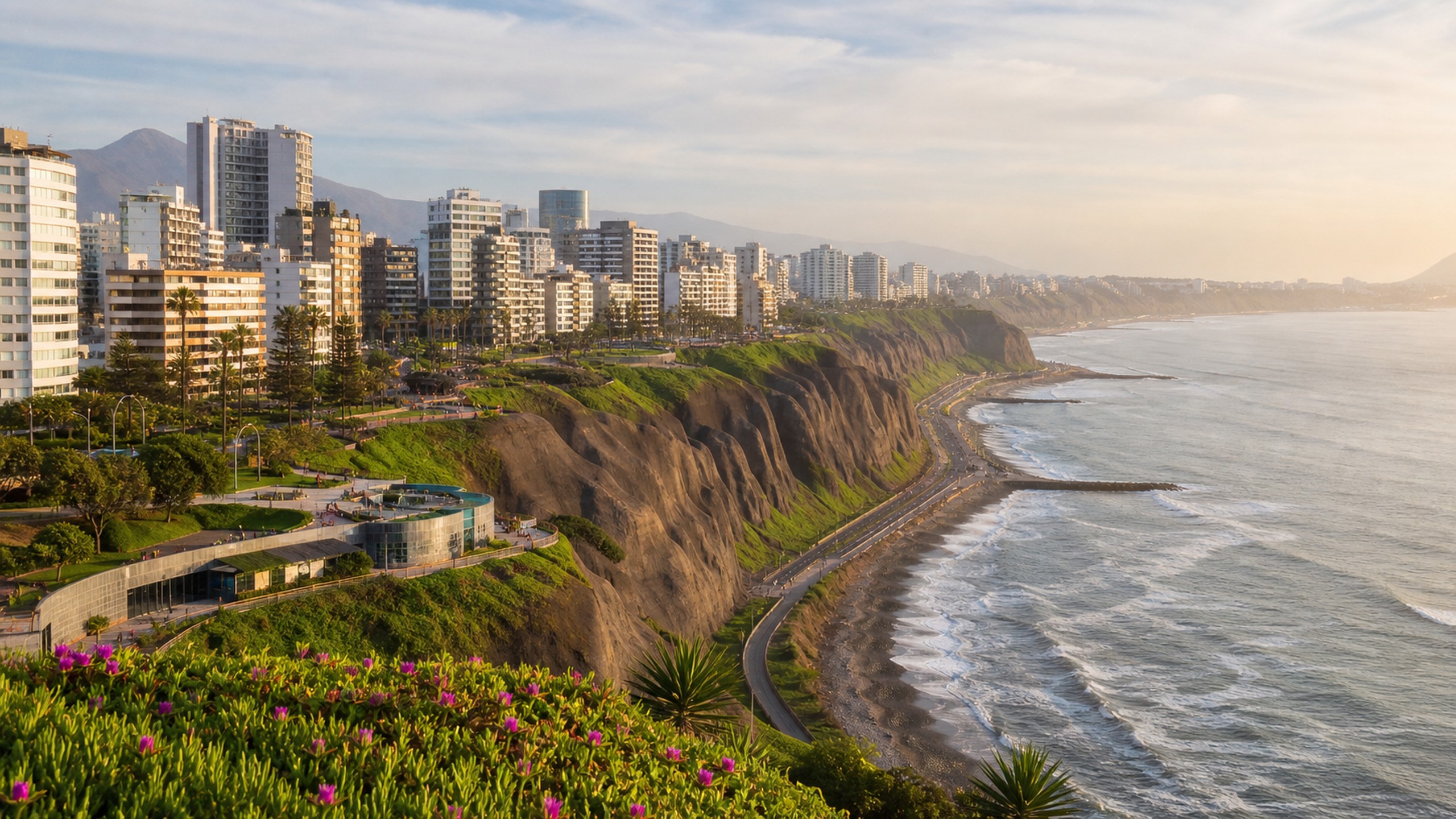
Lima gives Peru a coastal, contemporary opening chapter, with museums, colonial squares, Pacific views and dining districts that help travellers understand the country before moving into the Andes.

What It Is Famous For

foodmuseumsPacific coastcolonial centremarketsneighbourhoods

Best For

arrival nightsfoodmuseumscoastal walksfirst-time routes

Best Things To See And Do

Historic Centre of Lima

A UNESCO-listed centre with plazas, churches and colonial architecture.

Visit by day and plan transport back to coastal districts.

Larco Museum

A strong museum for pre-Columbian art and context.

Useful before Cusco and Sacred Valley routes.

Miraflores Clifftop Walks

Pacific-facing parks and coastal viewpoints.

Good for the first day after a long flight.

Barranco

A neighbourhood known for art, cafés and evening atmosphere.

Use registered transport for late returns.

Museums And Culture

art museum
Museum of Art of Lima

A broad art collection that helps place Lima in the country’s cultural story.

archaeological site
Huaca Pucllana

A pre-Inca site in Miraflores with city context.

Where To Eat And What To Try

Lima is Peru’s food centre, with ceviche, criollo cooking, Nikkei influence, market produce and coastal dining districts. Restaurant claims change quickly, so planning should focus on areas and cuisines rather than fixed rankings.

cevichecausaají de gallinaanticuchospisco sourNikkei dishes
Miraflores

A practical area for first stays, seafood and coastal restaurants.

Best for first stays, food.

Barranco

Good for cafés, bars, art-led evenings and relaxed dining.

Best for evenings, culture.

San Isidro

A polished district for quieter hotels and business-style dining.

Best for comfort, quiet stays.

  • Keep the first night simple after long-haul flights.
  • Use Lima as a food and museum chapter, not only an airport stop.

Traditions And Local Identity

Coastal Criollo Culture

Music, food and colonial neighbourhoods give Lima a distinct coastal identity.

Pre-Columbian Context

Museums and archaeological sites help frame later visits to the Andes.

Where To Stay

Miraflores

The easiest base for many visitors.

Best for first-time stays, food, coast.

Barranco

Good for atmosphere and slower nights.

Best for culture, evenings, boutique stays.

San Isidro

A calmer option with good hotel infrastructure.

Best for quiet stays, comfort, business hotels.

Suggested Time

2 days

Enough for the centre, one museum and a coastal neighbourhood.

3 days

Better for food planning, Barranco and a gentler arrival pace.

Nearby Routes

Cusco

The main onward route for Sacred Valley and Machu Picchu planning.

Paracas and Ica

A coastal extension that needs a separate travel day.

Cusco planning image for local highlights, cultural context and Peru route planning
Peru

Cusco - Andean heritage base and Sacred Valley gateway
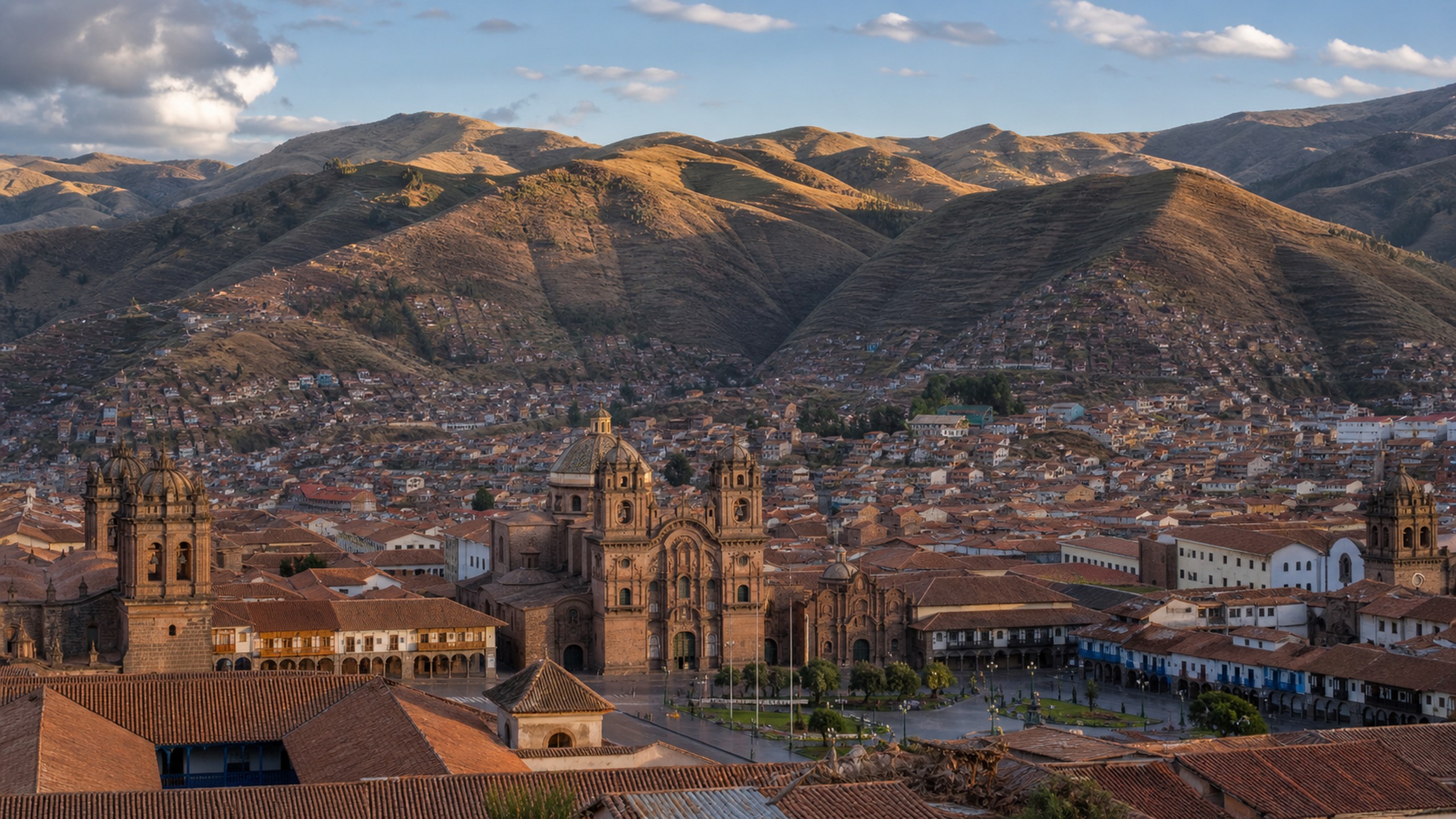
Cusco is the cultural and logistical heart of many Peru routes, combining Inca foundations, colonial streets, museums, markets and access to the Sacred Valley.

What It Is Famous For

Inca heritagecolonial streetsmarketsmuseumsaltitudeSacred Valley access

Best For

heritagewalking routesmuseumsmarketsAndes planning

Best Things To See And Do

Plaza de Armas

The city’s main square and orientation point.

Use it as a gentle first walk at altitude.

Qorikancha

A major Inca and colonial heritage site.

Visit before nearby hill sites for context.

Sacsayhuamán

An impressive archaeological site above the city.

Take altitude and walking effort seriously.

San Pedro Market

A market route for produce, simple meals and local rhythm.

Go earlier in the day for a calmer visit.

Museums And Culture

history museum
Museo Inka

Useful for Inca history and regional context.

art museum
Pre-Columbian Art Museum

A compact cultural stop in the historic centre.

craft district
San Blas Quarter

A hillside area known for workshops, small galleries and views.

Where To Eat And What To Try

Cusco dining mixes highland ingredients, market food, cafés and restaurants built around travellers acclimatising before larger routes.

cuy where culturally appropriatealpaca dishesquinoa soupcorn disheschicha moradahot chocolate
Historic Centre

Practical for restaurants, cafés and evening walks.

Best for first stays, food.

San Blas

Good for cafés, small restaurants and craft-led streets.

Best for views, culture.

  • Plan lighter meals and slower walking on arrival.
  • Avoid stacking high-altitude excursions too tightly.

Traditions And Local Identity

Andean and Inca Identity

Language, festivals, textiles and stonework give Cusco a layered cultural feel.

Processions and Public Squares

Ceremonial life often centres on plazas and churches.

Where To Stay

Historic Centre

Most practical for first-time visitors.

Best for sightseeing, food, short stays.

San Blas

Atmospheric but hillier.

Best for character, views, boutique stays.

Outer Valley-Access Areas

Useful for early departures.

Best for drivers, quiet stays.

Suggested Time

3 days

Enough for acclimatisation, museums and nearby sites.

5 days

Better when using Cusco for day routes and Sacred Valley connections.

Nearby Routes

Sacred Valley

A slower route through towns, ruins and markets.

Machu Picchu

The headline extension, usually via train and timed entry.

Sacred Valley and Machu Picchu planning image for local highlights, cultural context and Peru route planning
Cusco Region

Sacred Valley and Machu Picchu - valley towns, ruins and carefully timed headline visit
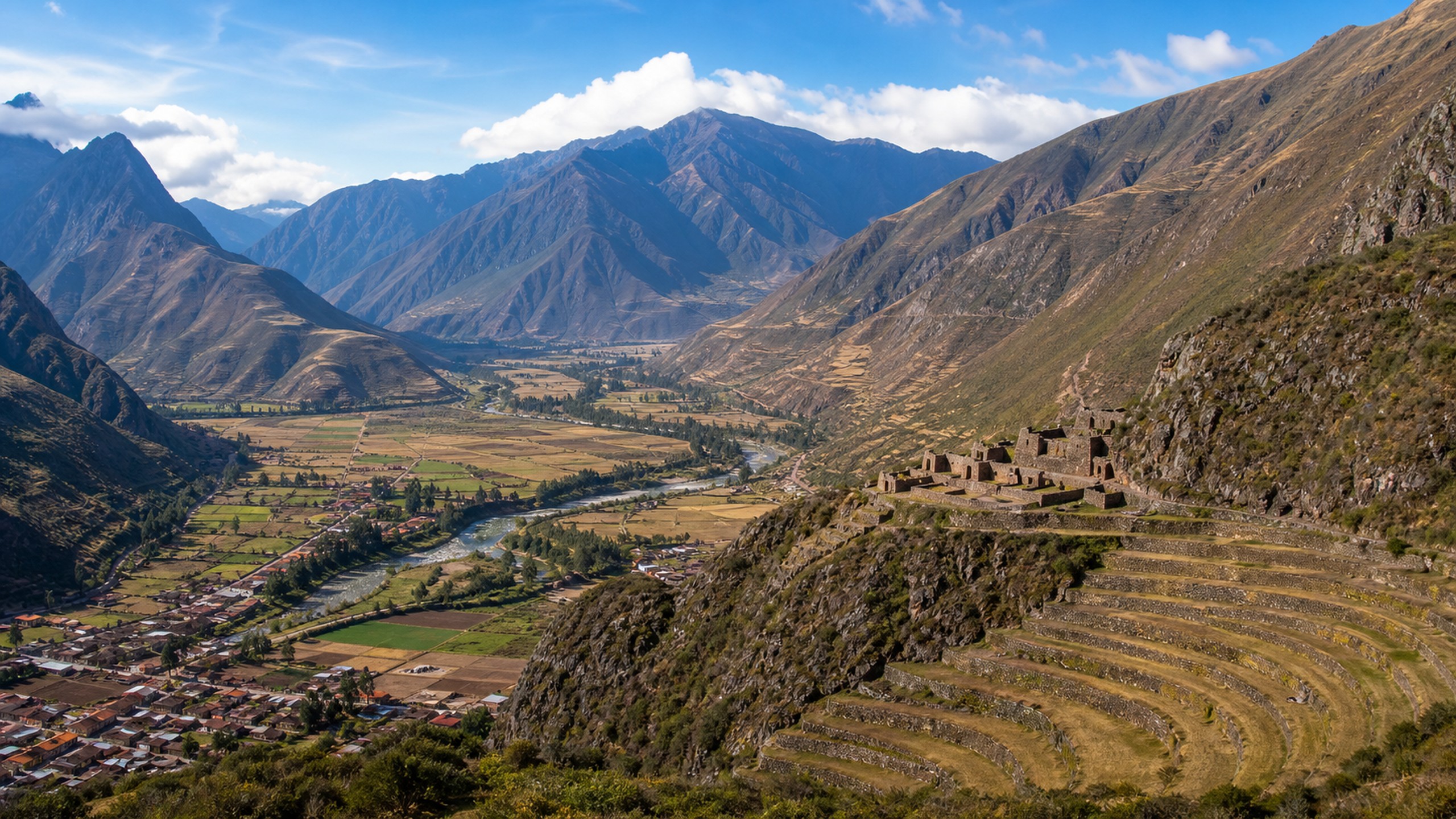
The Sacred Valley works as more than a route to Machu Picchu: it gives travellers lower-altitude bases, market towns, archaeological sites and quieter pacing between Cusco and the headline visit.

What It Is Famous For

Machu PicchuInca sitesvalley townsmarketsrail routesmountain scenery

Best For

heritageslow travelphotographyfamiliesrail journeys

Best Things To See And Do

Machu Picchu

Peru’s most famous archaeological site and a tightly managed visit.

Book timed entry, train and bus logistics ahead.

Ollantaytambo

A living town with major ruins and rail access.

A strong overnight base before Machu Picchu.

Pisac

A market town and archaeological route.

Pair market time with the hill site if energy allows.

Moray and Maras

Agricultural terraces and salt pans in the wider valley.

Better with a driver or organised route.

Museums And Culture

archaeological site
Ollantaytambo Archaeological Site

An important site that also functions as a route base.

living culture
Textile and Market Traditions

Weaving, markets and craft traditions shape valley stops.

Where To Eat And What To Try

Food in the valley is practical and produce-led, with simple town restaurants, lodge meals, corn, potatoes, soups and market snacks.

corn dishespotatoesquinoa souptroutempanadasherbal teas
Ollantaytambo

Useful for overnight meals before rail departures.

Best for rail access, heritage.

Urubamba

Good for lodge stays and valley restaurants.

Best for comfort, families.

Pisac

Better for market-day snacks and relaxed lunches.

Best for markets, crafts.

  • Timed entries define the day more than distance alone.
  • Build in buffer time between trains, buses and hotel moves.

Traditions And Local Identity

Living Valley Communities

Agriculture, textiles and village markets keep the route grounded in everyday life.

Sacred Landscape

Mountains, rivers and ruins carry cultural meaning beyond sightseeing.

Where To Stay

Ollantaytambo

The most practical rail-side base.

Best for Machu Picchu access, heritage, short stays.

Urubamba

Good for lodge-style stays.

Best for comfort, families, slower pacing.

Aguas Calientes

Useful for Machu Picchu timing rather than wider valley atmosphere.

Best for early entry, short stays.

Suggested Time

2 days

Enough for one valley base and Machu Picchu logistics.

4 days

Better for Pisac, Ollantaytambo, Moray and a calmer headline visit.

Nearby Routes

Cusco

The main cultural base before and after the valley.

Arequipa or Lake Titicaca

Longer extensions that need careful altitude and transfer planning.

Arequipa planning image for local highlights, cultural context and Peru route planning
Peru

Arequipa - white-stone city, regional food and canyon access
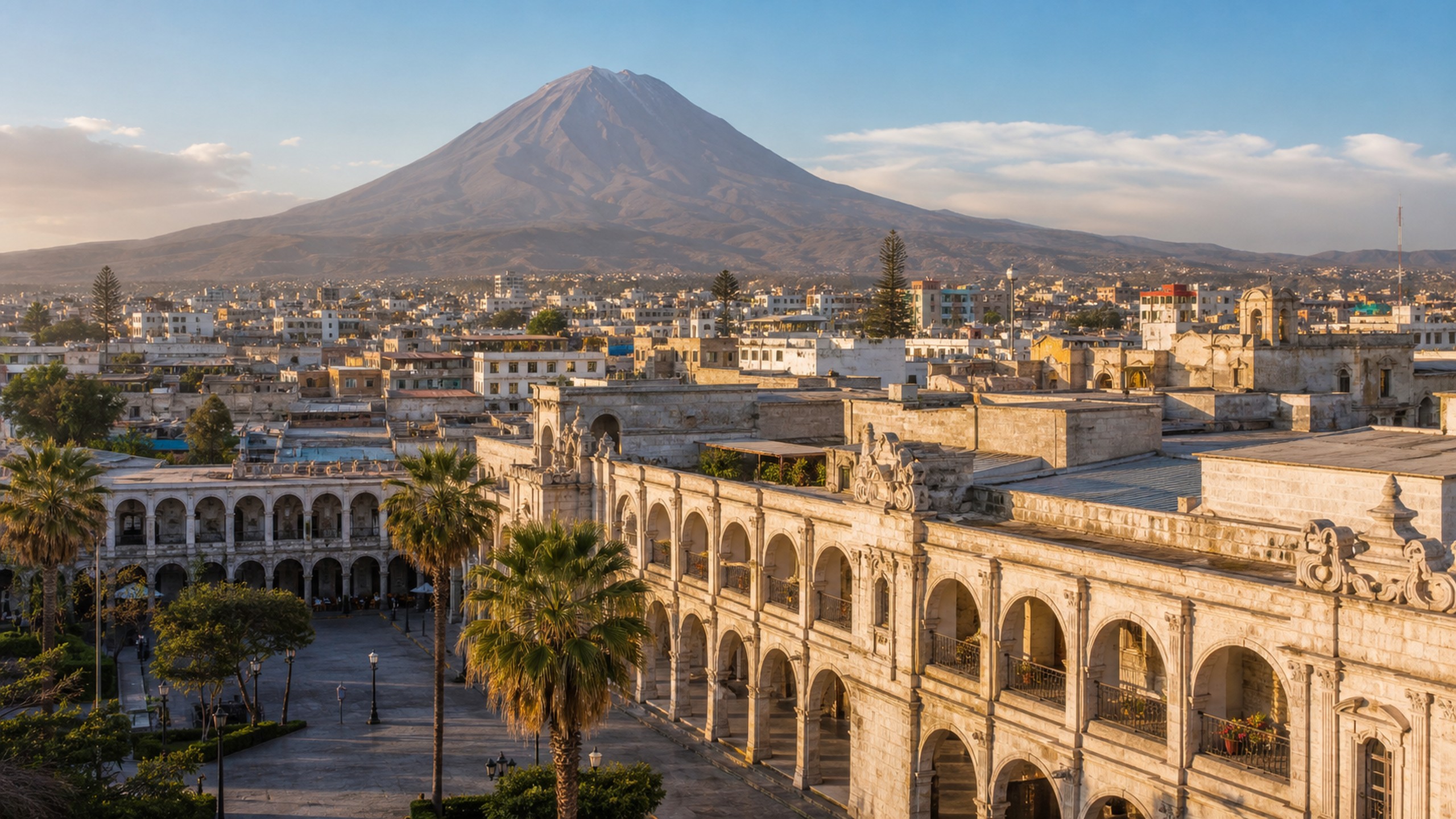
Arequipa gives Peru a different southern rhythm, with volcanic scenery, white-stone architecture, distinctive food and access to Colca Canyon when the itinerary has enough time.

What It Is Famous For

colonial architecturevolcano viewsregional foodmonasteriescanyon routesold town

Best For

architecturefoodslower city stayssouthern routesphotography

Best Things To See And Do

Santa Catalina Monastery

A large historic complex of courtyards and streets.

Allow enough time rather than treating it as a quick stop.

Plaza de Armas

A handsome central square framed by volcanic-stone architecture.

Best used as the city orientation point.

Museo Santuarios Andinos

A museum linked to high-Andean archaeology.

Check opening patterns locally before planning the day.

Colca Canyon Route

A major southern Peru landscape extension.

Do not force it into a rushed day if altitude and distance feel too much.

Museums And Culture

heritage site
Santa Catalina Monastery

Architecture, history and photography combine in one of the city’s key visits.

viewpoint and heritage area
Yanahuara Viewpoint

A simple stop for volcano views and local neighbourhood context.

Where To Eat And What To Try

Arequipa has one of Peru’s clearest regional food identities, with picanterías, stews, stuffed peppers and long lunches shaping the city stay.

rocoto rellenochupe de camaronesadobo arequipeñoocopaqueso heladopicantería lunches
Historic Centre

Practical for restaurants, cafés and evening walks.

Best for first stays, food.

Yanahuara

Good for quieter meals and views.

Best for views, local rhythm.

  • Regional lunch traditions can be more rewarding than rushed evening dining.
  • Colca Canyon planning should account for early starts.

Traditions And Local Identity

Sillar Architecture

Volcanic white stone gives Arequipa its distinctive streetscape.

Picantería Culture

Traditional lunch houses are central to local food identity.

Where To Stay

Historic Centre

The easiest base for first visits.

Best for sightseeing, food, short stays.

Yanahuara

Good for a calmer city rhythm.

Best for quiet stays, views, local feel.

Suggested Time

2 days

Enough for the monastery, centre and food-led city time.

4 days

Better if adding Colca Canyon with a buffer.

Nearby Routes

Colca Canyon

A major landscape route from Arequipa.

Puno and Lake Titicaca

A longer highland extension requiring altitude-aware planning.
Safe Route Planning

Build Peru Around Simple, Bookable Days

Start with the places people actually remember: the old town, the waterfront, the museum quarter, the food streets and the easy guided day trips. WorldFun helps you turn a country page into a practical plan with flights, hotels, tickets, tours and local experiences in one flow.

Arrival First

First-Time Visitor Route

Start with flights into the easiest gateway for Peru, choose a hotel near the old town, waterfront or museum quarter, then group the first tickets and tours by area.

Compare flights before choosing the hotel area.

Food + Culture

Food and Culture Route

Build one walkable day around a market, a museum, a historic street and an evening restaurant area, then add a food tour if it makes the city easier to understand.

Add a food tour or local market visit.

Museums

Museum and Old Town Route

Reserve the high-demand museum or landmark first, keep the hotel base close enough for an easy return, and use the old town walk for the same day.

Reserve tickets early for the attractions people travel for.

Family Safe

Family-Safe Entertainment Route

Keep transfers short, choose official attractions or guided experiences, leave space for breaks and use restaurants near the stay base for easier evenings.

Choose family-friendly tours and ticketed attractions.

Short Break

Weekend City Break Route

For a short stay in Peru, focus on one arrival city, one strong hotel area, one museum or landmark booking, one food plan and one guided city walk.

Book the hotel close to the route, not just the lowest price.

Trip Booking

Start With Flights

Compare flights before you choose the hotel area, especially when several arrival cities or transfer routes are possible.

Compare Flights
Trip Booking

Choose the Right Hotel Area

Book close to the old town, waterfront, museum quarter or main transport link so each day starts with less friction.

Find Hotels
Trip Booking

Reserve Key Tickets

Book the museum, landmark or attraction people travel for before filling the day with smaller stops.

Book Tickets
Trip Booking

Add Tours With Purpose

Use guided city walks, cultural tours and food experiences when they make the destination simpler and more memorable.

Explore Tours
Travel Guide Notes

What Peru Is Good For

Use this guide to understand the best way to approach Peru: where to arrive, where to stay, how much to move around, and which sights, regions and experiences deserve priority.

Trip Shape

Why Plan Peru Carefully

Peru works best when the route has a clear purpose. Start with the main gateway, decide whether the trip is city-led, coast-led, nature-led or culture-led, then choose the stay base around that plan.

Stay Base

Where to Stay and Move From

Use Lima, Cusco, Arequipa as practical anchors, then decide whether Sacred Valley, Machu Picchu, Peruvian Amazon should be day trips, overnight stops or a separate route. The hotel area should reduce travel time, not create more of it.

Experiences

What to Prioritise

Build the experience list around the route: major sights first, then food, local neighbourhoods, nature, museums, tours or family activities where they genuinely fit the available time.

Travel Planning

Plan Peru Around the Right Route

Peru needs route, altitude and permit discipline. Lima, Cusco, Machu Picchu, the Amazon and southern routes should be sequenced before hotels and tours are added.

Gateway Layer

Lima and Cusco

Lima, Cusco, Arequipa, and smaller bases need different altitude and route logic.

Heritage Layer

Sacred Valley and Andes

Machu Picchu, ruins, villages, and train routes require deliberate sequencing.

Experience Layer

Food and Amazon

Food tours, markets, Amazon lodges, and mountain routes should support the pace.

One-Page Travel Guide

Plan Peru on One Page

Use this page to plan Peru in one place: arrival route, stay base, key cities, regions, attractions, tours, family needs and sea travel where it genuinely applies.

Cities and Bases

Where to Base the Trip

Lima, Cusco and Arequipa shape the main anchors: food-led capital, Andes heritage base or southern colonial-and-volcanic route.

Food Gateway

Lima

Best for restaurants, coast, museums, and arrival adjustment.

Andes Anchor

Cusco

Best for Sacred Valley access, heritage, altitude-aware planning, and guided days.

Southern Base

Arequipa

Best for old streets, food, volcano views, and Colca Canyon routes.

Routes and Regions

How to Move Through Peru

Machu Picchu, Sacred Valley, Lake Titicaca, Amazon lodges and Colca Canyon are deeper layers that need altitude, rail, permit and season planning.

Core Route

Sacred Valley

Ruins, villages, trains, and slower stays help manage altitude and logistics.

Signature Site

Machu Picchu

Needs advance planning, transport logic, and realistic timing.

Nature Extension

Peruvian Amazon

Lodges and rainforest experiences need a separate route layer.

Practical Order

Plan Peru in the Right Order

Plan Peru by choosing Cusco-and-Machu-Picchu, food-and-city route, Amazon extension or southern Peru circuit before booking experiences.

Travel Planning

Respect altitude

Build slower days around Cusco and the Sacred Valley.

Travel Planning

Plan permits and trains early

Signature experiences depend on availability and timing.

Travel Planning

Keep the route realistic

Peru becomes smoother with fewer bases and stronger sequencing.

Book Peru Around the Route

Start with altitude sequence and permit-sensitive sites, then compare flights, hotels, rail, guided tours, Amazon lodges, food experiences and regional routes that fit the itinerary.

Check current GOV.UK FCDO travel advice before booking or travelling.

Compare Flights Compare Hotels Explore Tours