Netherlands Travel Guide: Amsterdam, Canal Cities, Museums, Cycling and Rail Day Trips
The Netherlands is compact, but it becomes much better when the stay base and rail logic are chosen early. Amsterdam is the strongest first base for museums, canals, food and neighbourhood walking; Rotterdam gives modern architecture and harbour energy; The Hague adds culture and coast access; Utrecht, Haarlem, Leiden, Delft and smaller towns create the best second layer. The goal is not to collect towns, but to build well-paced days by area and rail connection.
Start Planning NetherlandsNetherlands Travel Guide: Routes, Stay Bases, Culture and Experiences
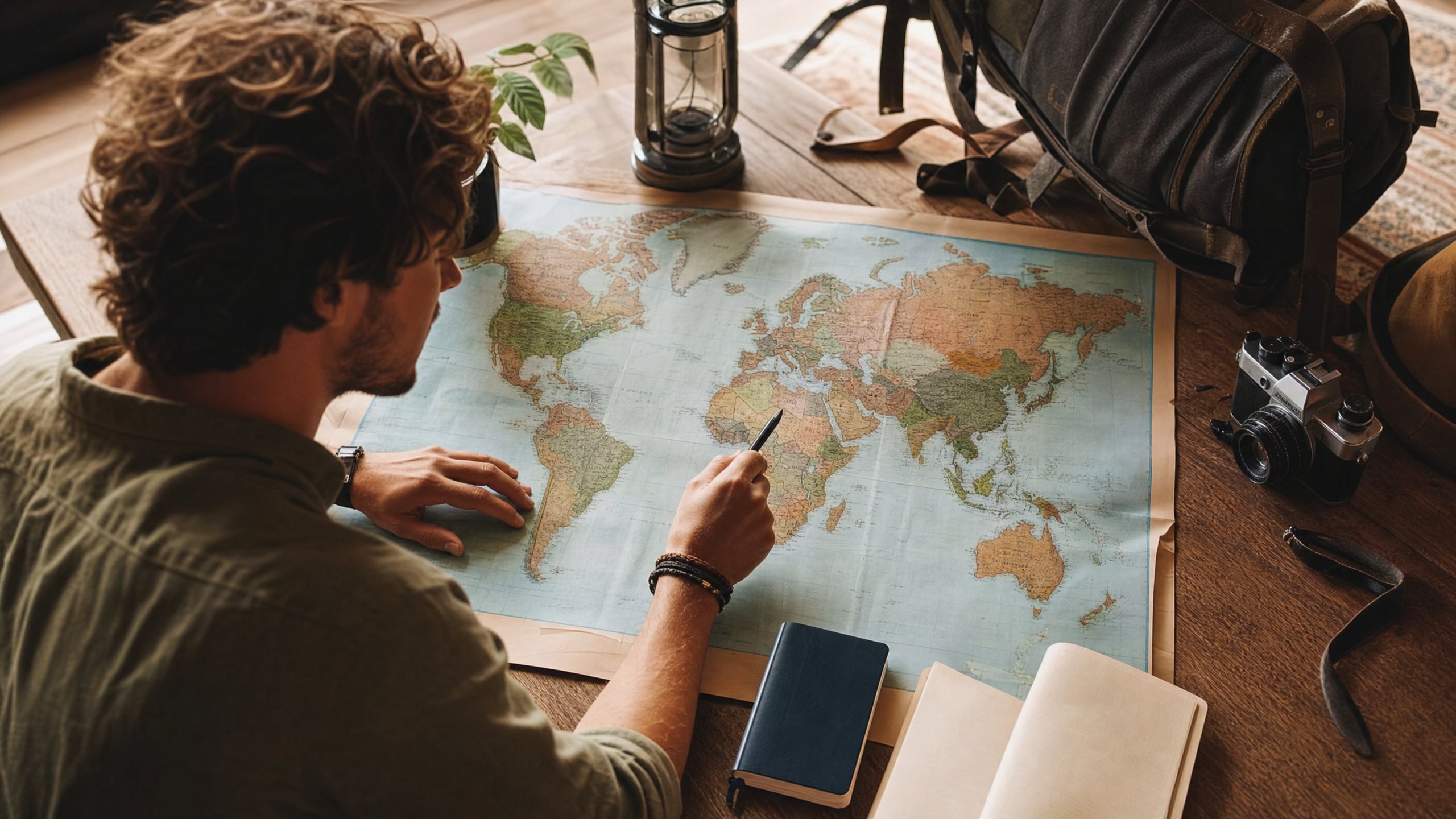
Trip shape: Plan Netherlands by deciding what the visitor should feel at the end of each day. Use Amsterdam, Rotterdam, The Hague and Delft and Utrecht as the first anchors, then let Delft and Leiden, Windmill Landscapes, North Sea Coast and First Netherlands Trip decide whether the trip should stay compact or open into a wider route.
Best for: Delft and Leiden, Windmill Landscapes, North Sea Coast and First Netherlands Trip give the Netherlands its deeper travel layer. Some visitors need one main city and one day trip; others should slow down, split the journey and give the strongest region its own nights.
Planning rule: Start with arrival logic, season and the first overnight point, then add the experiences that genuinely deserve advance planning. Museums, landmarks, guided tours, food walks, local neighbourhoods and coastal or countryside days should be grouped by geography and timing.
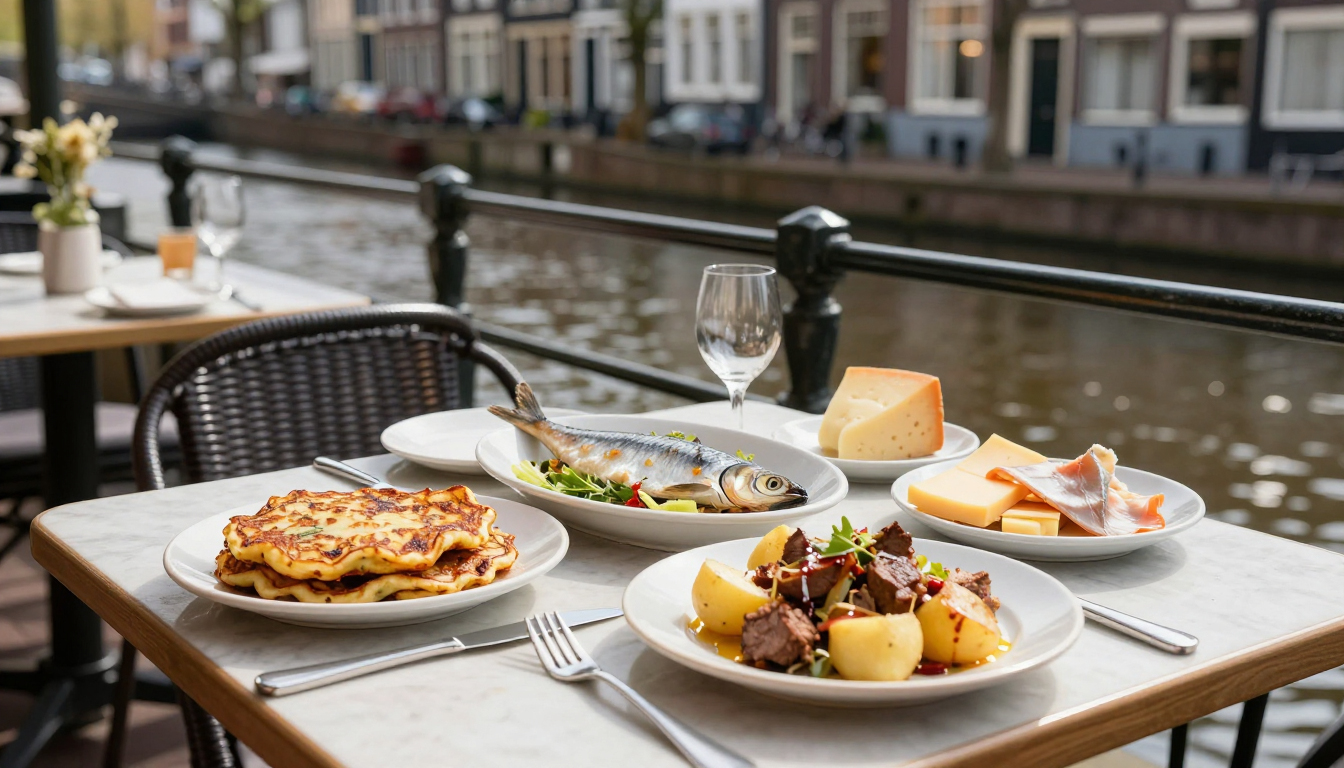
Route logic: Street snacks, cheese, bakeries and market halls are useful daytime anchors. Major Dutch museums need timed planning and enough space around them. Keep food close to the chosen hotel area where possible: the best meals often come from market streets, harbour areas, old-town restaurants and neighbourhoods already inside the day’s route.
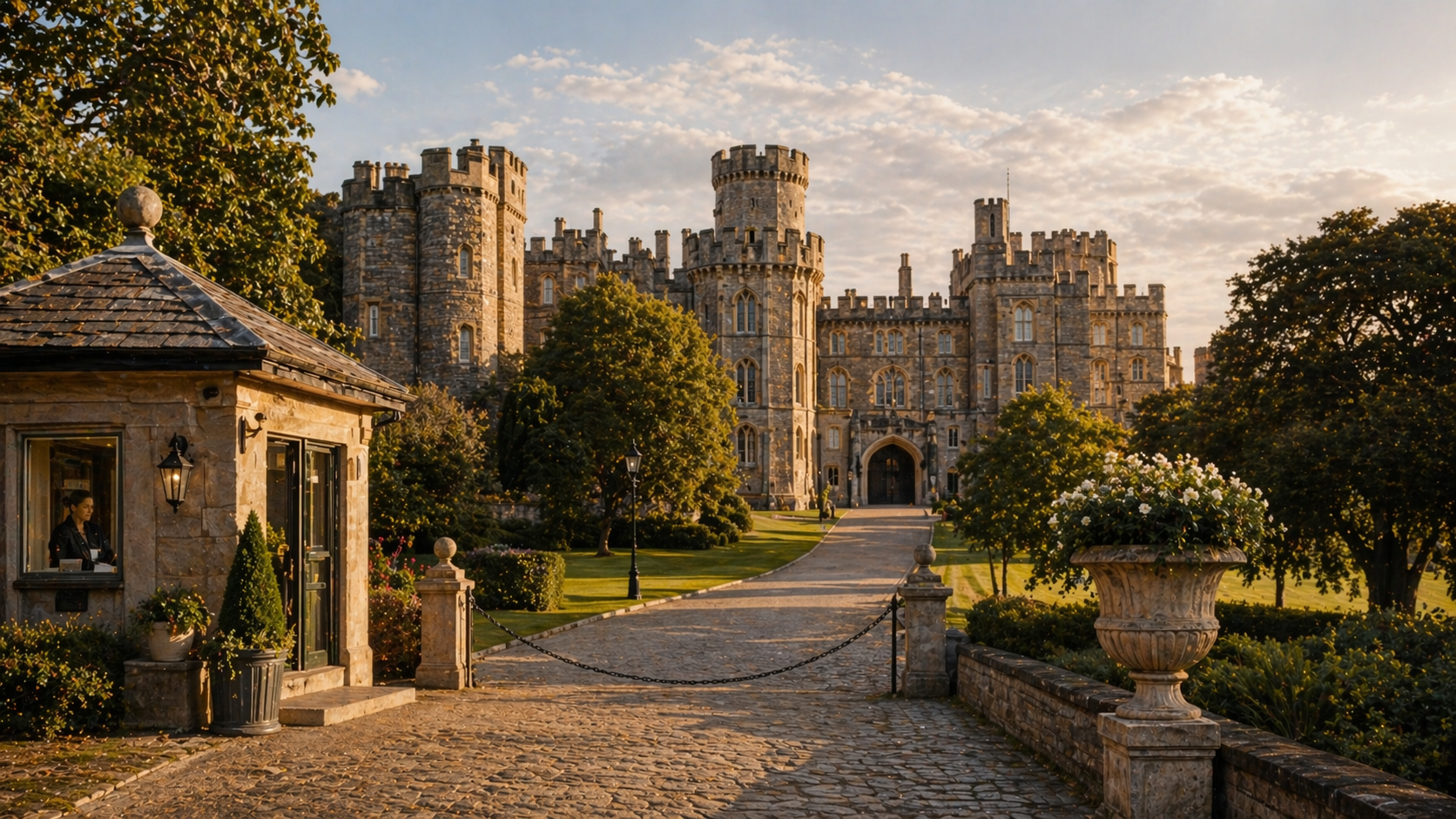
Amsterdam: canals, museums and first-time Netherlands
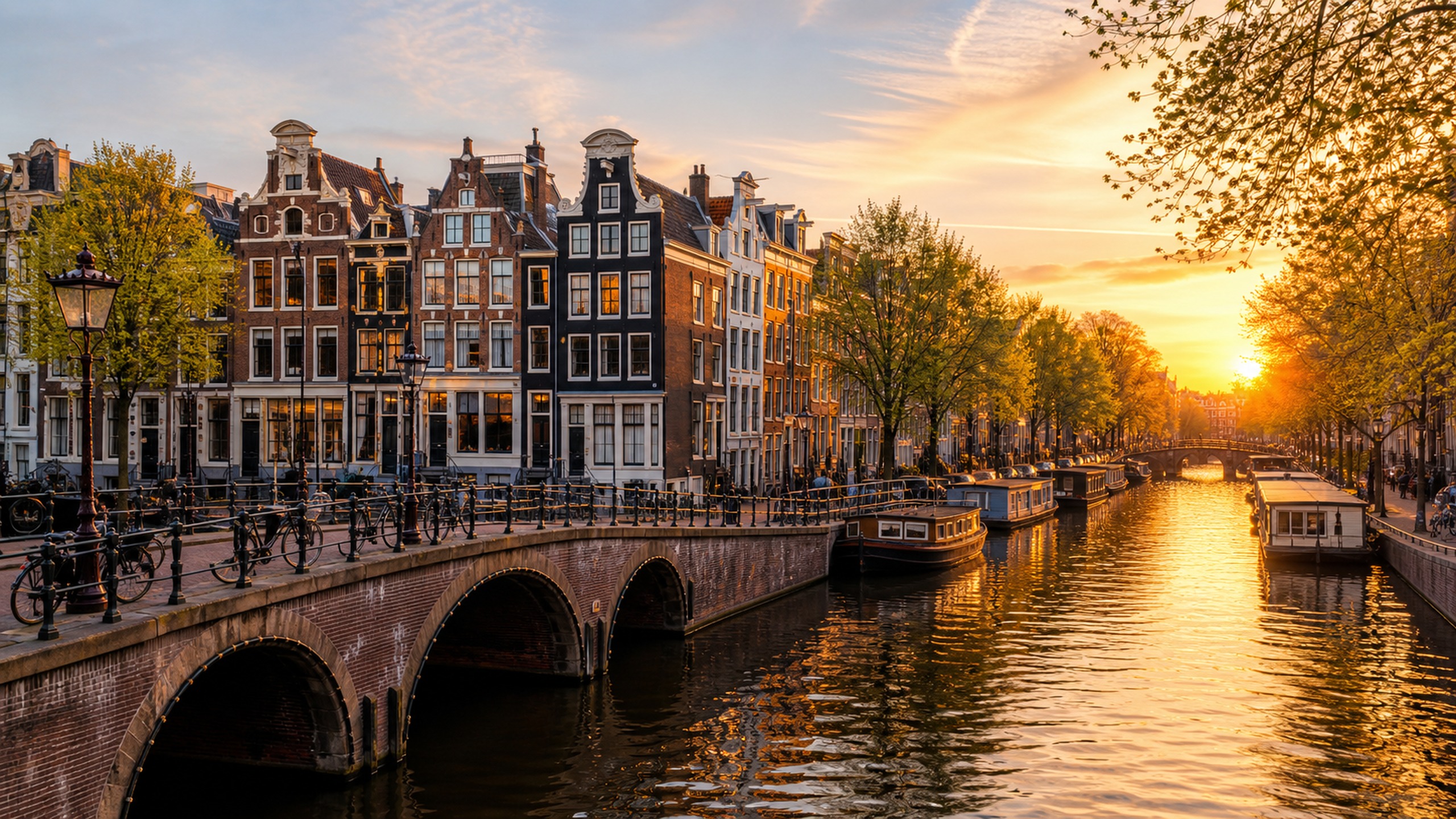
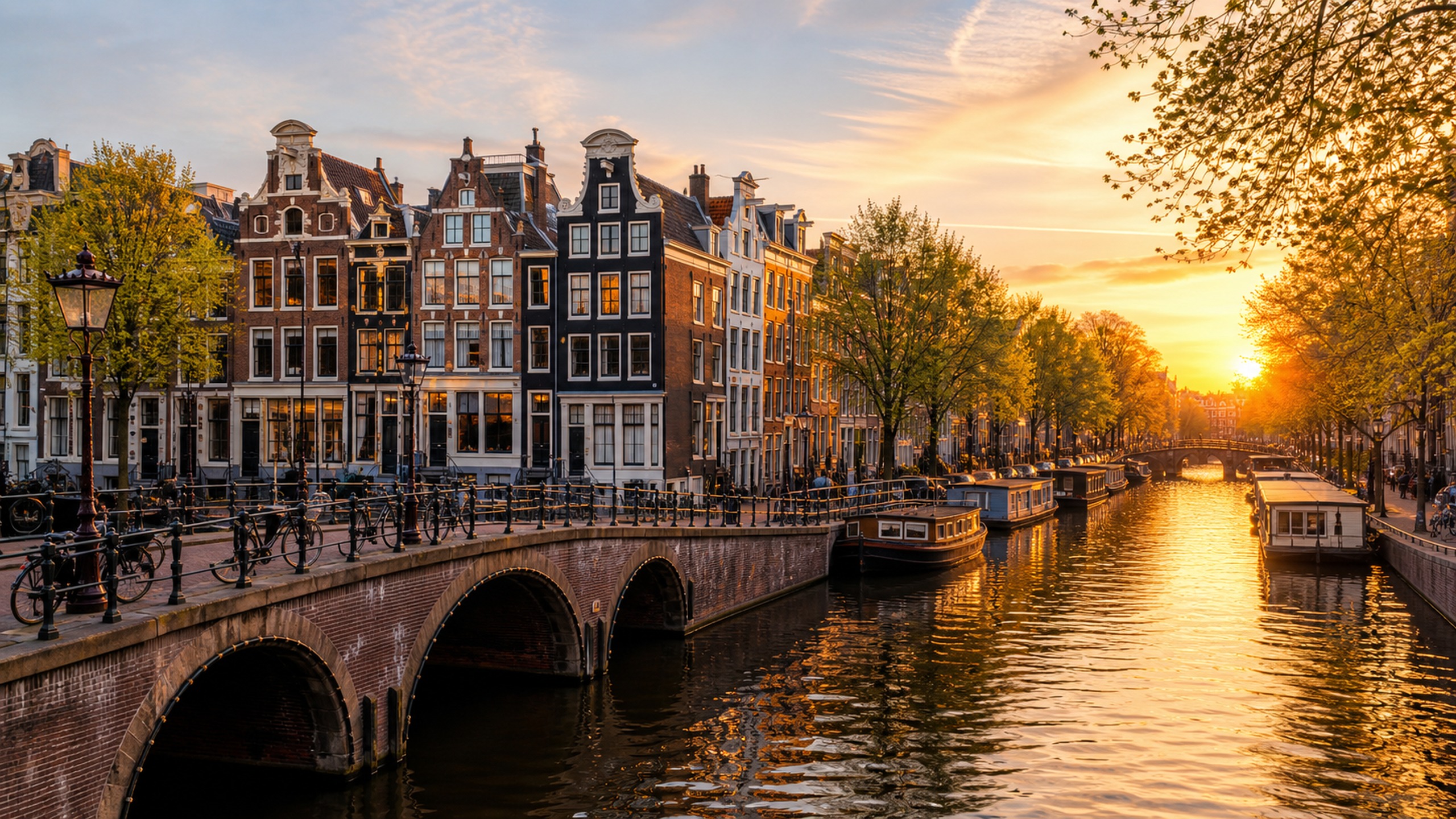
Best for: For Amsterdam, the first decision is pace: give the city enough room to show its canals, museums and first-time Netherlands. Amsterdam is the natural first base for the Netherlands, with major museums, canal districts, markets, neighbourhoods and strong rail links to the rest of the country. It works best when timed museums, canal wandering, food districts and one quieter rail day are planned together rather than stacked into a rushed centre-only stay.
Historic landmarks: Rijksmuseum, Van Gogh Museum, Canal Ring, Anne Frank House, Stedelijk Museum and Amsterdam Museum Area should shape the sightseeing plan. Book timed access and focus the collection. Reserve ahead; pair with Museumplein rather than a distant second stop.
Museums and attractions: Choose the hotel area around Canal Ring / Jordaan, Museum Quarter and De Pijp. Pick the district that makes arrival, evening movement and the first full day easier.
Hotels and stay areas: Amsterdam also needs a food layer. Build meals around stroopwafels, herring, bitterballen, rijsttafel, Dutch cheese, apple pie, Jordaan and De Pijp so the visitor has a reason to slow down between museums, viewpoints and transfers.
Food and restaurants: Haarlem and Zaanse Schans or Waterland can extend the stay when there is enough time. A close, calmer city with museums, cafes and old streets. Useful for windmills, villages and a softer countryside layer.
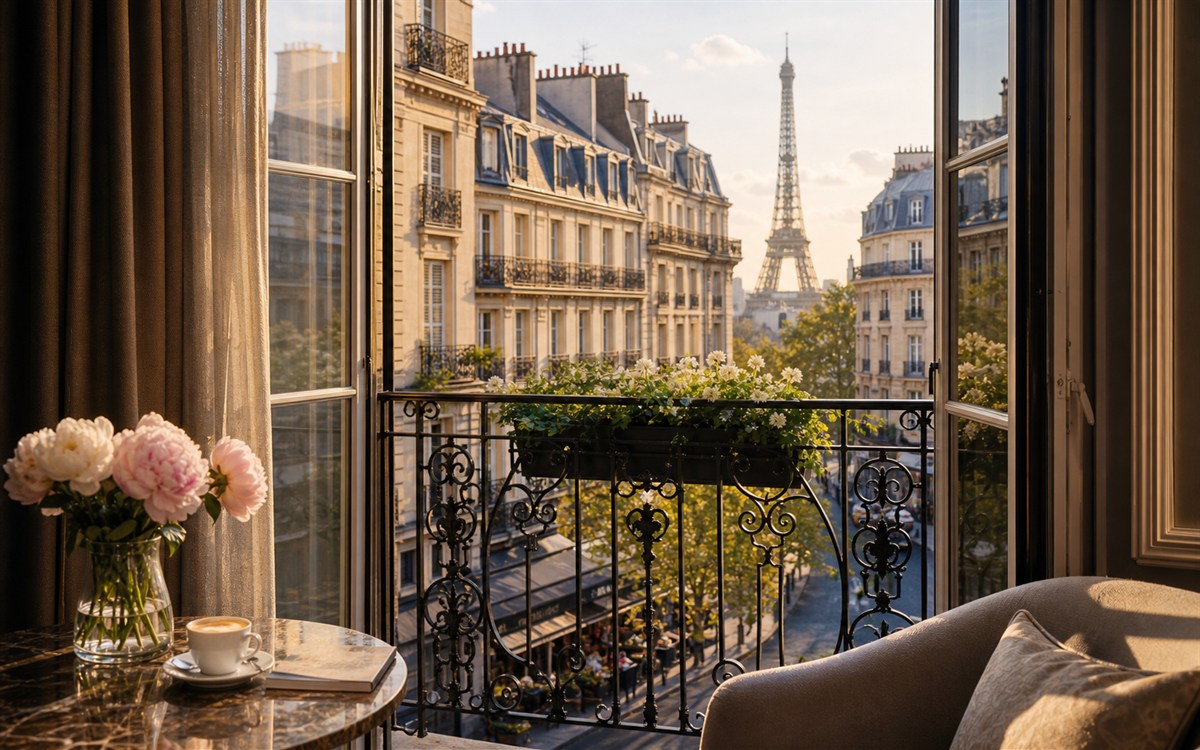
Rotterdam: modern architecture, harbour and design
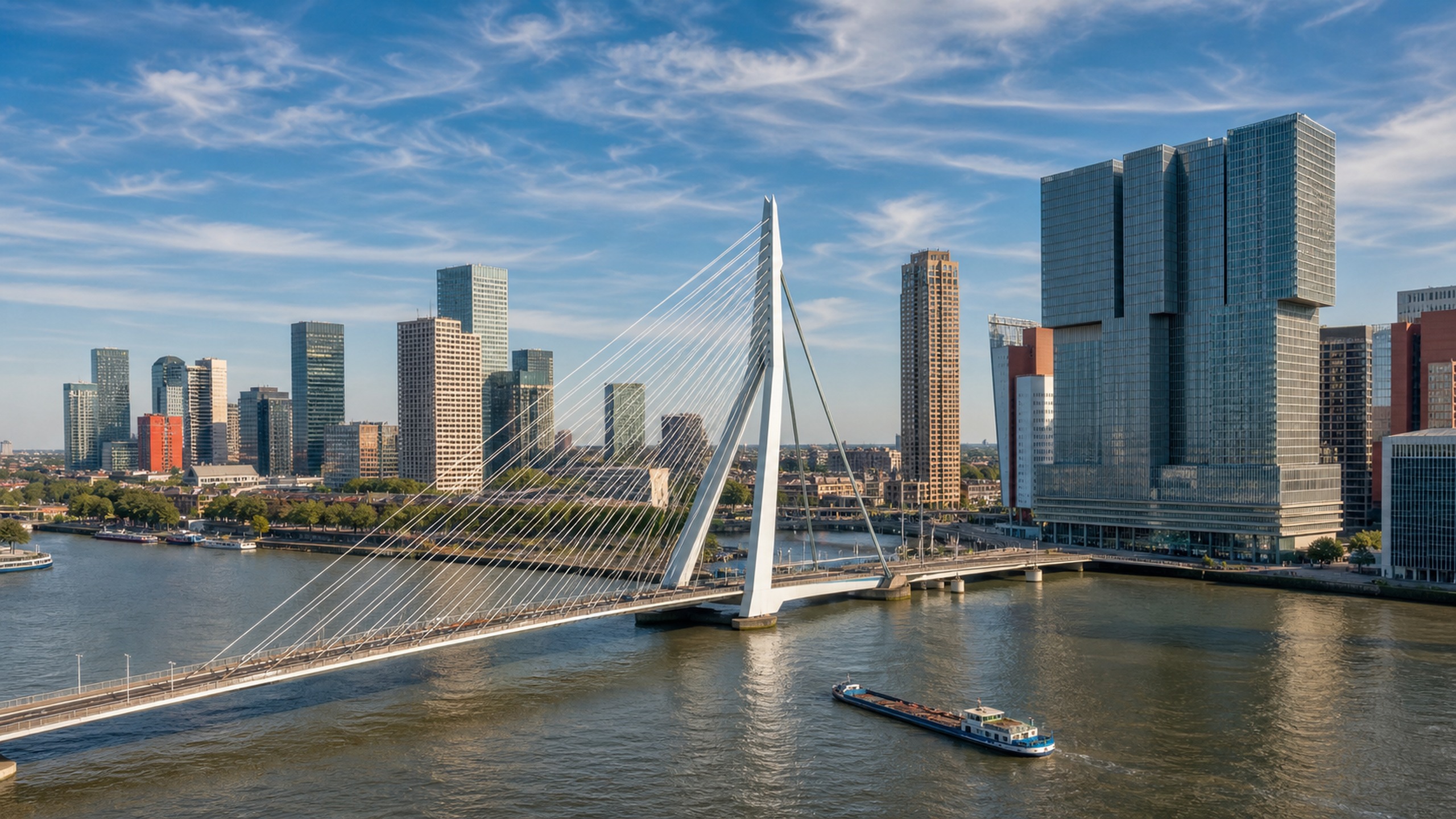
Best for: Treat Rotterdam as the part of the Netherlands where modern architecture, harbour and design becomes useful for the wider route. Rotterdam contrasts sharply with Amsterdam through modern architecture, port-city scale, food halls, design museums and a confident contemporary mood. It suits travellers who want a design-led Dutch city break, using Blaak, Museumpark, Kop van Zuid and the harbour to show how rebuilding, water and food culture fit together.
Historic landmarks: Markthal and Cube Houses, Erasmus Bridge and Kop van Zuid, Euromast, Delfshaven, Depot Boijmans Van Beuningen and Kunsthal Rotterdam should shape the sightseeing plan. Use it as a starting point for modern Rotterdam. Best with a harbour or river walk.
Museums and attractions: Choose the hotel area around Centrum / Blaak, Witte de With Area and Kop van Zuid. Pick the district that makes arrival, evening movement and the first full day easier.
Hotels and stay areas: Rotterdam also needs a food layer. Build meals around street food, herring, Indonesian food, Surinamese dishes, Dutch cheese, craft beer, Markthal and Blaak and Witte de Withstraat so the visitor has a reason to slow down between museums, viewpoints and transfers.
Food and restaurants: Delft and The Hague can extend the stay when there is enough time. A close historic town that contrasts well with Rotterdam. A natural art, government and coast extension.
The Hague and Delft: Vermeer, civic history and Dutch coast
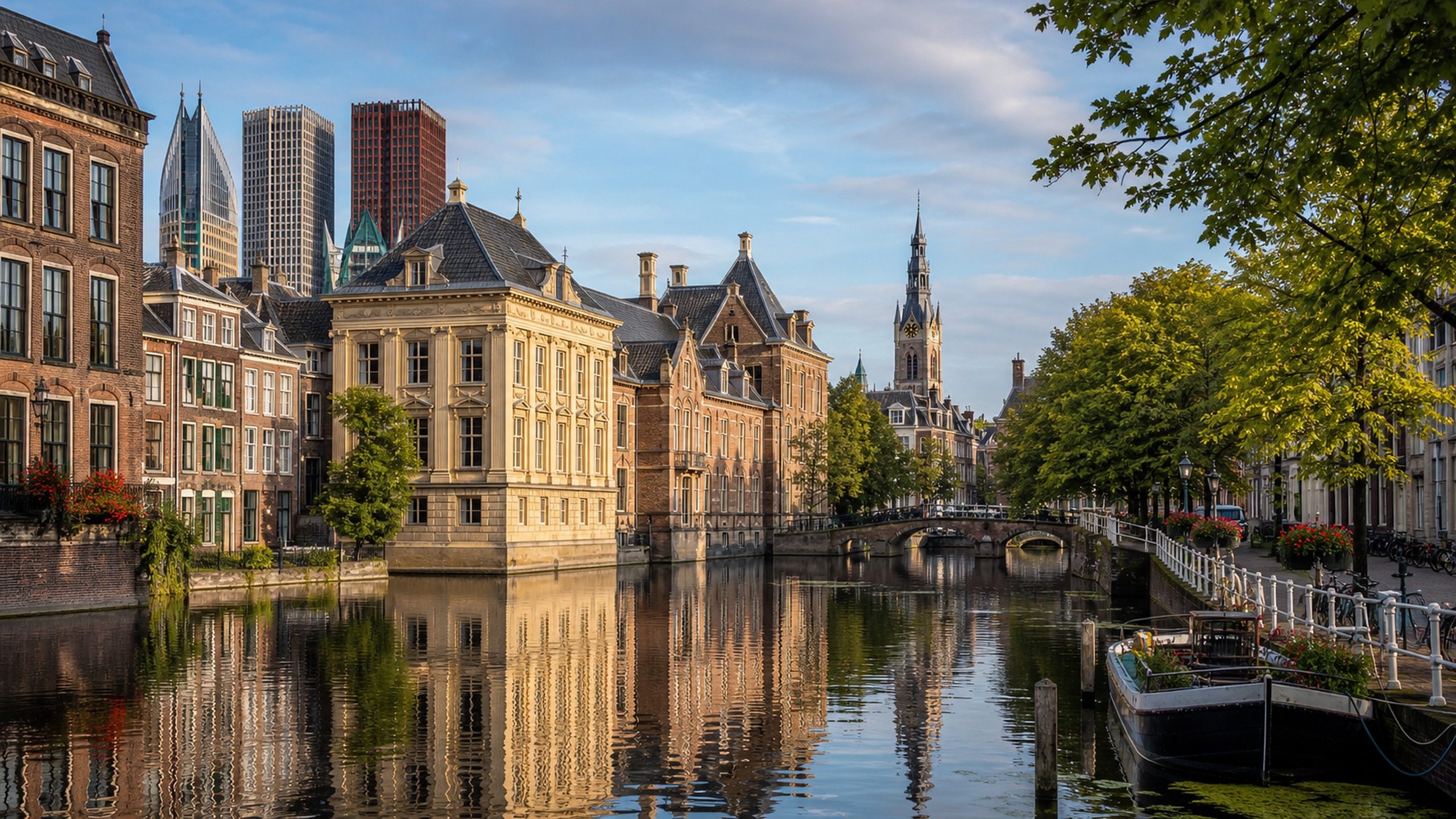
Best for: Use The Hague and Delft when the the Netherlands route needs Vermeer, civic history and Dutch coast. The Hague and Delft combine art, royal and government history, canals, ceramics and easy access to Scheveningen Beach. Use them for a polished culture-and-coast pairing where Mauritshuis, civic streets, Delft's Old Town and a flexible North Sea block are given enough time instead of being treated as a spare afternoon.
Historic landmarks: Mauritshuis, Binnenhof and Hofvijver, Delft Old Town, Scheveningen Beach, Escher in The Palace and Royal Delft should shape the sightseeing plan. Book if travelling in busy periods and give it focused time. Check access if works or security restrictions are in place.
Museums and attractions: Choose the hotel area around The Hague Centre, Delft Old Town and Scheveningen. Pick the district that makes arrival, evening movement and the first full day easier.
Hotels and stay areas: The Hague and Delft also needs a food layer. Build meals around herring, Indonesian rijsttafel, Delft pastries, seafood, Dutch cheese, stroopwafels, The Hague Centre and Delft Markt so the visitor has a reason to slow down between museums, viewpoints and transfers.
Food and restaurants: Rotterdam and Leiden can extend the stay when there is enough time. A strong modern architecture contrast nearby. A historic university town with museums and canals.
Utrecht: canals, cafes and calmer Dutch city life
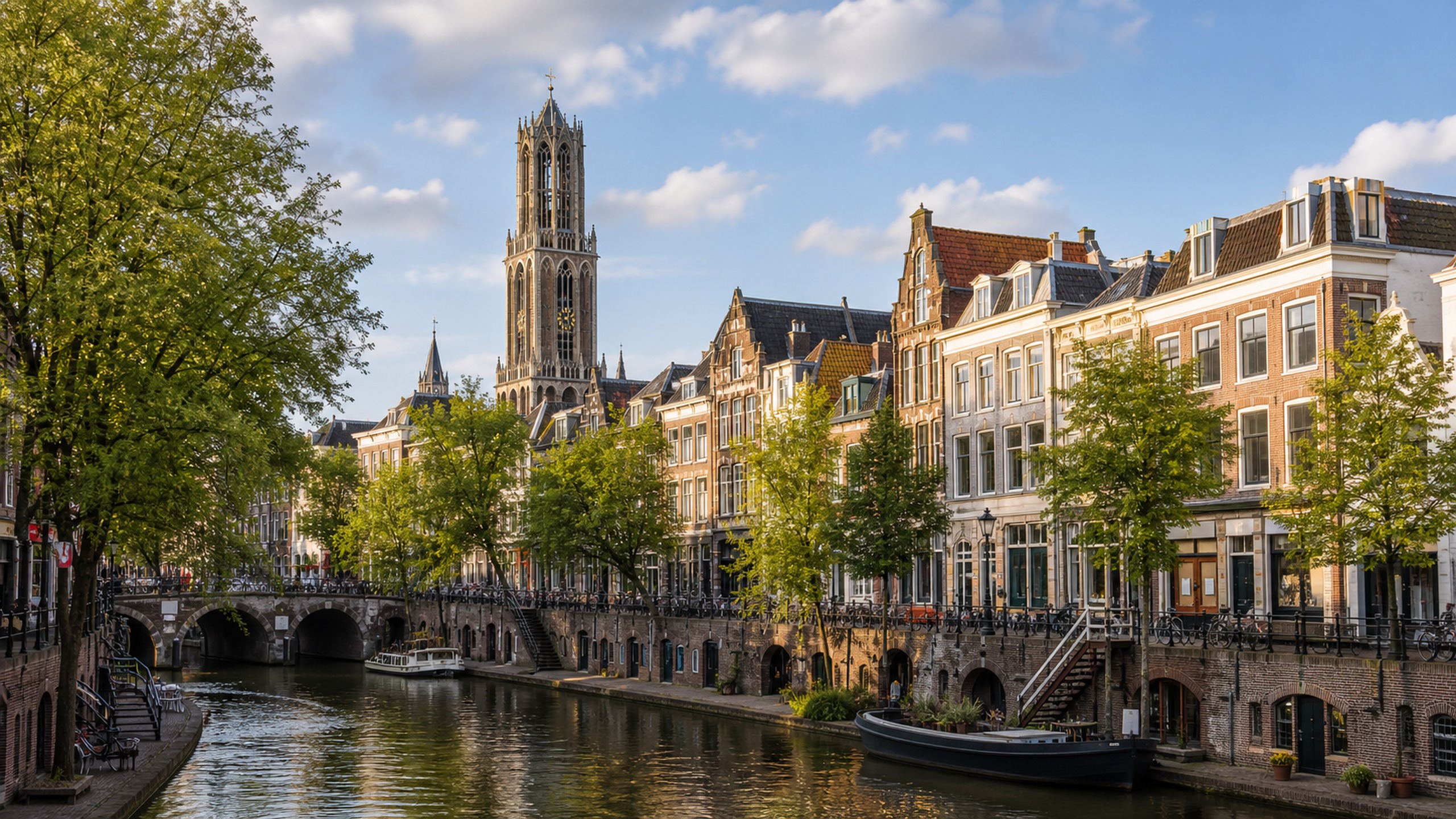
Best for: Utrecht works better as a lived-in stop than as a fast photo pin, with canals, cafes and calmer Dutch city life shaping the day. Utrecht gives visitors a canal city with a more relaxed pace than Amsterdam, strong cafes, a medieval tower, museums and excellent rail connections. It works well as a calmer base when wharf-level canals, the Dom area, family-friendly museums and Dutch rail day trips matter more than nightlife or headline sightseeing.
Historic landmarks: Dom Tower and Domplein, Oudegracht, Museum Speelklok, Rietveld Schröder House, Centraal Museum and Railway Museum should shape the sightseeing plan. Check tower access and restoration schedules. Walk both street and canal levels for the best feel.
Museums and attractions: Choose the hotel area around Old Town, Station Area and Museum Quarter. Pick the district that makes arrival, evening movement and the first full day easier.
Hotels and stay areas: Utrecht also needs a food layer. Build meals around Dutch pancakes, stroopwafels, cheese, craft beer, apple pie, Indonesian food, Oudegracht Wharfs and Museum Quarter so the visitor has a reason to slow down between museums, viewpoints and transfers.
Food and restaurants: Amsterdam and Amersfoort or Gouda can extend the stay when there is enough time. An easy rail connection, though Utrecht deserves its own time. Smaller historic cities that fit a calmer Dutch route.
Food, Culture and Route Ideas for the Netherlands
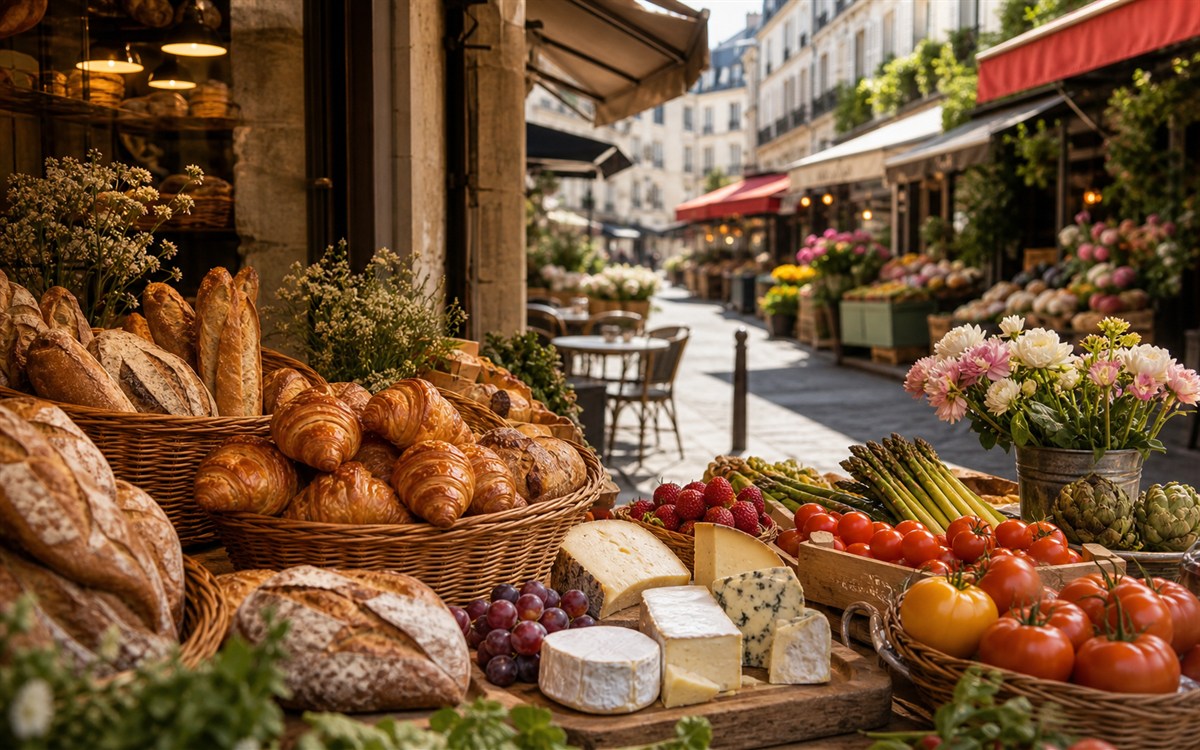
Food route: Street snacks, cheese, bakeries and market halls are useful daytime anchors. Major Dutch museums need timed planning and enough space around them. Canals, ferries, dikes and bikes are part of daily movement, not just scenery. This is where food, culture and route planning should work together.
Food, wine and restaurants: Build meals around stroopwafels, herring, bitterballen, rijsttafel, Dutch cheese, apple pie and street food and keep them close to Jordaan, De Pijp, Museum Quarter, Markthal and Blaak and Witte de Withstraat.
Popular experiences: Use Amsterdam as the main base, then add one art, architecture or coast-focused day trip. Amsterdam, Rotterdam, The Hague and Utrecht can link by rail if the trip has clear priorities. Keep the route disciplined: one clear hotel area, one strong regional layer and one food or culture experience will usually feel better than trying to touch every possible stop.
Planning rule: Use bookings in a clean order: choose the hotel area first, then add attraction tickets, food tours, guided days and local experiences where they make the journey easier, richer and more realistic.