Mexico Travel, Structured Around Beaches, Cities and Cultural Regions
Plan Mexico through Mexico City, Cancun, Tulum, Oaxaca, Yucatan, Baja California, colonial cities, food routes, beaches, hotels, flights, tours and regional stays.
Start Planning MexicoCheck Current Advice Before Booking
Travel safety note: Official UK FCDO advice may warn against travel to specific regions of this country. This guide is for general planning only. Check the latest GOV.UK Foreign Travel Advice before booking or travelling.
Regional note: FCDO regional advice covers named states, roads, and border areas. WorldFun Mexico planning should avoid restricted regions and keep mainstream city, coast, culture, and resort coverage tied to current official advice.
Last WorldFun FCDO review: 2026-04-26
Check GOV.UK FCDO adviceMexico Travel Guide: Routes, Stay Bases, Culture and Experiences
Trip shape: Mexico works better when the first overnight point is chosen before the wish list grows. The practical starting point should come from Mexico City, Cancún and Riviera Maya, Oaxaca and Guadalajara, while Yucatan, Pacific Coast, Baja California and First Mexico Trip should be added only when they improve the journey instead of scattering it.
Best for: Yucatan, Pacific Coast, Baja California and First Mexico Trip give Mexico its deeper travel layer. Some visitors need one main city and one day trip; others should slow down, split the journey and give the strongest region its own nights.
Planning rule: Start with arrival logic, season and the first overnight point, then add the experiences that genuinely deserve advance planning. Museums, landmarks, guided tours, food walks, local neighbourhoods and coastal or countryside days should be grouped by geography and timing.
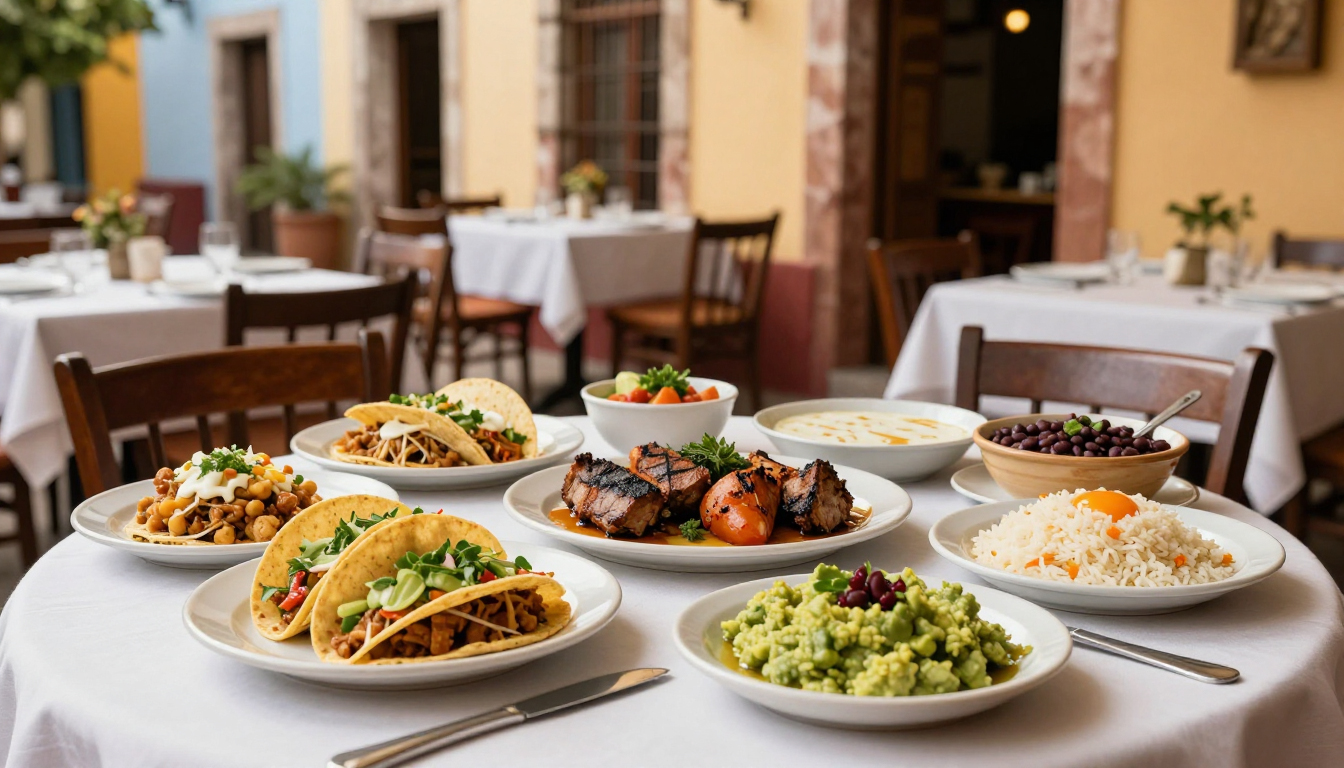
Route logic: Tacos, mole, seafood, cochinita pibil, birria and mezcal depend on where you travel. Markets, crafts, music, religious calendars and public squares shape everyday travel. Keep food close to the chosen hotel area where possible: the best meals often come from market streets, harbour areas, old-town restaurants and neighbourhoods already inside the day’s route.
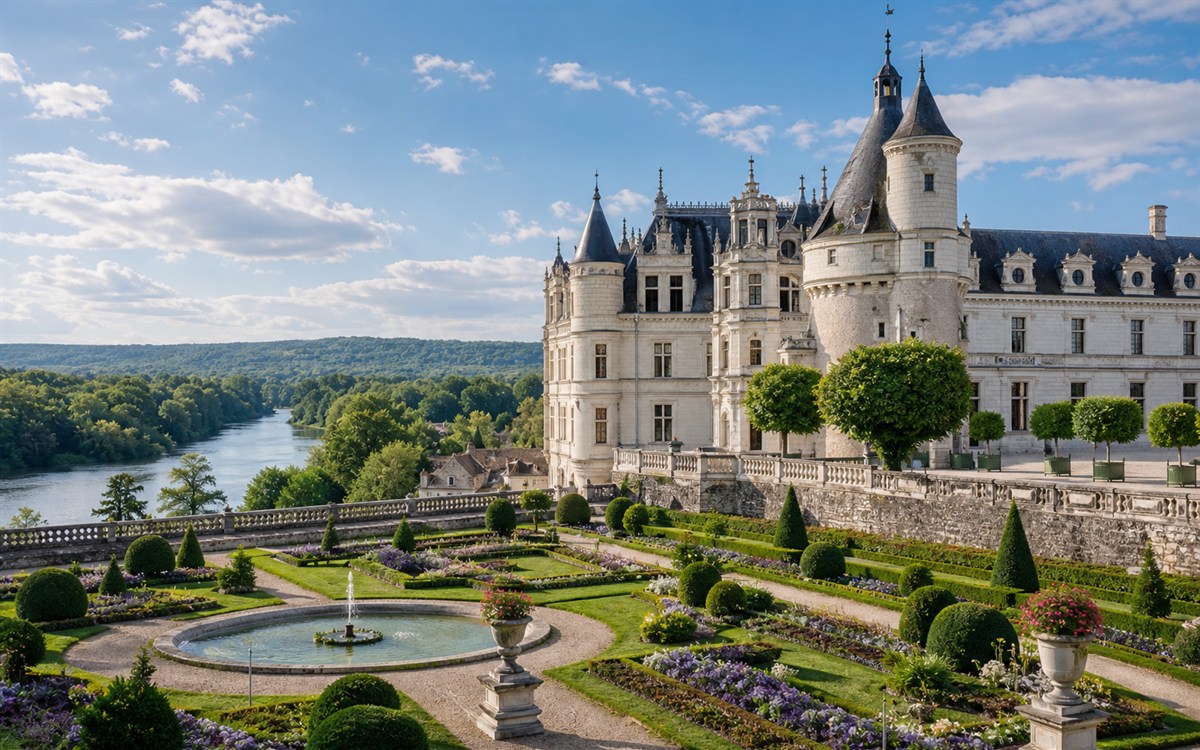
Mexico City: museums, food and first Mexico base
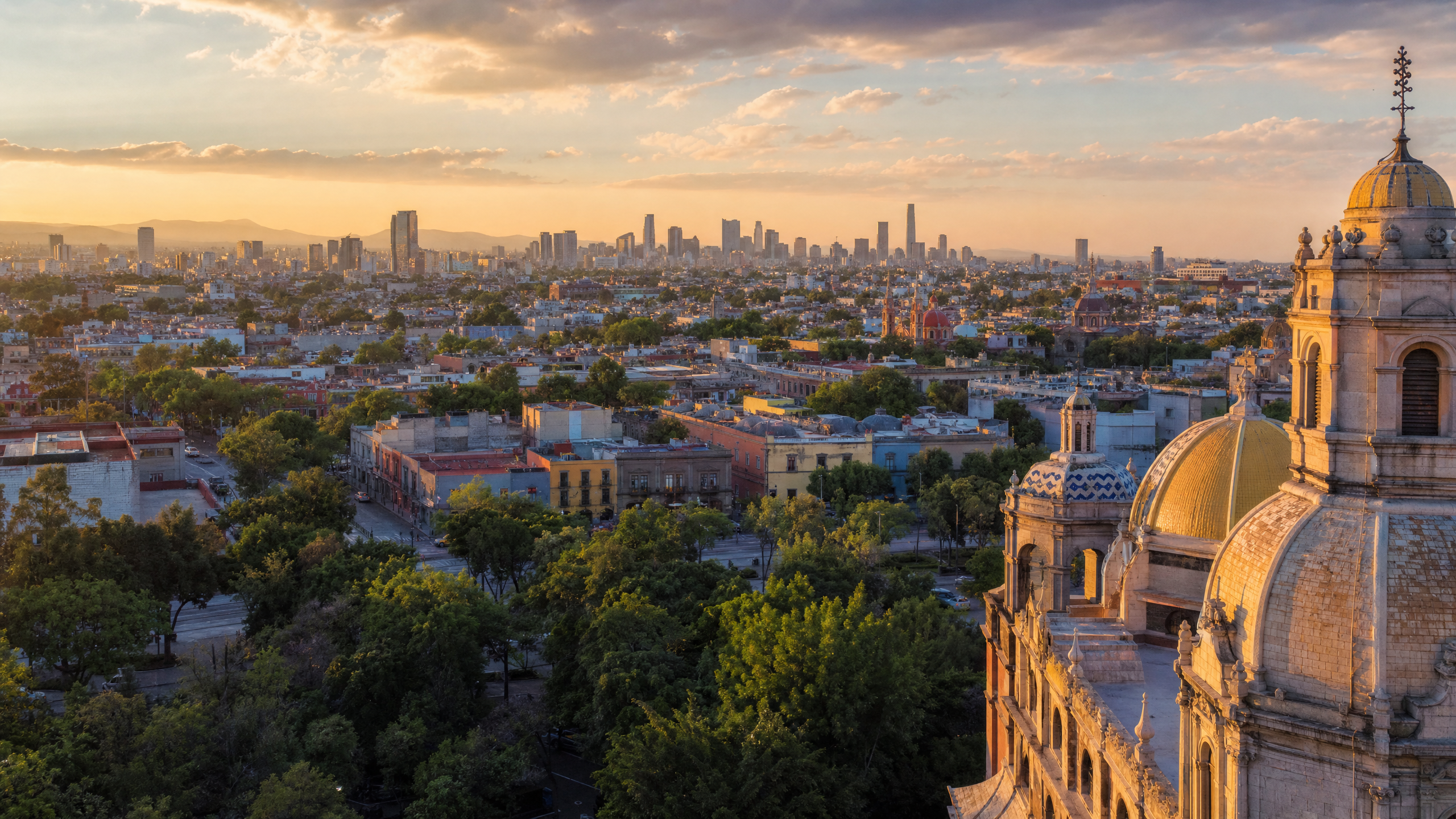
Best for: Treat Mexico City as the part of Mexico where museums, food and first Mexico base becomes useful for the wider route. Mexico City is the strongest first base for Mexico because it combines world-class museums, neighbourhood food, markets, architecture, parks and day routes to major archaeological sites. It also gives the trip enough urban depth before moving to beaches, craft towns or regional food centres.
Historic landmarks: Historic Centre and Zócalo, National Museum of Anthropology, Chapultepec Park, Coyoacán and Frida Kahlo Museum Area, Palacio de Bellas Artes and Templo Mayor Museum should shape the sightseeing plan. Visit with a focused route and avoid overloading the day. Allow several hours because the collection is extensive.
Museums and attractions: Choose the hotel area around Roma or Condesa, Polanco and Historic Centre. Pick the district that makes arrival, evening movement and the first full day easier.
Hotels and stay areas: Mexico City also needs a food layer. Build meals around tacos al pastor, tamales, pozole, churros, tlacoyos, mezcal, Roma and Condesa and Historic Centre so the visitor has a reason to slow down between museums, viewpoints and transfers.
Food and restaurants: Teotihuacán and Puebla can extend the stay when there is enough time. The classic archaeological day route from the city. A food and colonial-city extension from Mexico City.
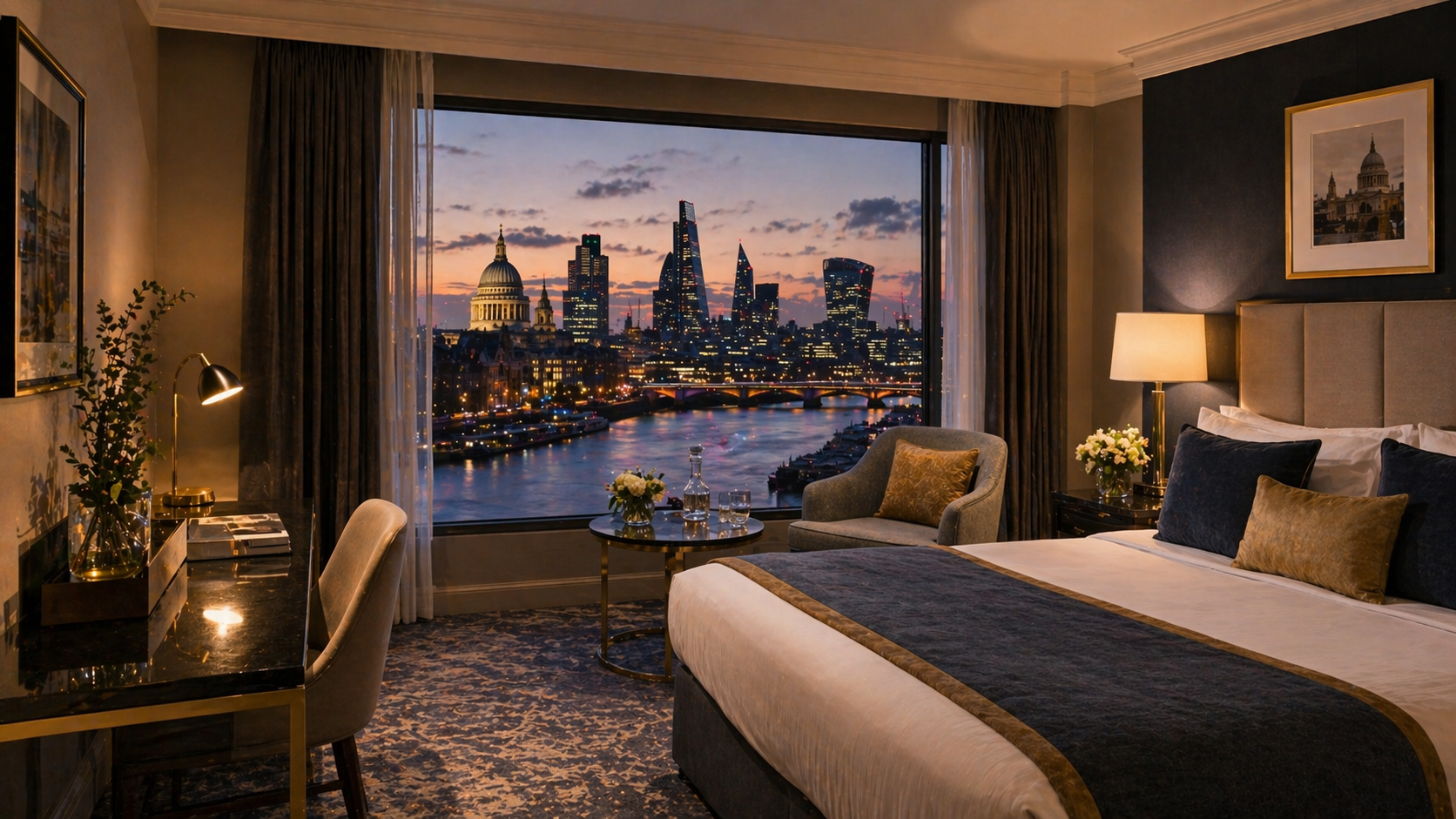
Cancún and Riviera Maya: Caribbean beaches, resorts and Maya site access
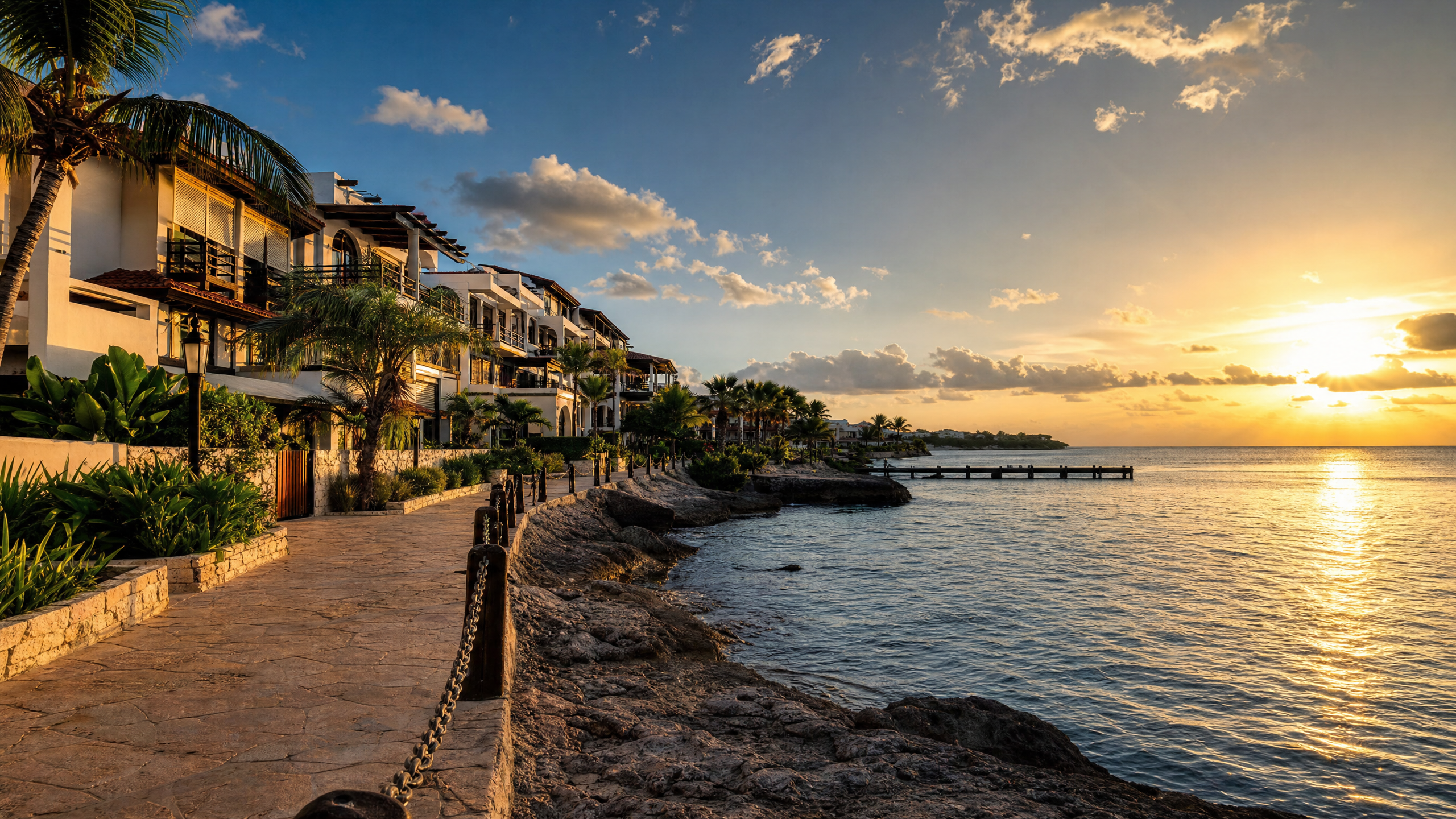
Best for: The value of Cancún and Riviera Maya is not only the headline sights; it gives the itinerary Caribbean beaches, resorts and Maya site access and a clearer local rhythm. Cancún and Riviera Maya are Mexico's easiest Caribbean beach base, with resorts, cenotes, islands and archaeological day routes when planned around distance and crowd levels. The region works best when beach time, heritage sites and island or water days are treated as separate chapters.
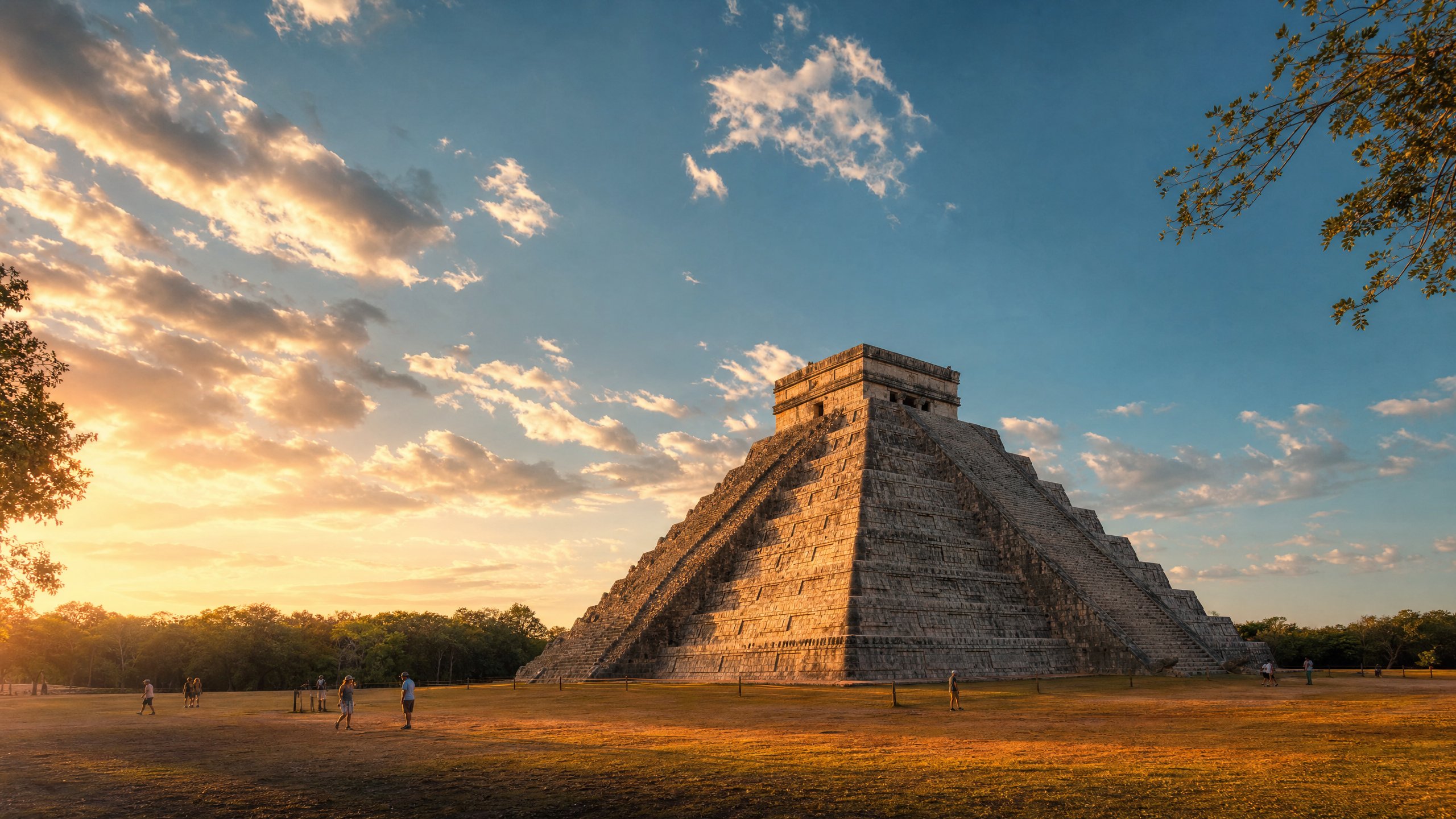
Historic landmarks: Tulum Archaeological Zone, Chichén Itzá Route, Isla Mujeres, Cenote Routes, Maya Museum of Cancún and Cobá Area should shape the sightseeing plan. Go early and plan transport because it is not next door to Cancún. Start early and expect a long day.
Museums and attractions: Choose the hotel area around Cancún Hotel Zone, Playa del Carmen and Tulum. Pick the district that makes arrival, evening movement and the first full day easier.
Hotels and stay areas: Cancún and Riviera Maya also needs a food layer. Build meals around cochinita pibil, fish tacos, ceviche, sopa de lima, marquesitas, aguas frescas, Cancún Hotel Zone and Playa del Carmen so the visitor has a reason to slow down between museums, viewpoints and transfers.
Food and restaurants: Mérida and Yucatán and Isla Mujeres or Cozumel can extend the stay when there is enough time. A stronger inland heritage extension than another beach hop. Ferry-linked island routes with different snorkelling and beach styles.
Oaxaca: food, crafts and deep cultural identity
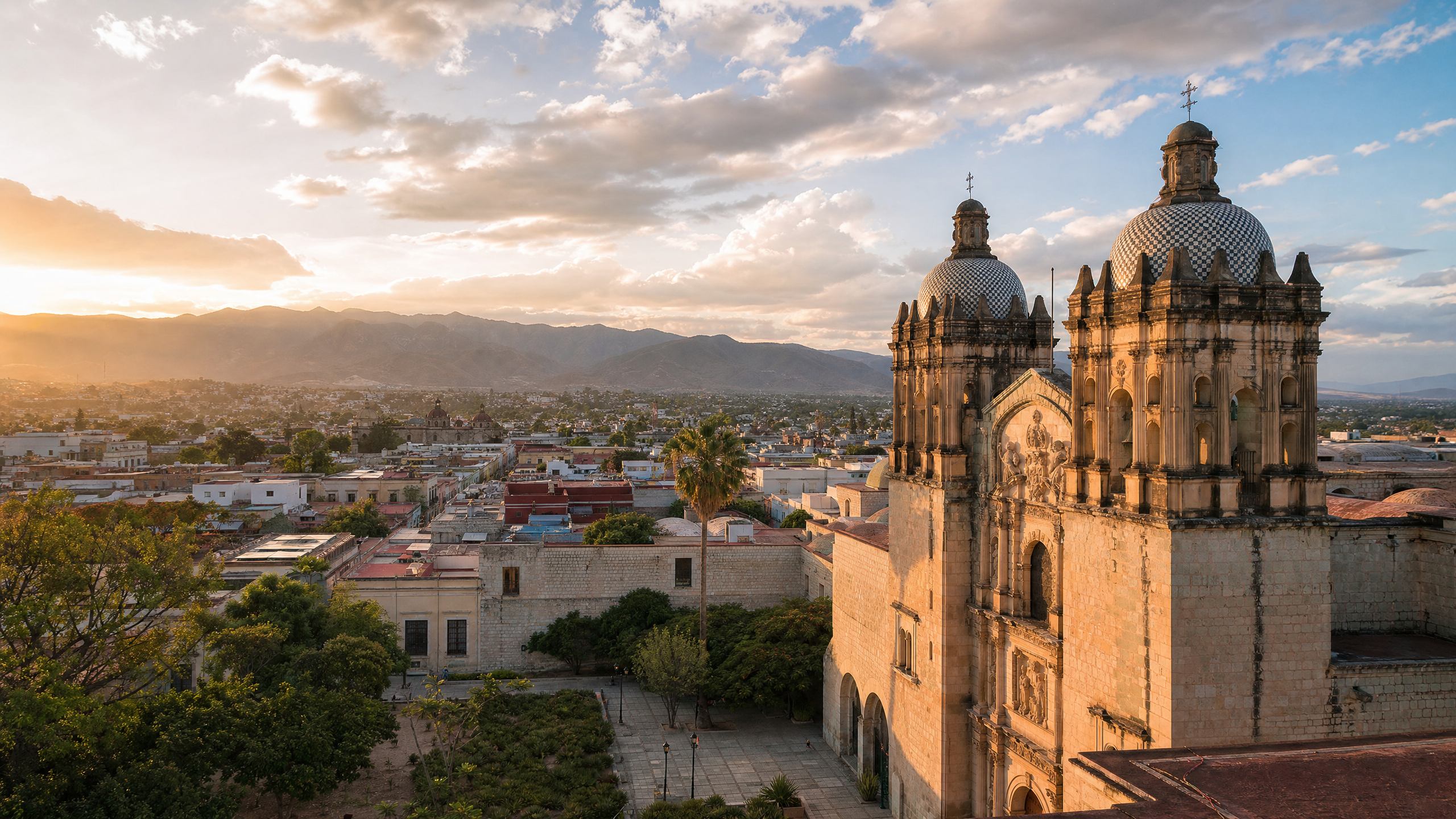
Best for: Treat Oaxaca as the part of Mexico where food, crafts and deep cultural identity becomes useful for the wider route. Oaxaca is one of Mexico's richest food and craft cities, with markets, mezcal, textiles, nearby archaeological sites and a slower old-town rhythm. It rewards travellers who leave space for village routes, long lunches, gallery stops and careful context around living Indigenous traditions.
Historic landmarks: Oaxaca Historic Centre, Monte Albán, Santo Domingo Cultural Centre, Tlacolula or Craft Village Routes, Museum of Cultures of Oaxaca and Textile Museum of Oaxaca should shape the sightseeing plan. Stay central and let meals shape the day. Go early and bring sun protection.
Museums and attractions: Choose the hotel area around Centro, Jalatlaco and Xochimilco. Pick the district that makes arrival, evening movement and the first full day easier.
Hotels and stay areas: Oaxaca also needs a food layer. Build meals around mole negro, tlayudas, mezcal, chapulines, hot chocolate, quesillo, Centro and Jalatlaco so the visitor has a reason to slow down between museums, viewpoints and transfers.
Food and restaurants: Monte Albán and Mitla and Tule can extend the stay when there is enough time. The essential archaeological route from Oaxaca. A valley route for archaeology, trees and craft stops.

Guadalajara: Jalisco culture, mariachi and tequila routes
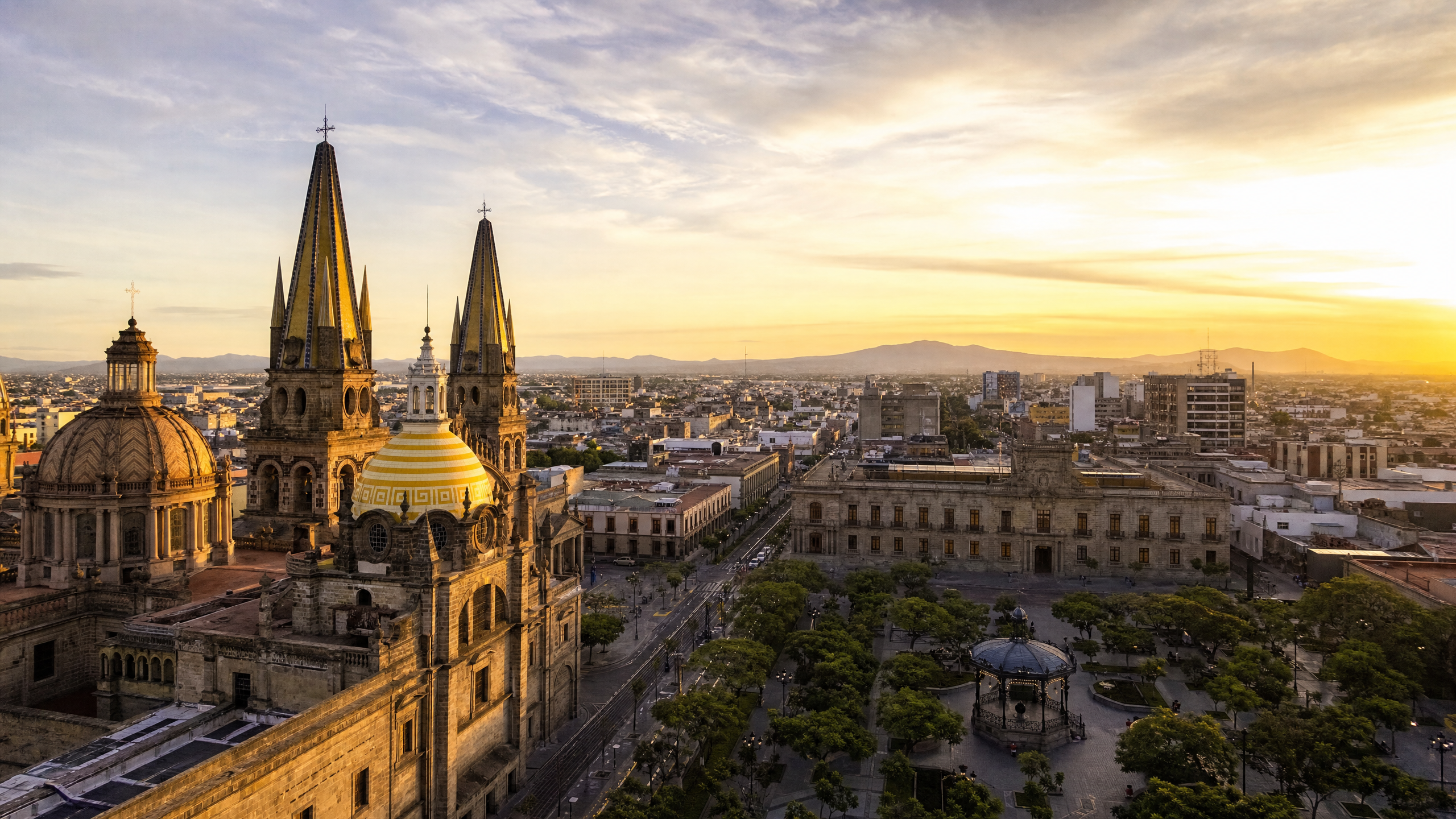
Best for: Use Guadalajara when the Mexico route needs Jalisco culture, mariachi and tequila routes. Guadalajara gives western Mexico a strong cultural base, with museums, plazas, food, mariachi heritage, craft towns and routes toward Tequila. It suits travellers who want a less obvious city chapter after Mexico City, with Jalisco identity and day routes close at hand.
Historic landmarks: Historic Centre and Cathedral, Hospicio Cabañas, Tlaquepaque, Tequila Town Route, Regional Museum of Guadalajara and Instituto Cultural Cabañas Murals should shape the sightseeing plan. Explore by plaza clusters rather than crossing the city constantly. Allow focused time for the murals and galleries.
Museums and attractions: Choose the hotel area around Colonia Americana, Centro Histórico and Tlaquepaque. Pick the district that makes arrival, evening movement and the first full day easier.
Hotels and stay areas: Guadalajara also needs a food layer. Build meals around birria, tortas ahogadas, carne en su jugo, pozole, Tequila, jericalla, Centro Histórico and Colonia Americana so the visitor has a reason to slow down between museums, viewpoints and transfers.
Food and restaurants: Tequila and Lake Chapala and Ajijic can extend the stay when there is enough time. The classic agave-landscape day route from Guadalajara. A slower lake and small-town extension.
Mérida and Yucatán: colonial city, cenotes and Maya routes
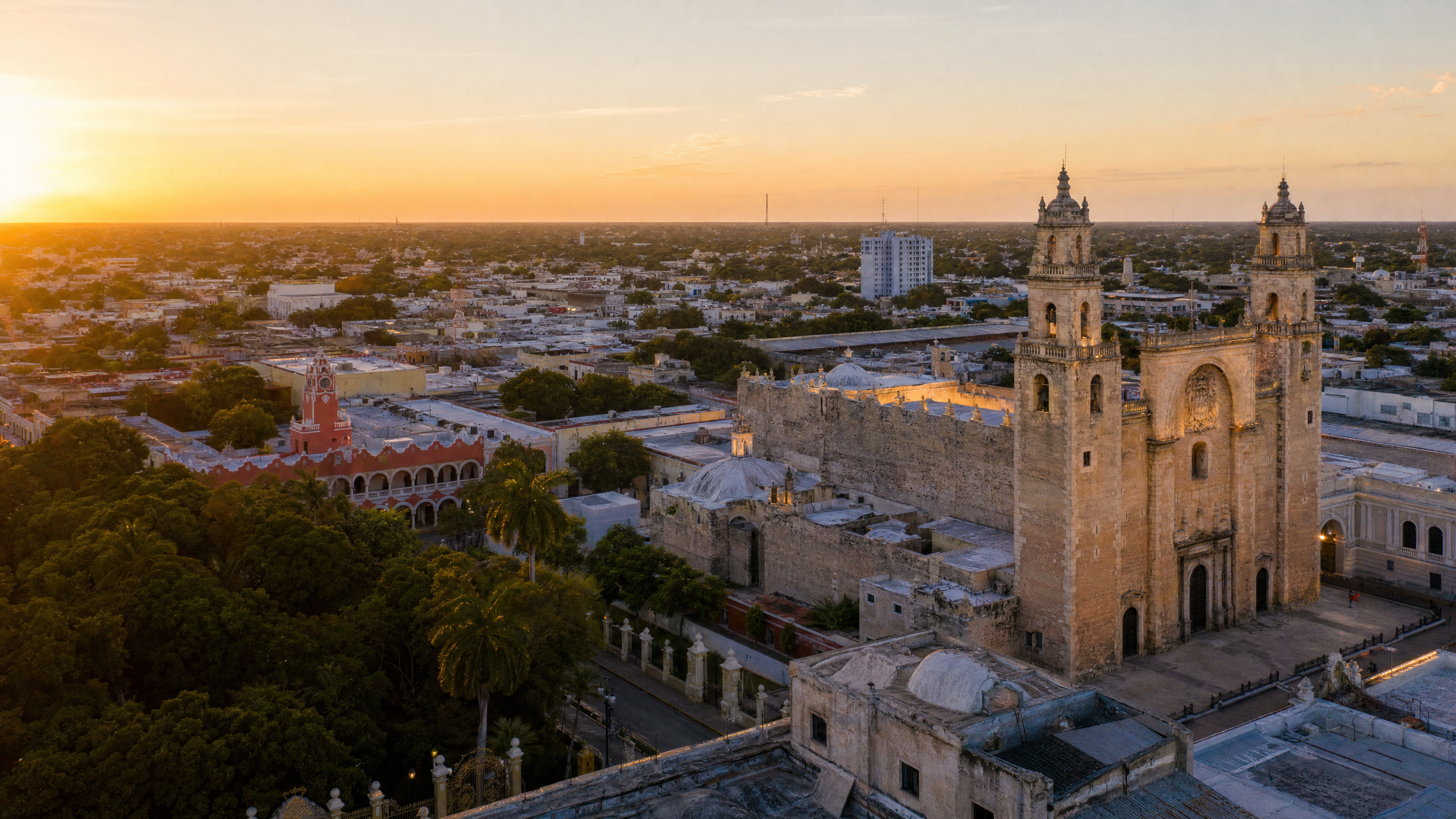
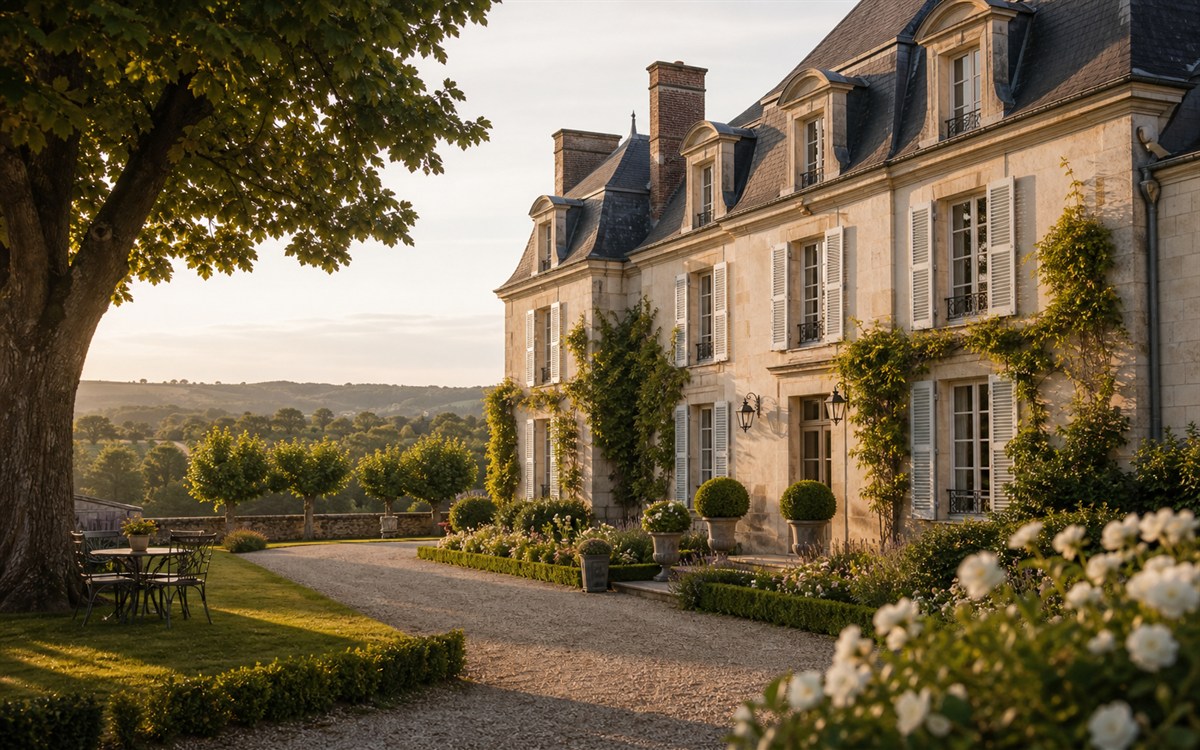
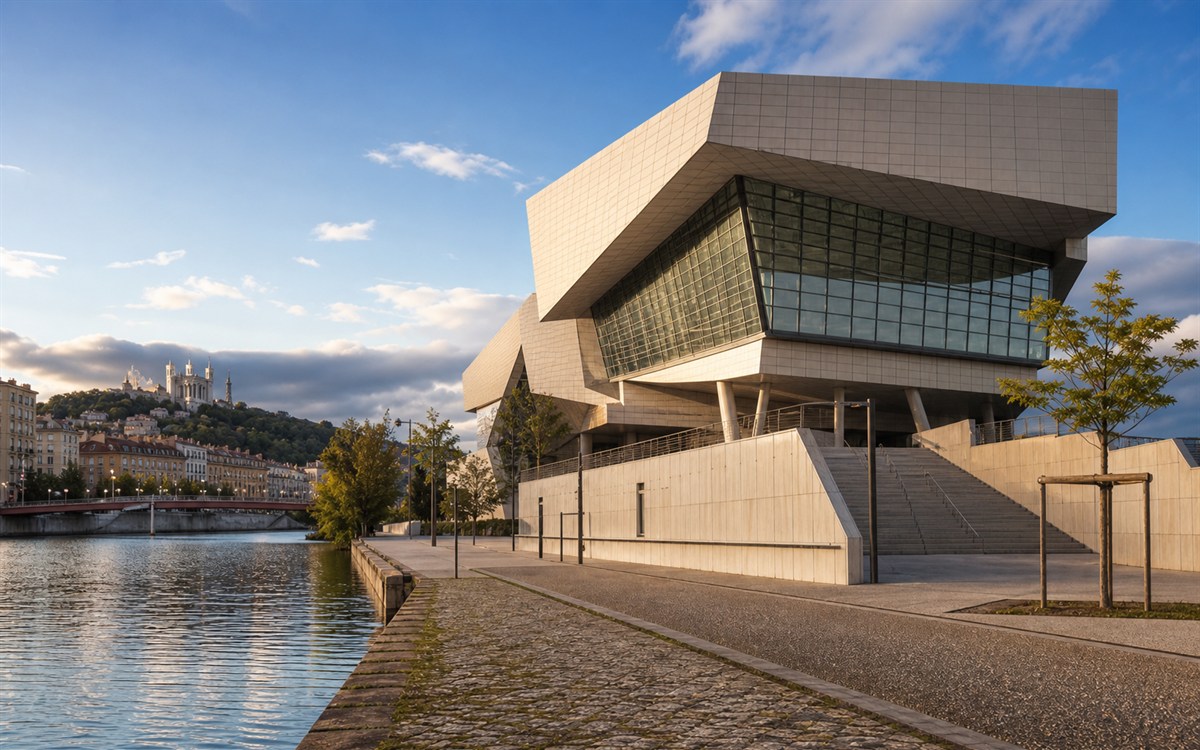
Best for: Mérida and Yucatán deserves a proper place in the Mexico plan, especially when the trip needs colonial city, cenotes and Maya routes. Mérida gives the Yucatán a calmer inland base, with plazas, museums, Yucatecan food, cenotes and archaeological routes that balance Caribbean beach time. It is especially useful when travellers want heritage, evening squares and regional cooking without staying only on the coast.
Historic landmarks: Mérida Historic Centre, Paseo de Montejo, Uxmal, Cenote Routes, Gran Museo del Mundo Maya and Palacio Cantón should shape the sightseeing plan. Stay central for evening walks and food. Use it as a morning or late afternoon walk.
Museums and attractions: Choose the hotel area around Centro, Paseo de Montejo and Santiago or Santa Ana. Pick the district that makes arrival, evening movement and the first full day easier.
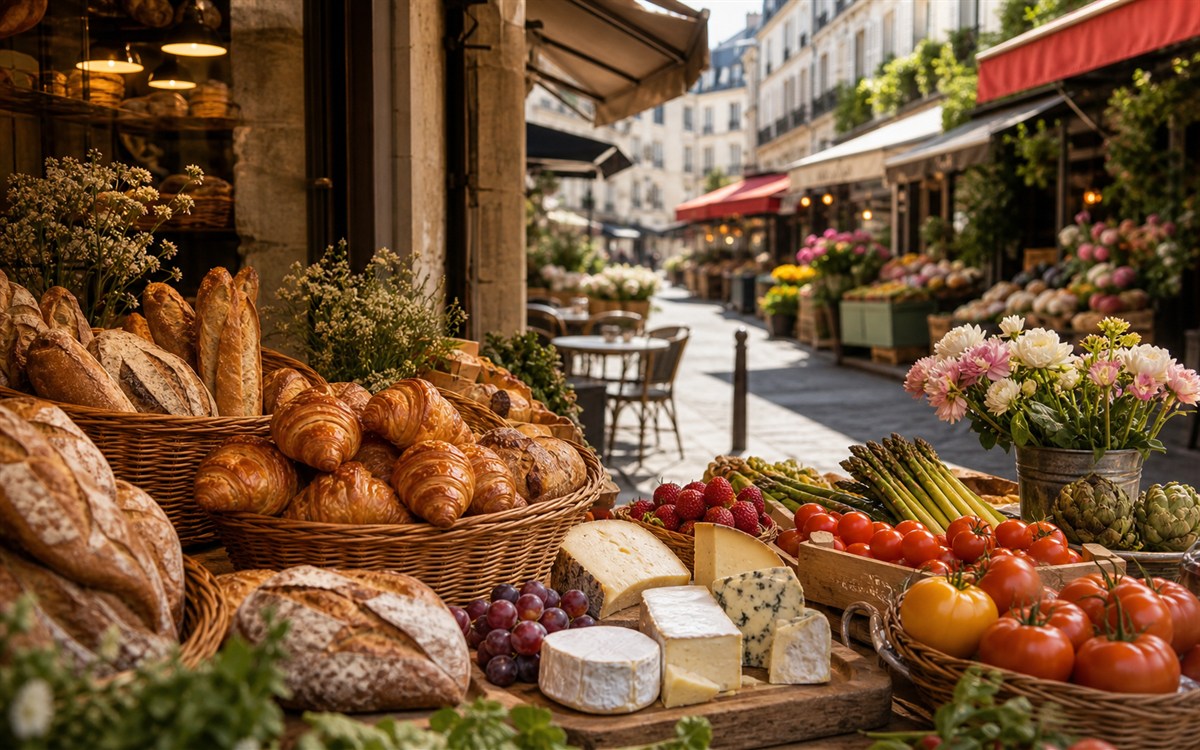
Hotels and stay areas: Mérida and Yucatán also needs a food layer. Build meals around cochinita pibil, sopa de lima, panuchos, salbutes, poc chuc, marquesitas, Centro and Paseo de Montejo so the visitor has a reason to slow down between museums, viewpoints and transfers.
Food and restaurants: Uxmal and Puuc Route and Valladolid or Riviera Maya can extend the stay when there is enough time. The main archaeology route from Mérida. A route linking inland Yucatán with the Caribbean coast.

Food, Culture and Route Ideas for Mexico
Food route: Tacos, mole, seafood, cochinita pibil, birria and mezcal depend on where you travel. Markets, crafts, music, religious calendars and public squares shape everyday travel. Use established visitor hubs, current local advice and sensible transport planning between regions. This is where food, culture and route planning should work together.
Food, wine and restaurants: Build meals around tacos al pastor, tamales, pozole, churros, tlacoyos, mezcal and cochinita pibil and keep them close to Roma and Condesa, Historic Centre, Coyoacán, Cancún Hotel Zone and Playa del Carmen.
Popular experiences: Use Mexico City first, then add Oaxaca, Yucatán or Riviera Maya rather than trying to cross too many regions. Pair Cancún or Riviera Maya with Mérida and archaeological sites when coast and culture both matter. Keep the route disciplined: one clear hotel area, one strong regional layer and one food or culture experience will usually feel better than trying to touch every possible stop.
Planning rule: Use bookings in a clean order: choose the hotel area first, then add attraction tickets, food tours, guided days and local experiences where they make the journey easier, richer and more realistic.