Mauritius Travel, Structured Around Beaches, Resorts and Island Nature
Plan Mauritius through Port Louis, Grand Baie, Flic en Flac, Le Morne, Black River Gorges, beaches, resorts, food, hotels, flights and compact island routes.
Start Planning MauritiusMauritius Travel Guide: Routes, Stay Bases, Culture and Experiences
Trip shape: Mauritius works better when the first overnight point is chosen before the wish list grows. Use Grand Baie and North Coast, Flic-en-Flac and West Coast, Le Morne and Port Louis to make the trip practical, then use Black River Gorges, Beaches and Resort Stays, Island Food and Culture Routes and First Mauritius Route to give it texture, food, landscape and local rhythm.
Best for: Black River Gorges, Beaches and Resort Stays, Island Food and Culture Routes and First Mauritius Route give Mauritius its deeper travel layer. Some visitors need one main city and one day trip; others should slow down, split the journey and give the strongest region its own nights.
Planning rule: Start with arrival logic, season and the first overnight point, then add the experiences that genuinely deserve advance planning. Museums, landmarks, guided tours, food walks, local neighbourhoods and coastal or countryside days should be grouped by geography and timing.
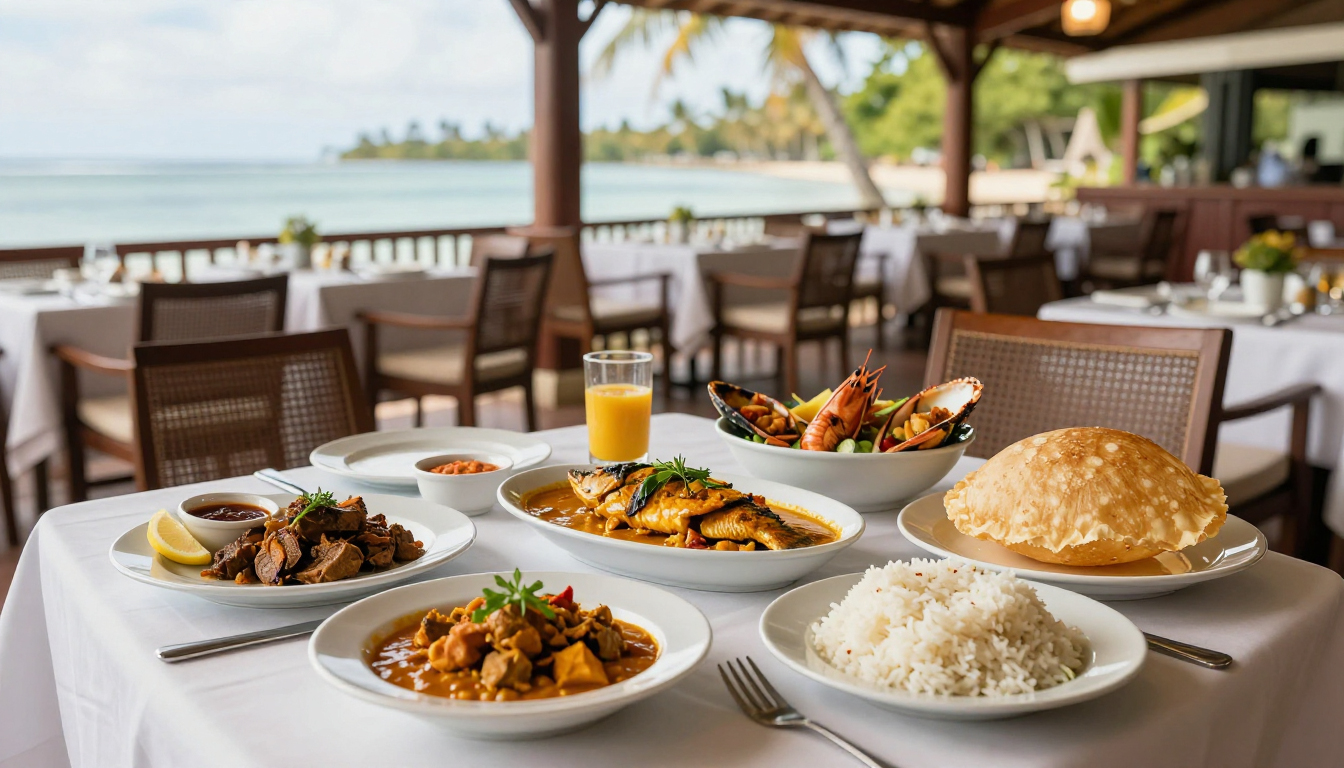
Route logic: dholl puri, biryani, rougaille, seafood, gateaux piments and tropical fruit reflect mixed heritage. Markets, temples, churches, mosques and festivals add everyday cultural texture. Keep food close to the chosen hotel area where possible: the best meals often come from market streets, harbour areas, old-town restaurants and neighbourhoods already inside the day’s route.
Grand Baie and North Coast: restaurants, boat trips and easy north-coast stays
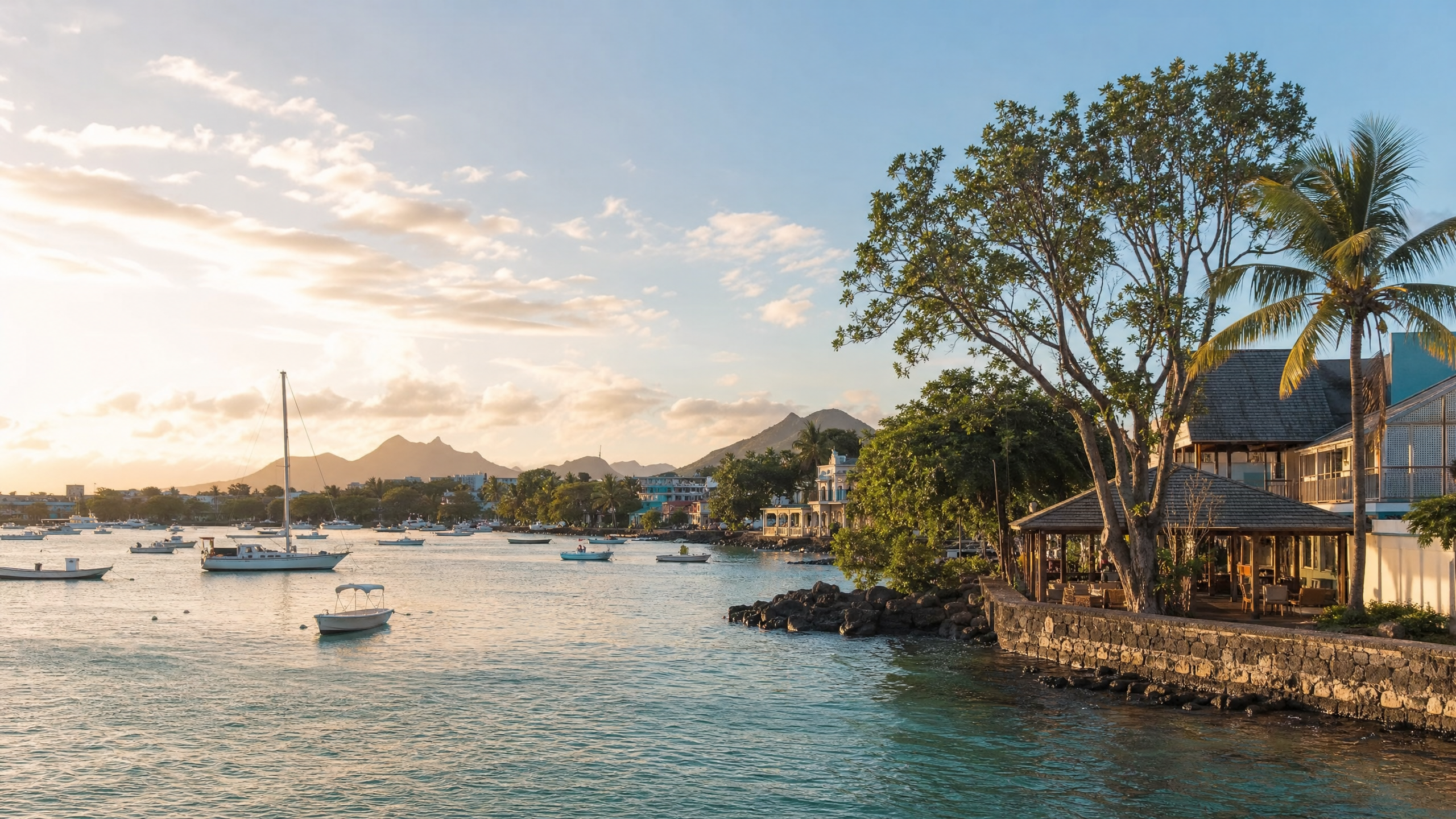
Best for: Grand Baie and North Coast deserves a proper place in the Mauritius plan, especially when the trip needs restaurants, boat trips and easy north-coast stays. Grand Baie is Mauritius’s most convenient north-coast base, with restaurants, beaches, shops, boat trips and resort choice close enough for a simple first island stay. It works best when restaurant choice, boat days and northern beaches are grouped rather than scattered across the island.
Historic landmarks: Grand Baie Waterfront, Pereybere Beach, Cap Malheureux, Northern Islet Boat Trips, Tamil Temple Context and L’Aventure du Sucre should shape the sightseeing plan. Good for travellers wanting services nearby. Go earlier for easier space in busy periods.
Museums and attractions: Choose the hotel area around Grand Baie, Pereybere and Trou aux Biches. Pick the district that makes arrival, evening movement and the first full day easier.
Hotels and stay areas: Grand Baie and North Coast also needs a food layer. Build meals around dholl puri, rougaille, seafood curry, gateaux piments, biryani, alouda, Grand Baie Centre and Pereybere so the visitor has a reason to slow down between museums, viewpoints and transfers.
Food and restaurants: Port Louis and Pamplemousses and Sugar Museum can extend the stay when there is enough time. A market and capital-city route. A garden and history pairing north of the capital.
Flic-en-Flac and West Coast: sunsets, family beaches and easy west-coast pacing
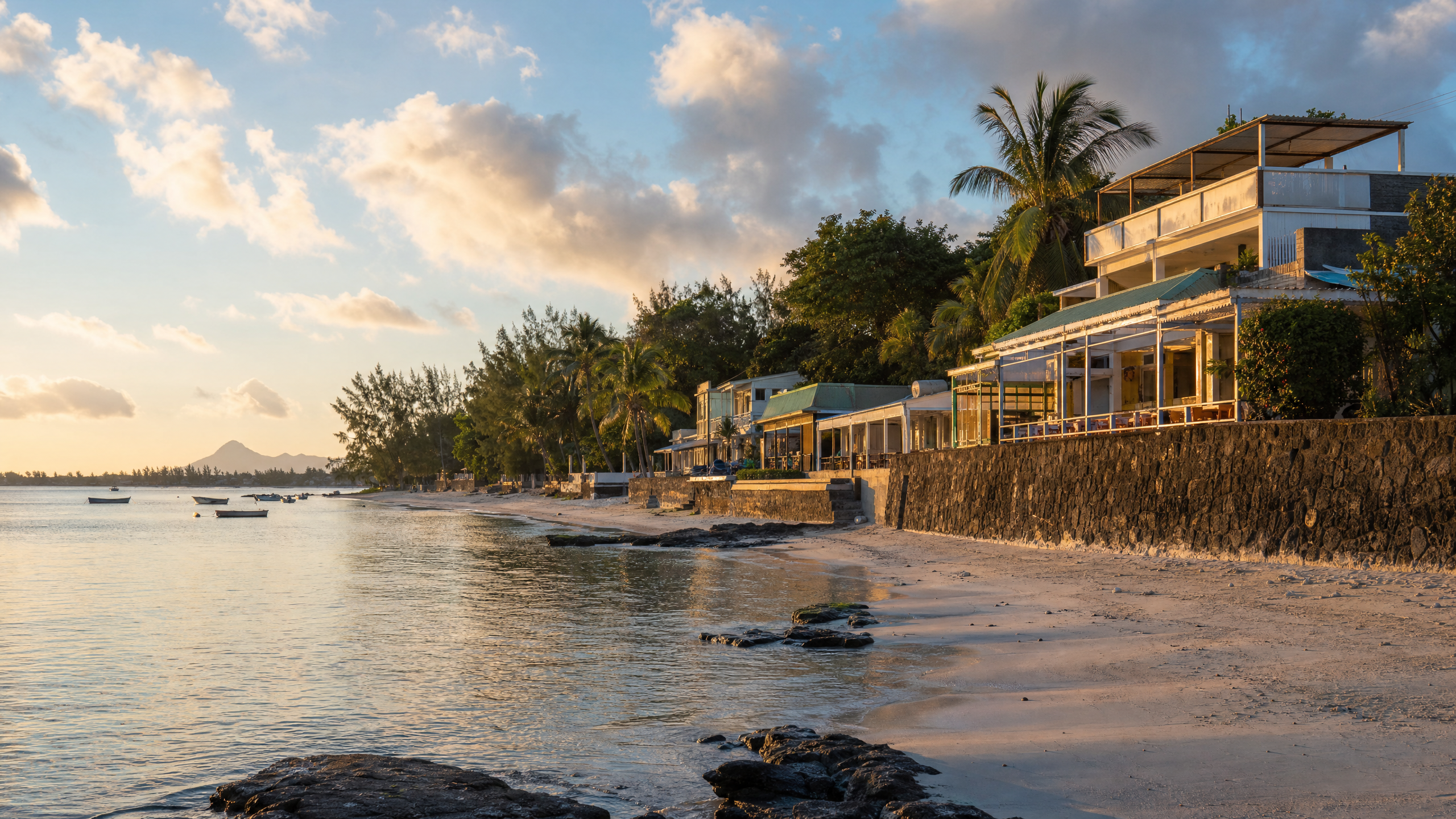
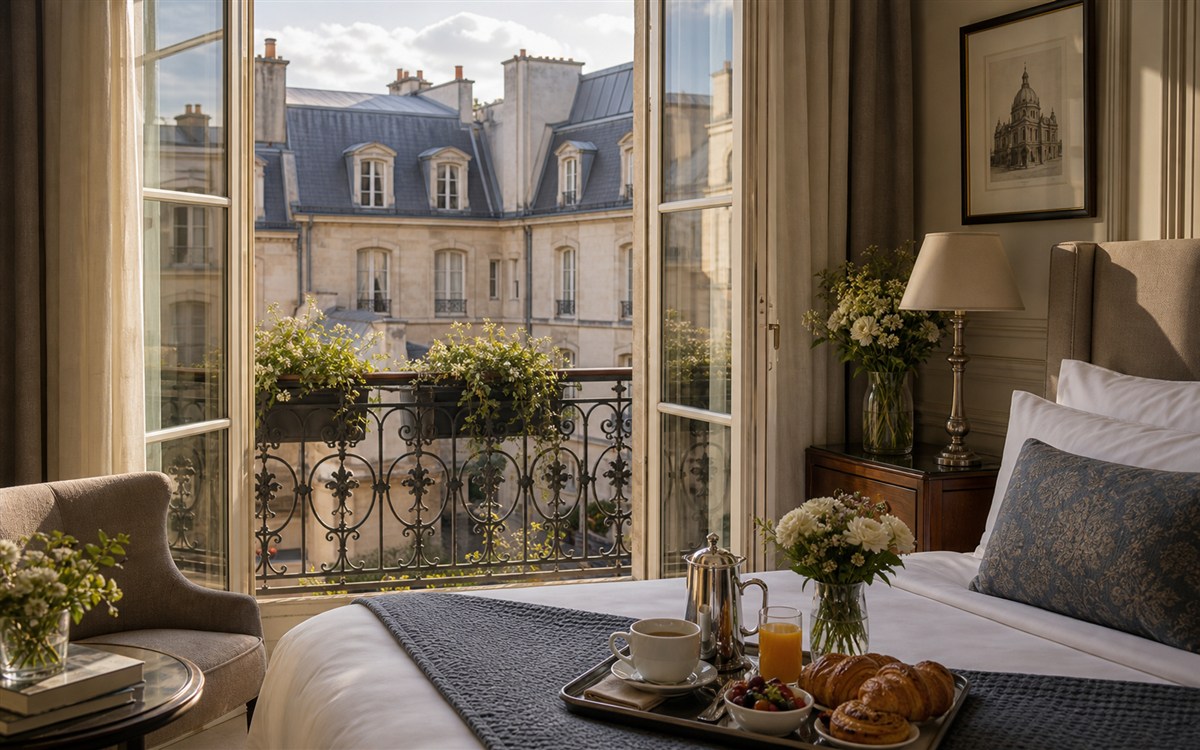
Best for: Flic-en-Flac and West Coast deserves a proper place in the Mauritius plan, especially when the trip needs sunsets, family beaches and easy west-coast pacing. Flic-en-Flac and the west coast suit travellers who want sunsets, lagoon beaches, family-friendly stays and day access to inland viewpoints or Black River routes. It is a strong base for travellers who want beach rhythm, sunset meals and manageable day trips.
Historic landmarks: Flic-en-Flac Beach, Tamarin Bay, Casela Nature Parks Area, Chamarel and Seven Coloured Earth Route, Martello Tower Museum Area and West-Coast Fishing Villages should shape the sightseeing plan. Good for families and relaxed beach days. Check sea conditions and operator standards.
Museums and attractions: Choose the hotel area around Flic-en-Flac, Tamarin and Black River. Pick the district that makes arrival, evening movement and the first full day easier.
Hotels and stay areas: Flic-en-Flac and West Coast also needs a food layer. Build meals around grilled fish, rougaille, dholl puri, mine frite, pineapple with chilli, rum cocktails, Flic-en-Flac and Tamarin and Black River so the visitor has a reason to slow down between museums, viewpoints and transfers.
Food and restaurants: Black River Gorges and Le Morne can extend the stay when there is enough time. The main inland nature extension. A dramatic south-west coastal route.
Le Morne: dramatic peninsula, lagoon stays and cultural memory
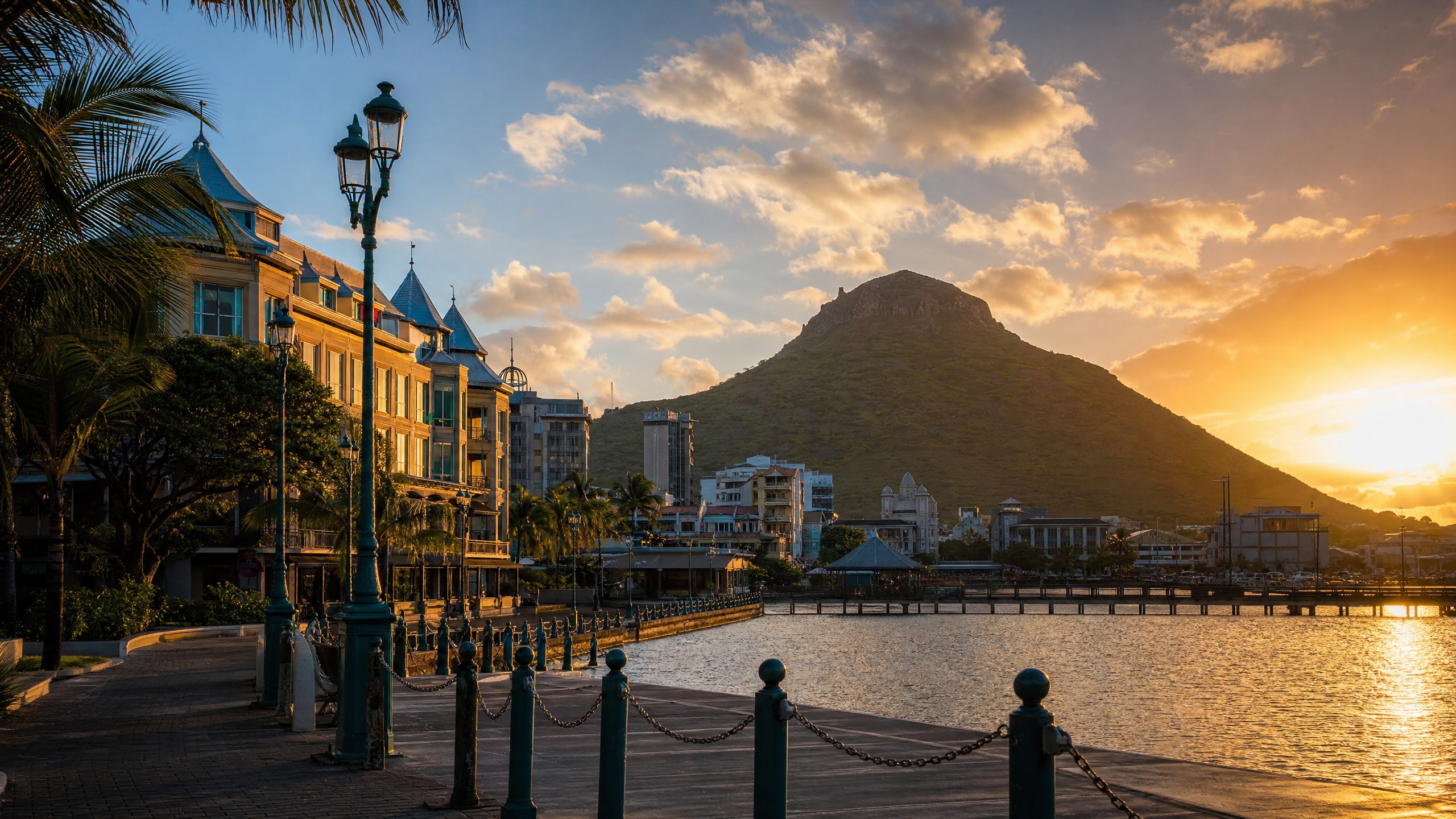
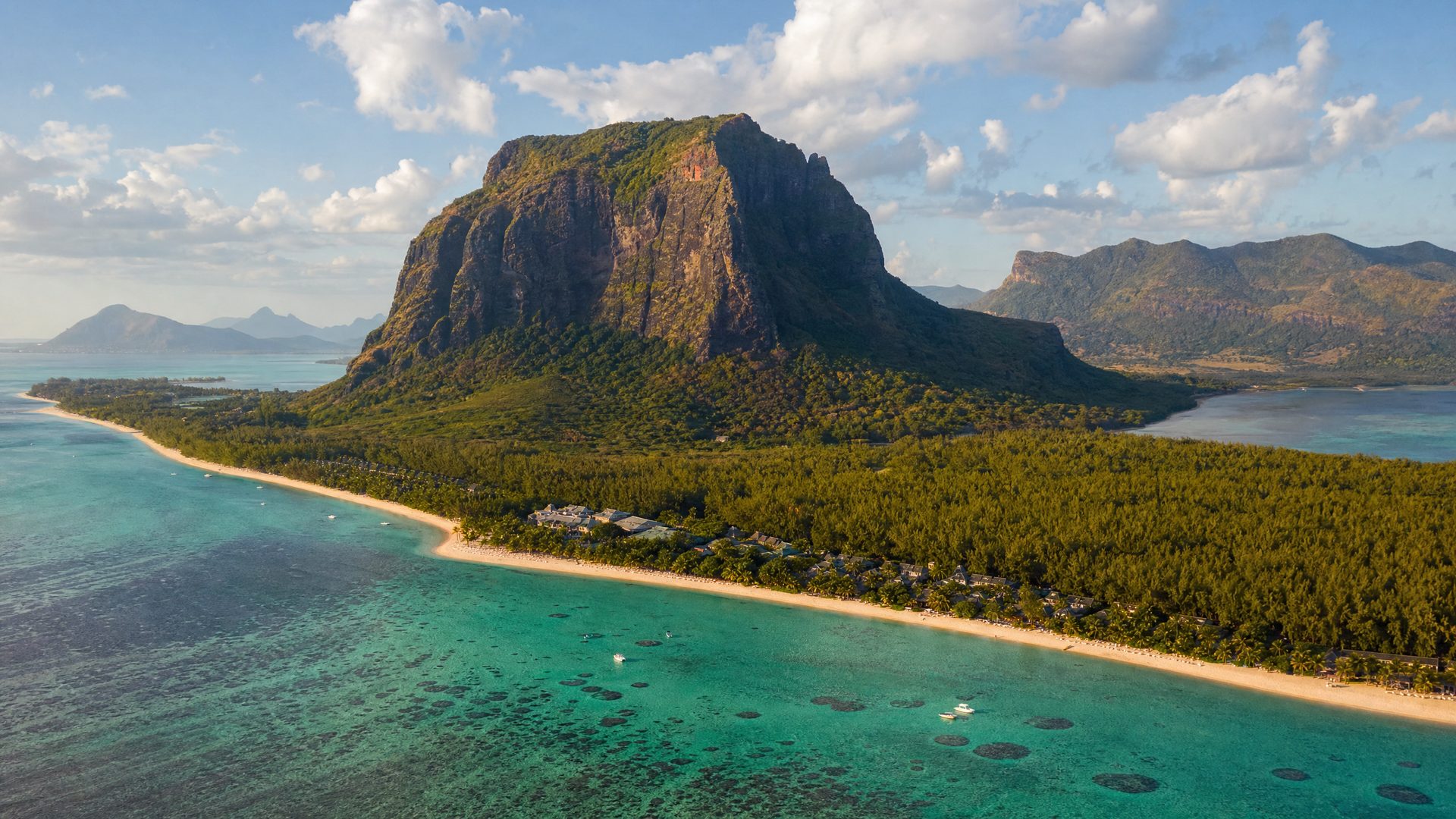
Best for: Treat Le Morne as the part of Mauritius where dramatic peninsula, lagoon stays and cultural memory becomes useful for the wider route. Le Morne gives Mauritius one of its most dramatic landscapes, with a mountain peninsula, lagoon resorts, kite-surfing areas and heritage meaning that deserves thoughtful pacing. It should be paced with respect for weather, heritage context and the difference between beach resort time and mountain scenery.
Historic landmarks: Le Morne Brabant, Le Morne Beach, Kite Lagoon Area, Chamarel Route, Le Morne Cultural Landscape and Chamarel Rum and Village Context should shape the sightseeing plan. Use official routes or guides where appropriate and respect conditions. Good for scenic beach days.
Museums and attractions: Choose the hotel area around Le Morne Resort Strip, La Gaulette and Bel Ombre. Pick the district that makes arrival, evening movement and the first full day easier.
Hotels and stay areas: Le Morne also needs a food layer. Build meals around seafood curry, rougaille, grilled fish, rum, tropical fruit, dholl puri, Le Morne Resorts and La Gaulette so the visitor has a reason to slow down between museums, viewpoints and transfers.
Food and restaurants: Black River Gorges and Flic-en-Flac can extend the stay when there is enough time. A nature and viewpoint extension. A more service-rich west-coast pairing.
Port Louis: capital markets, museums and food context
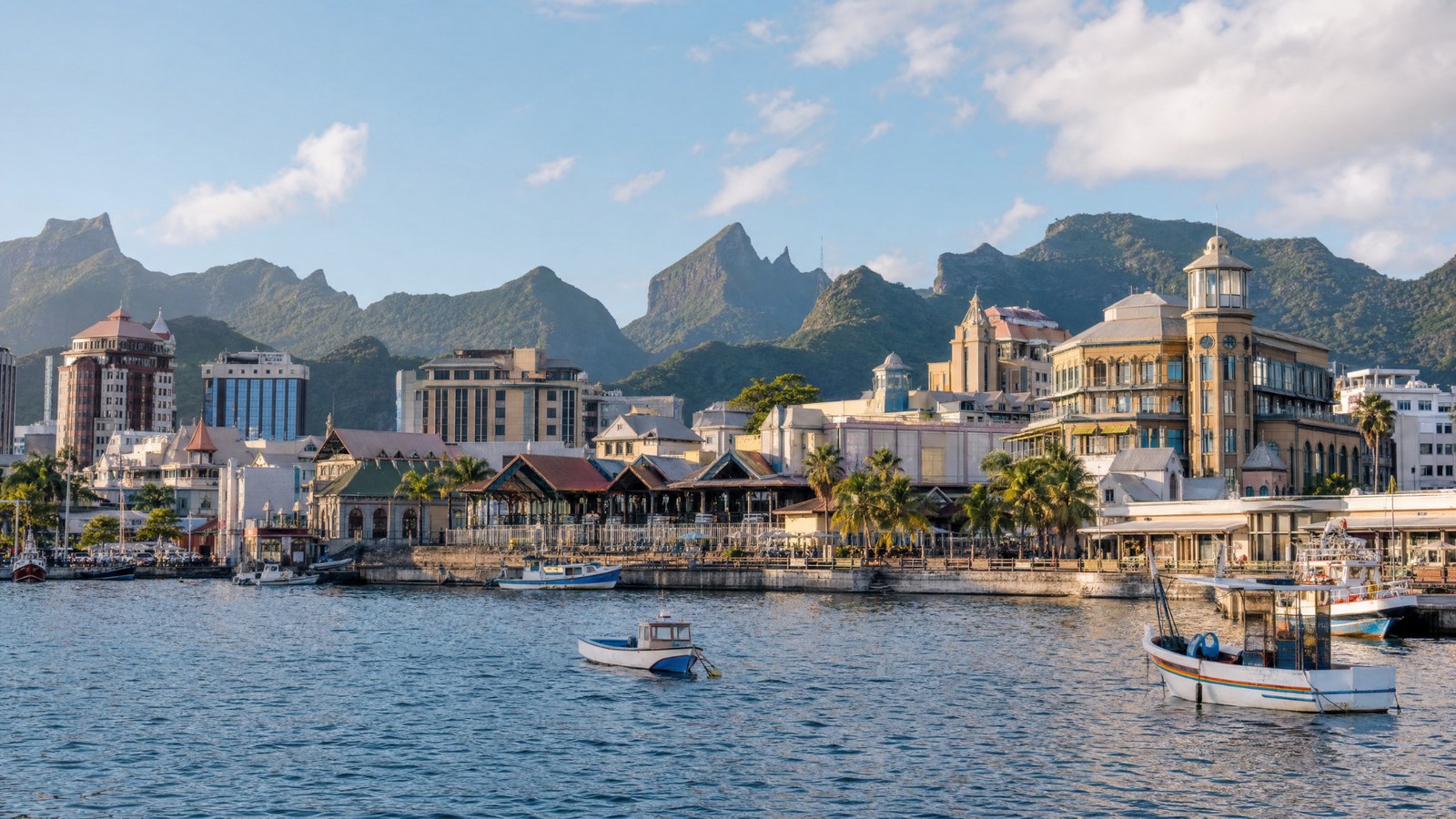
Best for: Port Louis deserves a proper place in the Mauritius plan, especially when the trip needs capital markets, museums and food context. Port Louis adds urban and cultural context to Mauritius, with markets, museums, waterfront stops and street food that help the island feel more lived-in than resort-only planning. It works best as a daytime culture-and-food chapter, not a replacement for a beach base.
Historic landmarks: Central Market, Caudan Waterfront, Aapravasi Ghat, Blue Penny Museum and Jummah Mosque Area should shape the sightseeing plan. Go by day and keep the visit focused. Useful for easier city pacing.
Museums and attractions: Choose the hotel area around Waterfront Area and Use North or West Coast as Base. Pick the district that makes arrival, evening movement and the first full day easier.
Hotels and stay areas: Port Louis also needs a food layer. Build meals around dholl puri, mine frite, gateaux piments, biryani, alouda, pineapple with chilli, Central Market Area and Caudan Waterfront so the visitor has a reason to slow down between museums, viewpoints and transfers.
Food and restaurants: Pamplemousses and Grand Baie can extend the stay when there is enough time. A garden and sugar-history extension north of the capital. A practical north-coast base after city time.
Black River Gorges: national park, viewpoints and rainforest contrast
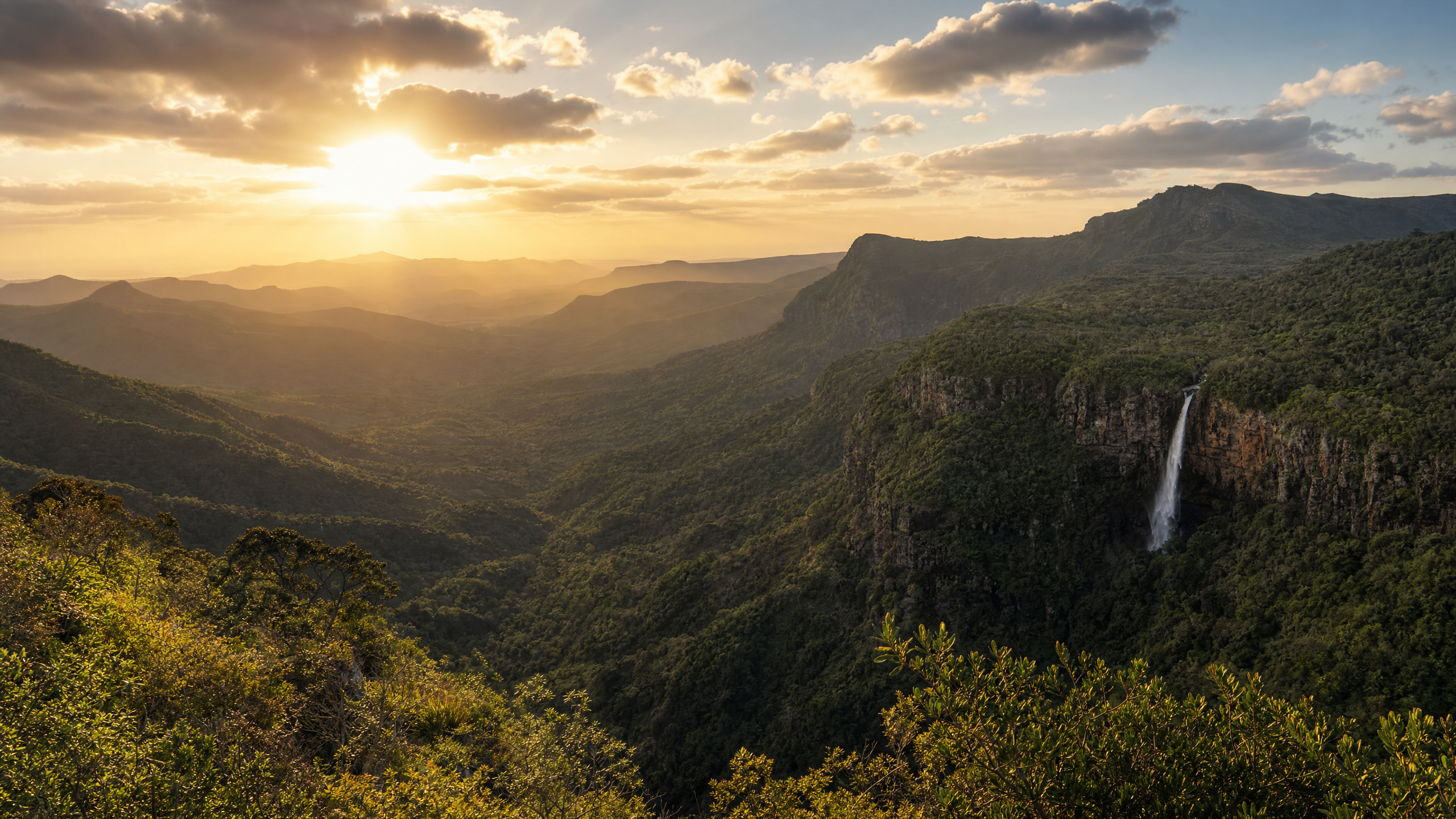
Best for: Black River Gorges deserves a proper place in the Mauritius plan, especially when the trip needs national park, viewpoints and rainforest contrast. Black River Gorges gives Mauritius its main inland nature chapter, with forest, viewpoints, waterfalls and scenic drives that break up beach-heavy itineraries. It needs a deliberate nature day with weather, walking time and road loops planned before leaving the coast.
Historic landmarks: Black River Gorges Viewpoints, Alexandra Falls Area, Gorges Walking Routes, Chamarel and Seven Coloured Earth Nearby, National Park Conservation Context and Tea and Plantation Route Context should shape the sightseeing plan. Weather affects visibility. Pair with nearby viewpoints.
Museums and attractions: Choose the hotel area around Black River and Tamarin, Chamarel Area and Le Morne. Pick the district that makes arrival, evening movement and the first full day easier.
Hotels and stay areas: Black River Gorges also needs a food layer. Build meals around Mauritian tea, pineapple with chilli, Creole dishes, rum, tropical fruit, dholl puri, Chamarel and Black River and Tamarin so the visitor has a reason to slow down between museums, viewpoints and transfers.
Food and restaurants: Le Morne and Flic-en-Flac can extend the stay when there is enough time. A dramatic coastal and heritage pairing. A practical west-coast base for park access.
Food, Culture and Route Ideas for Mauritius
Food route: dholl puri, biryani, rougaille, seafood, gateaux piments and tropical fruit reflect mixed heritage. Markets, temples, churches, mosques and festivals add everyday cultural texture. Distances are manageable, but winding inland roads still need time. This is where food, culture and route planning should work together.
Food, wine and restaurants: Build meals around dholl puri, rougaille, seafood curry, gateaux piments, biryani, alouda and grilled fish and keep them close to Grand Baie Centre, Pereybere, Trou aux Biches, Flic-en-Flac and Tamarin and Black River.
Popular experiences: Choose one coast as the base, then add Port Louis, Le Morne and inland nature routes as day trips. Use the west for sunsets and families, the north for restaurants, services and boat routes. Keep the route disciplined: one clear hotel area, one strong regional layer and one food or culture experience will usually feel better than trying to touch every possible stop.
Planning rule: Use bookings in a clean order: choose the hotel area first, then add attraction tickets, food tours, guided days and local experiences where they make the journey easier, richer and more realistic.