Maldives Travel, Structured Around Resorts, Atolls and Transfers
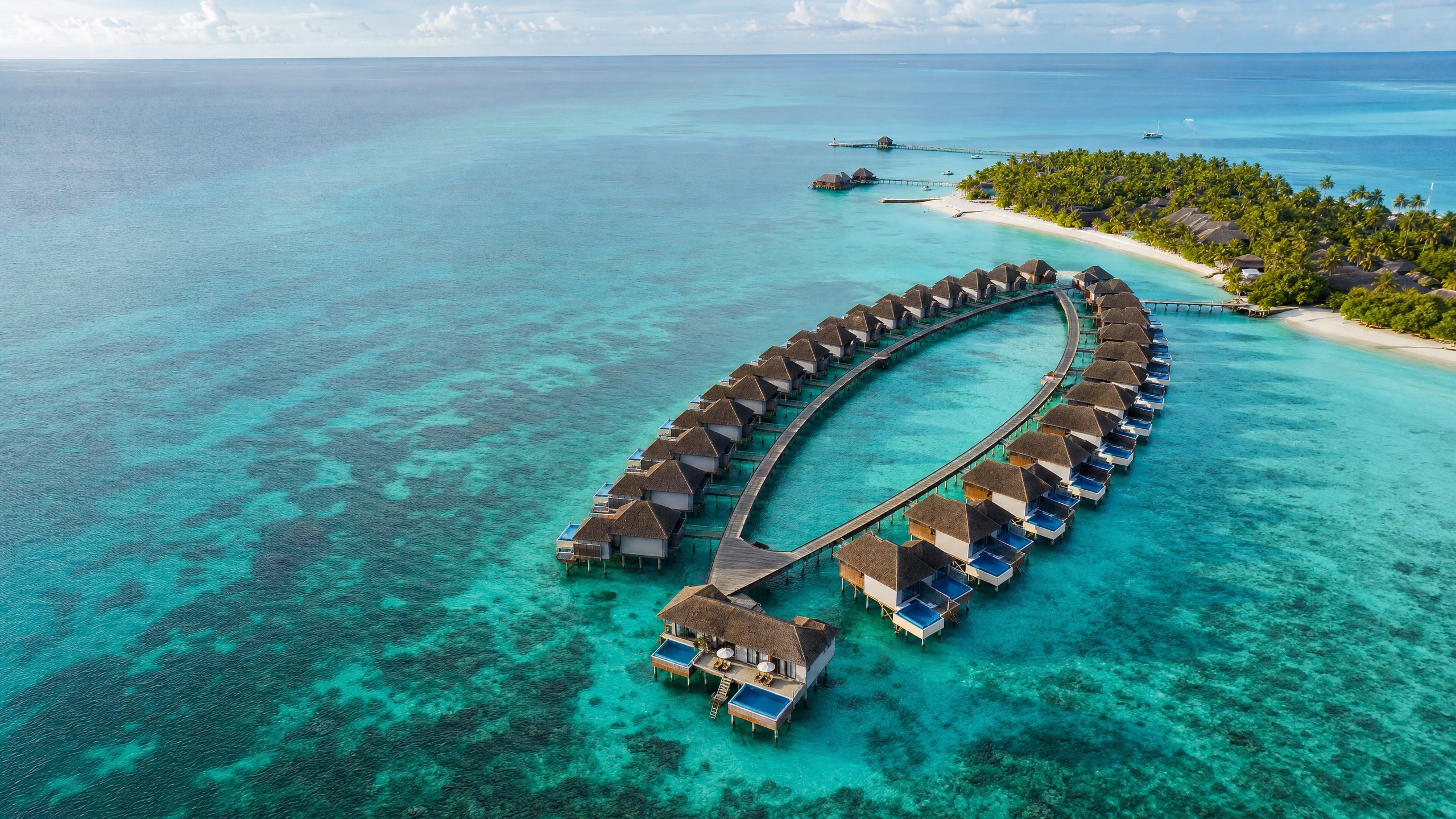
Plan the Maldives through resort islands, atolls, overwater villas, reef access, seaplane transfers, speedboats, snorkelling, diving, honeymoon stays and premium beach escapes.
Start Planning MaldivesMaldives Travel Guide: Routes, Stay Bases, Culture and Experiences
Trip shape: Start Maldives with the shape of the journey, not with a shopping list of sights. Let Malé and Hulhumalé, North Malé Atoll, Baa Atoll and Ari Atoll carry the easy first days, then use North and South Male Atolls, Baa and Ari Atolls, Remote Atolls and Short Island Escape for depth when the schedule has enough space.
Best for: North and South Male Atolls, Baa and Ari Atolls, Remote Atolls and Short Island Escape give the Maldives its deeper travel layer. Some visitors need one main city and one day trip; others should slow down, split the journey and give the strongest region its own nights.
Planning rule: Start with arrival logic, season and the first overnight point, then add the experiences that genuinely deserve advance planning. Museums, landmarks, guided tours, food walks, local neighbourhoods and coastal or countryside days should be grouped by geography and timing.
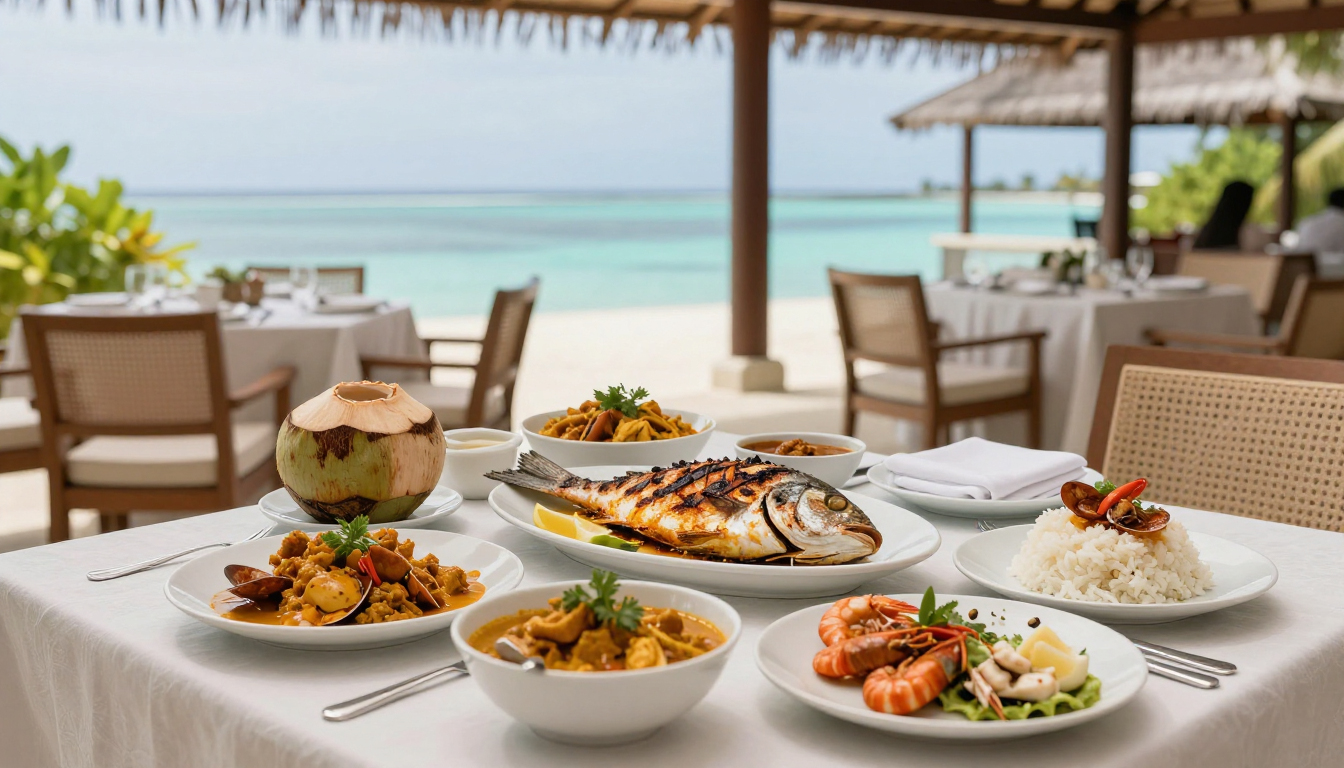
Route logic: Fish, coconut, roshi, curries and tropical fruit shape local and resort menus. Local Islands and Resort Islands can feel very different, so expectations should be clear. Keep food close to the chosen hotel area where possible: the best meals often come from market streets, harbour areas, old-town restaurants and neighbourhoods already inside the day’s route.



Malé and Hulhumalé: arrival hub, local context and transfer staging
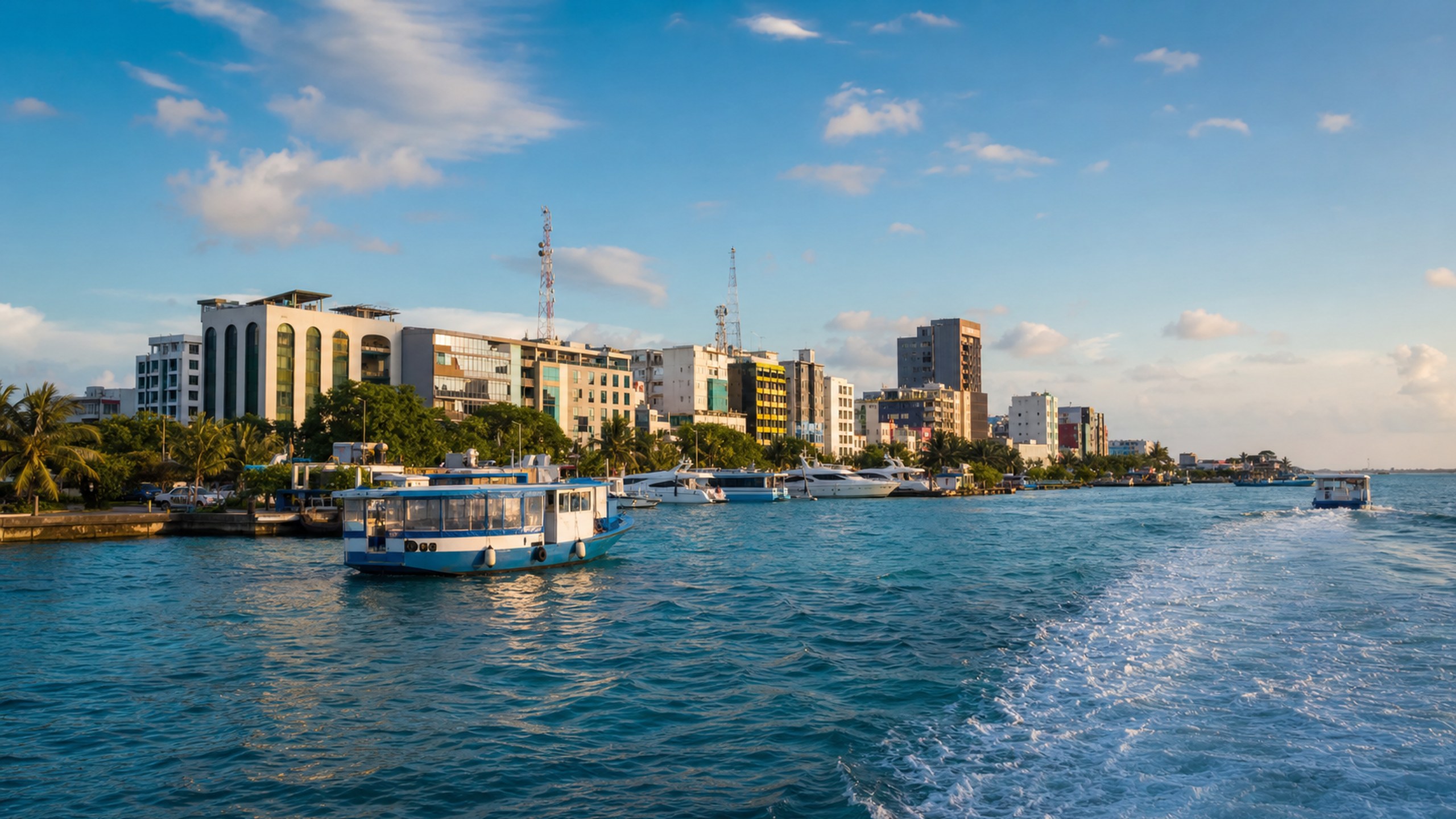
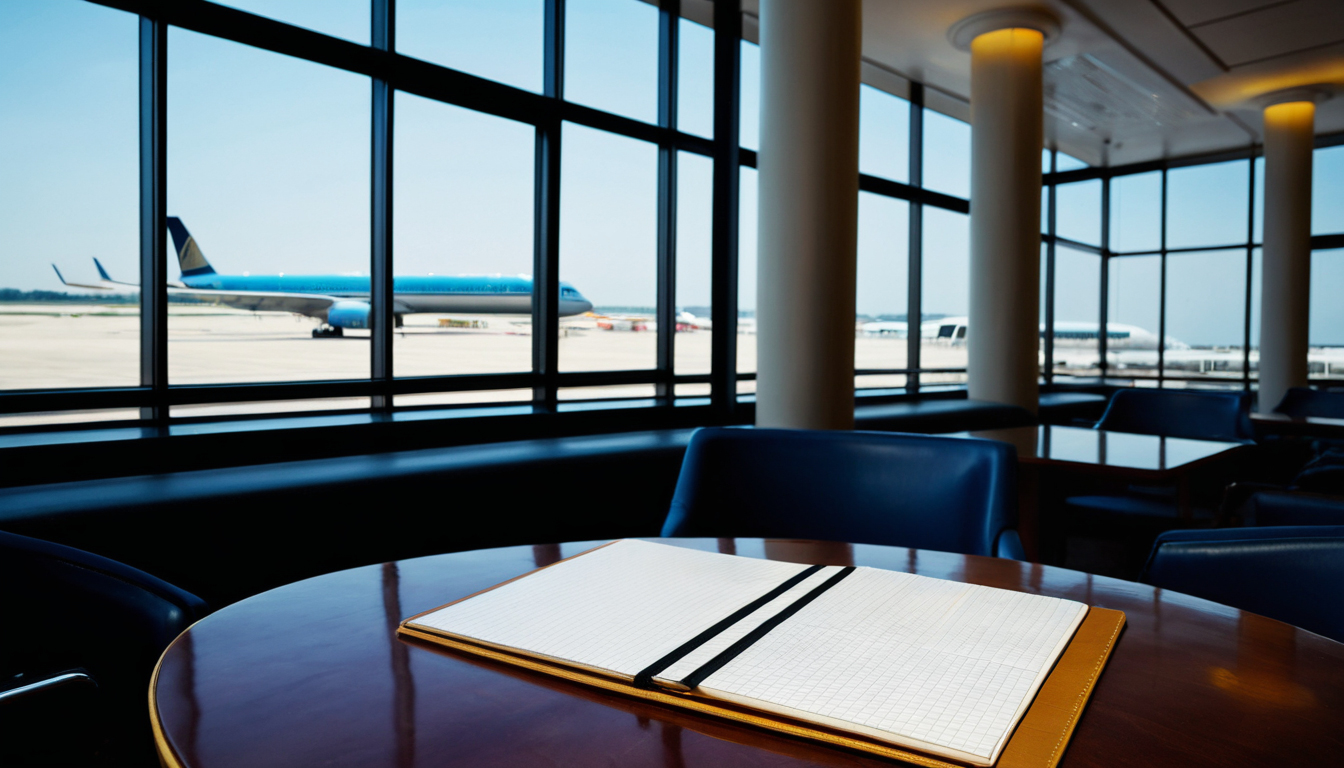
Best for: For Malé and Hulhumalé, the first decision is pace: give the city enough room to show its arrival hub, local context and transfer staging. Malé and Hulhumalé are mainly useful for arrival, departure and local context, especially when flight timing makes an immediate resort transfer awkward. They help travellers understand local island life, food rules and transfer discipline before the resort or atoll stay begins.
Historic landmarks: Malé Fish Market, Old Friday Mosque Area, Artificial Beach, Hulhumalé Beachfront, National Museum, Malé and Sultan Park Area should shape the sightseeing plan. Visit respectfully and keep expectations practical. Check access expectations and dress respectfully.
Museums and attractions: Choose the hotel area around Hulhumalé and Central Malé. Pick the district that makes arrival, evening movement and the first full day easier.
Hotels and stay areas: Malé and Hulhumalé also needs a food layer. Build meals around mas huni, garudhiya, rihaakuru, short eats, roshi, fish curry, Central Malé and Hulhumalé Beachfront so the visitor has a reason to slow down between museums, viewpoints and transfers.
Food and restaurants: North Malé Atoll and South Malé Atoll can extend the stay when there is enough time. The easiest resort transfer area from the airport. A close alternative with a quieter feel depending on island choice.


North Malé Atoll: easy transfers, resort choice and short Maldives stays
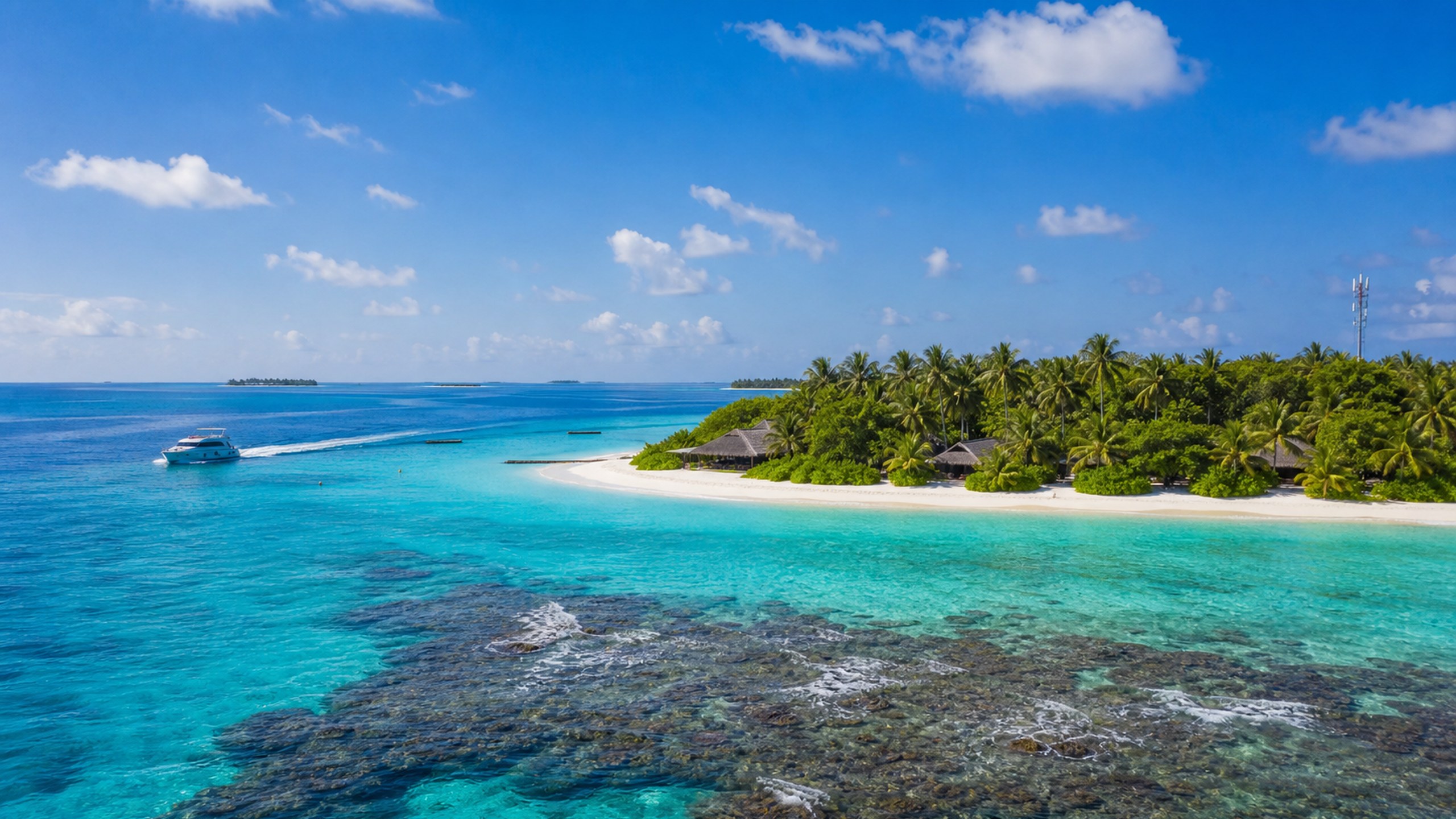
Best for: North Malé Atoll works better as a lived-in stop than as a fast photo pin, with easy transfers, resort choice and short Maldives stays shaping the day. North Malé Atoll suits travellers who want the Maldives without losing too much time to transfers, with a wide range of resort and local-island options near the airport. It is especially practical for short breaks, families and first visits where speedboat timing matters.
Historic landmarks: House Reef Snorkelling, Sandbank Excursions, Local Island Visits, Surf Spots, Local Island Mosques and Marine Conservation Talks should shape the sightseeing plan. Check reef access before choosing the stay. Confirm timing and weather policies with the operator.
Museums and attractions: Choose the hotel area around Resort Islands and Local Islands. Pick the district that makes arrival, evening movement and the first full day easier.
Hotels and stay areas: North Malé Atoll also needs a food layer. Build meals around grilled fish, mas huni, fish curry, tropical fruit, coconut desserts, Resort Island Restaurants, Local Island Cafes and Private Beach Dining so the visitor has a reason to slow down between museums, viewpoints and transfers.
Food and restaurants: Malé and Hulhumalé and South Malé Atoll can extend the stay when there is enough time. Useful for arrival or departure staging. A close second island option if transfers align.

Baa Atoll: biosphere reserve, marine life and slower resort stays
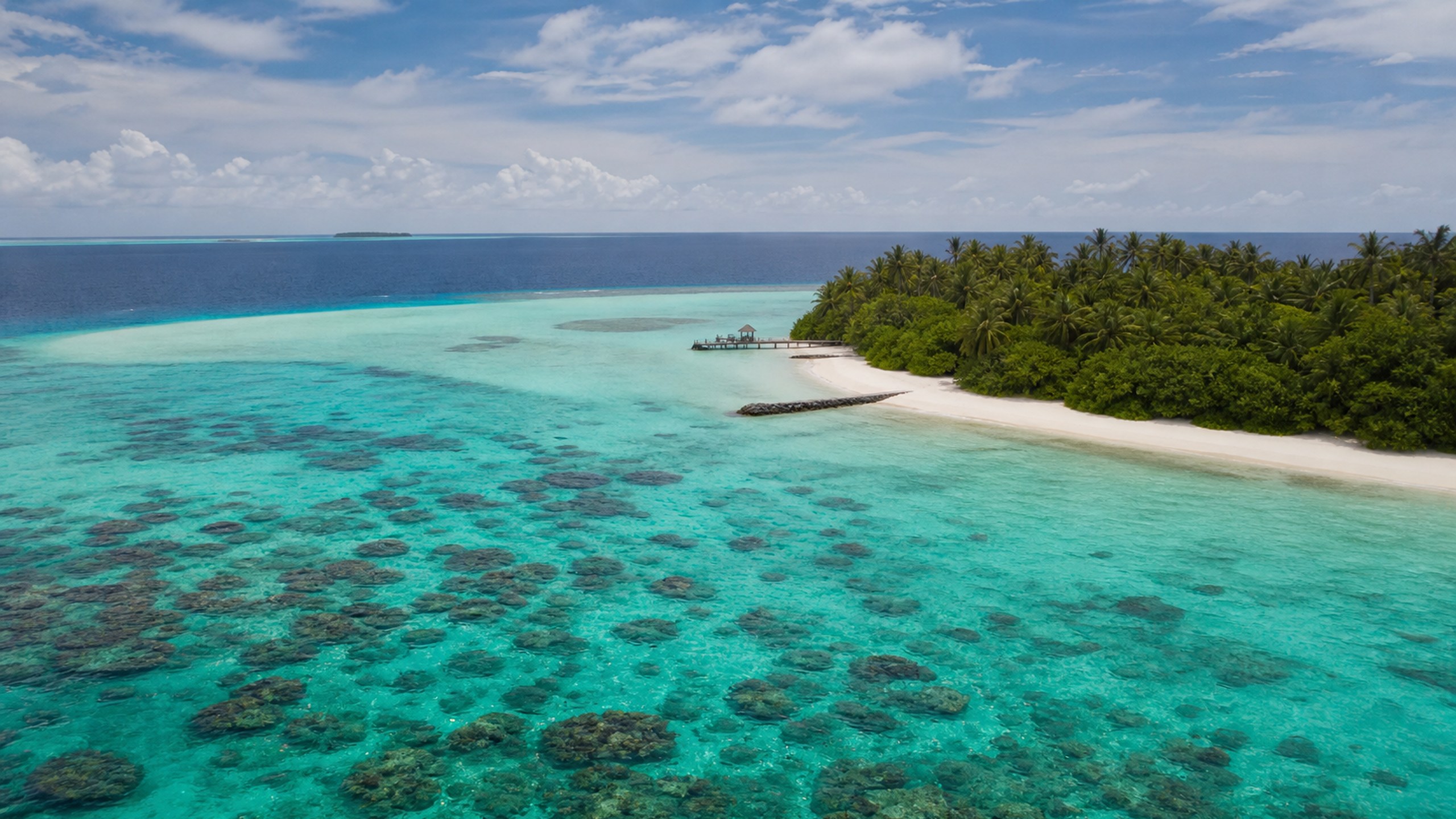
Best for: Use Baa Atoll when the the Maldives route needs biosphere reserve, marine life and slower resort stays. Baa Atoll appeals when marine life, reef quality and a quieter atoll rhythm matter more than the quickest airport transfer. It suits travellers who are choosing the island for snorkelling, conservation context and slower resort days rather than easy logistics alone.
Historic landmarks: Hanifaru Bay Area, House Reef Days, Dolphin Cruises, Island Sandbanks, Marine Education Centres and Local Island Craft Context should shape the sightseeing plan. Visit only through regulated operators and with realistic expectations. Confirm reef access and season before booking.
Museums and attractions: Choose the hotel area around Premium Resort Islands and Local Island Bases. Pick the district that makes arrival, evening movement and the first full day easier.
Hotels and stay areas: Baa Atoll also needs a food layer. Build meals around reef fish, tuna curry, coconut dishes, roshi, tropical fruit, Resort Main Restaurants, Beach Grills and Maldivian Theme Nights so the visitor has a reason to slow down between museums, viewpoints and transfers.
Food and restaurants: Malé and Ari Atoll can extend the stay when there is enough time. The necessary flight or transfer hub for most routes. A possible second-atoll pairing when logistics are carefully arranged.



Ari Atoll: diving, reef resorts and longer water-focused stays
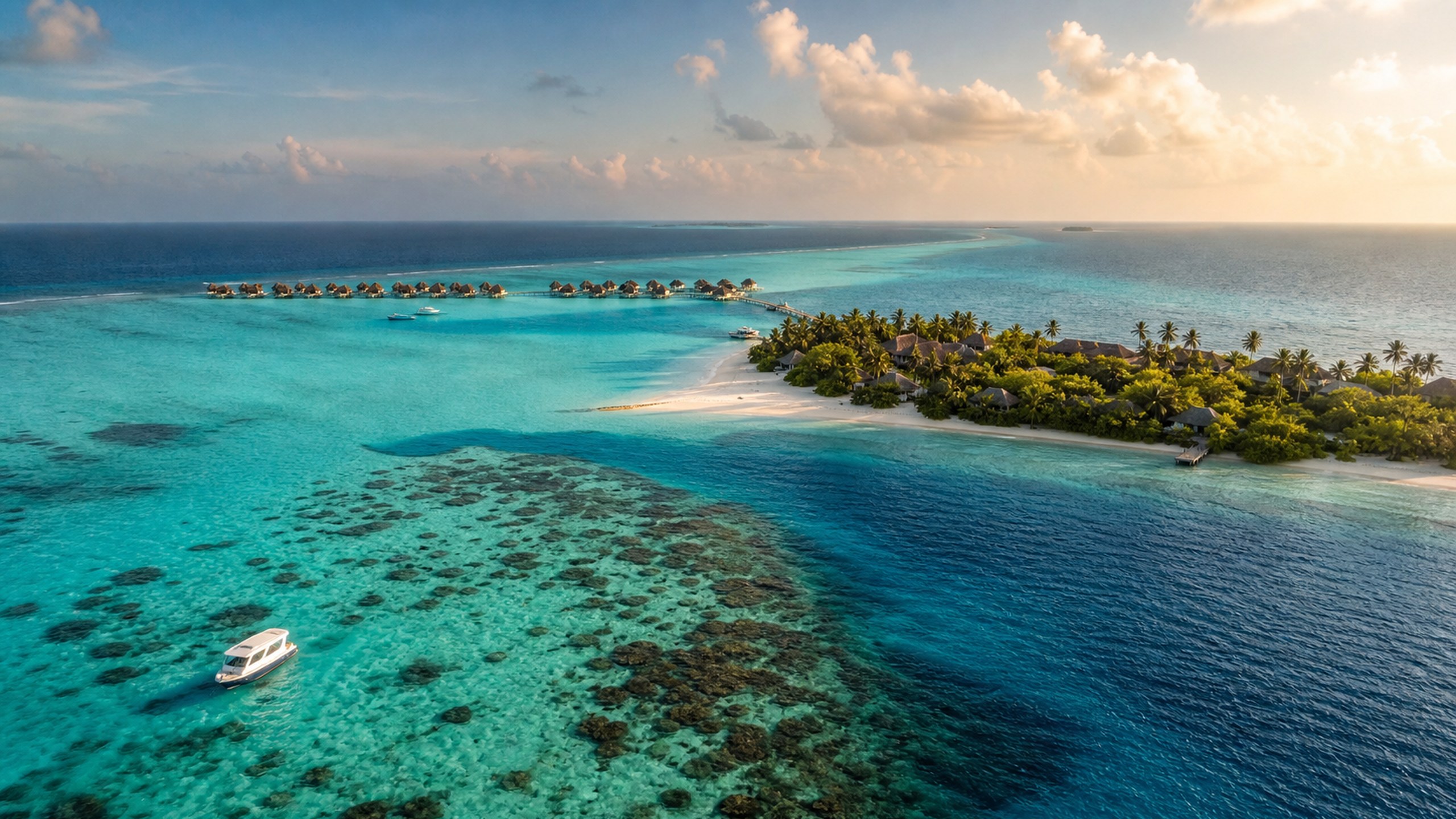
Best for: Use Ari Atoll when the the Maldives route needs diving, reef resorts and longer water-focused stays. Ari Atoll is a strong choice when diving, snorkelling and resort time are the purpose of the trip, with enough distance from Malé to feel more remote. It works best when travellers choose the island around house reef, dive centre, meal plan and transfer time rather than room style alone.
Historic landmarks: Dive Sites, Whale Shark Excursion Areas, Resort House Reefs, Sandbank and Lagoon Trips, Dive Centre Briefings and Local Island Harbour Areas should shape the sightseeing plan. Choose certified operators and match plans to ability. Wildlife sightings are never guaranteed.
Museums and attractions: Choose the hotel area around Resort Islands and Local Islands. Pick the district that makes arrival, evening movement and the first full day easier.
Hotels and stay areas: Ari Atoll also needs a food layer. Build meals around grilled tuna, fish curry, mas huni, coconut rice, tropical fruit, Resort Dining Areas, Beach Barbecue Setups and Local Island Cafes so the visitor has a reason to slow down between museums, viewpoints and transfers.
Food and restaurants: Baa Atoll and South Malé Atoll can extend the stay when there is enough time. A marine-life pairing only when transfer plans are practical. A closer atoll option before or after Ari.


Food, Culture and Route Ideas for the Maldives
Food route: Fish, coconut, roshi, curries and tropical fruit shape local and resort menus. Local Islands and Resort Islands can feel very different, so expectations should be clear. Tides, boat schedules and weather influence daily movement more than travellers often expect. This is where food, culture and route planning should work together.
Food, wine and restaurants: Build meals around mas huni, garudhiya, rihaakuru, short eats, roshi, fish curry and grilled fish and keep them close to Central Malé, Hulhumalé Beachfront, Resort Transfer Lounges, Resort Island Restaurants and Local Island Cafes.
Popular experiences: Use Malé or North Malé Atoll when transfer time is limited. Choose Baa or Ari Atoll when marine life and snorkelling shape the trip. Keep the route disciplined: one clear hotel area, one strong regional layer and one food or culture experience will usually feel better than trying to touch every possible stop.
Planning rule: Use bookings in a clean order: choose the hotel area first, then add attraction tickets, food tours, guided days and local experiences where they make the journey easier, richer and more realistic.