Malaysia Travel, Structured Around Kuala Lumpur, Islands and Borneo
Plan Malaysia through Kuala Lumpur, Penang, Langkawi, Malacca, Borneo, Sabah, Sarawak, beaches, food cities, rainforest, hotels, flights and route-first stays.
Start Planning MalaysiaCheck Current Advice Before Booking
Travel safety note: Official UK FCDO advice may warn against travel to specific regions of this country. This guide is for general planning only. Check the latest GOV.UK Foreign Travel Advice before booking or travelling.
Regional note: FCDO regional advice covers islands and dive sites off eastern Sabah from Sandakan to Tawau. WorldFun Malaysia planning should avoid restricted coastal areas and focus on mainstream city, island, food, and nature routes where current advice permits travel.
Last WorldFun FCDO review: 2026-04-26
Check GOV.UK FCDO adviceMalaysia Travel Guide: Routes, Stay Bases, Culture and Experiences
Trip shape: Malaysia needs a clear travel spine before hotels, tickets and tours start making sense. Start with Kuala Lumpur, Penang, Langkawi and Malacca, then test every extra stop against Penang, Langkawi, Borneo and First Malaysia Trip: does it make the trip richer, or only longer?
Best for: Penang, Langkawi, Borneo and First Malaysia Trip give Malaysia its deeper travel layer. Some visitors need one main city and one day trip; others should slow down, split the journey and give the strongest region its own nights.
Planning rule: Start with arrival logic, season and the first overnight point, then add the experiences that genuinely deserve advance planning. Museums, landmarks, guided tours, food walks, local neighbourhoods and coastal or countryside days should be grouped by geography and timing.
Route logic: Food courts, coffee shops and night markets make everyday meals one of the main travel experiences. Mosques, temples, churches and festivals sit close together in many cities. Keep food close to the chosen hotel area where possible: the best meals often come from market streets, harbour areas, old-town restaurants and neighbourhoods already inside the day’s route.

Kuala Lumpur: capital skyline, food and first Malaysia base
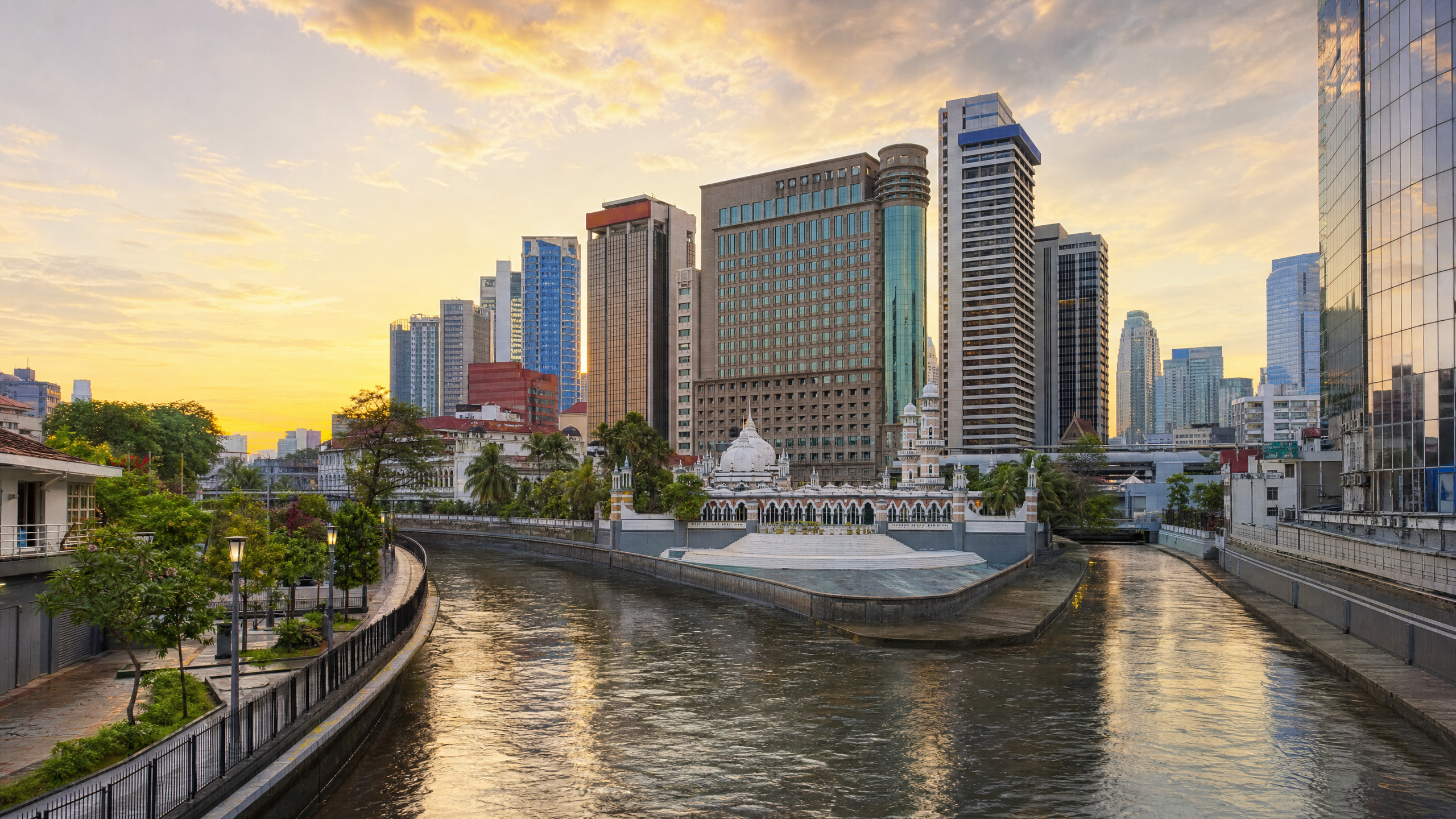
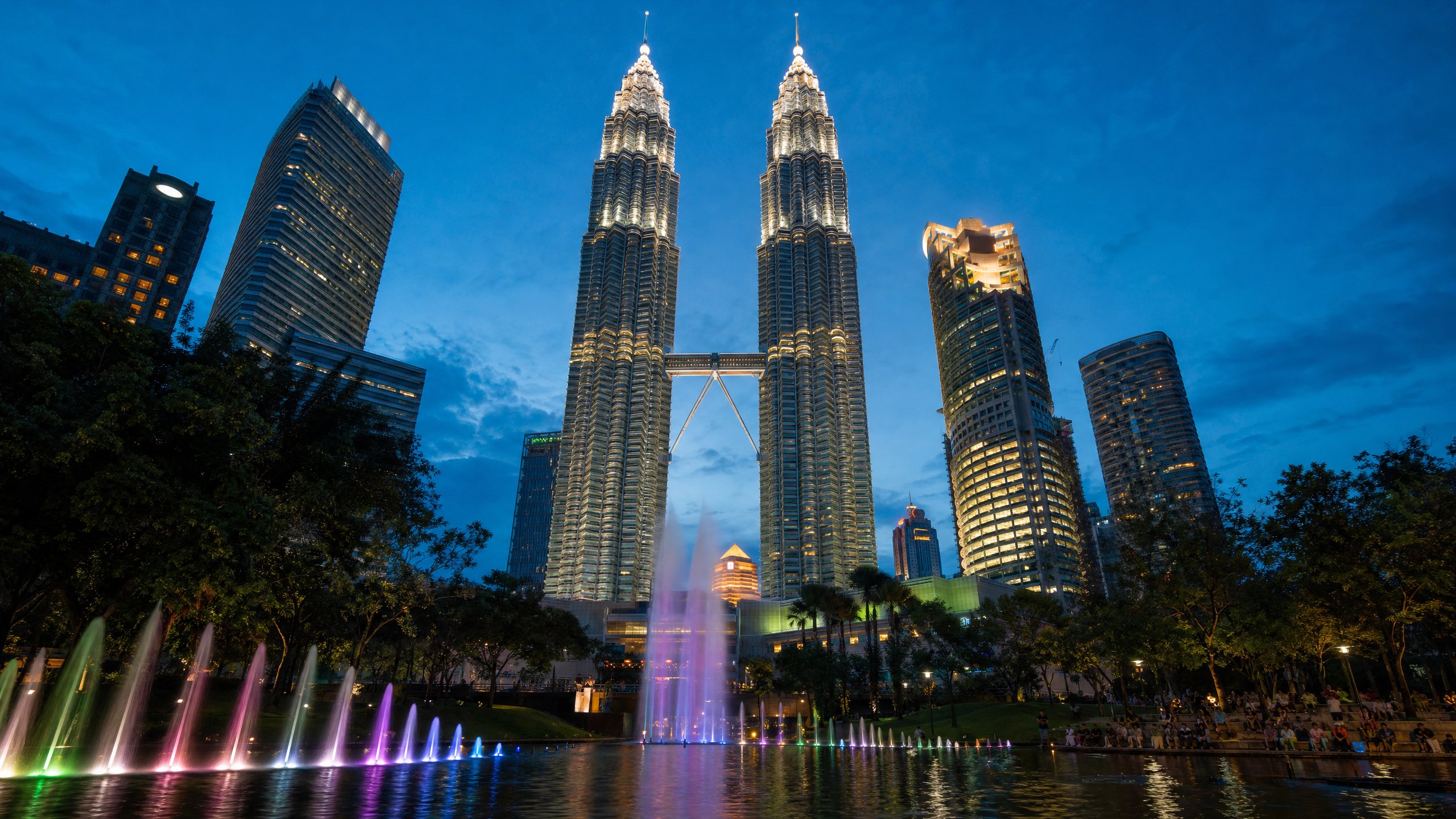
Best for: Kuala Lumpur deserves a proper place in the Malaysia plan, especially when the trip needs capital skyline, food and first Malaysia base. Kuala Lumpur is Malaysia's main arrival base, combining towers, mosques, temples, malls, markets and food streets with easy onward flights and rail links. The city works best when skyline stops, Batu Caves, Brickfields, Kampung Baru and night food areas are grouped sensibly around heat and traffic.
Historic landmarks: Petronas Twin Towers and KLCC, Batu Caves, Merdeka Square and Sultan Abdul Samad Building, Jalan Alor and Bukit Bintang, Islamic Arts Museum Malaysia and National Museum of Malaysia should shape the sightseeing plan. Book tower visits ahead if the viewpoint matters. Dress respectfully and plan around heat and steps.
Museums and attractions: Choose the hotel area around Bukit Bintang, KLCC and KL Sentral and Brickfields. Pick the district that makes arrival, evening movement and the first full day easier.
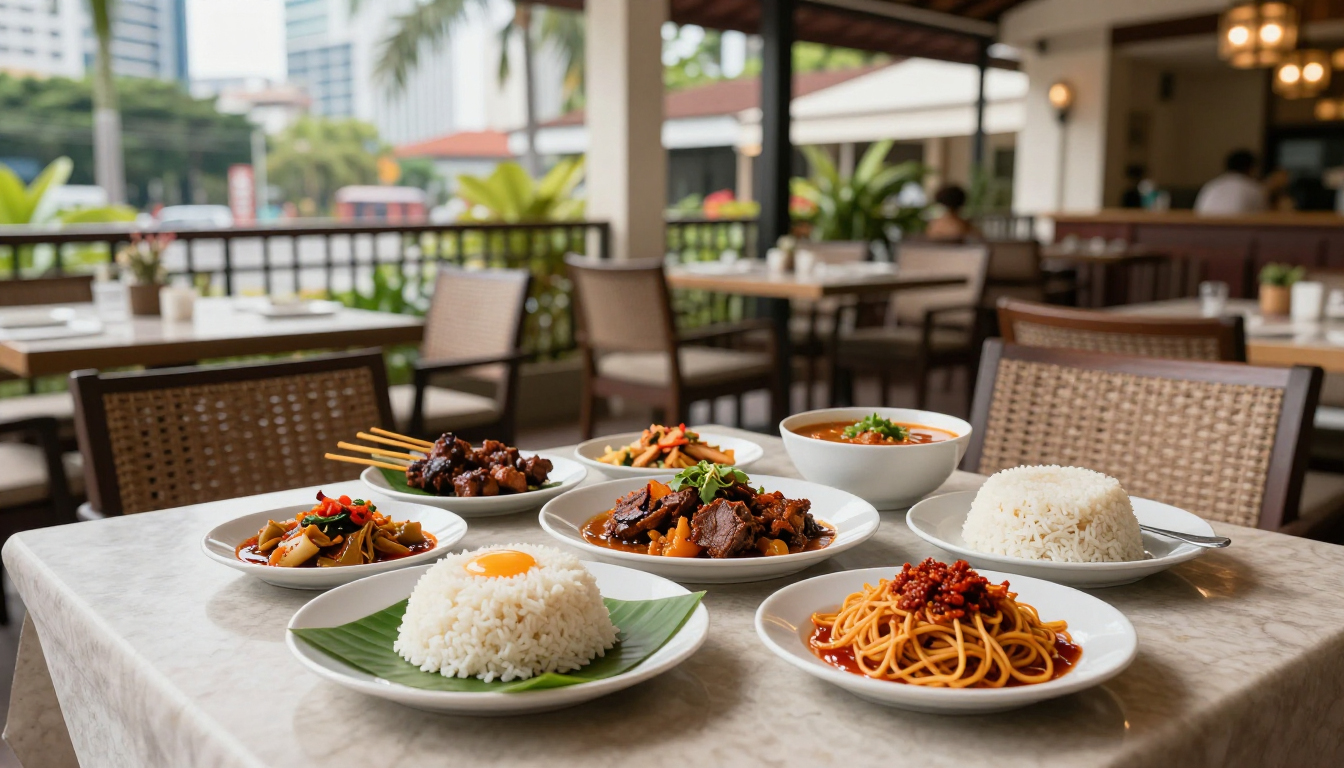
Hotels and stay areas: Kuala Lumpur also needs a food layer. Build meals around nasi lemak, char kway teow, roti canai, satay, cendol, Hainanese chicken rice, Bukit Bintang and Jalan Alor and Kampung Baru so the visitor has a reason to slow down between museums, viewpoints and transfers.
Food and restaurants: Malacca and Genting Highlands can extend the stay when there is enough time. A heritage day or overnight route south of Kuala Lumpur. A mountain resort extension for travellers who want a cooler short trip.
Penang: George Town heritage, hawker food and island coast
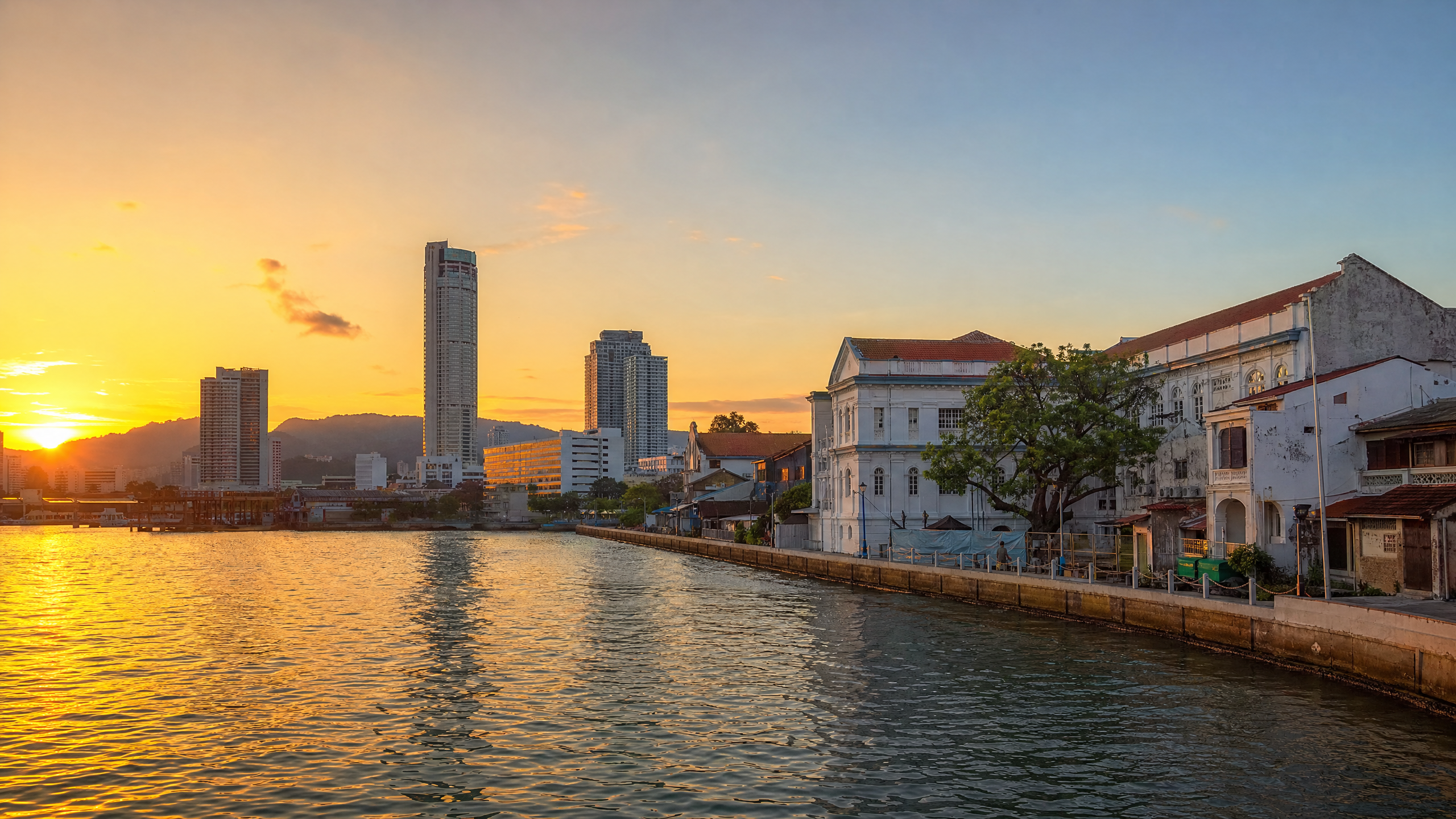
Best for: Treat Penang as the part of Malaysia where George Town heritage, hawker food and island coast becomes useful for the wider route. Penang is one of Malaysia's richest food and heritage bases, with George Town shophouses, street art, Clan Jetties, temples, markets and island coast routes. It deserves multiple meals and a slower stay, because hawker culture, Peranakan museums and hill or beach routes need more than one quick wander.
Historic landmarks: George Town UNESCO Core, Clan Jetties, Kek Lok Si Temple, Penang Hill, Pinang Peranakan Mansion and Khoo Kongsi should shape the sightseeing plan. Explore by area and keep time for food stops. Visit respectfully because these are living communities.
Museums and attractions: Choose the hotel area around George Town, Gurney Drive and Batu Ferringhi. Pick the district that makes arrival, evening movement and the first full day easier.
Hotels and stay areas: Penang also needs a food layer. Build meals around Penang laksa, char kway teow, nasi kandar, hokkien mee, cendol, rojak, George Town and Gurney and Pulau Tikus so the visitor has a reason to slow down between museums, viewpoints and transfers.
Food and restaurants: Kek Lok Si and Penang Hill and Langkawi can extend the stay when there is enough time. A natural inland route from George Town. A flight or ferry-linked island extension depending on current schedules.
Langkawi: island beaches, views and easy resort stays
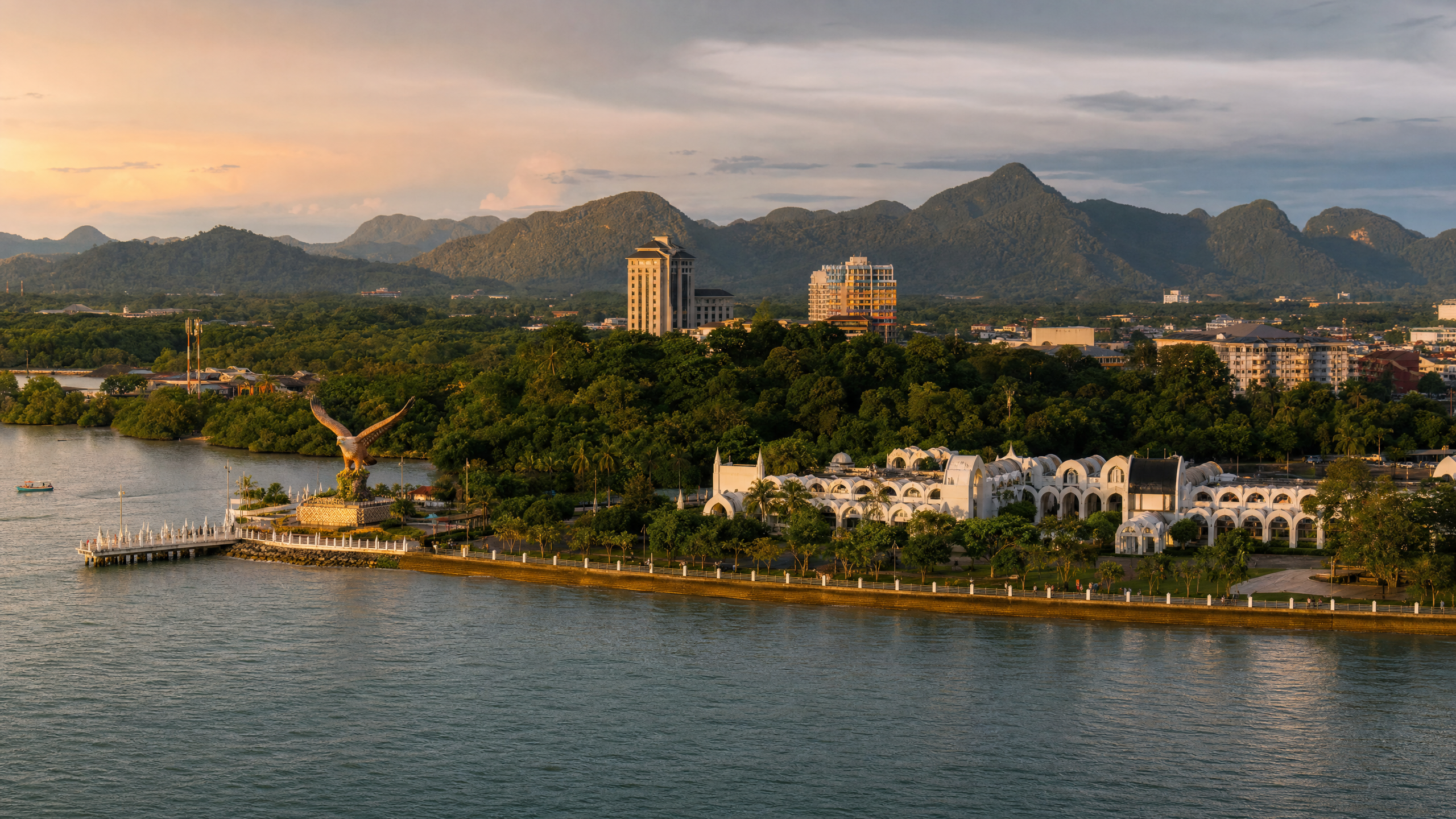
Best for: Langkawi deserves a proper place in the Malaysia plan, especially when the trip needs island beaches, views and easy resort stays. Langkawi is Malaysia's easiest peninsula-side island escape, with beaches, rainforest hills, boat trips, family resorts and a slower pace than Kuala Lumpur or Penang. It works best when travellers arrange transport, choose a beach base clearly and keep boat or viewpoint plans flexible around tropical weather.
Historic landmarks: Langkawi SkyCab and SkyBridge, Pantai Cenang, Kilim Karst Geoforest Park, Tanjung Rhu, Makam Mahsuri and Craft Cultural Complex should shape the sightseeing plan. Go early and check weather because cloud can affect views. Choose it for convenience rather than seclusion.
Museums and attractions: Choose the hotel area around Pantai Cenang, Datai or Tanjung Rhu and Kuah. Pick the district that makes arrival, evening movement and the first full day easier.
Hotels and stay areas: Langkawi also needs a food layer. Build meals around ikan bakar, laksa, nasi lemak, satay, fresh seafood, coconut desserts, Pantai Cenang and Kuah Town so the visitor has a reason to slow down between museums, viewpoints and transfers.
Food and restaurants: Penang and Kilim Geoforest Park can extend the stay when there is enough time. A natural food-and-heritage pairing with the island stay. The main nature route within Langkawi.
Malacca: river heritage, Peranakan food and short breaks
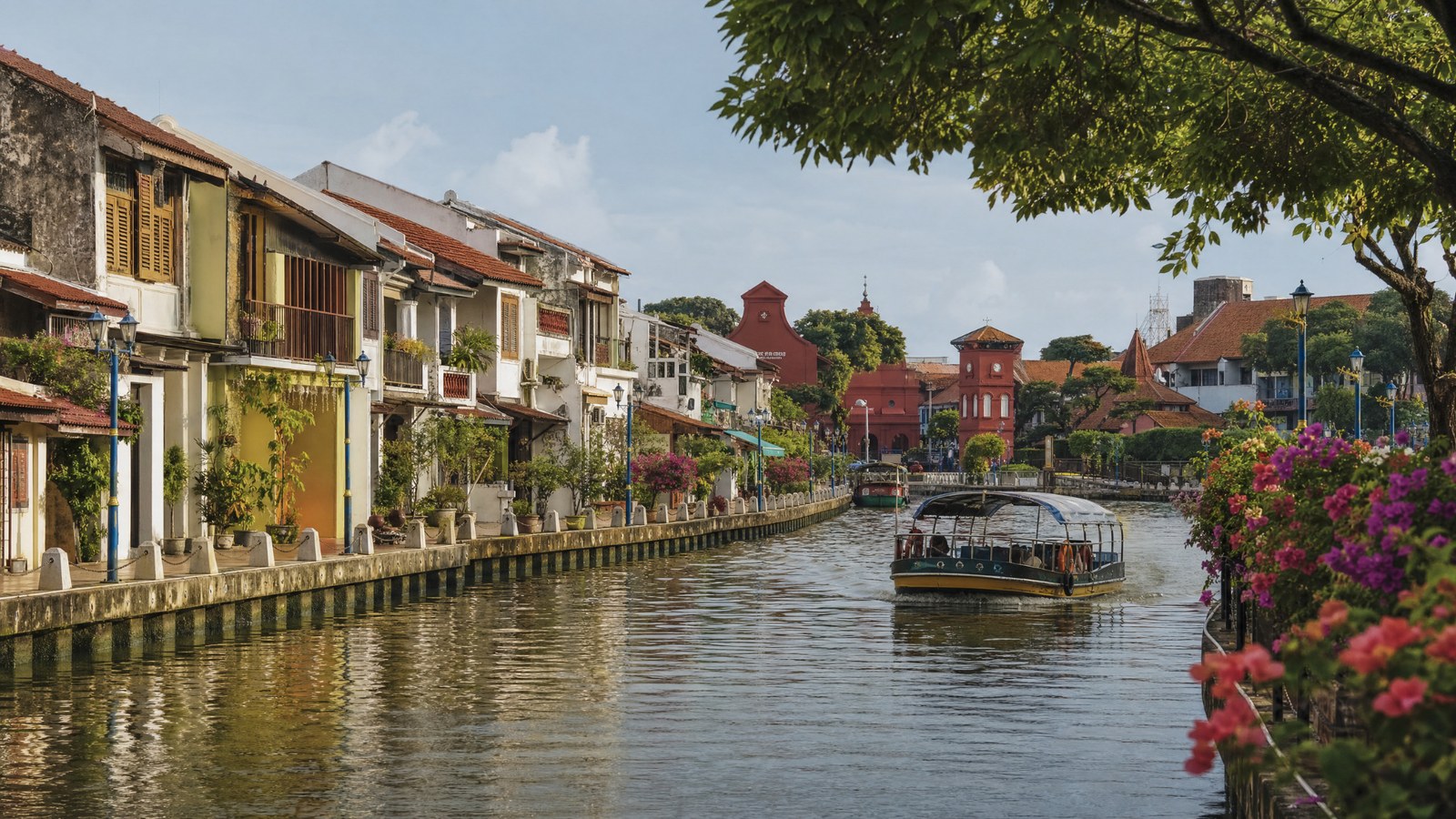
Best for: The value of Malacca is not only the headline sights; it gives the itinerary river heritage, Peranakan food and short breaks and a clearer local rhythm. Malacca is a compact heritage stop south of Kuala Lumpur, with river walks, Peranakan houses, colonial squares, night markets and food that fits well into a short route. One night makes the city more rewarding, allowing Jonker Street, museums, Riverfront meals and morning heritage walks to avoid the day-trip rush.
Historic landmarks: Jonker Street, Dutch Square and Christ Church, A Famosa and St Paul’s Hill, Malacca River Walk, Baba and Nyonya Heritage Museum and Cheng Hoon Teng Temple should shape the sightseeing plan. Check market nights before planning the evening. Use it as a starting point, then move into side streets.
Museums and attractions: Choose the hotel area around Jonker Street Area, Riverfront and Modern City Edge. Pick the district that makes arrival, evening movement and the first full day easier.
Hotels and stay areas: Malacca also needs a food layer. Build meals around Nyonya laksa, chicken rice balls, cendol, satay celup, kueh, asam pedas, Jonker Street and Riverfront so the visitor has a reason to slow down between museums, viewpoints and transfers.
Food and restaurants: Kuala Lumpur and Johor Bahru or Singapore can extend the stay when there is enough time. The main arrival and onward base for Malacca. A longer southbound route for wider regional trips.

Sabah and Malaysian Borneo: rainforest, islands and wildlife planning
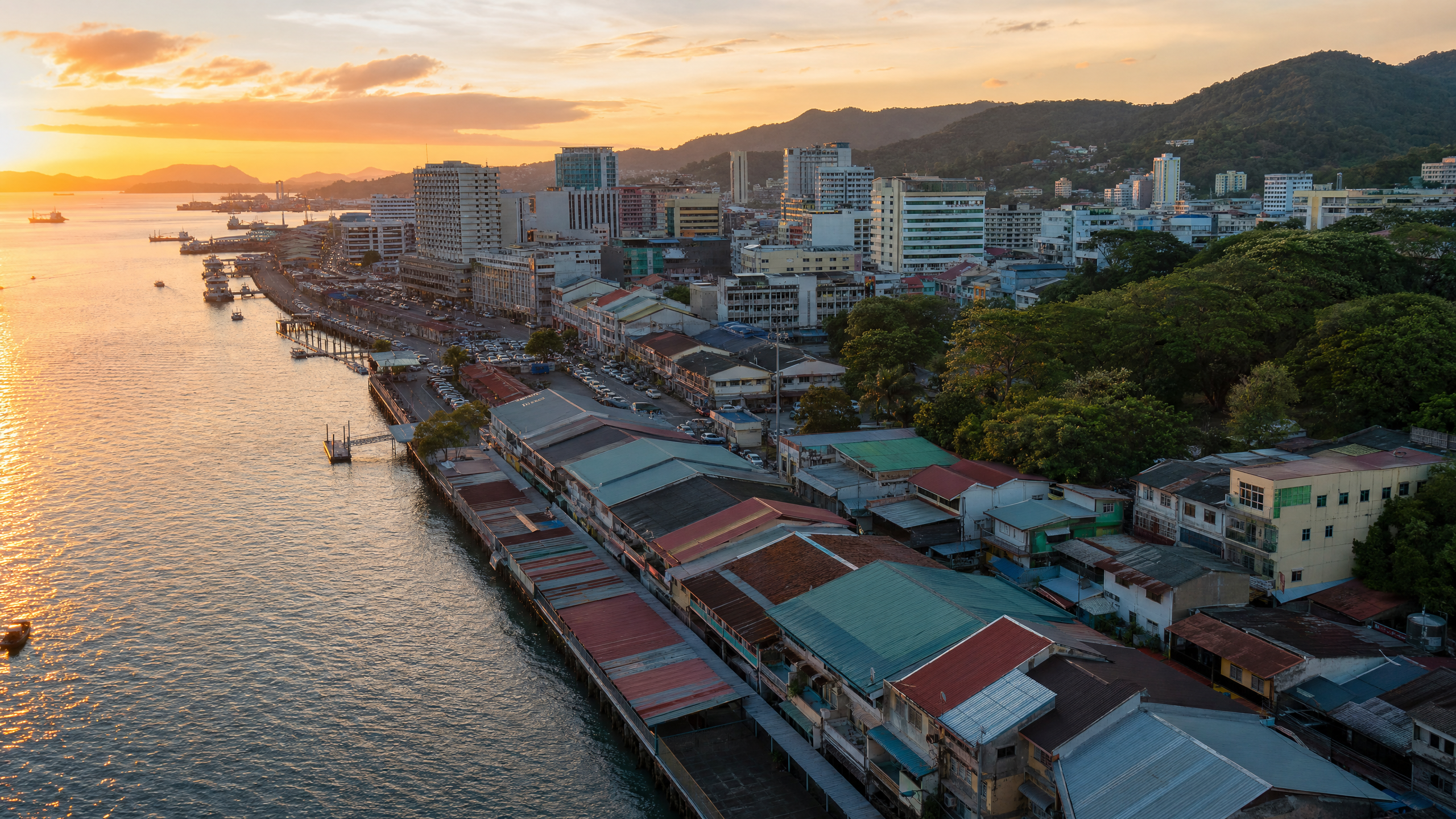
Best for: For Sabah and Malaysian Borneo, the first decision is pace: give the city enough room to show its rainforest, islands and wildlife planning. Sabah is Malaysia's flight-based Nature Extension, with Kota Kinabalu, islands, Mount Kinabalu views, wildlife routes and rainforest experiences that need responsible planning. It should be treated as a separate Borneo chapter, with reef rules, wildlife ethics, weather and internal travel decided before booking short stays.
Historic landmarks: Kota Kinabalu Waterfront, Kinabalu Park, Tunku Abdul Rahman Marine Park, Sepilok Area, Sabah State Museum and Mari Mari Cultural Village should shape the sightseeing plan. Use it before moving to islands or inland routes. Plan with weather and realistic travel times.
Museums and attractions: Choose the hotel area around Kota Kinabalu, Kinabalu Park Area and Sandakan or Sepilok. Pick the district that makes arrival, evening movement and the first full day easier.
Hotels and stay areas: Sabah and Malaysian Borneo also needs a food layer. Build meals around seafood noodles, hinava, tuaran mee, satay, tropical fruit, laksa, Kota Kinabalu Waterfront and Gaya Street Area so the visitor has a reason to slow down between museums, viewpoints and transfers.
Food and restaurants: Kota Kinabalu Islands and Sepilok and Sandakan can extend the stay when there is enough time. The easiest marine route from the city. The main wildlife extension for longer Sabah trips.

Food, Culture and Route Ideas for Malaysia
Food route: Food courts, coffee shops and night markets make everyday meals one of the main travel experiences. Mosques, temples, churches and festivals sit close together in many cities. Heat, rain and island seasons should shape walking routes and transfer days. This is where food, culture and route planning should work together.
Food, wine and restaurants: Build meals around nasi lemak, char kway teow, roti canai, satay, cendol, Hainanese chicken rice and Penang laksa and keep them close to Bukit Bintang and Jalan Alor, Kampung Baru, Brickfields, George Town and Gurney and Pulau Tikus.
Popular experiences: Use Kuala Lumpur first, then choose Penang or Malacca for food and heritage before adding an island stay. Pair Penang and Malacca with Kuala Lumpur when street food, shophouses and Peranakan culture matter most. Keep the route disciplined: one clear hotel area, one strong regional layer and one food or culture experience will usually feel better than trying to touch every possible stop.
Planning rule: Use bookings in a clean order: choose the hotel area first, then add attraction tickets, food tours, guided days and local experiences where they make the journey easier, richer and more realistic.