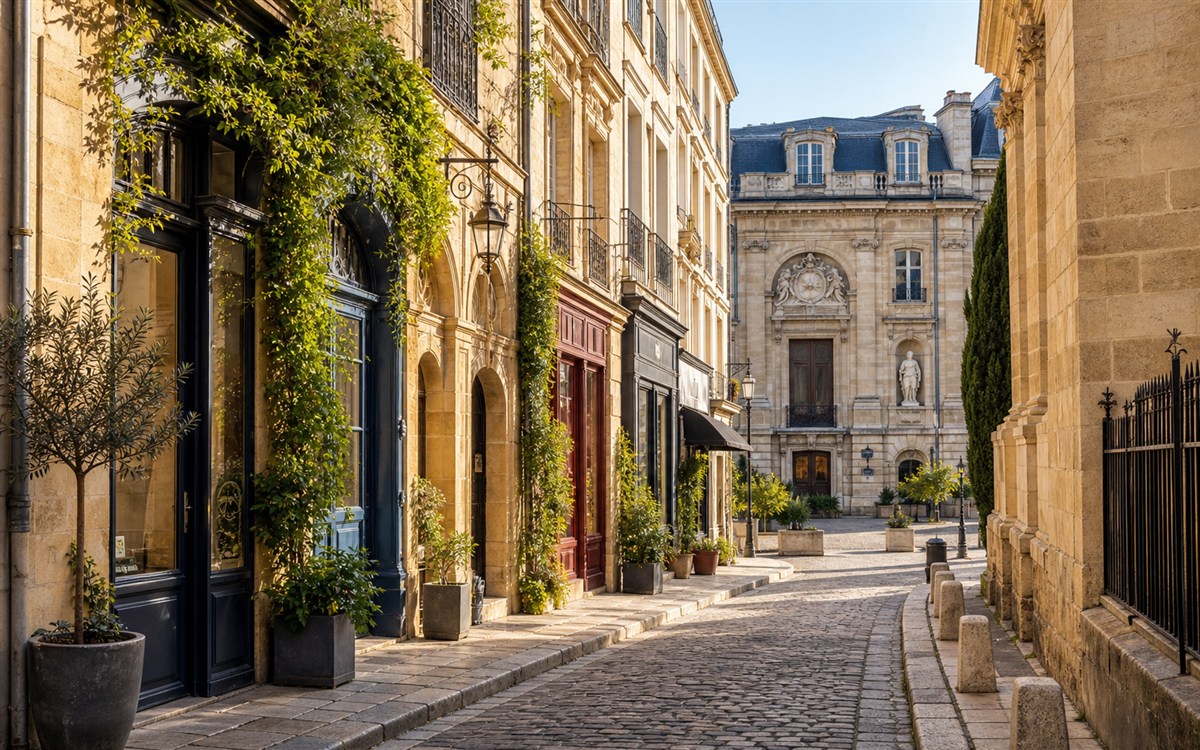
Lithuania Travel, Structured Around Vilnius, Castles, Coast and Heritage
Plan Lithuania through Vilnius, Kaunas, Klaipeda, Trakai, Curonian Spit, old towns, castles, food, hotels, rail routes and Baltic regional planning.
Start Planning LithuaniaLithuania Travel Guide: Routes, Stay Bases, Culture and Experiences
Trip shape: A good Lithuania plan starts by removing noise, then adding only what fits. Let Vilnius, Kaunas, Klaipeda and the Curonian Spit and Trakai carry the easy first days, then use Trakai, Curonian Spit, Aukštaitija and First Lithuania Trip for depth when the schedule has enough space.
Best for: Trakai, Curonian Spit, Aukštaitija and First Lithuania Trip give Lithuania its deeper travel layer. Some visitors need one main city and one day trip; others should slow down, split the journey and give the strongest region its own nights.
Planning rule: Start with arrival logic, season and the first overnight point, then add the experiences that genuinely deserve advance planning. Museums, landmarks, guided tours, food walks, local neighbourhoods and coastal or countryside days should be grouped by geography and timing.
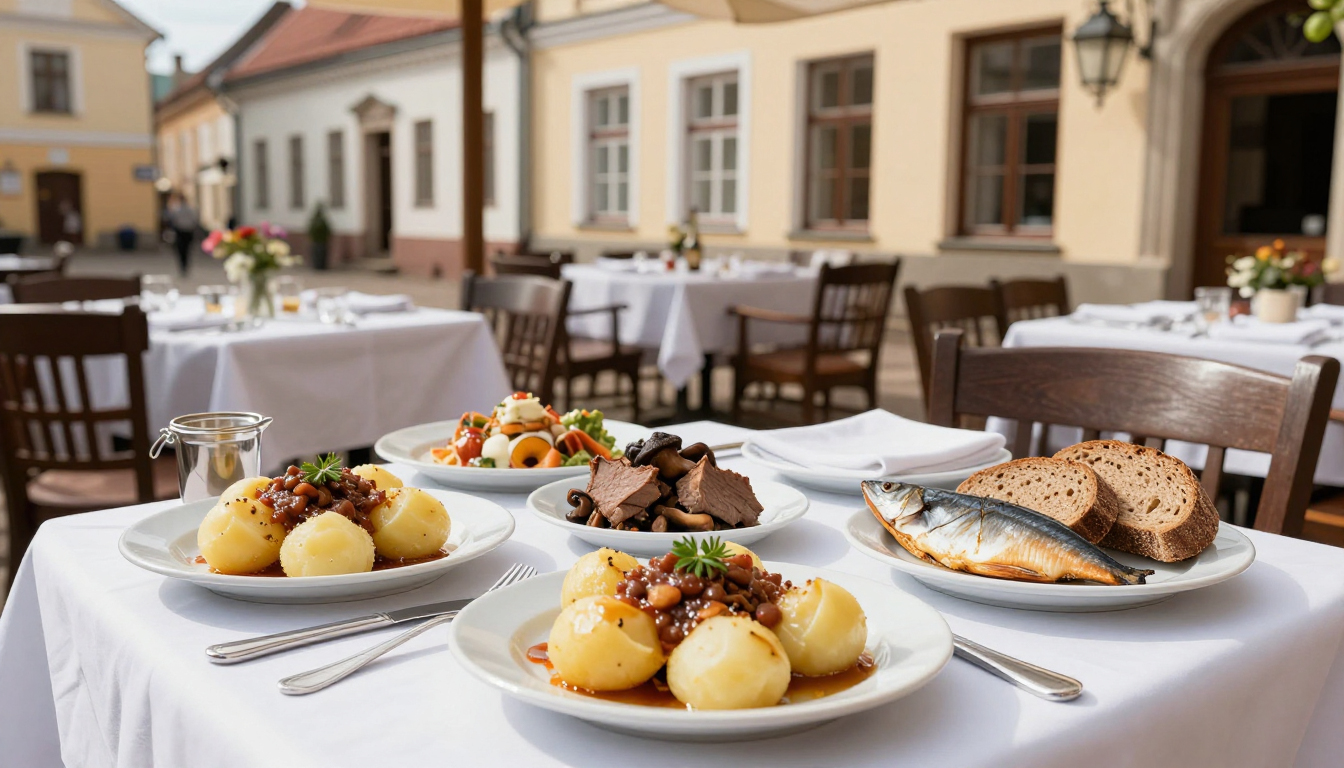
Route logic: Potato dishes, rye bread, soups, curd snacks and smoked fish give food a strong regional character. Churches, festivals, crafts and song traditions are visible in cities and smaller towns. Keep food close to the chosen hotel area where possible: the best meals often come from market streets, harbour areas, old-town restaurants and neighbourhoods already inside the day’s route.
Vilnius: baroque old town, museums and Lithuania first base
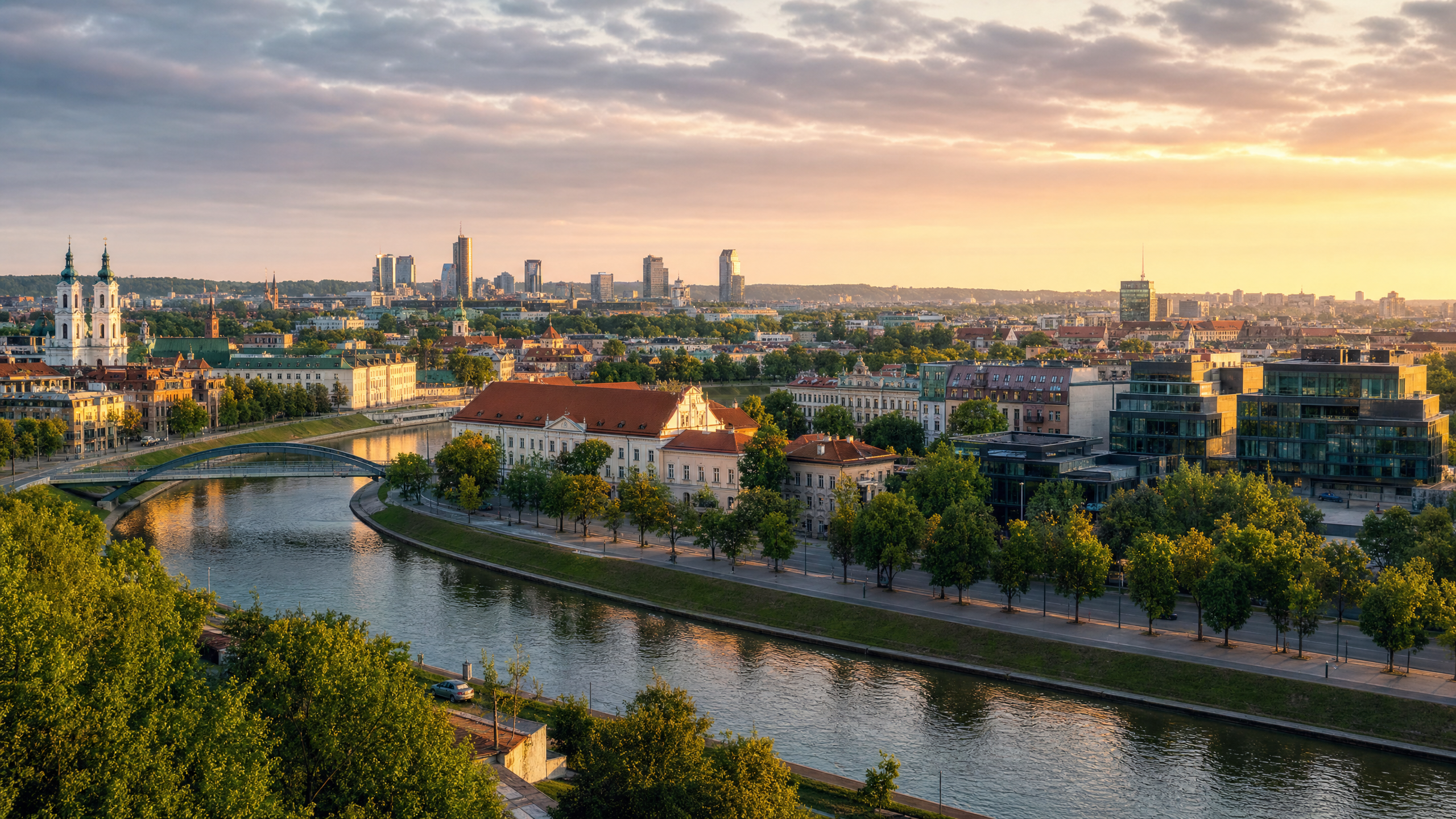
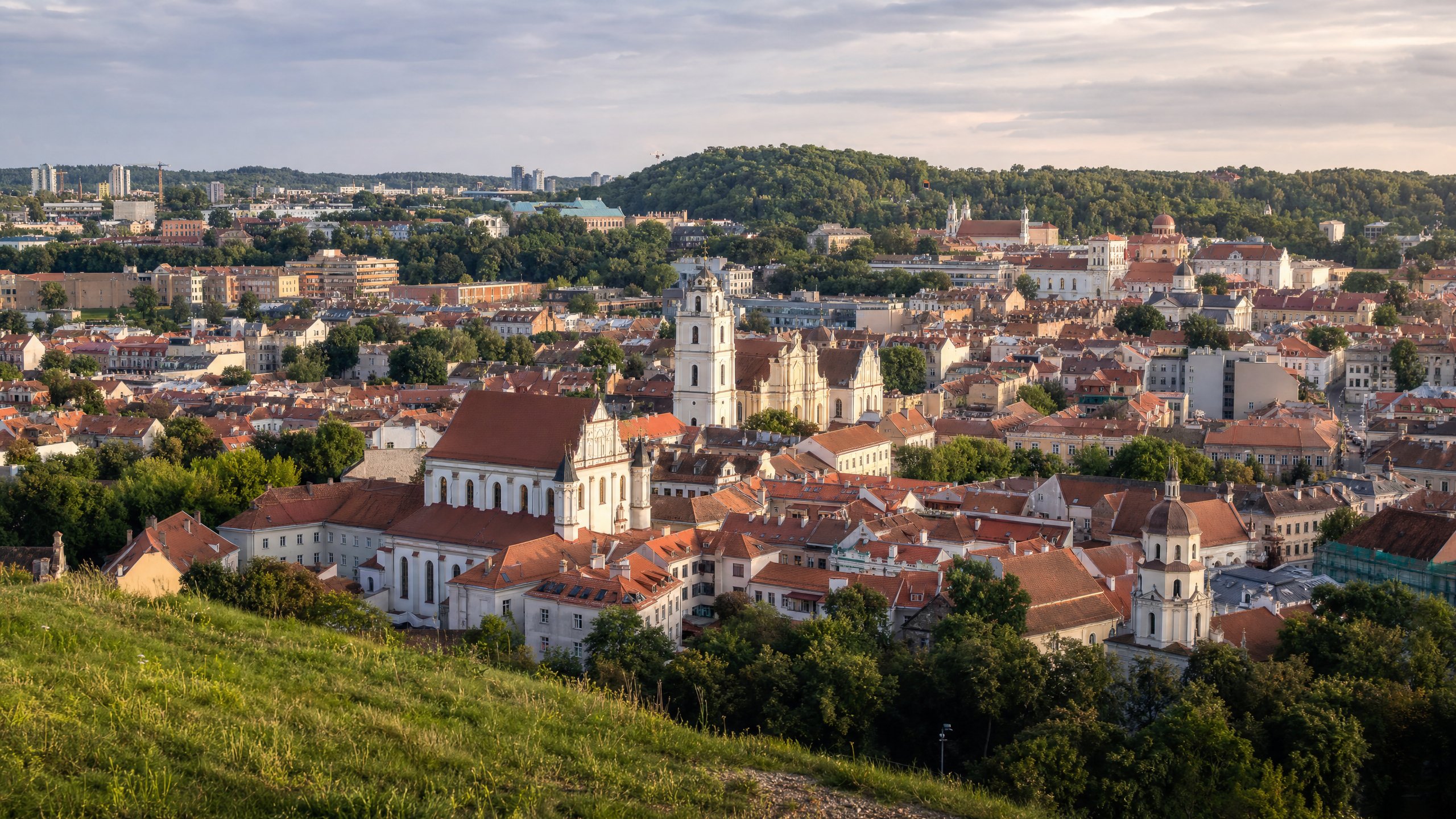
Best for: Vilnius deserves a proper place in the Lithuania plan, especially when the trip needs baroque old town, museums and Lithuania first base. Vilnius is Lithuania’s natural first base, with a large Old Town, hill viewpoints, churches, museums, food streets and day-trip access to Trakai. It works best when travellers group the Old Town, Užupis, Gediminas Hill, museums and local dining into walkable days before deciding whether Kaunas or the coast deserves extra nights.
Historic landmarks: Vilnius Old Town, Gediminas Hill, Gate of Dawn, Uzupis, Palace of the Grand Dukes and MO Museum should shape the sightseeing plan. Explore by area rather than trying to cover every lane at once. Use it early for orientation.
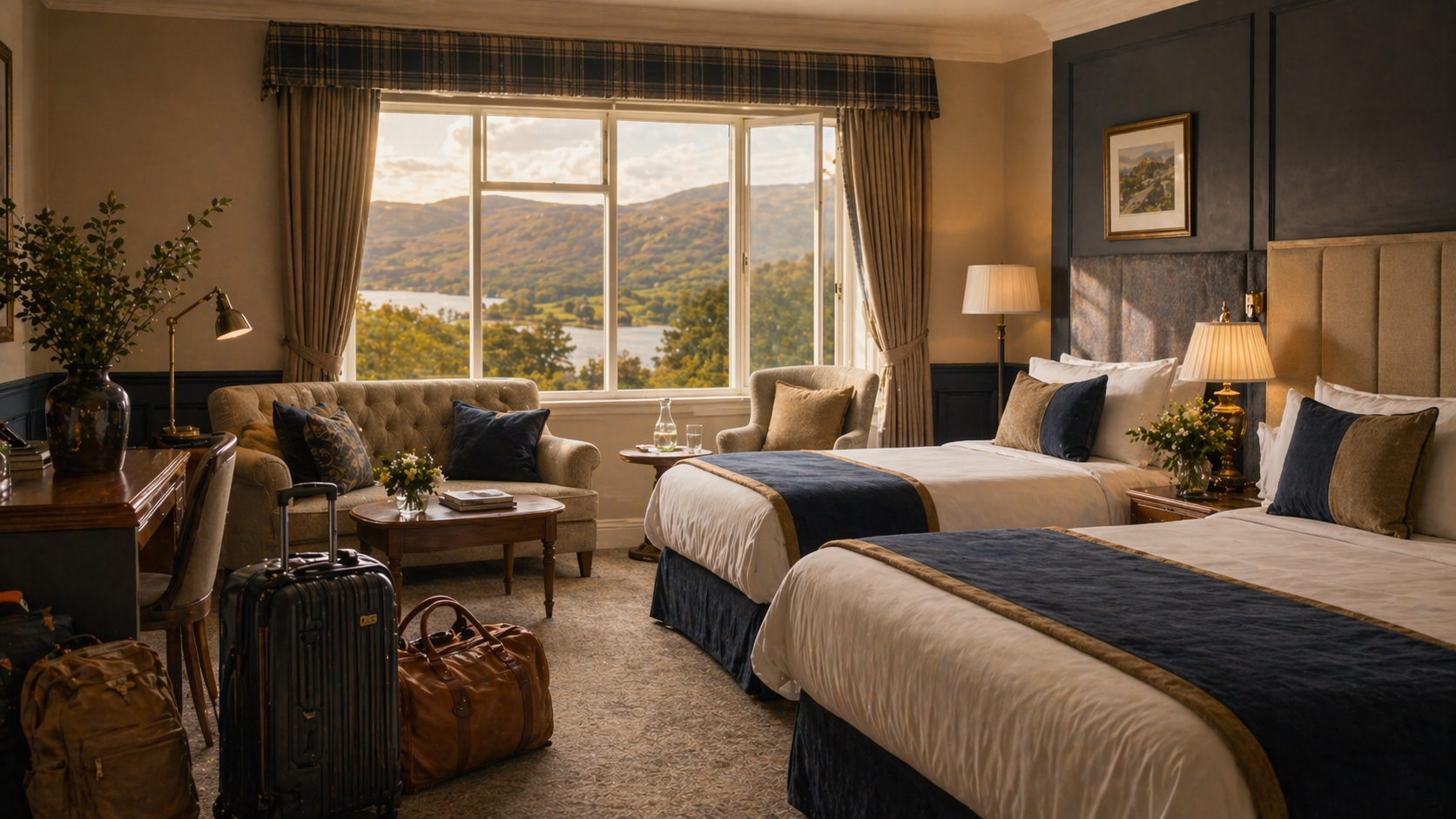
Museums and attractions: Choose the hotel area around Old Town, Gediminas Avenue / Centre and Uzupis Edge. Pick the district that makes arrival, evening movement and the first full day easier.
Hotels and stay areas: Vilnius also needs a food layer. Build meals around cepelinai, cold beet soup, rye bread, kibinai, curd snacks, Old Town, Uzupis and Hales Market Area so the visitor has a reason to slow down between museums, viewpoints and transfers.
Food and restaurants: Trakai and Kaunas can extend the stay when there is enough time. A castle and lake day close to Vilnius. A rail-linked second city that deserves an overnight if architecture matters.
Kaunas: modernist architecture, rivers and second-city culture
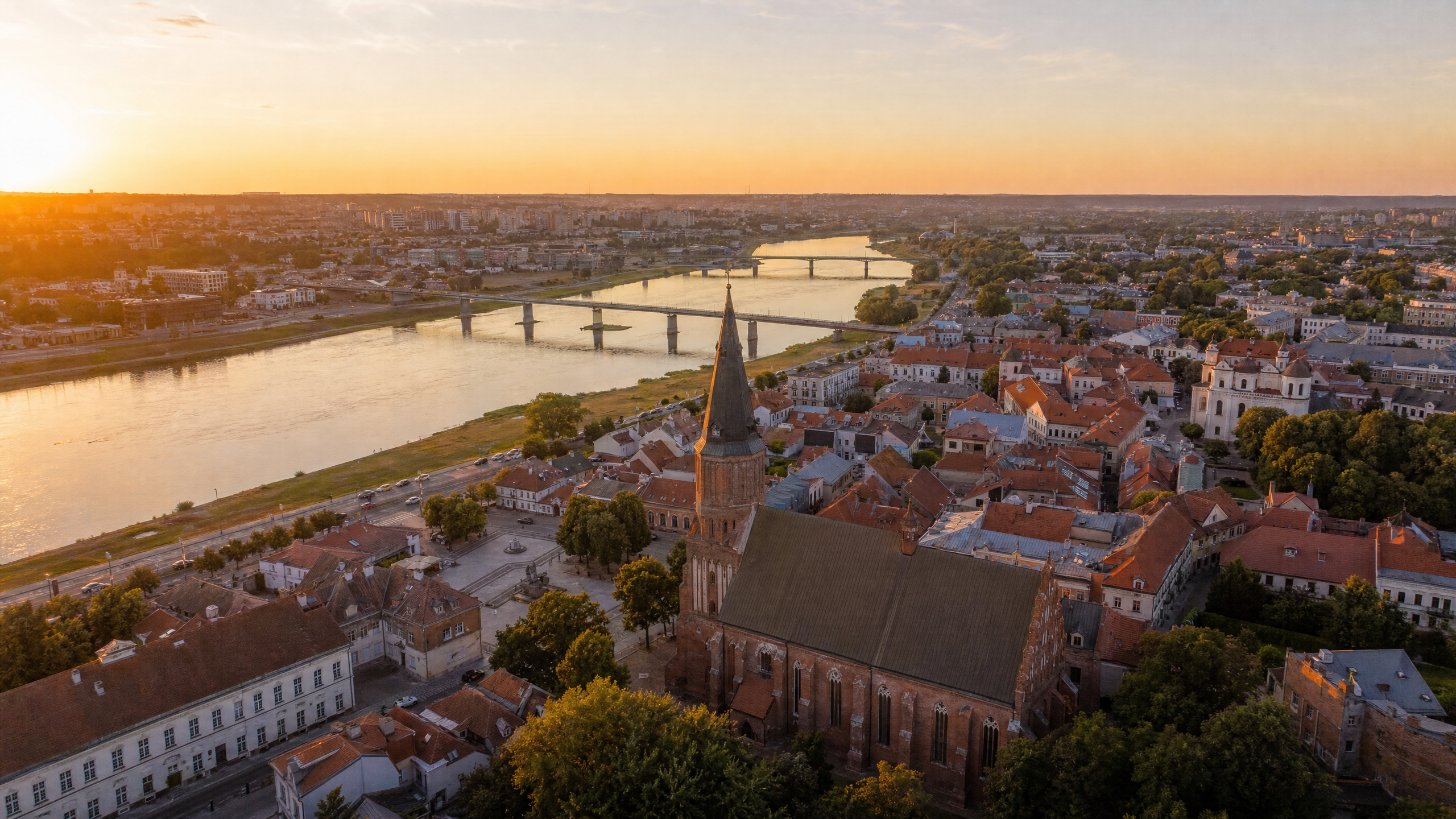
Best for: Treat Kaunas as the part of Lithuania where modernist architecture, rivers and second-city culture becomes useful for the wider route. Kaunas adds a different Lithuanian city chapter, with interwar modernist architecture, a walkable Old Town, museums, river setting and a less capital-focused rhythm. It suits travellers who want design, cafes and local pace, pairing Laisvės Avenue, modernist buildings, river walks and museums as a purposeful second city stay.
Historic landmarks: Laisves Aleja, Kaunas Old Town, Kaunas Castle, Modernist Architecture Route, M. K. Ciurlionis National Museum of Art and Ninth Fort Museum should shape the sightseeing plan. Use it as the main walking spine. Pair with castle and riverside walking.
Museums and attractions: Choose the hotel area around Laisves Aleja Area, Old Town and Station Side. Pick the district that makes arrival, evening movement and the first full day easier.
Hotels and stay areas: Kaunas also needs a food layer. Build meals around cepelinai, kepta duona, rye bread, cold beet soup, local beer, Laisves Aleja and Old Town so the visitor has a reason to slow down between museums, viewpoints and transfers.
Food and restaurants: Vilnius and Pazaislis Monastery can extend the stay when there is enough time. The natural city pairing by rail. A strong heritage stop near the reservoir outside Kaunas.
Klaipeda and the Curonian Spit: Baltic port, dunes and smoked-fish coast
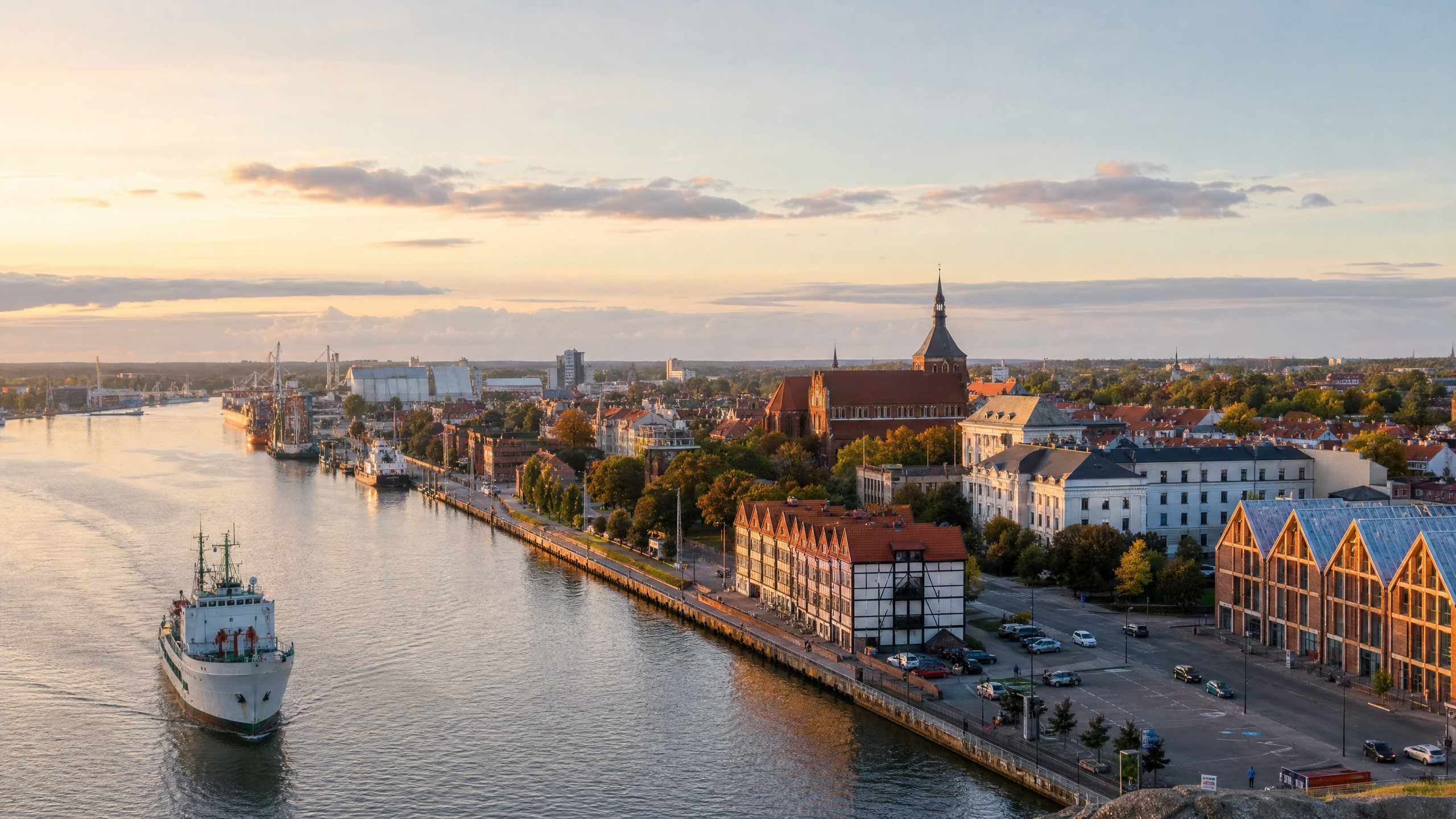
Best for: The value of Klaipeda and the Curonian Spit is not only the headline sights; it gives the itinerary Baltic port, dunes and smoked-fish coast and a clearer local rhythm. Klaipeda and the Curonian Spit give Lithuania its coastal chapter, with a port city, ferry movement, dunes, pine forests, fishing villages and Baltic beaches. It works best when travellers treat the ferry, Nida or Juodkrante, beach time, cycling and seafood as a regional stay rather than a hurried add-on from Vilnius.
Historic landmarks: Klaipeda Old Town, Ferry to Smiltyne, Nida and Parnidis Dune, Curonian Spit Beaches and Forests, Lithuanian Sea Museum and Thomas Mann Museum should shape the sightseeing plan. Use it as the mainland base before the spit. Check ferry timing and onward transport.
Museums and attractions: Choose the hotel area around Klaipeda, Nida and Juodkrante. Pick the district that makes arrival, evening movement and the first full day easier.
Hotels and stay areas: Klaipeda and the Curonian Spit also needs a food layer. Build meals around smoked fish, fish soup, rye bread, curd snacks, local beer, Klaipeda Old Town, Nida and Juodkrante so the visitor has a reason to slow down between museums, viewpoints and transfers.
Food and restaurants: Palanga and Riga or Liepaja can extend the stay when there is enough time. A resort-town extension north of Klaipeda. A Baltic coast continuation if crossing into Latvia.
Trakai: lake castle, Karaim food and Vilnius day route
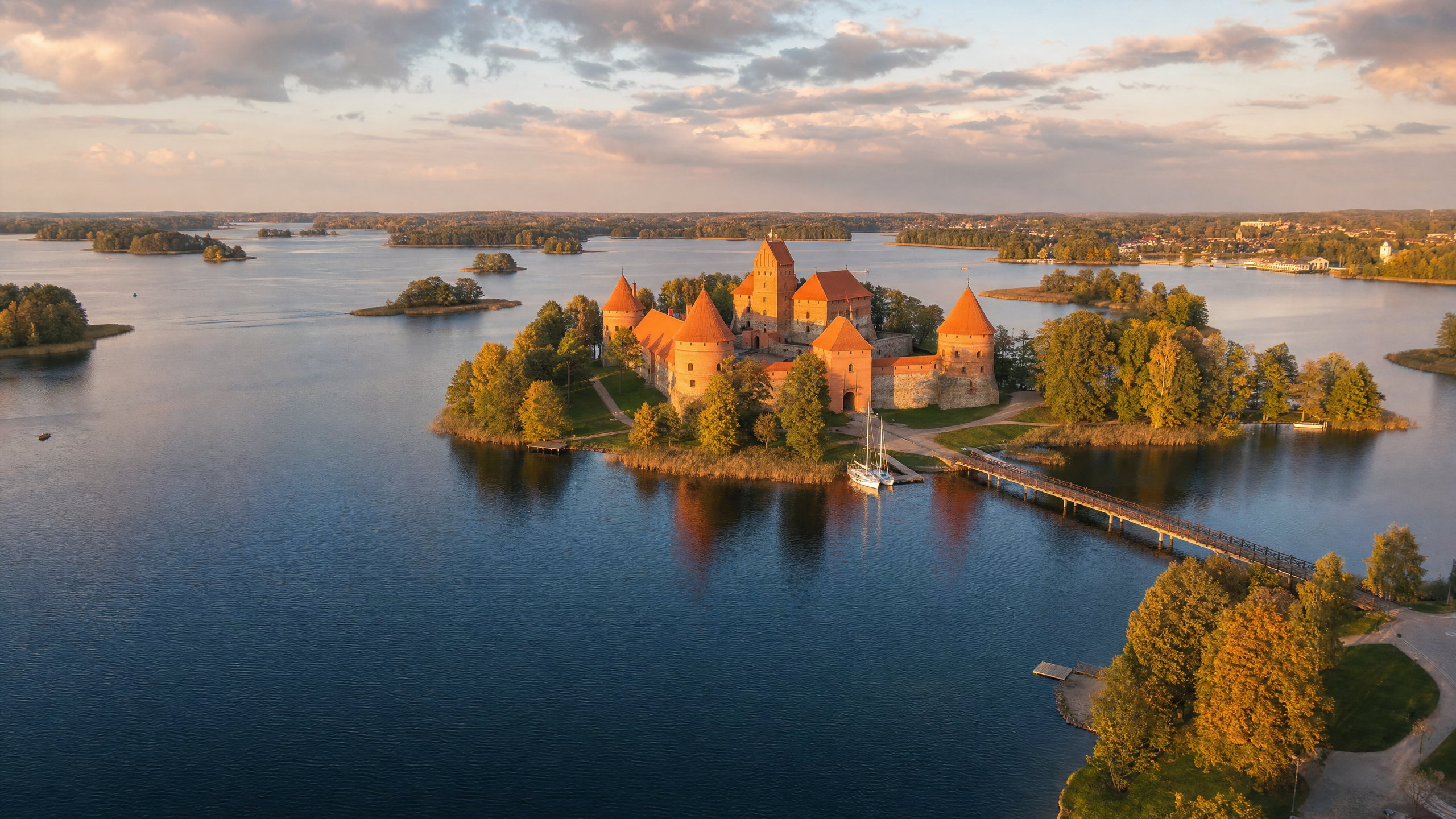
Best for: Trakai works better as a lived-in stop than as a fast photo pin, with lake castle, Karaim food and Vilnius day route shaping the day. Trakai is the easiest heritage-and-lake route from Vilnius, with an island castle, lake scenery, boat options and Karaim food traditions. Use it as a measured day route, giving time for the castle, lakeside walks, lunch and seasonal boating instead of reducing it to a single photo stop.
Historic landmarks: Trakai Island Castle, Lake Galve, Karaim Street, Trakai Historical National Park, Trakai History Museum and Karaim Ethnographic Exhibition should shape the sightseeing plan. Go early if visiting in peak season. Allow time for walking or boating.
Museums and attractions: Choose the hotel area around Vilnius Base and Trakai Lakeside. Pick the district that makes arrival, evening movement and the first full day easier.
Hotels and stay areas: Trakai also needs a food layer. Build meals around kibinai, fish dishes, soups, rye bread, berry desserts, Castle Approach and Karaim Street so the visitor has a reason to slow down between museums, viewpoints and transfers.
Food and restaurants: Vilnius and Aukstaitija National Park can extend the stay when there is enough time. The natural base for most Trakai visits. A deeper lake-and-forest route for longer Lithuania trips.
Food, Culture and Route Ideas for Lithuania
Food route: Potato dishes, rye bread, soups, curd snacks and smoked fish give food a strong regional character. Churches, festivals, crafts and song traditions are visible in cities and smaller towns. Nature works best as a planned pause, not a rushed extra after old-town sightseeing. This is where food, culture and route planning should work together.
Food, wine and restaurants: Build meals around cepelinai, cold beet soup, rye bread, kibinai, curd snacks, kepta duona and local beer and keep them close to Old Town, Uzupis, Hales Market Area, Laisves Aleja and Klaipeda Old Town.
Popular experiences: Use Vilnius as the base, then add Trakai and Kaunas before deciding whether the coast deserves extra nights. Vilnius and Kaunas work well together when museums, architecture and cafes are the focus. Keep the route disciplined: one clear hotel area, one strong regional layer and one food or culture experience will usually feel better than trying to touch every possible stop.
Planning rule: Use bookings in a clean order: choose the hotel area first, then add attraction tickets, food tours, guided days and local experiences where they make the journey easier, richer and more realistic.