Latvia Travel, Structured Around Riga, Coast and Baltic Nature
Plan Latvia through Riga, Jurmala, Gauja National Park, Liepaja, castles, Art Nouveau streets, forests, beaches, hotels, rail and regional routes.
Start Planning LatviaLatvia Travel Guide: Routes, Stay Bases, Culture and Experiences
Trip shape: Build Latvia from the ground up: arrival, hotel area, movement, then experiences. Let Riga, Jurmala, Gauja National Park and Sigulda and Liepaja carry the easy first days, then use Gauja National Park, Kurzeme Coast, Riga Region and First Latvia Trip for depth when the schedule has enough space.
Best for: Gauja National Park, Kurzeme Coast, Riga Region and First Latvia Trip give Latvia its deeper travel layer. Some visitors need one main city and one day trip; others should slow down, split the journey and give the strongest region its own nights.
Planning rule: Start with arrival logic, season and the first overnight point, then add the experiences that genuinely deserve advance planning. Museums, landmarks, guided tours, food walks, local neighbourhoods and coastal or countryside days should be grouped by geography and timing.
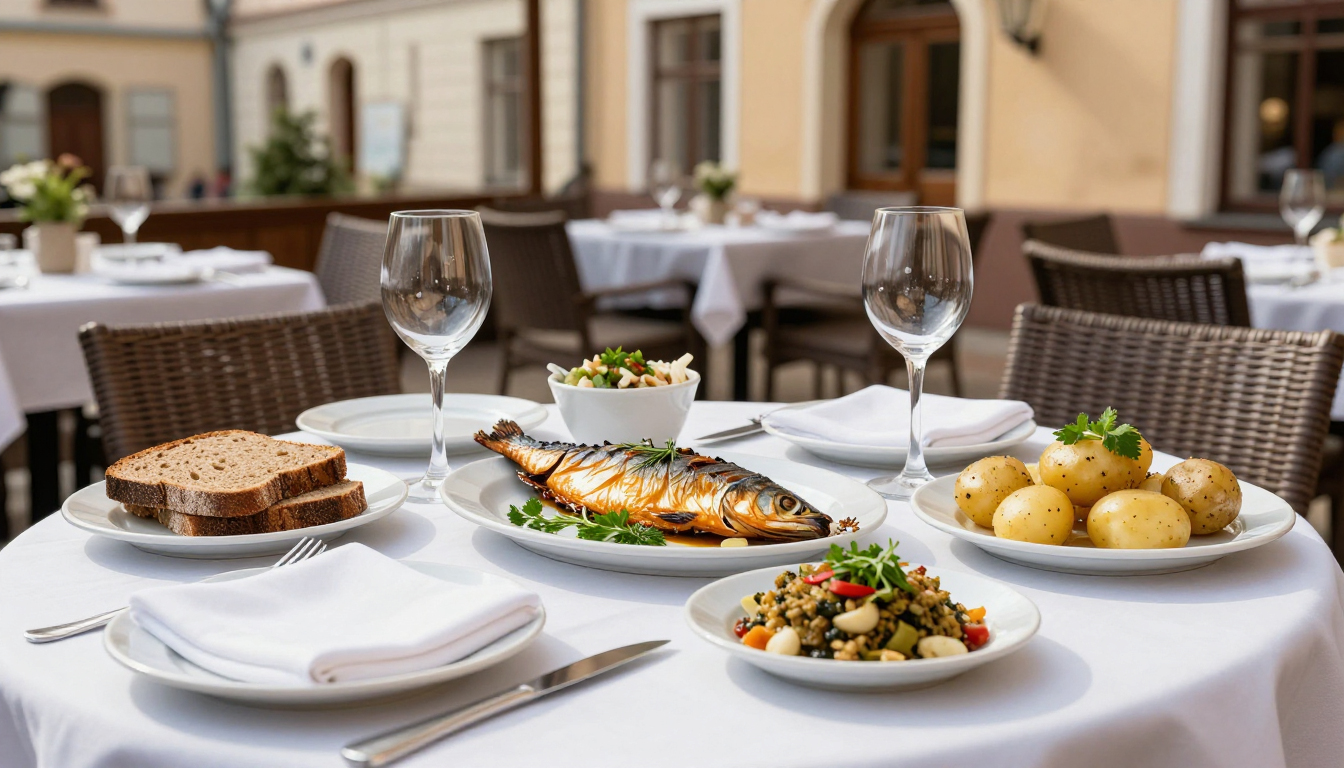
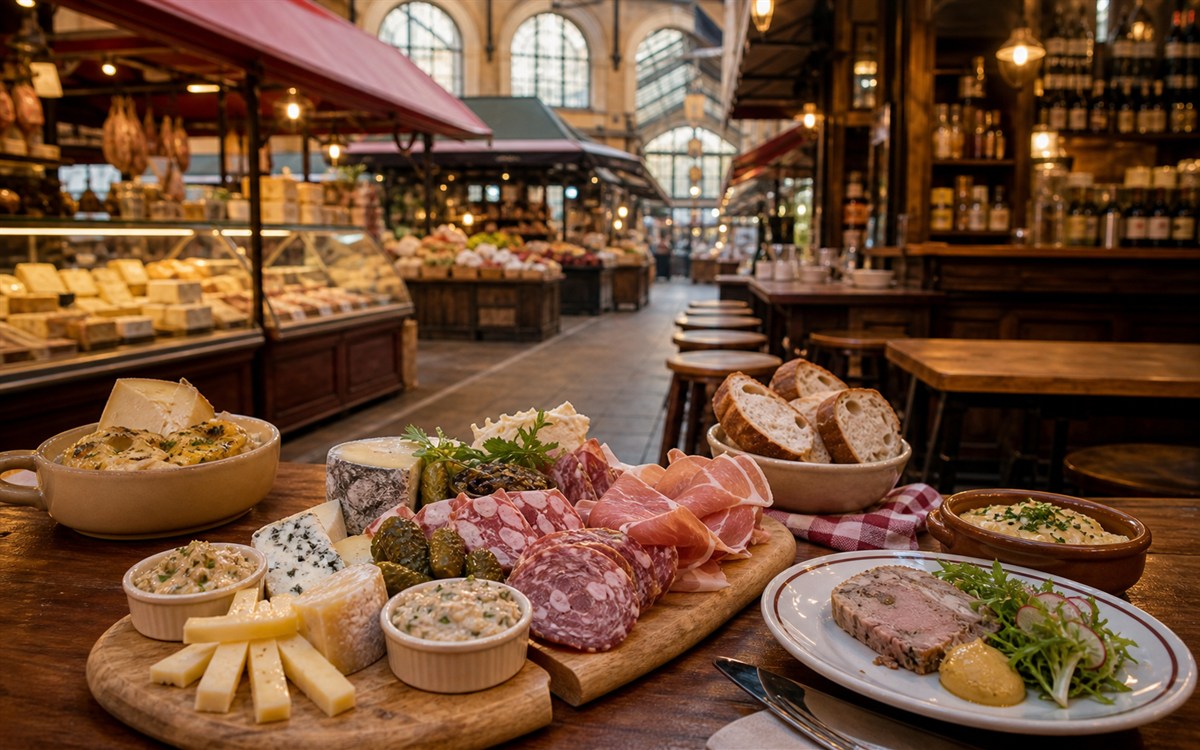
Route logic: rye bread, smoked fish, dairy, berries and market halls shape Latvian food days. Folk music, midsummer traditions and seasonal festivals are central to Latvian identity. Keep food close to the chosen hotel area where possible: the best meals often come from market streets, harbour areas, old-town restaurants and neighbourhoods already inside the day’s route.
Riga: Art Nouveau, markets and Baltic capital energy
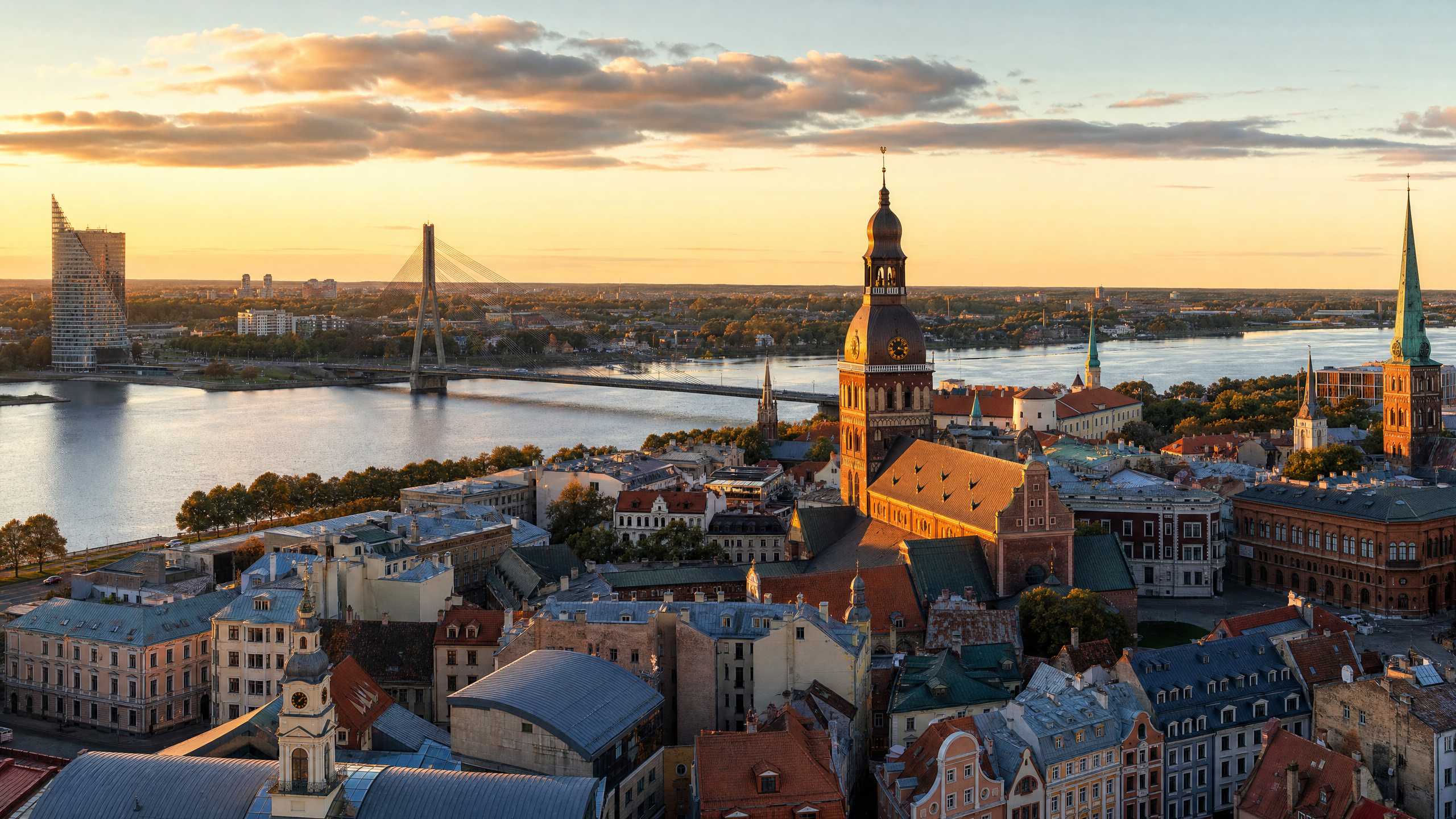
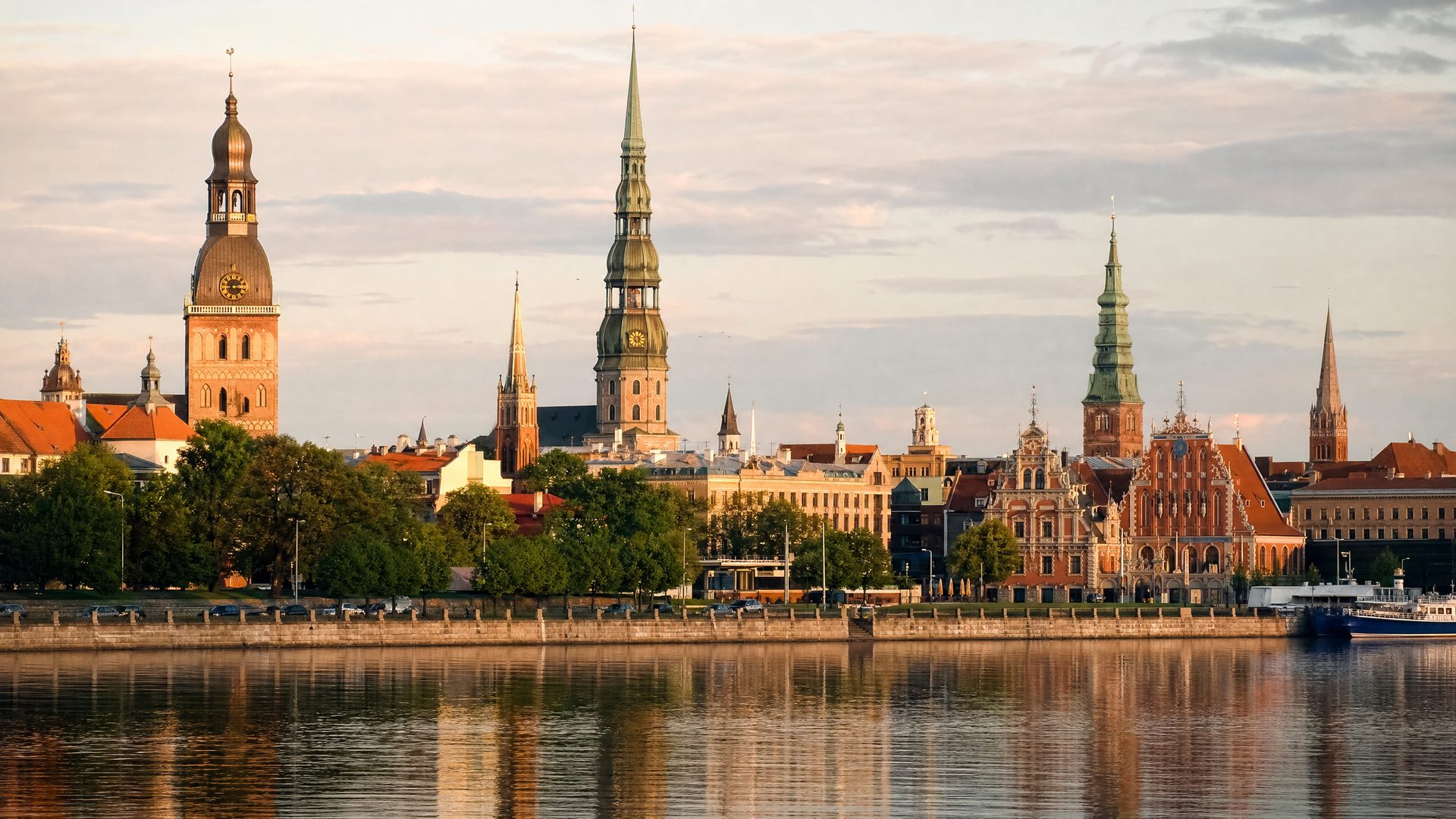
Best for: For Riga, the first decision is pace: give the city enough room to show its Art Nouveau, markets and Baltic capital energy. Riga is Latvia’s strongest base, combining a handsome Old Town, Art Nouveau streets, huge market halls, river walks and easy access to coast or forest day trips. It works best when travellers separate old-town time, Art Nouveau streets, market meals, museums and Daugava walks, then choose either beach or forest rather than both on a short stay.
Historic landmarks: Riga Old Town, Art Nouveau District, Riga Central Market, Daugava Riverfront, Latvian National Museum of Art and Museum of the Occupation of Latvia should shape the sightseeing plan. Explore on foot and leave time for side streets. Use a focused walk around Alberta iela and nearby streets.
Museums and attractions: Choose the hotel area around Old Town, Quiet Centre and Near Central Station. Pick the district that makes arrival, evening movement and the first full day easier.
Hotels and stay areas: Riga also needs a food layer. Build meals around rye bread, smoked fish, grey peas, honey cake, Latvian beer, Old Town, Central Market and Art Nouveau / Quiet Centre so the visitor has a reason to slow down between museums, viewpoints and transfers.
Food and restaurants: Jurmala and Sigulda and Gauja can extend the stay when there is enough time. A simple beach and spa day from Riga. A forest and castle route that needs a fuller day.
Plan this part of the trip

Jurmala: Baltic beach, wooden villas and spa stays
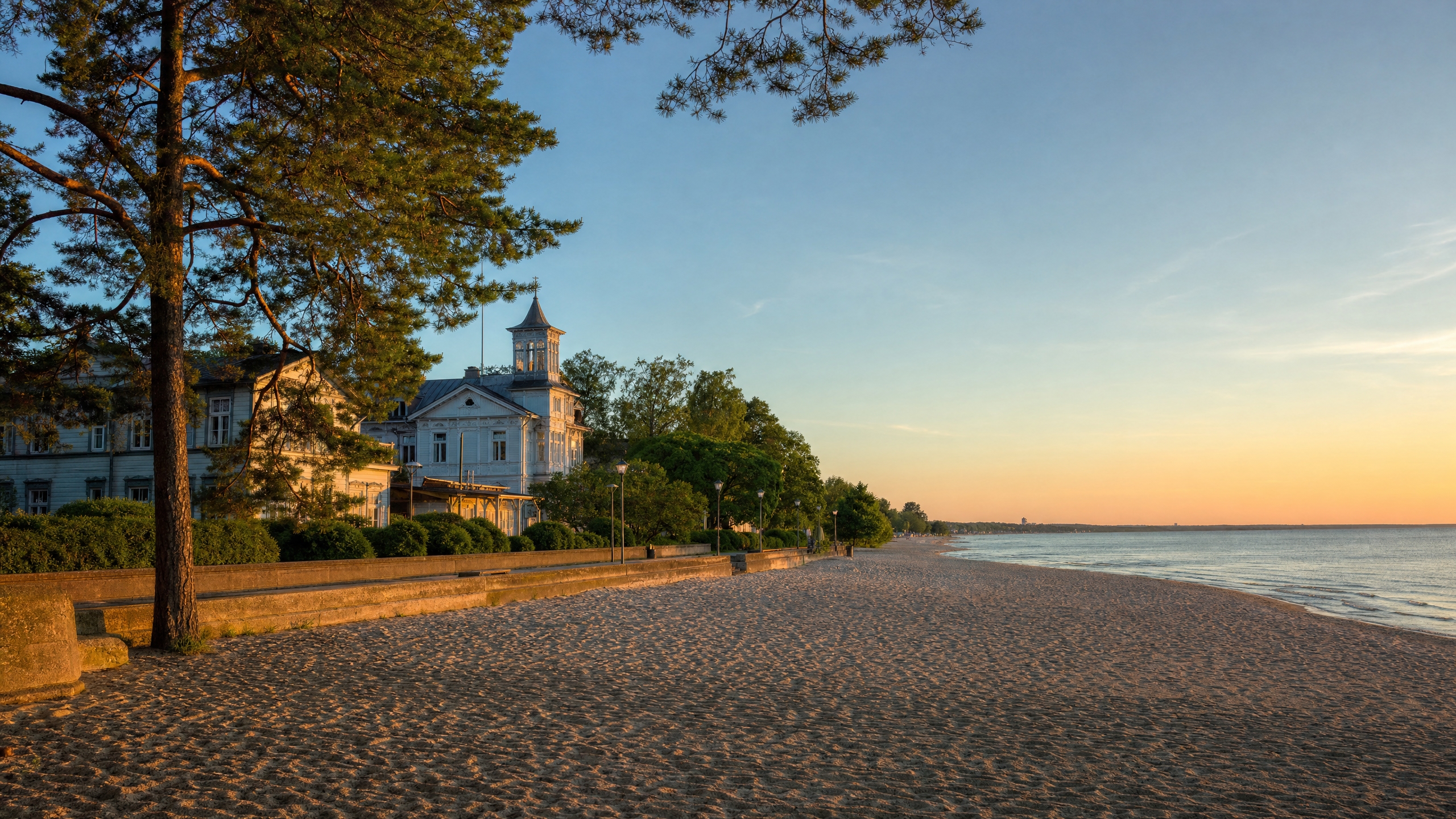
Best for: Jurmala deserves a proper place in the Latvia plan, especially when the trip needs Baltic beach, wooden villas and spa stays. Jurmala is Latvia’s easiest coastal escape, with long sandy beaches, wooden villas, spa hotels, pine forests and straightforward access from Riga. Use it as a soft weather-led extension where train timing, beach walks, spa time, summer crowds and relaxed meals decide whether it is a day trip or an overnight coast break.
Historic landmarks: Jurmala Beach, Jomas Street, Dzintari Forest Park, Wooden Villa Streets, Jurmala City Museum and Dzintari Concert Hall should shape the sightseeing plan. Season and weather decide how much time to give it. Use it for meals and evening wandering.
Museums and attractions: Choose the hotel area around Majori, Dzintari and Quieter Beach Districts. Pick the district that makes arrival, evening movement and the first full day easier.
Hotels and stay areas: Jurmala also needs a food layer. Build meals around smoked fish, rye bread, berries, ice cream, Latvian beer, Jomas Street and Beachfront Areas so the visitor has a reason to slow down between museums, viewpoints and transfers.
Food and restaurants: Riga and Kemeri National Park can extend the stay when there is enough time. The easy base or pairing for most Jurmala visits. A bog-boardwalk and nature route near Jurmala.
Gauja National Park and Sigulda: castles, forests and river valley routes
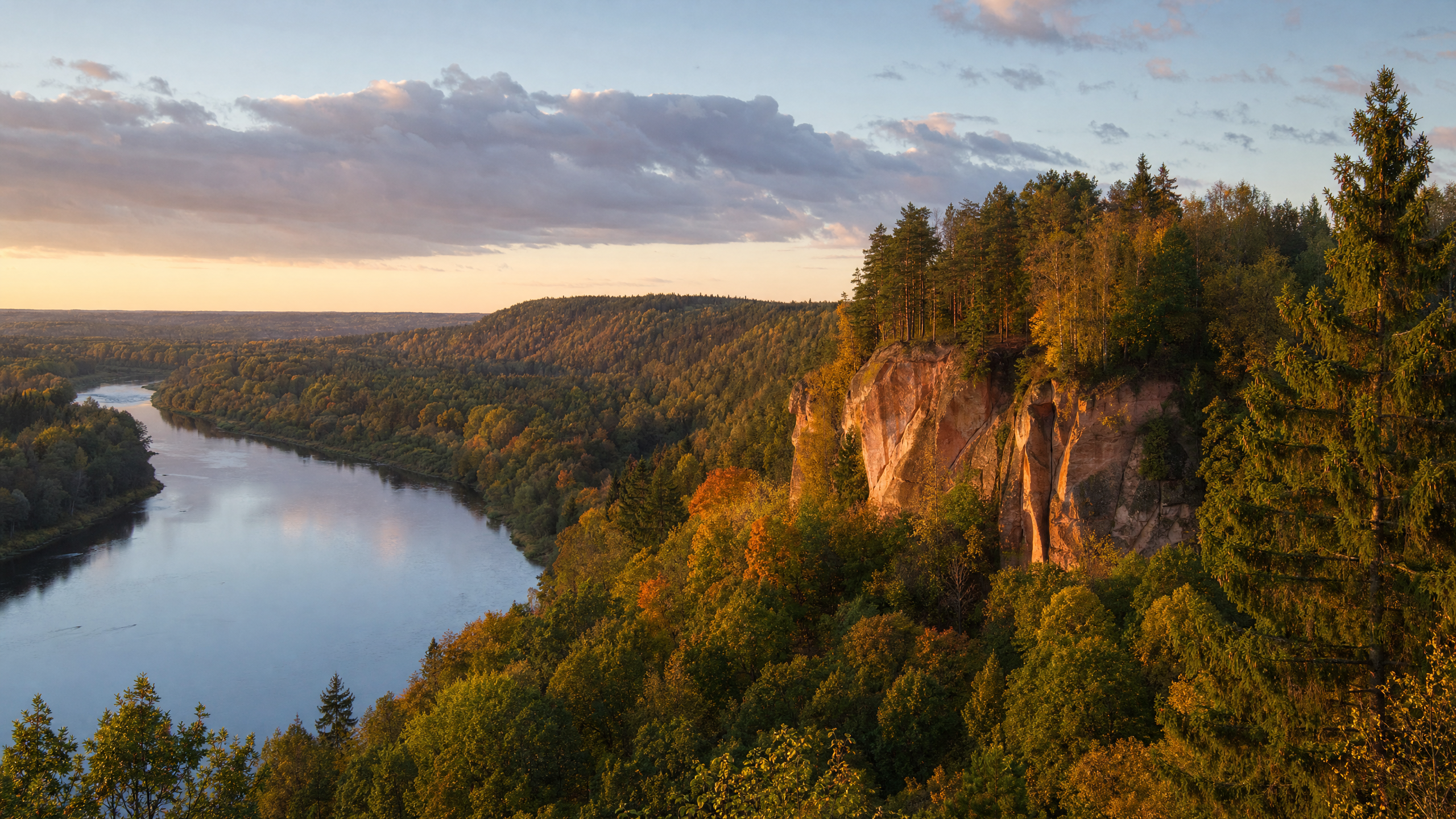
Best for: The value of Gauja National Park and Sigulda is not only the headline sights; it gives the itinerary castles, forests and river valley routes and a clearer local rhythm. Gauja and Sigulda add Latvia’s main forest-and-castle route, with river valleys, medieval ruins, caves, trails and small-town bases close enough for a full day from Riga. It suits travellers who want nature and history together, with castle visits, viewpoints, walking routes and transport planned around daylight and weather.
Historic landmarks: Turaida Museum Reserve, Sigulda Castle Area, Gutmanis Cave, Cesis and Cesis Castle Complex should shape the sightseeing plan. Give it enough time for grounds and views. Pair with Turaida if transport is planned.
Museums and attractions: Choose the hotel area around Sigulda, Cesis and Rural Guesthouses. Pick the district that makes arrival, evening movement and the first full day easier.
Hotels and stay areas: Gauja National Park and Sigulda also needs a food layer. Build meals around rye bread, mushrooms, berry desserts, soups, local beer, Sigulda and Cesis Old Town so the visitor has a reason to slow down between museums, viewpoints and transfers.
Food and restaurants: Riga and Vidzeme Towns can extend the stay when there is enough time. The usual arrival and city base for Gauja. Smaller towns can extend the route if driving.
Liepaja: Baltic port, music and wide beach
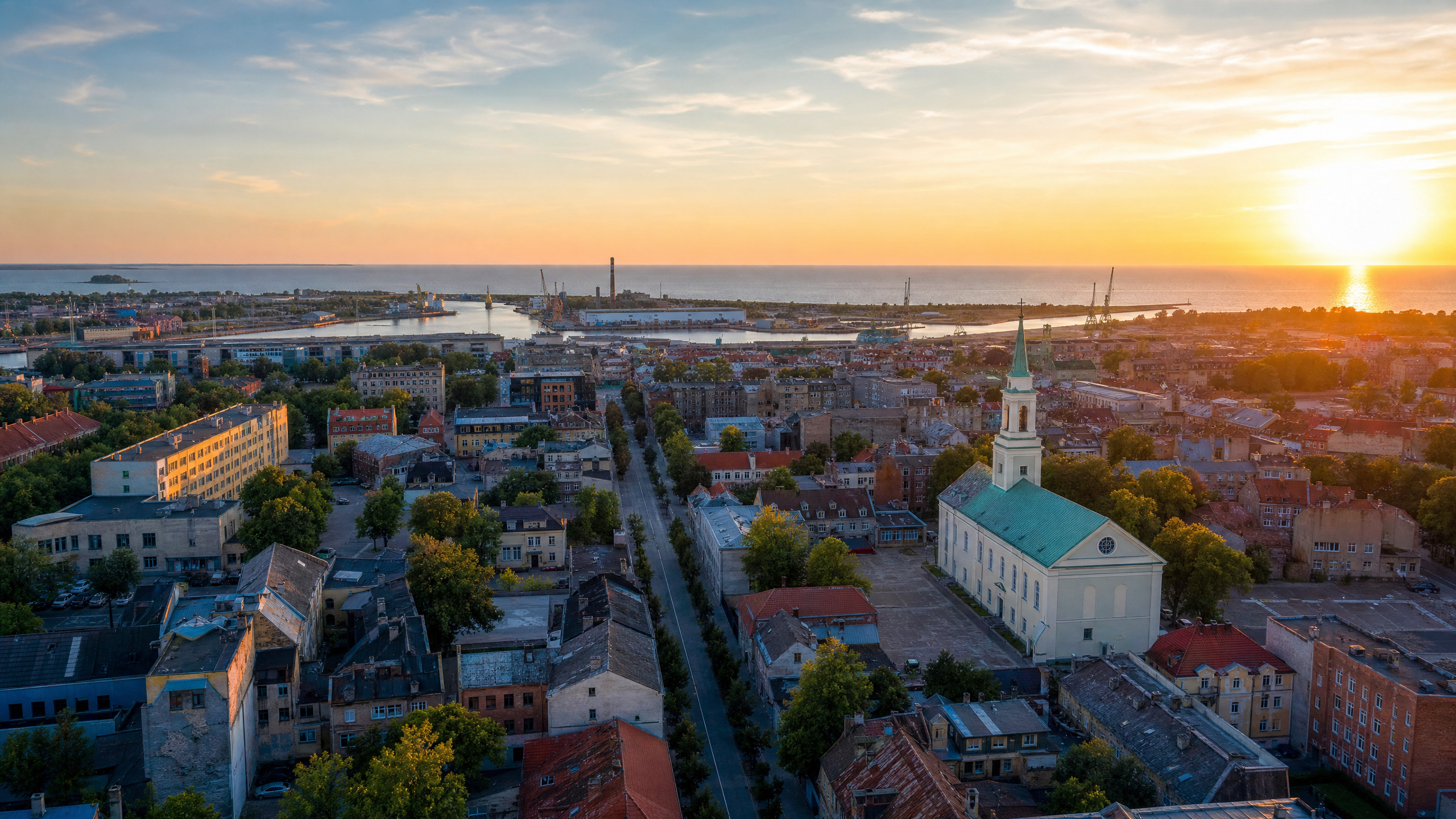
Best for: Liepaja works better as a lived-in stop than as a fast photo pin, with Baltic port, music and wide beach shaping the day. Liepaja gives Latvia a more distinctive west-coast stay, with a wide beach, music culture, wooden streets, port history and the atmospheric Karosta district. It works best as an overnight or slower Baltic coast base, where the beach, food, architecture, concerts and Karosta context are not squeezed into a single transit stop.
Historic landmarks: Liepaja Beach, Karosta, Great Amber Concert Hall, Seaside Park, Liepaja Museum and Karosta Prison should shape the sightseeing plan. Wind and season shape the experience. Visit with context and avoid treating it as a casual photo stop.
Museums and attractions: Choose the hotel area around City Centre, Beach Area and Karosta Area. Pick the district that makes arrival, evening movement and the first full day easier.
Hotels and stay areas: Liepaja also needs a food layer. Build meals around smoked fish, rye bread, soups, local beer, berry desserts, City Centre and Beach and Park Area so the visitor has a reason to slow down between museums, viewpoints and transfers.
Food and restaurants: Kuldiga and Lithuanian Coast can extend the stay when there is enough time. A historic inland town with a famous waterfall and old streets. A cross-border continuation if the Baltic coast is the trip focus.
Food, Culture and Route Ideas for Latvia
Food route: rye bread, smoked fish, dairy, berries and market halls shape Latvian food days. Folk music, midsummer traditions and seasonal festivals are central to Latvian identity. Beach spas, forest trails and river valleys give Latvia a slower rhythm outside Riga. This is where food, culture and route planning should work together.
Food, wine and restaurants: Build meals around rye bread, smoked fish, grey peas, honey cake, Latvian beer, berries and ice cream and keep them close to Old Town, Central Market, Art Nouveau / Quiet Centre, Jomas Street and Beachfront Areas.
Popular experiences: Use Riga as the base, then add Jurmala or Gauja depending on weather, season and trip length. Use Sigulda or Cesis for Gauja when forests and heritage matter more than city nightlife. Keep the route disciplined: one clear hotel area, one strong regional layer and one food or culture experience will usually feel better than trying to touch every possible stop.
Planning rule: Use bookings in a clean order: choose the hotel area first, then add attraction tickets, food tours, guided days and local experiences where they make the journey easier, richer and more realistic.