Japan Travel Guide: Tokyo, Kyoto, Osaka, Fuji, Rail Routes and Seasonal Itineraries
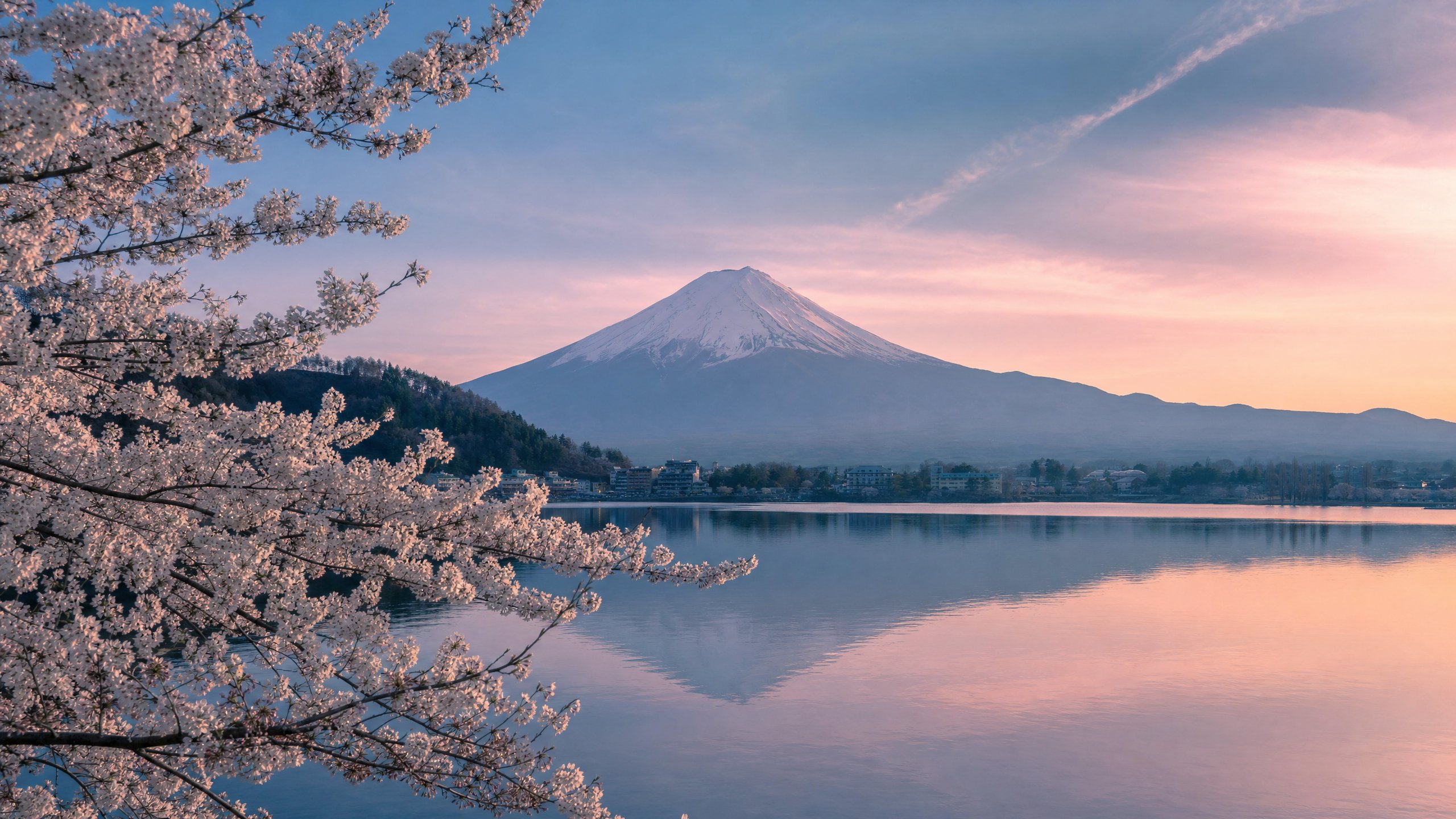
Japan rewards route planning more than almost any destination. Tokyo gives neighbourhood energy, food, shopping and transport depth; Kyoto brings temples, gardens and slower cultural days; Osaka adds food, nightlife and Kansai access; Hakone or the Fuji area gives scenery; and Hokkaido, Okinawa, the Alps or regional rail routes create deeper second trips. The best Japan itinerary solves rail sequence, hotel bases, luggage movement and season before filling the calendar with attractions.
Start Planning JapanJapan Travel Guide: Routes, Stay Bases, Culture and Experiences
Trip shape: A good Japan plan starts by removing noise, then adding only what fits. Use Tokyo, Kyoto, Osaka and Hiroshima as the first anchors, then let Mount Fuji and Hakone, Nara and Kansai, Hokkaido or Okinawa and First Japan Trip decide whether the trip should stay compact or open into a wider route.
Best for: Mount Fuji and Hakone, Nara and Kansai, Hokkaido or Okinawa and First Japan Trip give Japan its deeper travel layer. Some visitors need one main city and one day trip; others should slow down, split the journey and give the strongest region its own nights.
Planning rule: Start with arrival logic, season and the first overnight point, then add the experiences that genuinely deserve advance planning. Museums, landmarks, guided tours, food walks, local neighbourhoods and coastal or countryside days should be grouped by geography and timing.
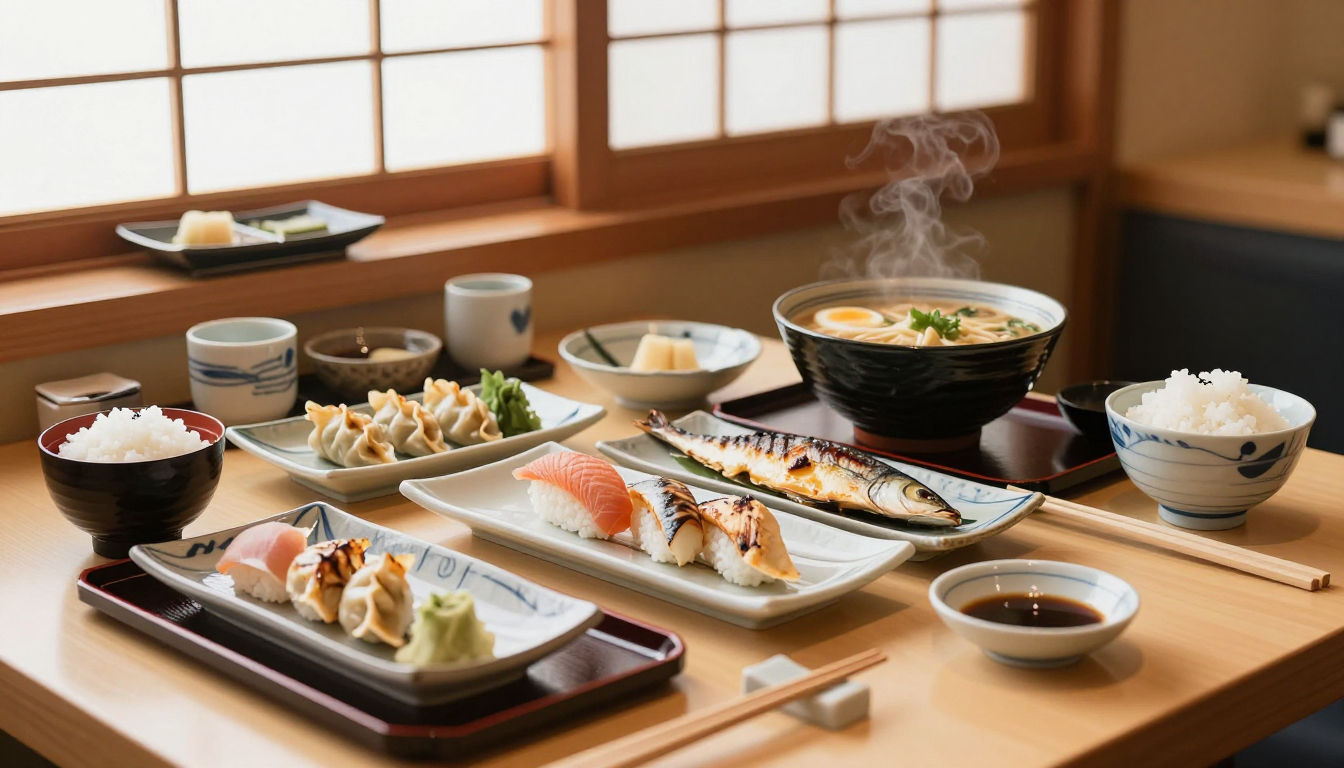
Route logic: sushi, ramen, okonomiyaki, kaiseki, seafood and market eating vary sharply by city and season. Quiet behaviour, queueing and respect for local customs matter in religious and historic places. Keep food close to the chosen hotel area where possible: the best meals often come from market streets, harbour areas, old-town restaurants and neighbourhoods already inside the day’s route.
Plan this part of the trip
Tokyo: neighbourhoods, food and first Japan base
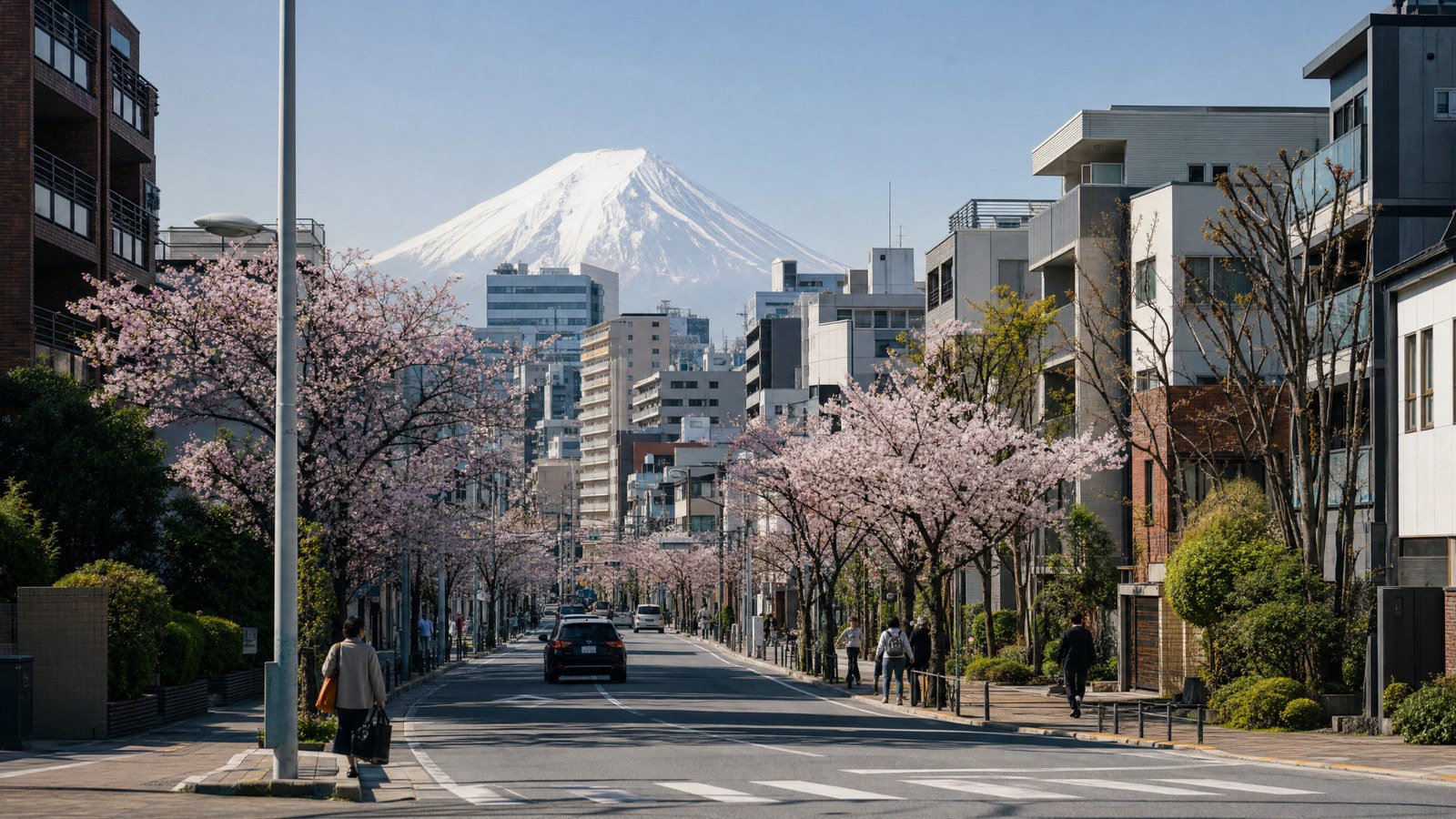
Best for: Use Tokyo when the Japan route needs neighbourhoods, food and first Japan base. Tokyo is the easiest entry point for Japan because it combines transport reach, neighbourhood variety, museums, shopping, food and day-trip options without needing to change hotels immediately. It works best when travellers choose a base around rail needs, then group shrine, garden, market and evening food plans by district.
Historic landmarks: Asakusa and Senso-ji, Meiji Shrine and Harajuku, Shinjuku Gyoen, Tokyo National Museum, Ueno, Tokyo National Museum and Mori Art Museum should shape the sightseeing plan. Go early or later to avoid the busiest part of the day. Pair quiet shrine time with a separate neighbourhood walk.
Museums and attractions: Choose the hotel area around Shinjuku, Ginza or Tokyo Station and Ueno or Asakusa. Pick the district that makes arrival, evening movement and the first full day easier.
Hotels and stay areas: Tokyo also needs a food layer. Build meals around sushi, ramen, tempura, tonkatsu, yakitori, wagashi, Shinjuku and Ginza and Tsukiji Outer Market so the visitor has a reason to slow down between museums, viewpoints and transfers.
Food and restaurants: Kamakura or Nikko and Hakone or Fuji Area can extend the stay when there is enough time. Classic day routes when temples, coast or forest shrines matter. A mountain and hot-spring extension that needs weather-aware timing.
Plan this part of the trip
Kyoto: temples, gardens and traditional districts
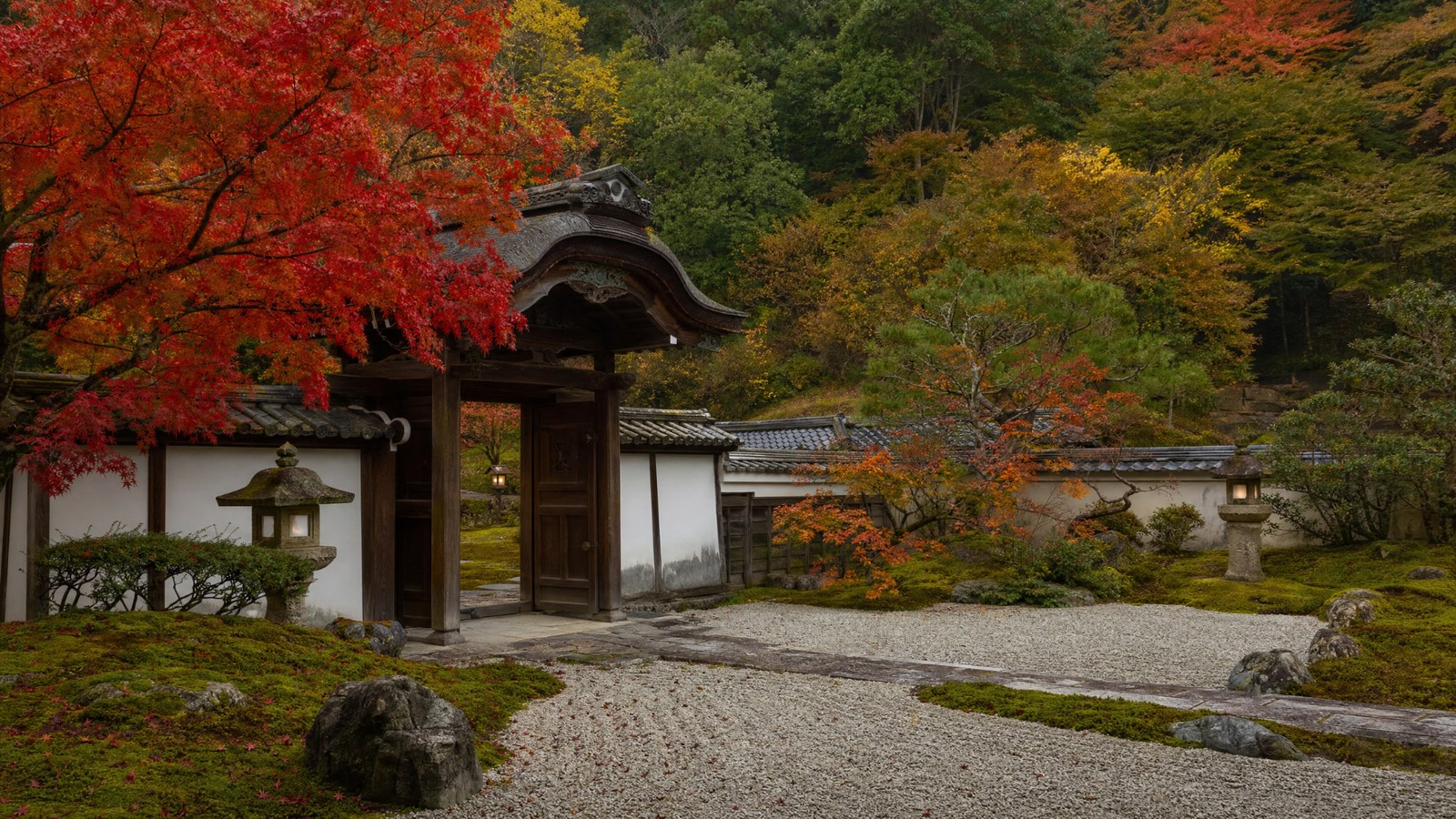
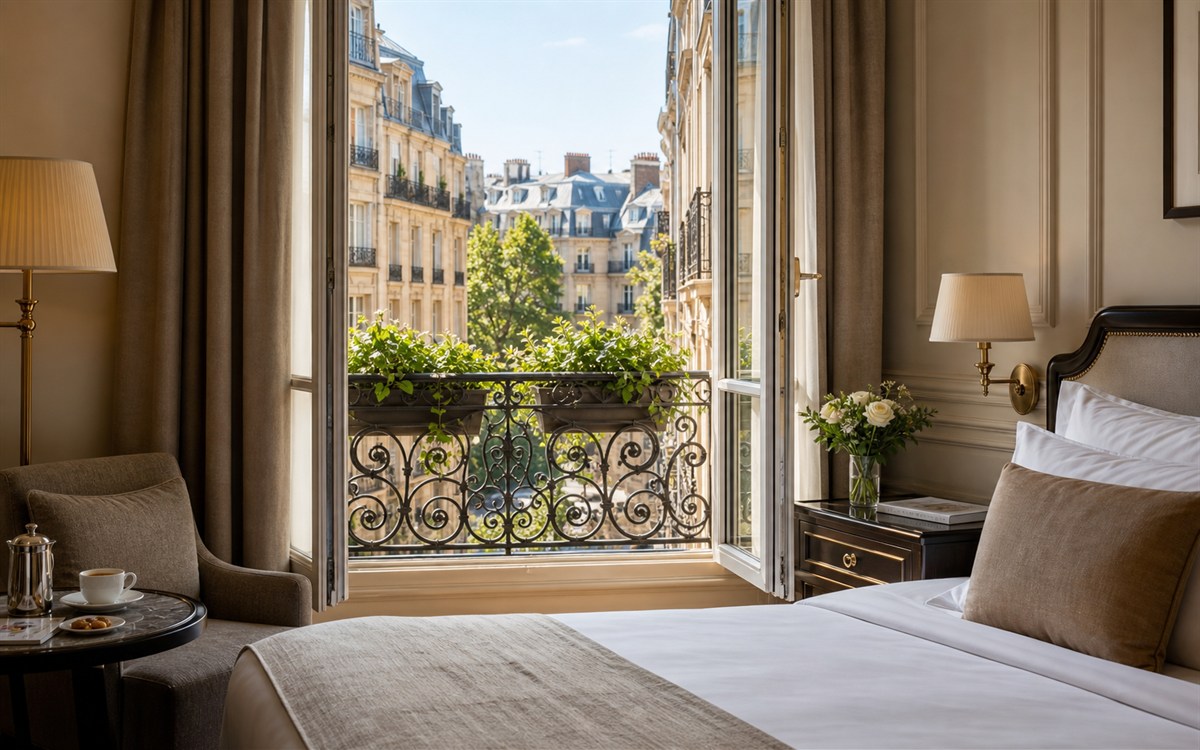
Best for: Use Kyoto when the Japan route needs temples, gardens and traditional districts. Kyoto is the cultural centre of many first Japan trips, but it needs calm pacing because temples, gardens, lanes and food areas are spread across several districts. A good stay protects early mornings, quieter side streets, museum time and seasonal gardens rather than turning every day into a temple checklist.
Historic landmarks: Kiyomizu-dera and Higashiyama, Fushimi Inari Taisha, Arashiyama, Nijo Castle, Kyoto National Museum and Nishijin Textile Center Area should shape the sightseeing plan. Start early and keep time for side streets. Walk beyond the lower section for a calmer experience.
Museums and attractions: Choose the hotel area around Downtown Kyoto, Higashiyama and Kyoto Station Area. Pick the district that makes arrival, evening movement and the first full day easier.
Hotels and stay areas: Kyoto also needs a food layer. Build meals around kaiseki, yudofu, matcha sweets, obanzai, tsukemono, soba, Nishiki Market and Gion and Pontocho so the visitor has a reason to slow down between museums, viewpoints and transfers.
Food and restaurants: Nara and Uji can extend the stay when there is enough time. A natural temple and park day trip from Kyoto or Osaka. A quieter tea and river route south of the city.
Plan this part of the trip
Osaka: food city, nightlife and Kansai rail base
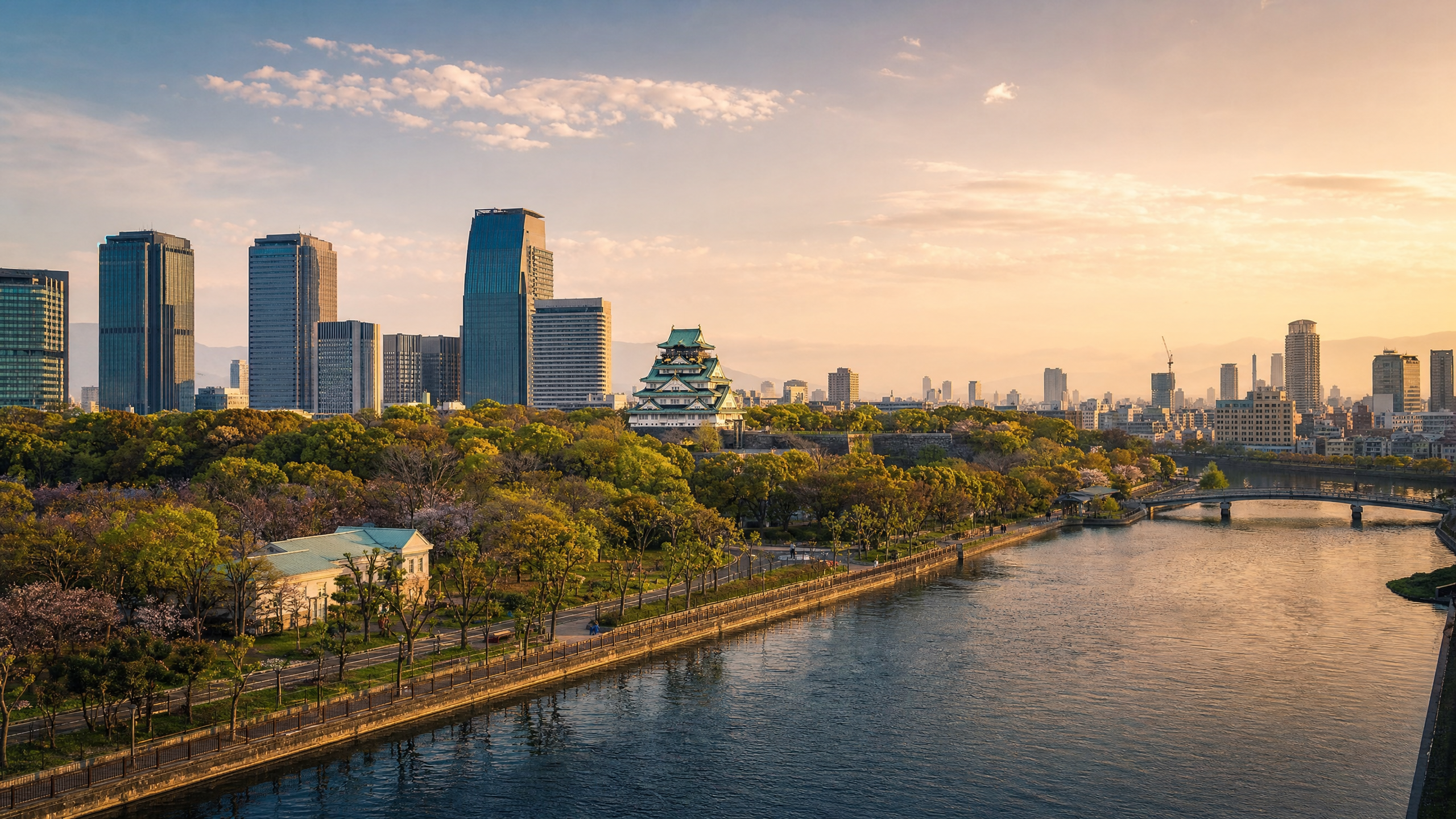
Best for: Osaka works better as a lived-in stop than as a fast photo pin, with food city, nightlife and Kansai rail base shaping the day. Osaka brings a more informal urban energy to Japan, with food streets, nightlife, castle parks, shopping and strong rail access to Kyoto, Nara and Kobe. It is strongest when travellers give it proper evenings for Dotonbori, Shinsekai or Umeda rather than treating it only as a rail base.
Historic landmarks: Dotonbori, Osaka Castle Park, Shinsekai, Osaka Aquarium Kaiyukan, Osaka Museum of History and National Museum of Art, Osaka should shape the sightseeing plan. Use it for evening atmosphere rather than daytime sightseeing only. Plan the park as much as the castle building.
Museums and attractions: Choose the hotel area around Namba, Umeda and Tennoji. Pick the district that makes arrival, evening movement and the first full day easier.
Hotels and stay areas: Osaka also needs a food layer. Build meals around takoyaki, okonomiyaki, kushikatsu, udon, yakiniku, cheesecake, Dotonbori and Namba and Umeda so the visitor has a reason to slow down between museums, viewpoints and transfers.
Food and restaurants: Nara and Kobe can extend the stay when there is enough time. A straightforward heritage day trip by rail. A compact harbour and food extension from Osaka.
Plan this part of the trip
Hiroshima: peace history, food and Miyajima access
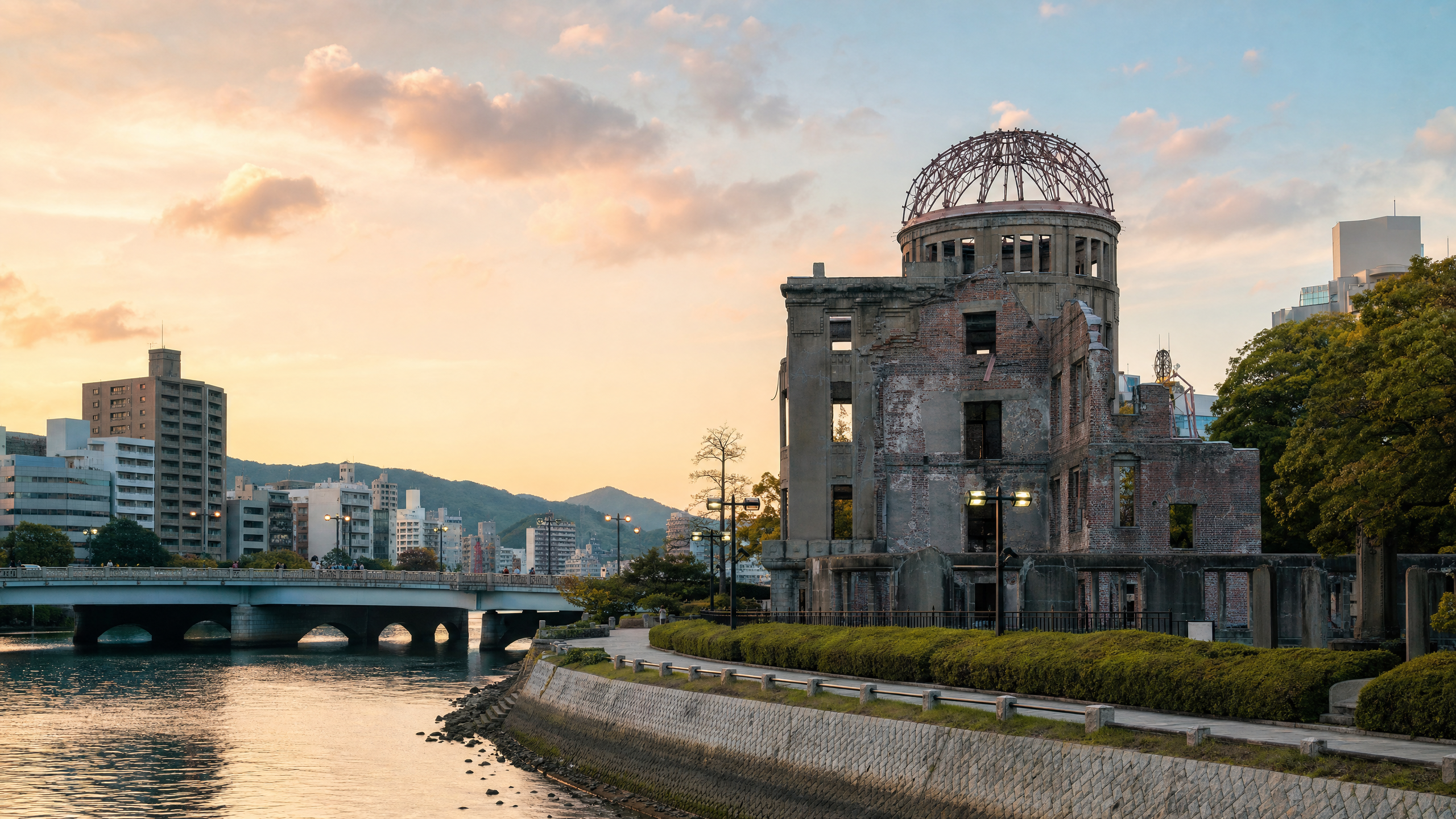
Best for: For Hiroshima, the first decision is pace: give the city enough room to show its peace history, food and Miyajima access. Hiroshima adds a serious historical chapter to Japan while also offering excellent food, river walks and easy access to Miyajima, making it more than a brief stop. The visit needs respectful time for memorial sites, balanced with okonomiyaki, gardens and Seto Inland Sea routes that soften the day.
Historic landmarks: Peace Memorial Park, Hiroshima Peace Memorial Museum, Hiroshima Castle Area, Miyajima and Itsukushima Shrine, Hiroshima Museum of Art and Shukkeien Garden should shape the sightseeing plan. Allow quiet time and avoid treating it as a quick checklist stop. Give the museum space in the day because it is emotionally demanding.
Museums and attractions: Choose the hotel area around Hondori and Peace Park Area, Hiroshima Station Area and Miyajima. Pick the district that makes arrival, evening movement and the first full day easier.
Hotels and stay areas: Hiroshima also needs a food layer. Build meals around Hiroshima-style okonomiyaki, oysters, tsukemen, momiji manju, anago rice, Okonomimura Area, Hiroshima Station and Miyajima so the visitor has a reason to slow down between museums, viewpoints and transfers.
Food and restaurants: Miyajima and Onomichi and Shimanami Kaido can extend the stay when there is enough time. The natural island pairing for Hiroshima. A coastal cycling and temple-town extension for longer trips.
Hokkaido: northern landscapes, winter and seafood
Best for: Use Hokkaido when the Japan route needs northern landscapes, winter and seafood. Hokkaido adds a northern Japan chapter with Sapporo, seafood markets, national parks, flower seasons, ski areas and long distances that need a different plan from Tokyo and Kyoto. It works best as a separate regional stay, with transport, snow, rural driving or seasonal landscape timing decided before hotels.
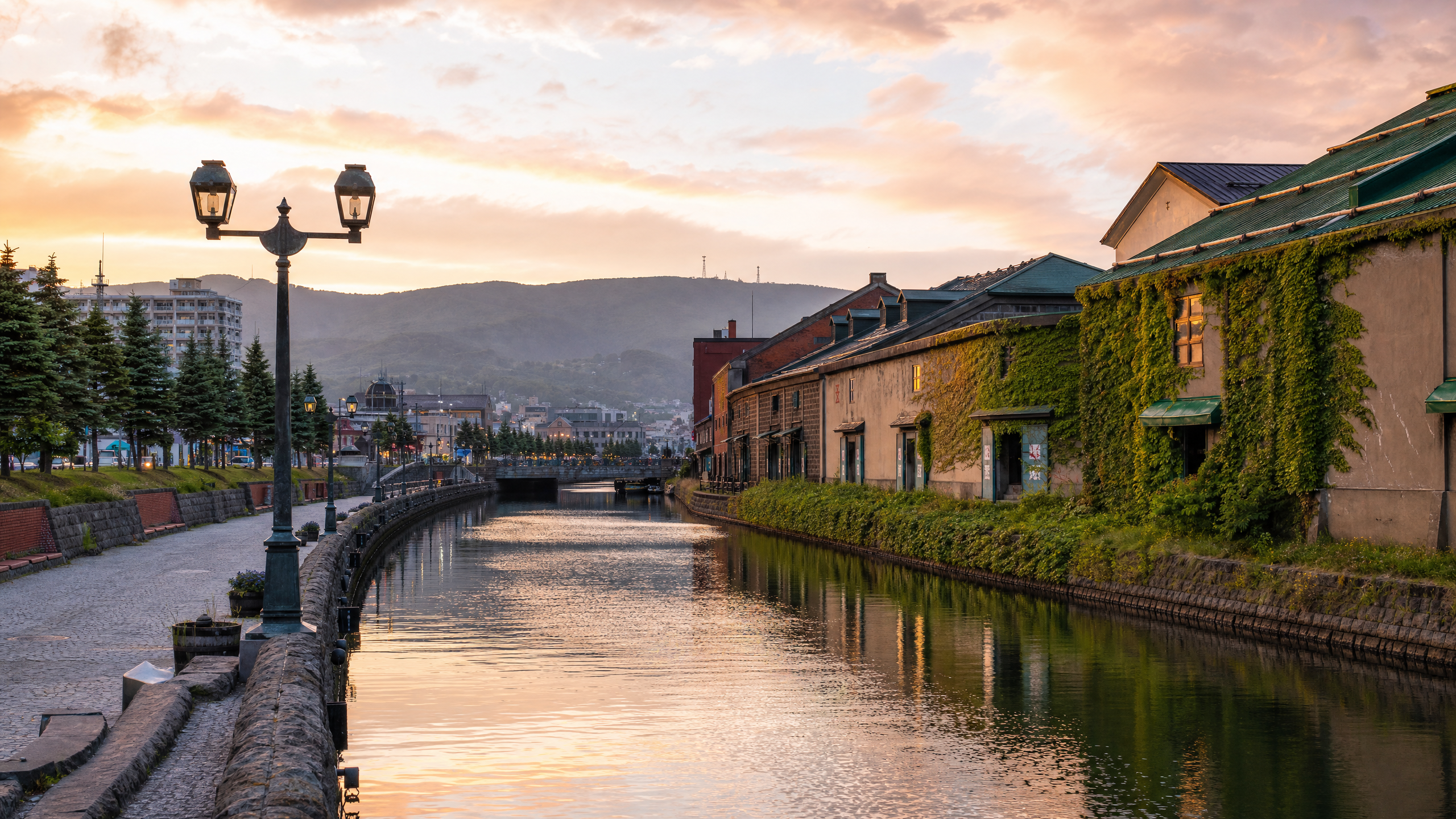
Historic landmarks: Sapporo Odori Park, Otaru Canal, Furano and Biei, Niseko or Ski Areas, Hokkaido Museum and Historical Village of Hokkaido should shape the sightseeing plan. Use Sapporo as the practical base before wider travel. Good for a softer day with food and winter scenery.
Museums and attractions: Choose the hotel area around Sapporo Station Area, Susukino and Niseko or Furano. Pick the district that makes arrival, evening movement and the first full day easier.
Hotels and stay areas: Hokkaido also needs a food layer. Build meals around Sapporo ramen, seafood bowls, soup curry, crab, dairy sweets, jingisukan, Sapporo Station and Susukino and Nijo Market so the visitor has a reason to slow down between museums, viewpoints and transfers.
Food and restaurants: Otaru and Furano and Biei can extend the stay when there is enough time. The easiest harbour-town day trip from Sapporo. A seasonal landscape route that needs timing and transport planning.
Food, Culture and Route Ideas for Japan
Food route: sushi, ramen, okonomiyaki, kaiseki, seafood and market eating vary sharply by city and season. Quiet behaviour, queueing and respect for local customs matter in religious and historic places. Hot-spring stays and traditional inns can be a highlight when planned with etiquette and timing in mind. This is where food, culture and route planning should work together.
Food, wine and restaurants: Build meals around sushi, ramen, tempura, tonkatsu, yakitori, wagashi and kaiseki and keep them close to Shinjuku, Ginza and Tsukiji Outer Market, Ueno and Yanaka, Nishiki Market and Gion and Pontocho.
Popular experiences: Use Tokyo and Kyoto as the core, then add Osaka or Hiroshima only when the trip has enough nights. Tokyo, Osaka and Fukuoka-style food culture can dominate the plan, but Kyoto still needs protected time. Keep the route disciplined: one clear hotel area, one strong regional layer and one food or culture experience will usually feel better than trying to touch every possible stop.
Planning rule: Use bookings in a clean order: choose the hotel area first, then add attraction tickets, food tours, guided days and local experiences where they make the journey easier, richer and more realistic.