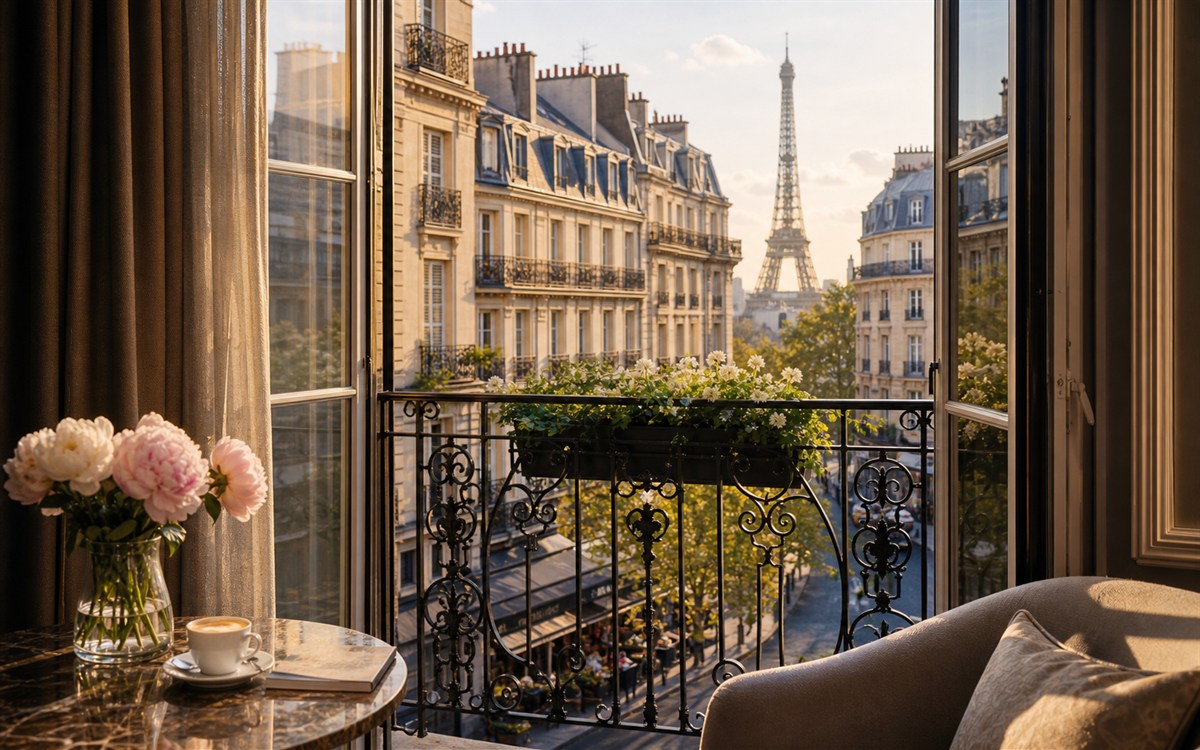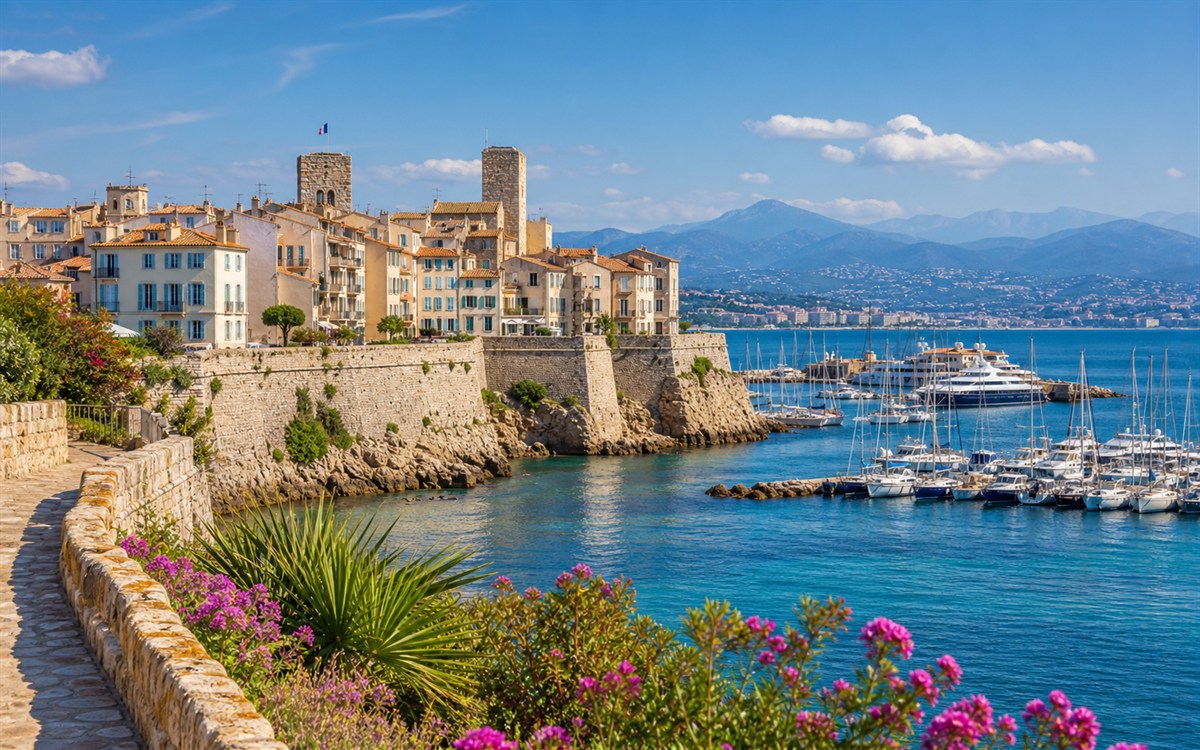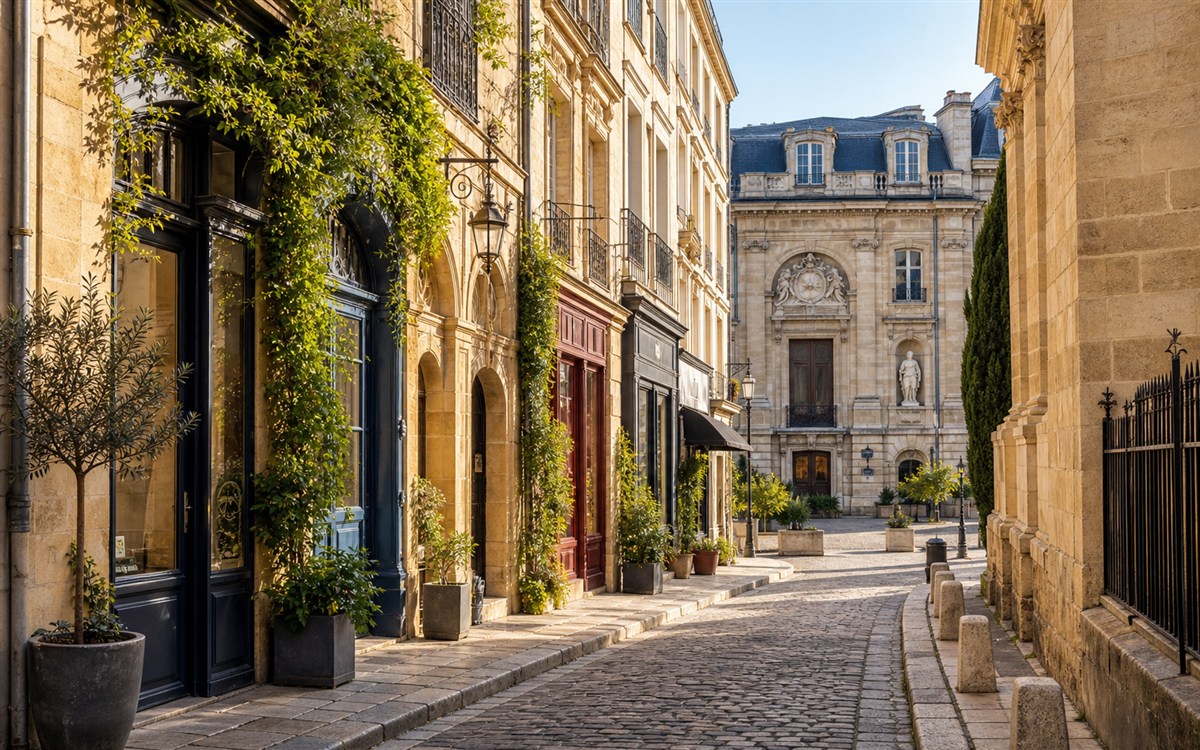
Italy country travel image for WorldFun planning
Country Travel Guide

Italy Travel Guide: Rome, Florence, Venice, Tuscany, Coast and Food-Led Routes

Italy rewards travellers who slow down enough to let each place matter. Rome, Florence and Venice create the classic first route, but Italy can also be planned around Tuscany, Naples and the Amalfi Coast, Sicily, Sardinia, the northern lakes, Bologna, Milan or a food-led rail journey. The best Italy trips protect time for streets, meals, art, churches, viewpoints and regional atmosphere instead of turning every day into a transfer.

Start Planning Italy
Country Edition

Plan Italy Through Cities, Heritage and Stay Bases

Italy is easier to plan when Rome, Venice, Florence and daily movement are separated before bookings are compared.

Route-First Planning

5 city and region anchors, one country page, and booking choices arranged around the trip shape.

Jump to cities and regions
WorldFun Method

How This Country Guide Works

Start with the trip shape

Decide whether the trip is city-led, heritage-led, coast-led, nature-led or built around a short route.

Choose the base before the bookings

The stay area should make daily movement easier, not force long transfers before the main sights, food areas or day trips.

Add tickets, tours and routes in the right order

Book the pieces that protect the trip first, then add optional experiences only where they improve the pacing.

Explore Italy

Cities and Regions to Plan Around

Italy is strongest when each base has room to breathe: Rome for ancient layers, Florence for Renaissance art, Venice for atmosphere, Milan for design and Naples for food, coast and archaeology.

Country Character

What Italy Is Famous For

Art Cities

Rome, Florence, Venice, Milan and Naples each bring a different mix of architecture, museums, churches and street life.

Food Regions

Meals, markets, coffee, pasta, pizza, seafood and wine are central to the trip rather than background details.

Rail and Regional Routes

Classic city routes work by rail, while coast, islands and countryside need more careful base planning.

Route Order

Best Ways to Shape the Trip

Classic First Route

Rome, Florence and Venice can work well when there is enough time and the rail sequence is protected.

Southern Route

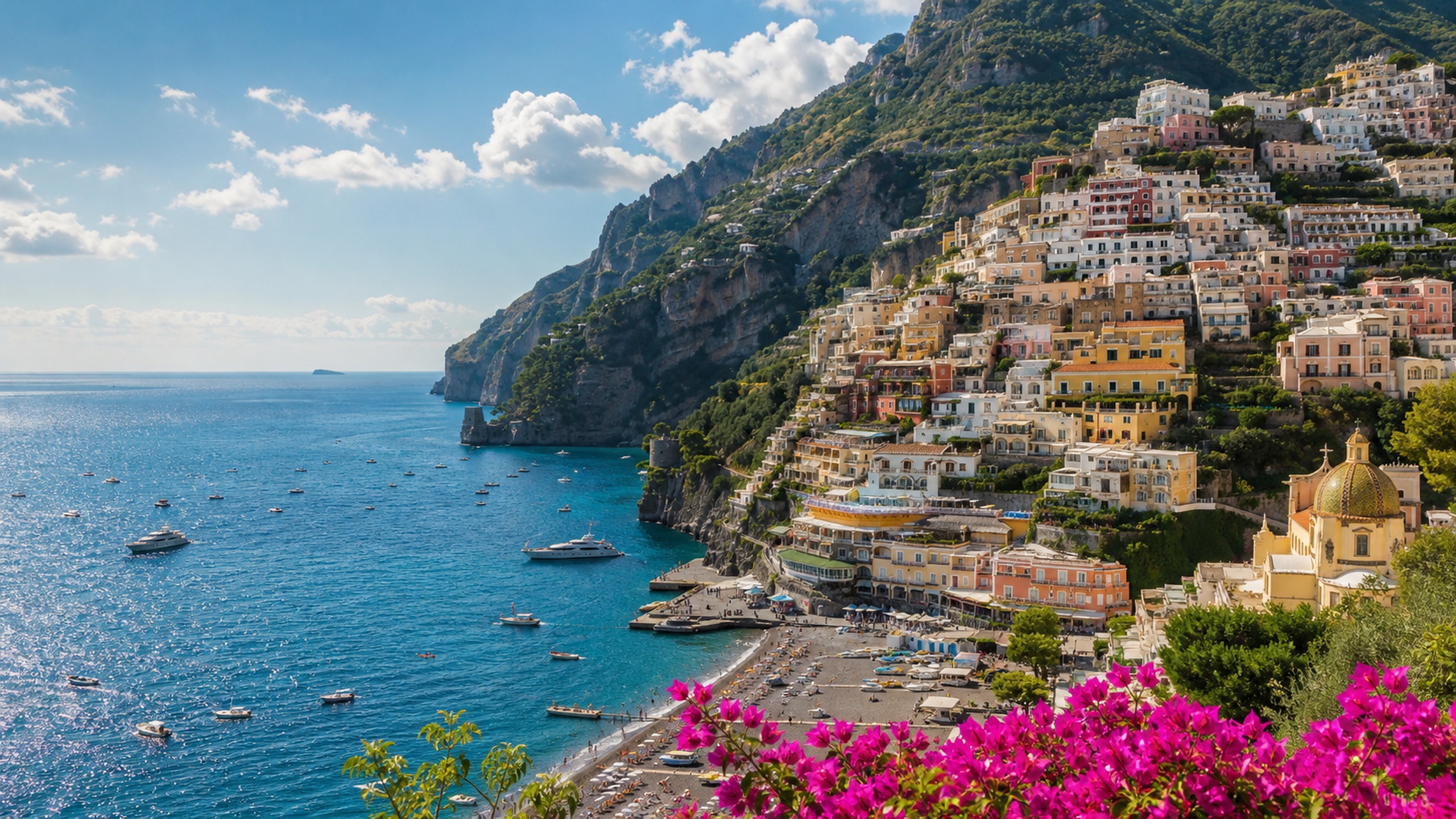
Rome plus Naples, Pompeii and the Amalfi direction works best when coast transfers are planned separately.

Northern Route

Milan, Venice, the lakes and nearby art cities suit travellers who want design, rail and slower premium stays.

Cuisine and Local Food

What To Try And Where It Fits

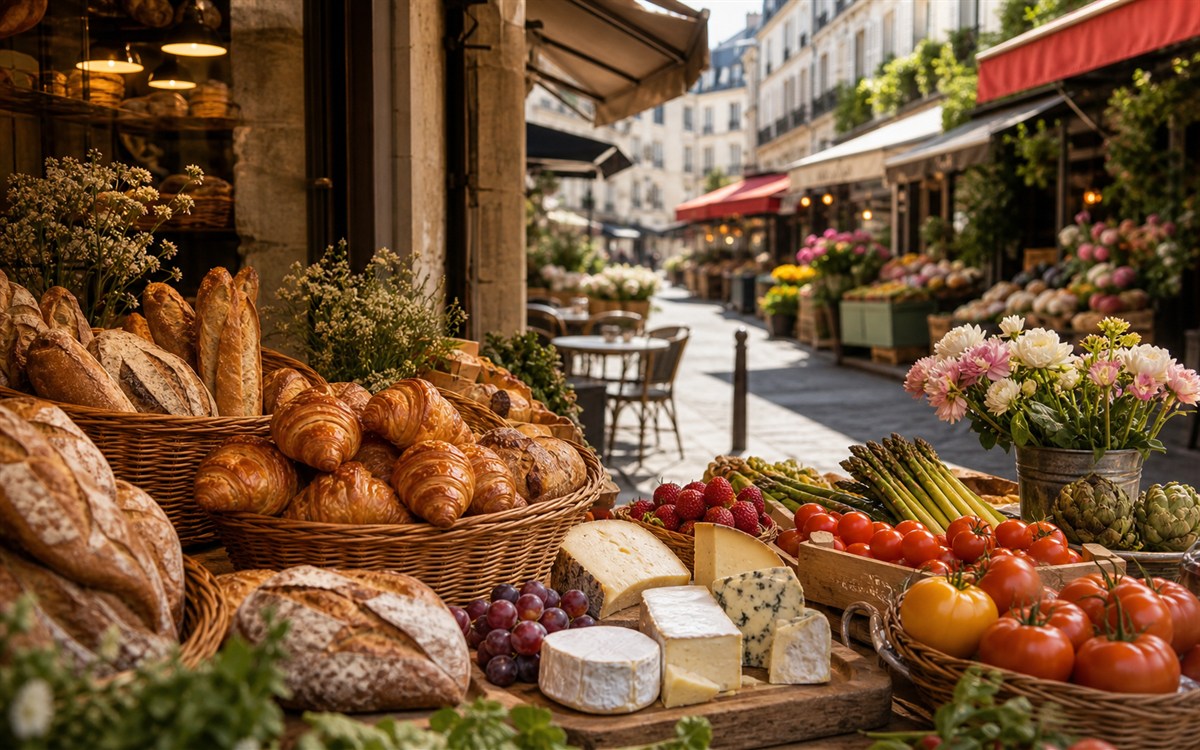
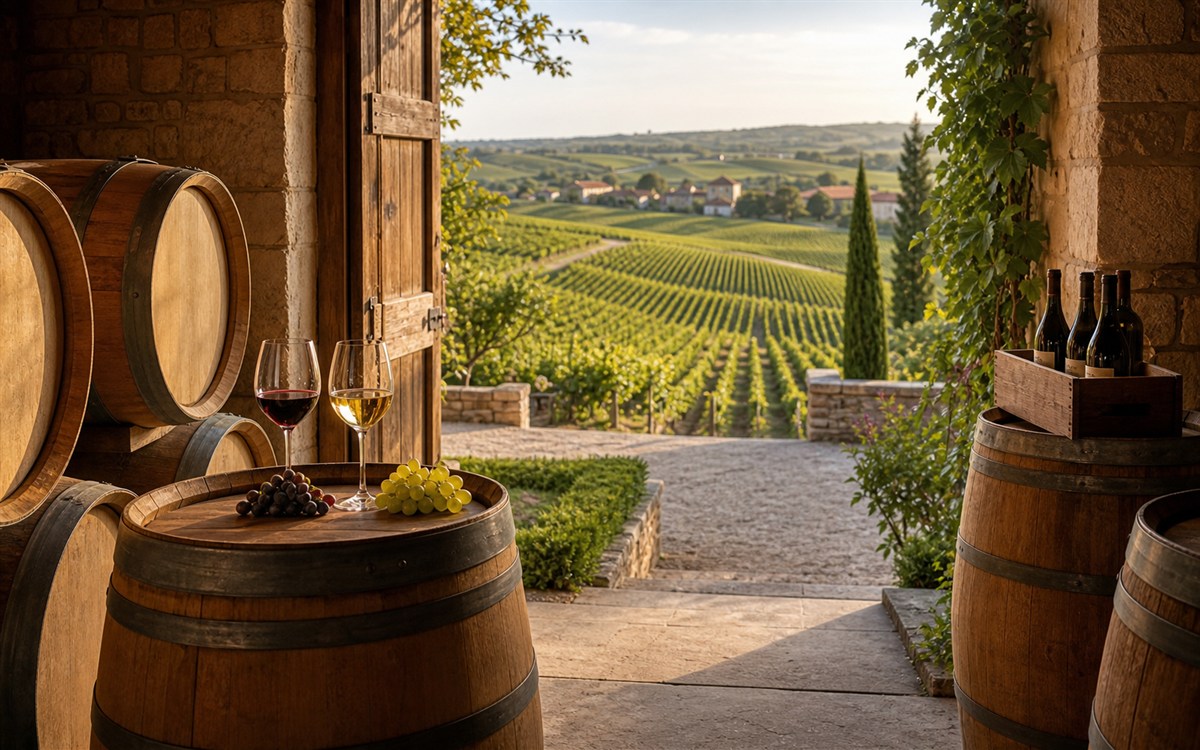
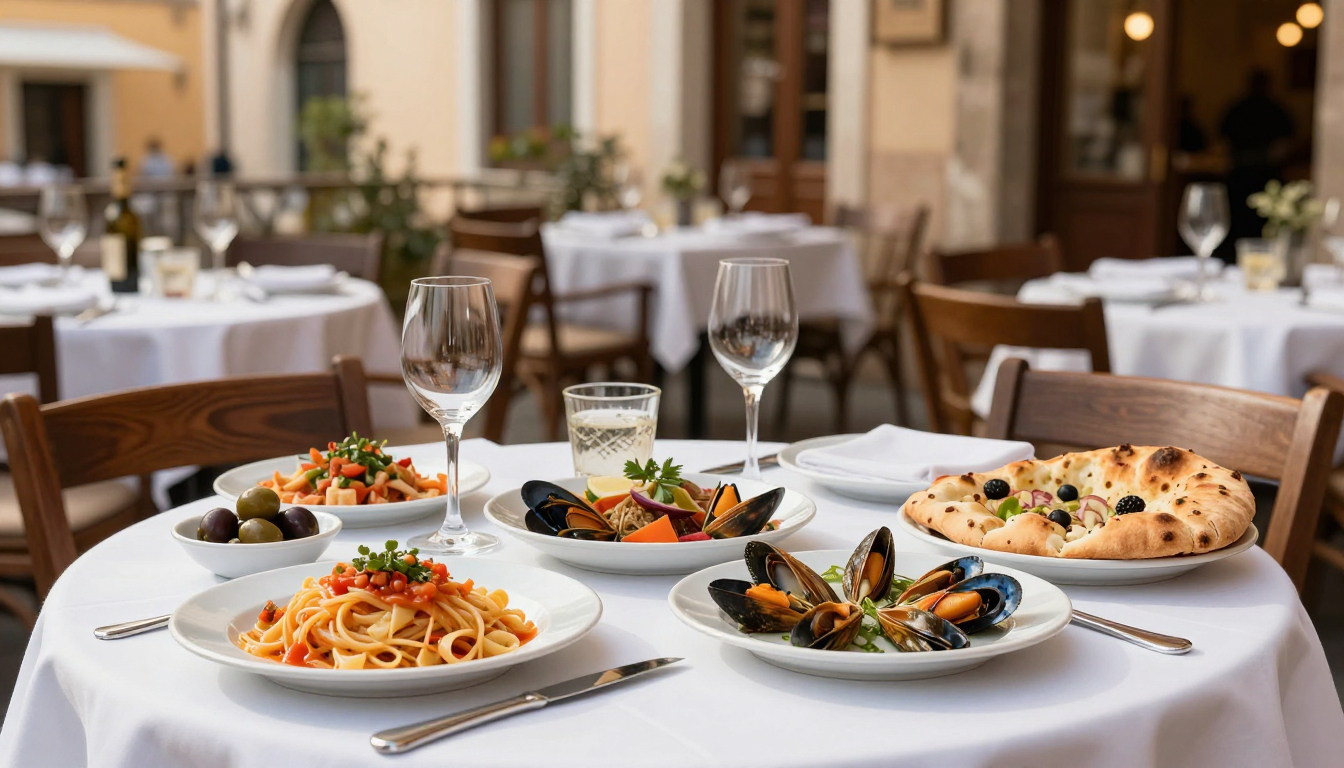
Italy works best as a food-and-culture route: pasta regions, pizza in Naples, espresso bars, gelato stops, market streets and coastal seafood all fit naturally between museums and city walks.

Culinary Highlights

Regional pasta, Pizza in Naples, Gelato, Espresso bars, Coastal seafood.

What To Try

An espresso stop near the first museum, A pasta or pizza experience in the right city, A market walk before dinner, A gelato break during an old town route.

Trip Fit

Plan food around walkable city centres, museum quarters and evening restaurant streets rather than crossing town for every meal.

Compare hotels near the old town or museum quarter, then add tickets and a food experience that fits the same area.

Food and Traditions

Country-Level Planning Notes

Regional Cooking

Italy changes by region, so the best food plan follows the route rather than expecting one national menu.

Piazza Time

Squares, evening walks, coffee counters and aperitivo shape the pace of many city days.

Churches and Civic Art

Culture often sits inside churches, palaces and public spaces, not only formal museums.

City and Region Guide

Where to Go in Italy

Use these city and region sections as same-page planning anchors for the trip. Each one explains why it matters, what to see, where to base yourself and which booking options to compare next.

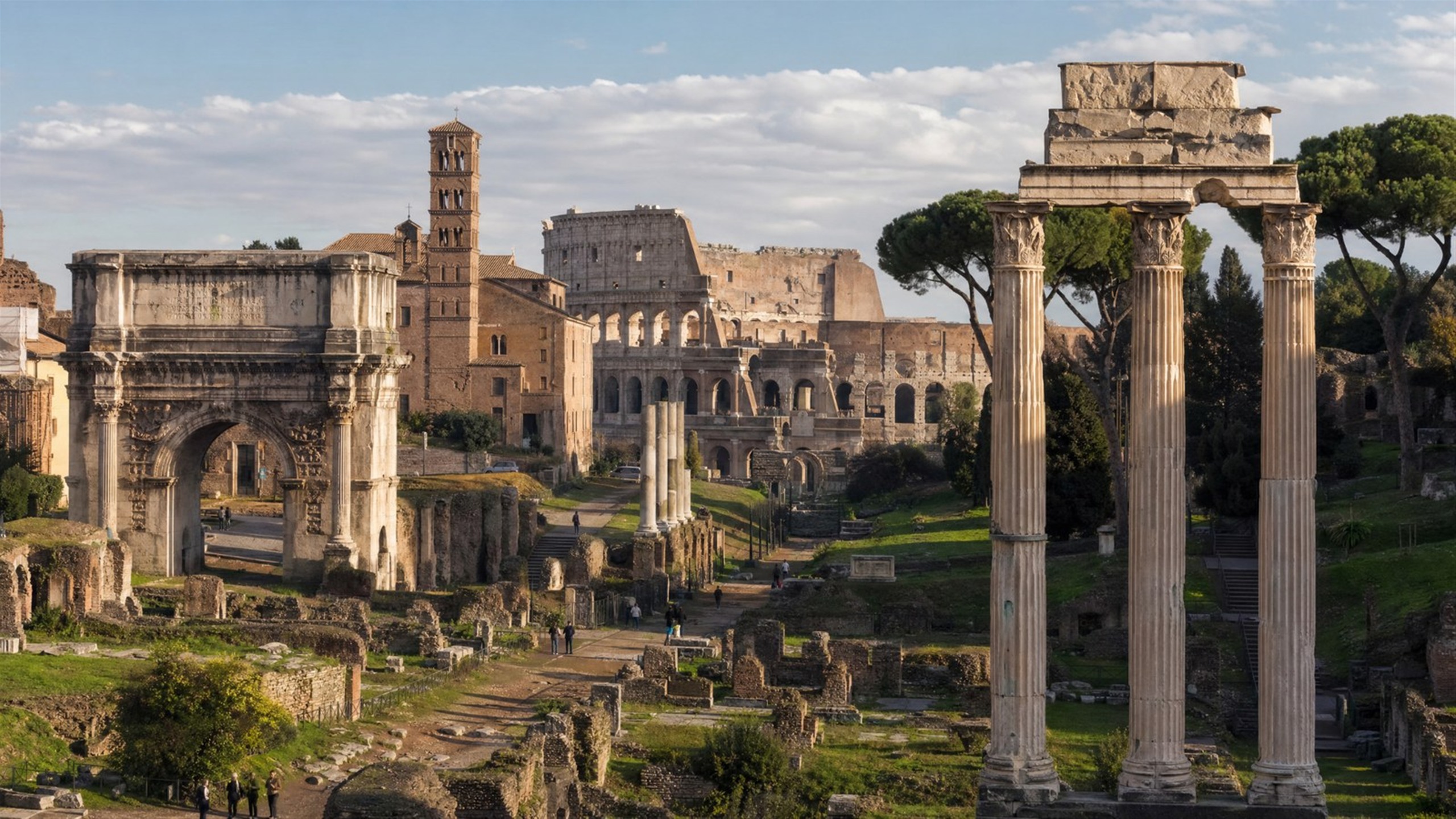
Rome planning image for local highlights, cultural context and Italy route planning
Italy

Rome - ancient history, piazzas and food districts

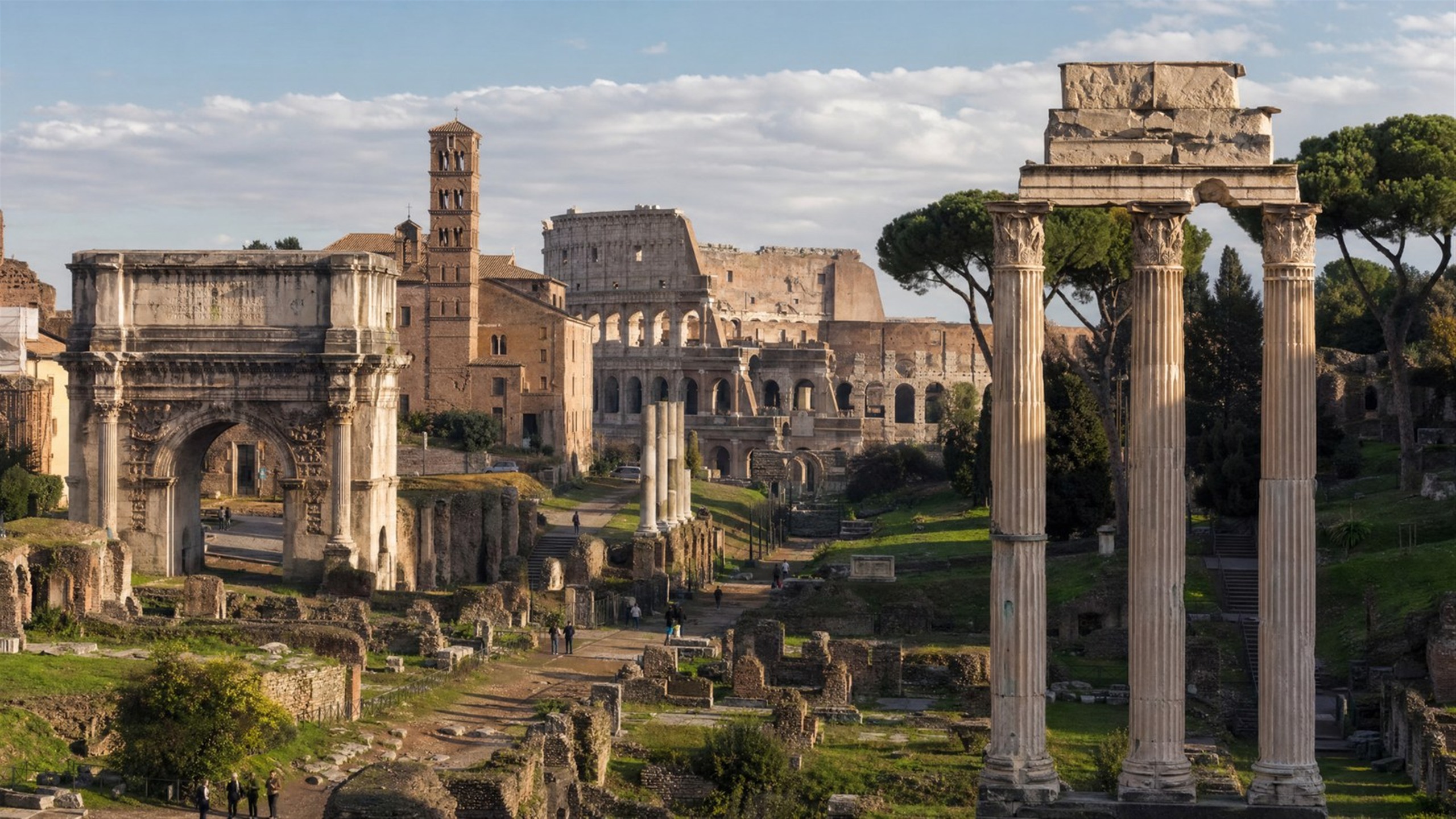
Rome is strongest for ancient history, religious heritage, piazzas, food and walkable layers of architecture from empire to baroque.

What It Is Famous For

ancient siteschurchespiazzasfoodmuseumswalkable history

Best For

first Italy triphistoryfoodculture-heavy breaks

Best Things To See And Do

Colosseum, Roman Forum and Palatine Hill

The core ancient Rome sequence and the strongest heritage anchor in the city.

Treat this as a major block of time and avoid stacking another heavy museum immediately after.

Pantheon, Piazza Navona and Campo de Fiori

A compact walking route through classical, baroque and everyday Rome.

Best as a slow central walk with food and coffee stops.

Vatican Museums and Saint Peter Area

A major art and religious heritage zone across the river from the historic centre.

Plan as its own half-day or more because crowds and scale can be tiring.

Trastevere

A lively district for lanes, churches, trattoria-style dining and evening atmosphere.

Works best in the evening after a less crowded daytime route.

Museums And Culture

museum
Capitoline Museums

A strong museum for ancient sculpture and civic history above the Forum.

art museum
Borghese Gallery

A focused art collection in a park setting, useful when the day needs structure.

Where To Eat And What To Try

Rome food is best planned by district and tradition: pasta classics, coffee, bakeries, markets and relaxed evening meals.

carbonaracacio e pepeamatricianasupplimaritozziRoman-style pizza
Testaccio

A strong food district with market culture and traditional Roman cooking.

Best for classic food, markets.

Trastevere

Good for lively evenings, casual meals and first-time atmosphere.

Best for evenings, casual dining.

Monti

Useful for cafes, wine bars and meals near ancient Rome.

Best for central stays, short walks.

  • Leave time between major sites for coffee and food; Rome is not only a checklist city.
  • Avoid planning coast or day trips before the core city has enough space.

Traditions And Local Identity

Layered City Life

Ancient ruins, churches, fountains and ordinary neighbourhood life sit on top of one another in Rome.

Evening Passeggiata

Late-day walking, piazzas and informal street life are part of the city rhythm.

Where To Stay

Centro Storico

Best for classic Rome, though prices and crowds can be higher.

Best for first-time visitors, walking, piazzas.

Monti or Colosseo

Useful for ancient Rome access and a slightly more neighbourhood feel.

Best for ancient sites, short stays.

Prati

Practical for Vatican days and a more orderly base.

Best for Vatican area, calmer evenings.

Suggested Time

3 days

Enough for ancient Rome, Vatican area, central walks and one food-focused district.

5 days

Better for museums, slower neighbourhood time and a day trip without weakening the city.

Nearby Routes

Pompeii and Naples

A southern extension that works best with at least one overnight if food and archaeology both matter.

Florence by Rail

A classic next step, but the route should protect enough days in both cities.

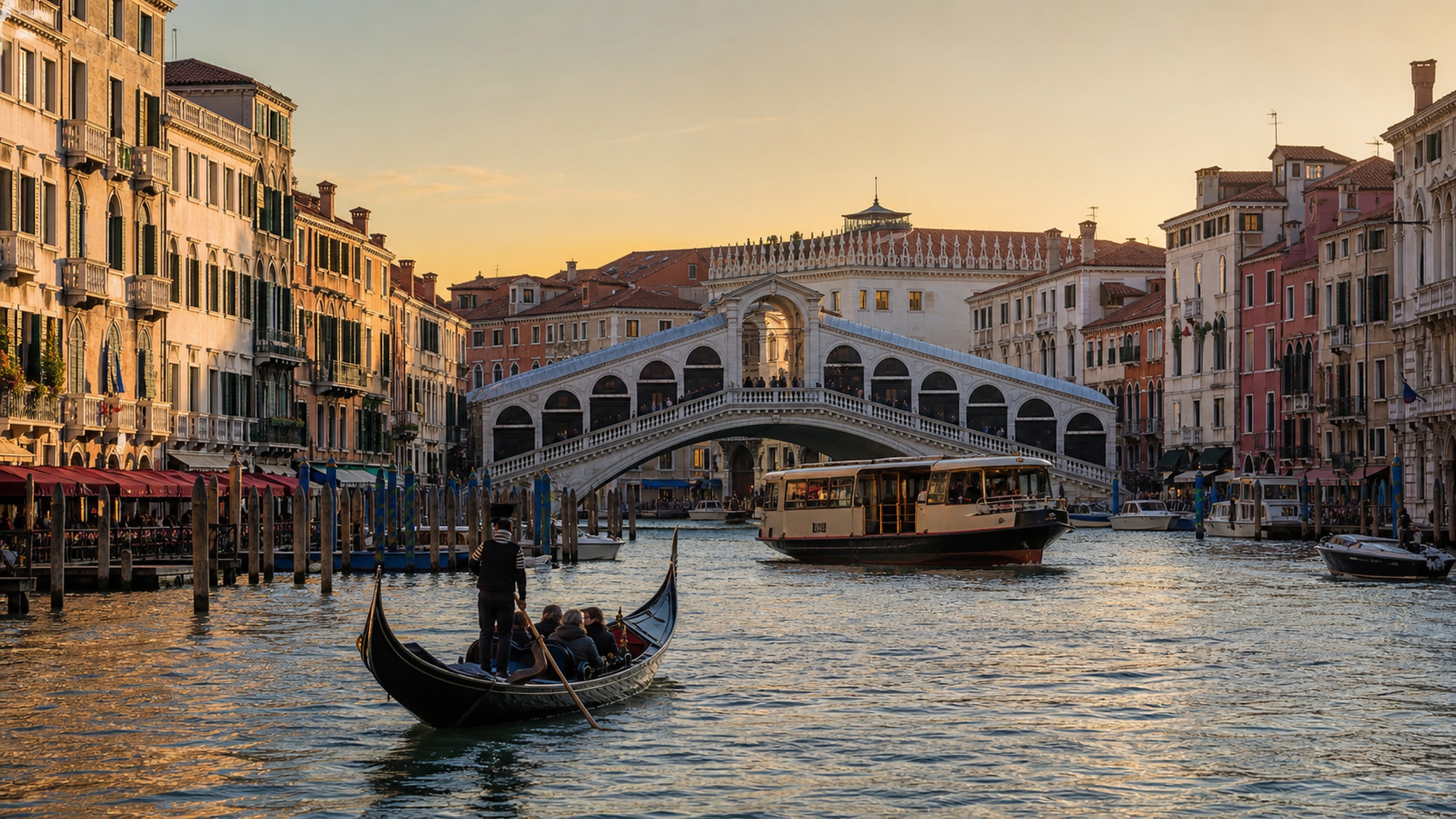
Venice planning image for local highlights, cultural context and Italy route planning
Italy

Venice - lagoon atmosphere and slow walking

Venice is strongest when it is treated as a slow lagoon city, not a rushed stop: canals, churches, palaces, islands, boat movement and quiet early or late walks.

What It Is Famous For

canalspalacesislandschurchesboat routesatmosphere

Best For

couplesslow city breaksart and architecturelagoon routes

Best Things To See And Do

Saint Mark Area and Doge Palace

The ceremonial heart of Venice with basilica, palace architecture and lagoon views.

Visit early or give it enough time; this area can dominate a short stay.

Rialto and Grand Canal

A practical orientation route through markets, bridges and water traffic.

Use the Grand Canal as a movement line, not just a photo stop.

Dorsoduro

A calmer district for art, student energy, canals and quieter evening walks.

Good when San Marco feels too crowded.

Murano and Burano

Lagoon island trips for glass, colour and a different pace from central Venice.

Choose islands deliberately and allow boat time.

Museums And Culture

art museum
Gallerie dell Accademia

A major museum for Venetian painting and city context.

modern art
Peggy Guggenheim Collection

A focused modern art stop in Dorsoduro that suits a slower cultural day.

Where To Eat And What To Try

Venice food planning is strongest around cicchetti bars, seafood, lagoon traditions and neighbourhoods away from the busiest funnels.

cicchettiseafood risottobaccala mantecatosarde in saorpolenta
Cannaregio

A good area for canals, local-feeling evenings and quieter meals.

Best for calmer dining, walks.

Dorsoduro

Useful for art days, casual food and a slower student-neighbourhood rhythm.

Best for art days, aperitivo.

  • Book location carefully because walking and boat time matter.
  • Venice is better with fewer fixed plans and more early or late wandering.

Traditions And Local Identity

Lagoon Movement

Boats, bridges, tides and islands shape daily life and visitor planning.

Craft and Carnival Identity

Glass, masks, textiles and festive traditions are part of the city story, even outside event periods.

Where To Stay

Dorsoduro

A strong base for travellers who want culture without staying in the busiest centre.

Best for art, calmer stays, walking.

Cannaregio

Practical for arrivals and quieter evening walks.

Best for value, local rhythm, station access.

San Marco

Central for first-time sights, but usually busier.

Best for landmarks, short stays.

Suggested Time

1 day

Enough for a compressed landmark walk, but not enough to feel the city properly.

3 days

Better for islands, art, quieter districts and early or late walks.

Nearby Routes

Padua or Verona

Rail-linked historic cities that work as calm extensions.

Dolomites or Northern Lakes

Better as a separate route layer with different transport needs.

Florence planning image for local highlights, cultural context and Italy route planning
Italy

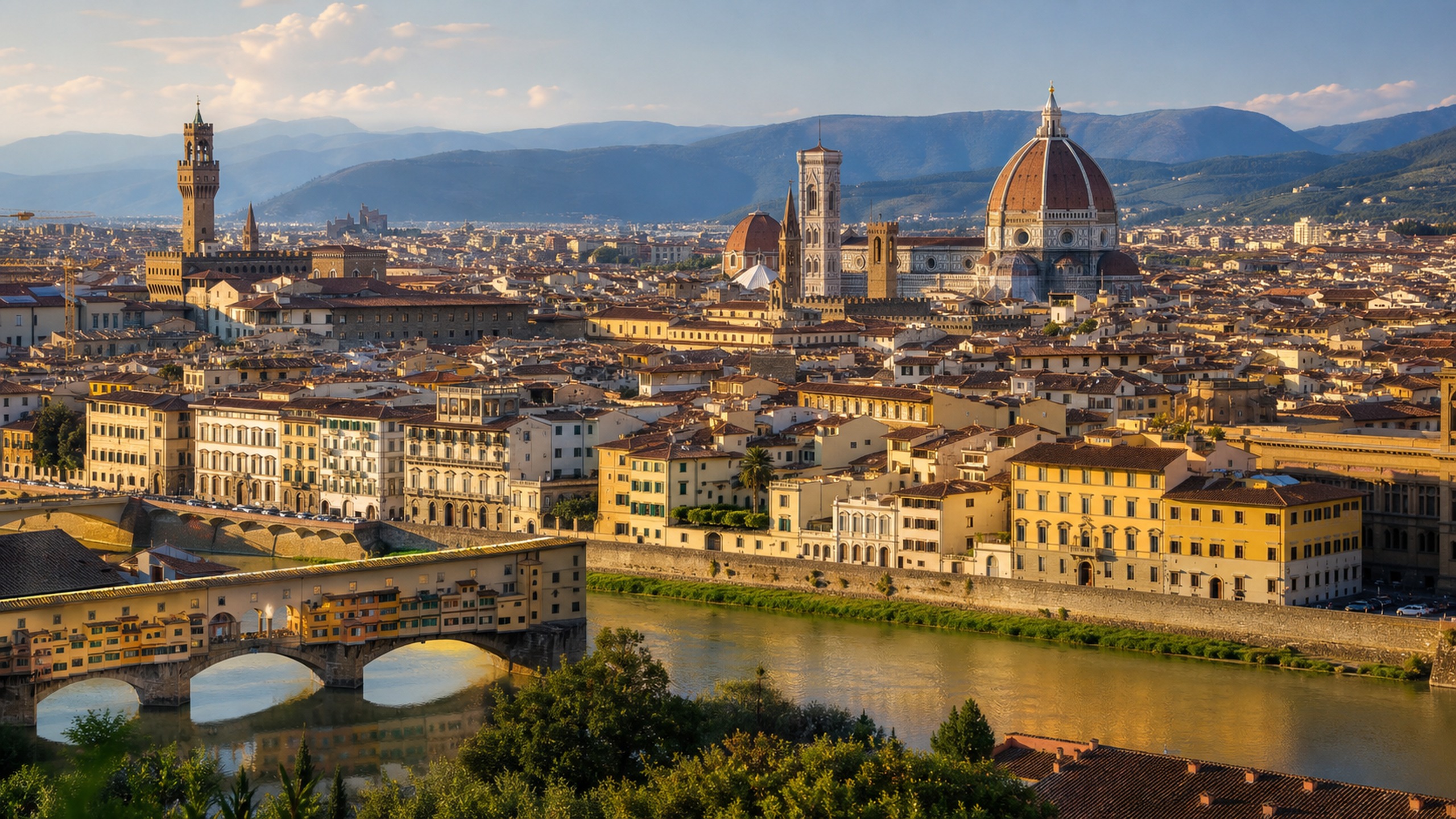
Florence - Renaissance art and Tuscan food

Florence is best for Renaissance art, compact historic walking routes, Tuscan food and museum-heavy cultural breaks.

What It Is Famous For

Renaissance artDuomomuseumsTuscan foodwalkable centrecraft

Best For

art loversfirst Italy routeTuscan extensionsshort cultural breaks

Best Things To See And Do

Duomo Complex

The cathedral, dome, baptistery and surrounding streets are the central Florence landmark group.

Plan timed elements carefully and leave space for surrounding streets.

Uffizi Gallery

One of Italy’s major art anchors, especially for Renaissance painting.

Treat as a major museum block rather than a quick stop.

Ponte Vecchio and Oltrarno

A classic river crossing into artisan streets, viewpoints and food areas.

Best as a walking route toward sunset or dinner.

Santa Croce and Historic Centre

Churches, squares and civic landmarks that show the depth of the city beyond one museum.

Use nearby squares for breathing room between galleries.

Museums And Culture

art museum
Accademia Gallery

A focused museum stop famous for Michelangelo sculpture and a clear half-day anchor.

palace and gardens
Pitti Palace and Boboli Gardens

A strong Oltrarno cultural block when the trip has more than one day.

Where To Eat And What To Try

Florence food is Tuscan and market-led, with simple ingredients, steak traditions, soups, bread, wine and gelato.

bistecca alla fiorentinaribollitapappa al pomodorocrostinichianti winegelato
Oltrarno and Santo Spirito

Good for a more local evening feel, artisan streets and casual dining.

Best for evenings, neighbourhood dining.

Sant Ambrogio

Useful for market energy and food-focused wandering.

Best for markets, lunch.

  • Museum days need meal breaks; Florence is compact but intense.
  • Tuscan extensions should not reduce the core city to one rushed day.

Traditions And Local Identity

Renaissance City Identity

Art, architecture, patronage and civic history shape almost every major walk.

Tuscan Craft

Leather, paper, goldsmithing and artisan workshops remain part of the city texture.

Where To Stay

Historic Centre

Best for maximum access, though it can feel busy.

Best for first-time stays, museums, walking.

Oltrarno

Good for travellers who want atmosphere with slightly less central pressure.

Best for food, artisan streets, slower evenings.

Santa Maria Novella

Practical when Florence is part of a wider Italy rail sequence.

Best for rail routes, short stays.

Suggested Time

2 days

Enough for the Duomo, Uffizi, Accademia and one strong food area if paced carefully.

4 days

Better for Oltrarno, gardens, slower churches and a Tuscan day trip.

Nearby Routes

Siena or Lucca

Classic Tuscan city extensions when the trip has time beyond Florence.

Chianti or Tuscan Countryside

A wine and landscape route that works best as a full day or overnight layer.

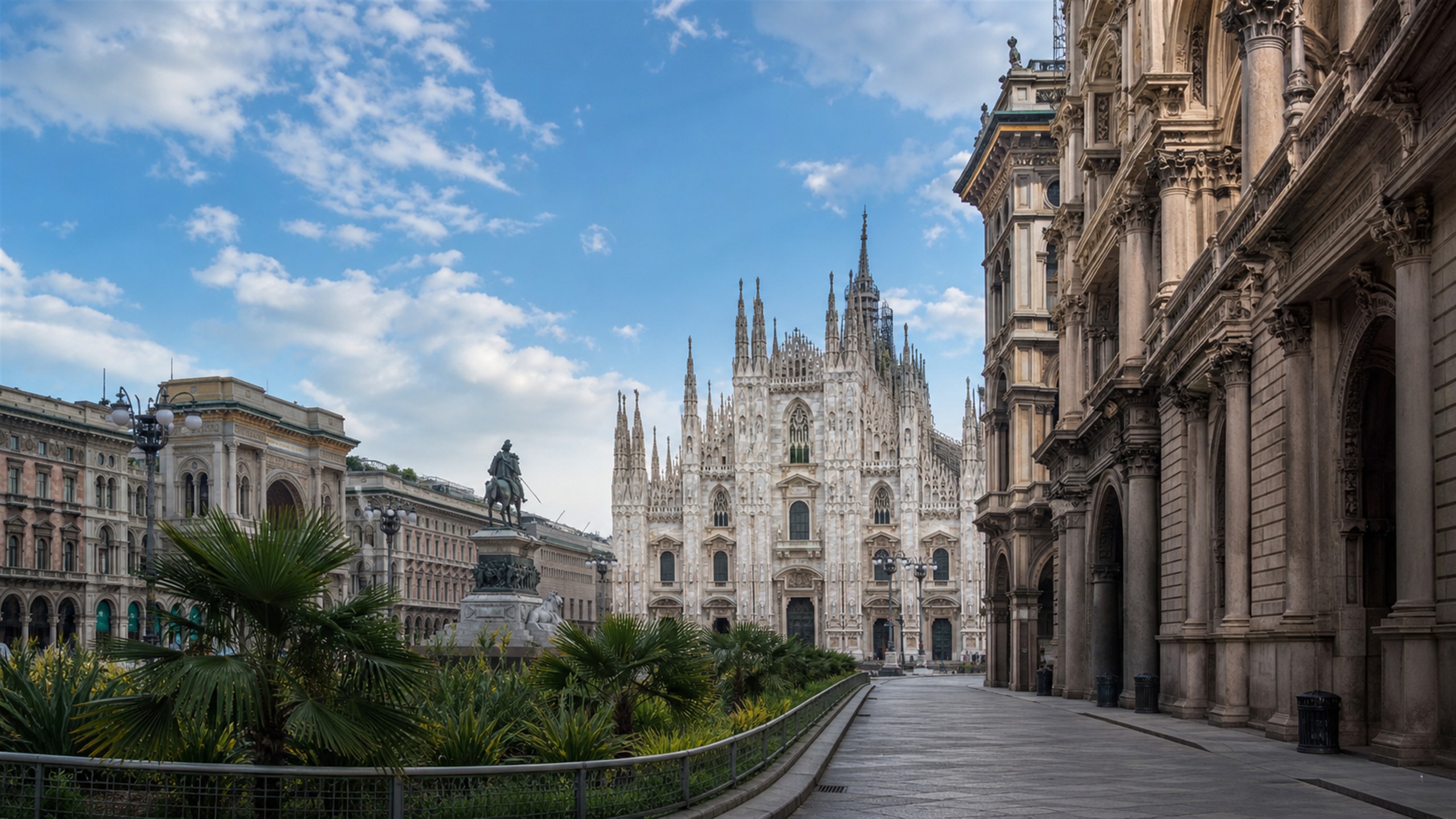
Milan planning image for local highlights, cultural context and Italy route planning
Italy

Milan - design, fashion and northern Italy access

Milan is strongest for travellers who want design, fashion, business energy, northern rail links, major art anchors and a gateway to the lakes.

What It Is Famous For

fashiondesignDuomoshoppingaperitivorail links

Best For

northern Italy routesdesign tripsshoppingshort city breaks

Best Things To See And Do

Milan Duomo and Rooftops

The city signature landmark and the clearest first orientation point.

Use the cathedral area as a central anchor rather than spending the whole day there.

Galleria Vittorio Emanuele II and La Scala Area

A compact route for architecture, shopping and theatre history.

Works well with Brera or the Duomo area.

Santa Maria delle Grazie and The Last Supper

A tightly planned art stop requiring advance timing.

Build the day around the timed visit, then use nearby districts for a softer pace.

Navigli

Canal-side evening area for aperitivo, walks and a different city mood.

Best later in the day rather than as a morning sightseeing stop.

Museums And Culture

art museum
Pinacoteca di Brera

A major art museum in one of the city most useful walking districts.

castle and museums
Sforza Castle

A central heritage complex that pairs well with Parco Sempione.

Where To Eat And What To Try

Milan food is shaped by risotto, aperitivo culture, design-led dining areas, coffee bars and northern Italian traditions.

risotto alla milanesecotolettapanettoneaperitivo snacksespresso
Brera

Good for polished evenings, art days and central dining.

Best for design, evenings.

Navigli

Strong for aperitivo, canals and more relaxed nightlife.

Best for aperitivo, nightlife.

Porta Nuova and Isola

Useful for modern Milan, skyline walks and contemporary dining.

Best for modern design, business stays.

  • Milan works well when meals are planned around districts.
  • Use it as a northern base only if rail and lake timing are realistic.

Traditions And Local Identity

Design and Fashion Calendar

The city has a businesslike creative rhythm shaped by design, fashion, furniture and trade events.

Aperitivo Culture

Early evening drinks and small plates are part of how Milan transitions from work to nightlife.

Where To Stay

Duomo and Brera

Central and polished, with excellent access to the main landmarks.

Best for first-time stays, shopping, museums.

Porta Nuova or Isola

Good for contemporary Milan and rail/taxi convenience.

Best for modern hotels, business, design.

Centrale

Practical when Milan is mainly a gateway to lakes or other cities.

Best for rail routes, short stays.

Suggested Time

1 to 2 days

Enough for Duomo, Brera, one timed art anchor and Navigli or design districts.

3 days

Better if adding Lake Como, Bergamo or a slower shopping and museum rhythm.

Nearby Routes

Lake Como

A classic northern extension, best planned around transport and season.

Bergamo or Verona

Rail-linked city contrasts that suit a northern Italy route.

Naples planning image for local highlights, cultural context and Italy route planning
Italy

Naples - pizza, archaeology and bay energy

Naples is essential for food, archaeology, street life, the bay, Pompeii access and a more intense southern Italy character than the classic art-city route.

What It Is Famous For

pizzaarchaeologyold streetsbay viewschurchessouthern Italy

Best For

food tripsPompeii routessouthern Italylively city breaks

Best Things To See And Do

Historic Centre and Spaccanapoli

Dense old streets, churches, food shops and everyday city energy.

Best explored on foot with time for food stops and churches.

National Archaeological Museum

One of the strongest museum pairings for Pompeii and ancient southern Italy.

Use it before or after Pompeii for context.

Waterfront and Castel dell Ovo

Bay views, sea air and a calmer contrast to the dense historic centre.

Good for late afternoon or a softer second day.

Pompeii or Herculaneum

Major archaeological sites reachable from Naples and central to many southern routes.

Choose one carefully if time is short; both need energy and context.

Museums And Culture

chapel and sculpture
Sansevero Chapel

A focused cultural stop in the historic centre with strong artistic interest.

art museum
Capodimonte Museum

A larger art and palace setting for travellers with more time in Naples.

Where To Eat And What To Try

Naples food is central to the trip: pizza, pastries, espresso, seafood, street snacks and market energy all shape the city.

Neapolitan pizzasfogliatellaespressofried snacksseafood pastababà
Historic Centre

Best for pizza, pastries, street snacks and old-town food energy.

Best for pizza, street food.

Chiaia and Santa Lucia

Good for waterfront meals, calmer evenings and bay views.

Best for seafood, views.

  • Food is not an add-on in Naples; leave space for it.
  • Pompeii days are tiring, so keep dinner plans simple afterward.

Traditions And Local Identity

Street and Family Food Culture

Naples is noisy, expressive and food-led, with local identity visible in streets, markets and bakeries.

Nativity and Craft Streets

Historic craft traditions around small figures and seasonal displays are part of old-town identity.

Where To Stay

Centro Storico

Intense and atmospheric, best for travellers who want the core city.

Best for food, old streets, short stays.

Chiaia or Santa Lucia

Better for bay views and a softer base.

Best for waterfront, calmer evenings.

Station Area

Practical for transport, but choose carefully for comfort and evening plans.

Best for Pompeii access, budget control.

Suggested Time

2 days

Enough for old town, archaeology context, food and the waterfront.

4 days

Better for Pompeii, Herculaneum, bay views and a slower southern route.

Nearby Routes

Pompeii and Herculaneum

Archaeology-heavy days that should not be squeezed between too many other sights.

Amalfi Coast or Capri

Beautiful but transfer-sensitive, so plan boats, buses or overnight stays carefully.

Safe Route Planning

Build Italy Around Simple, Bookable Days

Start with the places people actually remember: the old town, the waterfront, the museum quarter, the food streets and the easy guided day trips. WorldFun helps you turn a country page into a practical plan with flights, hotels, tickets, tours and local experiences in one flow.

Arrival First

First-Time Visitor Route

Start with flights into the easiest gateway for Italy, choose a hotel near the old town, waterfront or museum quarter, then group the first tickets and tours by area.

Compare flights before choosing the hotel area.

Food + Culture

Food and Culture Route

Build one walkable day around a market, a museum, a historic street and an evening restaurant area, then add a food tour if it makes the city easier to understand.

Add a food tour or local market visit.

Museums

Museum and Old Town Route

Reserve the high-demand museum or landmark first, keep the hotel base close enough for an easy return, and use the old town walk for the same day.

Reserve tickets early for the attractions people travel for.

Family Safe

Family-Safe Entertainment Route

Keep transfers short, choose official attractions or guided experiences, leave space for breaks and use restaurants near the stay base for easier evenings.

Choose family-friendly tours and ticketed attractions.

Short Break

Weekend City Break Route

For a short stay in Italy, focus on one arrival city, one strong hotel area, one museum or landmark booking, one food plan and one guided city walk.

Book the hotel close to the route, not just the lowest price.

Trip Booking

Start With Flights

Compare flights before you choose the hotel area, especially when several arrival cities or transfer routes are possible.

Compare Flights
Trip Booking

Choose the Right Hotel Area

Book close to the old town, waterfront, museum quarter or main transport link so each day starts with less friction.

Find Hotels
Trip Booking

Reserve Key Tickets

Book the museum, landmark or attraction people travel for before filling the day with smaller stops.

Book Tickets
Trip Booking

Add Tours With Purpose

Use guided city walks, cultural tours and food experiences when they make the destination simpler and more memorable.

Explore Tours
Travel Guide Notes

What Italy Is Good For

Use this guide to understand the best way to approach Italy: where to arrive, where to stay, how much to move around, and which sights, regions and experiences deserve priority.

Trip Shape

Why Plan Italy Carefully

Italy works best when the route has a clear purpose. Start with the main gateway, decide whether the trip is city-led, coast-led, nature-led or culture-led, then choose the stay base around that plan.

Stay Base

Where to Stay and Move From

Use Italy as practical anchors, then decide whether Italy Regions should be day trips, overnight stops or a separate route. The hotel area should reduce travel time, not create more of it.

Experiences

What to Prioritise

Build the experience list around the route: major sights first, then food, local neighbourhoods, nature, museums, tours or family activities where they genuinely fit the available time.

Travel Planning

Plan Italy Around the Right Route

Plan Italy by choosing one route style first: classic art cities, countryside and wine, coast and islands, food cities, northern lakes or a slower regional stay. Rail is useful for Rome, Florence, Venice, Bologna, Milan and Naples, while coast and islands need more careful transfer planning.

Route Style

Choose the Italy Route First

Classic cities, Tuscany, Amalfi, Sicily, Sardinia, northern lakes and food-led rail routes are very different trips. The route style should decide the flights, hotels and length of stay.

Travel Pace

Protect Time for Place

Italy loses quality when every day becomes another transfer. Fewer bases, better neighbourhoods and realistic train or coast movement usually create a stronger trip.

Experiences

Add Art, Food and Coast Carefully

Museums, churches, food tours, wine days, archaeological sites and coastal boat trips should be grouped by area. This keeps the itinerary rich without making it exhausting.

One-Page Travel Guide

Plan Italy on One Page

Use this Italy guide to connect art cities, rail routes, regional stays, hotels, tickets, food experiences and coast planning into one route that feels rich rather than rushed.

Travel Deals

Italy Travel Deals

Check travel deals for Italy only after the route, dates, stay base and main experiences are clear enough to compare properly.

Open Travel Deals
Hotels / Stays

Italy Hotels and Stays

Choose the stay base around Italy. The hotel area should support the trip shape, transport access and daily movement.

Compare Stays
Tickets / Attractions

Italy Tickets and Attractions

Museums, landmarks, historic sites, viewpoints and paid attractions should be grouped by area, timing and demand.

Plan Tickets
Tours / Experiences

Italy Tours and Experiences

Guided experiences, food routes, nature trips and cultural days should support Italy Regions without overloading the itinerary.

Explore Tours
Family Travel

Family Travel in Italy

Family planning for Italy should keep transfers realistic, bases simple, rest time protected and weather backups available.

Plan Family Travel
Routes / Regions

Italy Routes and Regions

Use Italy Regions as the route layer, then decide whether the trip needs rail, road, domestic flights, boats or fewer bases.

Plan Routes
Short Breaks

Italy Weekend and Short Breaks

Italy can work as a focused short break when the arrival city, stay base and one or two priority experiences are chosen early.

Shape a Short Break
Sailing / Yacht

Sailing and Yacht Travel in Italy

Use sea-first planning for Italy only where coast, islands, harbours, cruises, yacht or sailing genuinely shape the trip.

Explore Sea Travel
Cruises

Italy Cruises

Use cruise planning for Italy only where ports, rivers, coast, islands or pre- and post-cruise stays genuinely matter.

Plan Cruises
Cities and Bases

Where to Base the Trip

Rome is best for ancient history, churches, piazzas and food districts. Florence suits Renaissance art, Tuscany access and walkable city days. Venice needs slower pacing and early booking. Naples gives access to Pompeii, food and the Amalfi direction. Bologna is one of the best food bases, while Milan works for fashion, design and northern routes.

Main Places

Italy

Use the main cities, gateways and stay areas in Italy as the practical base for the trip.

Routes and Regions

How to Move Through Italy

Tuscany, the Amalfi Coast, Sicily, Sardinia, the northern lakes, Puglia and Emilia-Romagna each create a different Italy. Tuscany suits countryside and wine; Amalfi is scenic but transfer-sensitive; Sicily needs time; Sardinia is beach-led; and the lakes work well for slower premium stays.

Route Layer

Italy Regions

Use regions, coast, nature, heritage areas and transport links to decide how deep the Italy route should go.

Practical Order

Plan Italy in the Right Order

Start with the route version: Rome-Florence-Venice, Rome-Naples-Amalfi, Tuscany base, Sicily loop, northern Italy or islands. After that, choose hotels by station access, walking area, coast transfers or driving comfort. Timed-entry tickets and food experiences should be added once the route is stable.

Travel Planning

Best first Italy route

Rome, Florence and Venice remain the cleanest first route if there is enough time. With fewer days, choose Rome plus Florence, or Rome plus Naples and Pompeii.

Travel Planning

Best slower Italy route

Tuscany, Sicily, Puglia, Sardinia or the northern lakes work better when treated as the main trip rather than an extra afterthought.

Travel Planning

Best booking order

Book flights and rail logic first, then hotels near the right station or walking area, then timed-entry museums, Vatican or gallery tickets, food tours and coast transfers.

Book Italy Around the Route

Book Italy around the rhythm of the route. Compare flights into Rome, Milan, Venice, Naples or other gateways, choose stays that reduce transfer stress, then add museums, food tours, rail legs, coast days and regional experiences with purpose.

Compare Flights Compare Hotels Explore Tours