Ireland Travel Guide: Dublin, Galway, Cork, Wild Atlantic Coast and Road-Trip Routes
Ireland is best planned around rhythm: city comfort first, then countryside, coast and music at a realistic pace. Dublin gives arrival structure, pubs, museums and literary history; Galway opens the west coast; Cork and Kerry support food, harbour towns and road routes; and the Cliffs of Moher, Ring of Kerry, Dingle, Connemara and Wild Atlantic Way create the deeper layer. Weather and driving time matter, so the best Ireland trips leave space rather than filling every hour.
Start Planning IrelandIreland Travel Guide: Routes, Stay Bases, Culture and Experiences
Trip shape: Ireland works better when the first overnight point is chosen before the wish list grows. Use Dublin, Galway, Cork and Killarney and County Kerry as the first anchors, then let Wild Atlantic Way, Kerry, Connemara and First Ireland Trip decide whether the trip should stay compact or open into a wider route.
Best for: Wild Atlantic Way, Kerry, Connemara and First Ireland Trip give Ireland its deeper travel layer. Some visitors need one main city and one day trip; others should slow down, split the journey and give the strongest region its own nights.
Planning rule: Start with arrival logic, season and the first overnight point, then add the experiences that genuinely deserve advance planning. Museums, landmarks, guided tours, food walks, local neighbourhoods and coastal or countryside days should be grouped by geography and timing.
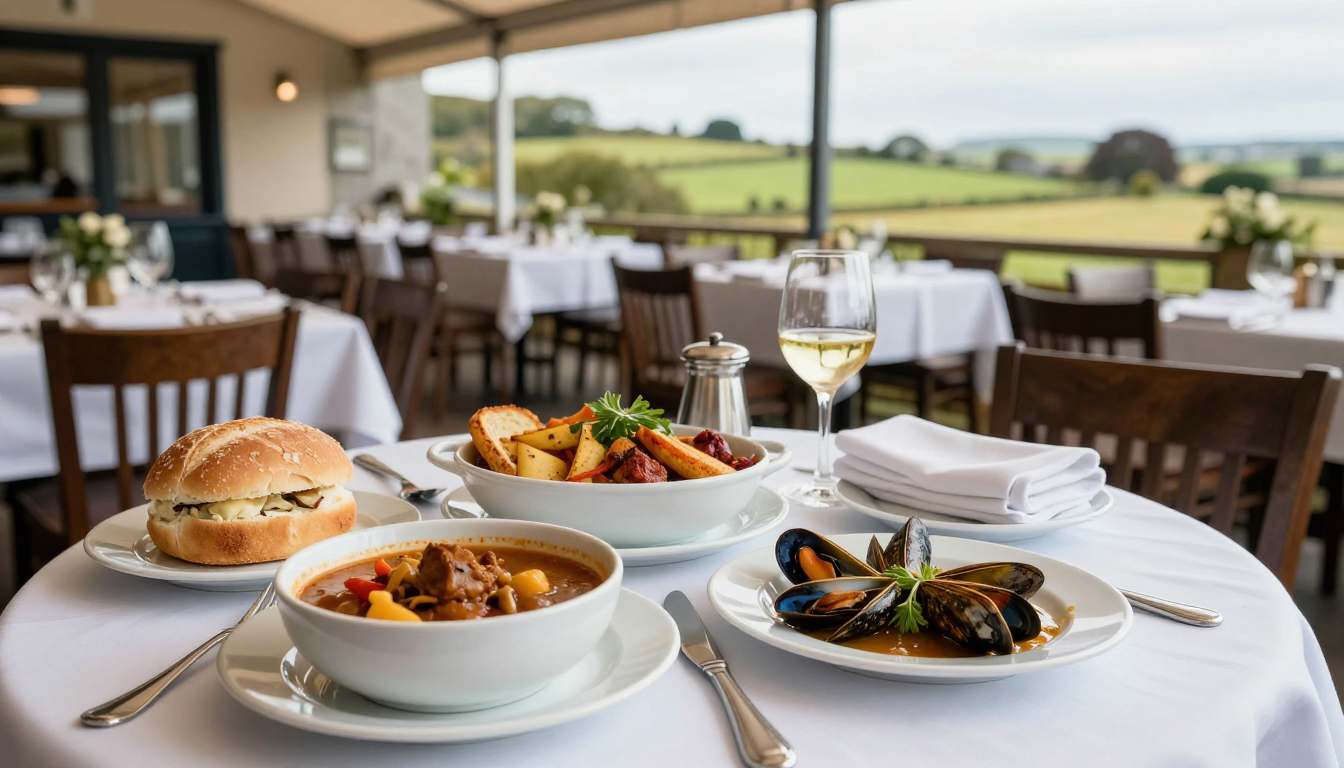
Route logic: Live music and pub evenings work best when they are allowed to happen naturally rather than packed between late transfers. Coastal towns, markets, cheeses and hearty dishes should influence where visitors pause. Keep food close to the chosen hotel area where possible: the best meals often come from market streets, harbour areas, old-town restaurants and neighbourhoods already inside the day’s route.
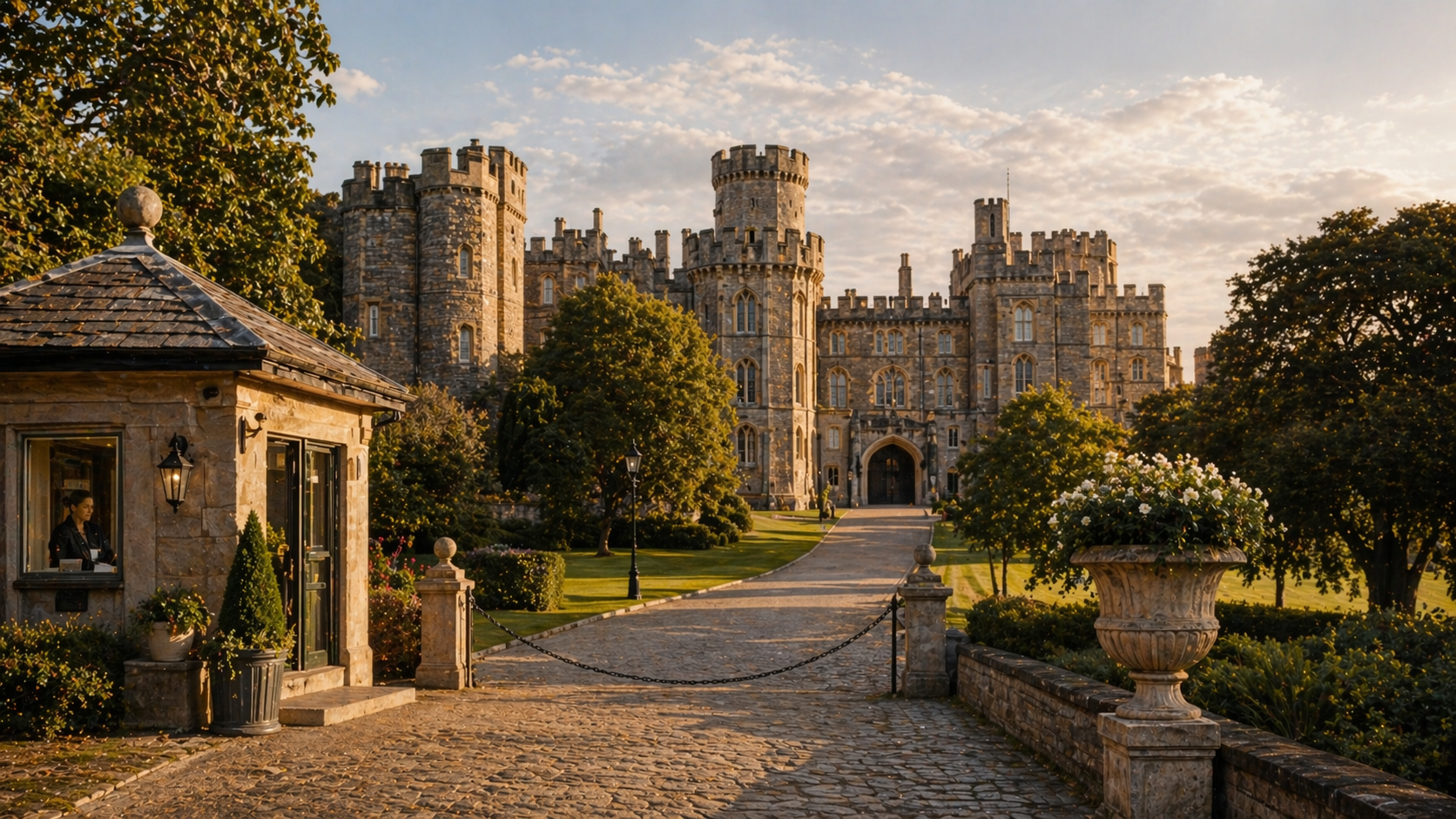
Dublin: literature, pubs and first-time Ireland
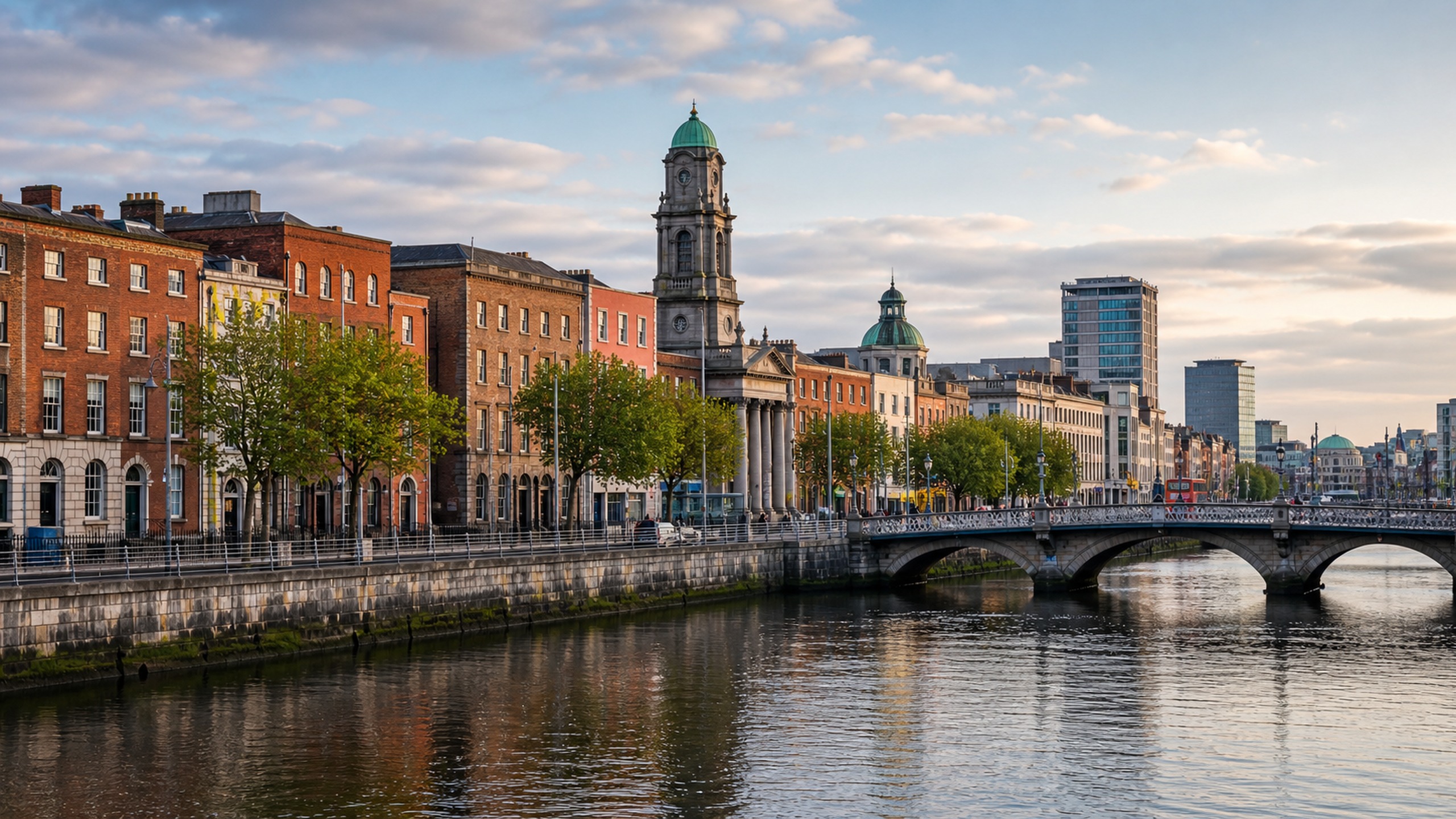
Best for: Dublin works better as a lived-in stop than as a fast photo pin, with literature, pubs and first-time Ireland shaping the day. Dublin is the clearest arrival base for Ireland, with literary landmarks, museums, Georgian streets, pub culture and strong transport links for wider routes. It works best when the stay gives proper time to Trinity College, national museums, neighbourhood food, music evenings and one coastal or historic day trip before moving west or south.
Historic landmarks: Trinity College and the Book of Kells, Dublin Castle and Chester Beatty, Guinness Storehouse, St Stephen’s Green and Georgian Dublin, National Museum of Ireland and EPIC The Irish Emigration Museum should shape the sightseeing plan. Book timed access and pair with the nearby City Centre. Good for a focused cultural block.
Museums and attractions: Choose the hotel area around City Centre / Trinity Area, St Stephen’s Green and Smithfield. Pick the district that makes arrival, evening movement and the first full day easier.
Hotels and stay areas: Dublin also needs a food layer. Build meals around Irish stew, seafood chowder, soda bread, boxty, Irish whiskey, oysters, Temple Bar and Dame Street and Stoneybatter and Smithfield so the visitor has a reason to slow down between museums, viewpoints and transfers.
Food and restaurants: Howth or Dún Laoghaire and Galway or Belfast can extend the stay when there is enough time. Easy coastal day options that add sea air without changing base. Both work as onward city bases, but they need separate time.
Galway: west-coast music, food and Atlantic routes
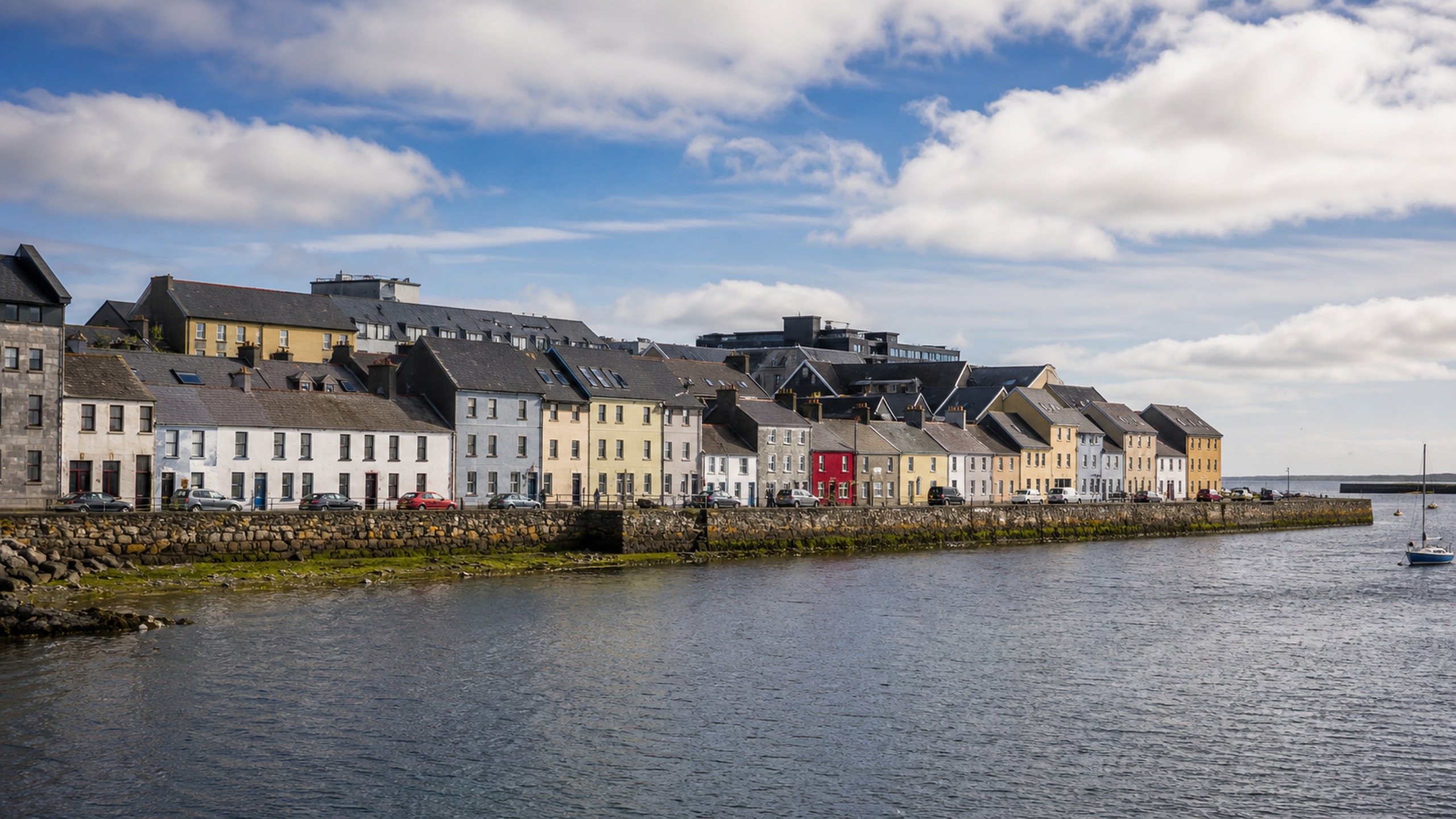
Best for: Treat Galway as the part of Ireland where west-coast music, food and Atlantic routes becomes useful for the wider route. Galway is the natural west-coast base for music, seafood, lively streets and routes toward Connemara, the Aran Islands and the Cliffs of Moher. Use it for a culture-and-landscape stay where Pub Sessions, Latin Quarter meals, ferry or coach timings and weather-sensitive coast days are planned together.
Historic landmarks: Latin Quarter and Quay Street, Salthill Promenade, Galway Cathedral and River Corrib, Spanish Arch and Museum Area, Galway City Museum and Druid Theatre Area should shape the sightseeing plan. Best in the evening, but avoid making it the whole trip. Good for a softer break from the centre.
Museums and attractions: Choose the hotel area around Latin Quarter / Centre, West End and Salthill. Pick the district that makes arrival, evening movement and the first full day easier.
Hotels and stay areas: Galway also needs a food layer. Build meals around oysters, seafood chowder, brown bread, Irish stew, local cheeses, craft beer, Latin Quarter and West End so the visitor has a reason to slow down between museums, viewpoints and transfers.
Food and restaurants: Connemara and Aran Islands can extend the stay when there is enough time. A major scenic day that should not be rushed. A ferry or flight-linked island route that depends on weather and schedules.
Cork: markets, harbour towns and southern Ireland
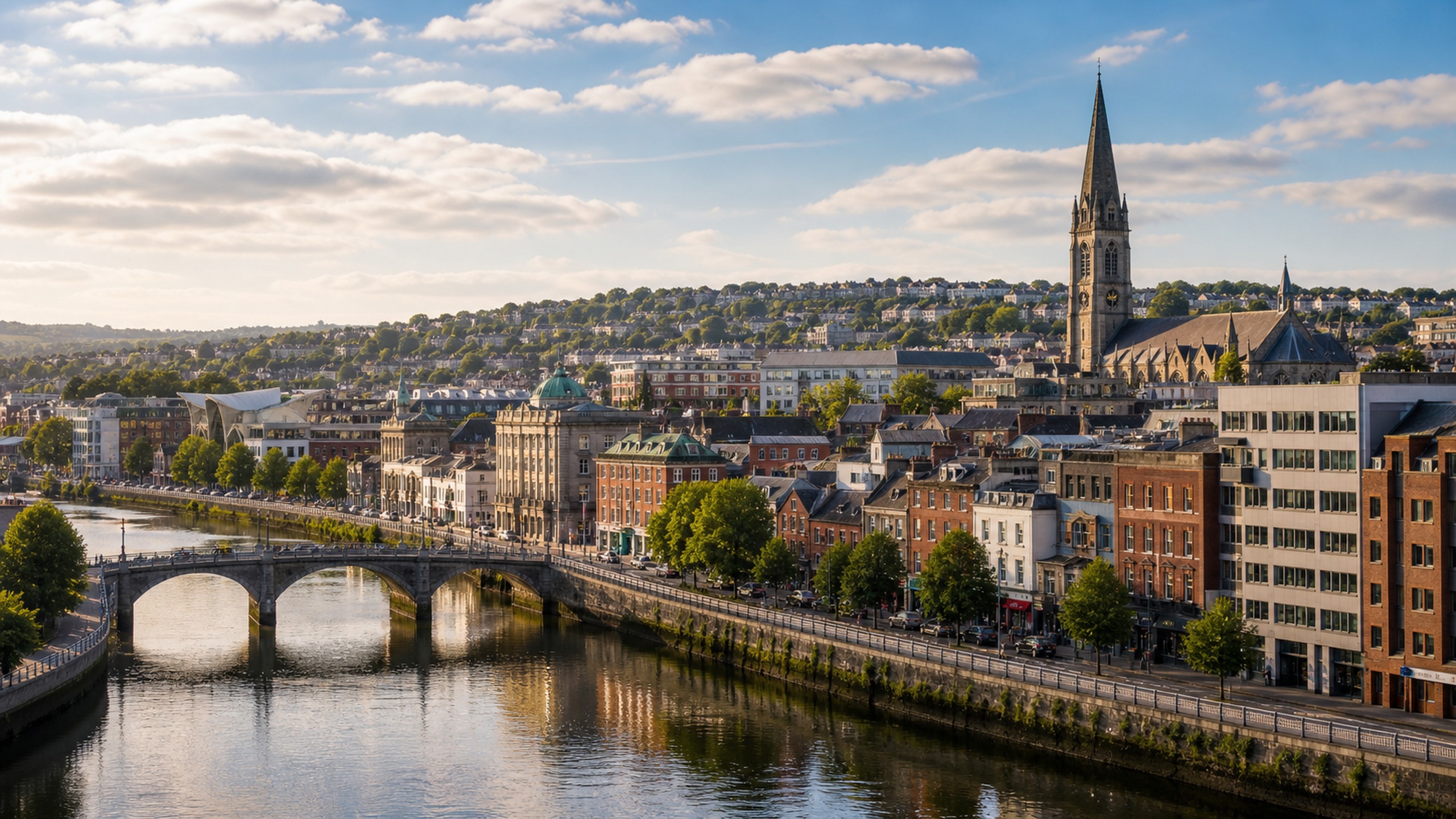
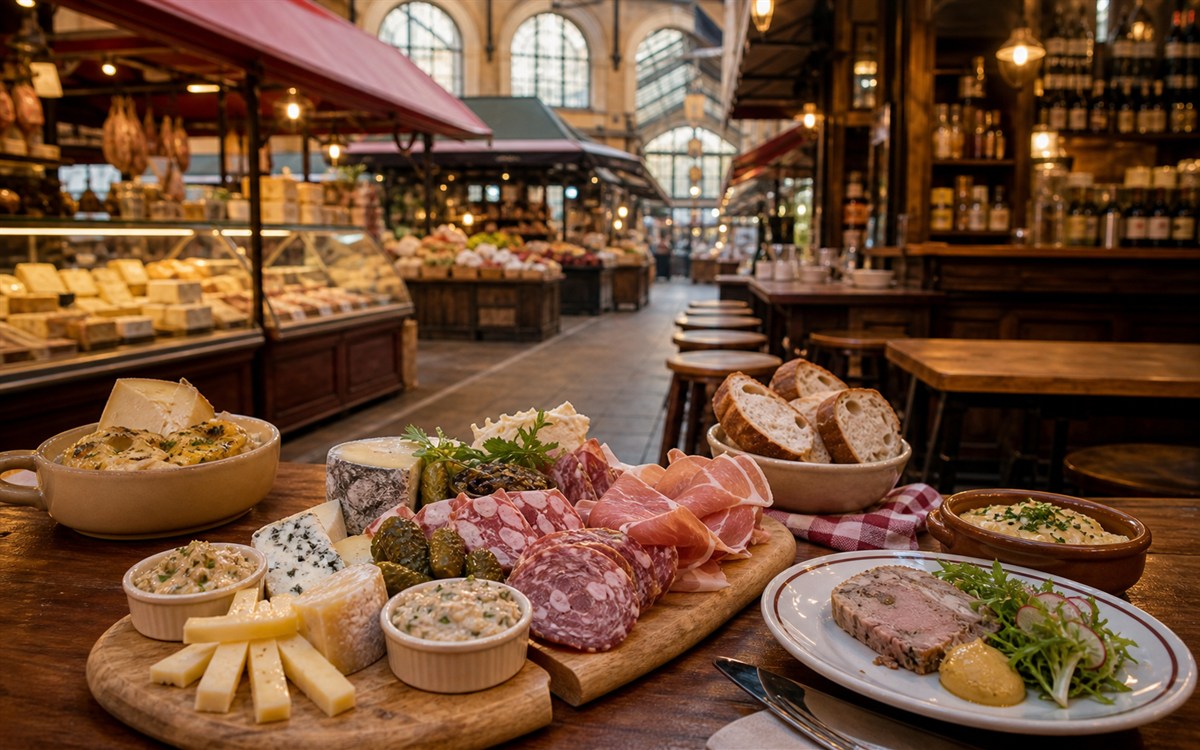
Best for: Use Cork when the Ireland route needs markets, harbour towns and southern Ireland. Cork gives Ireland a strong southern base, with market food, independent streets, harbour towns and access to Kinsale, Cobh and coastal routes. It suits travellers who want food culture, maritime history and a softer city pace before adding Blarney, West Cork, harbour villages or rail-linked onward travel.
Historic landmarks: English Market, Shandon Bells and Cathedral Area, Cork City Centre and River Lee, Cobh Harbour, Crawford Art Gallery and Cobh Heritage Centre should shape the sightseeing plan. Visit during market hours and build lunch around it. Pair with a wider city walk.
Museums and attractions: Choose the hotel area around City Centre, Victorian Quarter and Kinsale. Pick the district that makes arrival, evening movement and the first full day easier.
Hotels and stay areas: Cork also needs a food layer. Build meals around spiced beef, seafood, Irish farmhouse cheese, soda bread, butter, craft beer, City Centre and Victorian Quarter so the visitor has a reason to slow down between museums, viewpoints and transfers.
Food and restaurants: Kinsale and Cobh and Midleton can extend the stay when there is enough time. A seafood and harbour-town day close to Cork. Useful for maritime heritage and whiskey culture with transport planning.
Plan this part of the trip
Killarney and County Kerry: national park, lakes and classic scenic drives
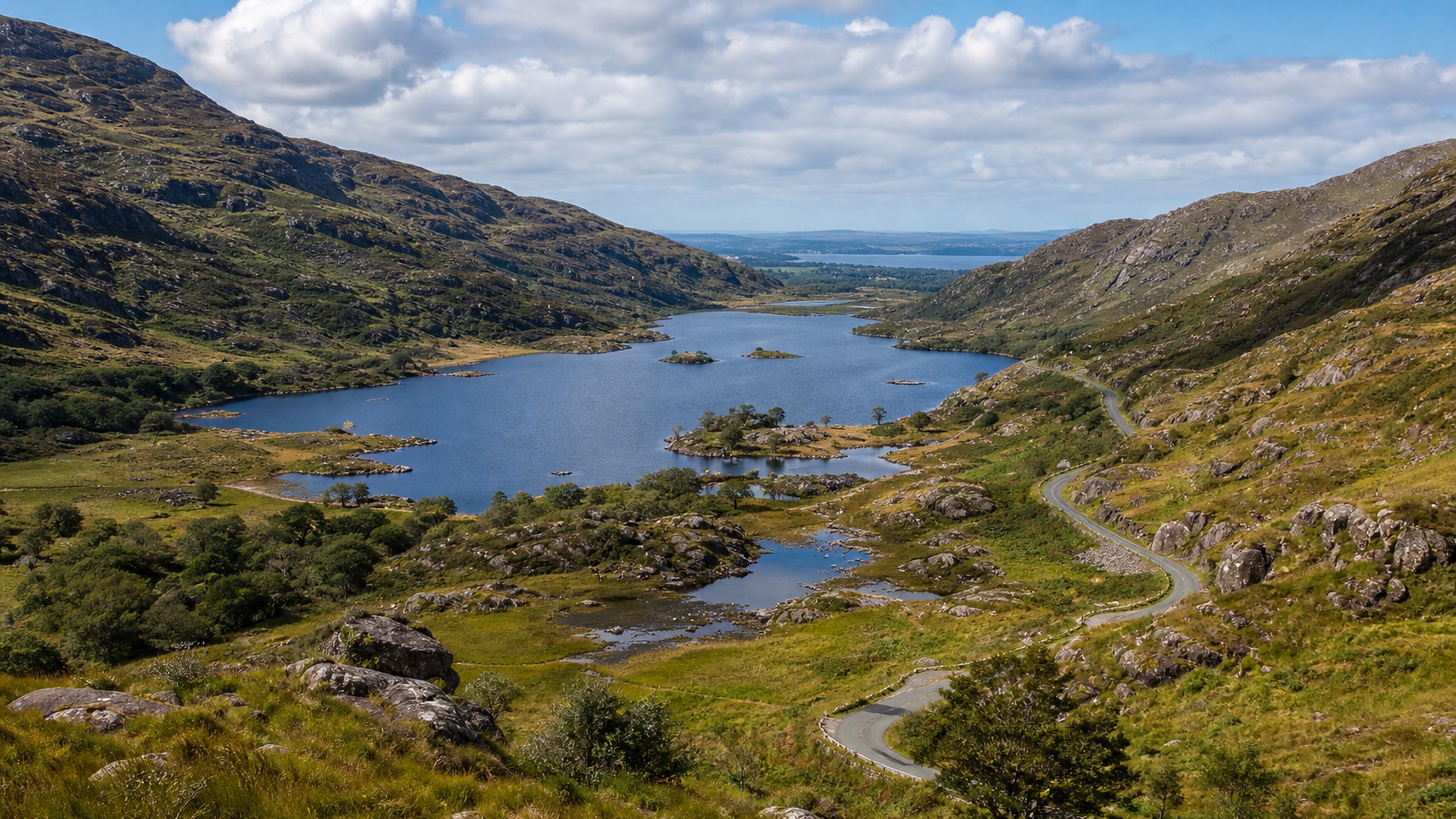
Best for: Use Killarney and County Kerry when the Ireland route needs national park, lakes and classic scenic drives. Killarney is the practical base for County Kerry, with national-park scenery, lakes, historic houses and access to the Ring of Kerry and Dingle Peninsula. It is strongest when the hotel base supports early starts, park walks, boat or jaunting-car routes, and a realistic choice between Ring of Kerry, Dingle and quieter lake time.
Historic landmarks: Killarney National Park, Muckross House and Abbey, Gap of Dunloe, Ring of Kerry, Muckross House and Kerry County Museum in Tralee should shape the sightseeing plan. Choose a focused route; the park is larger than a quick stop. Good for a structured half-day.
Museums and attractions: Choose the hotel area around Killarney Town, Kenmare and Dingle. Pick the district that makes arrival, evening movement and the first full day easier.
Hotels and stay areas: Killarney and County Kerry also needs a food layer. Build meals around seafood chowder, lamb, brown bread, Irish stew, local cheeses, whiskey, Killarney Town and Dingle so the visitor has a reason to slow down between museums, viewpoints and transfers.
Food and restaurants: Dingle Peninsula and Ring of Kerry can extend the stay when there is enough time. A scenic and cultural route that deserves a full day or overnight. The classic loop, best planned around driving pace and stops.
Food, Culture and Route Ideas for Ireland
Food route: Live music and pub evenings work best when they are allowed to happen naturally rather than packed between late transfers. Coastal towns, markets, cheeses and hearty dishes should influence where visitors pause. Literature, language, music and regional pride are central to Ireland’s travel character. This is where food, culture and route planning should work together.
Food, wine and restaurants: Build meals around Irish stew, seafood chowder, soda bread, boxty, Irish whiskey, oysters and brown bread and keep them close to Temple Bar and Dame Street, Stoneybatter and Smithfield, Docklands, Latin Quarter and West End.
Popular experiences: Use Dublin first, then add Galway or Killarney depending on whether the trip is city-led or landscape-led. Choose fewer west-coast bases and protect time for weather, driving and slower stops. Keep the route disciplined: one clear hotel area, one strong regional layer and one food or culture experience will usually feel better than trying to touch every possible stop.
Planning rule: Use bookings in a clean order: choose the hotel area first, then add attraction tickets, food tours, guided days and local experiences where they make the journey easier, richer and more realistic.