Indonesia Travel, Structured Around Bali, Islands and Long Distances
Plan Indonesia through Bali, Jakarta, Lombok, Java, Komodo, Yogyakarta, beaches, temples, volcanoes, diving, hotels, flights, ferries and island routes.
Start Planning IndonesiaCheck Current Advice Before Booking
Travel safety note: Official UK FCDO advice may warn against travel to specific regions of this country. This guide is for general planning only. Check the latest GOV.UK Foreign Travel Advice before booking or travelling.
Regional note: FCDO regional advice includes all-travel exclusion zones around named active volcanoes. WorldFun Indonesia planning should avoid restricted volcano exclusion zones and keep mainstream island, city, beach, and culture coverage tied to current official advice.
Last WorldFun FCDO review: 2026-04-26
Check GOV.UK FCDO adviceIndonesia Travel Guide: Routes, Stay Bases, Culture and Experiences
Trip shape: A strong Indonesia itinerary begins with one honest decision about pace. Start with Bali, Jakarta, Yogyakarta and Lombok, then test every extra stop against Bali Regions, Lombok and Gili Islands, Java Temples and Volcanoes and First Indonesia Trip: does it make the trip richer, or only longer?
Best for: Bali Regions, Lombok and Gili Islands, Java Temples and Volcanoes and First Indonesia Trip give Indonesia its deeper travel layer. Some visitors need one main city and one day trip; others should slow down, split the journey and give the strongest region its own nights.
Planning rule: Start with arrival logic, season and the first overnight point, then add the experiences that genuinely deserve advance planning. Museums, landmarks, guided tours, food walks, local neighbourhoods and coastal or countryside days should be grouped by geography and timing.
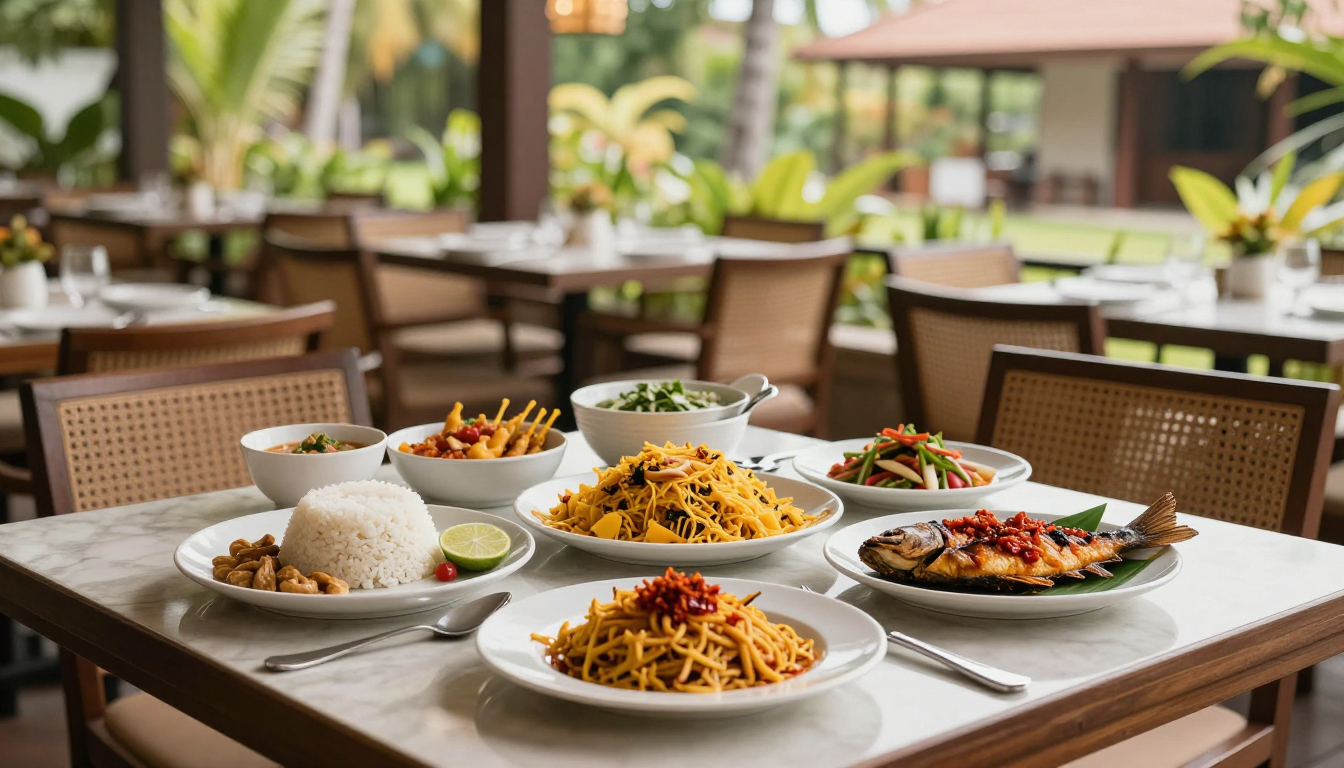
Route logic: nasi goreng, satay, rendang, gado-gado, sambal and seafood vary by island and local style. Dress, offerings and ceremony rules matter, especially in Bali and active religious sites. Keep food close to the chosen hotel area where possible: the best meals often come from market streets, harbour areas, old-town restaurants and neighbourhoods already inside the day’s route.



Bali: temples, beaches, rice terraces and resort bases
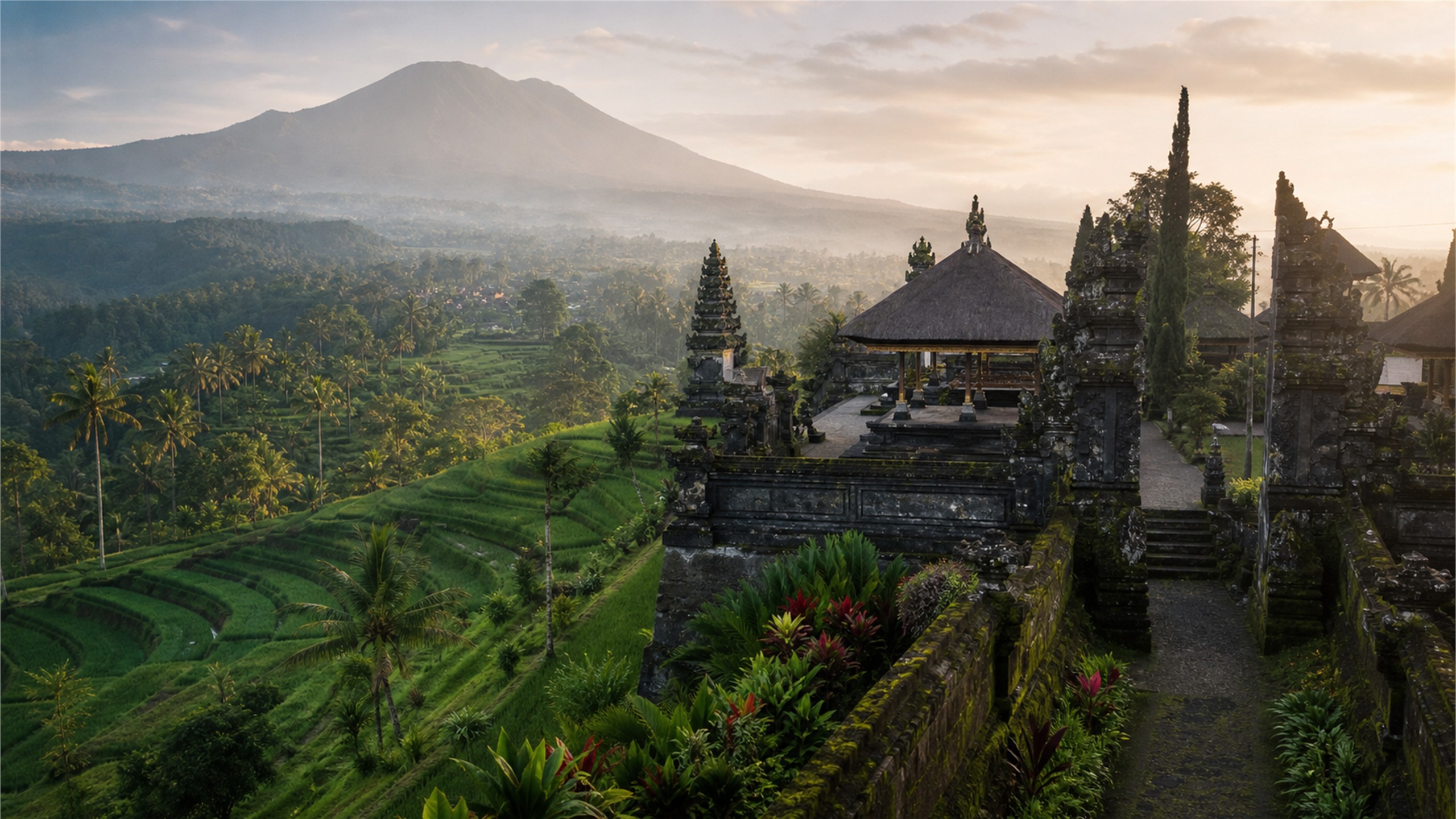
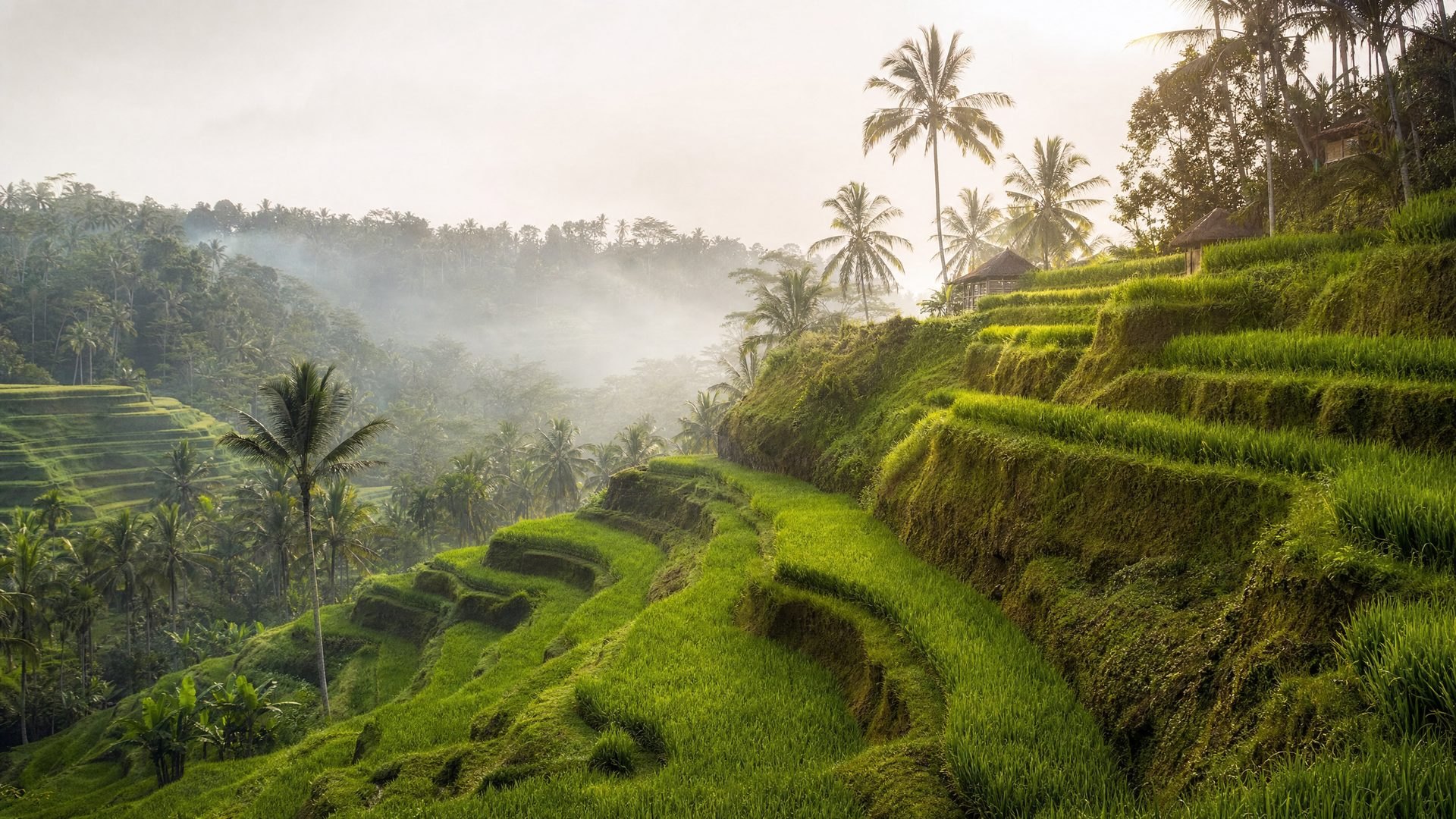
Best for: Treat Bali as the part of Indonesia where temples, beaches, rice terraces and resort bases becomes useful for the wider route. Bali is Indonesia's easiest first island base, but it works best when beach areas, Ubud, temple routes and transfer times are chosen deliberately. A good stay balances inland culture, beach districts, food, temple etiquette and traffic reality rather than assuming every highlight is a quick hop away.
Historic landmarks: Ubud and Rice Terraces, Tanah Lot Temple, Uluwatu Temple, Seminyak, Canggu or Sanur Beaches, Agung Rai Museum of Art and Puri Lukisan Museum should shape the sightseeing plan. Stay nearby if rice terraces and slower cafes matter. Expect crowds and check tide timing.
Museums and attractions: Choose the hotel area around Ubud, Seminyak or Canggu and Sanur or Nusa Dua. Pick the district that makes arrival, evening movement and the first full day easier.
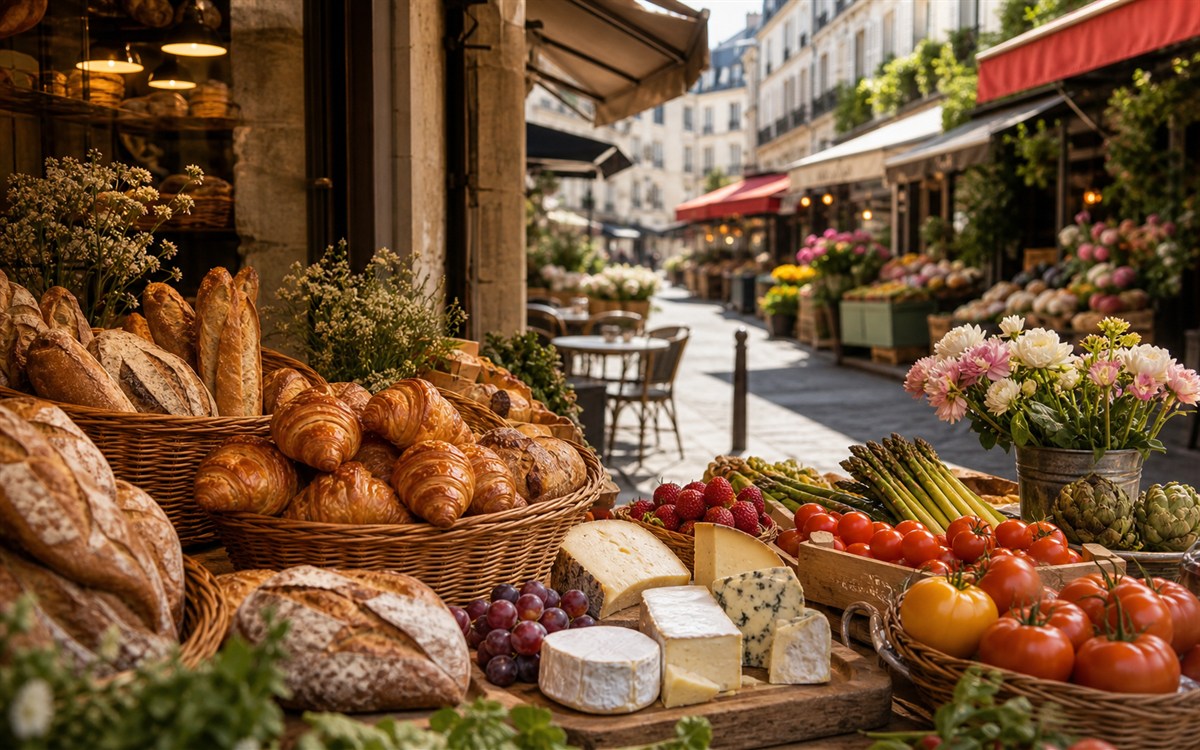
Hotels and stay areas: Bali also needs a food layer. Build meals around nasi campur, babi guling, satay lilit, lawar, gado-gado, fresh seafood, Ubud and Seminyak and Canggu so the visitor has a reason to slow down between museums, viewpoints and transfers.
Food and restaurants: Nusa Lembongan or Nusa Penida and Lombok can extend the stay when there is enough time. Nearby island routes that depend on sea conditions and timing. A separate island extension by flight or boat with careful transfer planning.
Plan this part of the trip

Jakarta: capital arrival point, museums and food districts
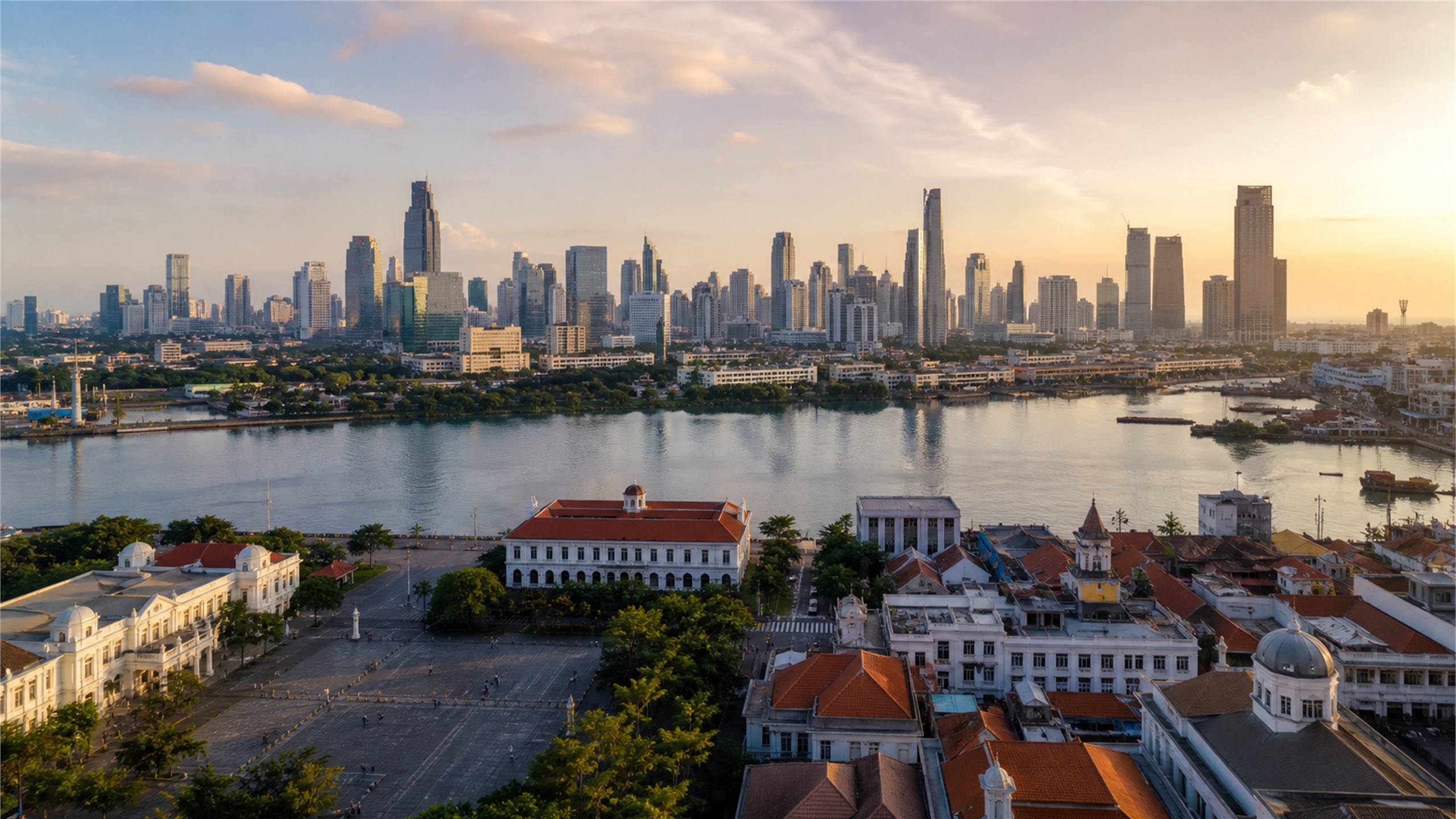
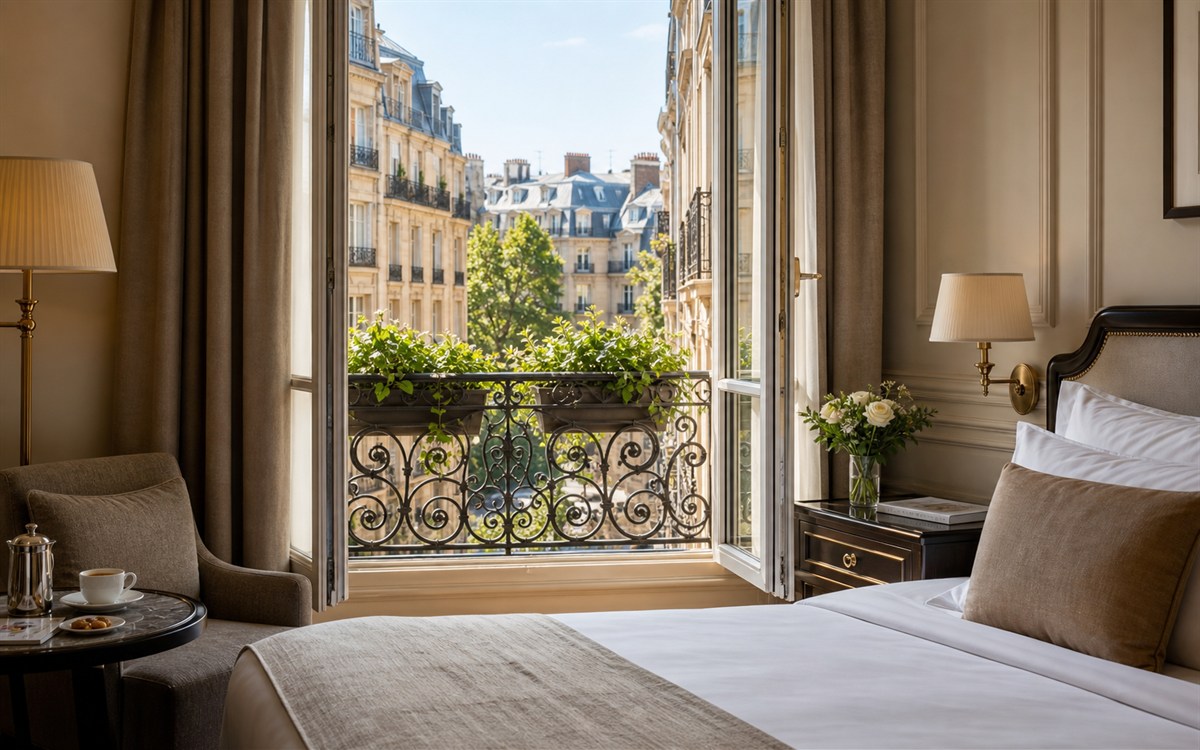
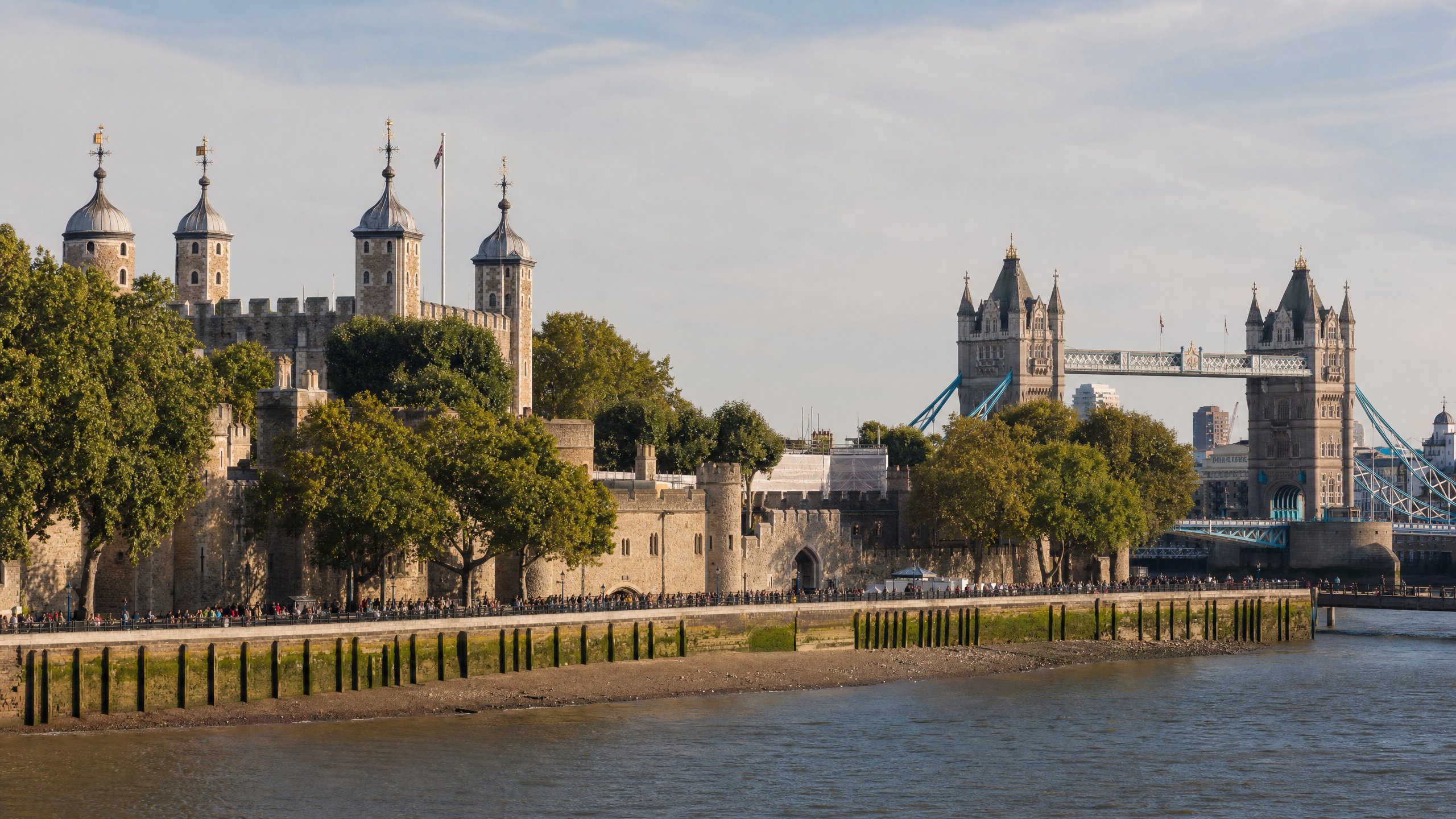
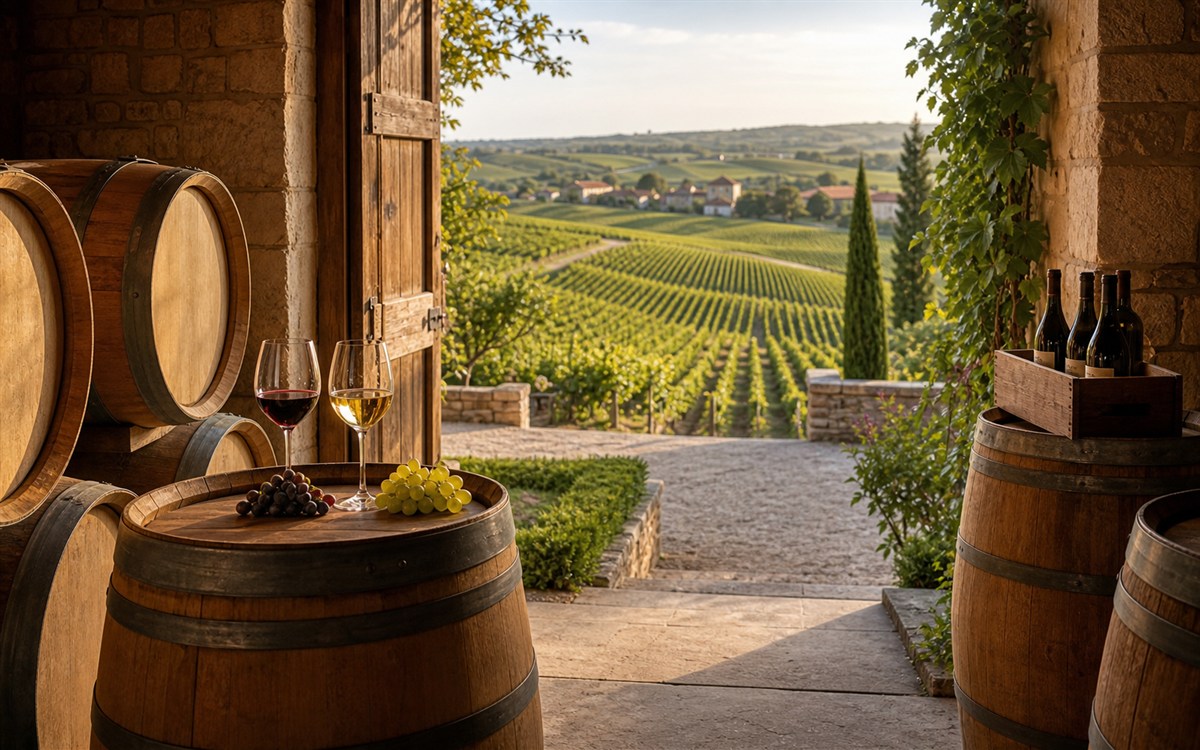
Best for: Use Jakarta when the Indonesia route needs capital arrival point, museums and food districts. Jakarta is often a transit point, but it can add museums, markets, old port heritage, shopping and strong food districts when planned around traffic. It works best as a short, focused capital chapter before Java rail routes, using central stays, museum clusters and food areas rather than wide daily crossings.
Historic landmarks: Kota Tua, National Monument and Merdeka Square, Istiqlal Mosque and Jakarta Cathedral, Ancol or Sunda Kelapa Harbour, National Museum of Indonesia and Jakarta History Museum should shape the sightseeing plan. Visit early and move by area because traffic is heavy. Pair with nearby national museums.
Museums and attractions: Choose the hotel area around Menteng, Thamrin and Sudirman and Kota Tua Edge. Pick the district that makes arrival, evening movement and the first full day easier.
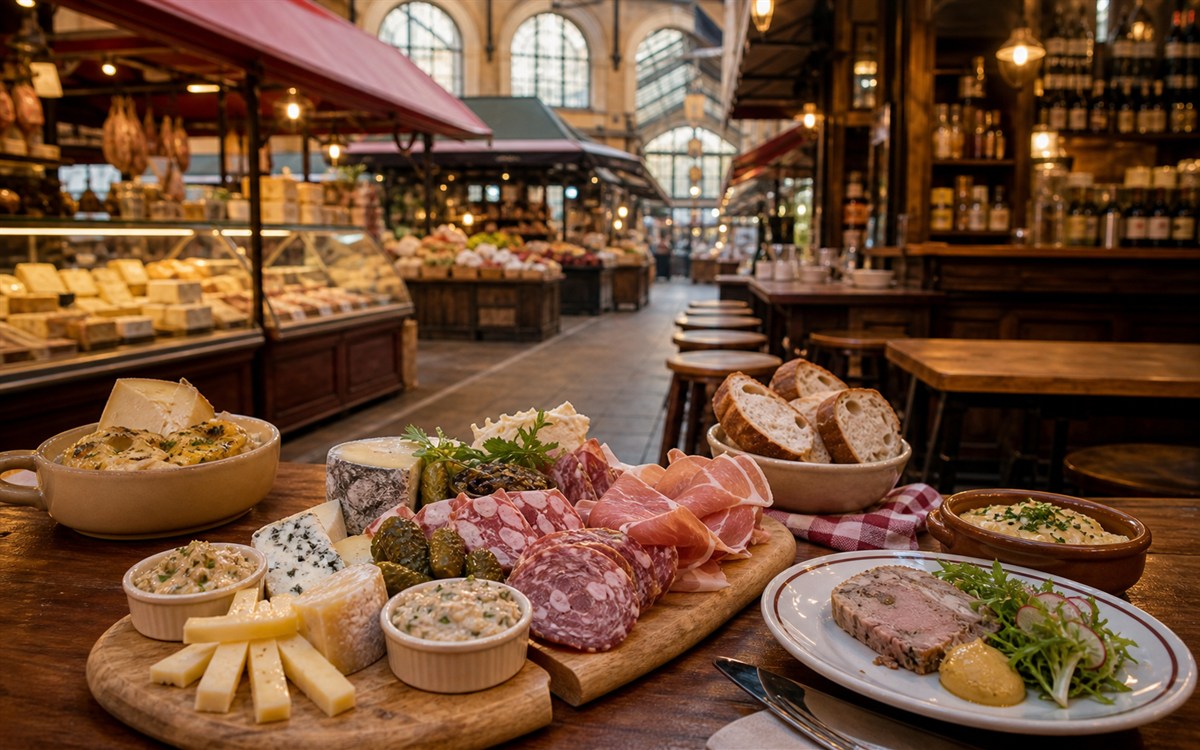
Hotels and stay areas: Jakarta also needs a food layer. Build meals around nasi goreng, gado-gado, soto Betawi, satay, rendang, martabak, Menteng and Kota Tua and Glodok so the visitor has a reason to slow down between museums, viewpoints and transfers.
Food and restaurants: Bogor and Yogyakarta can extend the stay when there is enough time. A cooler garden and palace day route from Jakarta. The natural Java culture extension by train or flight.




Yogyakarta: Javanese culture, temples and craft streets
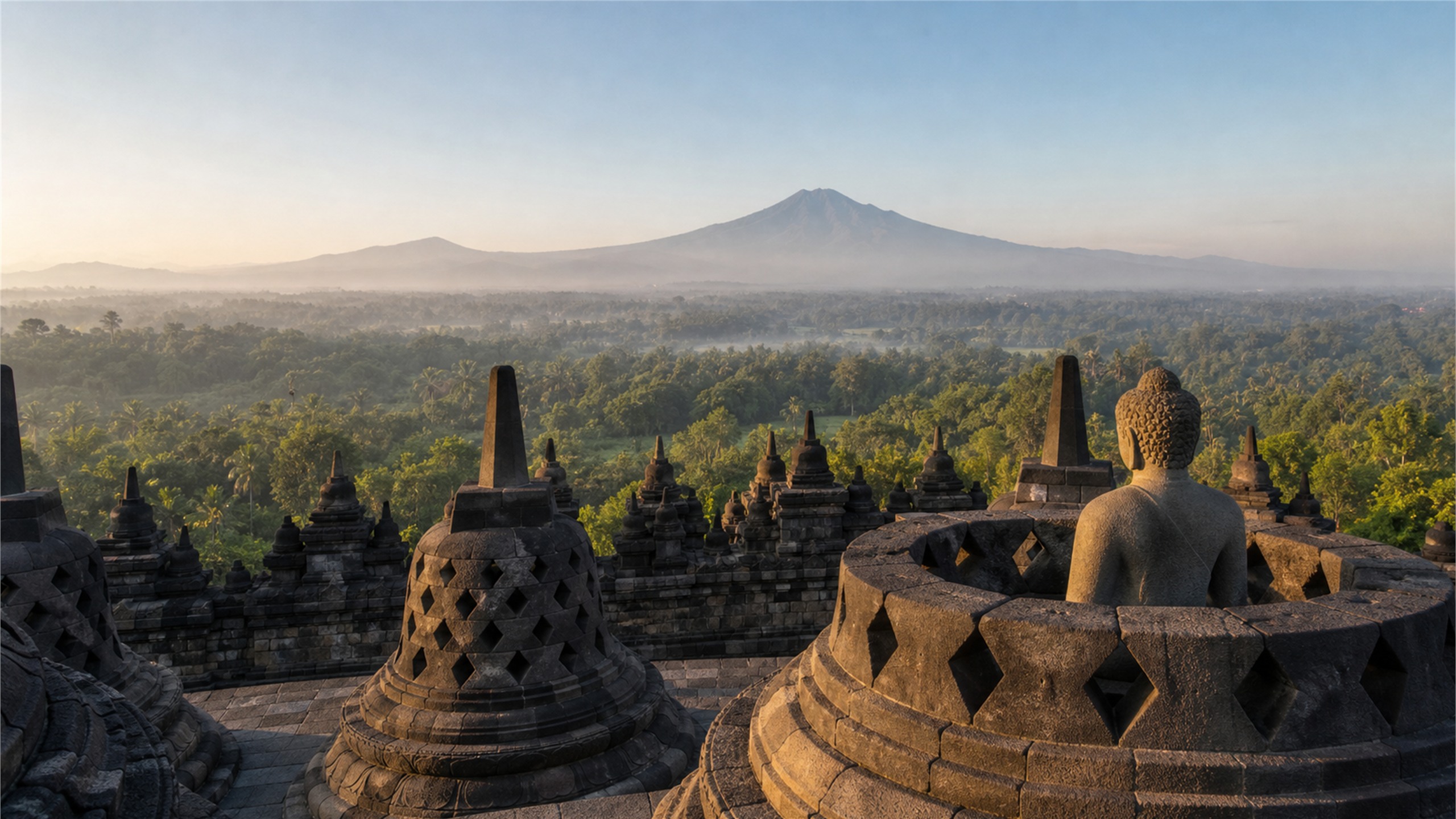
Best for: For Yogyakarta, the first decision is pace: give the city enough room to show its Javanese culture, temples and craft streets. Yogyakarta is the best mainstream base for Javanese culture, with royal heritage, batik, food streets and access to Borobudur and Prambanan. It deserves several nights because temple timing, palace etiquette, craft visits, student-city cafes and early starts all need a calmer base than a single overnight.
Historic landmarks: Borobudur Route, Prambanan Temple Complex, Kraton Yogyakarta, Malioboro Street, Ullen Sentalu Museum and Sonobudoyo Museum should shape the sightseeing plan. Book and time visits carefully because access rules can vary. Pair with sunset only if transport is arranged.
Museums and attractions: Choose the hotel area around Prawirotaman, Malioboro Area and Kraton Edge. Pick the district that makes arrival, evening movement and the first full day easier.
Hotels and stay areas: Yogyakarta also needs a food layer. Build meals around gudeg, bakpia, sate klathak, mie Jawa, kopi joss, tempeh dishes, Malioboro and Prawirotaman so the visitor has a reason to slow down between museums, viewpoints and transfers.
Food and restaurants: Borobudur and Solo Surakarta can extend the stay when there is enough time. The key temple route from Yogyakarta. A court-city extension for Javanese culture.



Lombok: quieter beaches, surf and mountain routes
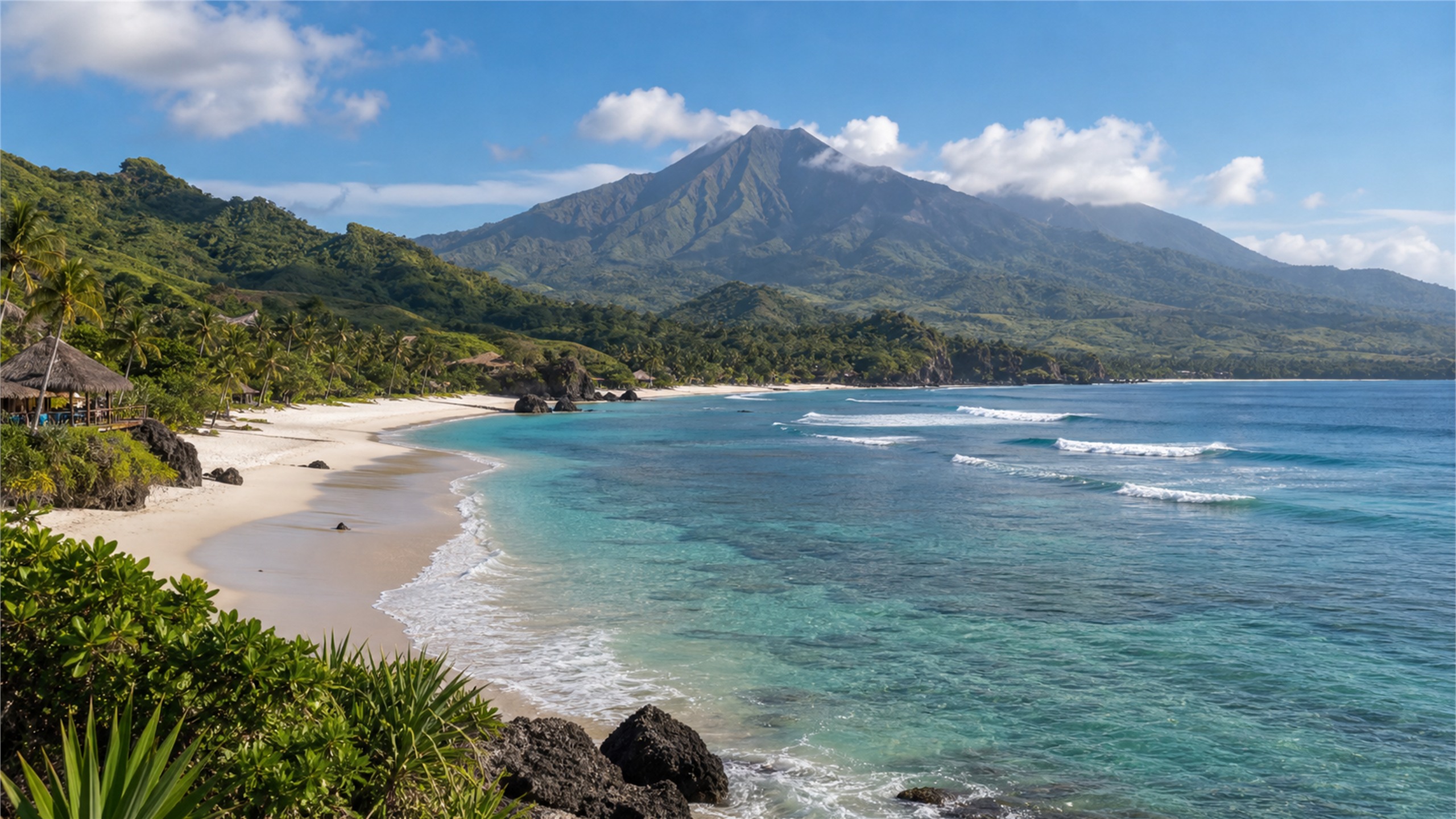
Best for: Use Lombok when the Indonesia route needs quieter beaches, surf and mountain routes. Lombok offers a quieter island contrast to Bali, with beaches, surf towns, waterfalls, Mount Rinjani views and access to the Gili Islands. It works best when travellers choose between southern surf, Senggigi sunsets, northern waterfalls or Gili boat time instead of trying to cover all corners quickly.
Historic landmarks: Kuta Lombok Coast, Senggigi Coast, Gili Islands Access, Rinjani and Waterfall Areas, Sasak Village Visits and Pura Lingsar should shape the sightseeing plan. Choose beaches by swimming conditions and transport. Useful for sunsets and easier hotel access.
Museums and attractions: Choose the hotel area around Kuta Lombok, Senggigi and Gili Islands. Pick the district that makes arrival, evening movement and the first full day easier.
Hotels and stay areas: Lombok also needs a food layer. Build meals around ayam taliwang, plecing kangkung, satay rembiga, fresh seafood, nasi campur, Kuta Lombok, Senggigi and Mataram and Ampenan so the visitor has a reason to slow down between museums, viewpoints and transfers.
Food and restaurants: Bali and Gili Islands can extend the stay when there is enough time. The common arrival pairing by flight or boat. A nearby island extension that depends on sea conditions.

Labuan Bajo and Komodo: marine park, island views and boat planning
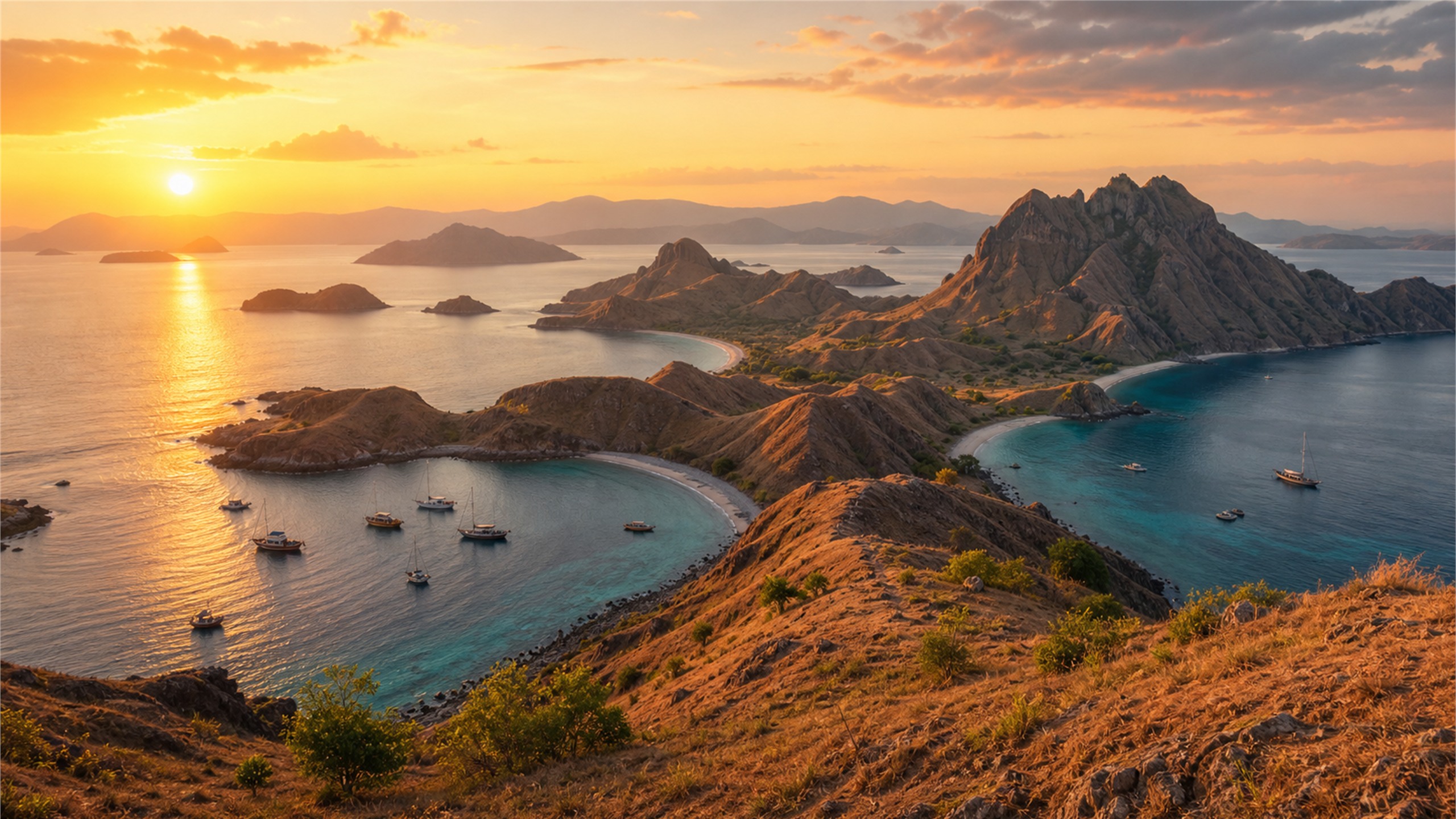
Best for: Use Labuan Bajo and Komodo when the Indonesia route needs marine park, island views and boat planning. Labuan Bajo is the mainstream base for Komodo National Park, giving access to island viewpoints, marine life and boat routes that require careful operator choice. The route needs proper buffer time for flights, weather, park rules, boat safety and reef respect, so it should not be a casual add-on.
Historic landmarks: Komodo National Park Boat Route, Padar Island Viewpoint, Pink Beach Area, Labuan Bajo Harbour, Batu Cermin Cave and Flores Cultural Context should shape the sightseeing plan. Use licensed operators and current park guidance. Plan for heat, footwear and timing.
Museums and attractions: Choose the hotel area around Labuan Bajo Harbour, Hill View Hotels and Island Resorts. Pick the district that makes arrival, evening movement and the first full day easier.
Hotels and stay areas: Labuan Bajo and Komodo also needs a food layer. Build meals around grilled fish, nasi goreng, satay, seafood curry, tropical fruit, local coffee, Harbour Area and Hill and Viewpoint Hotels so the visitor has a reason to slow down between museums, viewpoints and transfers.
Food and restaurants: Bali and Flores Inland Route can extend the stay when there is enough time. The common flight pairing for international visitors. A longer overland extension for travellers with more time and careful planning.


Food, Culture and Route Ideas for Indonesia
Food route: nasi goreng, satay, rendang, gado-gado, sambal and seafood vary by island and local style. Dress, offerings and ceremony rules matter, especially in Bali and active religious sites. Island routes depend on seasons, ferries, domestic flights and road time. This is where food, culture and route planning should work together.
Food, wine and restaurants: Build meals around nasi campur, babi guling, satay lilit, lawar, gado-gado, fresh seafood and nasi goreng and keep them close to Ubud, Seminyak and Canggu, Jimbaran, Menteng and Kota Tua and Glodok.
Popular experiences: Use Bali as the easiest first base, then add one nearby island or Java route if time allows. Pair Jakarta or Yogyakarta with temple and rail routes for a more city-and-history-led trip. Keep the route disciplined: one clear hotel area, one strong regional layer and one food or culture experience will usually feel better than trying to touch every possible stop.
Planning rule: Use bookings in a clean order: choose the hotel area first, then add attraction tickets, food tours, guided days and local experiences where they make the journey easier, richer and more realistic.