India Travel, Structured Around Regions, Cities and Cultural Depth
Plan India through Delhi, Mumbai, Jaipur, Agra, Kerala, Goa, Rajasthan, temples, food regions, rail and flight routes, hotels, tours and season-aware pacing.
Start Planning IndiaCheck Current Advice Before Booking
Travel safety note: Official UK FCDO advice may warn against travel to specific regions of this country. This guide is for general planning only. Check the latest GOV.UK Foreign Travel Advice before booking or travelling.
Regional note: FCDO regional advice covers the India-Pakistan border area, Jammu and Kashmir, and Manipur. WorldFun India planning should avoid restricted regions and focus only on mainstream travel areas where current advice permits travel.
Last WorldFun FCDO review: 2026-04-26
Check GOV.UK FCDO adviceIndia Travel Guide: Routes, Stay Bases, Culture and Experiences
Trip shape: Build India from the ground up: arrival, hotel area, movement, then experiences. Start with Delhi, Agra, Jaipur and Rajasthan and Mumbai, then test every extra stop against Golden Triangle, Kerala, Goa and Golden Triangle First Route: does it make the trip richer, or only longer?
Best for: Golden Triangle, Kerala, Goa and Golden Triangle First Route give India its deeper travel layer. Some visitors need one main city and one day trip; others should slow down, split the journey and give the strongest region its own nights.
Planning rule: Start with arrival logic, season and the first overnight point, then add the experiences that genuinely deserve advance planning. Museums, landmarks, guided tours, food walks, local neighbourhoods and coastal or countryside days should be grouped by geography and timing.
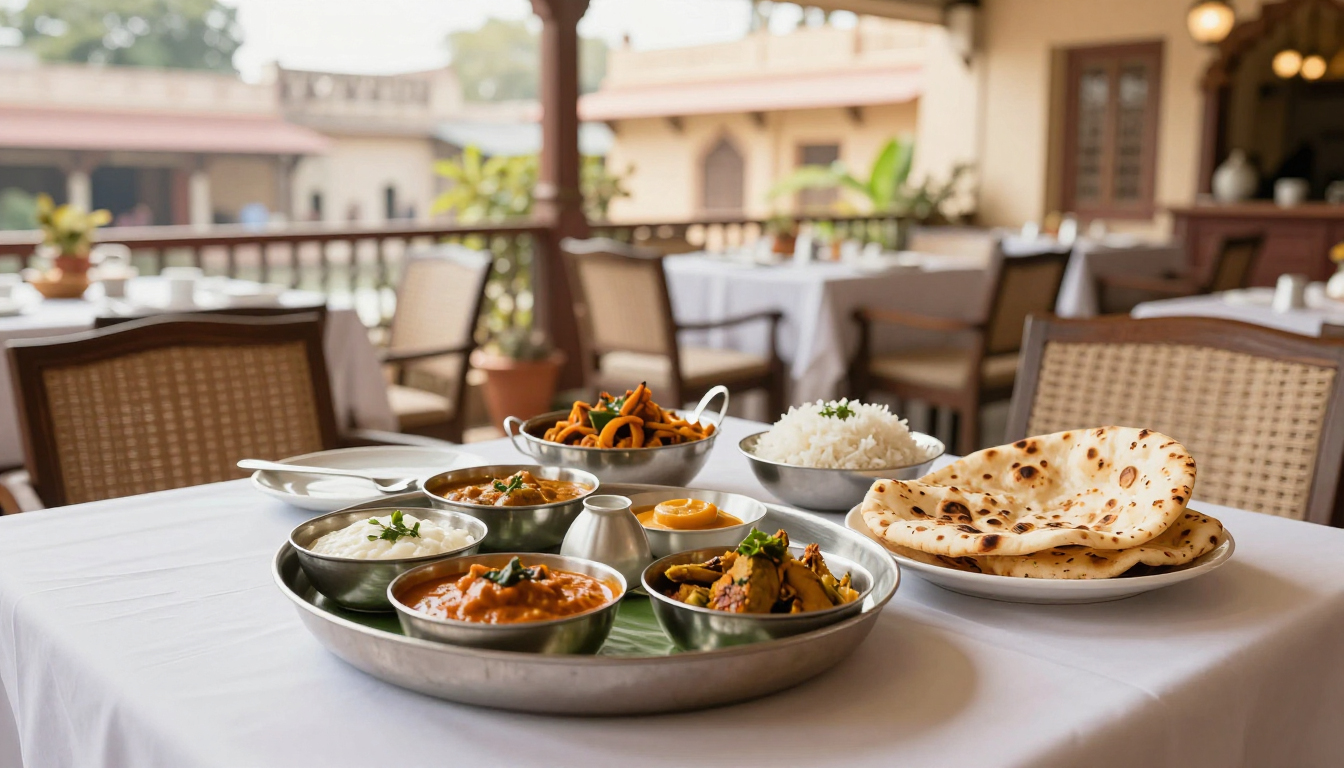
Route logic: North Indian breads and curries, Mumbai snacks, Rajasthani thalis, Kerala seafood and tea-country meals all need separate context. Dress, photography and behaviour matter around temples, mosques, forts and memorial sites. Keep food close to the chosen hotel area where possible: the best meals often come from market streets, harbour areas, old-town restaurants and neighbourhoods already inside the day’s route.
Plan this part of the trip

Delhi: historic capital, museums and first India arrival
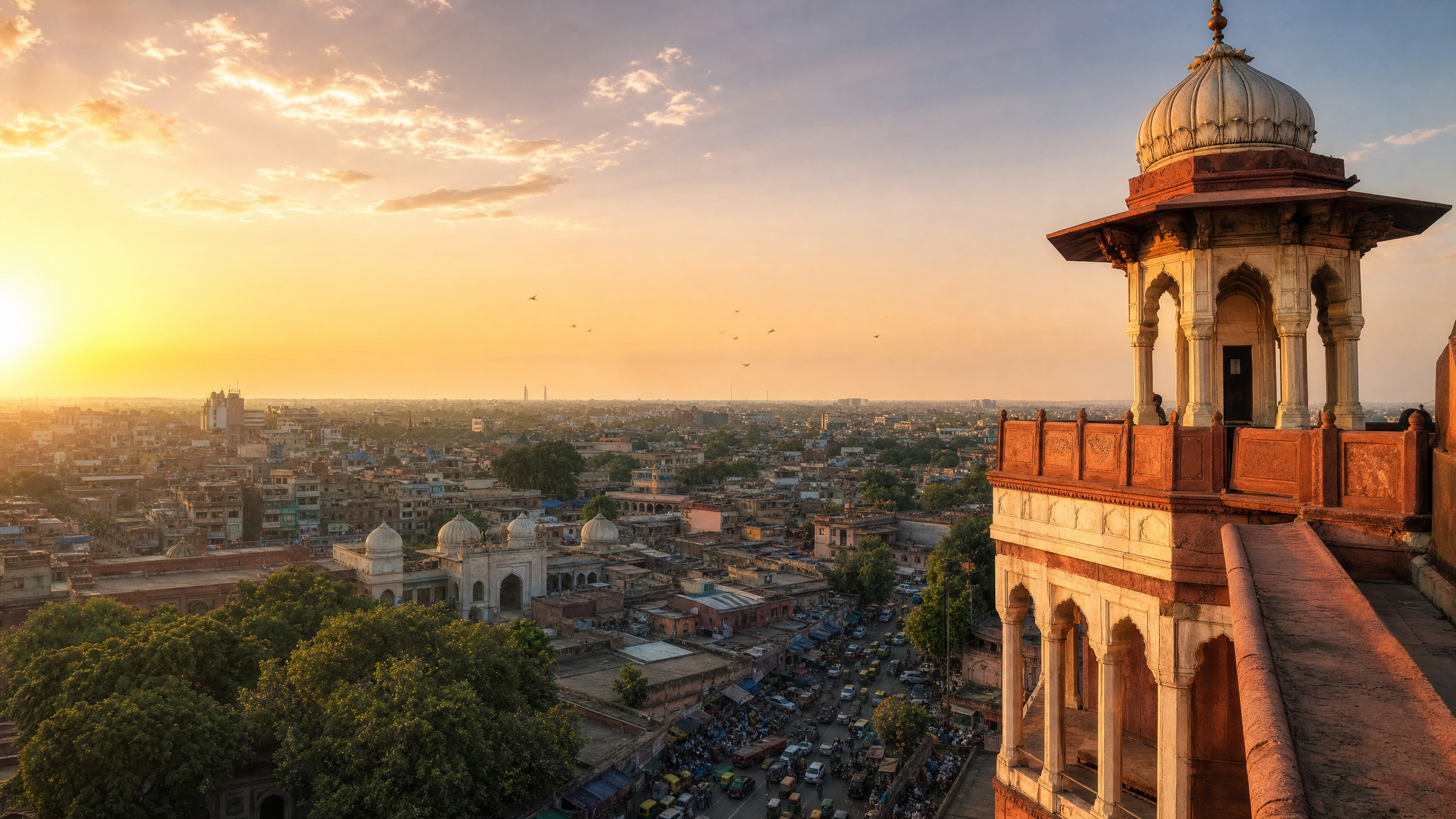
Best for: Delhi deserves a proper place in the India plan, especially when the trip needs historic capital, museums and first India arrival. Delhi is the most useful starting point for many India trips because it brings major monuments, museums, food districts, rail links and airport access into one complex but manageable base.
Historic landmarks: Humayun’s Tomb, Qutub Minar, Red Fort, India Gate and Kartavya Path, National Museum and National Crafts Museum should shape the sightseeing plan. Go early and pair with nearby heritage stops. Allow time for the wider archaeological area.
Museums and attractions: Choose the hotel area around Connaught Place, Aerocity and South Delhi. Pick the district that makes arrival, evening movement and the first full day easier.
Hotels and stay areas: Delhi also needs a food layer. Build meals around chaat, paratha, kebab, butter chicken, jalebi, lassi, Old Delhi and Connaught Place so the visitor has a reason to slow down between museums, viewpoints and transfers.
Food and restaurants: Agra and Jaipur can extend the stay when there is enough time. The natural next step for the Taj Mahal and Mughal-era route planning. A strong Rajasthan extension when the trip has enough nights.
Plan this part of the trip

Agra: Taj Mahal, Mughal forts and short heritage stays
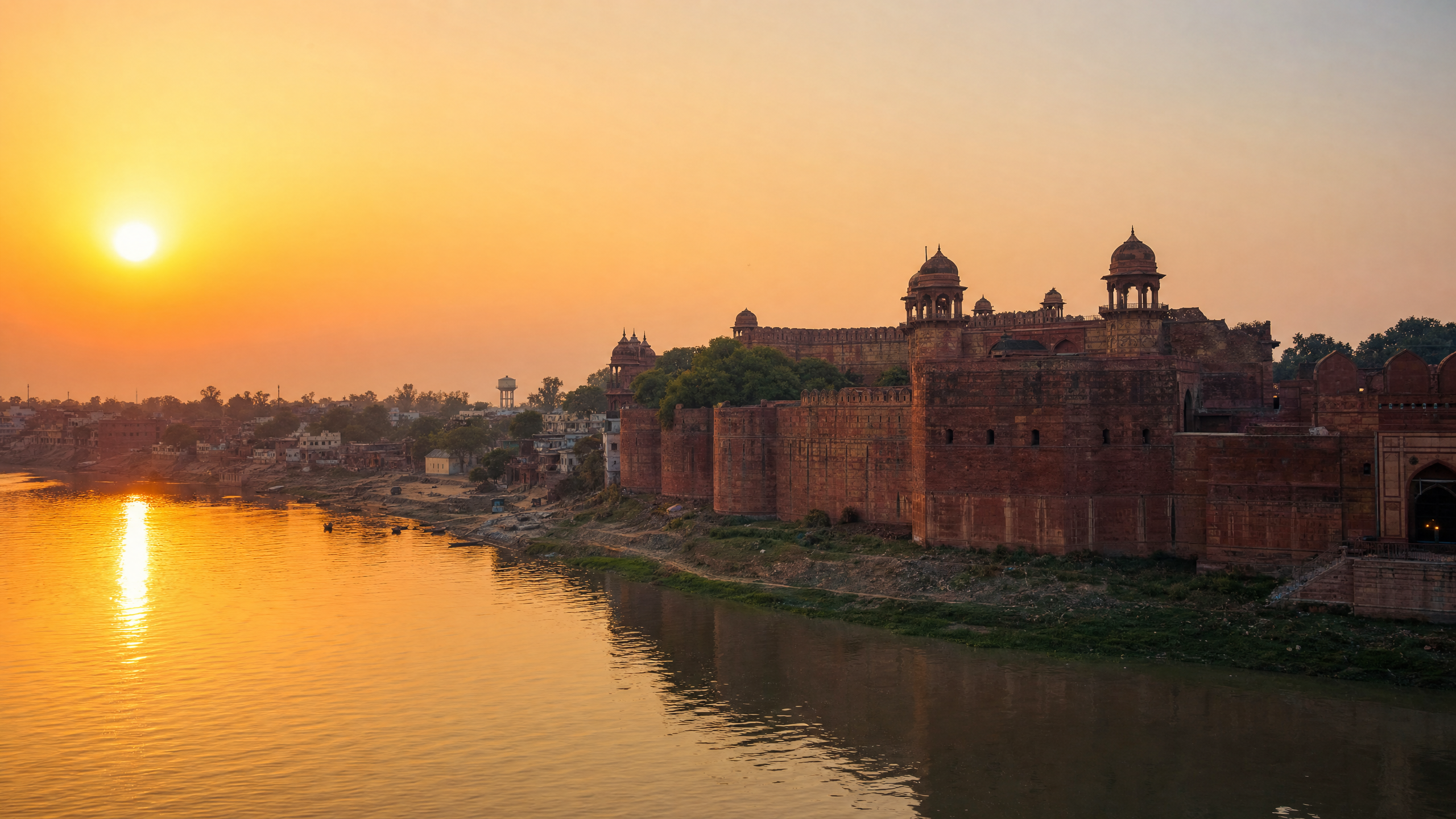
Best for: For Agra, the first decision is pace: give the city enough room to show its Taj Mahal, Mughal forts and short heritage stays. Agra is worth treating as more than a single monument stop because sunrise timing, the fort, river viewpoints and nearby Fatehpur Sikri all affect the quality of the visit. It works best with timed monument visits, heat-aware pacing and current local guidance around transport.
Historic landmarks: Taj Mahal, Agra Fort, Mehtab Bagh, Fatehpur Sikri, Taj Museum and Itmad-ud-Daulah Area should shape the sightseeing plan. Plan timing carefully and protect the visit from same-day overloading. Visit before or after the Taj Mahal to understand the wider story.
Museums and attractions: Choose the hotel area around Taj Ganj and Civil Lines. Pick the district that makes arrival, evening movement and the first full day easier.
Hotels and stay areas: Agra also needs a food layer. Build meals around petha, Mughlai dishes, paratha, chaat, dal-based meals, Taj Ganj, Civil Lines and Sadar Bazaar so the visitor has a reason to slow down between museums, viewpoints and transfers.
Food and restaurants: Delhi and Jaipur can extend the stay when there is enough time. The usual arrival or onward city for Agra. The next classic stop in a north India route.
Plan this part of the trip

Jaipur and Rajasthan: palaces, forts, craft markets and desert-state routes
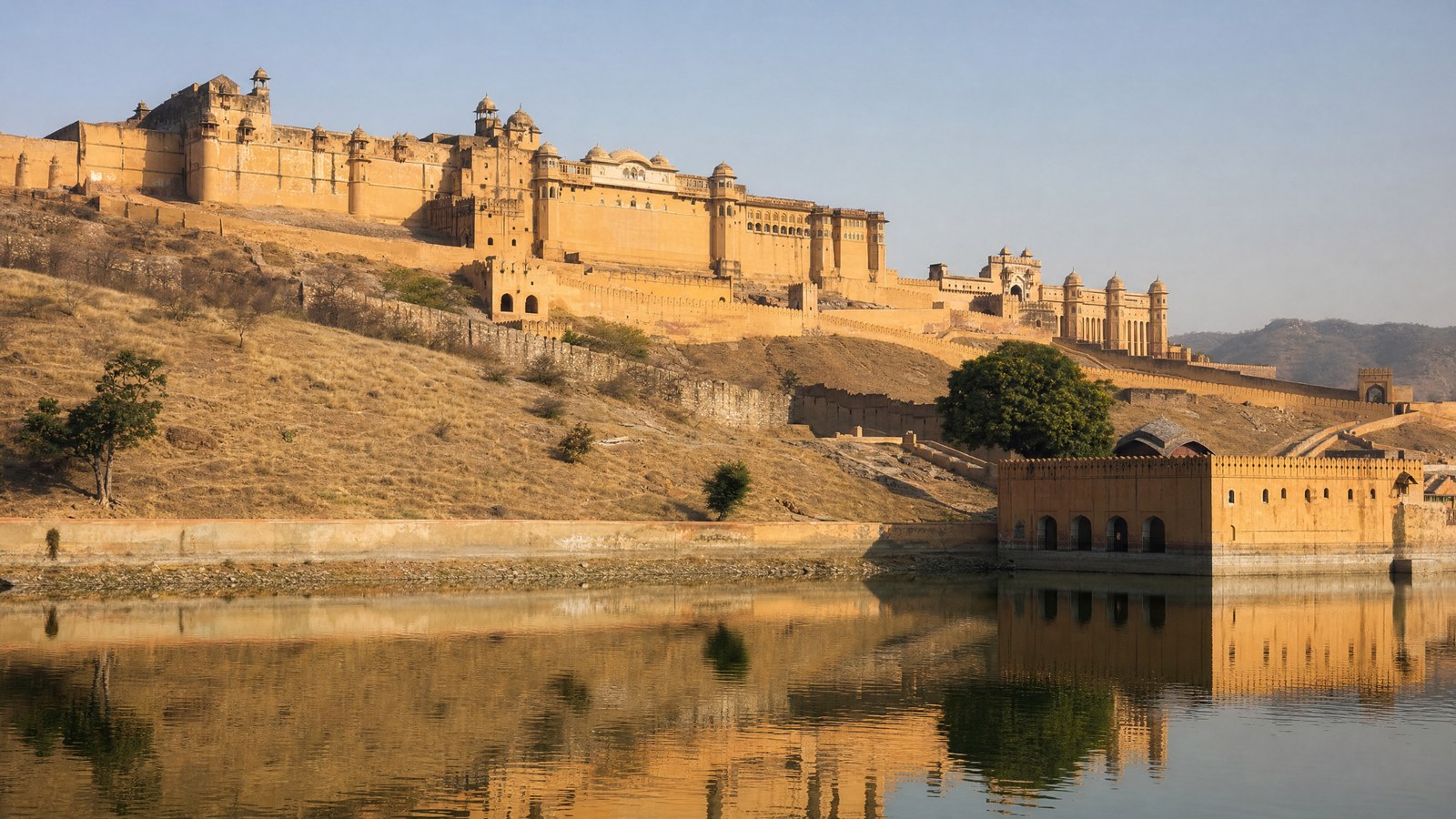
Best for: Jaipur and Rajasthan deserves a proper place in the India plan, especially when the trip needs palaces, forts, craft markets and desert-state routes. Jaipur gives Rajasthan a practical first base, with forts, palaces, textile markets, craft traditions and onward routes to slower desert and lake cities. It needs enough nights for forts, food and markets, with reputable drivers or guides where useful.
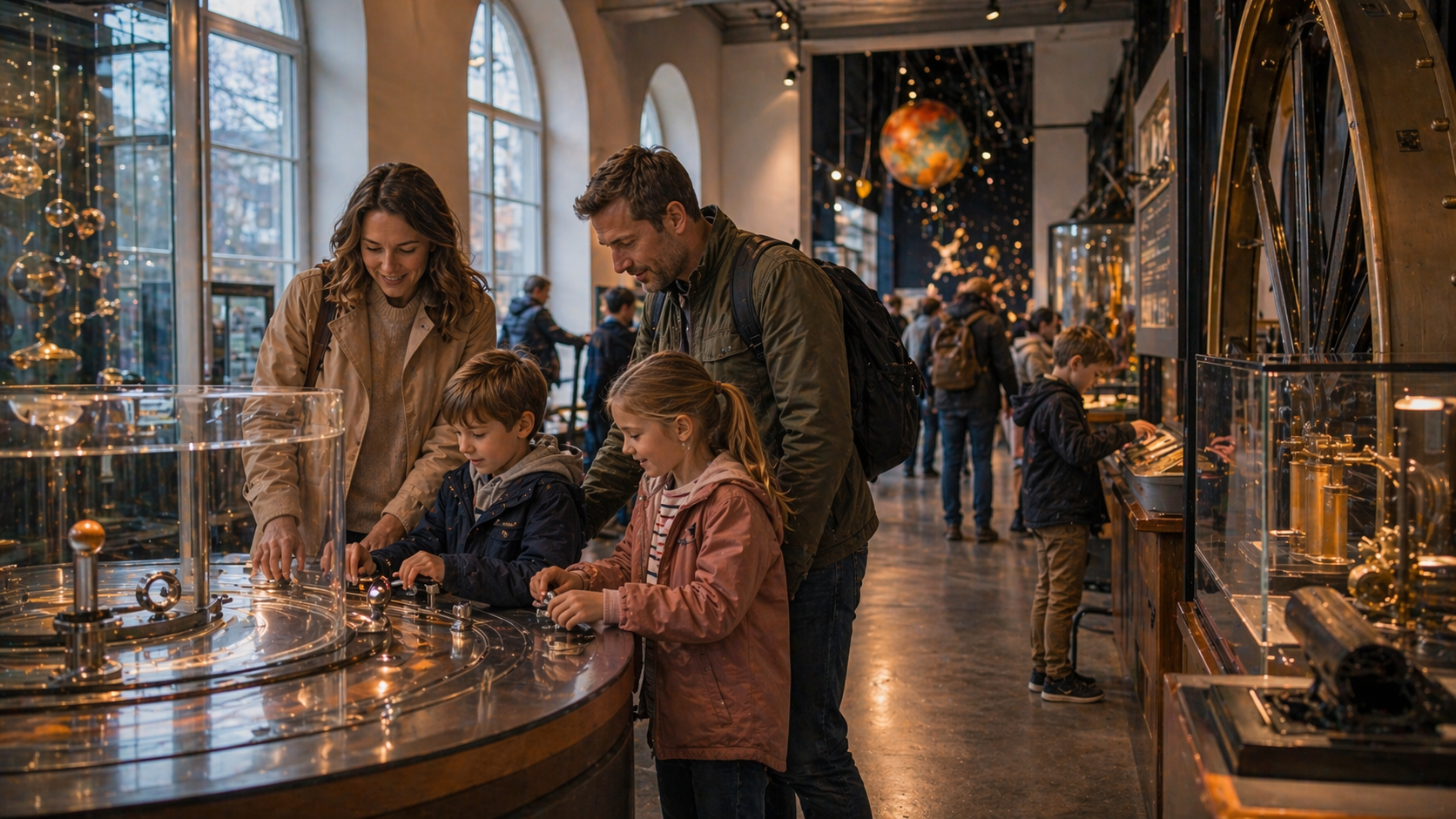
Historic landmarks: Amber Fort, City Palace, Hawa Mahal, Jantar Mantar, Albert Hall Museum and Anokhi Museum of Hand Printing should shape the sightseeing plan. Go early and avoid adding too many distant sights the same day. Pair with Jantar Mantar and the old city.
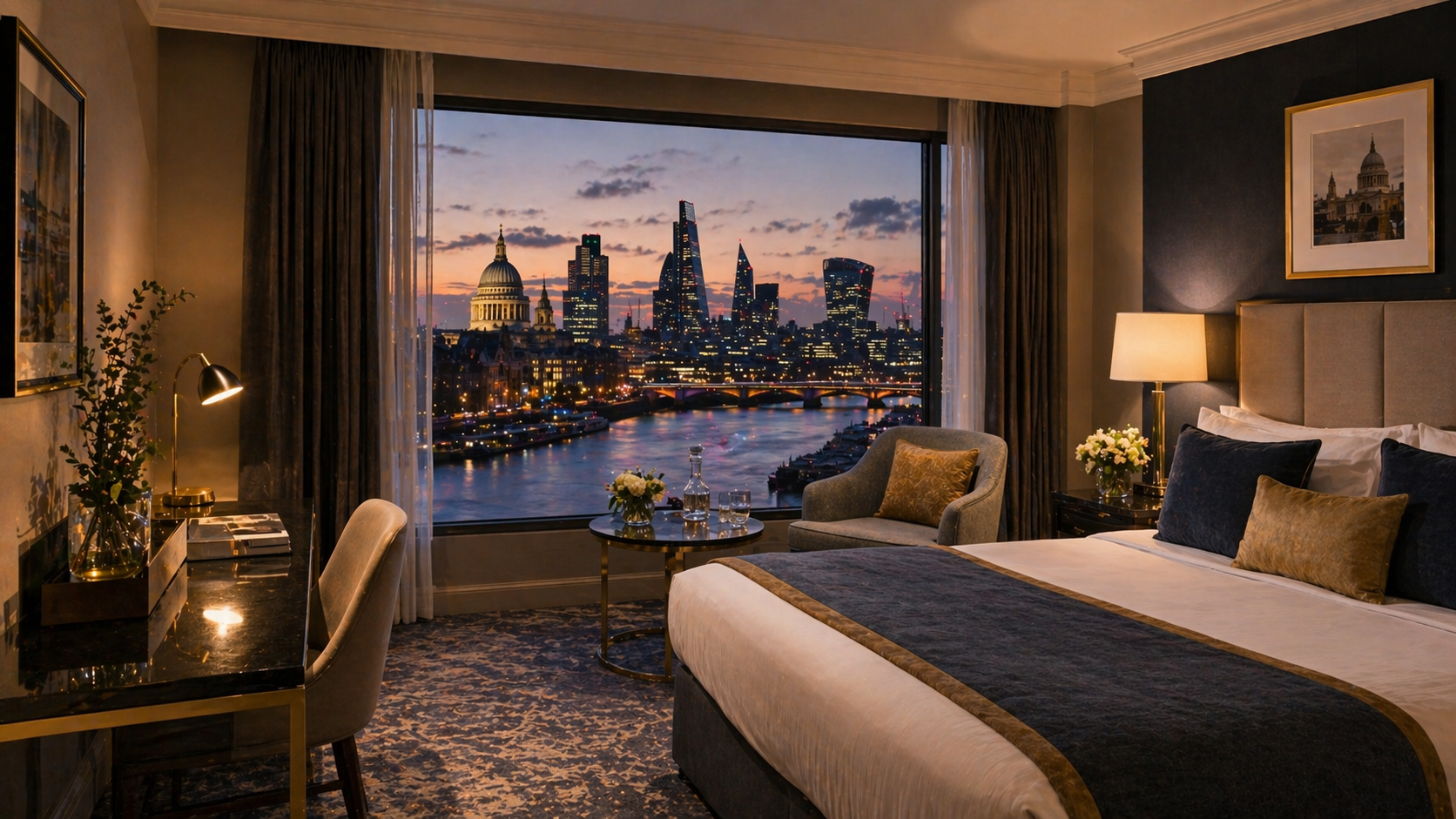
Museums and attractions: Choose the hotel area around C-Scheme and MI Road, Heritage Hotels Near Amer or Old City and Airport Side. Pick the district that makes arrival, evening movement and the first full day easier.
Hotels and stay areas: Jaipur and Rajasthan also needs a food layer. Build meals around dal baati churma, kachori, laal maas, ghewar, lassi, Pink City, C-Scheme and Amer Road so the visitor has a reason to slow down between museums, viewpoints and transfers.
Food and restaurants: Udaipur or Jodhpur and Agra can extend the stay when there is enough time. Good deeper Rajasthan options when the trip has more nights. A natural pairing in the classic north India route.
Mumbai: harbour city, food, museums and coastal urban energy
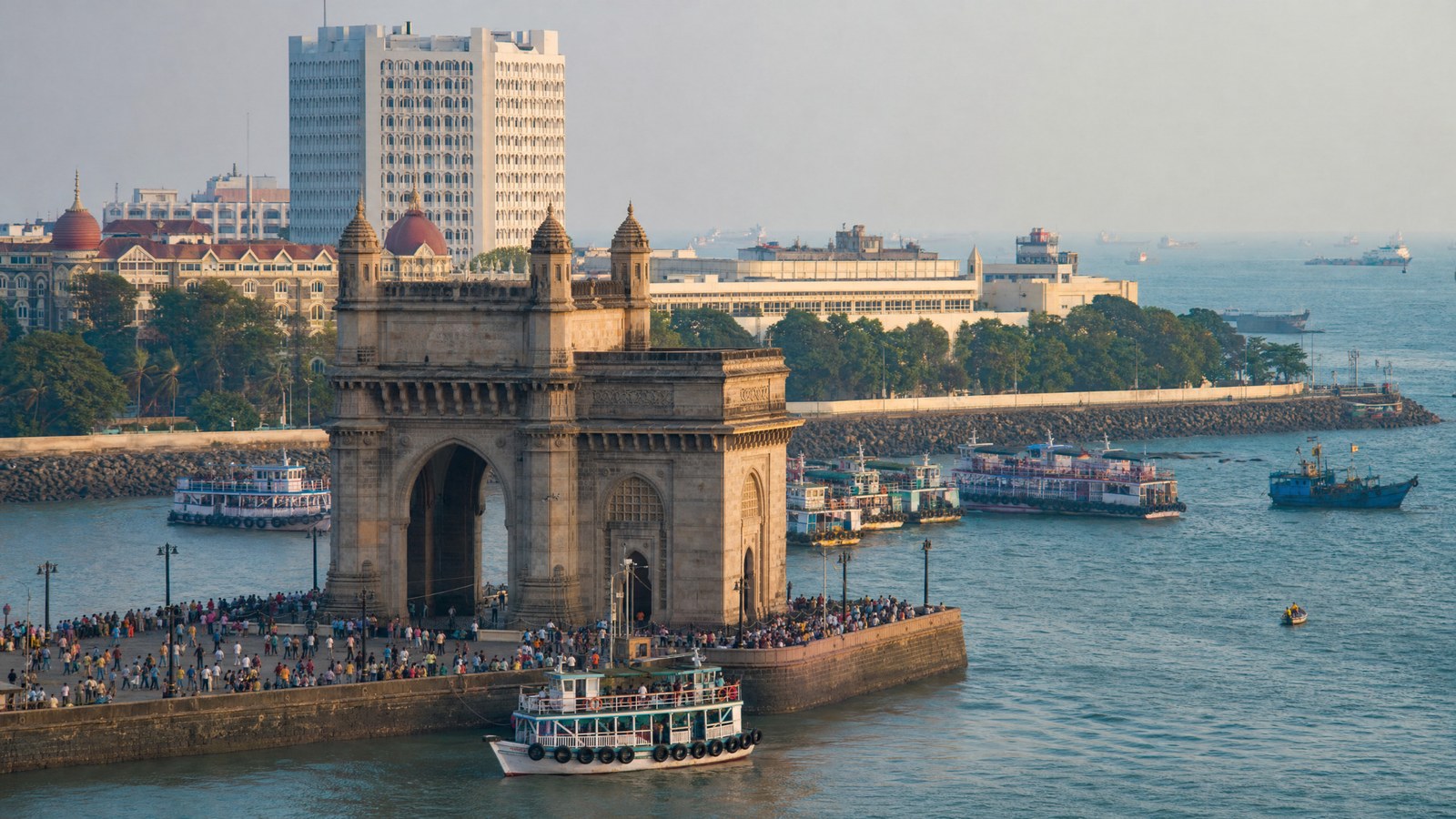
Best for: Treat Mumbai as the part of India where harbour city, food, museums and coastal urban energy becomes useful for the wider route. Mumbai adds a different India chapter: dense city life, colonial-era architecture, museums, food, sea-facing promenades and onward flights to the west coast or south. It suits travellers who want museums, food and waterfront neighbourhoods with transport buffers and established visitor areas.
Historic landmarks: Gateway of India, Chhatrapati Shivaji Maharaj Terminus, Elephanta Caves, Marine Drive, Chhatrapati Shivaji Maharaj Vastu Sangrahalaya and Dr Bhau Daji Lad Museum should shape the sightseeing plan. Pair with Colaba and nearby museum time. View the exterior respectfully as part of a heritage walk.
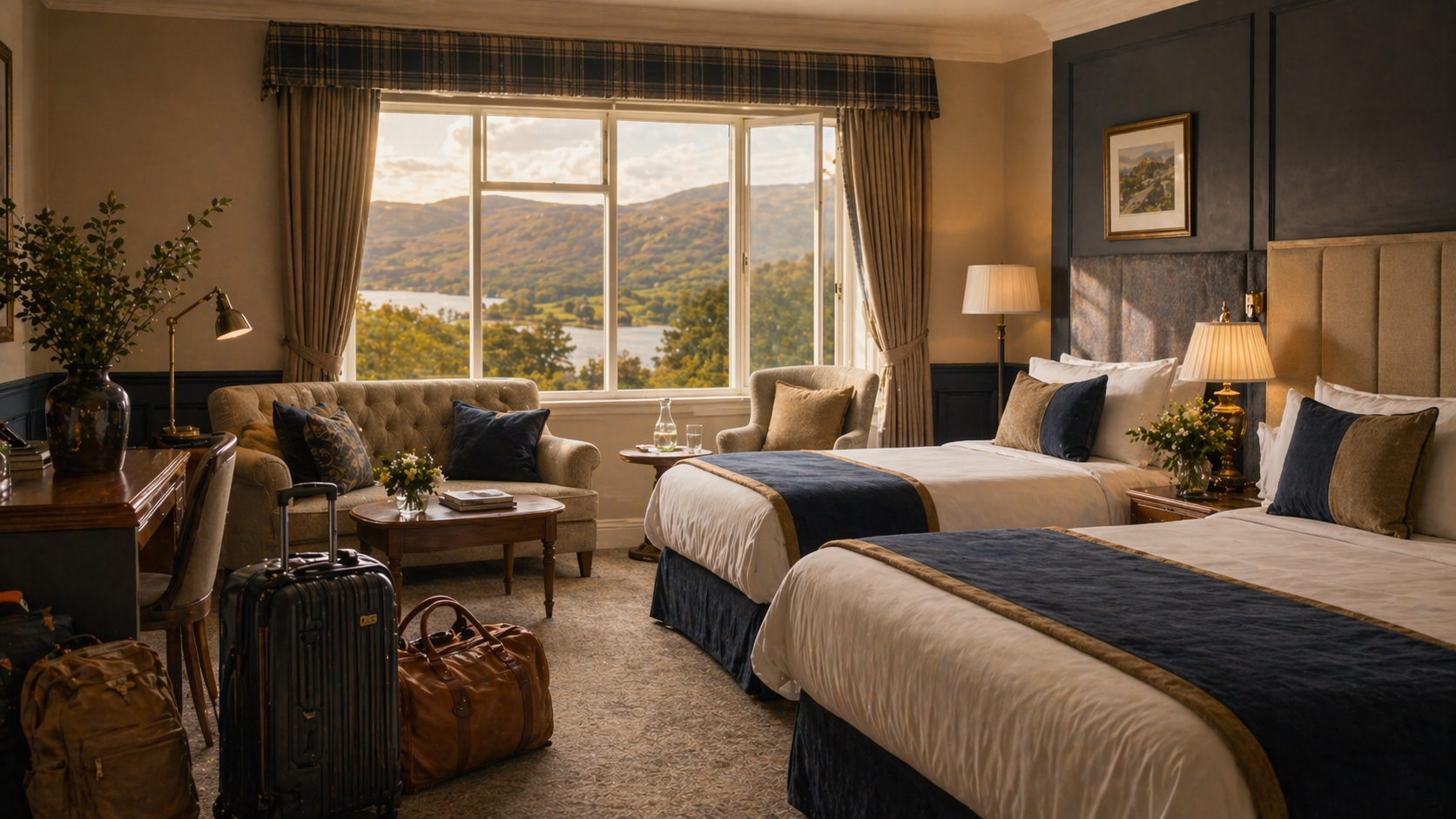
Museums and attractions: Choose the hotel area around Colaba and Fort, Bandra or Juhu and Airport Area. Pick the district that makes arrival, evening movement and the first full day easier.
Hotels and stay areas: Mumbai also needs a food layer. Build meals around vada pav, pav bhaji, bhel puri, Bombay duck, Parsi dishes, seafood, Colaba and Fort and Bandra so the visitor has a reason to slow down between museums, viewpoints and transfers.
Food and restaurants: Goa and Kerala can extend the stay when there is enough time. A common coast extension by flight or rail. A longer south India pairing that usually needs flights and more time.

Kerala: backwaters, coast, tea country and slower south India
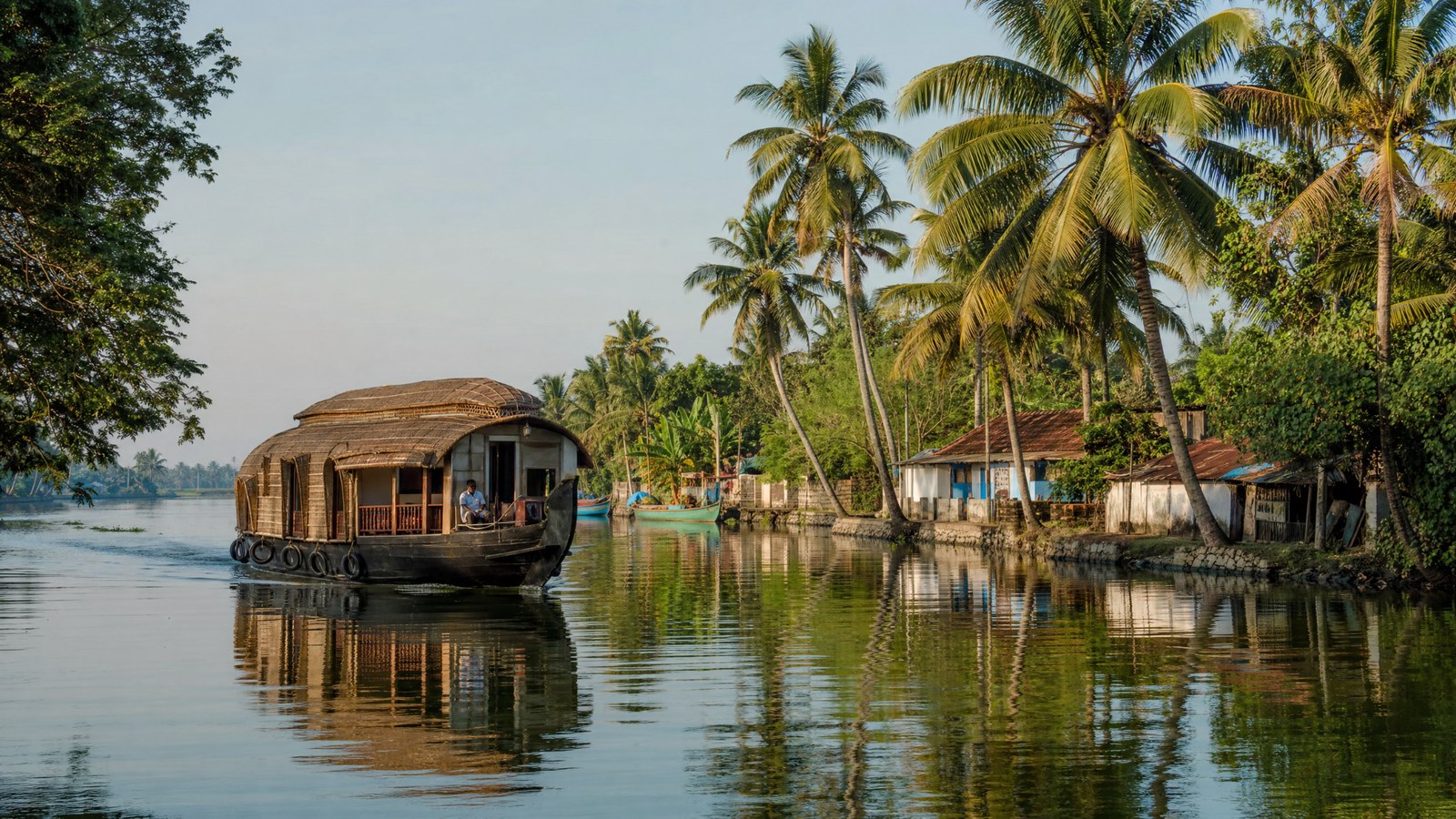
Best for: The value of Kerala is not only the headline sights; it gives the itinerary backwaters, coast, tea country and slower south India and a clearer local rhythm. Kerala gives India a slower coastal and inland rhythm, with Fort Kochi, backwaters, hill-country tea, wildlife areas and food that should be sequenced with transfer time in mind. It works best with monsoon-aware planning, reputable boat operators and a calm base for food and coast.
Historic landmarks: Fort Kochi, Alleppey Backwaters, Munnar, Periyar Area, Kerala Folklore Museum and Hill Palace Museum should shape the sightseeing plan. Use it as the arrival base before moving inland or to the backwaters. Choose day cruises or overnight stays carefully by comfort level.
Museums and attractions: Choose the hotel area around Fort Kochi, Backwater Resorts and Munnar. Pick the district that makes arrival, evening movement and the first full day easier.
Hotels and stay areas: Kerala also needs a food layer. Build meals around appam, fish curry, sadya, puttu, stew, banana chips, Fort Kochi and Alleppey and Kumarakom so the visitor has a reason to slow down between museums, viewpoints and transfers.
Food and restaurants: Goa or Mumbai and Tamil Nadu can extend the stay when there is enough time. Good west-coast pairings when flights make the route efficient. A cultural extension for temples, food and hill-country routes.

Food, Culture and Route Ideas for India
Food route: North Indian breads and curries, Mumbai snacks, Rajasthani thalis, Kerala seafood and tea-country meals all need separate context. Dress, photography and behaviour matter around temples, mosques, forts and memorial sites. Major festivals can add atmosphere but also affect crowds, prices, closures and local movement. This is where food, culture and route planning should work together.
Food, wine and restaurants: Build meals around chaat, paratha, kebab, butter chicken, jalebi, lassi and petha and keep them close to Old Delhi, Connaught Place, Khan Market and Lodhi Area, Taj Ganj and Civil Lines.
Popular experiences: Delhi, Agra and Jaipur create the most compact first-time structure when paced over several nights. Mumbai, Goa or Kerala suit travellers who want city energy followed by coastal or backwater time. Keep the route disciplined: one clear hotel area, one strong regional layer and one food or culture experience will usually feel better than trying to touch every possible stop.
Planning rule: Use bookings in a clean order: choose the hotel area first, then add attraction tickets, food tours, guided days and local experiences where they make the journey easier, richer and more realistic.