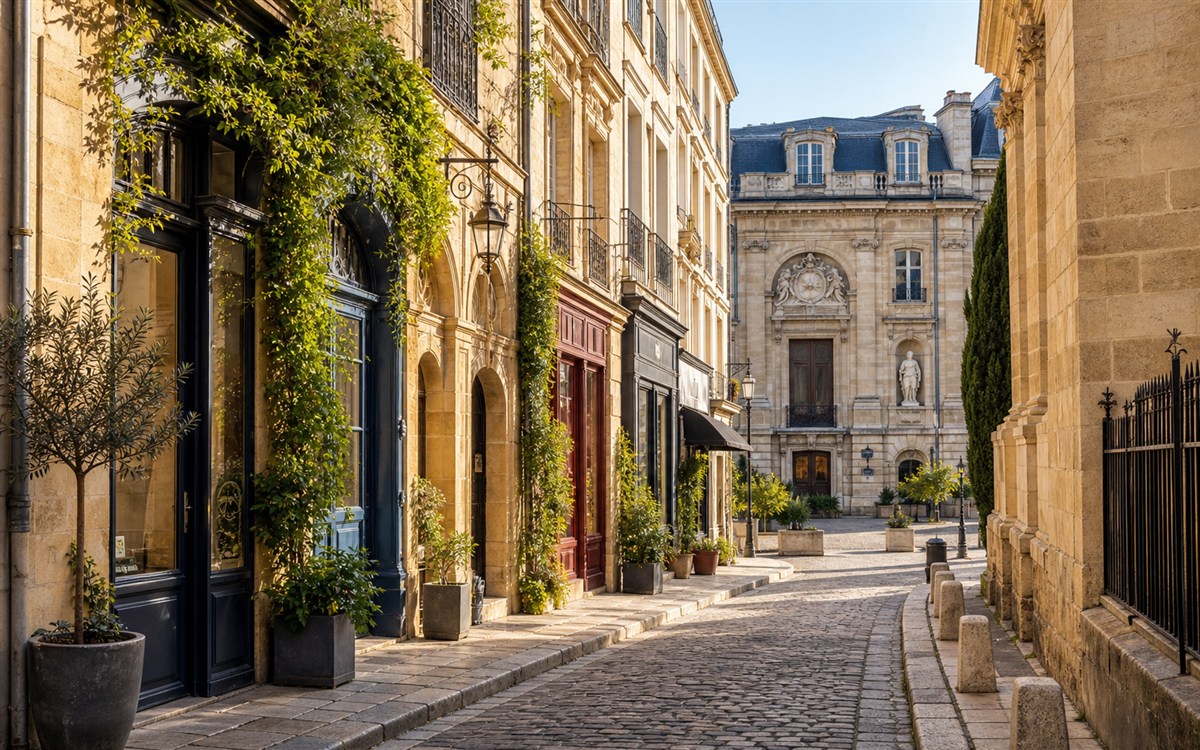
Iceland Travel, Structured Around Reykjavik, Ring Road and Weather Windows
Plan Iceland through Reykjavik, the Golden Circle, South Coast, Blue Lagoon, Ring Road, glaciers, waterfalls, northern lights, hotels, tours and weather-aware routes.
Start Planning IcelandIceland Travel Guide: Routes, Stay Bases, Culture and Experiences
Trip shape: Iceland becomes easier to plan when the first question is where the trip should slow down. The practical starting point should come from Reykjavik, Golden Circle, South Coast and Akureyri and North Iceland, while Golden Circle, South Coast, Ring Road and First Iceland Trip should be added only when they improve the journey instead of scattering it.
Best for: Golden Circle, South Coast, Ring Road and First Iceland Trip give Iceland its deeper travel layer. Some visitors need one main city and one day trip; others should slow down, split the journey and give the strongest region its own nights.
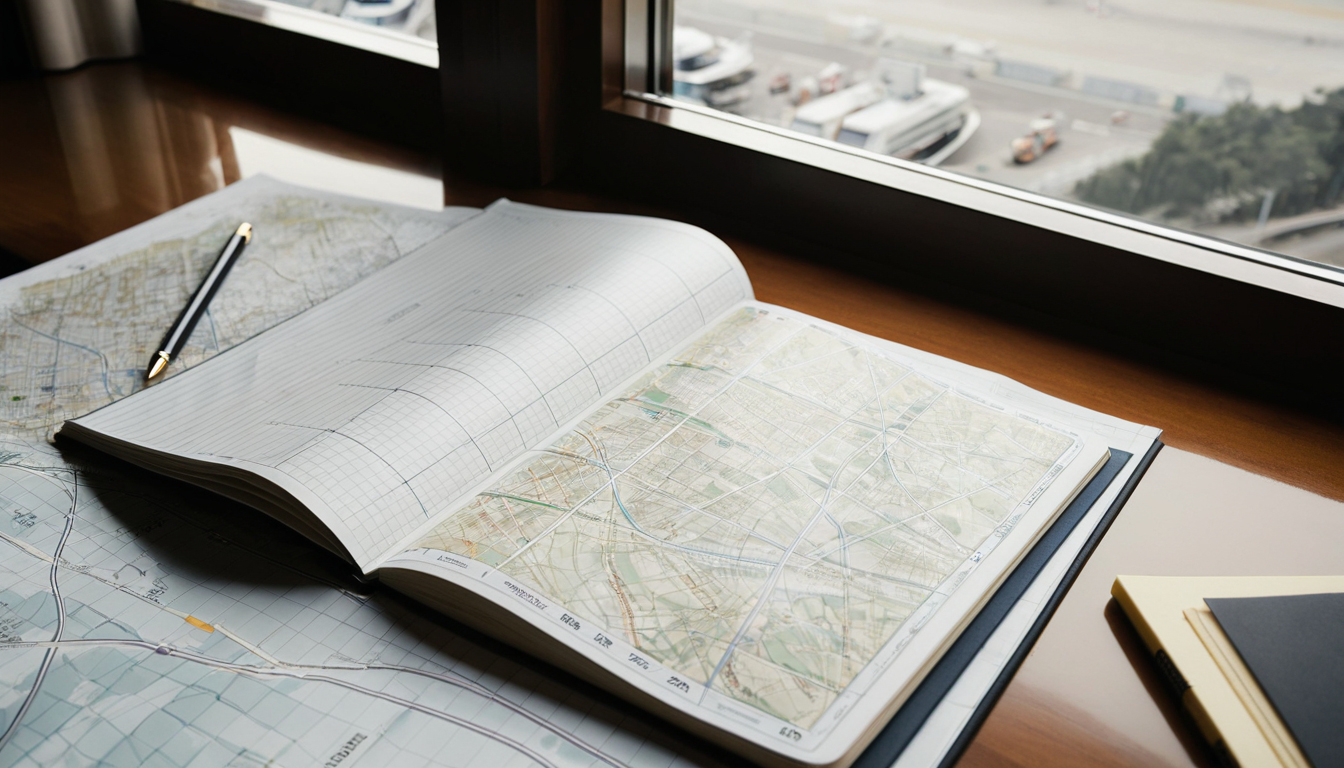
Planning rule: Start with arrival logic, season and the first overnight point, then add the experiences that genuinely deserve advance planning. Museums, landmarks, guided tours, food walks, local neighbourhoods and coastal or countryside days should be grouped by geography and timing.
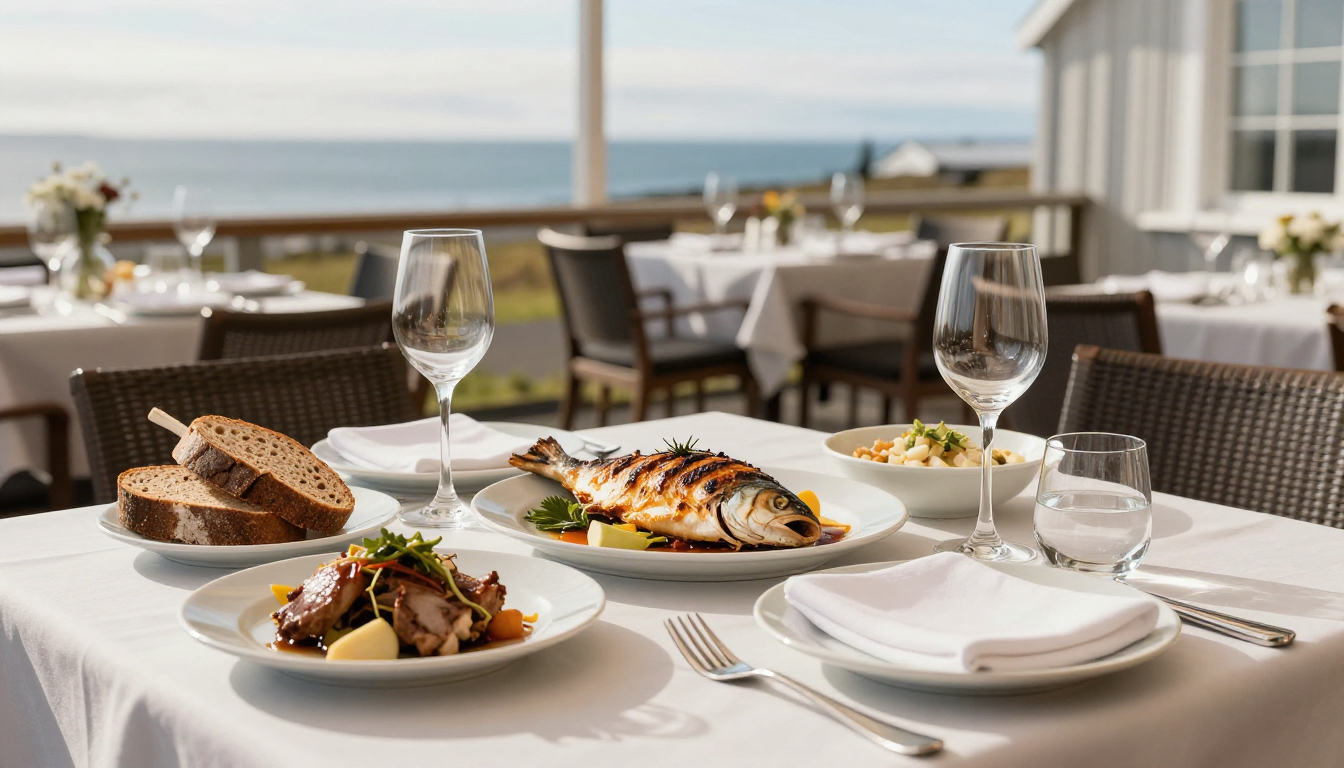
Route logic: Public Pools and geothermal bathing are everyday culture, not just spa extras. Coastal food, lamb, rye bread and skyr fit naturally into driving days and town stops. Keep food close to the chosen hotel area where possible: the best meals often come from market streets, harbour areas, old-town restaurants and neighbourhoods already inside the day’s route.
Reykjavik: compact capital and Iceland arrival base
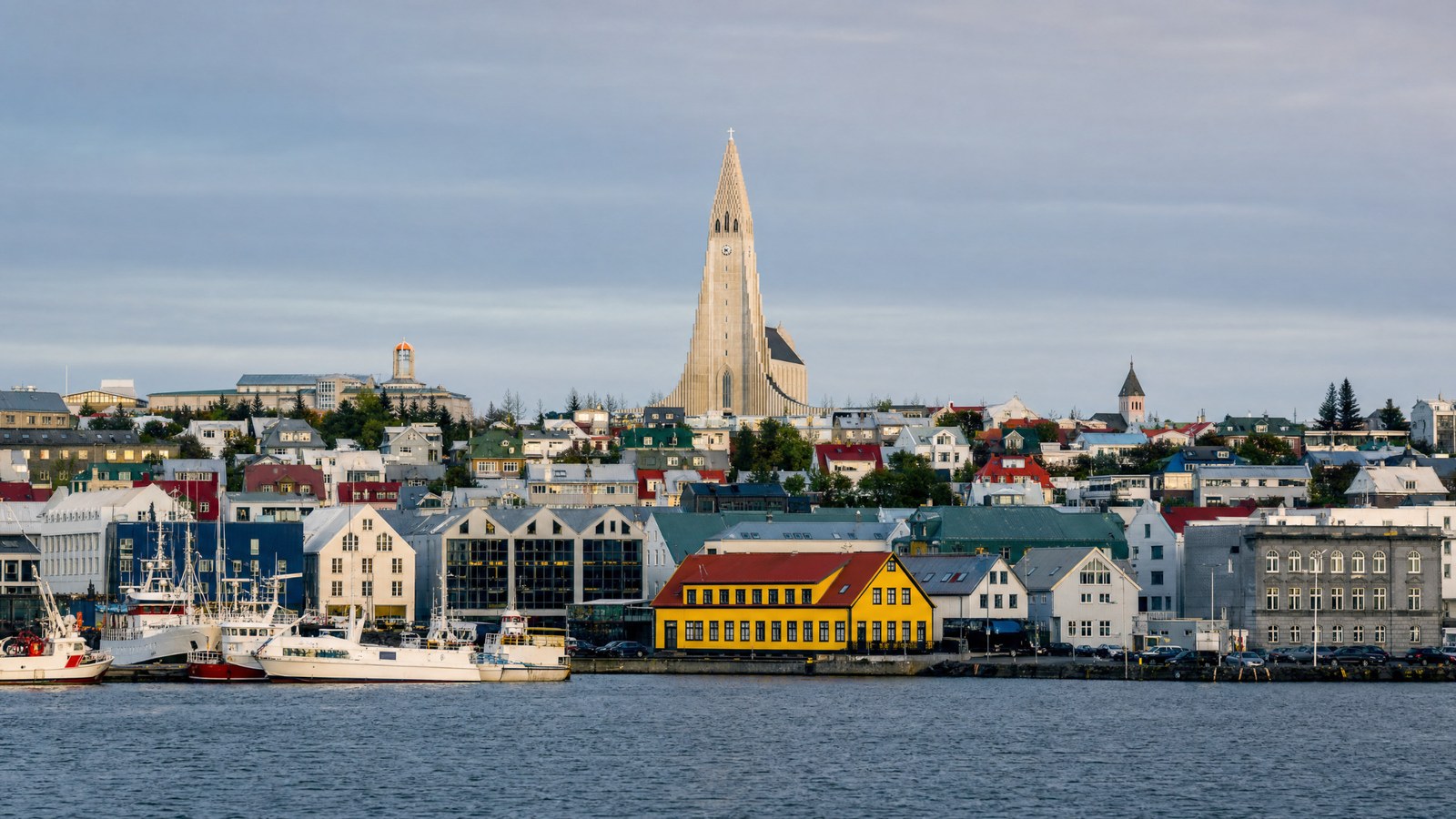
Best for: For Reykjavik, the first decision is pace: give the city enough room to show its compact capital and Iceland arrival base. Reykjavik is the natural first base for Iceland, with museums, harbour food, geothermal pools, tour departures and enough city structure to balance landscape-heavy days. It works best when travellers use the city for arrival recovery, pool time, food, weather checks and guided departures before committing to longer driving days or remote regions.
Historic landmarks: Hallgrimskirkja, Harpa and Old Harbour, National Museum of Iceland, Public Pools, Reykjavik Art Museum and Settlement Exhibition should shape the sightseeing plan. Use it early to understand the compact centre. Good for the first evening or a softer day after a tour.
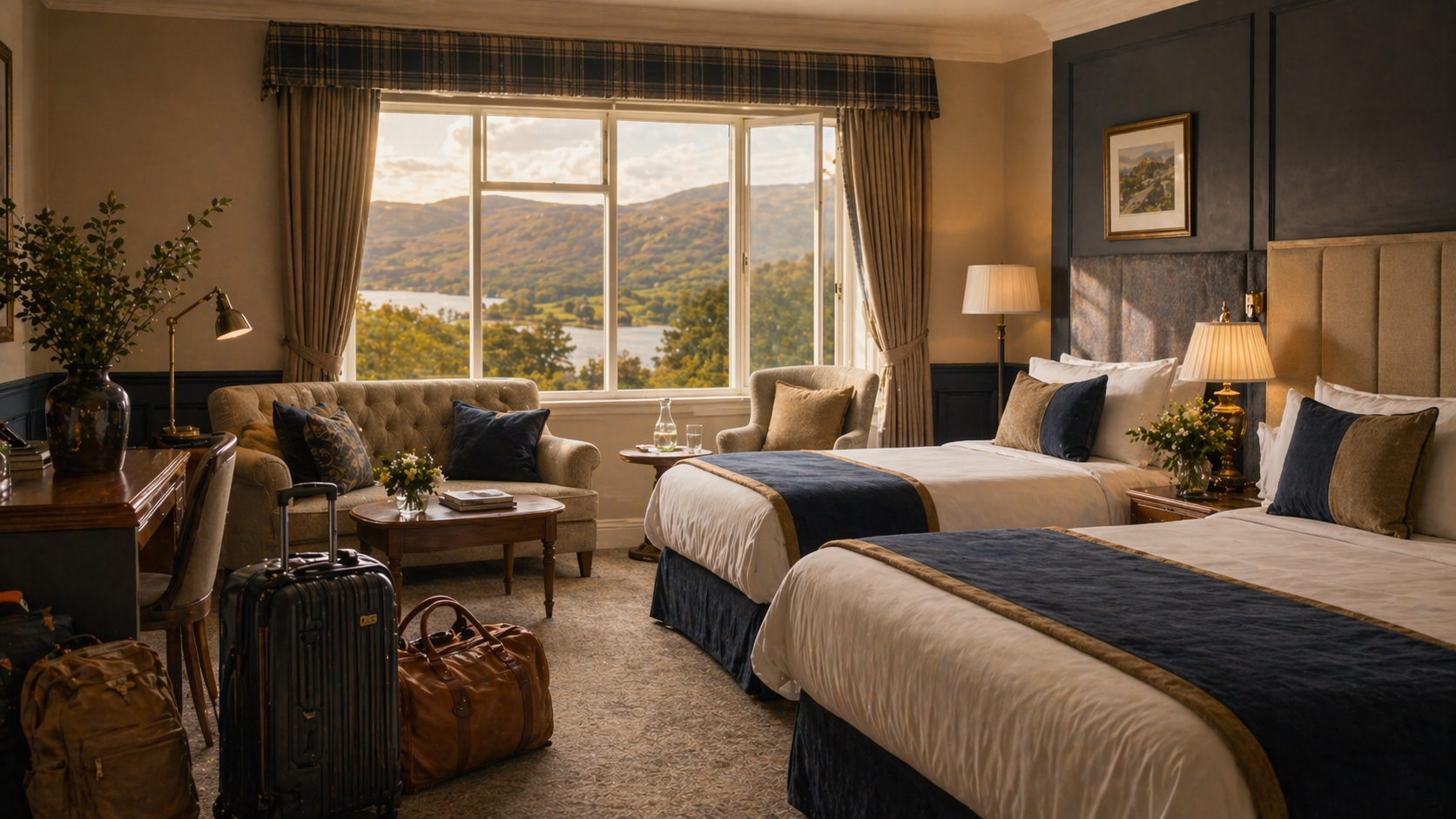
Museums and attractions: Choose the hotel area around Downtown Reykjavik, Old Harbour and Laugardalur. Pick the district that makes arrival, evening movement and the first full day easier.
Hotels and stay areas: Reykjavik also needs a food layer. Build meals around skyr, lamb soup, seafood, rye bread, cinnamon buns, Icelandic hot dogs, Old Harbour and Laugavegur so the visitor has a reason to slow down between museums, viewpoints and transfers.
Food and restaurants: Golden Circle and Reykjanes Peninsula can extend the stay when there is enough time. A classic first landscape route from Reykjavik. Useful for arrival or departure day when airport timing fits.
Golden Circle: geysers, waterfalls and first landscape route
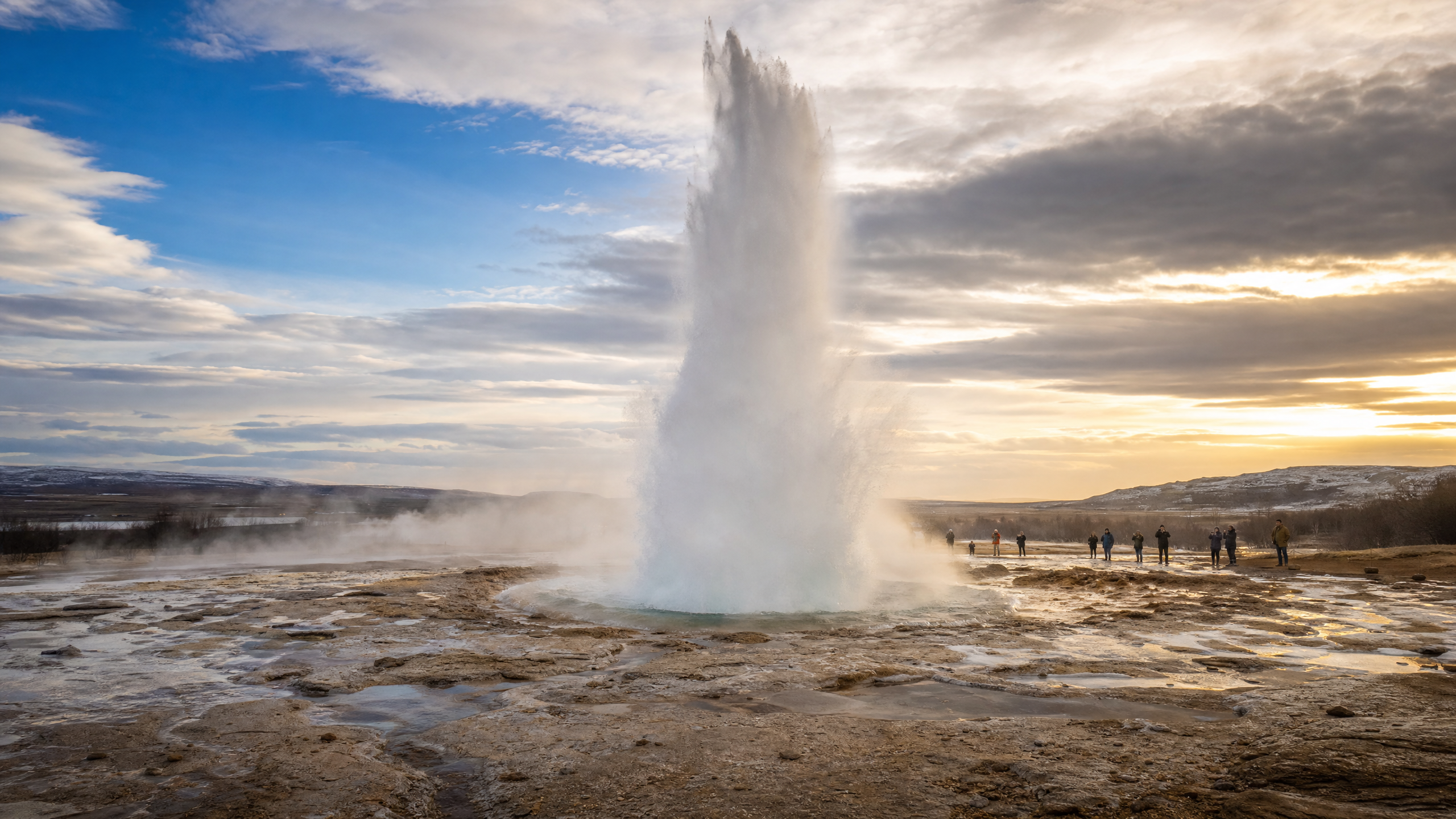
Best for: Use Golden Circle when the Iceland route needs geysers, waterfalls and first landscape route. The Golden Circle is the easiest Iceland landscape introduction, linking national history, geothermal activity and waterfalls within reach of Reykjavik. It suits first-timers who want a structured day where Thingvellir, geysers, Gullfoss, hot springs and meal stops are timed with daylight, road conditions and crowd pressure in mind.
Historic landmarks: Thingvellir National Park, Geysir Geothermal Area, Gullfoss, Geothermal Bathing Stops, Thingvellir Visitor Centre and Skalholt should shape the sightseeing plan. Give it time for both cultural and geological context. Stay on marked paths and plan for changing weather.
Museums and attractions: Choose the hotel area around Reykjavik Base and Laugarvatn or Fludir. Pick the district that makes arrival, evening movement and the first full day easier.
Hotels and stay areas: Golden Circle also needs a food layer. Build meals around greenhouse tomatoes, lamb soup, rye bread, skyr, hot drinks, Laugarvatn and Fludir and Greenhouse Area so the visitor has a reason to slow down between museums, viewpoints and transfers.
Food and restaurants: South Coast and Reykjanes Peninsula can extend the stay when there is enough time. The natural continuation if the trip has more time. A useful pairing around airport arrival or departure days.
South Coast: waterfalls, black beaches and glacier scenery
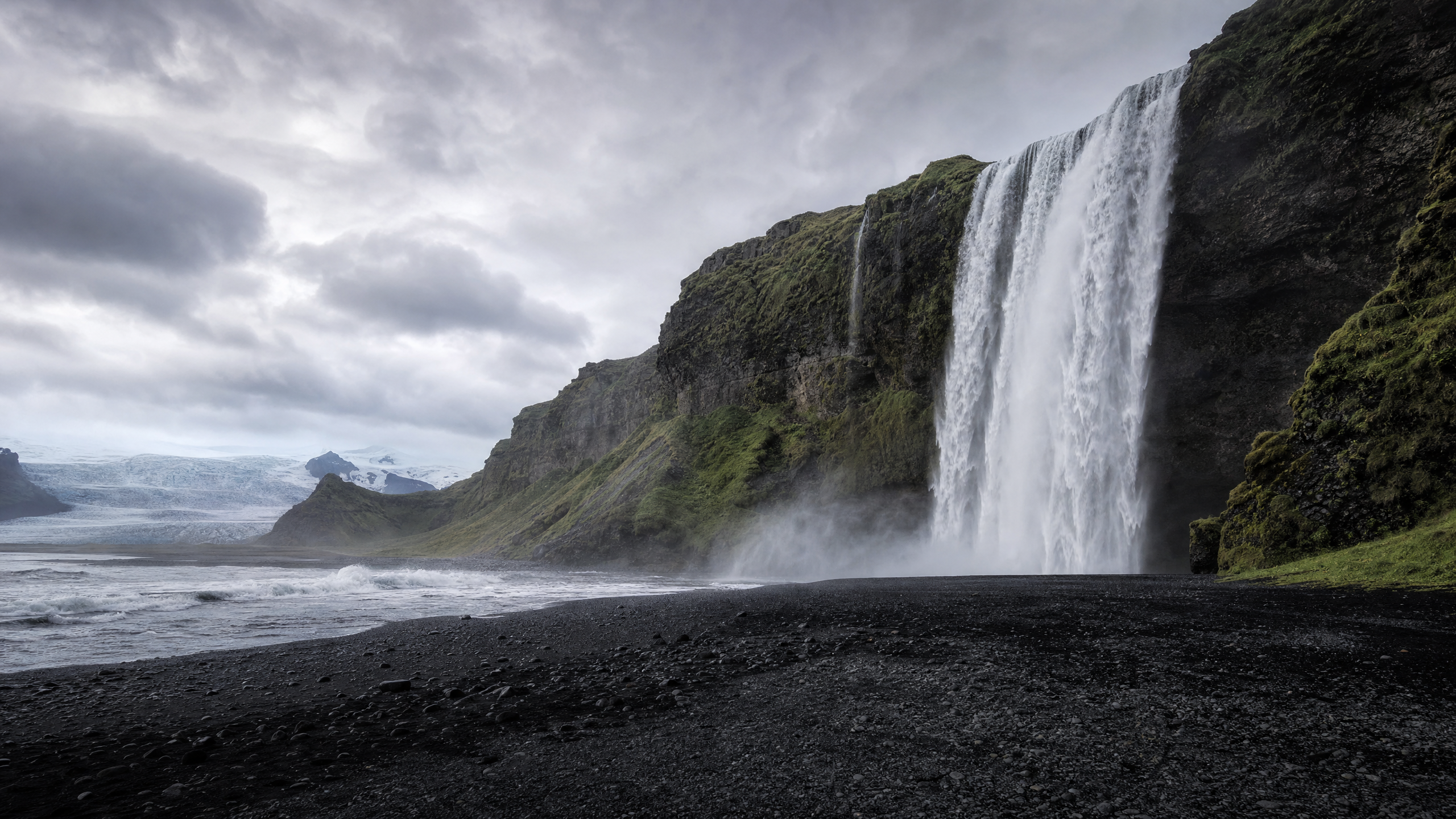
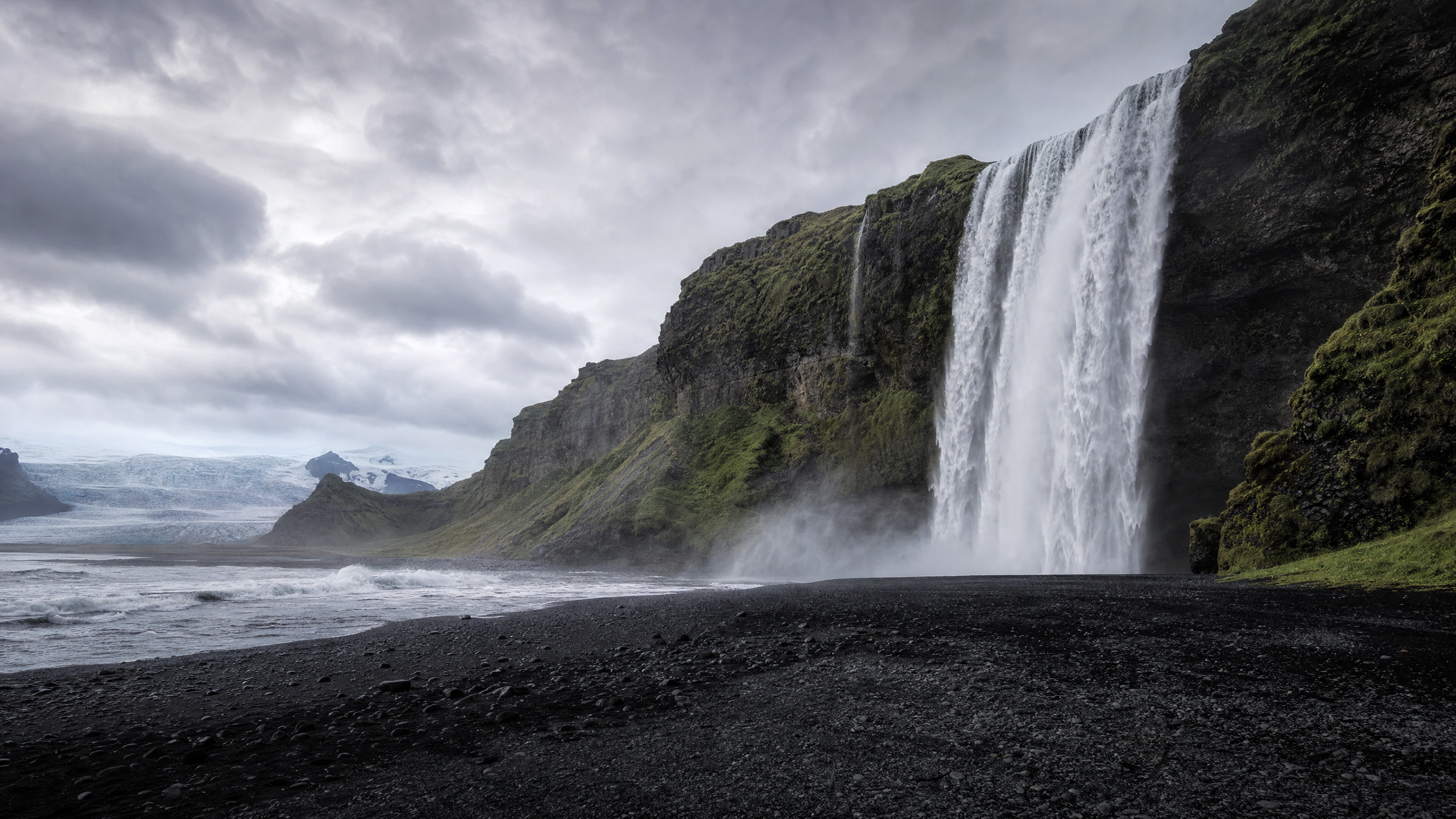
Best for: Treat South Coast as the part of Iceland where waterfalls, black beaches and glacier scenery becomes useful for the wider route. The South Coast is the most accessible dramatic route after Reykjavik, with waterfalls, black-sand beaches, glaciers and small overnight bases that need weather-aware timing. It works best when travellers choose between a long guided day and an overnight route, leaving space for wind, road conditions, glacier safety and coastal stops around Vik.
Historic landmarks: Seljalandsfoss, Skogafoss, Reynisfjara Black Sand Beach, Glacier Lagoon or Glacier Views, Skogar Museum and Lava Centre should shape the sightseeing plan. Waterproof clothing helps, especially if walking near the spray. Use it as a main stop rather than a quick roadside break.
Museums and attractions: Choose the hotel area around Vik, Hella or Hvolsvollur and Near Skaftafell or Jokulsarlon. Pick the district that makes arrival, evening movement and the first full day easier.
Hotels and stay areas: South Coast also needs a food layer. Build meals around lamb soup, fish dishes, rye bread, skyr, hot chocolate, Hvolsvollur and Hella, Vik and Hotel Dining East of Vik so the visitor has a reason to slow down between museums, viewpoints and transfers.
Food and restaurants: Westman Islands and Skaftafell and Glacier Lagoon can extend the stay when there is enough time. A ferry-linked extension when season and time allow. A deeper southeast route that needs overnight planning.
Akureyri and North Iceland: northern base, whales and volcanic landscapes
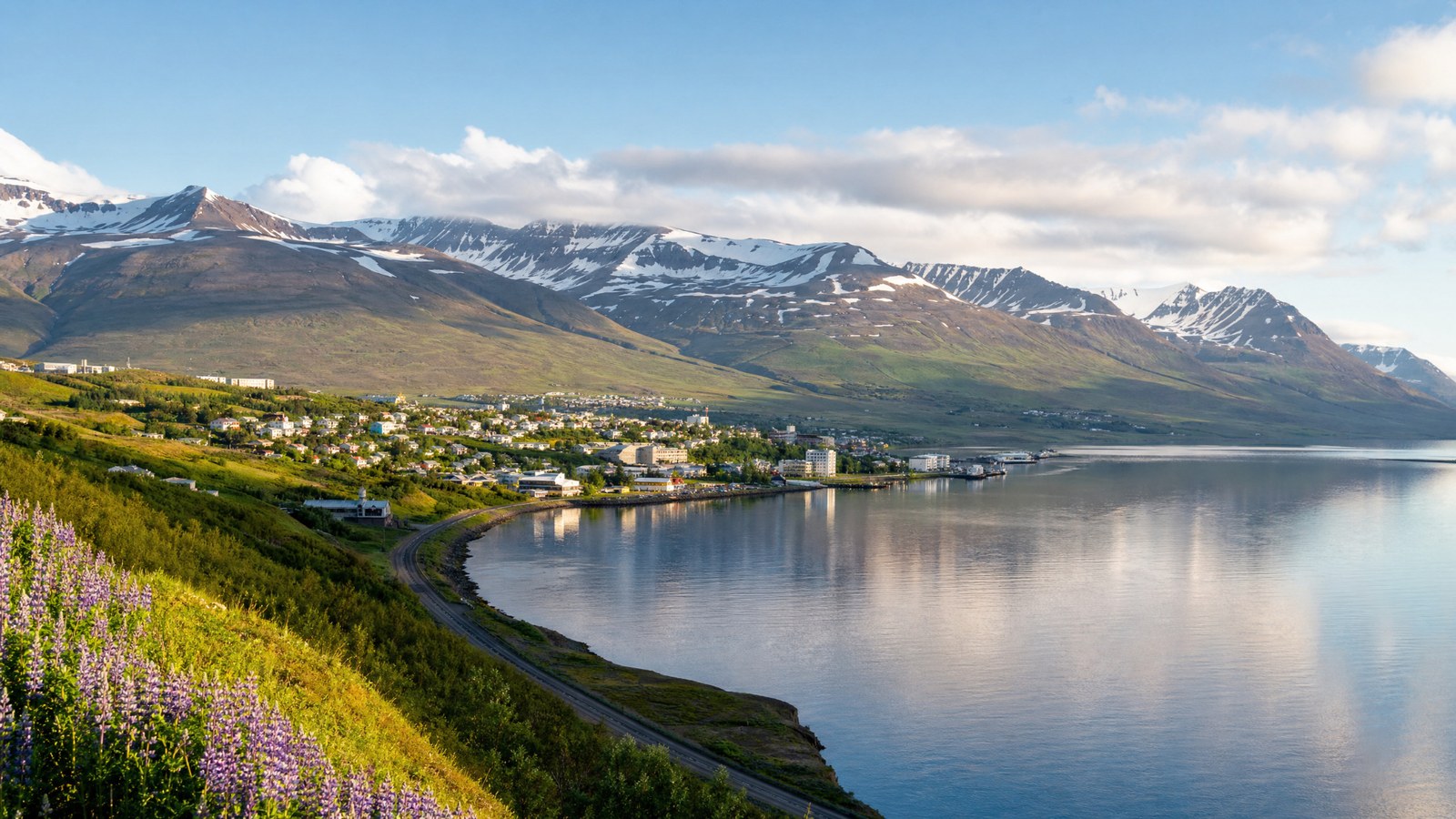
Best for: Treat Akureyri and North Iceland as the part of Iceland where northern base, whales and volcanic landscapes becomes useful for the wider route. Akureyri gives Iceland a northern base with a calmer town feel, fjord scenery, whale routes, Lake Myvatn and volcanic landscapes that deserve more than a rushed ring-road stop. It suits longer itineraries where travellers can separate town time, whale or fjord routes, Myvatn sights and onward driving rather than crossing the north too quickly.
Historic landmarks: Akureyri Town and Fjord, Godafoss, Lake Myvatn, Husavik Whale Watching, Akureyri Art Museum and Nonni House should shape the sightseeing plan. Use it to slow the ring-road pace. Works well as part of a North Iceland day route.
Museums and attractions: Choose the hotel area around Akureyri Centre, Lake Myvatn Area and Husavik. Pick the district that makes arrival, evening movement and the first full day easier.
Hotels and stay areas: Akureyri and North Iceland also needs a food layer. Build meals around Arctic char, lamb, skyr, geothermal rye bread, fish soup, Akureyri Centre, Myvatn Area and Husavik Harbour so the visitor has a reason to slow down between museums, viewpoints and transfers.
Food and restaurants: Diamond Circle and East Iceland can extend the stay when there is enough time. A broader north route linking Myvatn, Dettifoss, Asbyrgi and Husavik. A ring-road continuation that needs careful distance planning.
Food, Culture and Route Ideas for Iceland
Food route: Public Pools and geothermal bathing are everyday culture, not just spa extras. Coastal food, lamb, rye bread and skyr fit naturally into driving days and town stops. Museums and local history help balance dramatic landscapes with cultural understanding. This is where food, culture and route planning should work together.
Food, wine and restaurants: Build meals around skyr, lamb soup, seafood, rye bread, cinnamon buns, Icelandic hot dogs and greenhouse tomatoes and keep them close to Old Harbour, Laugavegur, Hlemmur Area, Laugarvatn and Fludir and Greenhouse Area.
Popular experiences: Base in Reykjavik, add the Golden Circle and South Coast, then decide whether the trip has enough time for the north or a full ring route. Keep the plan close to Reykjavik and the south, with spare time for weather and limited daylight. Keep the route disciplined: one clear hotel area, one strong regional layer and one food or culture experience will usually feel better than trying to touch every possible stop.
Planning rule: Use bookings in a clean order: choose the hotel area first, then add attraction tickets, food tours, guided days and local experiences where they make the journey easier, richer and more realistic.