Guatemala Travel, Structured Around Antigua, Lake Atitlan and Maya Heritage
Plan Guatemala through Antigua, Lake Atitlan, Guatemala City, Tikal, volcano hikes, markets, colonial towns, hotels, guided tours and compact cultural routes.
Start Planning GuatemalaCheck Current Advice Before Booking
Travel safety note: Official UK FCDO advice may warn against travel to specific regions of this country. This guide is for general planning only. Check the latest GOV.UK Foreign Travel Advice before booking or travelling.
Regional note: FCDO regional advice covers areas near part of the Mexico border and named Huehuetenango towns. WorldFun Guatemala planning should avoid restricted areas and focus only on mainstream travel regions where current advice permits travel.
Last WorldFun FCDO review: 2026-04-26
Check GOV.UK FCDO adviceGuatemala Travel Guide: Routes, Stay Bases, Culture and Experiences
Trip shape: A good Guatemala plan starts by removing noise, then adding only what fits. Keep Antigua Guatemala, Lake Atitlán, Tikal and Flores and Guatemala City close to the arrival logic, then decide whether Antigua, Lake Atitlán and Maya heritage routes, Food and Heritage Routes, Nature, Coast and Viewpoints and Classic First Route should be the second layer or a separate journey.
Best for: Antigua, Lake Atitlán and Maya heritage routes, Food and Heritage Routes, Nature, Coast and Viewpoints and Classic First Route give Guatemala its deeper travel layer. Some visitors need one main city and one day trip; others should slow down, split the journey and give the strongest region its own nights.
Planning rule: Start with arrival logic, season and the first overnight point, then add the experiences that genuinely deserve advance planning. Museums, landmarks, guided tours, food walks, local neighbourhoods and coastal or countryside days should be grouped by geography and timing.
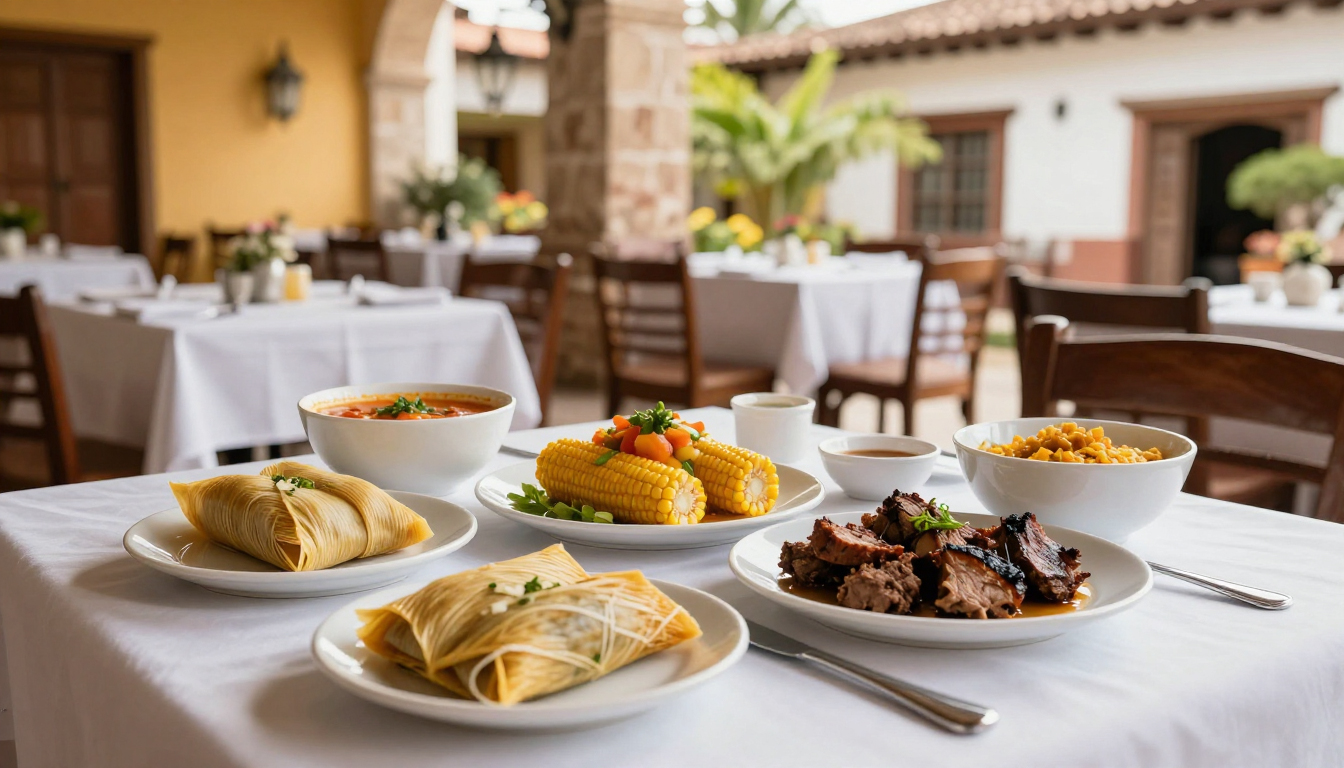
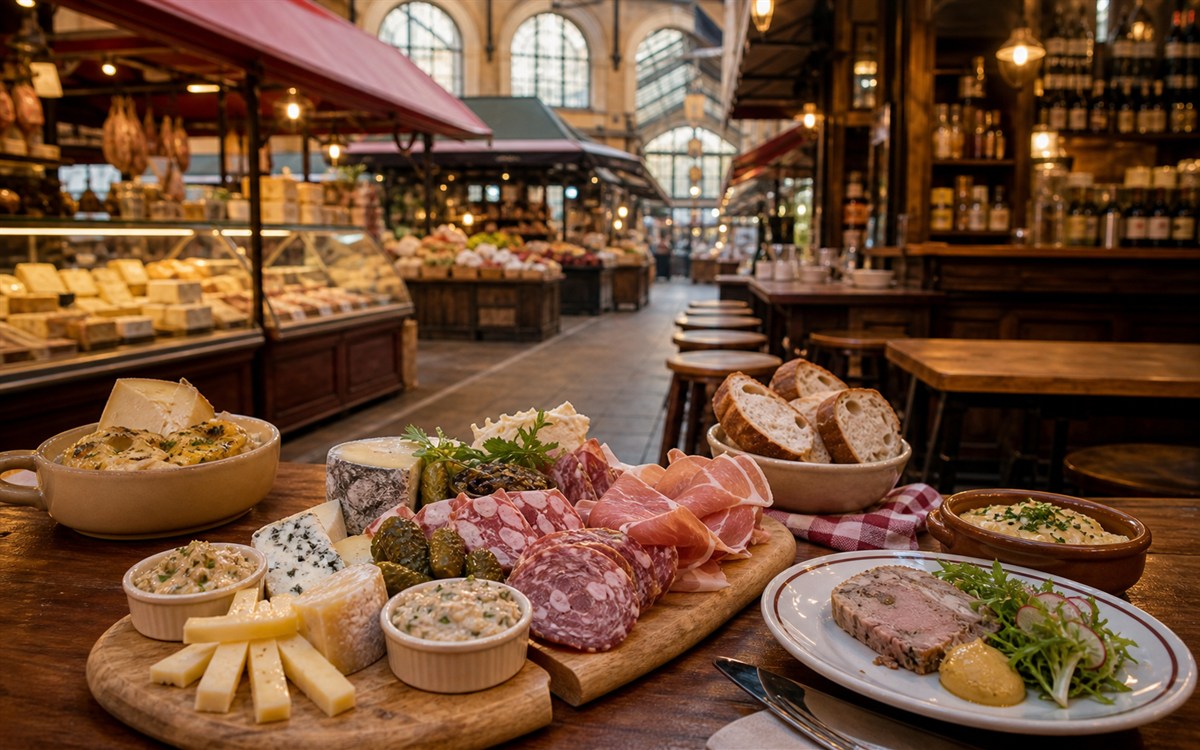
Route logic: Pepián, kak’ik, tamales, tortillas, coffee and market fruit change by region. Weaving, markets and local dress are important across highland communities. Keep food close to the chosen hotel area where possible: the best meals often come from market streets, harbour areas, old-town restaurants and neighbourhoods already inside the day’s route.

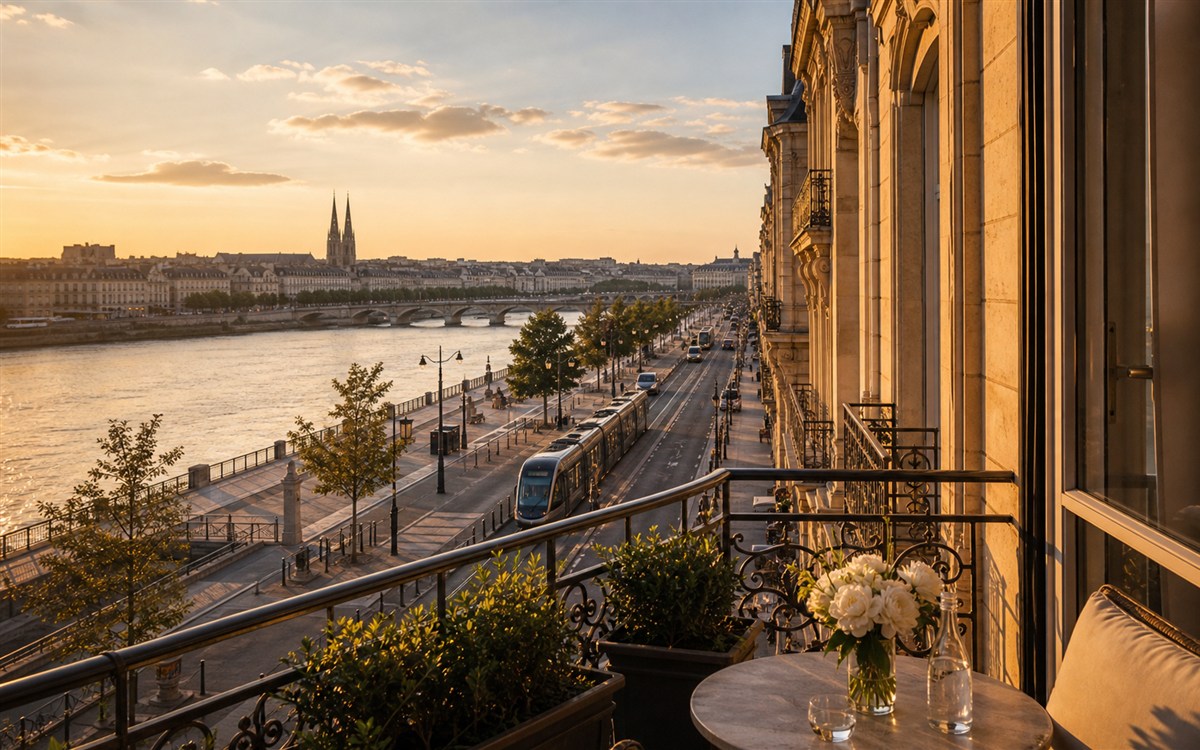
Antigua Guatemala: colonial streets, volcano views and first Guatemala base
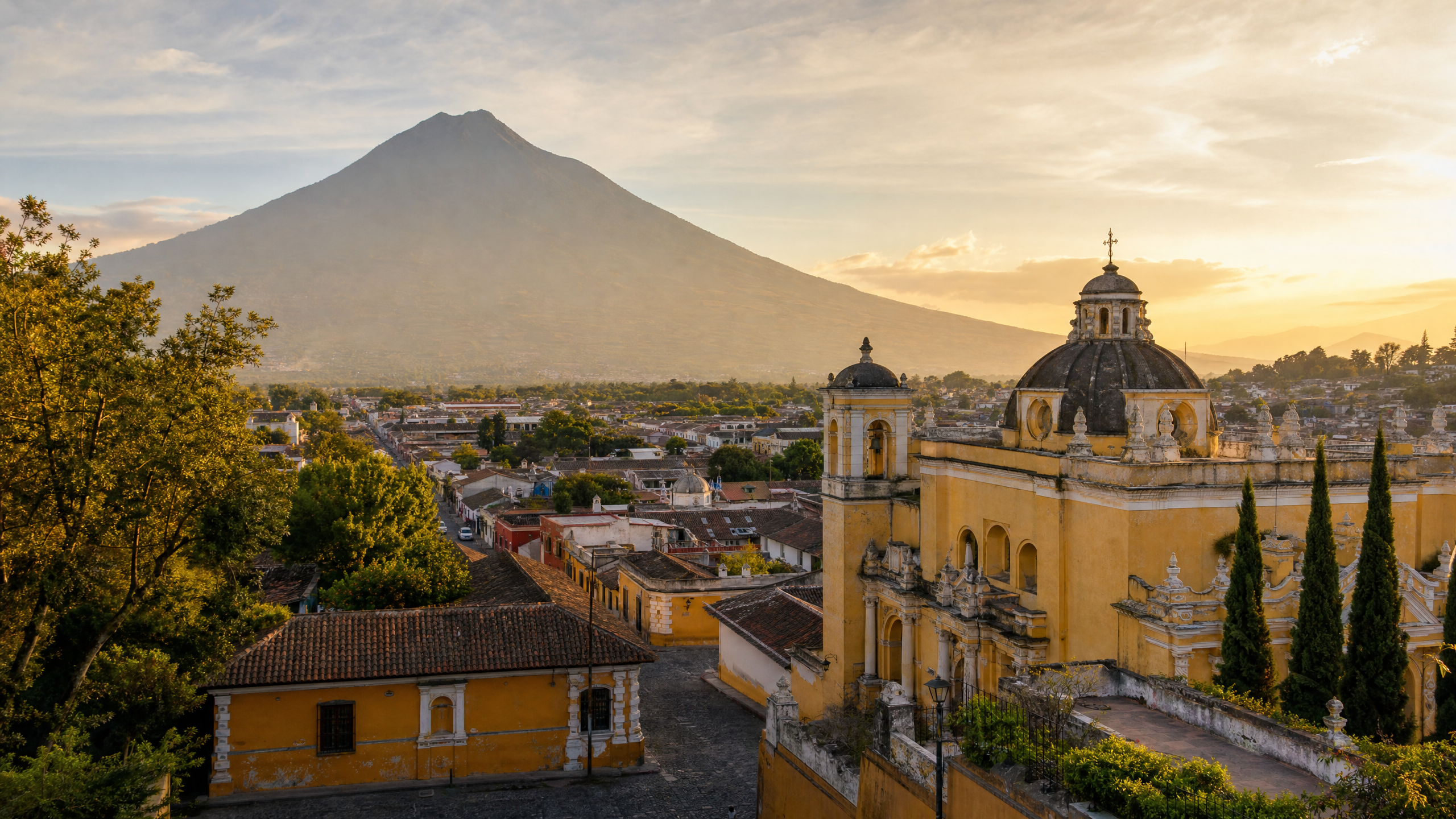
Best for: For Antigua Guatemala, the first decision is pace: give the city enough room to show its colonial streets, volcano views and first Guatemala base. Antigua is the clearest first base in Guatemala, with walkable streets, churches, ruins, cafes, Spanish schools, volcano views and easy onward routes. It works best when volcano views, food, museums and day routes are planned with current local guidance.
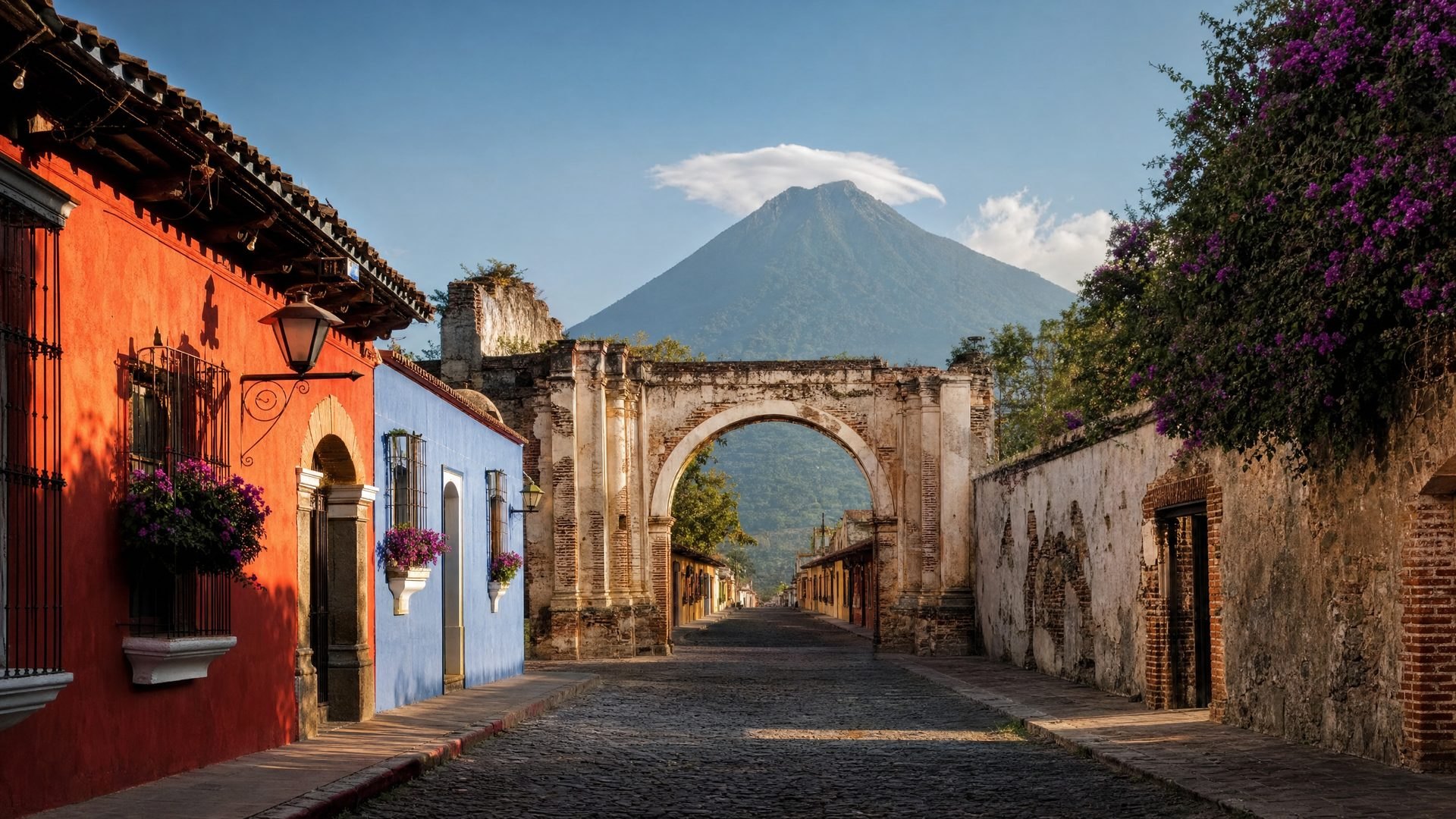
Historic landmarks: Santa Catalina Arch, Central Park and Cathedral Area, Convento de las Capuchinas, Cerro de la Cruz, Casa Santo Domingo Museum Complex and Antigua Church Ruins should shape the sightseeing plan. Go early for quieter streets. Use it as the natural orientation point.
Museums and attractions: Choose the hotel area around Central Antigua, Outer Antigua and Coffee Estate Areas. Pick the district that makes arrival, evening movement and the first full day easier.
Hotels and stay areas: Antigua Guatemala also needs a food layer. Build meals around pepian, tamales, coffee, rellenitos, tortillas, Central Antigua, Rooftop and Courtyard Restaurants and Market Area so the visitor has a reason to slow down between museums, viewpoints and transfers.
Food and restaurants: Lake Atitlán and Guatemala City Airport can extend the stay when there is enough time. A natural next base for scenery and village routes. The main arrival and departure link.
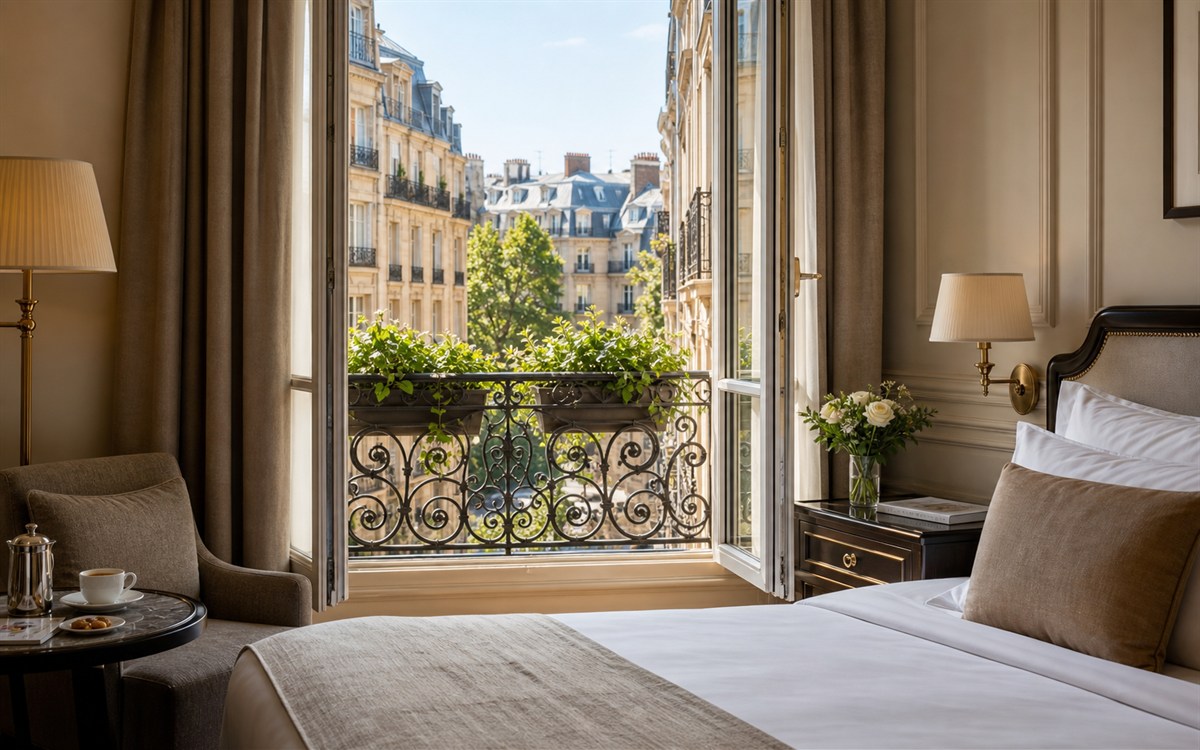
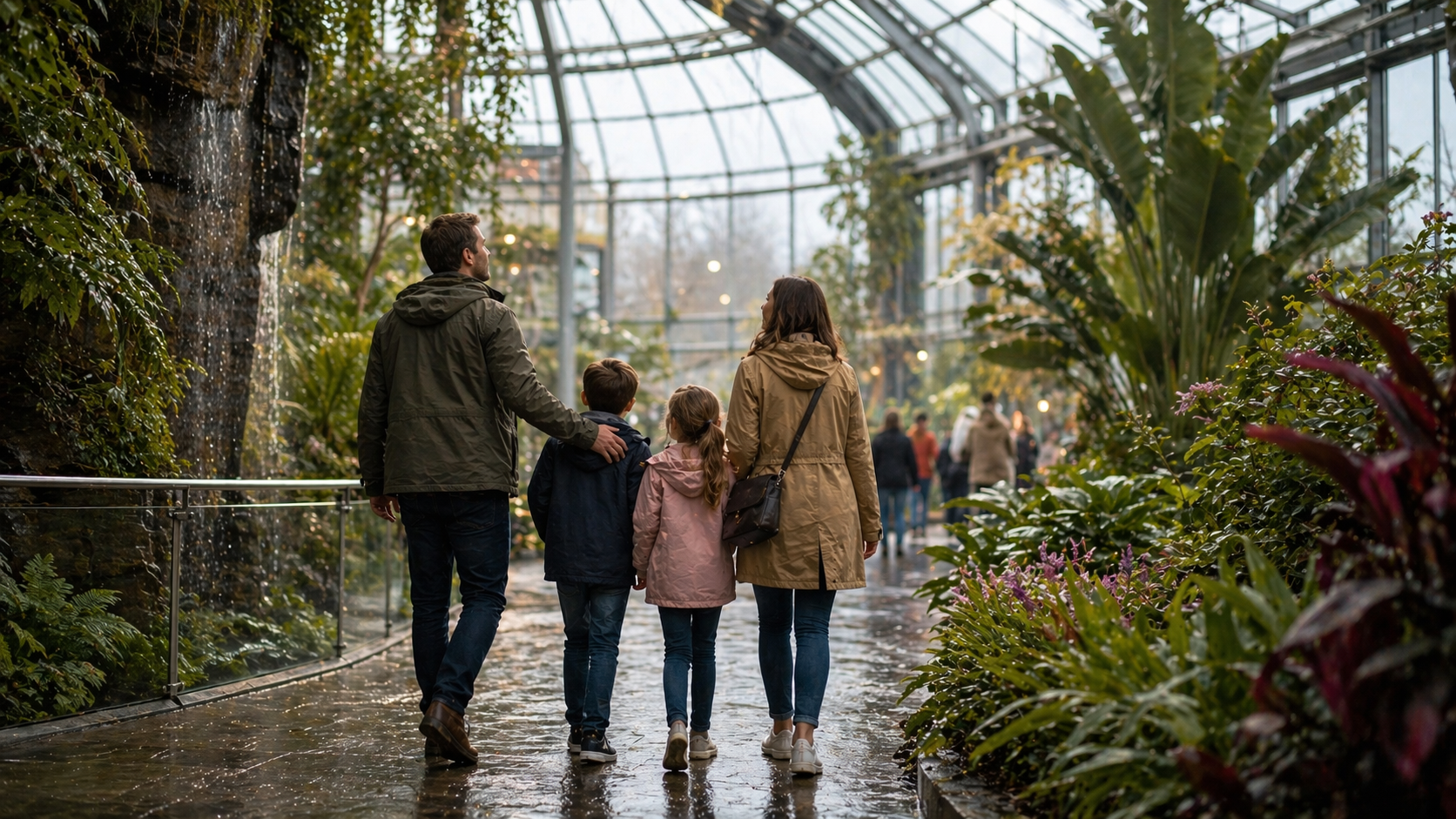
Lake Atitlán: volcano lake, villages and boat-linked stays
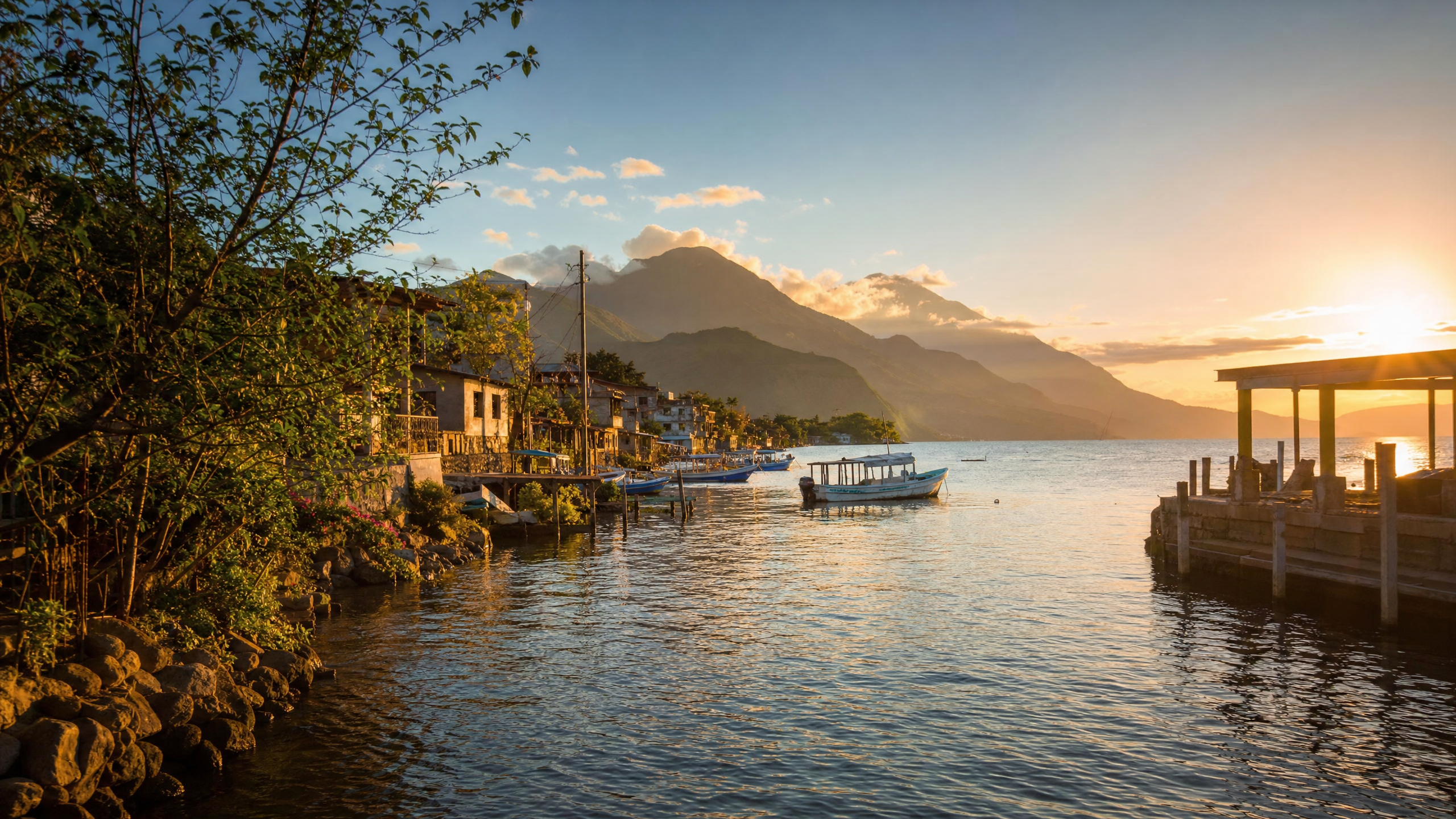
Best for: For Lake Atitlán, the first decision is pace: give the city enough room to show its volcano lake, villages and boat-linked stays. Lake Atitlán is a slower Guatemala chapter where the right village base matters, because boats, road transfers, markets and volcano views shape each day. It needs a carefully chosen village base, boat timing and respectful community context rather than rushed lake hopping.
Historic landmarks: Panajachel, San Juan La Laguna, Santa Catarina Palopó, Lake Boat Routes, San Juan Textile Workshops and Village Market Days should shape the sightseeing plan. Useful for services and first orientation. Plan time for workshops and local guides.
Museums and attractions: Choose the hotel area around Panajachel, San Marcos or San Pedro and San Juan. Pick the district that makes arrival, evening movement and the first full day easier.
Hotels and stay areas: Lake Atitlán also needs a food layer. Build meals around lake fish, tamales, tortillas, coffee, atol, Panajachel, San Pedro La Laguna and San Juan La Laguna so the visitor has a reason to slow down between museums, viewpoints and transfers.
Food and restaurants: Antigua and Highland Markets can extend the stay when there is enough time. The common road pairing before or after the lake. Nearby market towns can extend the cultural route.
Tikal and Flores: Maya ruins, jungle and island-town base
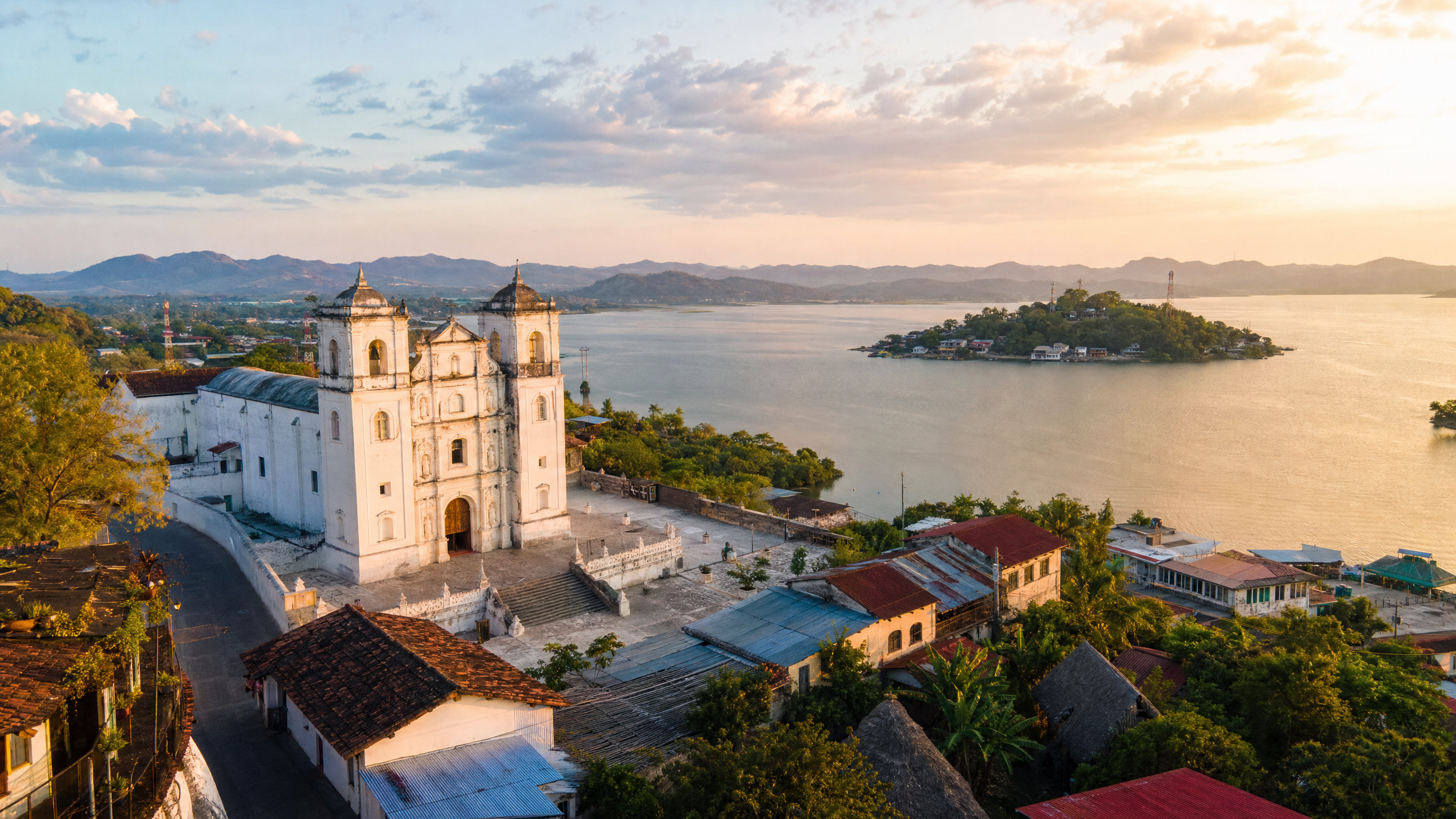
Best for: Use Tikal and Flores when the Guatemala route needs Maya ruins, jungle and island-town base. Tikal and Flores give Guatemala a major archaeology-and-jungle chapter, with Flores working as the most practical visitor base for guided heritage days. It should be planned with reputable guides, early starts and enough time for both ruins and Flores logistics.
Historic landmarks: Tikal National Park, Temple IV Viewpoint, Flores Island, Lake Petén Itzá, Tikal Visitor Context and Flores Historic Streets should shape the sightseeing plan. Use a guide and plan heat, walking and transport. Sunrise plans need early starts and operator coordination.
Museums and attractions: Choose the hotel area around Flores Island, Santa Elena and Jungle Lodges Near Tikal. Pick the district that makes arrival, evening movement and the first full day easier.
Hotels and stay areas: Tikal and Flores also needs a food layer. Build meals around pepian, grilled fish, tamales, tortillas, coffee, Flores Waterfront, Flores Island Streets and Santa Elena so the visitor has a reason to slow down between museums, viewpoints and transfers.
Food and restaurants: Guatemala City Flight Link and Belize Border Routes can extend the stay when there is enough time. A common way to connect Tikal with the rest of the trip. Regional routes may connect onward with careful transfer planning.
Guatemala City: arrival logistics, museums and capital context
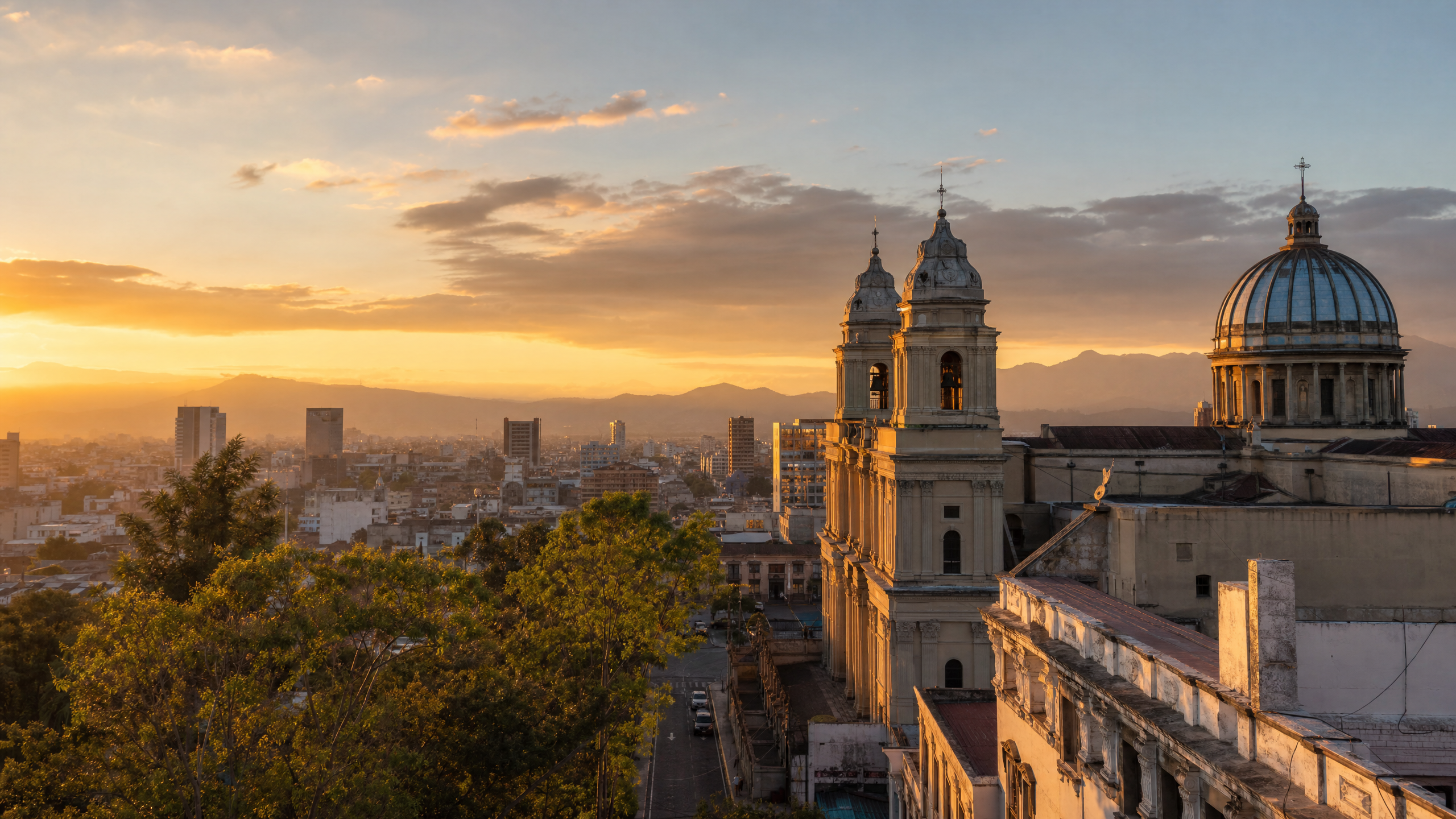
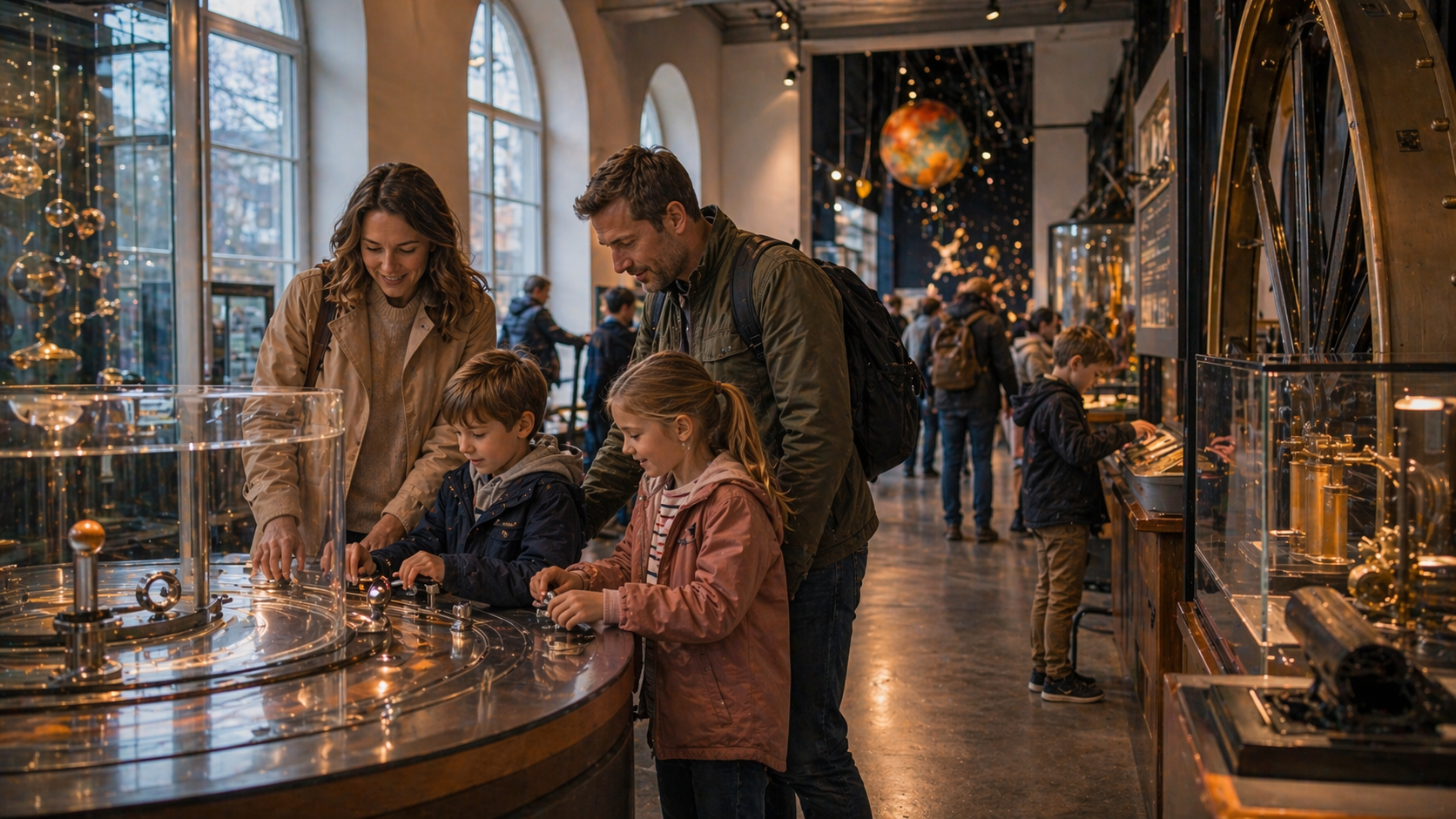
Best for: Treat Guatemala City as the part of Guatemala where arrival logistics, museums and capital context becomes useful for the wider route. Guatemala City is usually a short capital and airport base, but its museums, dining districts and civic landmarks add useful context before or after Antigua and highland routes. It works best as a practical museum, food and airport chapter in established visitor areas.
Historic landmarks: Museo Nacional de Arqueología y Etnología, Popol Vuh Museum, Historic Centre and Plaza Mayor and Relief Map should shape the sightseeing plan. Useful before Tikal or highland routes. Check opening times before planning around it.
Museums and attractions: Choose the hotel area around Zona 10 and Zona 4. Pick the district that makes arrival, evening movement and the first full day easier.
Hotels and stay areas: Guatemala City also needs a food layer. Build meals around pepian, kakik, tamales, coffee, rellenitos, Zona 10, Zona 4 and Historic Centre so the visitor has a reason to slow down between museums, viewpoints and transfers.
Food and restaurants: Antigua Guatemala and Flores Flight Link can extend the stay when there is enough time. The common first leisure base after arrival. A practical connection for Tikal.
Quetzaltenango and Western Highlands: highland city, markets and slower cultural routes
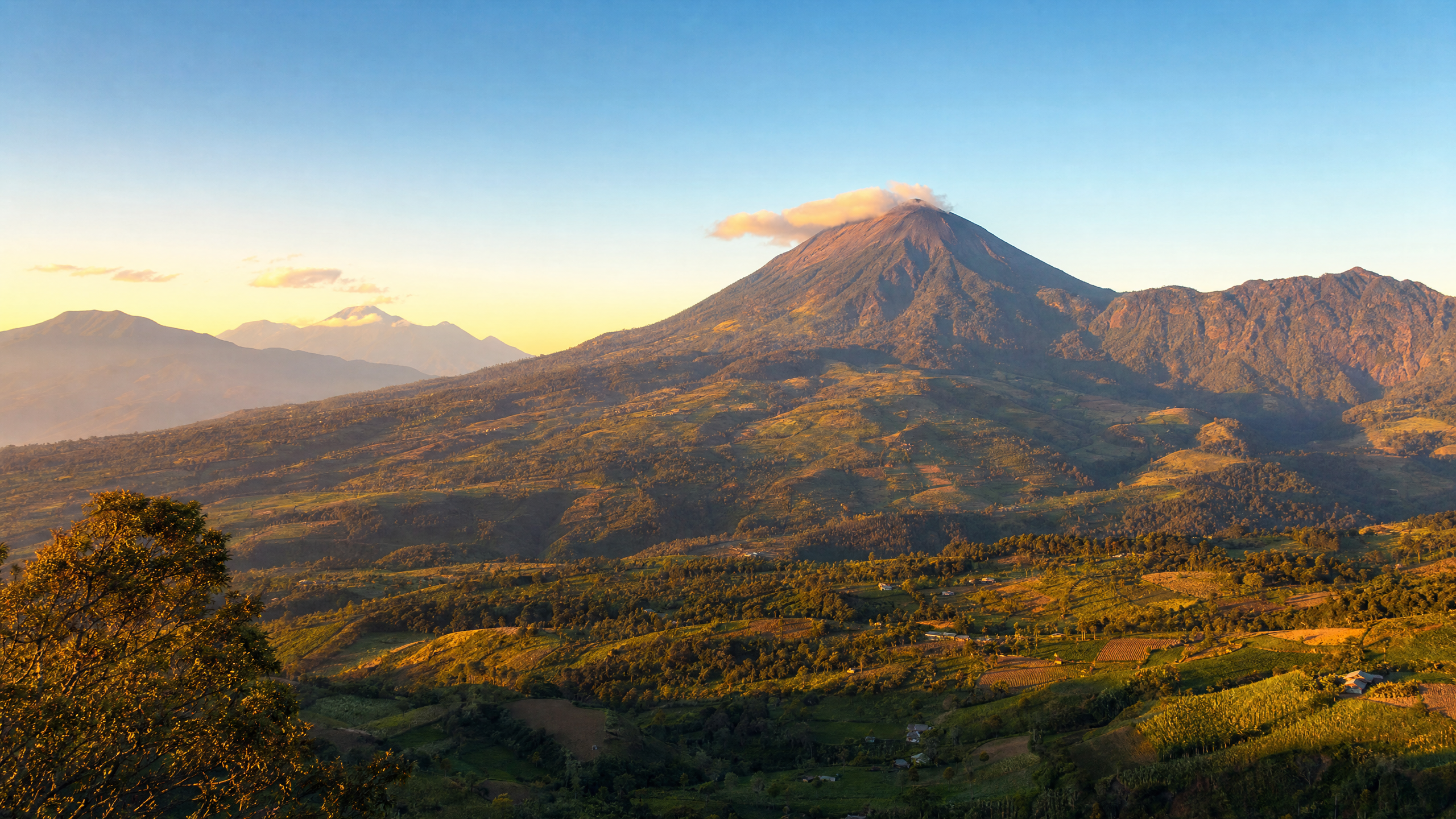
Best for: Use Quetzaltenango and Western Highlands when the Guatemala route needs highland city, markets and slower cultural routes. Quetzaltenango gives experienced Guatemala travellers a deeper highland base, with markets, hot springs, Spanish schools and access to surrounding towns when the itinerary has time. It suits experienced travellers who plan local guidance, altitude, transport and market days with extra care.
Historic landmarks: Quetzaltenango Historic Centre, Fuentes Georginas, Zunil and Nearby Villages, Highland Viewpoints, Municipal Theatre and Historic Centre and Highland Market Towns should shape the sightseeing plan. Use it as a base rather than a quick detour. Arrange transport and check weather.
Museums and attractions: Choose the hotel area around Quetzaltenango Centre and Outer Highland Lodges. Pick the district that makes arrival, evening movement and the first full day easier.
Hotels and stay areas: Quetzaltenango and Western Highlands also needs a food layer. Build meals around tamales, pepian, atol, highland bread, coffee, Historic Centre, Market Areas and Hot-Spring Routes so the visitor has a reason to slow down between museums, viewpoints and transfers.
Food and restaurants: Lake Atitlán and Antigua can extend the stay when there is enough time. A highland pairing with village and lake scenery. A longer road connection back toward the main visitor route.

Food, Culture and Route Ideas for Guatemala
Food route: Pepián, kak’ik, tamales, tortillas, coffee and market fruit change by region. Weaving, markets and local dress are important across highland communities. Mountain roads, traffic and weather make fewer bases more comfortable. This is where food, culture and route planning should work together.
Food, wine and restaurants: Build meals around pepian, tamales, coffee, rellenitos, tortillas, lake fish and atol and keep them close to Central Antigua, Rooftop and Courtyard Restaurants, Market Area, Panajachel and San Pedro La Laguna.
Popular experiences: Use Antigua, Lake Atitlán and Flores/Tikal with Guatemala City mainly for flight logistics. Add Quetzaltenango or highland towns only if the trip has enough nights for road transfers. Keep the route disciplined: one clear hotel area, one strong regional layer and one food or culture experience will usually feel better than trying to touch every possible stop.
Planning rule: Use bookings in a clean order: choose the hotel area first, then add attraction tickets, food tours, guided days and local experiences where they make the journey easier, richer and more realistic.