Start with the trip shape
Decide whether the trip is city-led, heritage-led, coast-led, nature-led or built around a short route.
Greece is best planned by choosing the relationship between Athens, the islands and the mainland. Athens gives the heritage foundation; the Cyclades deliver classic island-hopping; Crete can carry a full trip on its own; Rhodes and Corfu suit island stays; and the Peloponnese works for road-led history, food and coast. The key is not to collect too many islands. Ferry timing, season, wind and transfer comfort shape the whole experience.
Start Planning GreeceGreece is easier to plan when Athens, Santorini, Crete and daily movement are separated before bookings are compared.
5 city and region anchors, one country page, and booking choices arranged around the trip shape.
Jump to cities and regionsCompare deals only after the route shape, dates, stay base and main experiences are clear enough to judge value properly.
Open planning optionUse the hotel area to reduce daily movement between Athens, Santorini and the places that matter most.
Open planning optionMuseums, landmarks and major attractions work better when they are grouped by neighbourhood, timing and demand.
Open planning optionUse guided tours, food routes and specialist days where they improve the route instead of crowding the schedule.
Open planning optionRail, road, domestic flights, ferry timing or fewer bases can change the whole trip. Decide the movement pattern early.
Open planning optionUse the city and region guide below to decide where to slow down, where to day trip and where to avoid adding extra bases.
Open planning optionDecide whether the trip is city-led, heritage-led, coast-led, nature-led or built around a short route.
The stay area should make daily movement easier, not force long transfers before the main sights, food areas or day trips.
Book the pieces that protect the trip first, then add optional experiences only where they improve the pacing.
Greece works best when Athens, islands and mainland routes are not mixed casually. Choose culture, island pacing, beaches, ferries or road routes first.
Athens, Rhodes, Crete and mainland heritage routes give Greece a deep cultural layer before the beach days begin.
Santorini, Mykonos, Crete, Rhodes and other islands each need different ferry, flight and hotel choices.
Tavernas, seafood, olive oil, village squares, beaches and evening walks shape the pace of the trip.
The most practical first structure is Athens with one island or one nearby island group.
Crete is large enough for a complete holiday with cities, beaches, mountains, food and ancient sites.
Santorini and Mykonos can work together only when ferry timing, wind and season leave enough slack.
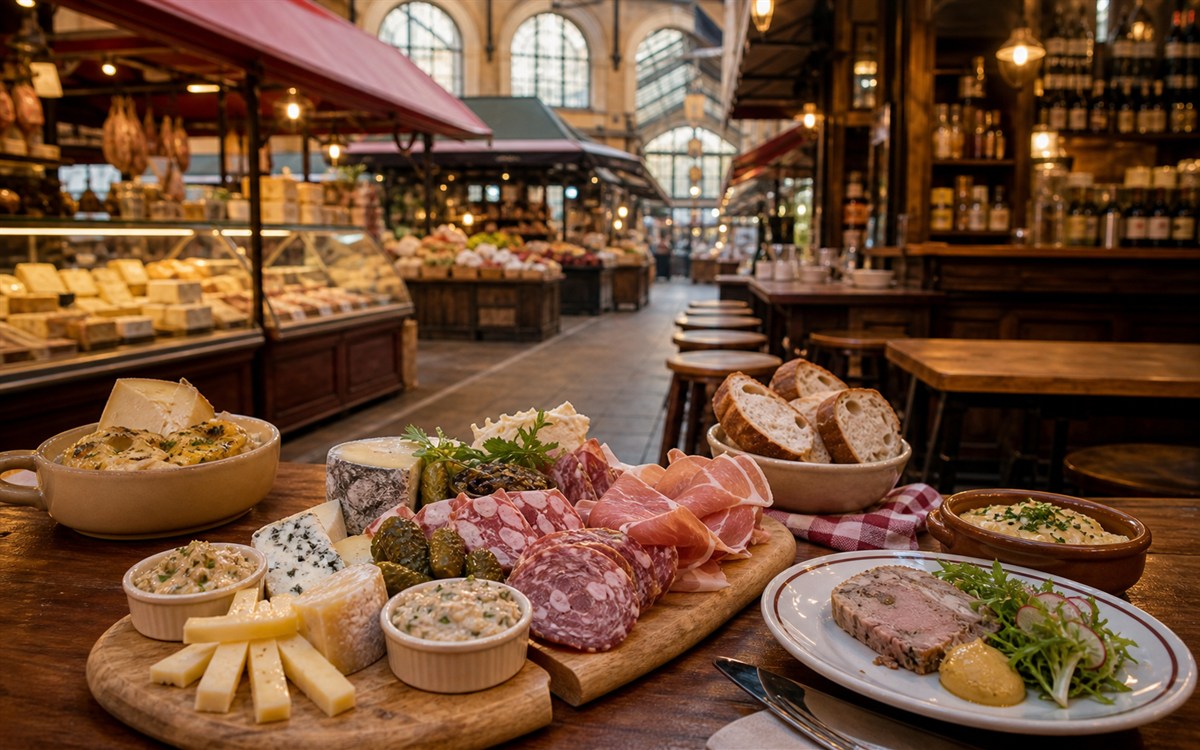
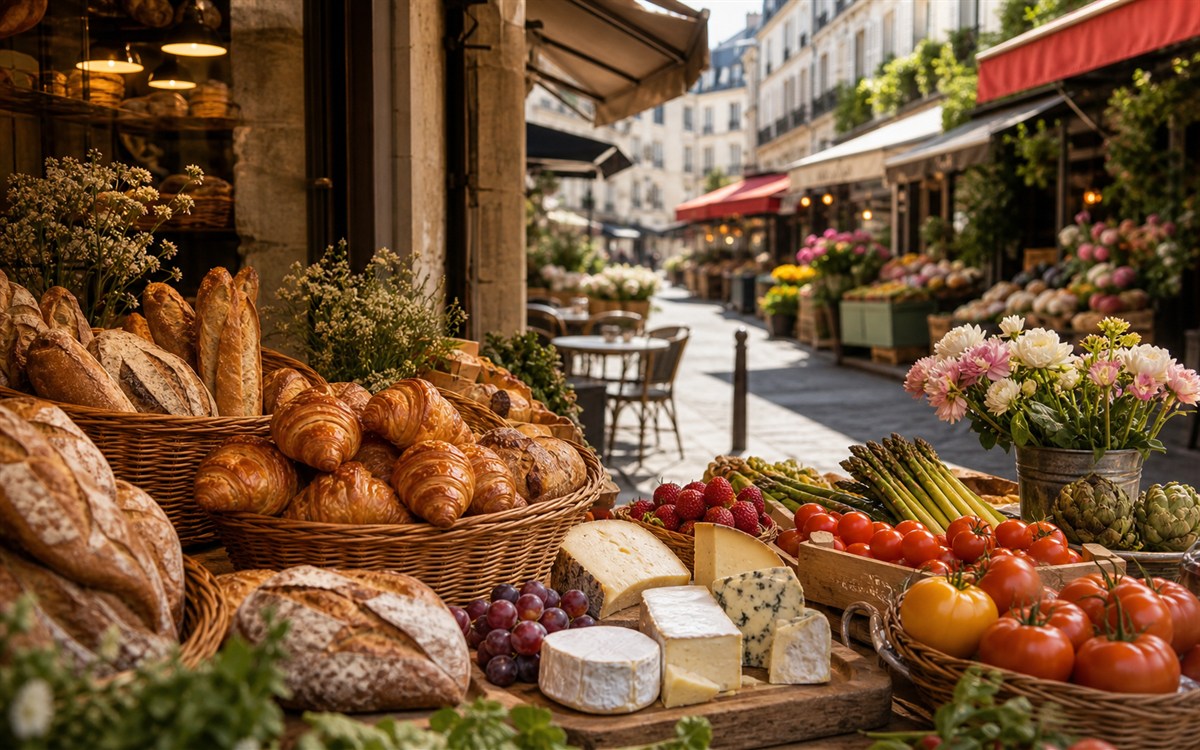
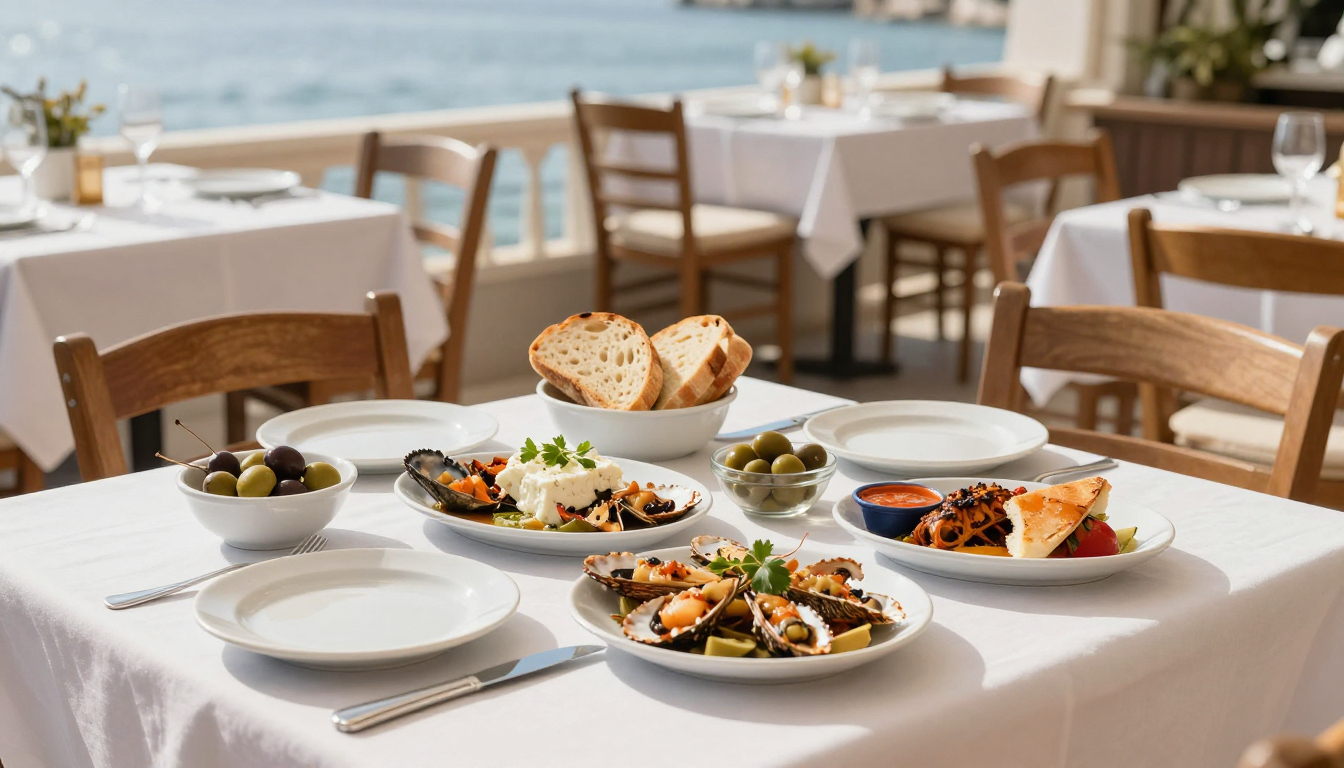
Greek travel planning is easy to connect with food: souvlaki, grilled seafood, feta, olives, mezze and island tavernas work around old towns, harbours and relaxed evening walks.
Souvlaki, Grilled seafood, Feta and olives, Mezze, Island tavernas.
A harbour seafood meal, A mezze lunch near the old town, A market or food walk in the main city, A family-friendly taverna evening.
Keep the route simple: arrive, choose a central or waterfront hotel base, reserve key tickets, then use food stops to slow the day down.
Book a hotel near the old town or waterfront and add organised tours or food experiences where they reduce planning friction.
Meals are relaxed, social and often late. Build evenings around food rather than treating dinner as a quick stop.
Each island has its own architecture, food, wind pattern, beach style and evening rhythm.
Churches, feast days, local music and village squares are part of the cultural texture throughout Greece.
Use these city and region sections as same-page planning anchors for the trip. Each one explains why it matters, what to see, where to base yourself and which booking options to compare next.

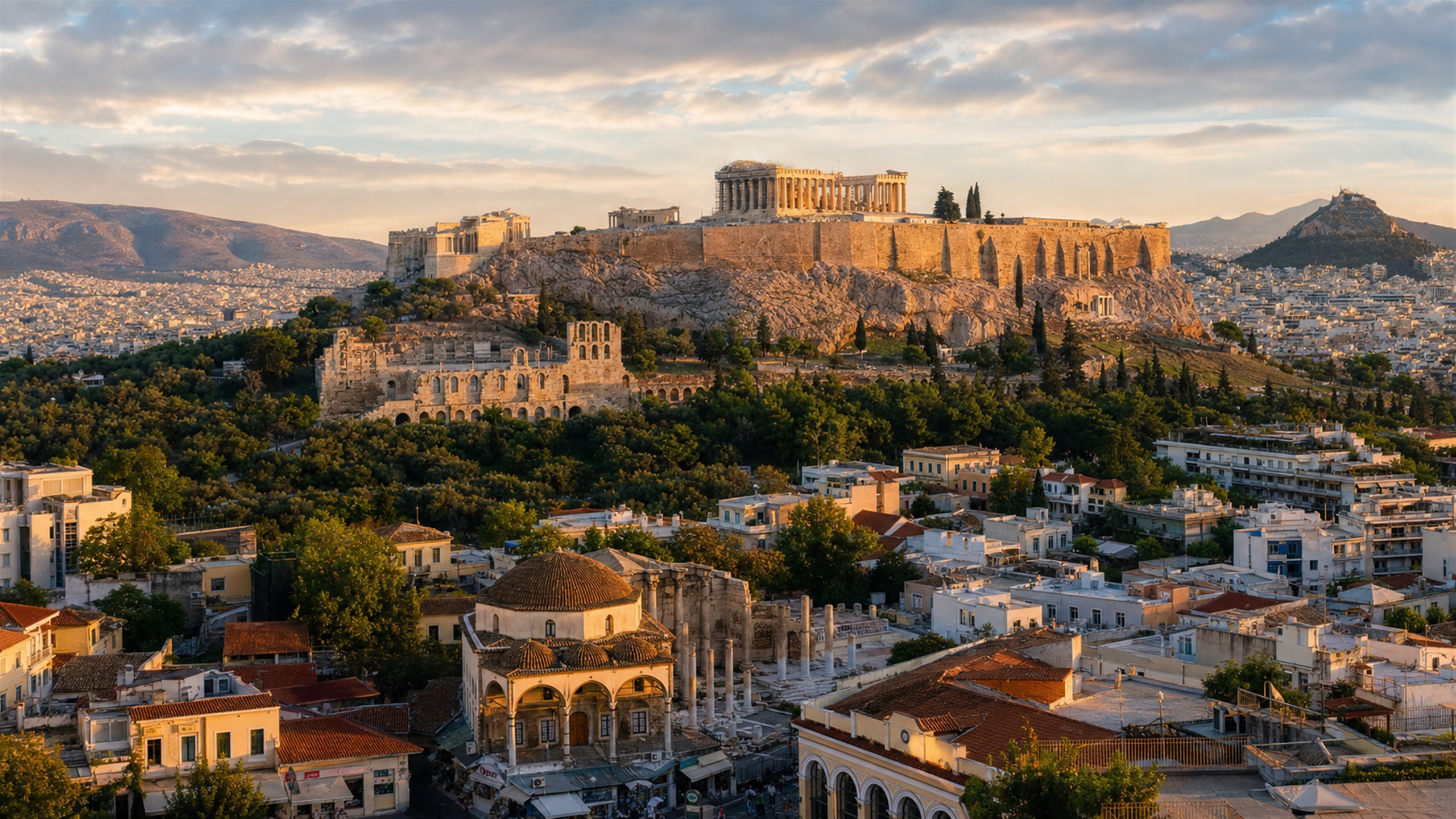
Athens is the strongest gateway into Greece because it combines ancient sites, neighbourhood food culture, museums, nightlife and ferry or flight connections to the islands.
The essential ancient site and the strongest cultural anchor in Athens.
Visit with time and heat awareness, then keep the rest of the day realistic.
A lower, more spacious ancient site that helps connect ruins to everyday civic life.
Pairs well with Monastiraki or Plaka.
Old lanes, steps, cafes and views under the Acropolis.
Best as a walking and food area, not only a route between monuments.
A viewpoint for understanding the city scale, coast and mountains.
Use at sunset only if the day has enough energy left.
The key museum pairing for the Acropolis and ancient Athens.
A deeper museum choice for travellers who want a broader Greek history layer.
Athens food works by neighbourhood: souvlaki, meze, bakeries, markets, coffee, rooftop views and late dinners all shape the city.
Good for casual food, bars, markets and easy central evenings.
Best for nightlife, street food.
Useful for food and stays near the Acropolis without being in the busiest lanes.
Best for first-time stays, cafes.
Classic and scenic, best when atmosphere matters more than local quiet.
Best for views, first visit.
Athens works because ruins, apartment districts, street art, cafes and nightlife sit close together.
Food, squares and rooftop views often become stronger after the heat and museum hours pass.
Useful for culture-heavy trips and walkable sightseeing.
Best for Acropolis access, first-time stays.
Practical for metro, airport access and central movement.
Best for transport, short stays.
Only best when ferry timing is the main planning issue.
Best for early ferries.
Enough for the Acropolis, one museum, old neighbourhoods and a food evening.
Better for deeper museums, coast time or a Delphi-style day trip.
A natural next step by ferry or flight when island season and timing work.
Mainland heritage extensions that need a full day or road-route planning.

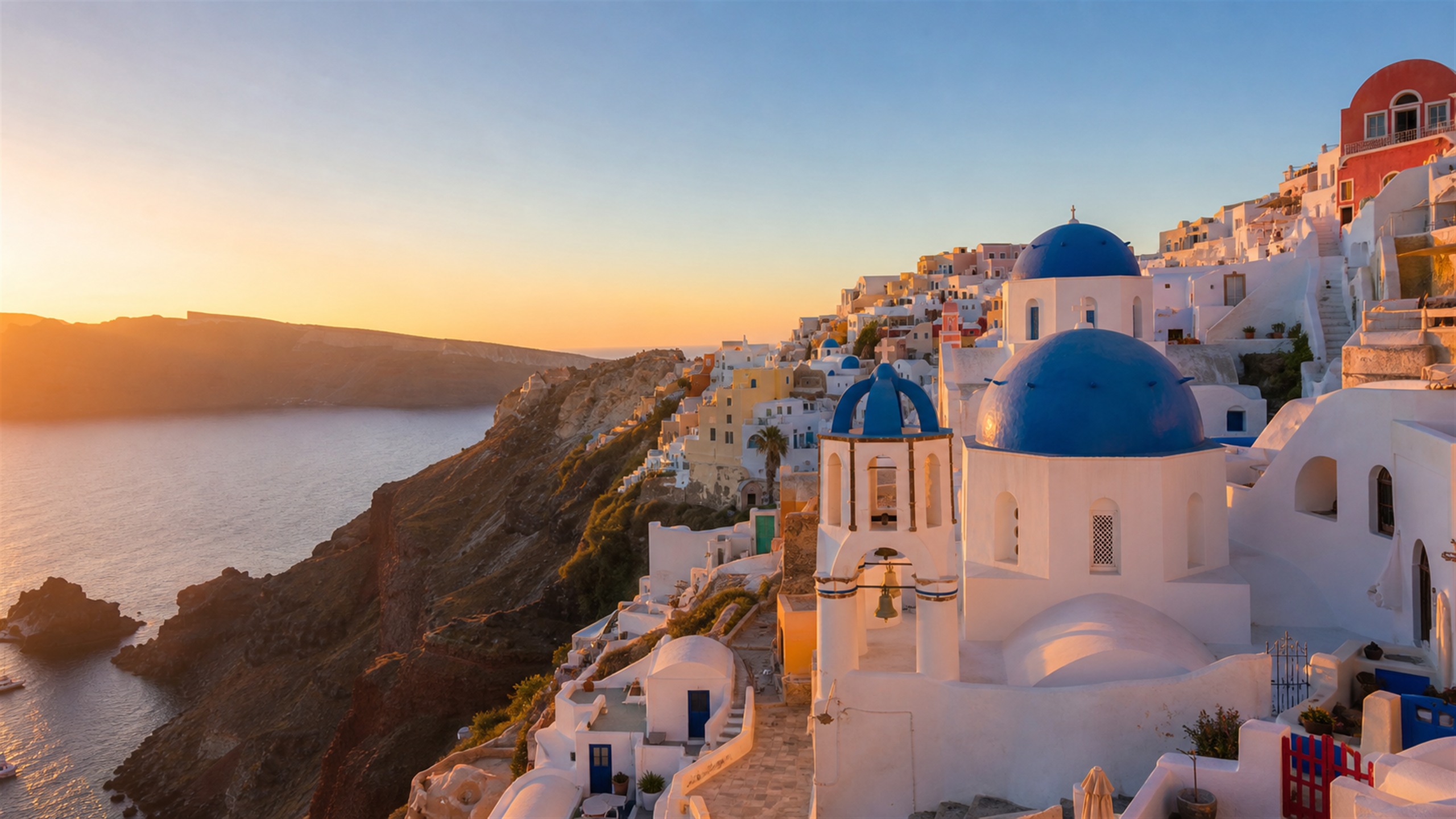
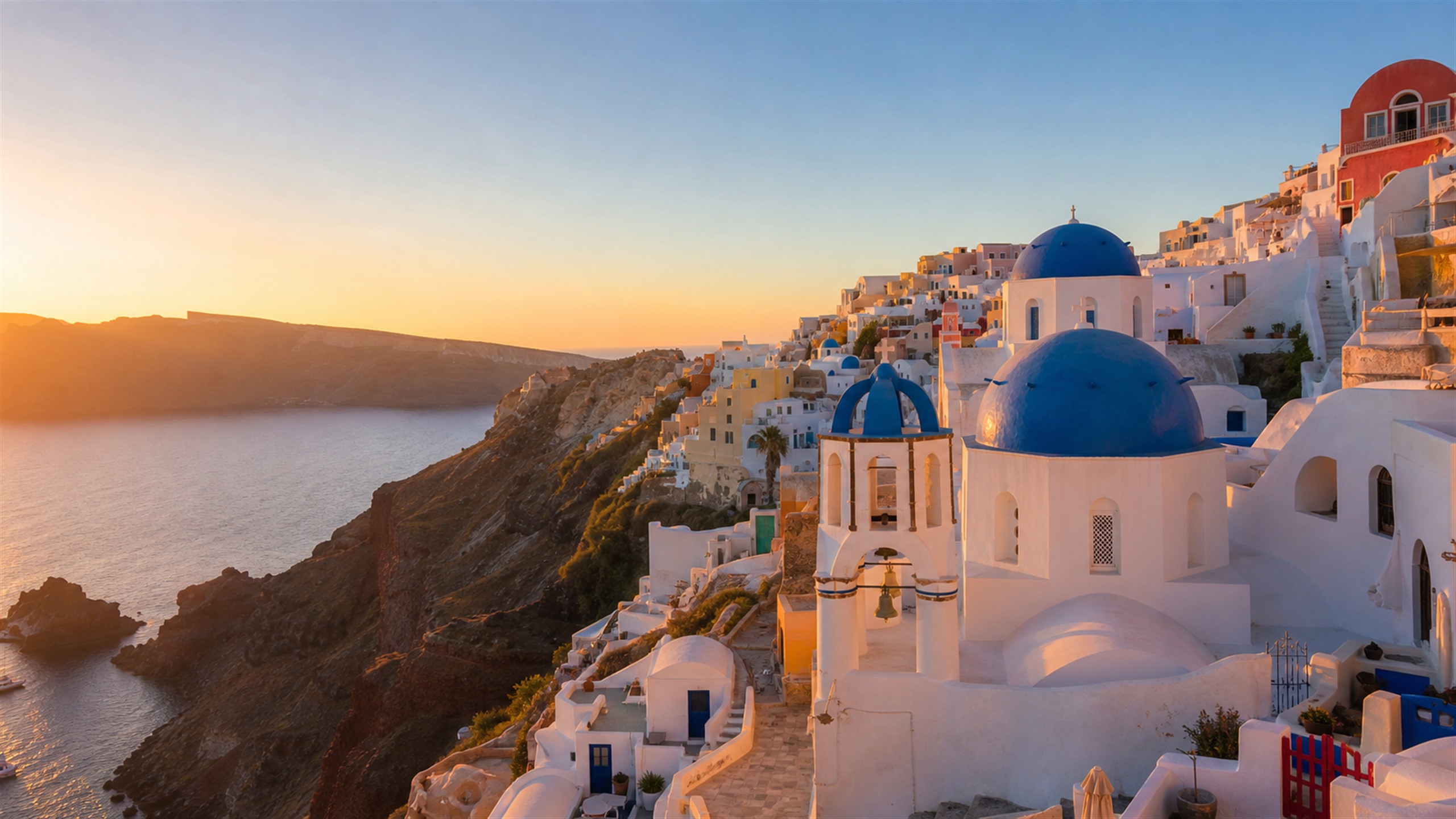
Santorini is strongest for caldera views, romantic stays, volcanic landscapes and slow island pacing, not for cheap or rushed sightseeing.
The classic cliffside village and view setting that defines many Santorini trips.
Use early mornings or slower evenings and avoid treating sunset as the only reason to visit.
A scenic cliff route connecting villages and caldera viewpoints.
Plan around heat, footwear and daylight.
A major ancient settlement that adds cultural depth beyond views.
Pair with south-island beaches or a quieter cultural day.
Black, red and volcanic coastlines plus caldera boat options show the island geology.
Choose either a beach day or boat day, not both as rushed half-plans.
A useful companion to Akrotiri and ancient island history.
Santorini wine routes connect volcanic soil, village life and slower inland pacing.
Santorini food is shaped by volcanic produce, seafood, island wines and villages where sunset timing can affect the whole evening.
Practical for views, choice and transport around the island.
Best for views, central base.
Good for a calmer food rhythm away from the busiest caldera edges.
Best for slower meals, wine.
The caldera, black beaches, cave-style architecture and wine all come from the volcanic landscape.
Santorini is best when the hotel, views, food and movement are allowed to slow the trip down.
Best for caldera atmosphere and slower stays.
Best for views, romantic stays, premium hotels.
Practical for travellers who want views and better island movement.
Best for transport, choice, short stays.
Better when beach time and simpler access matter more than caldera views.
Best for beach stays, value.
Enough for views, one village route and a beach or archaeology stop.
Better for a premium stay, boat time, wine villages and less pressure around sunset.
Cyclades pairings that need ferry timing and enough nights on each island.
The cultural gateway that balances Santorini with ancient-site depth.

Crete is large enough to be a complete Greece trip, with Venetian towns, beaches, mountains, Minoan sites, food traditions and regional routes that reward time.
A beautiful harbour base with lanes, food, museums and western Crete access.
Works best as an overnight base, not a quick stop.
The main Minoan heritage pairing for travellers interested in ancient Crete.
Use the museum and palace together for stronger context.
A smaller old-town base between Chania and Heraklion with beach and Venetian character.
Good for slower stays or a split-base route.
Elafonisi, Balos and Samaria-style routes show the island scale and landscape variety.
Plan driving, heat, ferry or hiking logistics before committing.
Essential context for Minoan Crete and Knossos.
Useful for Chania, Venetian harbour history and sea routes.
Crete food is one of the island’s biggest reasons to stay longer: olive oil, mountain herbs, cheeses, seafood, slow tavernas and village cooking.
Good for harbour meals, alleys, seafood and first-time atmosphere.
Best for evenings, seafood.
Better for slower traditional meals and local produce.
Best for traditional food, road routes.
Food, music, family tavernas and mountain villages give Crete a strong identity beyond beaches.
Chania, Rethymno, Heraklion and Knossos show different historic periods in one island route.
Best for atmosphere and western routes.
Best for first-time Crete, food, west beaches.
Practical for archaeology, arrivals and central movement.
Best for Knossos, ferries, short stays.
Good when the trip wants beach, comfort or a gentler base.
Best for slower stays, resorts.
Enough for one side of the island and a clear mix of town, beach and food.
Better for a two-base route with beaches, mountains and archaeology.
Possible as a pairing, but ferry timing and hotel bases should be planned early.
Better as a separate route unless the trip has enough time for flights or ferries.

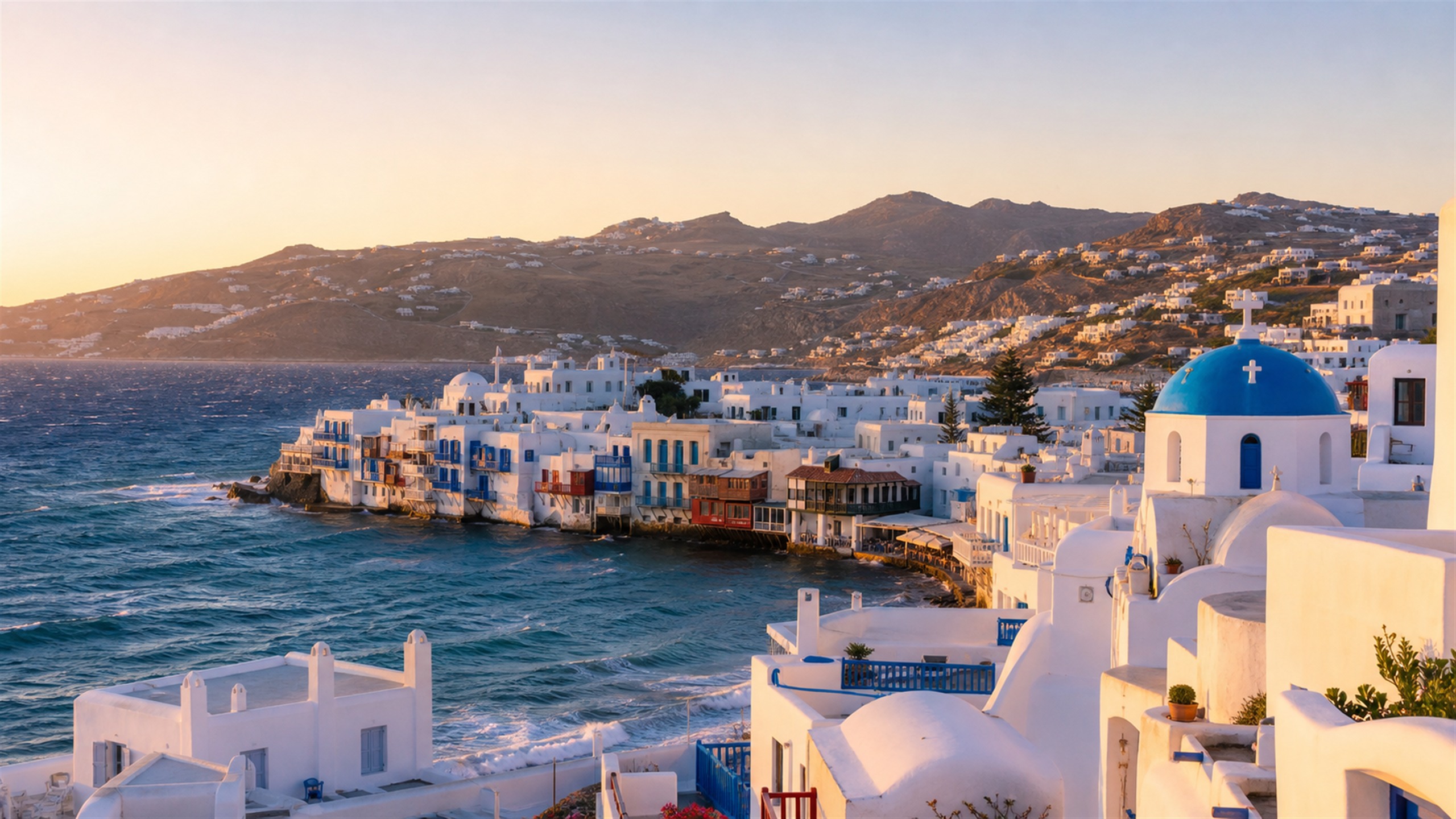
Mykonos works for travellers who want Cycladic architecture, beach clubs, nightlife, boutique stays and a clear route to Delos, but it needs budget and season awareness.
White lanes, shops, churches, dining and evening energy in the island core.
Use it as the main walking and evening base unless the trip is beach-first.
The classic waterfront and windmill view area.
Best as part of a wider old-town walk rather than a standalone plan.
A major ancient sanctuary nearby and the strongest cultural counterweight to beach time.
Check boat timing and wind conditions before building the day around it.
Beach areas such as Ornos, Platis Gialos and nearby coves define many stays.
Choose the beach base by transport, budget and evening plans.
A compact cultural stop for island context.
The most important cultural experience linked to Mykonos.
Mykonos dining ranges from casual island tavernas to premium beach and town meals; plan by area and budget rather than chasing names.
Best for evening choice, bars, lanes and dining before nightlife.
Best for evenings, choice.
Good for long lunches, beach days and premium stays when the hotel base is nearby.
Best for beaches, slow lunches.
Whitewashed lanes, chapels, windmills and harbour views define the island visual identity.
Mykonos changes between quiet shoulder-season village rhythm and high-summer nightlife.
Best for evening movement and visitors without a car.
Best for nightlife, short stays, restaurants.
Good for beach-first stays with easier facilities.
Best for beaches, families, comfort.
A calmer inland option if beach and nightlife are not the only goals.
Best for quieter stays, value.
Enough for town, one beach day and possibly Delos if timing works.
Better for beaches, nightlife and a slower island rhythm.
The main cultural day trip and a useful balance to beach-led planning.
Cyclades pairings that need ferry timing and enough nights per island.

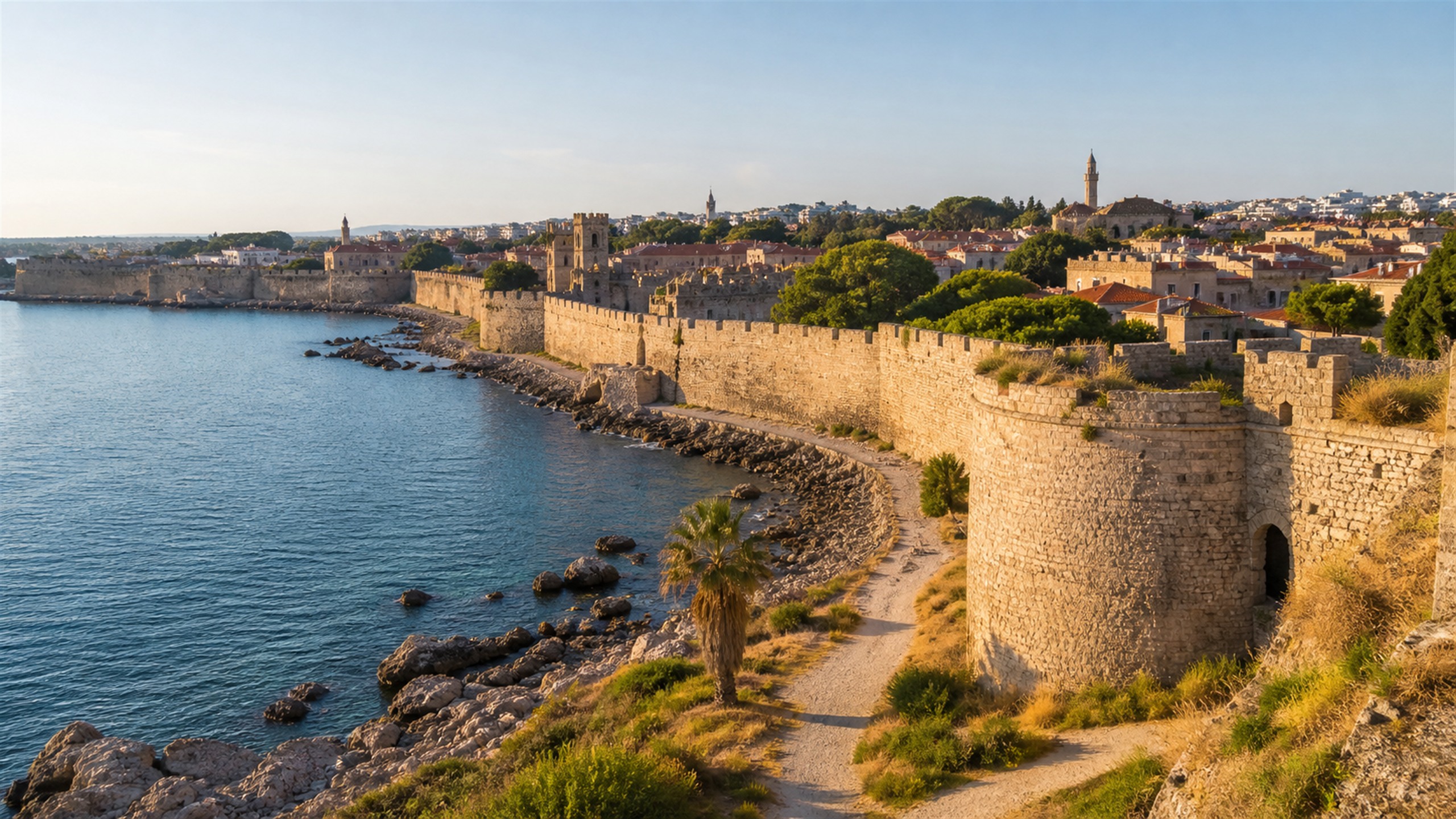
Rhodes combines a major medieval old town, beaches, Lindos, family-friendly resorts and enough heritage to feel different from a purely beach-led island stay.
A walled medieval town with lanes, gates, squares and knightly heritage.
Stay nearby or give it a proper half-day rather than treating it as a resort add-on.
The main old-town monument and a strong historic anchor.
Pair with old-town walking and the harbour.
A dramatic hilltop ancient site above a white village and bay.
Plan around heat, steps and transport from your base.
Rhodes offers easy beach bases and family-friendly resort areas.
Choose the coast by beach style and old-town access.
A useful old-town museum inside a historic building.
A scenic harbour area connecting modern movement with island history.
Rhodes food combines island seafood, Greek classics, honey, sesame, herbs and old-town or beach-resort dining.
Good for atmospheric evenings and heritage setting.
Best for old-town dining, evenings.
Useful for beach days, village views and relaxed island meals.
Best for beaches, views.
Rhodes has a layered identity shaped by medieval fortifications, harbours and eastern Mediterranean routes.
The island works because old towns, resorts and villages can support different trip styles.
Best for old town, museums, restaurants and first-time orientation.
Best for history, short stays, harbour access.
Good for a scenic village and beach mix.
Best for views, romantic stays, beaches.
Useful for easier beach facilities and family stays.
Best for families, beaches, resorts.
Enough for old town, Lindos and a beach day.
Better for a full island stay with resort time and heritage.
A popular island day trip that needs boat timing and weather awareness.
Possible island pairings when ferry schedules and trip length support them.
Start with the places people actually remember: the old town, the waterfront, the museum quarter, the food streets and the easy guided day trips. WorldFun helps you turn a country page into a practical plan with flights, hotels, tickets, tours and local experiences in one flow.
Start with flights into the easiest gateway for Greece, choose a hotel near the old town, waterfront or museum quarter, then group the first tickets and tours by area.
Compare flights before choosing the hotel area.
Build one walkable day around a market, a museum, a historic street and an evening restaurant area, then add a food tour if it makes the city easier to understand.
Add a food tour or local market visit.
Reserve the high-demand museum or landmark first, keep the hotel base close enough for an easy return, and use the old town walk for the same day.
Reserve tickets early for the attractions people travel for.
Keep transfers short, choose official attractions or guided experiences, leave space for breaks and use restaurants near the stay base for easier evenings.
Choose family-friendly tours and ticketed attractions.
For a short stay in Greece, focus on one arrival city, one strong hotel area, one museum or landmark booking, one food plan and one guided city walk.
Book the hotel close to the route, not just the lowest price.
Compare flights before you choose the hotel area, especially when several arrival cities or transfer routes are possible.
Compare FlightsBook close to the old town, waterfront, museum quarter or main transport link so each day starts with less friction.
Find HotelsBook the museum, landmark or attraction people travel for before filling the day with smaller stops.
Book TicketsUse guided city walks, cultural tours and food experiences when they make the destination simpler and more memorable.
Explore ToursUse this guide to understand the best way to approach Greece: where to arrive, where to stay, how much to move around, and which sights, regions and experiences deserve priority.
Greece works best when the route has a clear purpose. Start with the main gateway, decide whether the trip is city-led, coast-led, nature-led or culture-led, then choose the stay base around that plan.
Use Greece as practical anchors, then decide whether Greece Regions should be day trips, overnight stops or a separate route. The hotel area should reduce travel time, not create more of it.
Build the experience list around the route: major sights first, then food, local neighbourhoods, nature, museums, tours or family activities where they genuinely fit the available time.
Plan Greece by deciding whether the trip is Athens-plus-island, island-hopping, Crete-based, mainland-road-led or beach-focused. Once that choice is made, flights, ferries, hotels and tours become much easier to organise.
Greece becomes difficult when the route jumps between unrelated islands. Choose Cyclades, Crete, Ionian, Rhodes, Athens-plus-one-island or mainland road logic first.
The best Greek base depends on ferry port, beach access, old town access, driving comfort and evening atmosphere. A beautiful hotel in the wrong location can waste hours every day.
Athens, Delphi, Knossos, Rhodes, island boat days, food routes and beaches should be balanced so the trip has both culture and rest, not just transfers.
Use this Greece guide to connect Athens, islands, ferries, beaches, hotels, ancient sites and tours into a route that respects season, transfer time and the real pace of Greek travel.
Check travel deals for Greece only after the route, dates, stay base and main experiences are clear enough to compare properly.
Open Travel DealsChoose the stay base around Greece. The hotel area should support the trip shape, transport access and daily movement.
Compare StaysMuseums, landmarks, historic sites, viewpoints and paid attractions should be grouped by area, timing and demand.
Plan TicketsGuided experiences, food routes, nature trips and cultural days should support Greece Regions without overloading the itinerary.
Explore ToursFamily planning for Greece should keep transfers realistic, bases simple, rest time protected and weather backups available.
Plan Family TravelUse Greece Regions as the route layer, then decide whether the trip needs rail, road, domestic flights, boats or fewer bases.
Plan RoutesGreece can work as a focused short break when the arrival city, stay base and one or two priority experiences are chosen early.
Shape a Short BreakUse sea-first planning for Greece only where coast, islands, harbours, cruises, yacht or sailing genuinely shape the trip.
Explore Sea TravelUse cruise planning for Greece only where ports, rivers, coast, islands or pre- and post-cruise stays genuinely matter.
Plan CruisesAthens is the natural cultural base for the Acropolis, museums, food and first-arrival structure. Thessaloniki works for northern Greece and food culture. Heraklion or Chania can anchor Crete, while Rhodes Town and Corfu Town create strong island bases with heritage and beach access.
Use the main cities, gateways and stay areas in Greece as the practical base for the trip.
The Cyclades, Crete, the Ionian Islands, Rhodes, the Peloponnese and northern Greece all need different planning. The Cyclades suit ferry routes; Crete needs time and driving logic; the Ionian Islands suit greener coast stays; and the Peloponnese rewards road travel.
Use regions, coast, nature, heritage areas and transport links to decide how deep the Greece route should go.
Start with season and island group. Summer needs early hotel and ferry planning, while shoulder seasons can be better for Athens, Crete and mainland routes. Avoid building a route that crosses island groups without enough time between ferries or flights.
Athens plus one island, or Athens plus two nearby Cyclades islands, is usually cleaner than trying to see every famous island in one trip.
Crete, the Peloponnese or one island group can become a complete holiday with better food, easier movement and less ferry pressure.
Choose season and island group first, then flights and ferries, then hotels, then ancient-site tickets, boat trips, food tours and beach or family experiences.
Book Greece around the route and season. Compare flights into Athens, Heraklion, Chania, Rhodes, Corfu or Thessaloniki, choose hotels near the right port, beach or old town, then add ferry legs, ancient sites, boat trips, food tours and island experiences.