Germany Travel Guide: Berlin, Munich, Rhine, Bavaria, Rail Routes and Seasonal Cities
Germany is strongest when the route is built around a city pair or a defined region. Berlin gives history, museums and creative districts; Munich gives Bavaria, beer halls, palaces and Alps access; Hamburg gives harbour culture and northern design; Cologne and the Rhine support river, cathedral and castle routes; and the Black Forest or Christmas markets create seasonal depth. Germany has excellent rail, but the country still needs route discipline.
Start Planning GermanyGermany Travel Guide: Routes, Stay Bases, Culture and Experiences
Trip shape: Germany needs a clear travel spine before hotels, tickets and tours start making sense. Use Berlin, Munich, Hamburg and Cologne and the Rhine as the first anchors, then let Bavaria, Rhine Valley, Black Forest and First Germany Trip decide whether the trip should stay compact or open into a wider route.
Best for: Bavaria, Rhine Valley, Black Forest and First Germany Trip give Germany its deeper travel layer. Some visitors need one main city and one day trip; others should slow down, split the journey and give the strongest region its own nights.
Planning rule: Start with arrival logic, season and the first overnight point, then add the experiences that genuinely deserve advance planning. Museums, landmarks, guided tours, food walks, local neighbourhoods and coastal or countryside days should be grouped by geography and timing.
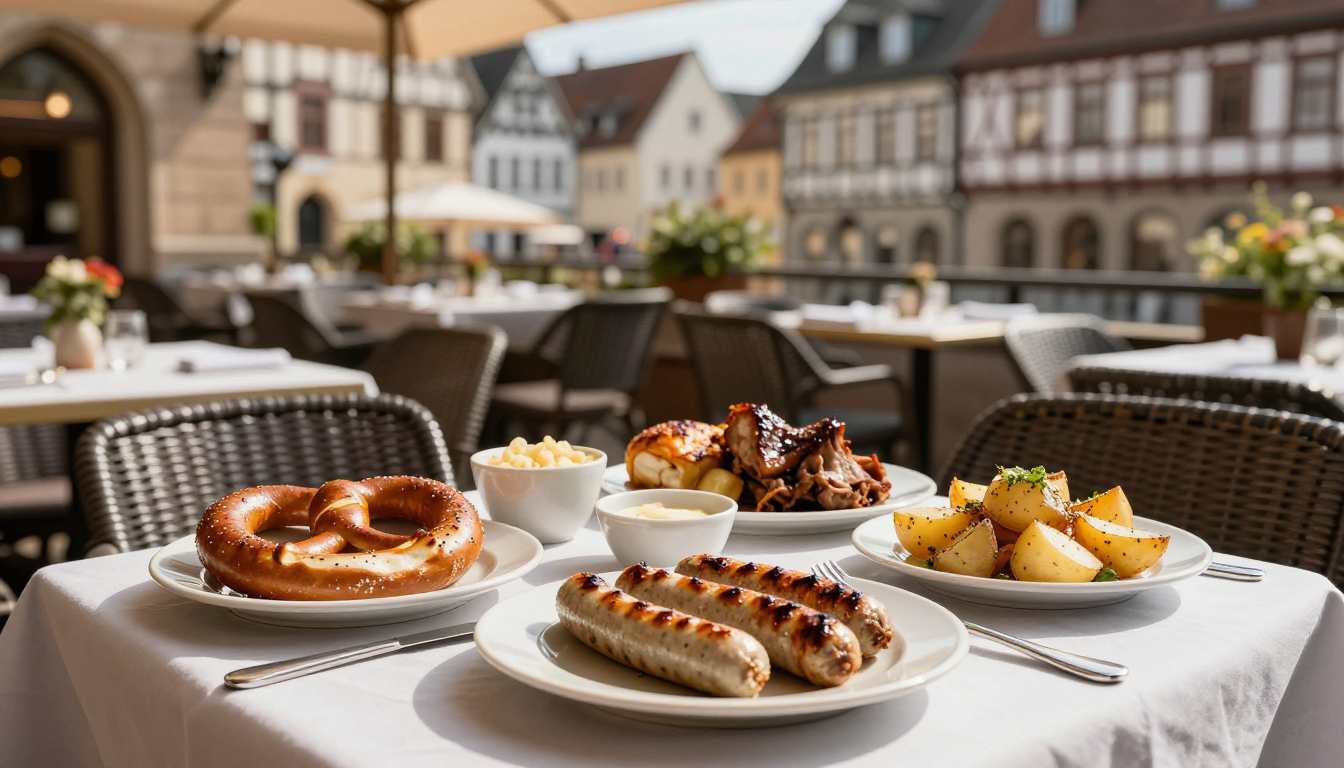
Route logic: Bavarian beer halls, Rhineland bakeries, northern seafood and Berlin street food all give different rhythms. Seasonal events are a real planning factor, especially in winter and around Oktoberfest. Keep food close to the chosen hotel area where possible: the best meals often come from market streets, harbour areas, old-town restaurants and neighbourhoods already inside the day’s route.
Berlin: history, museums and modern culture
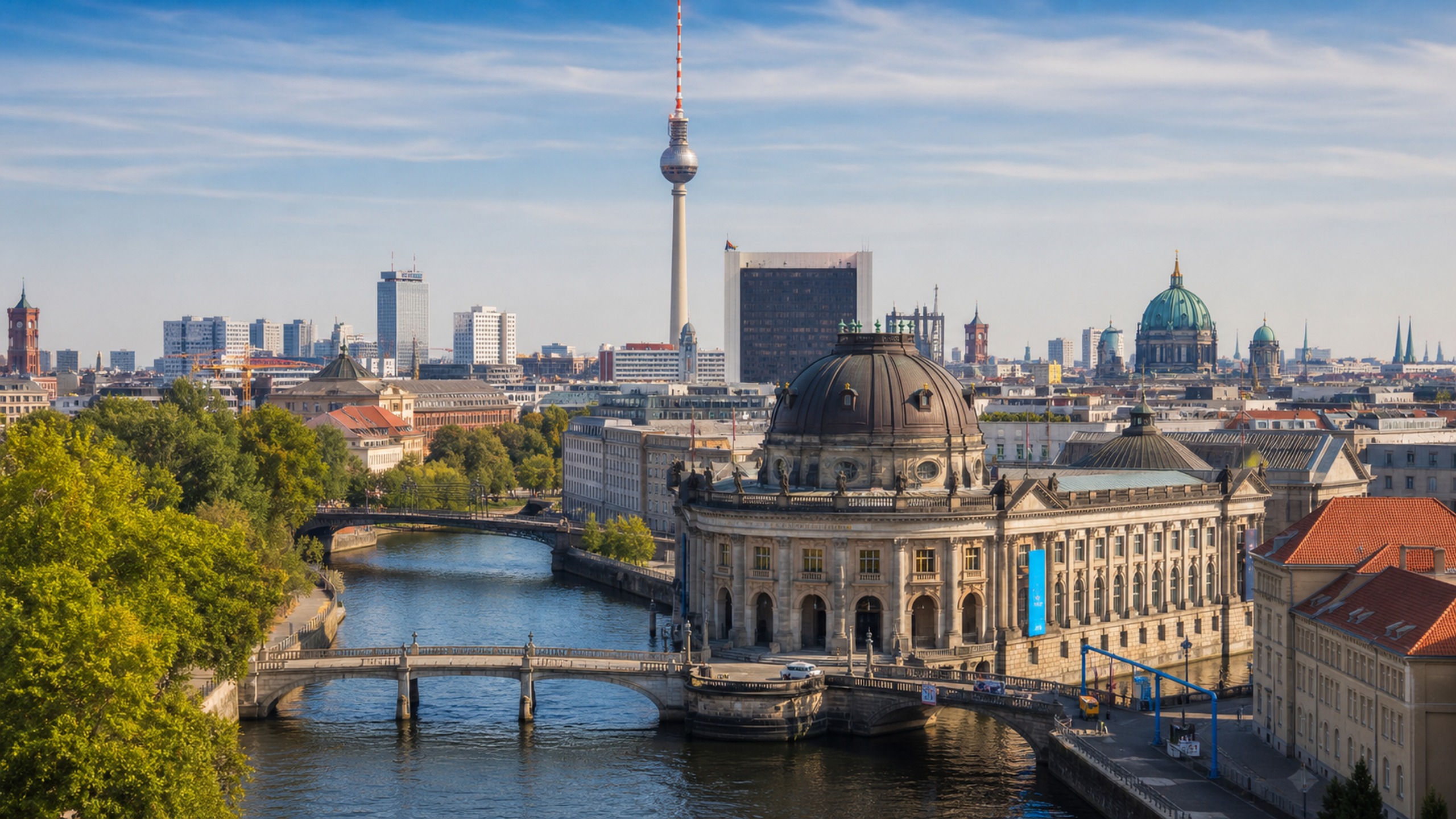
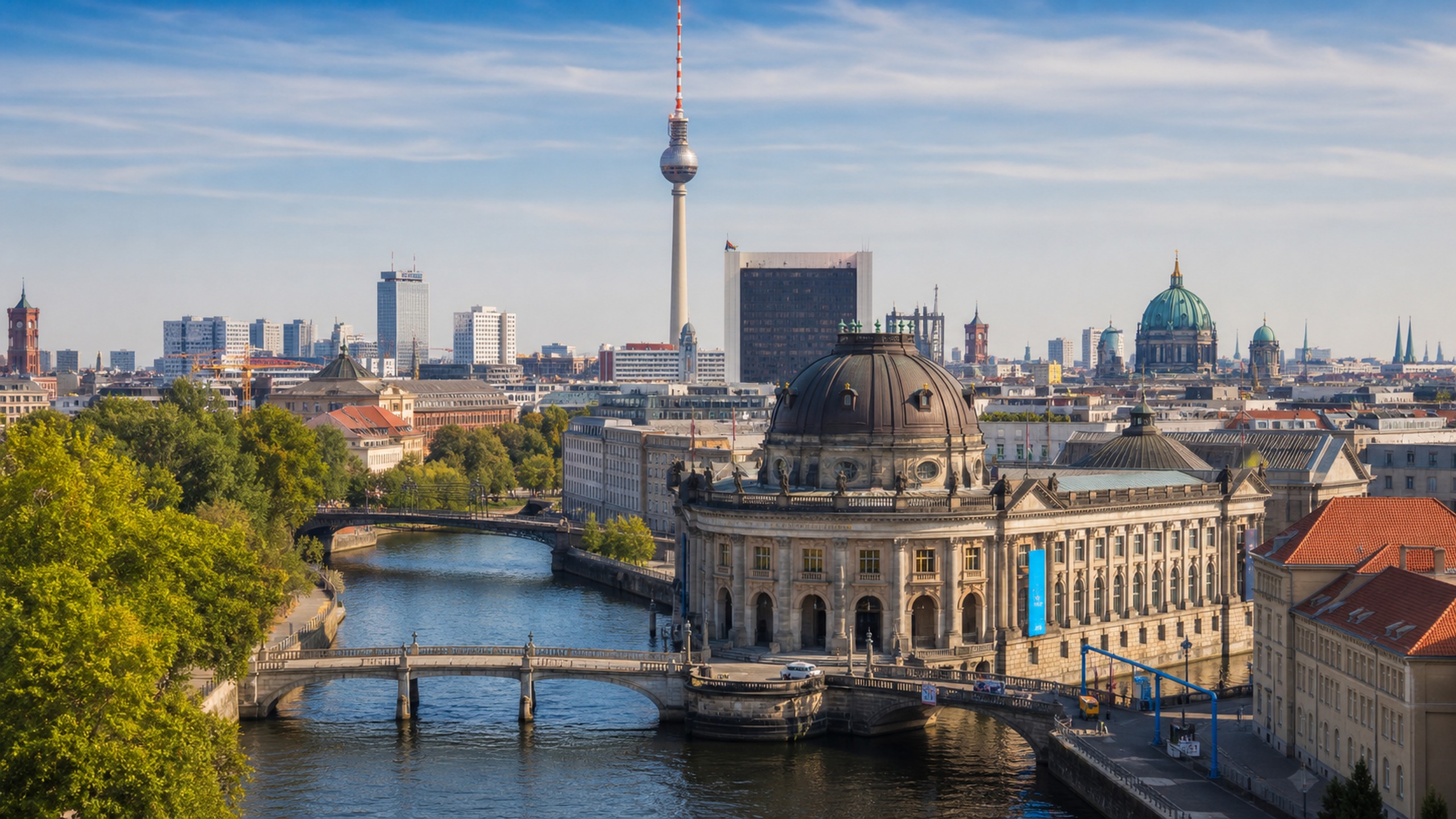
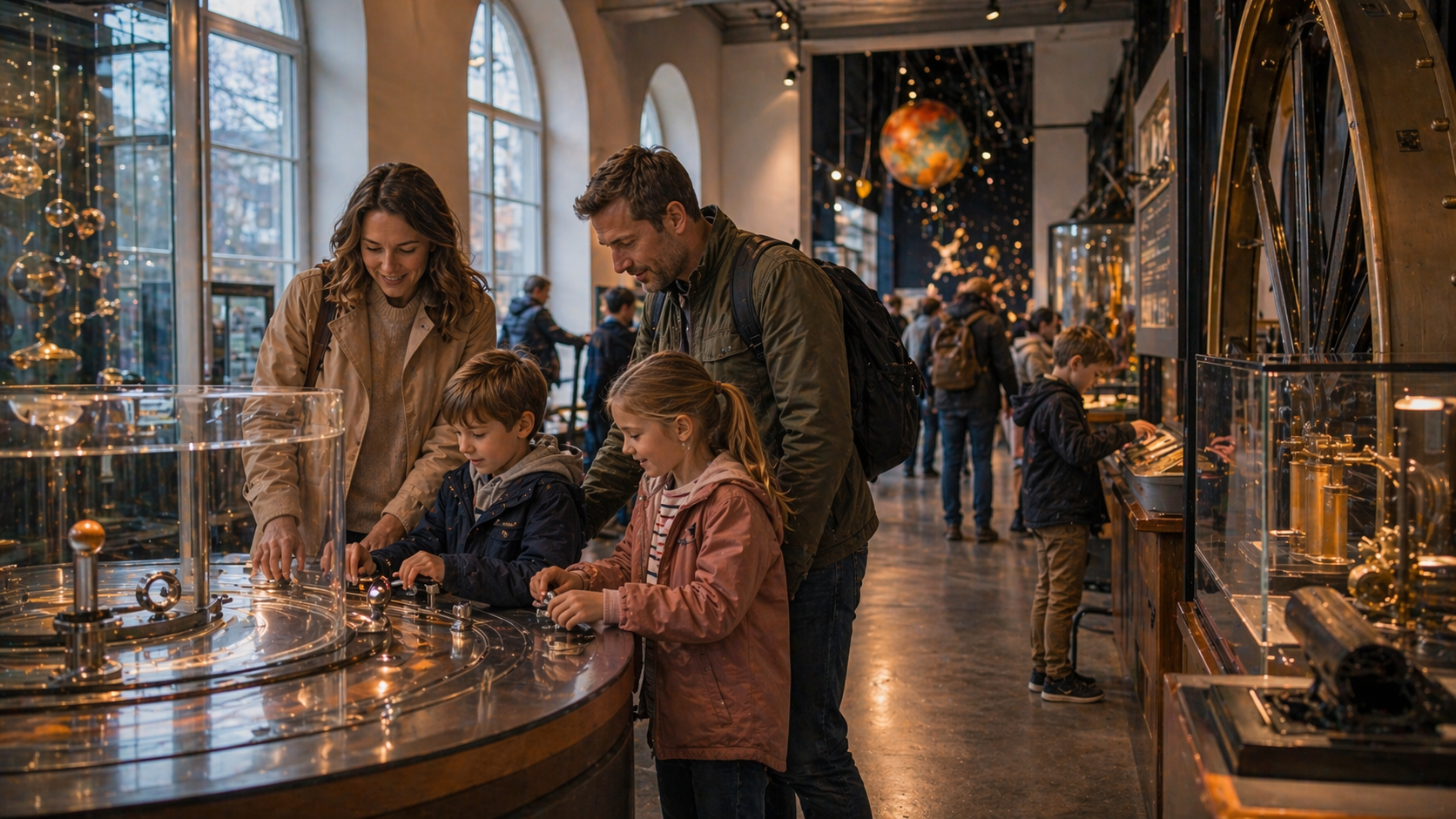
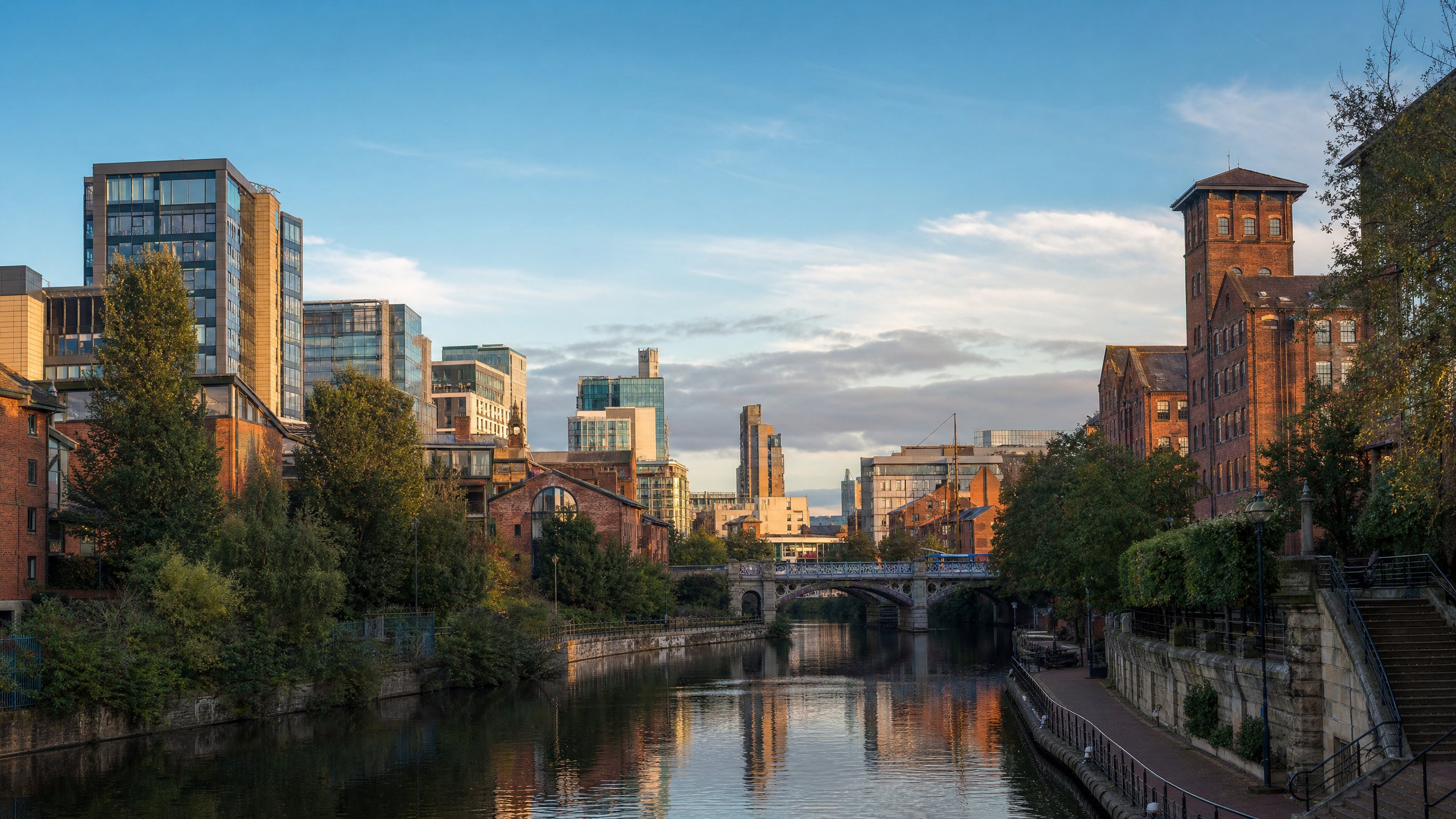
Best for: Berlin works better as a lived-in stop than as a fast photo pin, with history, museums and modern culture shaping the day. Berlin is Germany's deepest city for modern history, museums, architecture, neighbourhood culture and creative nightlife, but it needs careful grouping because the city is spread out. Use it for a culture-led stay where Museum Island, memory sites, food districts and one calmer park or Potsdam day are given proper space.
Historic landmarks: Museum Island, Brandenburg Gate and Reichstag, Berlin Wall Memorial and East Side Gallery, Tiergarten and Potsdamer Platz, Pergamon Museum Area and Topography of Terror should shape the sightseeing plan. Choose one or two museums rather than trying to cover them all in one day. Book Reichstag dome access ahead if it is a priority.
Museums and attractions: Choose the hotel area around Mitte, Kreuzberg and Charlottenburg. Pick the district that makes arrival, evening movement and the first full day easier.
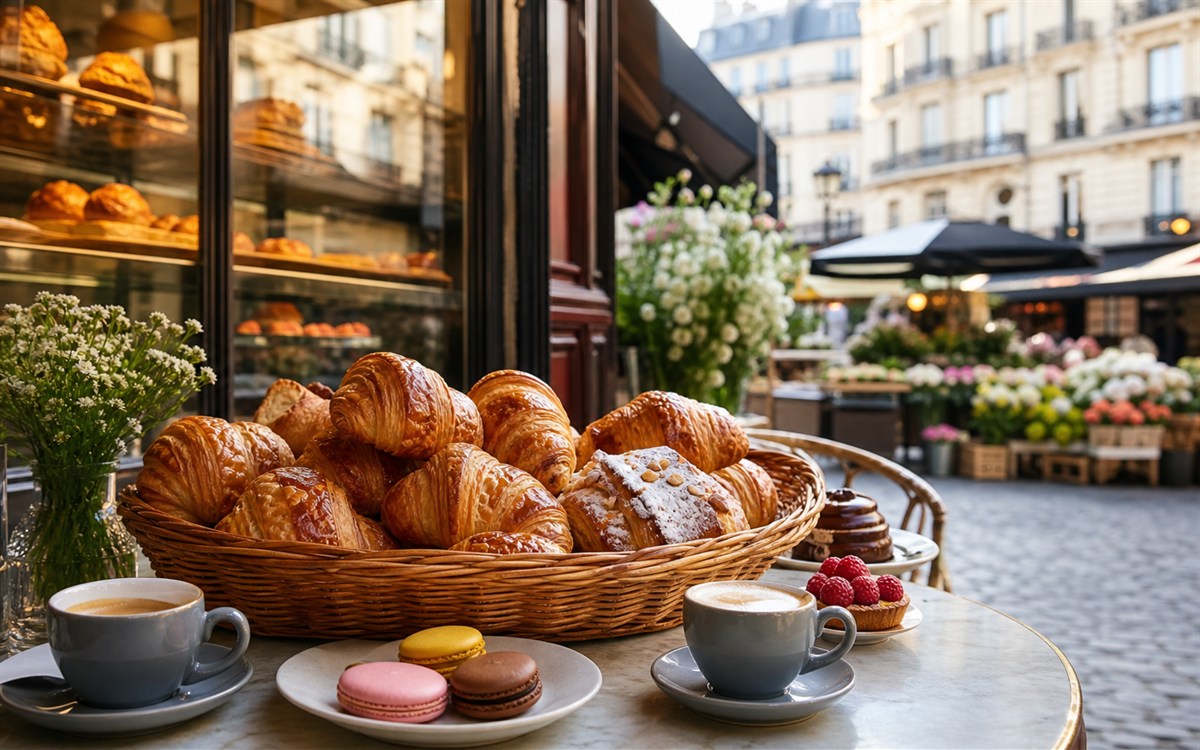
Hotels and stay areas: Berlin also needs a food layer. Build meals around currywurst, döner kebab, pretzels, Berliner doughnuts, beer, market food, Mitte and Kreuzberg so the visitor has a reason to slow down between museums, viewpoints and transfers.
Food and restaurants: Potsdam and Dresden or Leipzig can extend the stay when there is enough time. A palace and garden day that pairs naturally with Berlin. Both can work as rail additions if the trip has enough days.
Munich: Bavarian culture, museums and alpine access
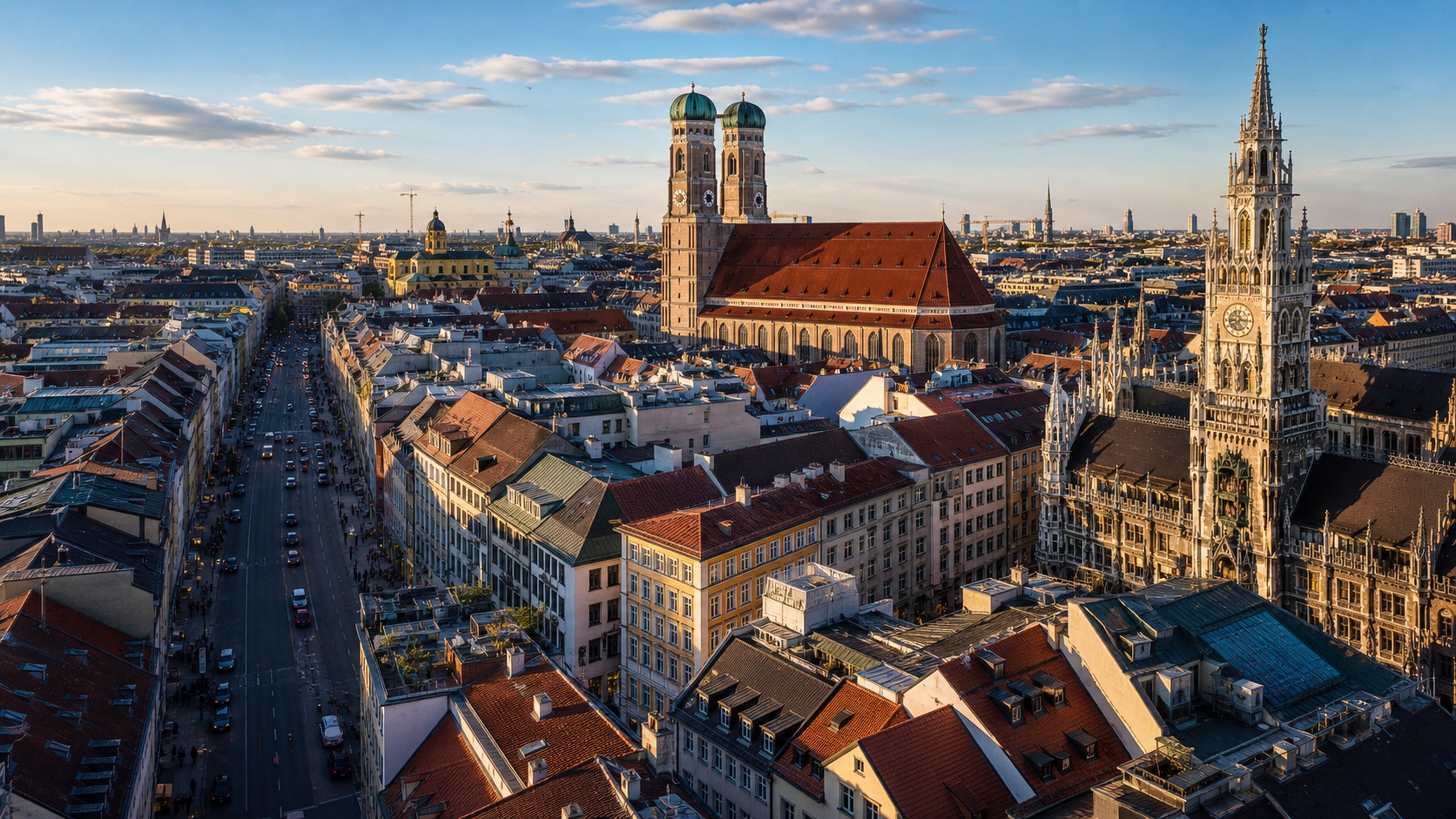
Best for: The value of Munich is not only the headline sights; it gives the itinerary Bavarian culture, museums and alpine access and a clearer local rhythm. Munich works for travellers who want a polished city with beer gardens, major museums, royal palaces and access to Bavarian lakes, castles and alpine scenery. It is strongest when the stay base supports old-town walking first, then adds one serious museum day and a carefully timed castle, lake or Salzburg extension.
Historic landmarks: Marienplatz and Old Town, Nymphenburg Palace, English Garden, Residenz Munich, Deutsches Museum and Pinakothek Museums should shape the sightseeing plan. Use it with nearby churches, markets and beer halls. Give it a proper half-day if interiors and gardens both matter.
Museums and attractions: Choose the hotel area around Altstadt / Old Town, Maxvorstadt and Hauptbahnhof Area. Pick the district that makes arrival, evening movement and the first full day easier.
Hotels and stay areas: Munich also needs a food layer. Build meals around Weisswurst, pretzels, roast pork, beer, apple strudel, Obatzda, Old Town and Viktualienmarkt so the visitor has a reason to slow down between museums, viewpoints and transfers.
Food and restaurants: Neuschwanstein and Bavarian Castles and Salzburg or Bavarian Lakes can extend the stay when there is enough time. A famous but long day that needs careful timing. Good scenic extensions when the route allows a full day.
Hamburg: harbour city, warehouses and northern culture
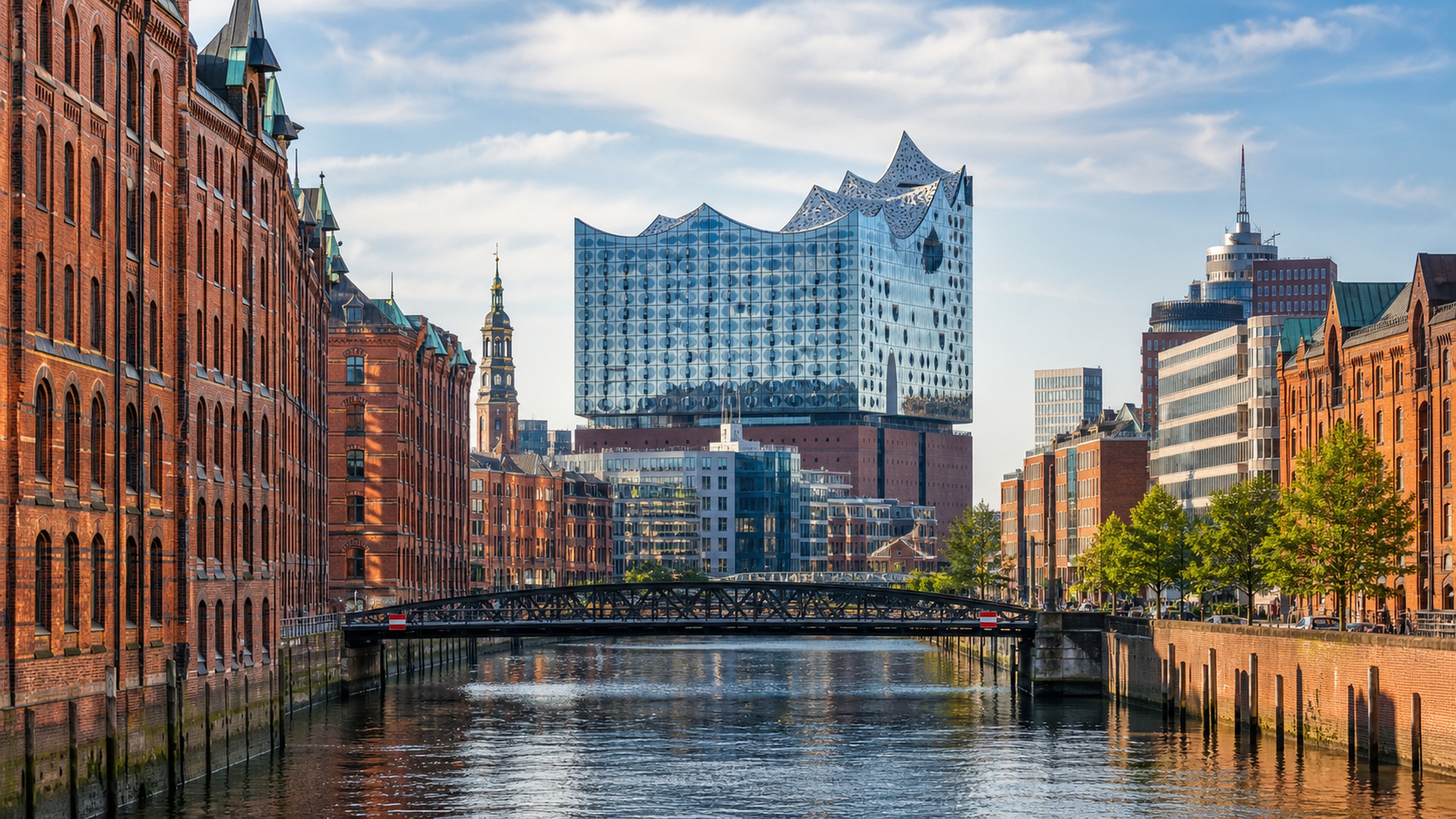
Best for: Hamburg deserves a proper place in the Germany plan, especially when the trip needs harbour city, warehouses and northern culture. Hamburg brings a northern German mood, with harbour tours, warehouse canals, music venues, lakes, seafood and elegant neighbourhoods. It works best as a waterfront city break where Speicherstadt, HafenCity, the Alster and a music or maritime museum evening are planned by district instead of scattered across the day.
Historic landmarks: Speicherstadt, Elbphilharmonie, Harbour and Landungsbrücken, Alster Lakes, Miniatur Wunderland and International Maritime Museum should shape the sightseeing plan. Walk it slowly and pair with HafenCity. Book concerts early or visit the public plaza.
Museums and attractions: Choose the hotel area around Altstadt / Neustadt, HafenCity and Schanze. Pick the district that makes arrival, evening movement and the first full day easier.
Hotels and stay areas: Hamburg also needs a food layer. Build meals around fish sandwich, Labskaus, Franzbrötchen, seafood, local beer, coffee, Speicherstadt and HafenCity and Schanze and Karoviertel so the visitor has a reason to slow down between museums, viewpoints and transfers.
Food and restaurants: Lübeck and North Sea or Baltic Coast can extend the stay when there is enough time. A strong Hanseatic old-town day by rail. Coastal additions need more time than a standard city break.
Cologne and the Rhine: cathedral city and river routes
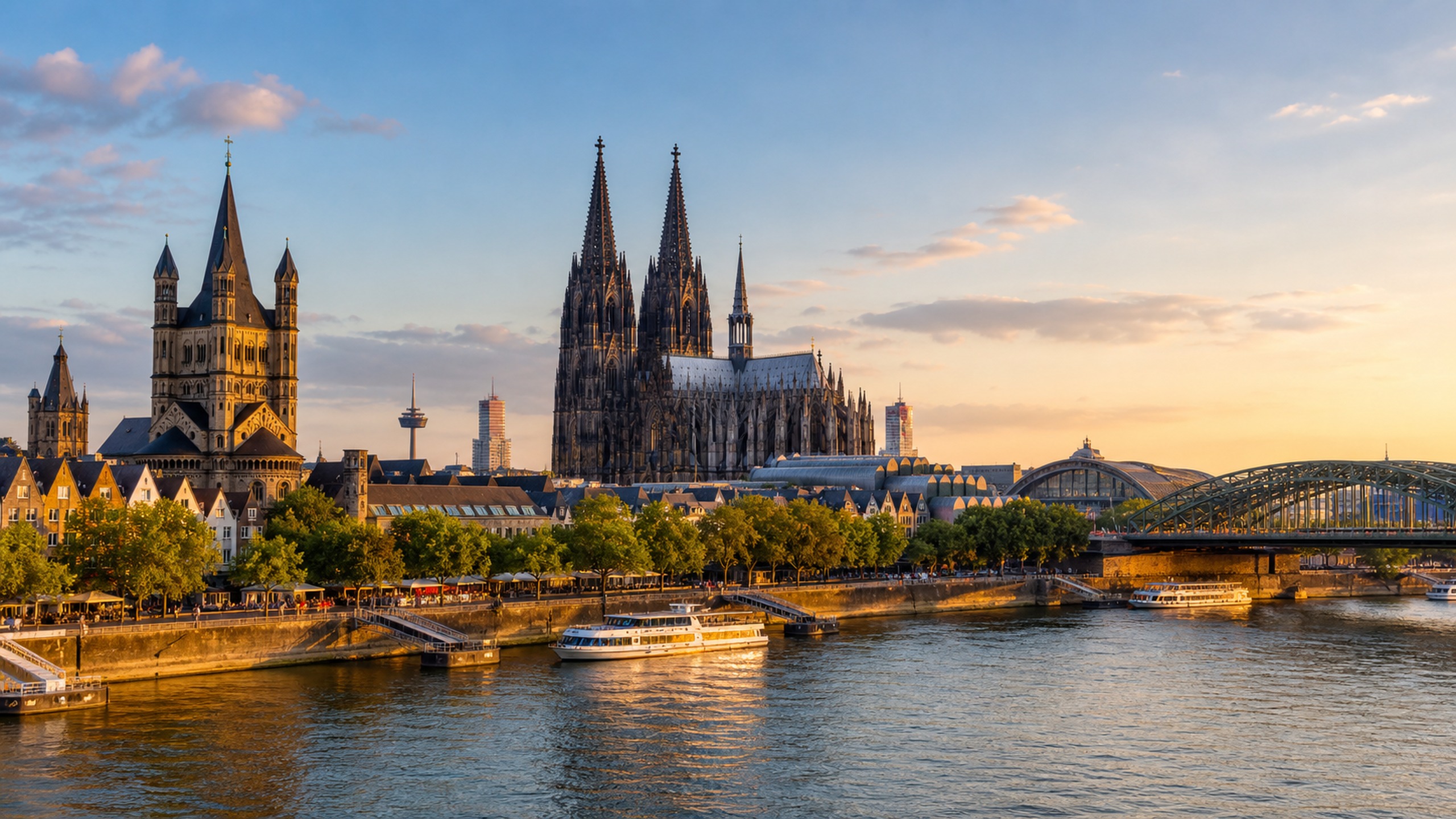
Best for: The value of Cologne and the Rhine is not only the headline sights; it gives the itinerary cathedral city and river routes and a clearer local rhythm. Cologne is a practical western Germany base, with a monumental cathedral, museums, beer-hall culture and access to Rhine towns and river scenery. It suits travellers who want a compact short break, a Rhine-linked extension, or a museum-and-old-town stay that can still reach Bonn, Dusseldorf or castle country by rail.
Historic landmarks: Cologne Cathedral, Rhine Promenade, Museum Ludwig, Hohenzollern Bridge, Wallraf-Richartz Museum and Romano-Germanic Museum Area should shape the sightseeing plan. Visit early, then use it as the anchor for the Old Town. Good for orientation and evening movement.
Museums and attractions: Choose the hotel area around Cathedral / Old Town, Belgian Quarter and Deutz. Pick the district that makes arrival, evening movement and the first full day easier.
Hotels and stay areas: Cologne and the Rhine also needs a food layer. Build meals around Kölsch beer, Himmel un Ääd, Rheinischer Sauerbraten, pretzels, mustard, apple cake, Old Town and Belgian Quarter so the visitor has a reason to slow down between museums, viewpoints and transfers.
Food and restaurants: Bonn and Drachenfels and Düsseldorf can extend the stay when there is enough time. A useful Rhine day with history and viewpoints. A nearby city contrast for art, fashion and old-town evenings.
Food, Culture and Route Ideas for Germany
Food route: Bavarian beer halls, Rhineland bakeries, northern seafood and Berlin street food all give different rhythms. Seasonal events are a real planning factor, especially in winter and around Oktoberfest. Germany rewards travellers who choose fewer cities and give museums proper time. This is where food, culture and route planning should work together.
Food, wine and restaurants: Build meals around currywurst, döner kebab, pretzels, Berliner doughnuts, beer, market food and Weisswurst and keep them close to Mitte, Kreuzberg, Prenzlauer Berg, Old Town and Viktualienmarkt.
Popular experiences: Choose Berlin for history and museums or Munich for Bavaria and alpine access, then add one regional layer. Hamburg, Berlin and Munich can link by rail, but each needs enough time to avoid a station-heavy trip. Keep the route disciplined: one clear hotel area, one strong regional layer and one food or culture experience will usually feel better than trying to touch every possible stop.
Planning rule: Use bookings in a clean order: choose the hotel area first, then add attraction tickets, food tours, guided days and local experiences where they make the journey easier, richer and more realistic.