France Travel Guide
Plan France through Paris for culture, Nice for the Riviera, Lyon for food, Bordeaux for wine and western France, and the Loire Valley for castles and regional days.
France Travel Guide: Culture, Coast, Food, Wine and Castles
Trip shape: France is not a country to rush through like a checklist. It works best when the visitor chooses one clear route and lets that route breathe. Paris gives the classic first trip with monuments, museums, shopping streets and river evenings; Nice opens the French Riviera with sea air, markets and easy coastal day trips; Lyon brings a more relaxed food-and-culture rhythm; Bordeaux turns the journey toward wine, elegant streets and western France; and the Loire Valley slows everything down with chateaux, gardens, countryside hotels and longer lunches.
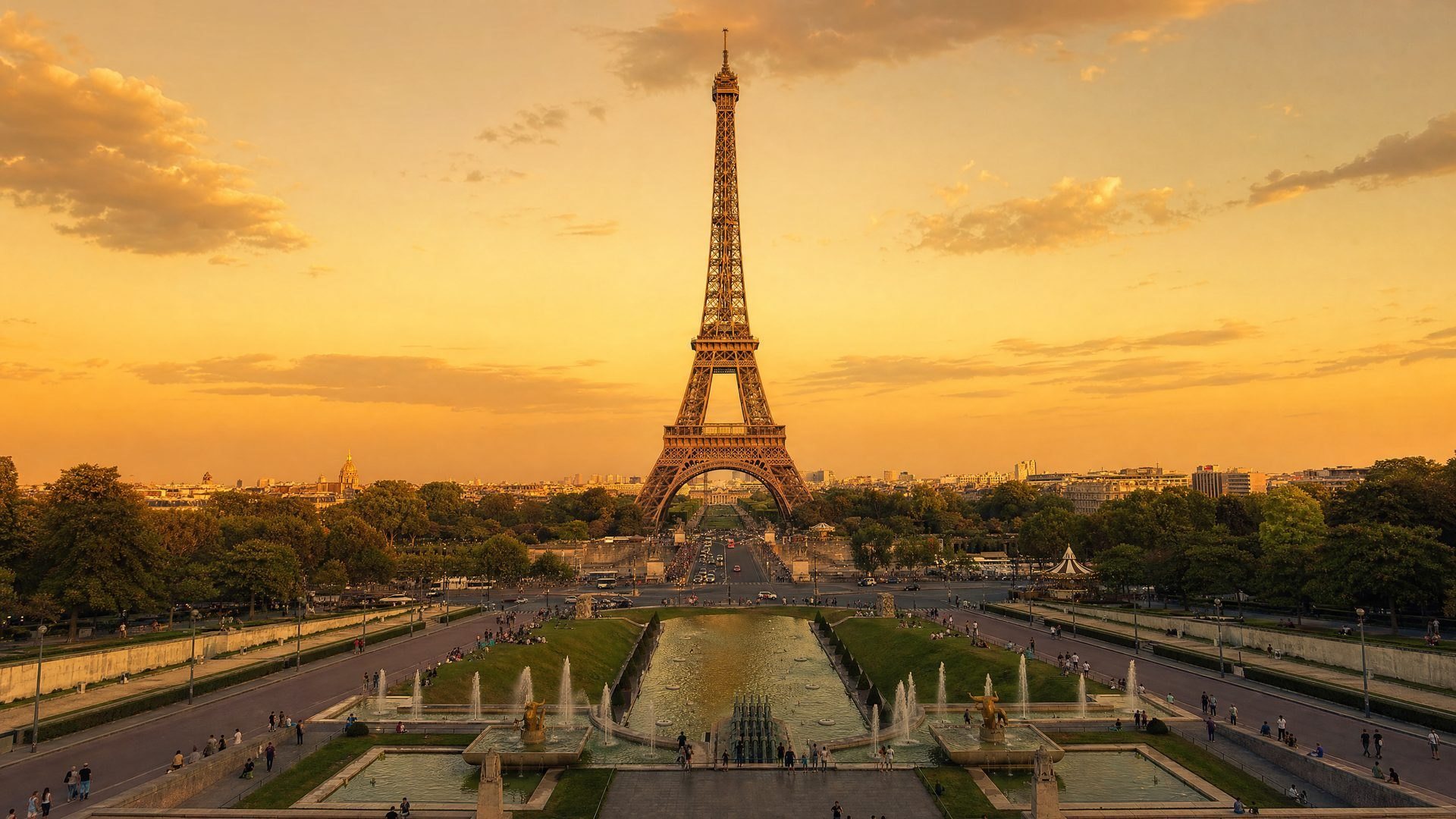
Historic landmarks: Eiffel Tower, Notre-Dame, Sainte-Chapelle, Arc de Triomphe and Montmartre give Paris its grand first impression, but France becomes more interesting when the route widens. Place de la Bourse brings Bordeaux elegance, Vieux Lyon and Fourvière Basilica add old-street drama, Chambord, Chenonceau and Amboise create the castle layer, while Mont-Saint-Michel, old Provence villages and Normandy heritage towns give the trip a stronger sense of history beyond the capital.
Museums and attractions: Louvre, Musée d’Orsay, Centre Pompidou and Musée de l’Orangerie can easily fill a Paris-focused trip, while Fondation Louis Vuitton adds a more contemporary edge. Nice brings Matisse Museum and Marc Chagall National Museum, Lyon adds Musée des Confluences, and Bordeaux has Cité du Vin for travellers who want wine culture treated seriously. Loire Valley chateaux, Riviera viewpoints and guided city walks are the pieces that make the route feel active instead of only observational.
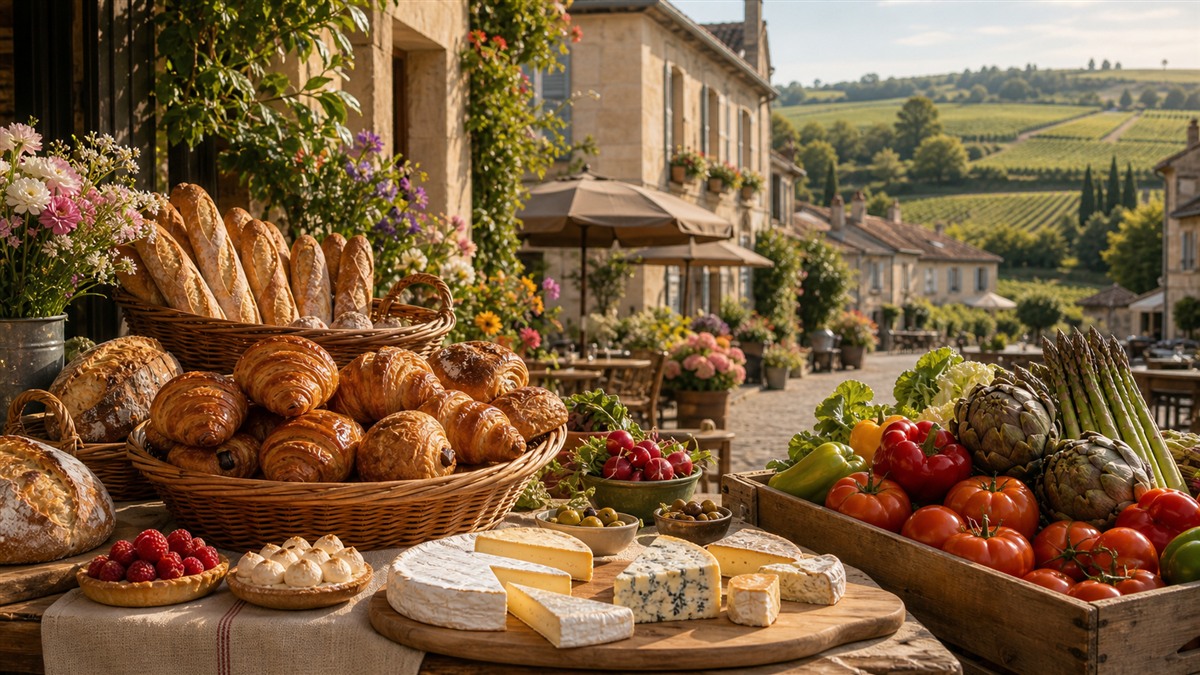
Food, wine and restaurants: France becomes much more enjoyable when food is planned as part of the route, not as something left until the evening. Paris suits bakeries, cafés, brasseries, cheese shops and market walks; Lyon is the strongest city for bouchons, food halls and old-style dining rooms; Nice brings socca, seafood, salade niçoise and old-town markets; Bordeaux and Saint-Émilion are for wine bars, vineyards and cellar tours; and the Loire Valley adds goat cheese, rillettes, white wines, garden cafés and country restaurants.
Hotels, shopping, bars and entertainment: stay in Paris for the strongest first visit, Nice for sea views and Riviera movement, Lyon for a calmer city break, Bordeaux for wine and western France, or the Loire Valley for chateaux and slower regional days. Add Galeries Lafayette, Printemps, Rue Saint-Honoré, Avenue Jean Médecin, Rue de la République and Rue Sainte-Catherine after the main route is clear, then use old-town bars, riverfront walks, Riviera beaches, rooftop terraces and evening neighbourhoods to give the trip atmosphere rather than just logistics.
Plan this part of the trip
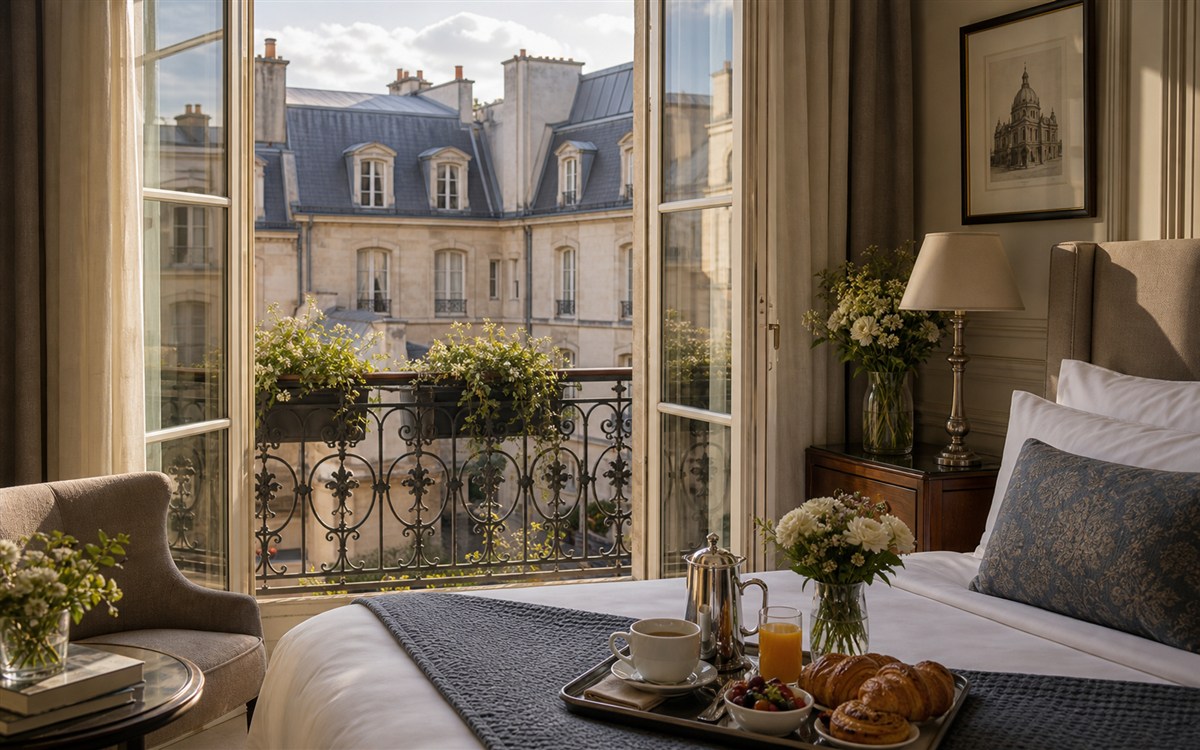
Paris: Museums, River Walks and Neighbourhood Stays
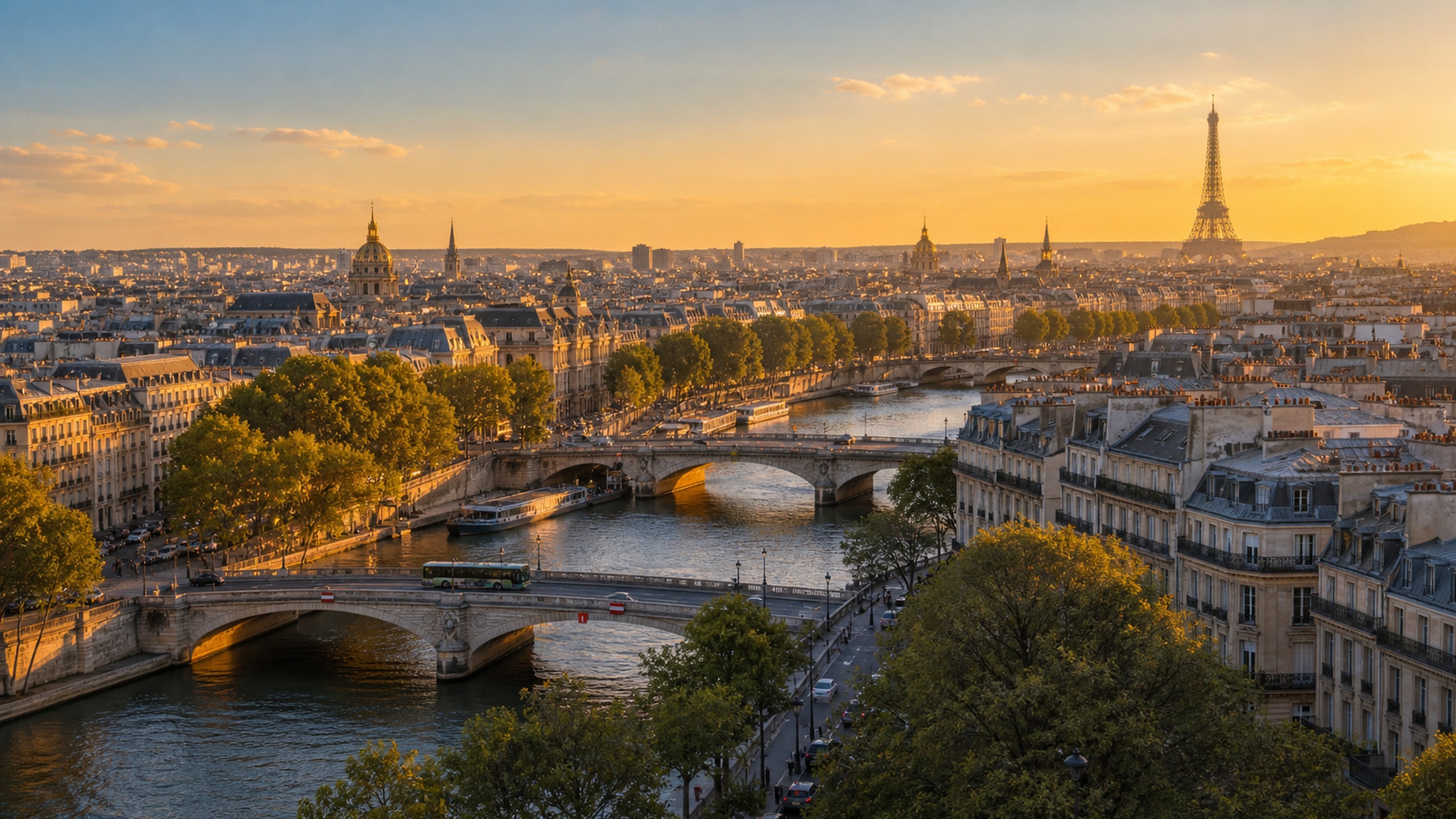
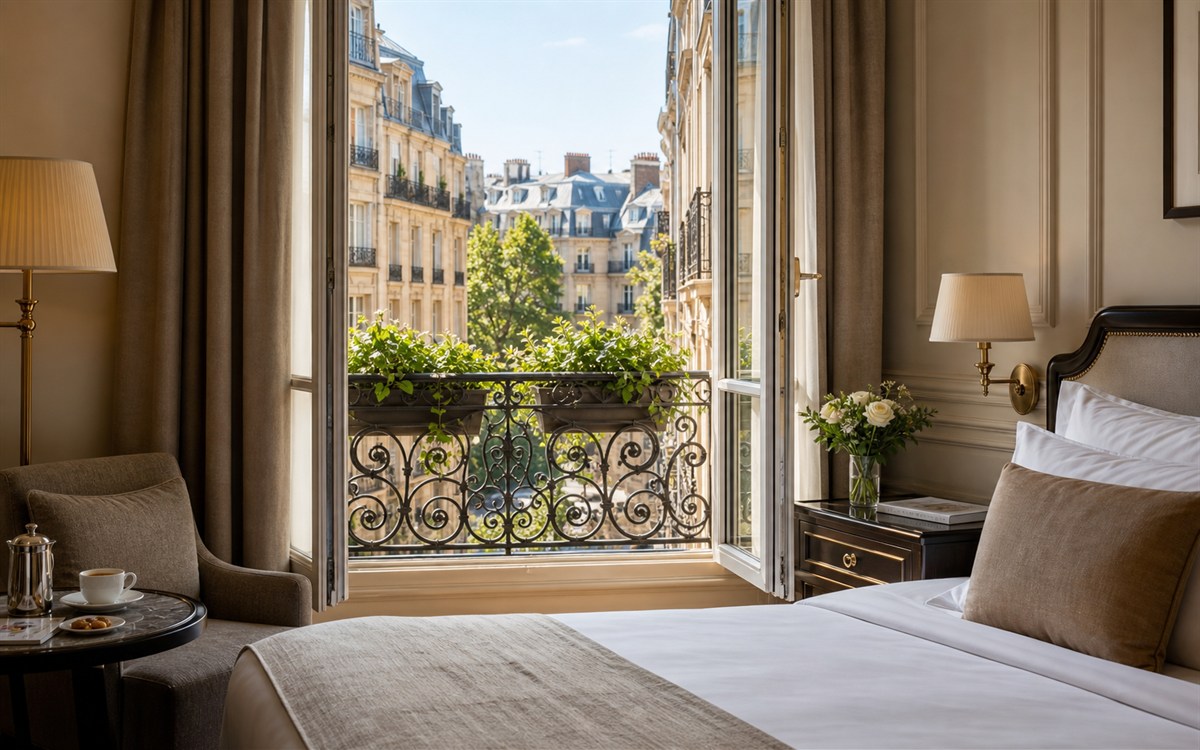
Best for: Paris is the main city for a first France trip because it gives the visitor several versions of the country at once: monuments, museums, fashion, theatre, river walks, elegant neighbourhoods, bakeries and serious hotel choice. It suits short city breaks, couples, families, museum-focused trips and premium weekends, but it works best when the plan is kept clean. A good Paris visit does not need every attraction; it needs a strong base, one or two timed anchors, and enough space to walk between neighbourhoods.
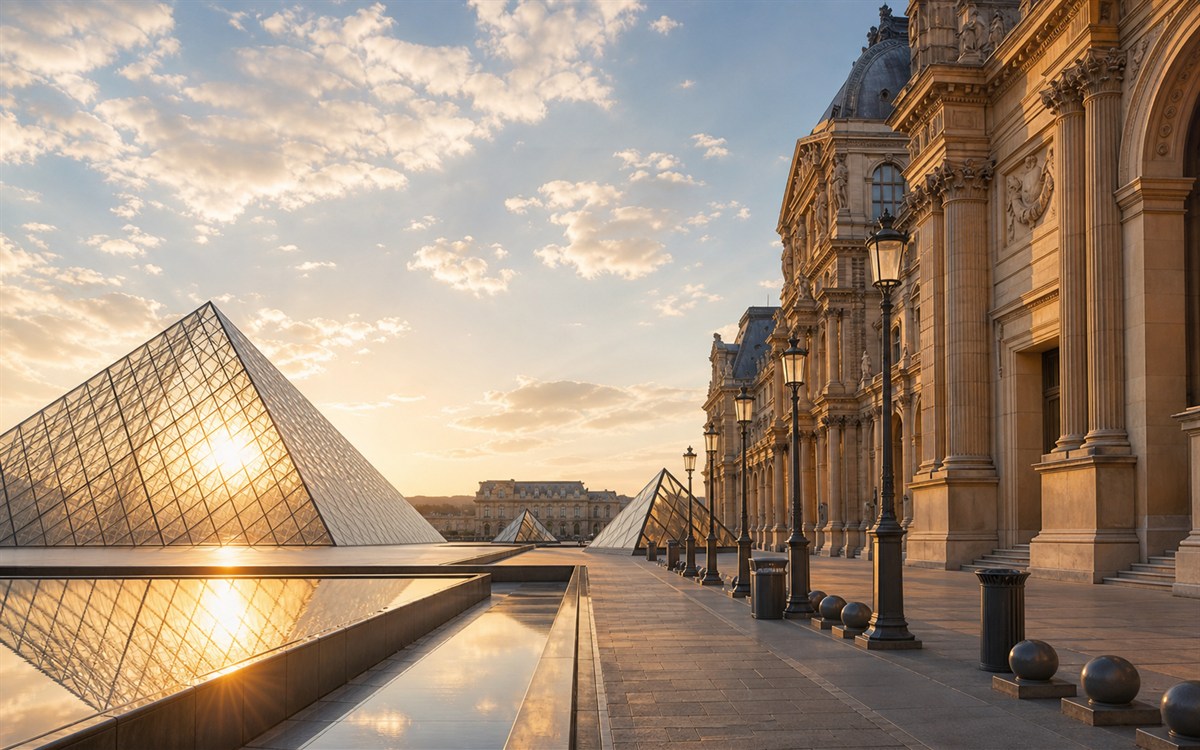
Historic landmarks: Eiffel Tower, Trocadéro, Notre-Dame, Sainte-Chapelle, Arc de Triomphe, Champs-Élysées, Montmartre, Sacré-Cœur, Seine bridges, Place des Vosges, Panthéon, Tuileries Garden and Luxembourg Gardens create the classic Paris layer. The trick is to group them sensibly, so the day feels like a story through the city rather than a race between photo points.
Museums and attractions: Louvre, Musée d’Orsay, Centre Pompidou, Musée de l’Orangerie, Rodin Museum, Fondation Louis Vuitton and Palais Garnier give Paris enough culture for several trips. Versailles day trip, Seine cruise, Eiffel Tower tickets, Louvre tickets and guided neighbourhood walks add structure when the visitor wants less guessing. The strongest plan usually mixes one major museum with one outdoor walk, then leaves the evening for cafés, riverfront views or a slower dinner.
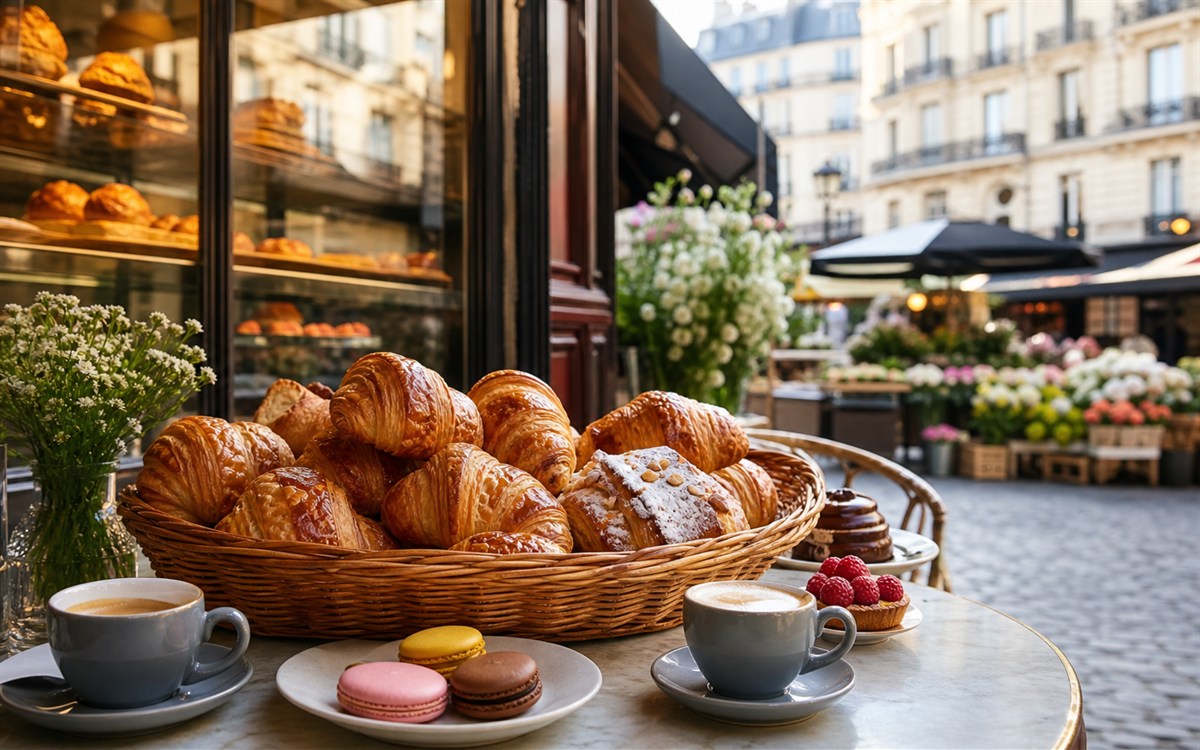
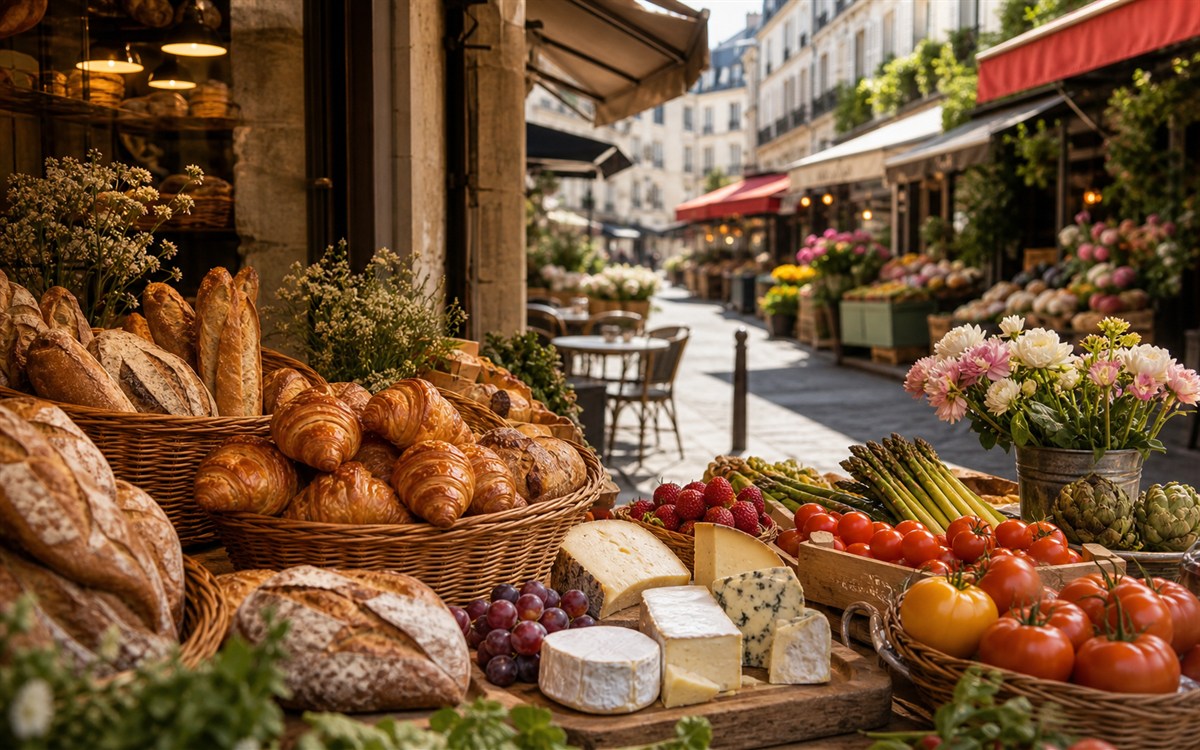
Food and restaurants: use Saint-Germain, Le Marais, Rue Montorgueil, Bastille, Canal Saint-Martin, the Latin Quarter, Marché des Enfants Rouges and Rue Cler to make Paris feel lived-in rather than only checked off by landmarks. Bakeries, cafés, wine bars, chocolate shops, brasseries and food walks are not just extras here; they are the rhythm of the city. A simple morning pastry, a market street, a museum break and a late brasserie meal can feel more Parisian than a packed timetable.
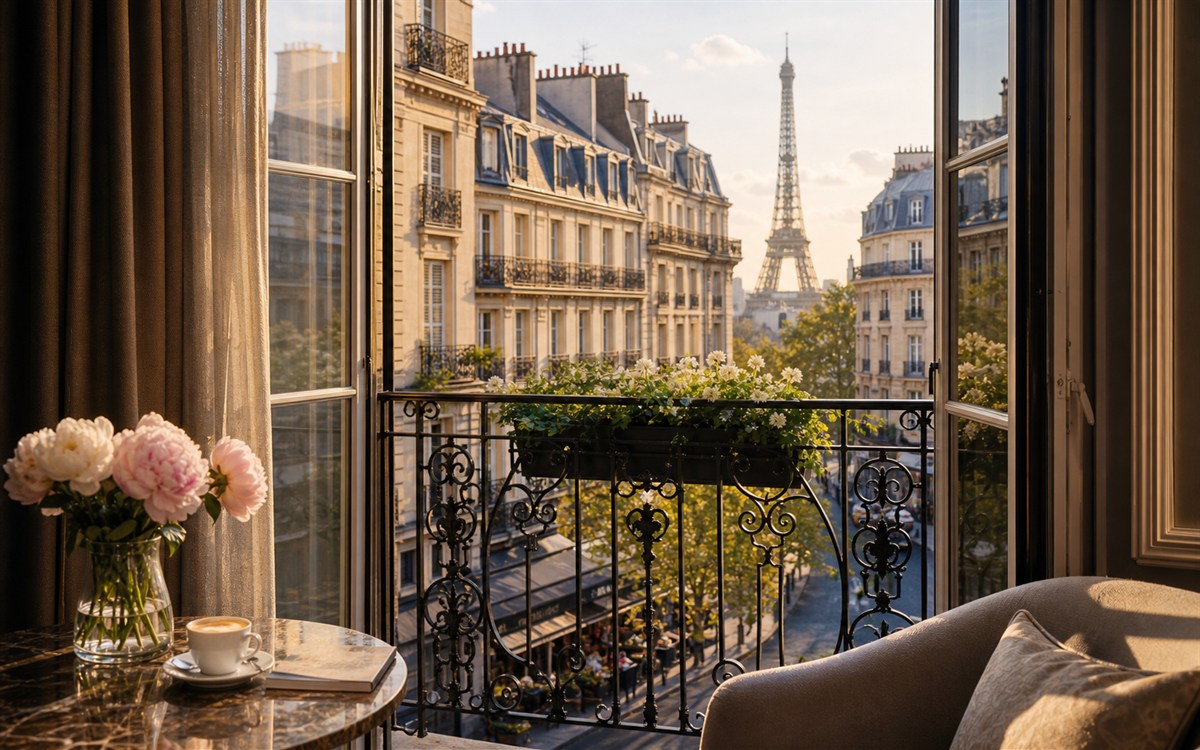
Hotels, bars and shopping: stay in Saint-Germain or the Latin Quarter for classic Paris, Le Marais for galleries and evening streets, Opéra for shopping, or near major stations for onward travel. Add Galeries Lafayette, Printemps, La Samaritaine, Le Bon Marché, Rue Saint-Honoré, Avenue Montaigne and Le Marais boutiques when the trip needs a shopping layer, then finish with rooftop bars, cabarets, riverfront evening walks or a quiet neighbourhood dinner instead of moving again across the whole city.
Plan this part of the trip
Nice and the French Riviera: Coast, Old Town and Easy Day Trips
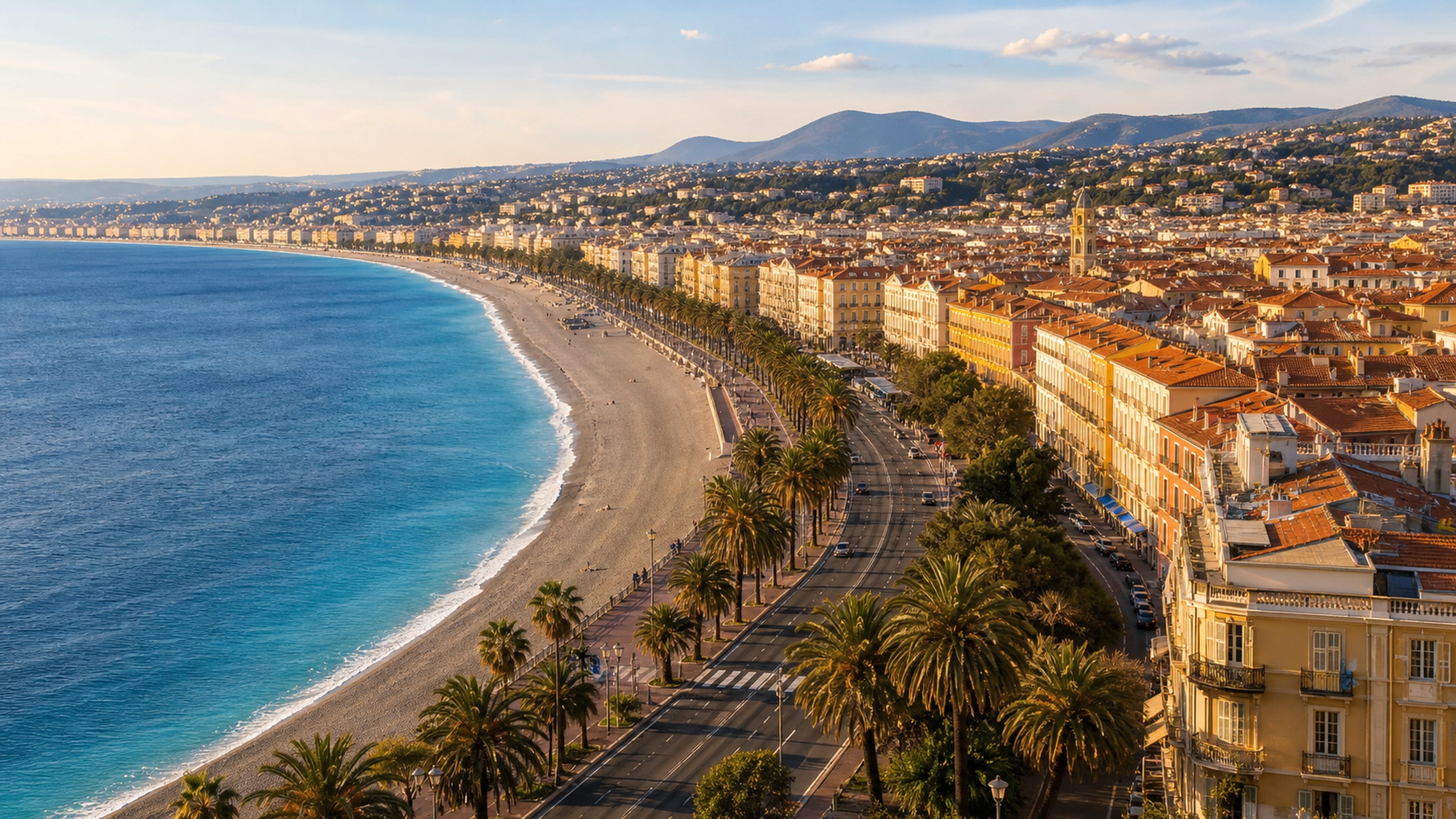
Best for: Nice is the easiest base for the French Riviera because it gives the visitor sea, old streets, markets, beaches, museums, restaurants, shopping and rail links in one practical city. It works for couples, families, coastal weekends and travellers who want one base with several clean day trips. The mood is lighter than Paris: mornings can start near the sea, afternoons can move into Vieux Nice or a museum, and another day can stretch toward Monaco, Antibes, Cannes or Èze village without rebuilding the whole itinerary.
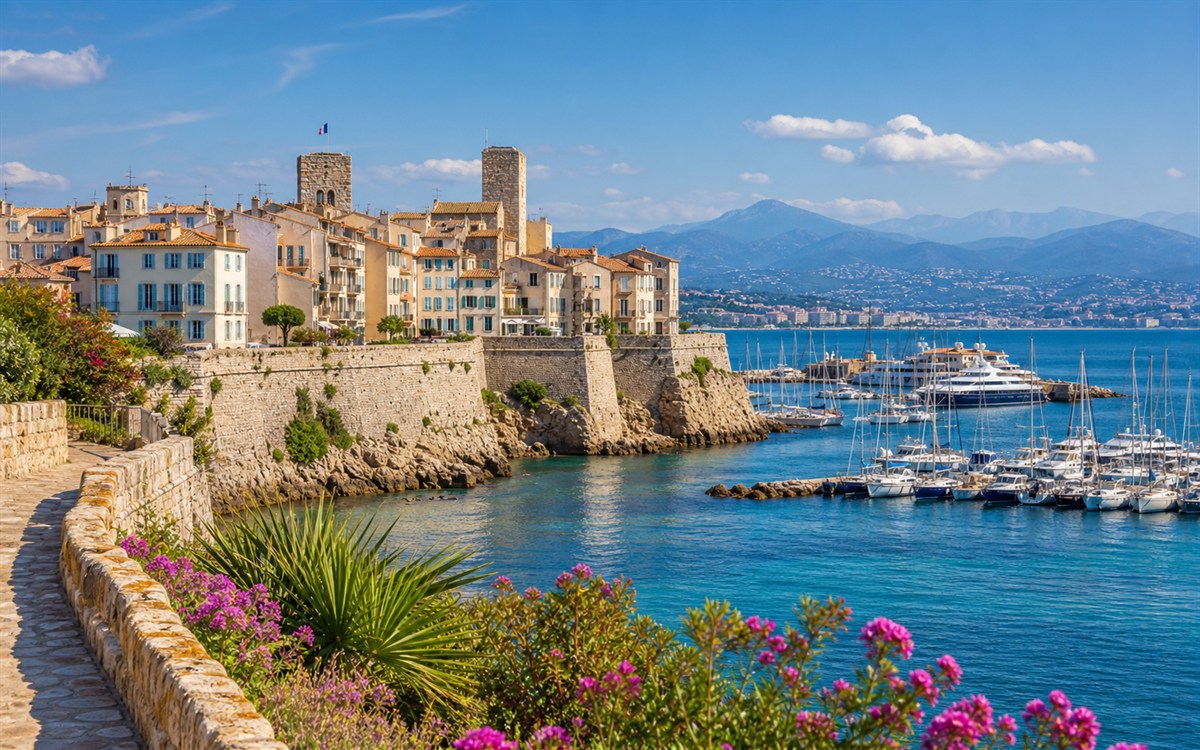
Historic landmarks: Vieux Nice, Cours Saleya, Castle Hill, Place Masséna, the port, Promenade des Anglais, Cathédrale Sainte-Réparate and Palais Lascaris create the core city route. Villefranche-sur-Mer old town, Èze village, Monaco old town and Antibes ramparts then add the Riviera day-trip layer, giving the coast more shape than a simple beach holiday.
Museums and attractions: Marc Chagall National Museum, Matisse Museum, MAMAC, Musée Masséna, Palais Lascaris, Castle Hill viewpoint, beach clubs, Monaco day trip, Antibes and Cannes tours, Èze village tours and coastal rail trips can be combined without making the trip too heavy. Nice is strongest when culture and coastline are balanced: one viewpoint, one market, one museum or day trip, then a slower evening near the old town or the port.
Food and restaurants: plan around socca, salade niçoise, pissaladière, seafood, market produce, Cours Saleya, old-town restaurants, port dining, Libération Market, beach-club lunches and relaxed Riviera evenings. This part of France should not feel like only sea-view photos. The food layer gives Nice its local character, especially when a market walk or old-town lunch is placed before the beach or the evening promenade.
Hotels, bars, shopping and beaches: stay near Vieux Nice for evening atmosphere, the Promenade des Anglais for sea views, the port for a calmer edge of the city, or the station for day trips along the coast. Add Avenue Jean Médecin, Nice Étoile, Galeries Lafayette Nice Masséna, CAP3000, old-town bars, rooftop terraces, beach clubs and promenade walks after the base is chosen, so the trip feels smooth rather than scattered between transport decisions.
Lyon: Food Culture, Old Streets and a Calmer City Break
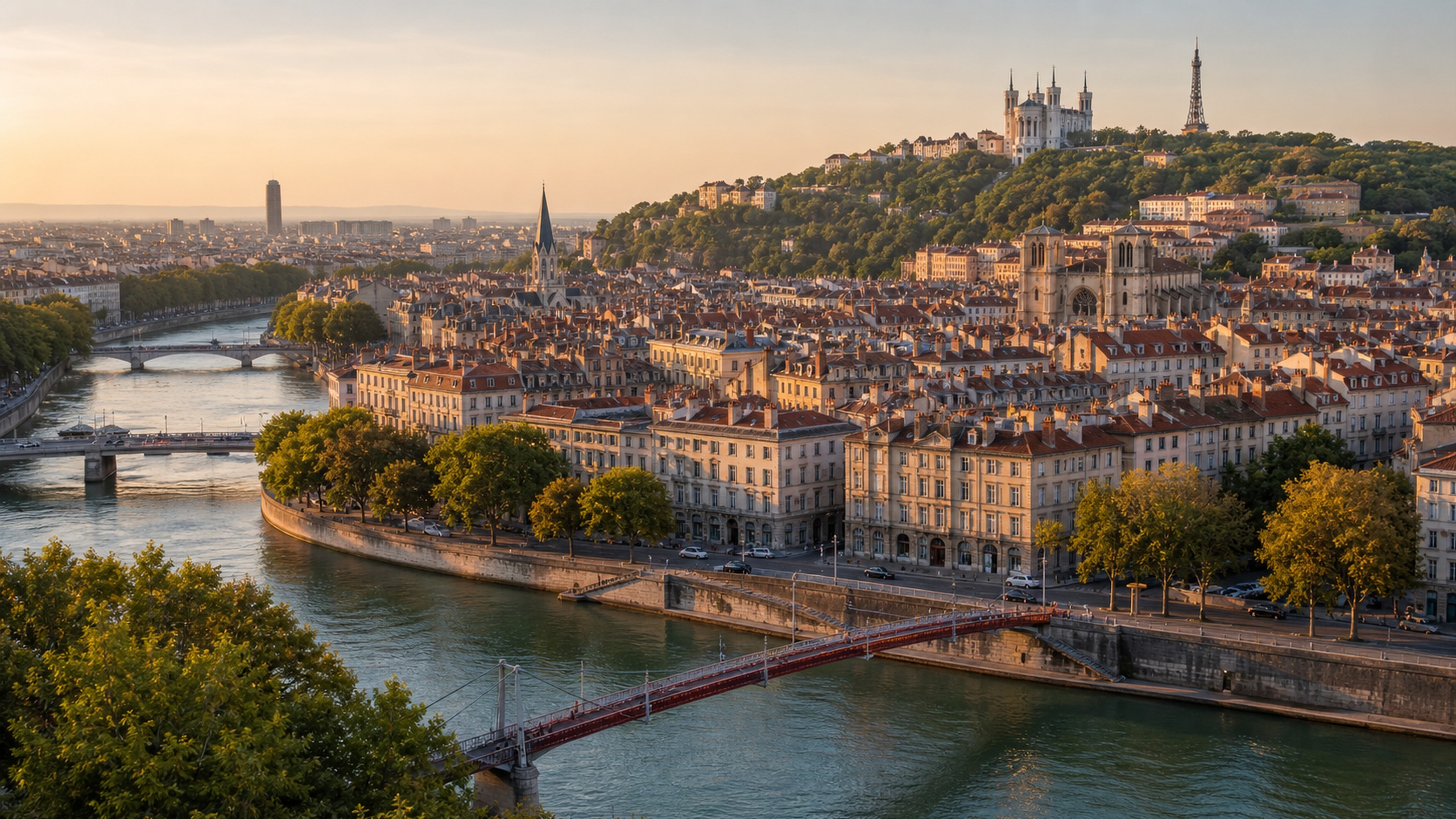
Best for: Lyon is the French city for travellers who want food, history, rivers, old streets and culture without the pressure of Paris. It suits a two or three day city break, a stop between Paris and the south, or a calmer trip built around restaurants and walkable districts. The city feels more grounded than showy: Vieux Lyon, Presqu’île, Croix-Rousse and the riverbanks create a route where the visitor can eat well, walk slowly and still feel that the trip has substance.
Historic landmarks: Vieux Lyon, traboules, Fourvière Basilica, Roman theatres, Place Bellecour, Presqu’île, Croix-Rousse, Hôtel de Ville, Saône riverbanks, Rhône riverbanks and the old silk-weaving streets give Lyon its character. The best day usually moves from old passages and hill views to central squares and riverfront streets, with enough time left for a proper meal rather than another rushed stop.
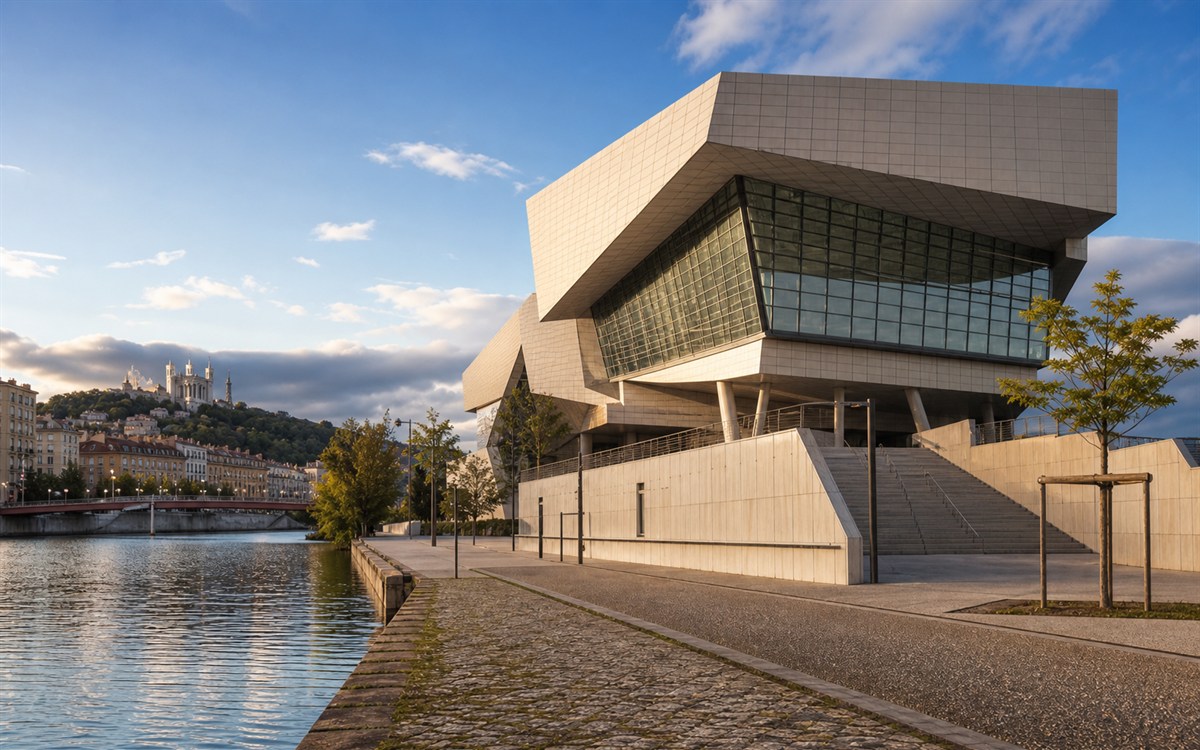
Museums and attractions: Musée des Confluences, Musée des Beaux-Arts, Lumière Institute, Gallo-Roman Museum, Fourvière viewpoint, Vieux Lyon walking tours, river walks, Croix-Rousse neighbourhood walks and guided old-town tours make Lyon more than a food city. It has museums and viewpoints, but they work best when they support the urban story: Roman past, silk history, cinema, rivers and a city that feels lived-in.
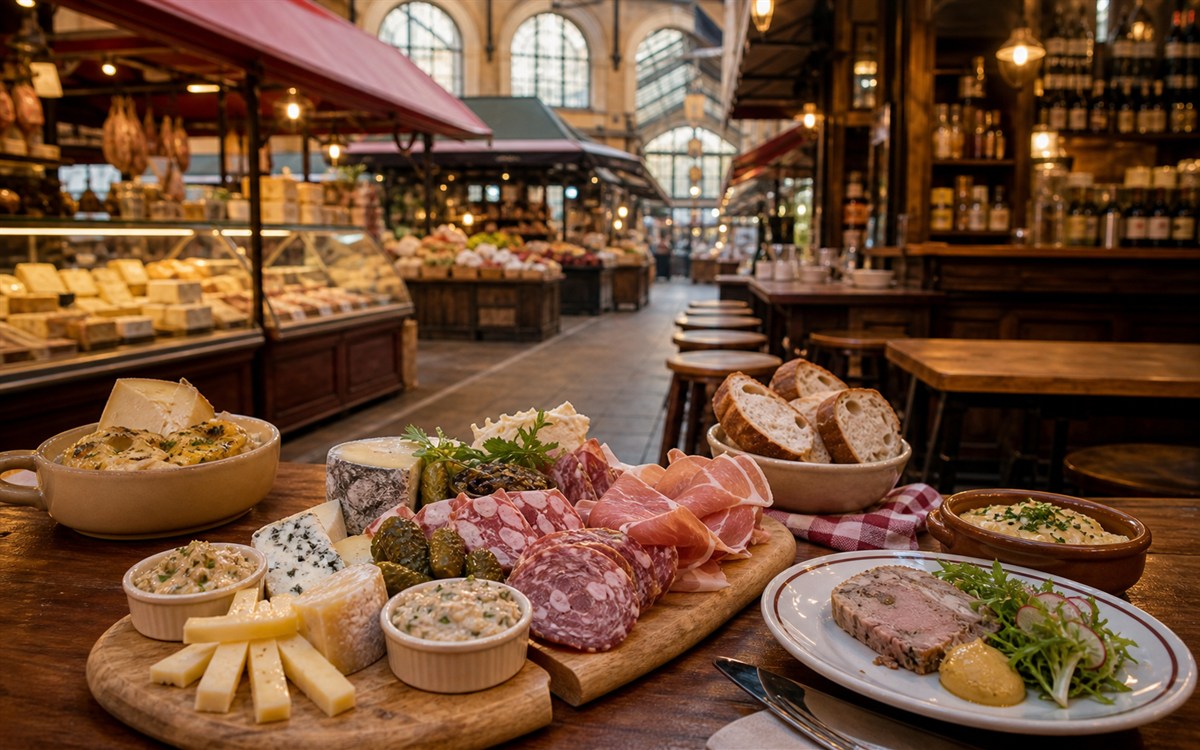
Food and restaurants: Lyon should have its own food layer. Build around bouchons, Les Halles de Lyon Paul Bocuse, traditional restaurants, wine bars, patisseries, market halls, old-town dining, Presqu’île brasseries and a proper food walk if the trip needs structure. This is not the place to treat dinner as an afterthought; food is the reason many travellers remember Lyon more clearly than larger cities.
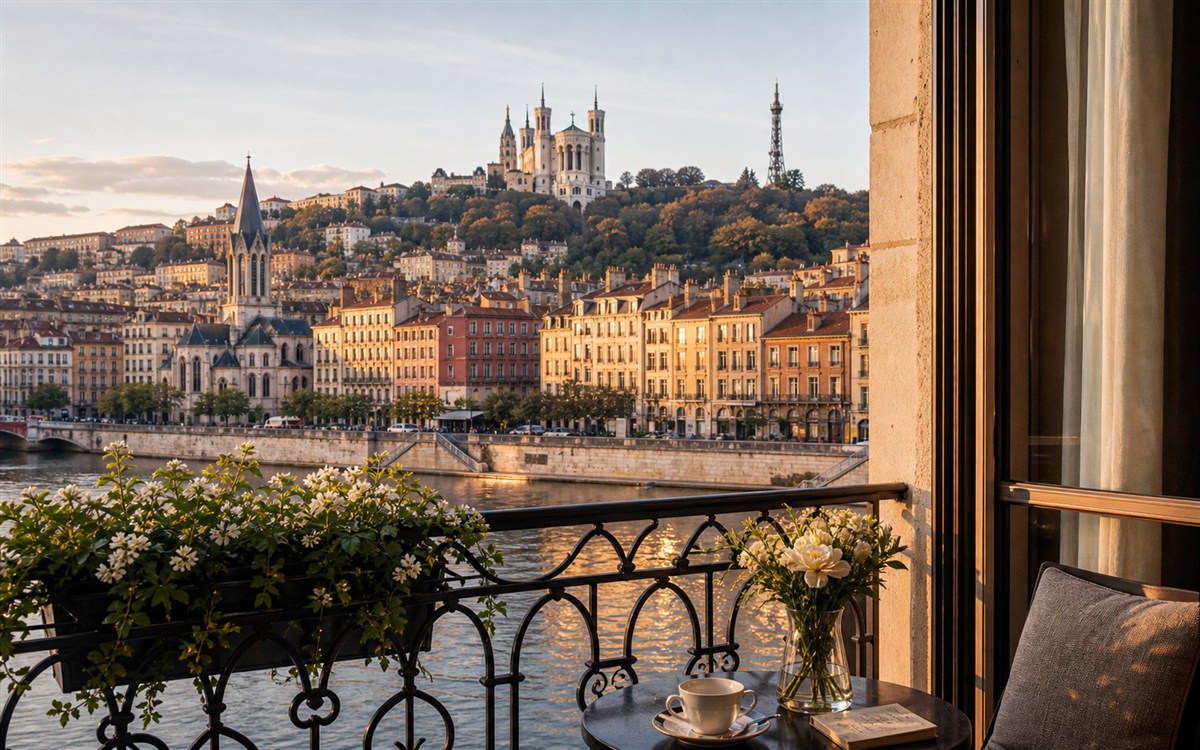
Hotels, bars and shopping: stay in Presqu’île for central movement, Vieux Lyon for old streets, Croix-Rousse for a more local hill district, or Part-Dieu for rail access. Add Rue de la République, Westfield La Part-Dieu, Confluence, Croix-Rousse shops, old-town bars, riverfront terraces and evening streets around Presqu’île to make the stay feel complete. Lyon is strongest when the hotel base supports walking, eating and easy evening movement.
Plan this part of the trip
Bordeaux: Riverfront City, Wine Routes and Western France
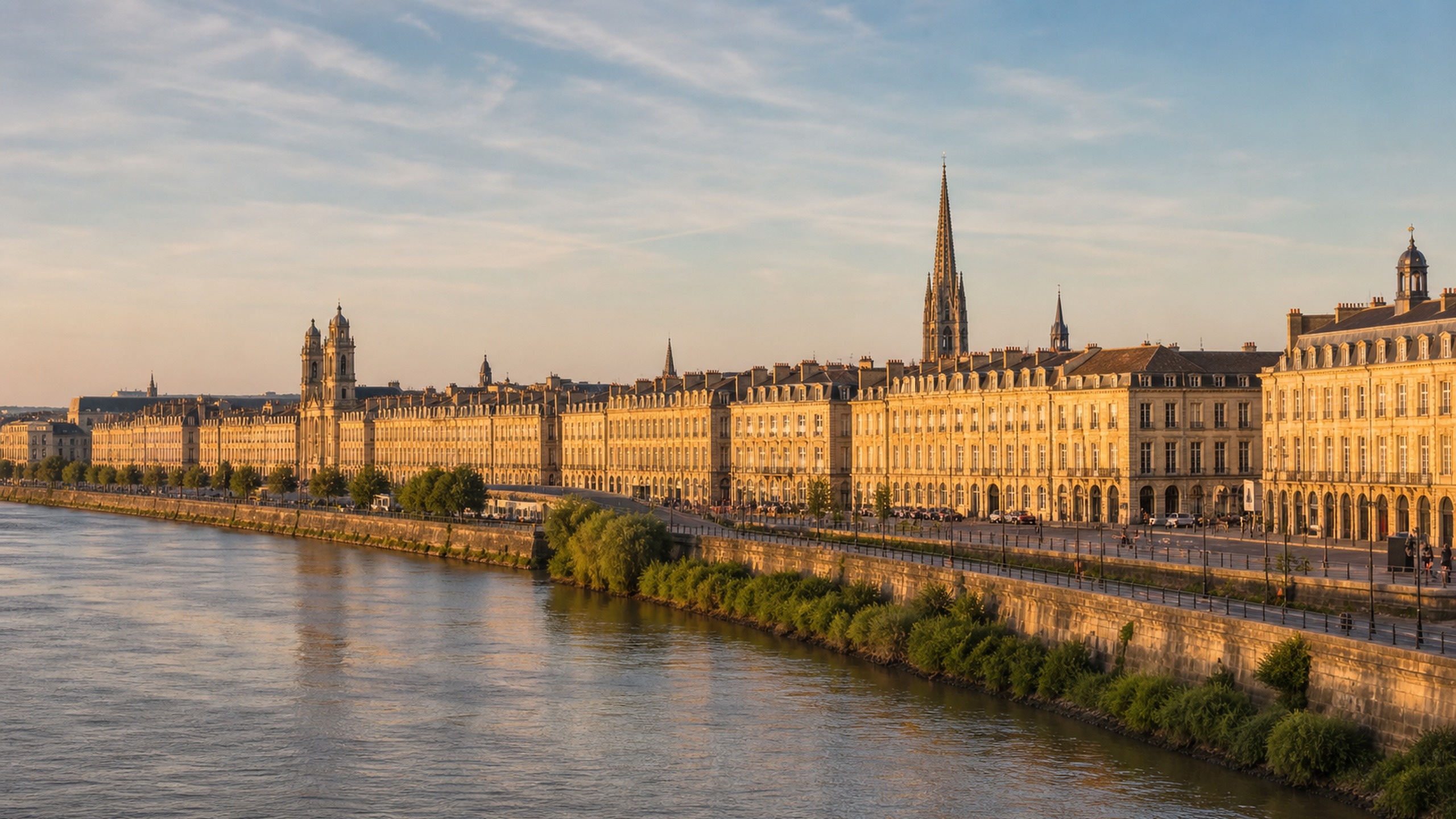
Best for: Bordeaux is for travellers who want a polished French city with riverfront walks, wine culture, elegant streets, shopping and easy routes into western France. It suits couples, wine trips, slower city breaks and visitors who want a calmer alternative to Paris. The city has enough architecture and restaurants for a strong urban stay, but its real advantage is how naturally it opens into Saint-Émilion, vineyards, Arcachon or the Atlantic coast when the trip has space.
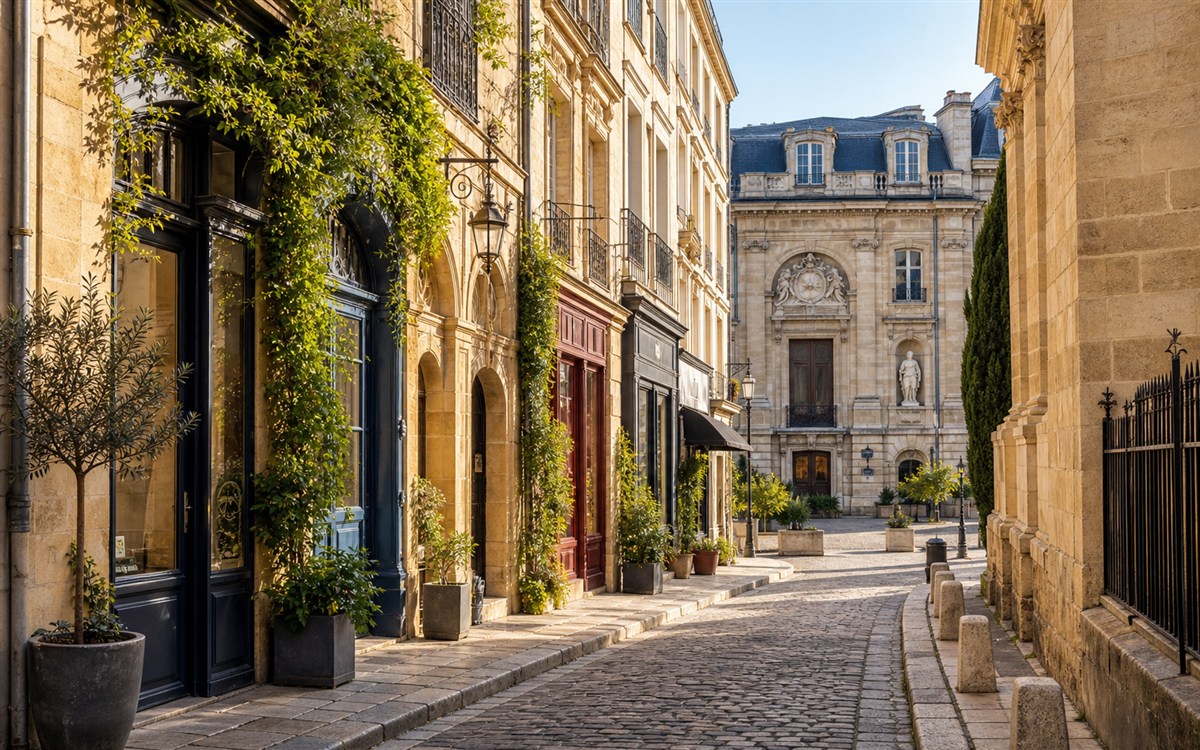
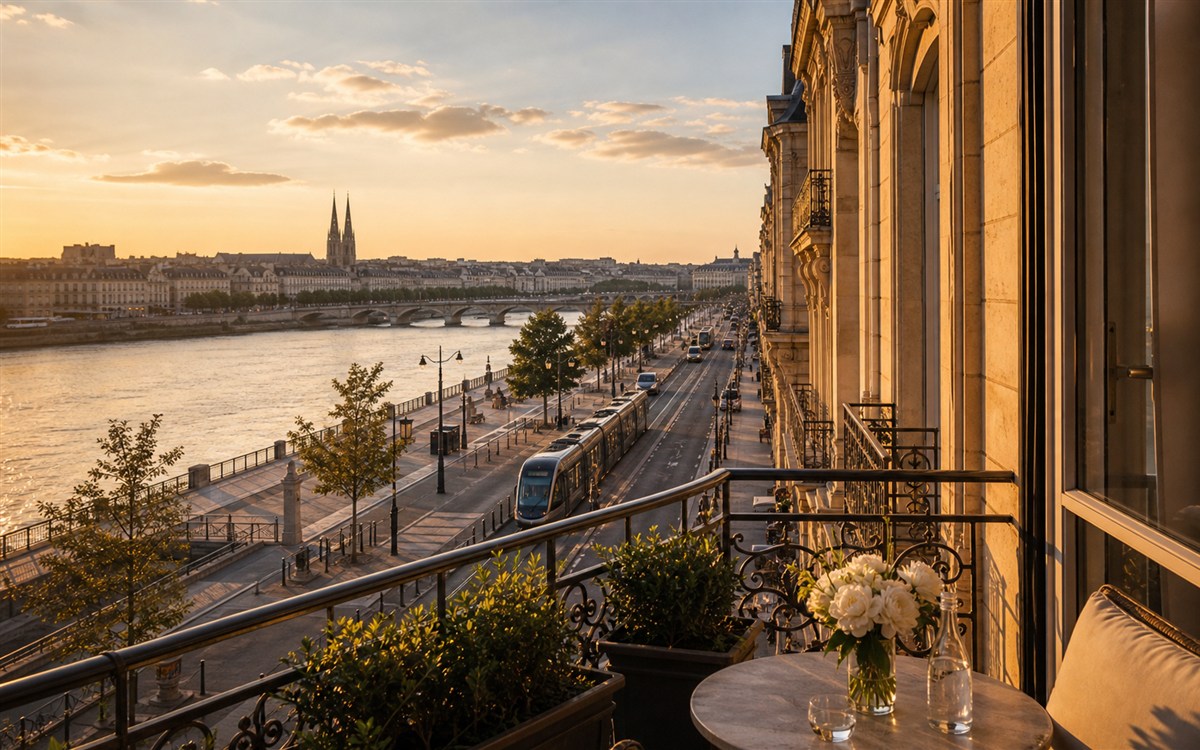
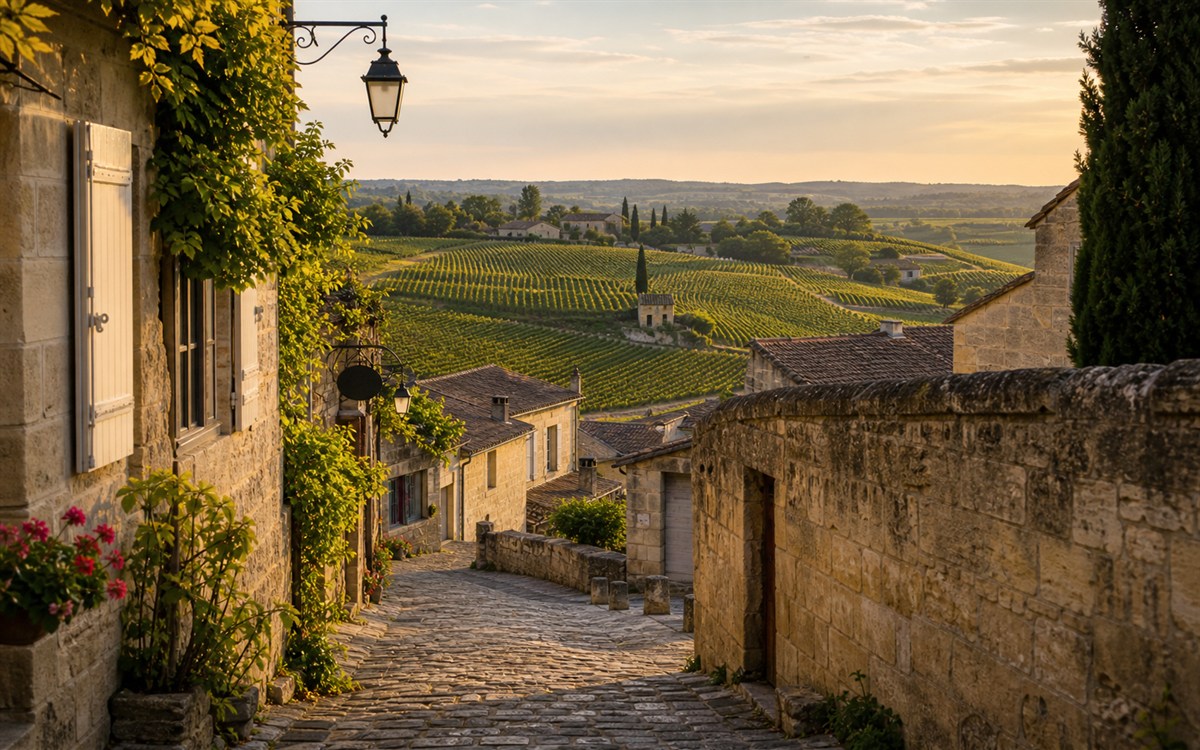
Historic landmarks: Place de la Bourse, Miroir d’Eau, Garonne quays, Saint-Pierre district, Grand Théâtre, Porte Cailhau, Grosse Cloche, Pey Berland Tower, Chartrons, Saint-André Cathedral and Saint-Émilion village give Bordeaux a refined historic route. It is a city that rewards walking: squares, tram lines, wine streets and riverfront views connect smoothly when the hotel base is chosen well.
Museums and attractions: Cité du Vin, Musée d’Aquitaine, CAPC Museum of Contemporary Art, Bassins des Lumières, Bordeaux city tours, riverfront walks, Saint-Émilion wine tours, vineyard visits and Arcachon or Atlantic coast extensions create the main activity layer. Bordeaux should not be planned only as a wine stop; it works better as a city stay with one or two wine-led experiences added carefully.
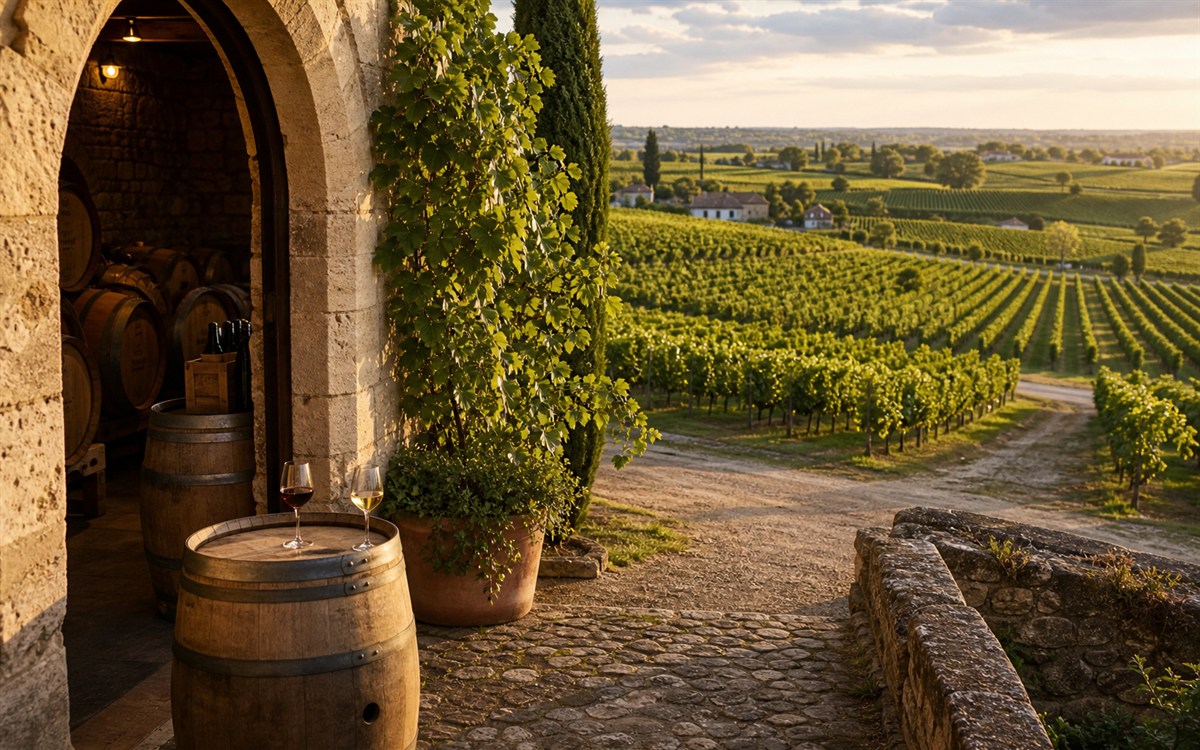
Food, wine and restaurants: use Bordeaux for wine bars, canelés, brasseries, seafood, Marché des Capucins, Les Halles de Bacalan, Chartrons wine merchants, Saint-Émilion tastings, cellar visits and relaxed riverfront meals. The best days are simple: a morning walk, a market or museum, a wine experience, then dinner near the old town or the river instead of trying to squeeze in too many vineyard names.
Hotels, bars and shopping: stay in Saint-Pierre for old-town movement, Chartrons for wine-district atmosphere, the Golden Triangle for premium hotels and restaurants, or near tram lines for practical access. Add Rue Sainte-Catherine, Promenade Sainte-Catherine, Galeries Lafayette Bordeaux, Chartrons antiques, rooftop bars and evening squares. Bordeaux is best when it feels elegant and unforced, with enough time for both city texture and wine-country atmosphere.
Loire Valley: Chambord, Chenonceau, Amboise and Castle Days
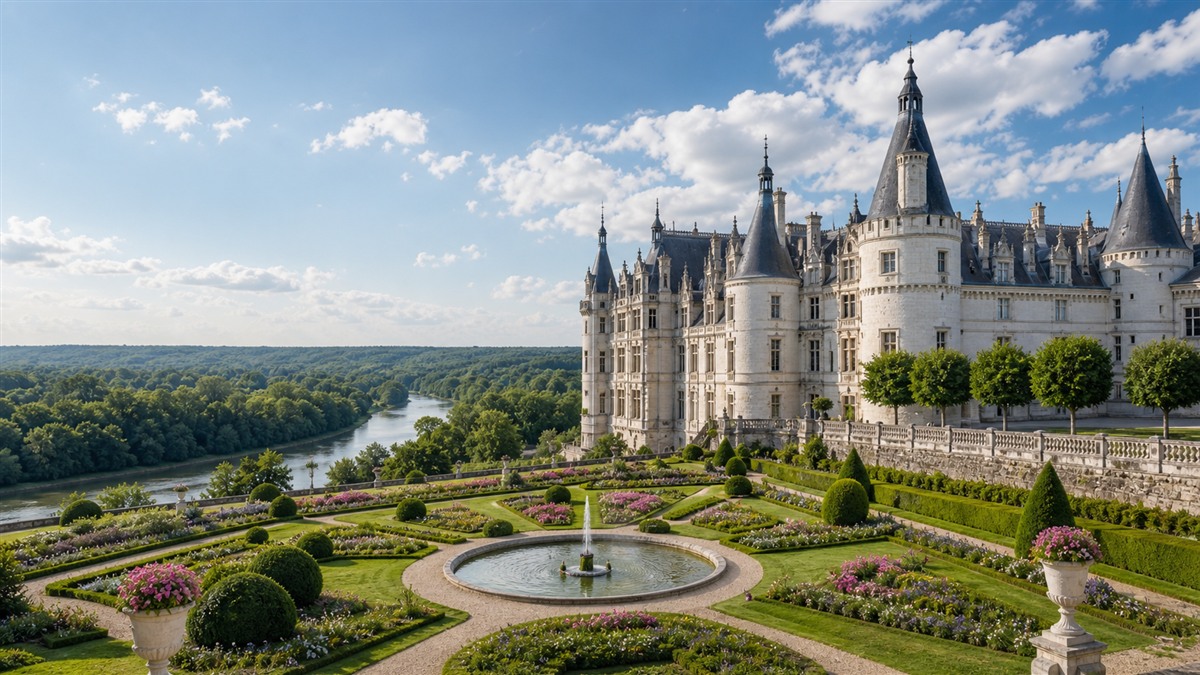
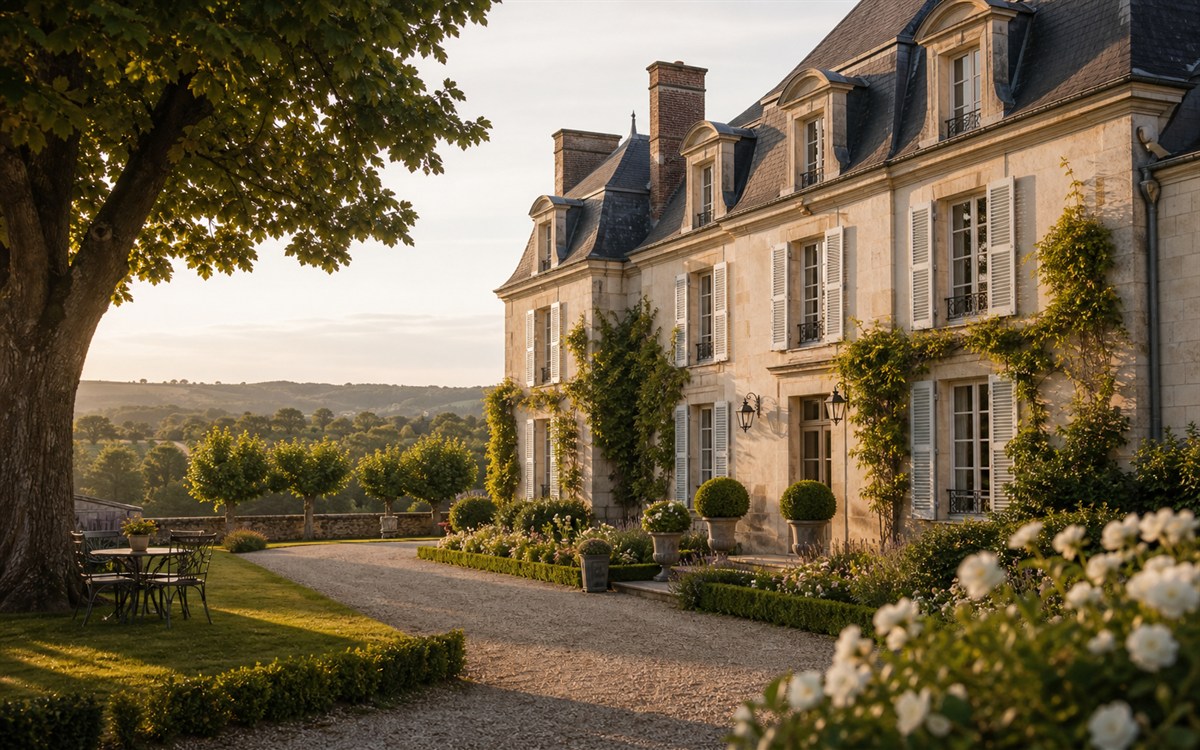
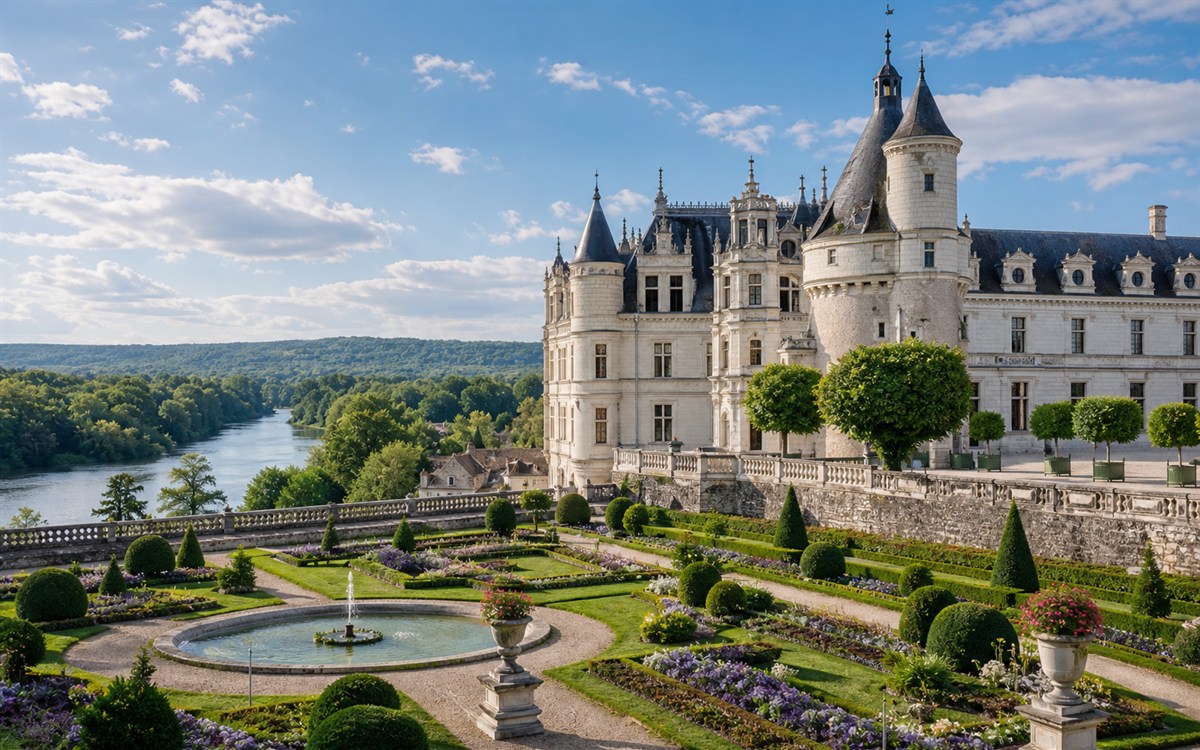
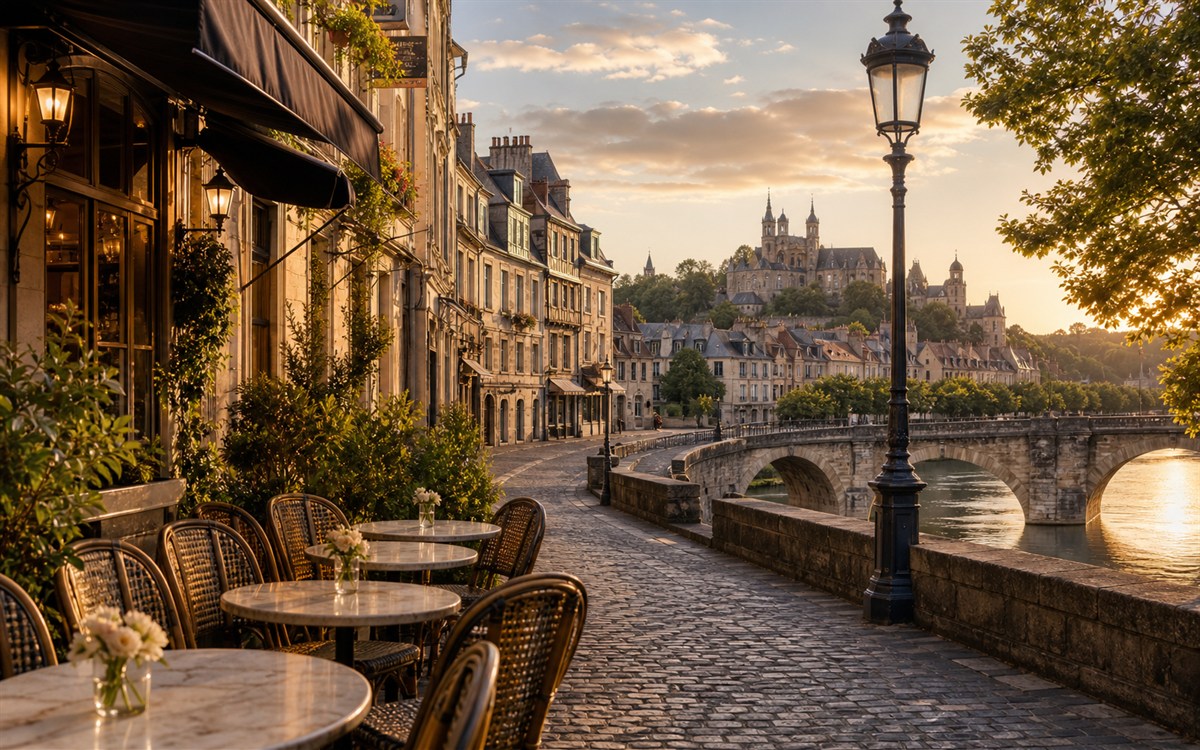
Best for: The Loire Valley is the France section for chateaux, gardens, river towns, quiet hotels and a slower heritage route. It suits visitors who want castles and countryside rather than another big city, and it works better when the day is not overloaded. This is not the place to run from entrance to entrance. The route feels stronger when Chambord, Chenonceau, Amboise or Blois are given enough time for gardens, views, lunch and the feeling of moving through a historic landscape.
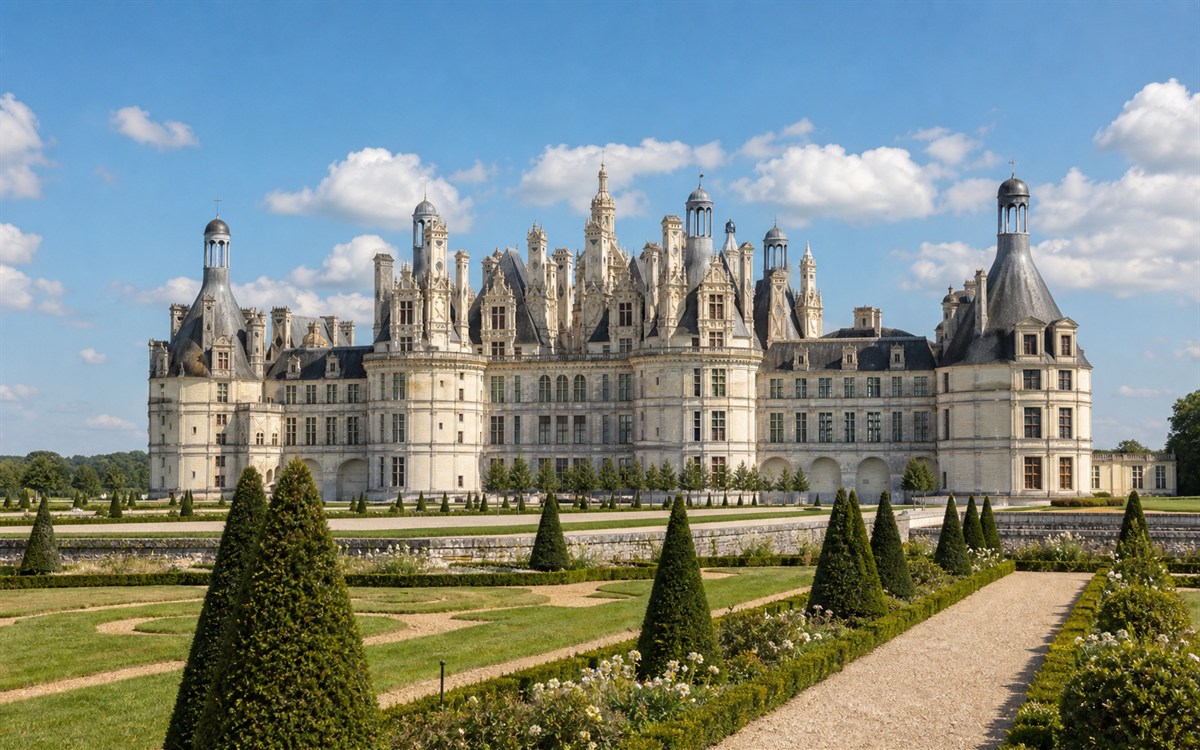
Historic landmarks: Château de Chambord, Château de Chenonceau, Château d’Amboise, Château de Villandry, Château de Blois, Château de Saumur, Chinon, Tours old town, Amboise old town and Loire river viewpoints create the main heritage layer. The names are famous, but the pleasure is in the spacing: one major chateau, one smaller town, one scenic stop and a calmer evening will usually beat an overpacked castle marathon.
Museums and attractions: chateau interiors, formal gardens, Loire Valley castle tours, Chambord tours, Chenonceau visits, Amboise routes, wine estates, garden walks, river towns and guided day trips from Paris or Tours all work well here. The region is especially useful when a France itinerary needs a break from big-city intensity but still wants architecture, history and strong visual impact.
Food, wine and restaurants: add Loire white wines, goat cheese, rillettes, mushrooms, river fish, market-town restaurants, vineyard tastings, garden cafés and countryside hotel dining. This is a good region for slower lunches rather than rushing from one castle entrance to the next. Food does not need to be complicated here; a town market, a local restaurant and a glass of regional wine can carry the whole afternoon.
Hotels, bars and shopping: stay in Tours for transport and restaurants, Amboise for a smaller heritage town, Blois for chateau access, or countryside hotels for a slower trip. Use town markets, wine bars, local restaurants, antique shops, small boutiques and hotel terraces to make the route feel complete. The strongest Loire Valley plan usually has fewer moves, better bases and more time to enjoy the setting.
Plan this part of the trip
Food, Wine and Route Ideas for France
Food route: France food planning should follow the chosen city or region, because each place has a different flavour and rhythm. Paris is for bakeries, cafés, brasseries and market streets; Lyon is for bouchons and Les Halles de Lyon Paul Bocuse; Nice is for socca, salade niçoise, pissaladière, seafood and Cours Saleya; Bordeaux is for wine bars, canelés and Saint-Émilion; and the Loire Valley is for white wine, goat cheese and countryside restaurants. The food route should make the trip feel more local, not just more expensive.
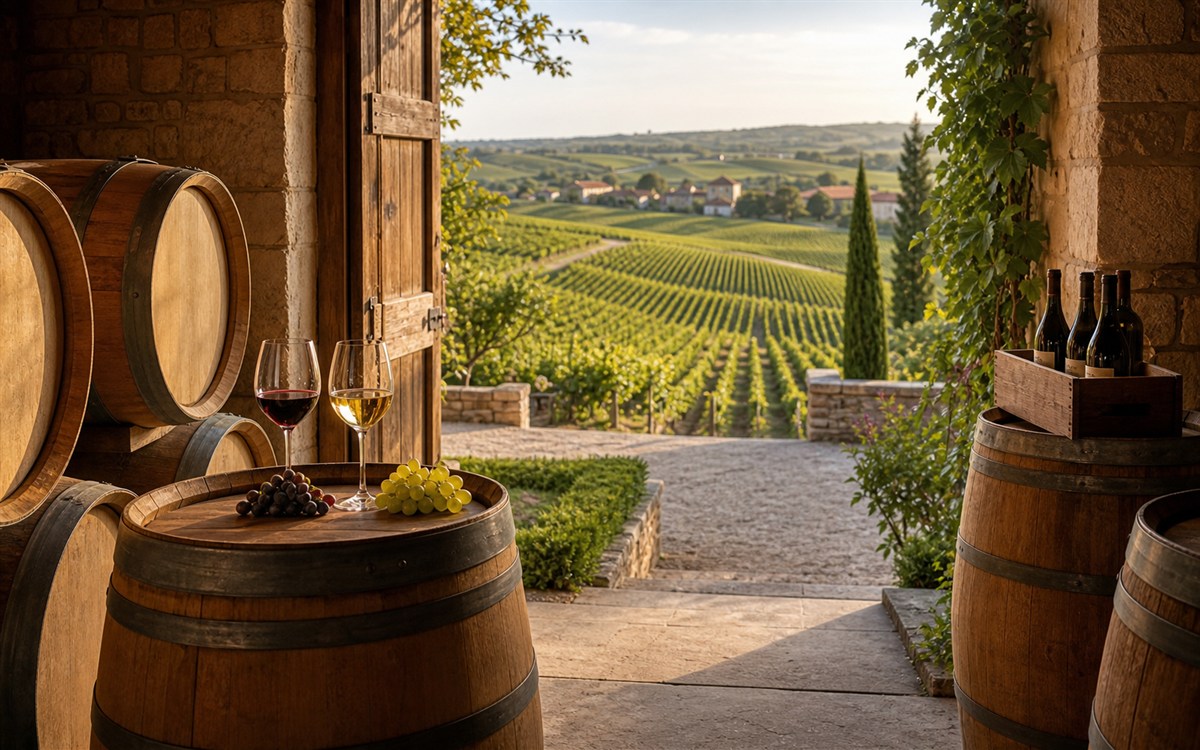
Wine route: Bordeaux and Saint-Émilion are the strongest wine anchors, the Loire Valley works beautifully for white wines and chateau days, Provence brings rosé and village markets, and Lyon can connect food-led travellers into Beaujolais or northern Rhône routes when the itinerary has space. A good wine plan does not need too many tastings. One well-chosen cellar visit, one vineyard village and one relaxed dinner with regional wine can be more memorable than a crowded day of similar stops.
Popular experiences: Paris bakery and market walks, Lyon bouchon tours, Bordeaux wine tastings, Saint-Émilion vineyard trips, Loire Valley wine and chateau days, Riviera market walks and Provence village-market routes are strongest when they support the route already chosen. They should not be added randomly. The right experience can give structure to a day, explain what the visitor is seeing, and turn a simple walk or meal into the part of the trip that people remember later.
Planning rule: choose the city first, then add one food or wine experience, one museum or landmark, and one neighbourhood or regional walk. That creates a clearer France trip than filling every hour with unrelated bookings. The best version of France is not the busiest version; it is the version where Paris, Nice, Lyon, Bordeaux or the Loire Valley has enough room to show its own pace, food, streets and evening atmosphere.