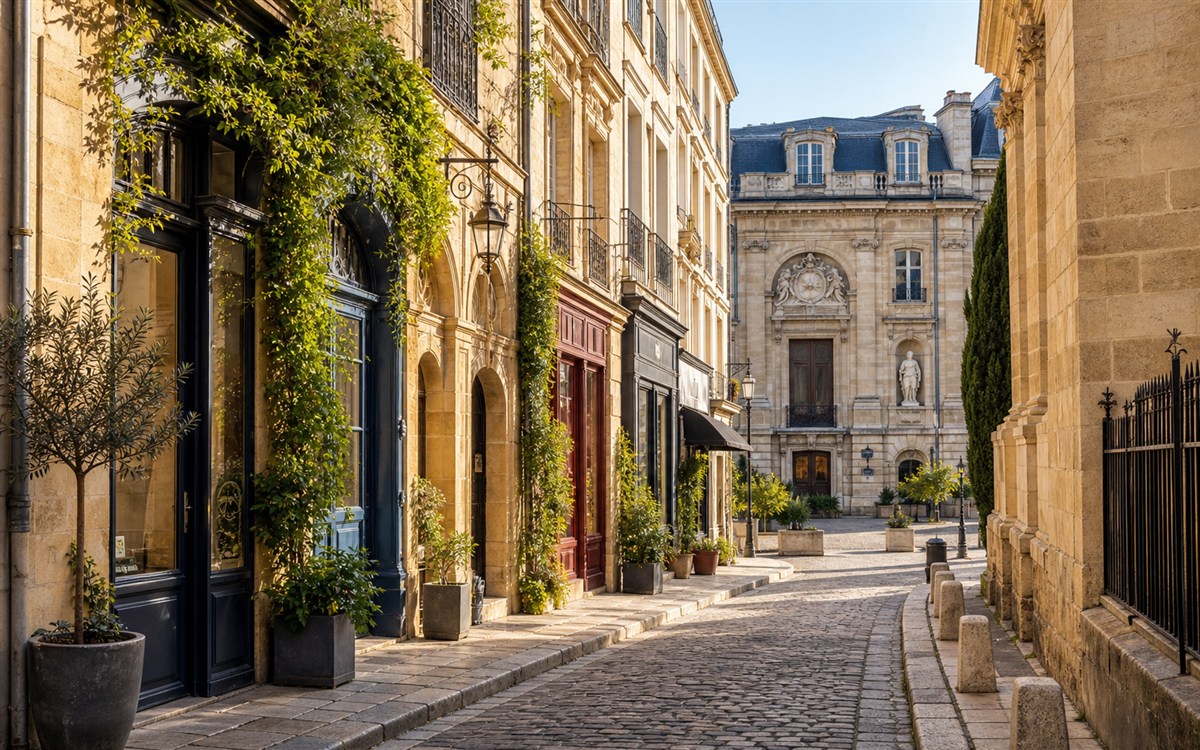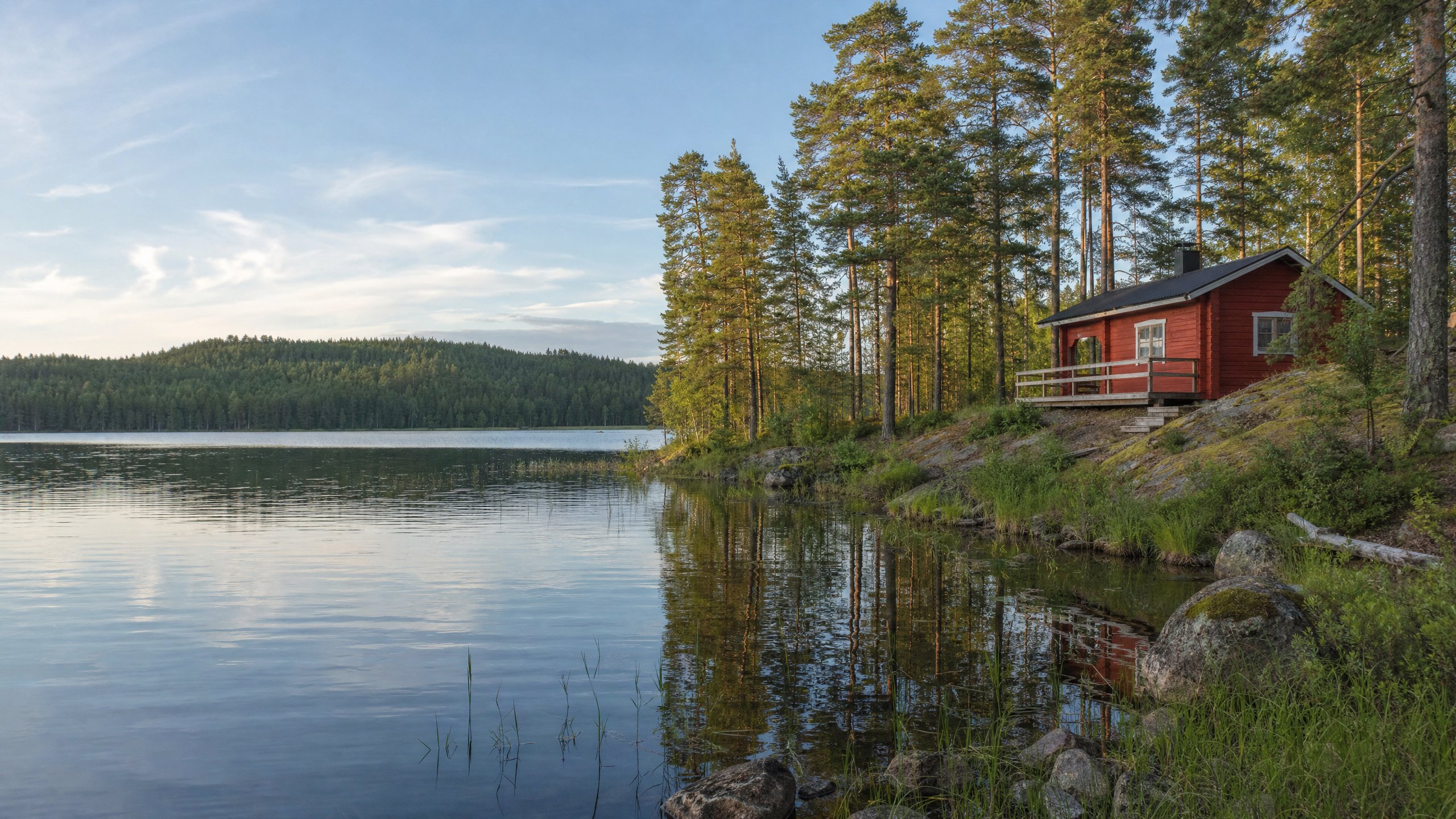
Finland Travel, Structured Around Helsinki, Lakes, Design and Lapland
Plan Finland through Helsinki, Lapland, Rovaniemi, Turku, Tampere, lakes, saunas, design, northern lights, snow travel, hotels, flights and seasonal routes.
Start Planning FinlandFinland Travel Guide: Routes, Stay Bases, Culture and Experiences
Trip shape: Use Finland as a travel story with chapters, not as a checklist. Let Helsinki, Turku, Tampere and Rovaniemi and Finnish Lapland carry the easy first days, then use Finnish Lapland, Lakeland, Archipelago Sea and First Finland Trip for depth when the schedule has enough space.
Best for: Finnish Lapland, Lakeland, Archipelago Sea and First Finland Trip give Finland its deeper travel layer. Some visitors need one main city and one day trip; others should slow down, split the journey and give the strongest region its own nights.
Planning rule: Start with arrival logic, season and the first overnight point, then add the experiences that genuinely deserve advance planning. Museums, landmarks, guided tours, food walks, local neighbourhoods and coastal or countryside days should be grouped by geography and timing.
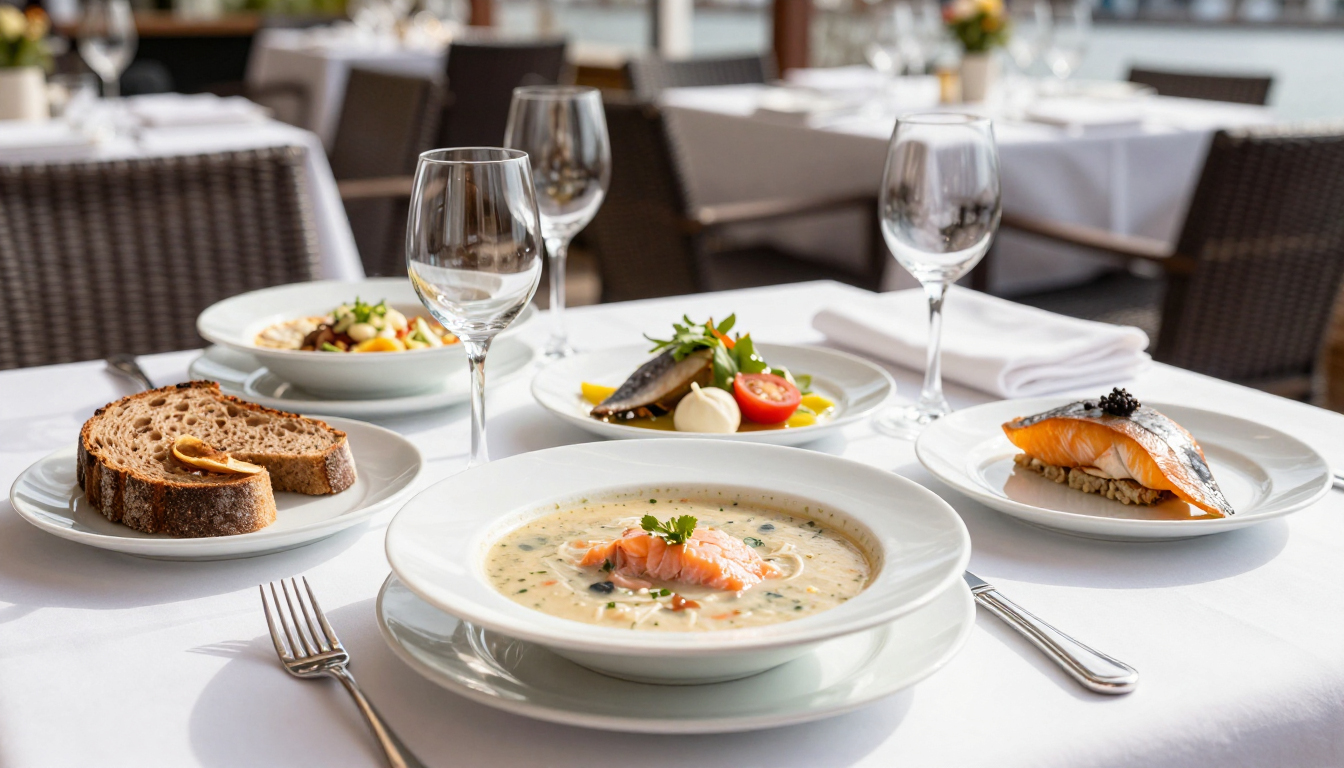
Route logic: Saunas are part of Finnish daily life, so public sauna time can be planned as a real cultural experience. berries, mushrooms, fish, rye bread and market halls make food feel closely tied to season and place. Keep food close to the chosen hotel area where possible: the best meals often come from market streets, harbour areas, old-town restaurants and neighbourhoods already inside the day’s route.
Helsinki: design, islands and Finnish first base
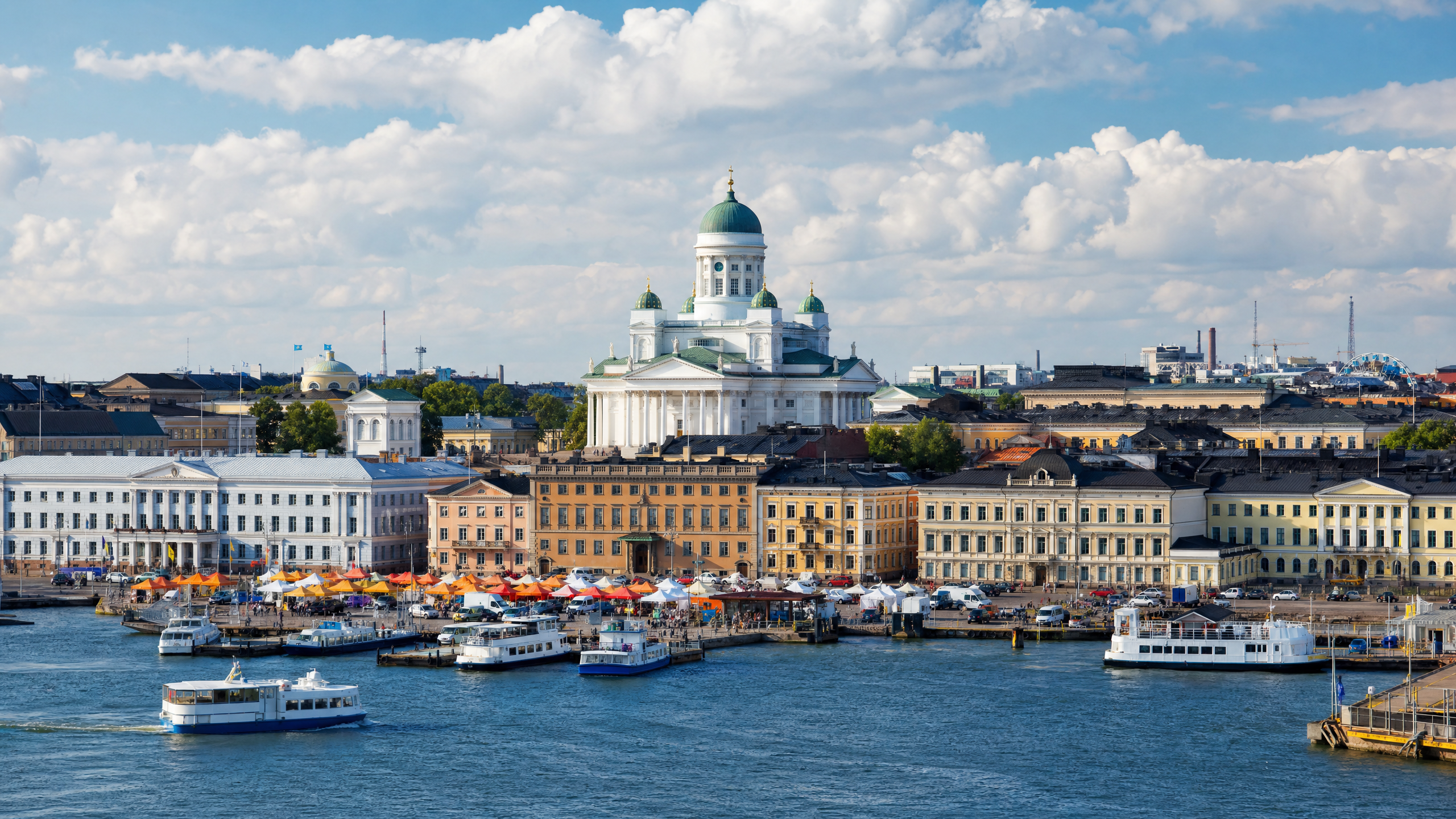
Best for: Helsinki deserves a proper place in the Finland plan, especially when the trip needs design, islands and Finnish first base. Helsinki gives Finland its clearest first base: harbour views, design museums, market halls, public saunas, island ferries and easy rail links to other southern cities. It works best when travellers group the harbour, Design District, Suomenlinna, sauna time and food markets by weather and ferry timing rather than treating the city as a brief gateway.
Historic landmarks: Senate Square and Helsinki Cathedral, Suomenlinna, Design District, Loyly or Public Sauna Time, Ateneum and Oodi Library should shape the sightseeing plan. Pair it with the harbour and market area rather than treating it as a long standalone stop. Allow a half-day because ferries, walking and weather all affect the pace.
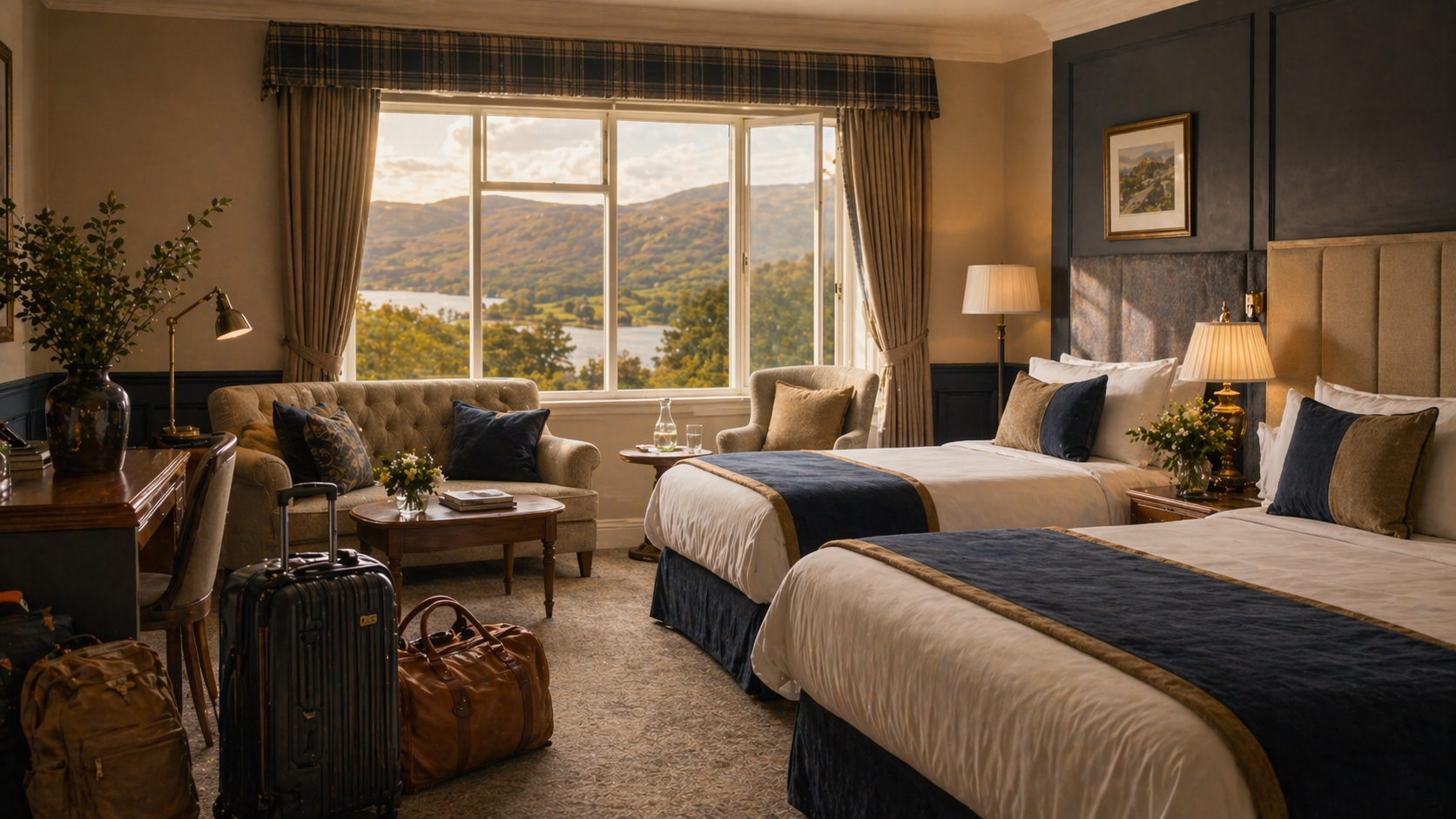
Museums and attractions: Choose the hotel area around City Centre or Kamppi, Punavuori and Katajanokka or Harbour Area. Pick the district that makes arrival, evening movement and the first full day easier.
Hotels and stay areas: Helsinki also needs a food layer. Build meals around salmon soup, rye bread, Karelian pies, cinnamon buns, berries, Baltic herring, Market Square and Old Market Hall and Punavuori and Design District so the visitor has a reason to slow down between museums, viewpoints and transfers.
Food and restaurants: Porvoo and Tallinn Ferry can extend the stay when there is enough time. A small heritage town that works as a gentle day trip from Helsinki. A cross-Baltic day or overnight link, best planned with ferry times rather than impulse timing.
Turku: river city, castle and archipelago access
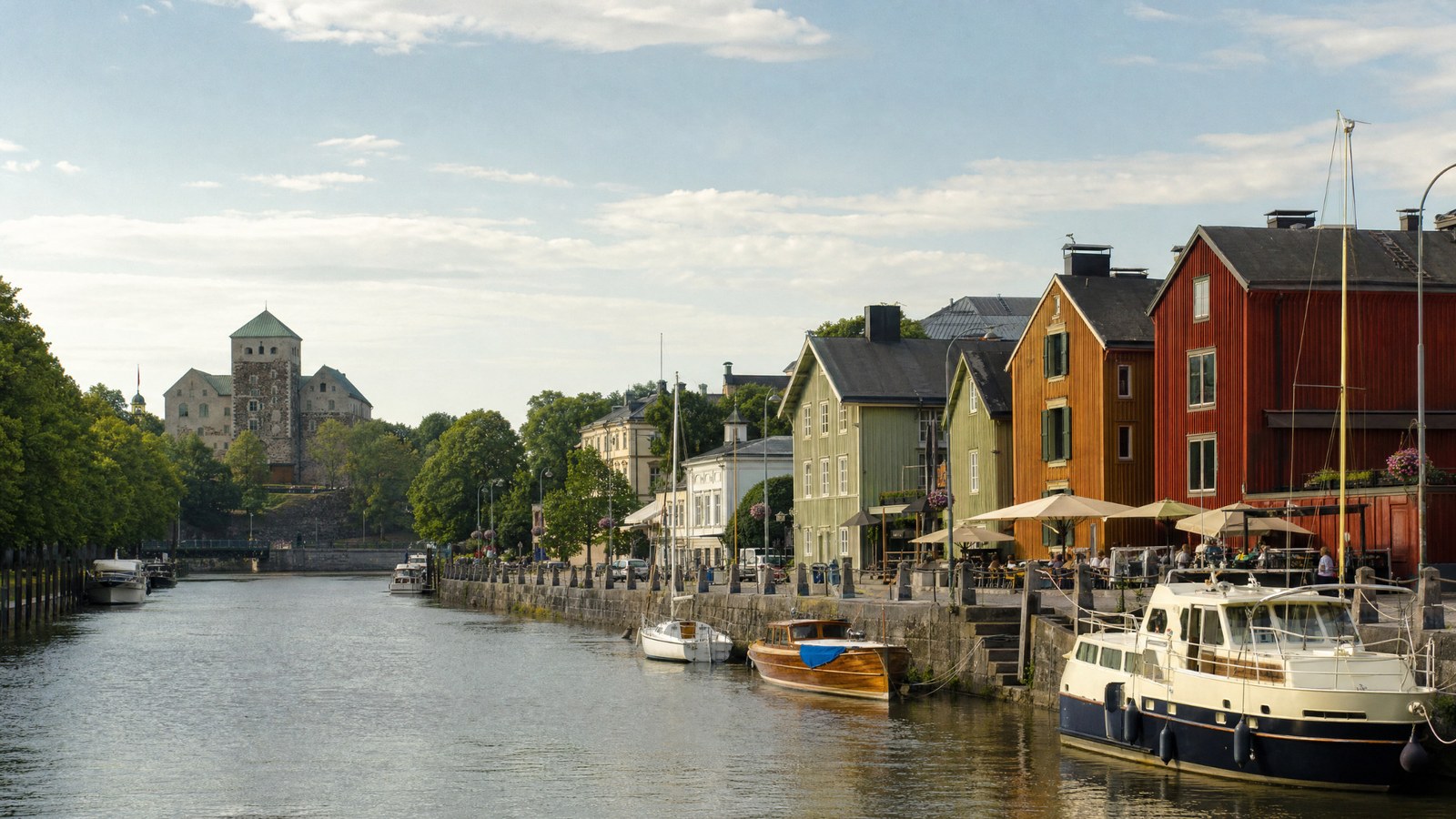
Best for: The value of Turku is not only the headline sights; it gives the itinerary river city, castle and archipelago access and a clearer local rhythm. Turku adds an older Finnish city layer, with a riverfront, castle, cathedral, food halls and access toward the southwest archipelago. It suits travellers who want a softer historic base, where river walks, museum time, market meals, castle history and one island or coastal extension are paced around a compact overnight stay.
Historic landmarks: Turku Castle, Aura Riverfront, Turku Cathedral, Archipelago Route, Aboa Vetus Ars Nova and Luostarinmaki should shape the sightseeing plan. Give it a focused block rather than adding it after a full city walk. Use the river to structure the day.
Museums and attractions: Choose the hotel area around River Centre, Station Area and Near the Harbour. Pick the district that makes arrival, evening movement and the first full day easier.
Hotels and stay areas: Turku also needs a food layer. Build meals around archipelago bread, fish dishes, cinnamon buns, local cheeses, Nordic small plates, Aura River, Market Hall Area and Old Great Square so the visitor has a reason to slow down between museums, viewpoints and transfers.
Food and restaurants: Naantali and Archipelago Trail can extend the stay when there is enough time. A nearby old-town and coastal stop that works well in warmer months. A longer island route where ferries, car hire and season need planning.
Plan this part of the trip
Tampere: lake city, public saunas and industrial heritage
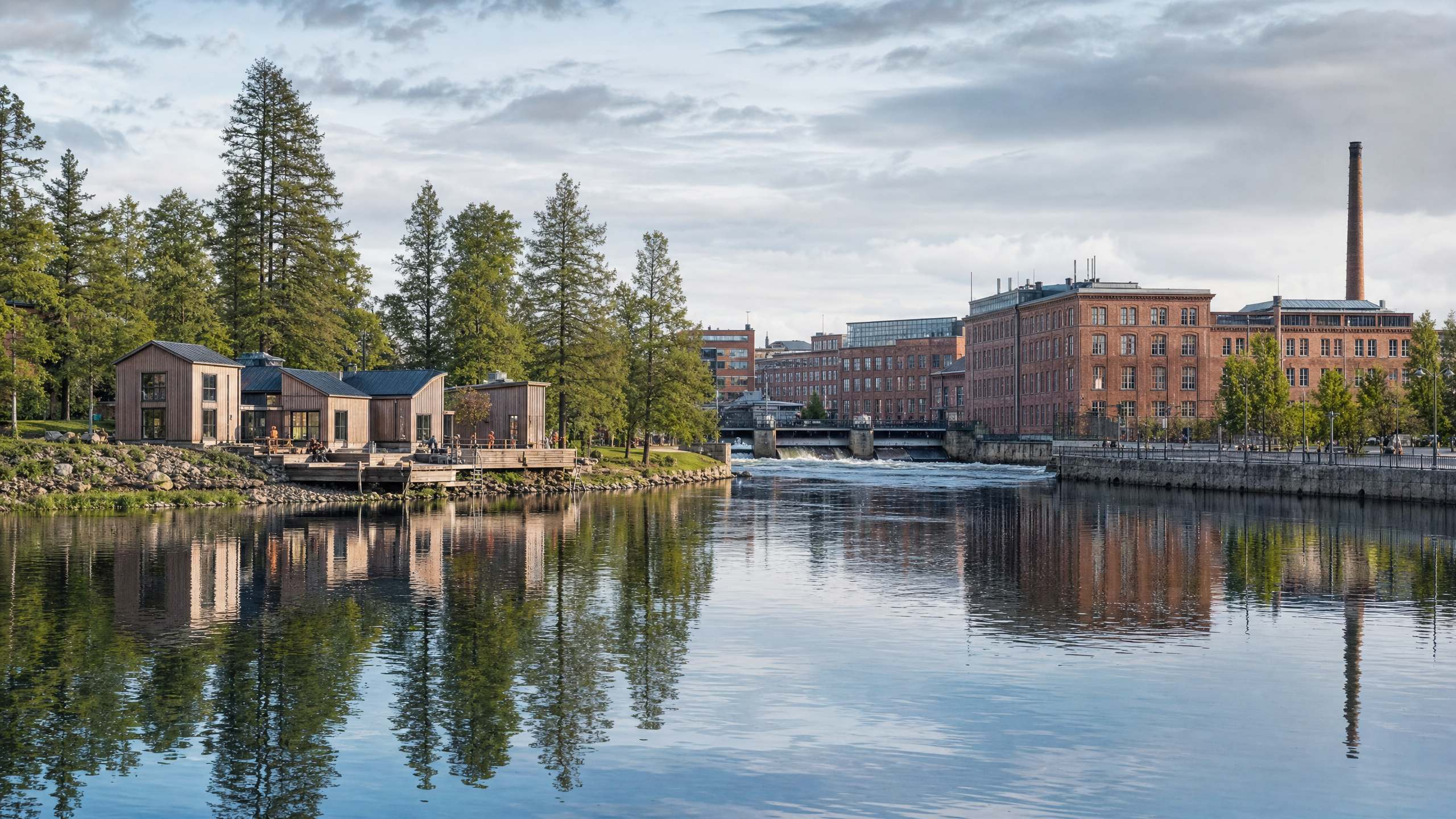
Best for: Treat Tampere as the part of Finland where lake city, public saunas and industrial heritage becomes useful for the wider route. Tampere is a strong inland base for lake views, public saunas, converted industrial buildings, museums and a more local Finnish city rhythm. It works best as a lake-and-culture pause where sauna planning, Pyynikki views, market food, industrial heritage and neighbourhood cafes are given enough time between Helsinki or Turku rail legs.
Historic landmarks: Pyynikki Ridge, Vapriikki Museum Centre, Tampere Market Hall, Public Sauna by the Lakes, Vapriikki and Finlayson Area should shape the sightseeing plan. Use it for a gentle outdoor block rather than a rushed viewpoint. Good for poor-weather hours or family-friendly culture.
Museums and attractions: Choose the hotel area around City Centre, Finlayson Area and Lakefront Hotels. Pick the district that makes arrival, evening movement and the first full day easier.
Hotels and stay areas: Tampere also needs a food layer. Build meals around mustamakkara, rye bread, lake fish, doughnuts, local beer, Market Hall and Centre, Finlayson and Tammerkoski and Lakefront Sauna Areas so the visitor has a reason to slow down between museums, viewpoints and transfers.
Food and restaurants: Hameenlinna and Lake District Cabins can extend the stay when there is enough time. A rail-linked castle and lake stop between Helsinki and Tampere. A longer stay option when sauna, water and forests are the priority.
Rovaniemi and Finnish Lapland: Arctic light, winter stays and northern culture
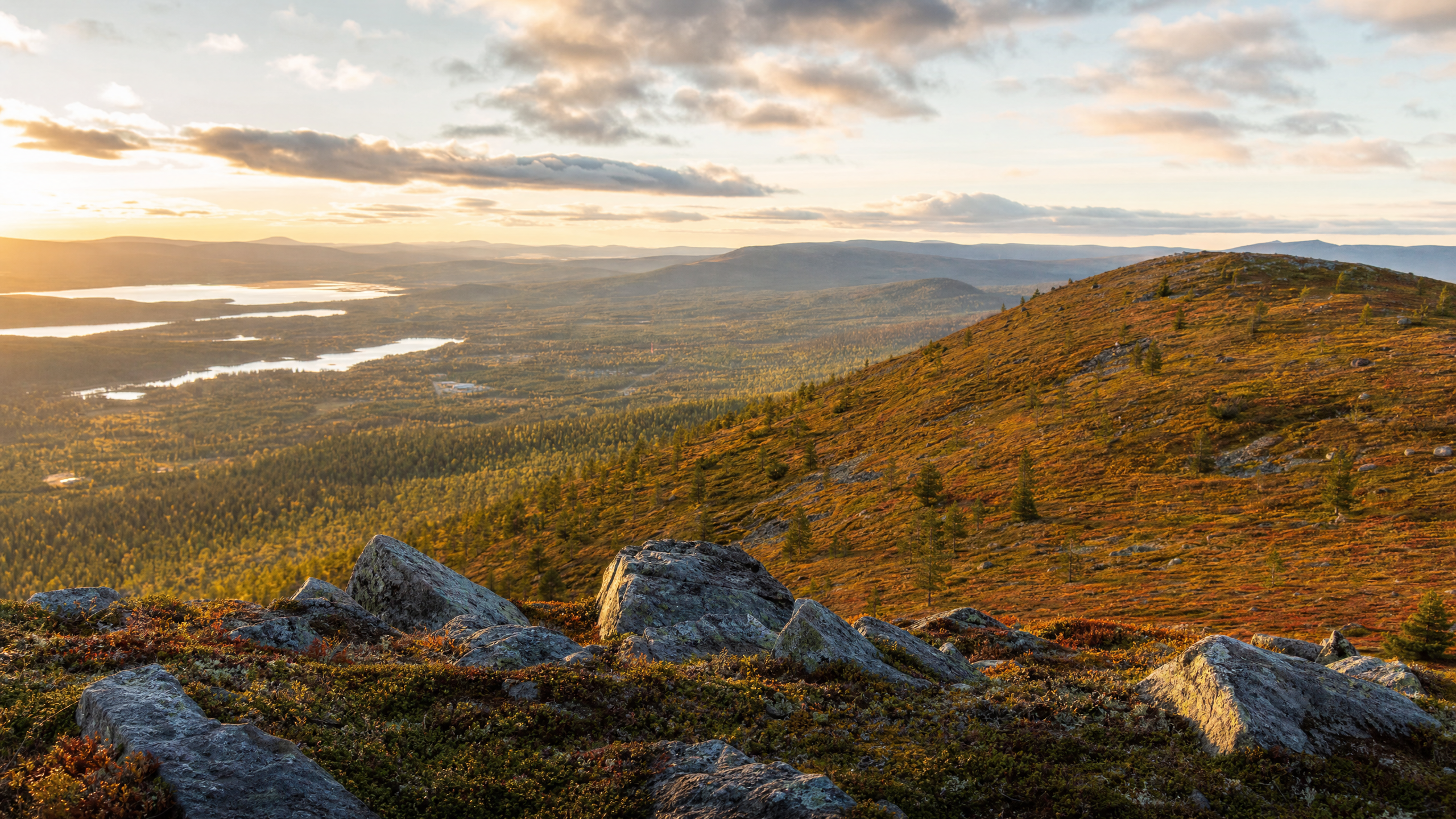
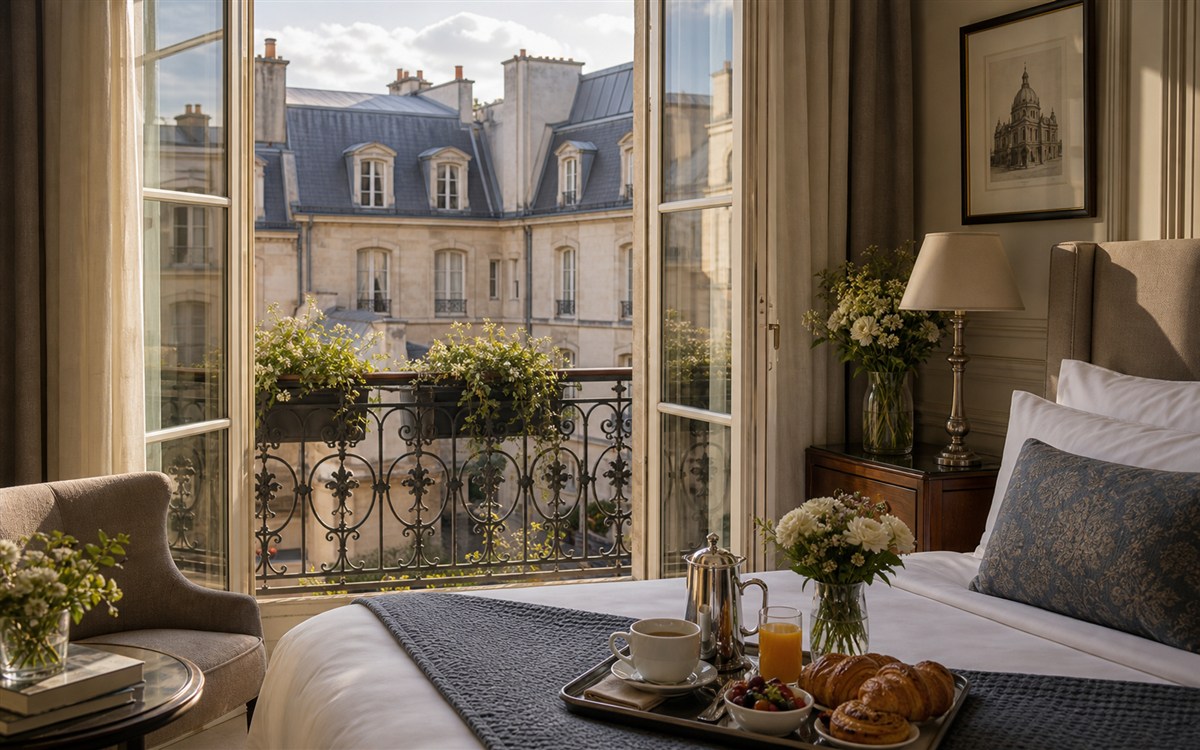
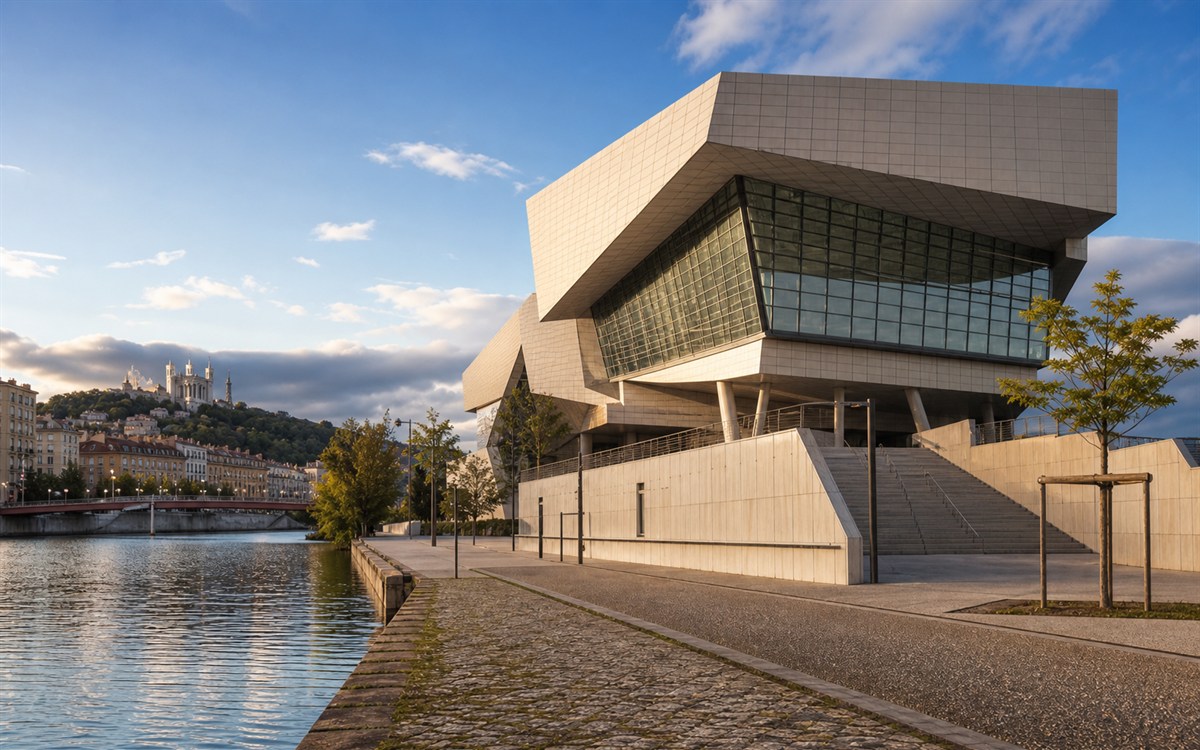
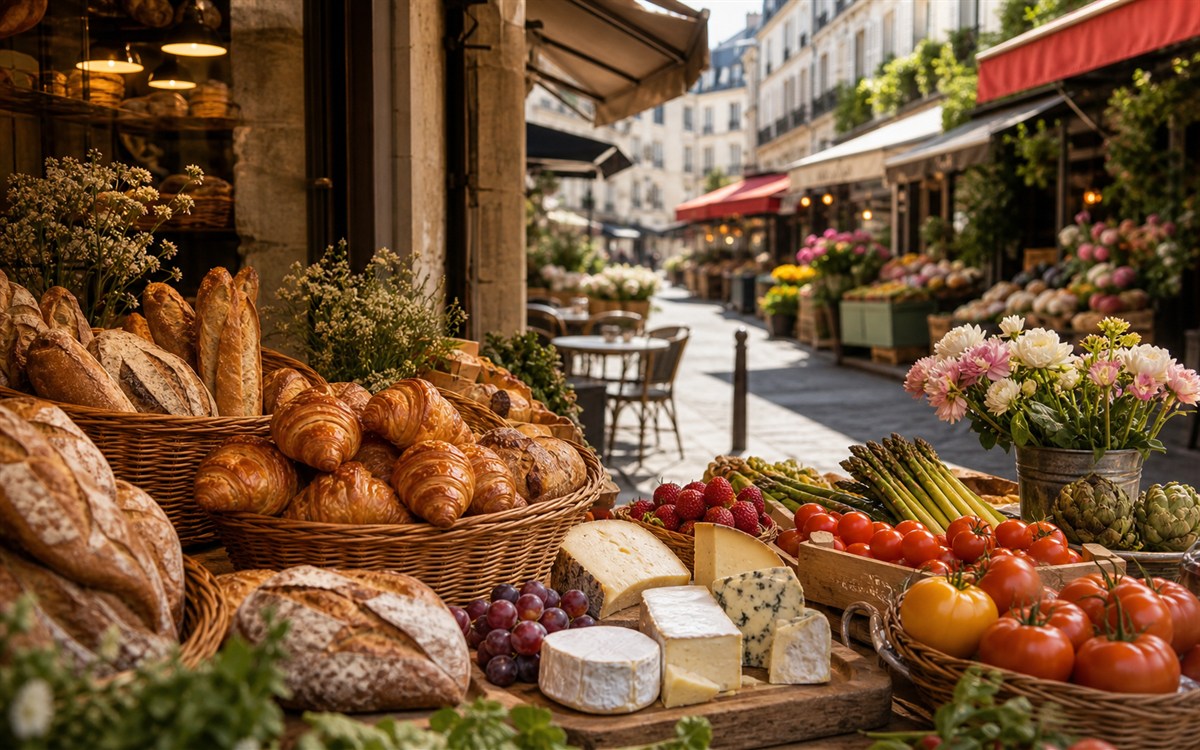
Best for: The value of Rovaniemi and Finnish Lapland is not only the headline sights; it gives the itinerary Arctic light, winter stays and northern culture and a clearer local rhythm. Rovaniemi and Lapland add a northern Finland chapter built around Arctic light, snow activities, forests, river landscapes and Sami cultural context where available. Use the region as a seasonal trip with proper clothing, daylight awareness, respectful operators, tour buffers and enough nights for weather changes rather than a quick add-on from Helsinki.
Historic landmarks: Arktikum, Arctic Circle Area, Northern Light Evenings, Snow and Forest Activities and Korundi House of Culture should shape the sightseeing plan. Use it early for context before outdoor activities. Expect it to be commercial; plan it only if it fits the trip style.
Museums and attractions: Choose the hotel area around Rovaniemi Centre, Cabin or Lodge Areas and Further North Resorts. Pick the district that makes arrival, evening movement and the first full day easier.
Hotels and stay areas: Rovaniemi and Finnish Lapland also needs a food layer. Build meals around salmon, cloudberries, mushrooms, rye bread, warm berry drinks, Rovaniemi Centre and Lodge and Cabin Areas so the visitor has a reason to slow down between museums, viewpoints and transfers.
Food and restaurants: Levi or Yllas and Inari can extend the stay when there is enough time. Ski and resort areas that need separate transfer planning from Rovaniemi. A deeper northern route with stronger Sami cultural context, best with more time.
Food, Culture and Route Ideas for Finland
Food route: Saunas are part of Finnish daily life, so public sauna time can be planned as a real cultural experience. berries, mushrooms, fish, rye bread and market halls make food feel closely tied to season and place. Forest walks, lake swimming, winter light and compact cities reward a measured itinerary. This is where food, culture and route planning should work together.
Food, wine and restaurants: Build meals around salmon soup, rye bread, Karelian pies, cinnamon buns, berries, Baltic herring and archipelago bread and keep them close to Market Square and Old Market Hall, Punavuori and Design District, Kallio, Aura River and Market Hall Area.
Popular experiences: Use Helsinki for arrival, museums and food, then add Turku or Tampere by rail before considering a longer northern extension. Use Tampere or Lake Saimaa when water, cabins, Sauna Culture and slower rural days matter more than city collecting. Keep the route disciplined: one clear hotel area, one strong regional layer and one food or culture experience will usually feel better than trying to touch every possible stop.
Planning rule: Use bookings in a clean order: choose the hotel area first, then add attraction tickets, food tours, guided days and local experiences where they make the journey easier, richer and more realistic.