Estonia Travel, Structured Around Tallinn, Islands and Baltic Routes
Plan Estonia through Tallinn, Tartu, Parnu, Saaremaa, Baltic coast, forests, islands, digital culture, hotels, ferries, rail and compact regional routes.
Start Planning EstoniaEstonia Travel Guide: Routes, Stay Bases, Culture and Experiences
Trip shape: Estonia works better when the first overnight point is chosen before the wish list grows. Let Tallinn, Tartu, Parnu and Saaremaa carry the easy first days, then use Saaremaa, Lahemaa National Park, Baltic Route and First Estonia Trip for depth when the schedule has enough space.
Best for: Saaremaa, Lahemaa National Park, Baltic Route and First Estonia Trip give Estonia its deeper travel layer. Some visitors need one main city and one day trip; others should slow down, split the journey and give the strongest region its own nights.
Planning rule: Start with arrival logic, season and the first overnight point, then add the experiences that genuinely deserve advance planning. Museums, landmarks, guided tours, food walks, local neighbourhoods and coastal or countryside days should be grouped by geography and timing.
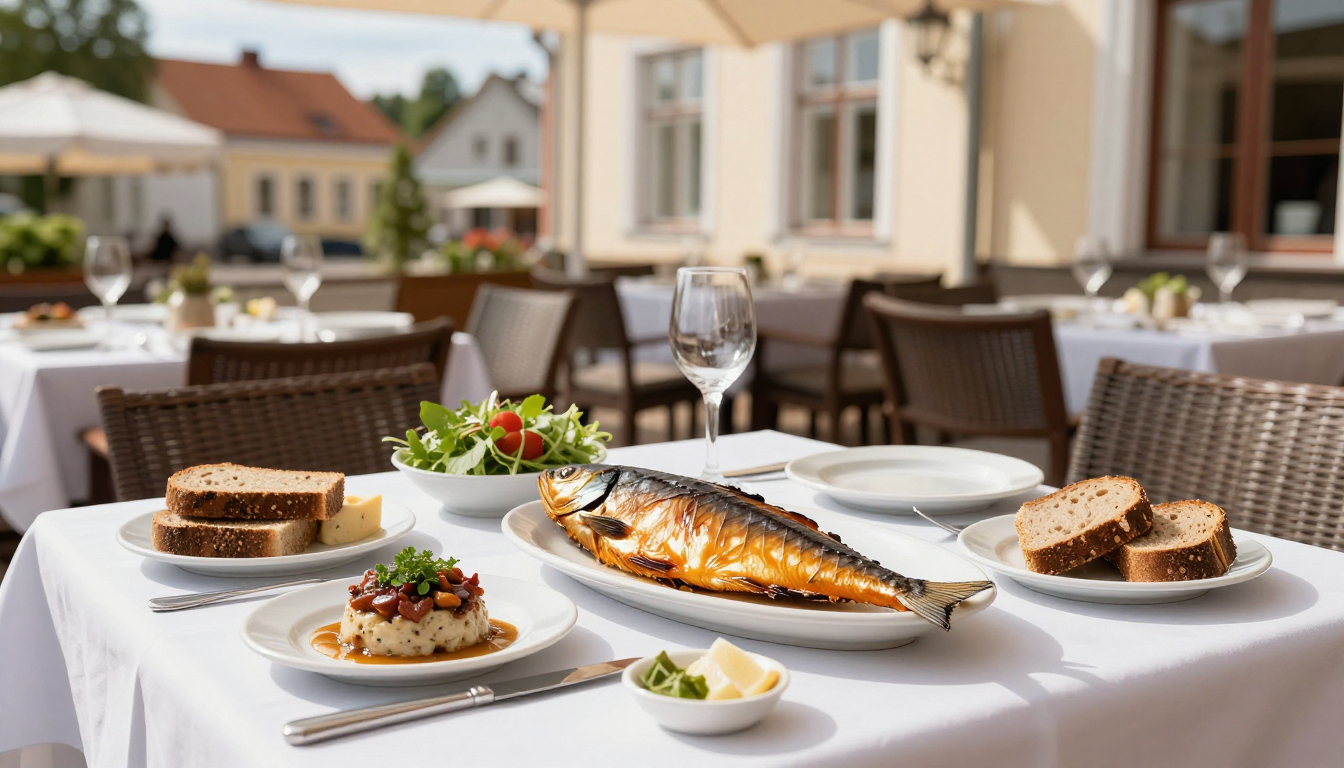
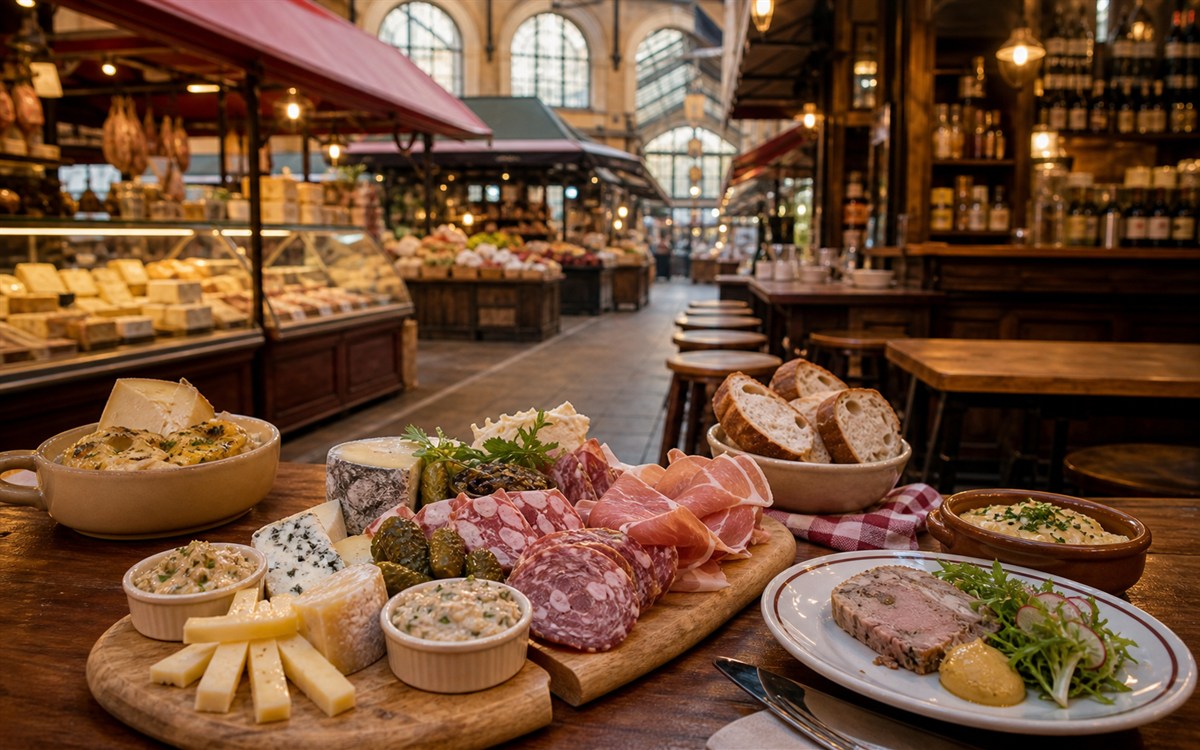
Route logic: rye bread, fish, berries, mushrooms and modern cafes make food feel seasonal and regional. Saunas and spa towns are part of the country’s leisure rhythm. Keep food close to the chosen hotel area where possible: the best meals often come from market streets, harbour areas, old-town restaurants and neighbourhoods already inside the day’s route.

Tallinn: medieval old town, design and Baltic first base
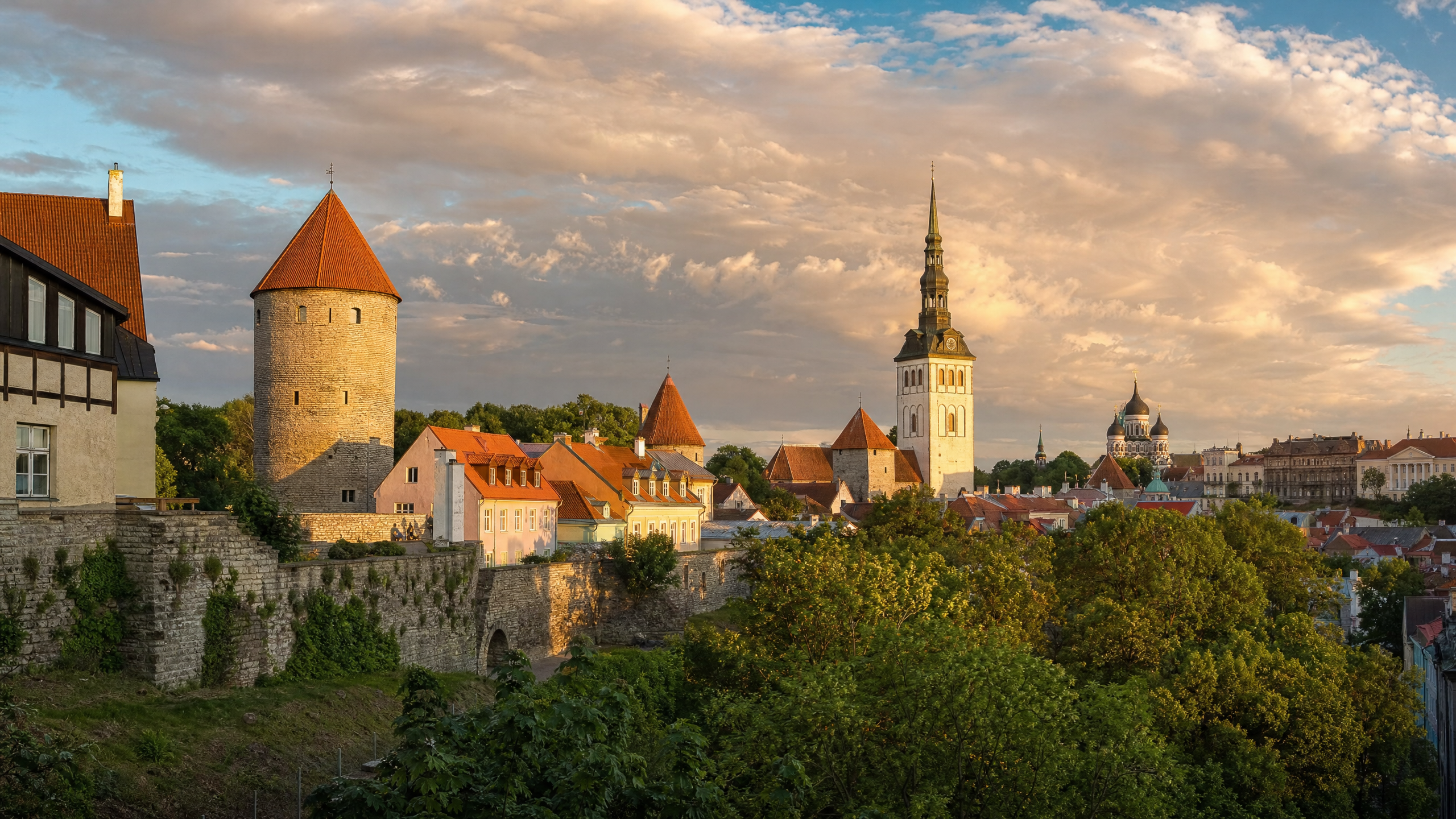
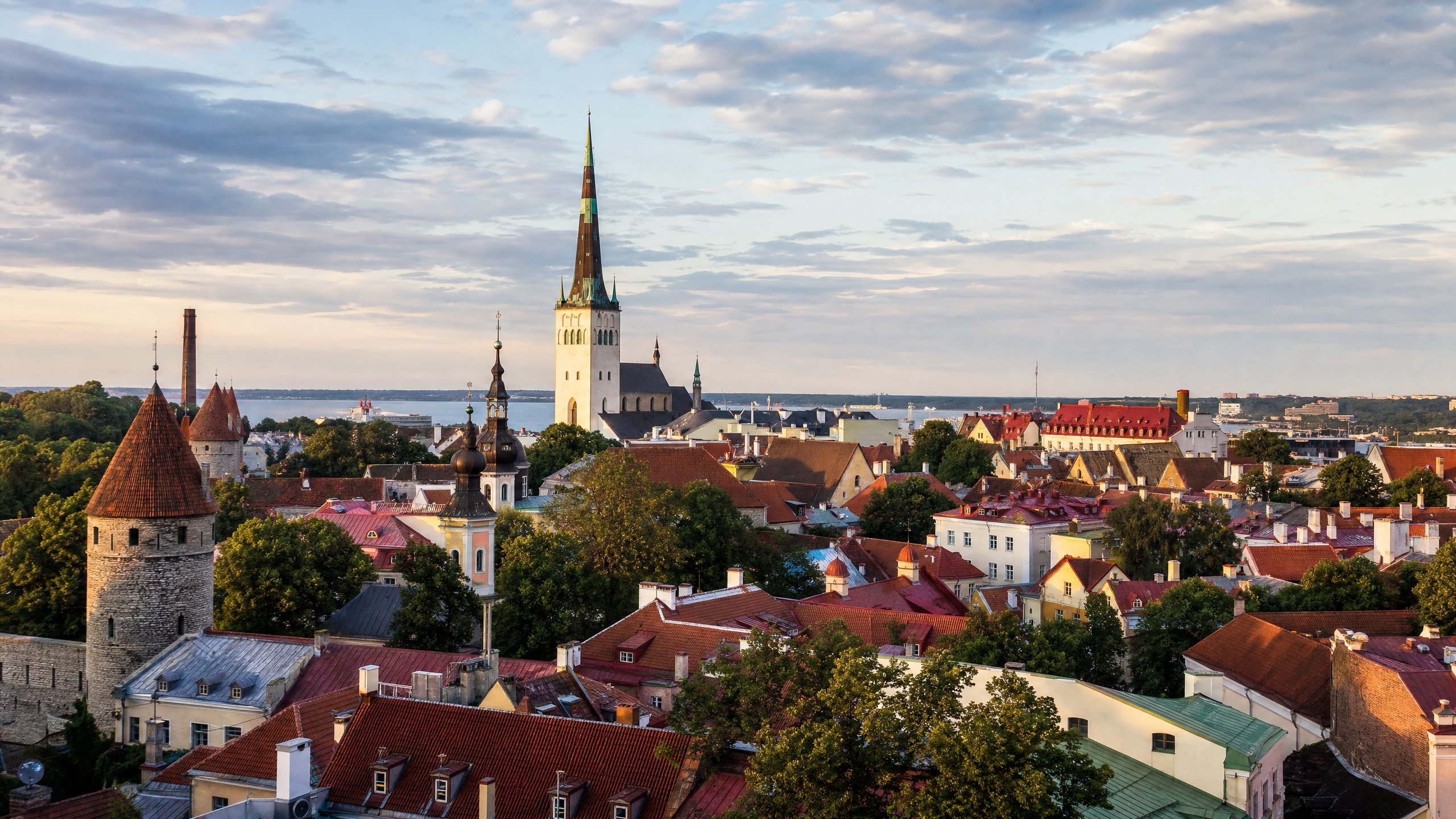
Best for: Tallinn deserves a proper place in the Estonia plan, especially when the trip needs medieval old town, design and Baltic first base. Tallinn is Estonia’s strongest first base, combining a preserved Old Town, viewpoints, creative districts, museums, ferry links and easy city-break logistics. It works best when travellers balance old-town lanes with Kalamaja, Telliskivi, harbour areas, food markets and museum time, leaving room for a ferry day or a slower neighbourhood evening.
Historic landmarks: Tallinn Old Town, Toompea Hill, Telliskivi Creative City, Seaplane Harbour, Kumu Art Museum and Estonian Open Air Museum should shape the sightseeing plan. Explore on foot and allow time for viewpoints. Pair with lower-town walking rather than a separate day.
Museums and attractions: Choose the hotel area around Old Town Edge, Kalamaja / Telliskivi and City Centre. Pick the district that makes arrival, evening movement and the first full day easier.
Hotels and stay areas: Tallinn also needs a food layer. Build meals around black rye bread, Baltic herring, mushrooms, berries, kohuke, craft beer, Old Town and Telliskivi and Kalamaja so the visitor has a reason to slow down between museums, viewpoints and transfers.
Food and restaurants: Helsinki Ferry and Lahemaa National Park can extend the stay when there is enough time. A natural cross-Baltic link when ferry times fit. A nature and manor-house day trip from Tallinn.


Tartu: university city, museums and cafe rhythm
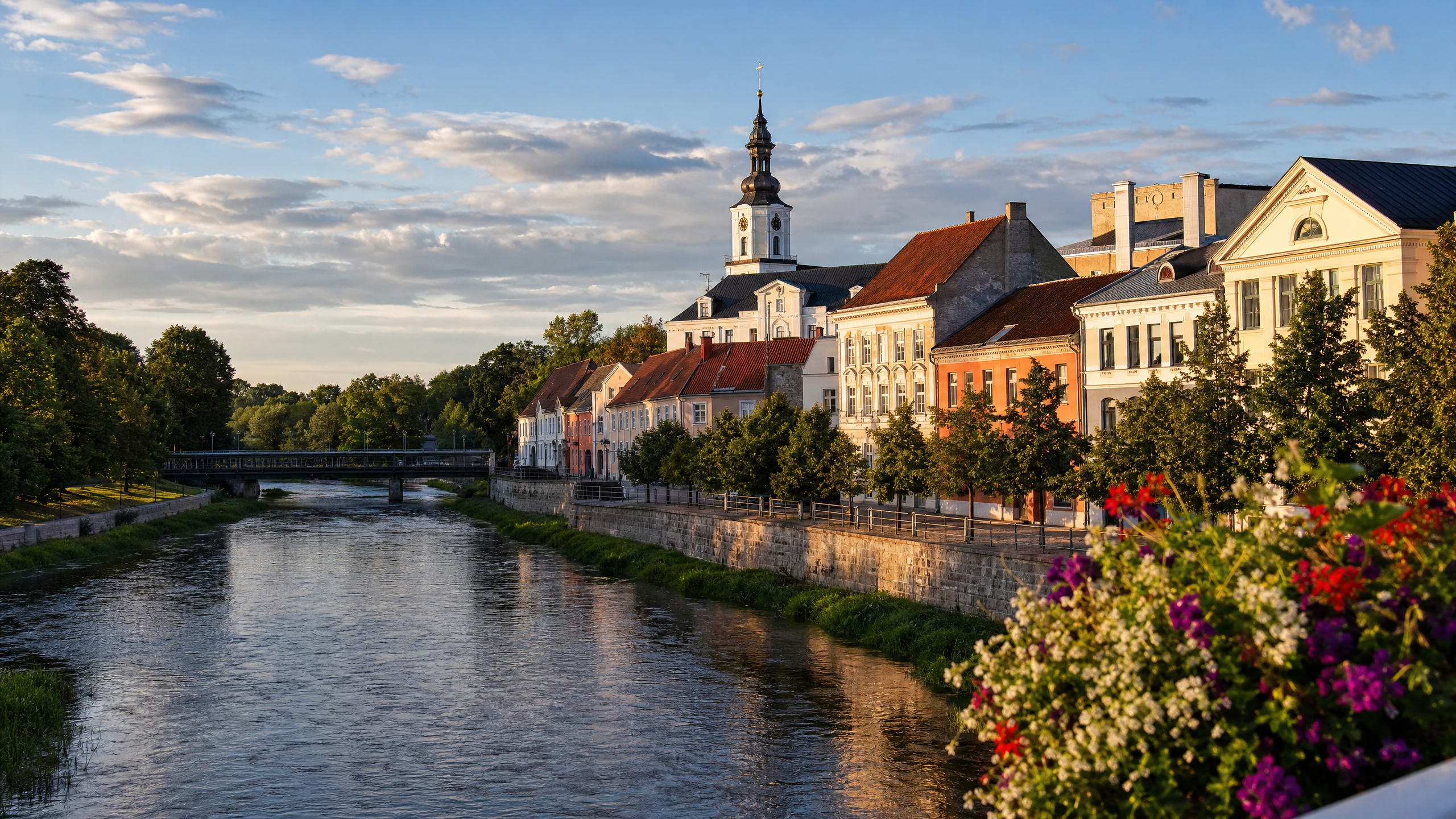
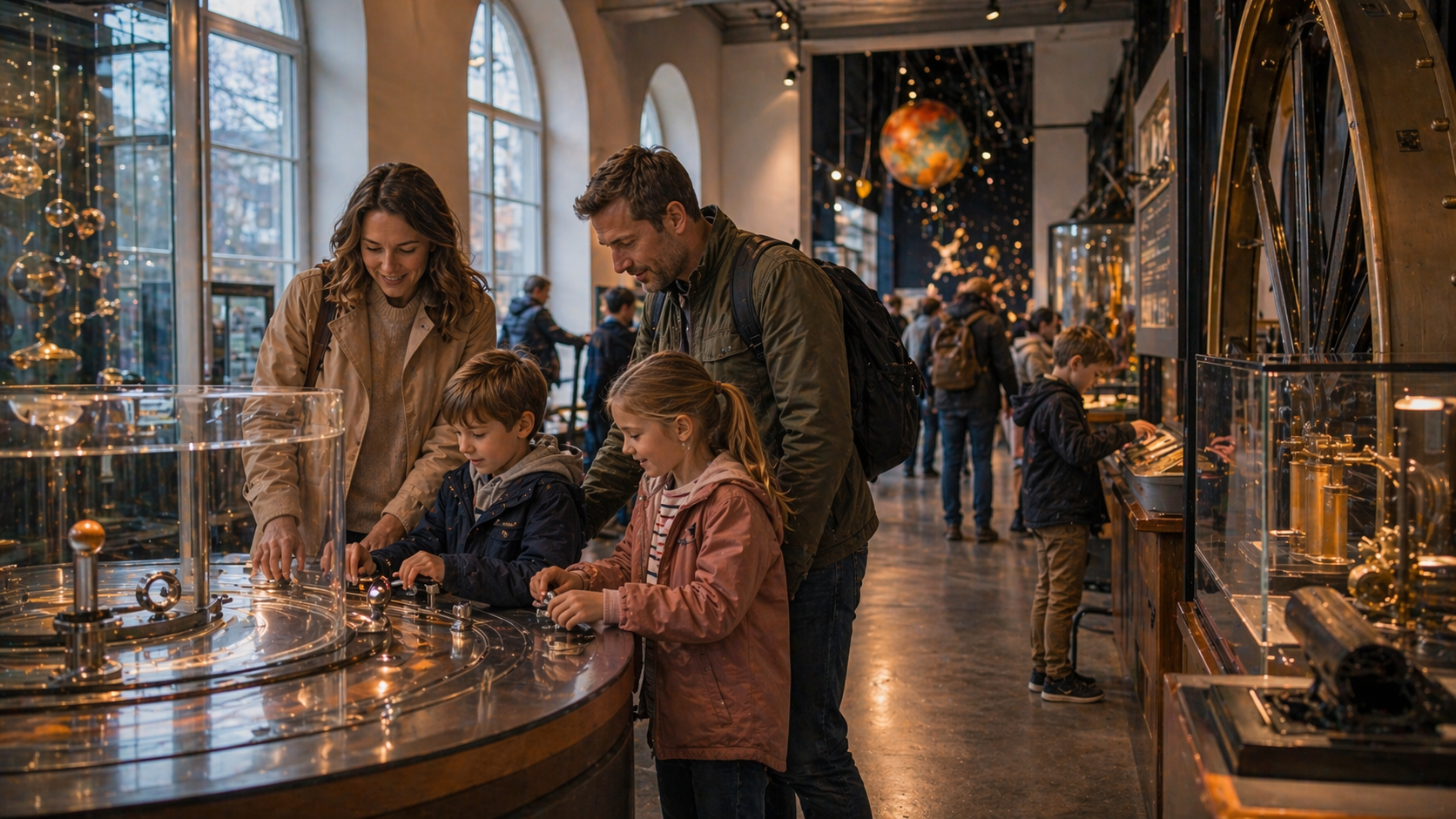
Best for: The value of Tartu is not only the headline sights; it gives the itinerary university city, museums and cafe rhythm and a clearer local rhythm. Tartu adds Estonia’s intellectual and student-city layer, with a walkable centre, museums, river paths and a softer pace than Tallinn. It suits travellers who want a less crowded cultural base, where university streets, science or art museums, cafes, riverside walks and southern Estonia routes can unfold without capital-city pressure.
Historic landmarks: University of Tartu Area, Town Hall Square, Estonian National Museum, Toome Hill and AHHAA Science Centre should shape the sightseeing plan. Use it as the starting point for the Old Centre. Good for orientation and evening meals.
Museums and attractions: Choose the hotel area around Old Centre, Near the River and Station Side. Pick the district that makes arrival, evening movement and the first full day easier.
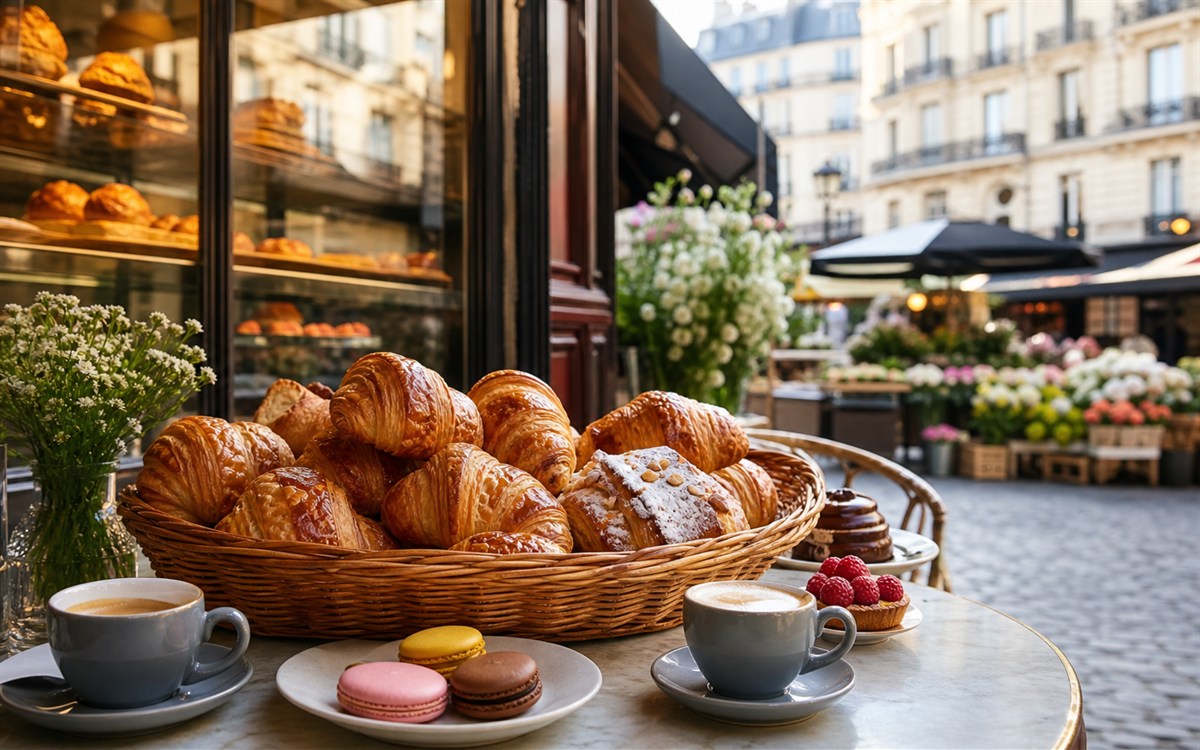
Hotels and stay areas: Tartu also needs a food layer. Build meals around rye bread, local fish, berries, pastries, craft beer, Town Hall Square, University Quarter and Riverfront so the visitor has a reason to slow down between museums, viewpoints and transfers.
Food and restaurants: Lake Peipus Villages and Tallinn can extend the stay when there is enough time. A regional route for food and Old Believer culture with careful transport planning. Easy by rail or bus, but Tartu deserves an overnight if museums matter.
Plan this part of the trip
Parnu: summer beach town and spa coast
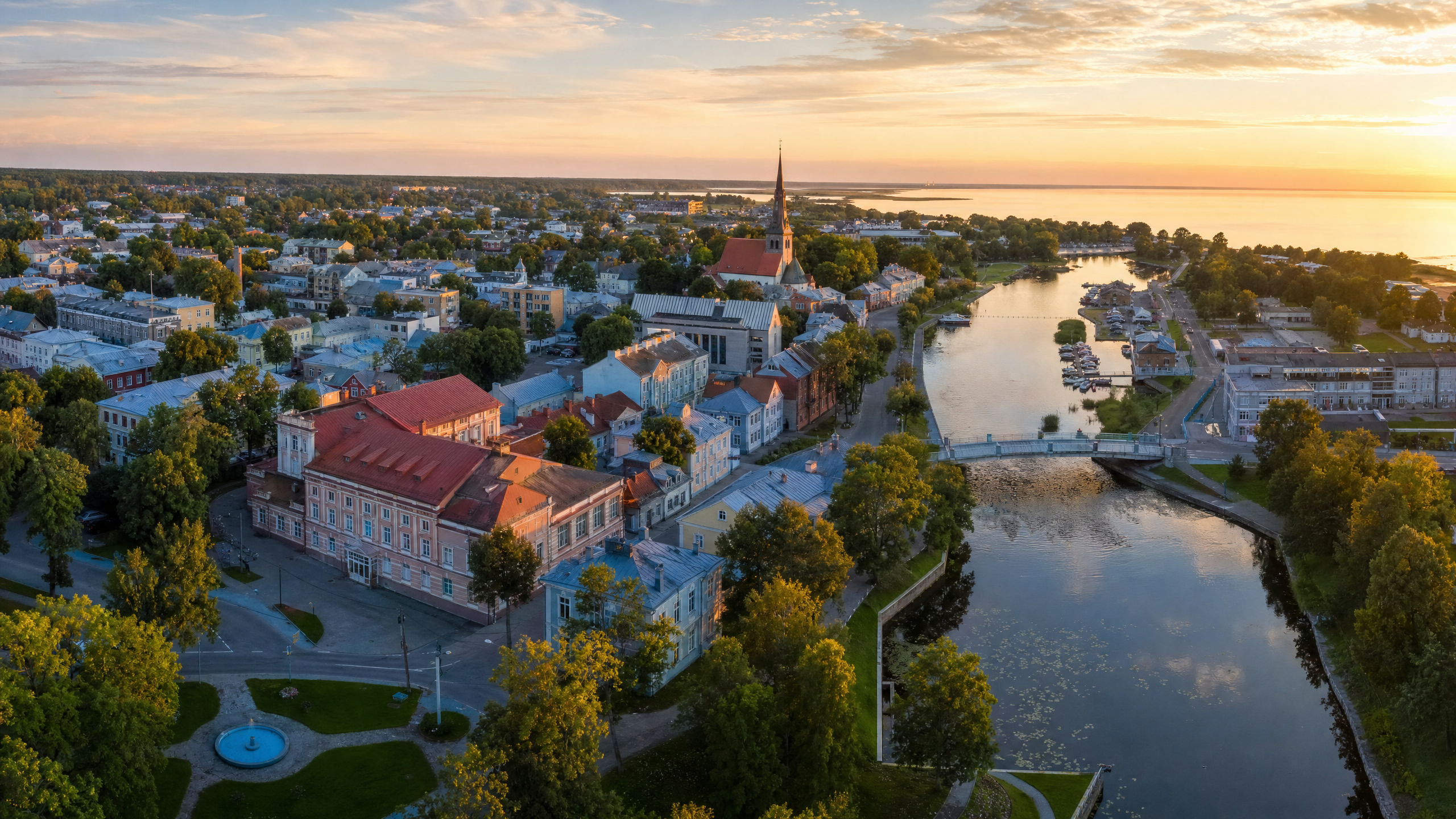
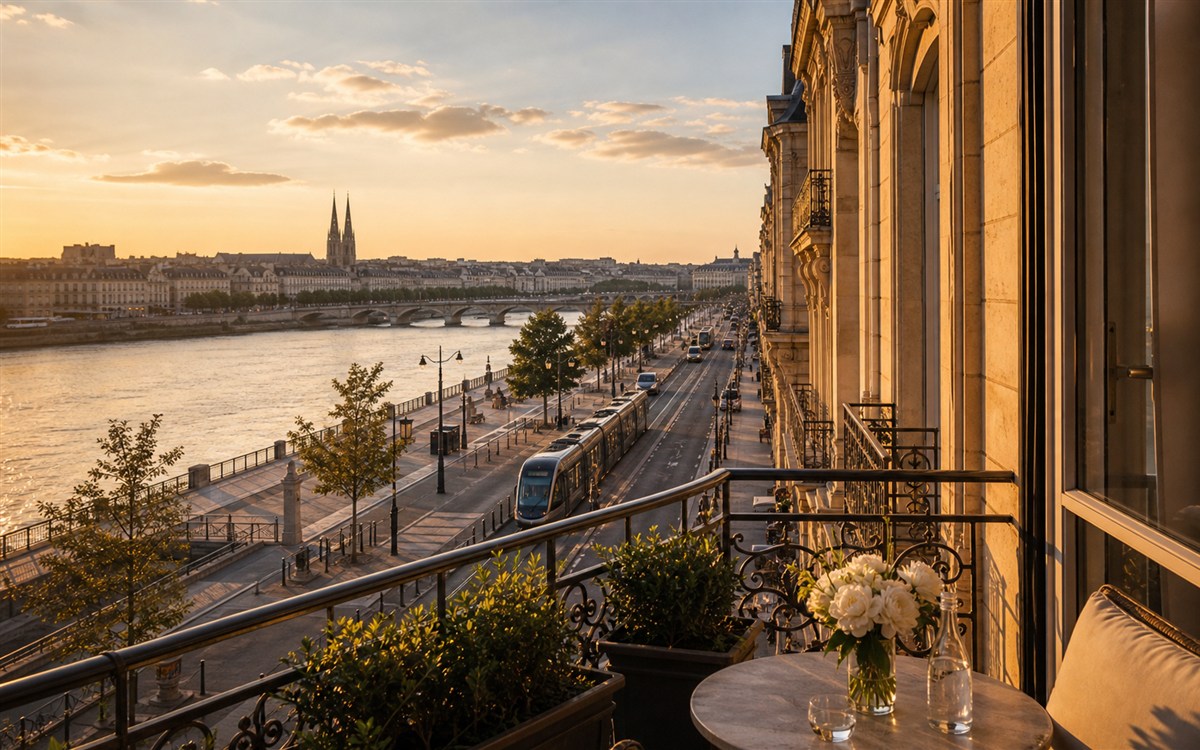
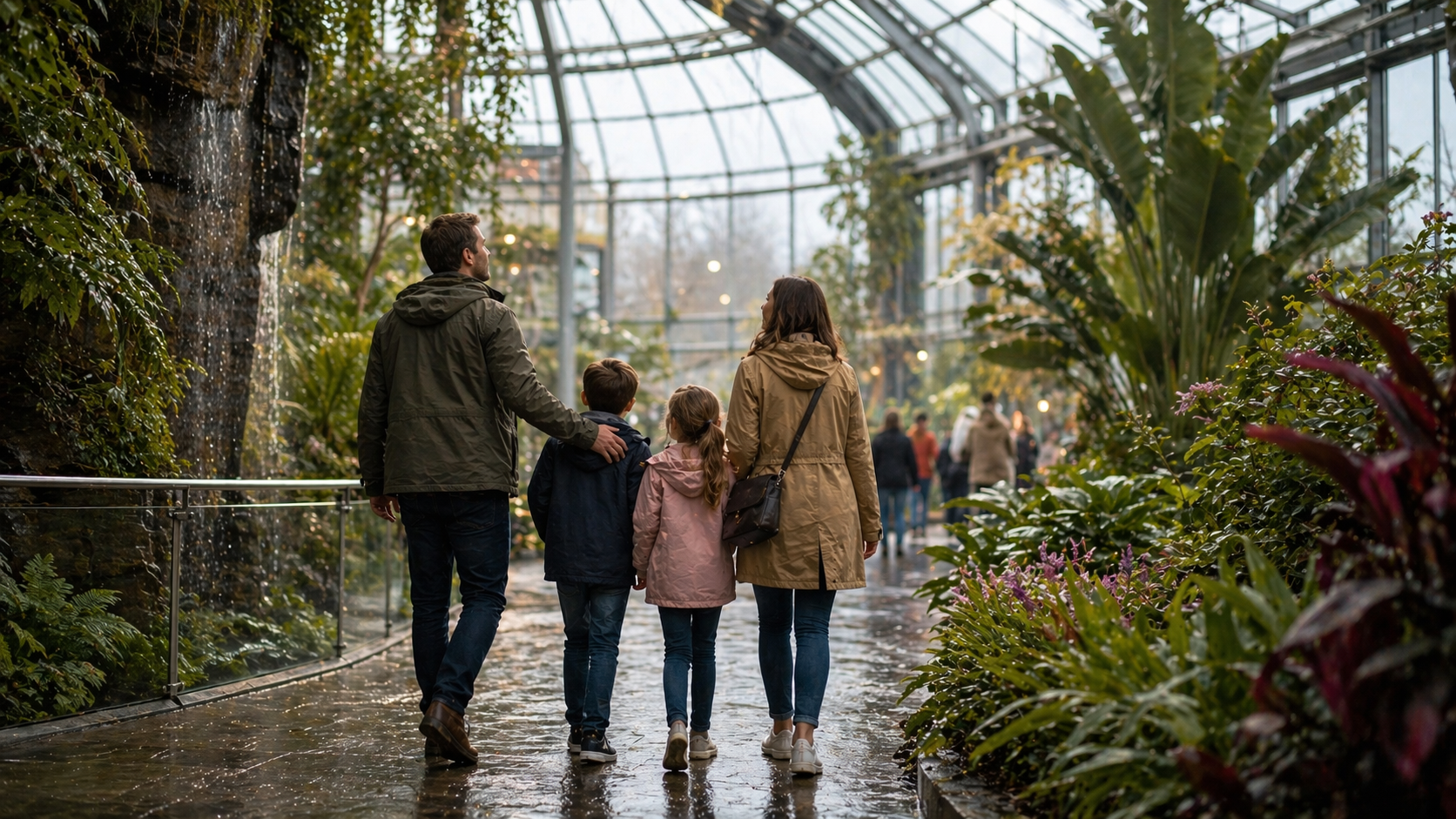
Best for: Parnu deserves a proper place in the Estonia plan, especially when the trip needs summer beach town and spa coast. Parnu is Estonia’s main summer coast base, with a long beach, Spa Hotels, parks, cafes and a gentler Baltic resort atmosphere. Use it as a seasonal pause where beach time, wellness stays, wooden villas, family meals and warm-weather pacing matter more than sightseeing volume or a packed cross-country route.
Historic landmarks: Parnu Beach, Beach Park and Promenade, Parnu Old Town, Spa Hotels, Parnu Museum and Museum of New Art should shape the sightseeing plan. Season and weather define the experience. Good for families and gentle evenings.
Museums and attractions: Choose the hotel area around Beach Area, Old Town and Spa Hotel Zone. Pick the district that makes arrival, evening movement and the first full day easier.
Hotels and stay areas: Parnu also needs a food layer. Build meals around smoked fish, rye bread, berries, ice cream, summer salads, Beach Area and Old Town so the visitor has a reason to slow down between museums, viewpoints and transfers.
Food and restaurants: Riga Road Route and Soomaa National Park can extend the stay when there is enough time. Parnu sits naturally between Tallinn and Riga. A nature extension that needs seasonal and transport planning.
Plan this part of the trip
Saaremaa: island castles, spas and slow Baltic landscapes
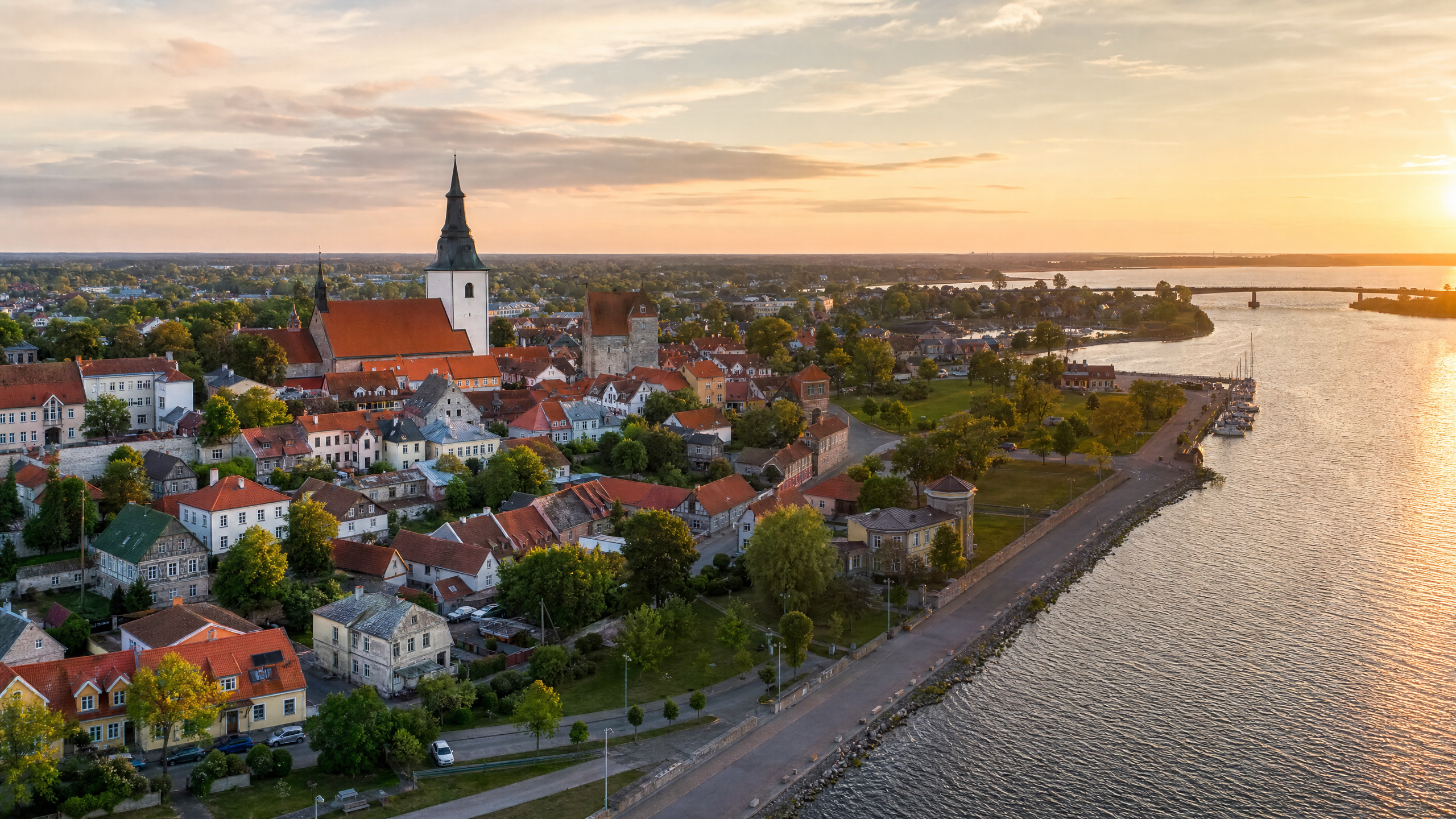
Best for: For Saaremaa, the first decision is pace: give the city enough room to show its island castles, spas and slow Baltic landscapes. Saaremaa gives Estonia a slower island chapter, with Kuressaare Castle, spa stays, windmills, Coastal Villages and ferry-linked travel that should not be rushed. It works best when treated as an overnight island route, with ferry timing, village roads, coastal stops, local food and spa time planned as part of the experience.
Historic landmarks: Kuressaare Castle, Kaali Meteorite Crater, Angla Windmills, Sorve Peninsula, Saaremaa Museum and Mihkli Farm Museum should shape the sightseeing plan. Use it as the cultural anchor of the island stay. Works as part of an island drive.
Museums and attractions: Choose the hotel area around Kuressaare and Countryside Guesthouses. Pick the district that makes arrival, evening movement and the first full day easier.
Hotels and stay areas: Saaremaa also needs a food layer. Build meals around smoked fish, rye bread, local beer, juniper flavours, island dairy, Kuressaare and Coastal Villages so the visitor has a reason to slow down between museums, viewpoints and transfers.
Food and restaurants: Muhu Island and Hiiumaa can extend the stay when there is enough time. A natural ferry-linked stop with villages and manor stays. A quieter island extension that needs ferry planning.
Food, Culture and Route Ideas for Estonia
Food route: rye bread, fish, berries, mushrooms and modern cafes make food feel seasonal and regional. Saunas and spa towns are part of the country’s leisure rhythm. Song festivals, folk traditions and island culture give Estonia a strong cultural identity. This is where food, culture and route planning should work together.
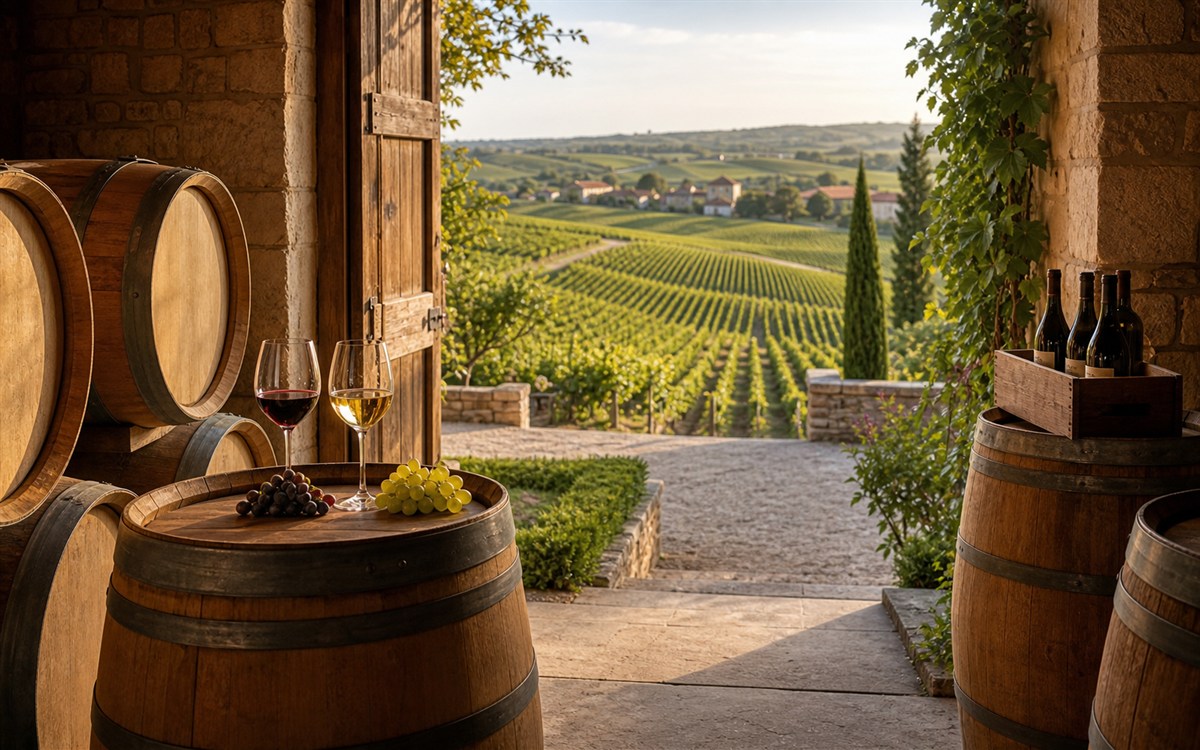
Food, wine and restaurants: Build meals around black rye bread, Baltic herring, mushrooms, berries, kohuke, craft beer and rye bread and keep them close to Old Town, Telliskivi and Kalamaja, Kadriorg, Town Hall Square and University Quarter.
Popular experiences: Use Tallinn as the base, then add Tartu or a coastal extension if time allows. Tallinn and Tartu pair well by rail or bus for museums, cafes and university atmosphere. Keep the route disciplined: one clear hotel area, one strong regional layer and one food or culture experience will usually feel better than trying to touch every possible stop.
Planning rule: Use bookings in a clean order: choose the hotel area first, then add attraction tickets, food tours, guided days and local experiences where they make the journey easier, richer and more realistic.