Egypt Travel, Structured Around Cairo, Nile Routes and Red Sea Stays
Plan Egypt through Cairo, Giza, Luxor, Aswan, Nile cruises, the Red Sea, temples, museums, diving, hotels, flights and carefully paced heritage routes.
Start Planning EgyptCheck Current Advice Before Booking
Travel safety note: Official UK FCDO advice may warn against travel to specific regions of this country. This guide is for general planning only. Check the latest GOV.UK Foreign Travel Advice before booking or travelling.
Regional note: FCDO regional advice covers the Egypt-Libya border, North Sinai, northern South Sinai, parts east of the Suez Canal and Western Desert, and Halaib/Bir Tawil areas. WorldFun Egypt planning should focus on mainstream tourism areas such as Cairo and Giza, Luxor, Aswan, Abu Simbel, the Valley of the Kings, and Red Sea resort bases only where current advice permits travel.
Last WorldFun FCDO review: 2026-04-26
Check GOV.UK FCDO adviceEgypt Travel Guide: Routes, Stay Bases, Culture and Experiences
Trip shape: Egypt needs a clear travel spine before hotels, tickets and tours start making sense. The practical starting point should come from Cairo and Giza, Luxor, Aswan and Red Sea Resorts, while Nile Cruise Route, Red Sea Coast, Alexandria and First Egypt Route should be added only when they improve the journey instead of scattering it.
Best for: Nile Cruise Route, Red Sea Coast, Alexandria and First Egypt Route give Egypt its deeper travel layer. Some visitors need one main city and one day trip; others should slow down, split the journey and give the strongest region its own nights.
Planning rule: Start with arrival logic, season and the first overnight point, then add the experiences that genuinely deserve advance planning. Museums, landmarks, guided tours, food walks, local neighbourhoods and coastal or countryside days should be grouped by geography and timing.
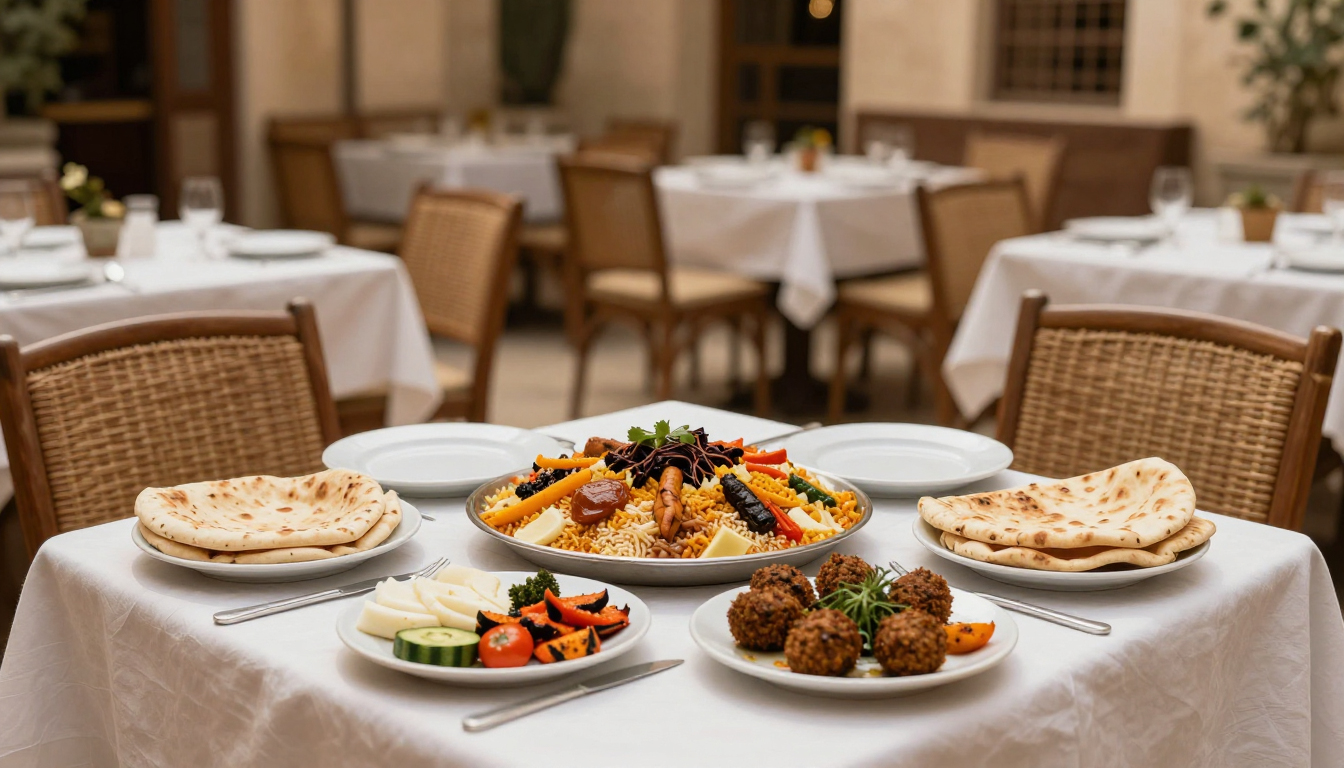
Route logic: koshari, ful, taameya, grilled meats, bread, tea and sweets anchor city meals. Ancient sites are easier to understand with good guide or museum context. Keep food close to the chosen hotel area where possible: the best meals often come from market streets, harbour areas, old-town restaurants and neighbourhoods already inside the day’s route.
Plan this part of the trip


Cairo and Giza: pyramids, museums and first Egypt orientation
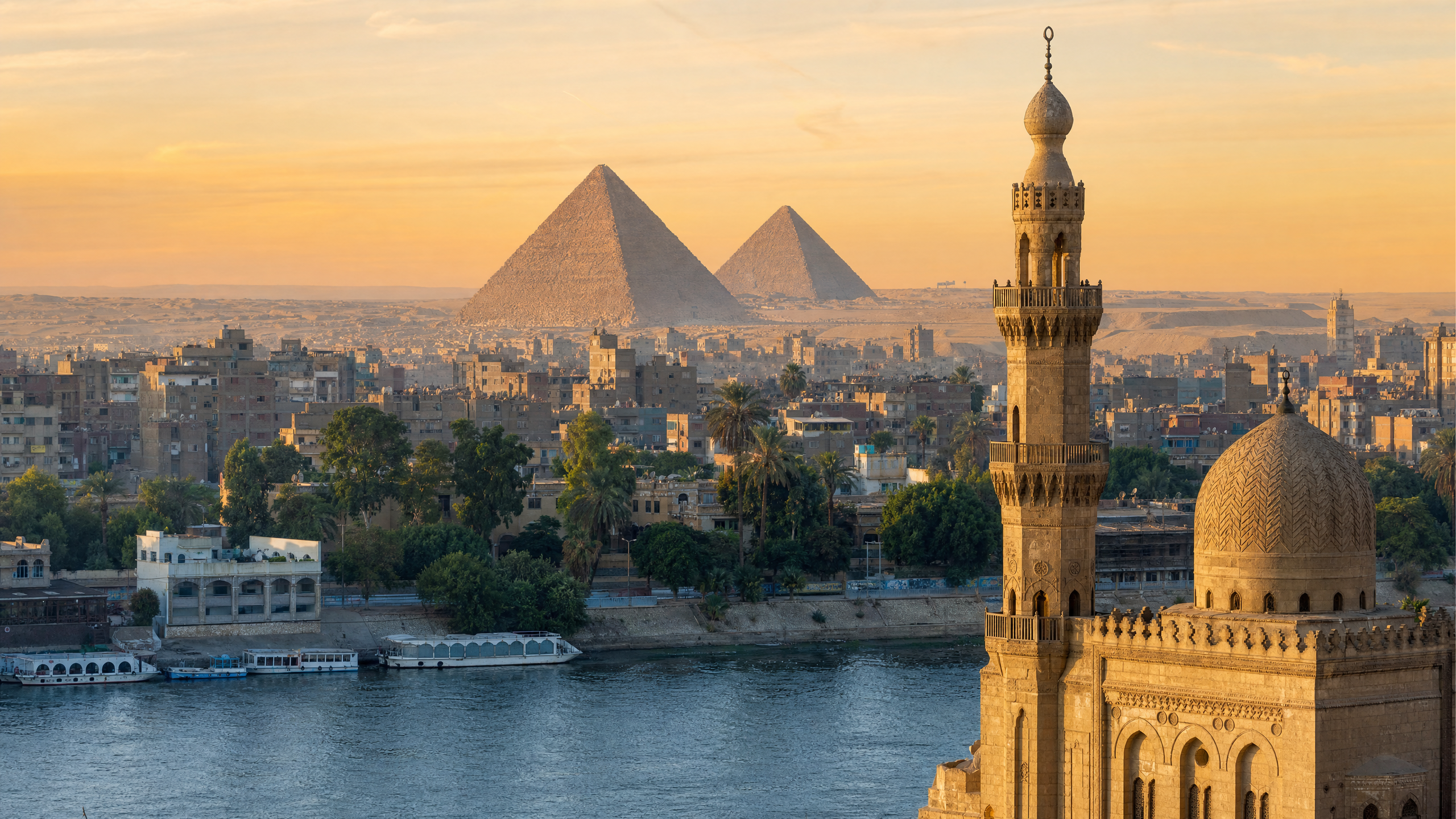
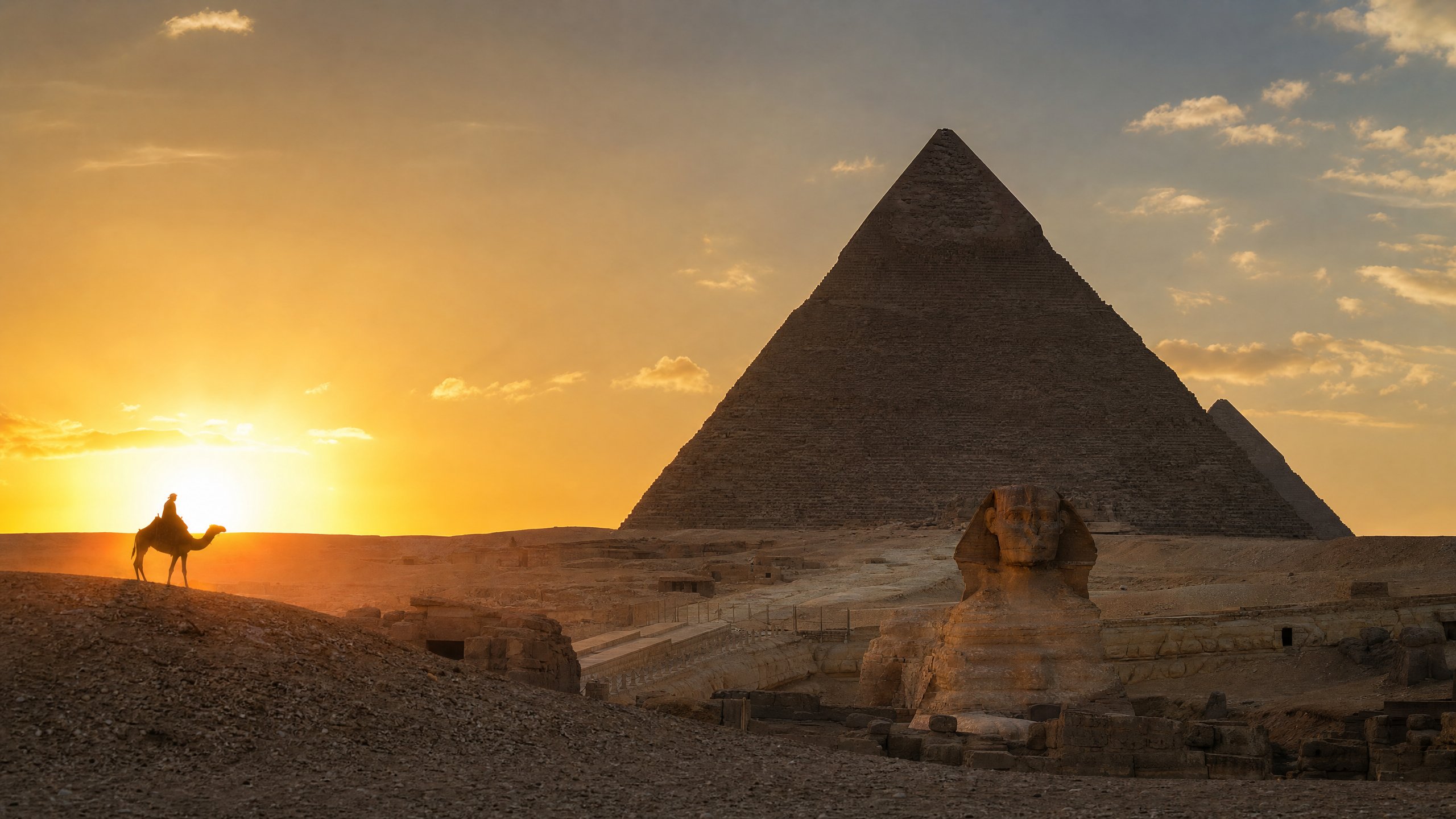
Best for: Cairo and Giza works better as a lived-in stop than as a fast photo pin, with pyramids, museums and first Egypt orientation shaping the day. Cairo and Giza are the natural first Egypt base, combining the pyramids, major museum collections, Islamic Cairo, food districts and airport connections for onward Nile or Red Sea routes. It works best with guide-aware museum and pyramid planning, traffic buffers and current local guidance.
Historic landmarks: Giza Pyramids and Sphinx, Grand Egyptian Museum Area, Egyptian Museum in Tahrir, Khan el-Khalili and Islamic Cairo, National Museum of Egyptian Civilization and Coptic Cairo should shape the sightseeing plan. Go early and plan transport carefully. Check current visitor arrangements before fixing the day.
Museums and attractions: Choose the hotel area around Zamalek, Giza and Downtown. Pick the district that makes arrival, evening movement and the first full day easier.
Hotels and stay areas: Cairo and Giza also needs a food layer. Build meals around koshari, ful medames, taameya, molokhia, grilled kofta, basbousa, Zamalek and Downtown Cairo so the visitor has a reason to slow down between museums, viewpoints and transfers.
Food and restaurants: Luxor and Alexandria can extend the stay when there is enough time. The main onward heritage route by flight or train. A Mediterranean city extension from Cairo.
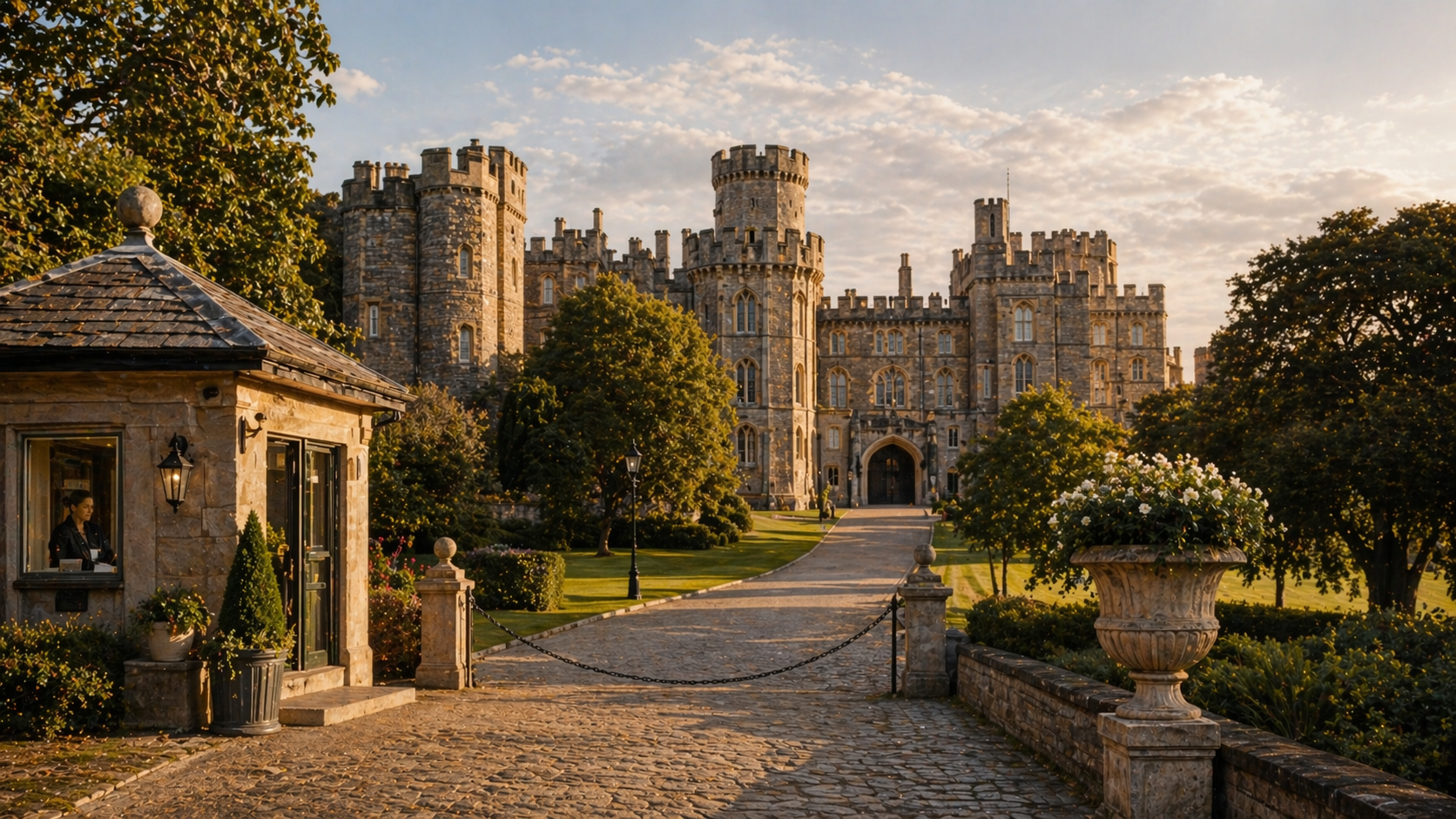
Luxor: temple city, tombs and Nile-side heritage base
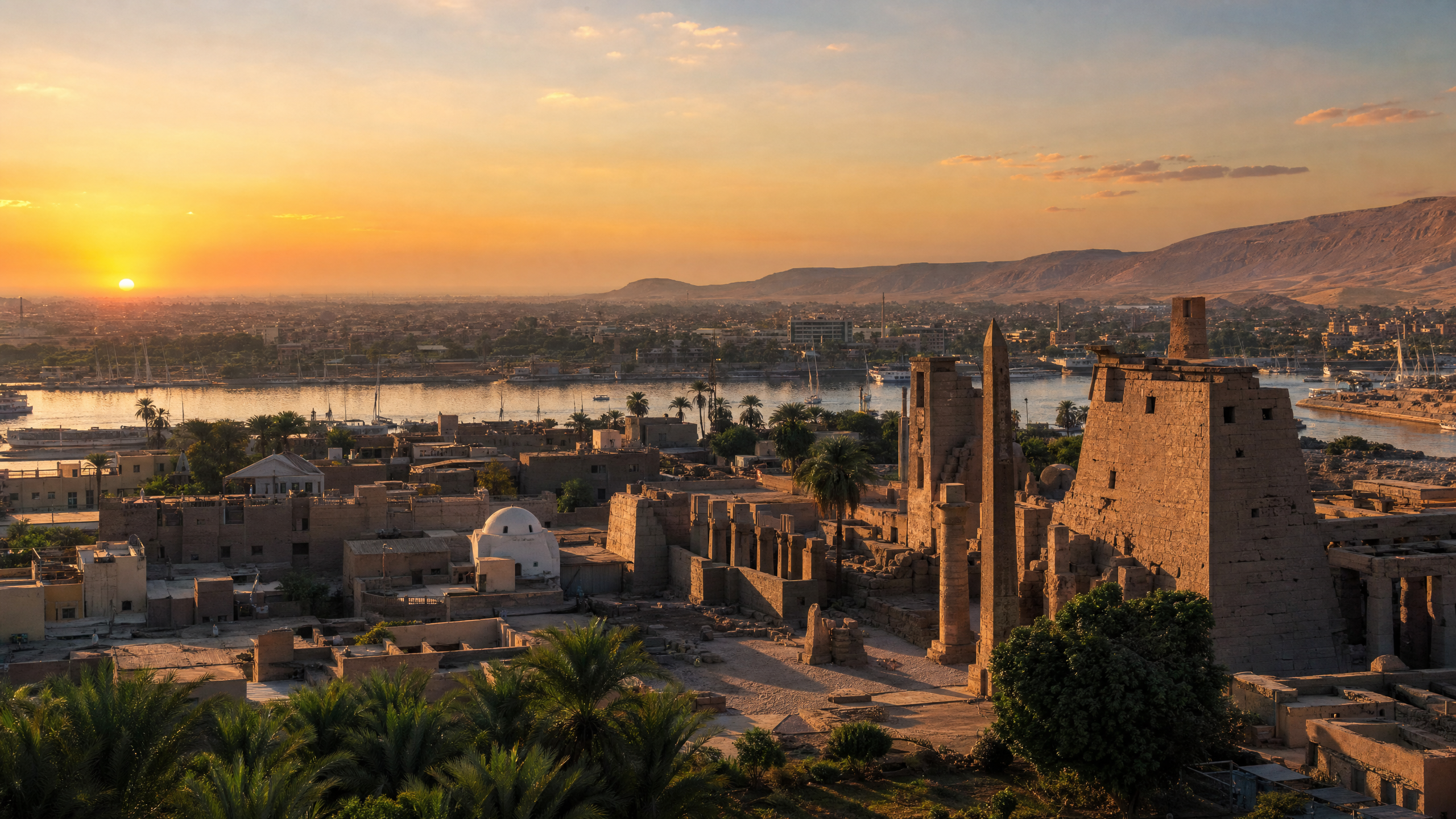
Best for: The value of Luxor is not only the headline sights; it gives the itinerary temple city, tombs and Nile-side heritage base and a clearer local rhythm. Luxor is Egypt’s most concentrated ancient-heritage base, with temples, tombs and Nile-side movement that reward early starts and a slower two-bank plan. It needs heat-aware days, reputable guides and enough time for temples and west-bank sites separately.
Historic landmarks: Karnak Temple, Luxor Temple, Valley of the Kings, Hatshepsut Temple, Luxor Museum and Mummification Museum should shape the sightseeing plan. Go early and allow more time than expected. Pair with the Corniche and museum routes.
Museums and attractions: Choose the hotel area around East Bank and West Bank. Pick the district that makes arrival, evening movement and the first full day easier.
Hotels and stay areas: Luxor also needs a food layer. Build meals around grilled meats, Egyptian bread, ful, taameya, molokhia, mint tea, East Bank Corniche and West Bank Villages so the visitor has a reason to slow down between museums, viewpoints and transfers.
Food and restaurants: Aswan and Cairo can extend the stay when there is enough time. A natural Nile route south. The main museum and arrival pairing.
Plan this part of the trip


Aswan: Nile scenery, Nubian culture and southern heritage routes
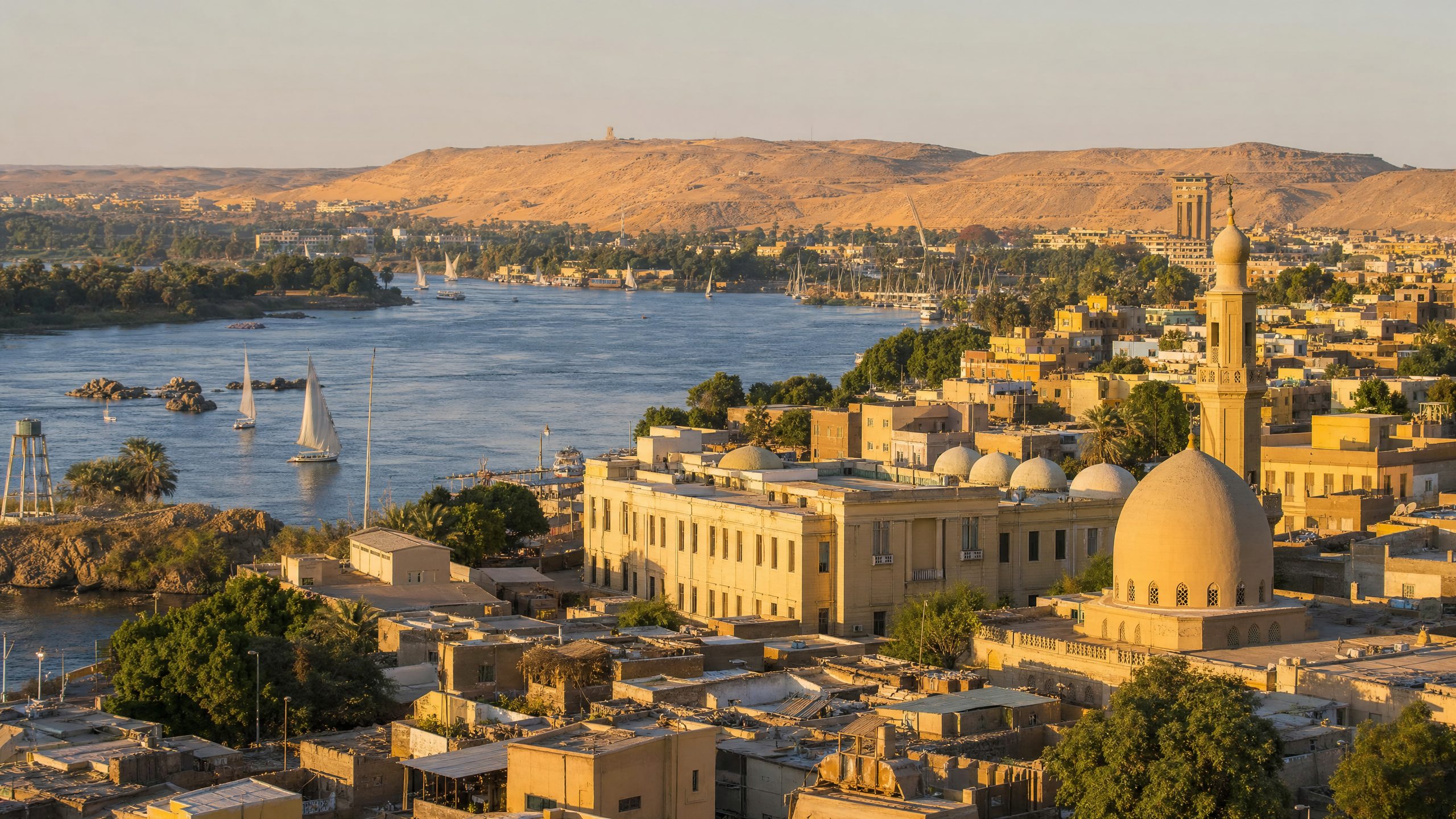
Best for: Aswan works better as a lived-in stop than as a fast photo pin, with Nile scenery, Nubian culture and southern heritage routes shaping the day. Aswan slows Egypt down with Nile islands, Nubian culture, temples, river views and southern route planning, often working as the calmest heritage base after Luxor. It works best as a slower Nile chapter with island visits, temple timing and transport arranged carefully.
Historic landmarks: Philae Temple, Nubian Museum, Elephantine Island, Unfinished Obelisk and Nubian Village Context should shape the sightseeing plan. Plan transfer and boat timing together. Visit before village or island routes.
Museums and attractions: Choose the hotel area around Corniche, Elephantine Island and Nubian Village Area. Pick the district that makes arrival, evening movement and the first full day easier.
Hotels and stay areas: Aswan also needs a food layer. Build meals around grilled Nile fish, Nubian bread, tagens, ful, hibiscus tea, dates, Corniche and Elephantine Island so the visitor has a reason to slow down between museums, viewpoints and transfers.
Food and restaurants: Luxor and Abu Simbel can extend the stay when there is enough time. The classic Nile heritage pairing. A major southern excursion requiring early and organised timing.
Plan this part of the trip
Red Sea Resorts: resort beaches, diving and rest days after heritage routes
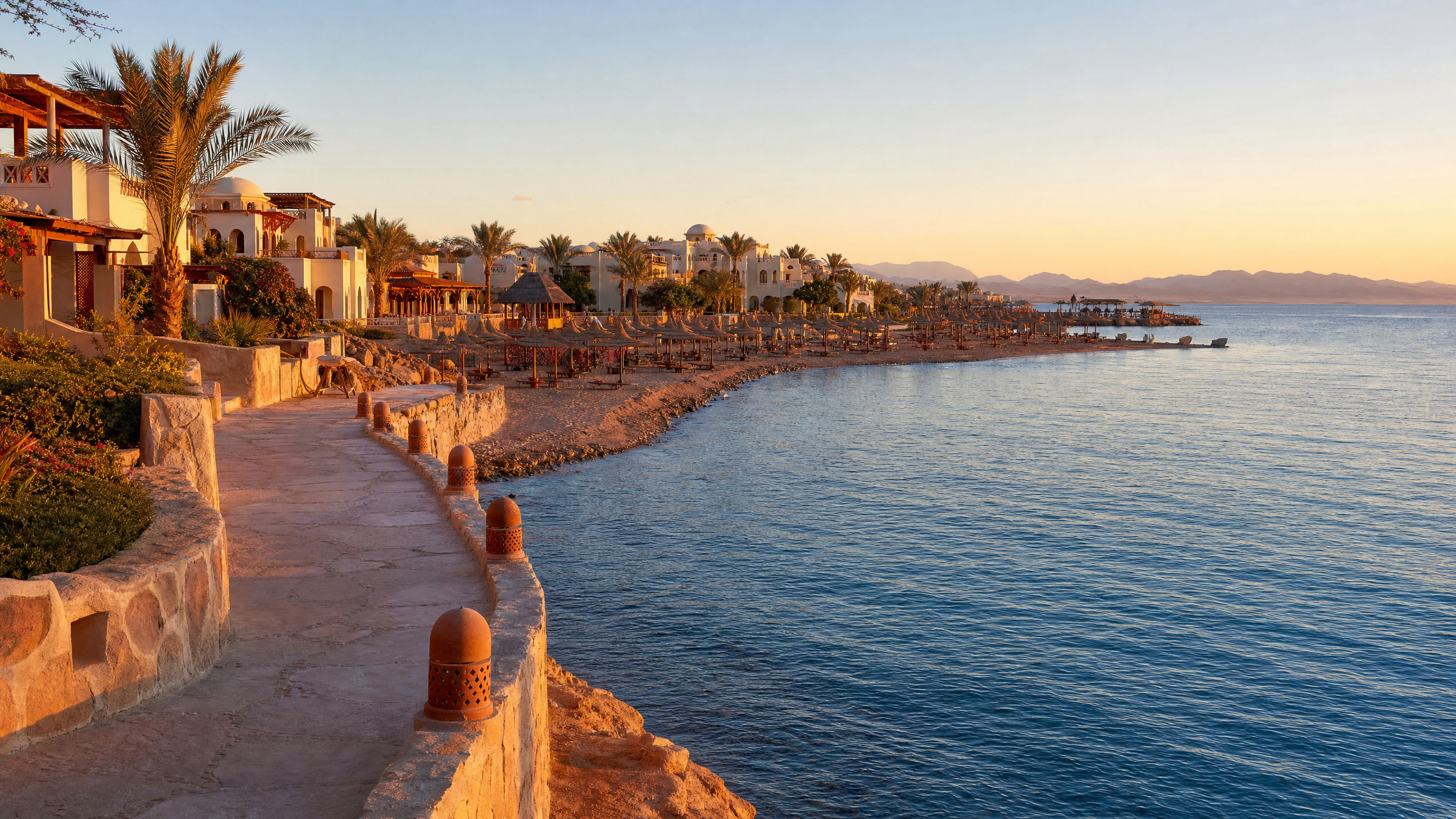
Best for: Red Sea Resorts works better as a lived-in stop than as a fast photo pin, with resort beaches, diving and rest days after heritage routes shaping the day. The Red Sea resort areas add a beach and diving chapter to Egypt, best used as a separate rest base after Cairo or Nile heritage days rather than a hurried side trip.
Historic landmarks: Hurghada Resort Coast, Sharm el-Sheikh Resort Areas, Ras Mohammed Boat Routes, Giftun Island Trips, Red Sea Marine Context and Resort and Diving Culture should shape the sightseeing plan. Choose hotel location by beach access and transfer time. Stay within mainstream resort zones and check current travel guidance.
Museums and attractions: Choose the hotel area around Hurghada Resort Coast, Sharm Resort Areas and El Gouna. Pick the district that makes arrival, evening movement and the first full day easier.
Hotels and stay areas: Red Sea Resorts also needs a food layer. Build meals around seafood, grilled fish, Egyptian bread, mezze, hibiscus tea, fresh juices, Hurghada Marina and Resort Areas and Naama Bay and Sharm Resort Zones so the visitor has a reason to slow down between museums, viewpoints and transfers.
Food and restaurants: Cairo and Luxor can extend the stay when there is enough time. A common flight pairing for arrival or museums. A heritage add-on from Hurghada with careful transfer planning.


Alexandria: Mediterranean city, libraries and coastal history
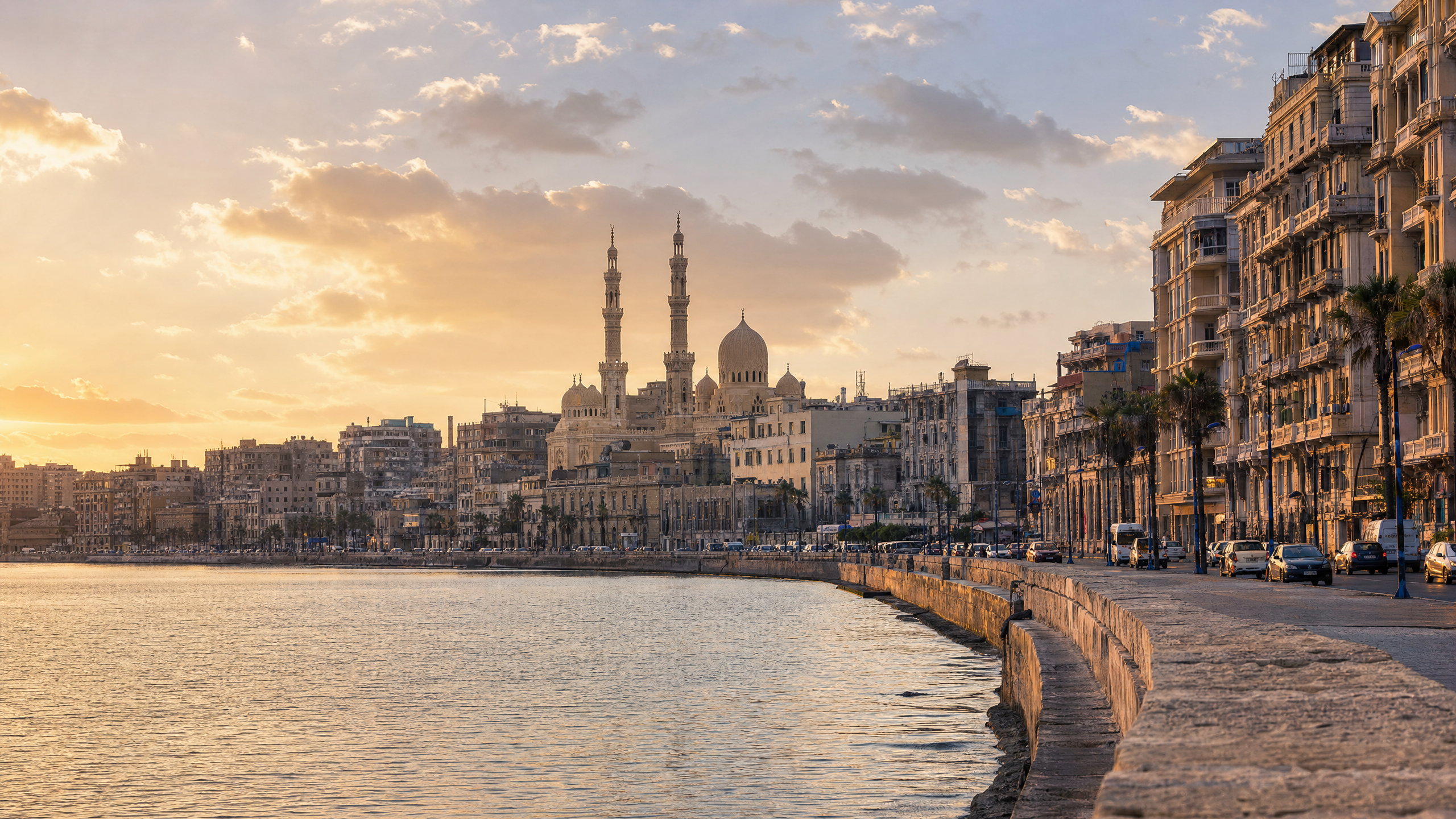
Best for: Treat Alexandria as the part of Egypt where Mediterranean city, libraries and coastal history becomes useful for the wider route. Alexandria adds a Mediterranean city contrast to Cairo, with sea air, library and museum stops, coastal promenades and Greco-Roman heritage best treated as a focused extension. It suits a measured coastal day or overnight where museums, food and traffic are paced realistically.
Historic landmarks: Bibliotheca Alexandrina, Qaitbay Citadel, Catacombs of Kom el Shoqafa, Alexandria Corniche, Alexandria National Museum and Royal Jewelry Museum should shape the sightseeing plan. Check exhibitions and opening times before travel. Pair with Corniche walks and seafood.
Museums and attractions: Choose the hotel area around Corniche, Downtown and Eastern Alexandria. Pick the district that makes arrival, evening movement and the first full day easier.
Hotels and stay areas: Alexandria also needs a food layer. Build meals around grilled fish, shrimp, calamari, Egyptian bread, ice cream, tea, Corniche and Downtown Alexandria so the visitor has a reason to slow down between museums, viewpoints and transfers.
Food and restaurants: Cairo and Rosetta Area can extend the stay when there is enough time. The main rail and road pairing. A longer heritage extension requiring careful logistics.


Food, Culture and Route Ideas for Egypt
Food route: koshari, ful, taameya, grilled meats, bread, tea and sweets anchor city meals. Ancient sites are easier to understand with good guide or museum context. Early starts, shade and realistic daily ambition matter across much of the country. This is where food, culture and route planning should work together.
Food, wine and restaurants: Build meals around koshari, ful medames, taameya, molokhia, grilled kofta, basbousa and grilled meats and keep them close to Zamalek, Downtown Cairo, Giza Hotel Areas, East Bank Corniche and West Bank Villages.
Popular experiences: Start with Cairo and Giza, then add Luxor and Aswan before resort time if days allow. Use flights, trains or river itineraries to avoid losing energy to transfers. Keep the route disciplined: one clear hotel area, one strong regional layer and one food or culture experience will usually feel better than trying to touch every possible stop.
Planning rule: Use bookings in a clean order: choose the hotel area first, then add attraction tickets, food tours, guided days and local experiences where they make the journey easier, richer and more realistic.