Ecuador Travel, Structured Around Quito, Andes, Amazon and Galapagos
Plan Ecuador through Quito, Cuenca, the Galapagos, Amazon lodges, Andean markets, volcano landscapes, cloud forest, hotels, flights and route-first nature planning.
Start Planning EcuadorCheck Current Advice Before Booking
Travel safety note: Official UK FCDO advice may warn against travel to specific regions of this country. This guide is for general planning only. Check the latest GOV.UK Foreign Travel Advice before booking or travelling.
Regional note: FCDO regional advice covers Coastal Region provinces and areas near the Ecuador-Colombia border, with stated exceptions. WorldFun Ecuador planning should avoid restricted regions and keep city, Andes, Amazon, and Galapagos planning tied to current official advice.
Last WorldFun FCDO review: 2026-04-26
Check GOV.UK FCDO adviceEcuador Travel Guide: Routes, Stay Bases, Culture and Experiences
Trip shape: Build Ecuador from the ground up: arrival, hotel area, movement, then experiences. Keep Quito, Galápagos Islands, Cuenca and Otavalo close to the arrival logic, then decide whether Quito, Andes, Amazon and Galápagos route logic, Food and Heritage Routes, Nature, Coast and Viewpoints and Mainland First Route should be the second layer or a separate journey.
Best for: Quito, Andes, Amazon and Galápagos route logic, Food and Heritage Routes, Nature, Coast and Viewpoints and Mainland First Route give Ecuador its deeper travel layer. Some visitors need one main city and one day trip; others should slow down, split the journey and give the strongest region its own nights.
Planning rule: Start with arrival logic, season and the first overnight point, then add the experiences that genuinely deserve advance planning. Museums, landmarks, guided tours, food walks, local neighbourhoods and coastal or countryside days should be grouped by geography and timing.
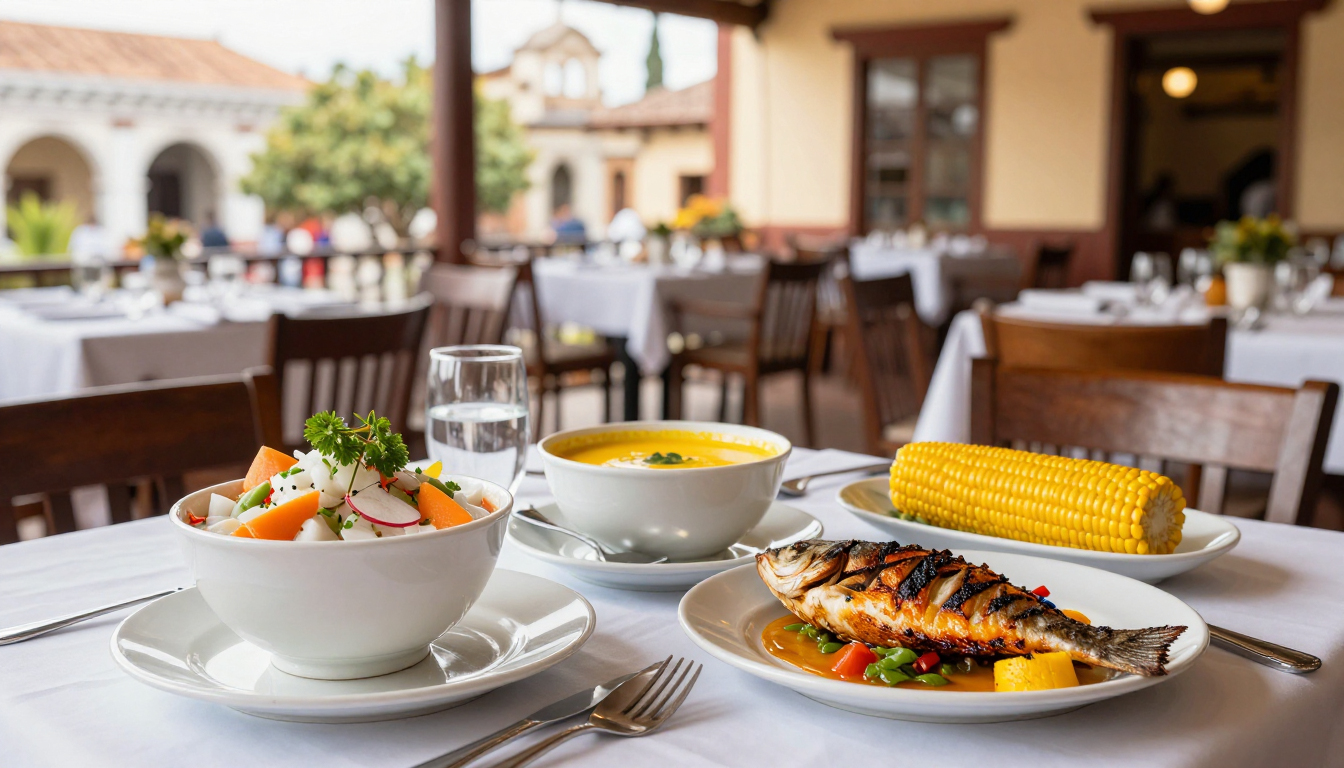
Route logic: llapingachos, locro, ceviche, plantain dishes and chocolate vary by region. Textiles, produce markets and artisan villages are central to many highland routes. Keep food close to the chosen hotel area where possible: the best meals often come from market streets, harbour areas, old-town restaurants and neighbourhoods already inside the day’s route.

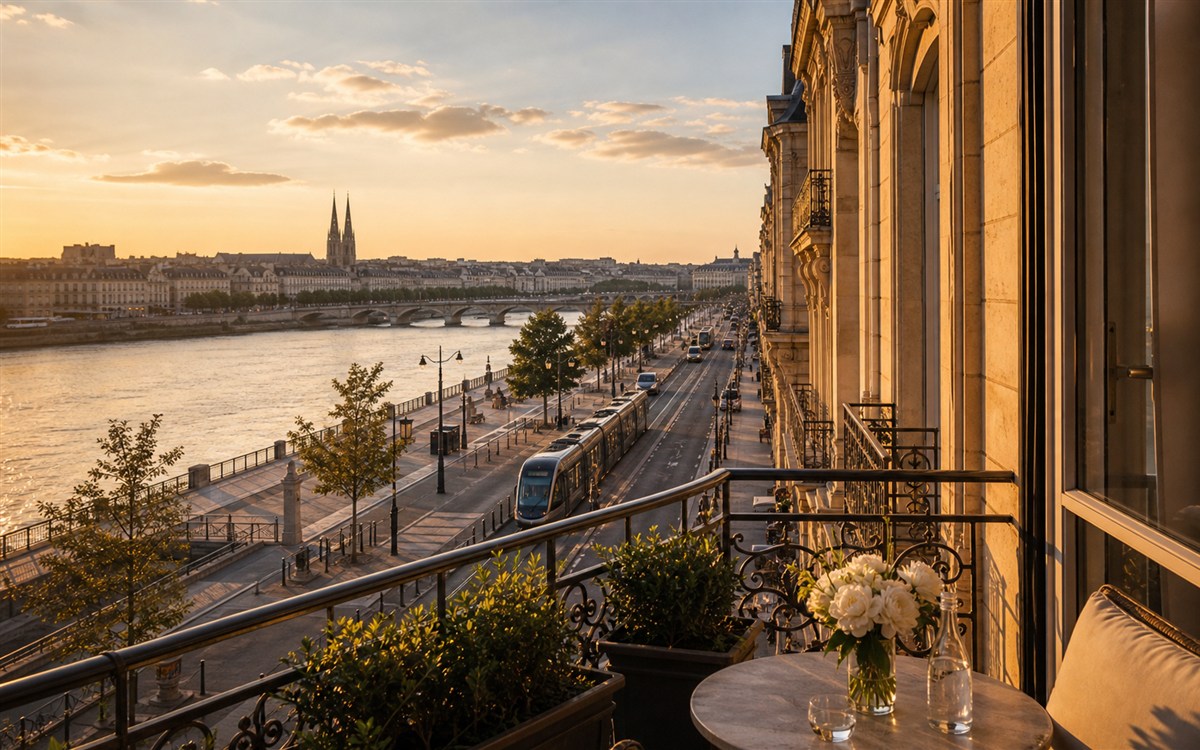
Quito: Andean capital, historic centre and altitude-aware base
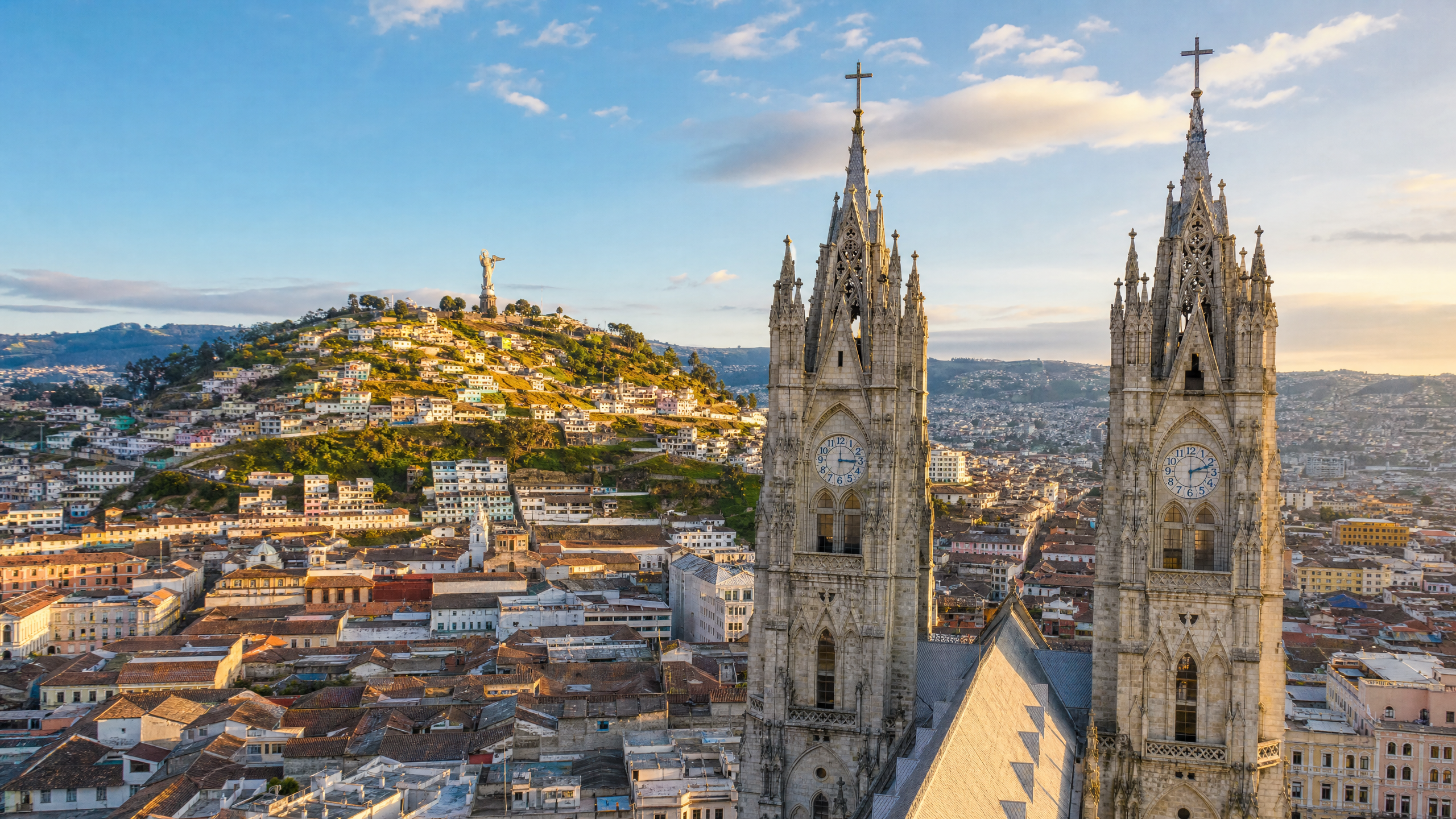
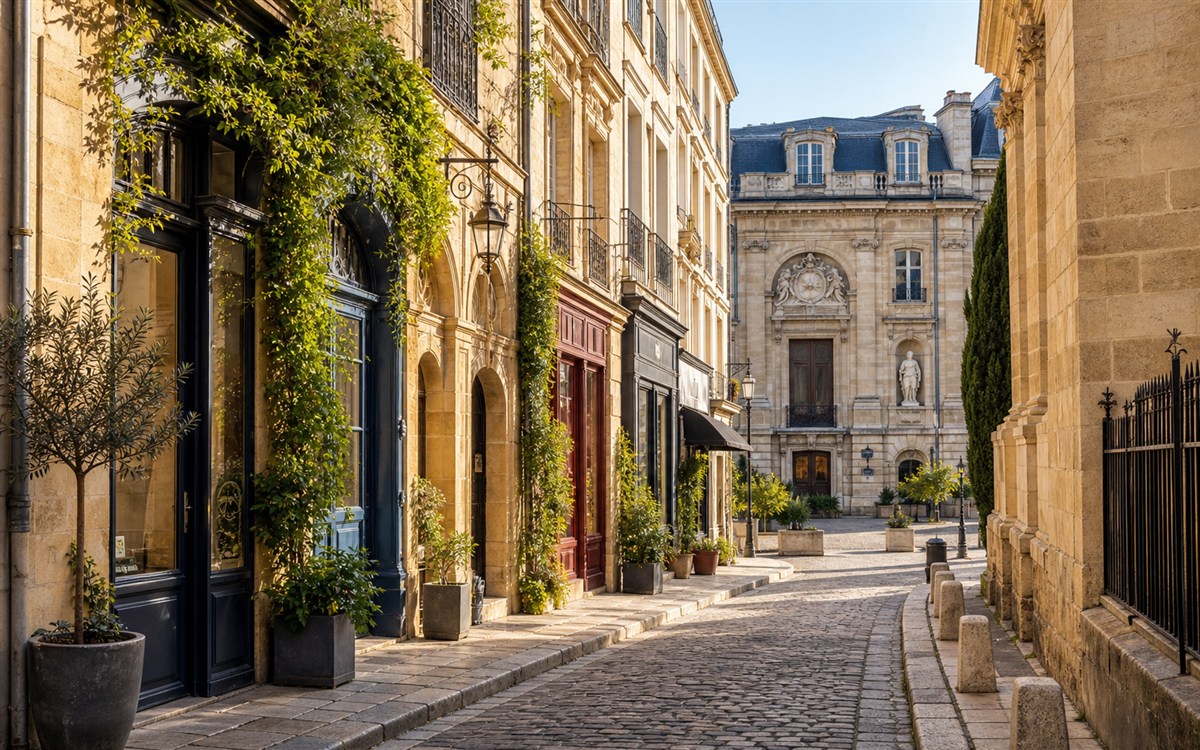
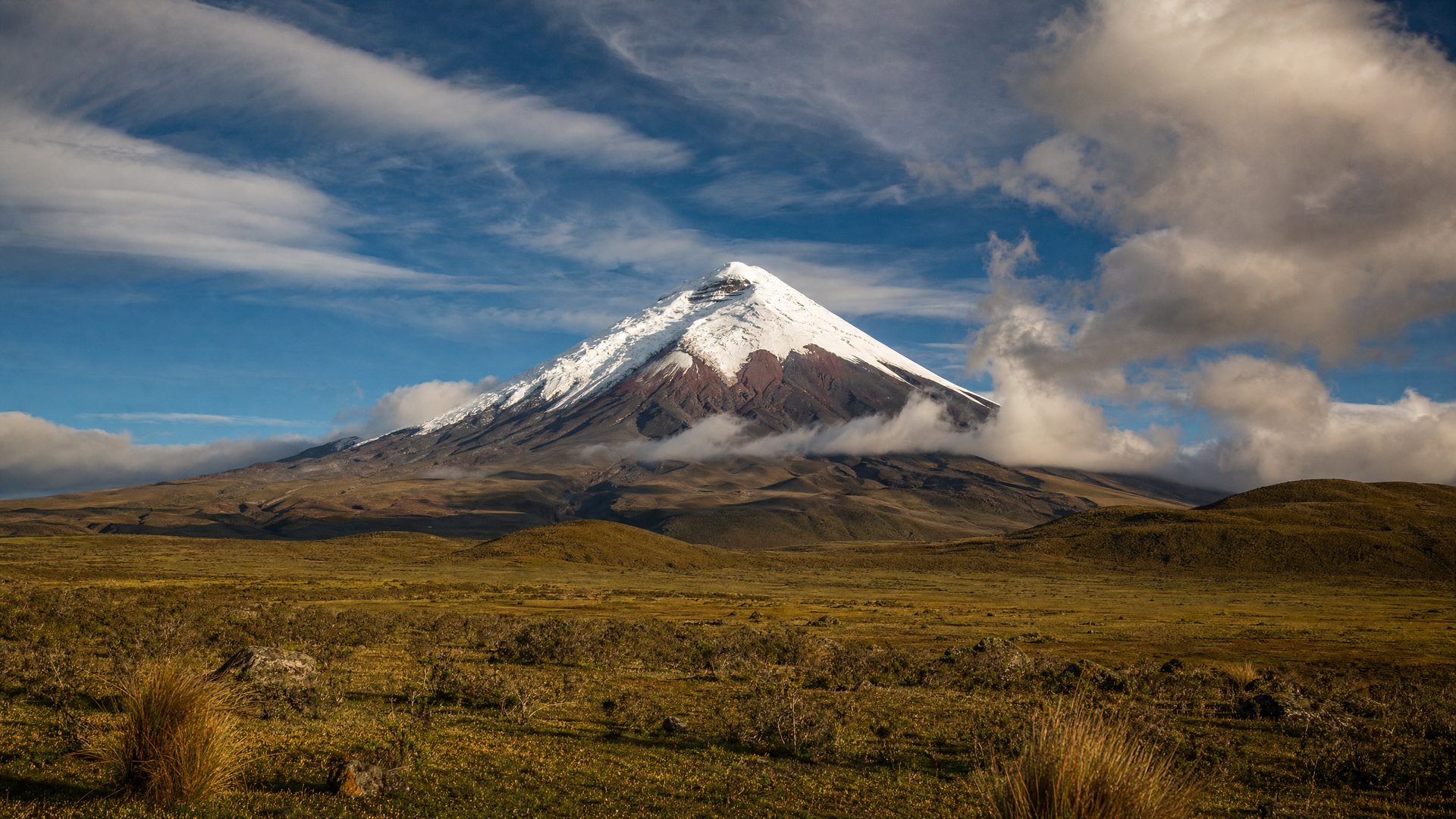
Best for: Quito works better as a lived-in stop than as a fast photo pin, with Andean capital, historic centre and altitude-aware base shaping the day. Quito is the natural start for many Ecuador trips, with a major Historic Centre, museums, volcano views and airport links to the Galápagos or mainland routes. It works best with altitude-aware pacing, museum time and current local guidance around arrival and old-town movement.
Historic landmarks: Quito Historic Centre, La Compañía de Jesús, Basílica del Voto Nacional, TelefériQo, Museo de la Ciudad and Casa del Alabado should shape the sightseeing plan. Take the first day steadily because of altitude. Pair with nearby plazas and museums.
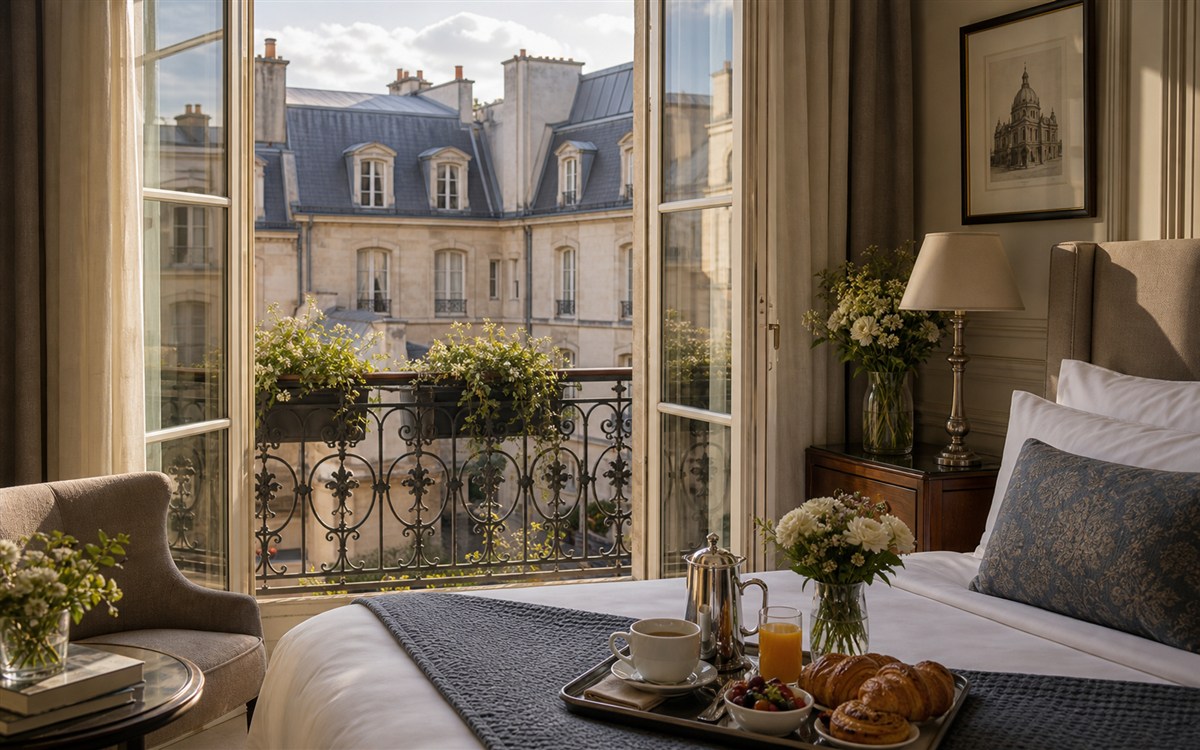
Museums and attractions: Choose the hotel area around Historic Centre, La Floresta and North Quito. Pick the district that makes arrival, evening movement and the first full day easier.
Hotels and stay areas: Quito also needs a food layer. Build meals around locro de papa, llapingachos, empanadas de viento, canelazo, Ecuadorian chocolate, Historic Centre, La Floresta and Mariscal and North Quito so the visitor has a reason to slow down between museums, viewpoints and transfers.
Food and restaurants: Otavalo and Galápagos Flights can extend the stay when there is enough time. A highland market and craft route north of Quito. Quito is a common launch point for island itineraries.
Plan this part of the trip
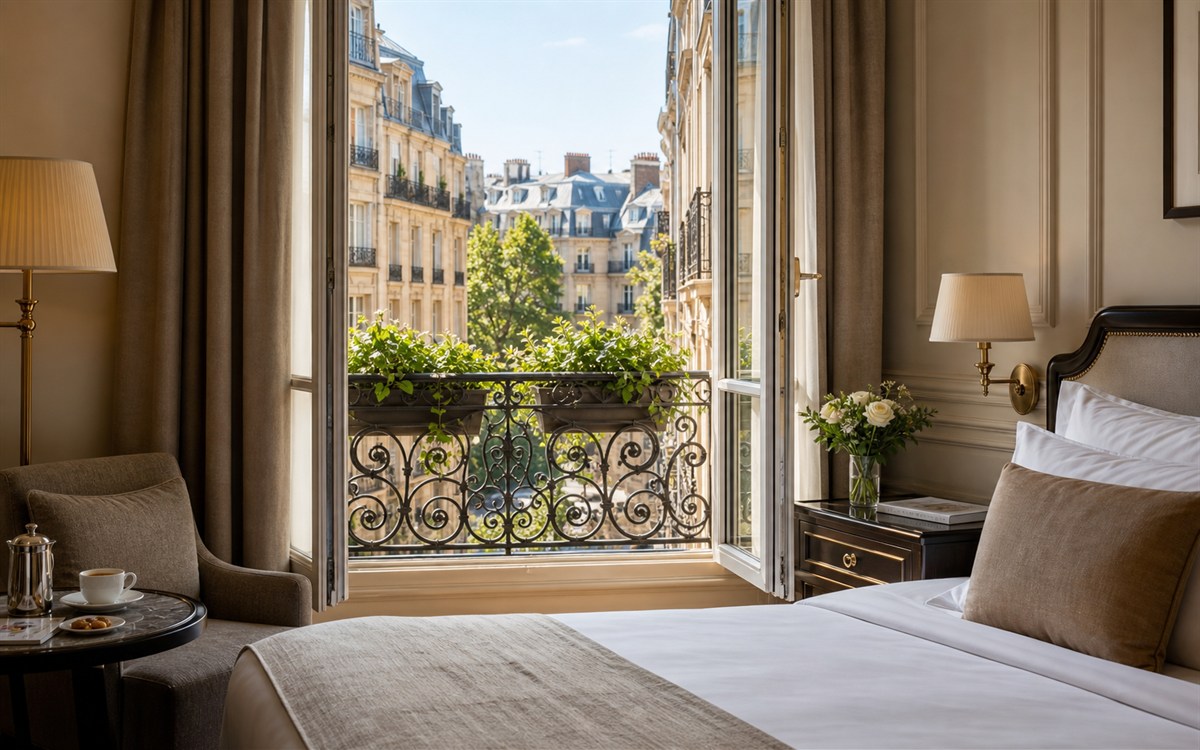
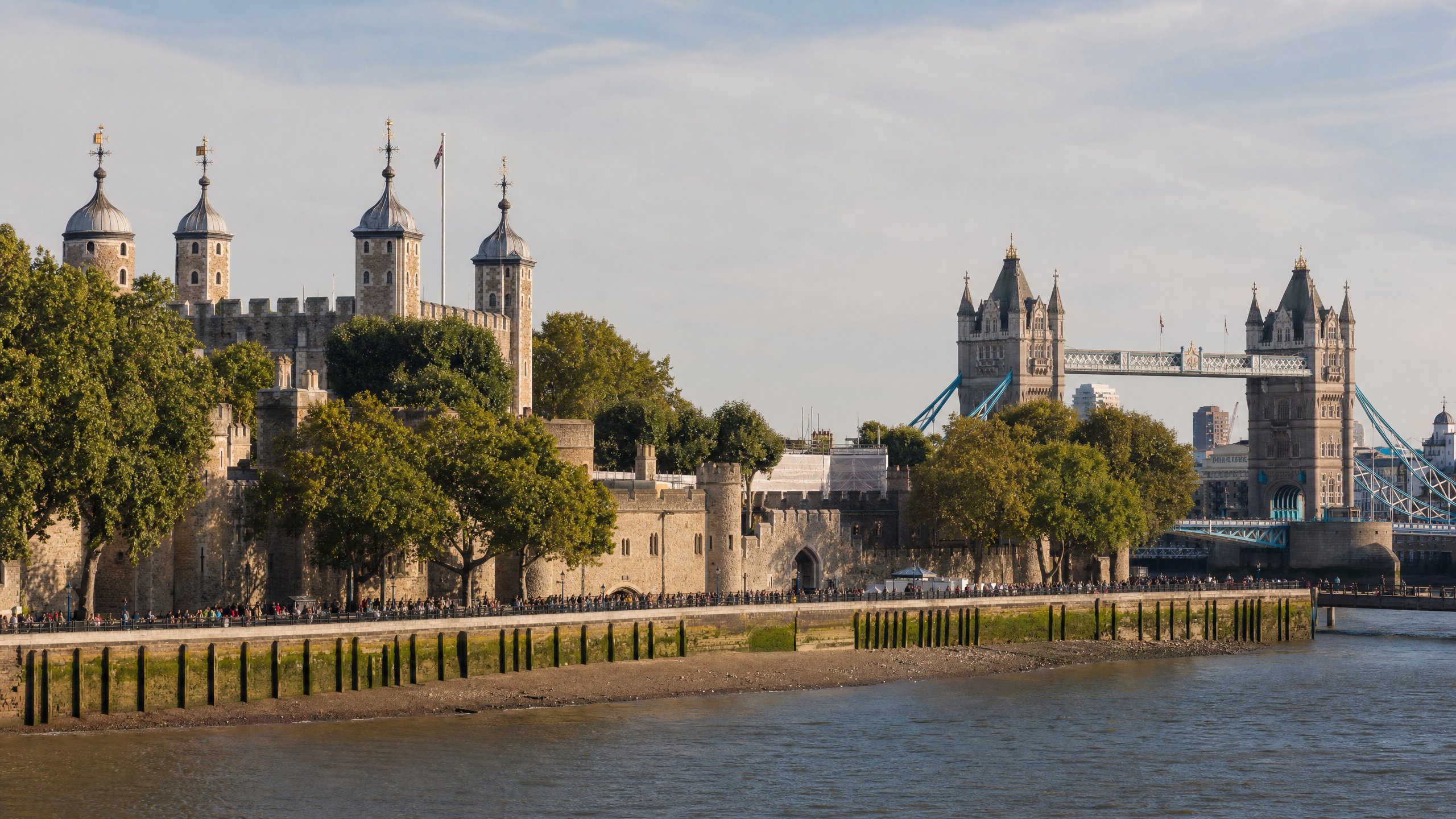
Galápagos Islands: wildlife islands, boat logistics and conservation-led planning
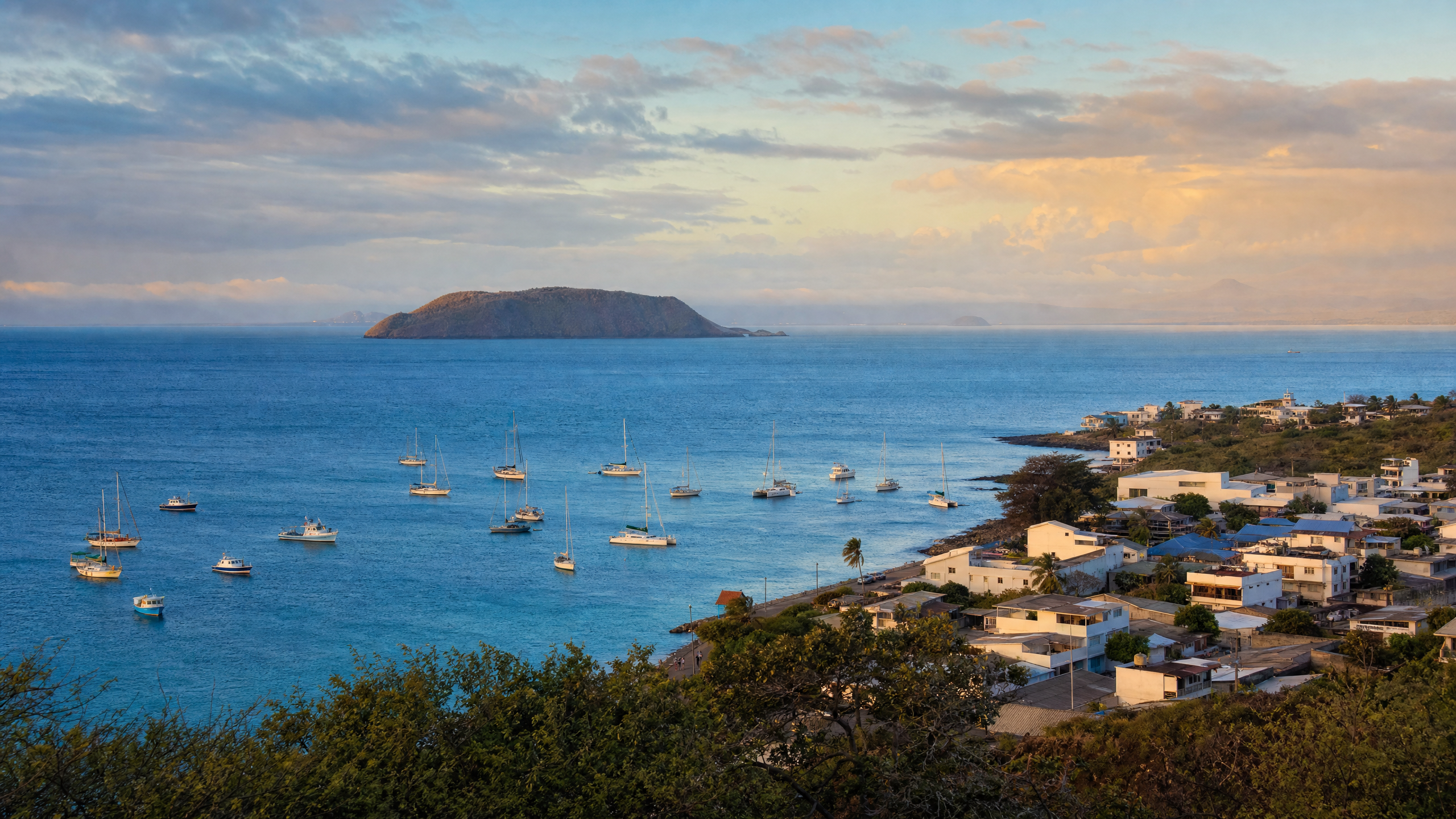
Best for: Use Galápagos Islands when the Ecuador route needs wildlife islands, boat logistics and conservation-led planning. The Galápagos should be planned as its own travel chapter, with island flights, boat movement, permitted visitor sites and wildlife viewing shaped by conservation rules. It should be booked through reputable operators with conservation rules, flight timing and island transfers understood early.
Historic landmarks: Santa Cruz and Puerto Ayora, Charles Darwin Research Station, Isabela Island, San Cristóbal Island and Island Interpretation Centres should shape the sightseeing plan. Use it for orientation and transfers. Pair with a lighter town day.
Museums and attractions: Choose the hotel area around Puerto Ayora, Puerto Baquerizo Moreno and Puerto Villamil. Pick the district that makes arrival, evening movement and the first full day easier.
Hotels and stay areas: Galápagos Islands also needs a food layer. Build meals around ceviche, grilled fish, encebollado, plantain dishes, fresh fruit juices, Puerto Ayora, Puerto Baquerizo Moreno and Puerto Villamil so the visitor has a reason to slow down between museums, viewpoints and transfers.
Food and restaurants: Quito or Guayaquil and Santa Cruz to Isabela can extend the stay when there is enough time. Mainland flight links frame most island routes. A common island pairing that needs boat timing.

Cuenca: colonial streets, museums and southern highland calm
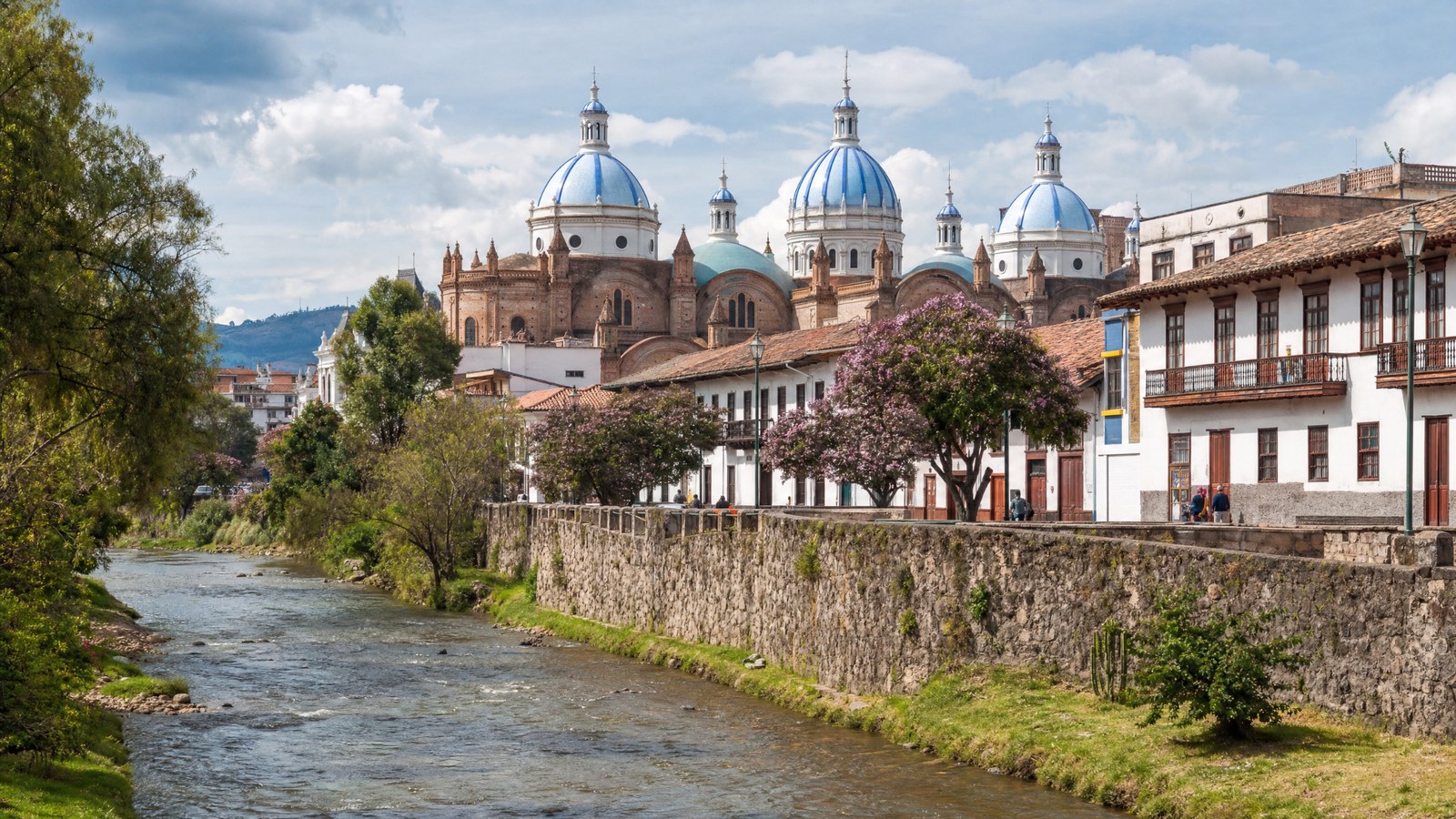
Best for: Treat Cuenca as the part of Ecuador where colonial streets, museums and southern highland calm becomes useful for the wider route. Cuenca offers a calmer highland base than Quito, with walkable historic streets, museums, craft traditions and access to Cajas National Park. It suits travellers who want a calmer highland base with museums, food and day routes paced around altitude and transport.
Historic landmarks: Cuenca Historic Centre, New Cathedral of Cuenca, Pumapungo Museum and Archaeological Park, Cajas National Park, Pumapungo Museum and Panama Hat Workshops should shape the sightseeing plan. Stay central to avoid unnecessary taxis. Pair with nearby museums and cafes.
Museums and attractions: Choose the hotel area around Historic Centre and Tomebamba River Area. Pick the district that makes arrival, evening movement and the first full day easier.
Hotels and stay areas: Cuenca also needs a food layer. Build meals around mote pillo, hornado, locro, toquilla-region sweets, Ecuadorian chocolate, Historic Centre, Tomebamba River Area and Market Areas so the visitor has a reason to slow down between museums, viewpoints and transfers.
Food and restaurants: Cajas National Park and Guayaquil or Quito can extend the stay when there is enough time. A highland nature route west of Cuenca. Common onward flight or road connections.
Otavalo: markets, textiles and northern highland villages
Best for: Otavalo deserves a proper place in the Ecuador plan, especially when the trip needs markets, textiles and northern highland villages. Otavalo is the clearest highland market route from Quito, with textiles, craft villages, lakes and a slower cultural day outside the capital. It works best as a guided or well-planned market day with respectful photography, craft time and realistic road timing.
Historic landmarks: Otavalo Market, Peguche Waterfall, Cuicocha Lake, Cotacachi, Otavalo Market Culture and Indigenous Highland Communities should shape the sightseeing plan. Go earlier and keep space for browsing rather than rushing. Pair with market time and local craft stops.
Museums and attractions: Choose the hotel area around Otavalo Town Centre and Lake or Hacienda Areas. Pick the district that makes arrival, evening movement and the first full day easier.
Hotels and stay areas: Otavalo also needs a food layer. Build meals around hornado, llapingachos, locro, mote, fresh fruit juices, Market Area, Town Centre and Cotacachi so the visitor has a reason to slow down between museums, viewpoints and transfers.
Food and restaurants: Quito and Cotacachi and Cuicocha can extend the stay when there is enough time. The common base for a day or overnight trip. A natural craft-and-lake pairing near Otavalo.
Baños: waterfalls, hot springs and adventure-lite highland routes
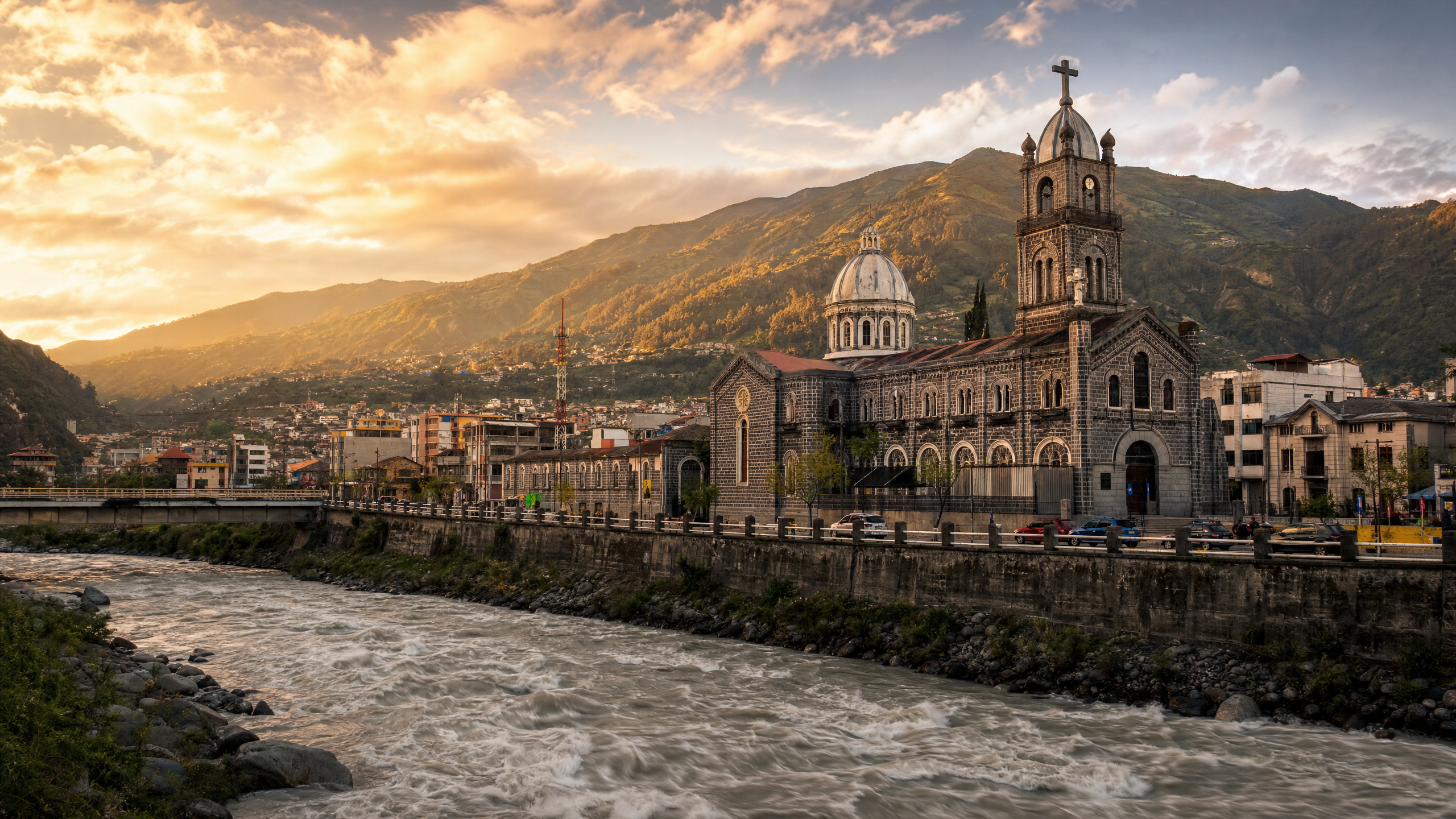
Best for: For Baños, the first decision is pace: give the city enough room to show its waterfalls, hot springs and adventure-lite highland routes. Baños adds a more outdoors-focused chapter to mainland Ecuador, with waterfalls, hot springs, viewpoints and road routes between the Andes and Amazon foothills. It needs weather-aware activity choices, reputable operators and a base that keeps hot springs and waterfall routes manageable.
Historic landmarks: Pailón del Diablo, Ruta de las Cascadas, Thermal Baths, Casa del Árbol Viewpoint, Baños Basilica and Waterfall Route Communities should shape the sightseeing plan. Wear practical footwear and expect spray. Match the route to comfort and weather.
Museums and attractions: Choose the hotel area around Town Centre and Hill and View Areas. Pick the district that makes arrival, evening movement and the first full day easier.
Hotels and stay areas: Baños also needs a food layer. Build meals around melcocha, trucha, llapingachos, locro, fresh juices, Town Centre, Thermal Bath Area and Waterfall Route Stops so the visitor has a reason to slow down between museums, viewpoints and transfers.
Food and restaurants: Quito and Amazon Foothill Routes can extend the stay when there is enough time. A common road link for mainland itineraries. Some routes continue toward lower-altitude nature areas with guided planning.
Plan this part of the trip

Food, Culture and Route Ideas for Ecuador
Food route: llapingachos, locro, ceviche, plantain dishes and chocolate vary by region. Textiles, produce markets and artisan villages are central to many highland routes. Elevation, domestic flights and boat transfers shape how ambitious a route should be. This is where food, culture and route planning should work together.
Food, wine and restaurants: Build meals around locro de papa, llapingachos, empanadas de viento, canelazo, Ecuadorian chocolate, ceviche and grilled fish and keep them close to Historic Centre, La Floresta, Mariscal and North Quito, Puerto Ayora and Puerto Baquerizo Moreno.
Popular experiences: Use Quito, Otavalo, Baños and Cuenca when heritage and highlands are the focus. Treat the islands as a separate chapter with flights and boat logistics, not a casual day trip. Keep the route disciplined: one clear hotel area, one strong regional layer and one food or culture experience will usually feel better than trying to touch every possible stop.
Planning rule: Use bookings in a clean order: choose the hotel area first, then add attraction tickets, food tours, guided days and local experiences where they make the journey easier, richer and more realistic.