Denmark Travel, Structured Around Copenhagen, Cycling and Short Routes
Plan Denmark through Copenhagen, Aarhus, castles, islands, cycling streets, food halls, design districts, coast, hotels, flights, tours and compact short routes.
Start Planning DenmarkDenmark Travel Guide: Routes, Stay Bases, Culture and Experiences
Trip shape: The best way into Denmark is to choose the rhythm before choosing the extras. The practical starting point should come from Copenhagen, Aarhus, Odense and North Jutland, while North Zealand, Funen, Jutland Coast and First Denmark Trip should be added only when they improve the journey instead of scattering it.
Best for: North Zealand, Funen, Jutland Coast and First Denmark Trip give Denmark its deeper travel layer. Some visitors need one main city and one day trip; others should slow down, split the journey and give the strongest region its own nights.
Planning rule: Start with arrival logic, season and the first overnight point, then add the experiences that genuinely deserve advance planning. Museums, landmarks, guided tours, food walks, local neighbourhoods and coastal or countryside days should be grouped by geography and timing.
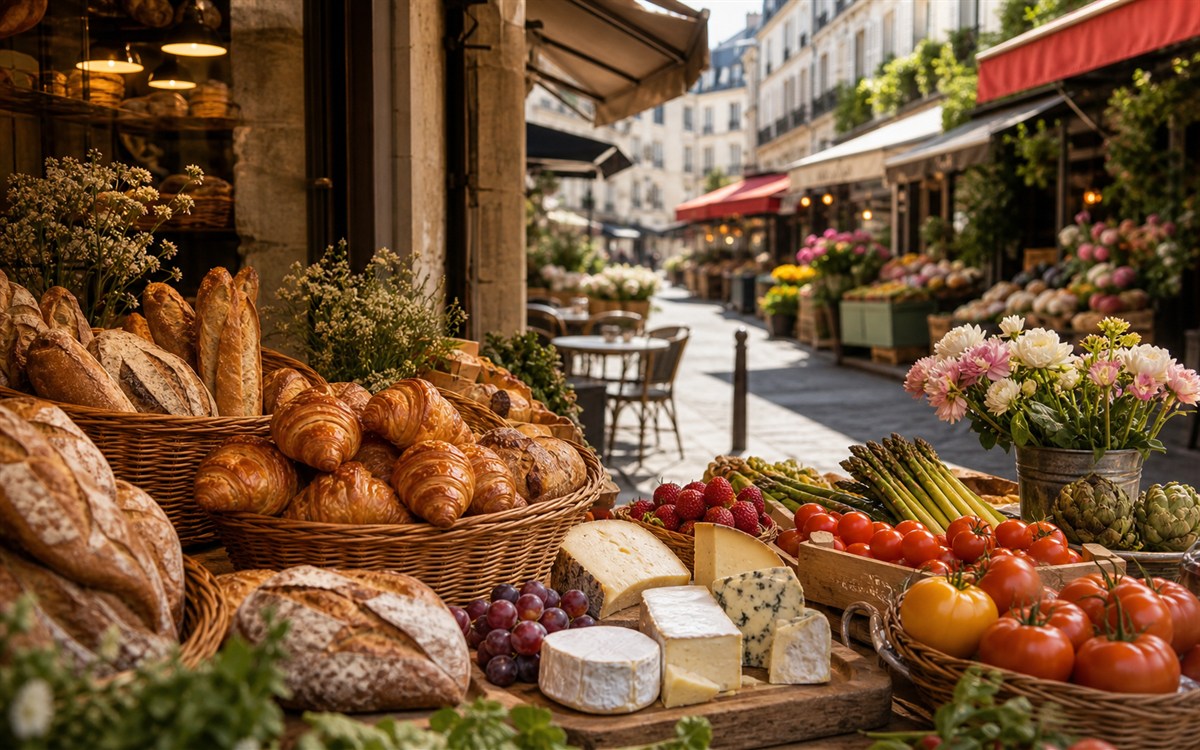
Route logic: Pastries, bread, coffee and market halls are practical daily anchors. Long summer evenings and cosy winter interiors both change the best rhythm of the trip. Keep food close to the chosen hotel area where possible: the best meals often come from market streets, harbour areas, old-town restaurants and neighbourhoods already inside the day’s route.
Copenhagen: design, harbours and first-time Denmark
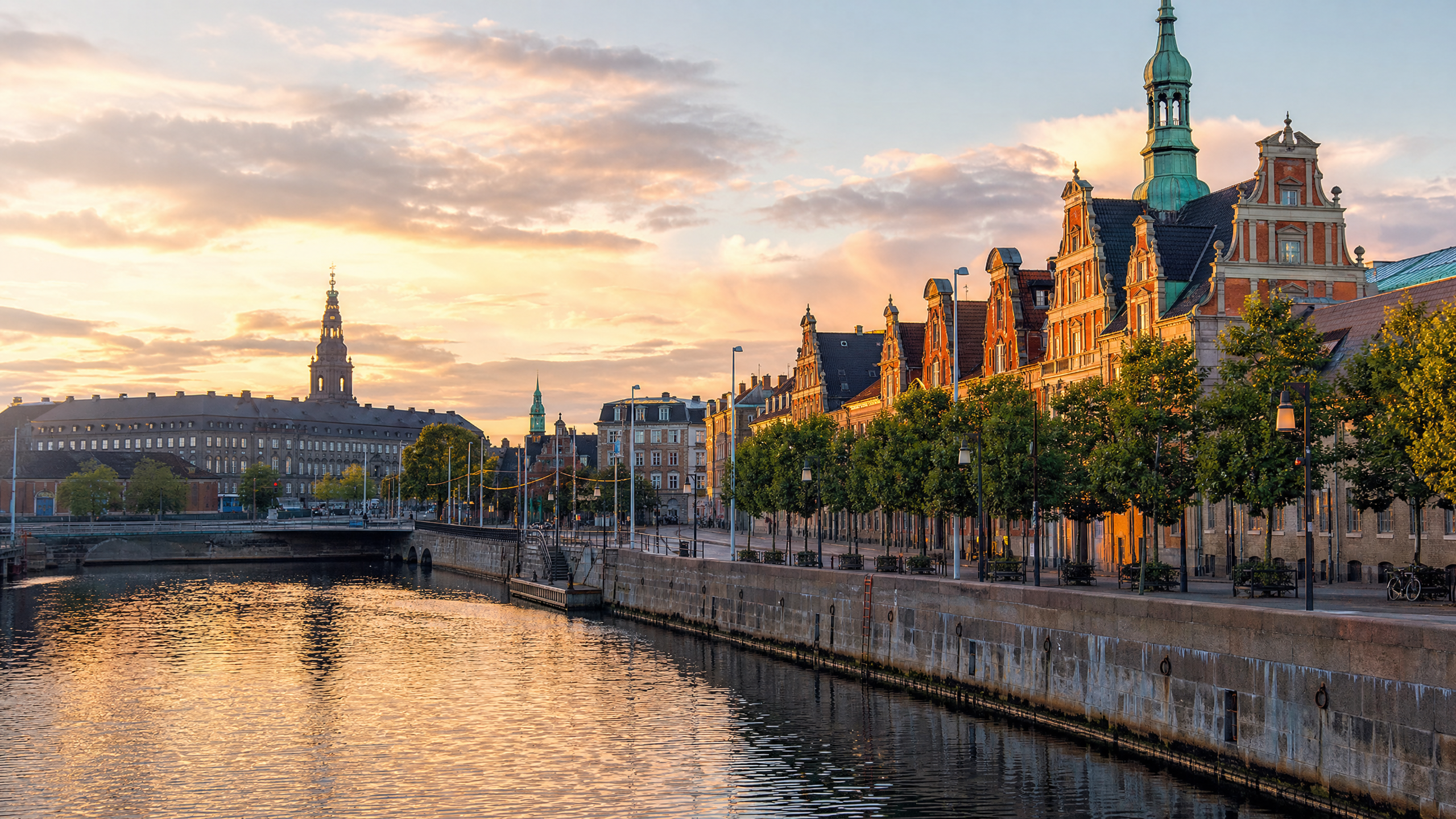
Best for: For Copenhagen, the first decision is pace: give the city enough room to show its design, harbours and first-time Denmark. Copenhagen is Denmark’s natural starting point, with design museums, harbour districts, palaces, food halls, cycling routes and easy day trips by train. It works best when travellers choose a compact hotel base, separate museum time from Waterfront wandering, and leave space for food markets, Tivoli, neighbourhood cafes or a Louisiana day.
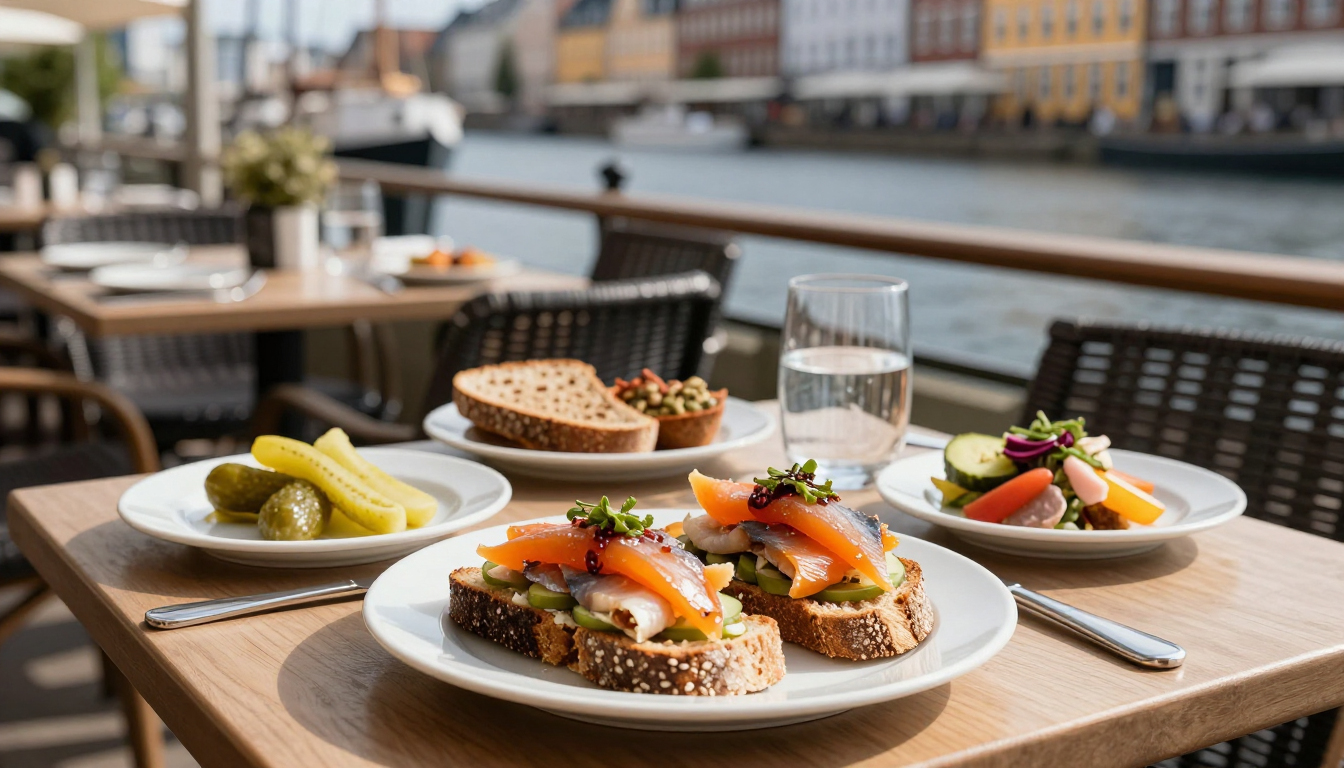
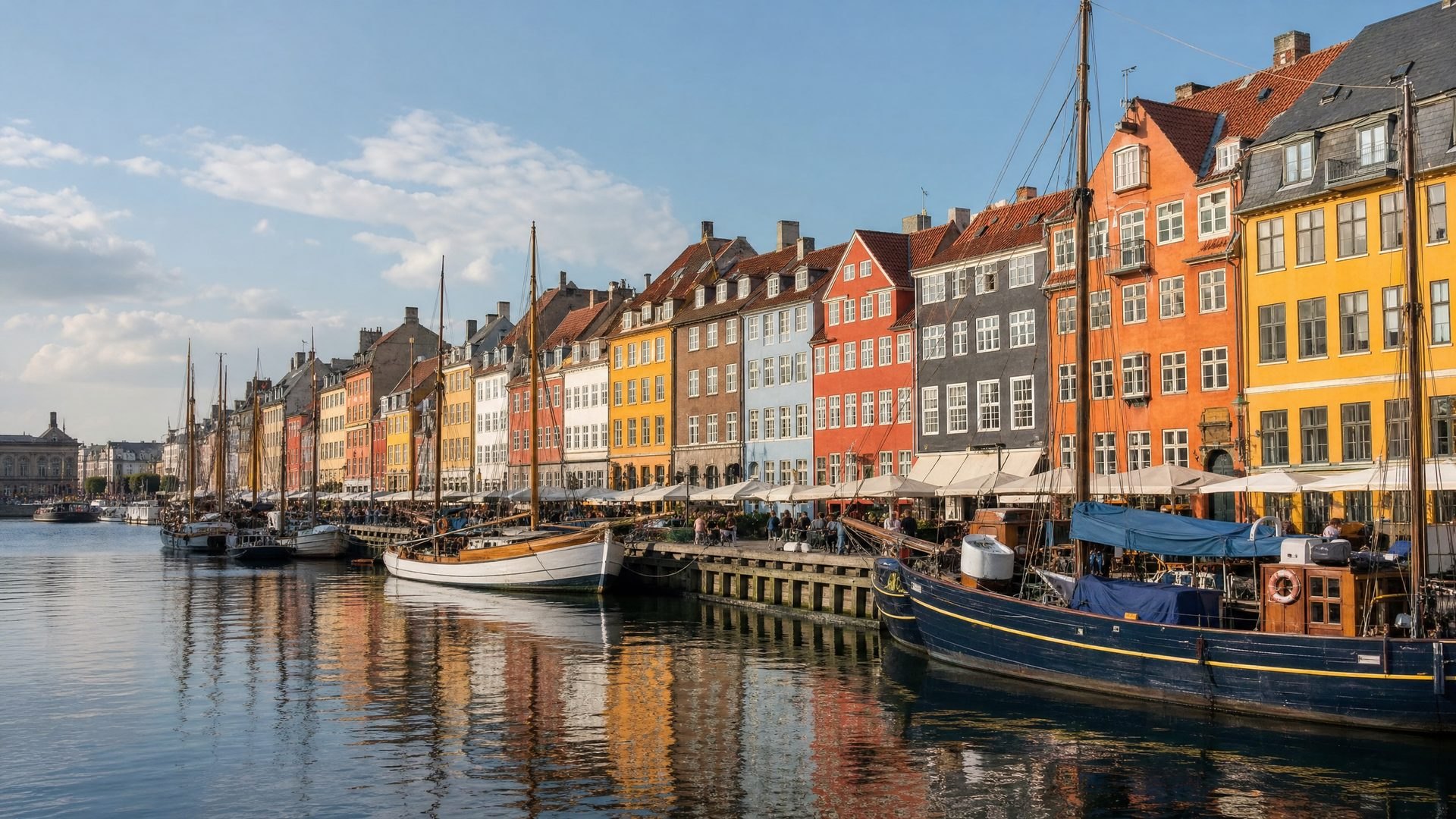
Historic landmarks: Nyhavn and Harbour Walks, Tivoli Gardens, Rosenborg Castle and King’s Garden, Christiansborg Palace, Designmuseum Danmark and National Museum of Denmark should shape the sightseeing plan. Use it as part of a longer harbour walk rather than only a photo stop. Check seasonal opening and plan evening timing.
Museums and attractions: Choose the hotel area around Indre By, Vesterbro and Nørrebro. Pick the district that makes arrival, evening movement and the first full day easier.
Hotels and stay areas: Copenhagen also needs a food layer. Build meals around smørrebrød, Danish pastries, hot dogs, new potatoes, seafood, rye bread, Indre By and Vesterbro so the visitor has a reason to slow down between museums, viewpoints and transfers.
Food and restaurants: Louisiana and North Zealand and Malmö can extend the stay when there is enough time. A strong art-and-coast day with rail planning. A simple cross-border extension over the Øresund Bridge.



Aarhus: museums, food and Jutland city rhythm
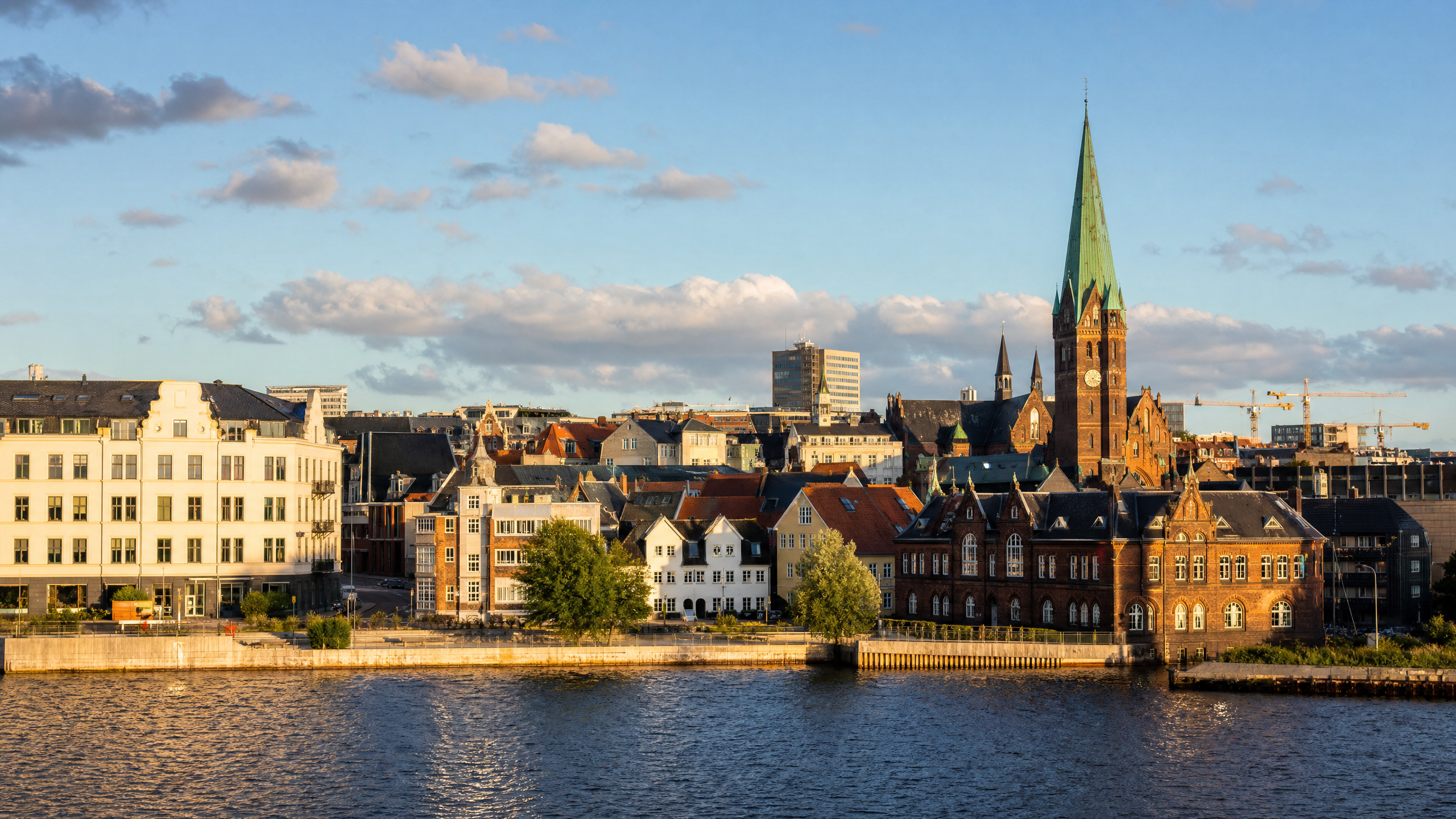
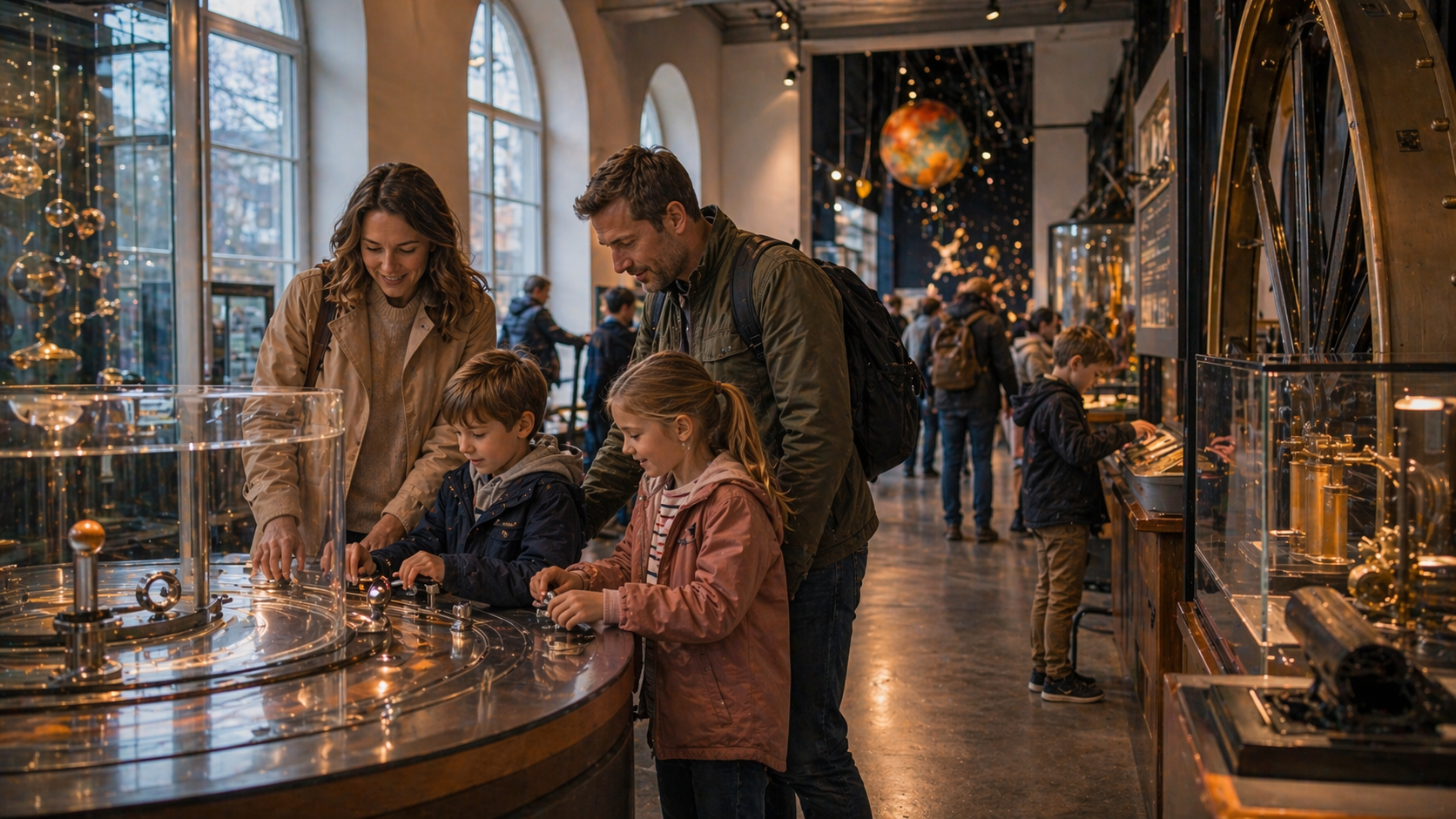
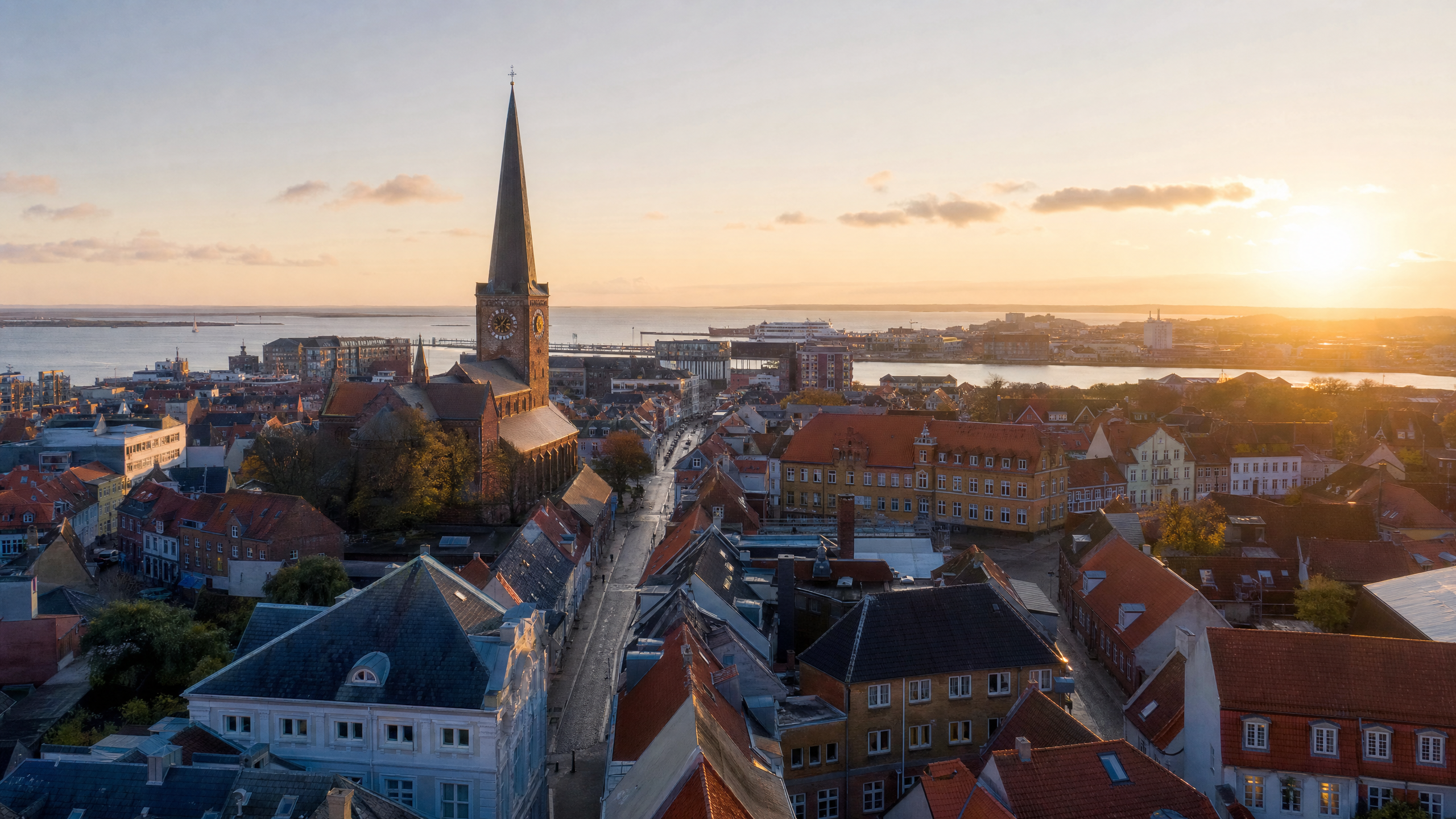
Best for: Use Aarhus when the Denmark route needs museums, food and Jutland city rhythm. Aarhus gives Denmark a second-city route with excellent museums, Waterfront design, student energy and access to Jutland Coast and countryside. It suits travellers who want a calmer cultural base, where ARoS, Den Gamle By, the harbour, Latin Quarter meals and one coast or countryside day can breathe.
Historic landmarks: ARoS Aarhus Art Museum, Den Gamle By, Dokk1 and Waterfront, Moesgaard Museum and Aarhus Cathedral should shape the sightseeing plan. Plan enough time for both exhibitions and the roof walk. Useful for families and cultural context.
Museums and attractions: Choose the hotel area around City Centre, Waterfront and Station Area. Pick the district that makes arrival, evening movement and the first full day easier.
Hotels and stay areas: Aarhus also needs a food layer. Build meals around smørrebrød, seafood, Danish pastries, rye bread, local beer, Latin Quarter, Aarhus Street Food Area and Waterfront so the visitor has a reason to slow down between museums, viewpoints and transfers.
Food and restaurants: Mols Bjerge and Aalborg or North Jutland can extend the stay when there is enough time. A nature and coast route east of Aarhus, best with a car or organised plan. A wider Jutland extension for travellers going beyond the main cities.
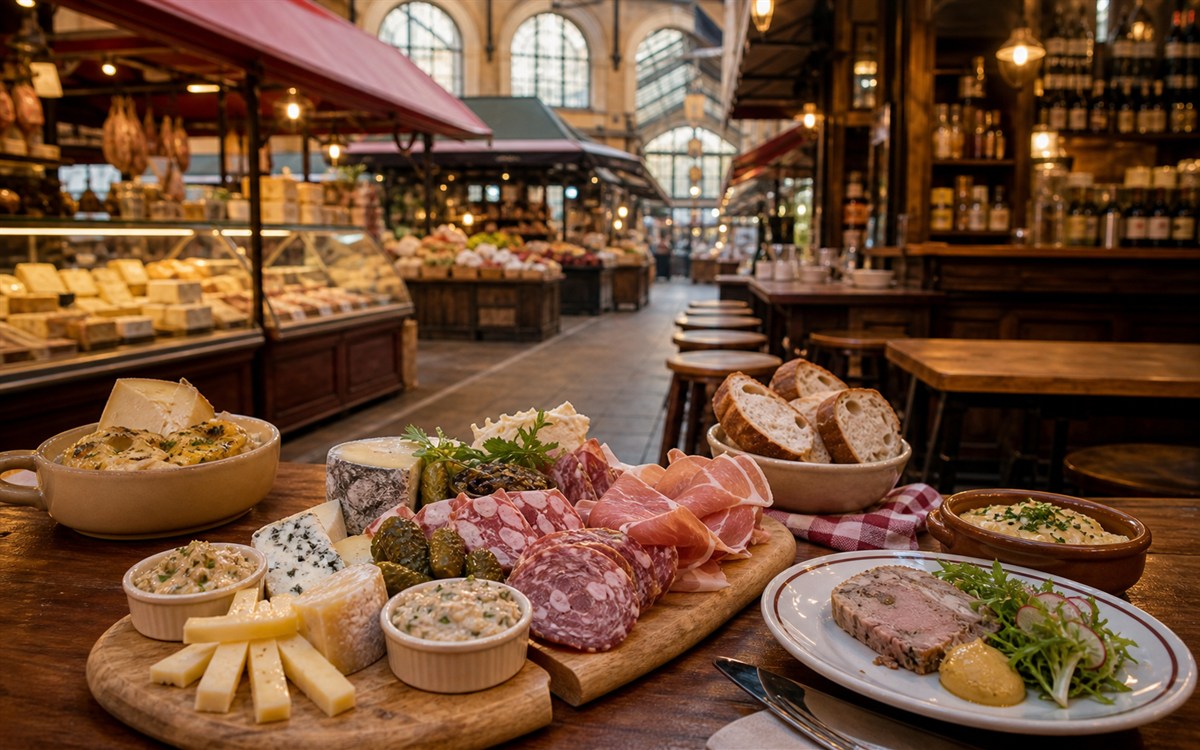
Odense: Hans Christian Andersen heritage and Funen pause
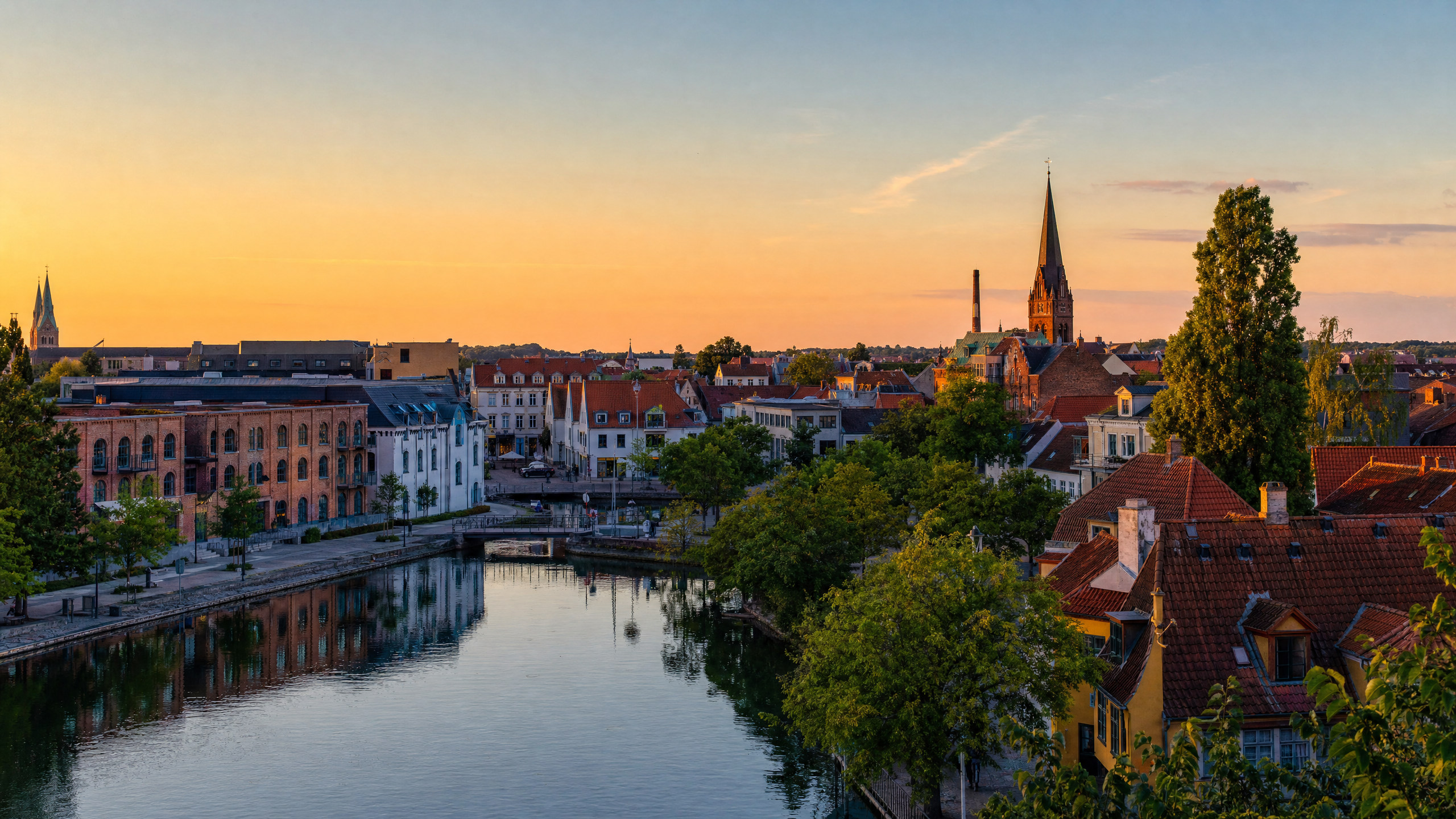
Best for: Use Odense when the Denmark route needs Hans Christian Andersen heritage and Funen pause. Odense is a gentle stop between Copenhagen and Jutland, with Hans Christian Andersen heritage, a walkable centre, museums and access to Funen’s manor houses and countryside. It works best as an overnight or slow rail stop where the old centre, family-friendly museums, cafes and Funen routes are not rushed.
Historic landmarks: Hans Christian Andersen House, Old Town Streets, Brandts Museum, Munke Mose Park, Hans Christian Andersen Museum and Funen Village should shape the sightseeing plan. Book or check timing if travelling with children. Best explored on foot without over-planning.
Museums and attractions: Choose the hotel area around City Centre and Station Area. Pick the district that makes arrival, evening movement and the first full day easier.
Hotels and stay areas: Odense also needs a food layer. Build meals around Danish pastries, smørrebrød, Funen produce, local beer, rye bread, City Centre and Brandts Quarter so the visitor has a reason to slow down between museums, viewpoints and transfers.
Food and restaurants: Egeskov Castle and Aarhus or Copenhagen can extend the stay when there is enough time. A major Funen castle and garden day that needs transport planning. Odense sits naturally between the two for rail routes.

North Jutland: coast, dunes and Skagen light
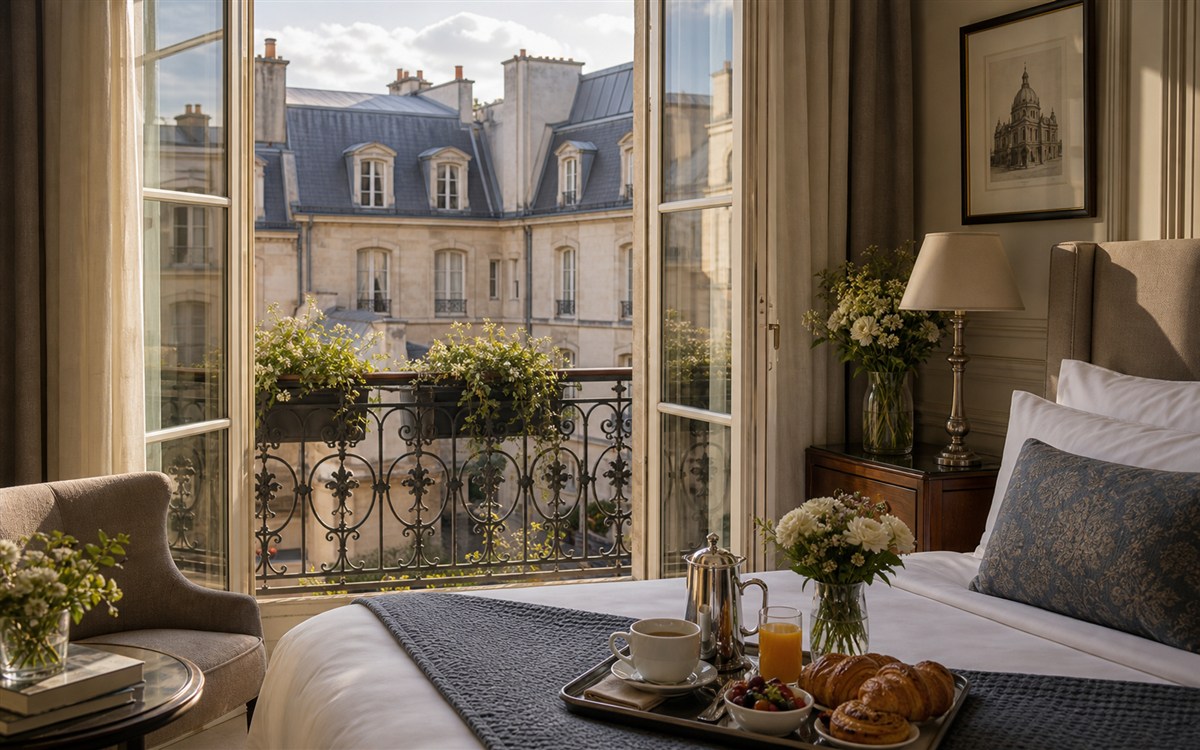
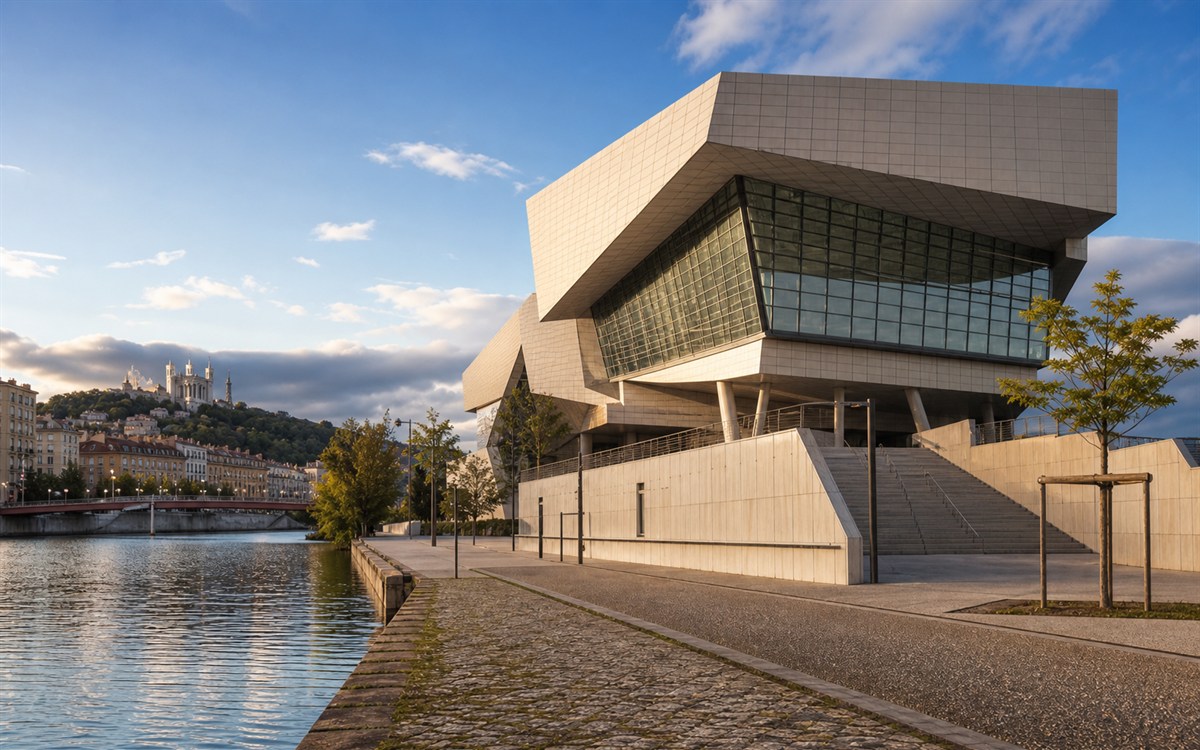
Best for: For North Jutland, the first decision is pace: give the city enough room to show its coast, dunes and Skagen light. North Jutland adds Denmark’s wilder coastal side, with Skagen, dunes, beaches, seafood and long summer-light days. It is strongest when treated as a regional stay rather than a distant day trip, with Aalborg, Skagen, sand landscapes, harbour meals and beach weather shaping the base choice.
Historic landmarks: Skagen, Grenen, Rubjerg Knude Lighthouse, Aalborg Waterfront, Skagens Museum and Kunsten Museum of Modern Art Aalborg should shape the sightseeing plan. Stay overnight if possible for softer light and calmer streets. Check weather and walking conditions.
Museums and attractions: Choose the hotel area around Skagen, Aalborg and West Coast Resorts. Pick the district that makes arrival, evening movement and the first full day easier.
Hotels and stay areas: North Jutland also needs a food layer. Build meals around smoked fish, seafood, Danish pastries, local beer, open sandwiches, Skagen Harbour, Aalborg Centre and West Coast Towns so the visitor has a reason to slow down between museums, viewpoints and transfers.
Food and restaurants: Aarhus and Ferry and Coast Routes can extend the stay when there is enough time. A logical city contrast before or after North Jutland. Some plans can connect onward by ferry, but schedules should lead the planning.
Food, Culture and Route Ideas for Denmark
Food route: Pastries, bread, coffee and market halls are practical daily anchors. Long summer evenings and cosy winter interiors both change the best rhythm of the trip. Waterfronts, bikes, ferries and harbour swims shape how many city days work. This is where food, culture and route planning should work together.
Food, wine and restaurants: Build meals around smørrebrød, Danish pastries, hot dogs, new potatoes, seafood, rye bread and local beer and keep them close to Indre By, Vesterbro, Nørrebro, Latin Quarter and Aarhus Street Food Area.
Popular experiences: Use Copenhagen as the base, then add one day trip or one second city if the stay is long enough. Aarhus and North Jutland suit travellers who want museums, coast and a less capital-focused trip. Keep the route disciplined: one clear hotel area, one strong regional layer and one food or culture experience will usually feel better than trying to touch every possible stop.
Planning rule: Use bookings in a clean order: choose the hotel area first, then add attraction tickets, food tours, guided days and local experiences where they make the journey easier, richer and more realistic.