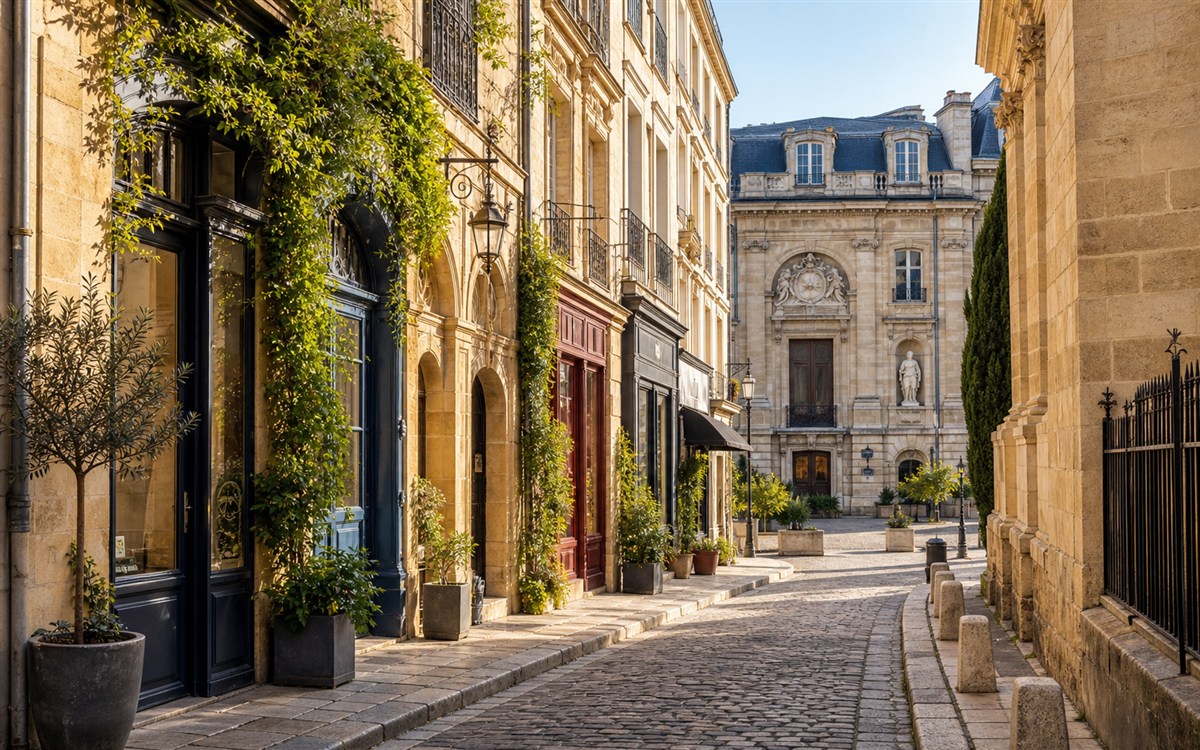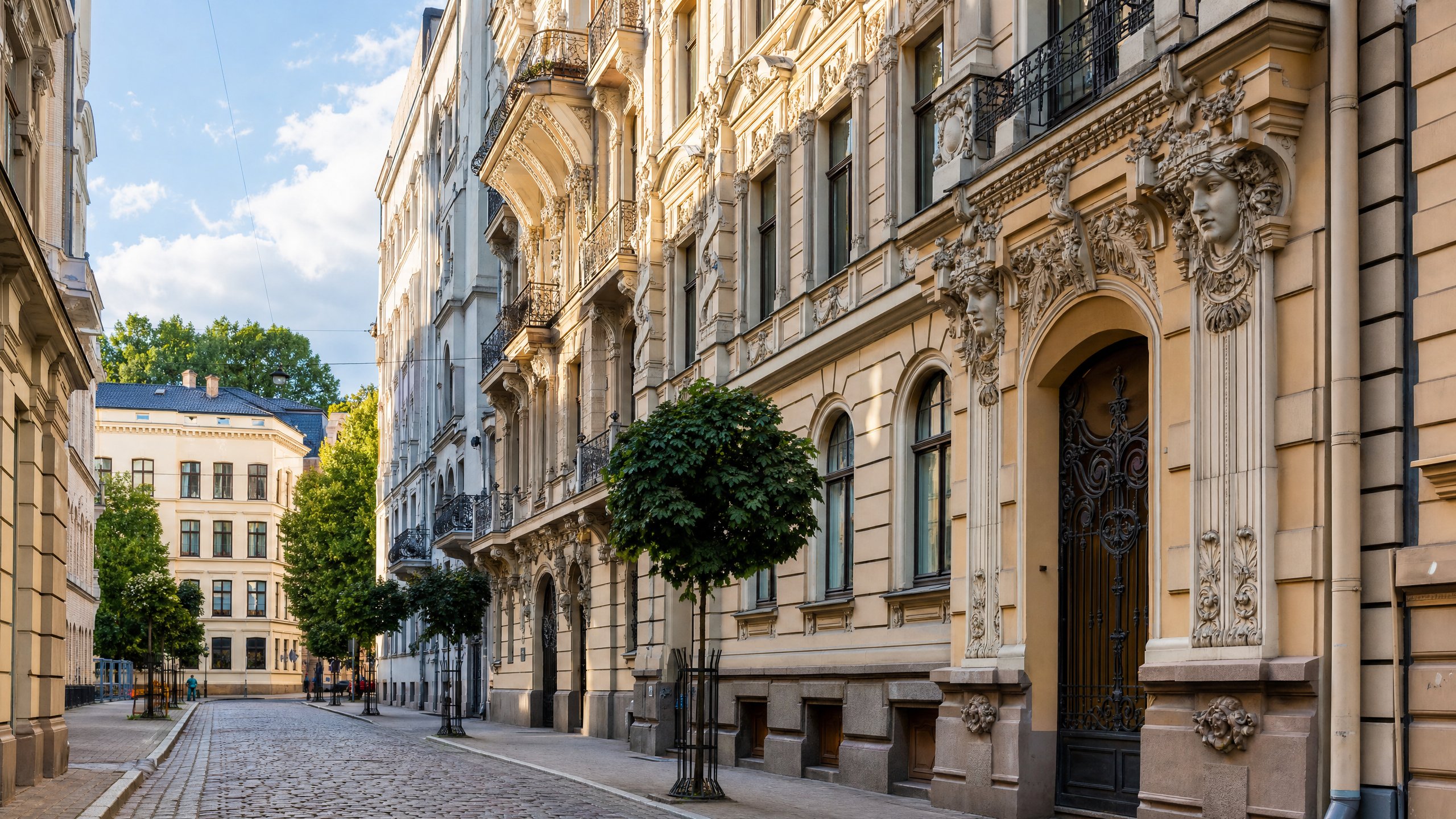
Croatia Travel, Structured Around Coast, Islands and Historic Cities
Plan Croatia through Dubrovnik, Split, Zagreb, Istria, Dalmatian islands, Plitvice Lakes, coastal drives, sailing, food, hotels, ferries and route-first stays.
Start Planning CroatiaCroatia Travel Guide: Routes, Stay Bases, Culture and Experiences
Trip shape: Treat Croatia as a sequence of useful travel anchors, not as one flat country page. The practical starting point should come from Dubrovnik, Split, Zagreb and Istria, while Dalmatian Islands, Istria, Plitvice and Krka and First Croatia Trip should be added only when they improve the journey instead of scattering it.
Best for: Dalmatian Islands, Istria, Plitvice and Krka and First Croatia Trip give Croatia its deeper travel layer. Some visitors need one main city and one day trip; others should slow down, Split the journey and give the strongest region its own nights.
Planning rule: Start with arrival logic, season and the first overnight point, then add the experiences that genuinely deserve advance planning. Museums, landmarks, guided tours, food walks, local neighbourhoods and coastal or countryside days should be grouped by geography and timing.
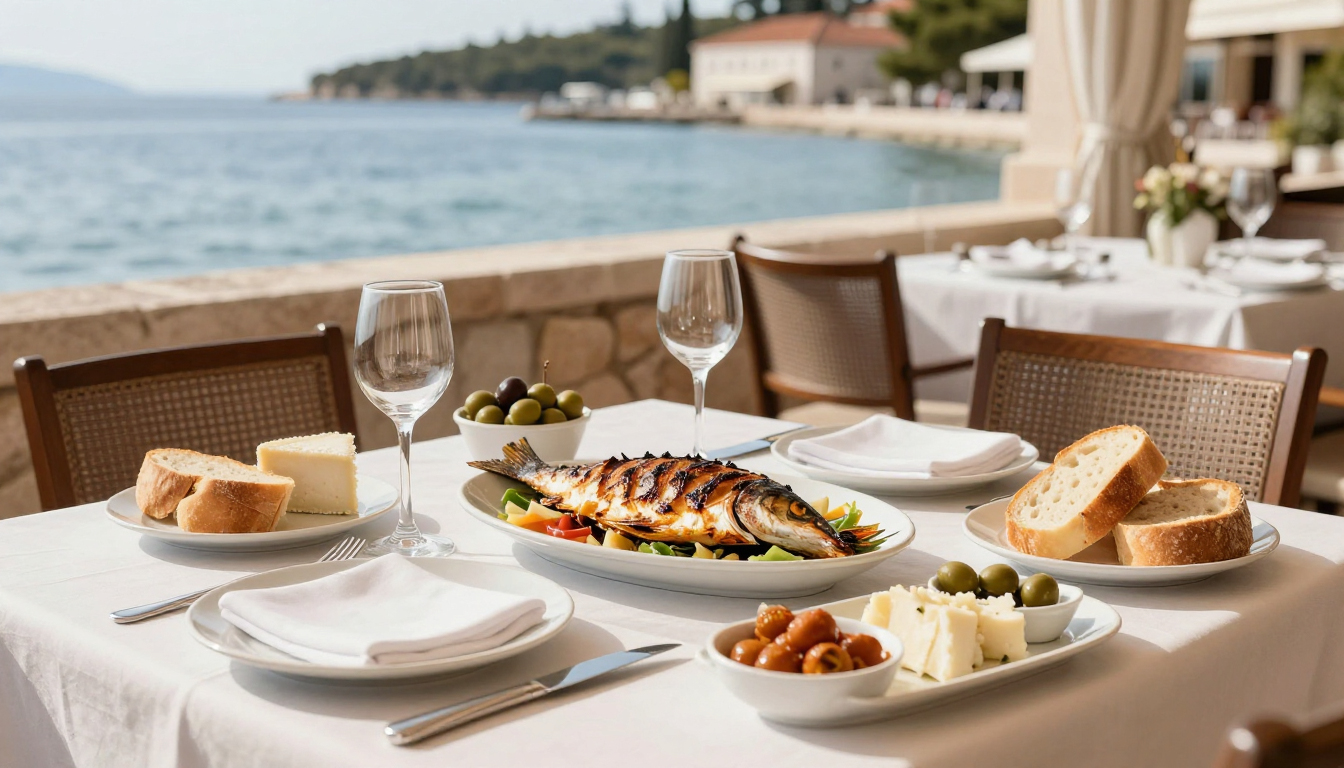
Route logic: grilled fish, octopus, olive oil and harbour meals work best with slower coastal days. truffles, wine, olive oil and hill towns give Northern Croatia a different rhythm. Keep food close to the chosen hotel area where possible: the best meals often come from market streets, harbour areas, old-town restaurants and neighbourhoods already inside the day’s route.


Dubrovnik: city walls, Adriatic views and southern Croatia
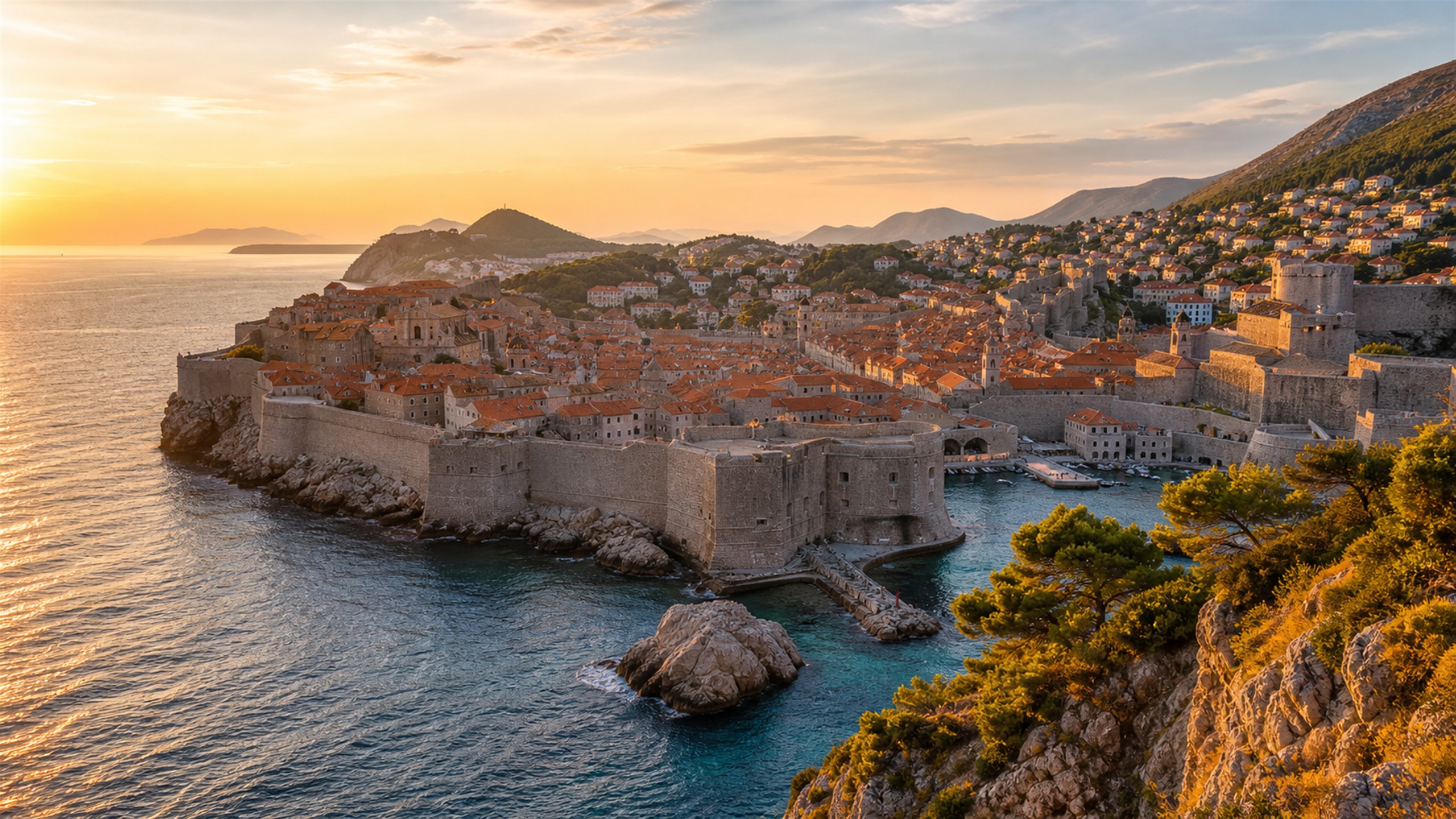
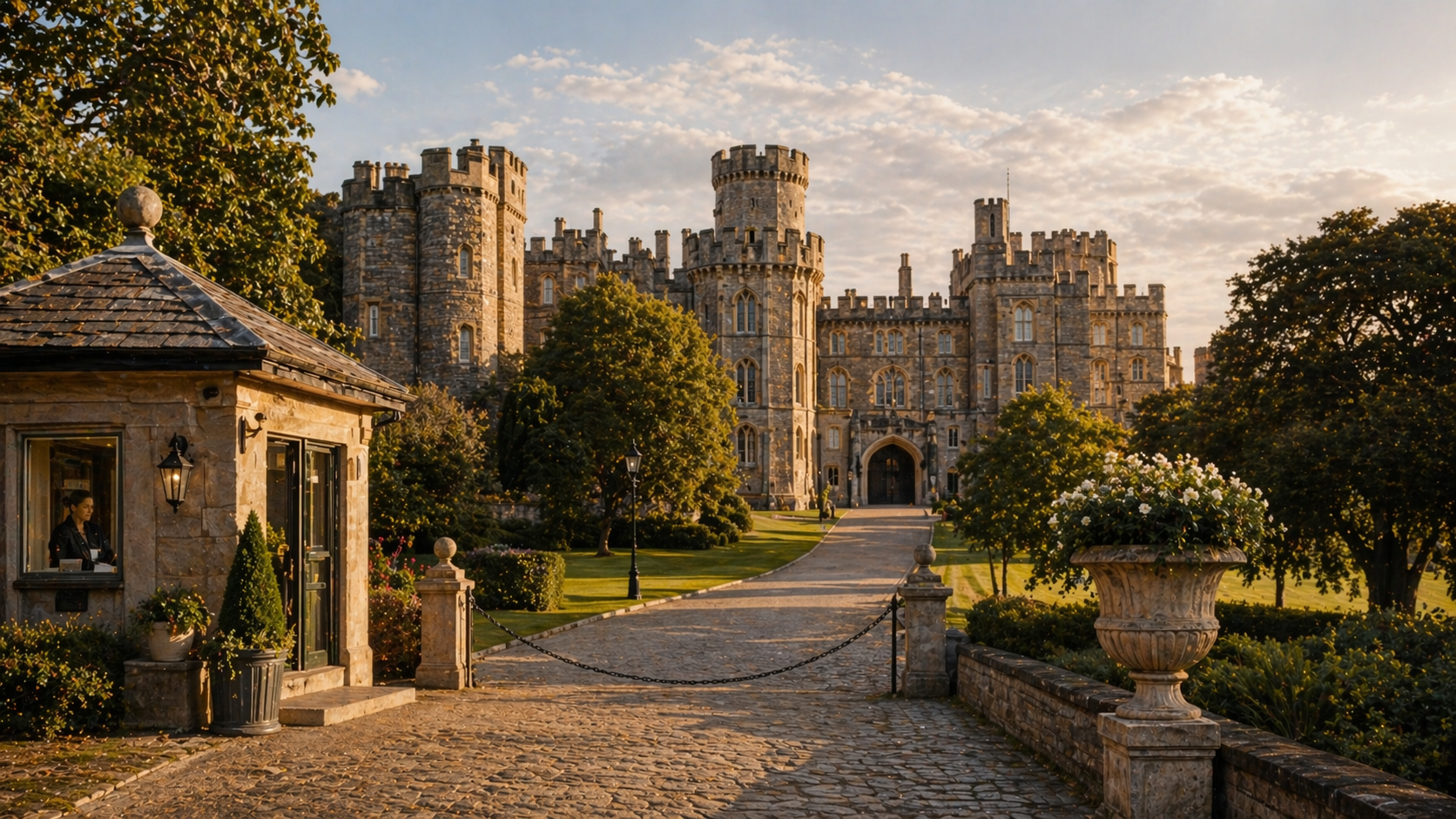
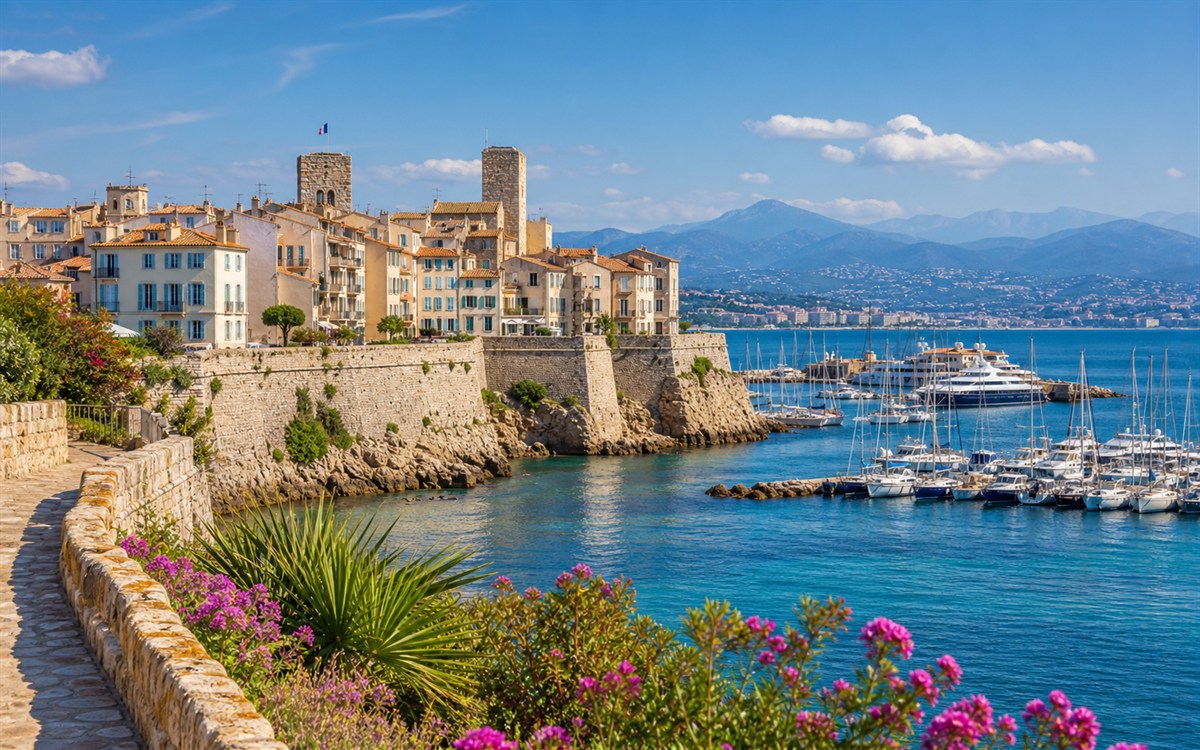
Best for: Dubrovnik deserves a proper place in the Croatia plan, especially when the trip needs city walls, Adriatic views and southern Croatia. Dubrovnik is Croatia's most dramatic old-town arrival, with walls, sea views, stone streets and nearby islands, but it needs careful timing because crowds and prices can be high. Use it for a compact heritage-and-coast stay where the walls, forts, harbour meals and one island day are paced around heat and cruise-ship pressure.
Historic landmarks: City Walls, Stradun and Old Town Lanes, Lovrijenac Fortress, Lokrum Island, Rector’s Palace and Maritime Museum should shape the sightseeing plan. Go early or late in warm months and allow enough time for the full circuit. Balance main streets with quieter side lanes.
Museums and attractions: Choose the hotel area around Old Town, Lapad and Ploče. Pick the district that makes arrival, evening movement and the first full day easier.
Hotels and stay areas: Dubrovnik also needs a food layer. Build meals around grilled fish, black risotto, octopus salad, rozata, Dalmatian wine, olive oil, Old Town and Lapad so the visitor has a reason to slow down between museums, viewpoints and transfers.
Food and restaurants: Elaphiti Islands and Split or Korčula can extend the stay when there is enough time. A gentler island day from Dubrovnik with boat logistics to check. A coastal continuation that depends on ferry timing and season.


Split: Roman palace city and Dalmatian route base
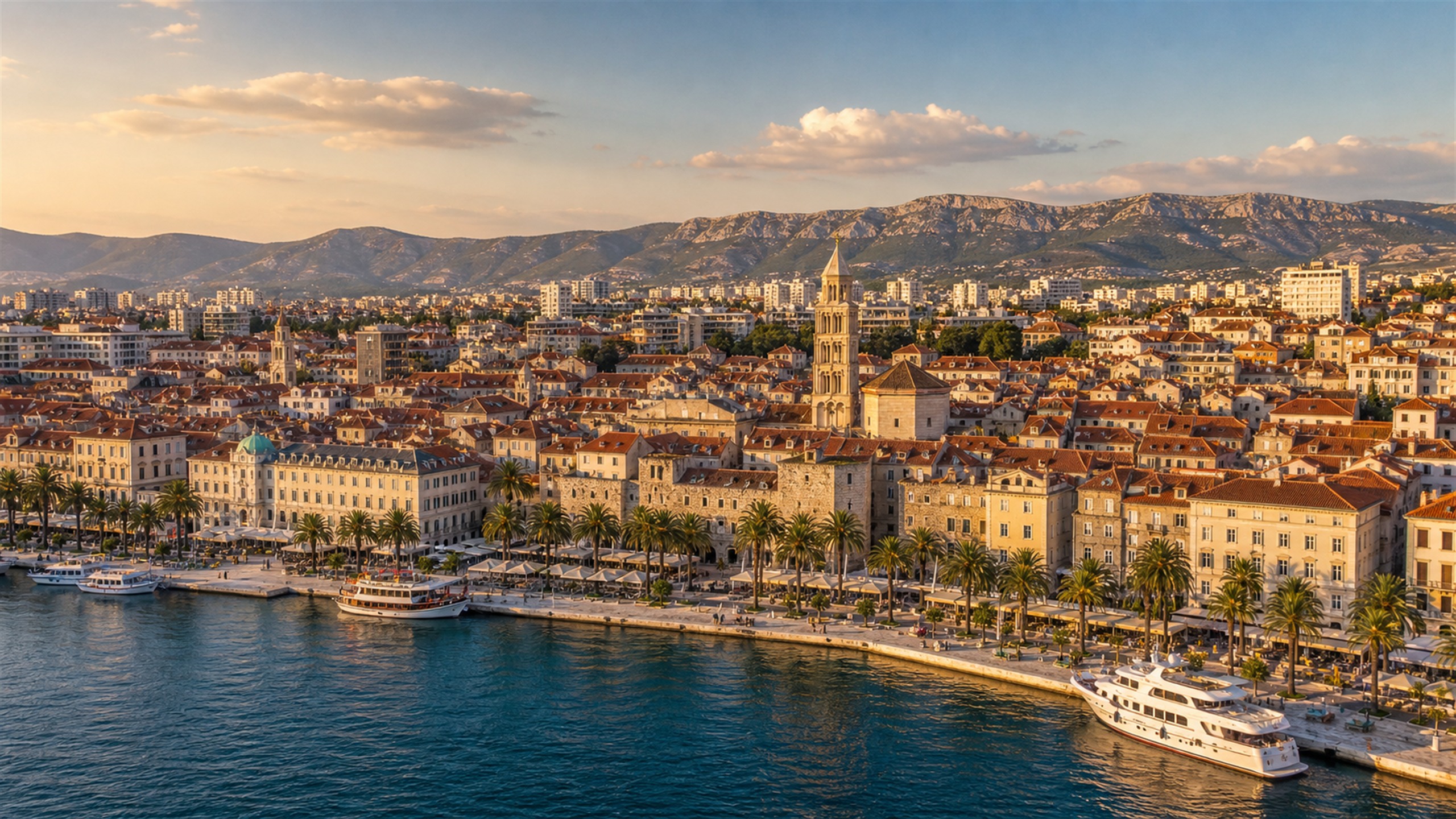
Best for: Split works better as a lived-in stop than as a fast photo pin, with Roman palace city and Dalmatian route base shaping the day. Split is the most practical Dalmatian base, combining Diocletian's Palace, harbour life, beaches, ferries and day trips to islands or nearby towns. It works best when palace wandering, Marjan or beach time, and Hvar, Brac or Trogir routes are separated by day instead of squeezed between ferry transfers.
Historic landmarks: Diocletian’s Palace, Riva Waterfront, Marjan Hill, Bačvice Beach, Split City Museum and Mestrovic Gallery should shape the sightseeing plan. Explore early, then return in the evening when the atmosphere changes. Use it for orientation and ferry timing.
Museums and attractions: Choose the hotel area around Old Town / Palace Edge, Bačvice and Veli Varoš. Pick the district that makes arrival, evening movement and the first full day easier.
Hotels and stay areas: Split also needs a food layer. Build meals around pasticada, black risotto, grilled fish, soparnik, Dalmatian wine, olive oil, Palace and Old Town and Veli Varoš so the visitor has a reason to slow down between museums, viewpoints and transfers.
Food and restaurants: Hvar or Brač and Trogir can extend the stay when there is enough time. Island days depend on ferry schedules and season. A compact UNESCO-listed town that pairs well with Split.
Plan this part of the trip

Zagreb: capital culture, cafes and inland Croatia
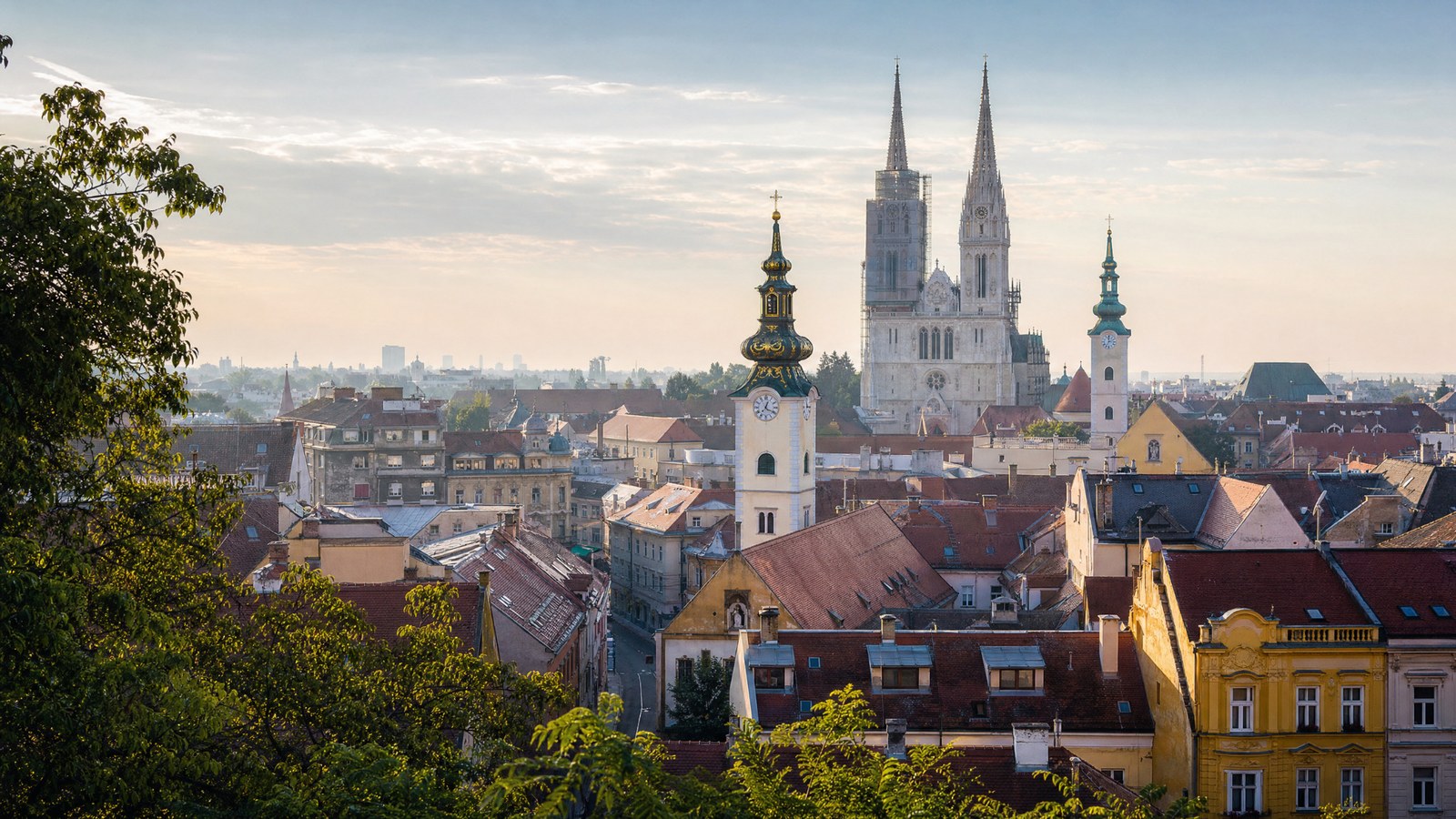
Best for: Treat Zagreb as the part of Croatia where capital culture, cafes and inland Croatia becomes useful for the wider route. Zagreb adds a capital-city layer to Croatia, with museums, cafe streets, markets, parks and easier links to inland routes or Plitvice Lakes. It suits travellers who want a weather-flexible break from the coast, a museum-and-market stay, or a calmer rail base before national parks, Samobor or Northern Croatia.
Historic landmarks: Upper Town, Ban Jelačić Square, Dolac Market, Mirogoj Cemetery, Museum of Broken Relationships and Croatian National Theatre should shape the sightseeing plan. Use it with the funicular or a gentle walking loop. Good for orientation, trams and cafe stops.
Museums and attractions: Choose the hotel area around Lower Town, Upper Town Edge and Station Area. Pick the district that makes arrival, evening movement and the first full day easier.
Hotels and stay areas: Zagreb also needs a food layer. Build meals around štrukli, zagreb schnitzel, čevapi, market produce, craft beer, kremšnita, Tkalčićeva Street and Lower Town so the visitor has a reason to slow down between museums, viewpoints and transfers.
Food and restaurants: Plitvice Lakes and Samobor can extend the stay when there is enough time. A major nature route that needs timing, tickets and transport planning. A gentle small-town and pastry day close to Zagreb.

Istria: hill towns, coast, wine and food routes
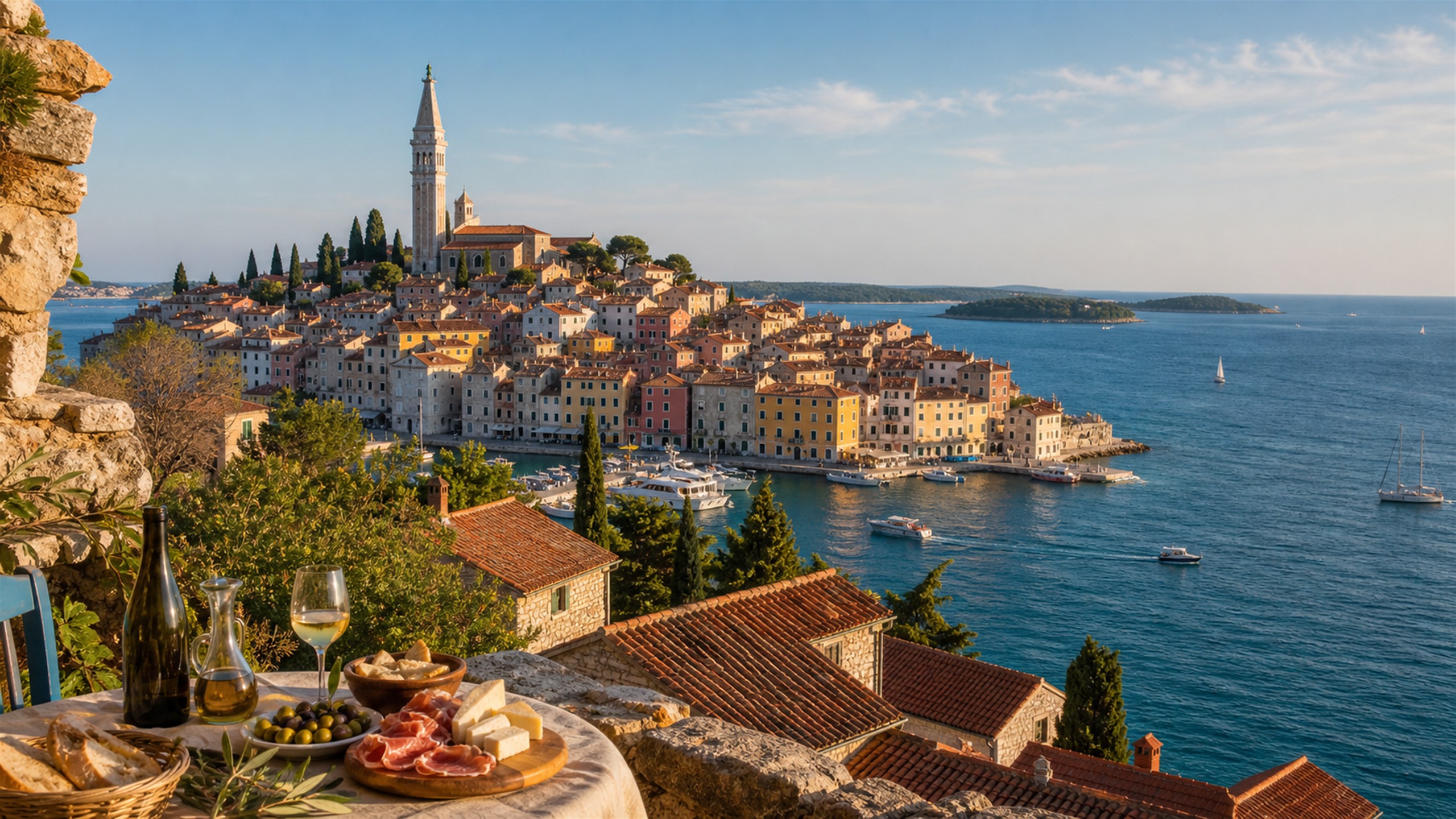
Best for: Istria works better as a lived-in stop than as a fast photo pin, with hill towns, coast, wine and food routes shaping the day. Istria gives Croatia a slower food-and-town route, with Rovinj, Pula, hill towns, olive oil, wine and a less linear coastal rhythm than Dalmatia. It is strongest when travellers choose between a Rovinj old-town base, Pula's Roman sights or countryside stays before building truffle, vineyard and harbour days.
Historic landmarks: Rovinj Old Town, Pula Arena, Motovun, Brijuni National Park, Archaeological Museum of Istria and Rovinj Heritage Museum should shape the sightseeing plan. Stay overnight if possible rather than treating it only as a quick stop. Pair with Pula’s Old Town and harbour.
Museums and attractions: Choose the hotel area around Rovinj, Pula and Countryside Villas. Pick the district that makes arrival, evening movement and the first full day easier.
Hotels and stay areas: Istria also needs a food layer. Build meals around truffles, Istrian pasta, olive oil, Malvasia wine, seafood, prosciutto, Rovinj and Motovun and Hill Towns so the visitor has a reason to slow down between museums, viewpoints and transfers.
Food and restaurants: Kvarner and Rijeka and Slovenia can extend the stay when there is enough time. A northern coastal continuation with islands and port-city context. Ljubljana or the coast can pair well if border logistics are simple.
Food, Culture and Route Ideas for Croatia
Food route: grilled fish, octopus, olive oil and harbour meals work best with slower coastal days. truffles, wine, olive oil and hill towns give Northern Croatia a different rhythm. Summer crowds, shoulder-season ferries and winter quiet all affect the right base choice. This is where food, culture and route planning should work together.
Food, wine and restaurants: Build meals around grilled fish, black risotto, octopus salad, rozata, Dalmatian wine, olive oil and pasticada and keep them close to Old Town, Lapad, Gruž Harbour, Palace and Old Town and Veli Varoš.
Popular experiences: Choose either Dubrovnik-plus-islands or Split-plus-Dalmatia before adding Zagreb or Istria. Keep ferry schedules central to the plan; island hopping fails when transfers are treated as afterthoughts. Keep the route disciplined: one clear hotel area, one strong regional layer and one food or culture experience will usually feel better than trying to touch every possible stop.
Planning rule: Use bookings in a clean order: choose the hotel area first, then add attraction tickets, food tours, guided days and local experiences where they make the journey easier, richer and more realistic.