Costa Rica Travel, Structured Around Rainforest, Volcanoes and Coasts
Plan Costa Rica through San Jose, Arenal, Monteverde, Manuel Antonio, Guanacaste, rainforests, beaches, wildlife, hotels, tours and route-first nature travel.
Start Planning Costa RicaCosta Rica Travel Guide: Routes, Stay Bases, Culture and Experiences
Trip shape: Costa Rica becomes easier to plan when the first question is where the trip should slow down. Keep San José, Arenal and La Fortuna, Monteverde and Manuel Antonio close to the arrival logic, then decide whether Volcanoes, rainforest and Pacific-Caribbean coast routes, Food and Heritage Routes, Nature and Viewpoints and Classic Nature Route should be the second layer or a separate journey.
Best for: Volcanoes, rainforest and Pacific-Caribbean coast routes, Food and Heritage Routes, Nature and Viewpoints and Classic Nature Route give Costa Rica its deeper travel layer. Some visitors need one main city and one day trip; others should slow down, split the journey and give the strongest region its own nights.
Planning rule: Start with arrival logic, season and the first overnight point, then add the experiences that genuinely deserve advance planning. Museums, landmarks, guided tours, food walks, local neighbourhoods and coastal or countryside days should be grouped by geography and timing.
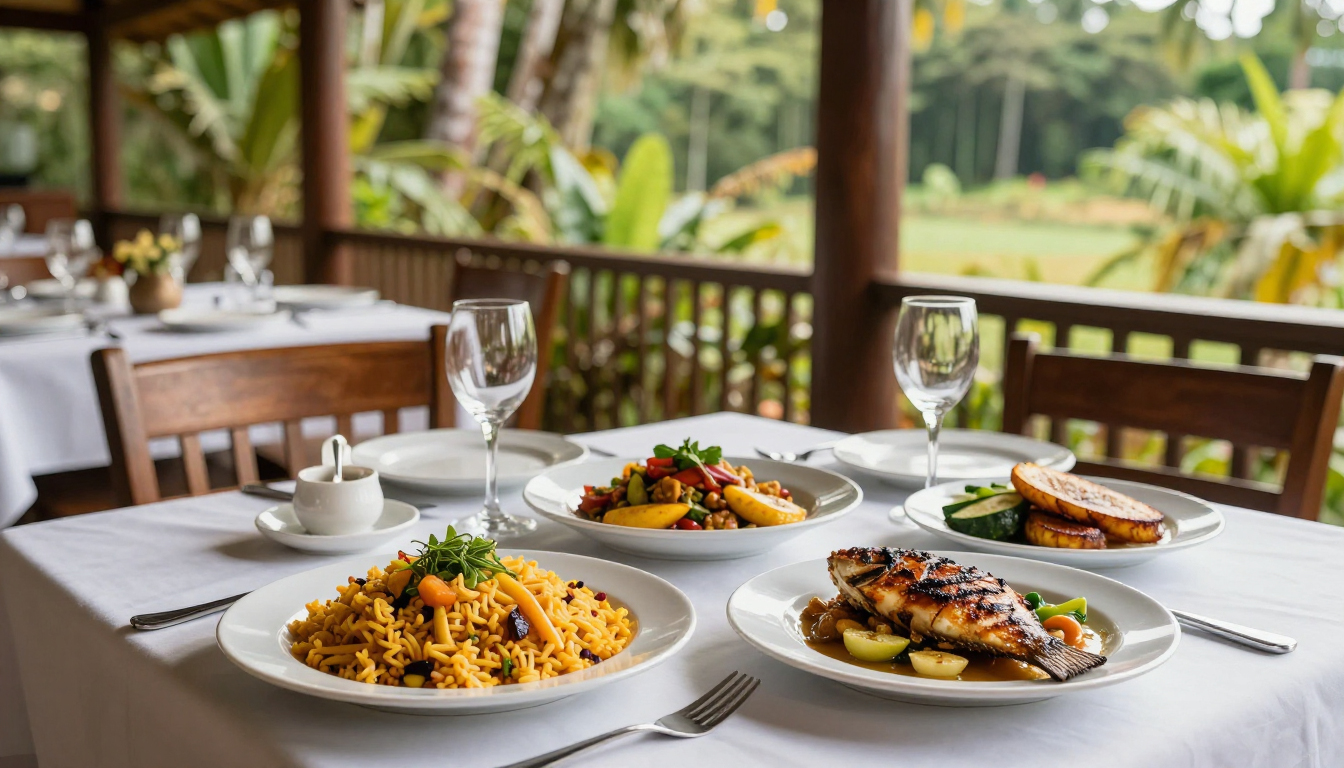
Route logic: gallo pinto, casados, fresh fruit, coffee and seafood are reliable food anchors. Outdoor living, conservation and relaxed service pace shape the travel experience. Keep food close to the chosen hotel area where possible: the best meals often come from market streets, harbour areas, old-town restaurants and neighbourhoods already inside the day’s route.

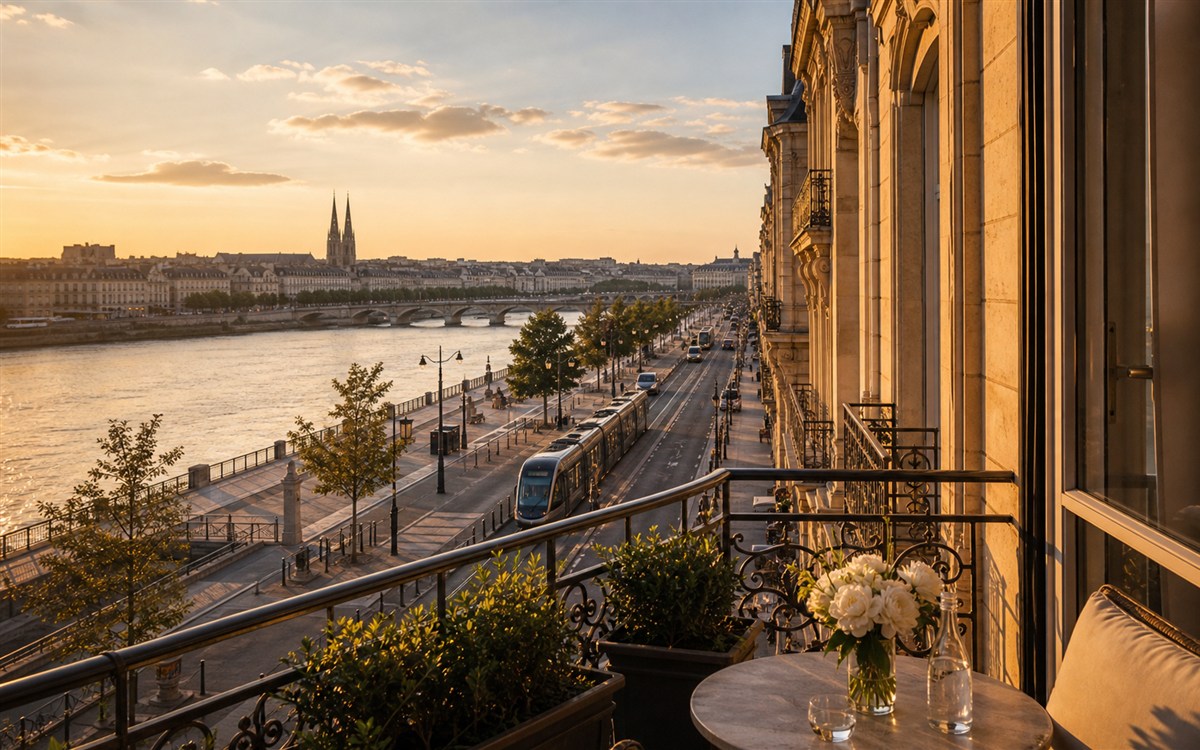
San José: arrival base, museums and central valley logistics
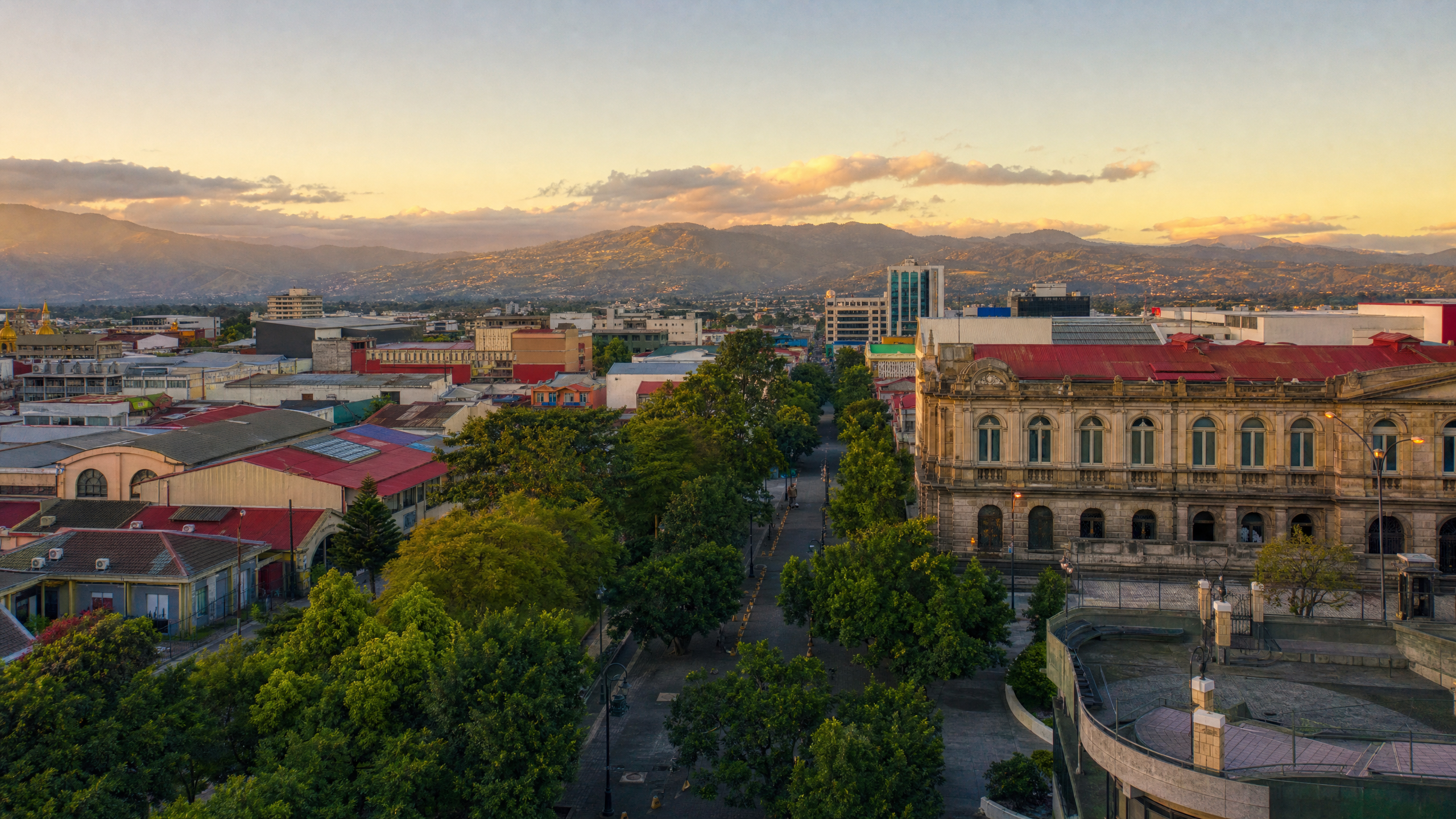
Best for: For San José, the first decision is pace: give the city enough room to show its arrival base, museums and central valley logistics. San José is mainly a practical arrival and cultural base, useful for museums, food, coffee context and onward transfers into volcano, rainforest or coast routes. It becomes more valuable when treated as a soft landing rather than skipped in a tired airport dash.
Historic landmarks: National Theatre of Costa Rica, Pre-Columbian Gold Museum, Central Market, Barrio Escalante, Jade Museum and National Museum of Costa Rica should shape the sightseeing plan. Visit with nearby central sights. Good for a compact city day.
Museums and attractions: Choose the hotel area around Barrio Escalante and Sabana and Escazú. Pick the district that makes arrival, evening movement and the first full day easier.
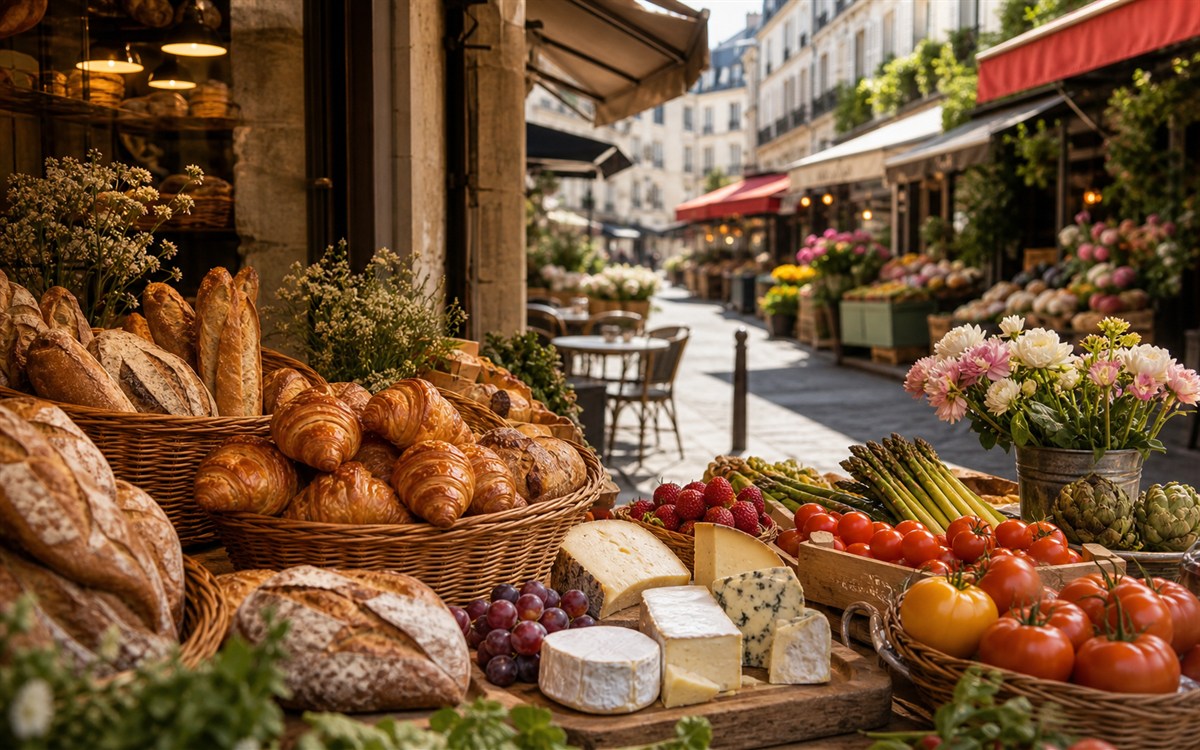
Hotels and stay areas: San José also needs a food layer. Build meals around gallo pinto, casado, olla de carne, tamales, Costa Rican coffee, tropical fruit, Barrio Escalante and Central Market Area so the visitor has a reason to slow down between museums, viewpoints and transfers.
Food and restaurants: Arenal and La Fortuna and Manuel Antonio or Guanacaste can extend the stay when there is enough time. A common onward volcano and hot-spring route. Beach and wildlife routes that need road-time planning.

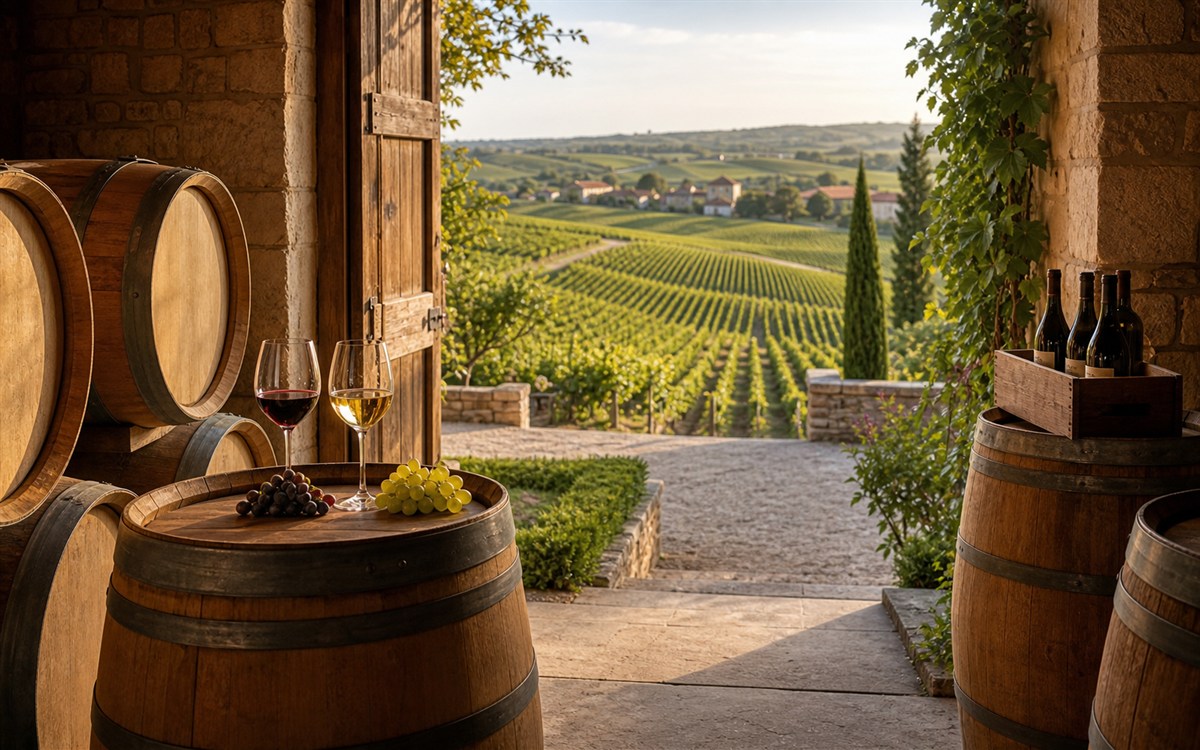
Arenal and La Fortuna: volcano views, hot springs and soft adventure
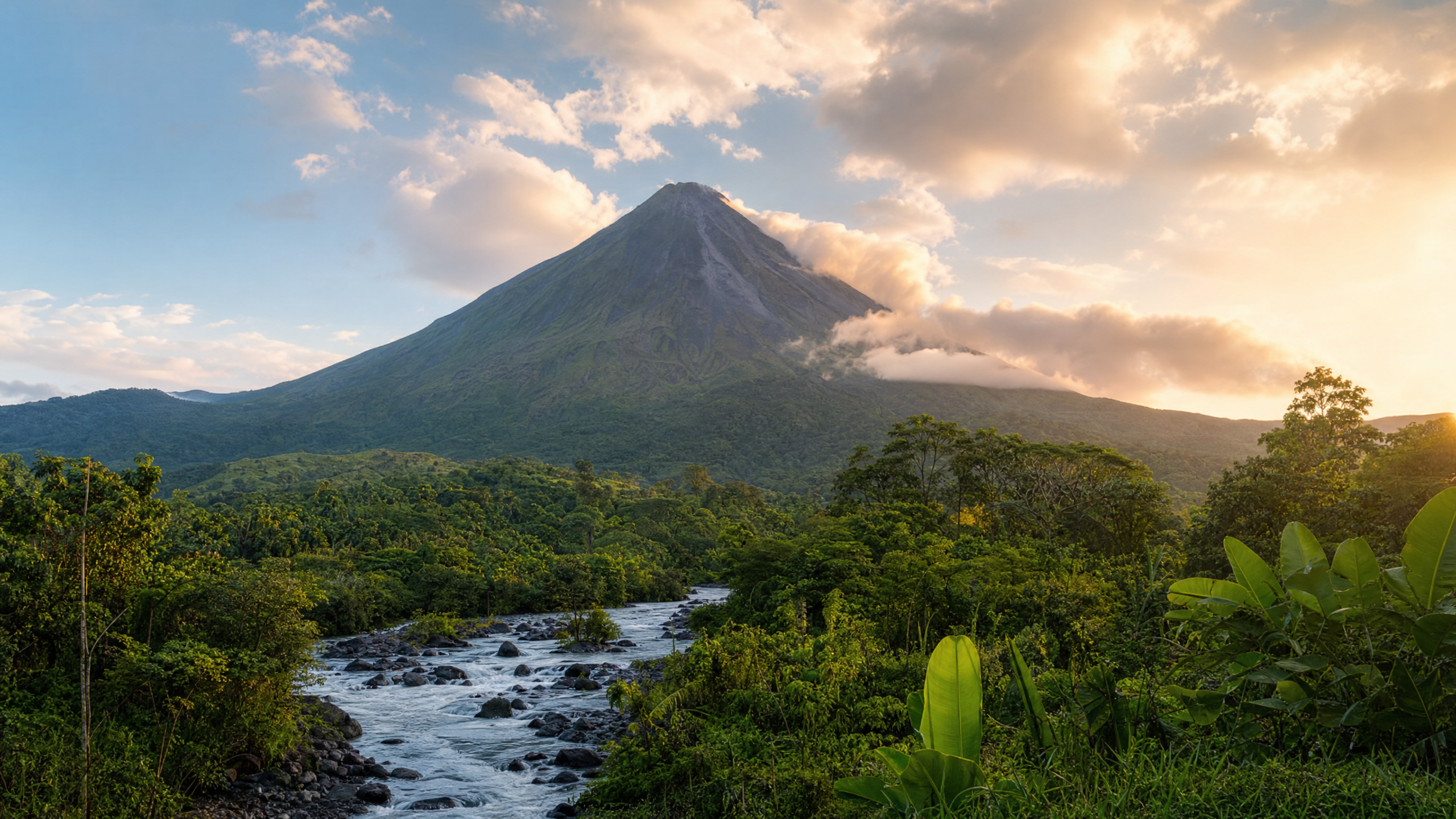
Best for: Arenal and La Fortuna works better as a lived-in stop than as a fast photo pin, with volcano views, hot springs and soft adventure shaping the day. Arenal is Costa Rica's most straightforward volcano-and-adventure base, with hot springs, Hanging Bridges, waterfall walks and lake views close to La Fortuna. It suits first-time trips because families, couples and soft-adventure travellers can all build flexible days from one base.
Historic landmarks: Arenal Volcano National Park, La Fortuna Waterfall, Hanging Bridges, Hot Springs Areas, Local Nature Interpretation and La Fortuna Town should shape the sightseeing plan. Weather can hide views, so avoid planning only one photo moment. Check steps and swimming conditions before committing.
Museums and attractions: Choose the hotel area around La Fortuna Centre, Volcano-View Lodges and Lake Arenal Side. Pick the district that makes arrival, evening movement and the first full day easier.
Hotels and stay areas: Arenal and La Fortuna also needs a food layer. Build meals around casado, gallo pinto, fresh fruit, coffee, grilled fish, plantains, La Fortuna Centre and Hot Spring Resort Areas so the visitor has a reason to slow down between museums, viewpoints and transfers.
Food and restaurants: Monteverde and Guanacaste can extend the stay when there is enough time. A scenic but slower transfer across mountain roads. A beach extension after volcano and rainforest days.

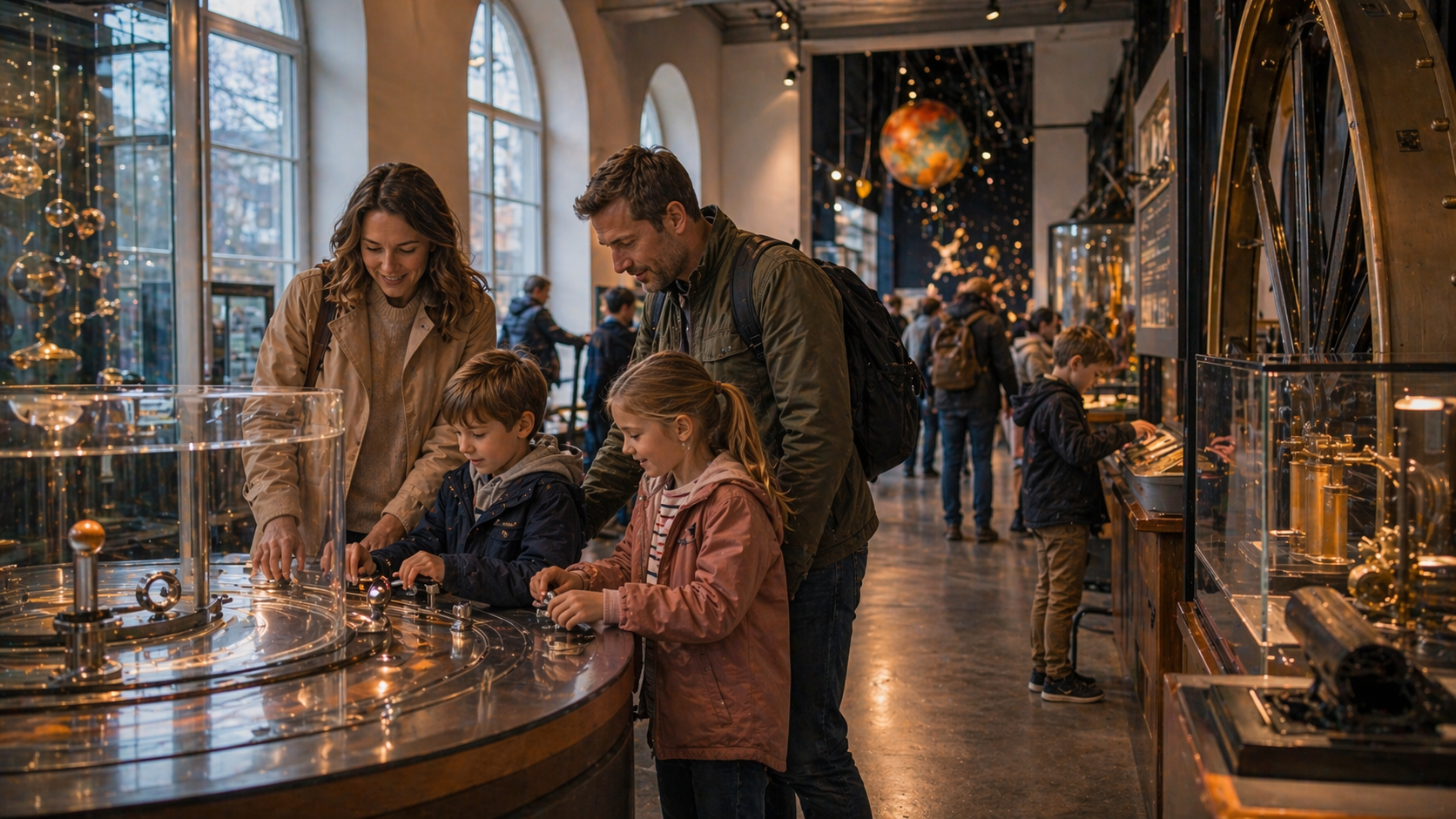


Monteverde: cloud forest, wildlife walks and cooler mountain pacing
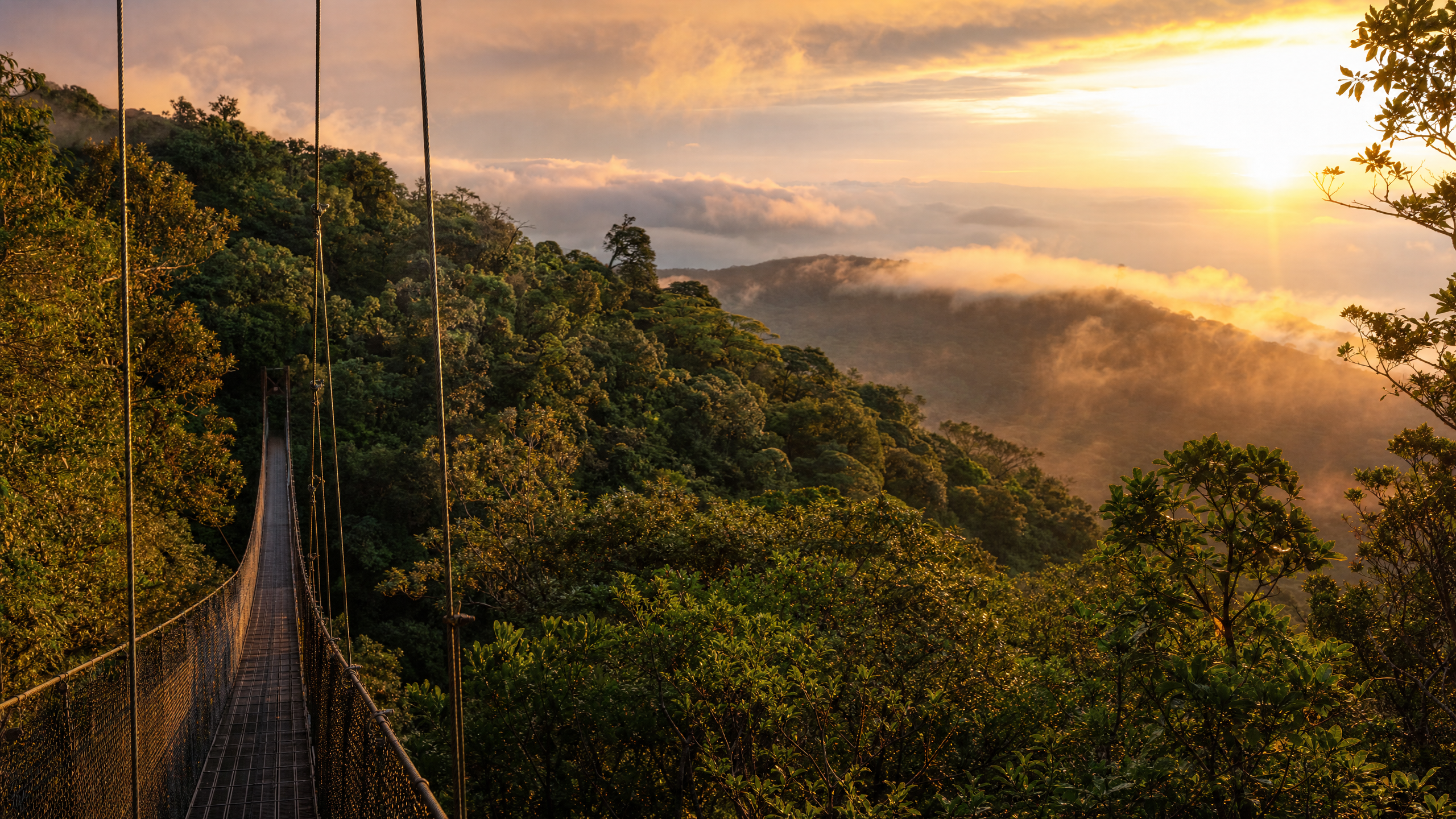
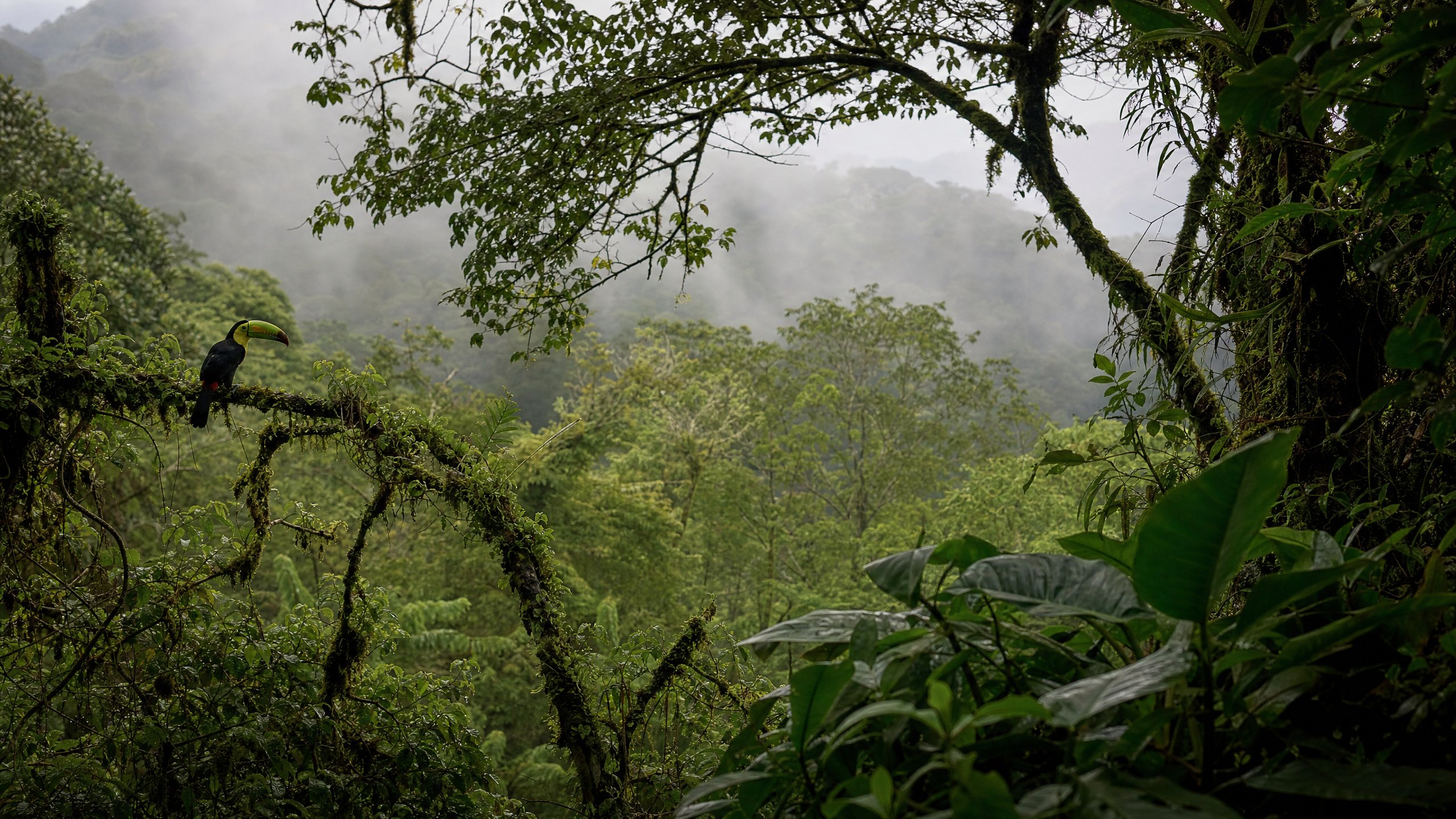
Best for: Monteverde deserves a proper place in the Costa Rica plan, especially when the trip needs cloud forest, wildlife walks and cooler mountain pacing. Monteverde adds a cooler, mistier nature chapter, with cloud-forest reserves, suspension bridges, birding and Guided Night Walks that reward slower days. The area works best when travellers allow for mountain roads, damp weather and quiet forest time.
Historic landmarks: Monteverde Cloud Forest Reserve, Santa Elena Cloud Forest Reserve, Hanging Bridges, Guided Night Walks, Monteverde Conservation Story and Local Coffee and Dairy Context should shape the sightseeing plan. Use a guide if wildlife matters. Good when you want fewer crowds.
Museums and attractions: Choose the hotel area around Santa Elena and Cloud-Forest Lodges. Pick the district that makes arrival, evening movement and the first full day easier.
Hotels and stay areas: Monteverde also needs a food layer. Build meals around Costa Rican coffee, cheese, casado, soups, plantains, fresh fruit, Santa Elena and Forest Lodges so the visitor has a reason to slow down between museums, viewpoints and transfers.
Food and restaurants: Arenal and Manuel Antonio can extend the stay when there is enough time. A classic volcano pairing reached by slow scenic transfer. A longer move from cloud forest to coast.

Manuel Antonio: Pacific beaches, wildlife and compact national park access
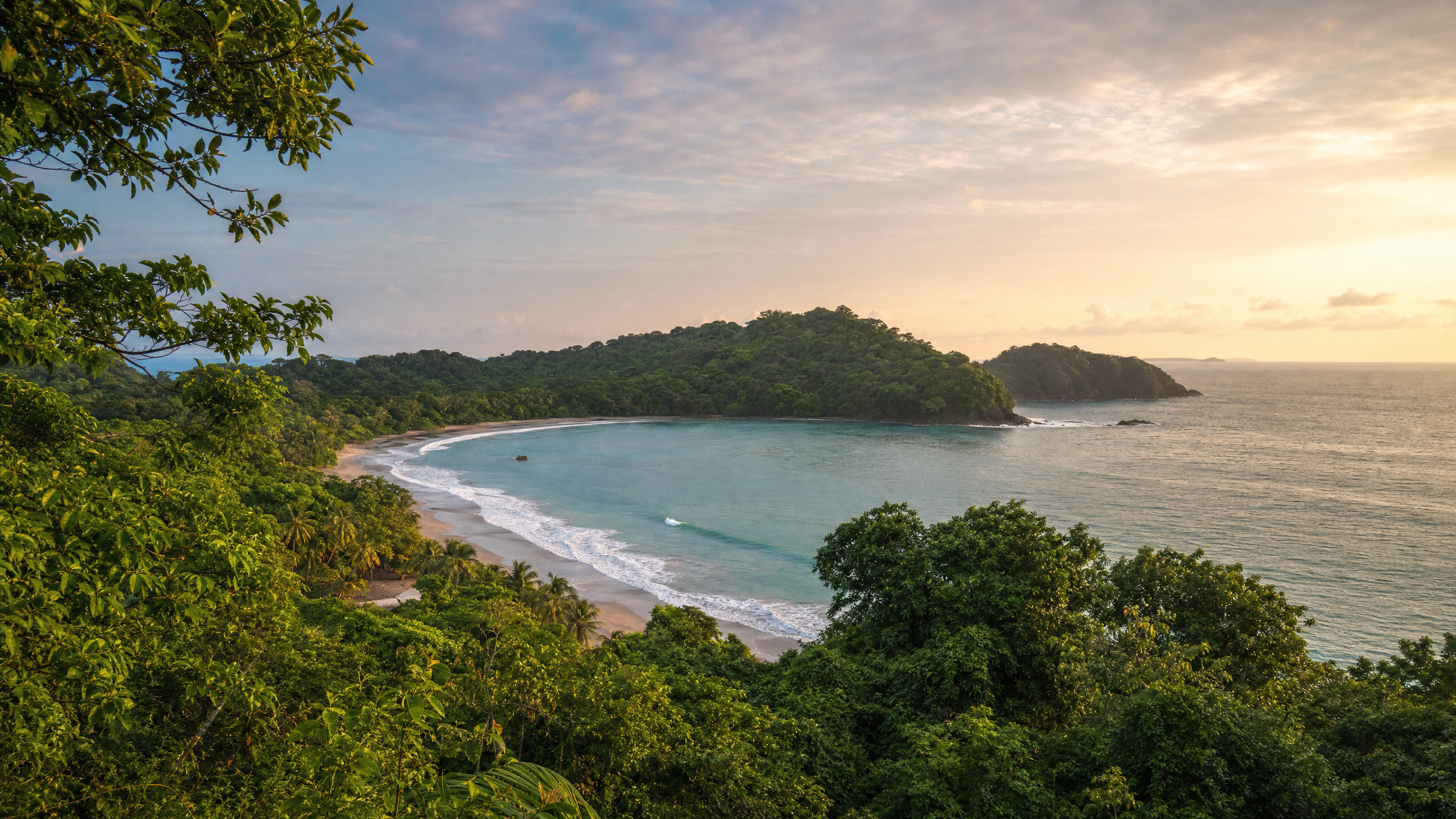
Best for: Manuel Antonio deserves a proper place in the Costa Rica plan, especially when the trip needs Pacific beaches, wildlife and compact national park access. Manuel Antonio combines beach time and wildlife in a compact, visitor-friendly setting, making it useful for travellers who want coast without losing nature structure. It is especially good when park reservations, closed days and beach afternoons are planned together.
Historic landmarks: Manuel Antonio National Park, Espadilla Beach, Guided Wildlife Walks, Quepos Marina Area, Park Guide Interpretation and Quepos Fishing Heritage should shape the sightseeing plan. Book access and check closed days before travelling. Good for a relaxed beach day.
Museums and attractions: Choose the hotel area around Manuel Antonio Hill Road, Quepos and Beach-Access Hotels. Pick the district that makes arrival, evening movement and the first full day easier.
Hotels and stay areas: Manuel Antonio also needs a food layer. Build meals around seafood, casado, ceviche, plantains, fresh fruit, Costa Rican coffee, Manuel Antonio Hill Road and Quepos so the visitor has a reason to slow down between museums, viewpoints and transfers.
Food and restaurants: San José and Uvita and Dominical can extend the stay when there is enough time. The main arrival or departure connection. A southern Pacific extension for slower coastal routes.

Guanacaste: beach resorts, dry forest and surf-town options
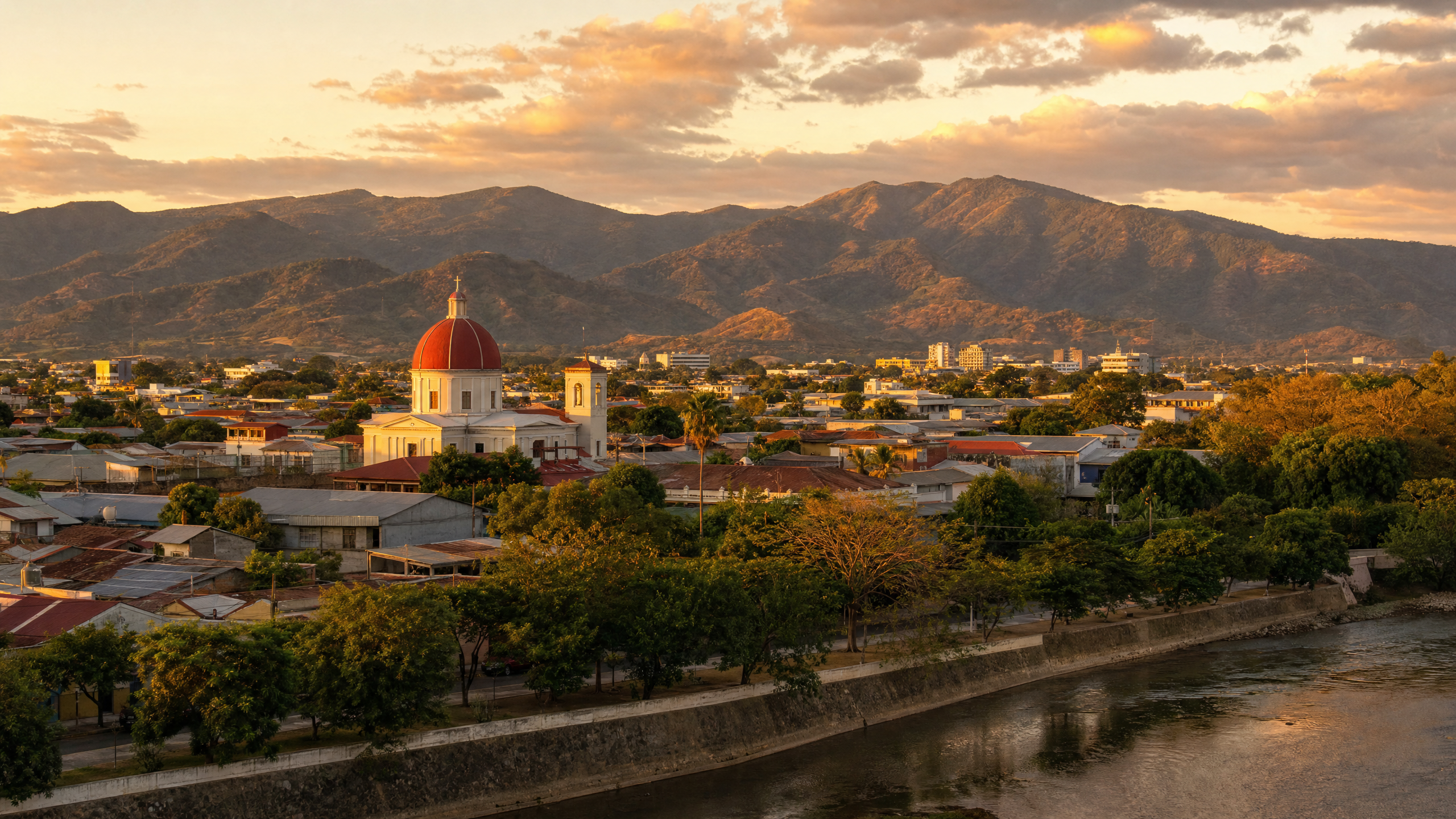
Best for: For Guanacaste, the first decision is pace: give the city enough room to show its beach resorts, dry forest and surf-town options. Guanacaste is the easiest Costa Rica region for beach-focused trips, with resorts, surf towns, dry forest, family stays and a useful airport at Liberia. The region works best when one beach base is chosen carefully rather than hopping between distant coves.
Historic landmarks: Tamarindo, Papagayo Peninsula, Rincón de la Vieja, Playa Conchal and Flamingo Area, Guanacaste Cowboy Culture and Dry Forest Ecology should shape the sightseeing plan. Useful for social stays, not quiet escapes. Good for premium stays.
Museums and attractions: Choose the hotel area around Tamarindo, Papagayo Peninsula and Flamingo and Conchal. Pick the district that makes arrival, evening movement and the first full day easier.
Hotels and stay areas: Guanacaste also needs a food layer. Build meals around seafood, gallo pinto, casado, corn tortillas, grilled meats, fresh fruit, Tamarindo and Papagayo Resorts so the visitor has a reason to slow down between museums, viewpoints and transfers.
Food and restaurants: Arenal and Liberia can extend the stay when there is enough time. A common volcano extension from Guanacaste. The most useful airport for north Pacific beach routes.

Food, Culture and Route Ideas for Costa Rica
Food route: gallo pinto, casados, fresh fruit, coffee and seafood are reliable food anchors. Outdoor living, conservation and relaxed service pace shape the travel experience. Good guides can change wildlife and forest days, especially in dense habitats. This is where food, culture and route planning should work together.
Food, wine and restaurants: Build meals around gallo pinto, casado, olla de carne, tamales, Costa Rican coffee, tropical fruit and fresh fruit and keep them close to Barrio Escalante, Central Market Area, La Fortuna Centre, Hot Spring Resort Areas and Santa Elena.
Popular experiences: Use San José for arrival, then connect Arenal, Monteverde and Manuel Antonio if the trip has enough days. Choose either Pacific north, central Pacific or Caribbean coast rather than trying to cover every shore. Keep the route disciplined: one clear hotel area, one strong regional layer and one food or culture experience will usually feel better than trying to touch every possible stop.
Planning rule: Use bookings in a clean order: choose the hotel area first, then add attraction tickets, food tours, guided days and local experiences where they make the journey easier, richer and more realistic.