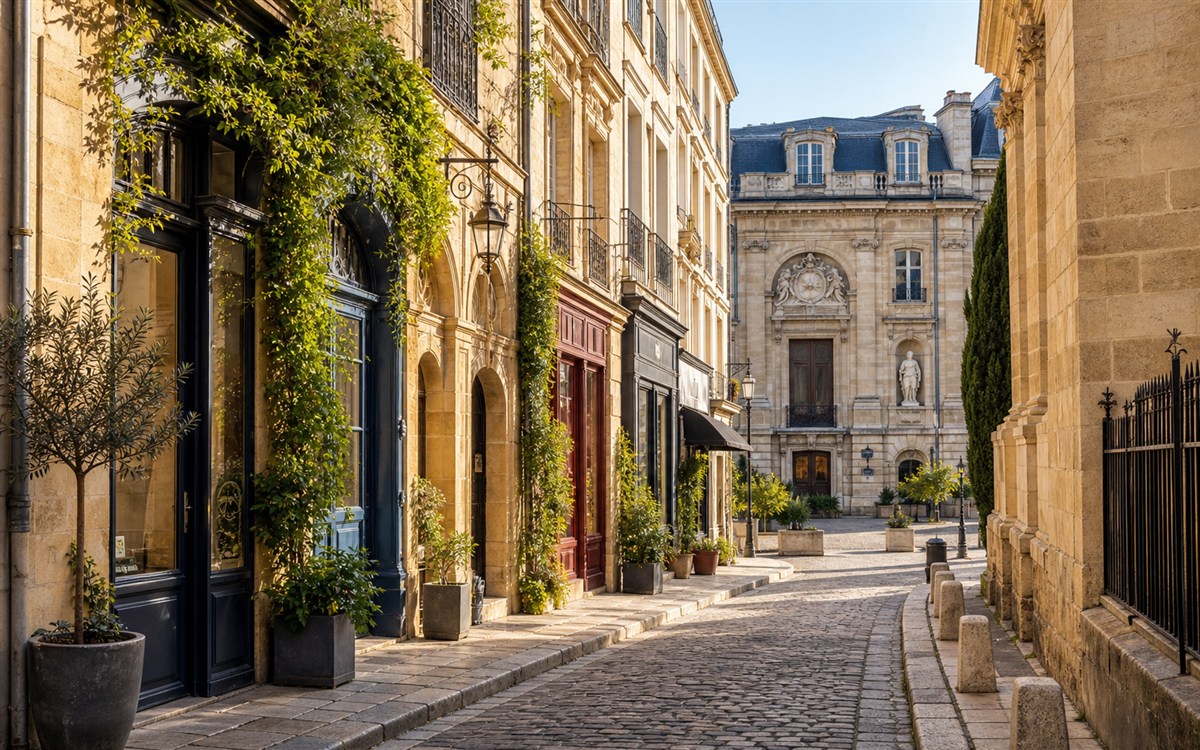
Colombia Travel, Structured Around Cities, Coffee Region and Caribbean Coast
Plan Colombia through Bogota, Medellin, Cartagena, the Coffee Region, Tayrona, Caribbean coast, food, culture, hotels, domestic flights and regional routes.
Start Planning ColombiaCheck Current Advice Before Booking
Travel safety note: Official UK FCDO advice may warn against travel to specific regions of this country. This guide is for general planning only. Check the latest GOV.UK Foreign Travel Advice before booking or travelling.
Regional note: FCDO regional advice covers the Colombia-Venezuela border and northern areas, Pacific coast areas, and Colombia-Panama border regions. WorldFun Colombia planning should avoid restricted regions and focus only on routes where current advice permits travel.
Last WorldFun FCDO review: 2026-04-26
Check GOV.UK FCDO adviceColombia Travel Guide: Routes, Stay Bases, Culture and Experiences
Trip shape: Colombia works better when the first overnight point is chosen before the wish list grows. Keep Bogotá, Medellín, Cartagena and Coffee Region close to the arrival logic, then decide whether Bogotá, Medellín, Cartagena and coffee region routes, Food and Heritage Routes, Nature, Coast and Viewpoints and First Colombia Route should be the second layer or a separate journey.
Best for: Bogotá, Medellín, Cartagena and coffee region routes, Food and Heritage Routes, Nature, Coast and Viewpoints and First Colombia Route give Colombia its deeper travel layer. Some visitors need one main city and one day trip; others should slow down, split the journey and give the strongest region its own nights.
Planning rule: Start with arrival logic, season and the first overnight point, then add the experiences that genuinely deserve advance planning. Museums, landmarks, guided tours, food walks, local neighbourhoods and coastal or countryside days should be grouped by geography and timing.
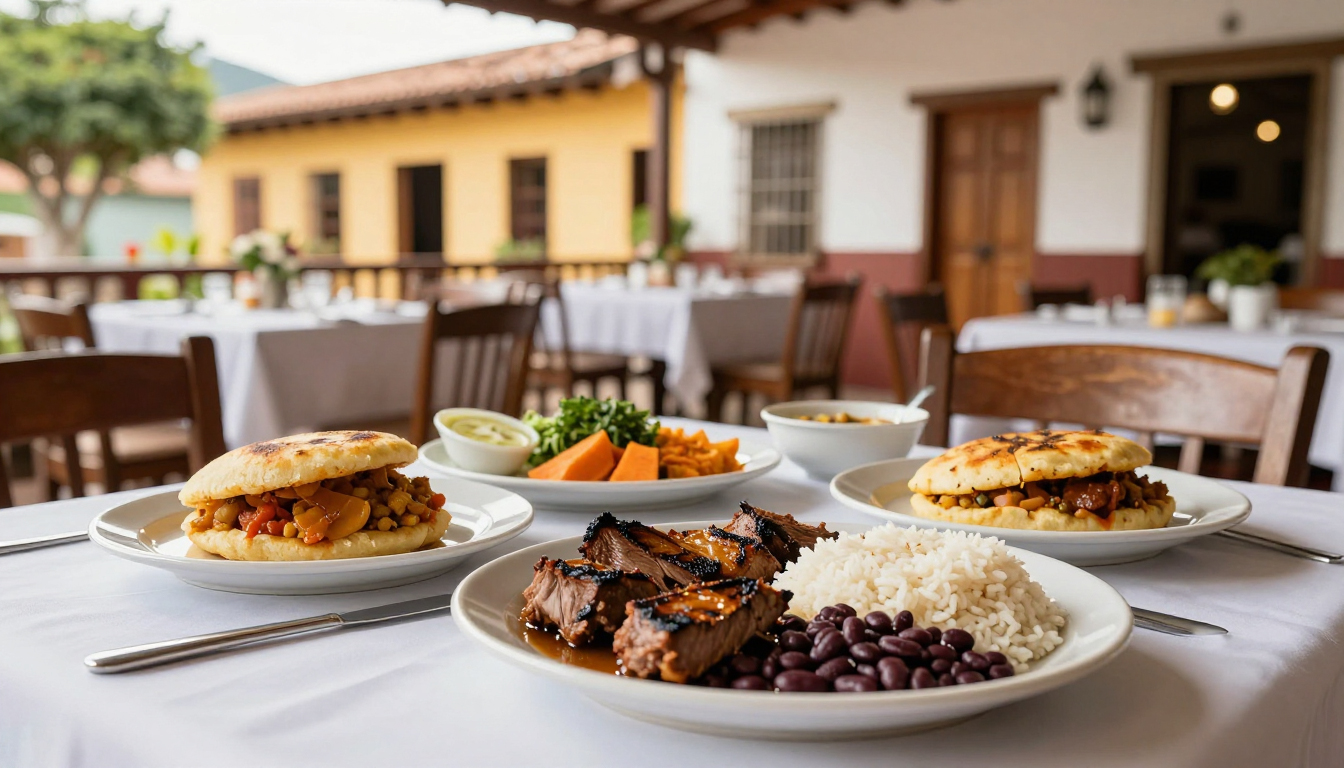
Route logic: arepas, empanadas, bandeja paisa, seafood, soups and tropical fruit change by altitude and coast. Dance, live music and regional festivals are part of the country’s identity, especially after dark in main hubs. Keep food close to the chosen hotel area where possible: the best meals often come from market streets, harbour areas, old-town restaurants and neighbourhoods already inside the day’s route.
Bogotá: high-altitude capital, museums and first Colombia context
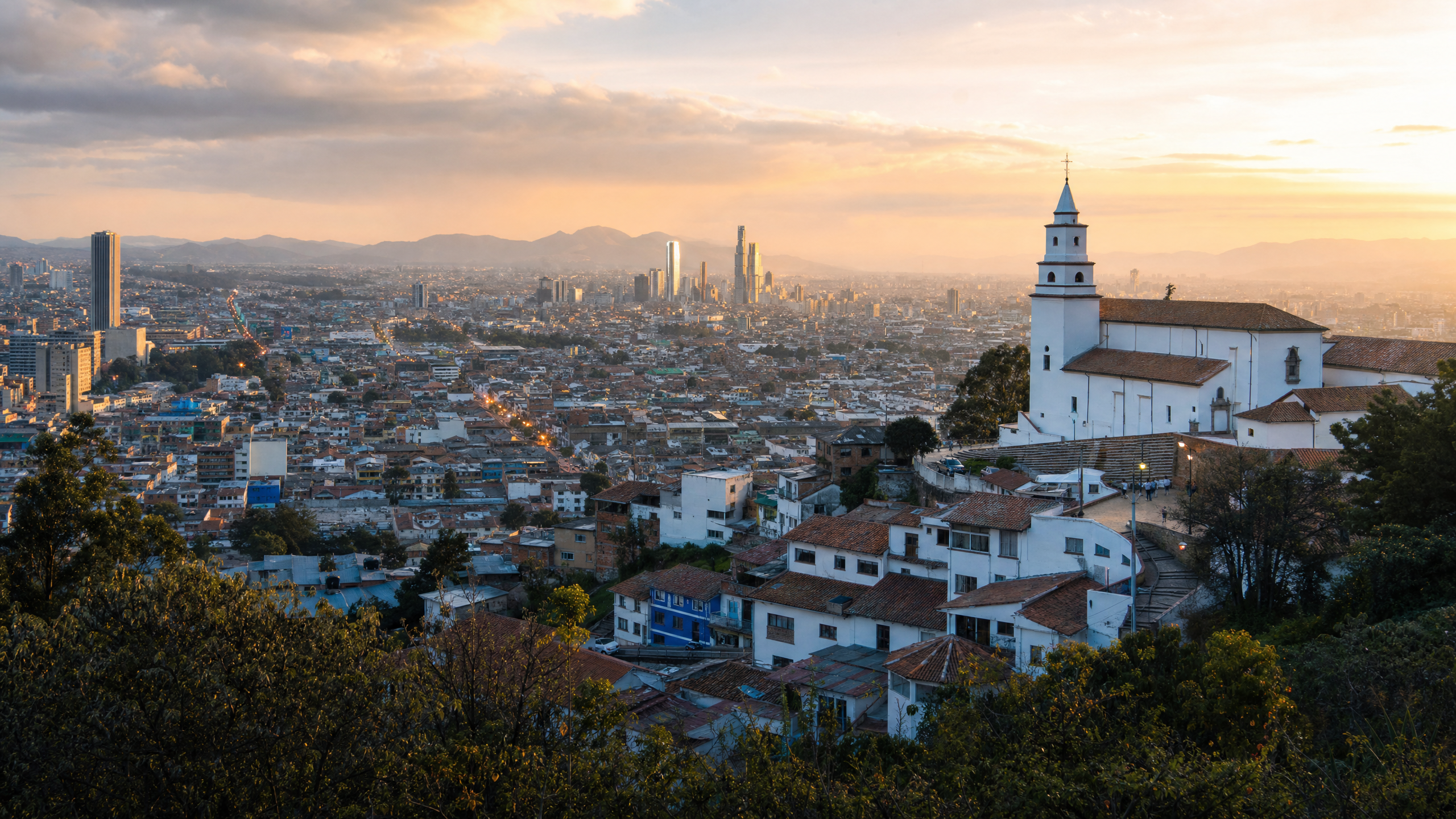
Best for: For Bogotá, the first decision is pace: give the city enough room to show its high-altitude capital, museums and first Colombia context. Bogotá gives Colombia a serious museum and city-culture opening, with highland food, historic streets, art collections and strong domestic flight links to the rest of the country. It is the right place to understand national context before moving to warmer valleys or the Caribbean coast.
Historic landmarks: Gold Museum, La Candelaria, Monserrate, Botero Museum and National Museum of Colombia should shape the sightseeing plan. Use it early for cultural context. Visit by day and plan transport thoughtfully.
Museums and attractions: Choose the hotel area around Chapinero, Zona Rosa and Parque 93 and La Candelaria. Pick the district that makes arrival, evening movement and the first full day easier.
Hotels and stay areas: Bogotá also needs a food layer. Build meals around ajiaco, arepas, tamales, empanadas, hot chocolate with cheese, Colombian coffee, La Candelaria and Zona G and Chapinero so the visitor has a reason to slow down between museums, viewpoints and transfers.
Food and restaurants: Zipaquirá and Medellín or Cartagena can extend the stay when there is enough time. A popular day route from Bogotá. Common onward routes by domestic flight.


Medellín: valley city, neighbourhood change and coffee-side routes
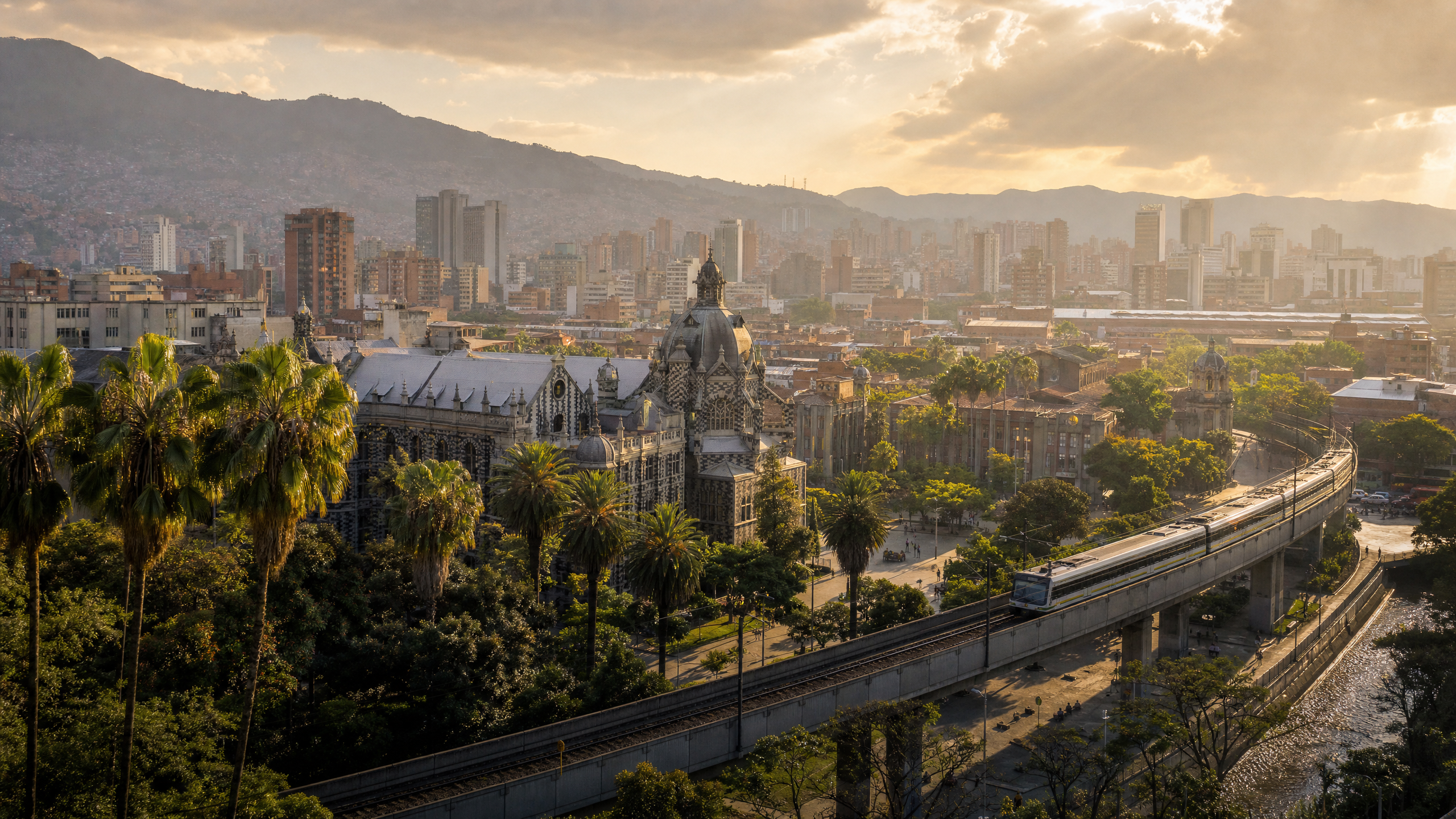
Best for: Treat Medellín as the part of Colombia where valley city, neighbourhood change and coffee-side routes becomes useful for the wider route. Medellín adds a warmer, greener urban chapter to Colombia, with valley views, neighbourhood regeneration, public transport viewpoints and access to colourful nearby towns. It works well for travellers who want cafes, views and day routes rather than a rushed sightseeing checklist.
Historic landmarks: Comuna 13, Metrocable Views, Plaza Botero, Guatapé Day Route, Museum of Antioquia and Casa de la Memoria Museum should shape the sightseeing plan. Use a reputable local guide and keep the visit respectful. Pair with daytime city routes.
Museums and attractions: Choose the hotel area around El Poblado and Laureles. Pick the district that makes arrival, evening movement and the first full day easier.
Hotels and stay areas: Medellín also needs a food layer. Build meals around bandeja paisa, arepas paisas, empanadas, sancocho, aguapanela, Colombian coffee, El Poblado and Laureles so the visitor has a reason to slow down between museums, viewpoints and transfers.
Food and restaurants: Guatapé and Coffee Region can extend the stay when there is enough time. A popular full-day lake and town route. A countryside extension by flight or longer transfer.
Cartagena: walled Caribbean city, colour and coast
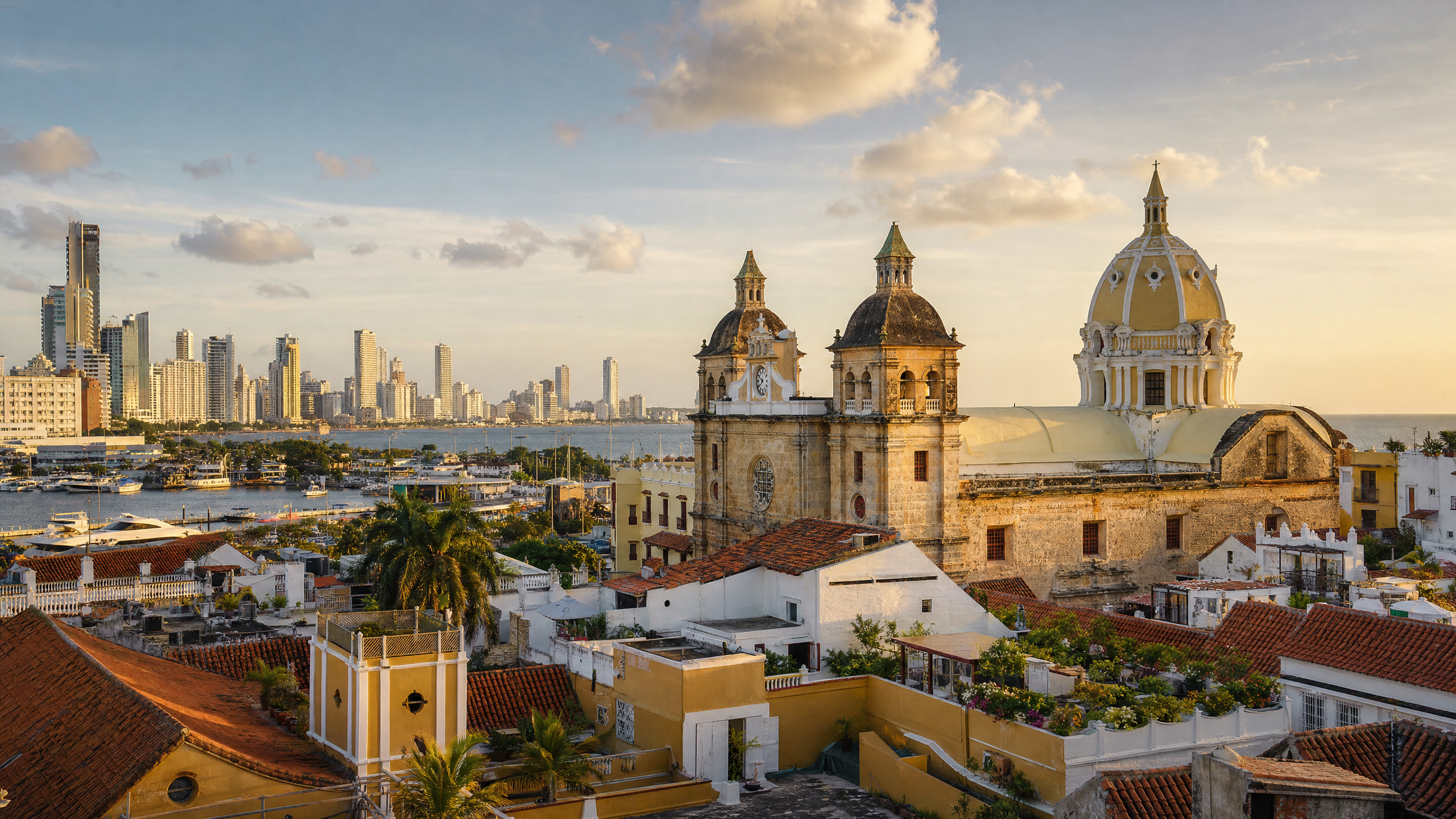
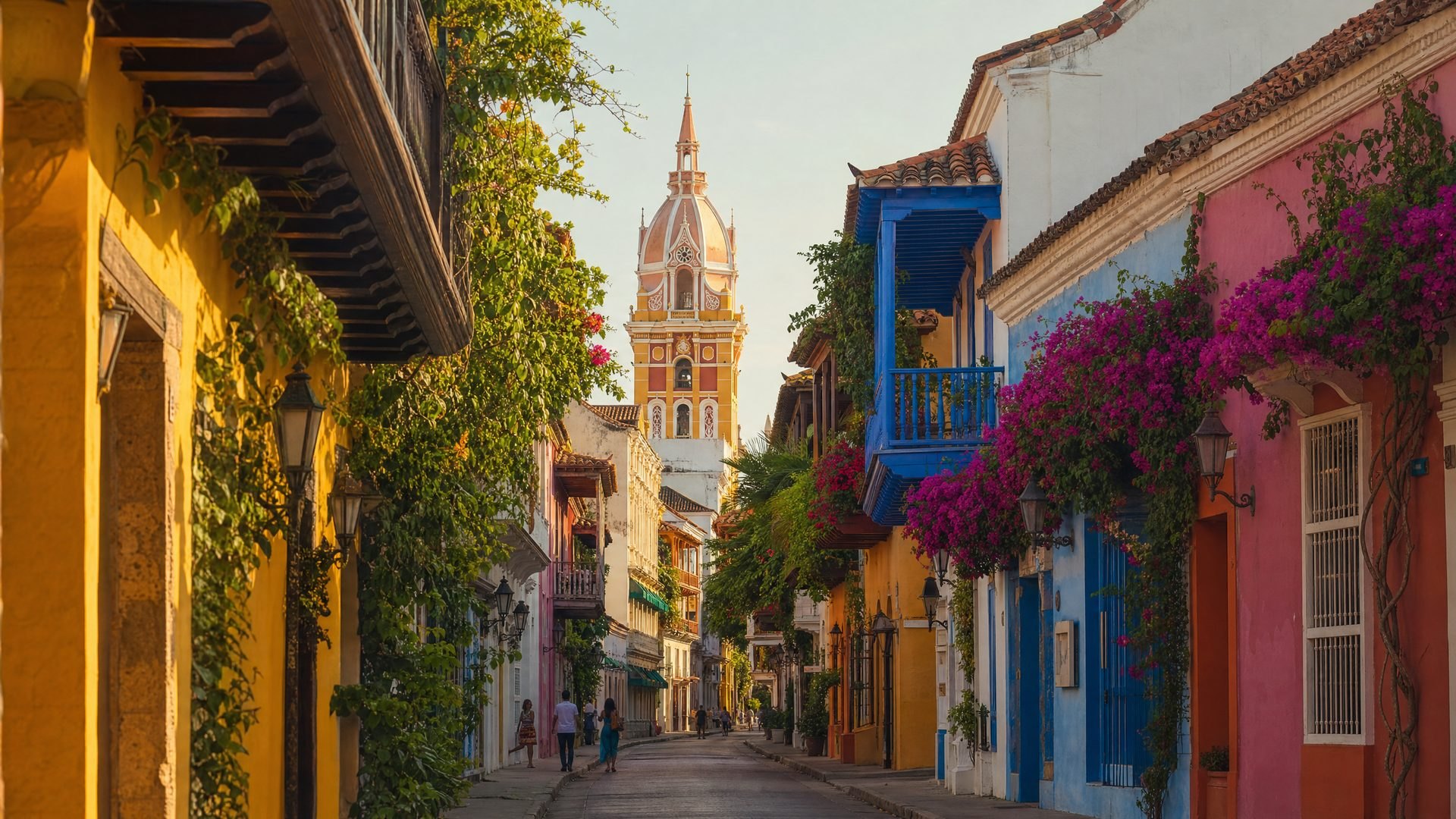
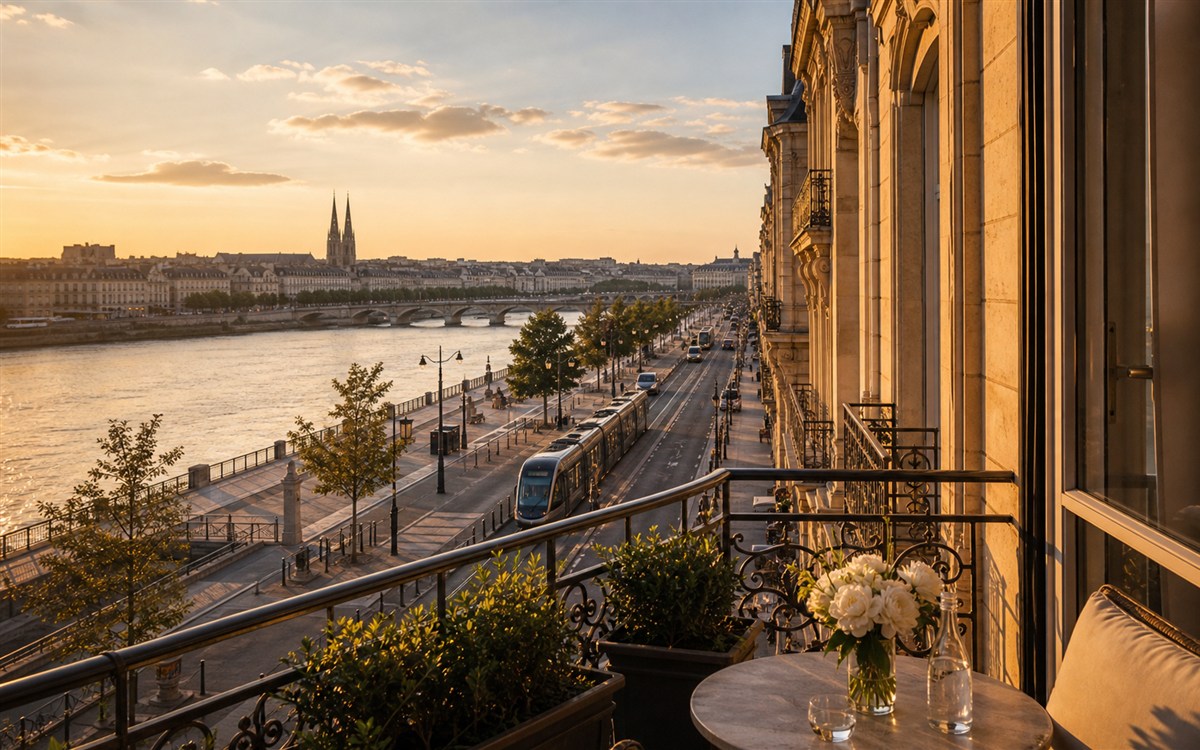
Best for: Use Cartagena when the Colombia route needs walled Caribbean city, colour and coast. Cartagena is Colombia's easiest Caribbean heritage base, combining walled-city walks, plazas, seafood, music and short island or beach routes when planned with realistic expectations. Heat, crowds and boat logistics matter, so the best stays mix early walks with slower evenings.
Historic landmarks: Walled City, Castillo San Felipe de Barajas, Getsemaní, Rosario Islands Routes, Palace of the Inquisition Museum and San Pedro Claver Church and Museum should shape the sightseeing plan. Explore early or late to avoid the hottest part of the day. Take water and allow time for exposed sections.
Museums and attractions: Choose the hotel area around Walled City, Getsemaní and Bocagrande. Pick the district that makes arrival, evening movement and the first full day easier.
Hotels and stay areas: Cartagena also needs a food layer. Build meals around coconut rice, fried fish, arepa de huevo, ceviche, patacones, tropical juices, Walled City and Getsemaní so the visitor has a reason to slow down between museums, viewpoints and transfers.
Food and restaurants: Rosario Islands and Santa Marta and Tayrona Area can extend the stay when there is enough time. A coastal add-on requiring careful operator choice. A longer Caribbean extension with logistics and park timing to check.
Coffee Region: coffee landscapes, small towns and slower countryside stays
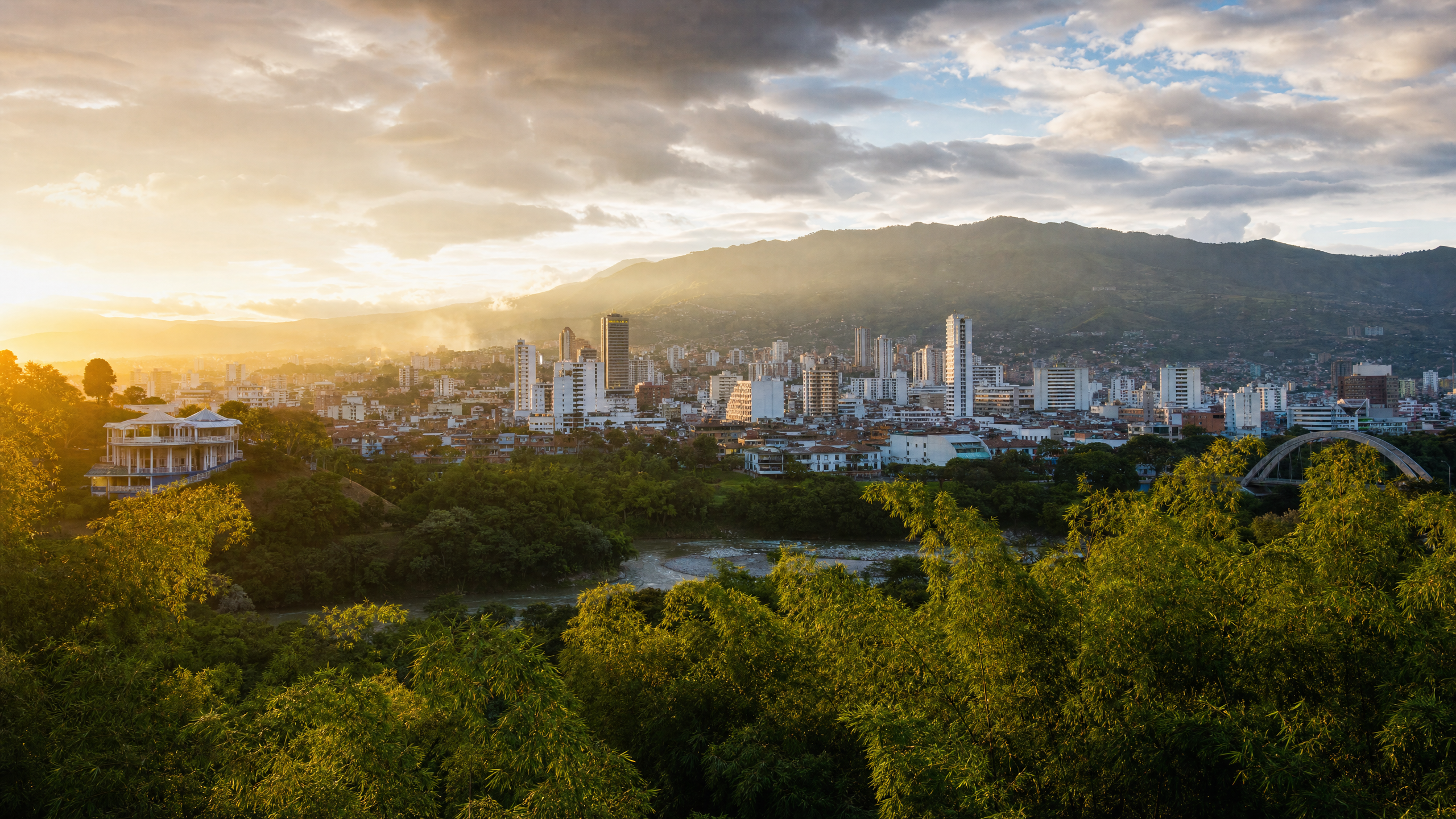
Best for: The value of Coffee Region is not only the headline sights; it gives the itinerary coffee landscapes, small towns and slower countryside stays and a clearer local rhythm. The Coffee Region slows Colombia down, with green hills, coffee farms, colourful towns and valley walks that are easier to enjoy when treated as a countryside stay rather than a day trip. It gives the route rural texture between the larger city and coast chapters.
Historic landmarks: Salento, Cocora Valley, Coffee Farm Visits, Filandia, Coffee Farm Interpretation and Paisaje Cultural Cafetero should shape the sightseeing plan. Stay overnight if the route matters. Weather and mud can affect the day.
Museums and attractions: Choose the hotel area around Salento, Filandia and Countryside Finca. Pick the district that makes arrival, evening movement and the first full day easier.
Hotels and stay areas: Coffee Region also needs a food layer. Build meals around trout, arepas, beans, sancocho, coffee, tropical fruit juices, Salento Centre and Filandia so the visitor has a reason to slow down between museums, viewpoints and transfers.
Food and restaurants: Medellín and Bogotá can extend the stay when there is enough time. A common city pairing by flight or longer road transfer. A practical onward connection by domestic flight.
Food, Culture and Route Ideas for Colombia
Food route: arepas, empanadas, bandeja paisa, seafood, soups and tropical fruit change by altitude and coast. Dance, live music and regional festivals are part of the country’s identity, especially after dark in main hubs. Mountain geography makes flights the sensible link between several major stops. This is where food, culture and route planning should work together.
Food, wine and restaurants: Build meals around ajiaco, arepas, tamales, empanadas, hot chocolate with cheese, Colombian coffee and bandeja paisa and keep them close to La Candelaria, Zona G and Chapinero, Usaquén, El Poblado and Laureles.
Popular experiences: Pair Bogotá, Medellín and Cartagena by domestic flight rather than trying to connect everything by road. Add the Coffee Region when the trip can slow down for countryside stays. Keep the route disciplined: one clear hotel area, one strong regional layer and one food or culture experience will usually feel better than trying to touch every possible stop.
Planning rule: Use bookings in a clean order: choose the hotel area first, then add attraction tickets, food tours, guided days and local experiences where they make the journey easier, richer and more realistic.