Chile Travel, Structured Around Santiago, Patagonia and Desert Routes
Plan Chile through Santiago, Valparaiso, Atacama, Patagonia, Torres del Paine, wine valleys, lakes, coast, hotels, flights and long thin-country routing.
Start Planning ChileChile Travel Guide: Routes, Stay Bases, Culture and Experiences
Trip shape: Read Chile as a route first and a destination list second. Keep Santiago, Valparaíso, Atacama Desert and Patagonia and Torres del Paine close to the arrival logic, then decide whether Atacama, Patagonia and Pacific coast routes, Food and Heritage Routes, Nature and Viewpoints and First Chile Trip should be the second layer or a separate journey.
Best for: Atacama, Patagonia and Pacific coast routes, Food and Heritage Routes, Nature and Viewpoints and First Chile Trip give Chile its deeper travel layer. Some visitors need one main city and one day trip; others should slow down, split the journey and give the strongest region its own nights.
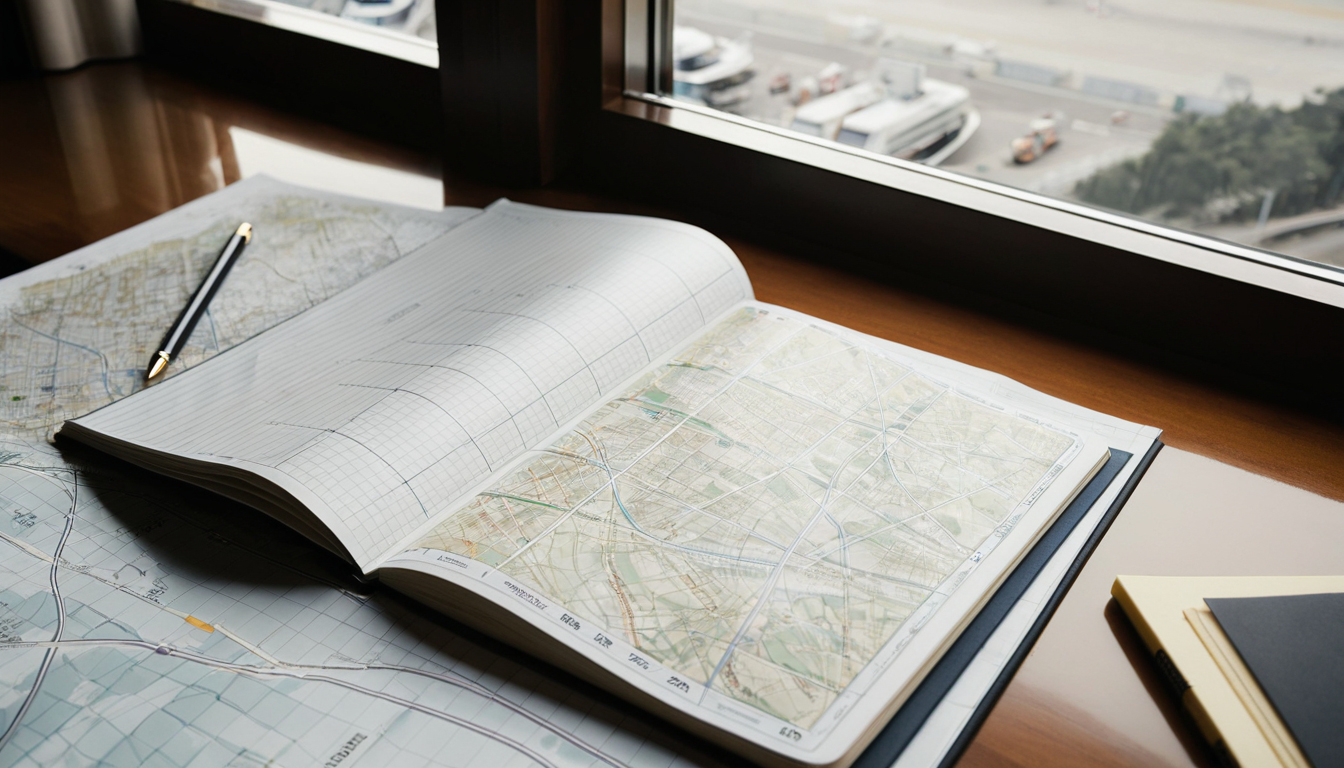
Planning rule: Start with arrival logic, season and the first overnight point, then add the experiences that genuinely deserve advance planning. Museums, landmarks, guided tours, food walks, local neighbourhoods and coastal or countryside days should be grouped by geography and timing.
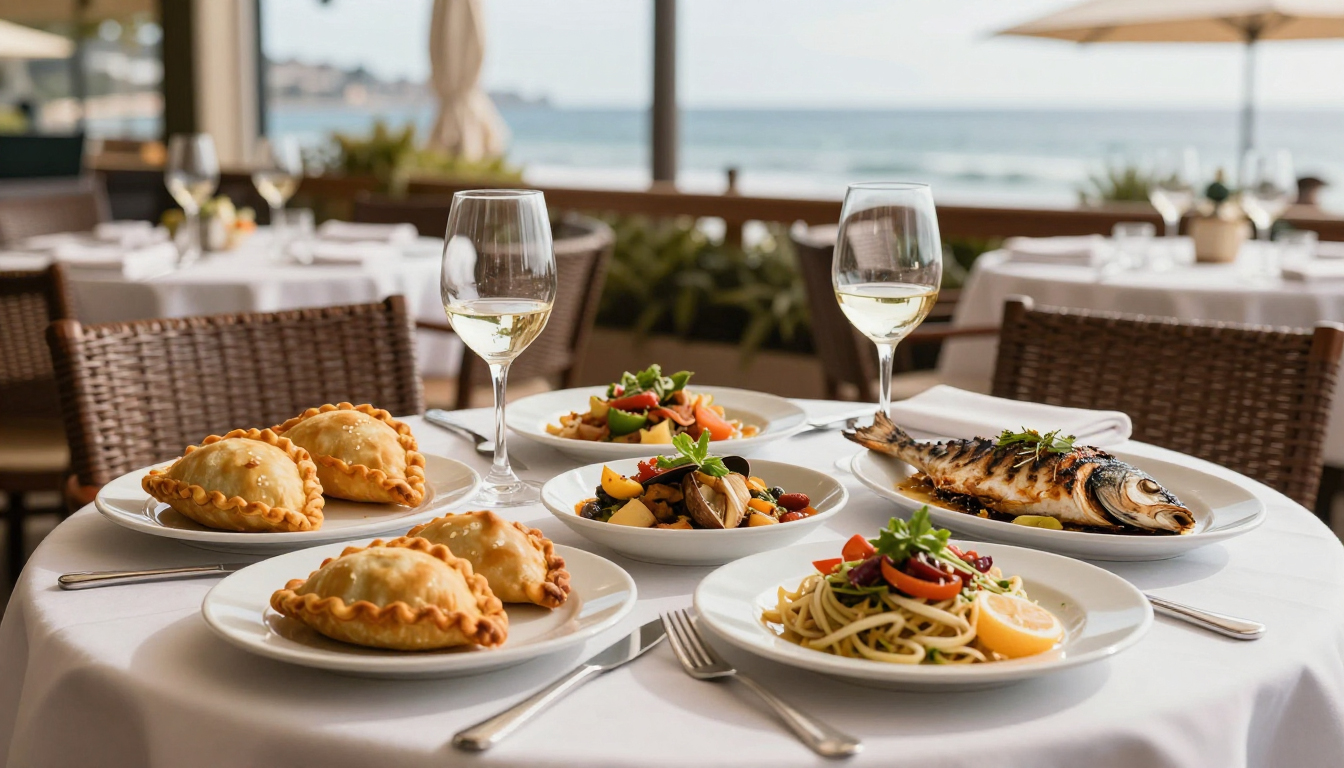
Route logic: Pacific seafood, empanadas, Chilean wine, pisco and market meals are central to many routes. Valparaíso, Santiago museums, literary links and local festivals add cultural texture between the bigger landscape chapters. Keep food close to the chosen hotel area where possible: the best meals often come from market streets, harbour areas, old-town restaurants and neighbourhoods already inside the day’s route.
Plan this part of the trip

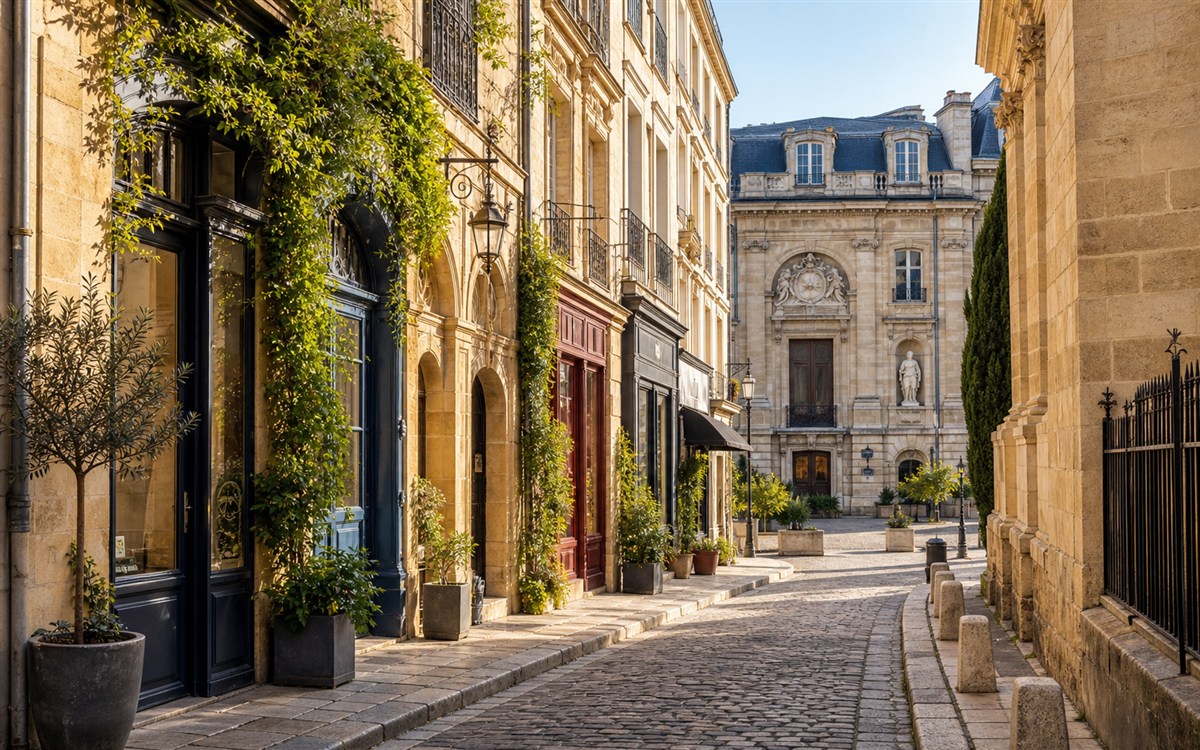
Santiago: capital base, museums and Andes views
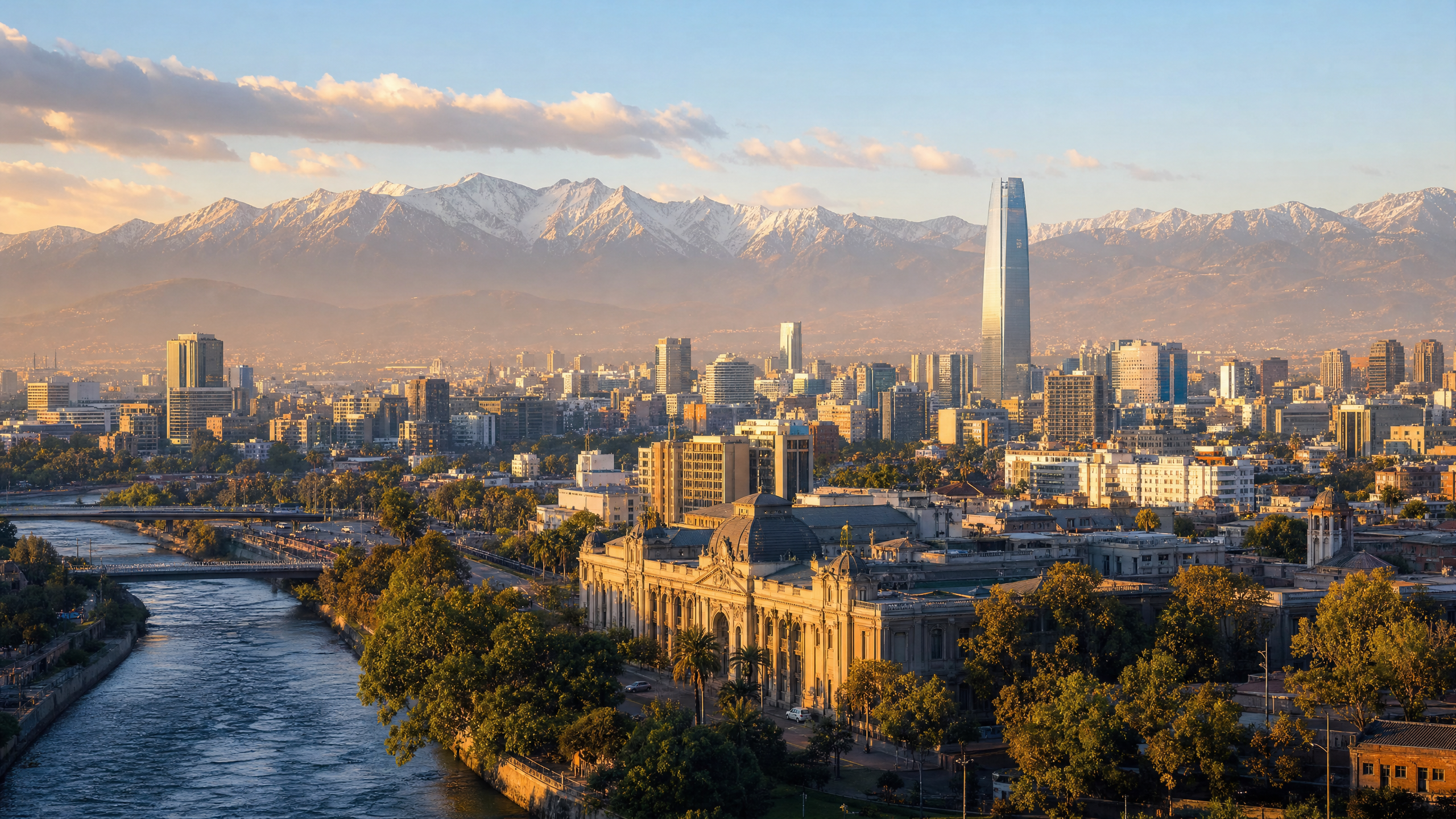
Best for: Santiago deserves a proper place in the Chile plan, especially when the trip needs capital base, museums and Andes views. Santiago is Chile's practical first base, with museums, markets, neighbourhood food, wine-country access and Andes views when weather is clear. It works best as a measured city chapter that also solves logistics before the desert, Pacific coast or Patagonia.
Historic landmarks: Cerro San Cristóbal, Plaza de Armas and Historic Centre, La Chascona and Bellavista, Central Market and Lastarria, Museo Chileno de Arte Precolombino and Museo de la Memoria y los Derechos Humanos should shape the sightseeing plan. Go when air and weather conditions favour views. Use it as a focused daytime route.
Museums and attractions: Choose the hotel area around Lastarria, Providencia and Vitacura or Las Condes. Pick the district that makes arrival, evening movement and the first full day easier.
Hotels and stay areas: Santiago also needs a food layer. Build meals around empanadas, pastel de choclo, Chilean wine, pisco sour, seafood, mote con huesillo, Lastarria and Bellavista so the visitor has a reason to slow down between museums, viewpoints and transfers.
Food and restaurants: Valparaíso and Maipo or Casablanca Wine Valleys can extend the stay when there is enough time. The classic Pacific coast city extension. Wine routes that need transport planning.


Valparaíso: Pacific port, street art and hillside culture
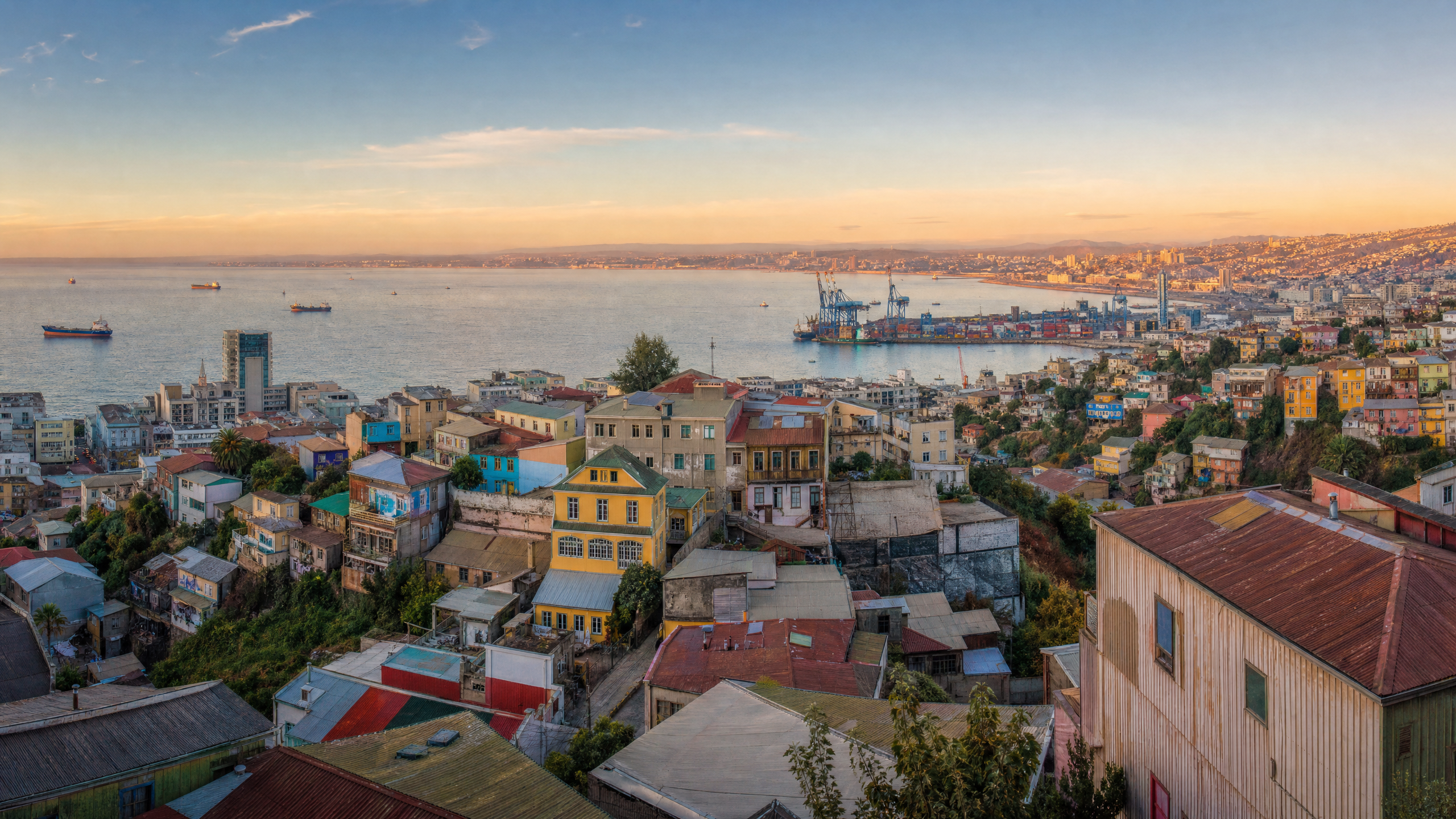
Best for: The value of Valparaíso is not only the headline sights; it gives the itinerary Pacific port, street art and hillside culture and a clearer local rhythm. Valparaíso is Chile's colourful port-city counterpoint to Santiago, with hillside lifts, street art, seafood, poetry links and Pacific views. It feels strongest as an overnight stay, giving time for hill districts, port history and safer evening transport planning.
Historic landmarks: Cerro Alegre and Cerro Concepción, La Sebastiana, Port and Plaza Sotomayor Area, Ascensores and Viewpoints, Baburizza Palace Museum and Street Art Routes should shape the sightseeing plan. Explore by marked streets and avoid wandering into unfamiliar areas at night. Book or check opening times before going.
Museums and attractions: Choose the hotel area around Cerro Alegre, Cerro Concepción and Viña del Mar. Pick the district that makes arrival, evening movement and the first full day easier.
Hotels and stay areas: Valparaíso also needs a food layer. Build meals around chorrillana, seafood stews, empanadas, pisco sour, Chilean wine, alfajores, Cerro Alegre and Cerro Concepción so the visitor has a reason to slow down between museums, viewpoints and transfers.
Food and restaurants: Viña del Mar and Casablanca Valley can extend the stay when there is enough time. A beach and resort-style contrast nearby. A wine route between Santiago and the coast.
Atacama Desert: desert landscapes, altitude and stargazing
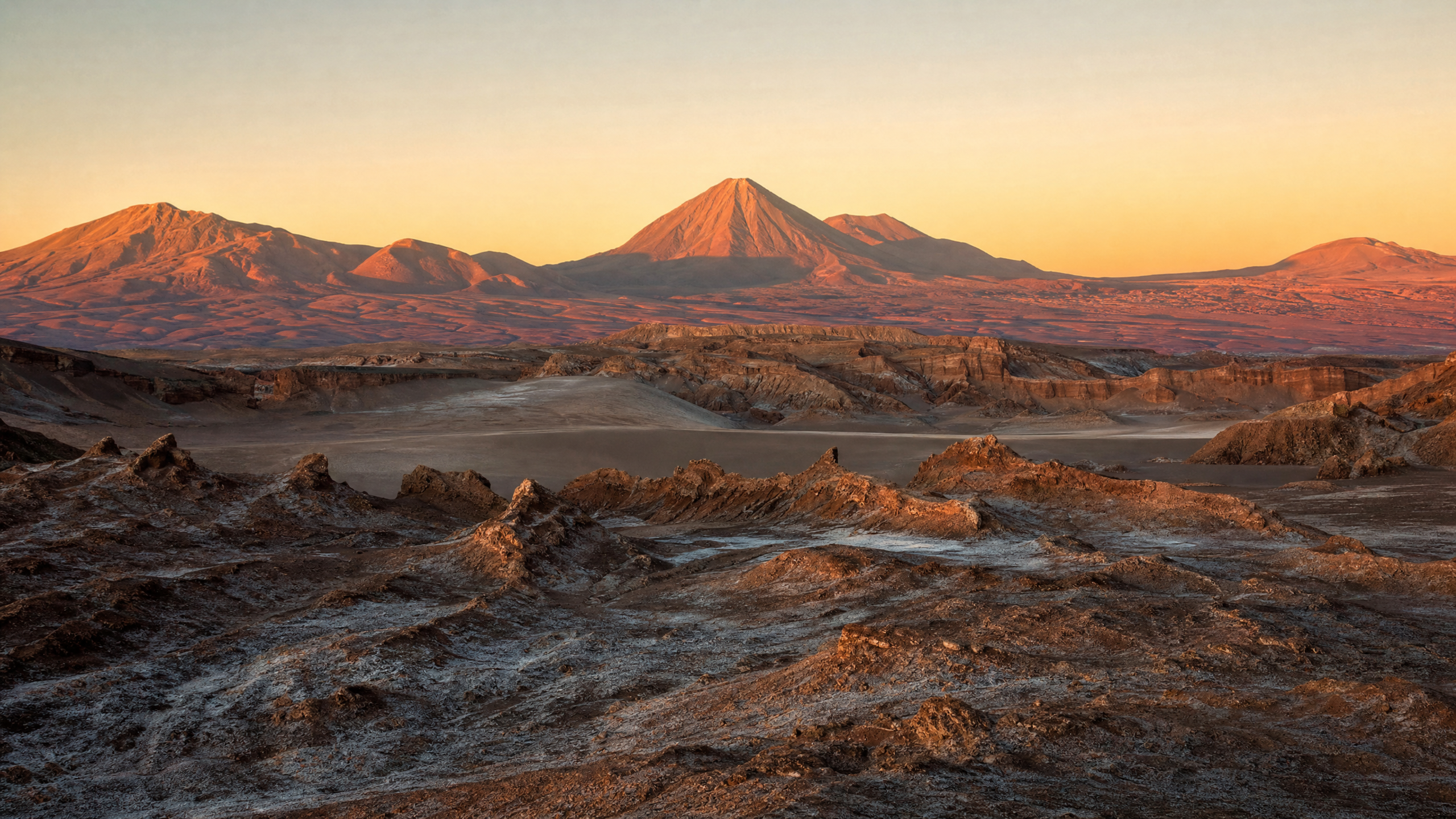
Best for: Atacama Desert works better as a lived-in stop than as a fast photo pin, with desert landscapes, altitude and stargazing shaping the day. Atacama is Chile's desert chapter, with San Pedro de Atacama as the base for salt flats, lagoons, geysers, stargazing and altitude-sensitive day routes. The region rewards travellers who alternate dawn starts, high-altitude excursions and quieter recovery time.
Historic landmarks: Valle de la Luna, El Tatio Geysers, Altiplanic Lagoons, Stargazing Experiences, San Pedro de Atacama Archaeological Context and Atacama Astronomy Context should shape the sightseeing plan. Plan for late afternoon light and heat. Prepare for cold, altitude and a very early start.
Museums and attractions: Choose the hotel area around San Pedro Centre and Outer Lodges. Pick the district that makes arrival, evening movement and the first full day easier.
Hotels and stay areas: Atacama Desert also needs a food layer. Build meals around quinoa dishes, llama dishes where offered, empanadas, Chilean wine, pisco sour, stews, San Pedro Centre and Lodge Areas Outside Town so the visitor has a reason to slow down between museums, viewpoints and transfers.
Food and restaurants: Calama and Uyuni Extension can extend the stay when there is enough time. The main airport gateway for Atacama. A cross-border desert route only with careful operator and document planning.


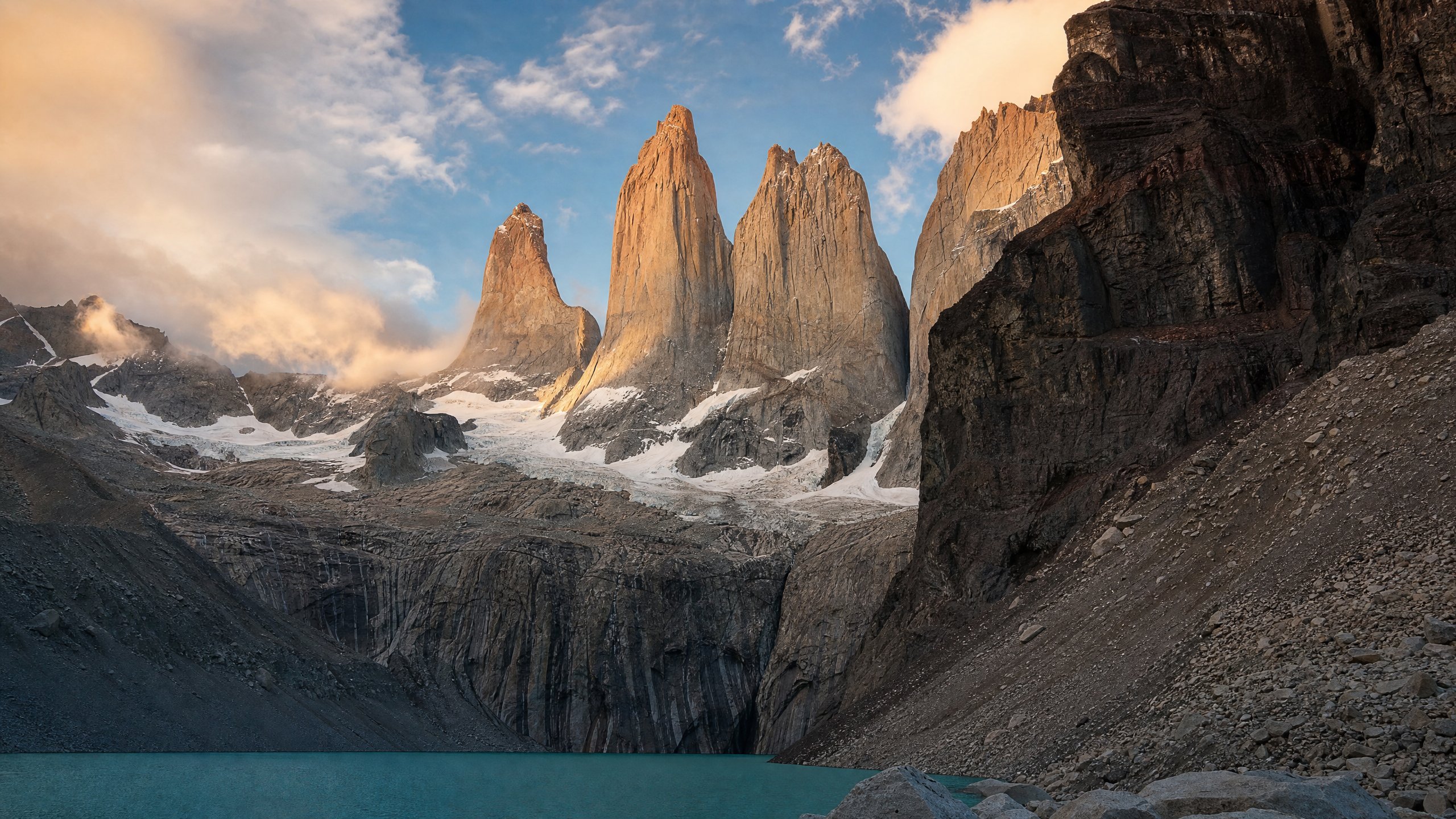
Patagonia and Torres del Paine: national park, glaciers and wind-aware planning
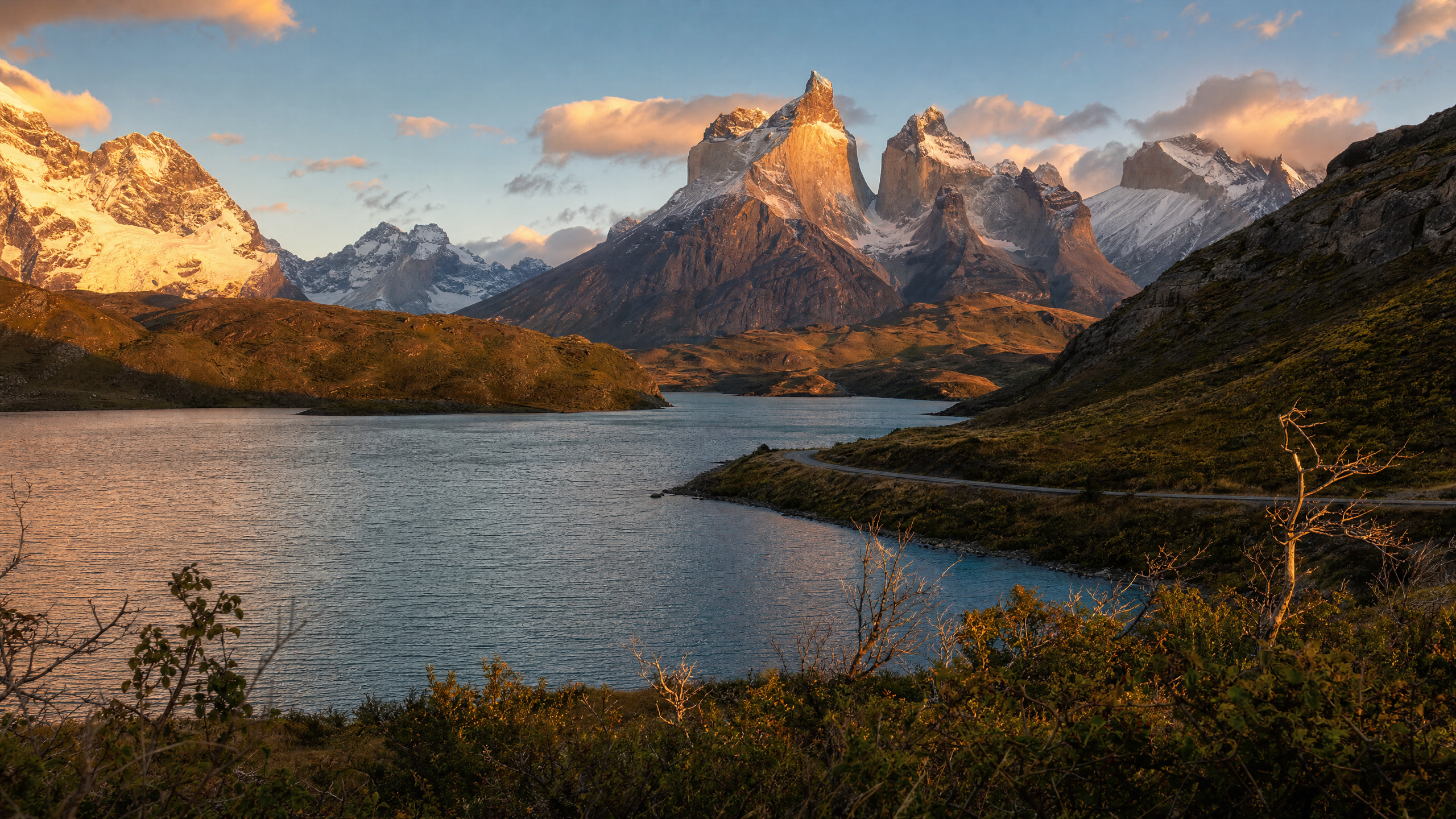
Best for: Patagonia and Torres del Paine deserves a proper place in the Chile plan, especially when the trip needs national park, glaciers and wind-aware planning. Torres del Paine is Chile's headline Patagonia Route, with mountains, lakes, glaciers and strong wind that make lodging, transport and weather buffers essential. It should be planned as a nature expedition chapter, not as a casual add-on to Santiago.
Historic landmarks: Torres del Paine Viewpoints, Grey Glacier Area, Puerto Natales, Mirador Base Las Torres Route, Puerto Natales Historical Museum and Patagonian Ranching Context should shape the sightseeing plan. Book transport and park access ahead in peak season. Weather affects boat and walking plans.
Museums and attractions: Choose the hotel area around Puerto Natales, Inside or Near the Park and Punta Arenas. Pick the district that makes arrival, evening movement and the first full day easier.
Hotels and stay areas: Patagonia and Torres del Paine also needs a food layer. Build meals around Patagonian lamb, king crab, calafate desserts, stews, Chilean wine, empanadas, Puerto Natales and Park Lodges so the visitor has a reason to slow down between museums, viewpoints and transfers.
Food and restaurants: Punta Arenas and El Calafate can extend the stay when there is enough time. The main regional airport and wider Patagonia gateway. A cross-border Argentina extension requiring document and transfer planning.
Food, Culture and Route Ideas for Chile
Food route: Pacific seafood, empanadas, Chilean wine, pisco and market meals are central to many routes. Valparaíso, Santiago museums, literary links and local festivals add cultural texture between the bigger landscape chapters. Altitude, wind, desert dryness and long distances shape safe, realistic planning. This is where food, culture and route planning should work together.
Food, wine and restaurants: Build meals around empanadas, pastel de choclo, Chilean wine, pisco sour, seafood, mote con huesillo and chorrillana and keep them close to Lastarria, Bellavista, Providencia and Vitacura, Cerro Alegre and Cerro Concepción.
Popular experiences: Use Santiago and Valparaíso first, then choose either Atacama or Patagonia as the major extension. Add San Pedro de Atacama by flight and transfer when high desert landscapes are the priority. Keep the route disciplined: one clear hotel area, one strong regional layer and one food or culture experience will usually feel better than trying to touch every possible stop.
Planning rule: Use bookings in a clean order: choose the hotel area first, then add attraction tickets, food tours, guided days and local experiences where they make the journey easier, richer and more realistic.