Canada Travel, Structured Around East-West Choice, Cities and Nature
Plan Canada through Toronto, Vancouver, Montreal, Quebec City, the Rockies, Vancouver Island, national parks, rail journeys, winter travel, hotels and flights.
Start Planning CanadaCanada Travel Guide: Routes, Stay Bases, Culture and Experiences
Trip shape: Use Canada as a travel story with chapters, not as a checklist. The practical starting point should come from Toronto, Vancouver, Montréal and Québec City, while Canadian Rockies, Quebec, Vancouver Island and First Canada Trip should be added only when they improve the journey instead of scattering it.
Best for: Canadian Rockies, Quebec, Vancouver Island and First Canada Trip give Canada its deeper travel layer. Some visitors need one main city and one day trip; others should slow down, split the journey and give the strongest region its own nights.
Planning rule: Start with arrival logic, season and the first overnight point, then add the experiences that genuinely deserve advance planning. Museums, landmarks, guided tours, food walks, local neighbourhoods and coastal or countryside days should be grouped by geography and timing.
Route logic: poutine, seafood, bagels, maple, prairie produce and Asian-influenced dining vary by province. Parks, trails, lakes and winter sports are part of how many trips are shaped. Keep food close to the chosen hotel area where possible: the best meals often come from market streets, harbour areas, old-town restaurants and neighbourhoods already inside the day’s route.
Toronto: neighbourhood food, museums and Niagara access
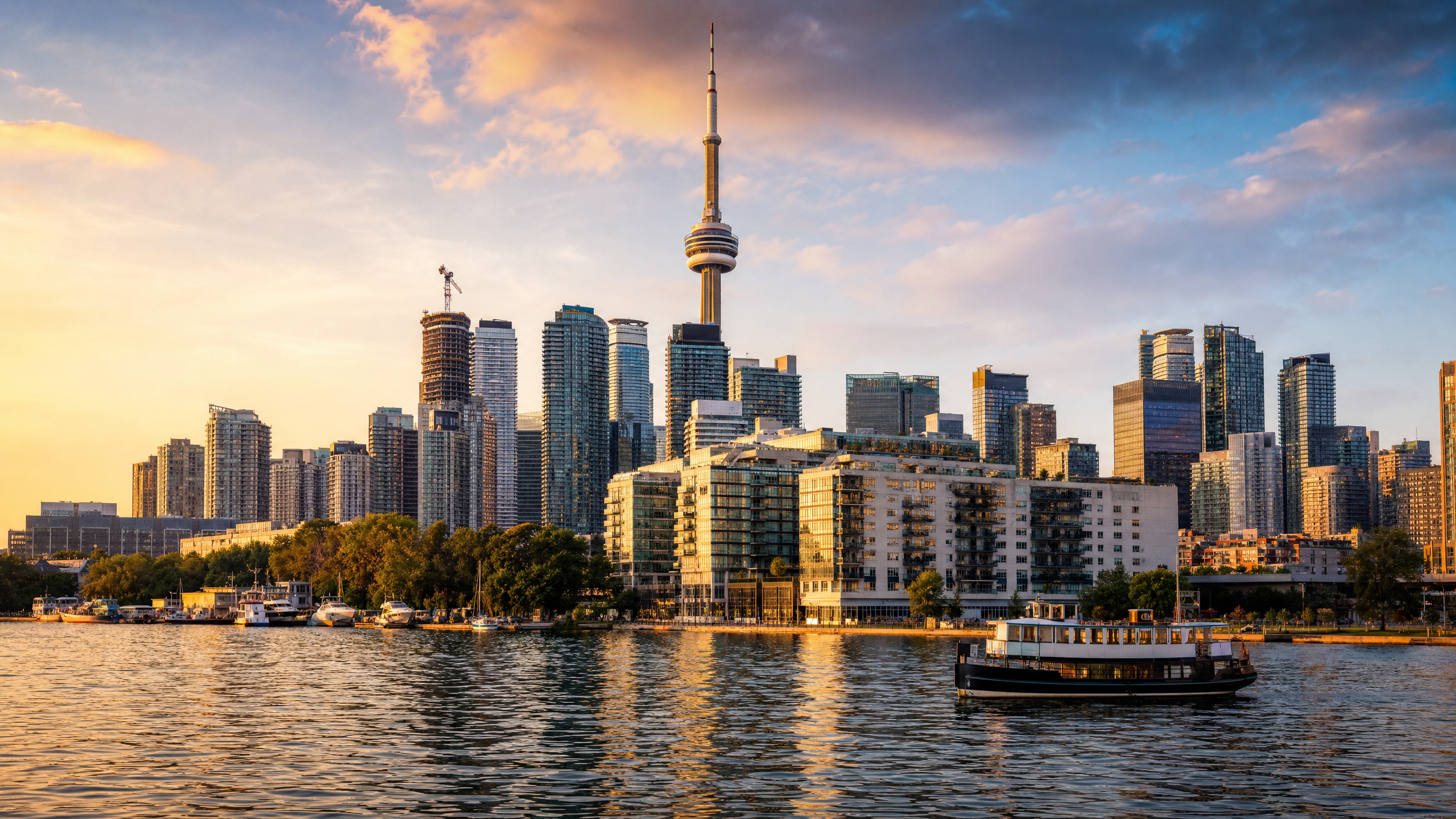
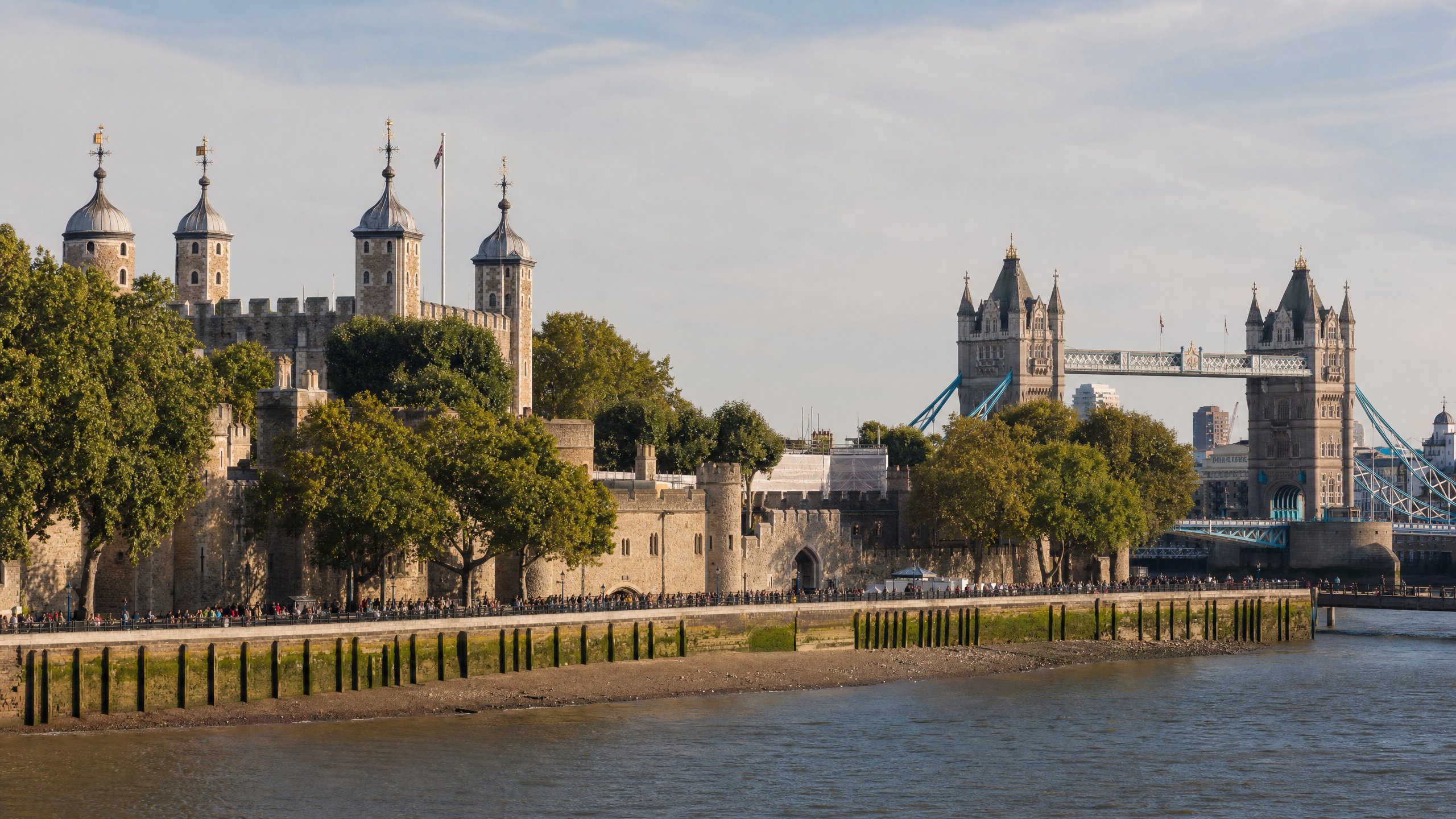
Best for: Toronto deserves a proper place in the Canada plan, especially when the trip needs neighbourhood food, museums and Niagara access. Toronto is Canada's largest city and a strong first eastern base, with museums, lakefront walks, markets, neighbourhood food and easy access toward Niagara. It works best when travellers treat districts such as Kensington, Queen West, the waterfront and Yorkville as separate chapters rather than assuming one Downtown loop explains the city.
Historic landmarks: CN Tower and Harbourfront, Royal Ontario Museum, St Lawrence Market, Toronto Islands, Art Gallery of Ontario and Aga Khan Museum should shape the sightseeing plan. Use it with the waterfront rather than as a single stop. Allow enough time or choose focused galleries.
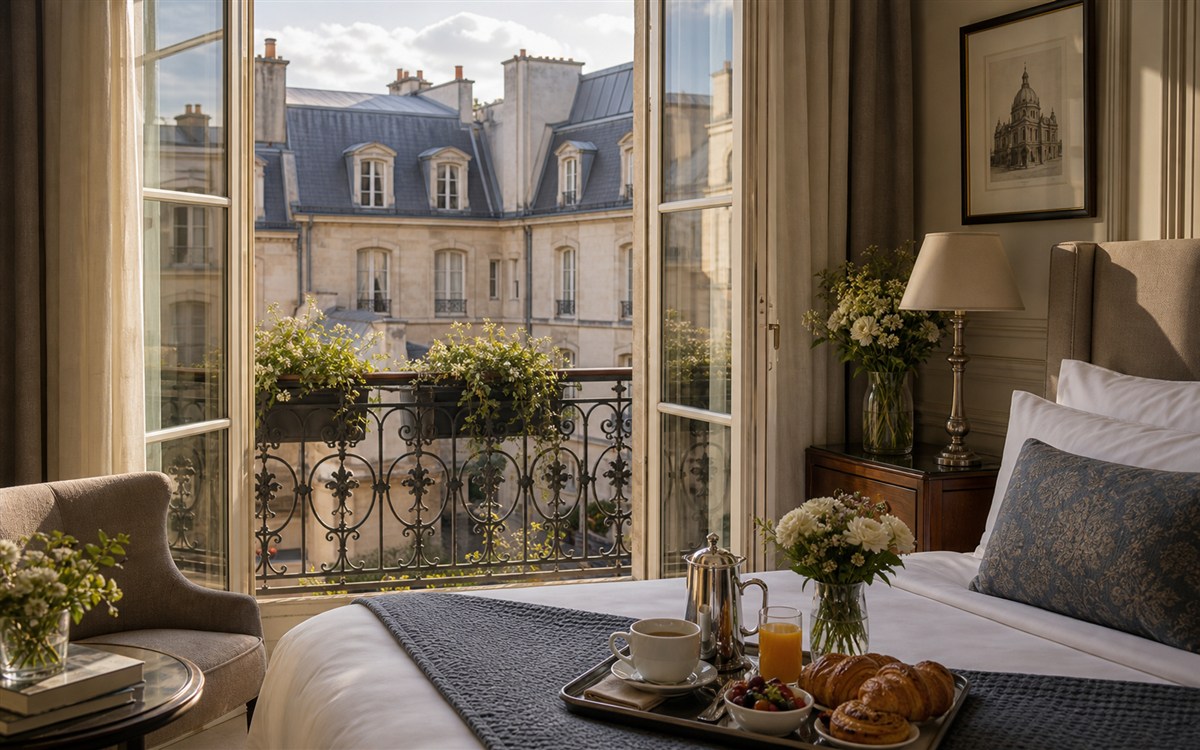
Museums and attractions: Choose the hotel area around Downtown Core, Queen West and Yorkville. Pick the district that makes arrival, evening movement and the first full day easier.
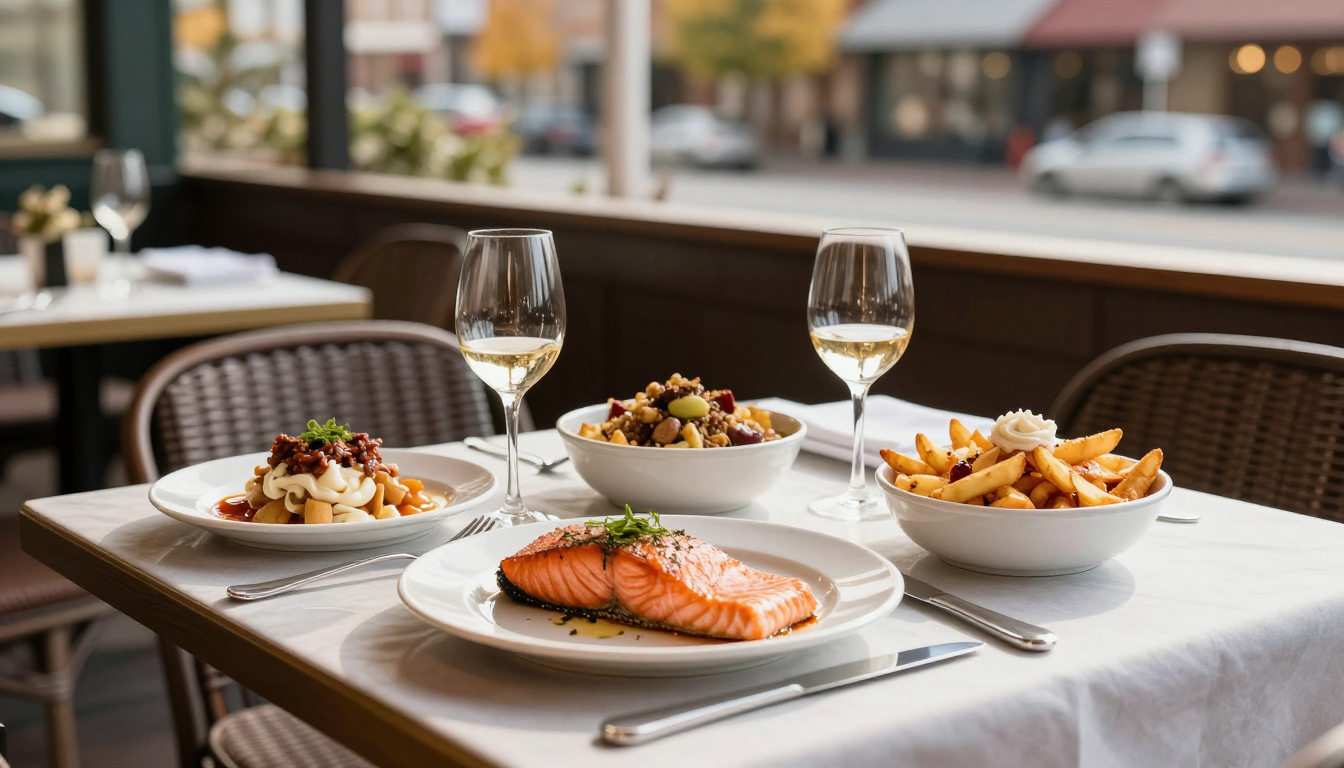
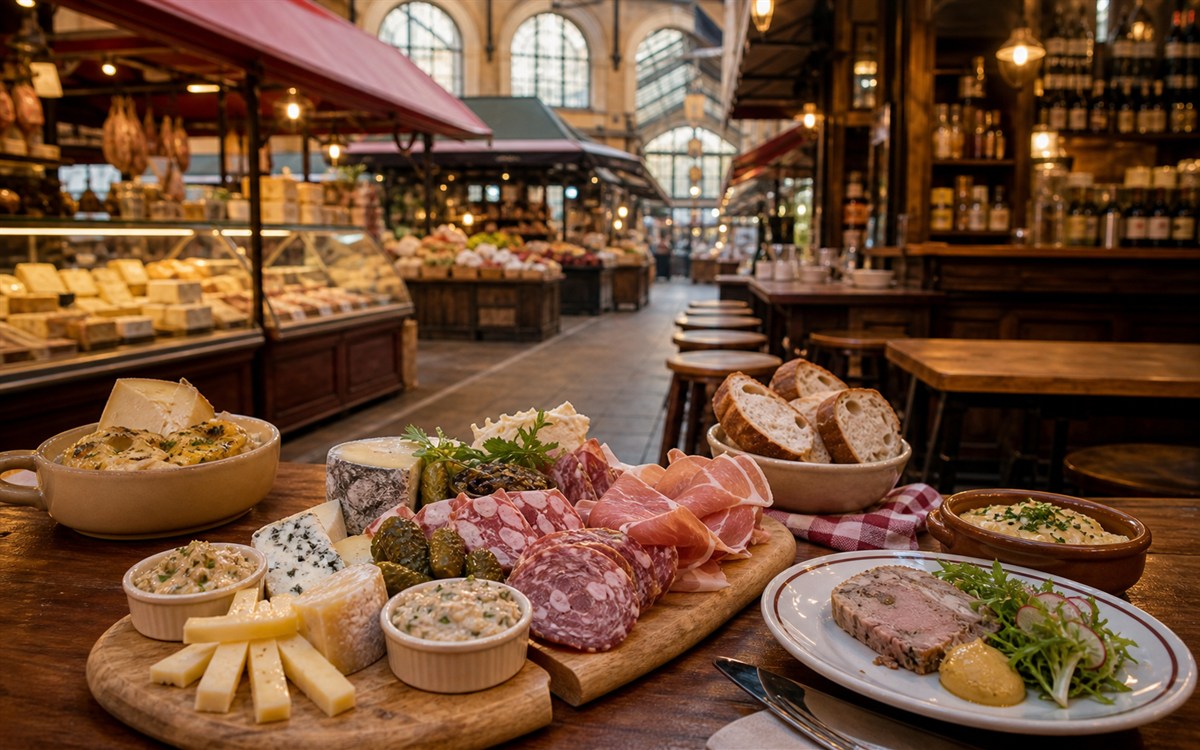
Hotels and stay areas: Toronto also needs a food layer. Build meals around peameal bacon sandwiches, butter tarts, global street food, Jamaican patties, dim sum, craft beer, Kensington Market and Chinatown and Queen West and Ossington so the visitor has a reason to slow down between museums, viewpoints and transfers.
Food and restaurants: Niagara Falls and Wine Country and Ottawa or Montréal can extend the stay when there is enough time. The classic day or overnight extension from Toronto. Rail-linked eastern Canada city extensions.
Vancouver: mountains, harbour and Pacific food
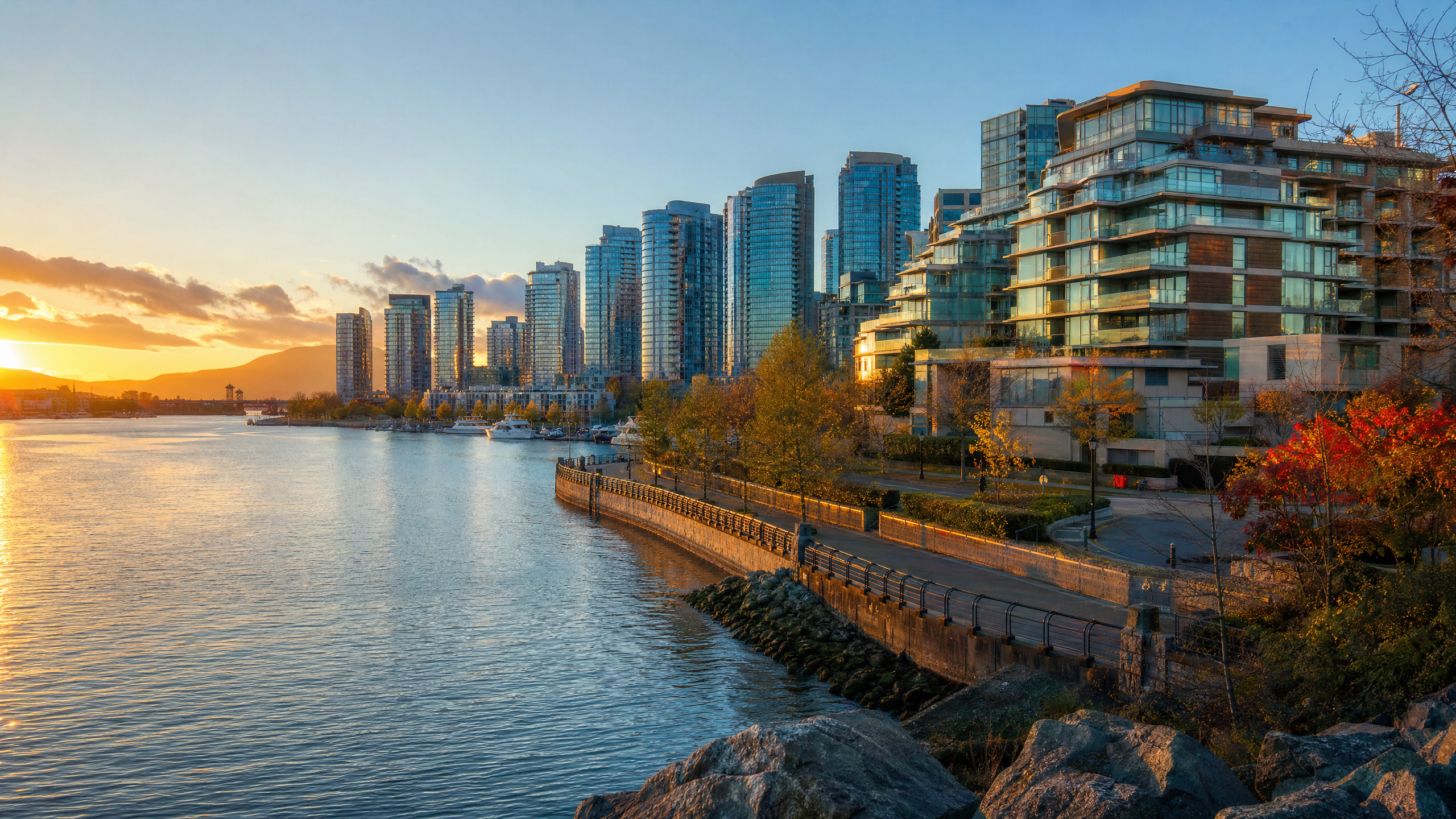
Best for: The value of Vancouver is not only the headline sights; it gives the itinerary mountains, harbour and Pacific food and a clearer local rhythm. Vancouver combines city dining, harbour views, mountain access, parks and ferry links, making it the easiest western Canada base for coast-and-nature planning. The city is strongest when Stanley Park, food districts, North Shore forests and ferry-linked extensions are paced around weather, daylight and reservations.
Historic landmarks: Stanley Park Seawall, Granville Island, Capilano or Lynn Canyon, Grouse Mountain or North Shore Views, Museum of Anthropology at UBC and Vancouver Art Gallery should shape the sightseeing plan. Cycle or walk sections rather than trying to rush all of it. Good for lunch and a relaxed half-day.
Museums and attractions: Choose the hotel area around Downtown or Coal Harbour, Yaletown and Kitsilano or West End. Pick the district that makes arrival, evening movement and the first full day easier.
Hotels and stay areas: Vancouver also needs a food layer. Build meals around sushi, seafood, salmon, dim sum, poutine, craft beer, Gastown and Downtown and Richmond so the visitor has a reason to slow down between museums, viewpoints and transfers.
Food and restaurants: Whistler and Vancouver Island can extend the stay when there is enough time. A mountain extension north of the city. A ferry-linked route needing more than a spare afternoon.
Montréal: French-speaking city, food and festivals
Best for: Use Montréal when the Canada route needs French-speaking city, food and festivals. Montréal brings French-speaking culture, food markets, festivals, old streets, museums and neighbourhood life into an eastern Canada route. It deserves time beyond Old Montréal, because Mile End, Jean-Talon Market, Mount Royal, galleries and seasonal events are what make the city feel generous rather than just historic.
Historic landmarks: Old Montréal and Old Port, Mount Royal, Jean-Talon Market, Notre-Dame Basilica, Montreal Museum of Fine Arts and Pointe-à-Callière should shape the sightseeing plan. Use it as a half-day area rather than a quick photo stop. Check weather and footwear in winter.
Museums and attractions: Choose the hotel area around Downtown, Old Montréal and Plateau or Mile End. Pick the district that makes arrival, evening movement and the first full day easier.
Hotels and stay areas: Montréal also needs a food layer. Build meals around Montréal bagels, smoked meat, poutine, maple desserts, tourtière, craft beer, Mile End and Little Italy and Jean-Talon so the visitor has a reason to slow down between museums, viewpoints and transfers.
Food and restaurants: Québec City and Eastern Townships can extend the stay when there is enough time. The classic rail or road extension from Montréal. A food, wine and small-town route southeast of the city.
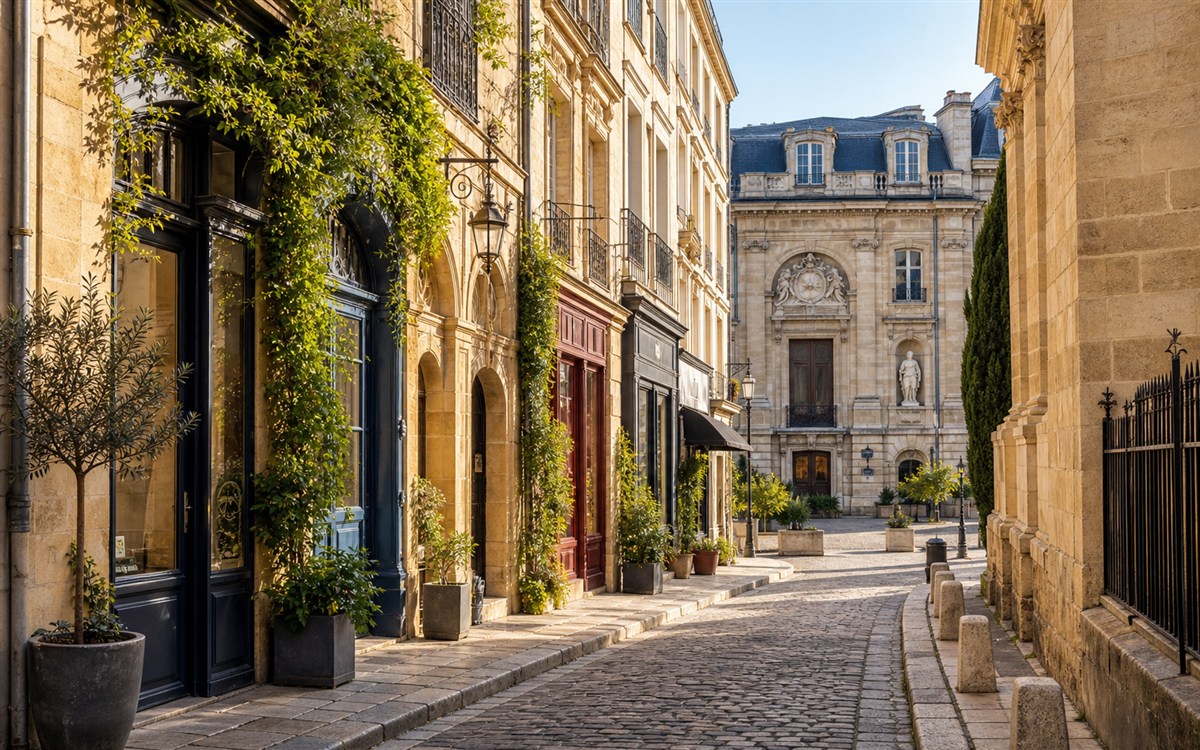
Québec City: walled old town, French heritage and winter atmosphere
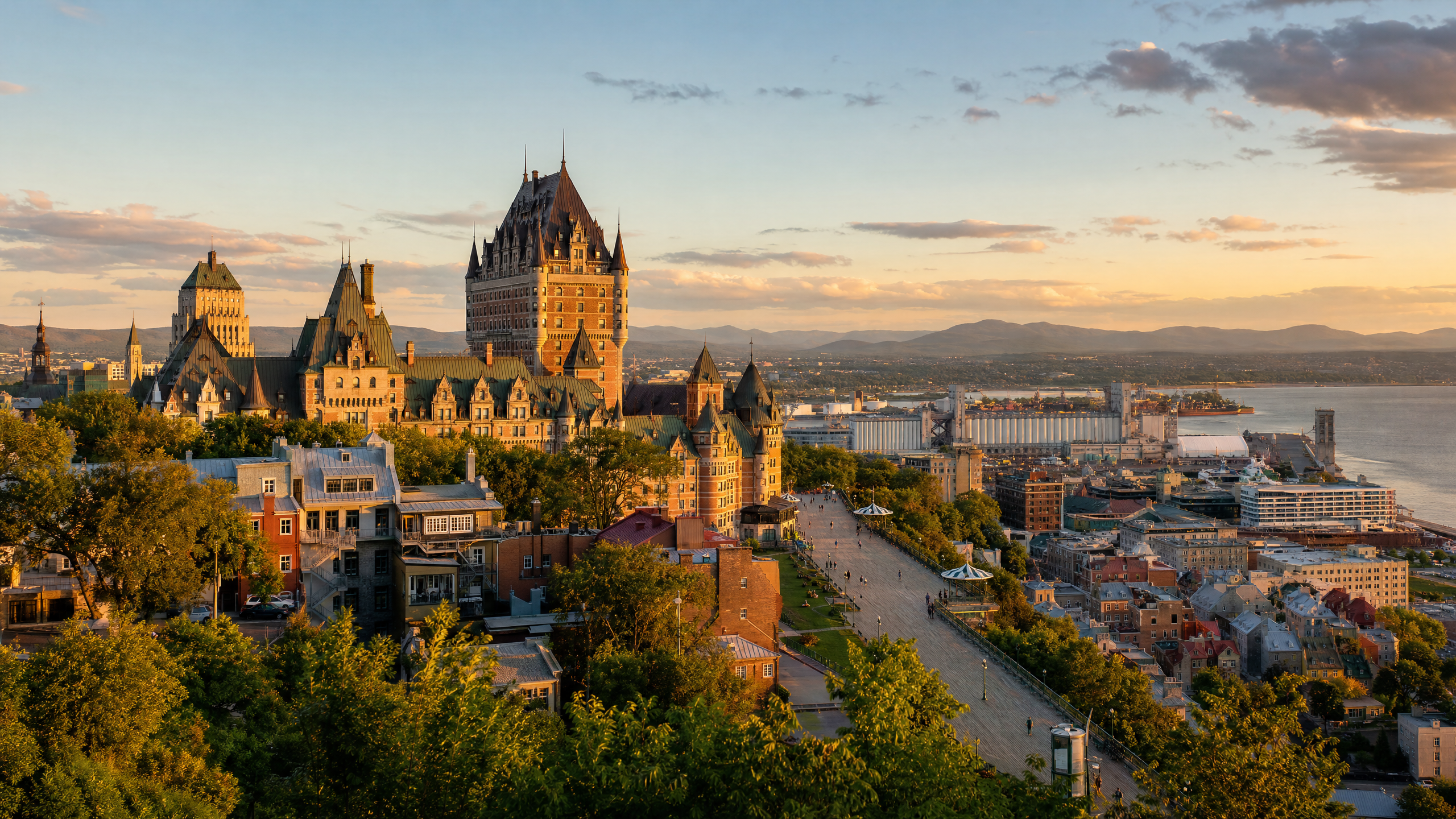
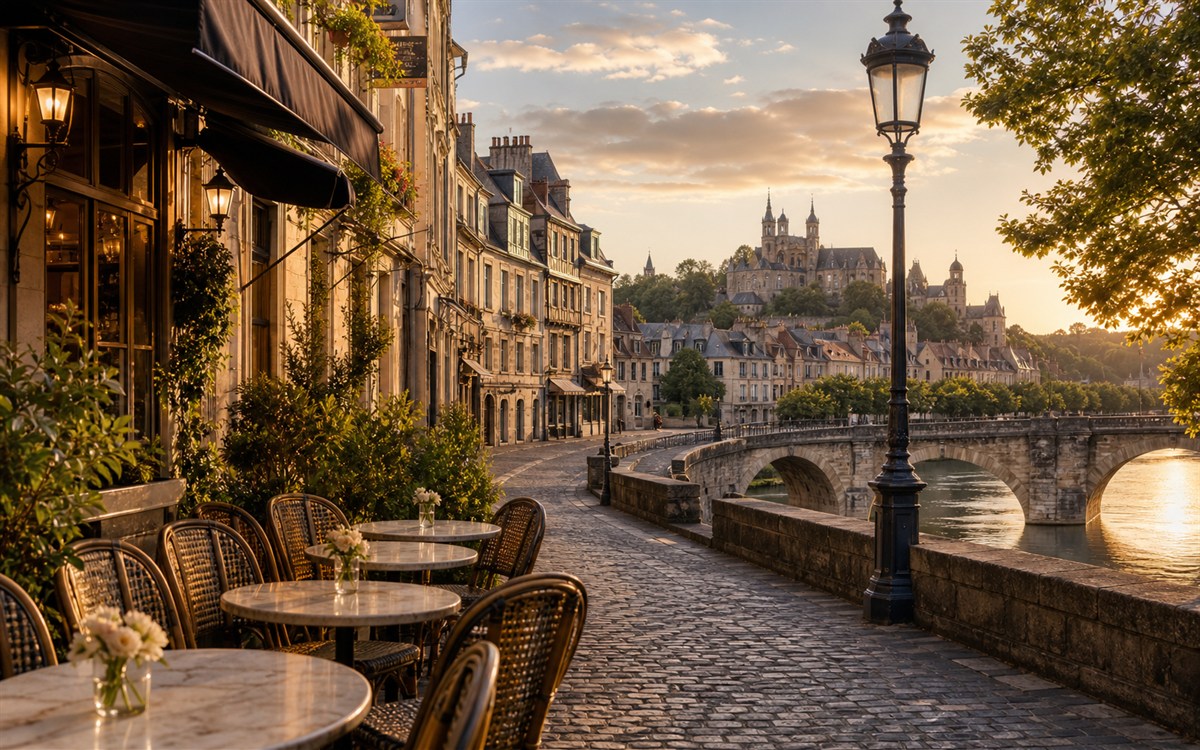
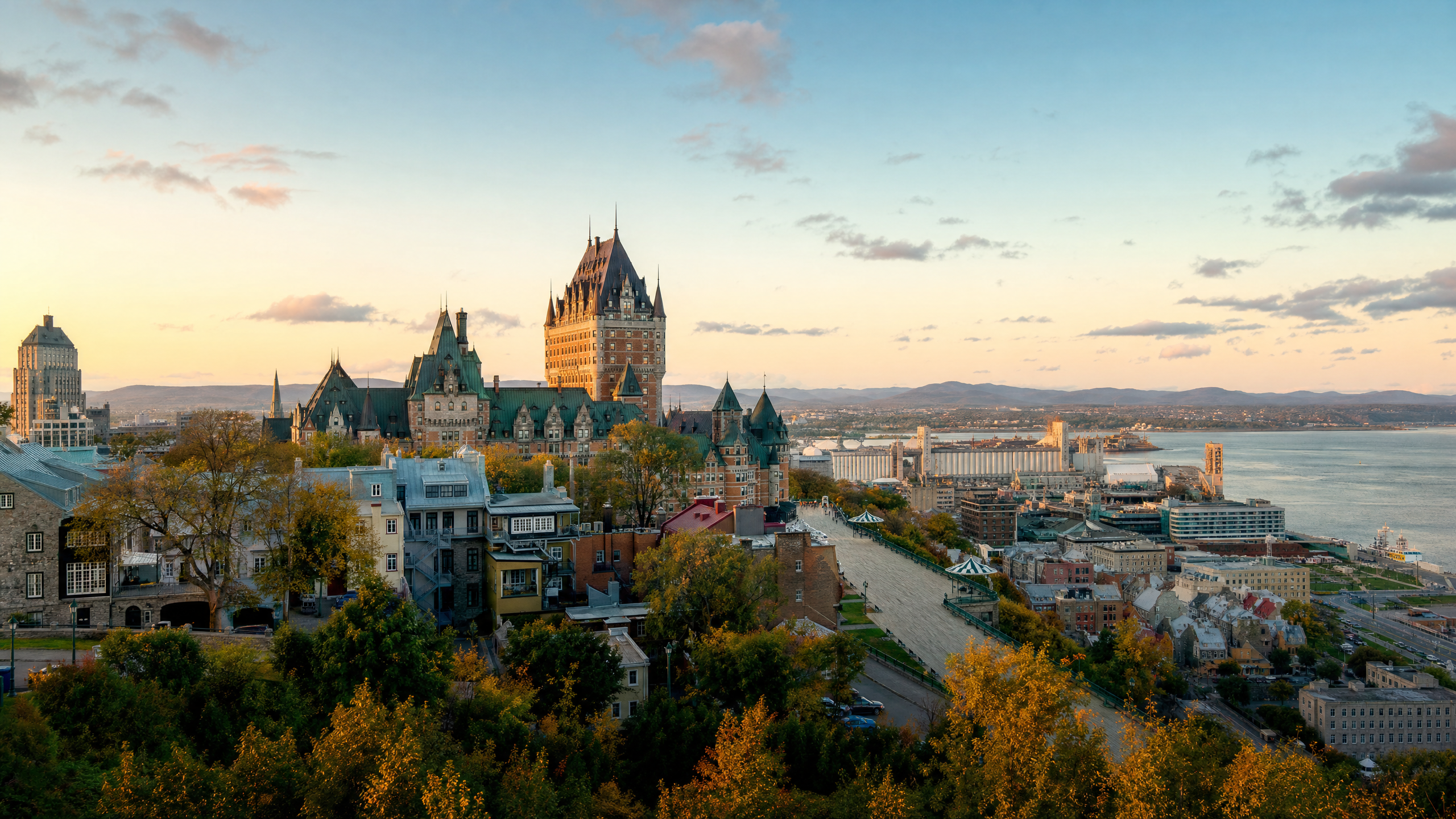
Best for: Québec City works better as a lived-in stop than as a fast photo pin, with walled old town, French heritage and winter atmosphere shaping the day. Québec City is Canada's most atmospheric old-city stay, with fortified streets, river views, museums, Québécois food and easy access to waterfalls and countryside. It works especially well as a slower two- or three-night base where the upper town, Lower Town, Saint-Roch and nearby nature routes can each breathe.
Historic landmarks: Old Québec, Dufferin Terrace and Château Frontenac Area, Plains of Abraham, Montmorency Falls, Musée de la civilisation and Musée national des beaux-arts du Québec should shape the sightseeing plan. Stay central if walking and atmosphere matter. Use it for orientation and evening walks.
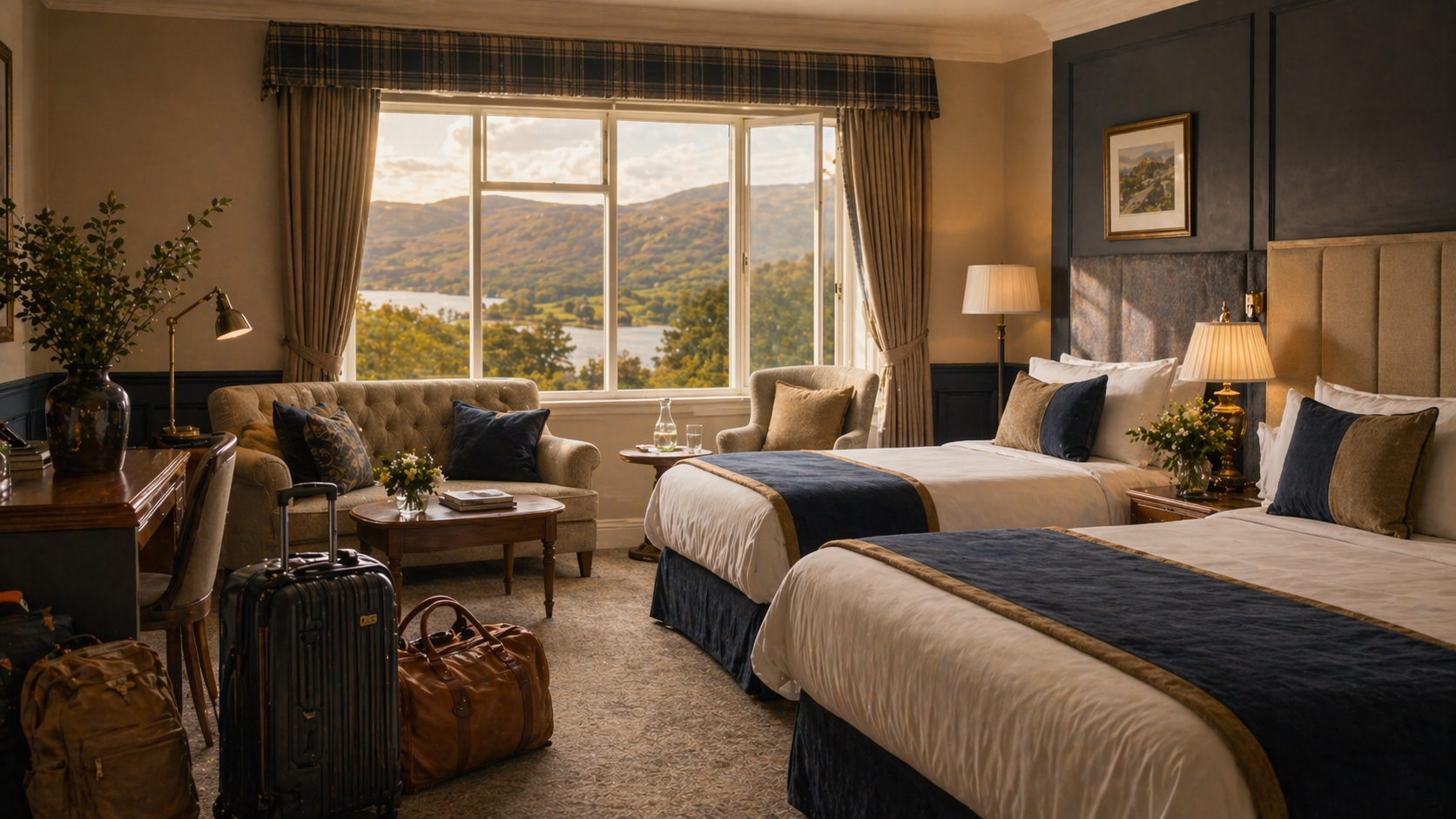
Museums and attractions: Choose the hotel area around Inside Old Québec, Saint-Roch and Lower Town. Pick the district that makes arrival, evening movement and the first full day easier.
Hotels and stay areas: Québec City also needs a food layer. Build meals around poutine, tourtière, maple desserts, pea soup, local cheese, cretons, Old Québec and Saint-Roch so the visitor has a reason to slow down between museums, viewpoints and transfers.
Food and restaurants: Montmorency Falls and Île d’Orléans can extend the stay when there is enough time. The easiest nature extension from the city. A food and countryside route near Québec City.
Banff and the Rockies: mountain parks, lakes and road timing
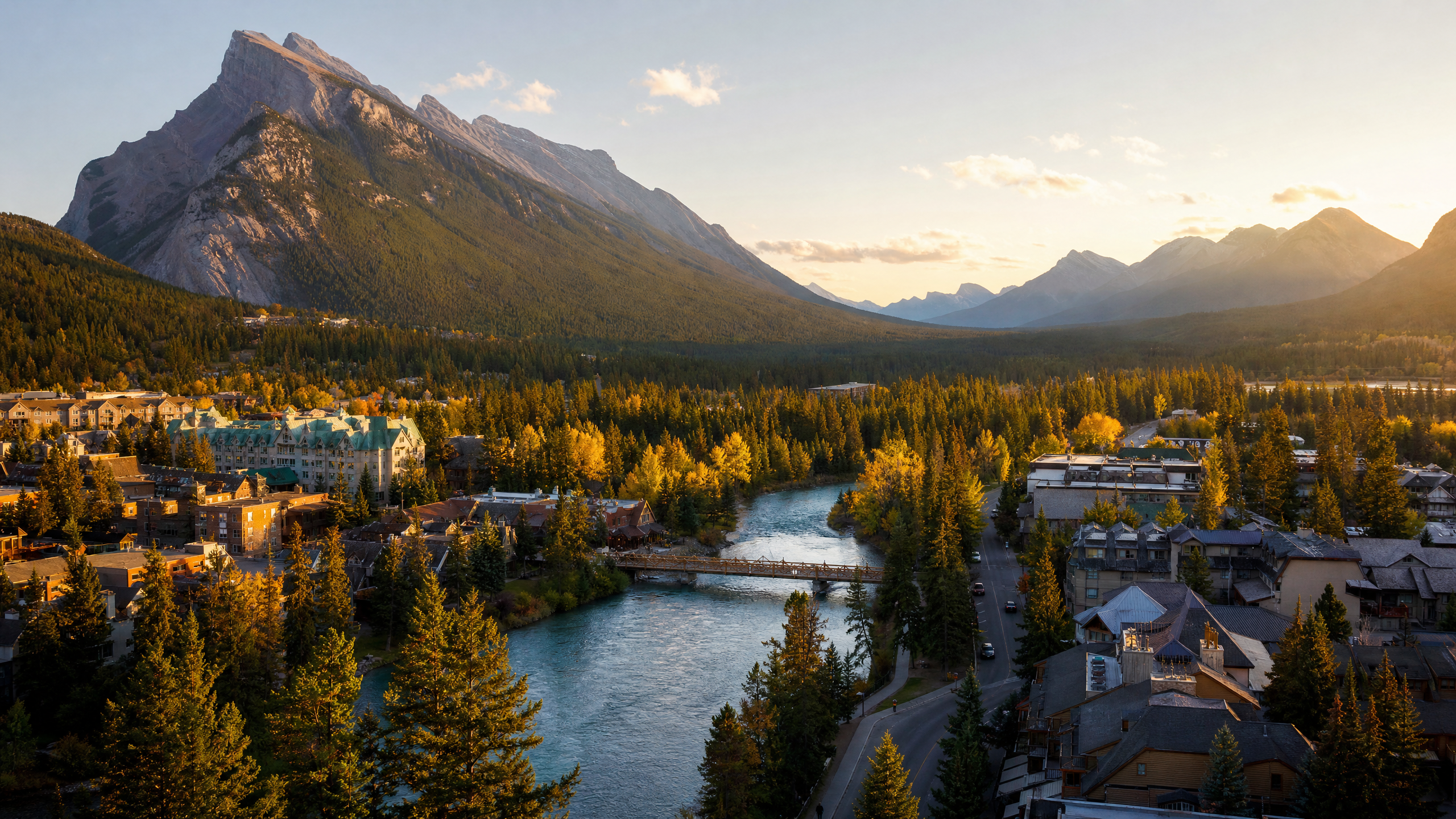
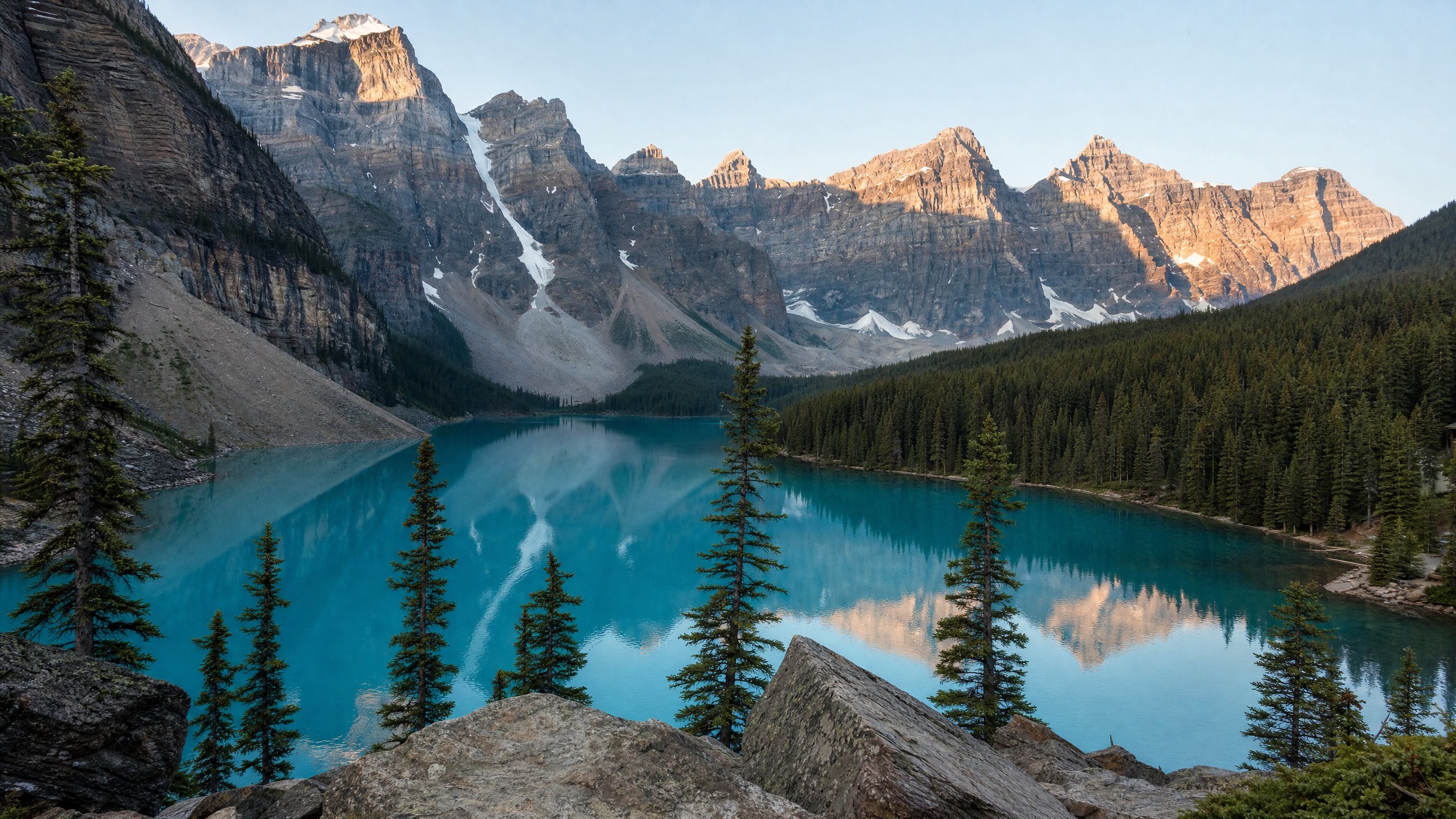
Best for: For Banff and the Rockies, the first decision is pace: give the city enough room to show its mountain parks, lakes and road timing. Banff and the Canadian Rockies are a landscape-led trip, with mountain lakes, scenic drives, wildlife awareness, hiking and high demand that require early planning. The best routes are built around shuttle rules, weather, daylight, wildlife safety and realistic driving between lakes, towns and the Icefields Parkway.
Historic landmarks: Lake Louise, Moraine Lake Area, Icefields Parkway, Banff Town and Gondola, Whyte Museum of the Canadian Rockies and Banff Park Museum should shape the sightseeing plan. Use shuttle or parking guidance because access can be restricted. Check current shuttle and access rules before planning.
Museums and attractions: Choose the hotel area around Banff Town, Lake Louise and Canmore. Pick the district that makes arrival, evening movement and the first full day easier.
Hotels and stay areas: Banff and the Rockies also needs a food layer. Build meals around bison dishes, Alberta beef, poutine, maple desserts, craft beer, campfire-style meals, Banff Avenue and Lake Louise Village so the visitor has a reason to slow down between museums, viewpoints and transfers.
Food and restaurants: Jasper and Icefields Parkway and Calgary can extend the stay when there is enough time. A major Rockies extension needing careful road planning. The main airport and city gateway for Banff.
Food, Culture and Route Ideas for Canada
Food route: poutine, seafood, bagels, maple, prairie produce and Asian-influenced dining vary by province. Parks, trails, lakes and winter sports are part of how many trips are shaped. Use reputable Indigenous-led experiences and follow local guidance around cultural places. This is where food, culture and route planning should work together.
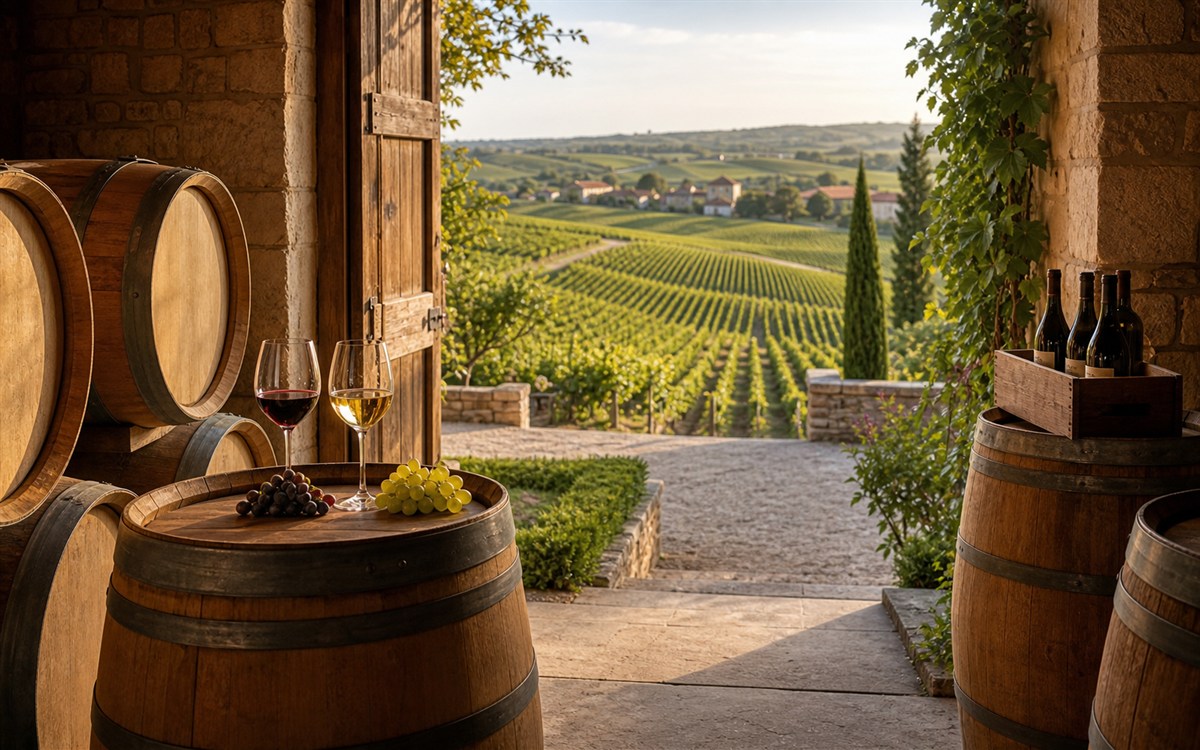
Food, wine and restaurants: Build meals around peameal bacon sandwiches, butter tarts, global street food, Jamaican patties, dim sum, craft beer and sushi and keep them close to Kensington Market and Chinatown, Queen West and Ossington, St Lawrence Market Area, Gastown and Downtown and Richmond.
Popular experiences: Choose eastern cities, western coast or the Rockies rather than crossing the country too quickly. Toronto, Montréal and Québec City can work by rail when time allows. Keep the route disciplined: one clear hotel area, one strong regional layer and one food or culture experience will usually feel better than trying to touch every possible stop.
Planning rule: Use bookings in a clean order: choose the hotel area first, then add attraction tickets, food tours, guided days and local experiences where they make the journey easier, richer and more realistic.